Commercial Heat and UV Roof Damage Repair in Elgin, IL
Request a heat and UV roof inspection
Send the property, roof area, reported surface change, active-water status, roof system if known, recent work, and access contact. We will confirm the dispatch window.
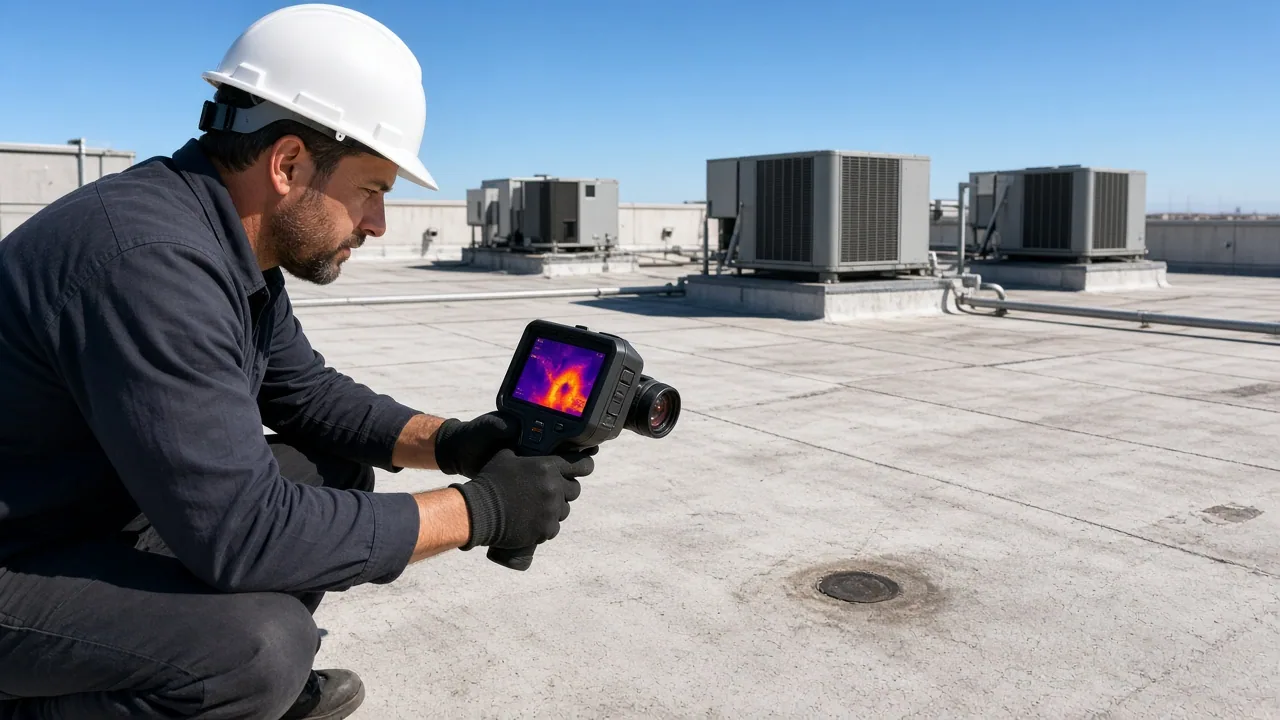
Commercial Heat and UV Roof Damage Repair
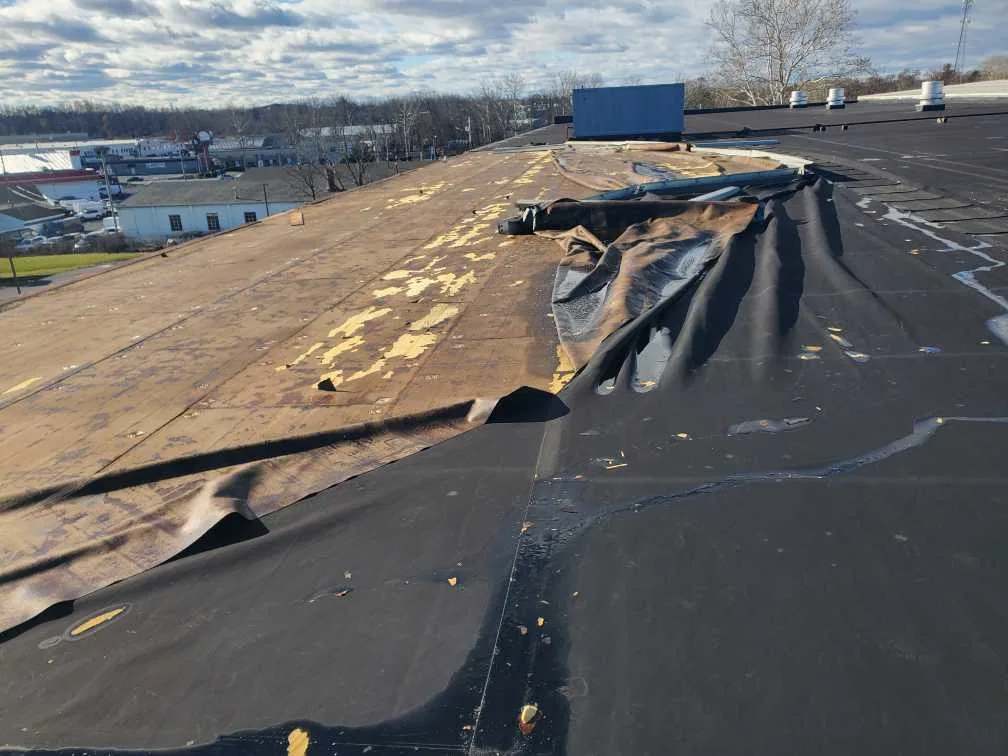
A brittle surface or failed coating needs a system check before repair. We confirm the roof area, reported change, access contact, and any active water. Then we inspect exposed membrane, laps, sealants, flashings, and rooftop details for cracking, loss of flexibility, or separation. Heat can affect several materials, but a condition report must identify what is visible and whether the substrate still supports a repair.
Elgin’s official normals record occasional days above 100 degrees and recurring hot-weather periods. We use the seasonal context to plan handling, then check the actual roof surface before setting a work window. Commercial properties in Streamwood or Randall Point Executive Center still need a building-level review.
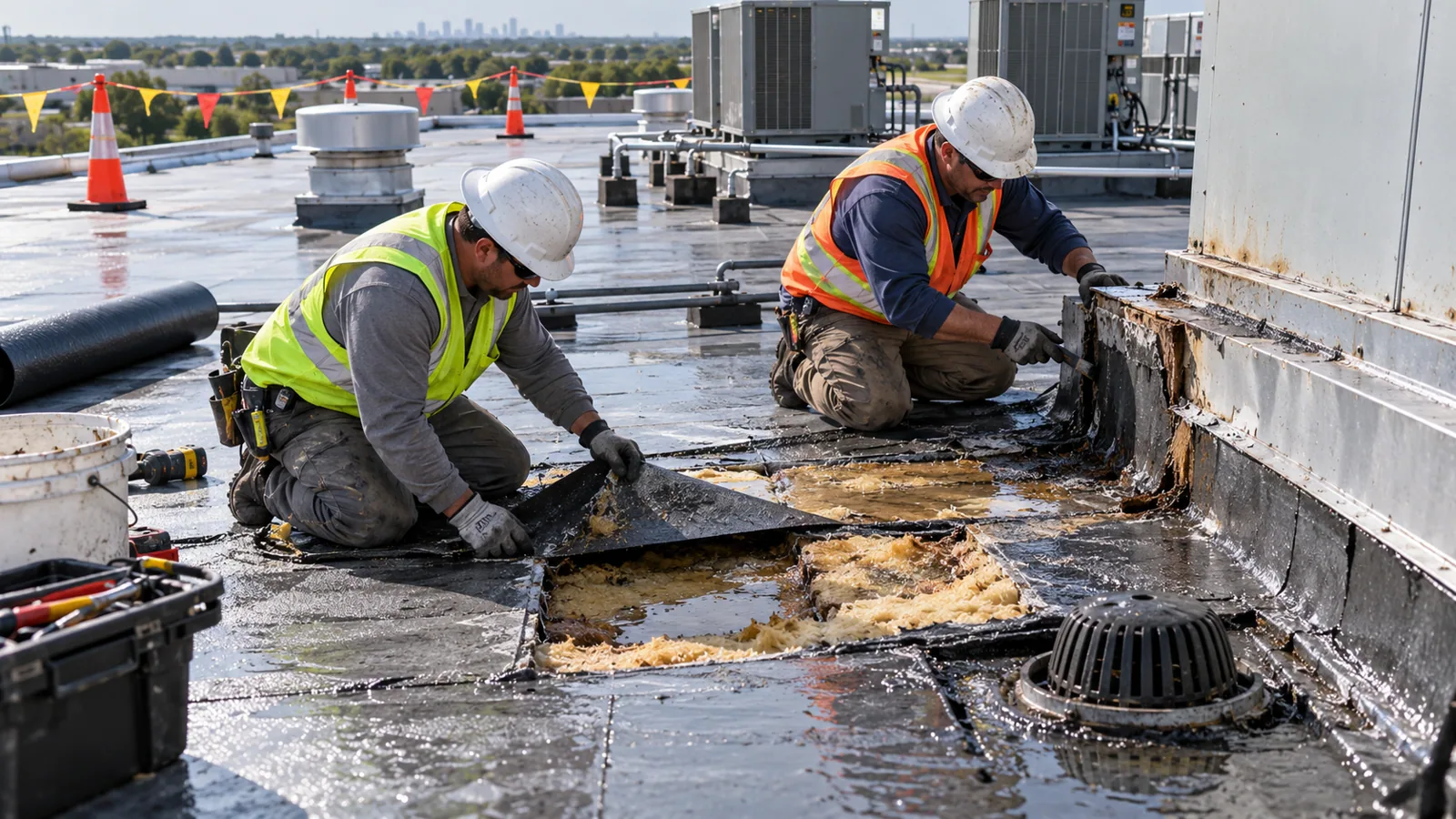
Surface review: locate brittleness and separation
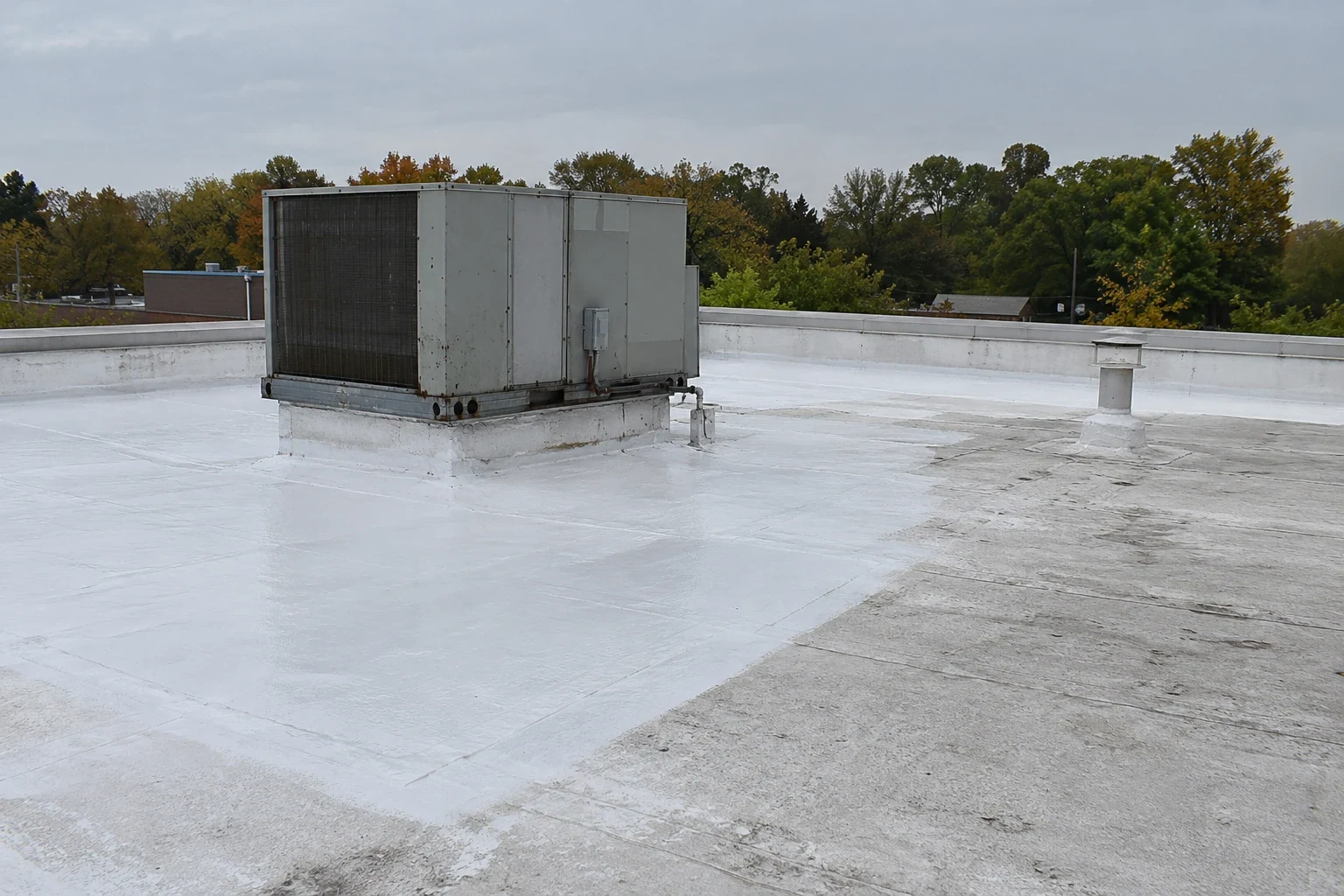
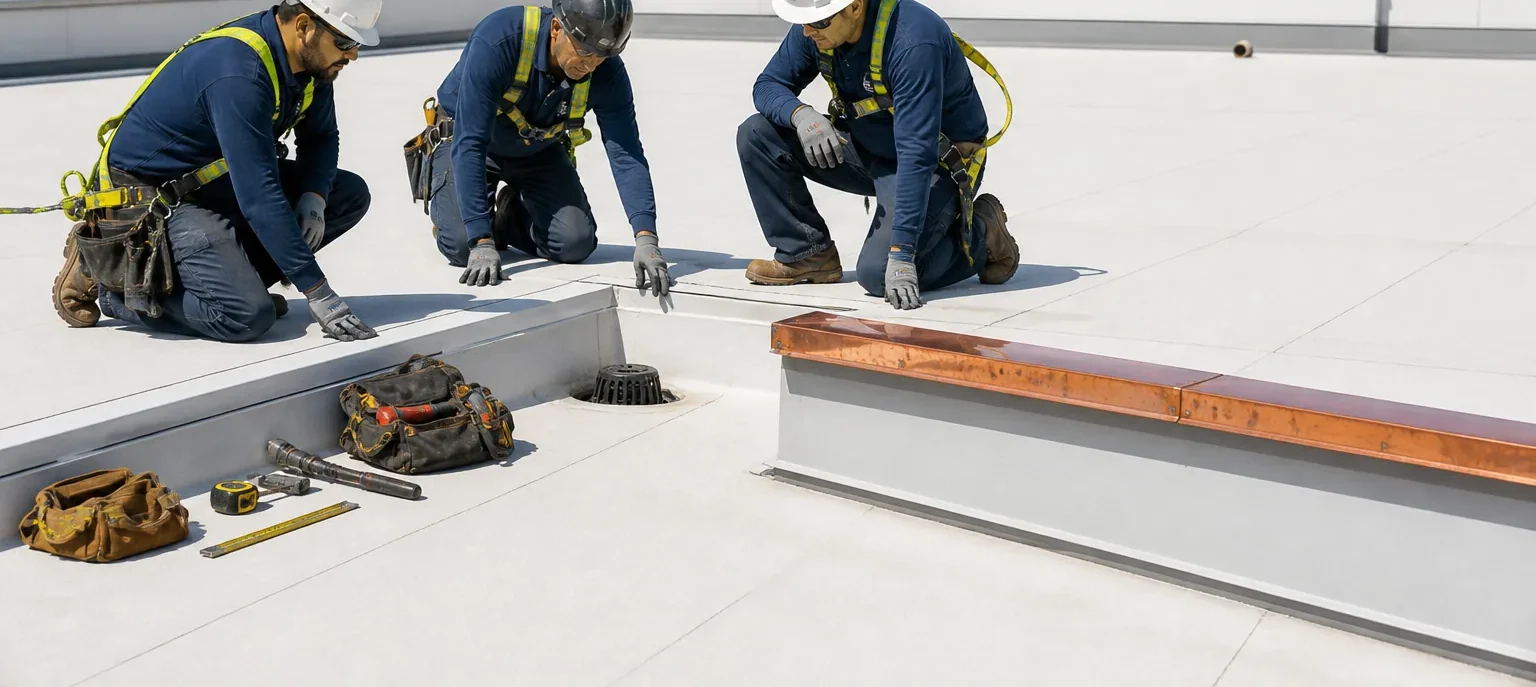
We inspect the roof field for cracking, chalking, exposed reinforcement, worn surfacing, blisters, or patches that have lost adhesion. A surface mark alone does not establish a leak. The crew checks edges, seams, drains, penetrations, and transitions where movement or water can test the same material. Photos identify both the close condition and its roof-zone location.
Sealants around curbs and pipes may harden or separate from one side. We check whether the joint can be cleaned and resealed under the system detail, or whether the base flashing needs a larger repair. Coating that has worn thin may expose substrate, but new coating cannot correct a wet or unstable assembly. A roof inspection can map conditions beyond the reported section and identify any test that could change the recommendation.
Thermoplastic membranes, EPDM, modified bitumen, metal, and spray foam respond differently to surface wear. We confirm the installed material from records or visible markings where possible. A silicone roof coating or acrylic system has its own surface-preparation and recoat criteria. We do not choose a coating based only on color, age, or a single dry surface sample.
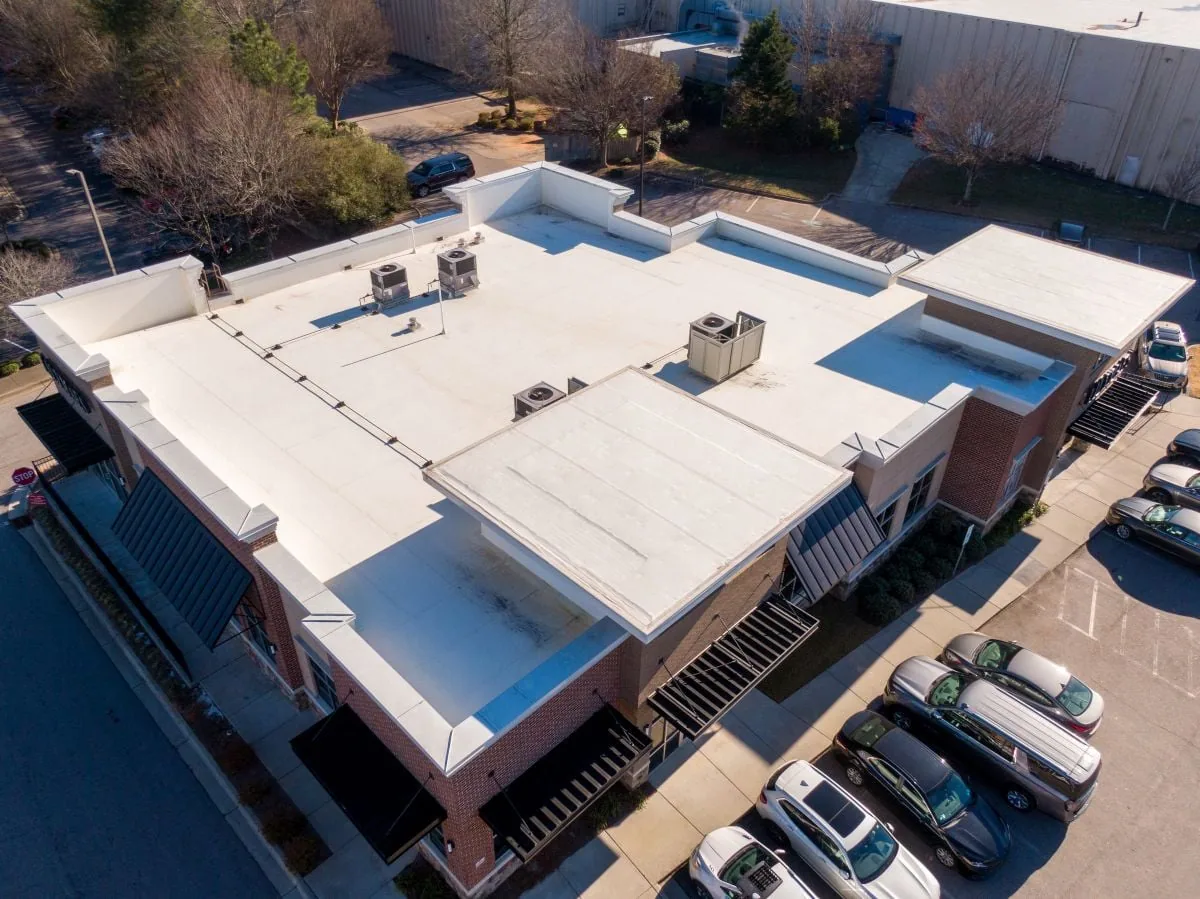
Work window: check actual heat and surface conditions
Heat affects worker exposure, membrane handling, adhesive open time, and coating application. Before dispatch, we check current conditions and manufacturer requirements for the proposed material. The site contact identifies rooftop equipment, areas with limited shade, and any production or tenant restriction. If the surface is too hot, wet, or otherwise unsuitable, the crew records a weather hold and sets a new window.
Elgin also receives 37.76 inches of annual precipitation and about 29 inches of snow. A roof may cycle from summer heat to freeze-thaw and meltwater conditions. Seasonal exposure can reveal a weak seam or flashing, but it does not prove that weather caused the observed defect. We inspect the material and its connection to adjacent details before proposing work.
A scan or test opening may help when surface wear could conceal moisture in the insulation. We identify the area and method, explain the protection needed below, and ask the owner to authorize it. The report separates the visible surface from test findings. If a seam has opened as the material changed, a seam repair review may need its own measurements.
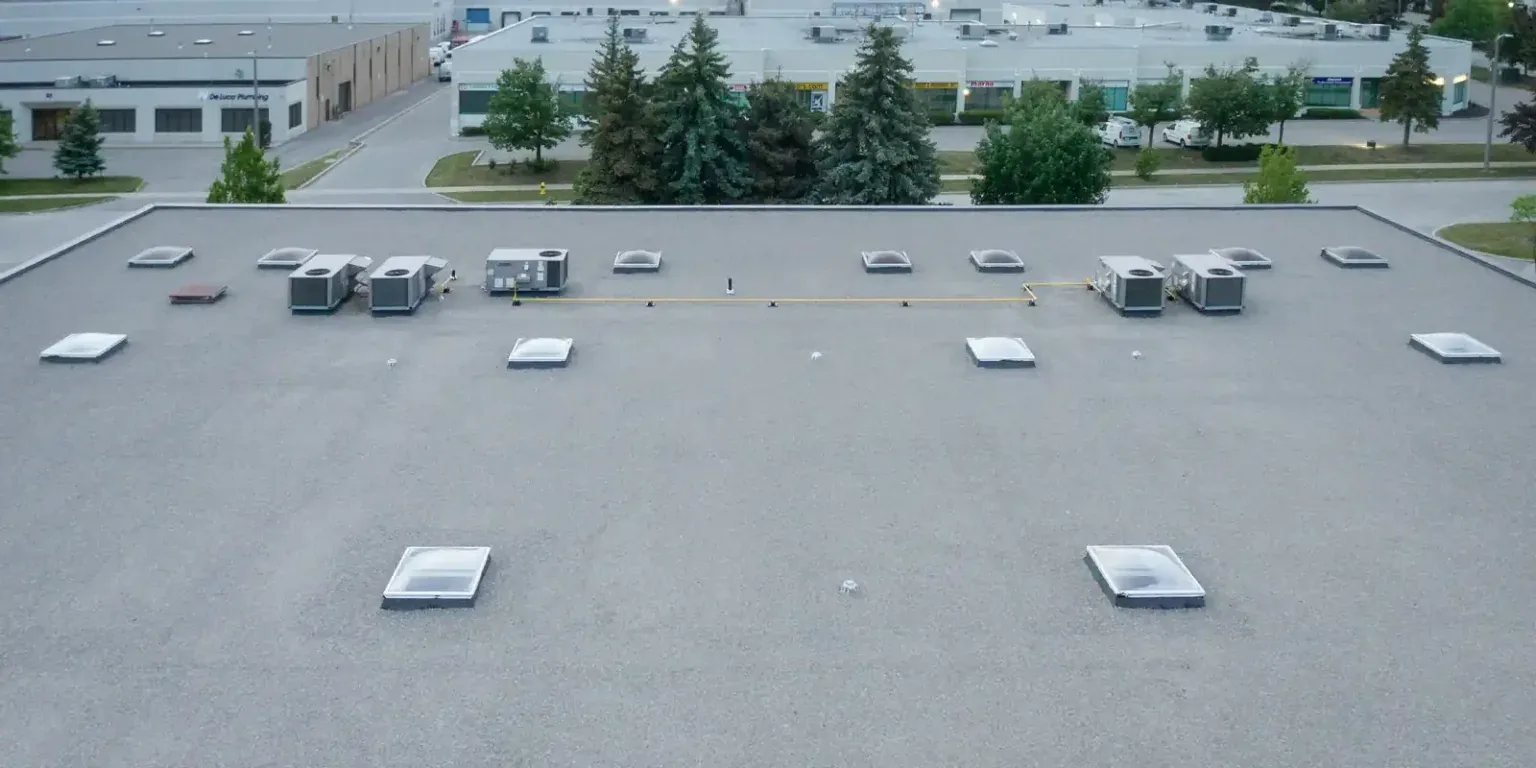
Active leak: protect the affected zone
When water is present, the manager identifies the room, equipment, inventory, and people at risk. We check whether safe roof access is available and whether a temporary measure can control the opening. The work order lists the protected roof zone, method, monitoring contact, and remaining exposure. Interior restoration and equipment service stay with the owner’s assigned trades unless the approved roofing scope includes them.
A temporary patch does not confirm the full extent of heat-related deterioration. We note whether nearby seams, prior repairs, or penetrations need follow-up. If a second condition is visible, it gets a separate photo and repair boundary. For a displaced edge after wind, a wind-damage review documents uplift evidence independently from a brittle surface.
If the roof cannot be entered during unsafe heat or winter conditions, the report states what remains uninspected. The owner receives the return trigger and any interim protection limit. No permanent work proceeds on a surface that cannot be prepared as specified. That keeps a short-term response distinct from a coating, recover, or replacement decision.
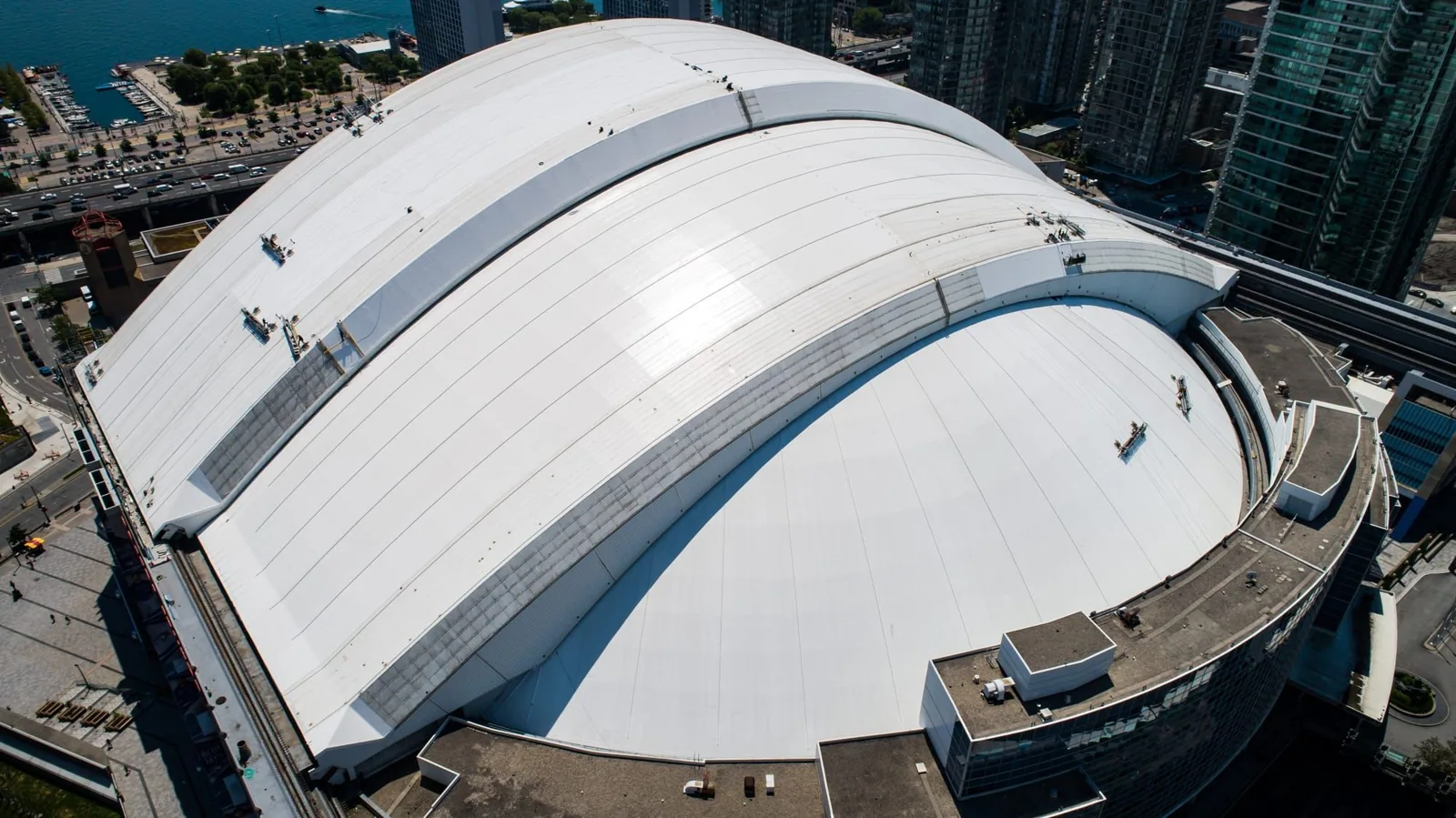
Repair options: restore the material or plan broader work
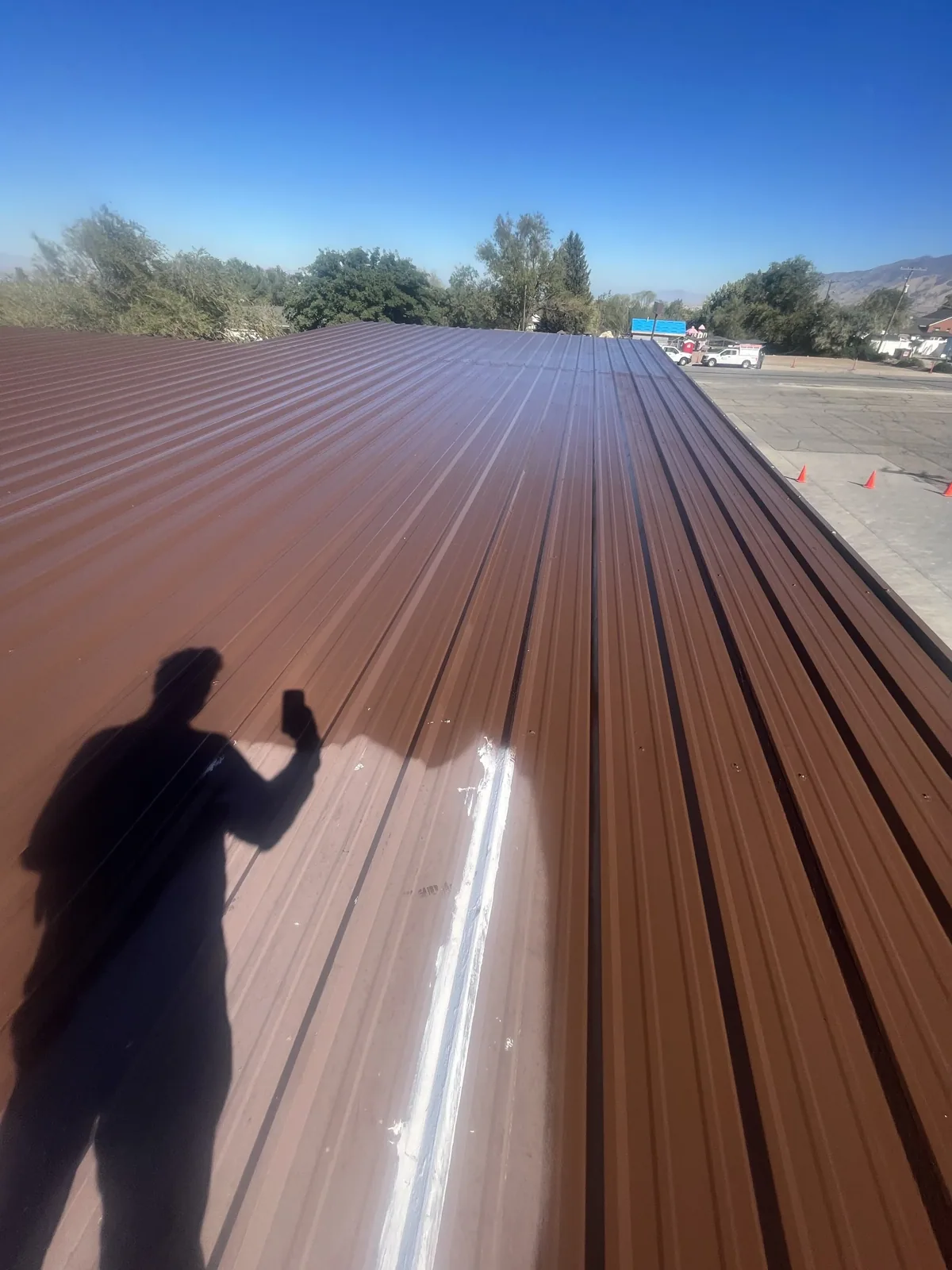
A localized repair can fit when the surrounding assembly remains sound. For thermoplastic sheets, a prepared weld can tie into stable membrane. EPDM uses compatible primer and cover details. Modified bitumen repairs may need a cap-sheet or additional ply. Metal work may require a panel, fastener, or trim correction. We identify the system, preparation, overlap, and accessible condition that supports each method.
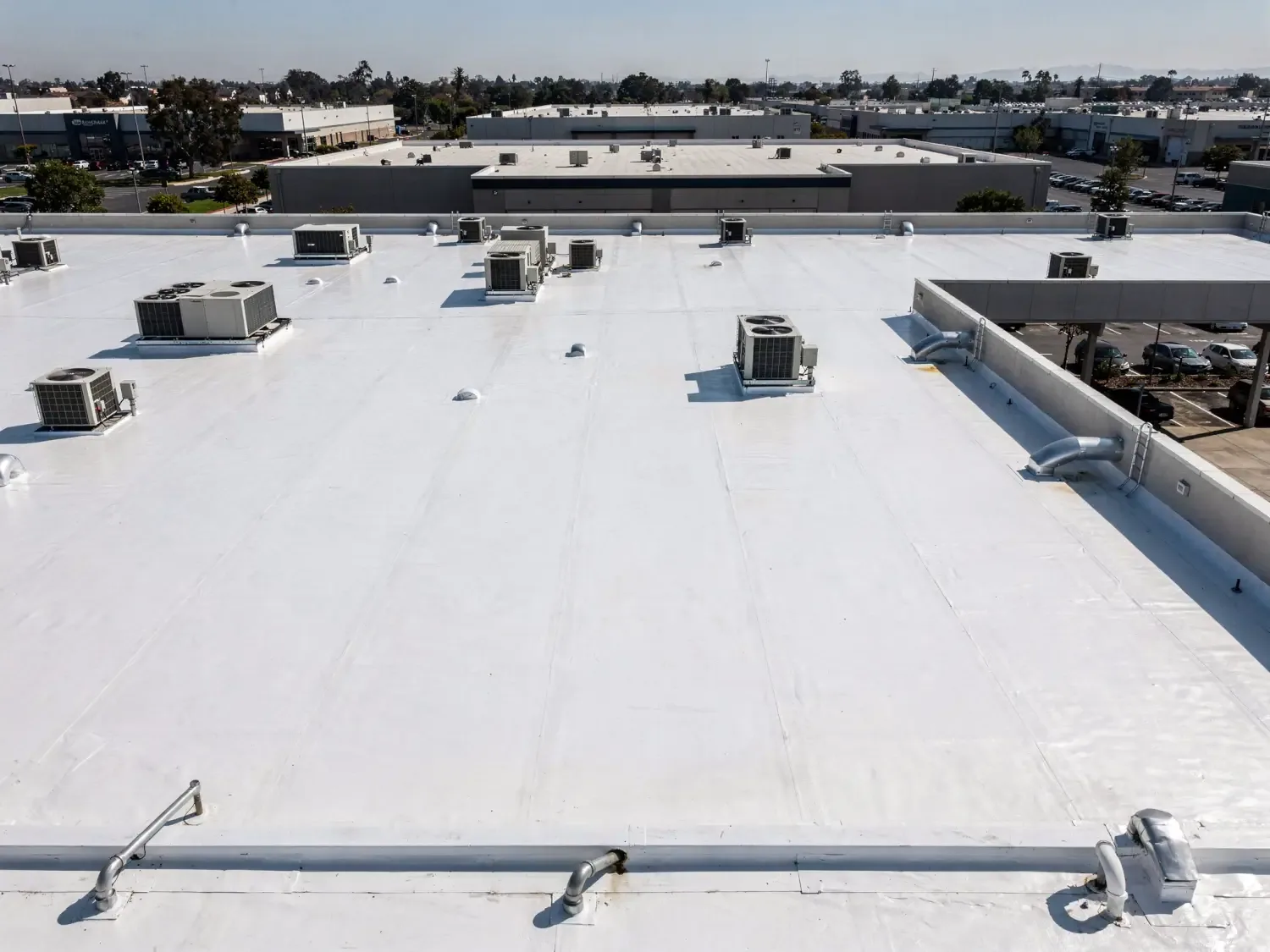
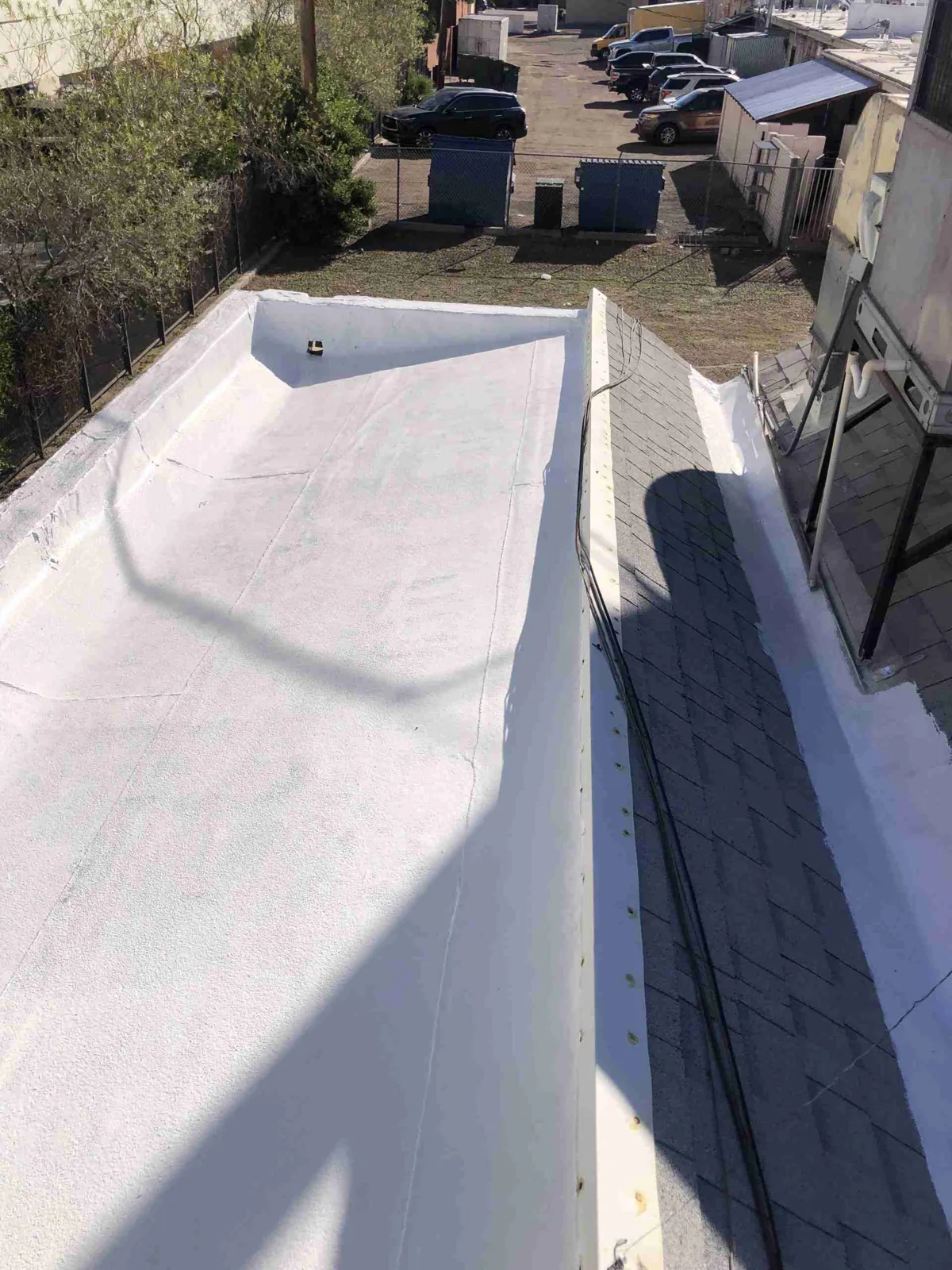
If a coating remains serviceable but has isolated wear, a compatible restoration may be considered after adhesion, moisture, and substrate checks. If the membrane is brittle across several sections or wet insulation is present, broader removal may be the more durable scope. We explain what evidence supports the alternative and what testing remains. The owner can compare a defined repair proposal with a replacement estimate when conditions justify both.
Estimate lines identify the affected roof zone, material, surface preparation, access, disposal, protection below, and post-work inspection. Any hidden deck or insulation condition is documented before expansion. If heat exposure reaches a skylight or penetration flashing, the crew identifies that interface and assigned trade. A coating plan should state which surfaces are included and what remains outside its boundary.
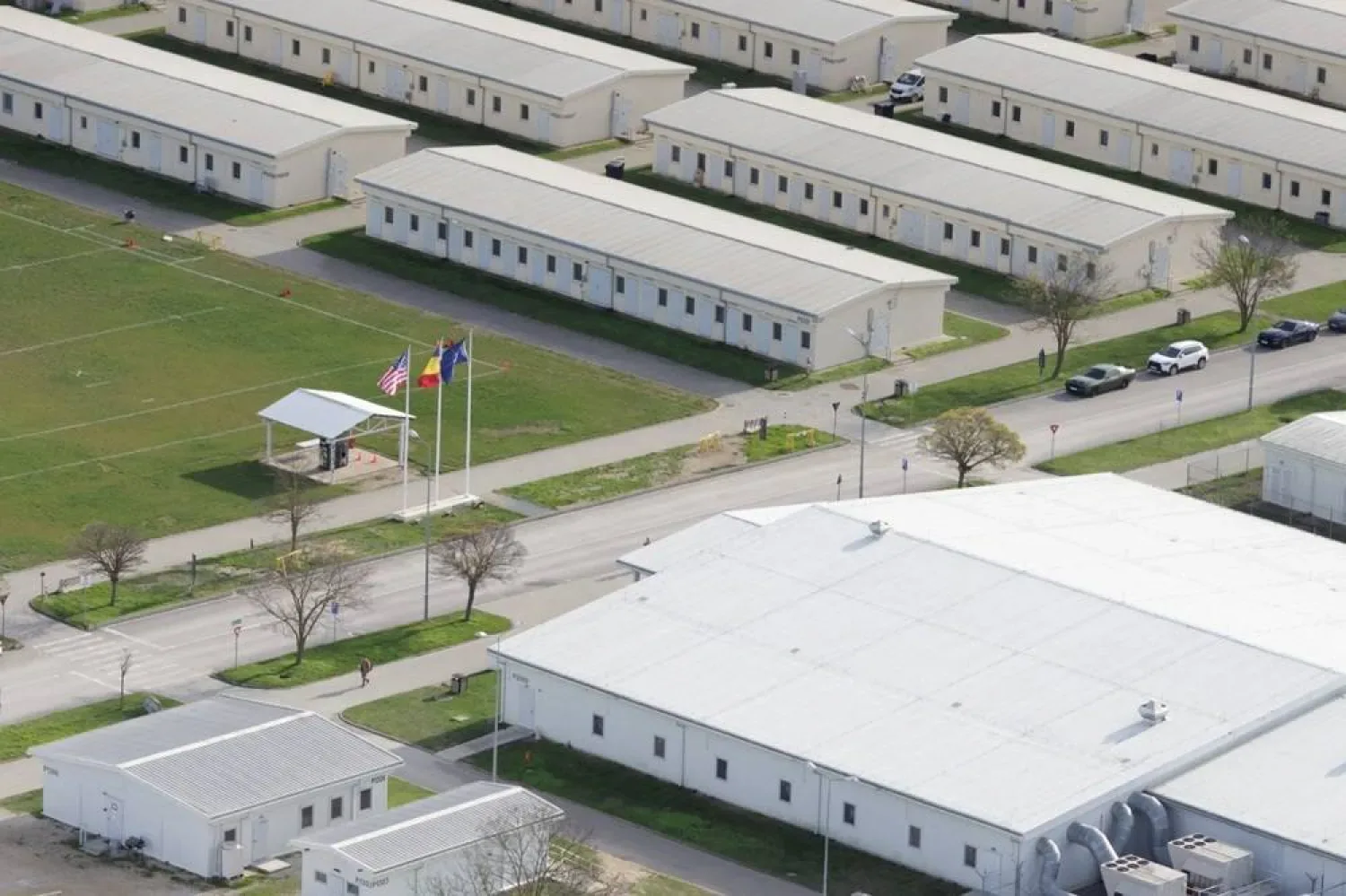
Dispatch: protect occupied and industrial operations
The site contact confirms roof access, equipment shutdown needs, tenant hours, staging, and any sensitive process below. Heat can increase worker exposure, so we confirm the route, work area, and time window before dispatch. If a lift or material staging area is needed, the owner names the approved location and restrictions.
Elgin’s employer sectors include manufacturing, food processing, and commercial equipment. Those industries can involve active production or inventory, but each site sets its own rules. Industrial and business areas sit near Randall Road, Illinois Route 31, and Big Timber Road. The property contact confirms actual delivery access and roof entry; a corridor does not identify a building entrance.
For occupied offices or commercial properties, we coordinate notice and keep work paths clear. If the crew must move through interior space, the manager confirms protection and escort requirements. The daily update identifies sections completed, conditions that remain open, and who approves added work. Where a scope depends on another trade, that handoff is listed before the roofing crew leaves.
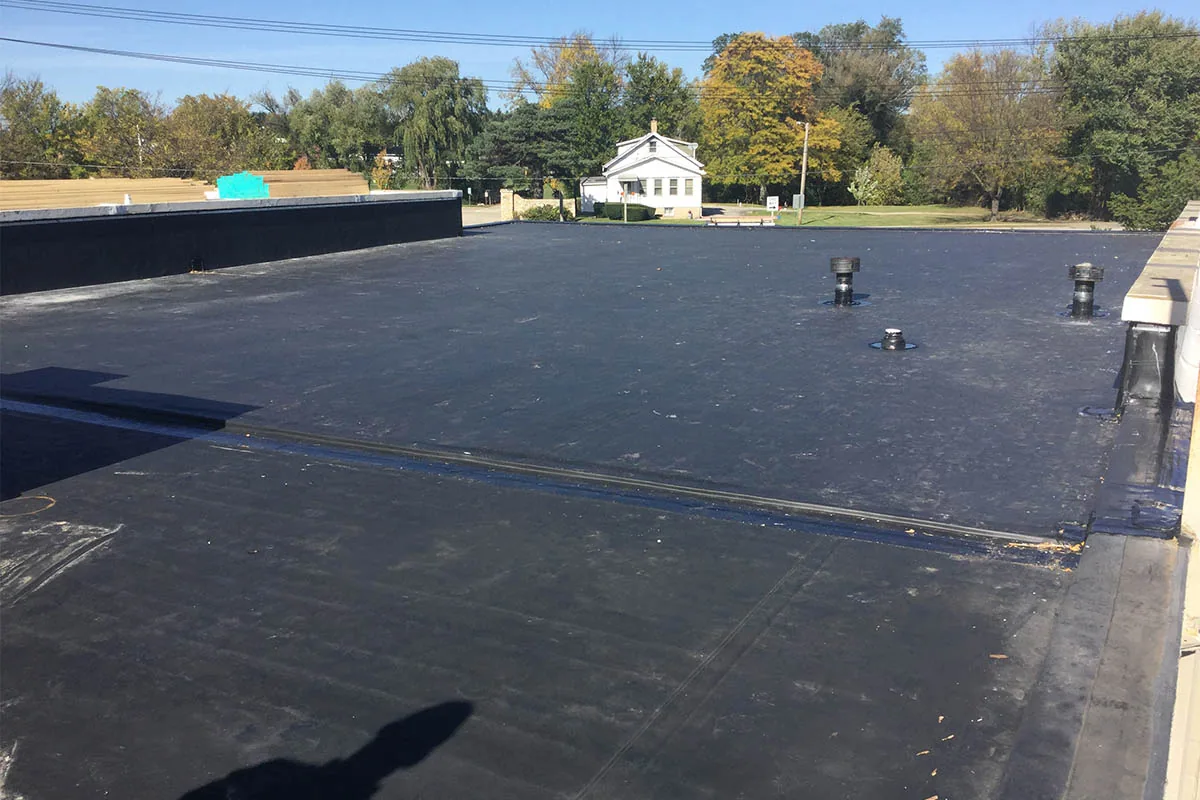
Closeout: document condition and remaining life questions
Closeout photos show the surface before and after the repair, adjacent details, and roof-zone location. The report records material where verified, areas treated, any test results, and conditions not reached. It avoids estimating remaining roof life without the evidence needed for that conclusion. A later review should use its own inspection date and scope.
For dispatch, identify the property, surface change, roof system if available, prior coating or repair, and person arranging roof access. We will return a defined inspection plan and any required owner decision.
Questions About Commercial Heat and UV Roof Damage Repair
Does Elgin’s hot weather prove UV damage on my roof?
No. Regional heat exposure does not establish roof condition. We inspect material, seams, and details, then document visible deterioration.
Can an old coating simply receive another coat?
Only after surface condition, adhesion, moisture, and compatibility are checked. We define preparation and included areas before presenting a restoration option.
How does heat change the repair schedule?
Current roof temperature, worker exposure, and material requirements set the work window. The dispatcher confirms conditions and records a hold if preparation cannot meet the repair specification.
Could brittle membrane be repaired locally?
It may be possible where sound material remains around the defect. We inspect beyond the visible crack and state whether testing or broader replacement should be compared.
What should the building manager send before inspection?
Provide the roof system if known, location of the change, active water, recent work, access contact, and operating limits. Photos and prior repair records can help set the first inspection zones.