Commercial Roofing for Manufacturers in Elgin, IL
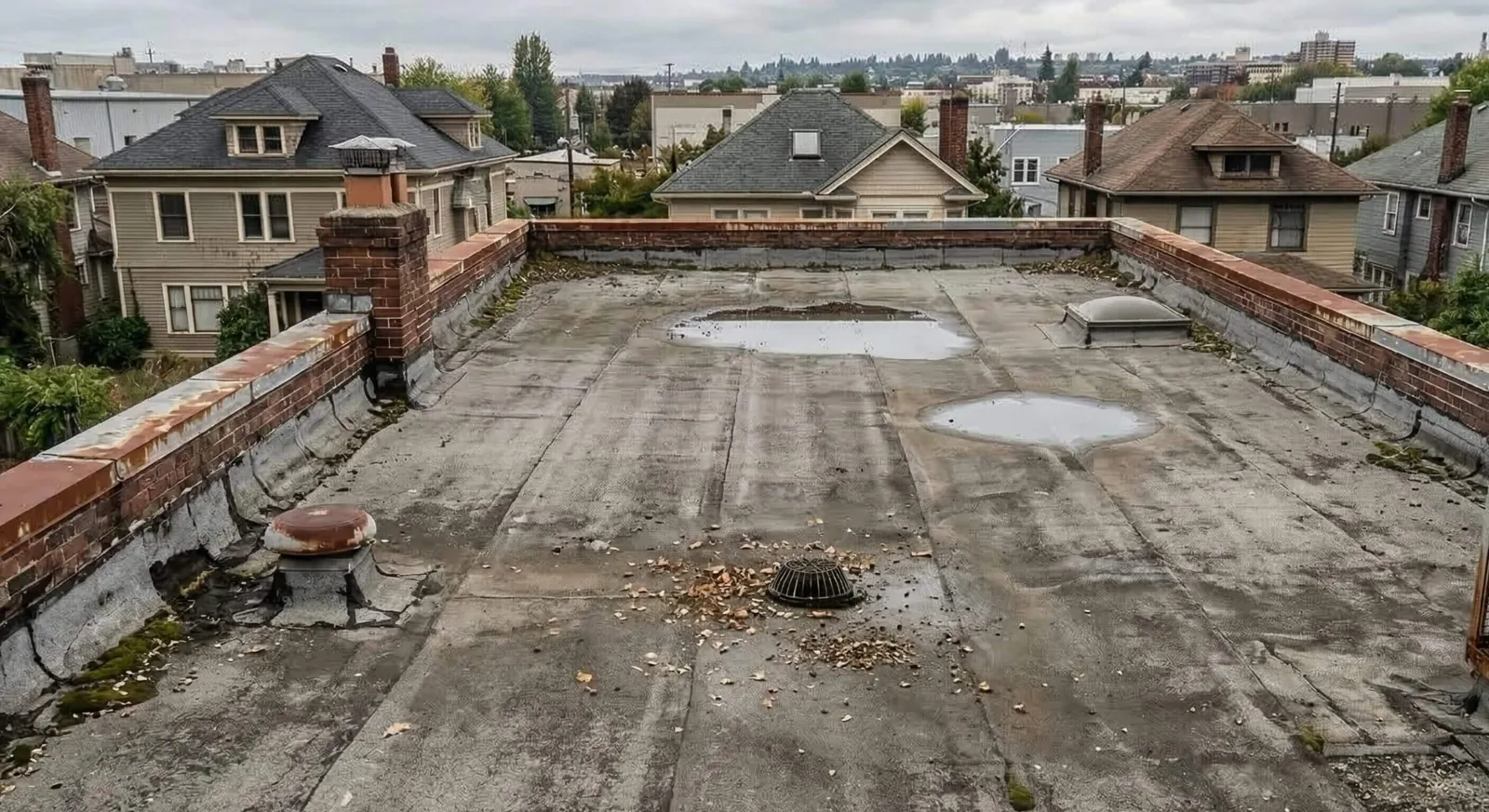
Request a manufacturing roof assessment
Share the building list, roof plans, shift windows, equipment contacts, leak reports, access rules, and approval lead. We will define safe work zones.
Manufacturers
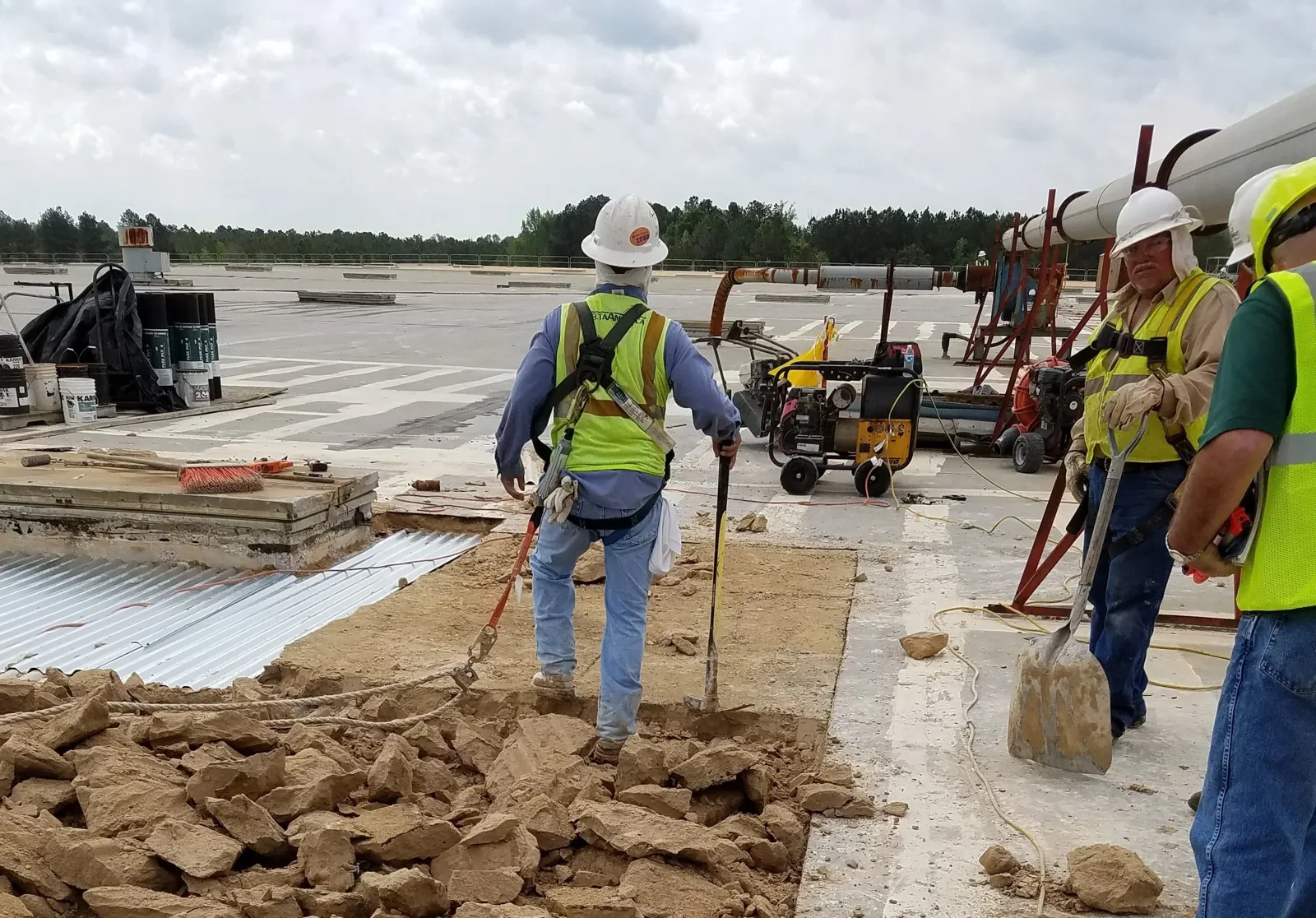
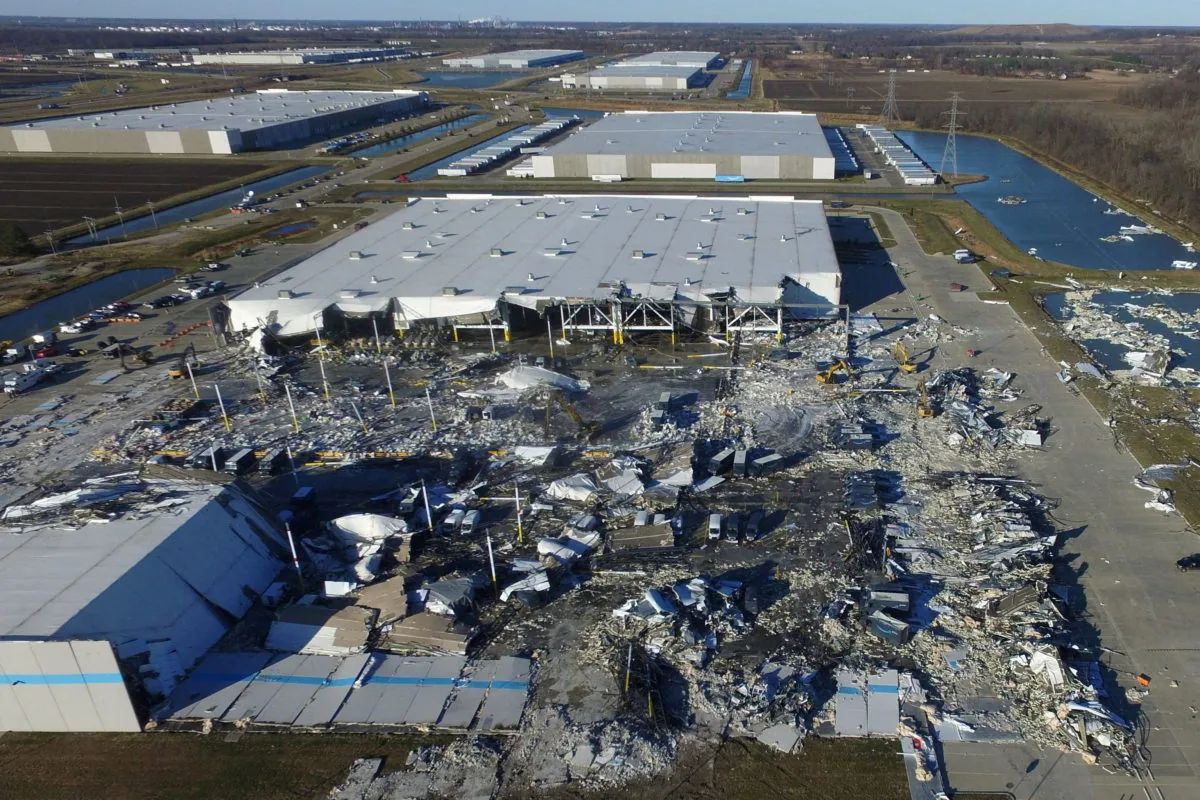
Manufacturing roof work has to fit production, equipment, and material protection. We confirm the building, affected roof area, access authority, reported condition, and operations below before proposing work. Elgin’s employer mix includes manufacturing and food processing, and John B. Sanfilippo Company is a major local employer. That industrial context does not describe a specific plant; facility staff confirm its process and roof controls.
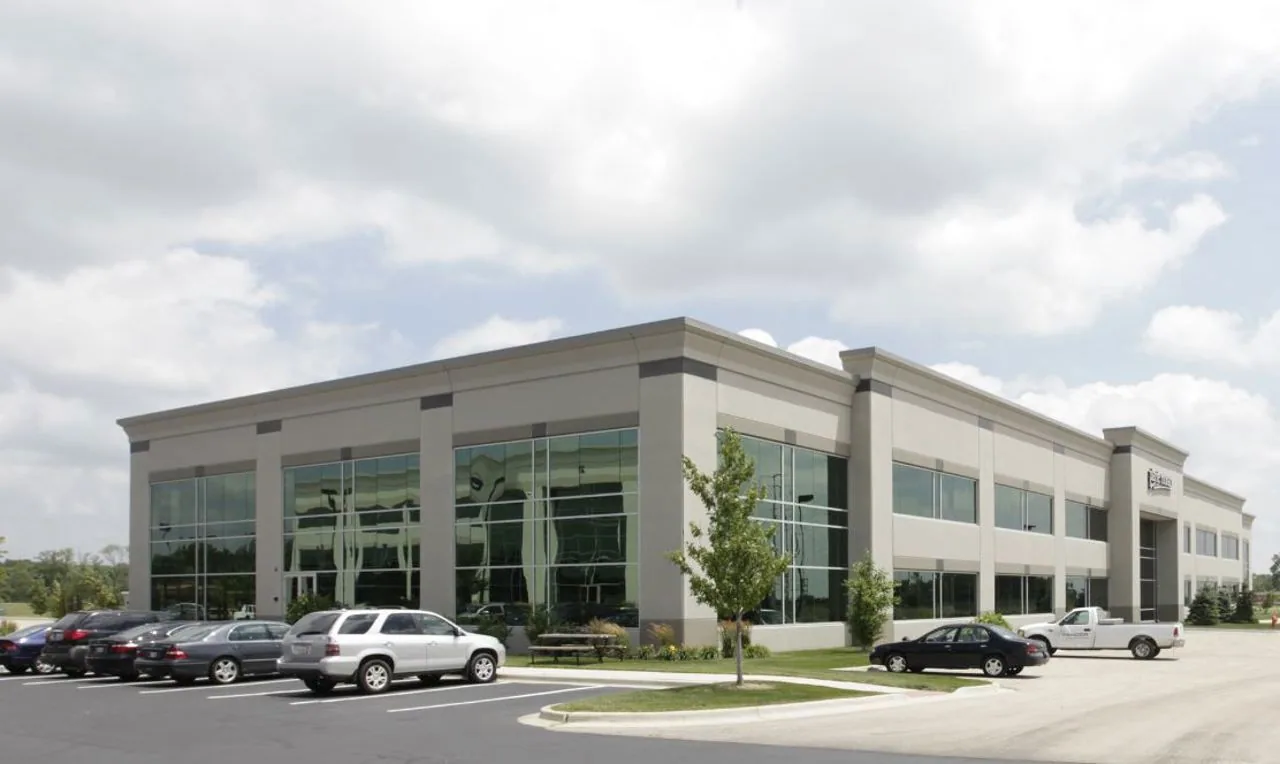
A site may include production, packaging, shipping, storage, office, and utility zones. We identify which line, room, or equipment could be affected and keep findings tied to the actual roof bay. One roof opening or leak report is not evidence that other production buildings have the same condition.
Schedule around production and changeovers
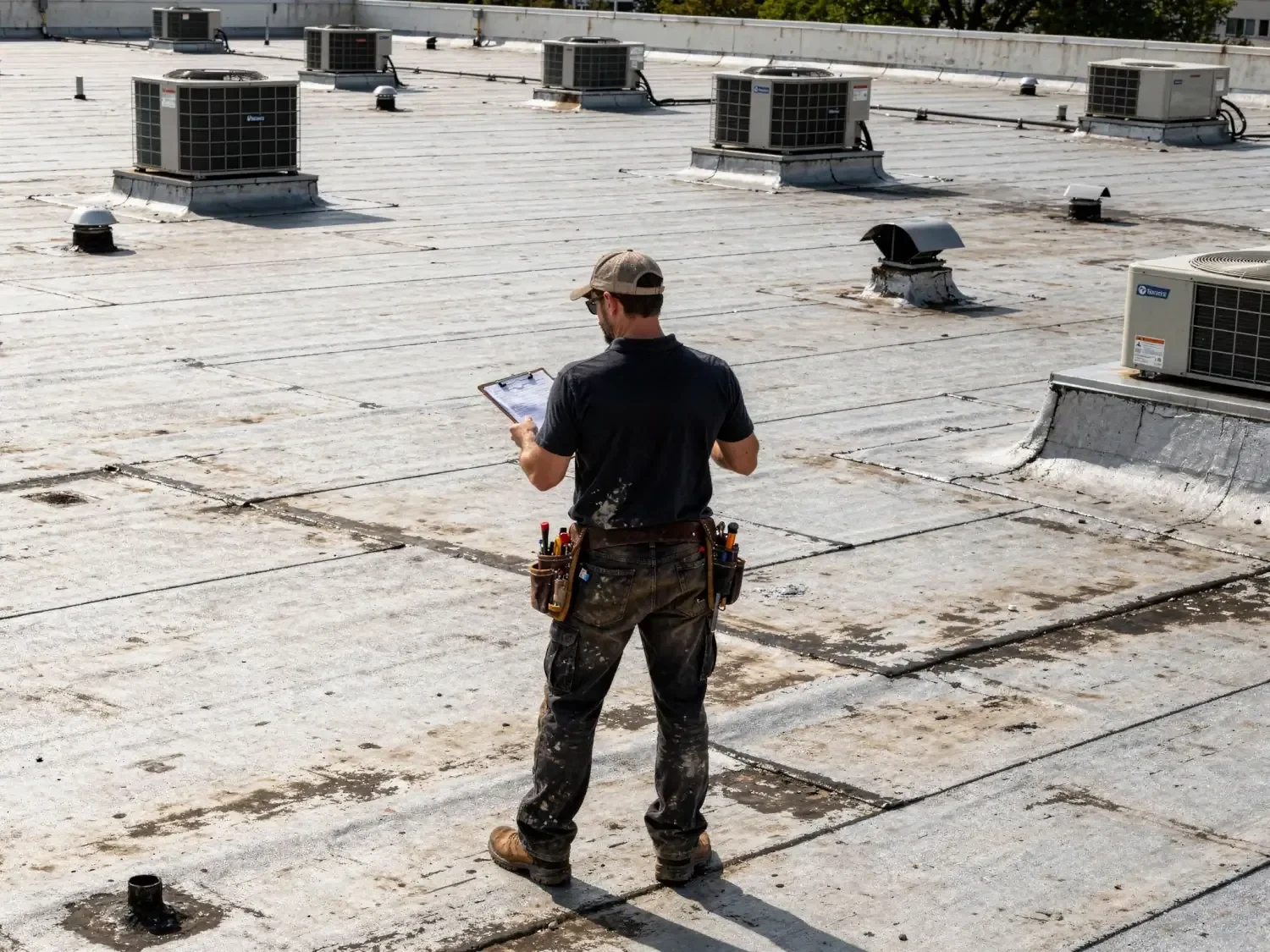
The plant contact provides shift schedules, sanitation windows, changeovers, maintenance stops, deliveries, and any period when a production area cannot be interrupted. We explain expected noise, odor, vibration, access limits, and overhead protection before the owner selects a work window. The scope identifies what the roofing crew will do; plant management controls production and determines any line shutdown.
A production site may have restricted zones, air handling needs, stored ingredients, packaging, or sensitive equipment. Staff identify applicable internal procedures and areas below roof work. Roofing teams follow the approved rules but do not make product-quality or process-control decisions. If a room must remain clear, the contact states how that condition will be checked.
For a large occupied roof, phased reroofing can separate work zones and coordinate protection with shift changes. The schedule names the active bay, access route, temporary cover, and end-of-shift check. If production priorities change, the manager approves a new sequence before the crew moves areas.
Control roof access and material handling
The facility identifies roof entry, badge or escort requirements, truck routes, loading docks, emergency lanes, and staging limits. A material delivery should not block inbound supplies or outbound finished goods. We agree on the approved unload point and any spotter or barrier before dispatch. Crews do not enter restricted areas because a door happens to be open.
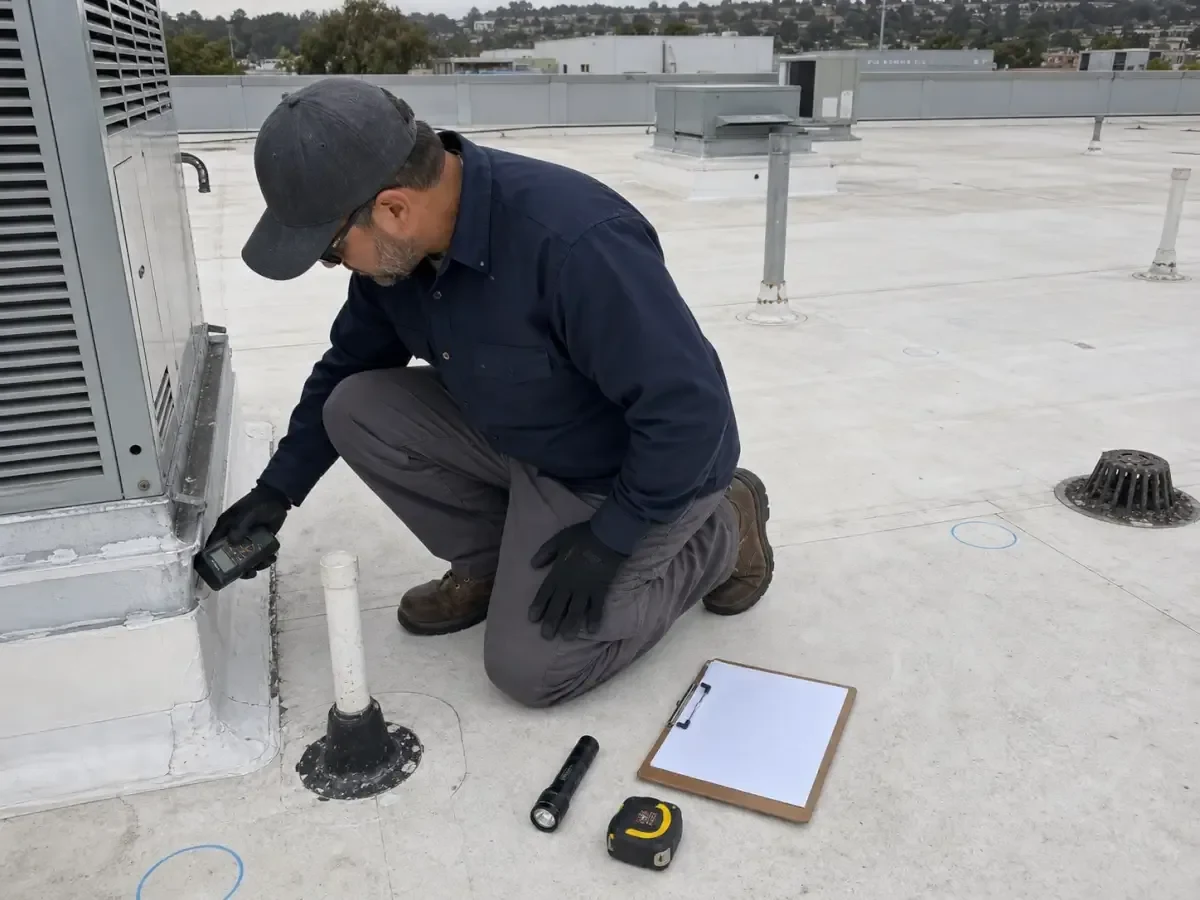
Rooftop units, exhaust, piping, skylights, and communications equipment may serve specific production zones. We record the roof interfaces and identify any equipment contractor needed for isolation or restart. The scope states who owns that task. No live system is disconnected or adjusted without approval from the facility specialist.
Randall Point Executive Center and Downtown Elgin are distinct local areas. The plant contact verifies its dock, internal circulation, and roof access. Nearby road access does not establish a truck route inside the property.
Trace water to the affected bay
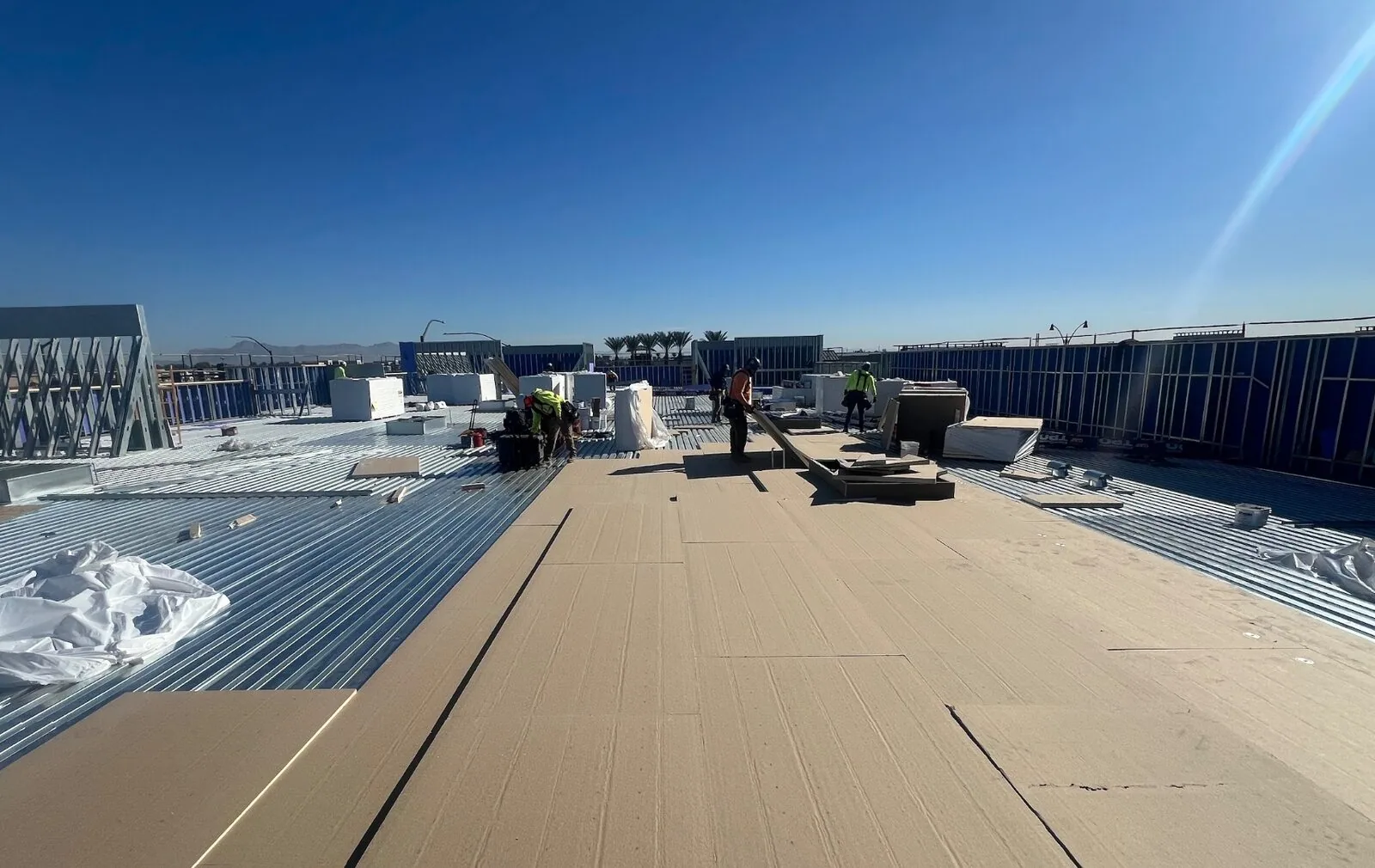
Maintenance staff can identify the line, machine, or storage zone where water appeared, the time, whether it remains active, and any nearby electrical equipment. A drip or stain can be offset from the roof entry. We compare the report with accessible seams, penetrations, curbs, drains, skylights, and perimeter details and label observed conditions by roof area.
Drawings, repair tickets, warranties, and equipment layouts help orient inspection. We note where documents do not match what is visible. A moisture scan or test opening requires the owner’s approval and a protection plan for the process below. The report states areas not reached because of safety, access, or production limits.
For active water, a leak investigation can target the reported bay. A broader inspection can document the assembly and roof zones. We separate the confirmed defect from process or equipment questions that require the plant’s own specialists.
Check outlets and exposed details
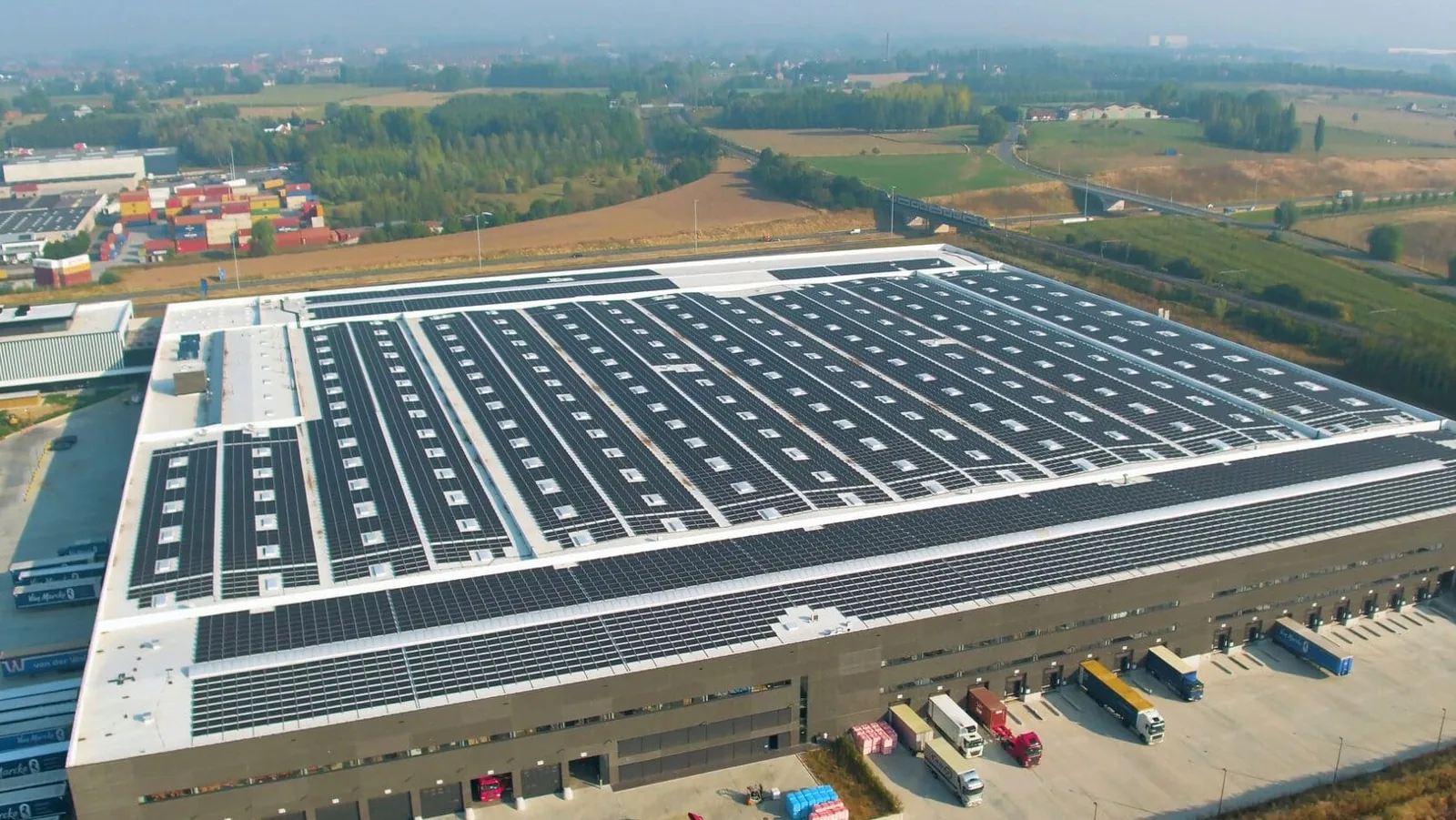
A production-roof review should be timed with the plant contact’s line schedule and safety controls. Staff identify receiving, process equipment, electrical areas, and any roof opening that could expose operations. The report ties each observation to a roof zone and records when weather or process constraints prevent access. Downtown Elgin and Randall Point Executive Center provide local business context; the plant team supplies the assembly records and current operating limits used to scope work.
At grade, staff identify receiving docks, pedestrian paths, loading areas, and equipment pads where roof discharge matters. Gutter, downspout, and flashing work is stated in the roofing scope. Underground drainage, floor drains, and production washdown systems may need a different trade; the closeout assigns those items clearly.
Plant staff can connect a reported weather event with the line or equipment area of concern, but production records and roof observations answer different questions. The roofing report labels visible conditions by zone, notes unsafe or inaccessible sections, and leaves process shutdown decisions with plant leadership.
Choose repairs from verified plant conditions
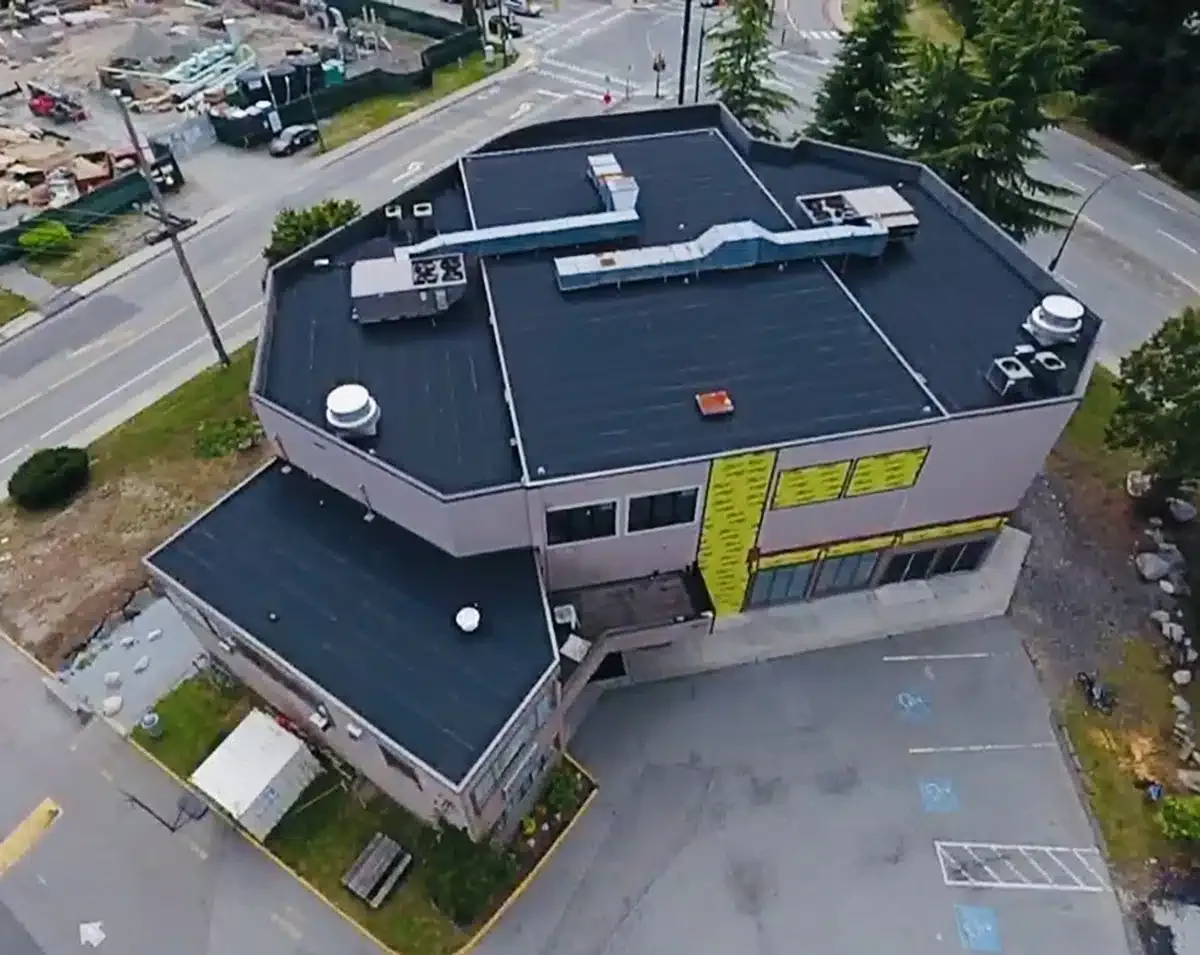
The plant team can compare a localized repair with a broader project by production risk, access window, and documented roof condition. The proposal marks the exact work boundary, identifies equipment that needs protection, and states whether testing could change the choice. If work must follow a planned shutdown, the schedule records the required lead time and owner decision date. A recommendation stays provisional wherever the assembly, deck, or moisture condition has not been verified.
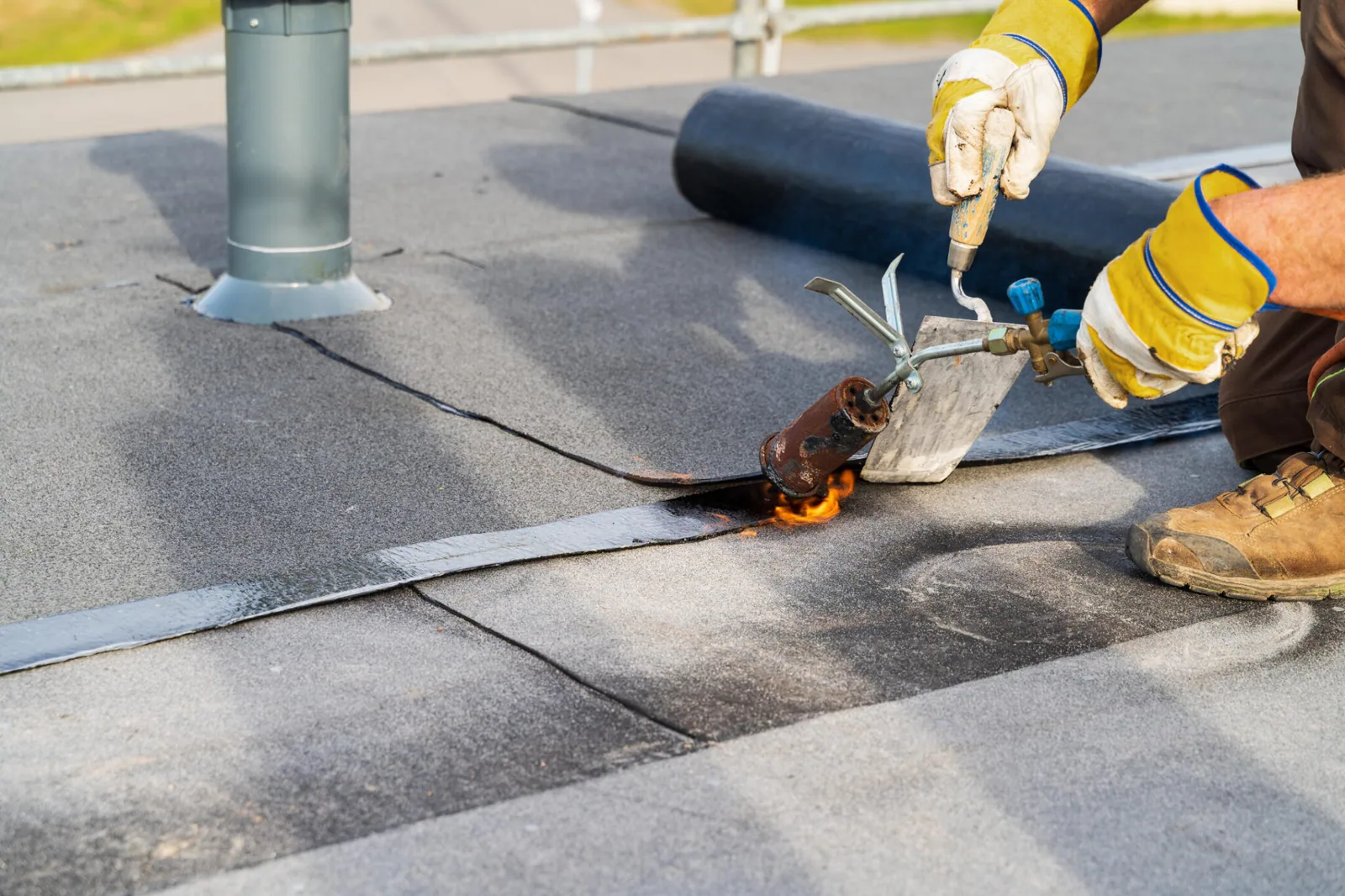
The proposal names roof zone, system, insulation, curbs, penetrations, staging, production protection, and closeout. Concealed conditions are documented and held for owner direction before work expands. A capital plan can sequence repairs with equipment maintenance or plant improvements. It does not replace site inspection or process engineering.
Plant work should be scheduled only after the owner confirms project approvals and any required municipal review. The estimate describes the roofing materials and work zone so plant leadership and its design team can evaluate the proposed scope.
Coordinate facilities, operations, and vendors
Production, maintenance, safety, procurement, and outside equipment vendors can hold separate approval roles. The startup contact list identifies who grants roof access, authorizes cost, directs a change, and receives daily status. A maintenance request does not automatically approve additional demolition. We confirm decision authority before ordering materials or opening a section.
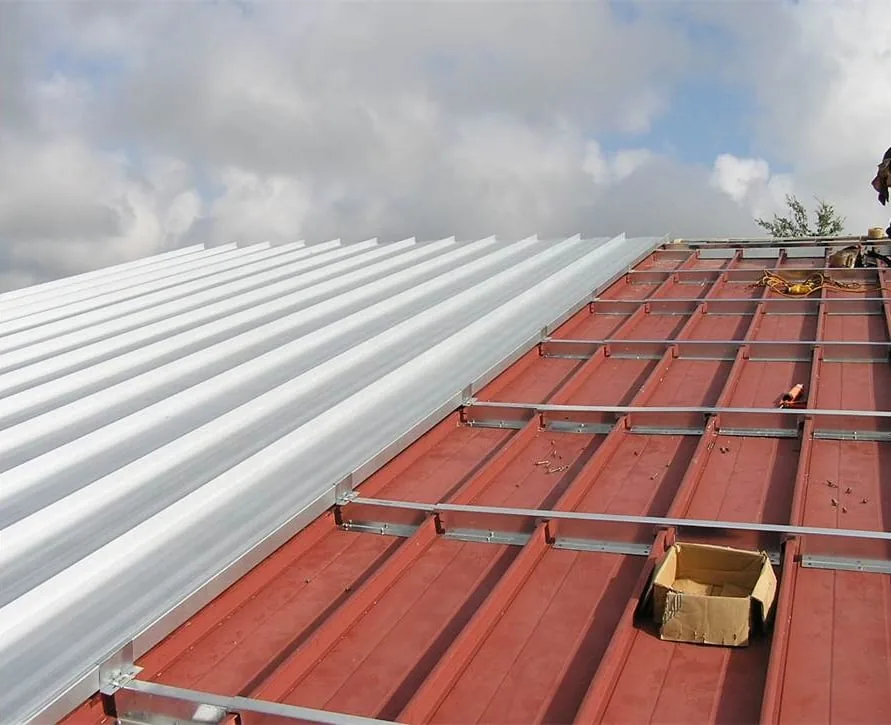
If work affects ventilation, process exhaust, a crane, or a utility line, the facility identifies its specialist. The roofing scope shows where flashing or membrane work meets that equipment. The assigned vendor controls shutdown and restart. If a new conflict appears, the supervisor secures the area and requests a revised window.
For a plant with distribution needs, logistics operator coordination may provide a useful comparison, while property management workflows address multi-tenant approvals. The facility still sets its own production controls and work authorization.
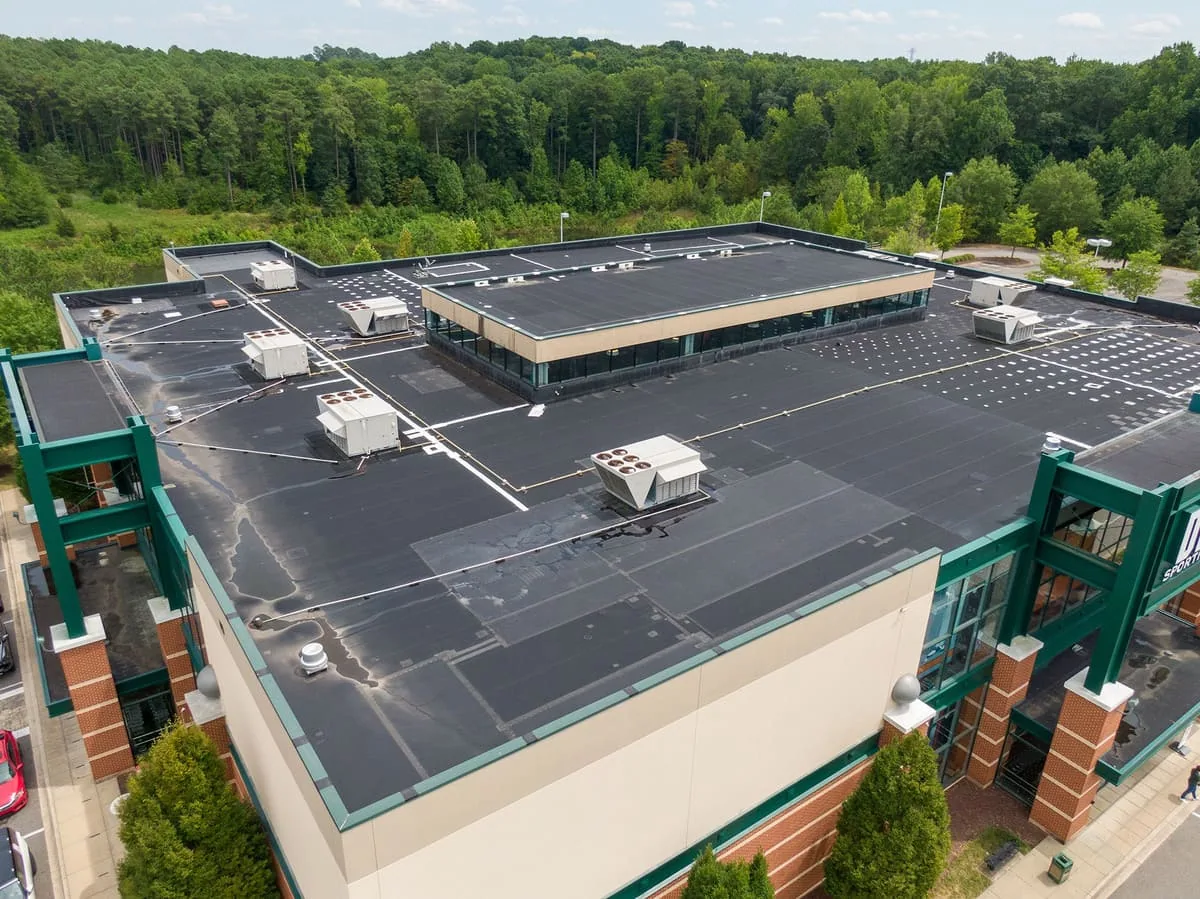
Return production staff a usable roof record
Closeout lists the plant and roof bay, work completed, dated photos, materials where known, remaining observations, and follow-up. It notes any temporary protection and who will inspect it. We confirm staging is removed from the agreed routes and report when the active section is secure for normal operations.
For an inspection, share the facility address, roof plans, equipment list, leak history, shift calendar, access procedures, safety contact, and person authorized to approve work. Identify product-sensitive areas and any no-entry period. We will confirm inspection limits and whether testing needs separate approval.
Keep the record with maintenance and capital files. It helps the next shift identify which zone was repaired and what remains open. If a new leak occurs, record its location and time; it may involve another bay or equipment interface.
Questions About Manufacturers
Can production continue during roof work?
Often, if the owner approves a work zone, protection plan, and schedule. Plant staff decide whether a line, room, or shift must pause.
Who controls equipment shutdown near a roof repair?
The plant assigns its qualified equipment specialist. The roofing proposal identifies the curb or interface and any required coordination.
What should maintenance include in a leak ticket?
Name the building, production bay, time, active-water status, equipment below, photos, and access contact.
Can you plan work across multiple production buildings?
Yes, with a verified building list and access windows. Findings and work limits stay separated by building and roof area.
Does a local hail report mean the plant roof is damaged?
No. A regional event does not prove impact at a specific property. The assessment records observed roof conditions.