Property Types We Roof in Elgin, IL
Property Types We Roof
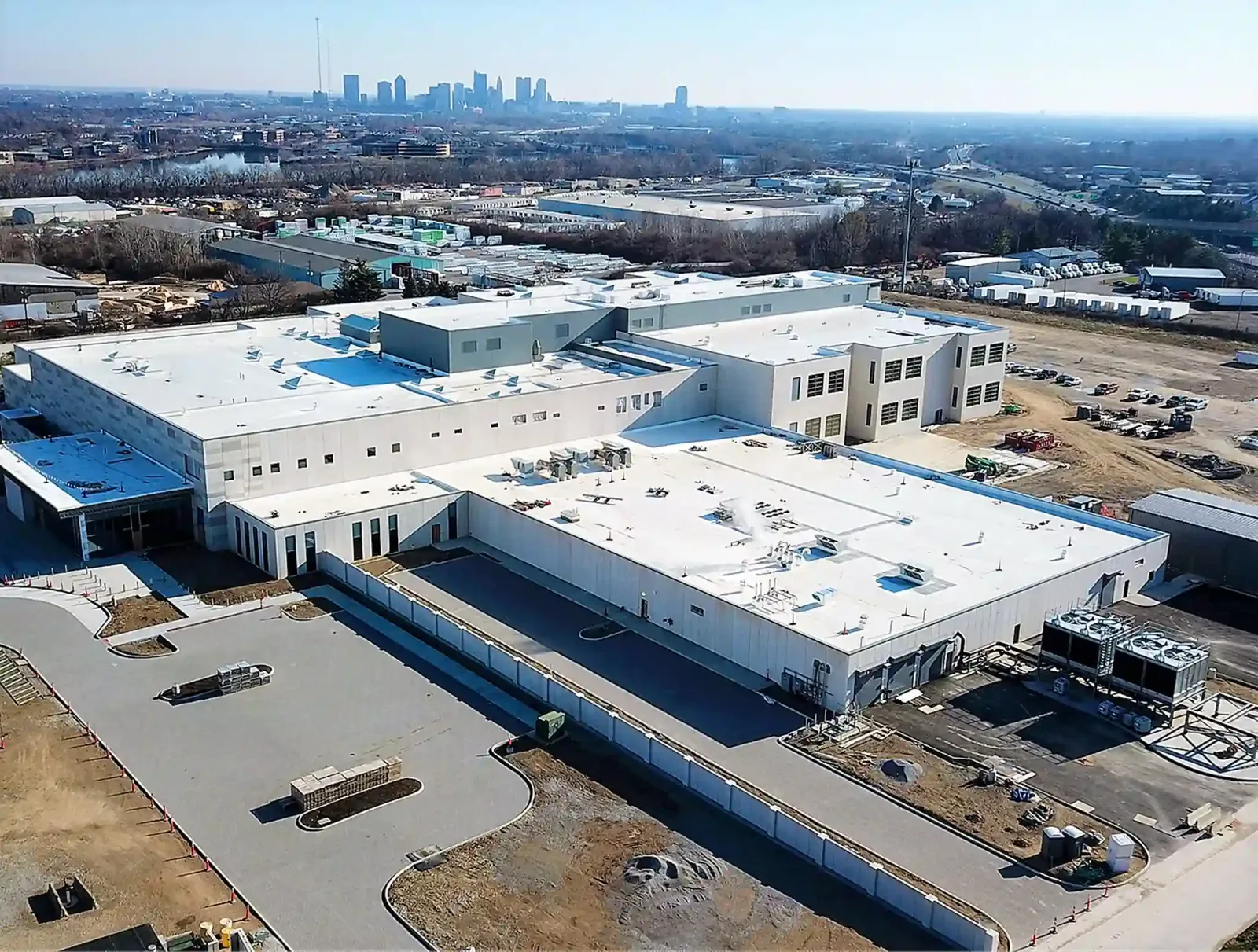
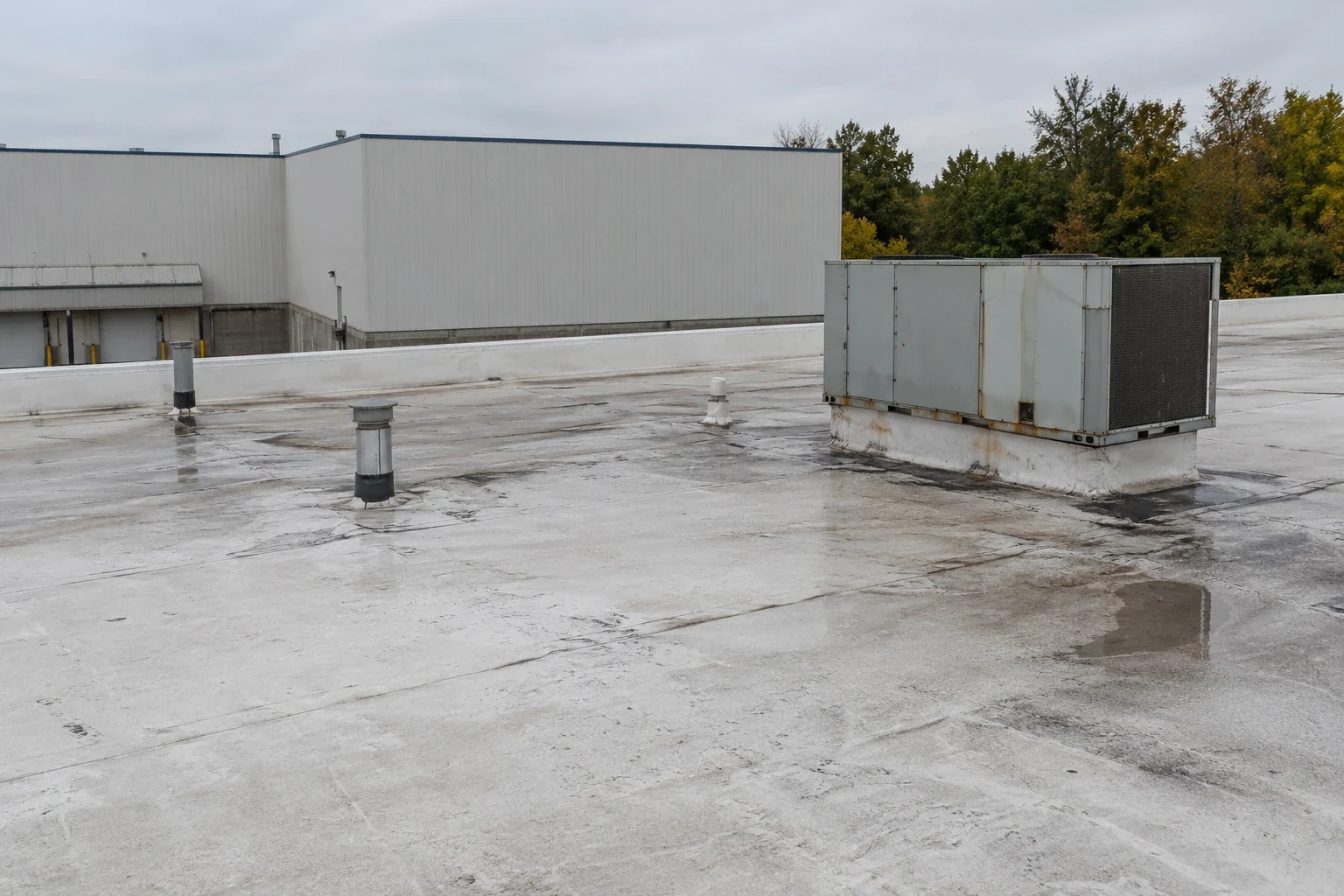
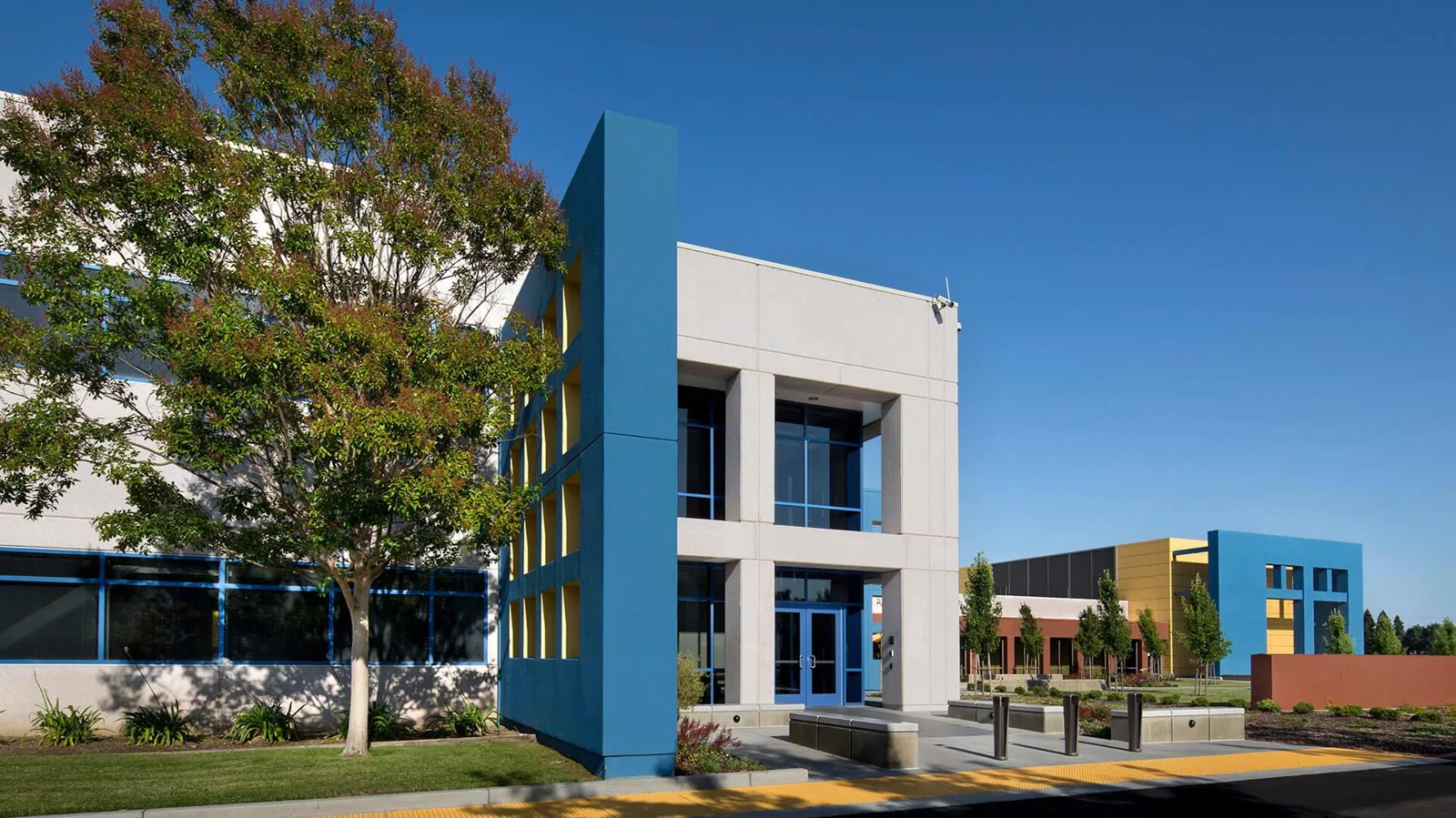
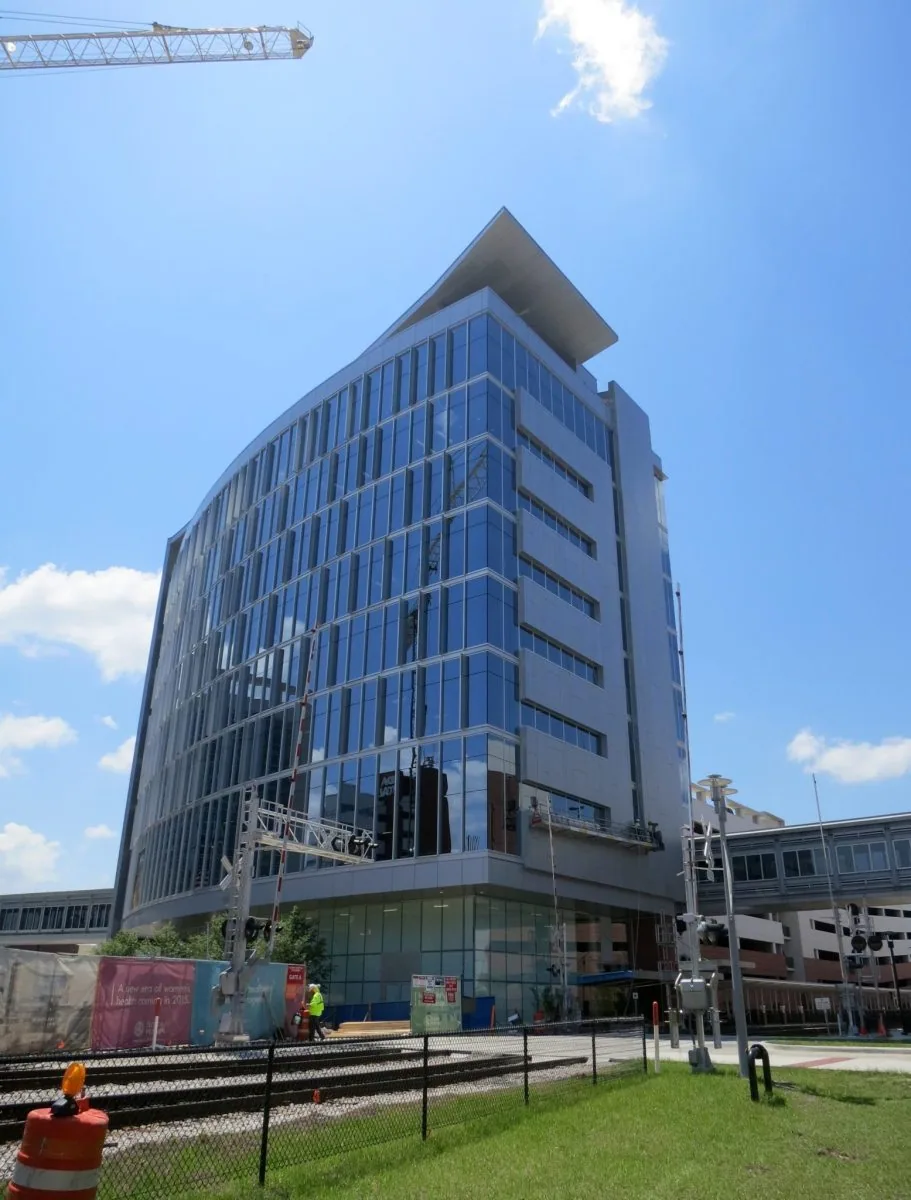
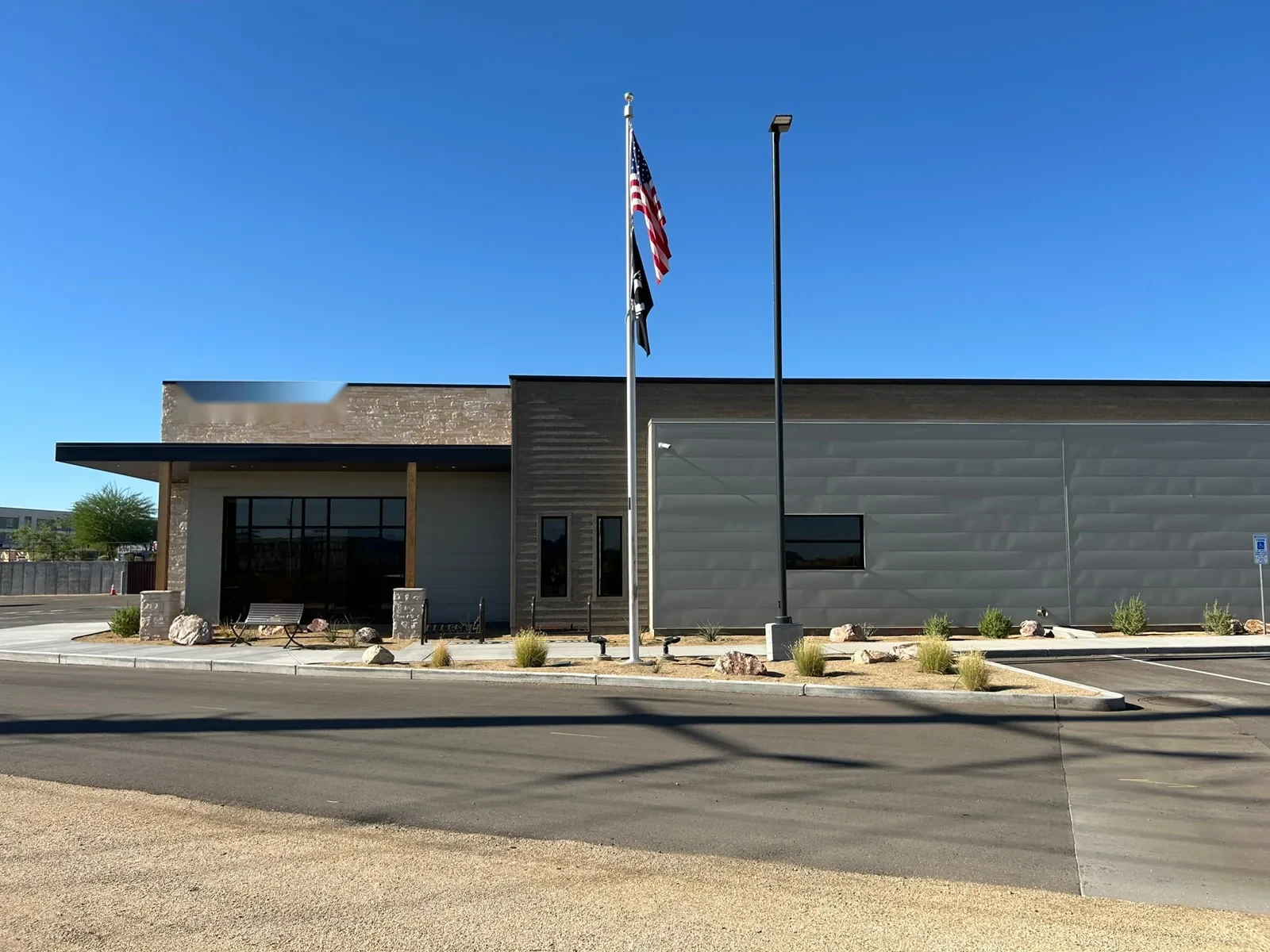
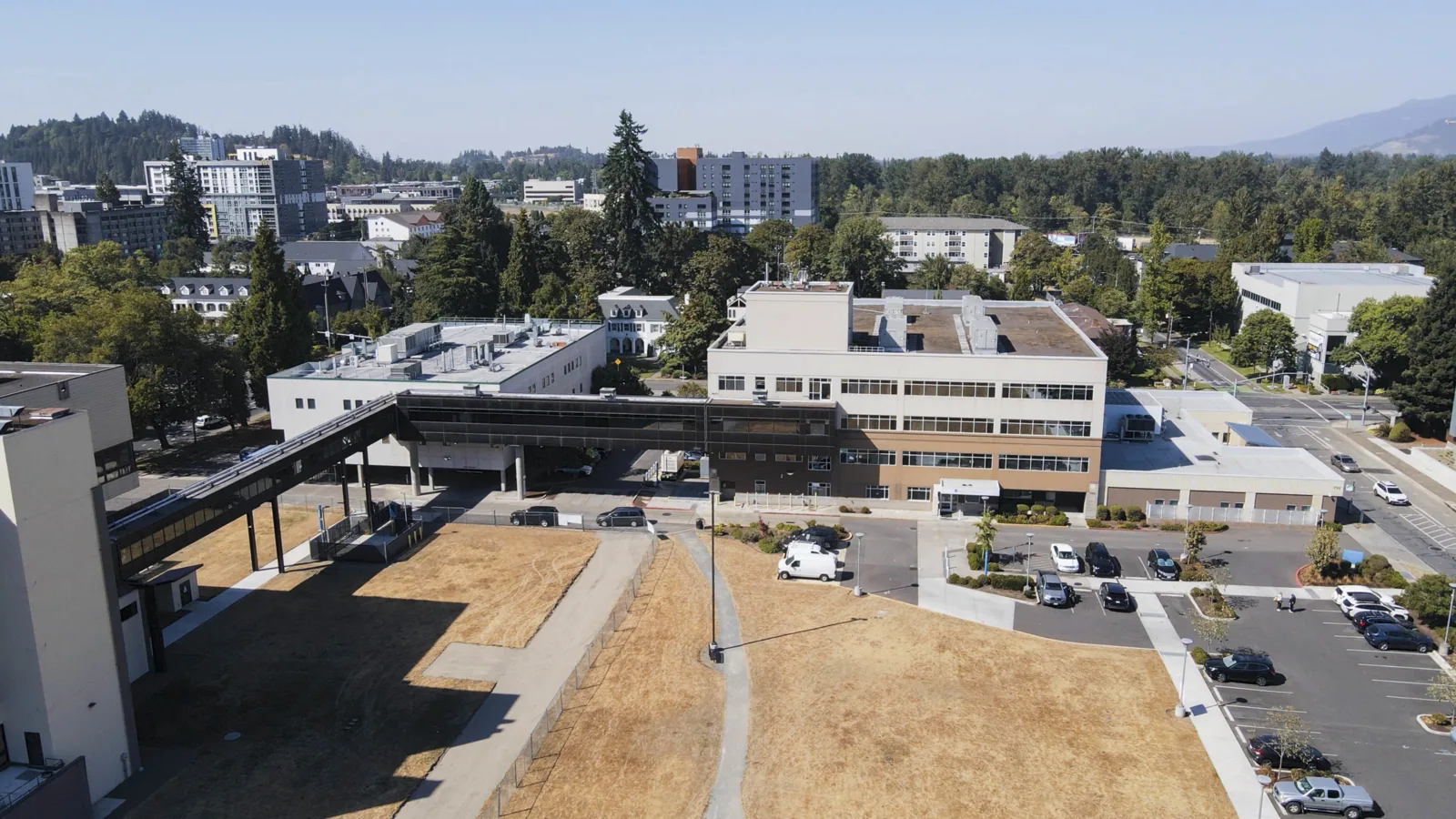
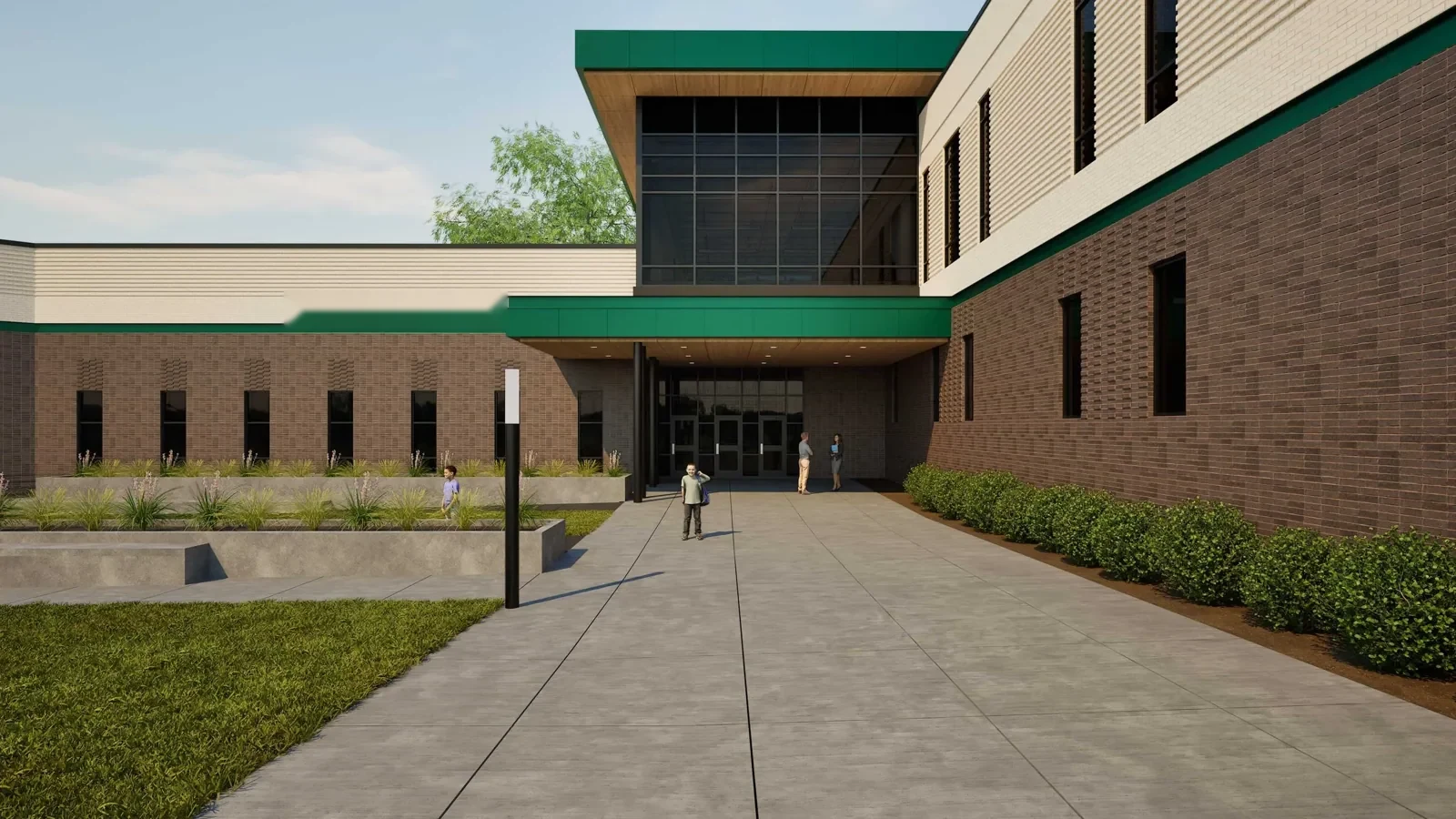
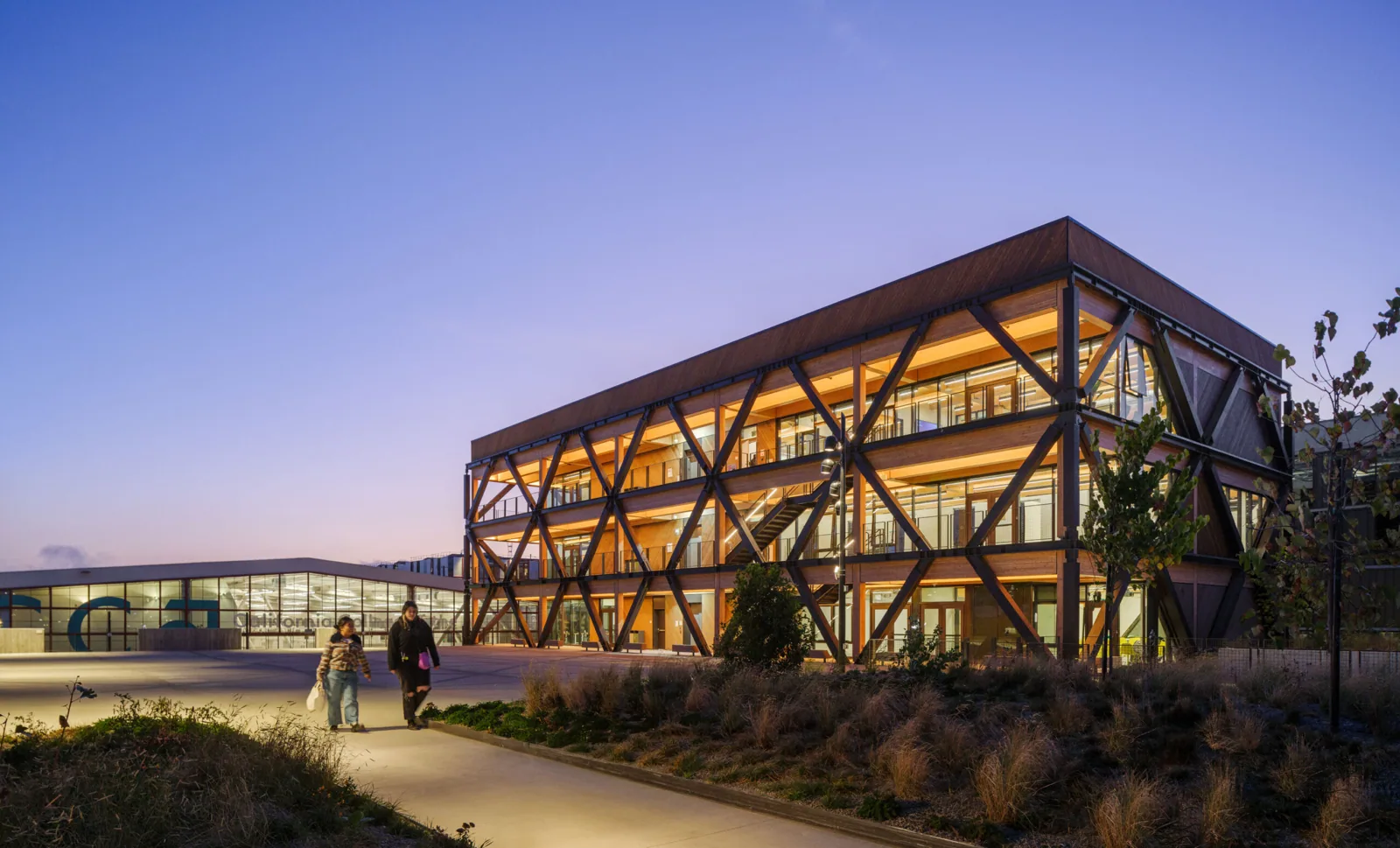
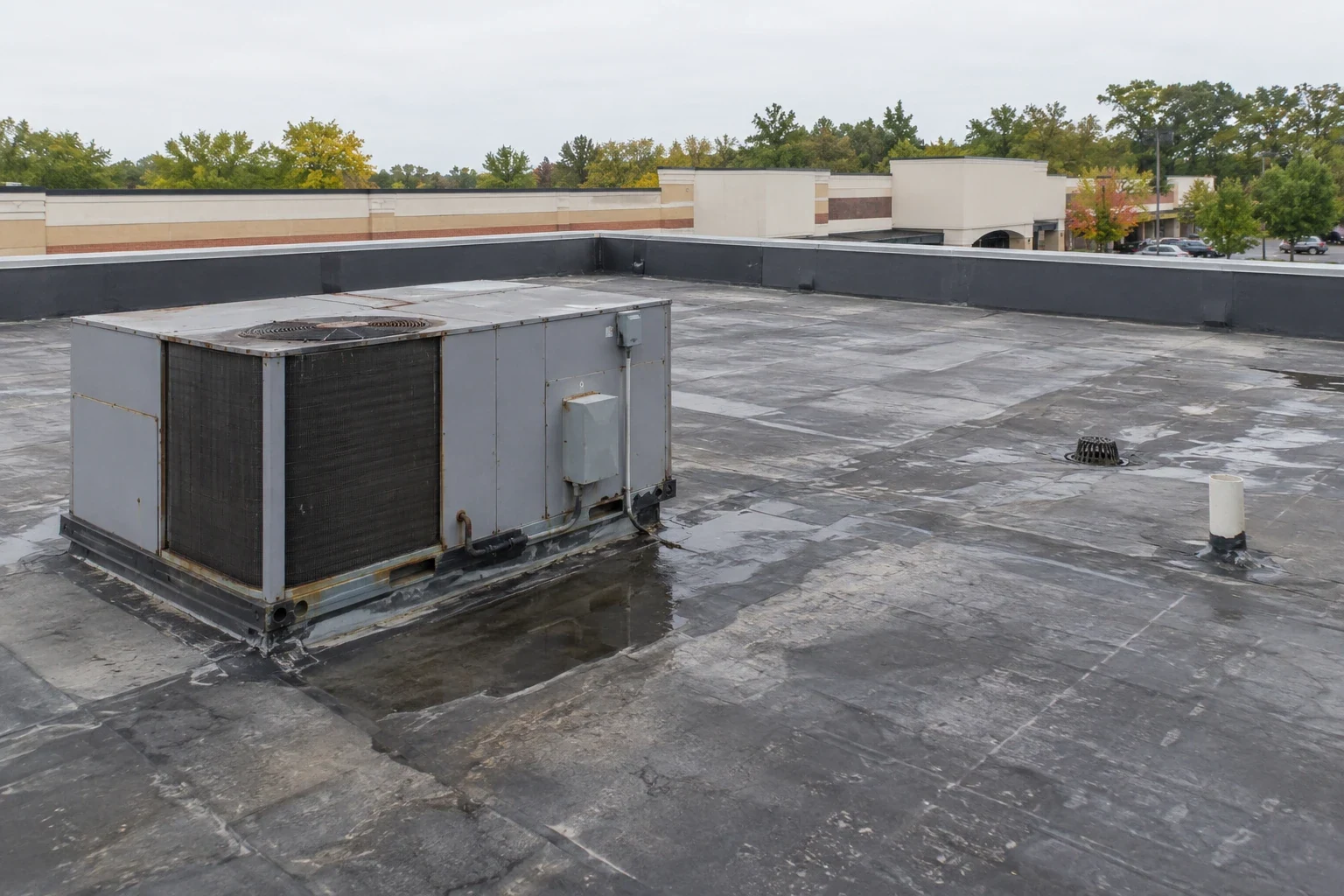
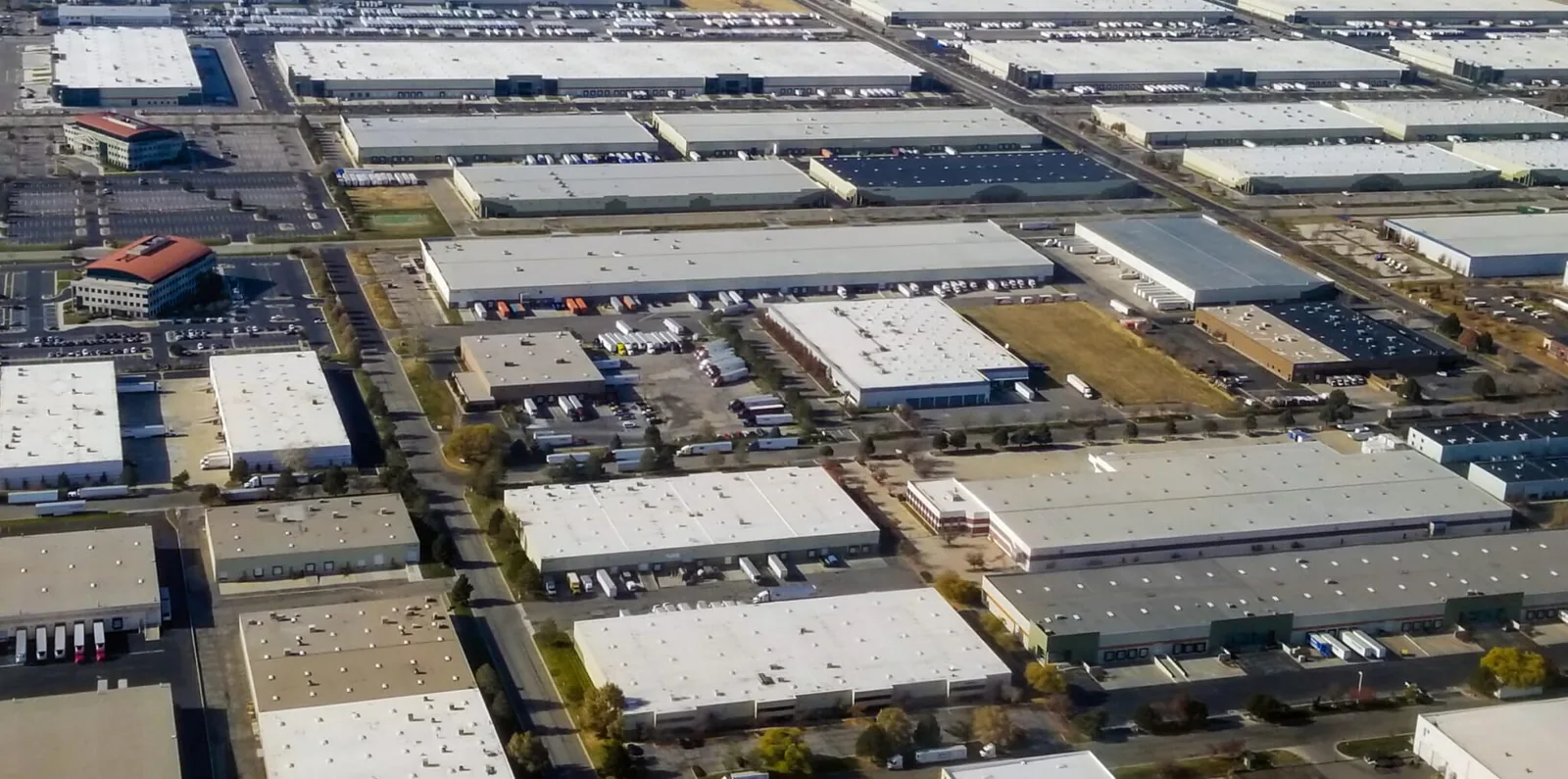
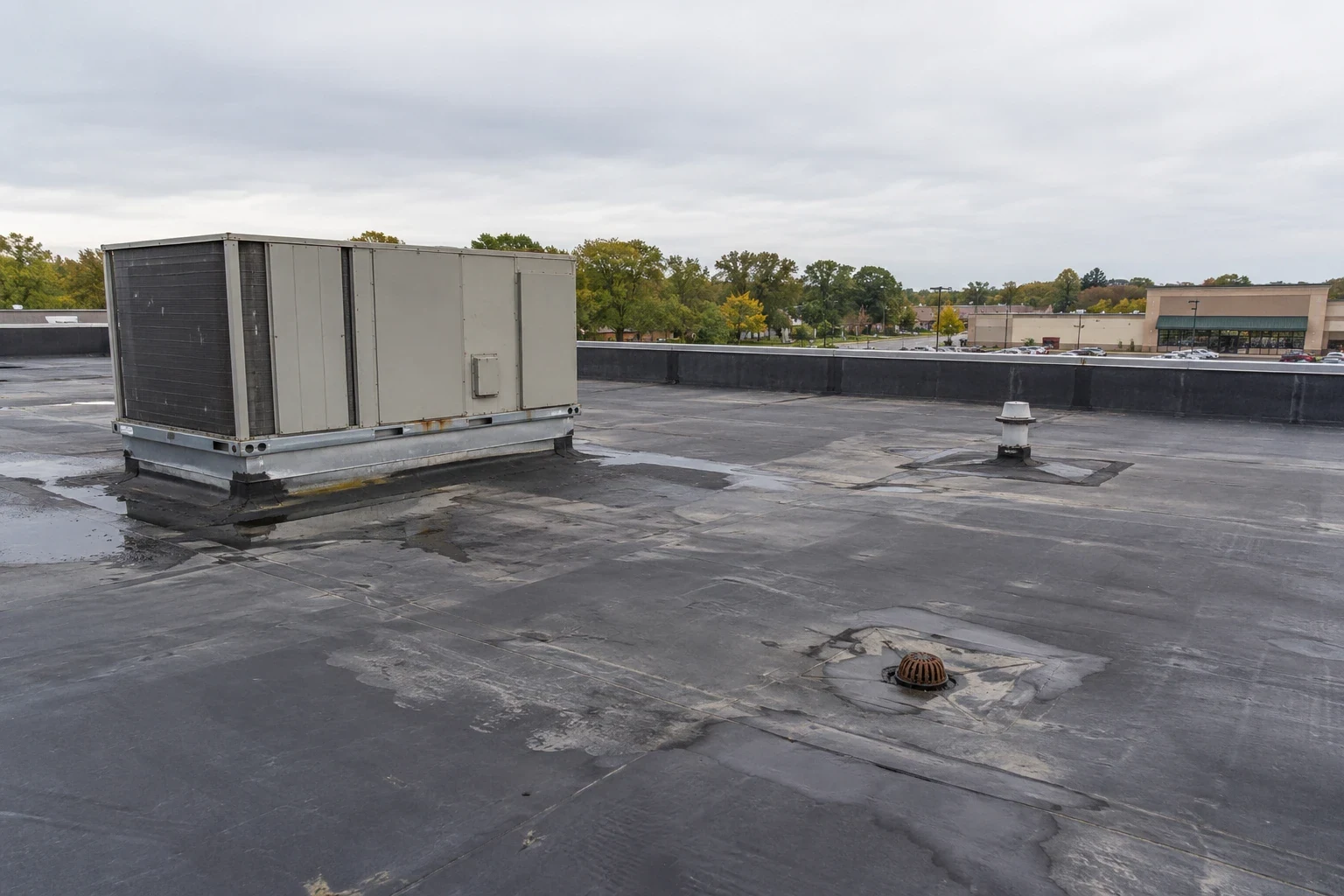
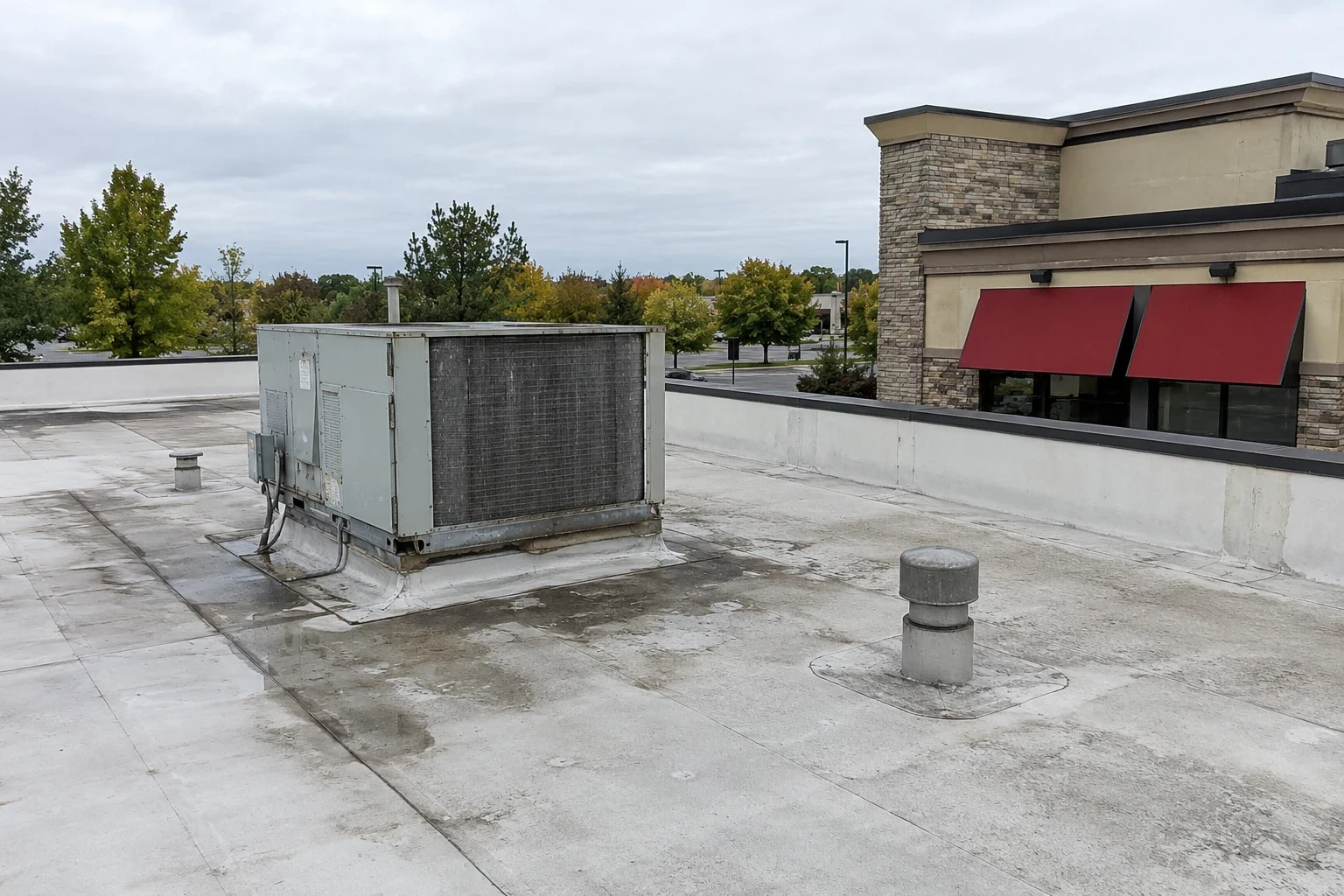
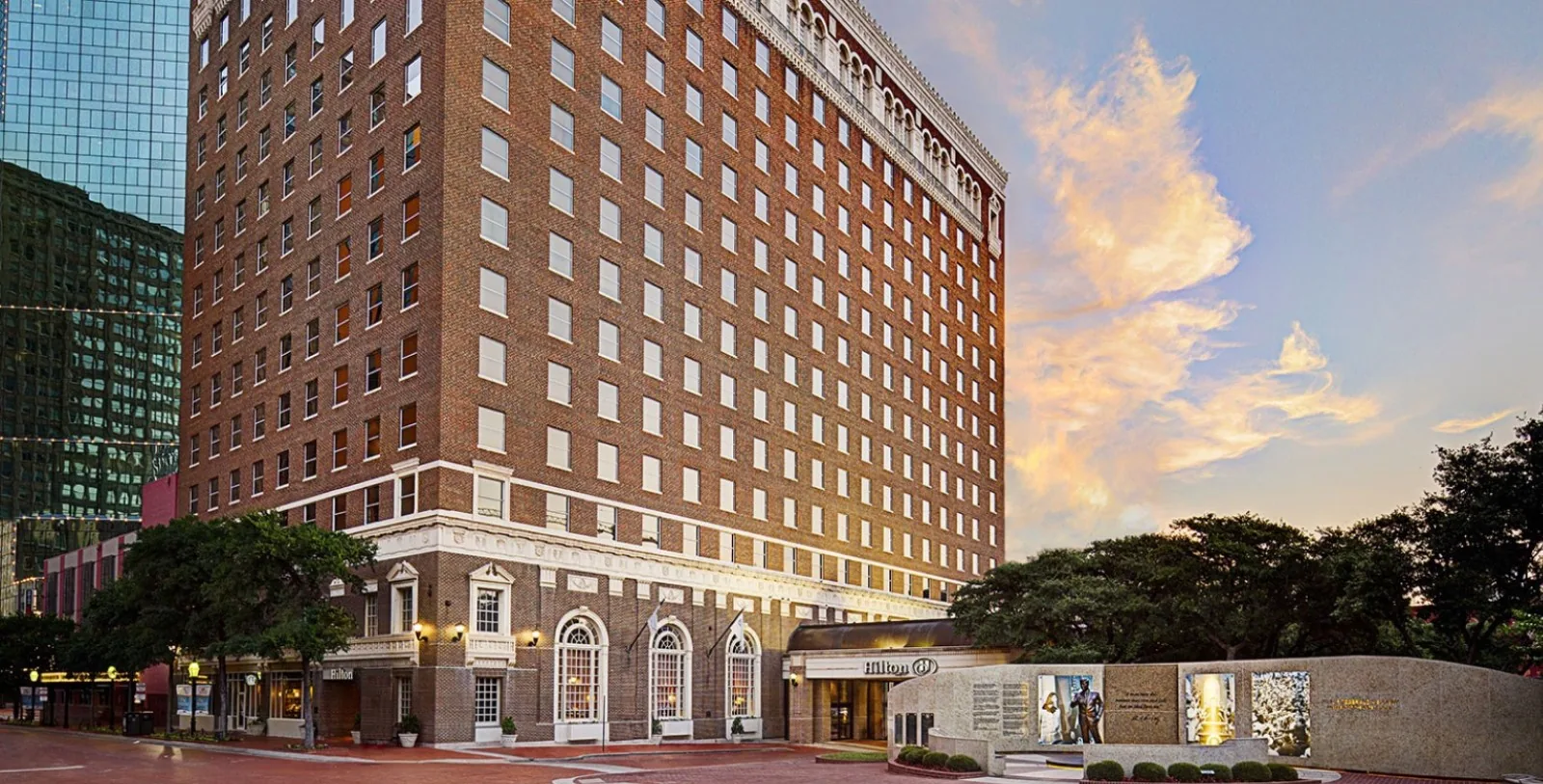
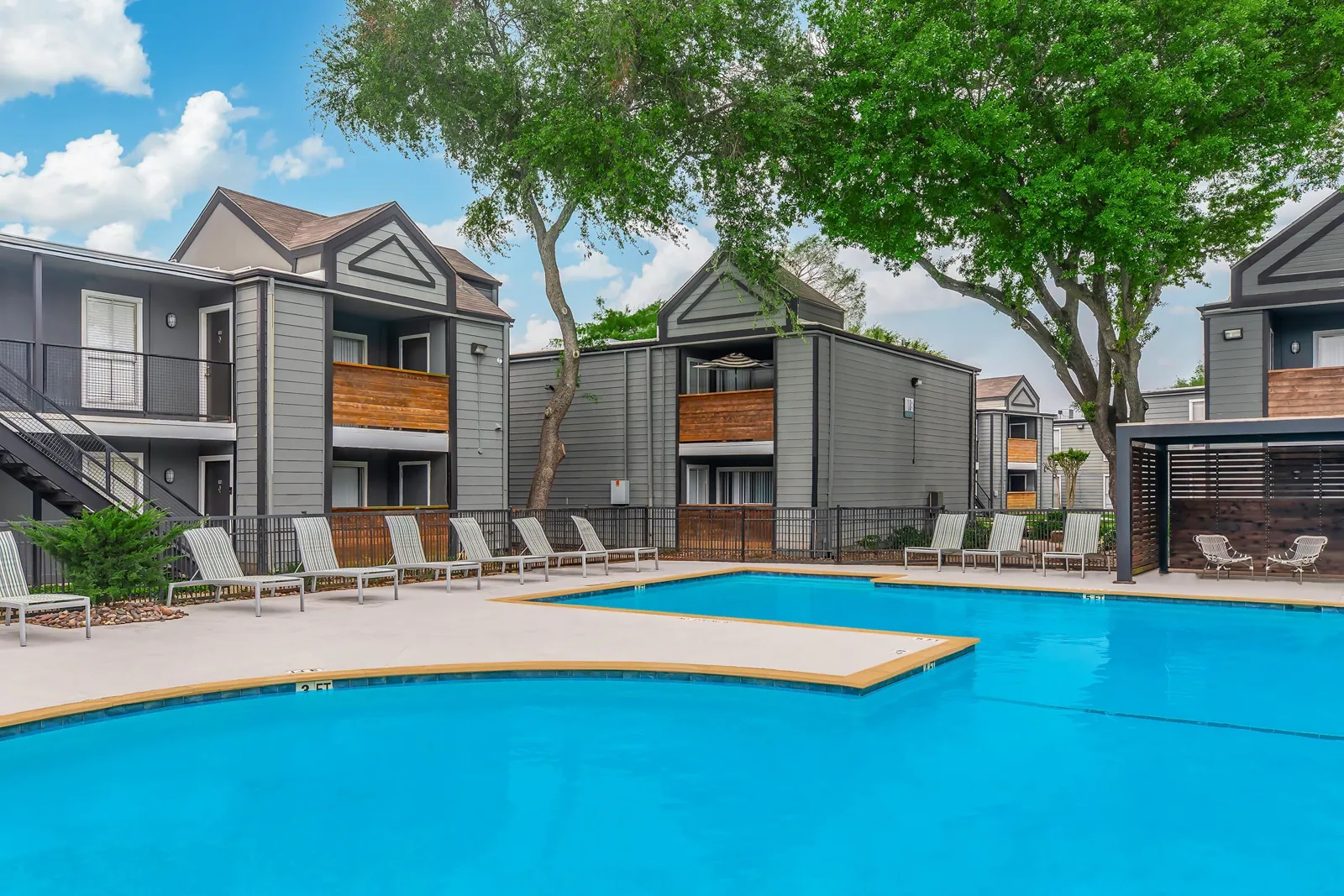
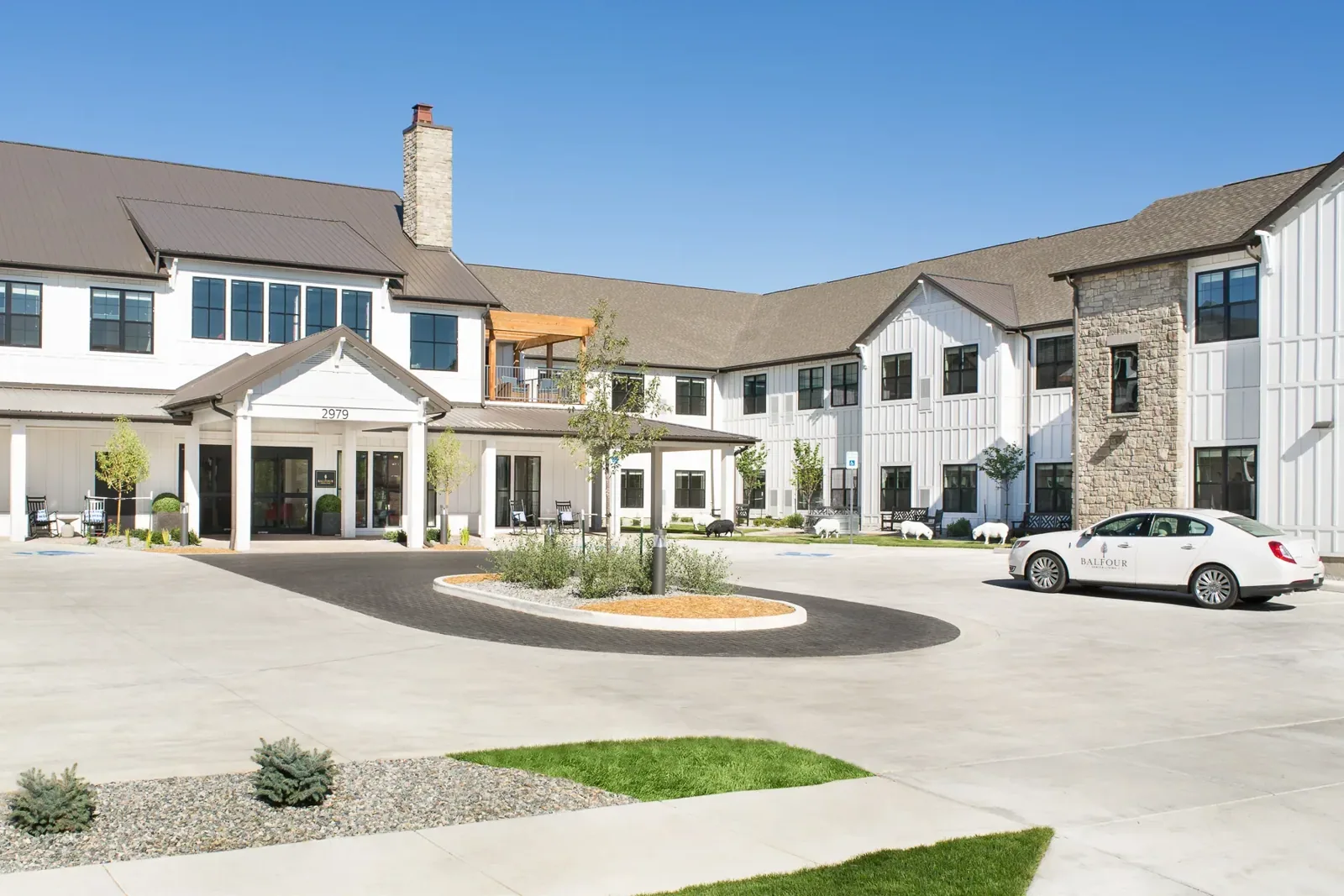
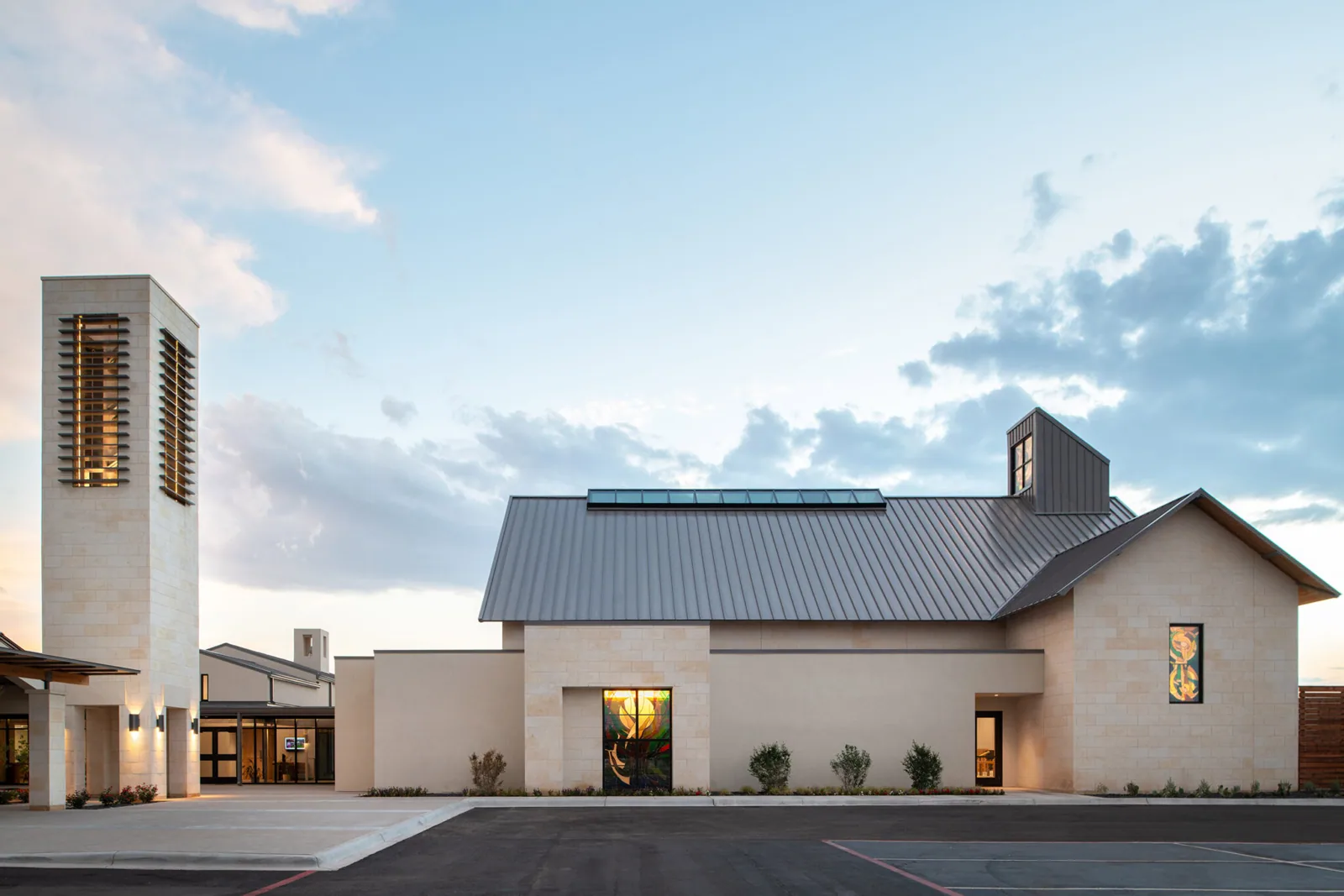
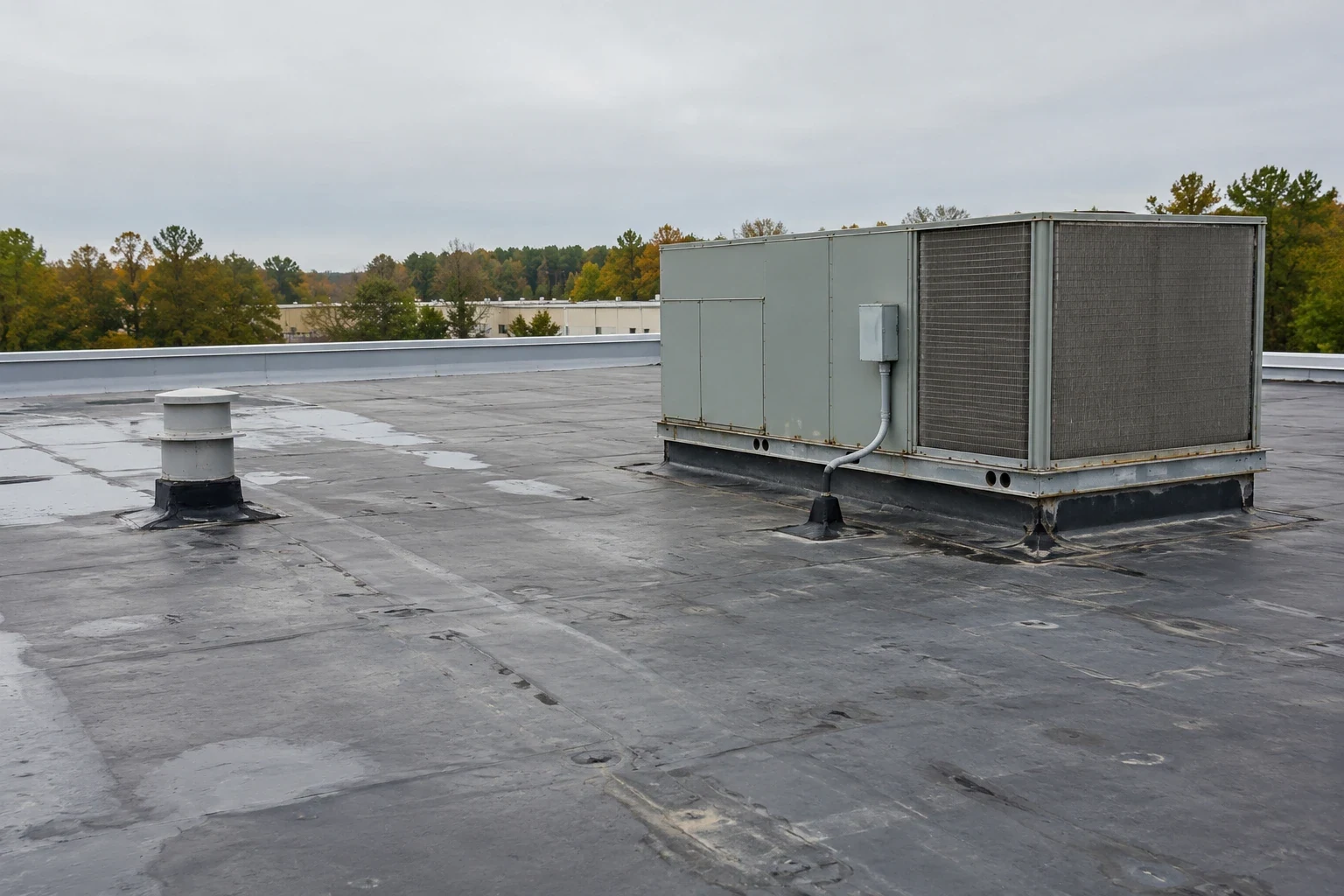
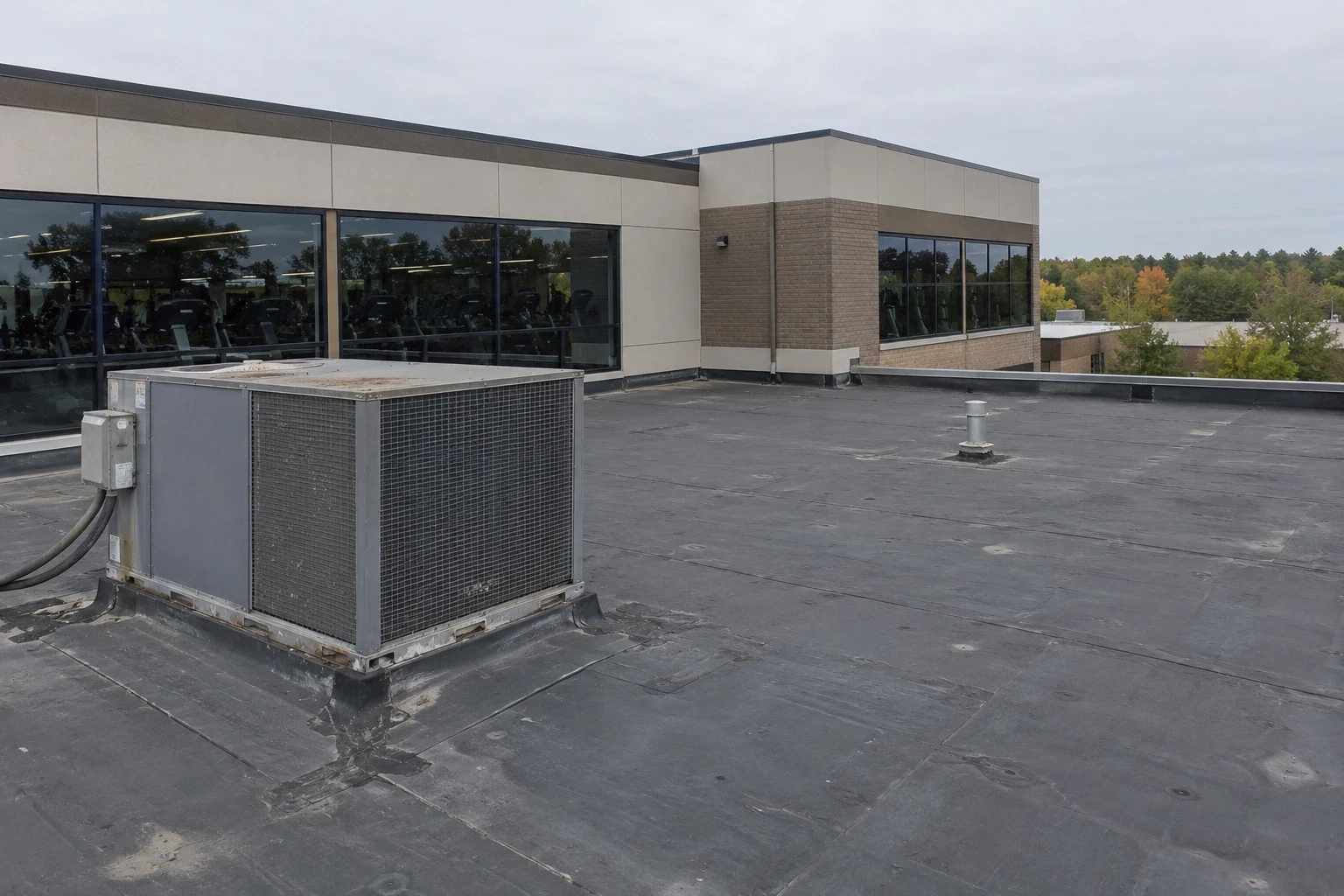
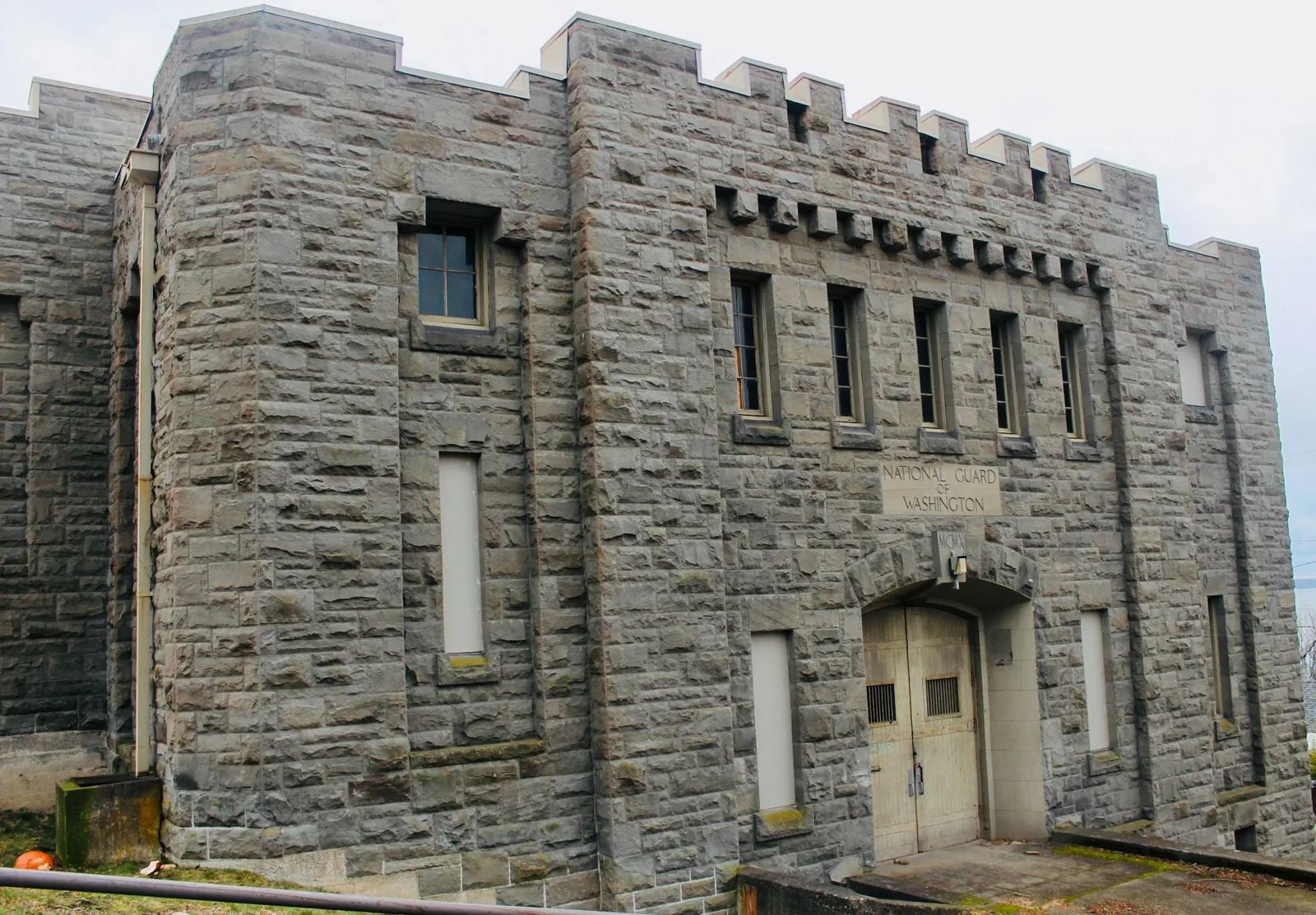
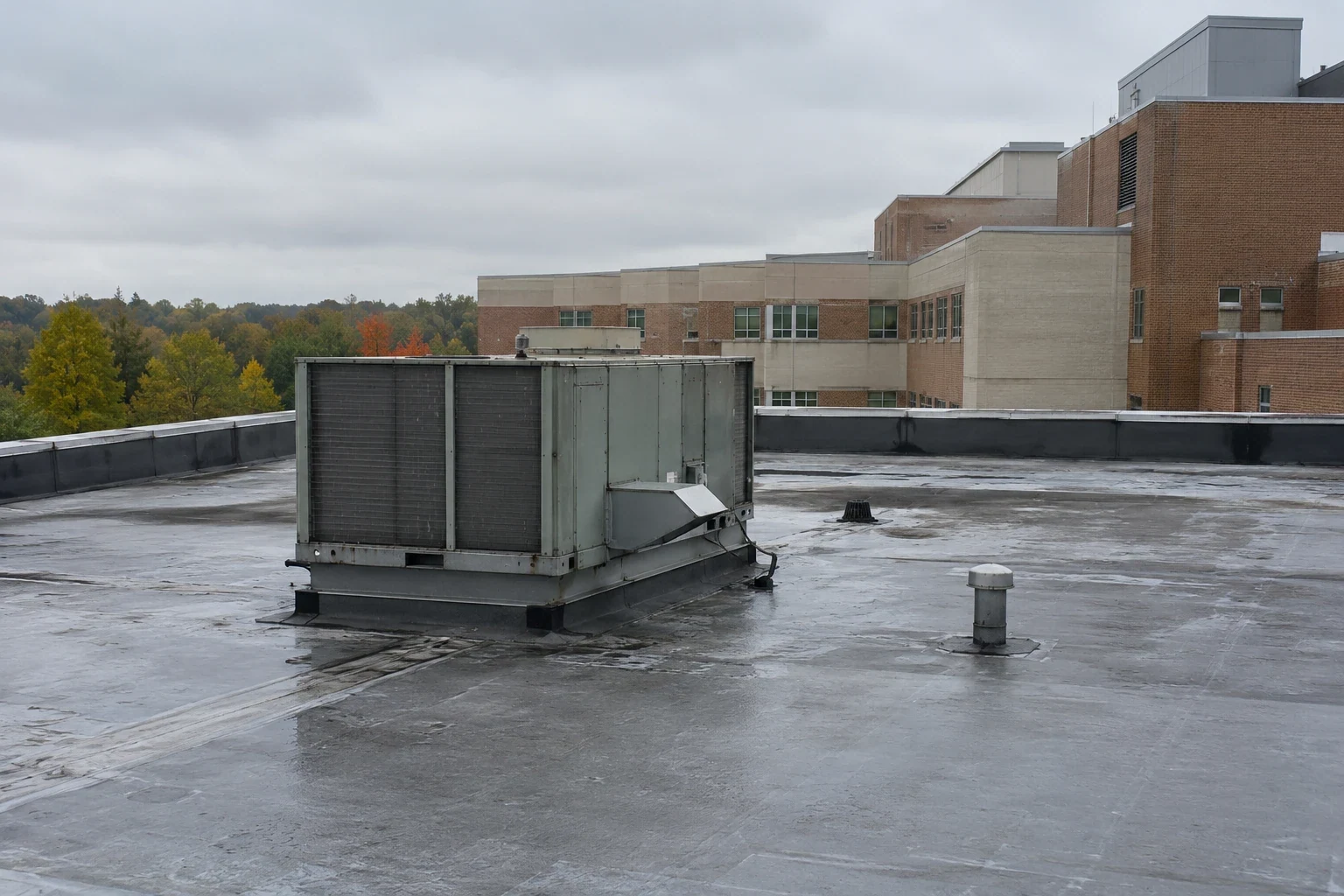
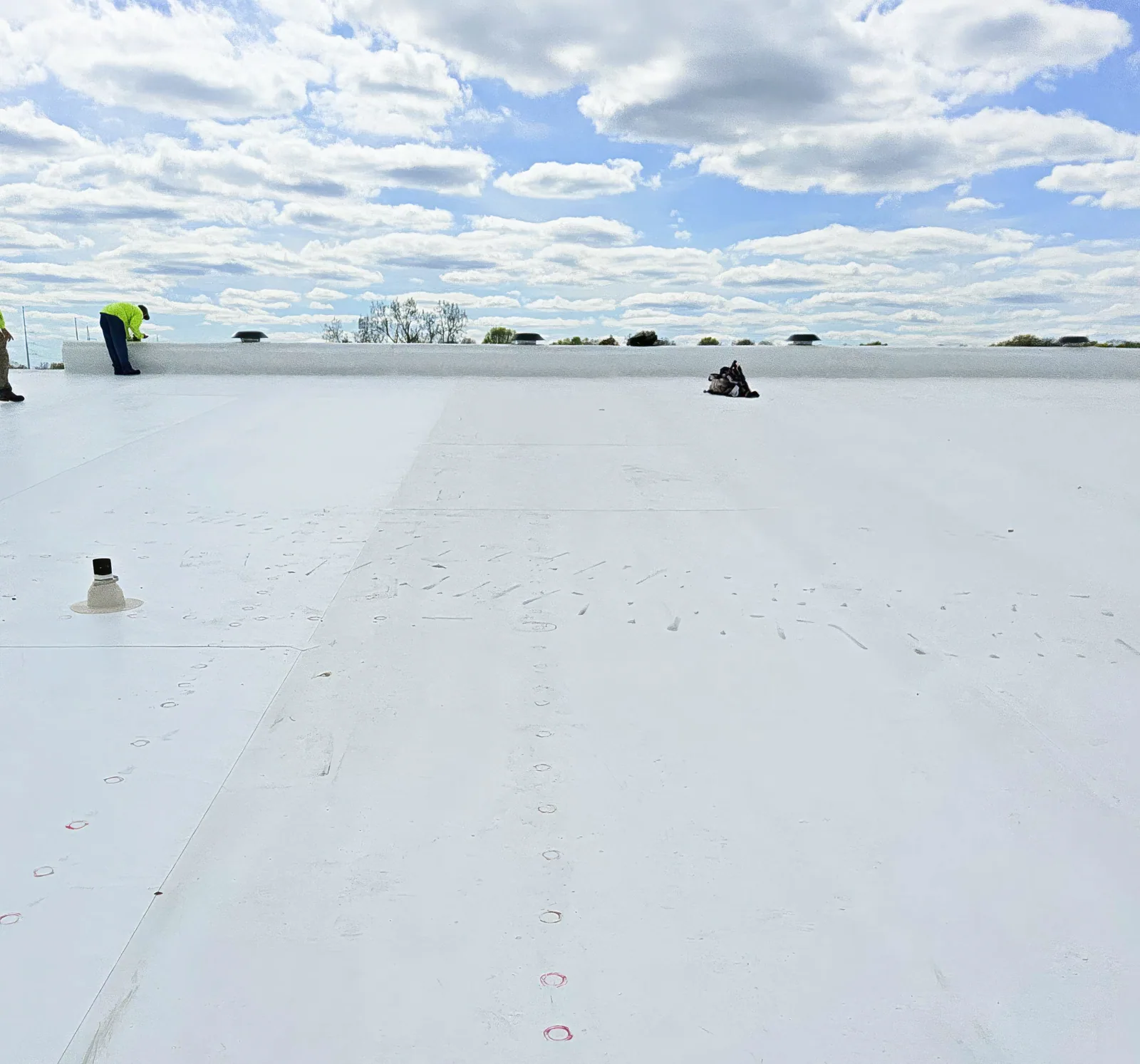
Elgin, IL
Plan around the building in service
Building use changes the dispatch plan. A warehouse may need clear loading lanes; a clinic may need controlled access near occupied rooms; a school may require work outside student movement. The first visit confirms the roof zone, access contact, and operating limits before anyone sets a repair boundary. Elgin’s employer base includes education, healthcare, manufacturing, and food production. Those sectors describe the local economy, not the construction or condition of any individual roof.
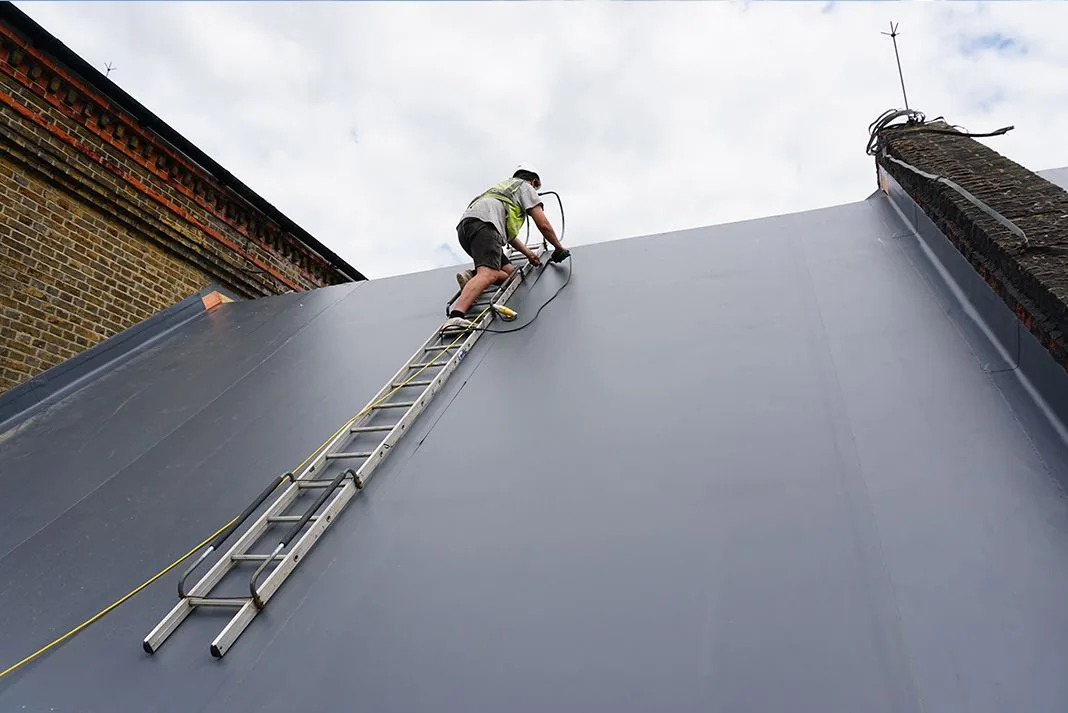
Operations: protect the work happening below
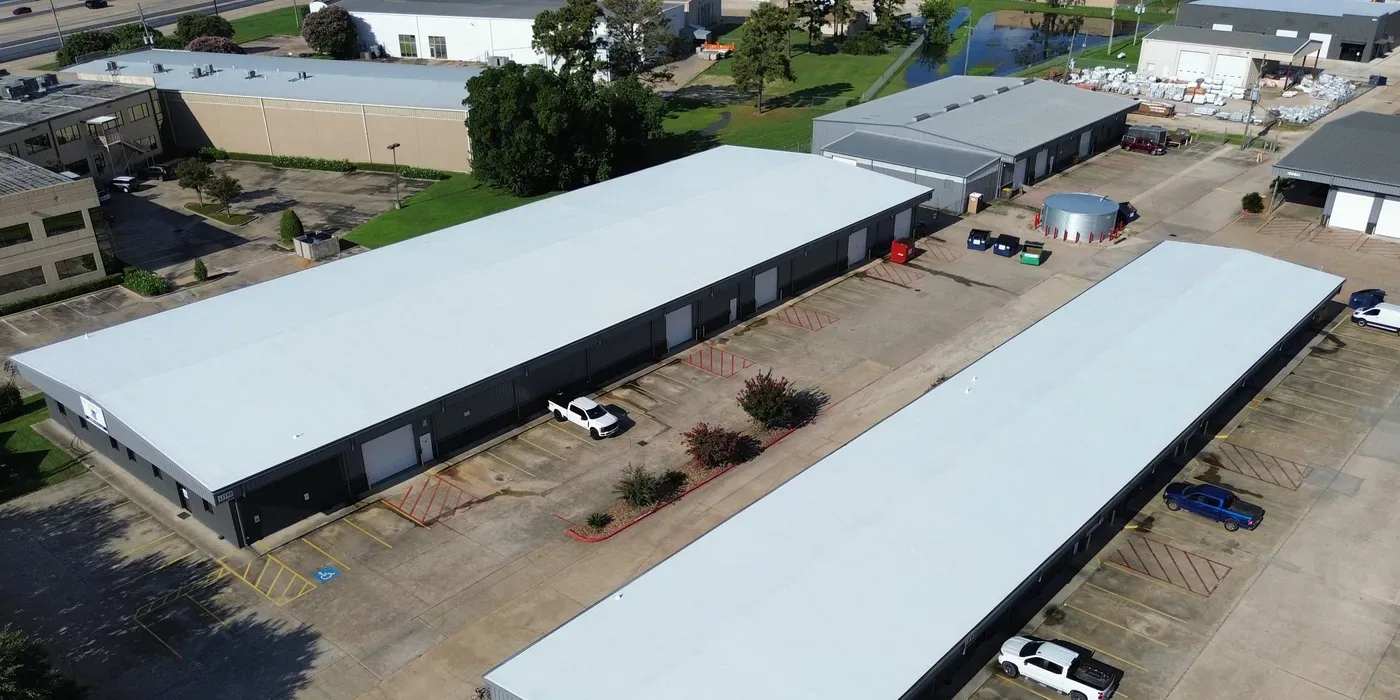
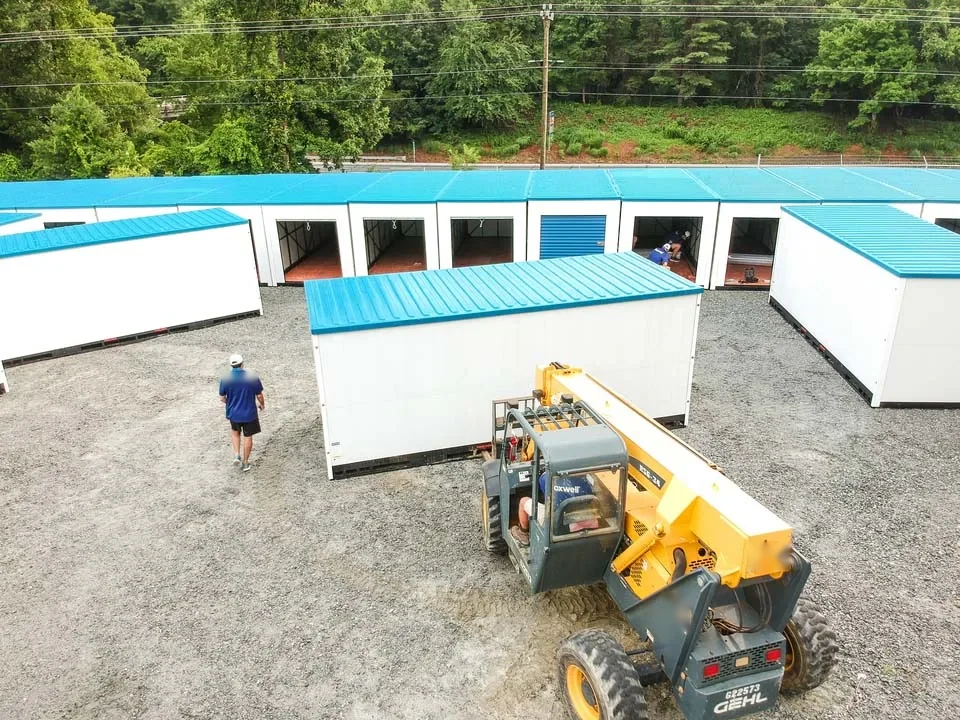
At a warehouse or distribution center, the site contact can identify loading windows, restricted aisles, and equipment that cannot be interrupted. We coordinate roof entry and material staging around those limits. For a manufacturing plant, the repair plan also needs a clear boundary between roof work and production areas. Photos and daily updates help managers track the affected zone without treating the whole facility as impaired.
Cold rooms add a different concern. A cold-storage roof inspection should account for interior temperature control, vapor movement, penetrations, and insulation condition. At a data center, access coordination and protection of sensitive operations deserve explicit planning. These considerations guide questions for the property team; field evidence still sets the scope.
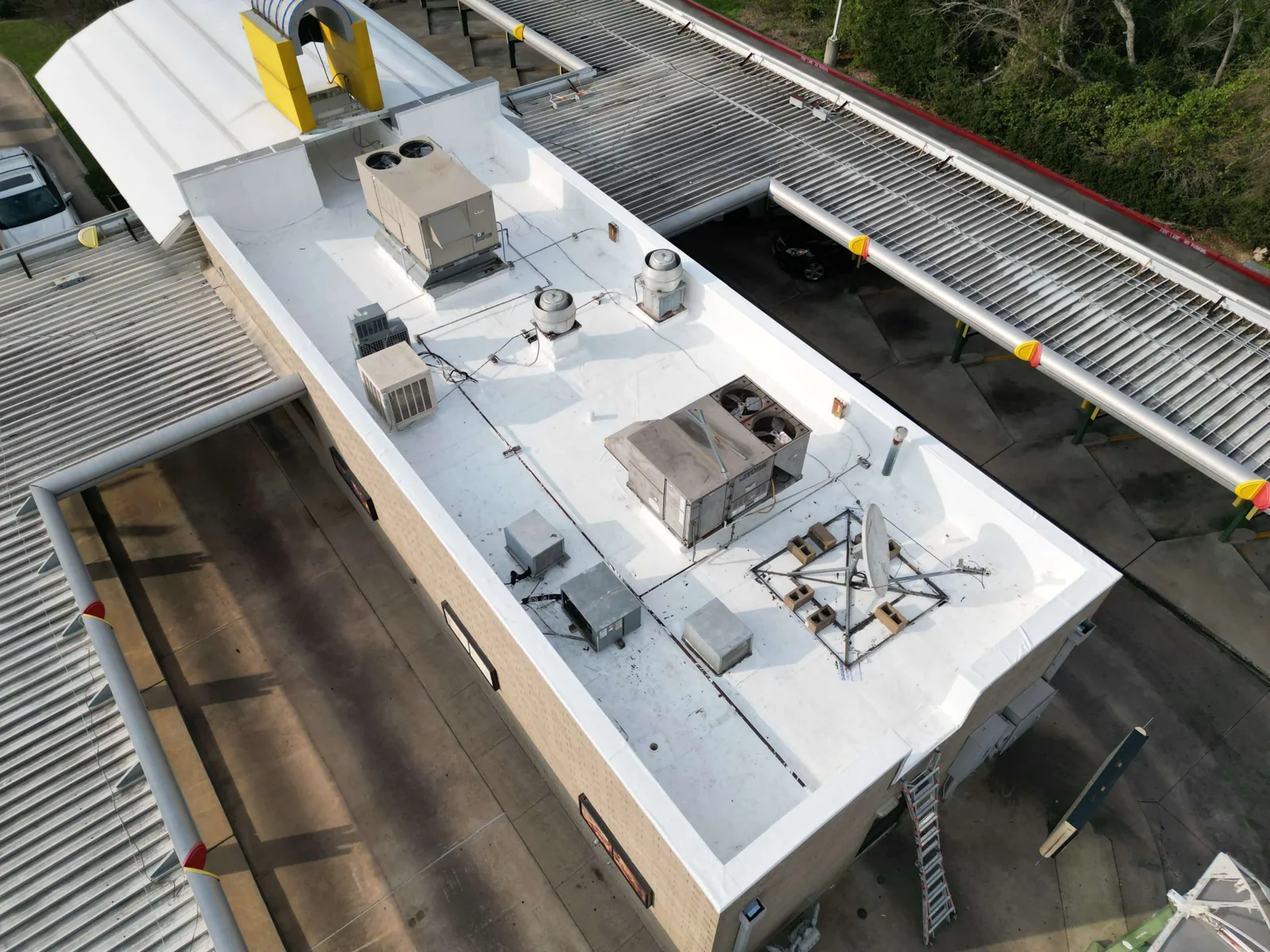
Occupied buildings: sequence entry and noise
For office buildings, medical offices, and hospitals, managers can identify occupied rooms, access controls, and preferred work windows. We confirm roof access, alarm procedures, and any limits on noise or staging. Advocate Sherman Hospital is among Elgin’s major employers, and the city also supports a broad healthcare sector. Neither fact tells us how a specific roof is built. A site inspection does.
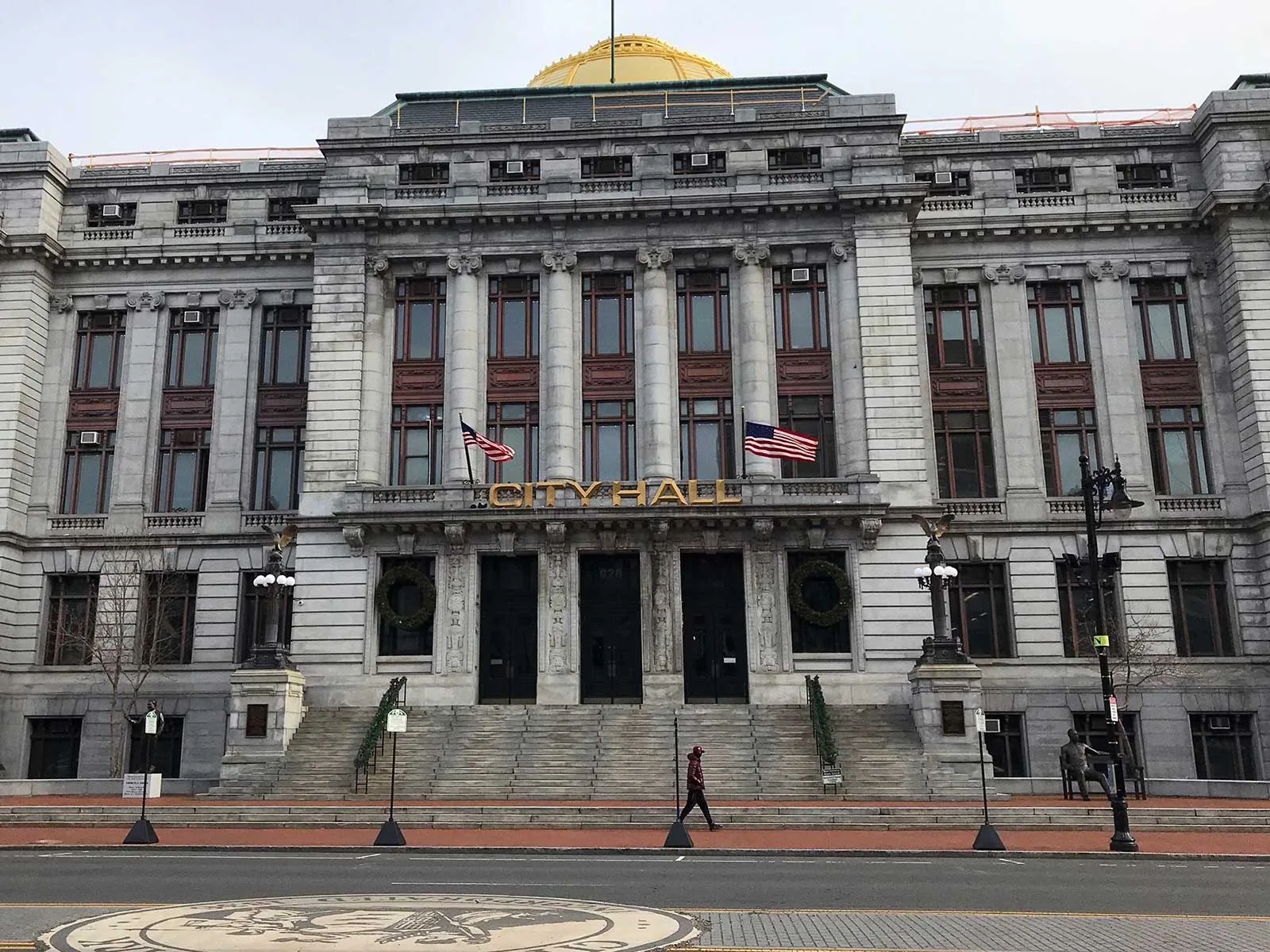
Schools and campuses need their own access plan. A school roof visit can be scheduled around student activity and facility requirements. At a college or university, the building contact can coordinate among departments and roof zones. Elgin Community College is a local institution; any project still begins with the actual building and its operating rules.
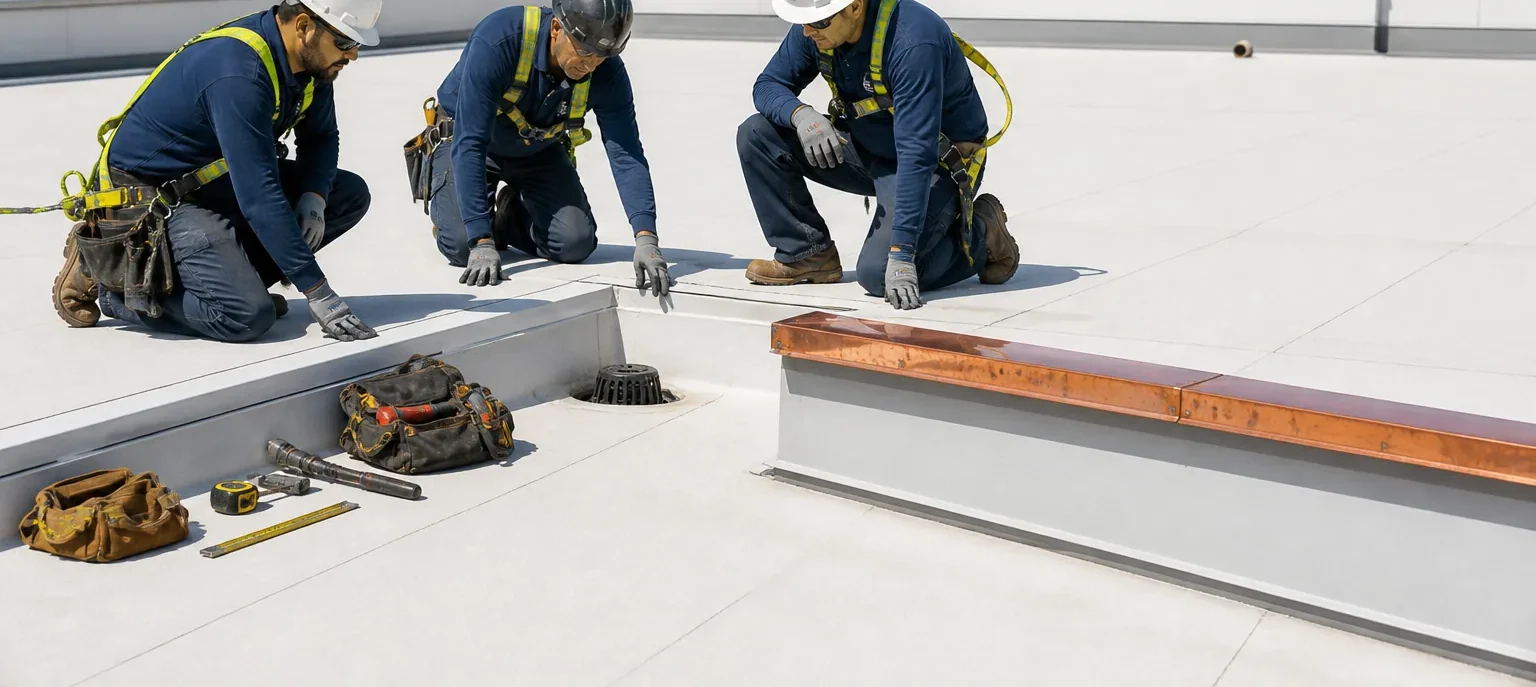
Portfolio work: keep decisions comparable
Retail, lodging, and residential properties each have distinct operating demands. A shopping center may need tenant-by-tenant access coordination. A grocery store can require attention to refrigeration areas and deliveries. For hotels and apartments, the work plan should account for occupied space and communication before disruptive tasks begin. We record roof findings by zone so an owner can compare urgency without flattening unlike buildings into one scope.
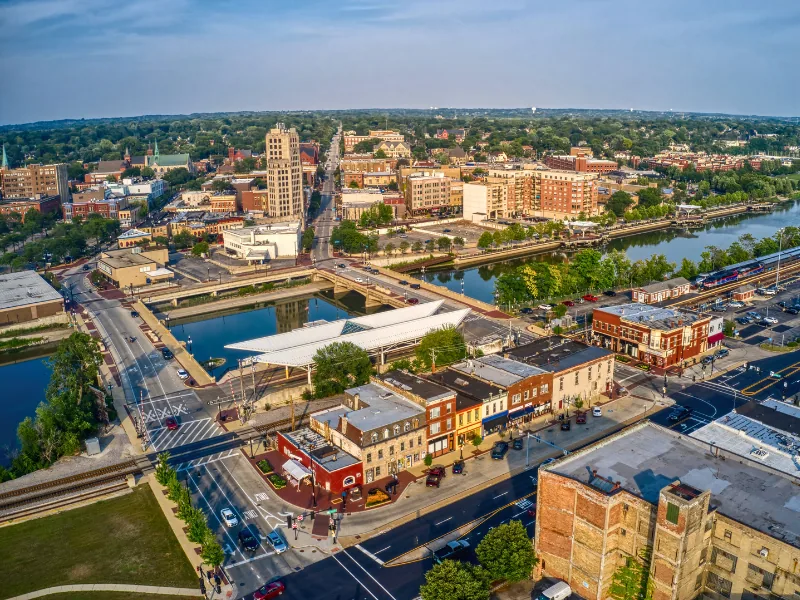
Downtown Elgin’s commercial core and Brewster Creek Business Park represent different property contexts. We use location to plan access and dispatch, not to infer roof type. Each report identifies observed conditions, open questions, approvals, and the next action.
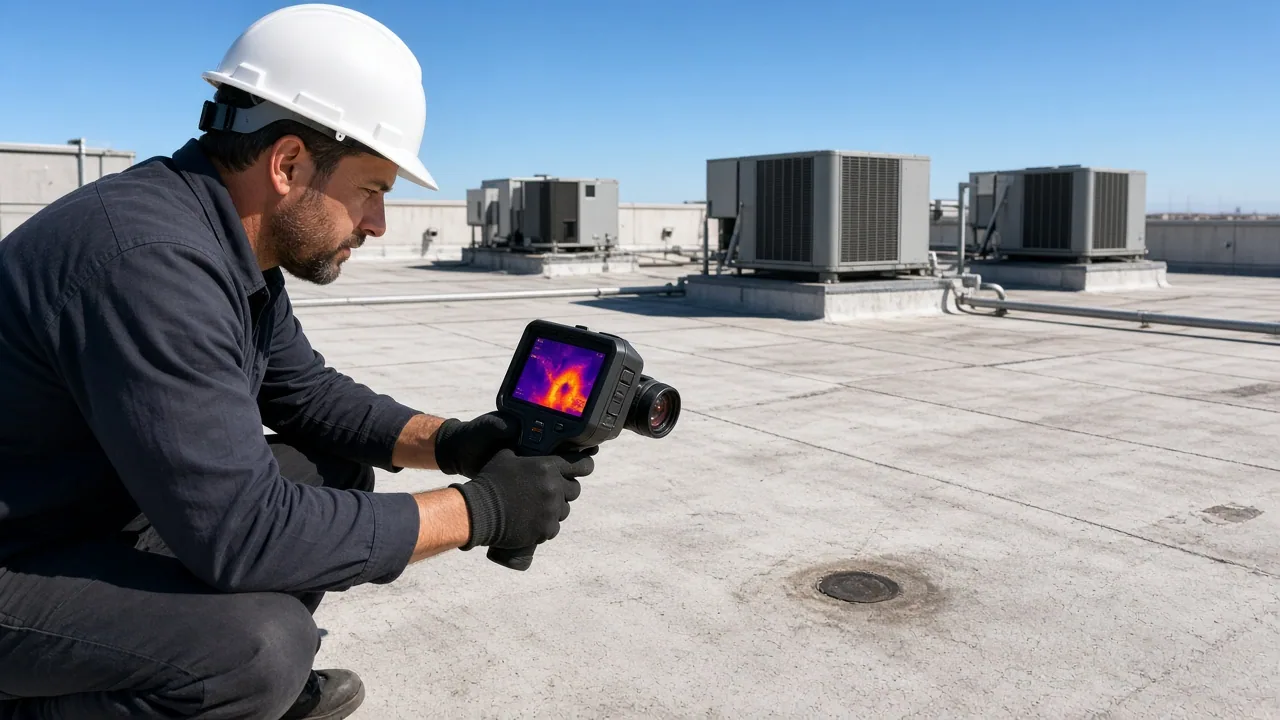
Weather window: adapt the visit to the season
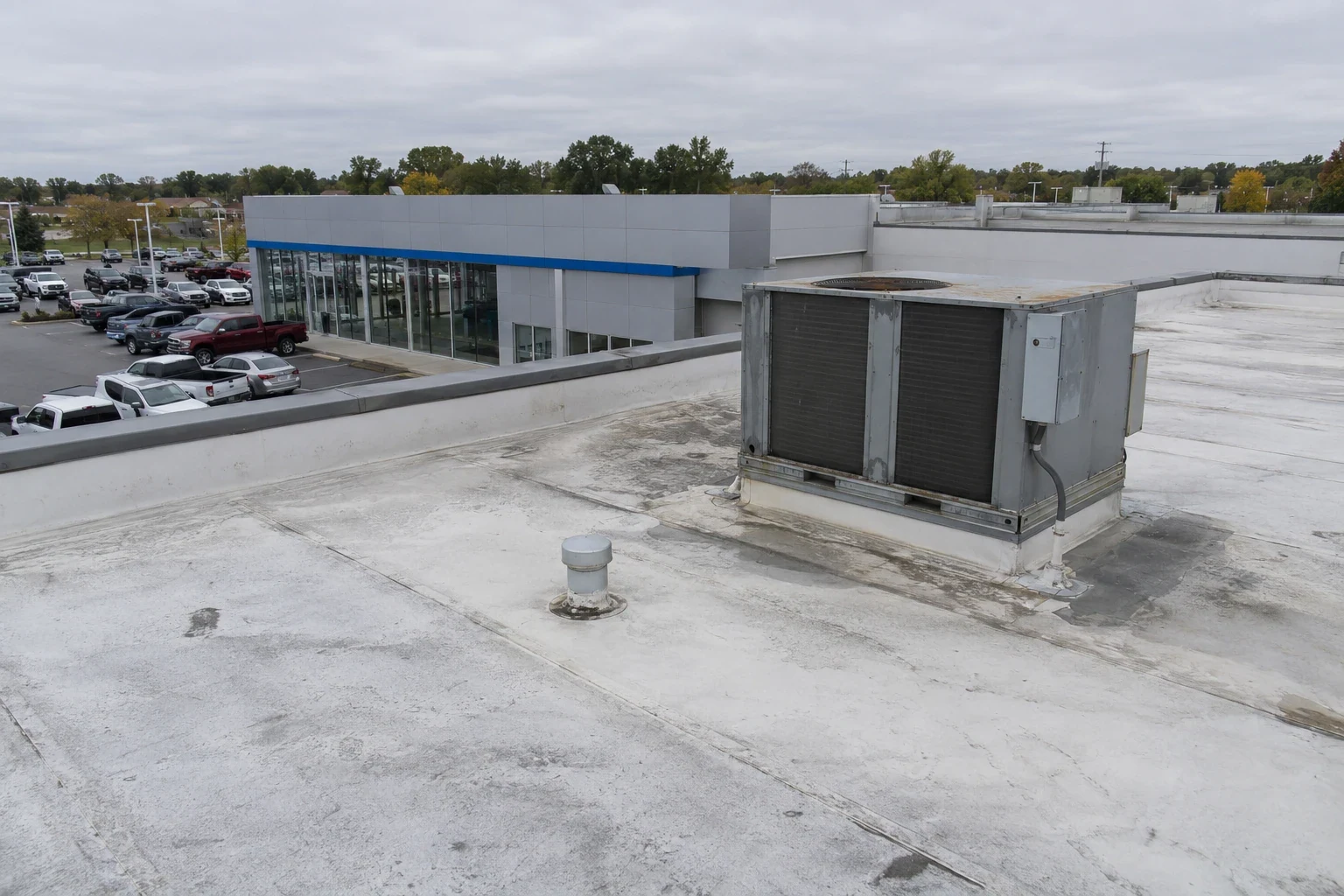
Elgin records frequent freezing days, annual snowfall, and summer heat. Those conditions can affect roof access and repair timing, but they do not establish a defect. We check the surface and current conditions before setting a work method. The site contact receives a weather hold or a revised dispatch window when installation conditions change.
Property Types We Roof: Common Questions
What should an occupied facility tell dispatch first?
Identify the building contact, affected zone, active water, restricted rooms, and acceptable work windows. Those details shape safe entry.
Can a portfolio use one repair scope for every building?
Only if the field findings support it. Roof system, access, condition, and operating requirements should be recorded by property.
Does a property category tell you the roof system?
No. We verify membrane, metal, insulation, and details on site or through reliable building records before specifying work.
How are urgent findings separated from budget items?
The report labels active water control, permanent repair, and planned maintenance separately, each with its own approval point.