Commercial TPO Roofing in Elgin, IL
Inspect a commercial TPO roof
Share the building, roof plans, leak area, access contact, and existing warranty records. We will verify the assembly and identify a compatible next step.
Commercial TPO Roofing
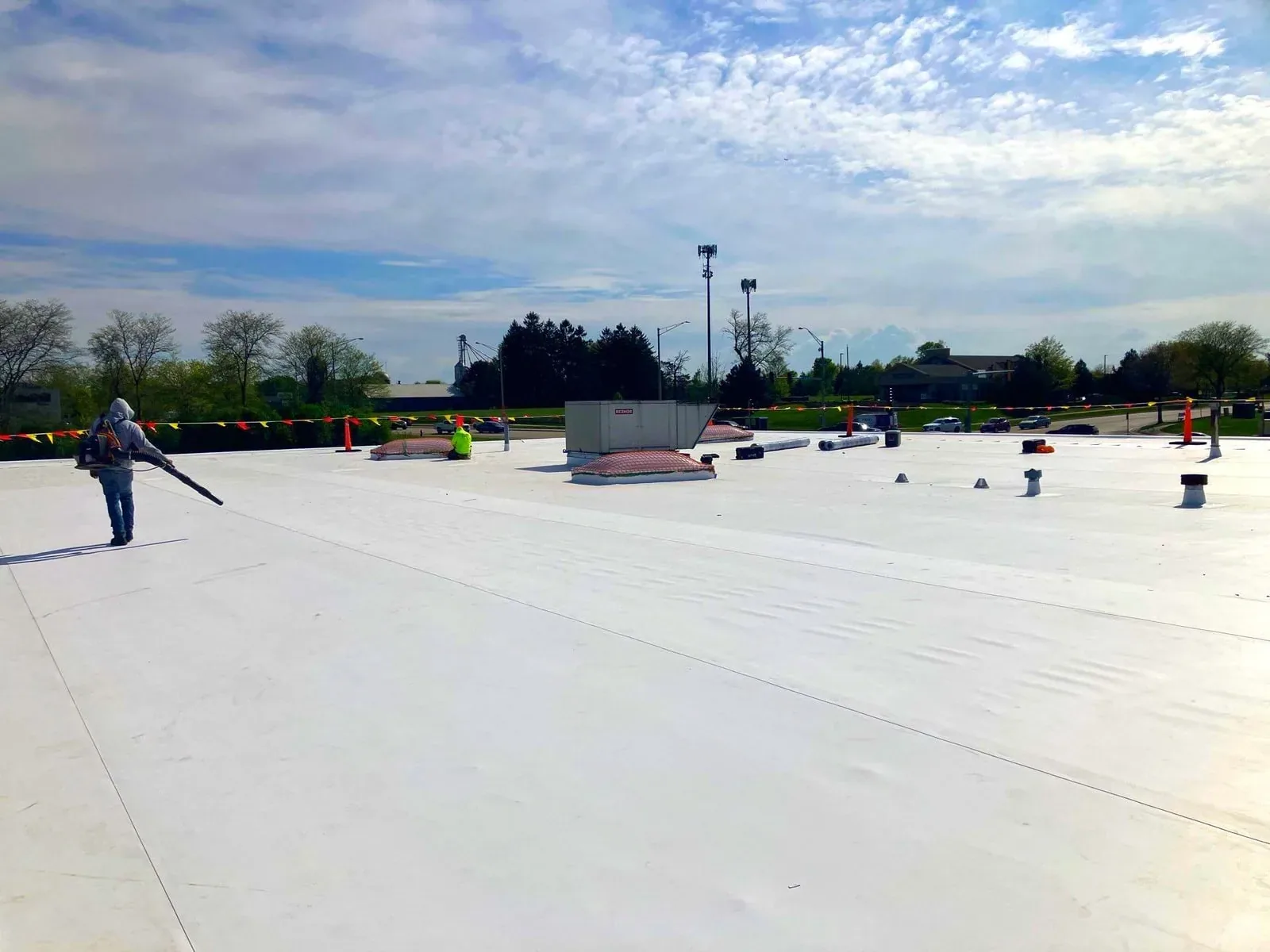
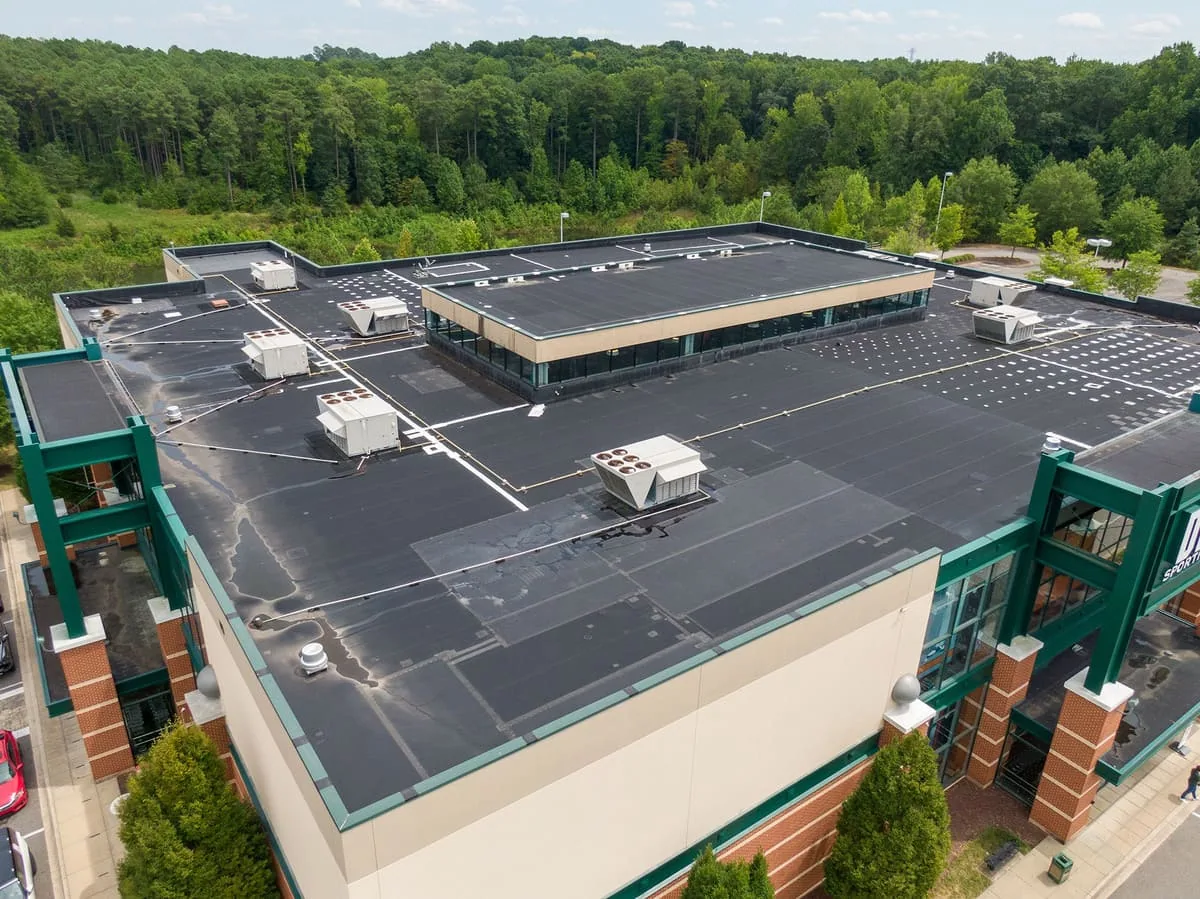
A TPO roof is a complete assembly, not just a white sheet. We identify membrane thickness, attachment, cover board, insulation, seams, flashings, and edge details before recommending repair or replacement. Elgin’s freeze-thaw cycles and summer heat affect roof work windows, while rain and snow test drainage and transitions. The inspection records observed conditions and separates confirmed issues from layers that still need testing. Any repair must match the installed system and its manufacturer details.
Identify the assembly: confirm what is on the deck
We review available plans, warranty paperwork, repair records, and roof labels. Field checks look at membrane markings, seam appearance, fastener plates where visible, cover board, drains, curbs, and perimeter terminations. A white surface alone does not confirm TPO. When documents and visible construction disagree, we recommend a defined verification area before specifying materials.
At a building near Northwest Business Park or the Miller-Davis Research & Industrial Center, operating rules and roof access vary. We confirm where crews may stage, what equipment must remain active, and which areas require escort. A market location does not tell us the roof’s age or installation method.
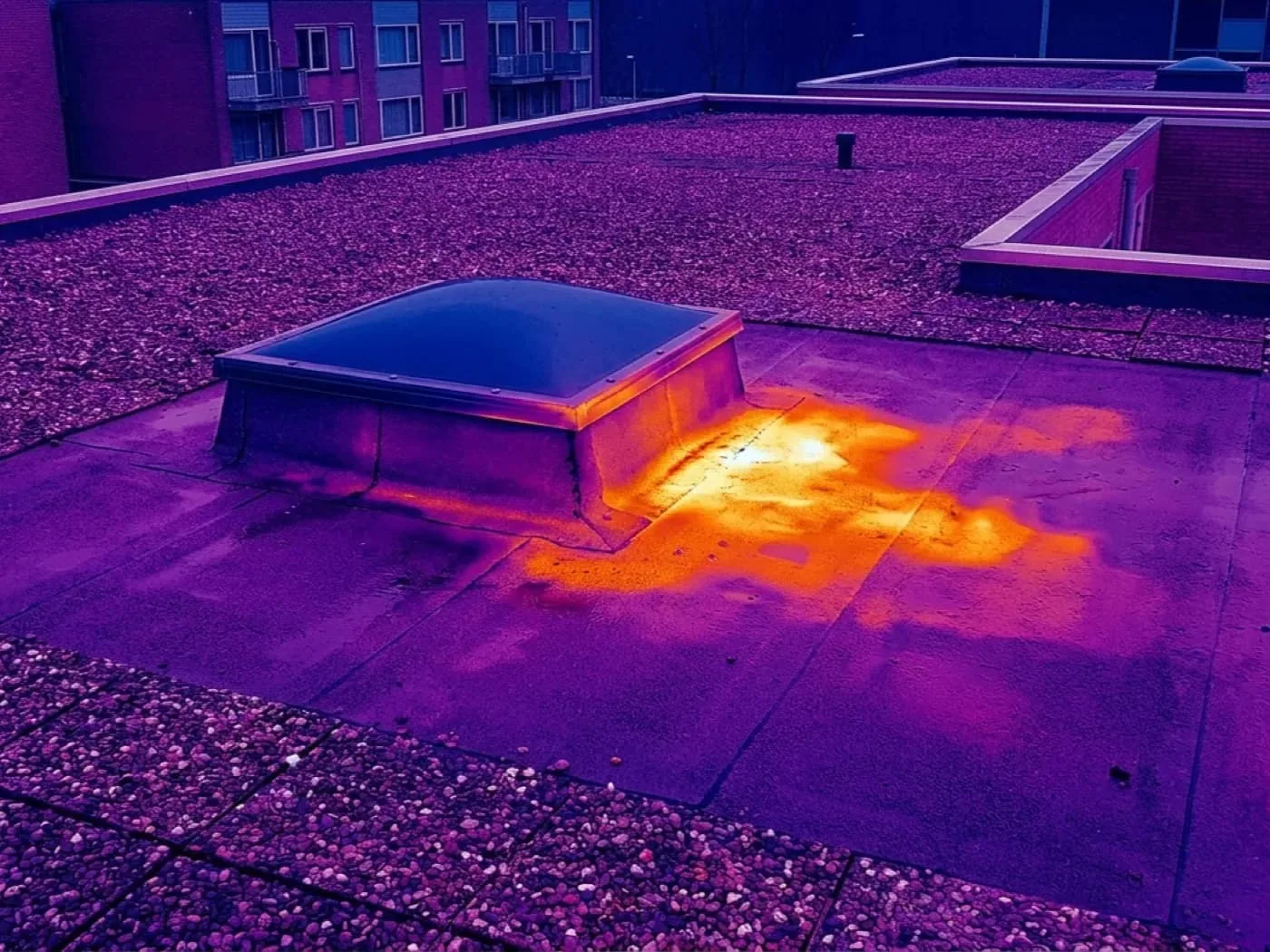
If moisture could be concealed, infrared scanning can help identify candidate areas for follow-up. A moisture survey does not establish the full wet-area boundary on its own. The owner approves test locations before a test cut, and we restore each opening using an assembly-compatible detail.
Seams and transitions: inspect welds before repair
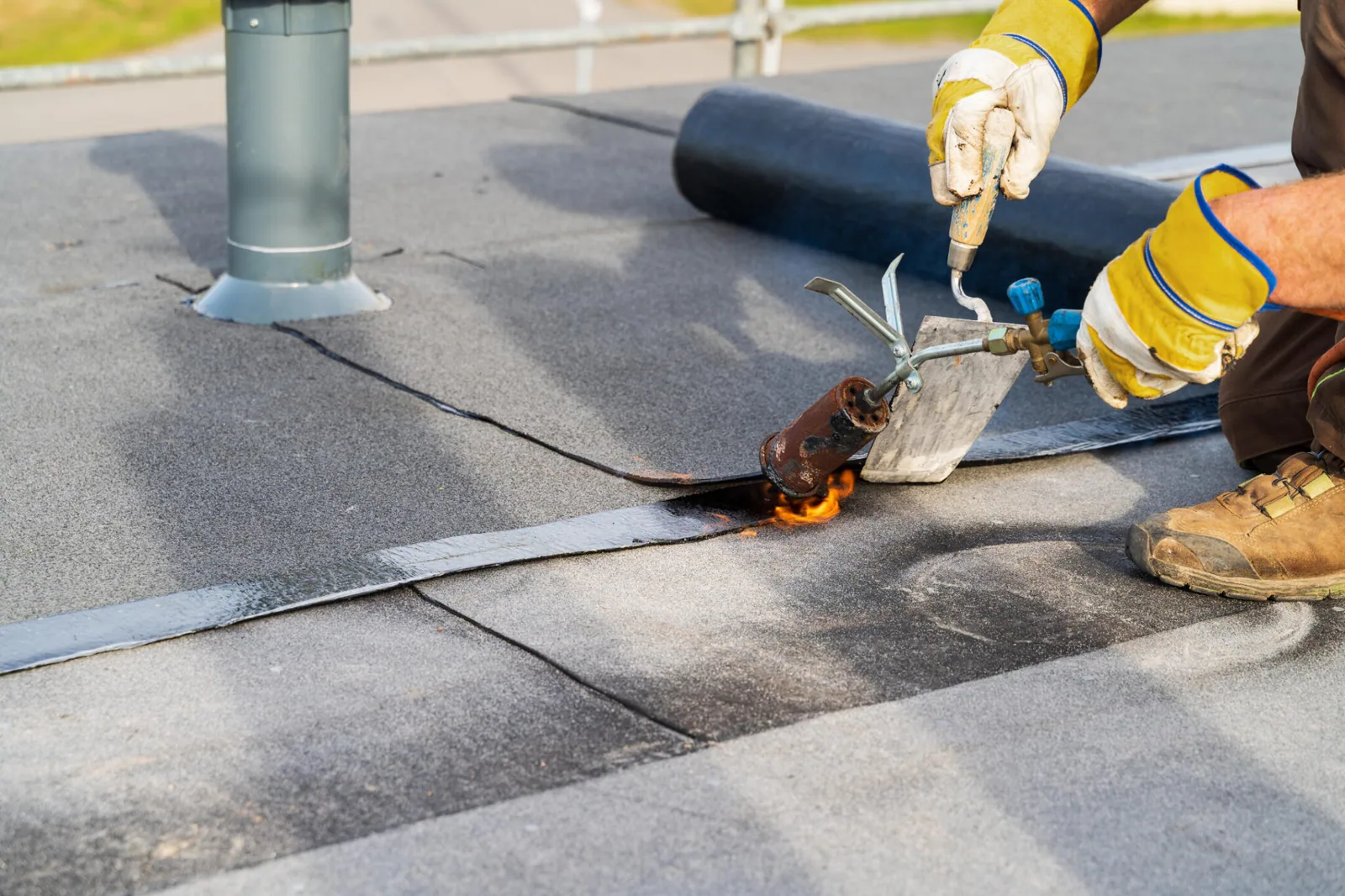
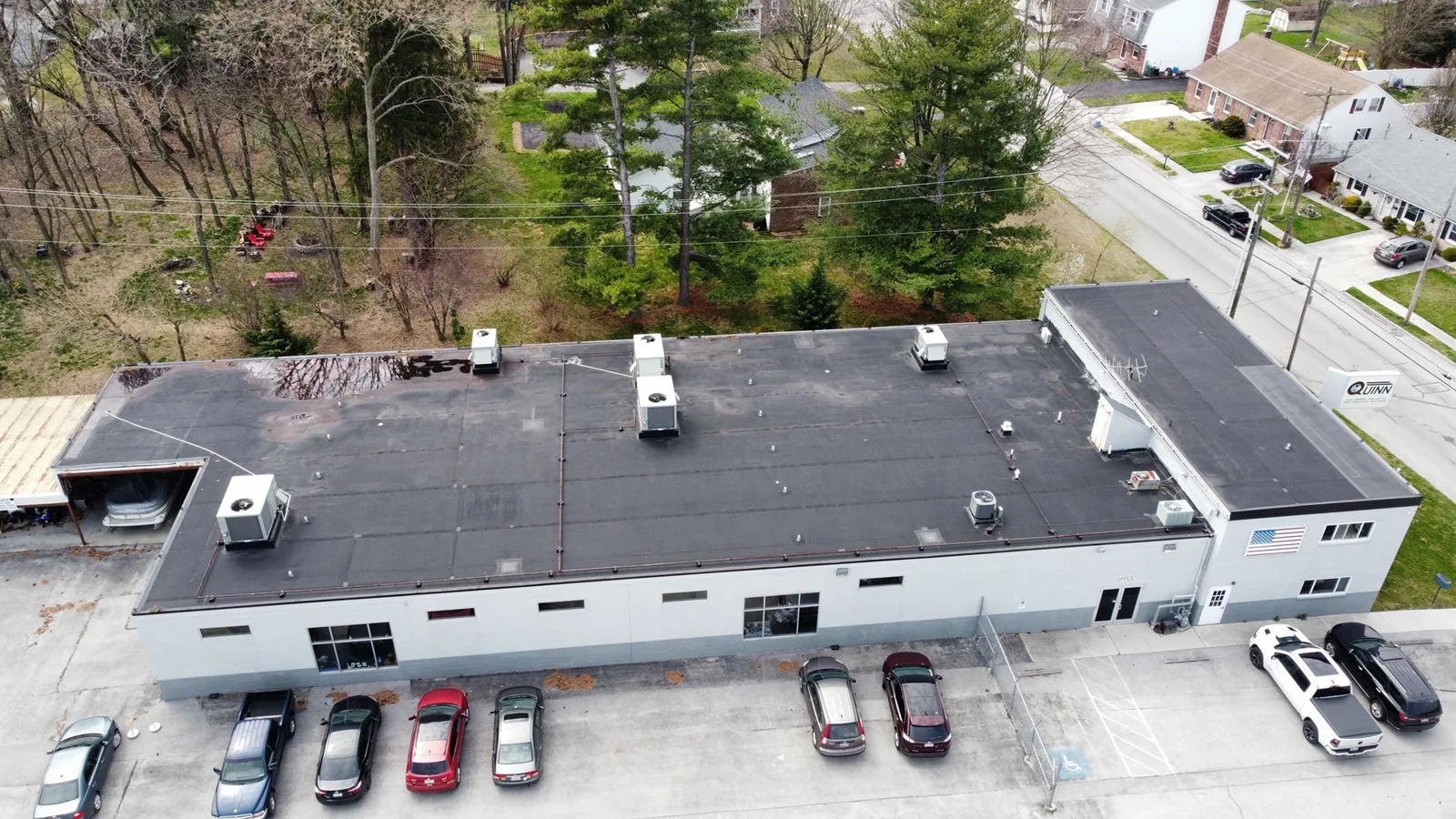
TPO field seams are heat-welded. We inspect laps, corners, patches, perimeter strips, and changes around equipment. A seam check may use probing where appropriate, but the method and accessible area are recorded. Open edges, contamination, wrinkles, and movement require different repair steps. We do not apply an unverified sealant across a seam and call it a permanent fix.
Penetrations and curbs can be more complex than the open field. We look at boot condition, weld quality, curb height, support movement, and water flow around the detail. The repair proposal names each affected location and the compatible material. A penetration detail review can include skylights, pipe boots, or equipment bases outside the initial leak report.
Where edge metal has shifted or separated, membrane termination and metal attachment must be considered together. An edge and coping inspection may be appropriate before restoring a perimeter strip.
Repair: match membrane, prep and tie-in
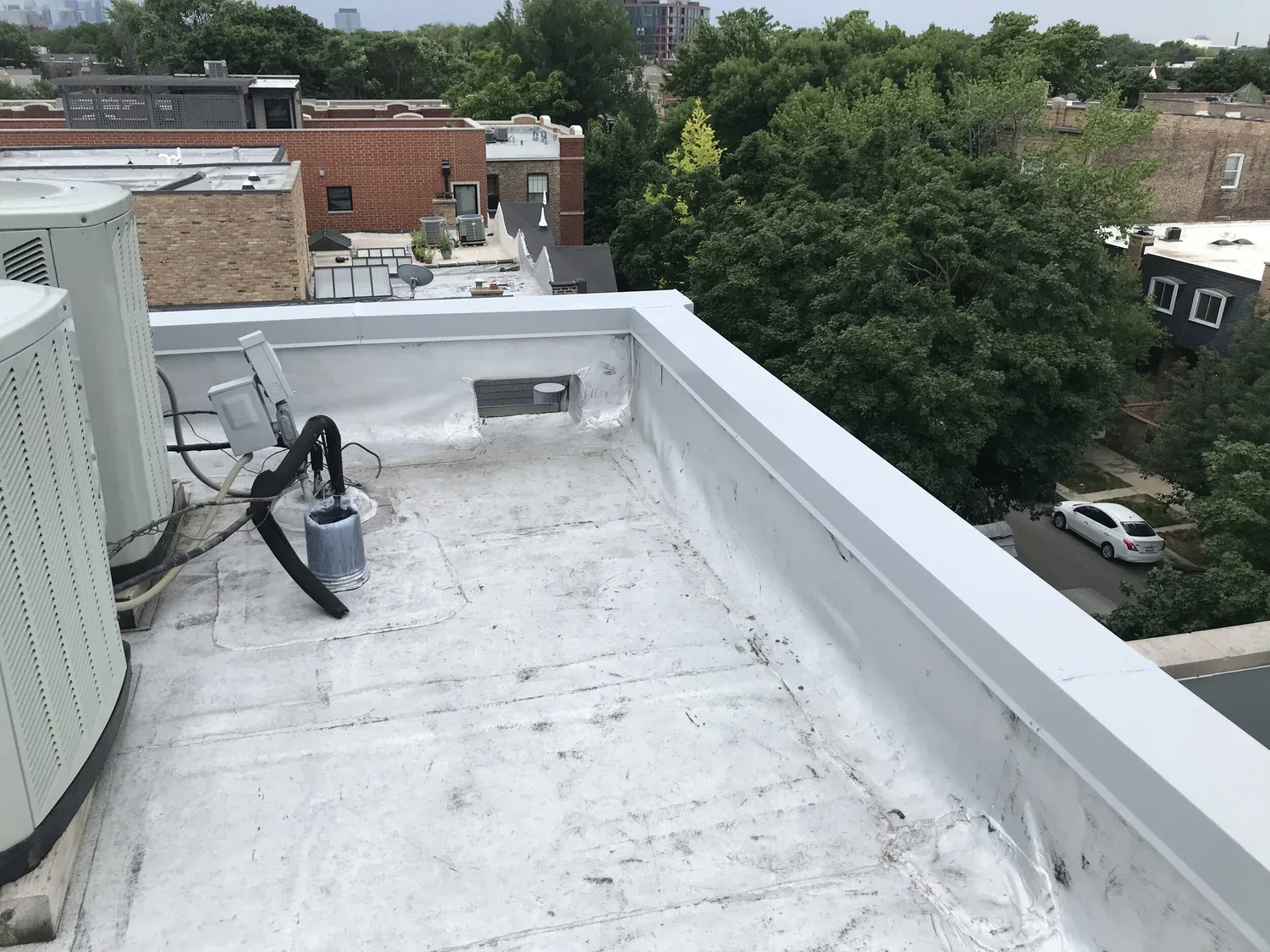
A local repair starts with a clean, dry surface and a confirmed TPO detail. The work may include removing incompatible material, preparing the surface, installing a compatible patch, welding seams, restoring flashing, and checking the finished tie-in. The scope lists the area, overlap, access, and inspection step. If the membrane is aged, contaminated, or brittle, the proposed repair may require a test before production work.
Temporary protection and permanent repair are separate. If water is active, we identify a safe short-term measure and set a clear boundary. The next visit addresses the underlying seam or flashing. A leak investigation can trace water when the interior stain does not line up with the roof entry.
Compatibility matters at coatings, asphalt, sealants, and older patches. The crew checks product approval and manufacturer instructions before joining materials. We do not assume that any white repair sheet can be welded to the existing TPO. If the exact assembly is unknown, records or a test area may be necessary.
Recover or replace: compare assembly condition
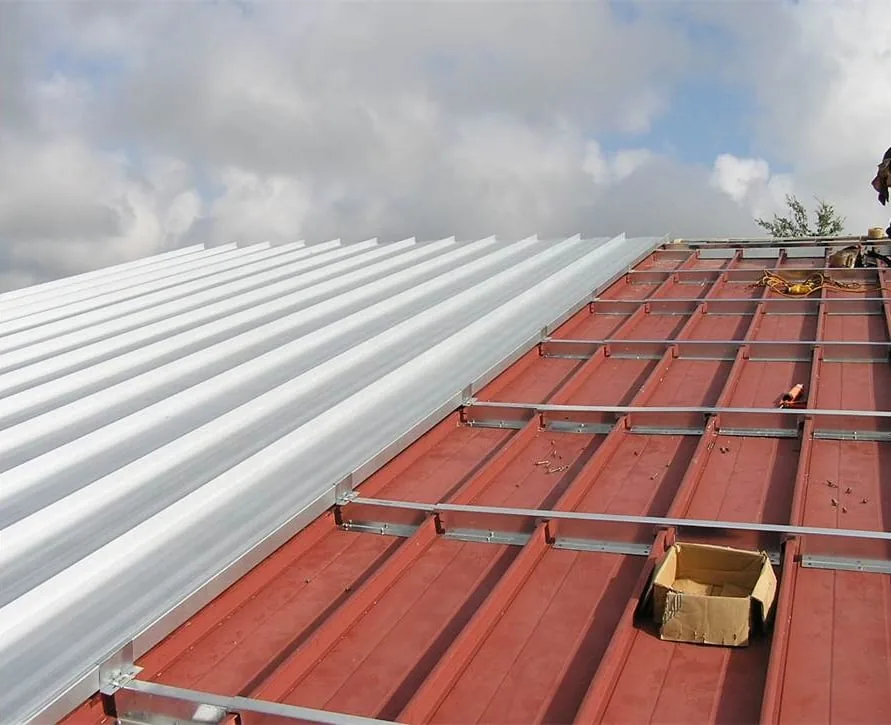
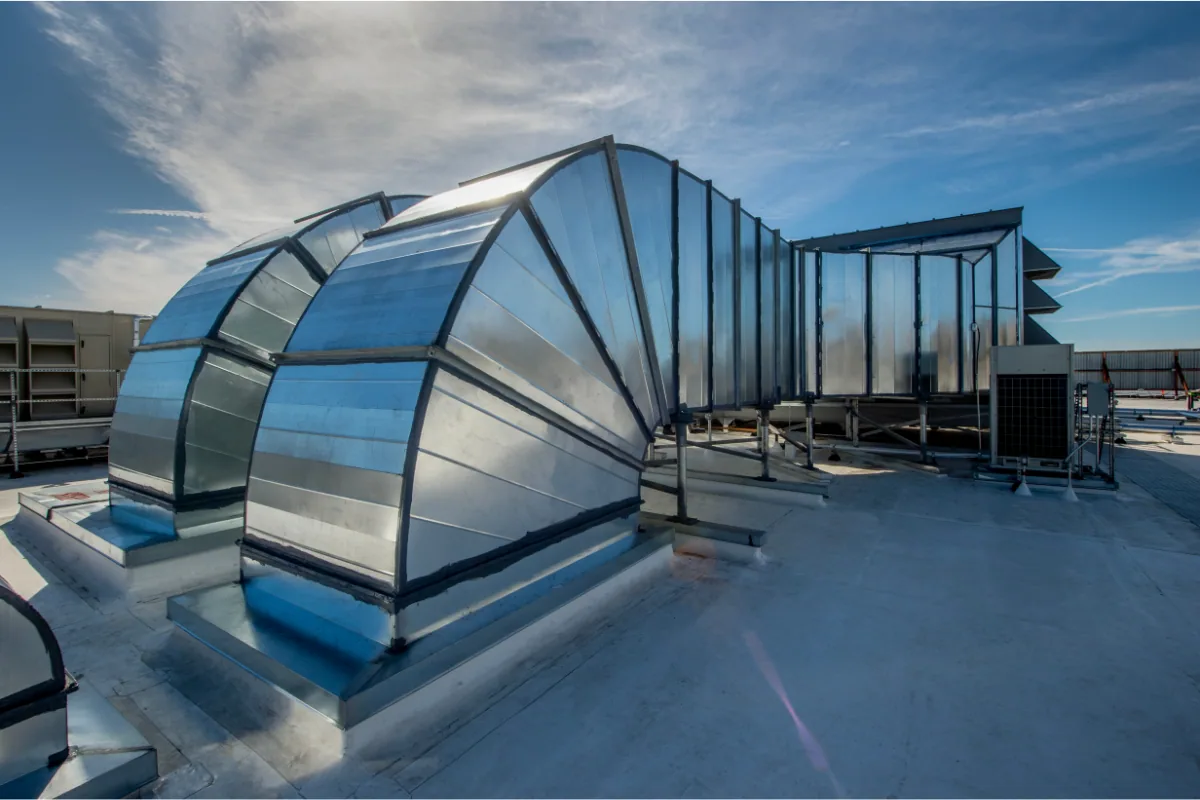
When a roof has widespread seam failure, wet insulation, or repeated repairs, a local patch may not be the best long-term path. We compare defined repair, recover, and tear-off options using verified roof layers and substrate conditions. A recover proposal must account for existing layers, attachment, edges, drains, equipment heights, and structural limits. Cold-weather work needs a suitable surface. Elgin averages 137.9 below-freezing days and receives about 29 inches of snow each year. These conditions support attention to winter detailing and scheduling. They do not tell us whether a particular TPO roof should be replaced. That decision follows field findings, owner goals, warranty status, and budget.
A replacement assessment can compare the alternatives in writing. Owners can also review a PVC roof system or EPDM alternative where project conditions support that discussion. The estimate identifies insulation, cover board, membrane attachment, perimeter details, drainage, and exclusions. Any concealed deck or moisture condition remains an approval point until exposed.
Installation: coordinate fastening and weather windows
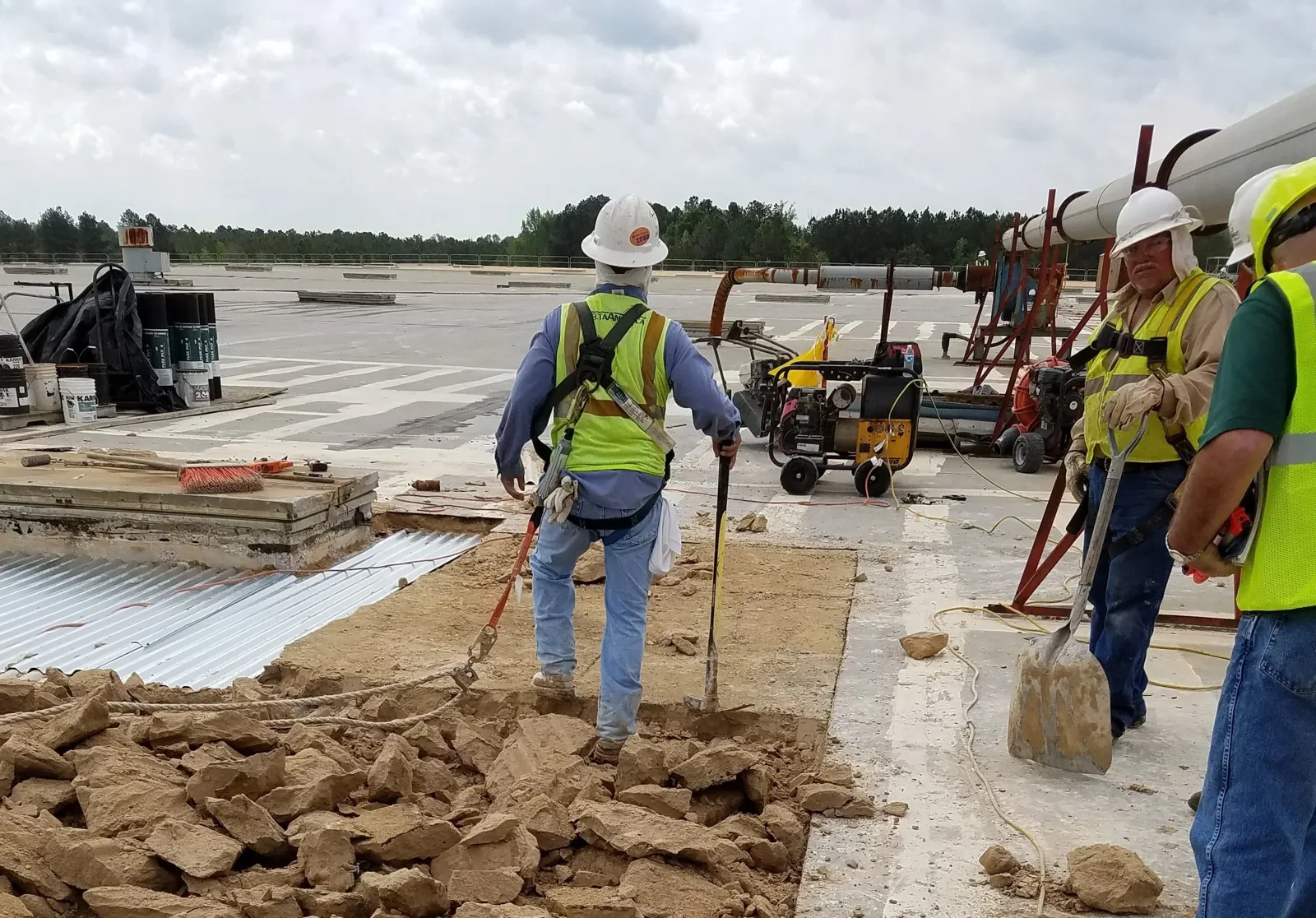
Installation method depends on the approved assembly. Mechanically attached and adhered systems require different substrate checks, material staging, and inspection steps. We verify deck type, fastener requirements, adhesive limits, wind details, and manufacturer submittals. If the roof plans omit a critical condition, the design team resolves it before material order.
Rain, dew, wind, and temperature can affect membrane welding and adhesive performance. Elgin’s climate includes recurring freezes and summer days above 90°F. The superintendent checks actual roof conditions and product requirements each day. If the surface is wet, icy, or outside installation limits, the crew holds work and protects completed areas.
Occupied buildings require coordinated loading, noise notices, and access. At Elgin-O’Hare Business Center, we confirm delivery windows and roof entry with the property contact. We use each site’s rules rather than assume identical access across a business area.
Maintenance: keep a record of seams and details
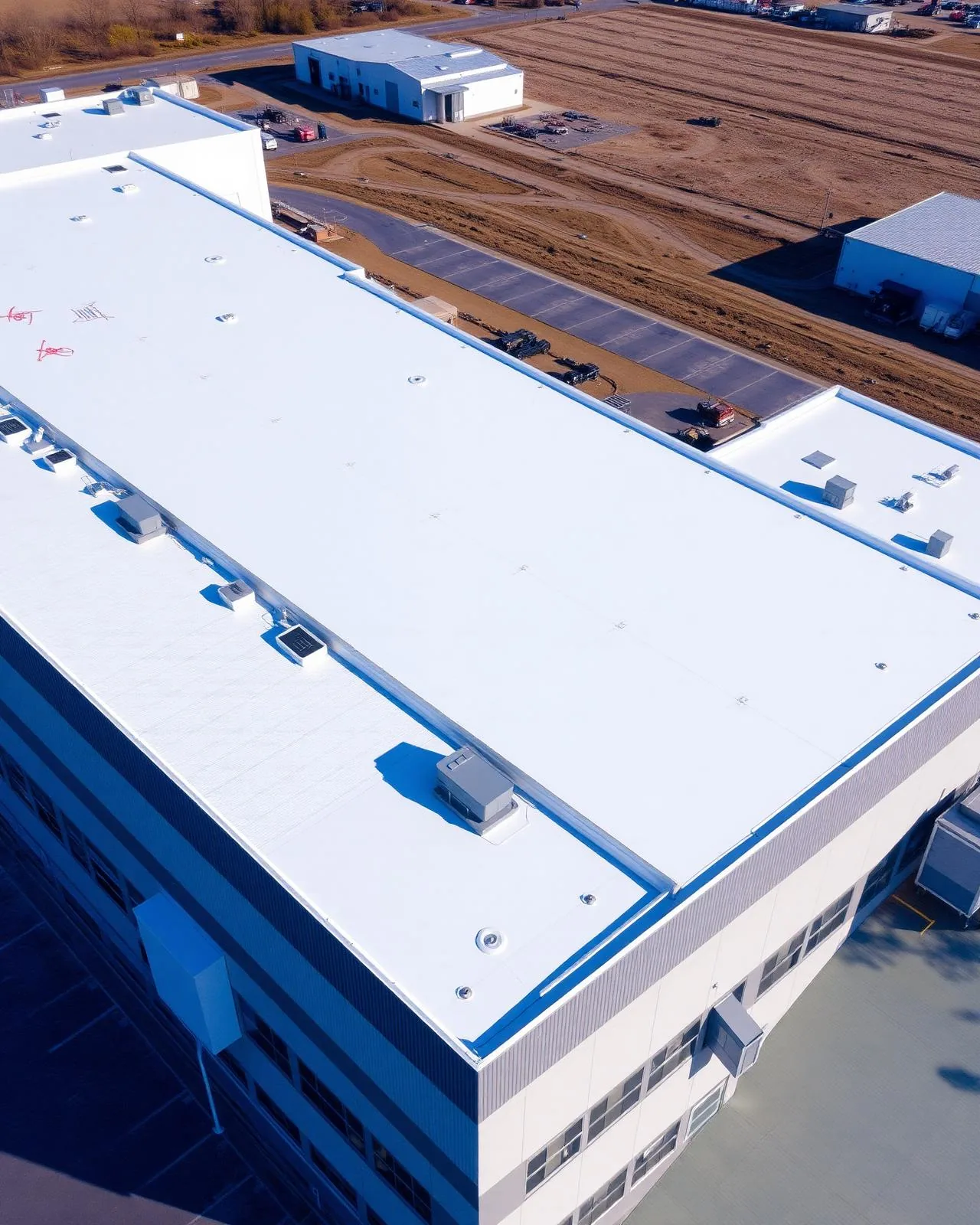
Routine review can catch loose edge details, punctures, debris, blocked drains, and unauthorized rooftop work. An inspection record should identify building, roof zone, seam or detail, photograph, and follow-up status. Roof access routes need to avoid dragging equipment across the membrane. Any new trade penetration should be documented and flashed under an approved detail.
A portfolio owner can use a roof asset record to track repairs, warranties, and inspection intervals. The record should distinguish TPO areas from other systems on a multi-roof property. If the surface is coated, the owner should confirm maintenance instructions with the coating manufacturer and roofing contractor.
We provide closeout photos and product information available for the project. A warranty inspection, manufacturer review, and contractor maintenance visit are separate processes. The owner should keep the right contact for each one.
Closeout: preserve what was installed
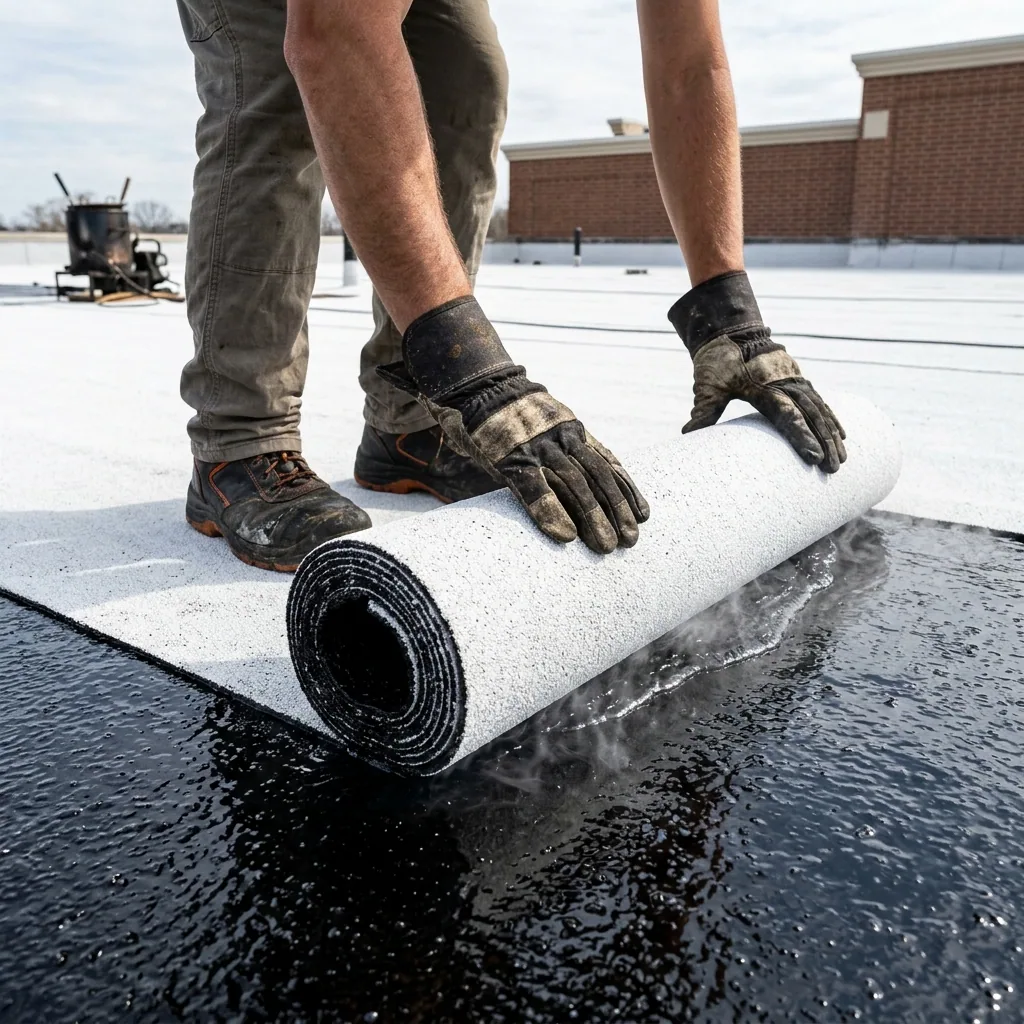
At completion, we provide repair locations, photos, material details where known, and open observations. For replacement work, the closeout may include approved submittals, attachment information, warranty documents, and maintenance guidance. Any area excluded from work is identified so a future visit does not mistake it for a completed repair.
Send roof plans, leak history, access requirements, and existing warranty paperwork when requesting TPO service. We will confirm the first inspection area and any testing needed to select compatible materials. The scope follows the field assembly and the owner’s approval points, not a generic assumption based on membrane color.
Questions About Commercial TPO Roofing
Can you weld a new patch onto any white roof membrane?
No. We first confirm the membrane type, condition, and compatible repair material. A white surface does not establish that the roof is TPO.
How do you find wet insulation under TPO?
Visual review and moisture scanning can identify areas for investigation. When concealed layers affect the repair, an owner-approved test cut may be needed to verify the assembly.
Can TPO be coated instead of replaced?
Only if the existing assembly, surface, and coating system meet product requirements. We inspect and test before recommending restoration; coating does not repair wet insulation or failed seams by itself.
What affects TPO roof installation timing in Elgin?
Surface dryness, wind, temperature, and manufacturer limits control the work window. The crew checks actual conditions and protects completed sections when weather requires a hold.
What records should I keep after a TPO repair?
Retain the repair location, dated photos, material information, warranty documents, and any follow-up recommendation. Record later penetrations or rooftop work as well.