Roof Systems in Elgin, IL
Roof Systems
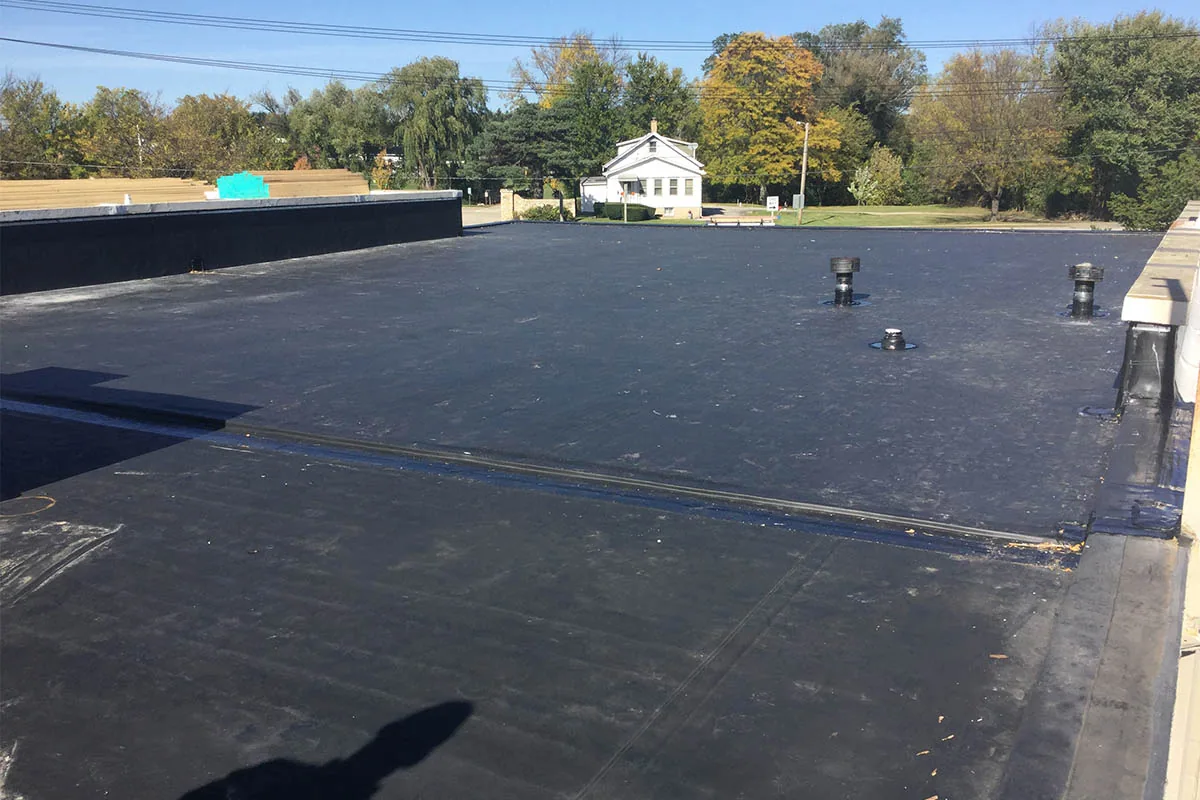
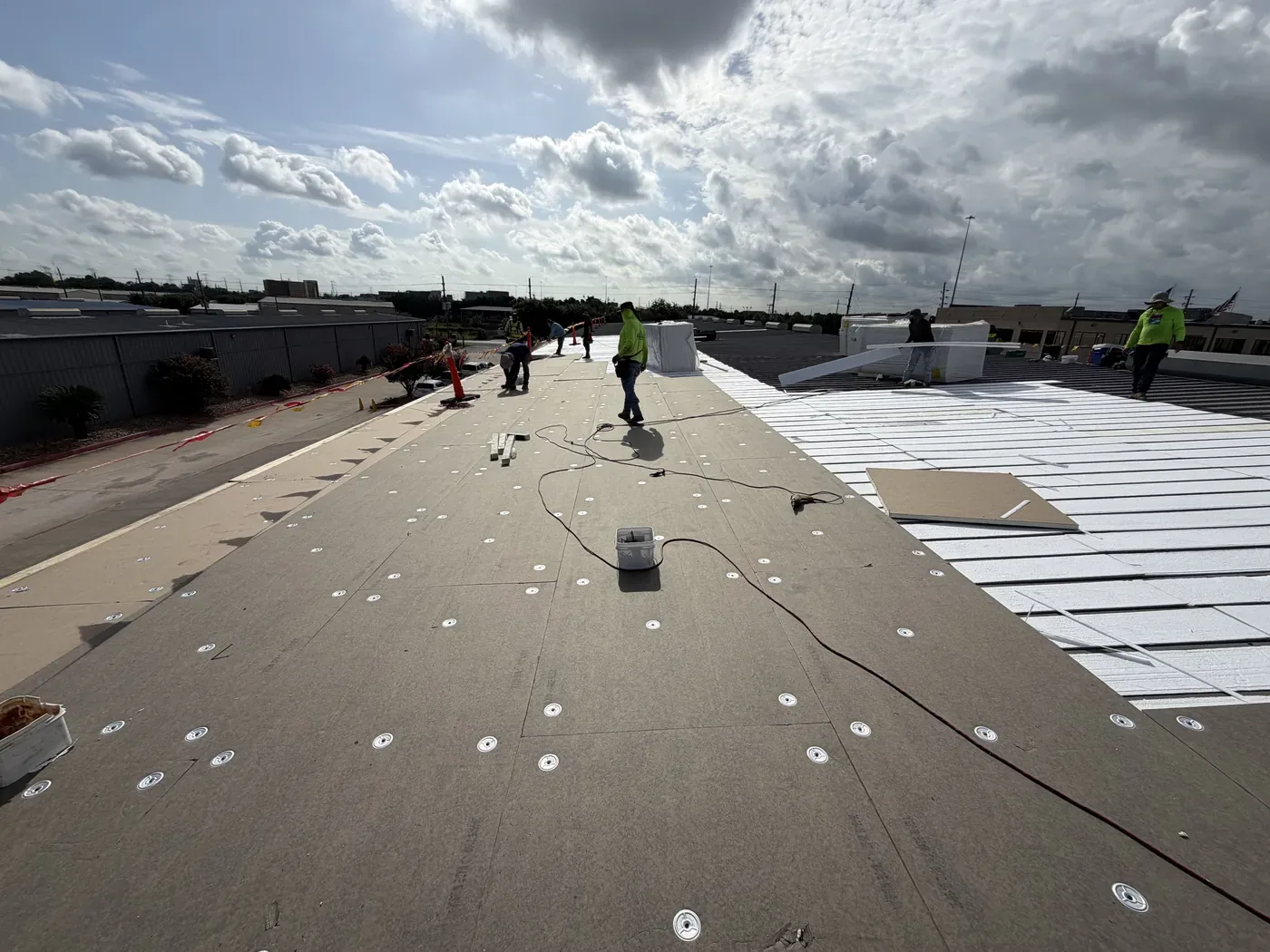
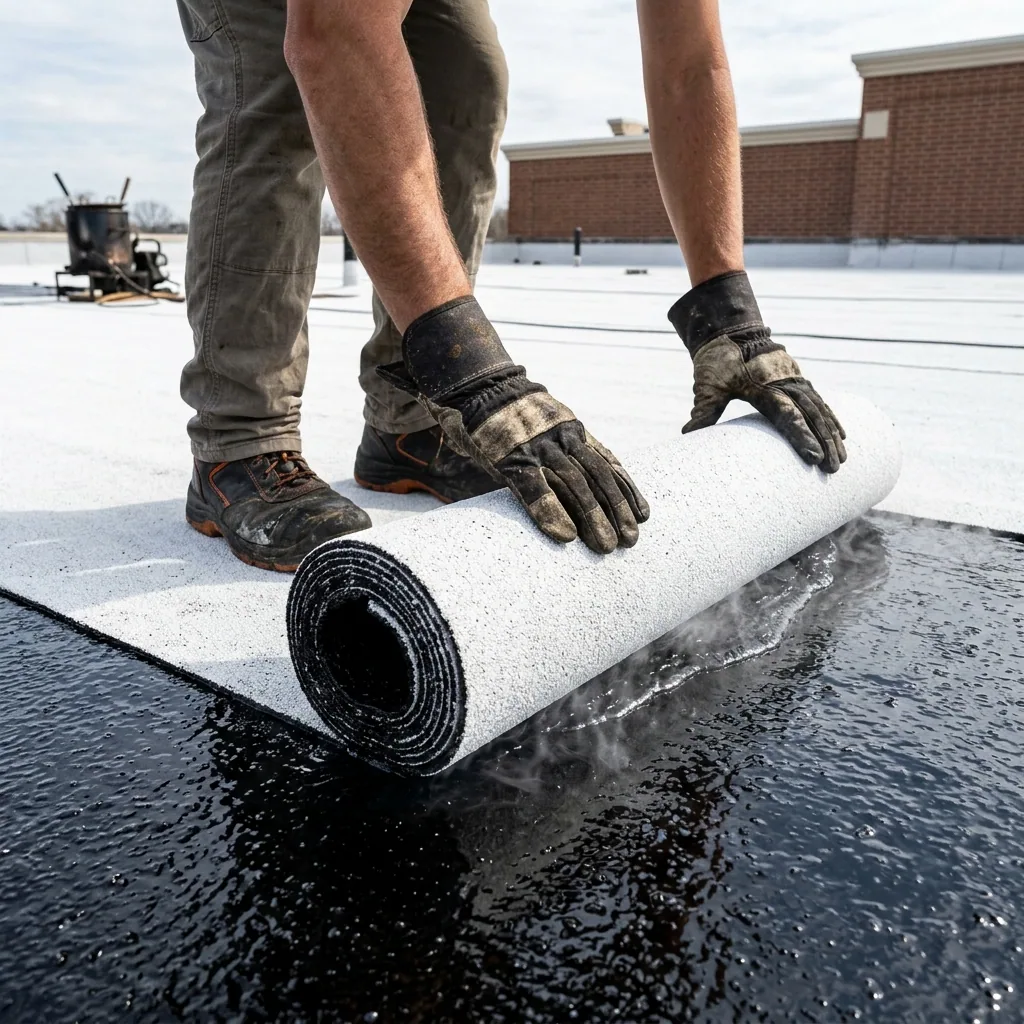
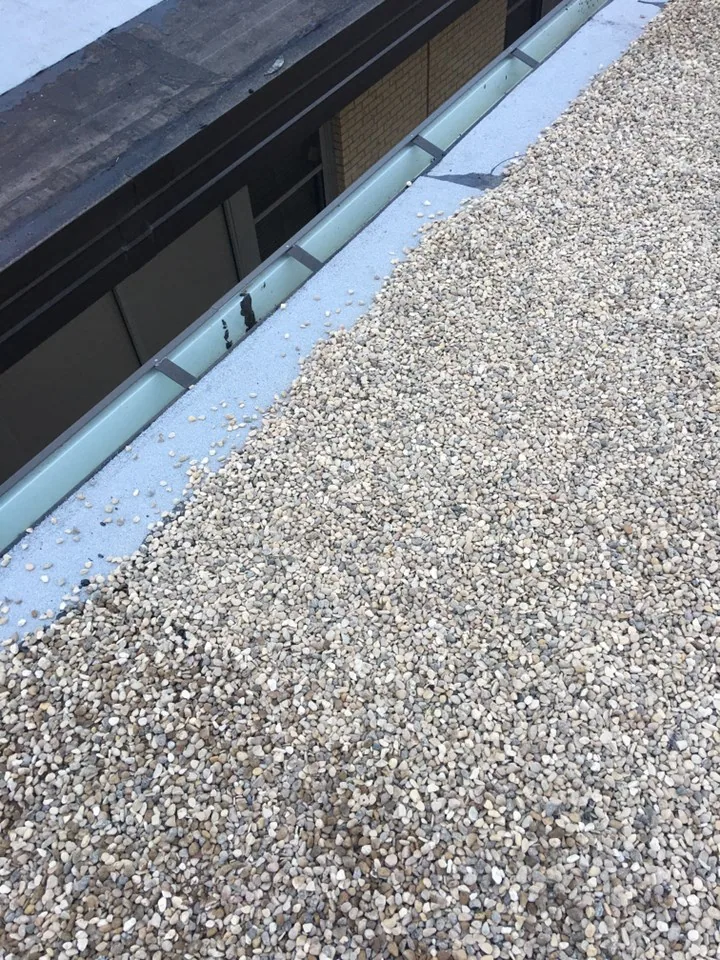
Elgin, IL
Identify the roof system before scope
The installed assembly sets the repair method. Before choosing a patch, coating, recover, or replacement, we identify the membrane or panel, its seams, insulation, edges, and prior work. The roof system also controls which materials can bond and how the repair boundary should be tested. Elgin roofs face freeze-thaw cycles and summer heat, but weather exposure does not identify the assembly. A field check does.
Membranes: match the weld or bond
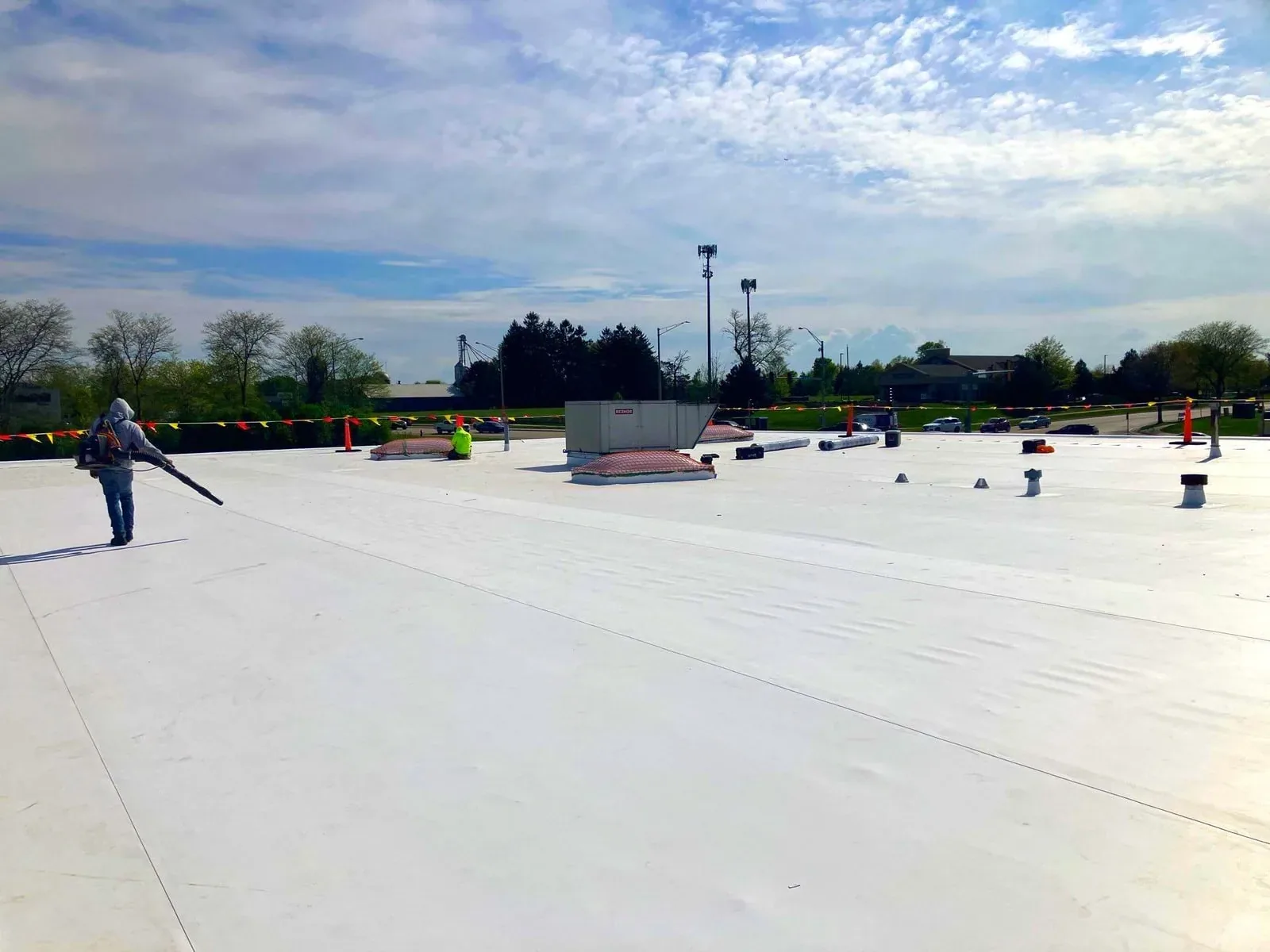
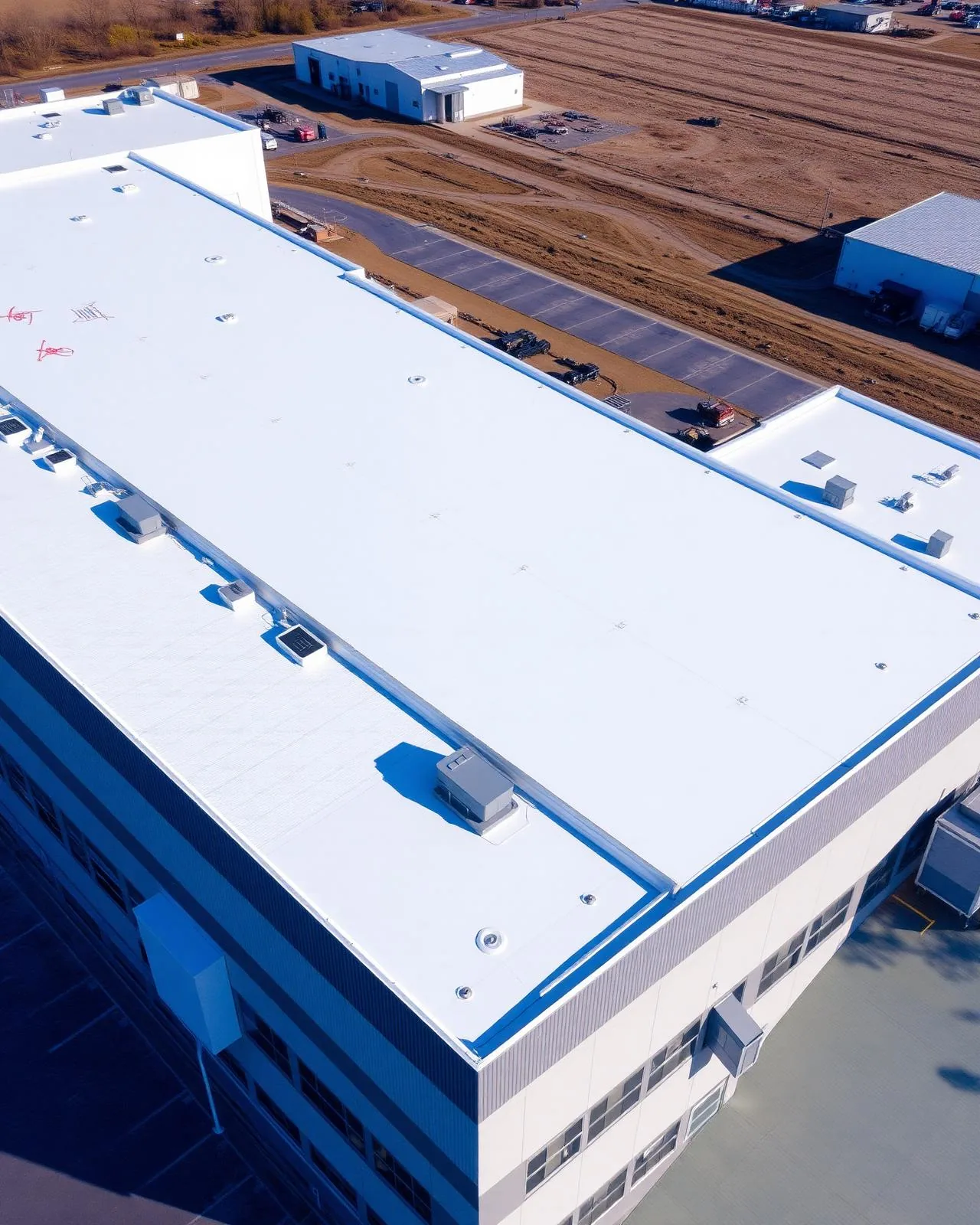
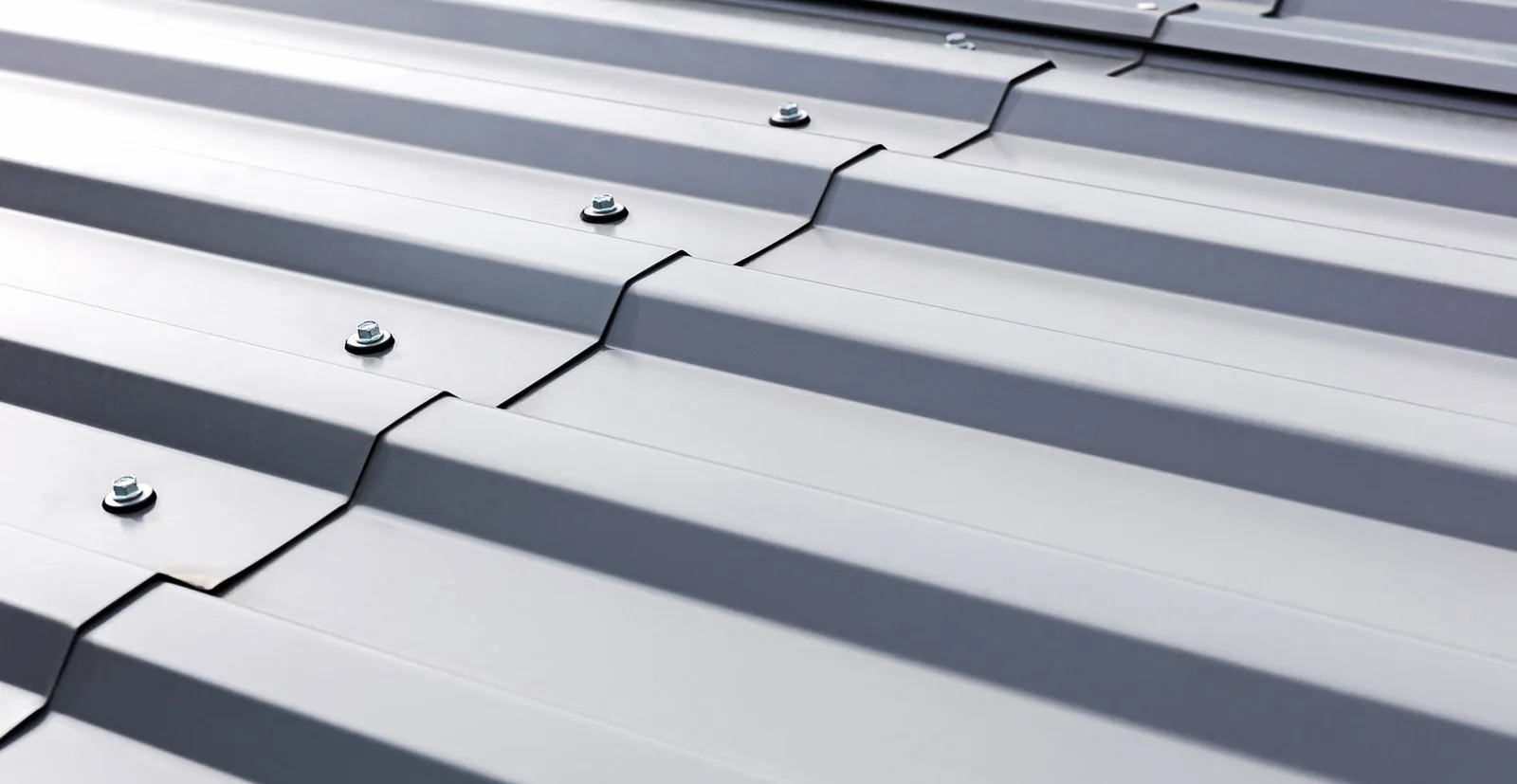
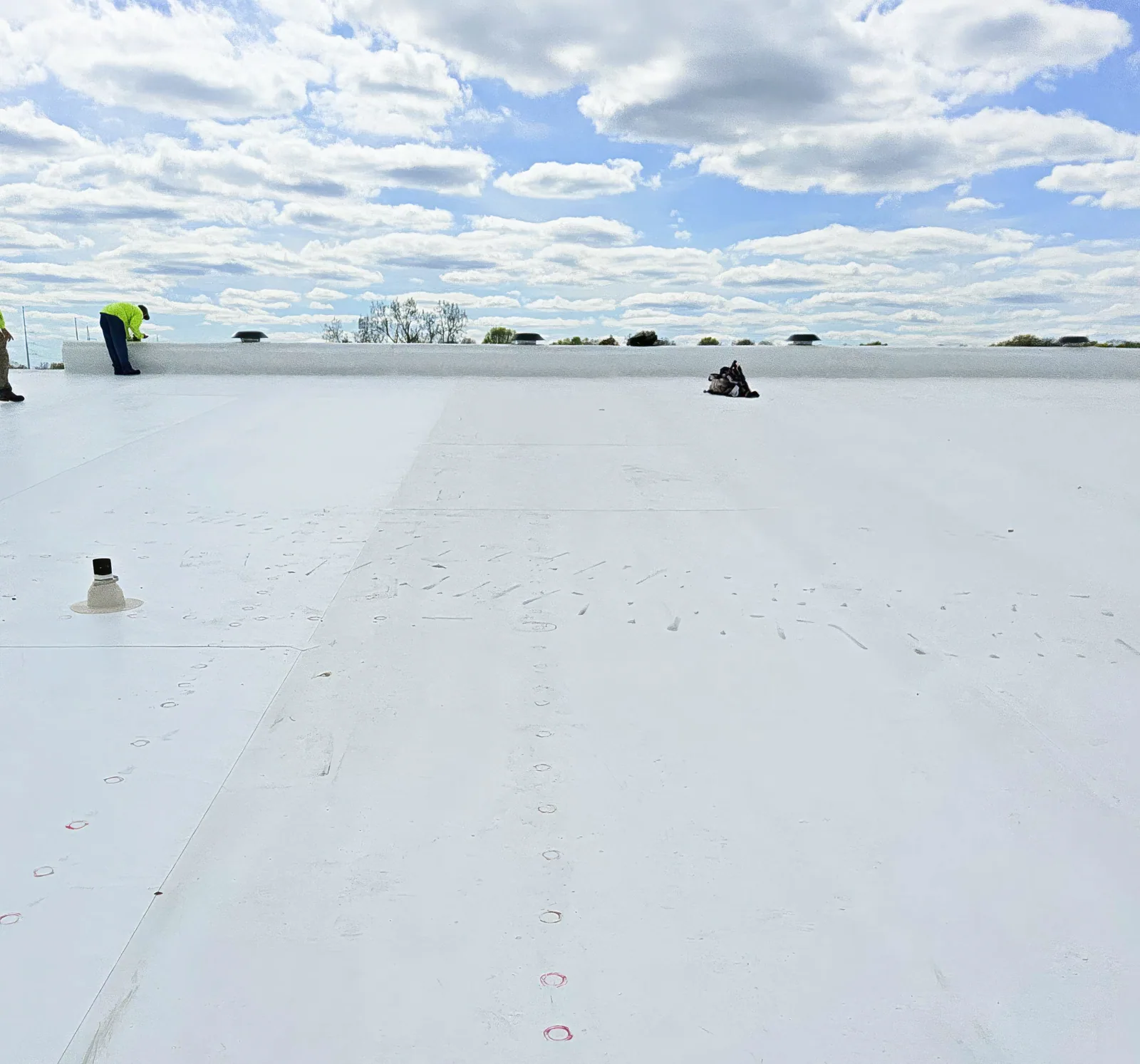
Single-ply roofs need system-specific preparation. TPO roofing uses heat-welded seams, so surface cleanliness and weld quality matter. PVC roofing also relies on welded details, but compatibility must be confirmed before combining products. On EPDM, primer, adhesive, and patch geometry control the bond. KEE assemblies require identification of the actual product before a repair material is selected.
We inspect laps, terminations, penetrations, and transitions where roof planes meet walls or equipment. A leak may appear away from the failed detail. The report marks the observed condition and any area that still needs testing. It does not assume an entire roof has failed because one seam opened.
Built-up and modified bitumen: read the surfacing
With modified bitumen, repair planning starts with the cap sheet, lap, and existing surface. A repair must connect to stable material without trapping moisture. Built-up roofing calls for attention to ply condition, aggregate, flashing, and drainage. Wet insulation or deteriorated substrate changes the scope. We identify what is visible and state when a test or opening is needed before pricing a permanent correction.
Elgin’s 29 inches of average annual snowfall and frequent freezing days make post-melt drainage review useful. That is a seasonal inspection concern, not proof of ponding or damage on a particular roof.

Metal and foam: detail movement and surface
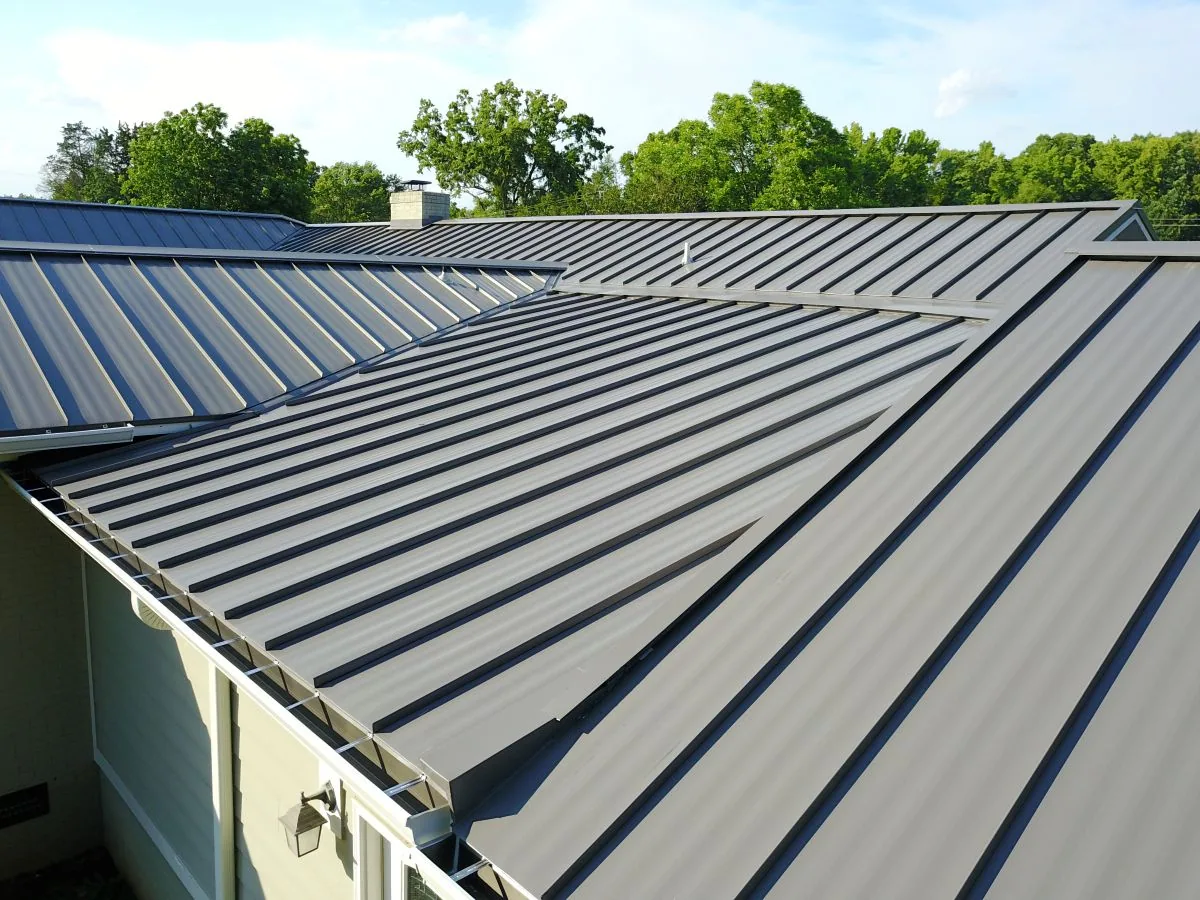
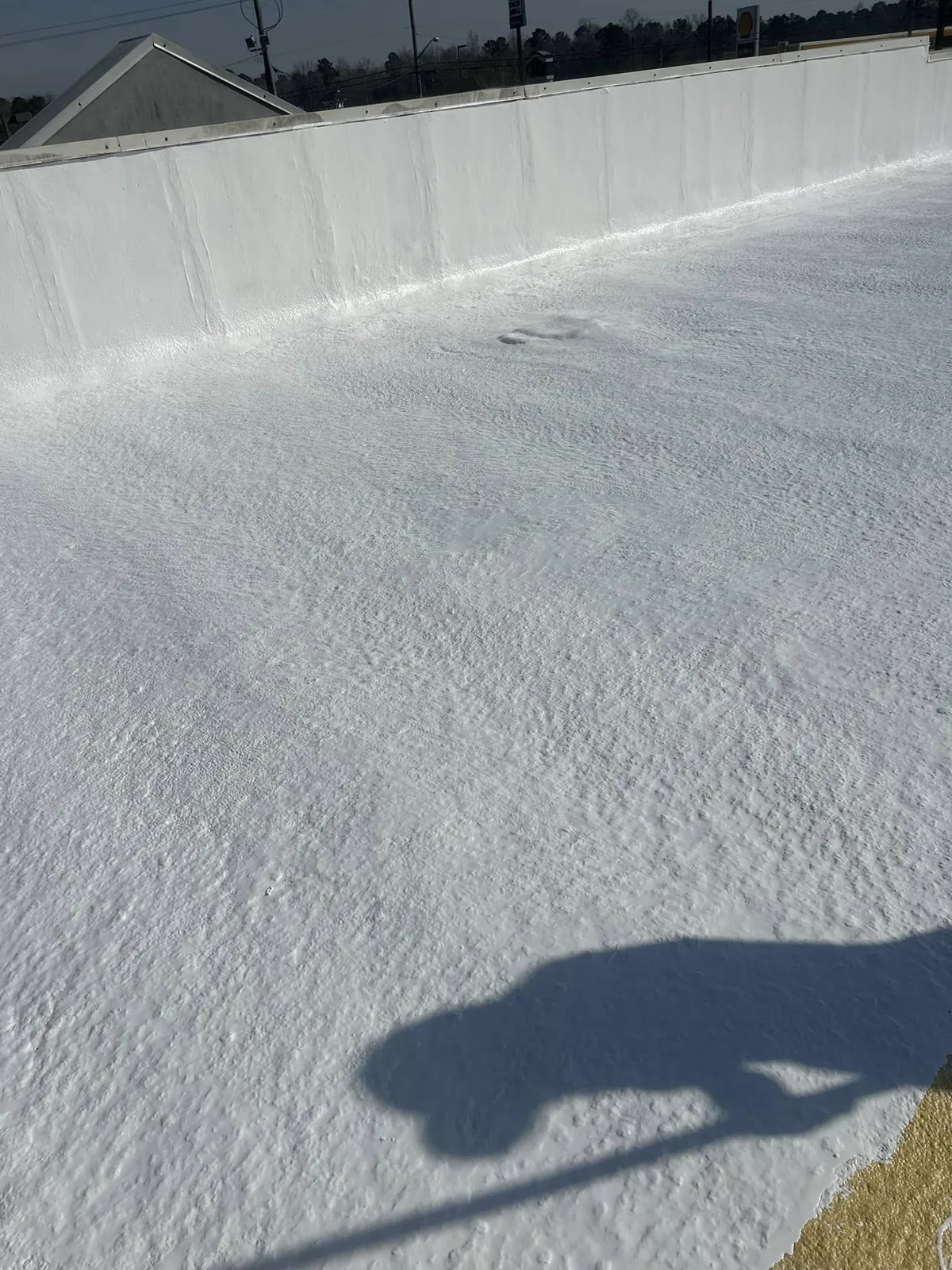
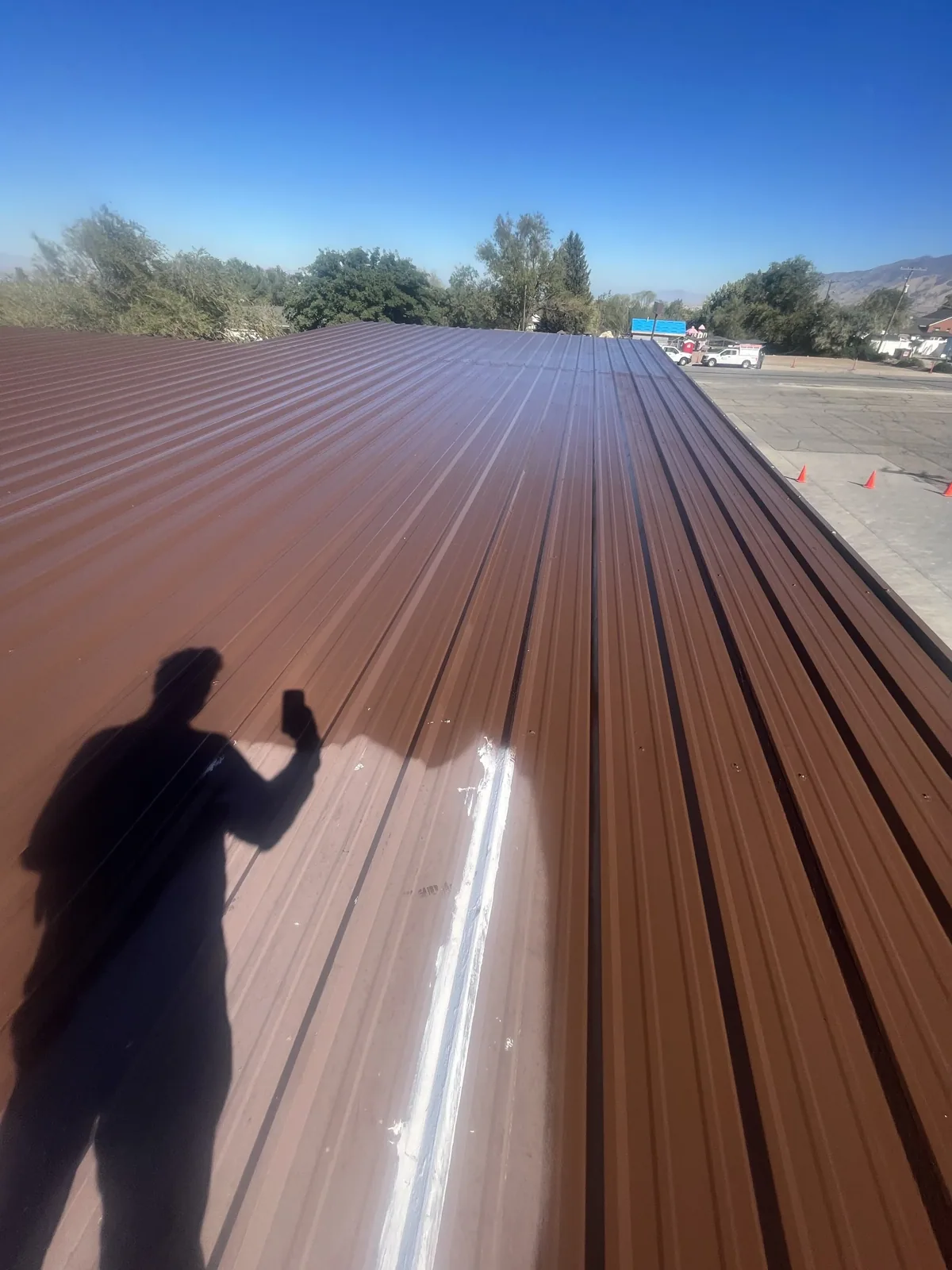
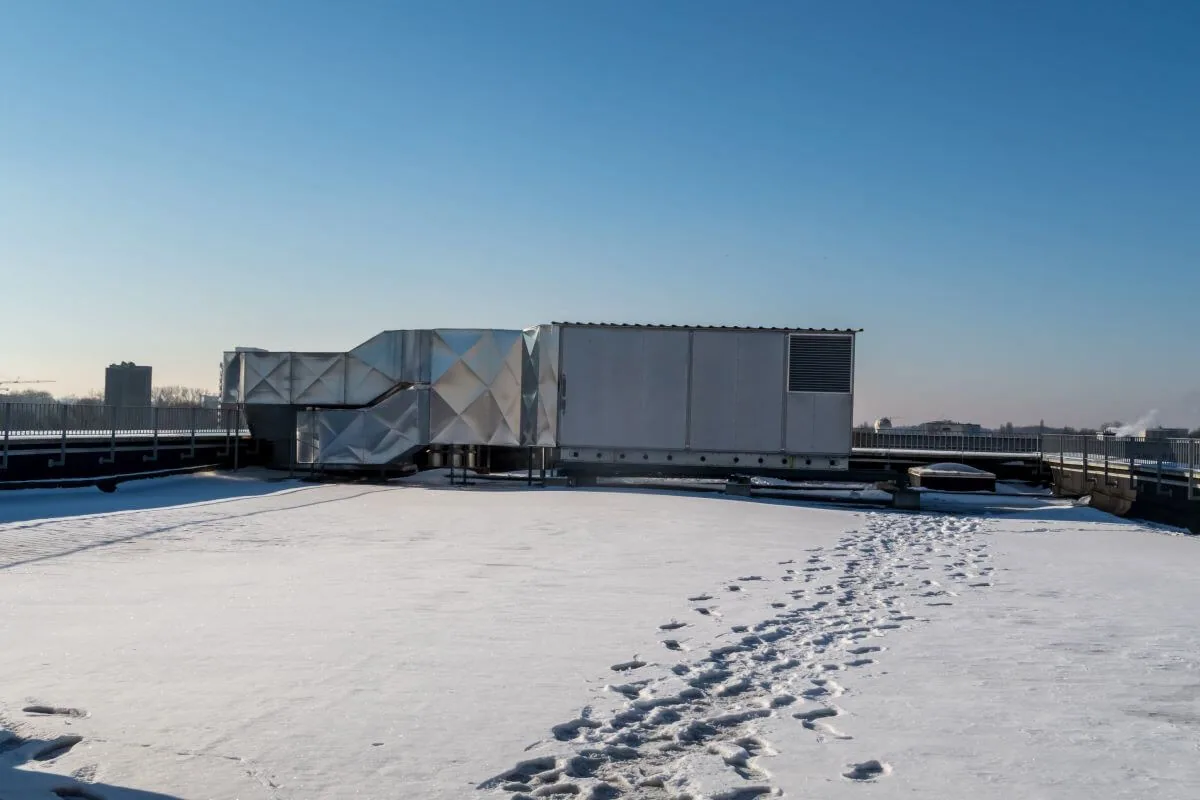
Standing-seam metal relies on panel joints, clips, fasteners, and flashing transitions. We check movement, sealant condition, and water paths before selecting a detail. Metal retrofit planning must account for the existing roof, added assembly, drainage, and attachment design. With spray foam, cuts, coating condition, and protected edges need close review.
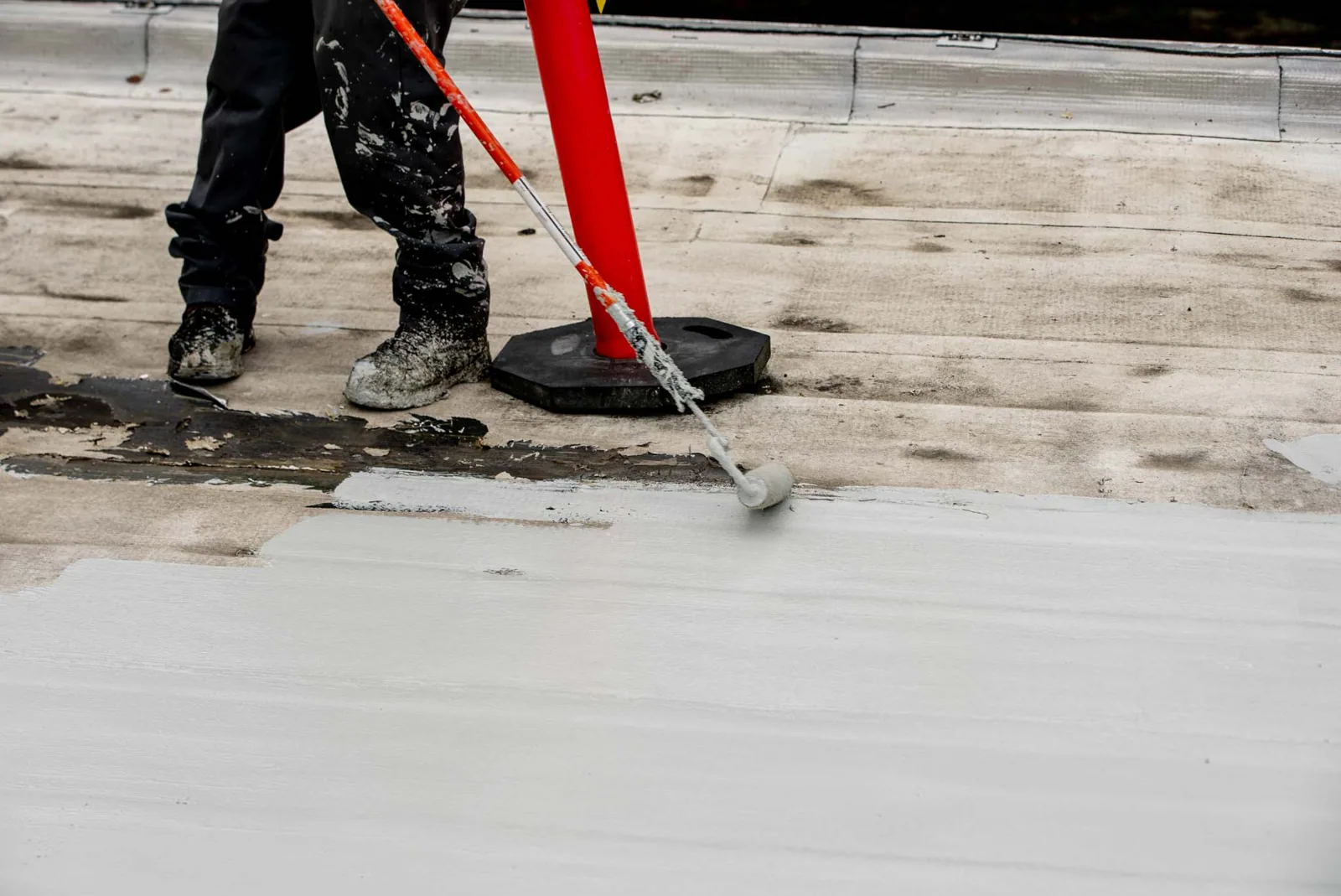
When a coating is under consideration, silicone and acrylic systems are not interchangeable shortcuts. Surface preparation, adhesion, existing coating, drainage, and manufacturer requirements shape whether restoration is viable. A coating scope should say what is included and what condition would stop the work.
Selection: document evidence before the budget
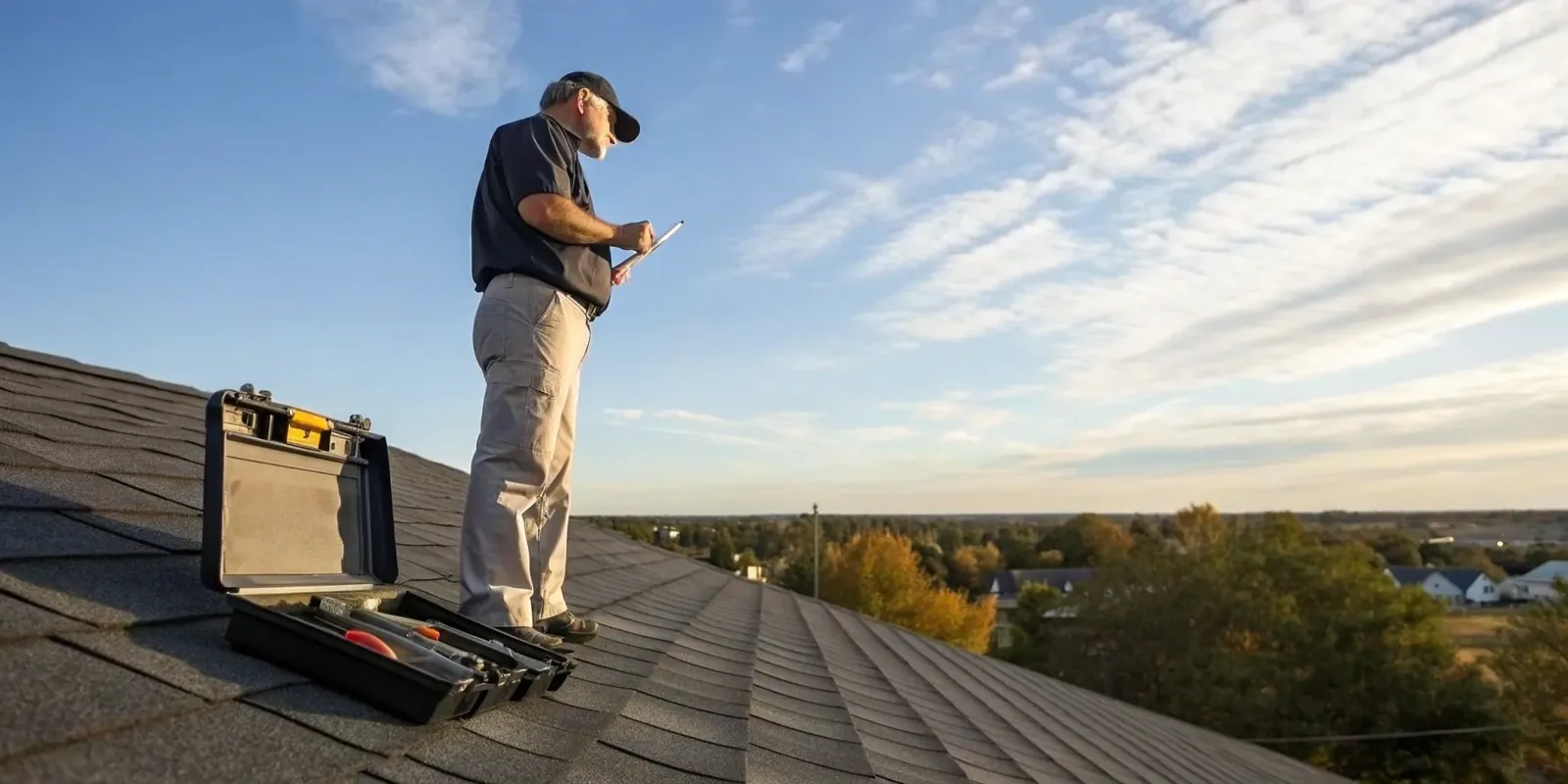
Repair, recover, and replacement decisions require different evidence. We record the system, roof zones reviewed, visible defects, moisture indicators, and access limits. If the assembly is unknown, we say so and identify the next verification step. For a system condition inspection, the owner receives observations tied to photographs. A restoration review checks whether the surface can support the proposed work.
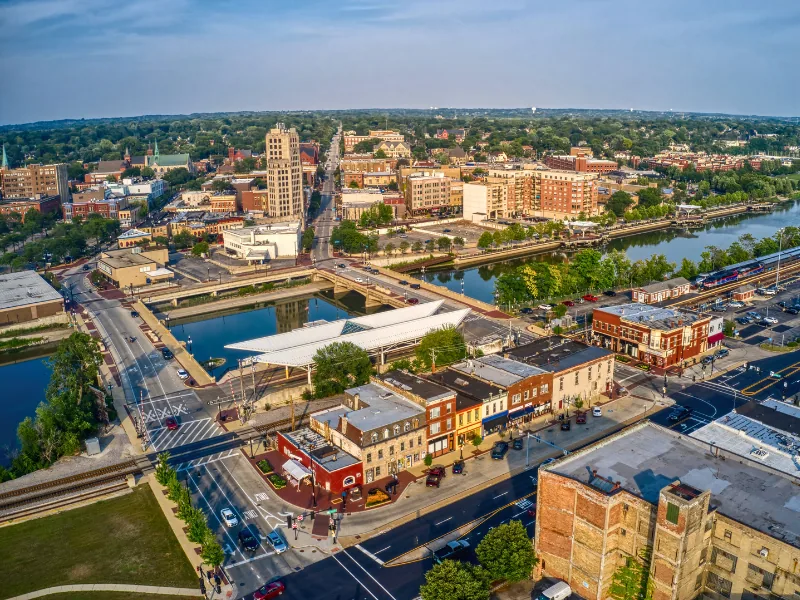
Properties in Downtown Elgin and business areas such as Northwest Business Park have different access and operating constraints. We plan the visit around the site, then let field evidence set the assembly scope.
Roof Systems: Common Questions
Can one roof contain more than one system?
Yes. Additions and prior work can leave different assemblies or repair materials across zones. We identify each area before selecting a product.
What if the membrane label is missing?
Seam behavior, surface, edges, and records can help narrow identification. We state uncertainty and verify before specifying a compatible repair.
Does a coating fix wet insulation?
No. Moisture concerns need evaluation before coating. The proposed scope should separate removal, repair, and any suitable surface restoration.
What affects a metal roof retrofit?
Existing panel condition, attachment, added assembly weight, drainage, edges, and code review all affect design and sequencing.