Commercial Roofing in Northwest Business Park, Elgin, IL
Northwest Business Park
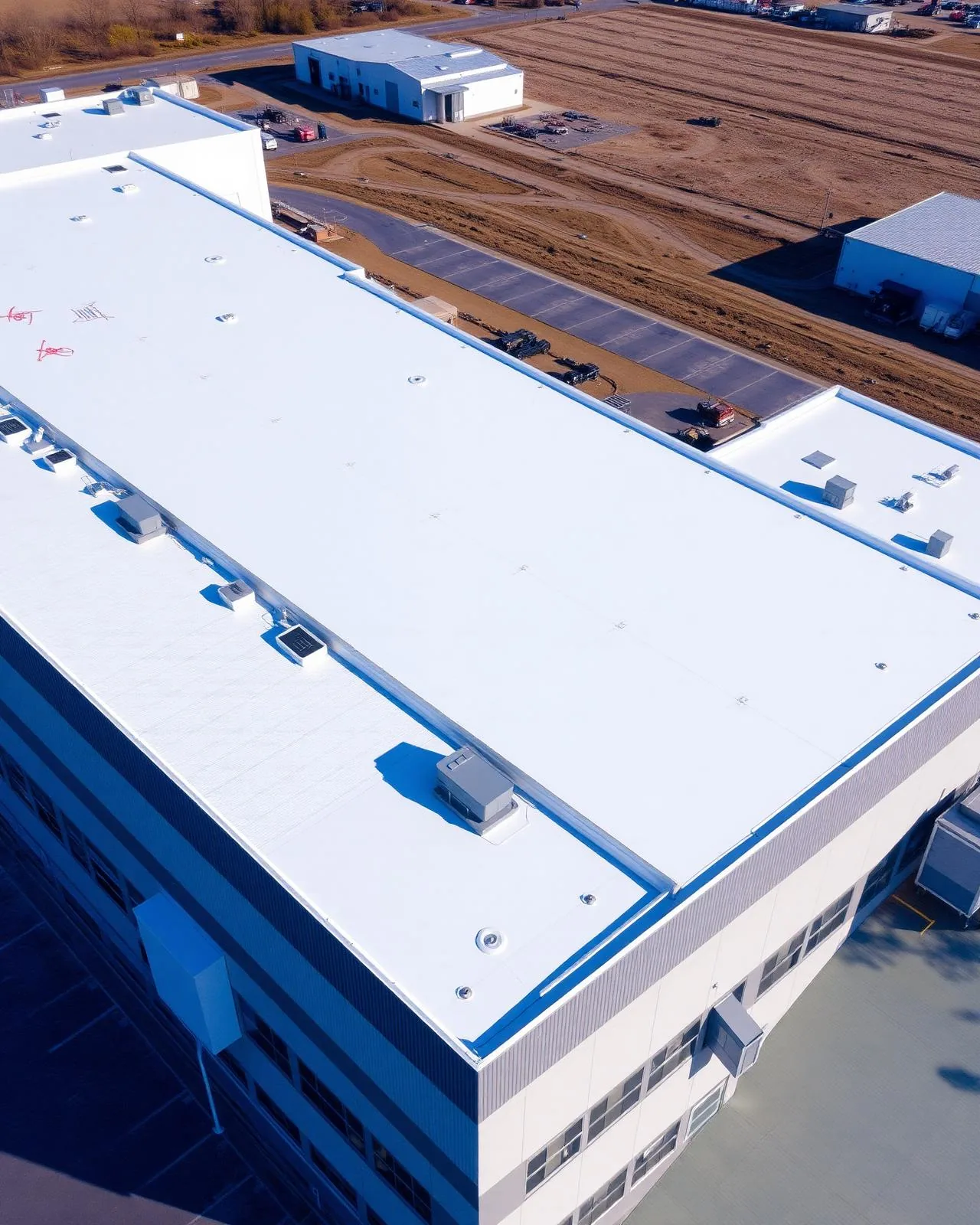
Commercial roof work in Northwest Business Park starts with the building, its operations, and the roof section that needs attention. The park covers 92 acres and carries an office, research, industrial, or planned-business zoning designation. Those facts describe a broad business area; they do not identify the roof on any particular property. We inspect the assembly, document visible conditions, and explain a practical next step before repair or replacement work begins.
A first walk should answer specific questions
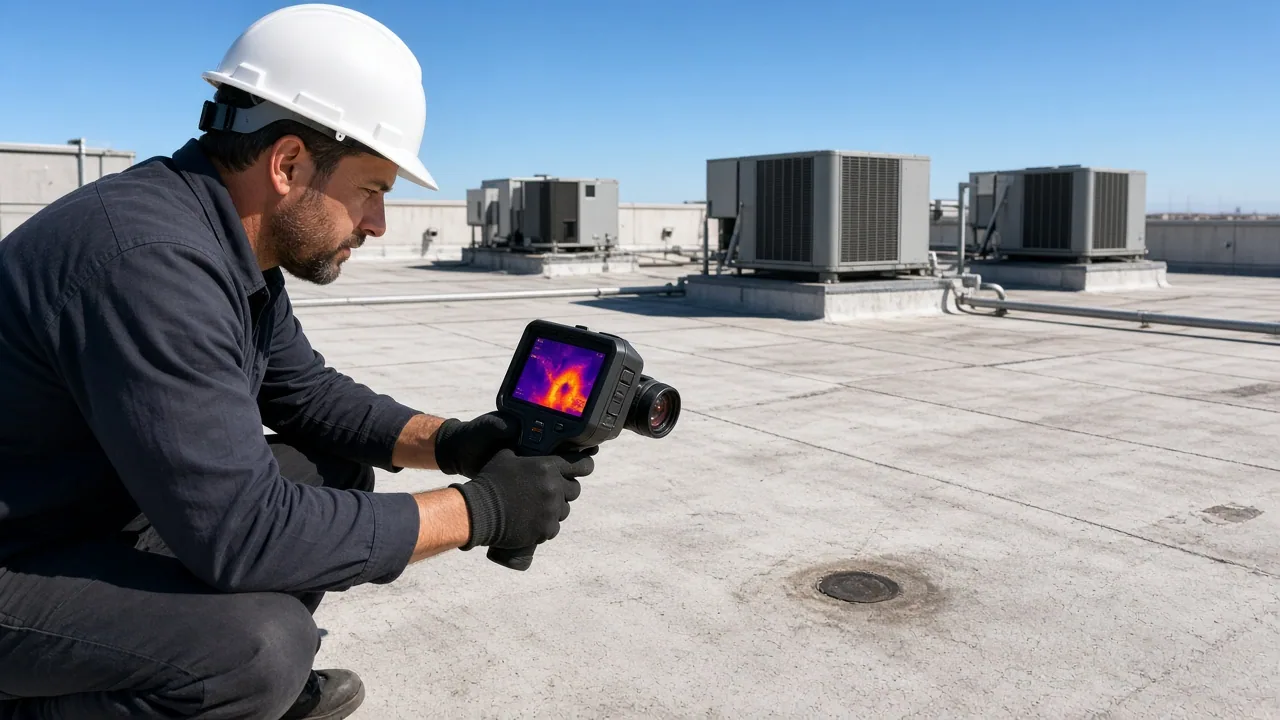
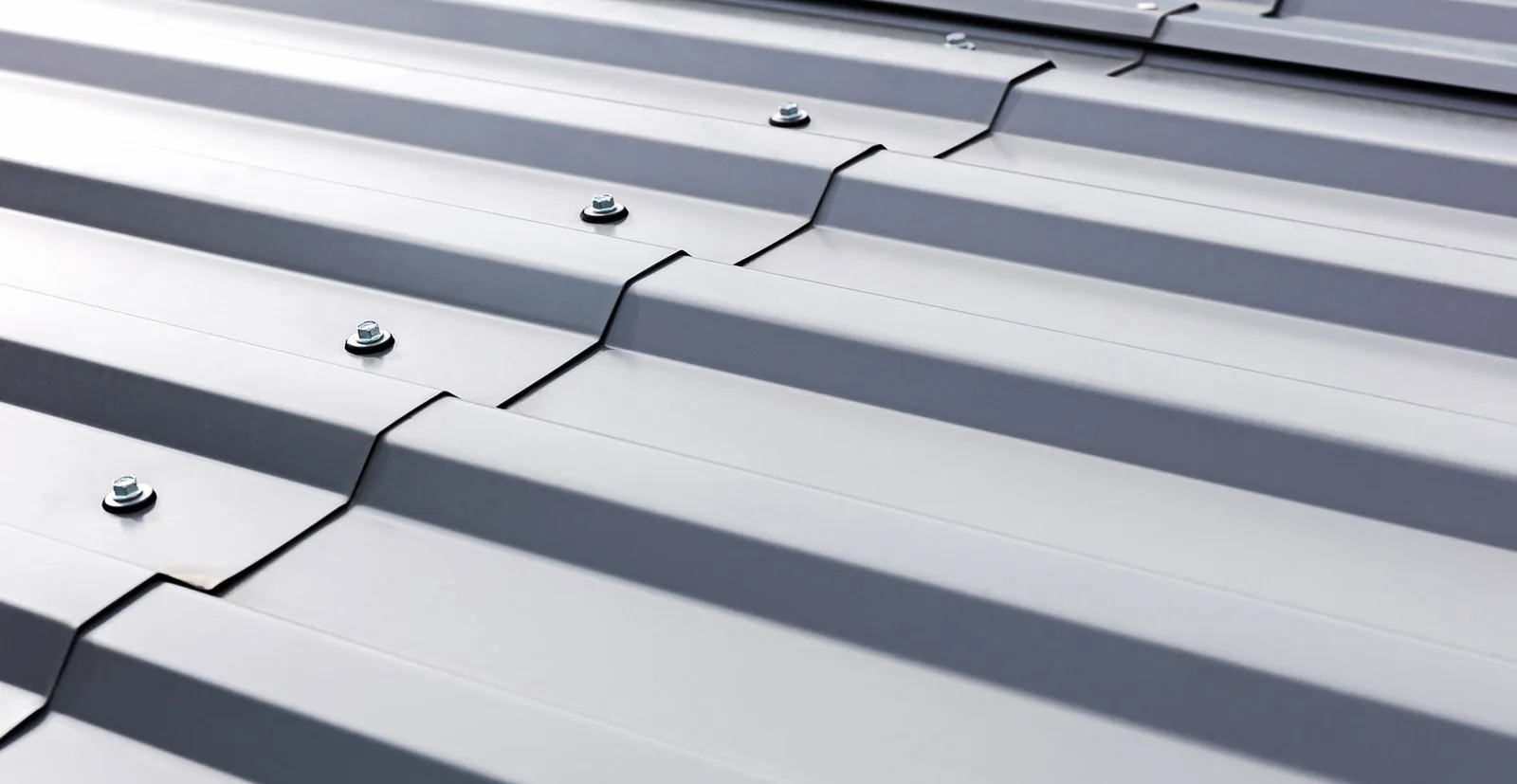
We begin with the property contact’s report: active water, a ceiling stain, damage noticed after weather, drainage concerns, or a planned capital project. On the roof, the crew identifies the membrane or covering when possible, records seams and laps, checks transitions, and photographs drains, scuppers, curbs, penetrations, and edge details. We note prior patches and any areas that need a closer look. A stain indoors is a lead to investigate, not proof that the roof opening sits directly above it.
Roof access is part of the inspection. We confirm the hatch or ladder, escort requirements, safe route around equipment, work hours, and any areas that must remain clear. The site representative can tell us about tenant schedules and loading activity. If part of the roof is inaccessible, the report names that limit instead of implying the whole assembly was reviewed. A roof map makes follow-up photos easier to locate and lets an owner compare one visit with the next. The crew also records safe tie-off options and notes whether equipment limits access to a seam or drain.
For a documented condition baseline, schedule a commercial roof inspection. When water is entering, our leak-repair service focuses on containment, source investigation, and a defined repair boundary. Work after a weather event can start with storm-damage roof repair, with observed conditions separated from the event report.
Repair options depend on the observed assembly
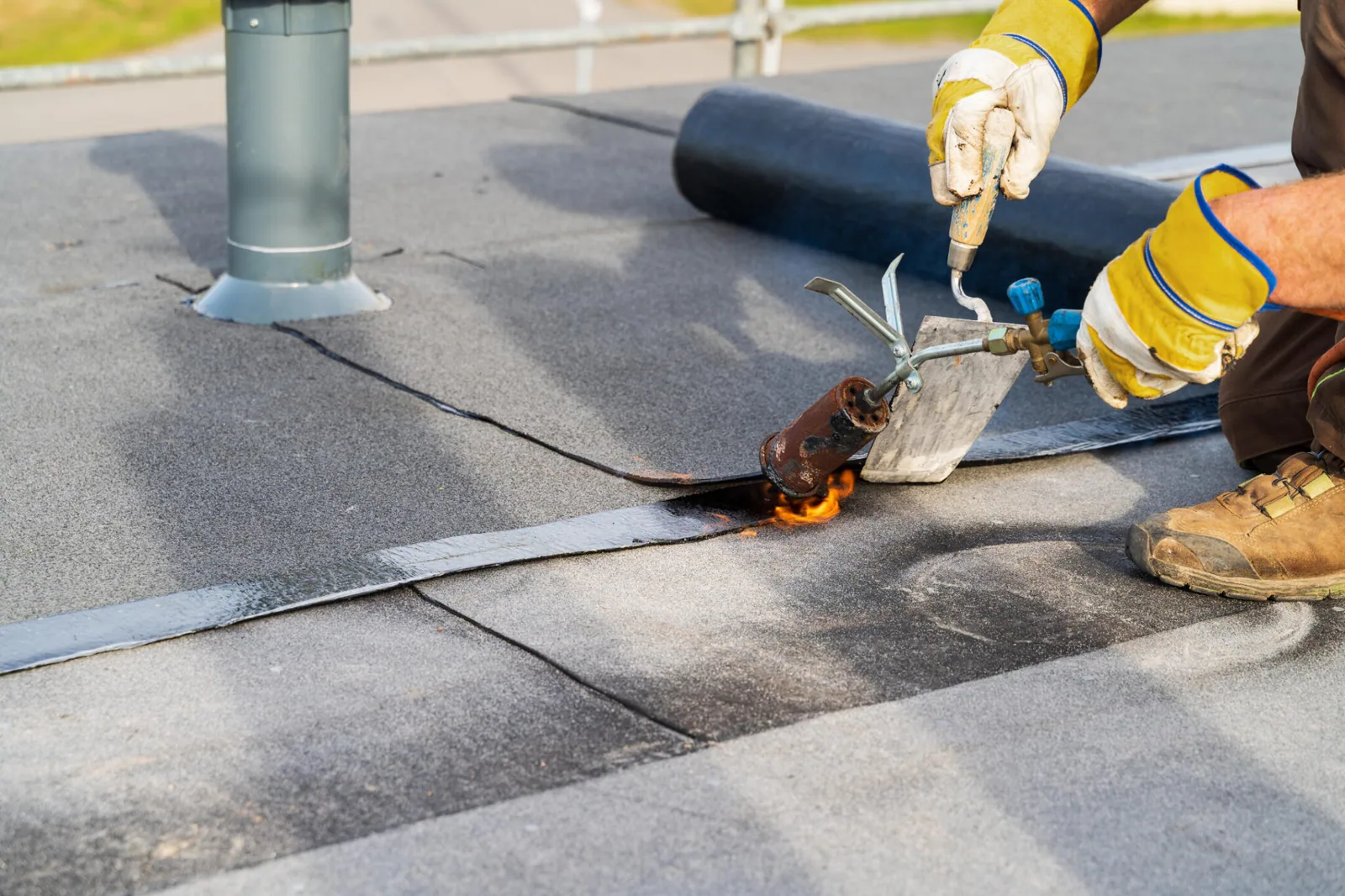
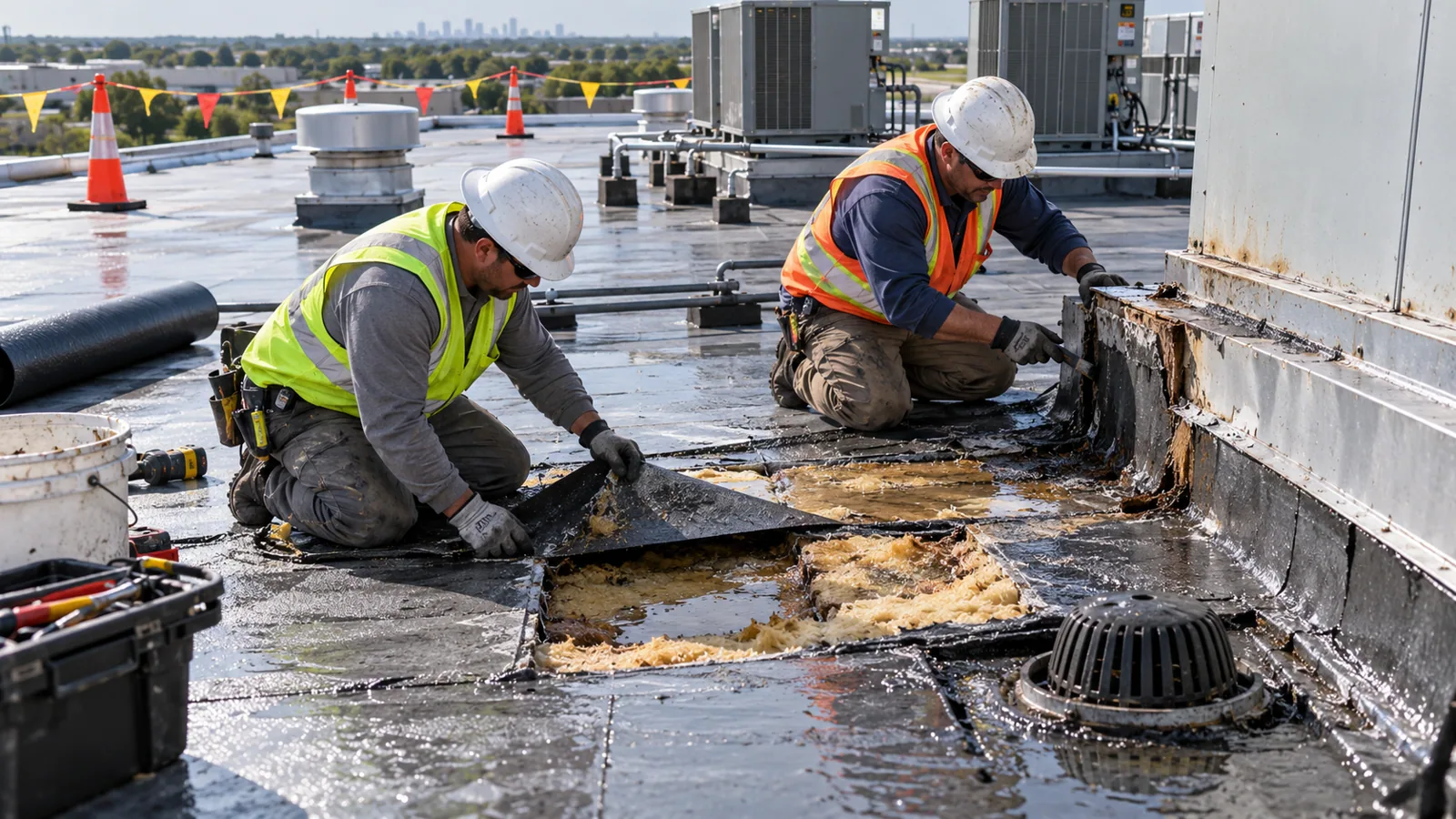
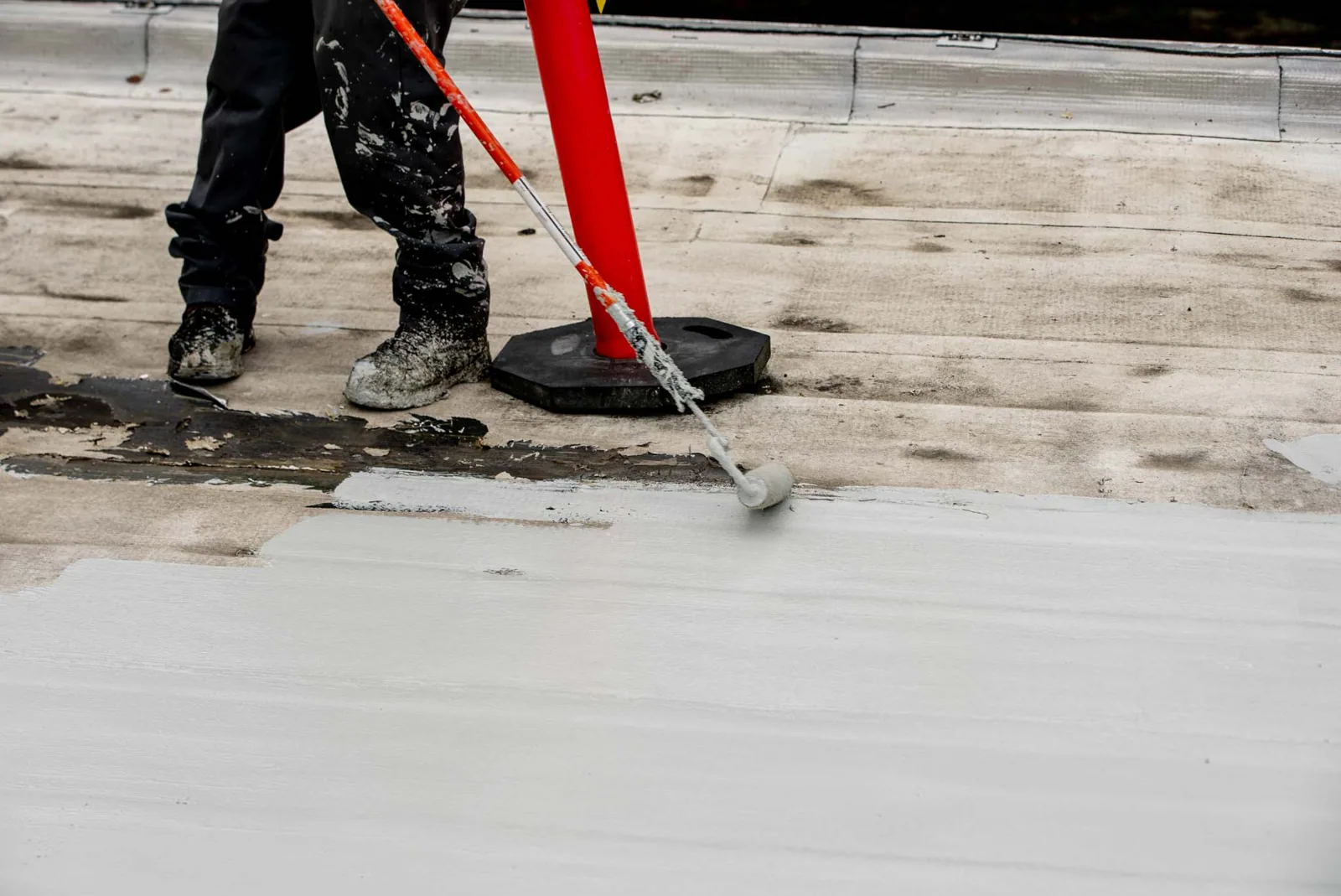
A localized repair may be appropriate when the surrounding membrane is sound, the substrate is suitable, and compatible materials are available. We identify the defect, prepare the area, complete the specified repair, and photograph the result. If the wet area extends under the visible opening, a surface patch may not resolve the full condition. The owner receives a clear explanation before additional testing, removal, or scope expansion.
A temporary measure can reduce immediate exposure during active water entry. The service record labels that work temporary and states what permanent follow-up remains. It does not imply that adjacent seams, insulation, or deck conditions were repaired. For recurring service calls, an inspection and maintenance plan can track defects by roof zone, date, and next action.
When the owner asks for pricing, we separate confirmed work from conditions that still need verification. A proposal can list the measured repair area, access equipment, material compatibility, interior protection, and any testing as separate scope elements. If an allowance covers concealed work, we define what triggers its use and who approves it. This gives property staff a usable comparison and avoids treating an unknown deck or insulation layer as a confirmed quantity.
We also check drains and scuppers when water is ponding or backing up. The observation records debris, visible outlet condition, and water marks; it does not assume that an outlet is the sole cause. Roof slope, insulation changes, structural deflection, and downstream drainage may warrant separate review. A targeted repair proposal says which issue it addresses and identifies related conditions that remain outside the approved scope.
Compare repair, recover, and replacement
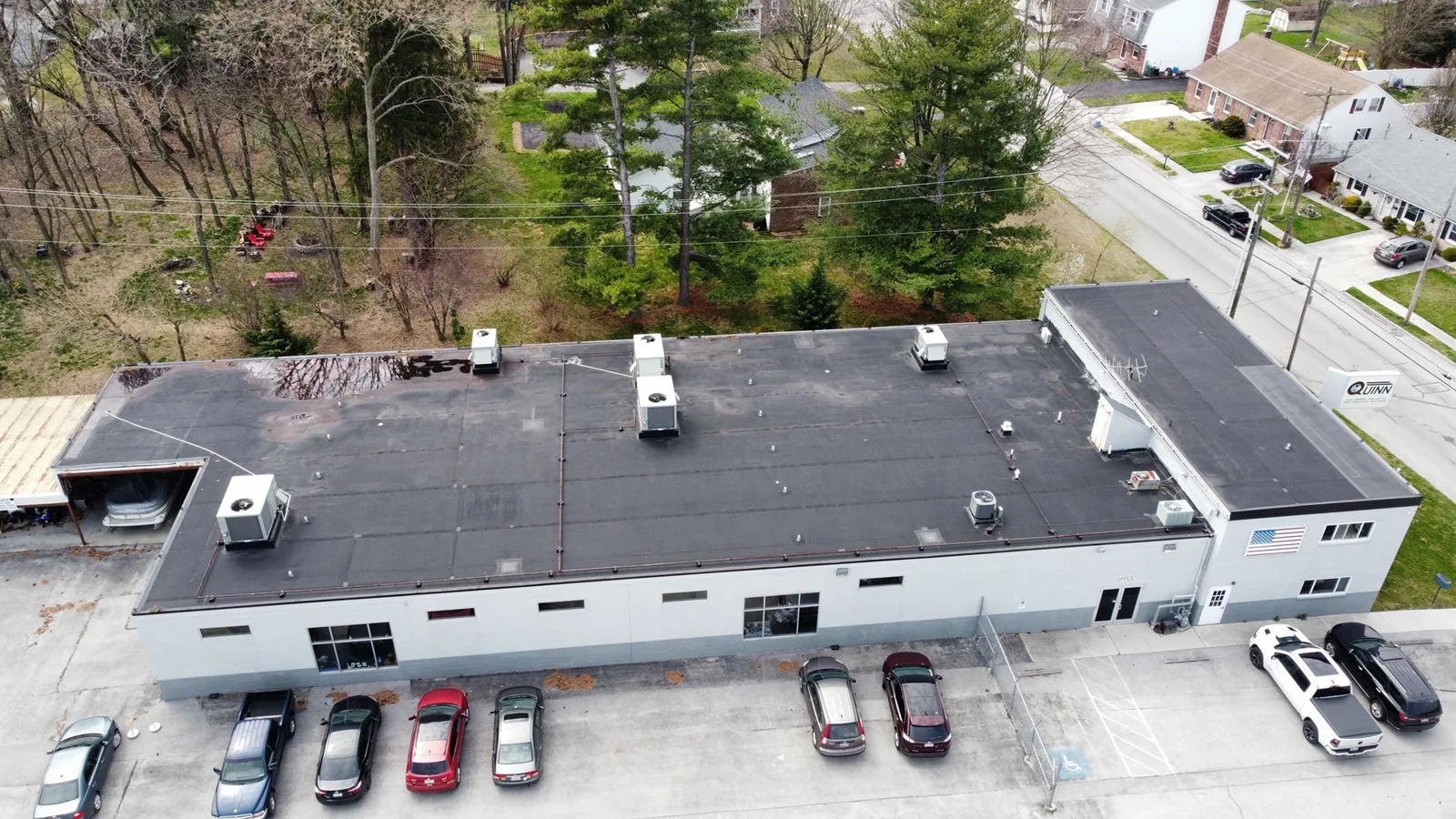
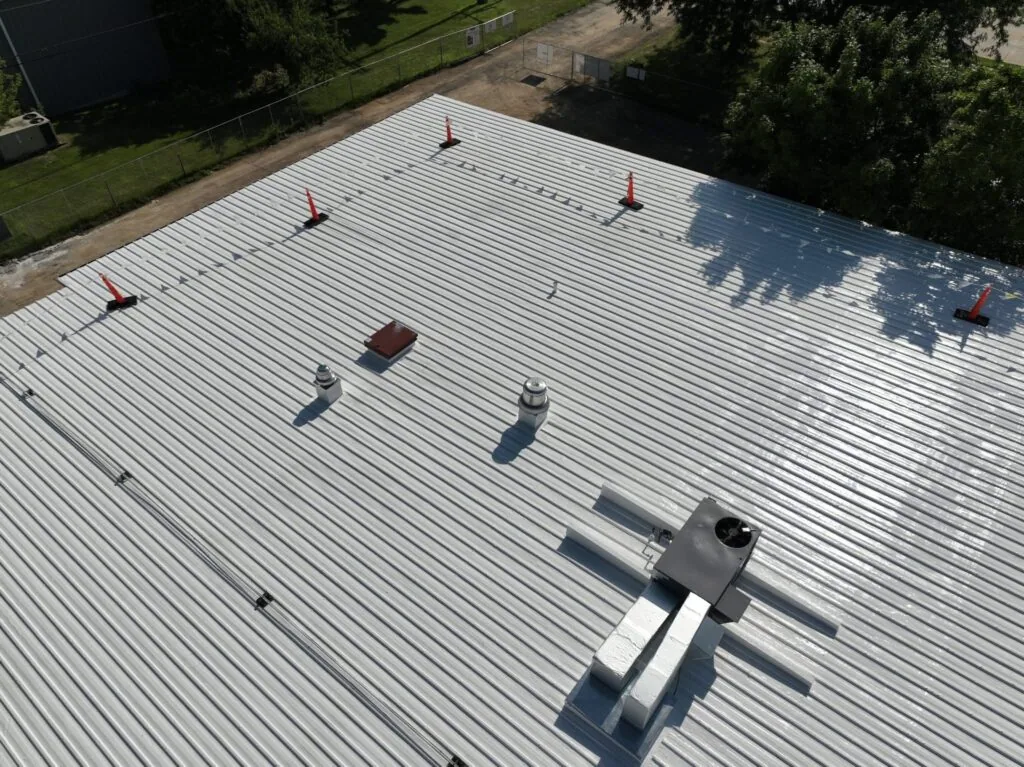
The 92-acre scale of Northwest Business Park makes access planning important across a broad commercial area, but it does not tell us how many buildings need service or what their roofs contain. Each property receives a separate inspection. We assess the existing layers, apparent attachment, edge height, drainage, roof deck where visible, and history of prior work before comparing a patch with a larger project.
A recover can be considered only after existing moisture, structural capacity, code path, edge conditions, and system compatibility are reviewed. If those facts are not known, the proposal identifies a test or opening that can resolve them. A tear-off may reveal concealed deck or insulation conditions that change the scope. The contract should explain how those discoveries will be documented and priced before work proceeds.
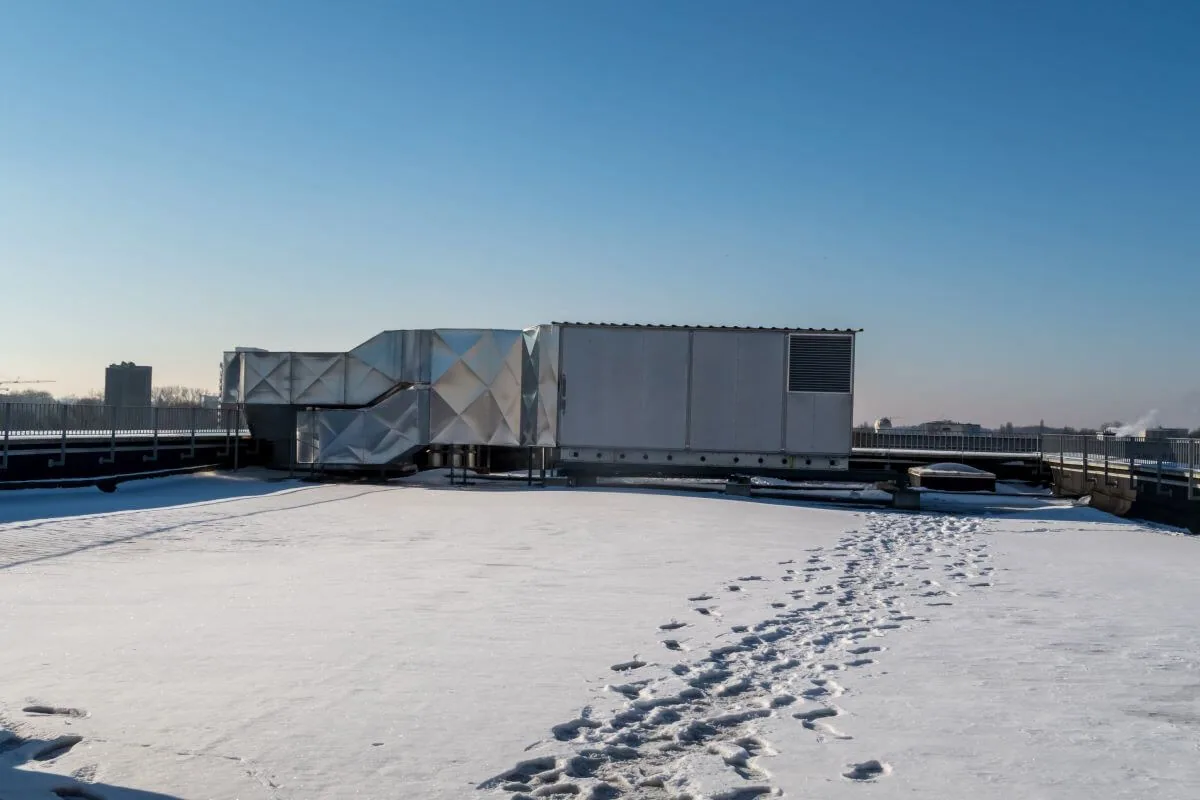
Planning also requires a careful look at the details that control water movement. We measure roof areas, check transitions between high and low sections, and note whether drain openings are reachable for cleaning. Equipment supports and conduit can limit access or create extra flashing work. If another contractor plans rooftop service, that work should be coordinated so new penetrations do not bypass the roof’s existing protection. A written scope lists those conditions and identifies which trade owns each detail.
Owners comparing systems can review TPO roofing and EPDM roofing after the existing assembly is identified. Membrane category alone does not set the final specification. Deck, insulation, flashing, attachment, drainage, wind and fire requirements, occupancy, and maintenance plans all affect the design. Any product-specific recommendation follows the approved project details.
Plan for Elgin’s freeze-thaw and storm seasons
In Elgin, snowfall averages roughly 29 inches a year, and below-freezing stretches recur through winter. Snow and ice can affect safe roof access, drainage checks, and the schedule for exposed work. We plan visits around actual surface and access conditions, not a calendar assumption. If a roof area cannot be inspected safely, the report records the limitation and proposes a safer follow-up window.
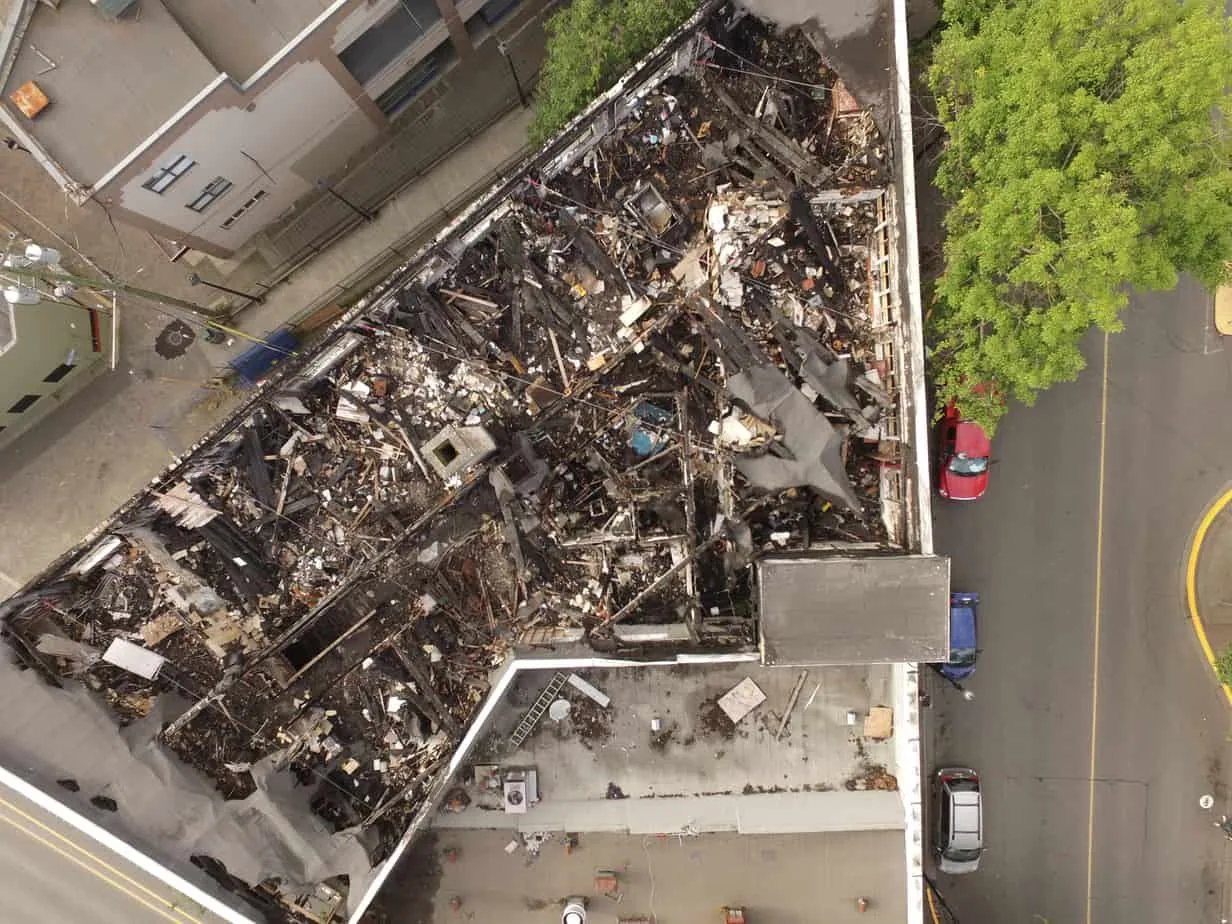
On July 12, 2023, an EF1 tornado crossed Elgin and generated reported roof damage across several property types. A property manager may request a review after an event, but the historical report does not establish that a building in Northwest Business Park was affected. We look for present evidence such as moved perimeter material, torn flashing, punctures, open seams, or indoor water marks, and describe only what is visible.
Winter planning also includes the building interior. We ask the site contact to identify sensitive inventory, active work areas, and any ceiling space that needs protection. A controlled response can include temporary collection or covering, a roof review, and a repair recommendation. The work note distinguishes the immediate step from any longer-term assembly decision.
Coordinate work around business operations
Before mobilization, the supervisor confirms roof entry, delivery timing, material staging, lift location, safe walkways, and who can approve a field change. A multi-tenant business setting may require advance notice and a separate contact for each suite. We do not assume one owner or one access process covers every property in the park. Site rules are confirmed for the actual building and work area. We also log who accepted the handoff and where notices were delivered.
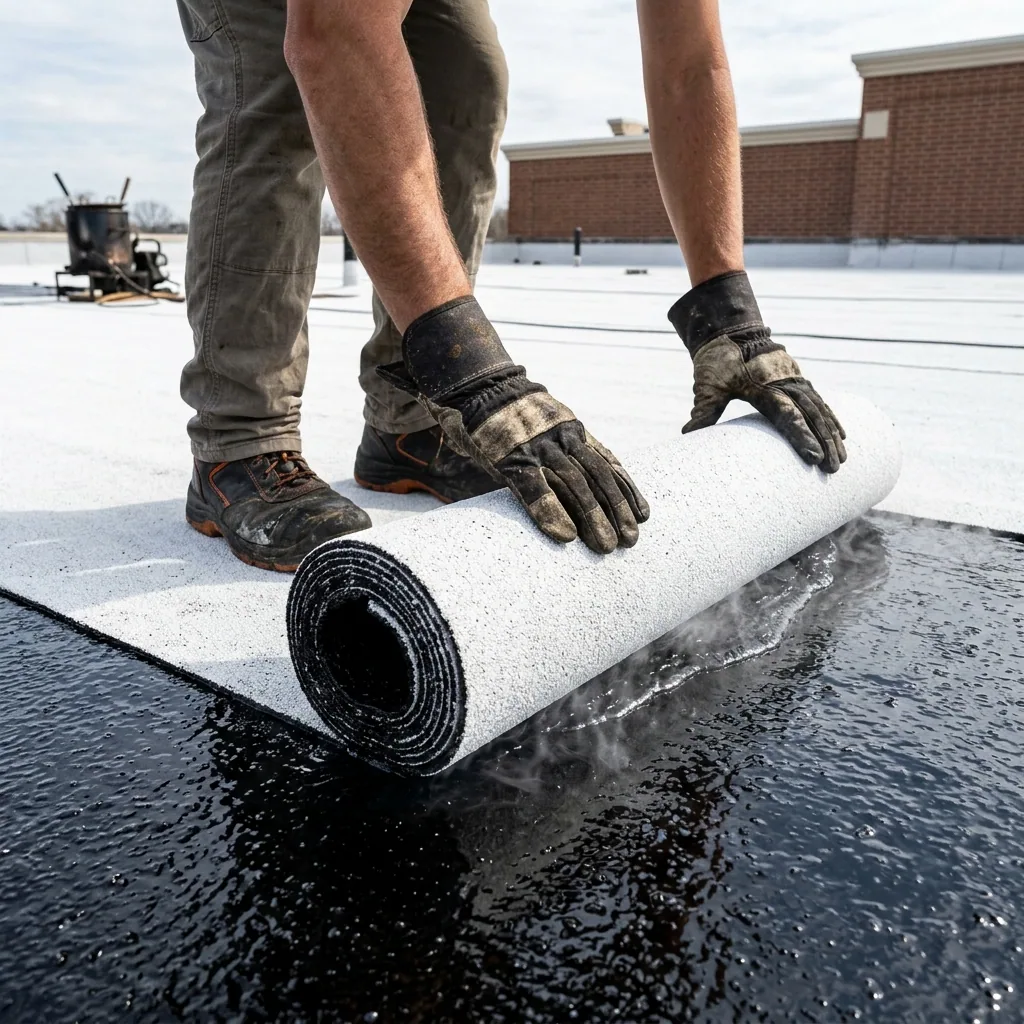
For replacement, work advances in manageable roof zones. The plan identifies how each area will be dried in at the end of the shift and what happens if conditions change. Deliveries, noise, and access restrictions are shared with the site representative before they affect tenant activity. If concealed deterioration is found, the crew documents the location, takes measurements and photographs, and waits for the agreed approval path.
Closeout includes the completed scope, repair or system materials, photographs, open items, and maintenance guidance. Owners can compare those notes with future observations without guessing which roof area received work. The same building-by-building method applies at Northwest Corporate Park and Randall Point Executive Center, while each roof retains its own findings.
Questions About Northwest Business Park
How large is Northwest Business Park?
Its 92 acres describe a broad district; each roof still needs a building-specific inspection.
Can you inspect occupied properties?
Yes. We coordinate roof access, tenant hours, safety routes, and interior protection with the site contact.
What should staff report for a leak?
Share the room, timing, weather, and interior photos; we trace the roof path before defining repair.
Did the 2023 tornado damage every local roof?
No. The event crossed Elgin; a site visit must establish conditions at this property.
When should an owner consider replacement?
We compare repair history, moisture, deck, edges, drainage, code, and project requirements.