Commercial Roofing in Downtown Elgin, Elgin, IL
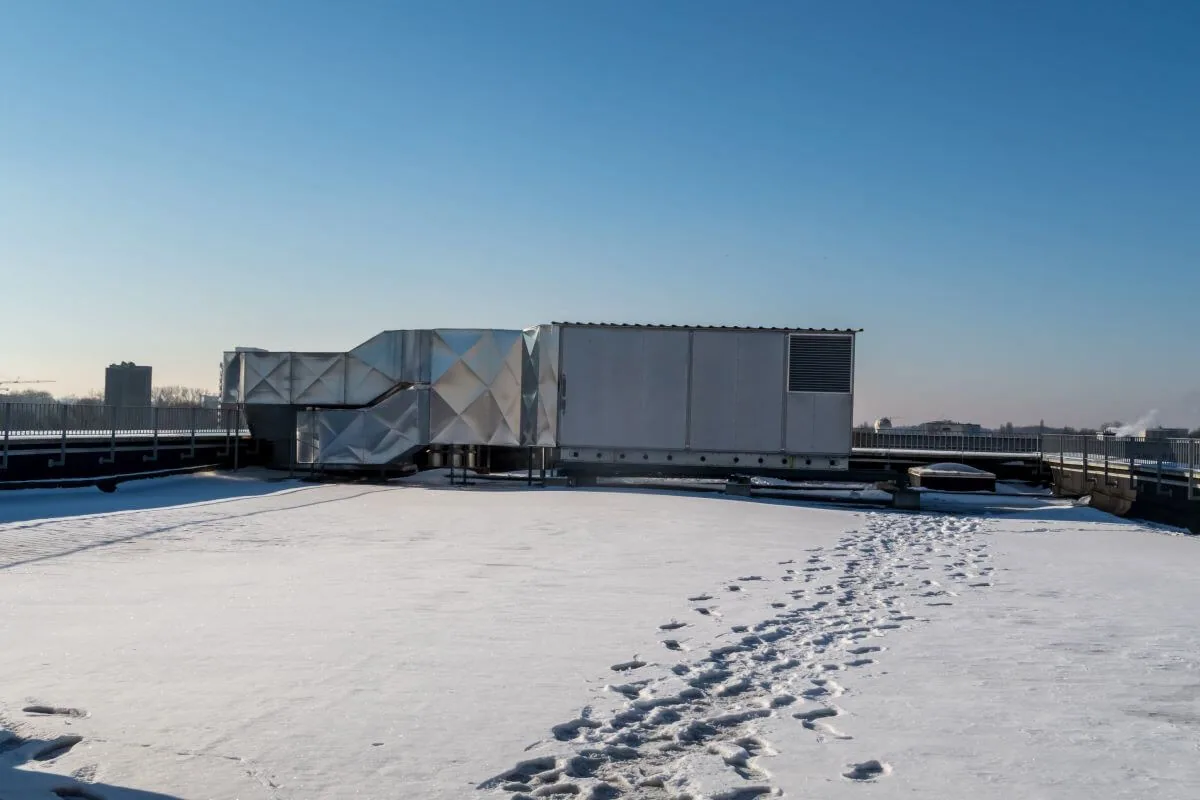
Schedule a Downtown Elgin roof review
Share the building, reported condition, access contact, and preservation steps. We will set a safe visit window and approval sequence.
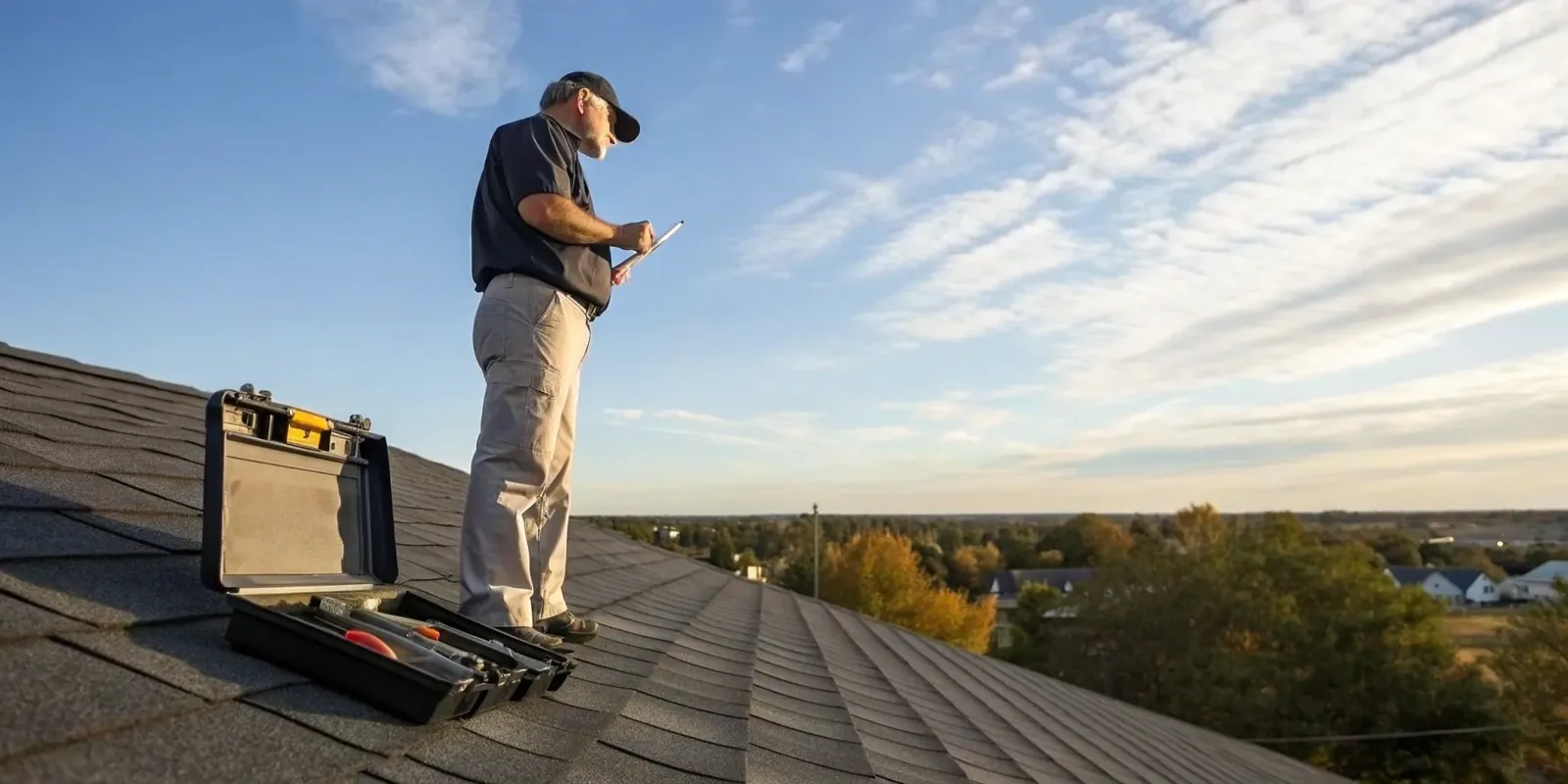
Downtown Elgin
Downtown Elgin roof work starts with the building, its operating schedule, and the review needed before a detail changes. The district includes several recognized historic areas, so repairs may need to protect existing character while keeping the roof watertight. We inspect the specific assembly and document visible conditions before proposing work. No building age, roof type, or preservation requirement is assumed from its downtown location.
Elgin's Transportation Center sits between the Highland Avenue and Chicago Street bridges. Three Metra stations serve the city, and PACE operates 12 routes. Those transit connections make access planning a practical part of a downtown dispatch. We confirm delivery windows, staging, pedestrian protection, roof entry, and tenant activity with the property contact before equipment arrives.
Winter conditions add another scheduling constraint. Elgin records snowfall and frequent freezing days. Ice can make roof entry unsafe, while a thaw can expose drainage issues or a weak transition. The report identifies areas inspected, weather limits, and any return visit needed. The next update names the safe entry window. That keeps a partial inspection separate from a complete roof assessment.
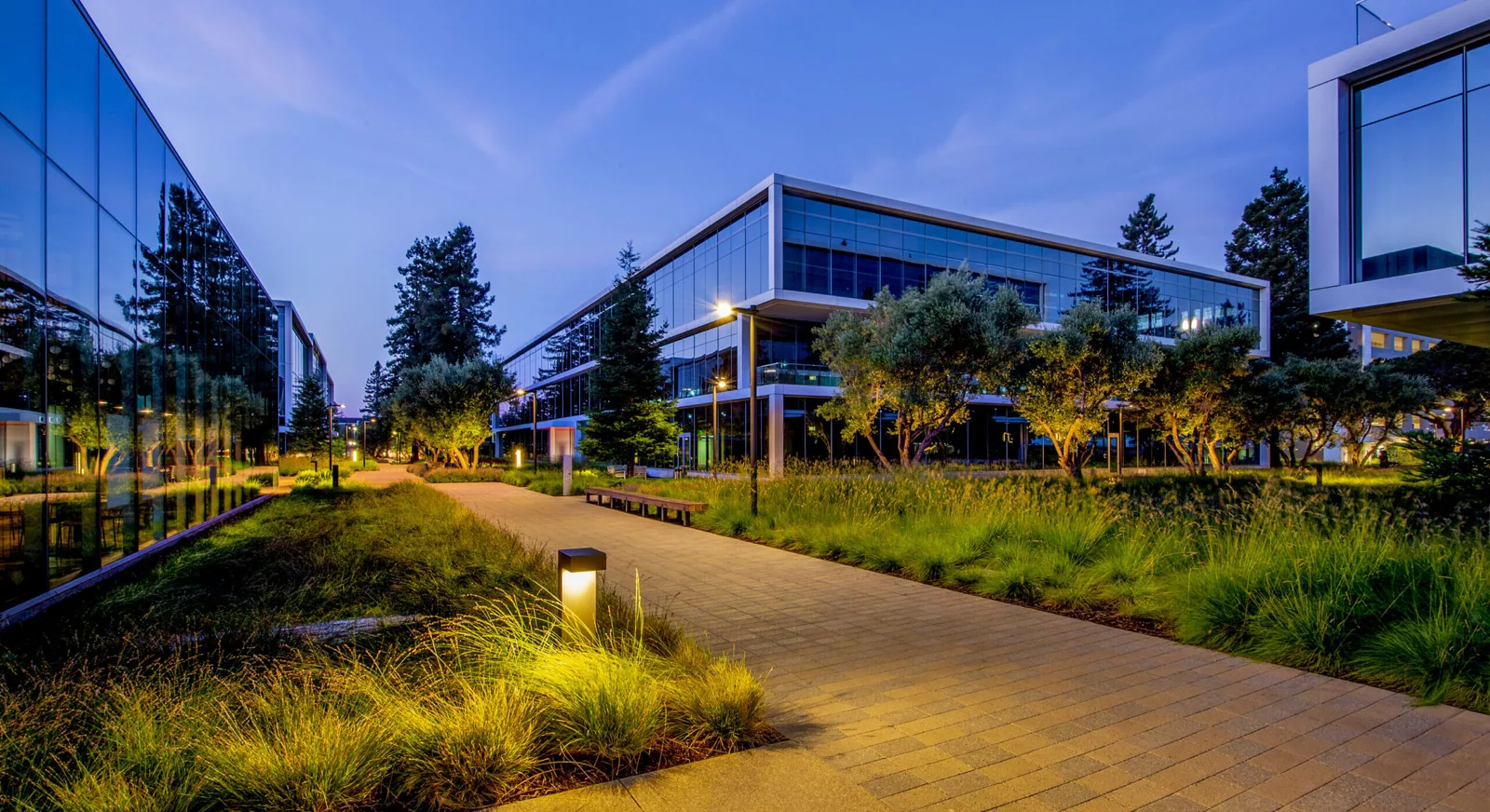
Preservation review: document before changing details
A repair at a historic-area property begins with photographs and an understanding of the existing edge, flashing, wall, and roof transition. We note the materials visible, the apparent condition, and whether an earlier repair has changed the assembly. A historic designation does not tell us how a roof was built or what a review body will approve. If the property has preservation requirements, the owner confirms them before the repair method is selected.
Where a leak is active, immediate water control and preservation review can proceed in parallel. We protect the affected interior, establish safe access, and document the exterior condition. A temporary measure may be necessary while the owner confirms the appropriate permanent detail. We label the temporary scope and set the next approval step rather than implying that a quick patch resolves the full condition.
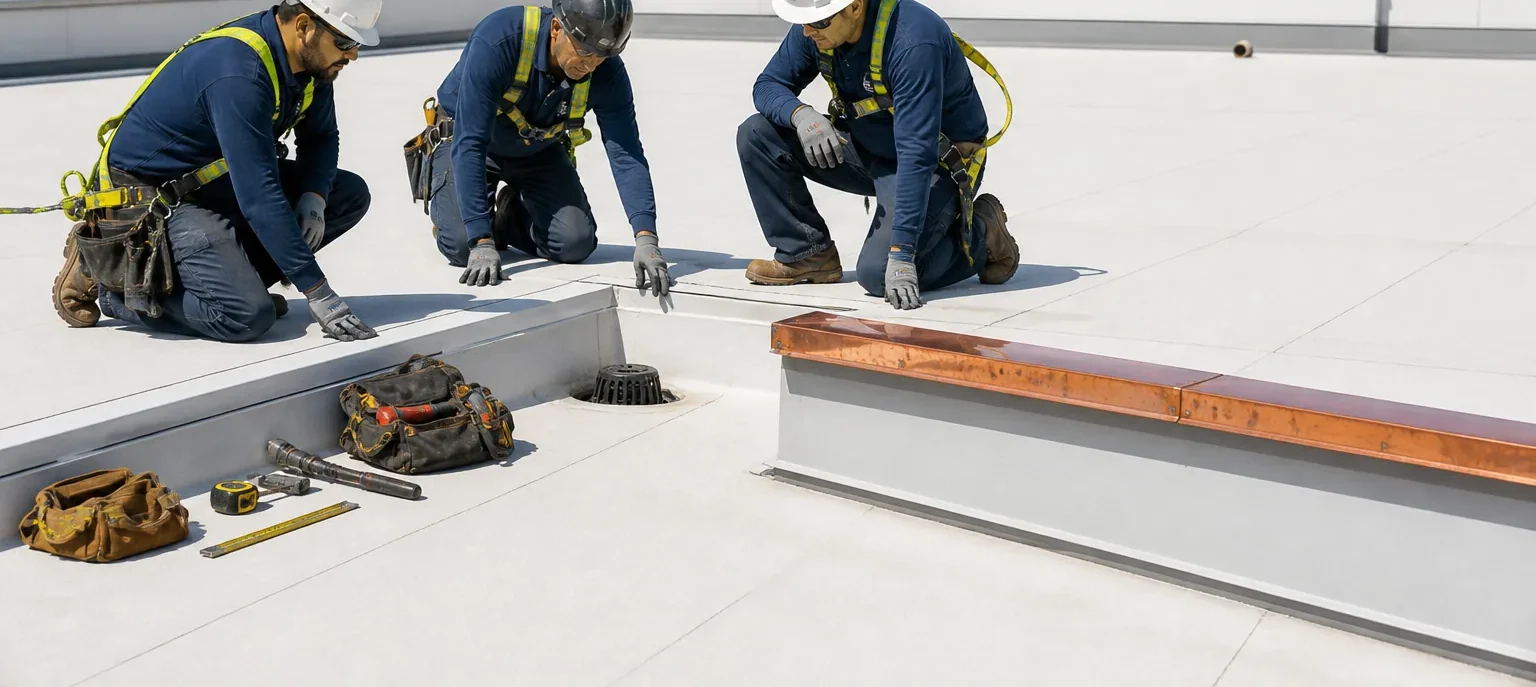
At roof level, the crew checks membrane or covering, seams, penetrations, parapets, masonry transitions, gutters, scuppers, drains, edge metal, and prior patches. We photograph the detail and its context. A stain inside does not establish that the roof opening sits overhead. Water can move through a wall or deck before it appears. If the source is not visible, moisture mapping or a controlled opening may help confirm it.
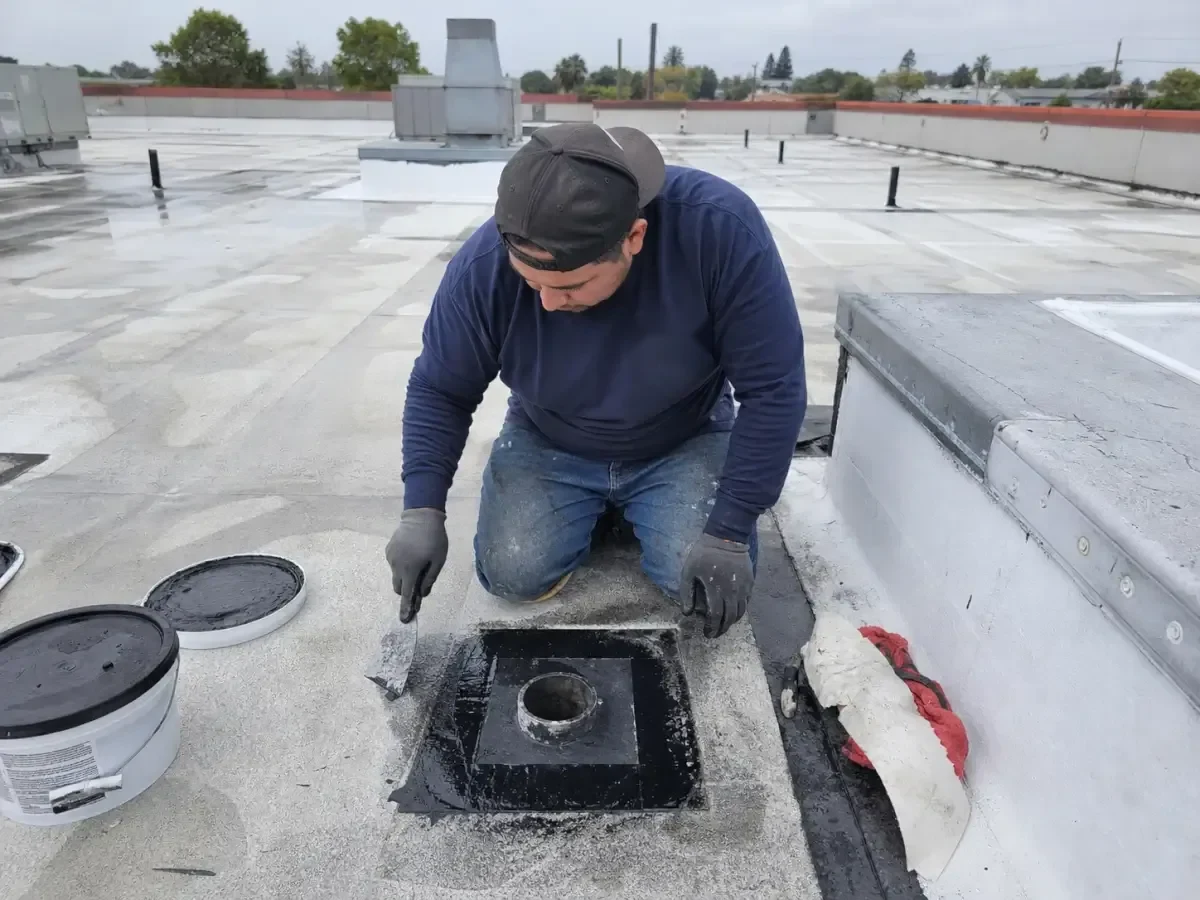
The repair scope names the location, preparation, compatible material, tie-in, and boundary. If the existing detail contains several layers or an unknown coating, we document that before cutting. When a test exposes concealed damage, the crew measures it and requests owner direction before expanding. That preserves a clear record of the existing fabric and the approved intervention. We can also identify whether the work is a temporary measure, a permanent patch, or a detail requiring preservation review.
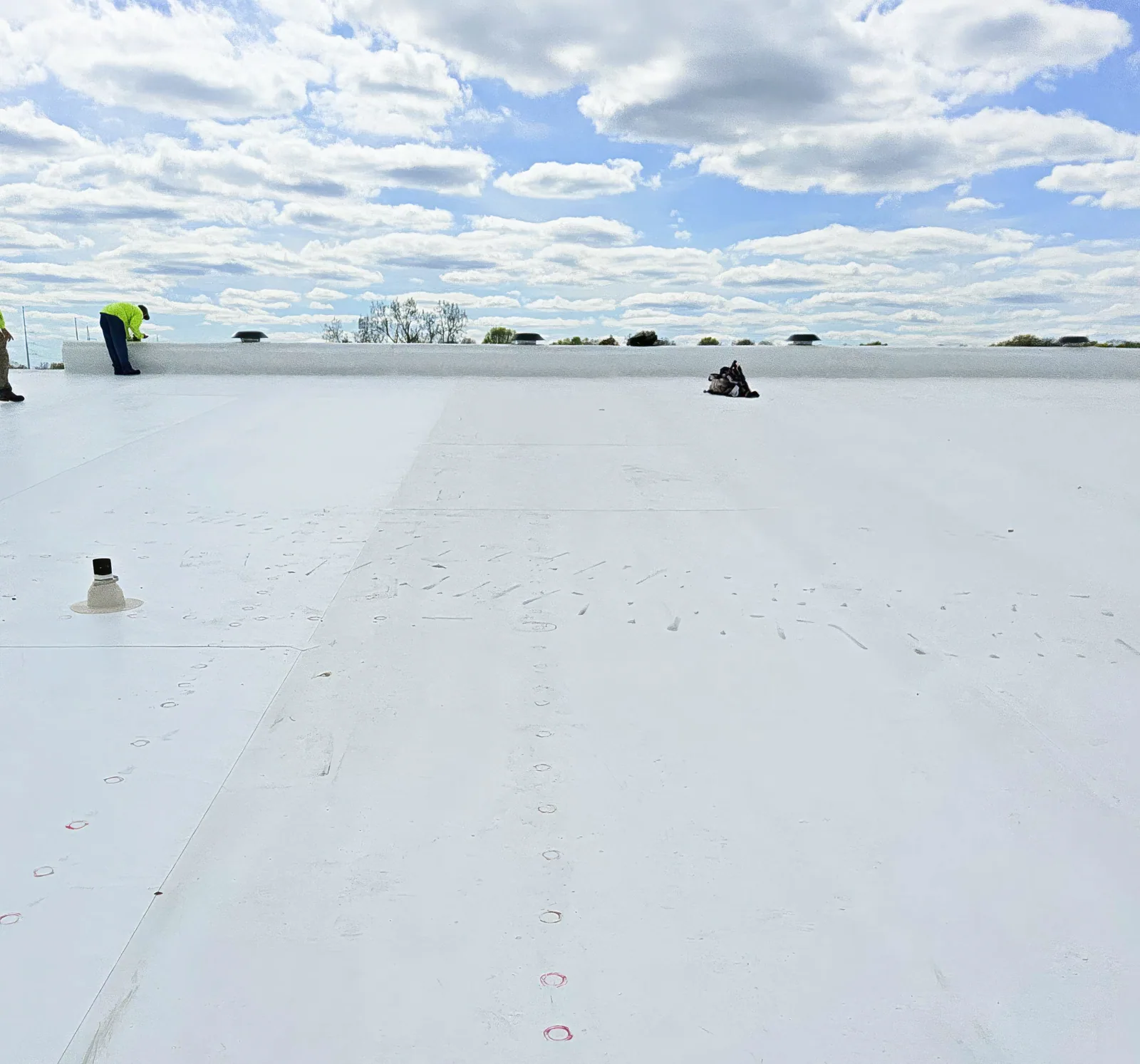
Access plan: coordinate around the downtown grid
Downtown access differs from an open staging area. The site contact identifies loading arrangements, roof entry, pedestrian routes, delivery restrictions, and any hours when noise or lift activity must be limited. We confirm whether a sidewalk or adjoining property needs protection. The crew checks the actual route before mobilizing. A map pin alone cannot answer where materials can be set or how a truck can approach the work area.
If the repair needs a lift, material hoist, or debris container, the property contact identifies the approved placement and pedestrian path. We confirm the setup before delivery and leave the route clear at the end of each work period. When roof access is shared, the superintendent establishes which crew can enter and when. These details protect the public and prevent a staged job from blocking an operating storefront or office entrance.
Metra service and PACE routes support movement through Elgin. For a project, that means the property team should identify current access controls and timing restrictions near the building. We schedule lift placement, deliveries, and debris removal with the site contact. If conditions change during work, the daily update records the adjustment and the next safe window.
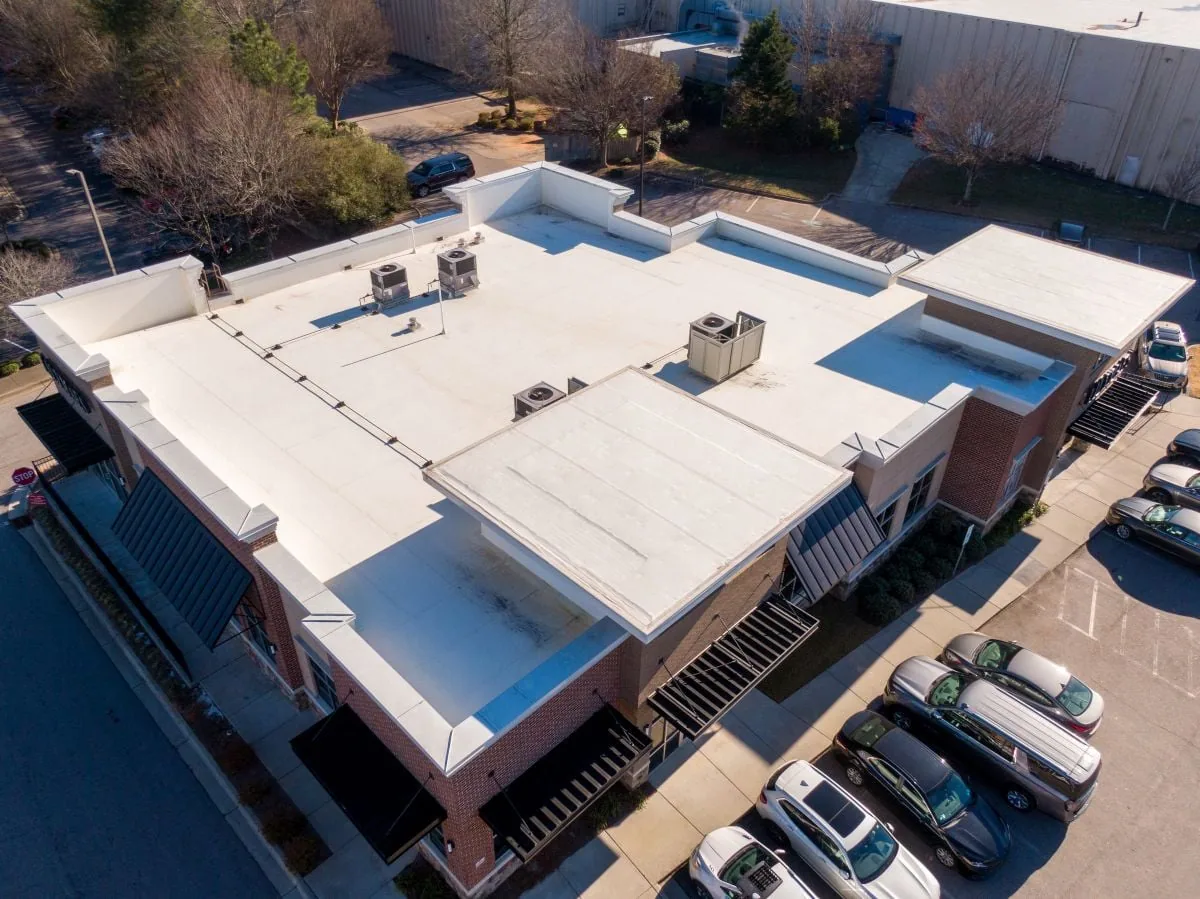
For an occupied downtown building, roof sequencing should minimize open area. The plan identifies where the crew starts, what can be completed that day, how the roof will be secured at close, and how occupants will be notified. If another trade needs access, the supervisor coordinates the route and protects completed details. Work is phased around the actual operation rather than a generic assumption about downtown tenants.
A July 2023 EF1 tornado damaged roofs while passing through Elgin. Downtown property conditions still require an on-site roof check. A post-event visit downtown still requires building-specific inspection. We look for displaced edge metal, torn flashing, punctures, open seams, or movement near rooftop equipment. Current observations, not the event alone, establish the scope. The report states what is visible and what remains uncertain.
Repair boundary: protect the roof and the public
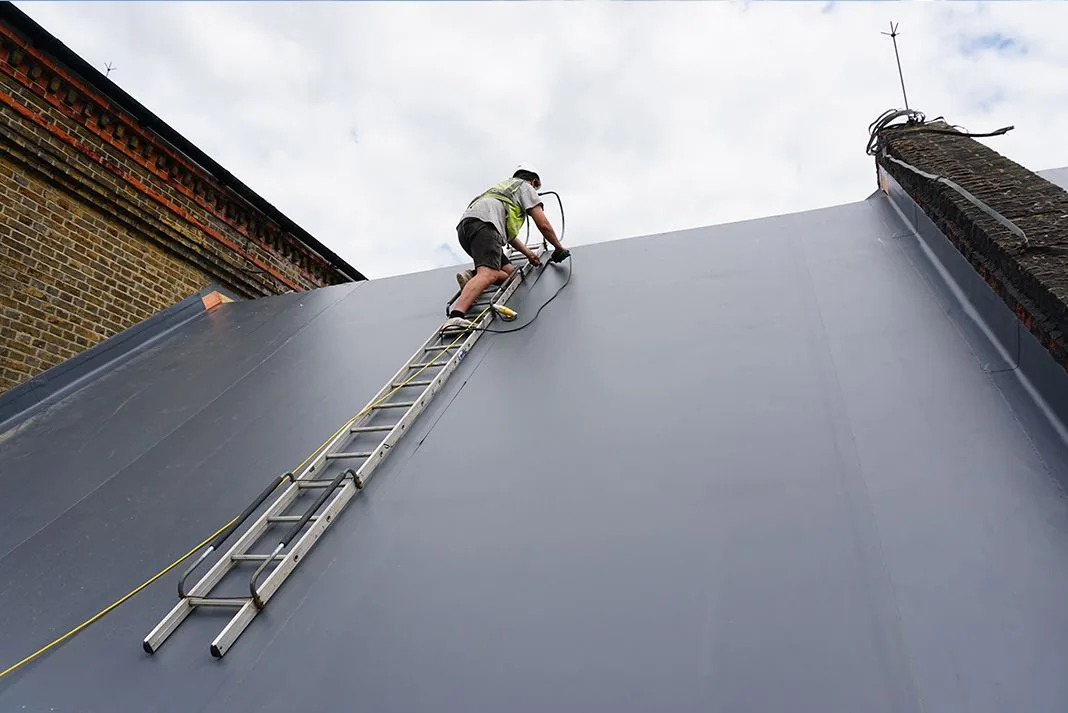
A downtown repair needs a work perimeter that is clear to both the roof crew and the building team. We identify the defect, materials, preparation, access path, and area below that needs protection. Where a parapet, gutter, or wall transition is involved, the scope shows how the tie-in will be completed. We document adjacent conditions so the repair is not mistaken for a broader restoration.
Active water changes the priority. We ask which suite or room is affected and whether contents, electrical equipment, or public areas need protection. The crew traces a plausible roof path and checks safe access. If rain or ice prevents permanent repair, a temporary measure may be applied when conditions allow. The closeout states its limits and the next permanent action.
For a downtown replacement, confirm Elgin's local amendments to the 2021 IBC and the current Illinois energy requirements before proposing assembly layers. A defined repair, a claim documentation visit, and a full condition inspection answer different needs.
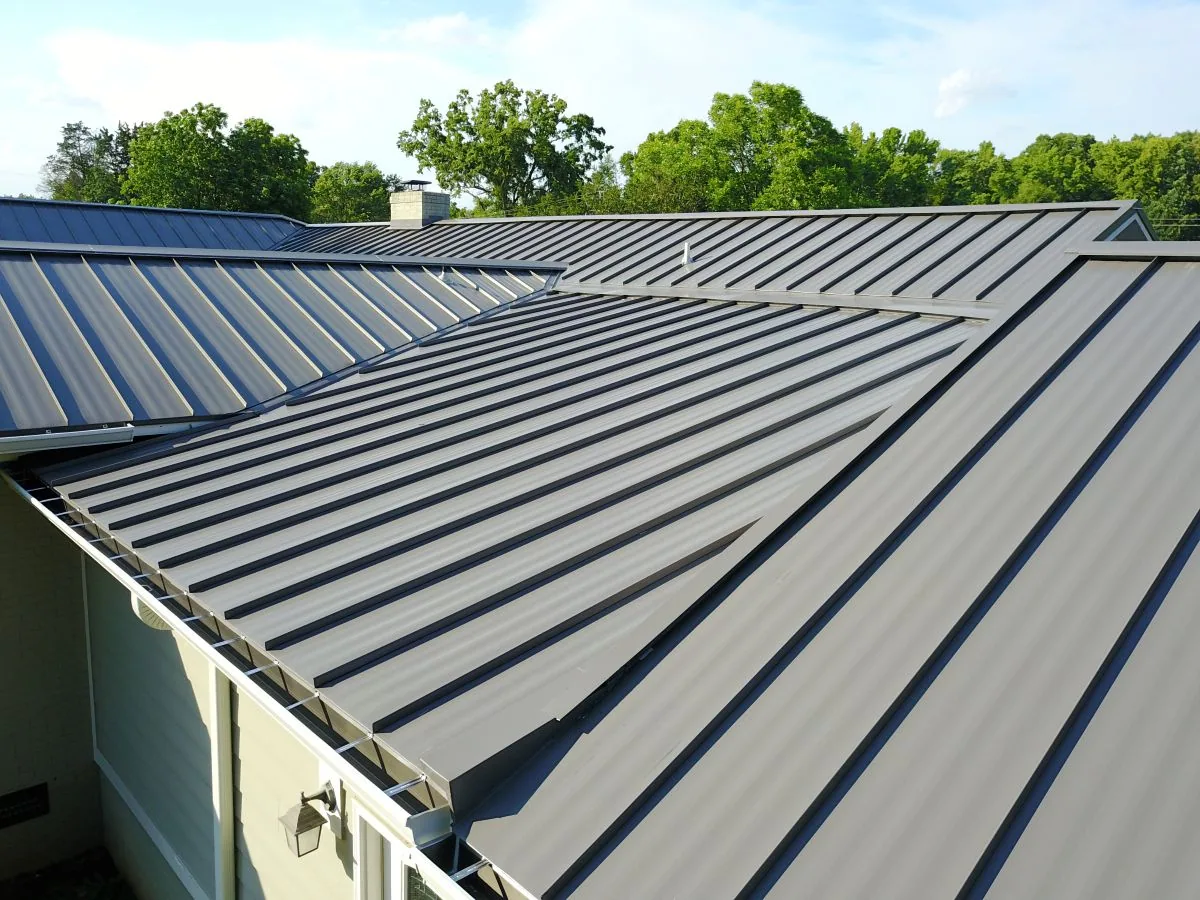
A metal roof detail, a modified-bitumen surface, and a membrane transition each require compatible preparation. We identify the existing construction before selecting material. If a coating is under consideration, restoration review should confirm adhesion and moisture conditions. Historic context can affect appearance and approvals, while roof performance still depends on the verified assembly.
Closeout record: leave a clean approval trail
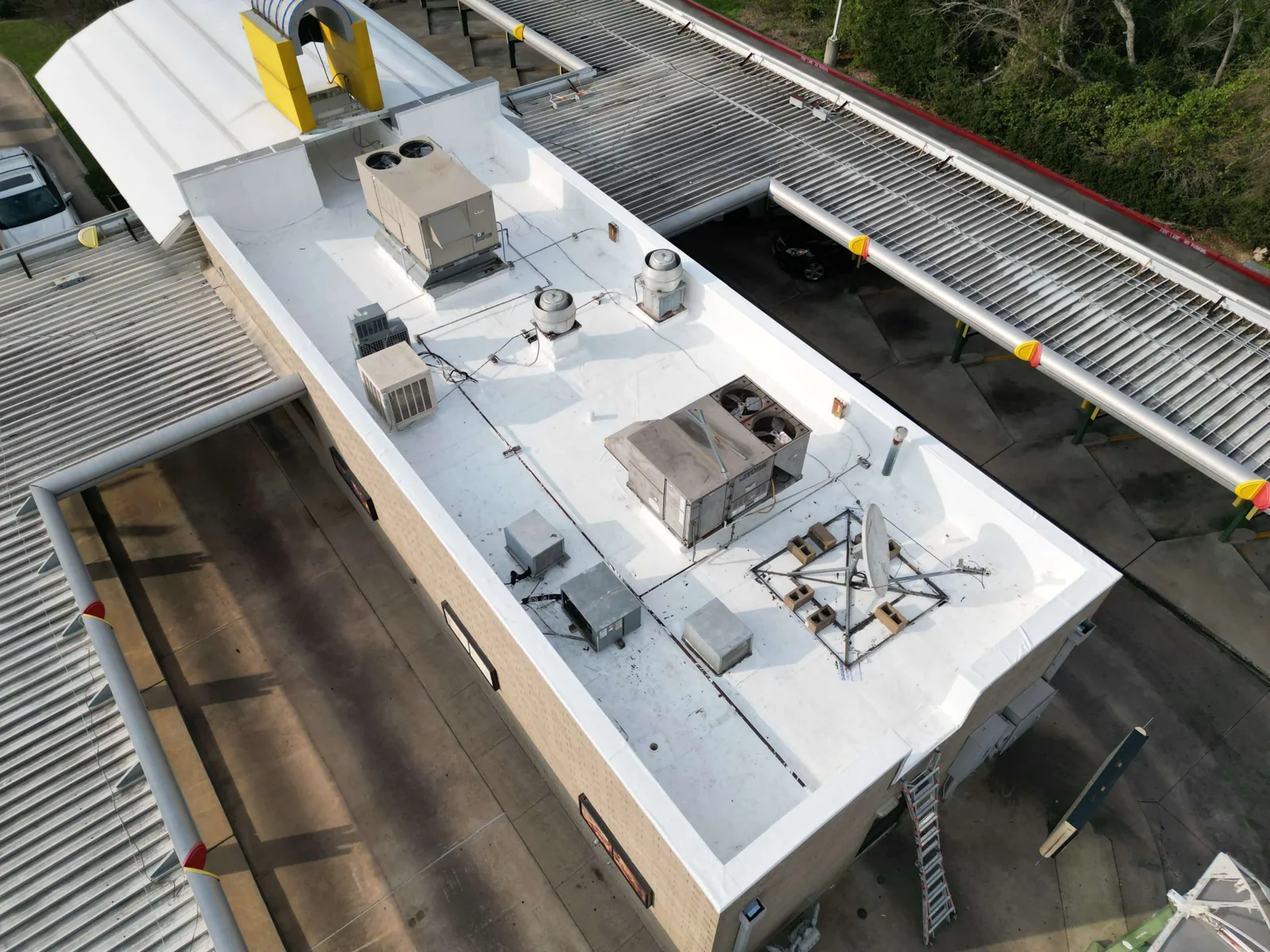
After a visit, the owner receives dated photos, roof zones inspected, repairs performed, materials used, and any remaining recommendation. We distinguish temporary protection from permanent work. If an area was not safely reachable, it appears as an open item with a return condition. A preservation review or owner approval that remains pending is stated as the next step.
Downtown Elgin has several historic districts, while the transit center and rail connections shape access needs. Those facts inform coordination, not roof diagnosis. Each project gets its own record, access notes, and approved scope. If several sites are scheduled, shared dates can be coordinated while conditions stay separate. Other named service areas include Carpentersville Route 25 Corridor and South Elgin LaFox Corridor.
Routine care can check drains, gutters, flashing, seams, penetrations, and previous repairs. A maintenance visit records those observations. A condition report organizes findings and priority, while capital planning can stage future work based on confirmed conditions.
Call with the building, reported roof zone, access contact, operating limits, and any preservation review the owner must complete. We will confirm safe entry, establish the dispatch window, and provide the next approval point.
Questions About Downtown Elgin
Does a historic district designation determine the roof repair?
No. We document the actual roof and detail; the owner confirms applicable preservation review before approving changes.
How do you plan roof access downtown?
We confirm loading, pedestrian protection, deliveries, roof entry, staging, and any timing restrictions with the property contact.
Can temporary protection be used before final approval?
When conditions allow, we document the limited protective measure and identify the permanent work still awaiting direction.
Do transit routes affect the roofing work schedule?
They can influence access coordination near a property. The site contact confirms current delivery and staging constraints.
What should closeout photos show?
Images should identify the roof zone, original condition, completed detail, and any area still requiring follow-up.