Commercial Roof Infrared Moisture Survey in Elgin, IL
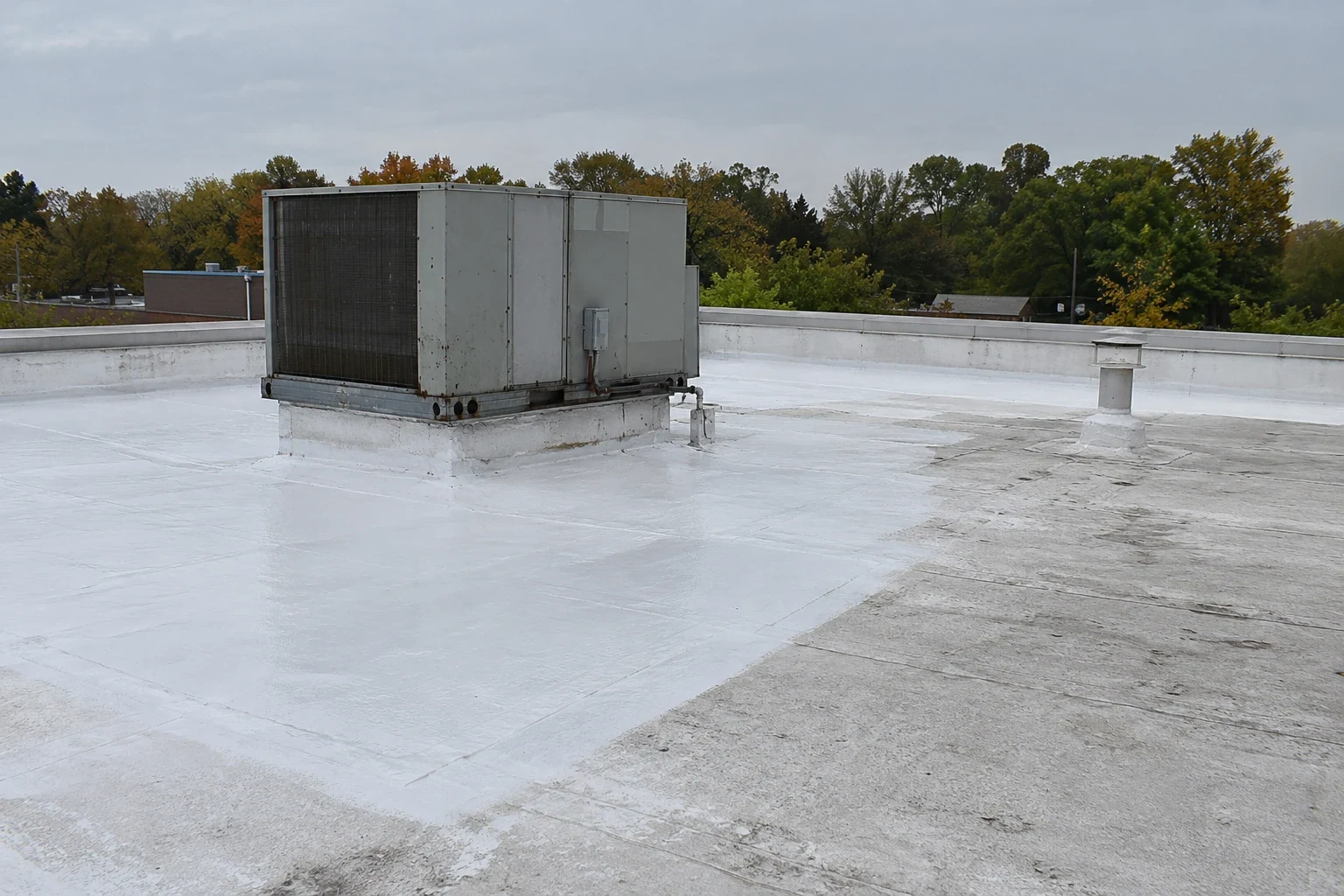
Define the moisture question
Share roof plans, leak locations, known layers, access limits, and the decision deadline. We will select a survey method, collection window, and verification plan that fit the assembly.
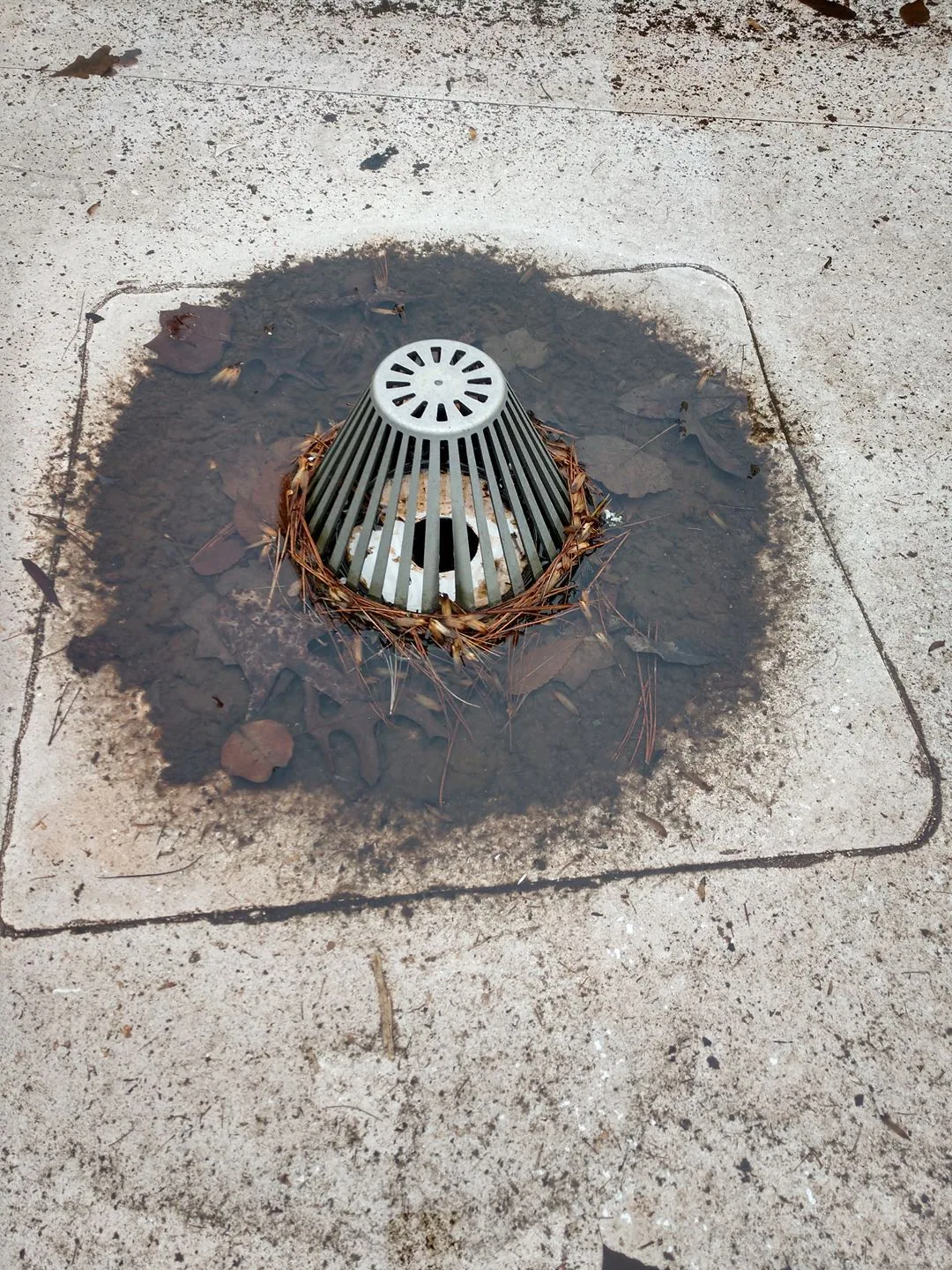
Commercial Roof Infrared Moisture Survey
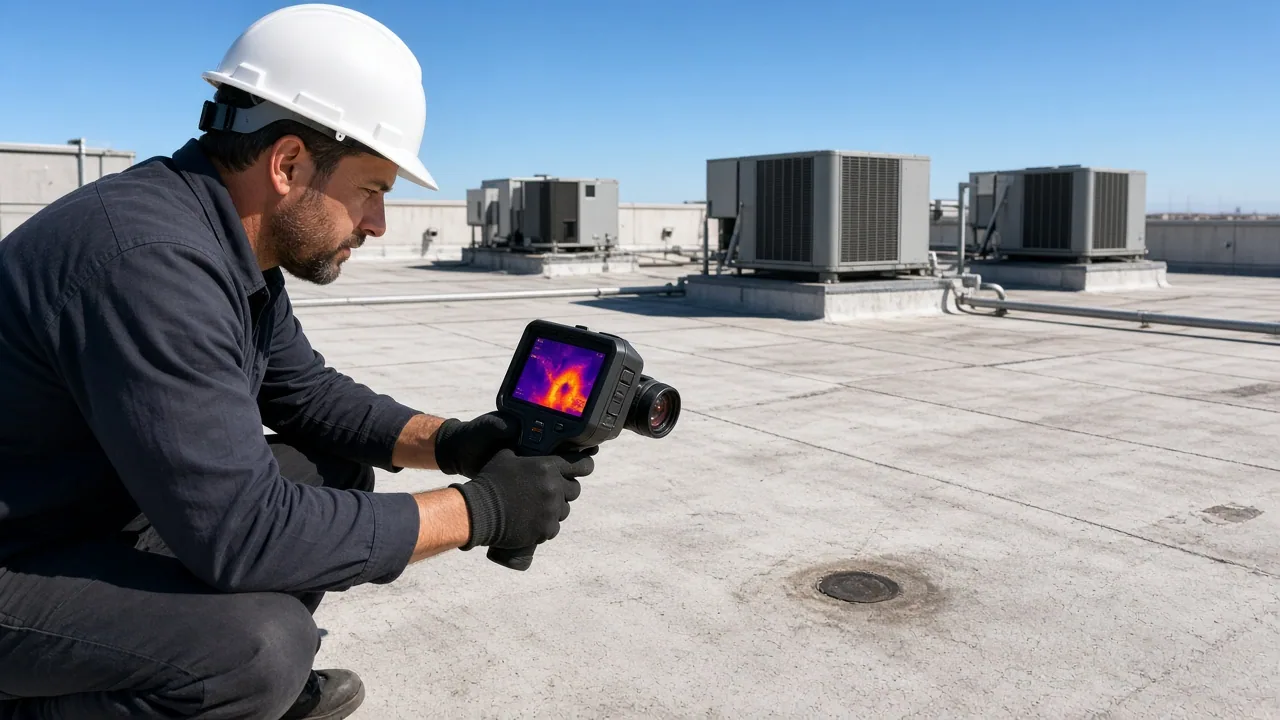
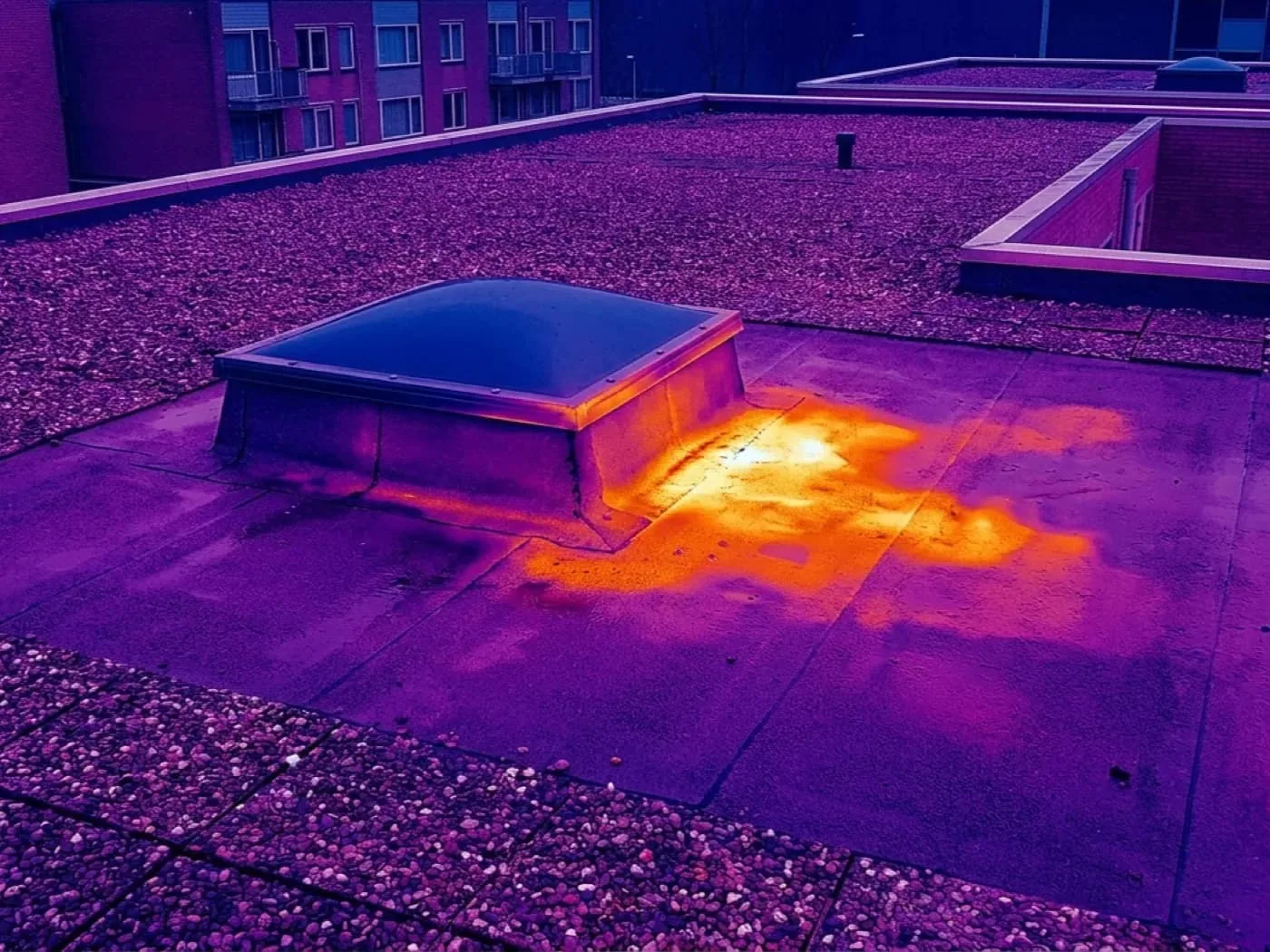
A moisture survey helps decide where a roof needs verification or selective removal. Infrared imaging can identify temperature patterns that may correspond with wet materials, but it does not prove moisture on its own. We review the roof assembly, weather, surface conditions, and inspection objective before selecting a method. The survey produces a marked map of candidate areas, not a promise that every concealed condition has been found. Elgin’s winter and warm-season conditions make timing and surface preparation important.
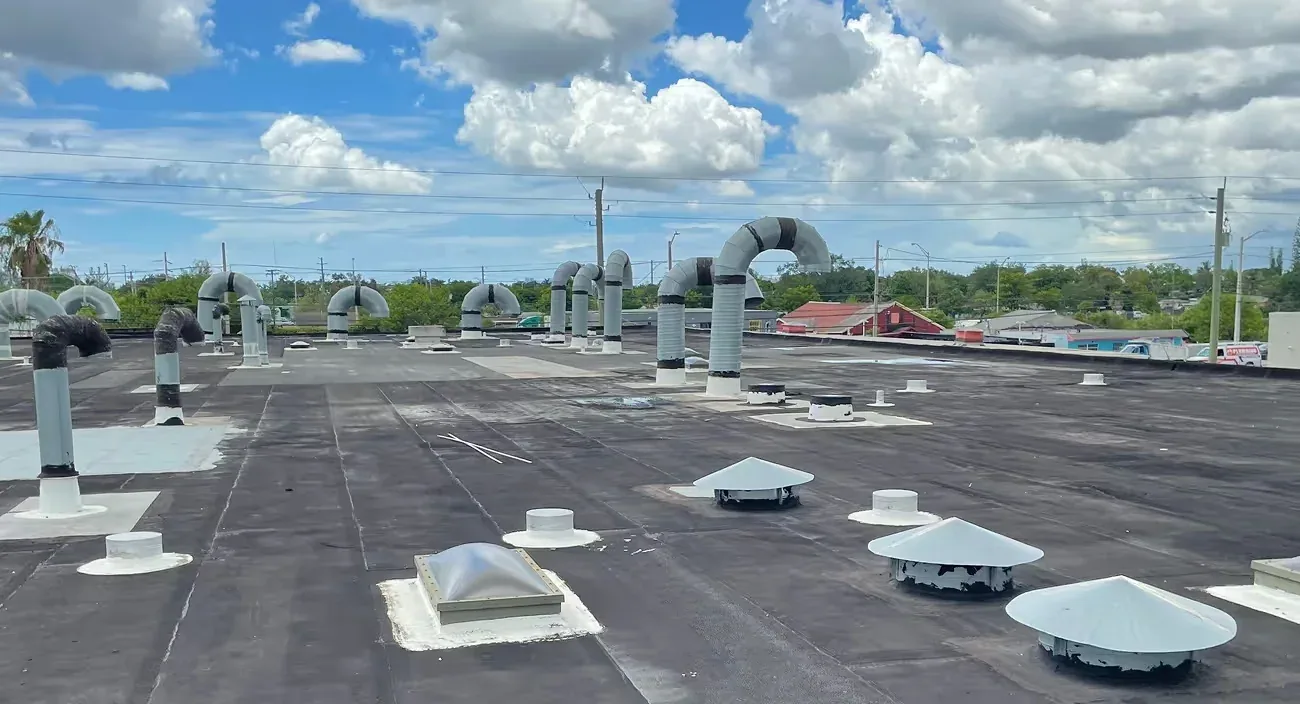
Method selection: match the survey to the roof
Infrared surveys use temperature differences at the roof surface after suitable solar loading and cooling. The method works best when roof construction, weather, and surface conditions support a reliable pattern. Wind, cloud cover, recent rain, ponding, ballast, reflective coatings, and equipment shadows can affect interpretation. We review those factors and can postpone collection when the conditions will not produce useful readings.
Capacitance scanning or other electrical methods may be useful on compatible assemblies. A core cut can directly examine layers at a selected point, though it leaves an opening that must be restored. The method depends on insulation, membrane, roof access, and the question the owner needs answered. We explain the limits and restoration plan before sampling. A hands-on roof inspection can pair visual findings with moisture mapping when both are needed.
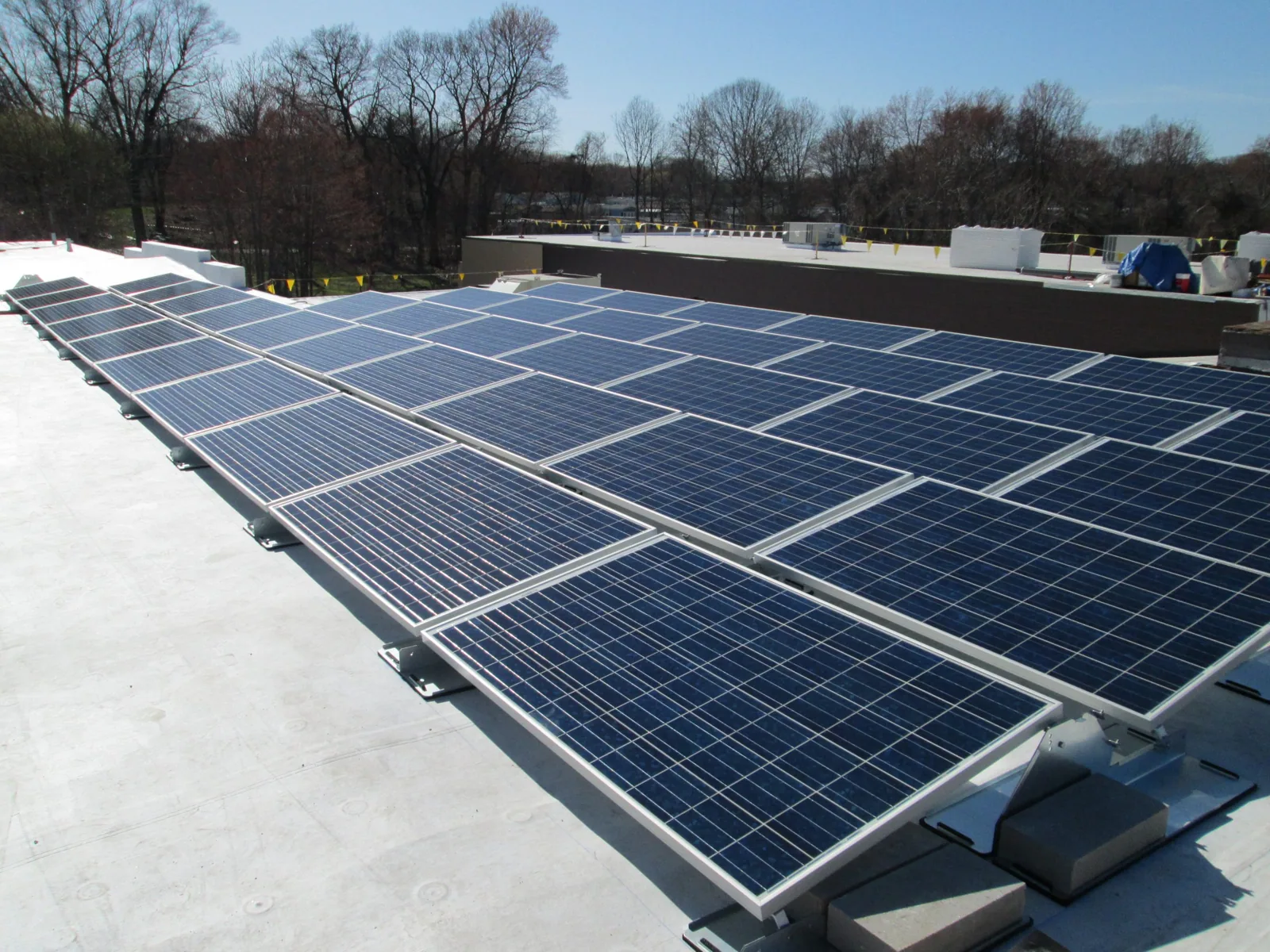
Assembly review: understand what sits below
We collect roof plans, repair records, system details, and known leak locations before scanning. The records can show insulation type, deck, cover board, membrane, and previous recover layers. If that information is missing, the report marks the uncertainty. Different layers store and release heat differently, so a temperature pattern must be read in context. We do not label a location wet solely because a color or temperature looks unusual.
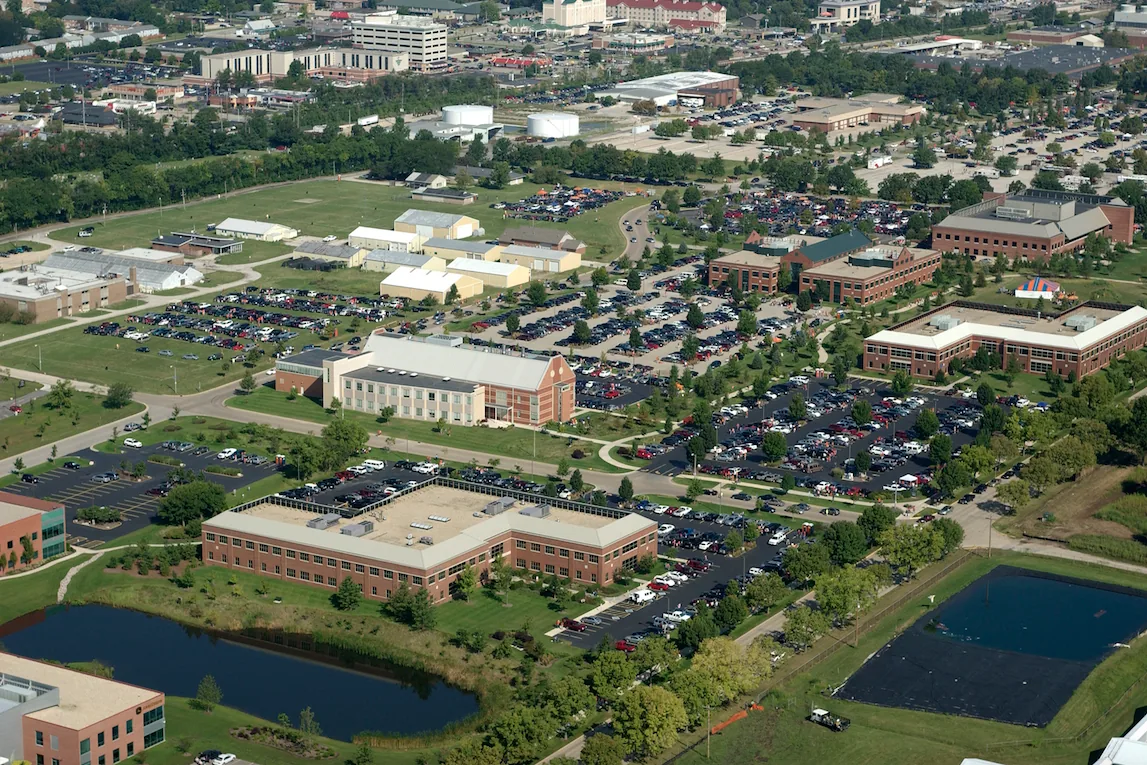
At Miller-Davis Research & Industrial Center and Westfield Business Park, each building has its own roof assembly and access conditions. We confirm each building’s layers and access before scheduling the survey. If a property includes more than one roof type, we label each section separately so candidate areas are interpreted against the right construction.
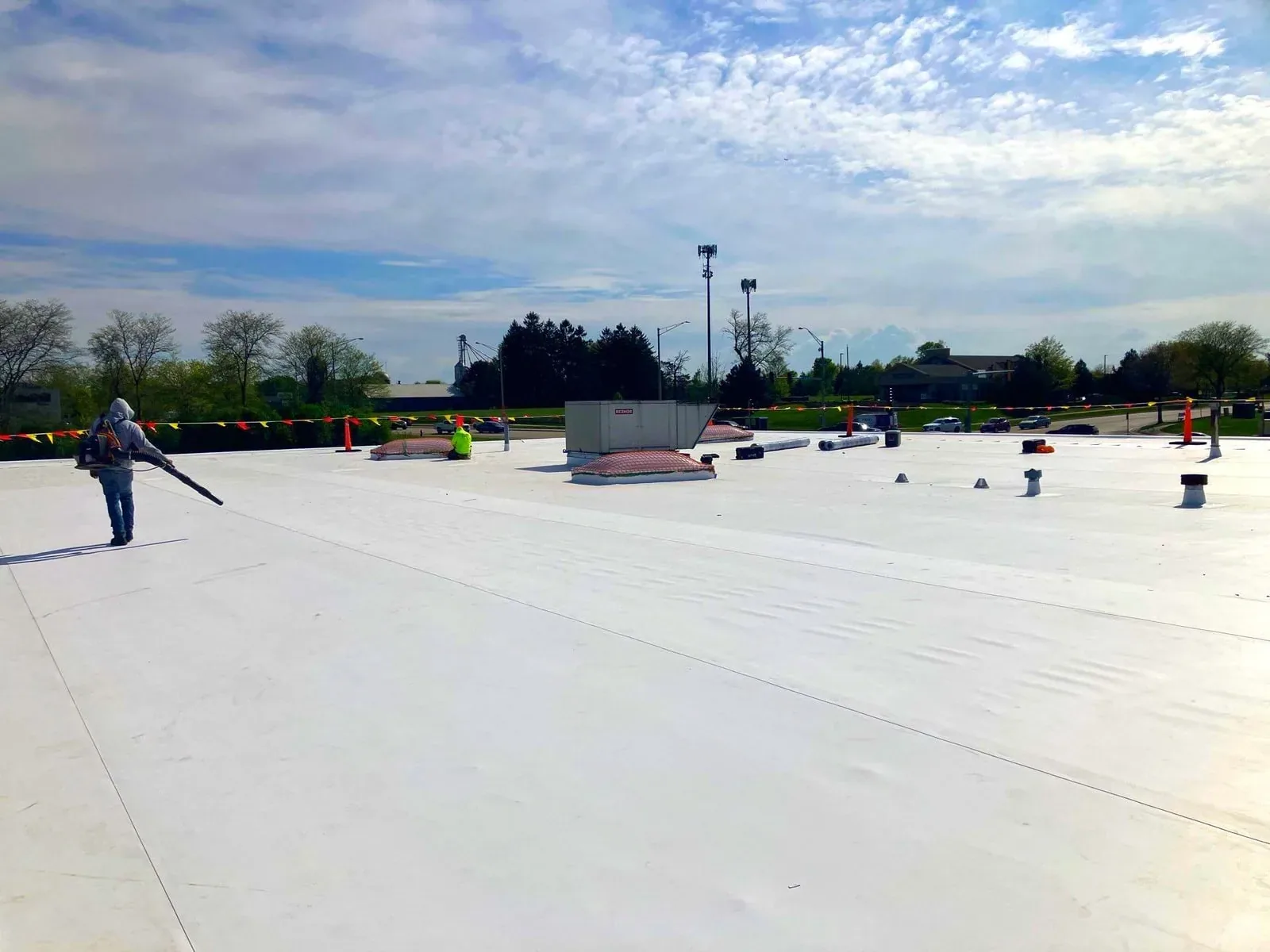
Collection window: account for weather and surface
Infrared collection needs a suitable temperature change between roof materials. The crew records timing, weather observations, and surface conditions with the scan. A wet membrane after rain, direct shade, snow cover, or heavy rooftop shading can make a scan less useful. We may shift collection to another window or use a different verification method rather than stretch the conclusion.
Elgin averages about 29 inches of snowfall annually, with frequent winter freezes and summer heat. Actual roof conditions still control survey timing, including surface moisture, wind, and access safety. The actual roof must be dry and accessible. Snow or ice requires safe removal only when authorized and suitable; otherwise, the survey waits. We coordinate around tenant and production schedules if the roof needs to be scanned after daytime solar exposure. The site contact confirms when equipment, vents, or rooftop traffic may change surface temperatures. We record those conditions beside the image so later readers can judge how much confidence to place in a pattern.
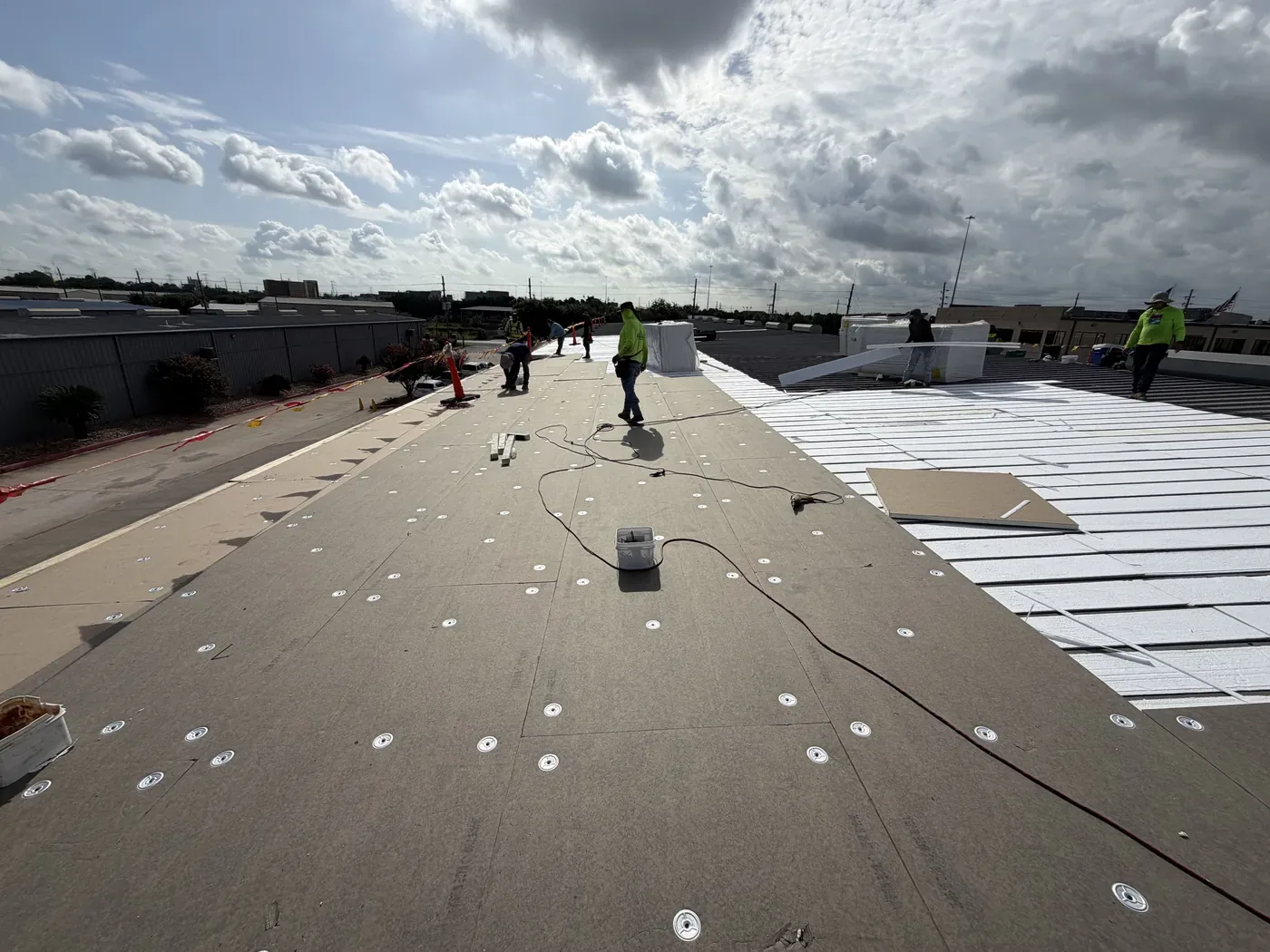
Verification points: test candidate areas
The scan map separates candidate anomalies from confirmed moisture. We review patterns alongside seams, drains, curbs, leak reports, and roof elevations. Then we select verification points with the owner. A core sample can show whether the insulation is wet at that location and reveal the layer stack. A dry sample does not prove every nearby point is dry, so the sample plan should match the size and variation of the roof zone.
We mark each test location, record the layers observed, and restore the opening with a compatible repair. If several candidates cluster near a drain or penetration, we may inspect the detail before authorizing broad removal. The goal is a defined boundary that the property manager can price and approve. We compare candidate zones with observed slope and drainage. A test point near a transition may answer a different question than one in the center of a field membrane. The report explains why locations were selected and which roof areas remain untested. For active water, leak response may be needed before the full moisture map is complete. For aerial access planning, a drone survey can help identify roof zones, but it cannot replace moisture verification.
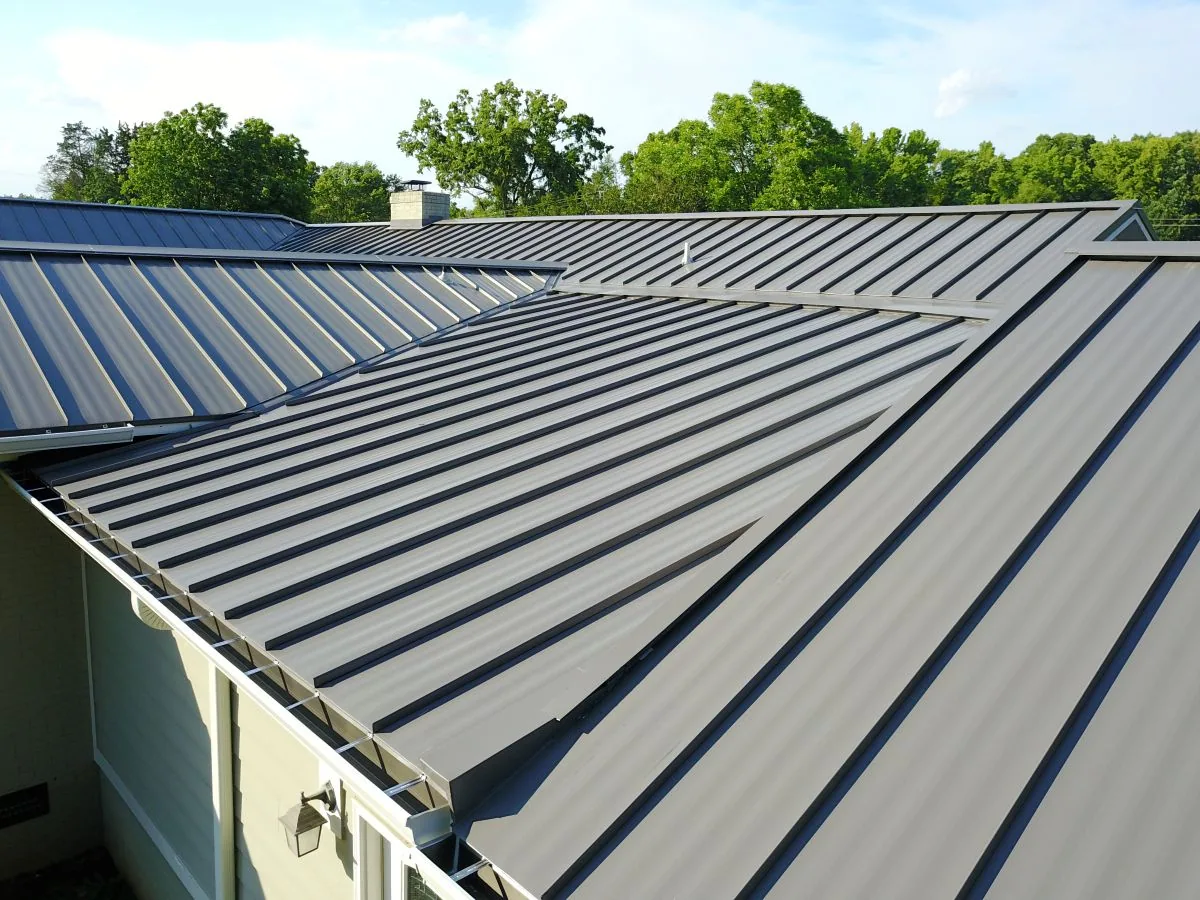
Decision report: connect findings to scope
The deliverable identifies the method, collection conditions, roof areas covered, image or scan map, candidate zones, sample locations, and limitations. It distinguishes thermal anomaly from confirmed wet insulation. The owner can use verified quantities to compare selective replacement with wider tear-off. If the survey finds no confirmed moisture in a test point, we state only what that sample showed.
Repair decisions should include the condition of surrounding layers, deck, drainage, and existing membrane. A moisture boundary may cross a seam or equipment curb, requiring additional detail work. The report can support a replacement comparison or a smaller localized repair. We tie quantities to a roof plan and identify the approval point for any concealed conditions uncovered during construction.
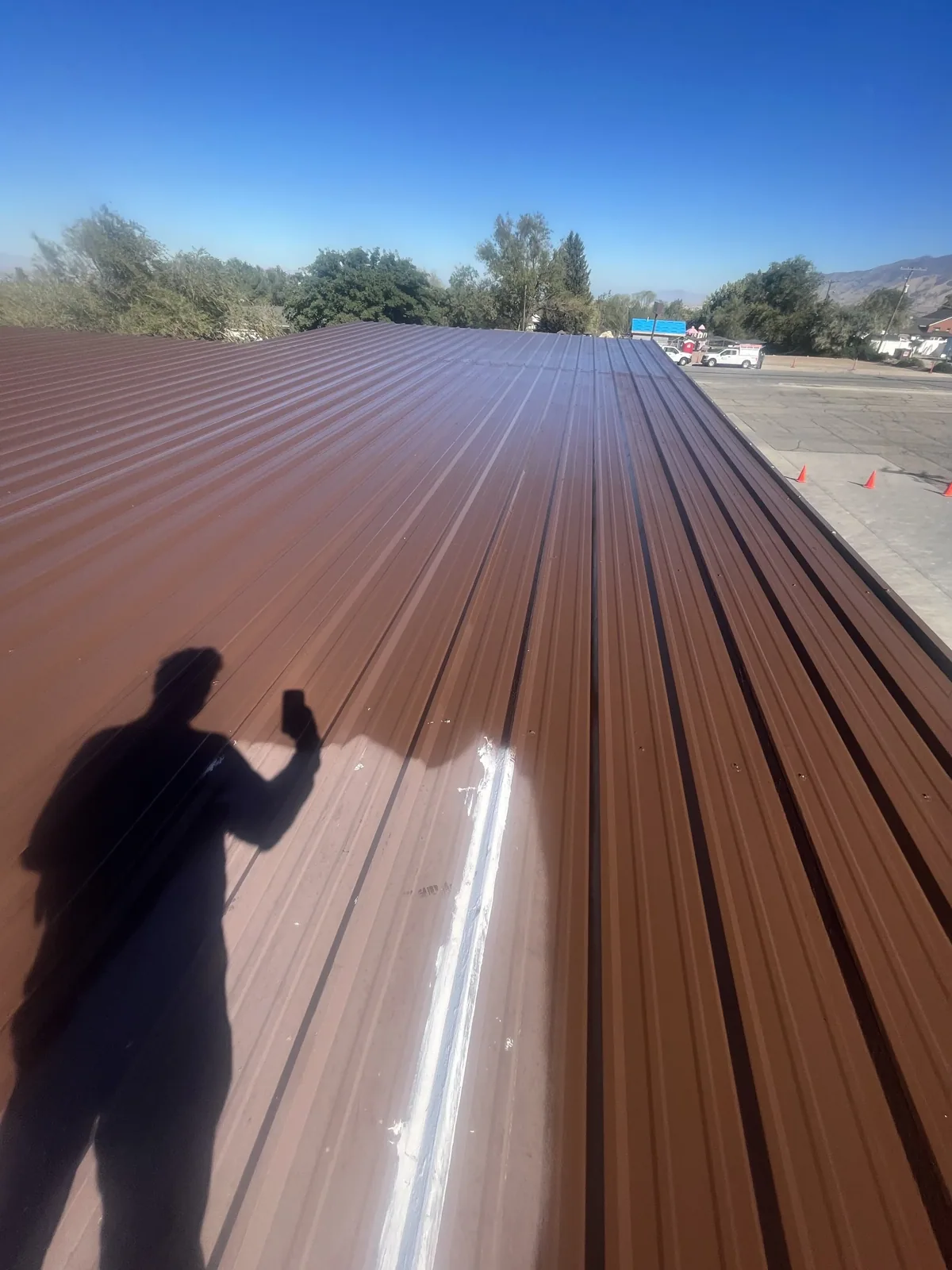
Handoff: preserve the map for future work
After review, we walk the manager through confirmed results, candidate areas, and open questions. The map should remain connected to the roof plan, inspection date, and verification method. This prevents a future team from treating every anomaly as a confirmed leak or assuming one test describes an entire building. Dated records also help compare a later scan when the surface and weather differ. We retain the relationship between each image and its roof-zone label, rather than delivering a loose collection of thermal colors. The manager can then route repair review, maintenance, or further sampling to the correct roof section. The asset manager can retain the scan map and readings with dated photographs.
Share the roof plan, known repairs, reported leaks, access limits, and decision deadline before scheduling. Tell us whether the goal is a repair boundary, a replacement comparison, or a baseline for capital review. In Randall Crossing Business Park, as elsewhere, each roof section receives its own conditions and map. We will explain what the survey can establish and what needs direct verification before the owner approves removal.
Questions About Commercial Roof Infrared Moisture Survey
Does an infrared survey confirm wet insulation?
No. It identifies temperature patterns that may correspond with moisture under suitable conditions. Verification, such as a core sample or compatible test method, is needed before treating a candidate area as confirmed wet material.
What weather is needed for infrared roof imaging?
The surface needs appropriate solar loading and cooling, with limited effects from wind, cloud, rain, standing water, shade, or snow. We record collection conditions and reschedule when they make interpretation unreliable.
Will every anomaly need a core cut?
The owner and inspector choose verification points based on the pattern, roof assembly, leak history, and project decision. Some areas may be confirmed through another compatible method. Each core opening requires an approved location and proper restoration.
Can the survey measure the entire roof’s remaining life?
A moisture map addresses candidate wet areas, not the whole system’s service life. Seams, flashings, attachment, drainage, and surface condition need separate inspection. We state what the survey covers and what remains outside its scope.
How does the survey help compare repair and replacement?
Verified wet quantities can clarify selective removal, while dry or uncertain areas remain distinct in the map. The owner can compare those quantities with the surrounding system condition, deck, drainage, and code review before choosing a scope.