Commercial Built-Up Roofing in Elgin, IL
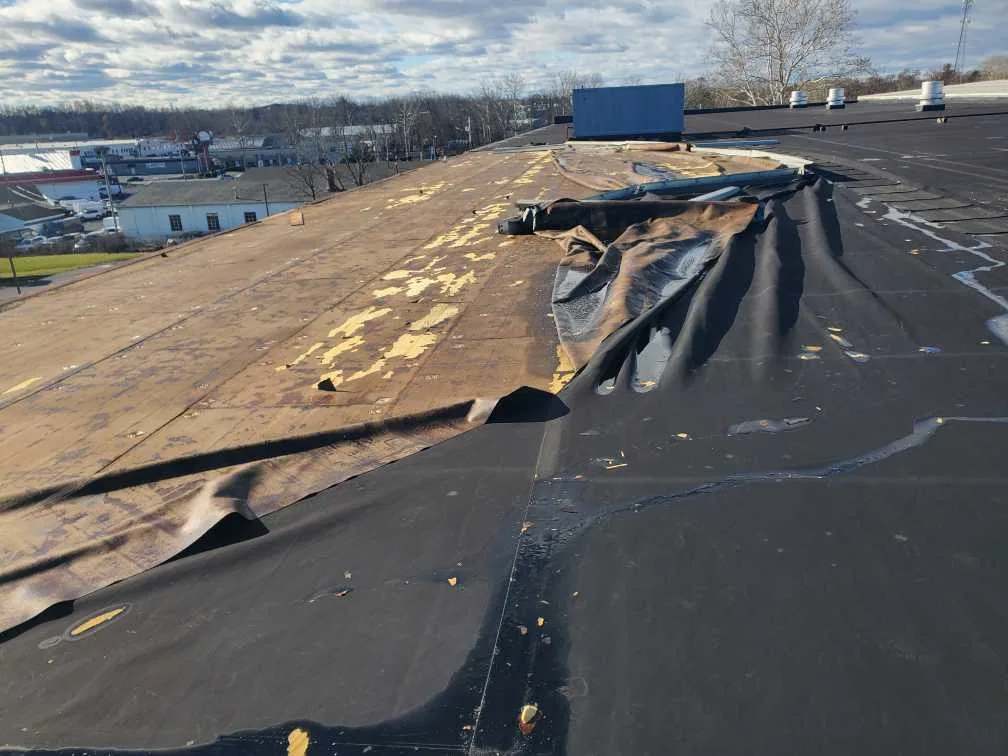
Assess a built-up roof
Share roof plans, repair records, leak locations, drain information, and access rules. We will inspect the surface and define any testing needed to verify layers.
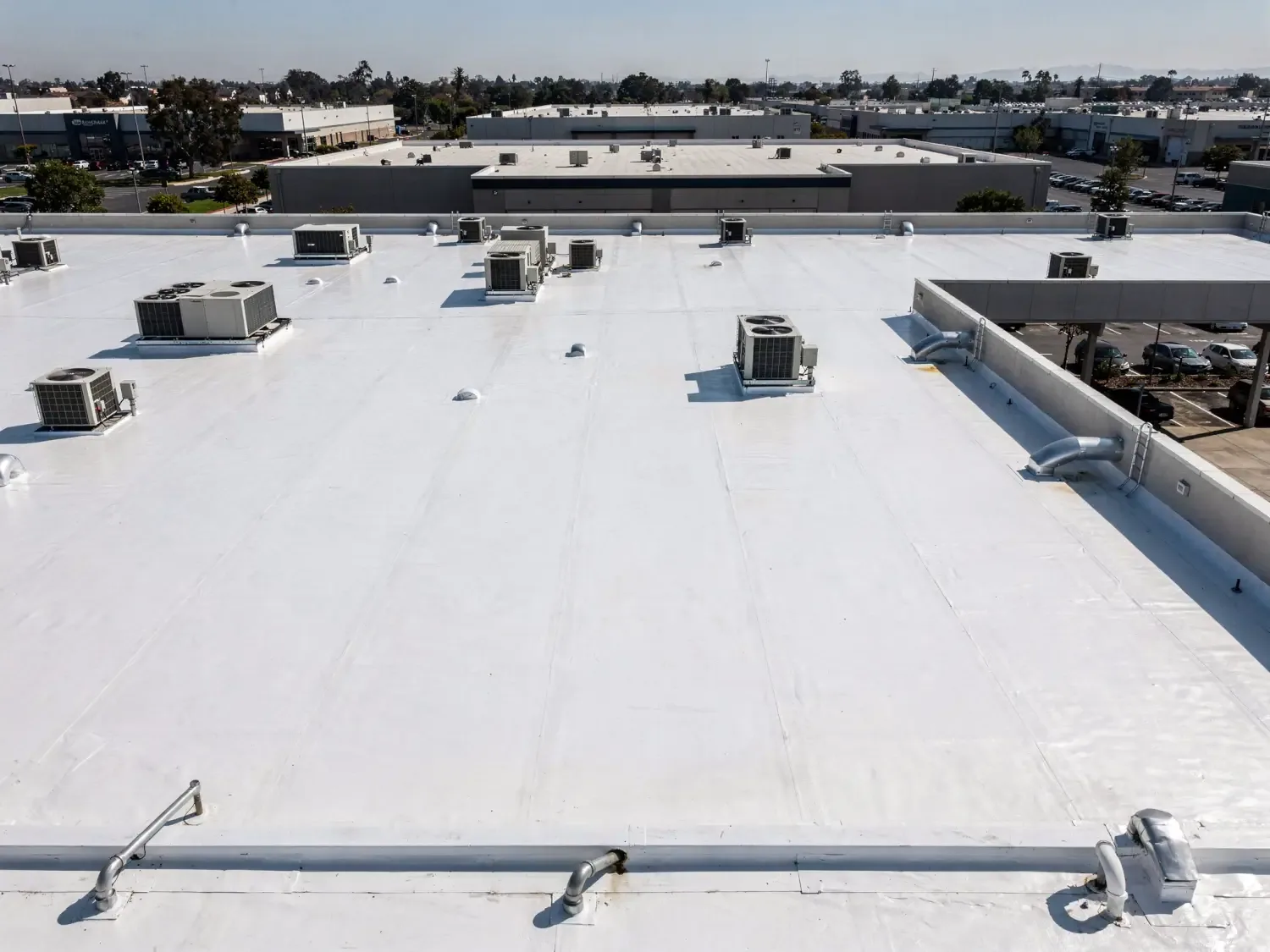
Commercial Built-Up Roofing
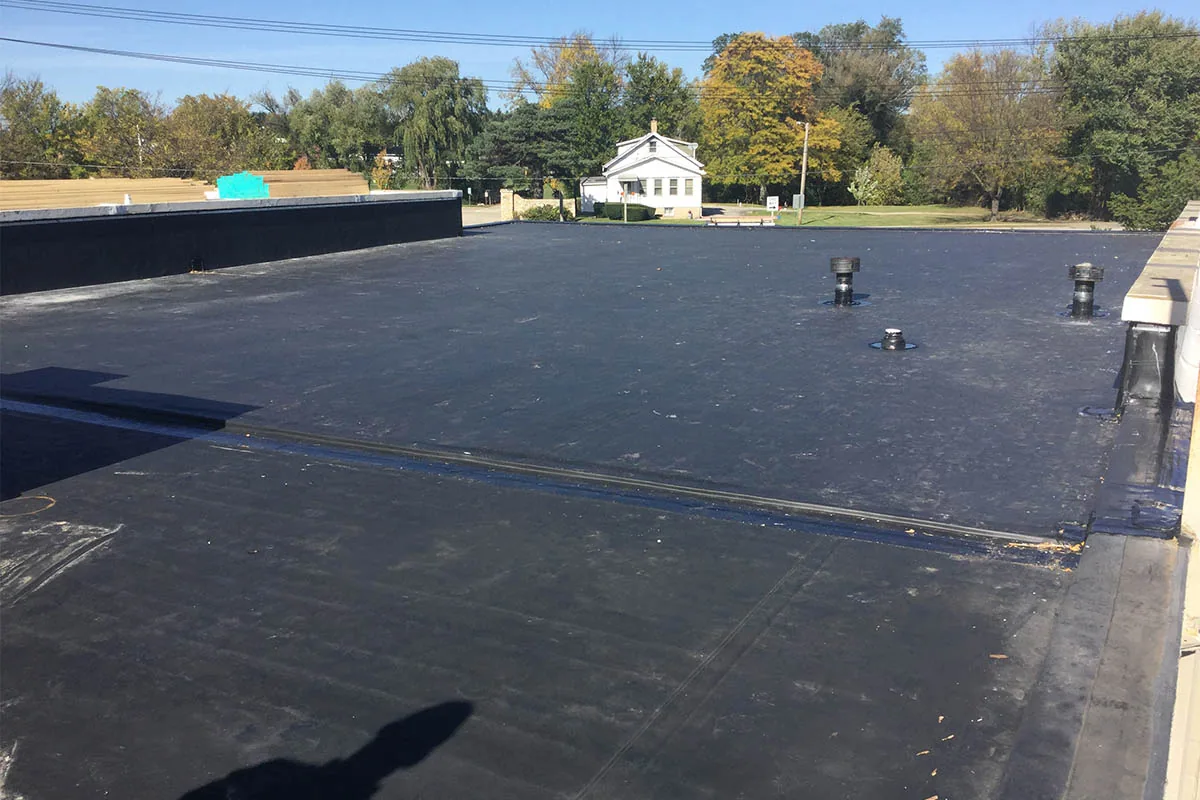
A built-up roof is a layered assembly. We evaluate the surface, plies, insulation, flashing, drains, and repair history before recommending work. Mineral surfacing may hide lower-layer conditions, and a roof can contain later additions that differ from the original installation. Elgin’s wet weather, snowfall, and freeze cycles make water paths and edge details important. The inspection separates visible wear from conditions that need an approved opening to verify.
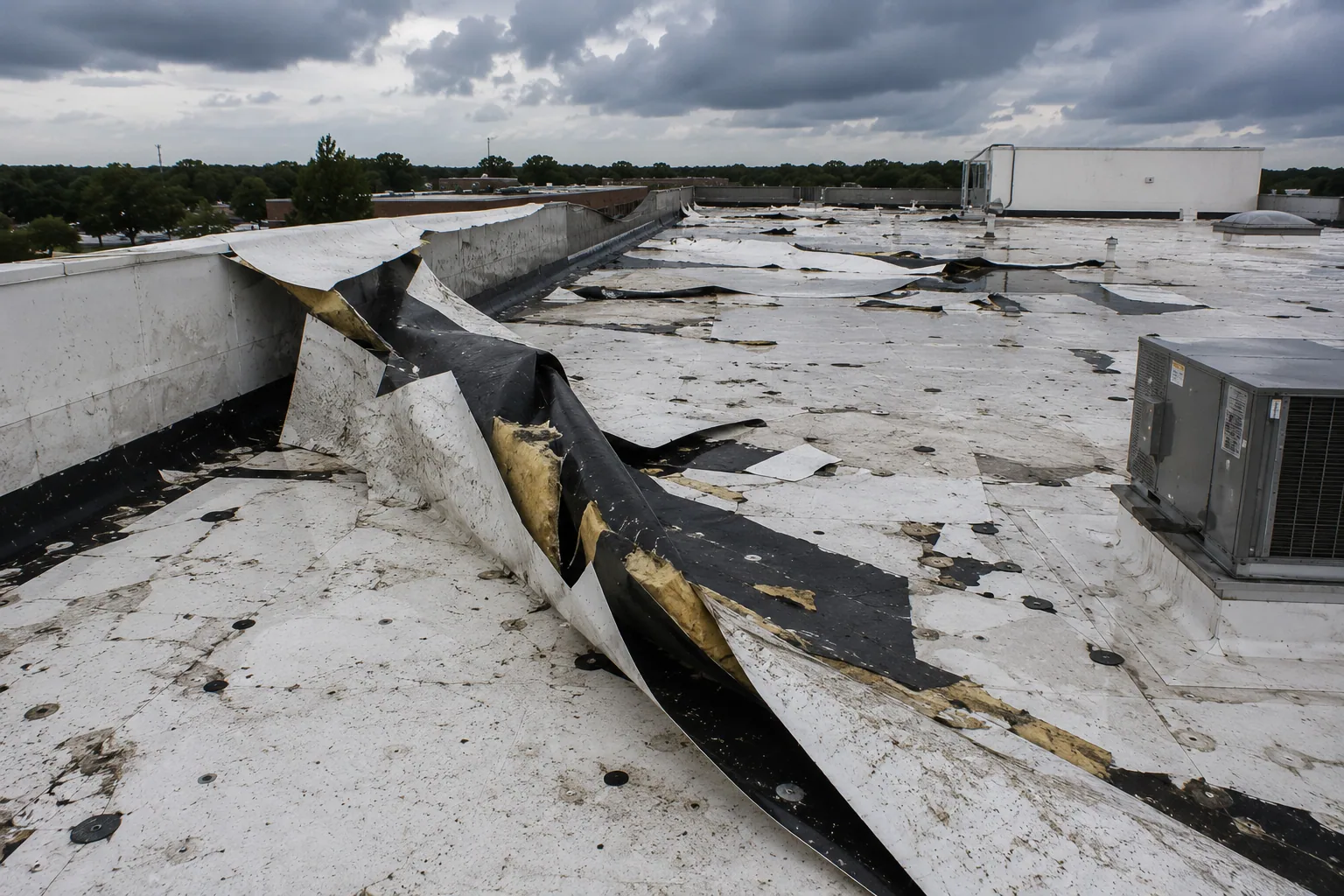
Layer review: identify surfacing and assembly
We examine the cap surface, seams, blisters, ridges, exposed asphalt, patch edges, and perimeter transitions. A built-up roof may have several plies of felt and asphalt, with surfacing that varies by section. We consult available drawings, warranty papers, and maintenance records. If later work changed a roof zone, the report identifies the difference rather than assume one assembly across the entire building.
When the exact layer count affects replacement or recover, an approved test cut can confirm what is concealed. The owner selects the location and understands how the opening will be restored. A scan may help target testing but does not identify every ply or establish a final quantity of wet material. Near Northwest Corporate Park or the Fox Bluff Corporate Center, access and building operations are verified with each property contact.
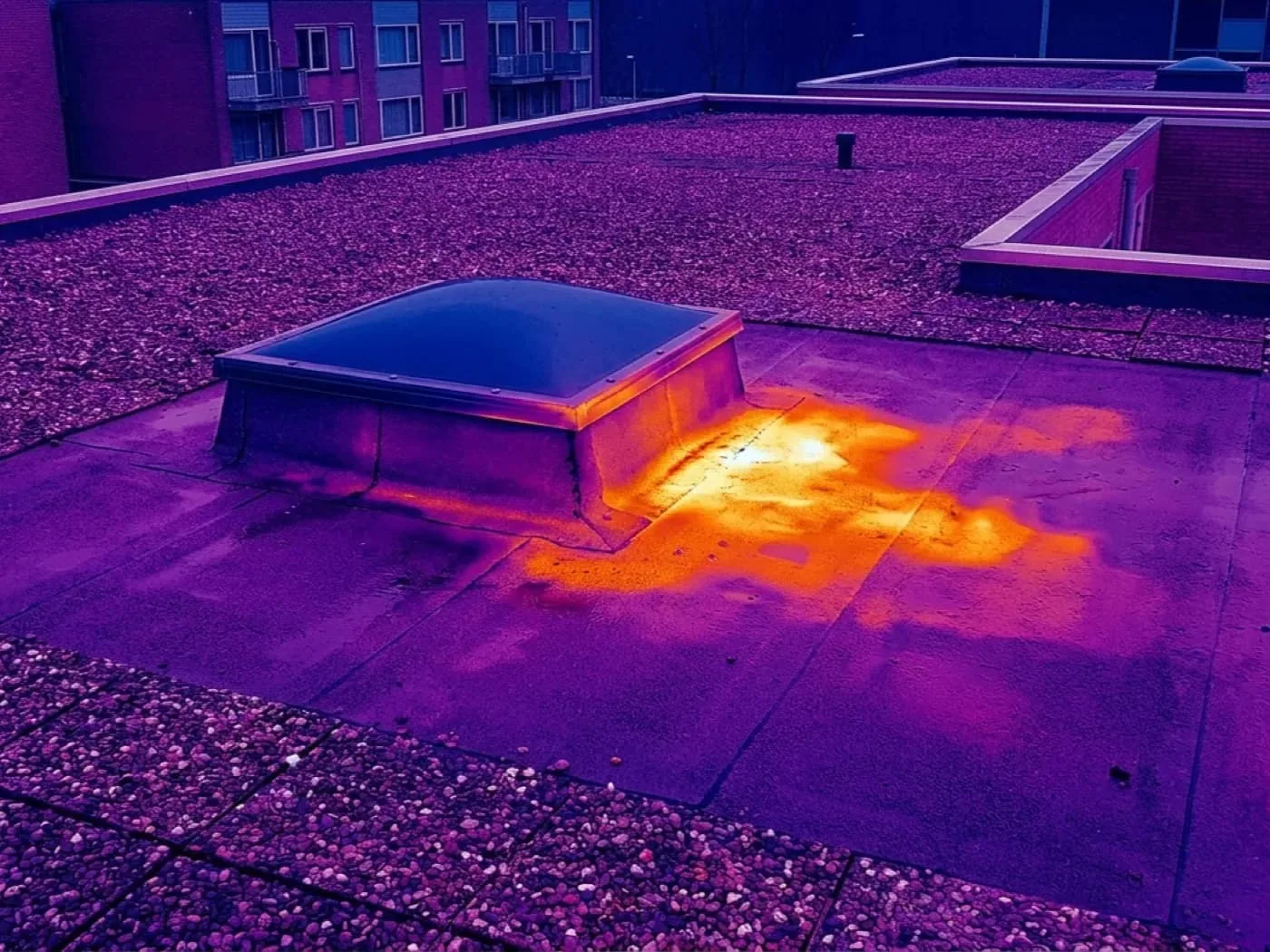
Water stains or surface bubbles can have more than one cause. We document the visible condition, location, and any nearby drain or penetration. An infrared moisture survey may identify areas for direct verification when concealed insulation could change the scope.
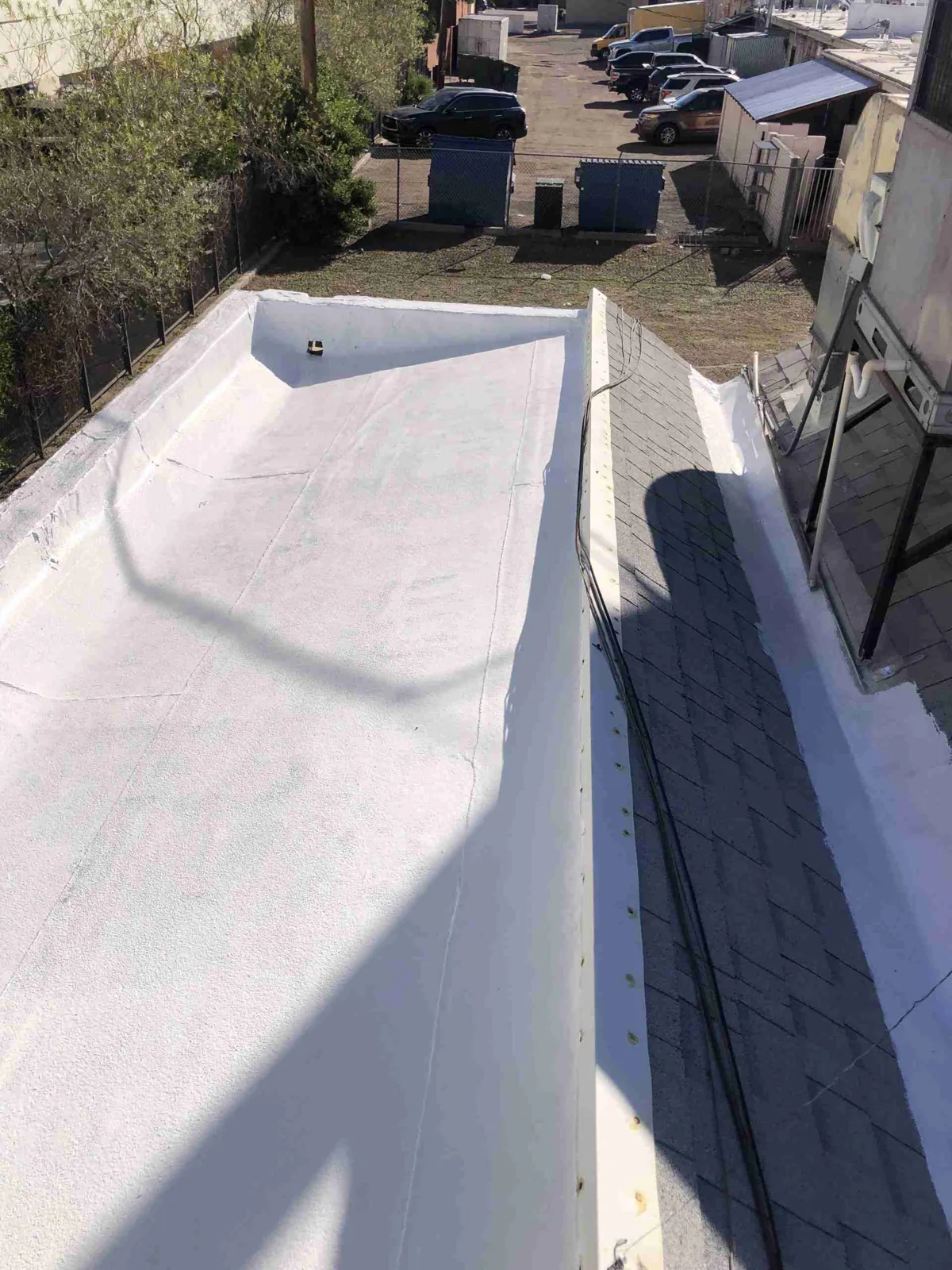
Surfacing: inspect protection and water entry
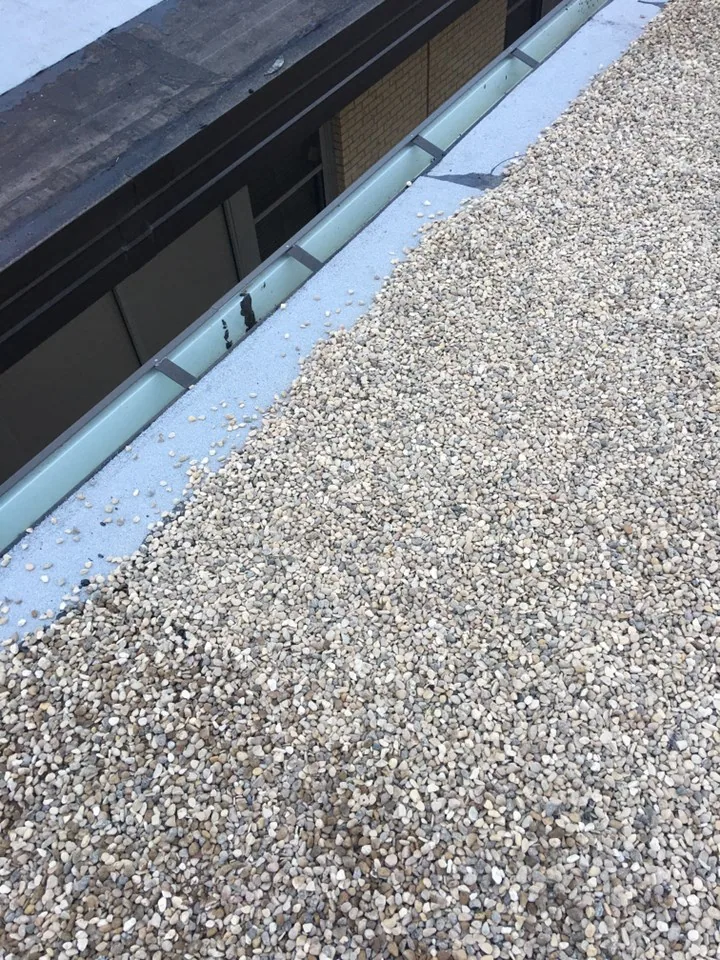
Gravel, mineral cap sheet, and coating each need a different inspection approach. We note displaced surfacing, exposed asphalt, bare areas, and any spot where wind or foot traffic has shifted material. The roof report records whether the underlying ply is visible and whether deterioration appears active. We do not remove broad areas of surfacing without approval.
Granule or aggregate loss can expose asphalt to sun and water. Its significance depends on the area, depth, and condition below. A localized repair may restore a small defect. A larger worn section may require a more complete evaluation. The estimate separates surface maintenance from repairs to plies or insulation.
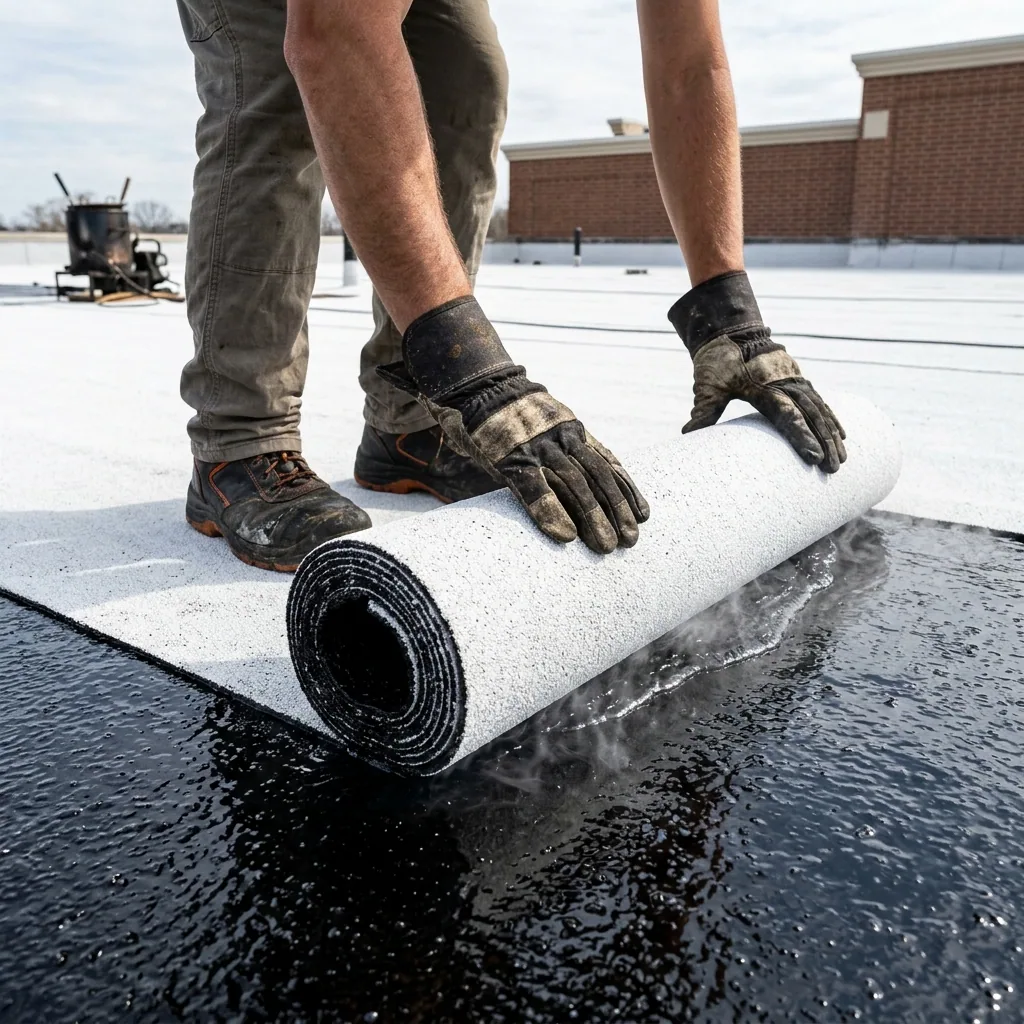
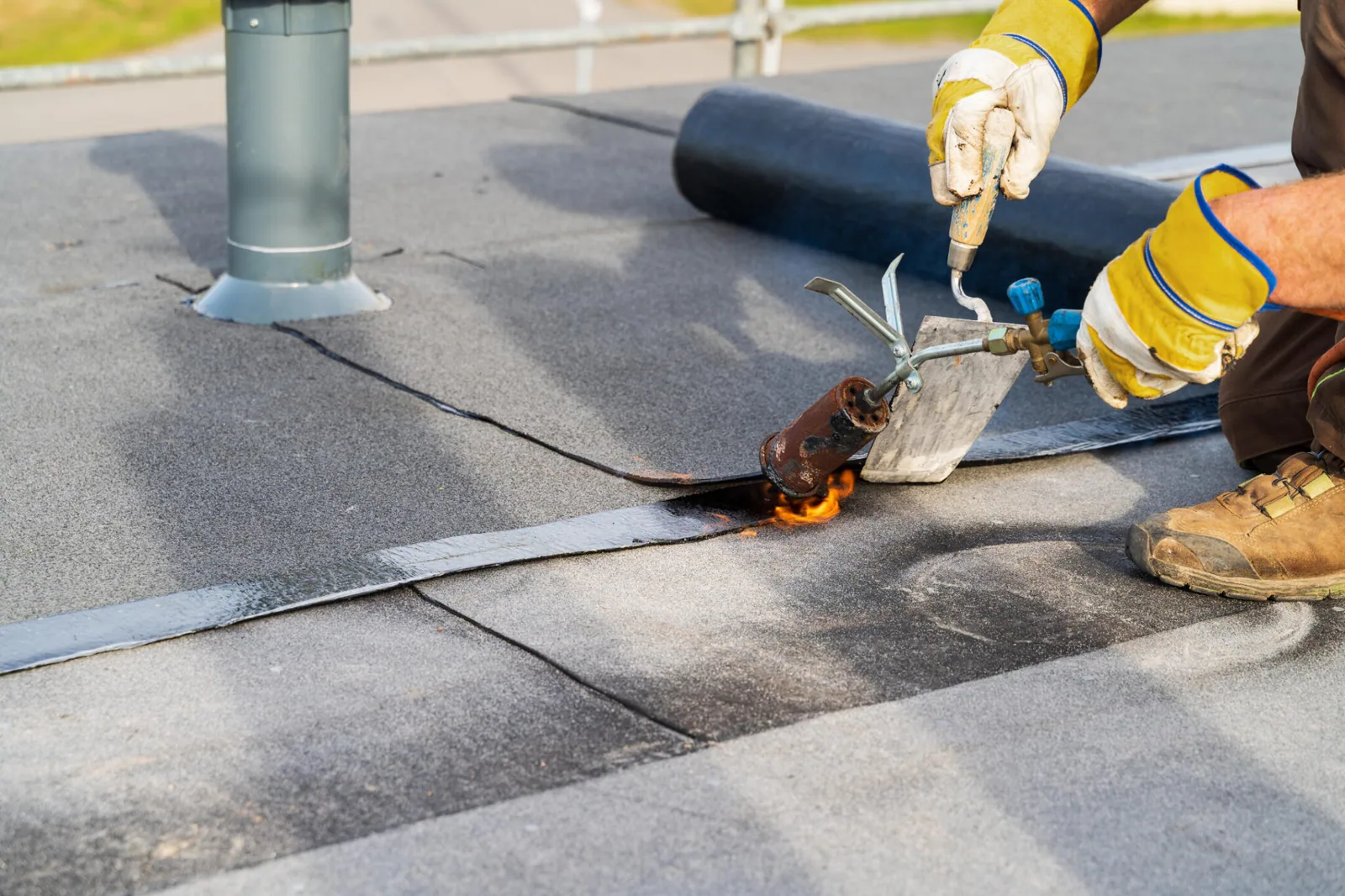
Built-up systems can contain hot-applied materials. Work planning accounts for fire controls, odor, access, and nearby air intakes. If the building remains occupied, the site contact identifies ventilation concerns and notice requirements. A phased roof plan can coordinate work with tenant schedules and operations.
Drainage: review outlets and low points
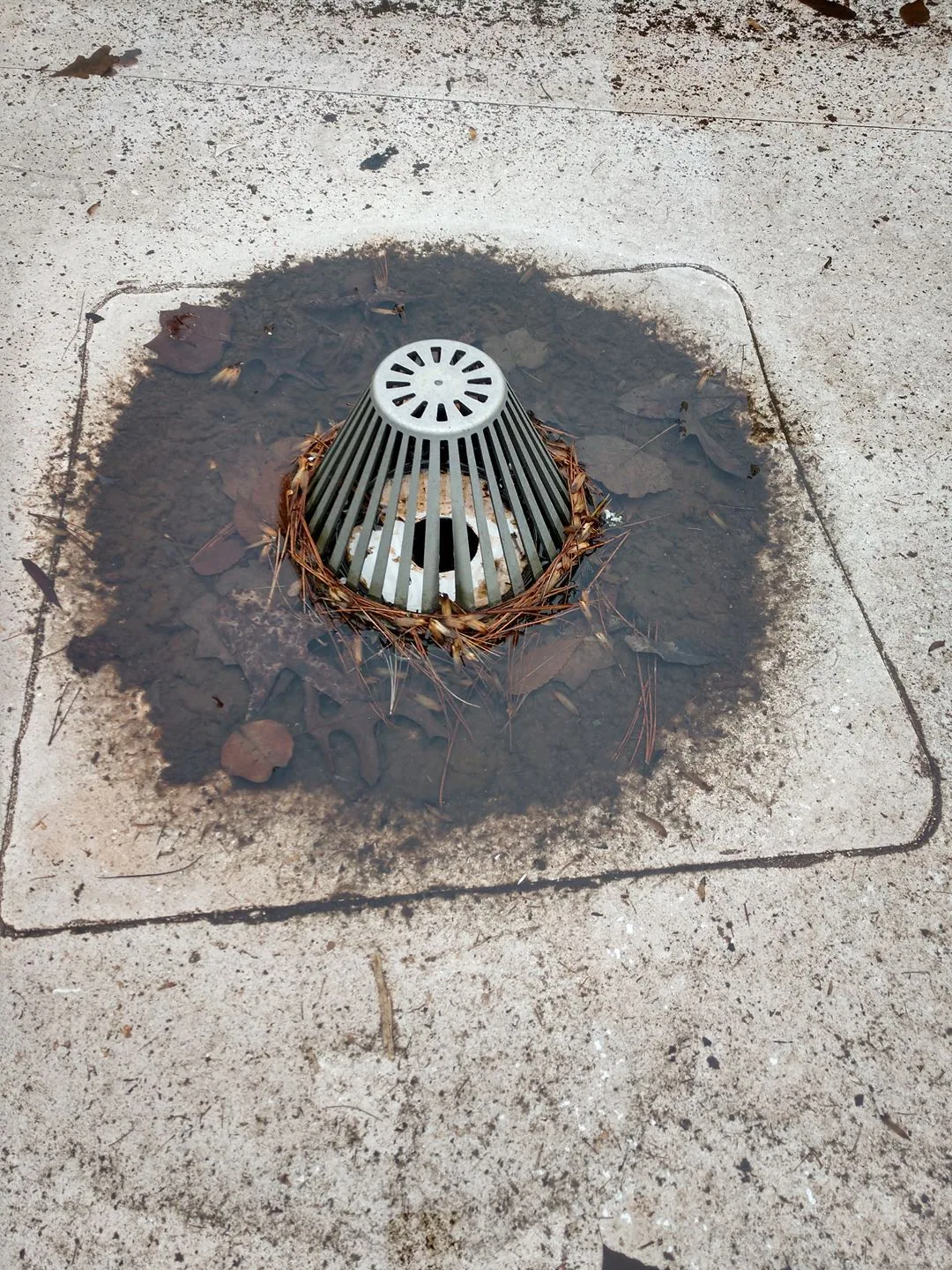
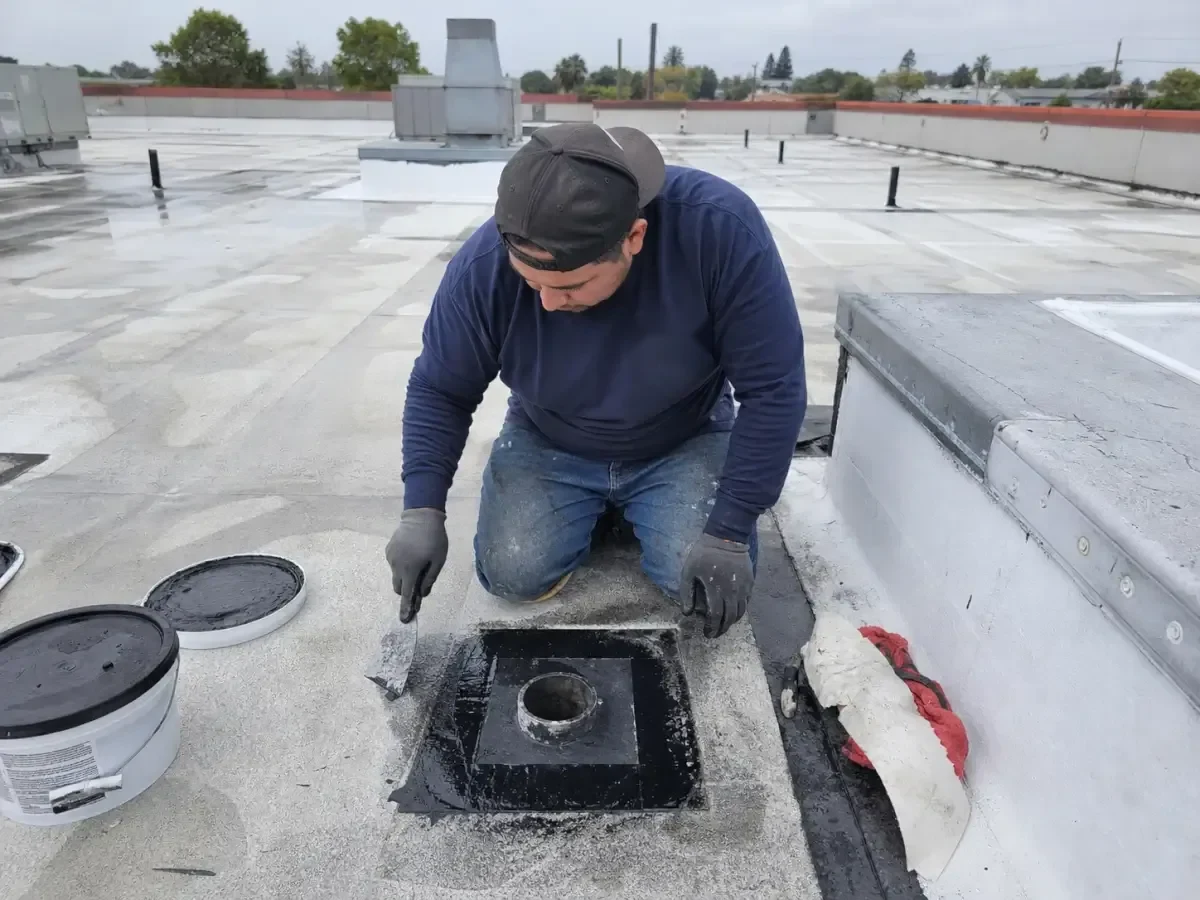
We inspect drains, scuppers, crickets, and locations where water remains after surrounding areas dry. Elgin averages about 37.76 inches of annual precipitation and 29 inches of snowfall. Rain, snow, and thaw periods can all test the same roof, but a climate average does not establish ponding at a specific site. The crew records observed water marks, debris, or blocked outlets and identifies whether the roof can be accessed safely.
Standing water may reflect a clogged drain, low deck, insulation settlement, or a roof plane that does not direct flow to the outlet. We distinguish visible surface conditions from structural questions. If movement or deck deflection is suspected, the owner should involve the appropriate design professional before changing roof elevation.
A drainage assessment can define outlet work separately from membrane repair. Edge metal and parapet flashings also need review where drainage spills over a perimeter. An edge-detail inspection can document those interfaces.
Repair: patch the correct ply and transition
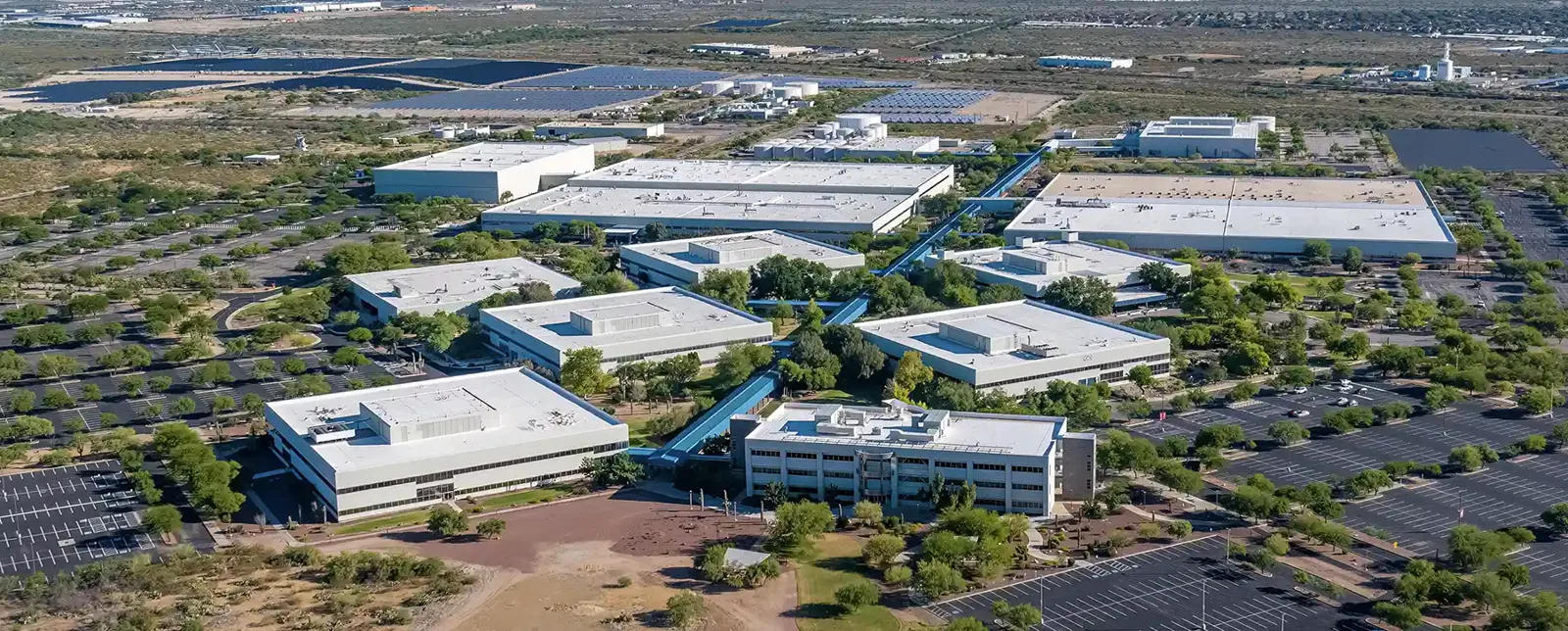
Repair methods depend on surfacing, ply type, moisture, and manufacturer or project requirements. Work may include removing loose aggregate, installing compatible asphaltic material, rebuilding a flashing, or correcting a drain tie-in. We identify preparation, layer overlap, protection, and finish in the scope. If the field condition cannot be confirmed, we request testing before pricing a broad repair.
Repeated patches deserve a record. We map locations and compare dates to identify recurring movement or water entry. A new patch should not bury wet insulation or cover a failed transition. If water is active, temporary protection has a separate boundary and does not replace the permanent repair.
Owners comparing a built-up roof with a more recent asphaltic system can review modified bitumen or EPDM where an alternate assembly fits the project. The two systems differ in construction and repair details. A leak investigation can trace interior water that appears outside the visible roof defect.
Recover or replace: use layer count and moisture
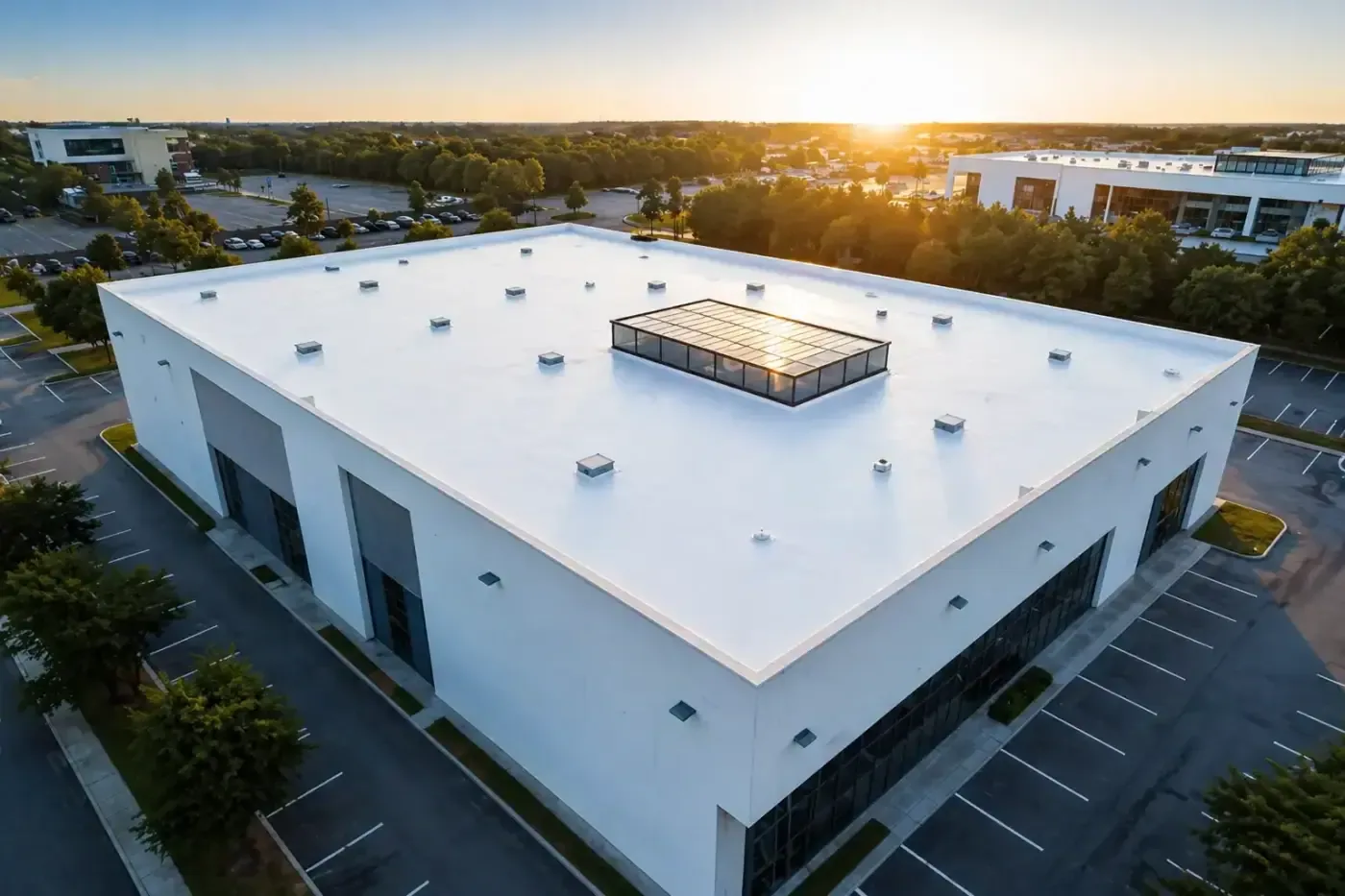
Recover may be possible when the existing plies are stable, dry, and compatible with a new assembly. Layer count, attachment, deck capacity, drain height, edge termination, and warranty approval all matter. Tear-off can expose substrate conditions and remove wet or deteriorated material, but it requires a protection and phasing plan. We present the options separately and name the assumptions behind each.
Elgin’s winter snowfall and freezing days support regular drain and flashing checks. They do not establish a need for replacement. The decision follows verified condition, repair history, and owner objectives. A replacement review can show the roof scope, open-roof protection, insulation choices, and exclusions.
Any structural load question goes to a qualified professional. Roofing staff can document layers and accessible conditions; we do not certify a deck’s capacity from a surface inspection. If a test cut is needed, the proposal states the approval point and restoration method.
Maintenance: watch repairs, drains and traffic
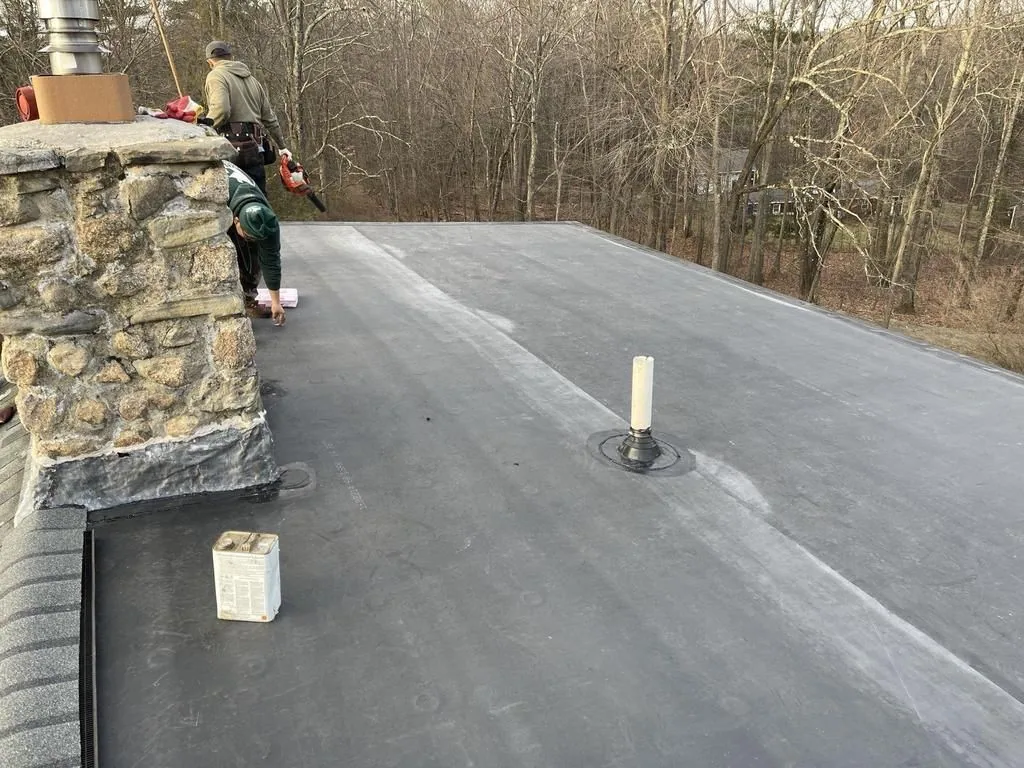
Routine reviews should record surfaced areas, flashings, drains, penetrations, and traffic routes. Roof access by other trades can disturb aggregate or damage a ply. Owners should identify any unit work or new penetration and require compatible flashing. Keep service paths clear and avoid storing materials on an unapproved roof zone.
A roof maintenance record can track repair dates and photos across a portfolio. Near Fox River Business Center, each building still needs its own roof zone map. The area name does not indicate the assembly or repair history of an individual structure.
Closeout materials should identify the system where verified and the work performed. Manufacturer or warranty inspections follow their own procedures. A contractor visit can document field conditions but does not replace the warranty administrator’s review.
Closeout: record what remains unverified
We provide the repaired location, materials where known, photographs, test areas, and unresolved observations. If a roof zone could not be accessed, the closeout says so. For a larger project, the owner receives the approved assembly documents and any available warranty or maintenance information.
Send plans, prior repair records, leak reports, access rules, and known roof layers before requesting an inspection. We will confirm which surface areas can be reviewed and whether a test cut is needed. The final scope will identify the layers and boundary it addresses, so later maintenance starts with an accurate record.
Questions About Commercial Built-Up Roofing
How do you confirm a built-up roof’s layers?
We review records and visible conditions. When concealed layers affect the repair or recover decision, an approved test cut can verify the assembly at a specific location.
Can you patch over loose gravel or aggregate?
No. The repair area must be prepared according to the selected material. We remove or protect surfacing as needed and document the underlying condition before closing the detail.
Does standing water mean the BUR needs replacement?
Not by itself. We inspect drains, slope, low points, insulation, and deck indicators. A blocked outlet and a structural concern call for different next steps.
Can a built-up roof be recovered?
A recover requires stable, dry layers, suitable attachment, adequate edge and drain heights, and project approval. Testing may be needed before the owner selects that path.
What records help with a BUR assessment?
Provide roof plans, past repairs, leak dates, warranty paperwork, drain locations, and any test-cut results. These details help identify changes between roof zones.