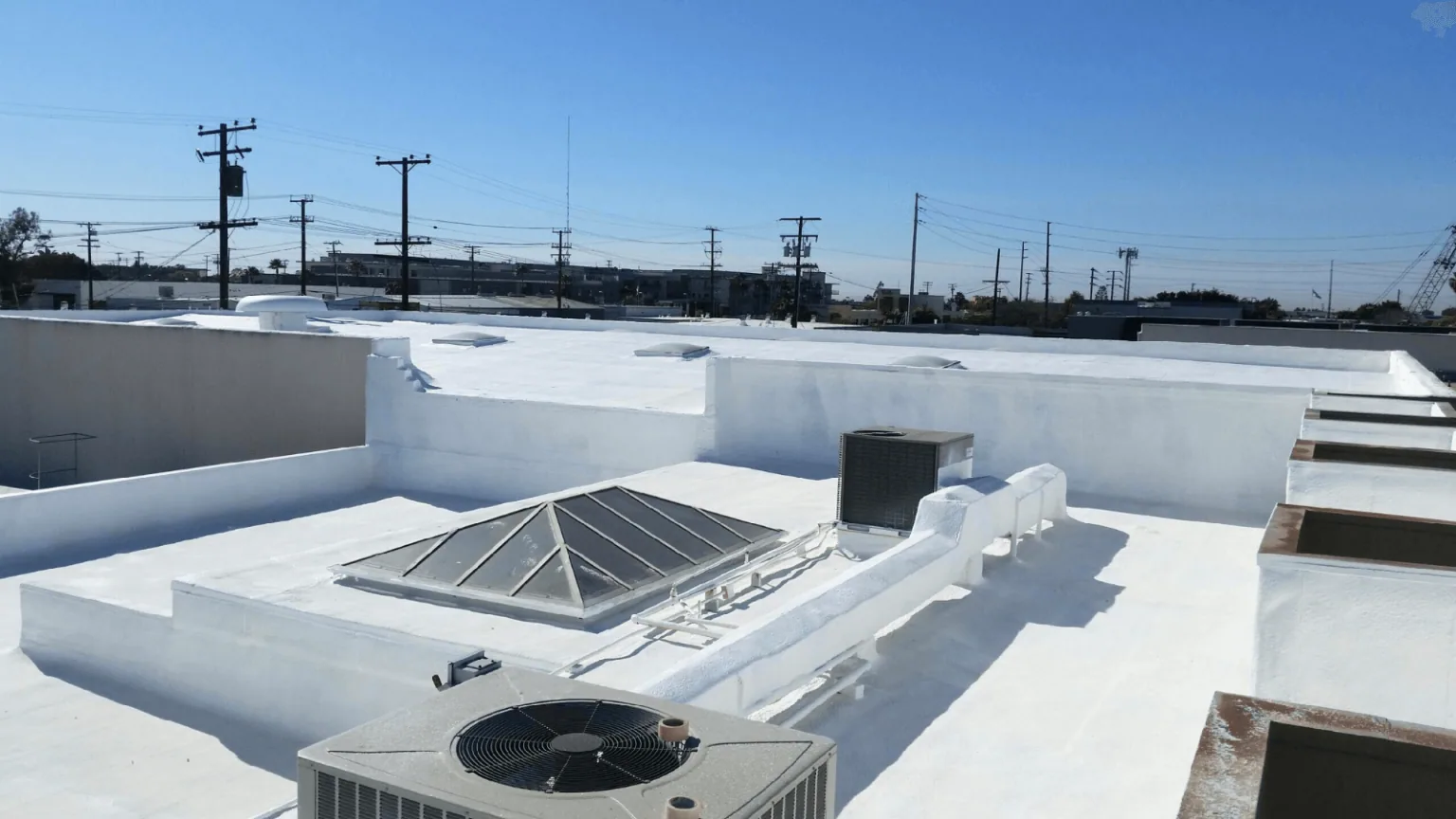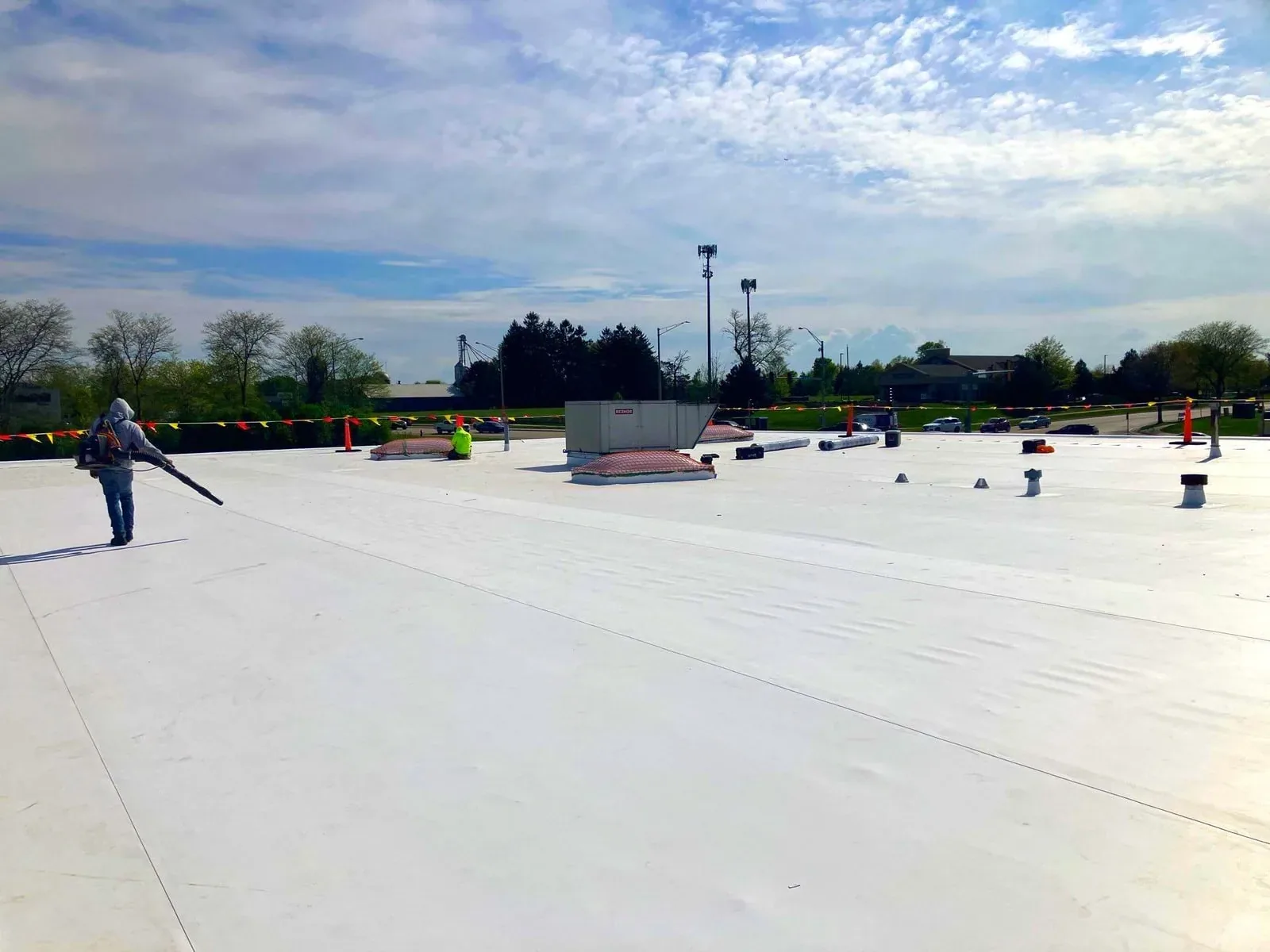
Commercial Roofing in Randall Crossing Business Park, Elgin, IL
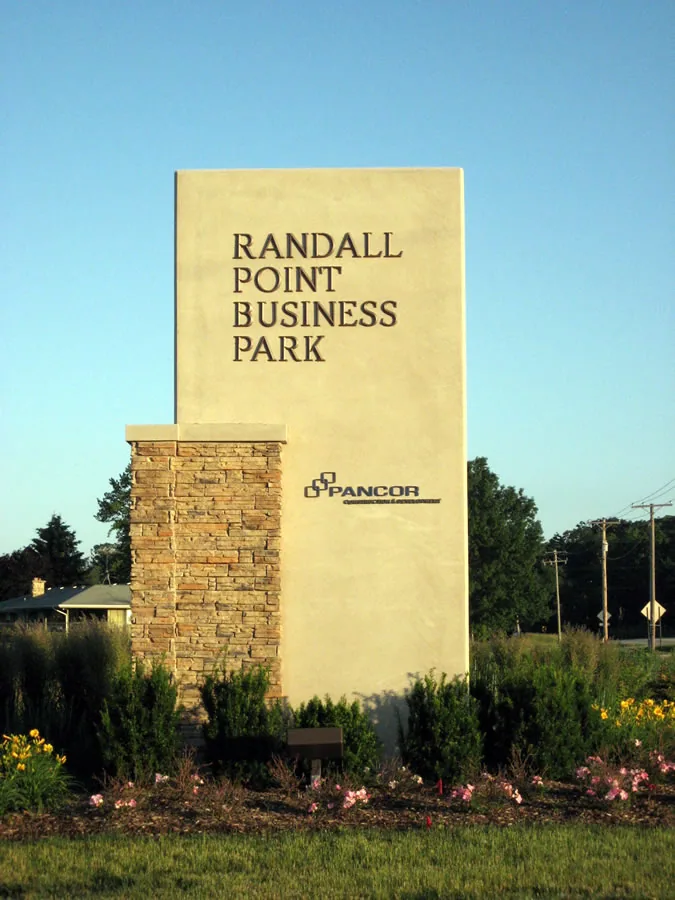
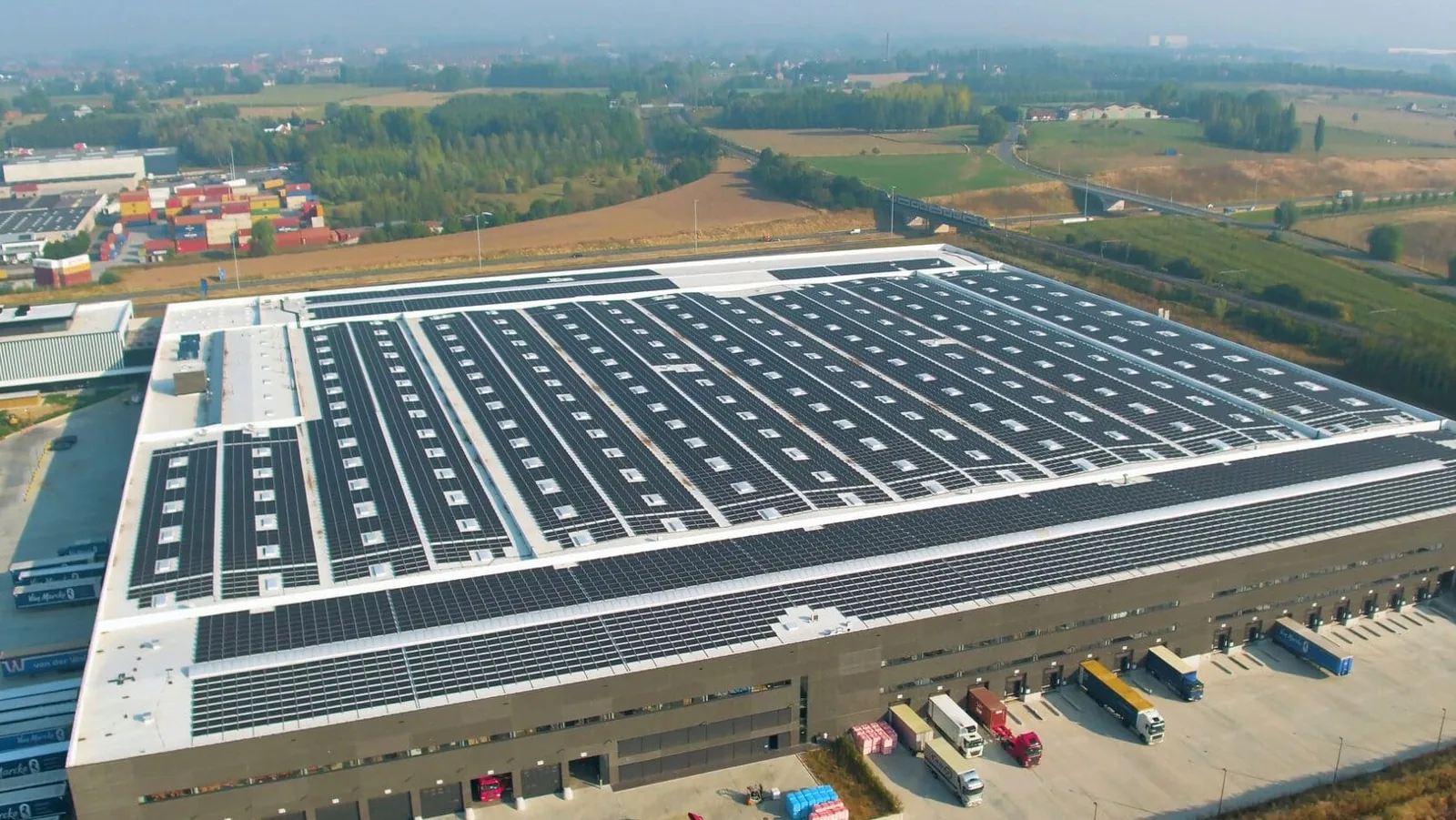
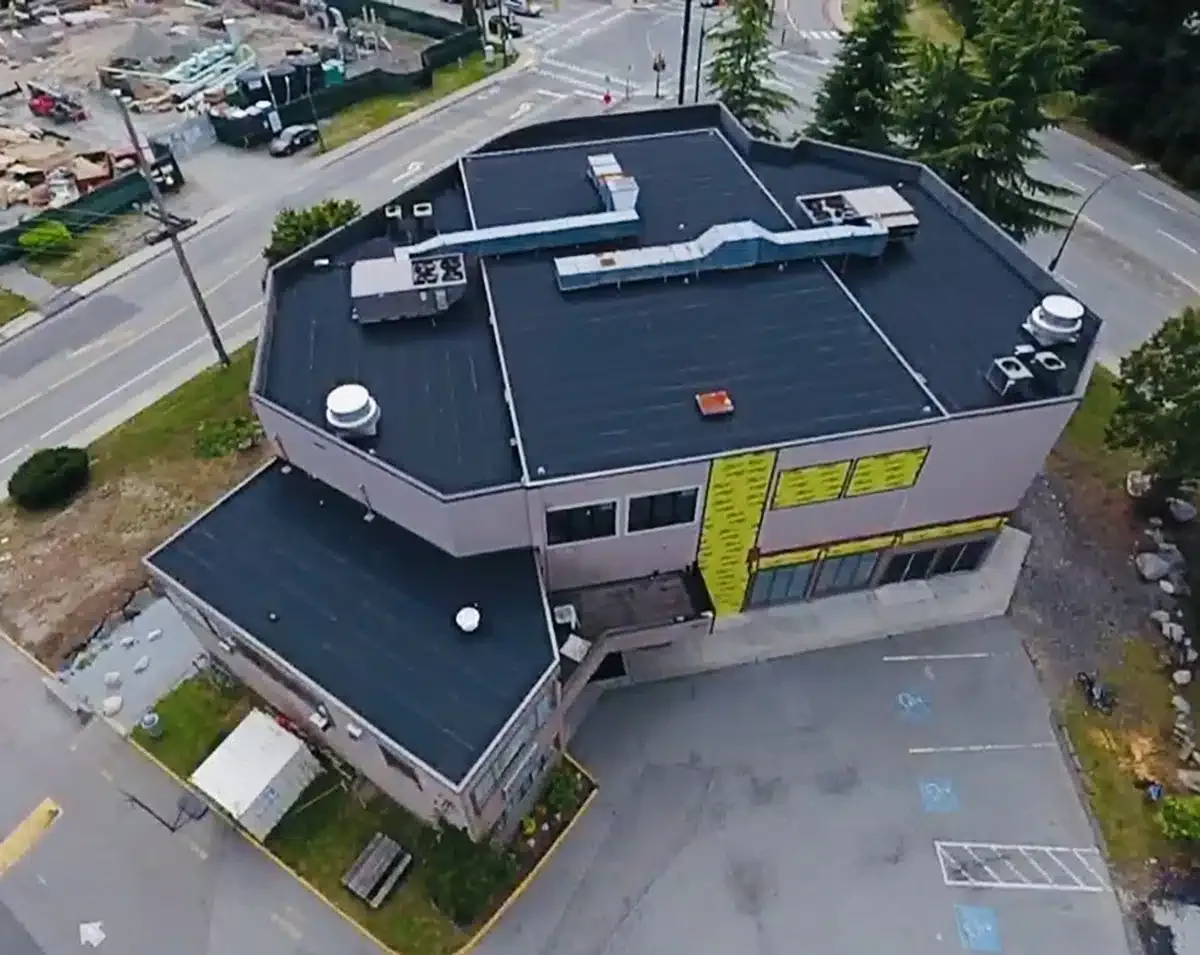
Randall Crossing Business Park
Randall Crossing Business Park covers 70 acres and has an office, research, industrial, or planned-business zoning designation. The area can support different business uses, but a designation does not tell us what roof covers a specific property. We inspect the building, map its roof zones, and tie recommendations to visible conditions and confirmed project information.
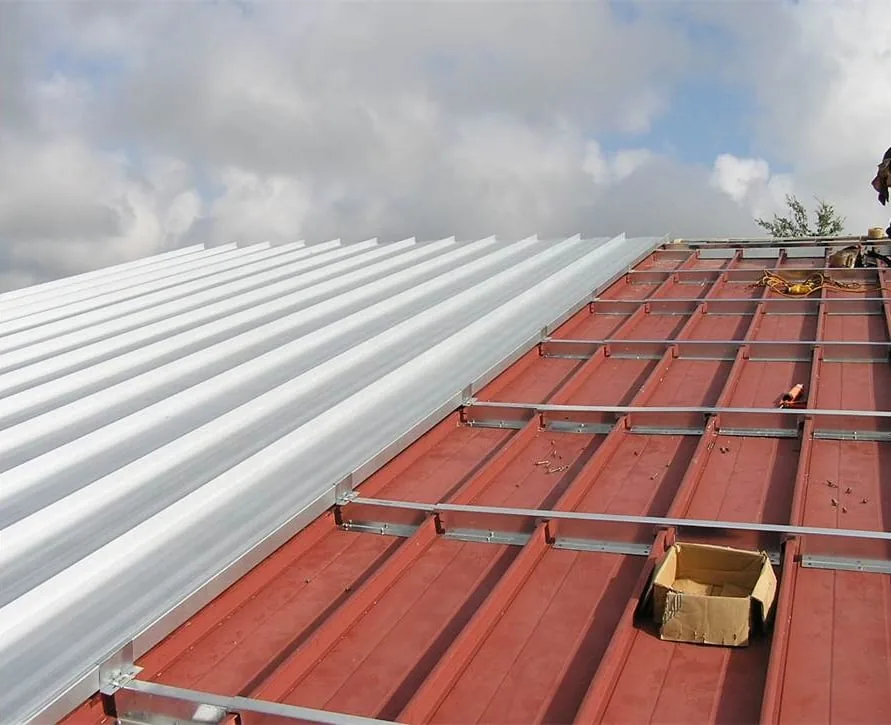
Find the condition that deserves action
A first visit can address an active leak, a roof approaching a budget cycle, visible surface wear, drainage concerns, or a recent event. We ask what prompted the call and whether another trade has been on the roof. The crew then checks membrane or surfacing, seams or laps, penetrations, wall transitions, drains, scuppers, edges, and previous repairs. The location and severity of each finding are recorded separately.
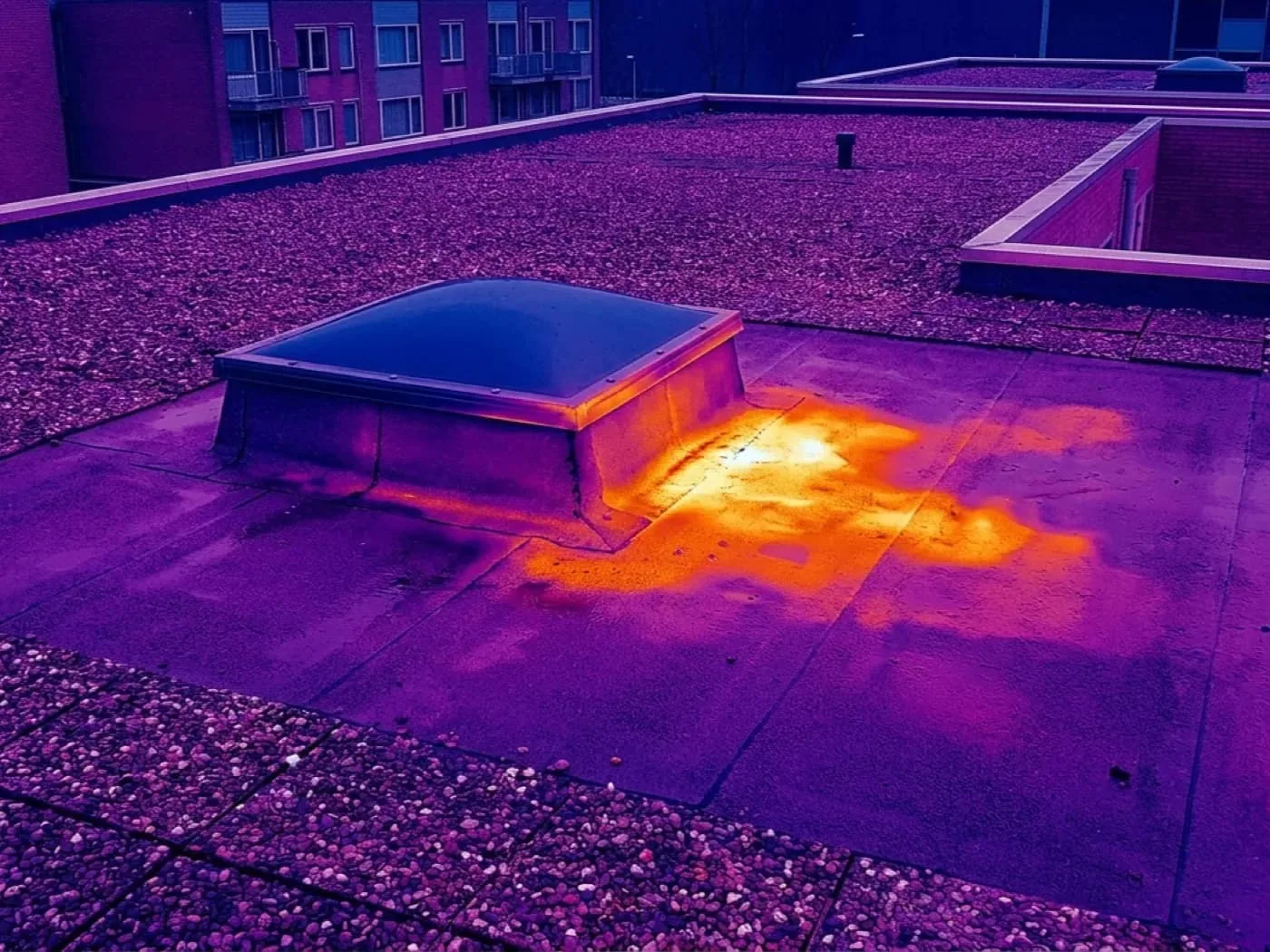
When water appears indoors, we trace the roof path rather than assuming the opening lies over the stain. A drain, equipment curb, seam, or wall detail can provide a route below the surface. We document visible evidence and indicate where moisture testing or a test opening may be useful. If access is limited by equipment or safety conditions, the report states which section remains unverified.
Schedule a roof condition inspection when planning maintenance or a capital project. For immediate water entry, request emergency repair response or leak investigation. We coordinate roof access with the property contact and identify the interior protection needed before work begins.
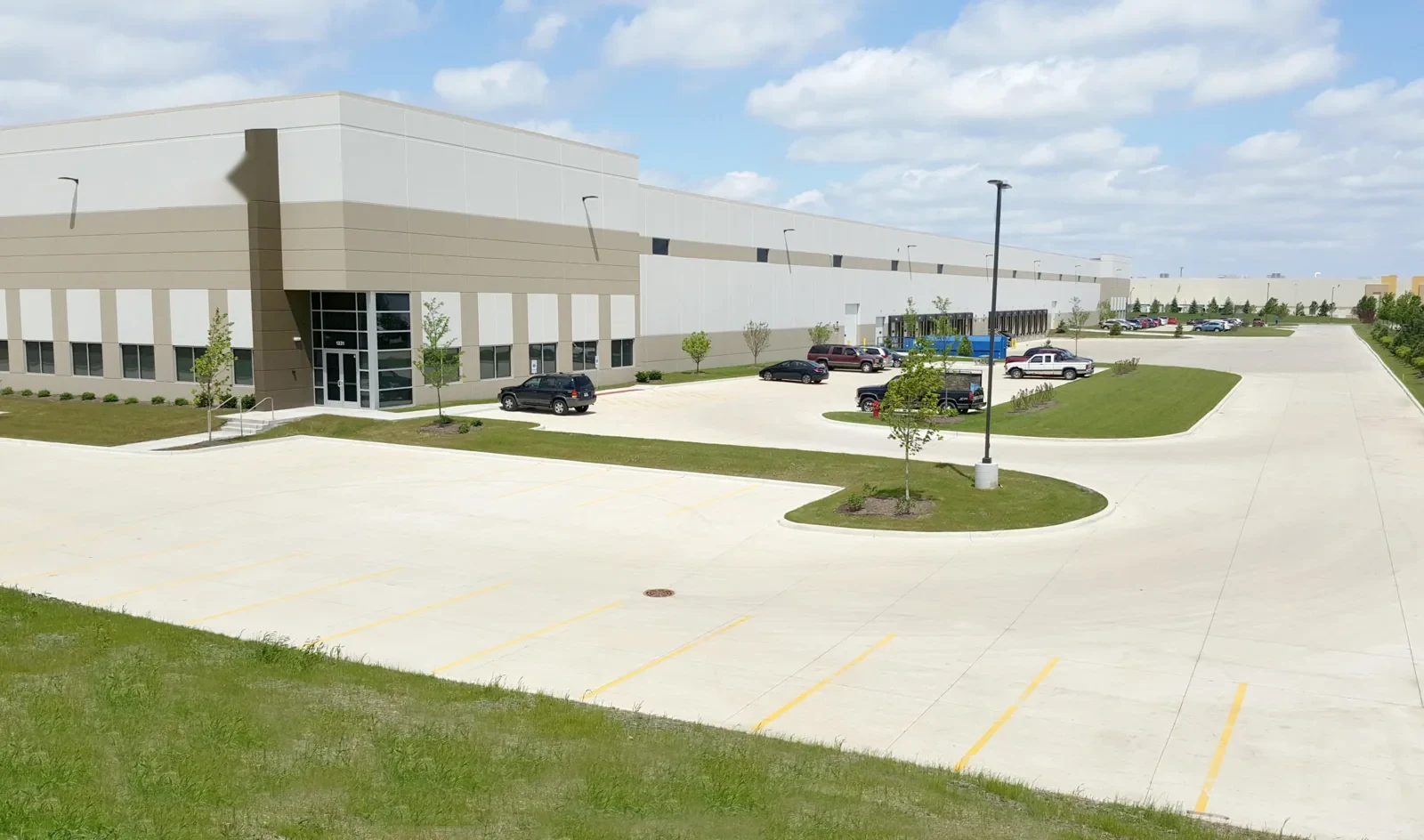
Separate urgent work from planned maintenance
Not every observation needs the same response. A loose transition with active water may require prompt attention. Surface aging or a sealant joint nearing the end of its useful condition may fit a scheduled maintenance visit. A suspected wet area or repeated failure may need testing before a repair is priced. We explain the difference and give the owner a priority list that can be reviewed with operations or asset management.
For a multi-property business area, building records should identify the roof zone, date, symptom, completed action, and open recommendation. Photos help maintenance staff return to the same location. The work order lists materials used and states whether the visit provided temporary protection or a permanent repair. If another issue is found outside scope, we document it separately and ask before expanding the job.
Elgin has about 29 inches of average annual snowfall and recurring freeze periods. That climate can affect access, drainage observation, and work timing. It does not determine a roof’s condition. A preventive maintenance plan uses actual inspection findings to set follow-up, and drainage service can address confirmed outlet concerns.
Make the repair boundary easy to understand
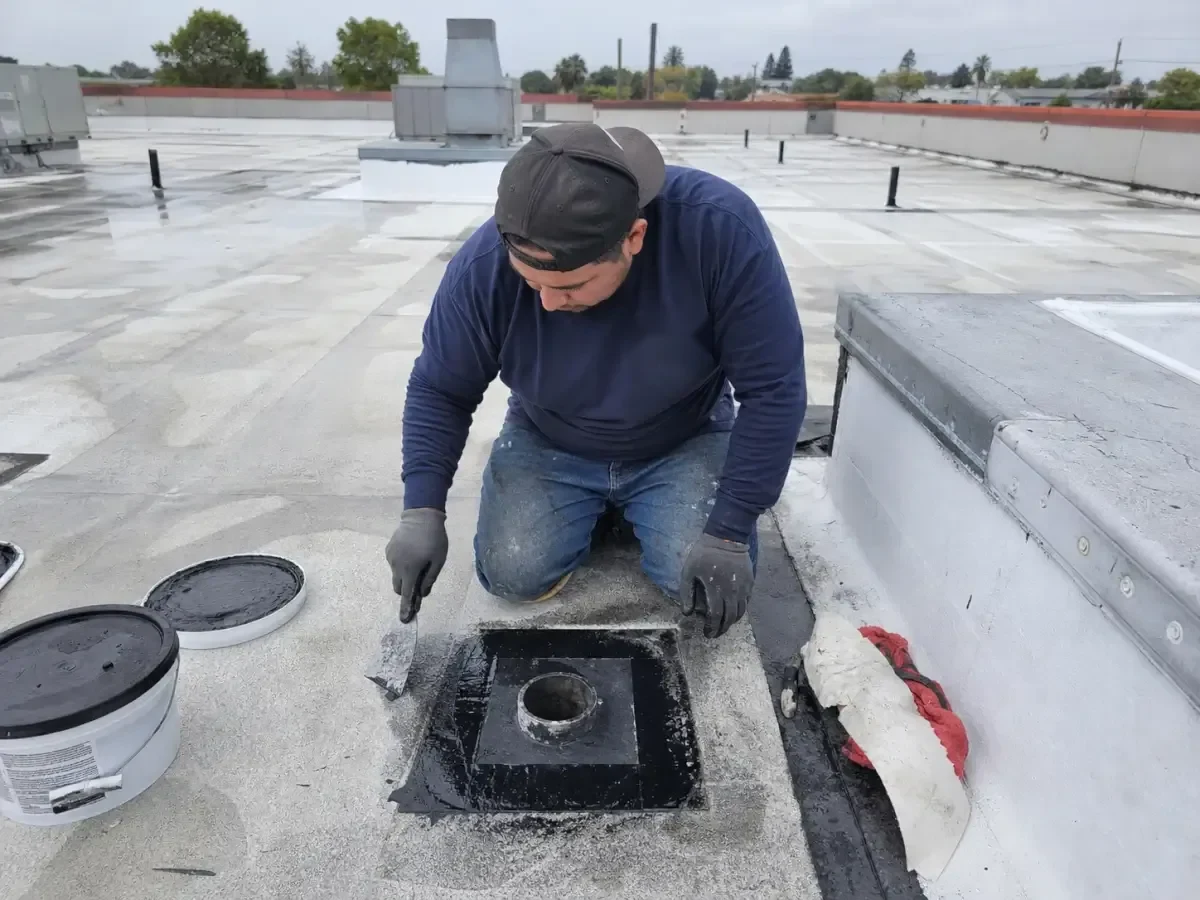
A repair scope identifies the affected roof section, probable defect, method, material, and limits. The crew prepares the surface as required and checks that the underlying substrate can accept the detail. If water is present below the membrane or the material cannot be confirmed, we stop to explain what investigation is required. A patch should not cover an unresolved condition without the owner’s direction.
Temporary dry-in may be needed while permanent work is scheduled. The field record says what was protected, how the temporary measure is secured, and when the return visit is expected. It does not imply that all surrounding seams or flashings were replaced. When permanent work is complete, photos show the repair and the adjacent area that was reviewed.
If a seam, curb, or drain continues to need service, a broader assessment can determine whether repeated patching remains reasonable. The replacement process compares assembly condition, repair history, moisture, deck, edge geometry, and project requirements. We avoid declaring the roof’s remaining life from a single visit.
Compare the whole roof assembly
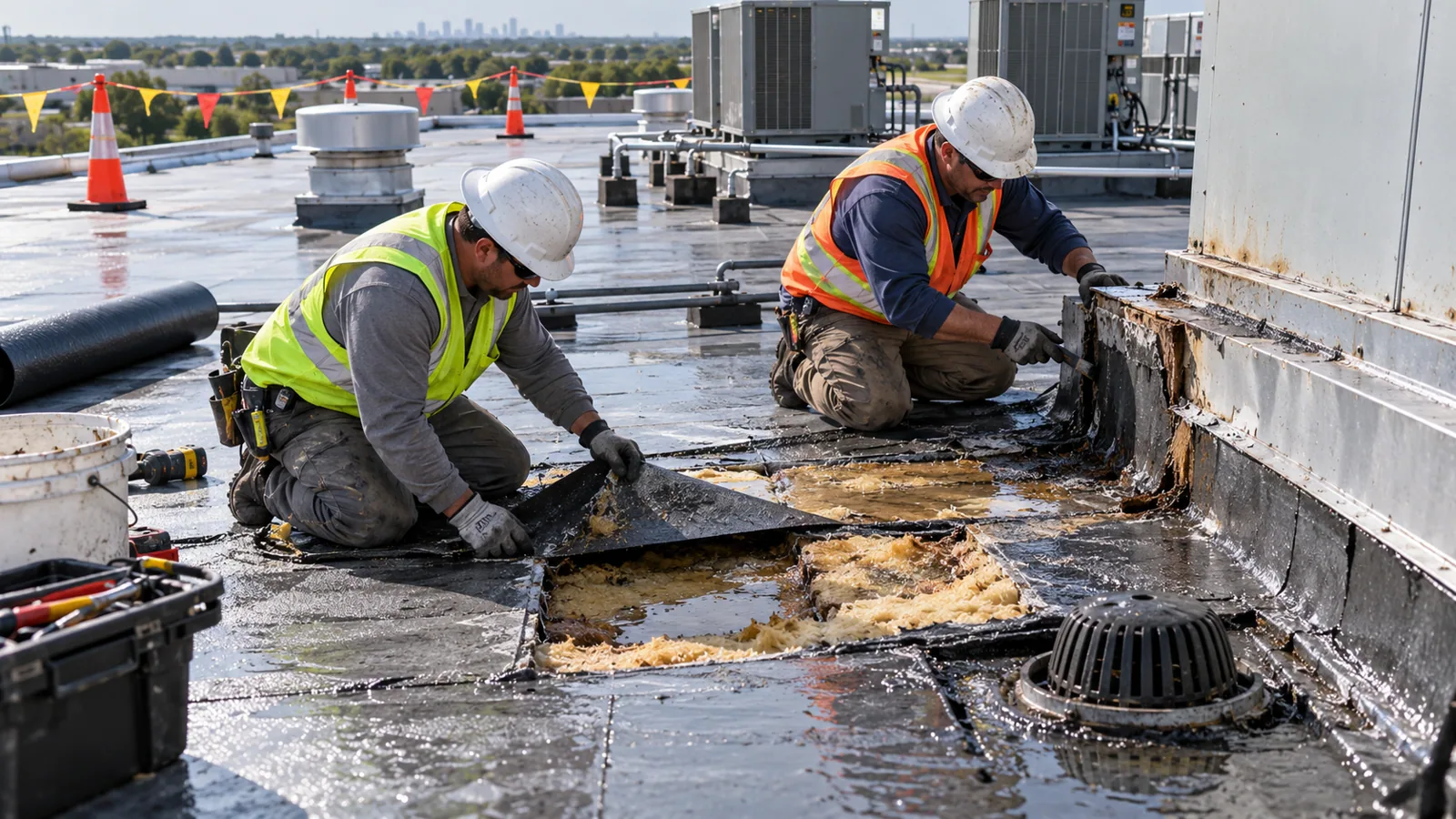
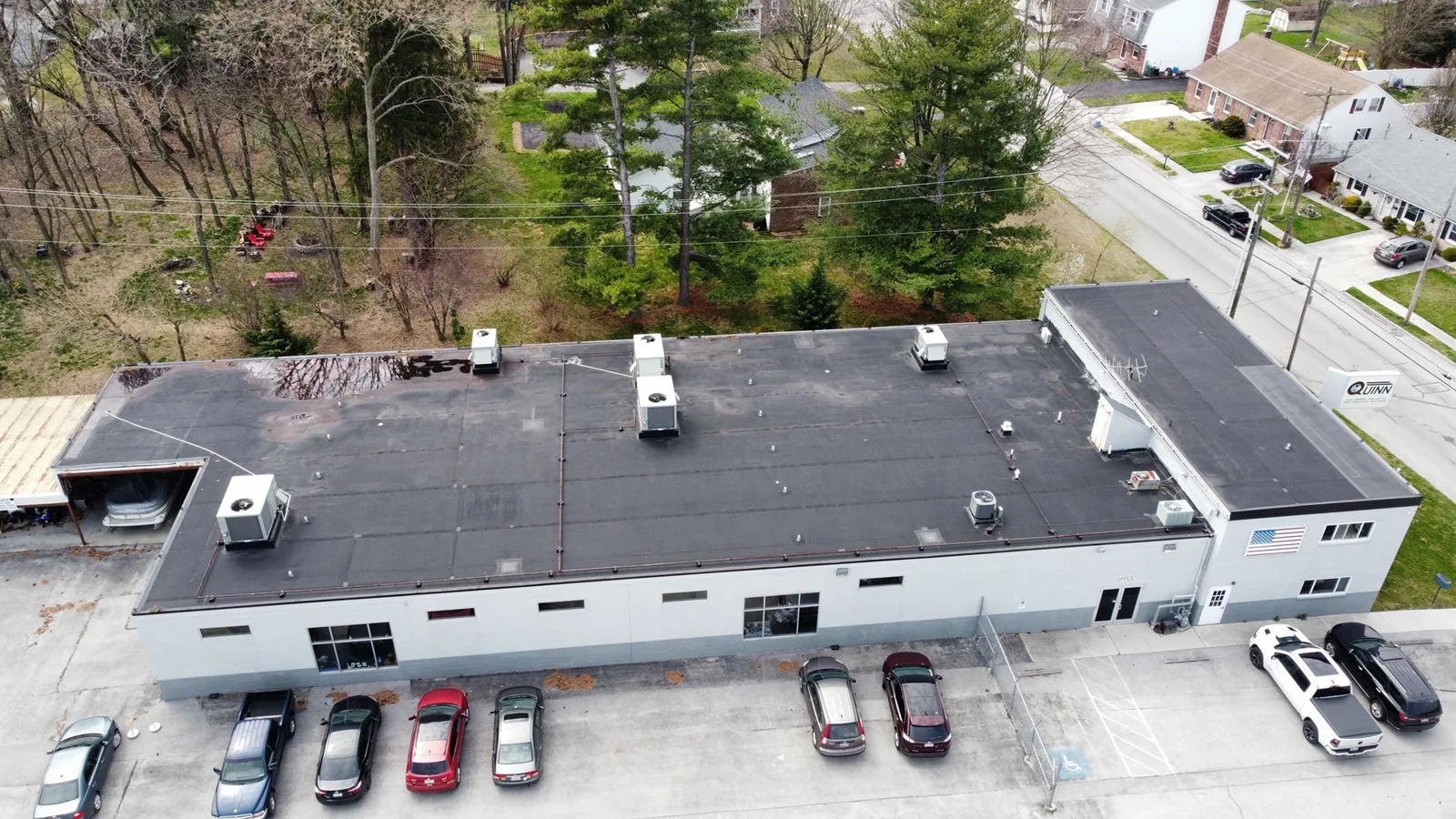
Before recommending a recover, the project team checks existing layers, wet insulation, deck capacity, edge height, drainage, and applicable code requirements. If the roof’s construction is concealed, a test cut or survey may answer key questions. The proposal identifies what has been verified and what remains an assumption. A tear-off can reveal conditions that change material quantities or labor.
A replacement specification describes each layer and connection: deck, vapor control where required, insulation, cover board, membrane, attachment, flashing, edges, and drainage. Wind and fire criteria are confirmed for the designed assembly. System categories are not interchangeable; field details must match the selected product and current approved instructions. The project schedule should account for equipment, penetrations, and safe access.
Estimate review also checks the access assumptions. A roof with secured gates, limited freight hours, or a restricted lift location can require a different sequence than an open staging area. We verify these conditions with the property contact and include them in the plan. If equipment has to stay online, the work schedule identifies the coordination point and how roof access will be separated from active service routes.
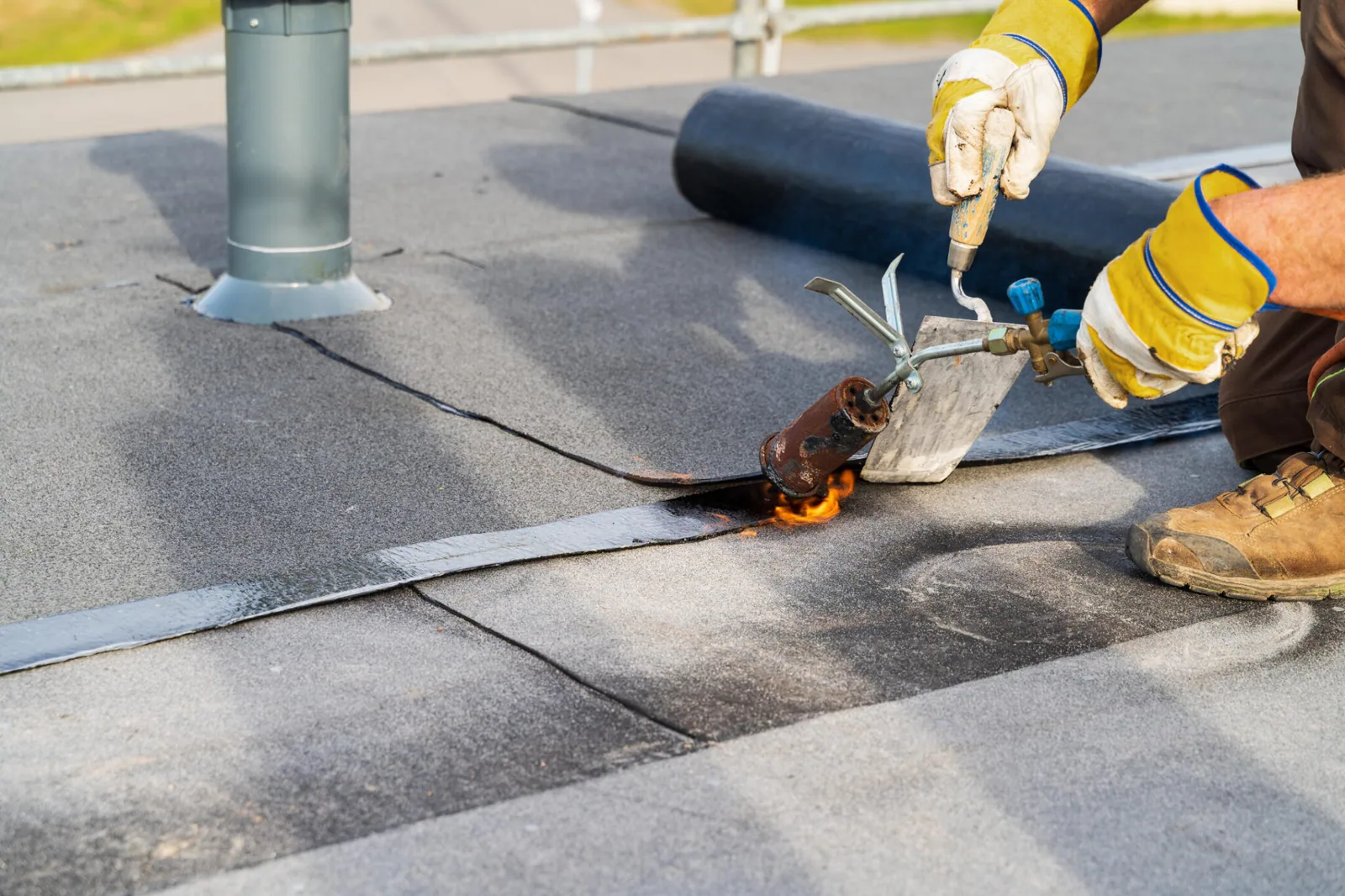
Owners may compare TPO roofing with modified-bitumen roofing after the existing assembly is known. The right option depends on substrate, building use, detailing, maintenance expectations, and project specification. We provide field measurements and observations that help the designer make that choice.
Use local storm reports carefully
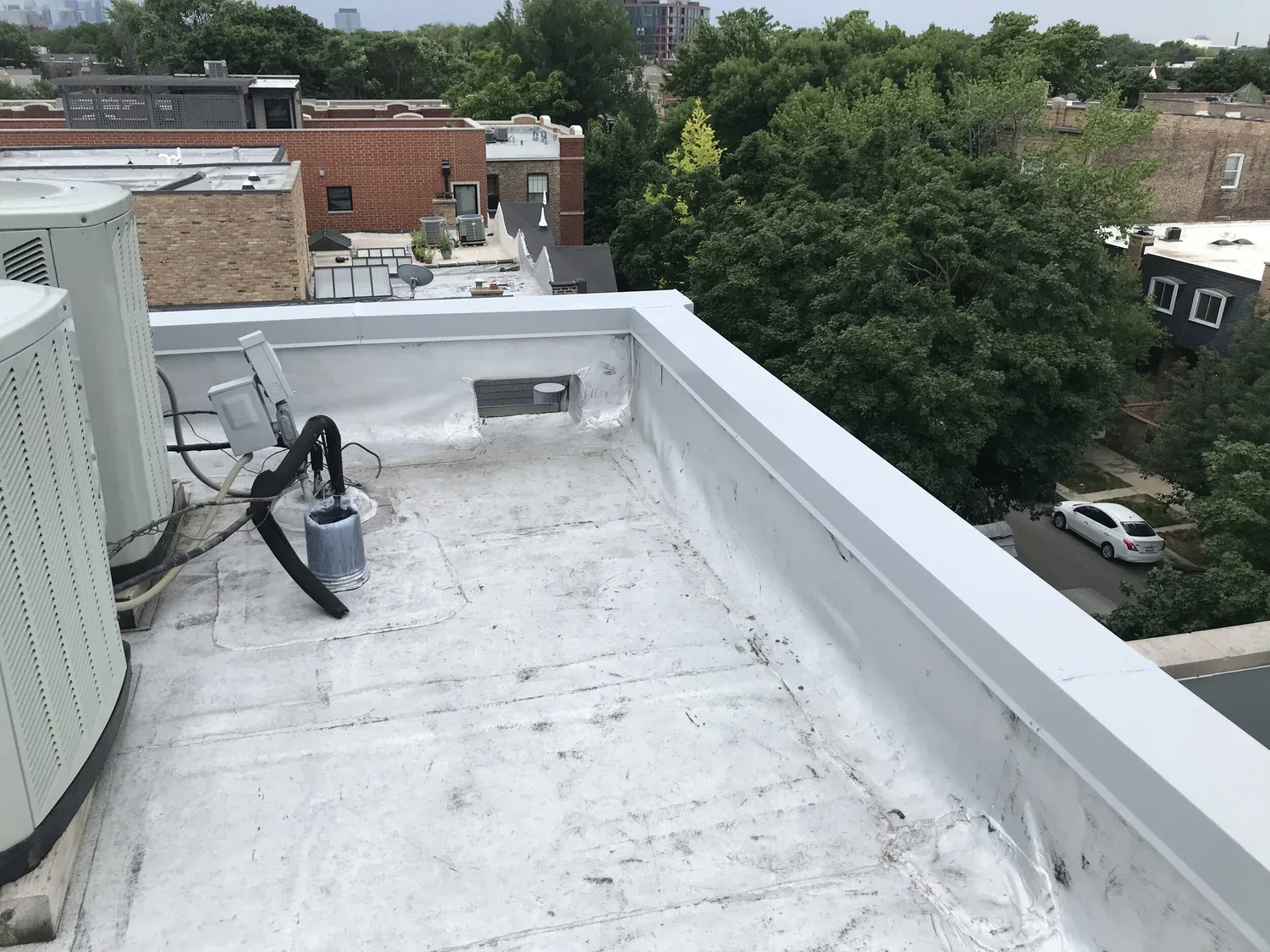
A July 2023 EF1 tornado crossed Elgin. That history can prompt a facility manager to schedule a roof review, but it cannot establish damage at Randall Crossing Business Park. The inspection focuses on conditions found at the property: displaced metal, torn flashing, punctures, open seams, rooftop equipment movement, or interior water reports.
After a storm call, we document when the report was received, what areas were accessible, and which follow-up remains. If hail or wind damage is suspected but the surface cannot be safely reached, we describe the limitation and recommend a return. No one should infer a claim outcome or repair need from the event record alone.
Winter conditions also matter for scheduling. Snow or ice can block a safe route to a hatch or change how drainage appears. We confirm site access and actual roof conditions on the day of the visit. If work is underway, the supervisor limits exposed area, checks the forecast, and secures each completed section before leaving.
Coordinate crews with the property contact
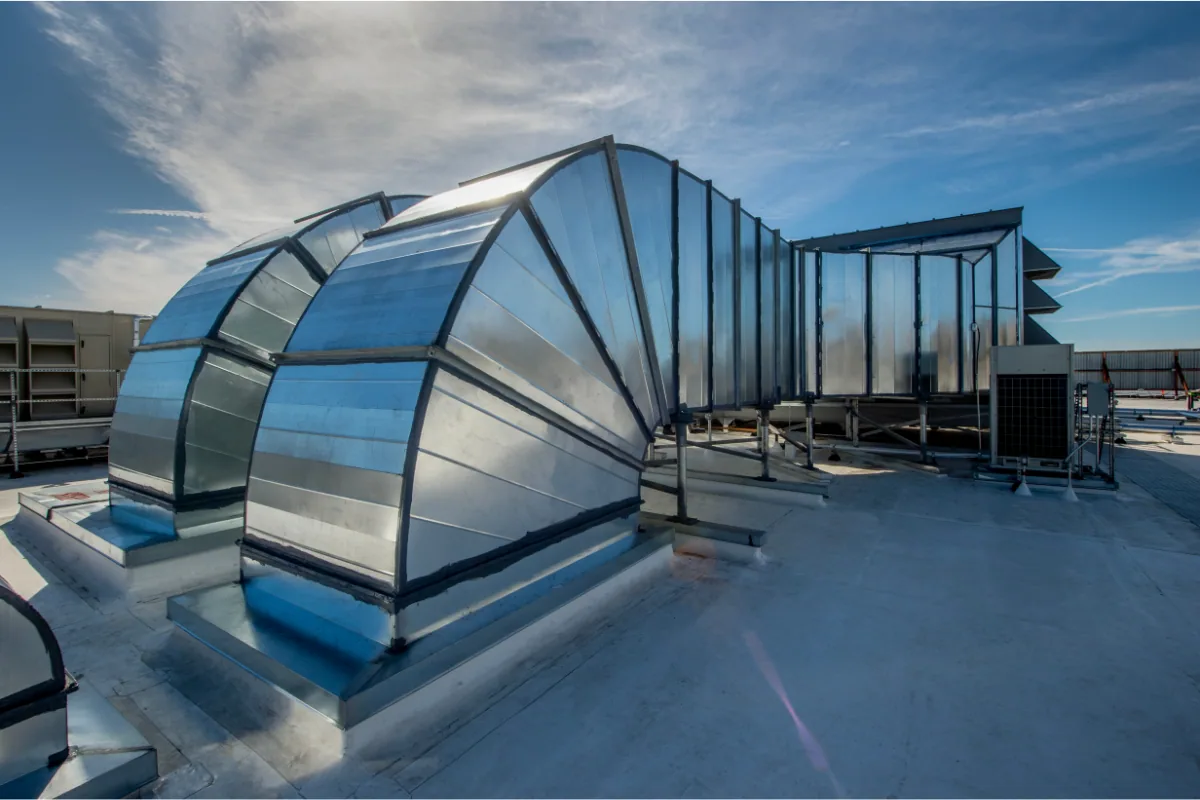
At planning, we confirm whether roof access is shared with other contractors or restricted during production, deliveries, or tenant events. We identify staging boundaries and who will move vehicles or stored materials if work needs a clear path. A site contact also identifies critical interior areas and equipment that require protection. These details affect crew sequence and access time, so the scope records them instead of leaving the field team to improvise.
Before a crew arrives, the site contact and superintendent align on roof keys, escorts, deliveries, staging, lift placement, pedestrian routes, and the person authorized to approve changes. If the operation has set hours or restricted areas, the schedule accounts for them. A clear plan prevents material or equipment from blocking an entry that needs to stay open.
During replacement, work advances in defined roof sections. The contractor confirms substrate readiness, insulation and cover-board layout, membrane details, and perimeter work before covering them. If concealed moisture or deck damage is found, the crew photographs and measures the area and follows the written change process. The owner receives the cost and schedule impact before the work expands.
Closeout includes the area completed, installed materials, photos, punch list, and recommended follow-up. At Northwest Business Park or Westfield Business Park, dispatch confirms the site contact and roof entry separately from this property.
Questions About Randall Crossing Business Park
How large is Randall Crossing Business Park?
The area covers 70 acres. That gives scale, but not a roof condition or access plan.
Can you inspect after severe weather?
Yes. We record current roof evidence, accessible areas, and any limits needing follow-up.
Do all commercial roofs use the same repair?
No. Membrane, substrate, seam type, and approved system details determine the method.
What if tear-off reveals deck damage?
We document the location and extent, then follow the agreed owner-approval process.
How should maintenance be scheduled?
Use inspection findings, repair history, and site operations to set follow-up intervals.