Commercial Roof Inspection in Elgin, IL
Schedule a roof inspection
Share the decision you need to make, building access rules, reported conditions, and any roof records. We will confirm the inspection boundary and the right testing options.
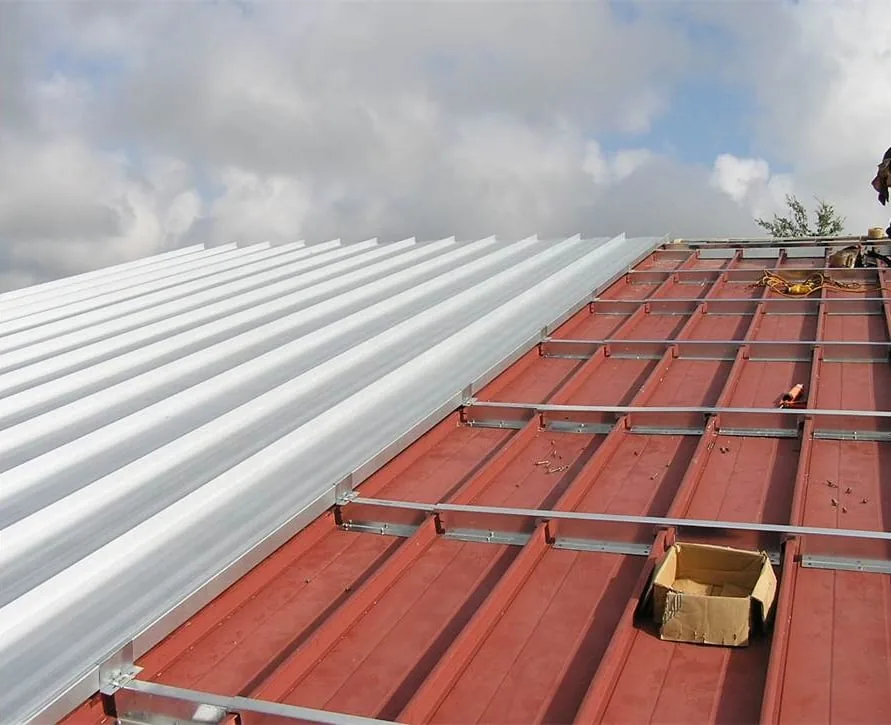
Commercial Roof Inspection
An inspection should answer a building question. Is water still entering? Which area needs repair? Can the next budget wait, or does a hidden condition need testing? We inspect the roof assembly, drainage, seams, flashing, edges, penetrations, and visible repairs. Findings are marked by roof zone and tied to photographs. Elgin has office and industrial districts with different building uses, so inspection follows each property’s system and operating constraints.
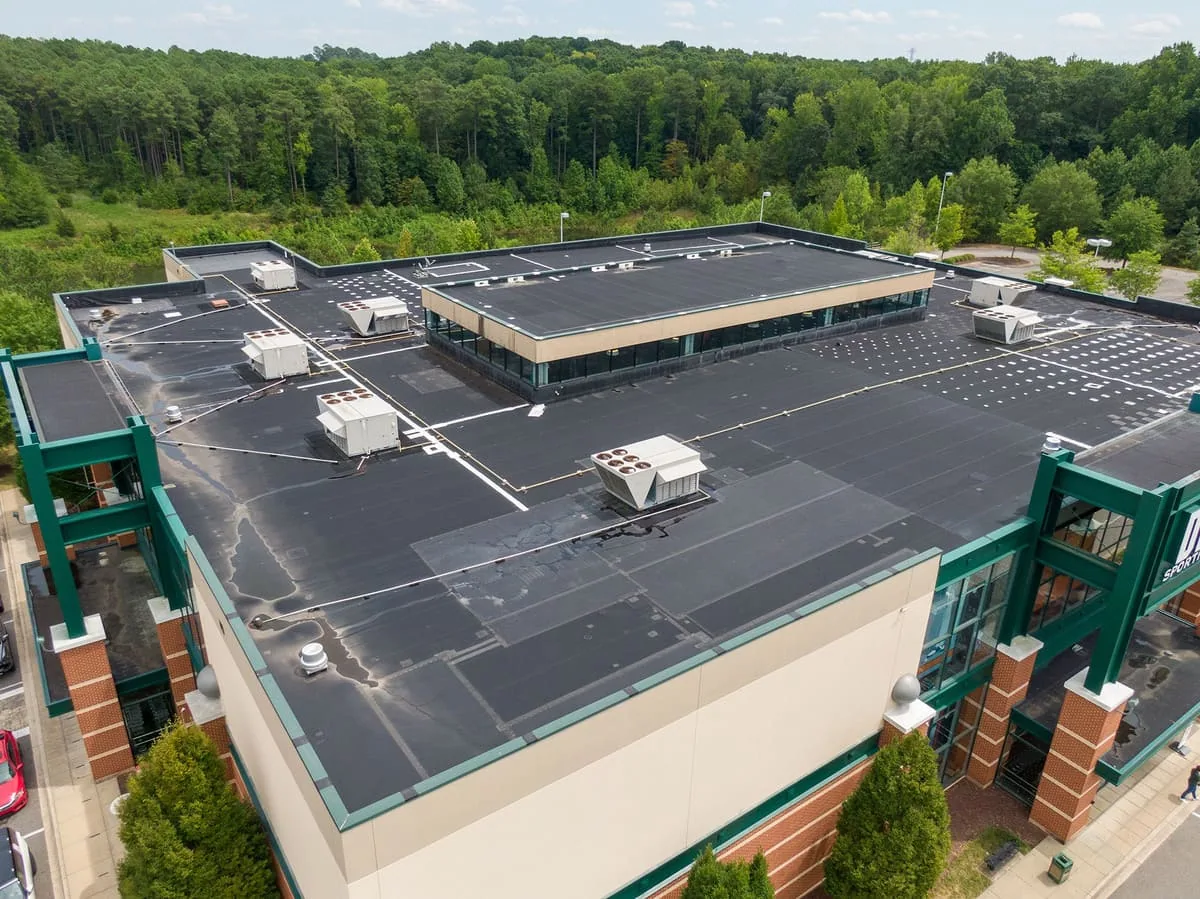
Inspection purpose: agree on the decision
Before roof entry, we confirm why the owner needs an inspection. A leak call may require tracing an active water path. A capital review may need a condition summary and repair priorities. A property transaction may require a defined scope and access limits. The inspection plan identifies the roof areas included, records available, and any testing that could change the recommendation. A manager can include maintenance staff or tenants in the walk-through when their observations clarify timing and safe routes, provided access remains controlled. This keeps a visual review distinct from engineering, destructive testing, or a warranty determination.
We also ask who will use the findings and what deadline applies. An insurance review, annual maintenance visit, sale, and capital request can require different detail. The inspection may remain visual, or include approved testing when the concealed layers matter. We state the boundary and who can approve expanded access before the crew begins. A clear purpose prevents the final report from promising answers the selected method cannot provide.
Capital Corporate Center and Randall Point are Elgin business and industrial areas. Their zoning does not establish a roof’s age, assembly, or condition. We confirm those details with the site contact and on the roof. If several buildings are included, the report treats each roof as its own inspection record.
Access check: define what could be reached
We review hatch and ladder locations, fall-protection needs, rooftop equipment, tenant access, and weather before starting. The manager identifies restricted areas and the person who can authorize entry. An inaccessible section is listed as a limitation, not silently treated as inspected. If water or electrical hazards exist inside, the building team can isolate the area while the roof assessment proceeds.
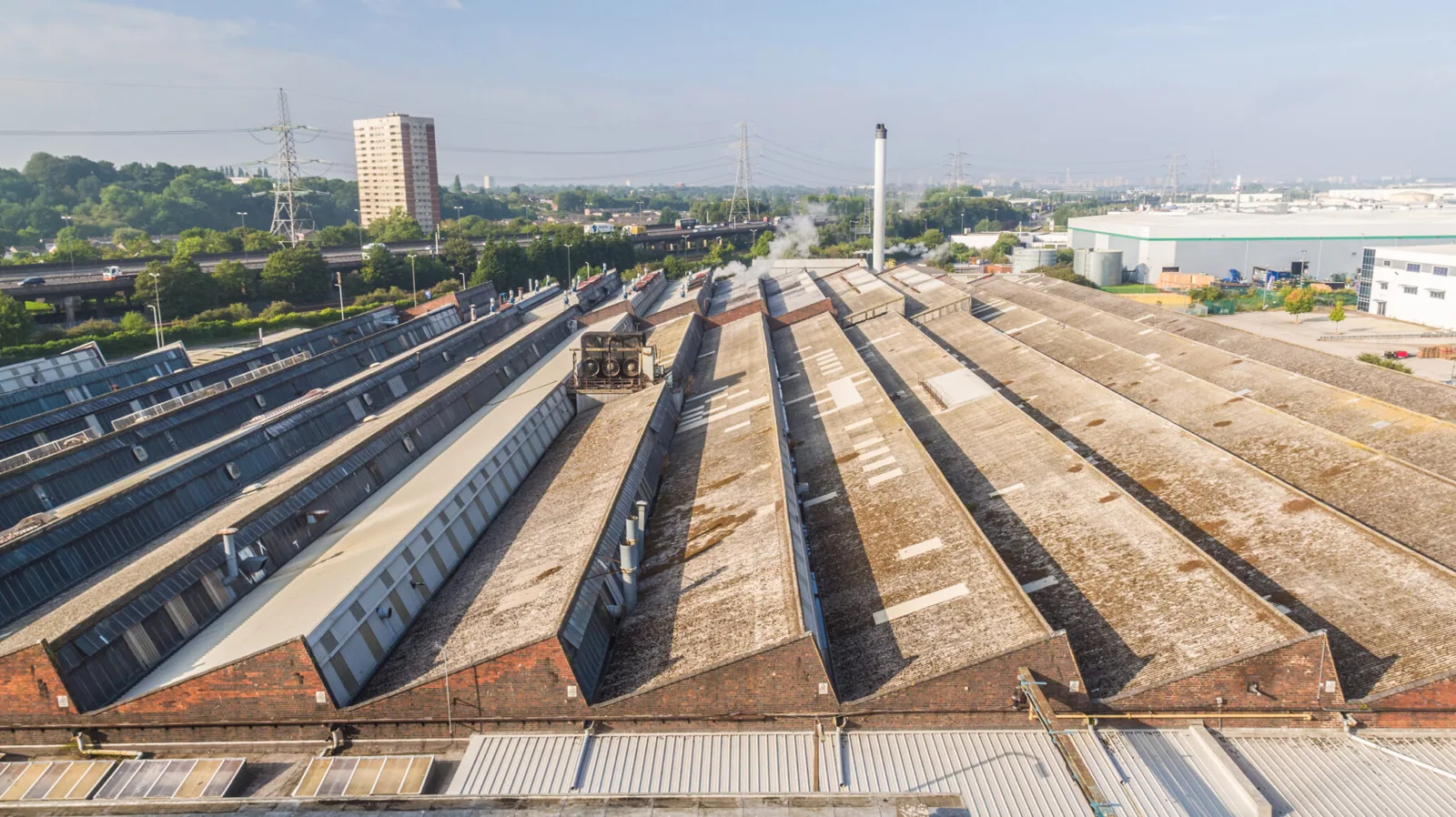
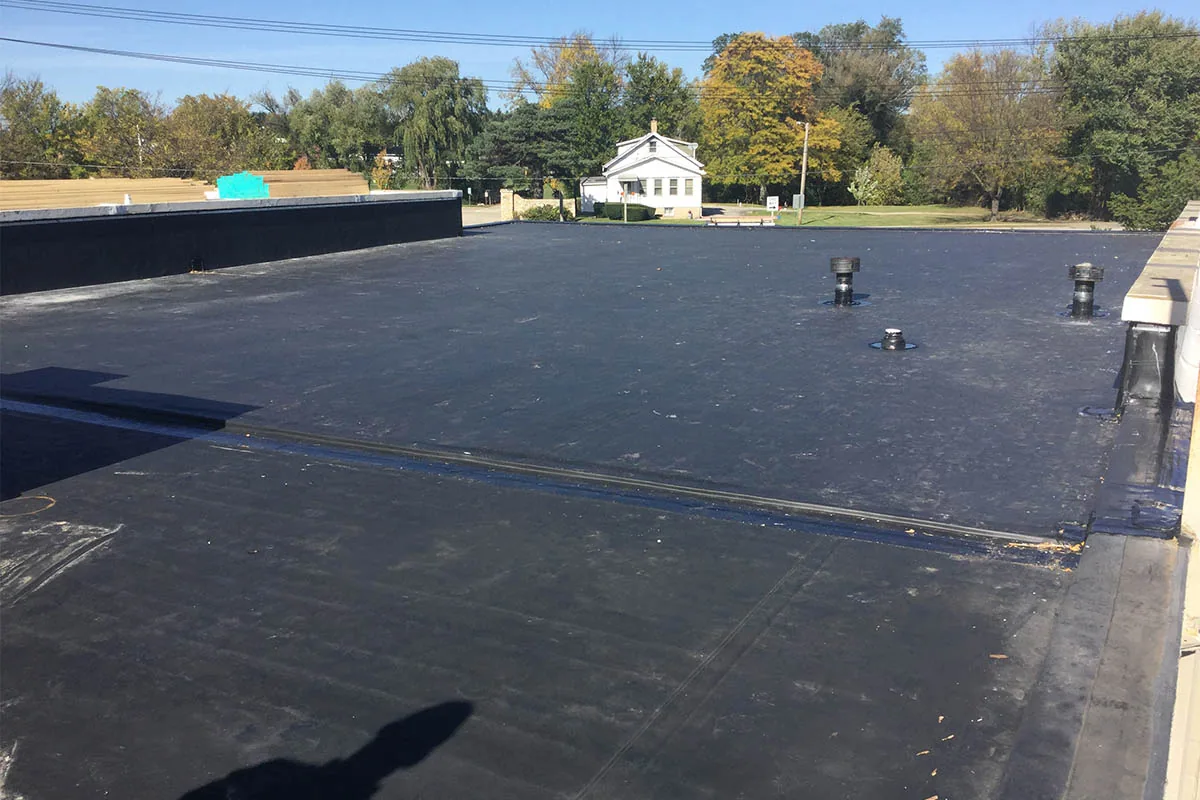
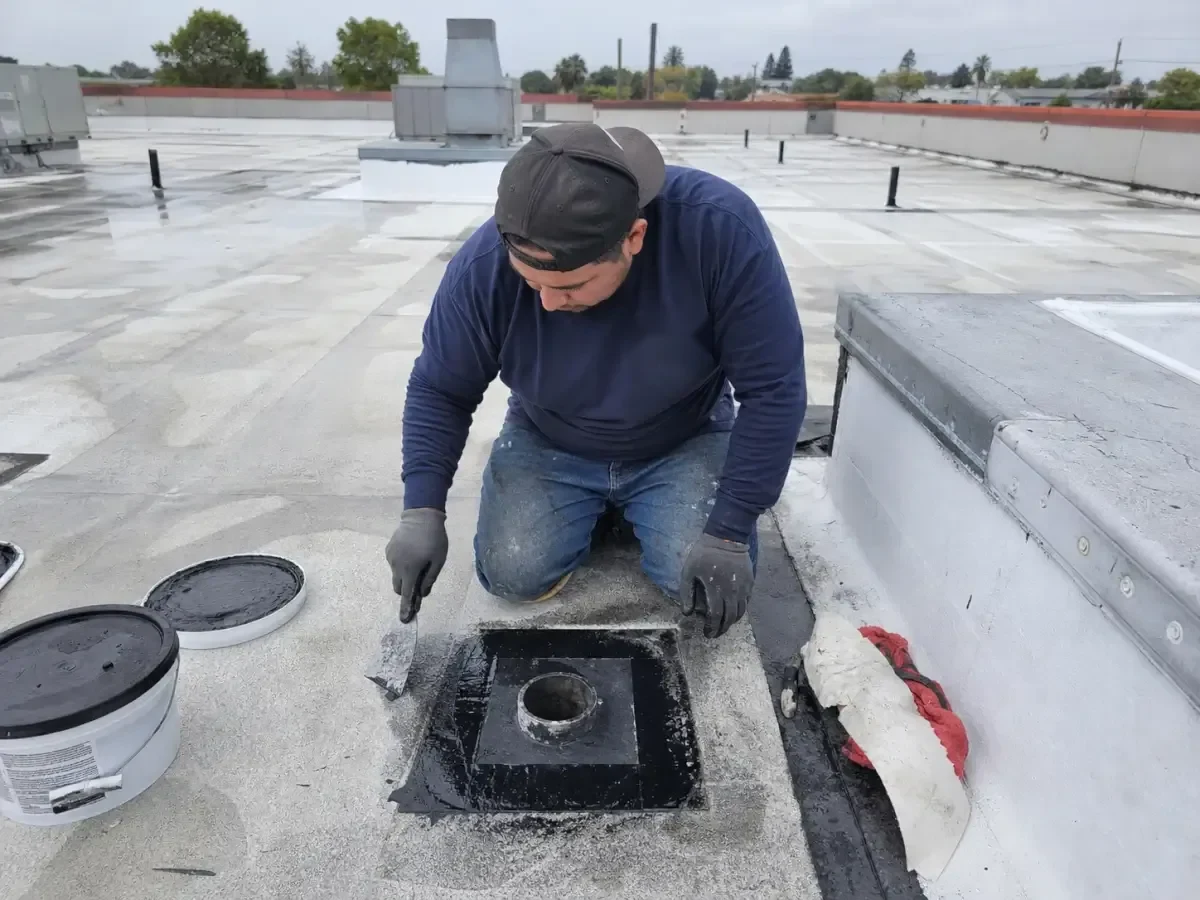
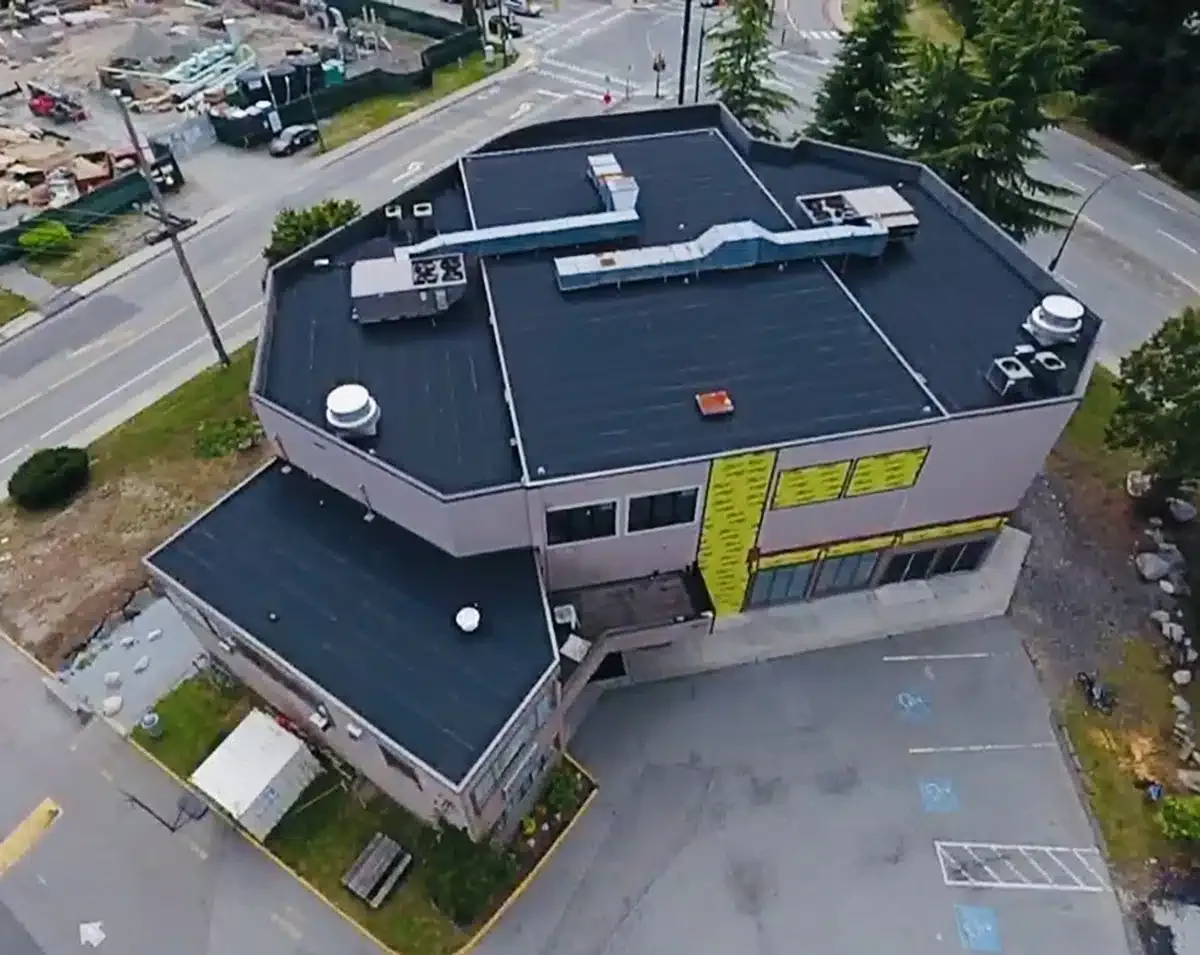
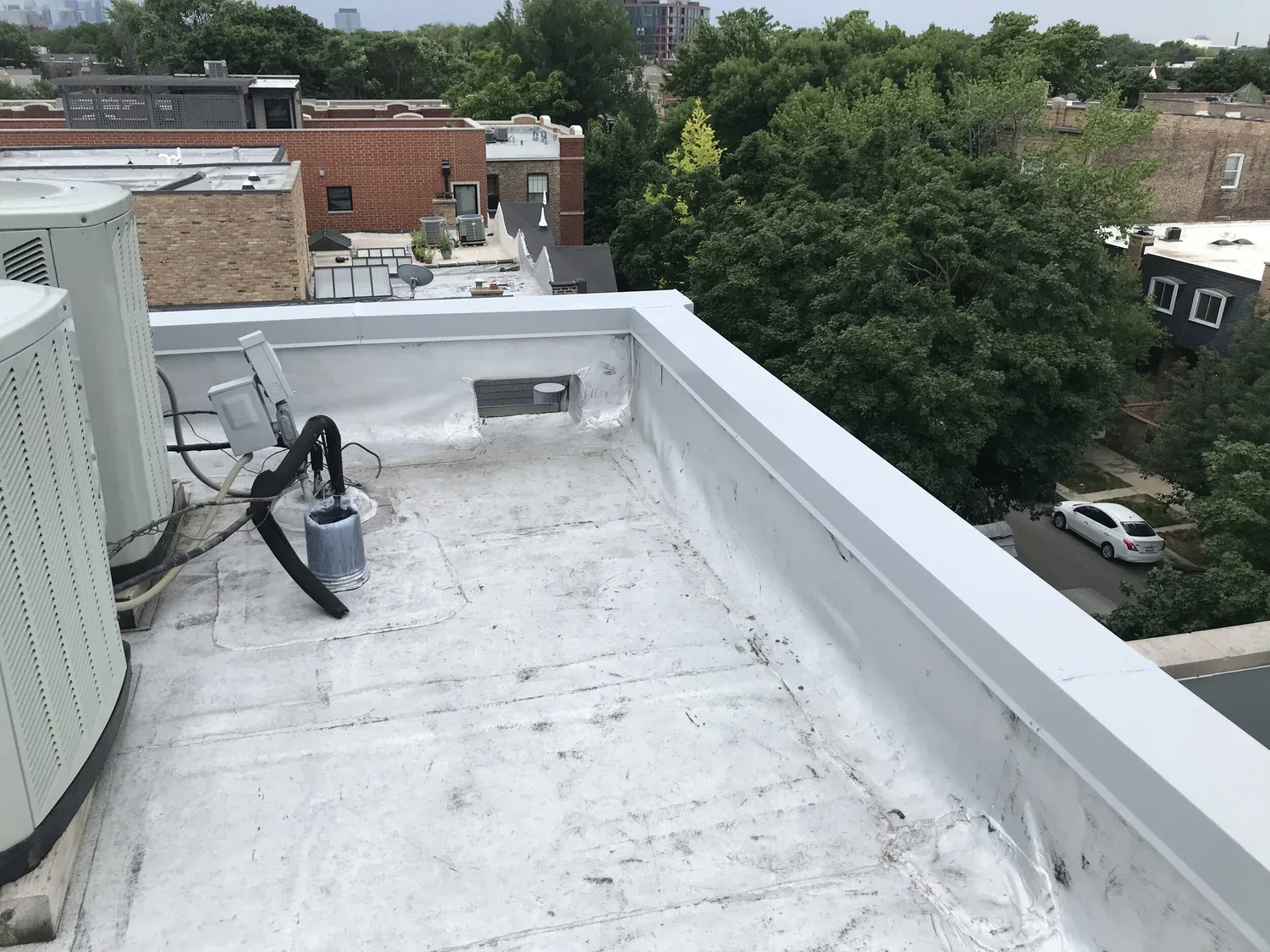
On the roof, we observe membrane or metal condition, seams, terminations, drains, scuppers, curbs, penetrations, walk pads, and prior patches. We note debris, ponding, exposed fasteners, open laps, and surface changes where visible. The report describes the observation without claiming concealed layers are sound. A drone roof survey can supplement access on a large or difficult roof, but it does not replace hands-on checks of close-up seams or materials.
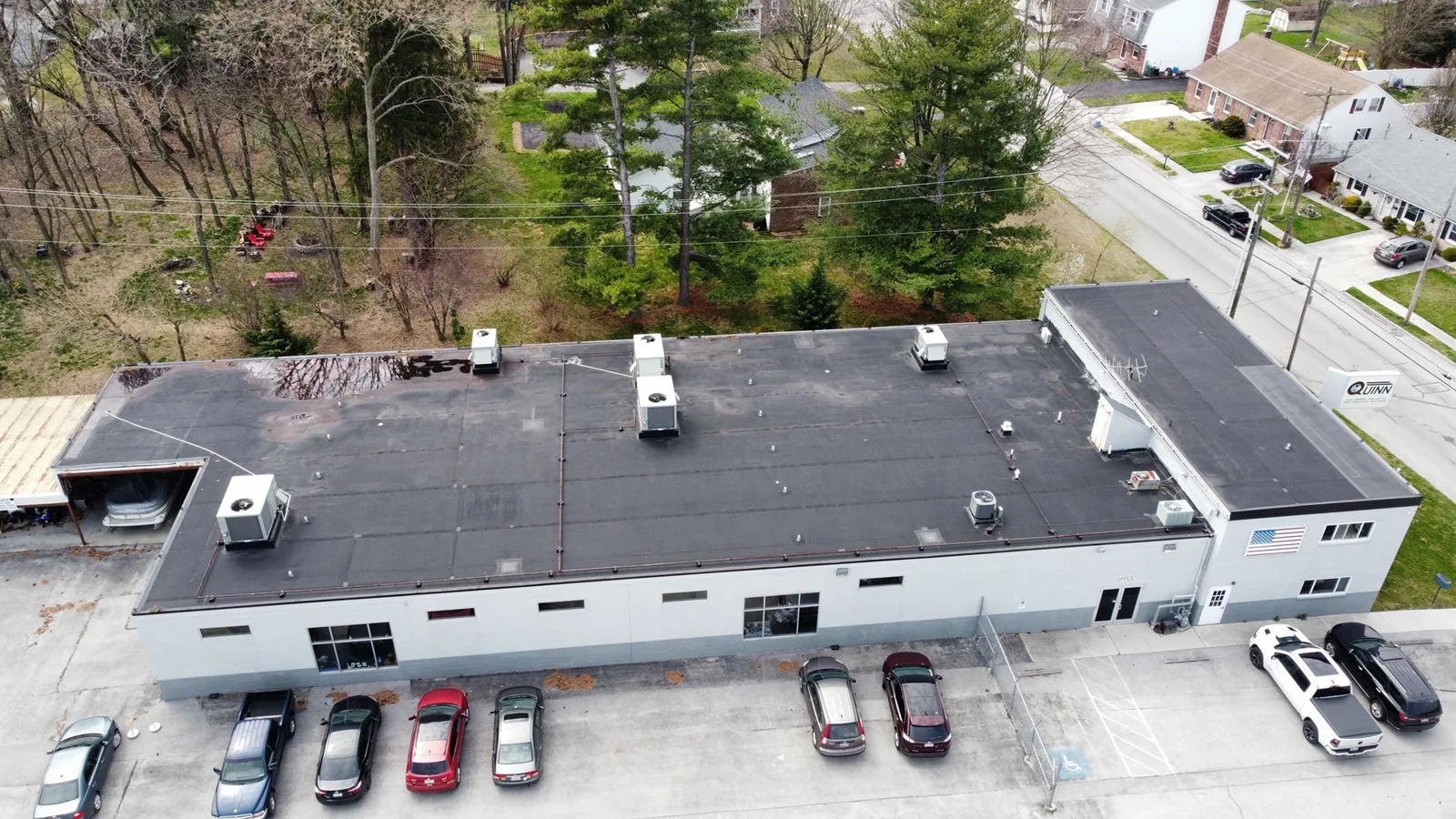
Findings map: distinguish observed from inferred
Each item receives a roof-zone reference, photograph, condition description, and recommended next step. We separate direct observations from likely causes. For example, staining below a roof area may be consistent with a water path, but it does not prove that the opening is directly overhead. We explain where additional moisture testing or a controlled test could increase confidence.
Repair priority reflects current exposure, active water, deterioration, and the consequence of delay for that building. We do not treat every open seam as an emergency or every older surface as failed. A manufacturer or system-specific review may be appropriate when records identify a particular assembly. The inspection can route an owner toward a system-specific EPDM review or a broader maintenance visit without assuming that either path is required.
Weather context: inspect the evidence after events
Elgin winters bring snow and freezing temperatures, while summer heat changes roof-surface and access conditions. We check drains, edges, and transitions with the season in mind. After snowmelt, ponding or blocked drainage may be easier to identify. After freeze-thaw, a small crack or loose termination deserves a closer look. Heat can affect the roof surface and safe access. The current roof condition, not the climate table alone, determines what the inspection can support.
Elgin had one-inch hail in February 2024 and a July 2023 tornado that damaged roofs near Bowes Bend Drive and Longcommon Parkway. A separate property requires its own inspection. We inspect the reported building and note dents, punctures, displaced metal, or membrane changes only when visible. For active water, the findings may lead directly to leak tracing and temporary control.
Recommendations: connect condition to action
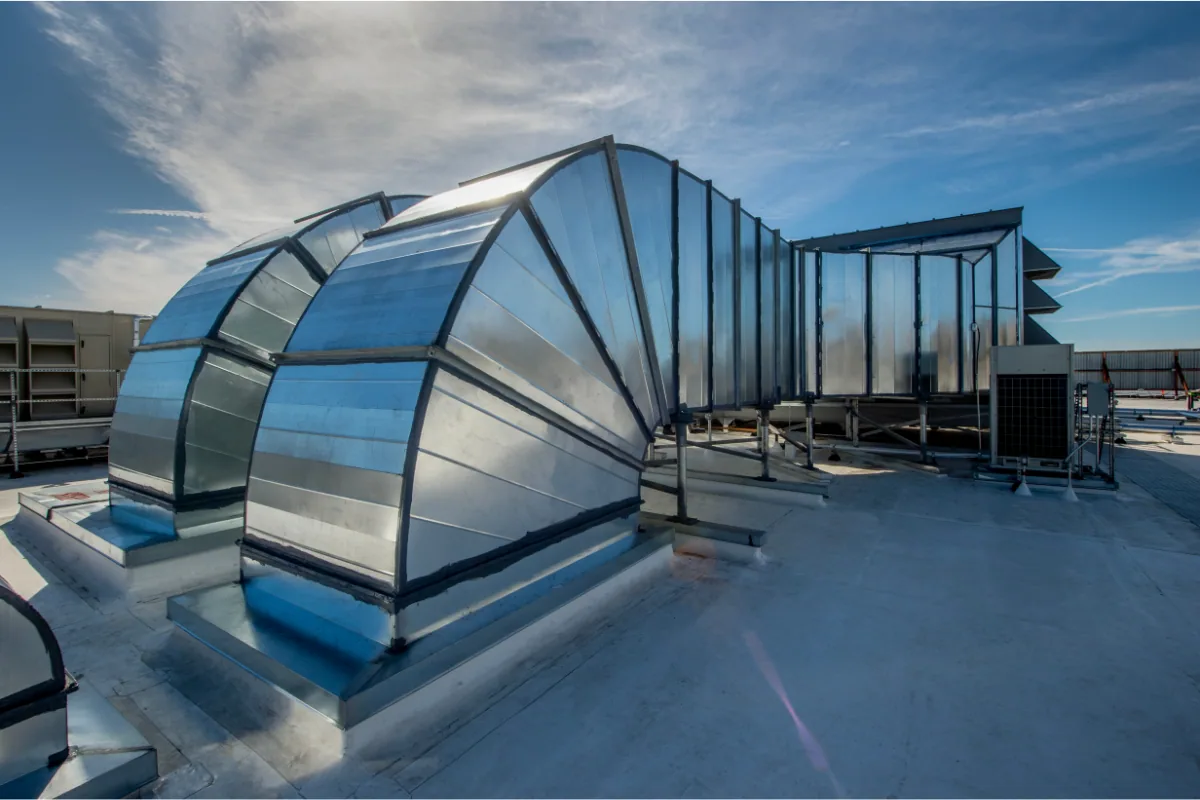
Recommendations identify what to repair now, what to monitor, and what needs further testing. We include a reason for each step and the roof location involved. If several conditions share a likely cause, we group them only when the inspection supports that relationship. An owner can request prices for defined work areas rather than accept a broad allowance with no map.
Elgin currently enforces amended 2021 editions of the International Building and Existing Building codes, alongside the state’s 2024 commercial energy provisions. The inspection does not certify code compliance. If proposed work changes insulation, drainage, or assembly layers, the project team should confirm which provisions apply. A formal condition report can support budget review, and a repair scope can price a confirmed defect.
Handoff: leave a record the team can use
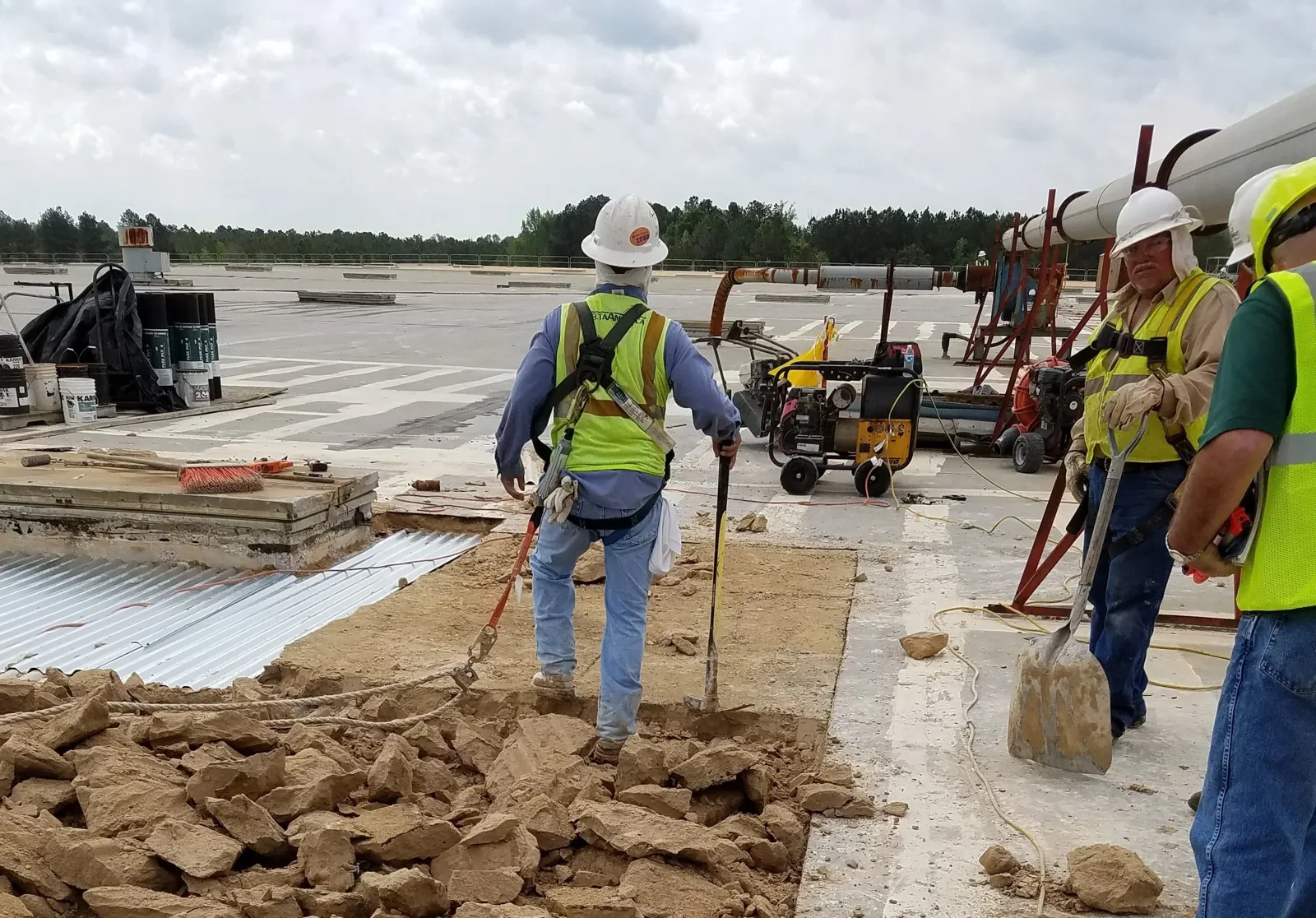
At the closeout, we review the findings with the site contact and distinguish urgent conditions from planned work. The report includes inspection date, roof zones reached, access limits, photographs, observations, and recommendations. Where a test is pending, we state what result it could confirm. This gives the asset manager a traceable record for maintenance and future roof decisions. We can group recommendations by urgency, but the condition description remains attached to each roof zone. If the manager assigns work to another team, the record shows the exact location and limits of our observation.
At Elgin Corporate Center, each included building receives its own inspection record. The property’s roof condition still needs direct review. We note inaccessible zones, system uncertainties, and any test that could change a repair recommendation. The manager can then separate current maintenance from capital work without treating an uninspected area as confirmed sound. Share recent leak reports, previous repairs, roof plans, and current access rules before the visit. We will use those details to focus the inspection on the decision that matters to the owner.
Questions About Commercial Roof Inspection
What does a commercial roof inspection include?
We inspect accessible roof areas, seams, flashings, drains, edges, curbs, penetrations, prior repairs, and visible surface conditions. The report identifies zones reached, photographs, limitations, and the next action. Testing or engineering is separate unless specifically included.
Can an inspection confirm moisture below the membrane?
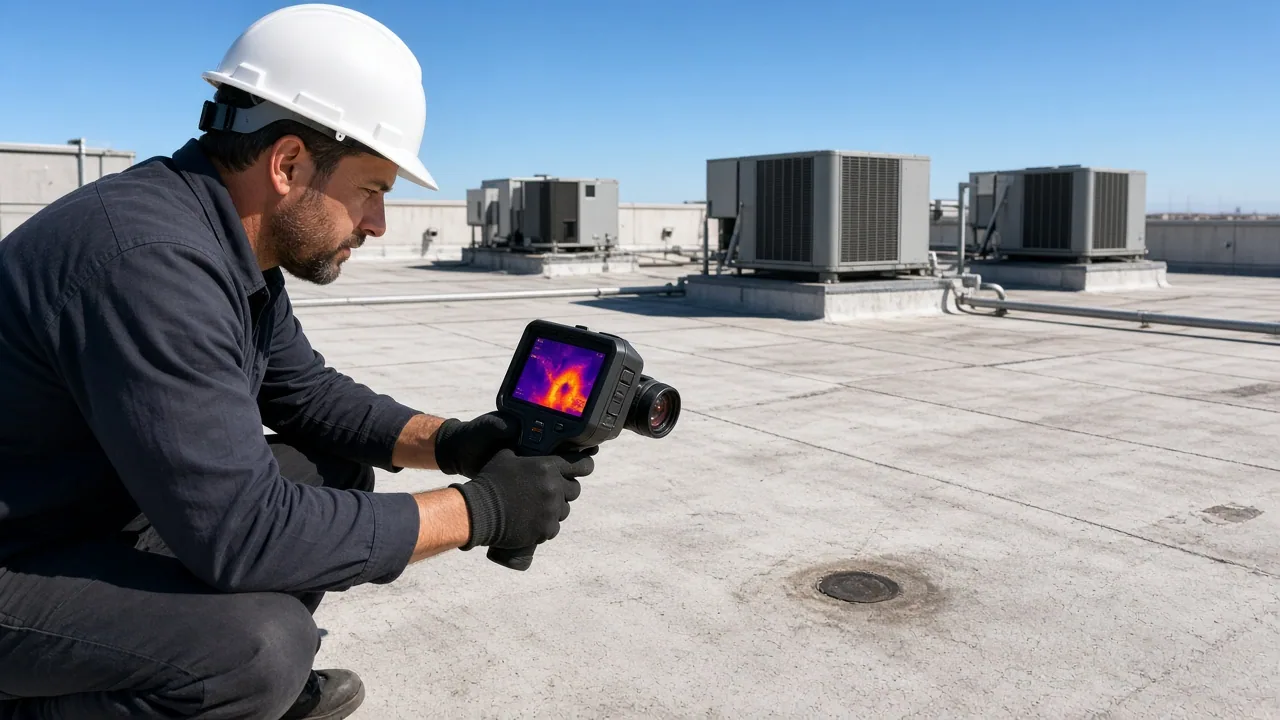
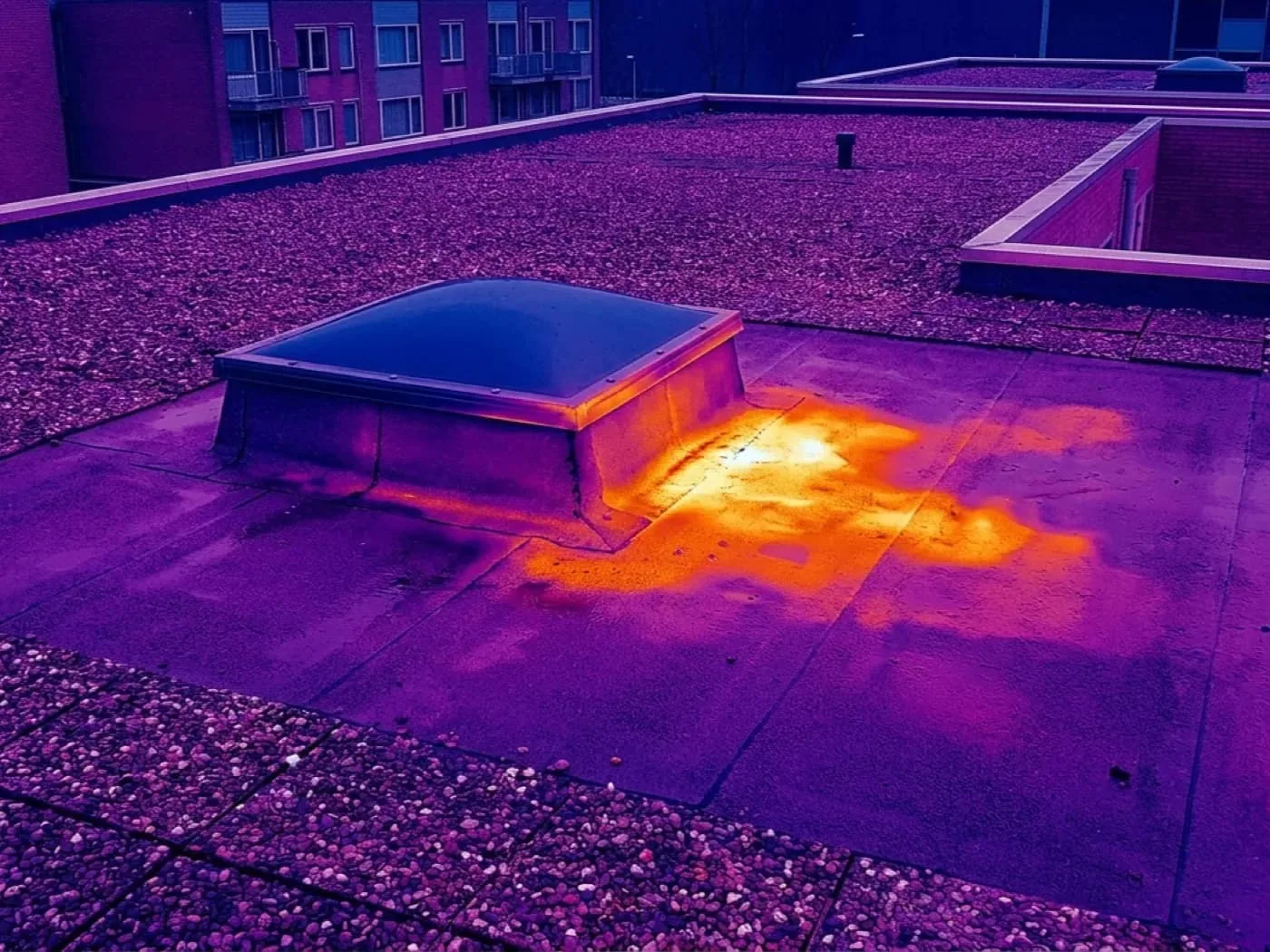
A visual review cannot verify concealed layers. Infrared or capacitance scanning can identify areas for further checking, while a core cut can directly examine layers at a selected point. We explain the method, sample limits, and restoration needed before testing.
Will the report tell us whether to repair or replace?
The decision follows the inspected condition, test results, roof age and assembly when known, and the owner’s operating needs. We identify repair candidates and uncertainty. Replacement is discussed only when evidence shows a broader scope may be warranted.
How soon should we inspect after hail or tornado activity?
A prompt check makes sense when a property reports impact, active water, or visible change. Local storm dates can help organize follow-up; inspection documents the roof conditions now. We inspect the building itself, document what is visible, and avoid attributing damage without supporting evidence.
Can the inspection happen while the building is occupied?
Usually, if safe access and the work area can be coordinated. We confirm roof entry, interior hazards, tenant schedules, and any restricted zones in advance. The report notes locations that could not be reached during the visit.