Distribution Center Roofing in Elgin, IL
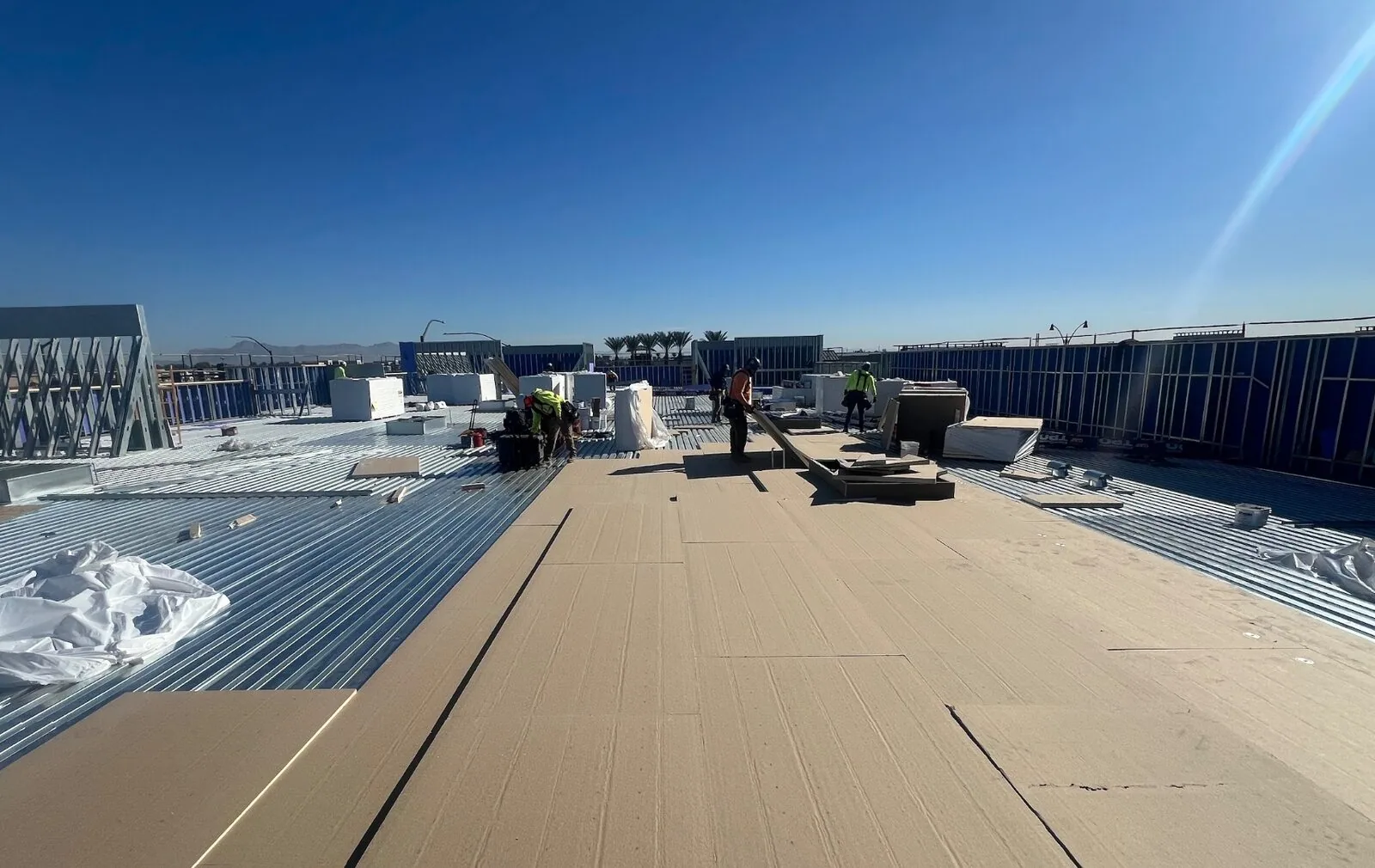
Plan distribution-center roof work
Share the site plan, dock and shift schedule, roof records, equipment list, leak areas, and facility contact. We will set a safe inspection and staging window.
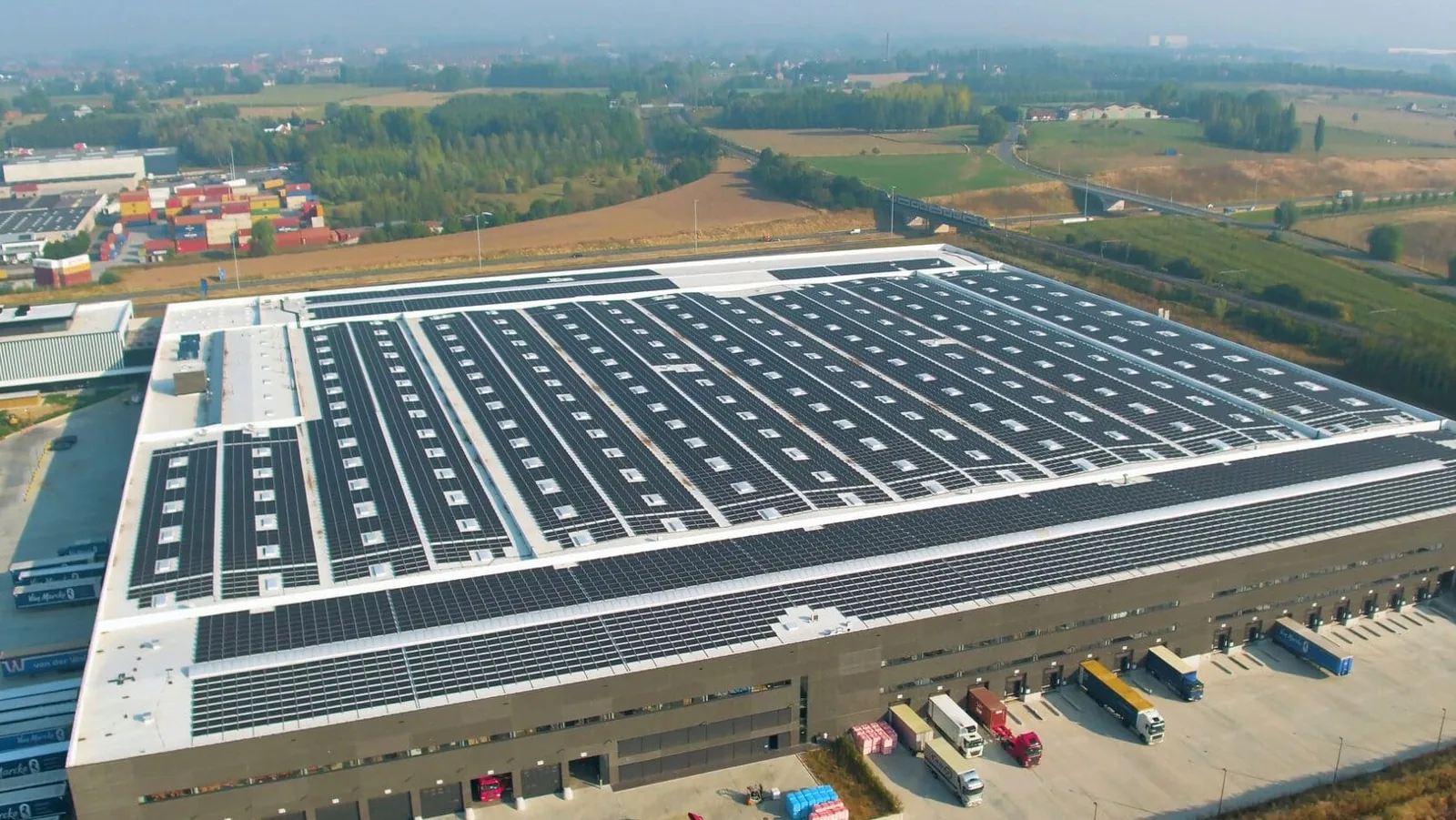
Distribution Center Roofing
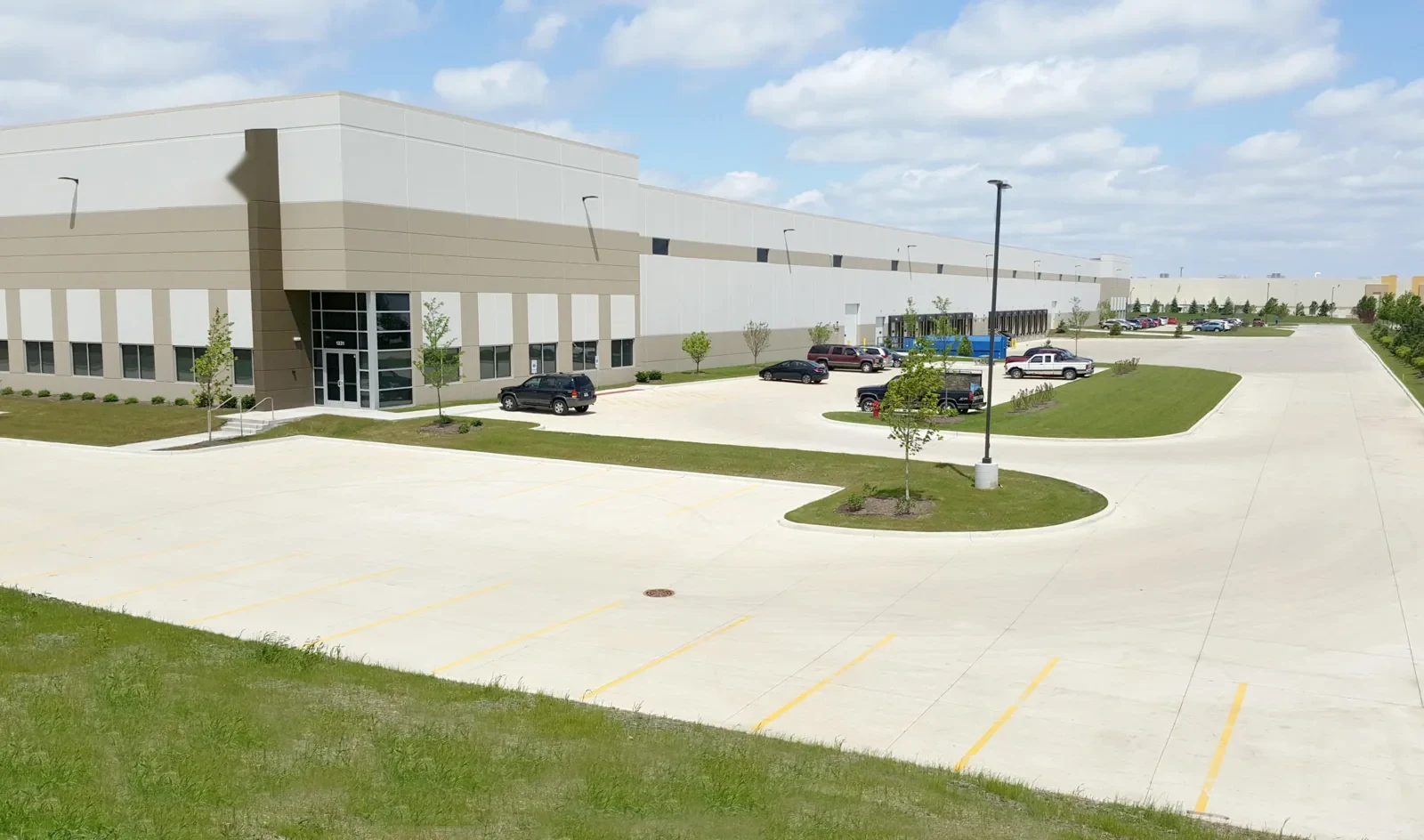
The roof plan should follow the flow of goods through a distribution center. We identify active docks, shift changes, yard traffic, equipment, and leak-sensitive areas before setting a work boundary. Elgin sits within a network of employment areas linked by regional routes. Each facility has its own receiving pattern. We confirm how roofing access will affect operations before crews stage material or open an assembly.
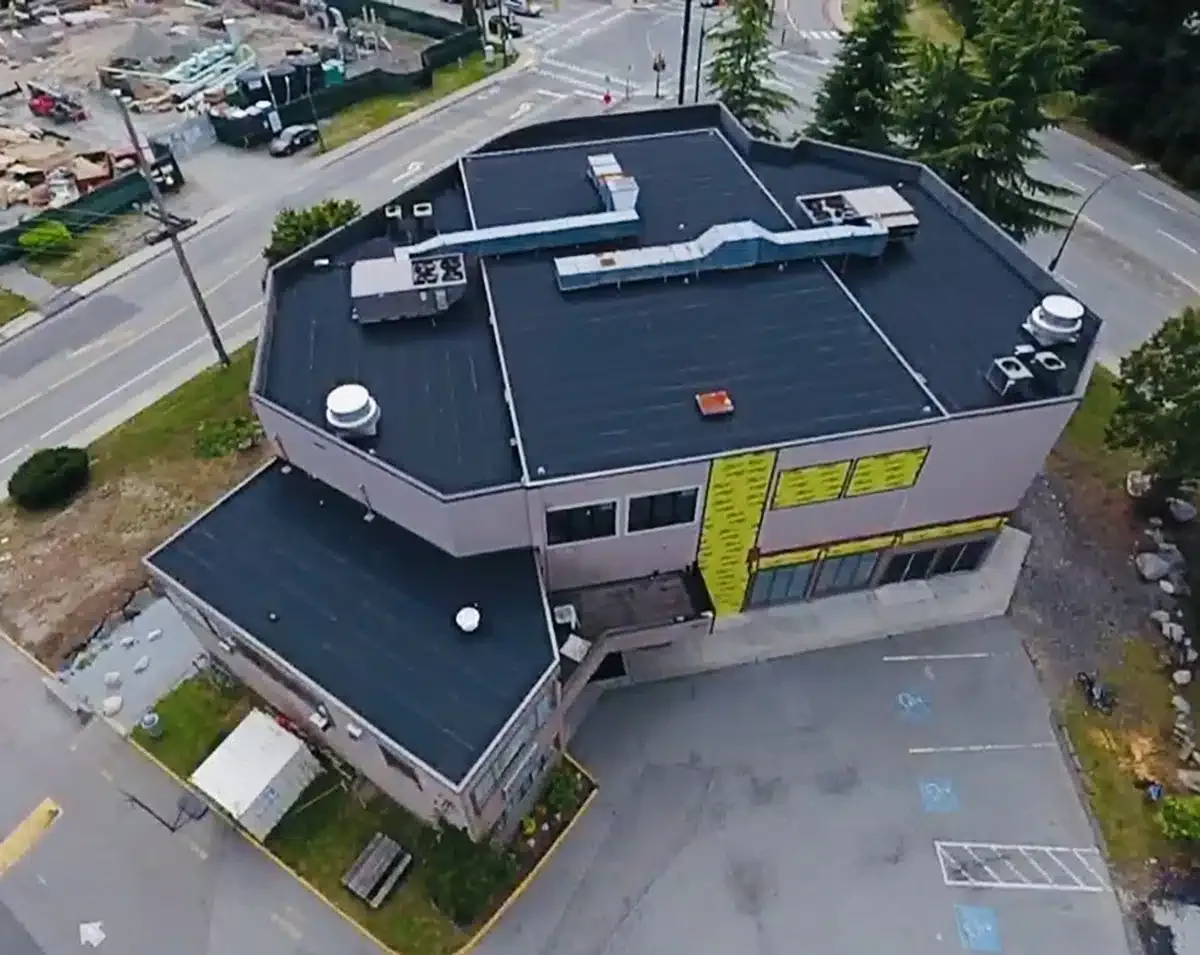
Site plan: coordinate docks, shifts and deliveries
The facility manager identifies receiving hours, outbound peaks, truck circulation, lift access, and areas that must remain clear. Roofing deliveries need an approved location and time. If equipment or membrane rolls arrive on a flatbed, the site contact confirms the path from gate to staging. We keep fire lanes, dock approaches, and employee entries open under the agreed plan.
Elgin-area employment includes logistics and distribution alongside manufacturing, food production, and commercial equipment. Facilities may run a single shift, overnight sort, or continuous operation. We do not assume a schedule from the building type. Around Burnidge Big Timber Industrial Park or Brewster Creek Business Park, each operator confirms its own gate, driver, and roof-entry rules.
If a leak affects stored goods, tell us the product area, rack location, time found, and any handling restrictions. We coordinate interior protection with the owner. A leak trace follows the reported path but does not treat a ceiling spot as proof of the roof opening.
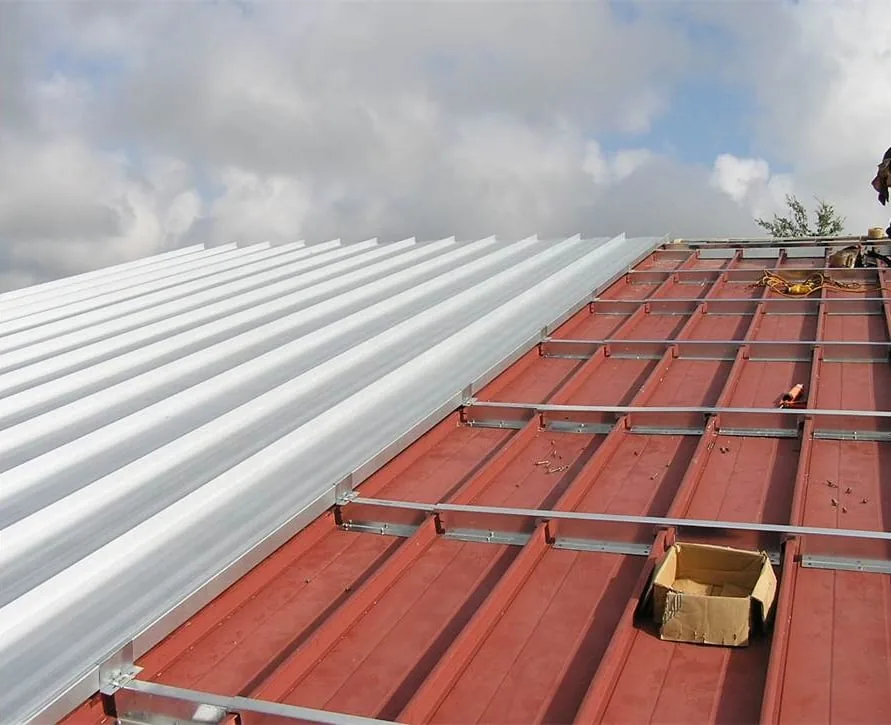
Roof review: map zones and service paths
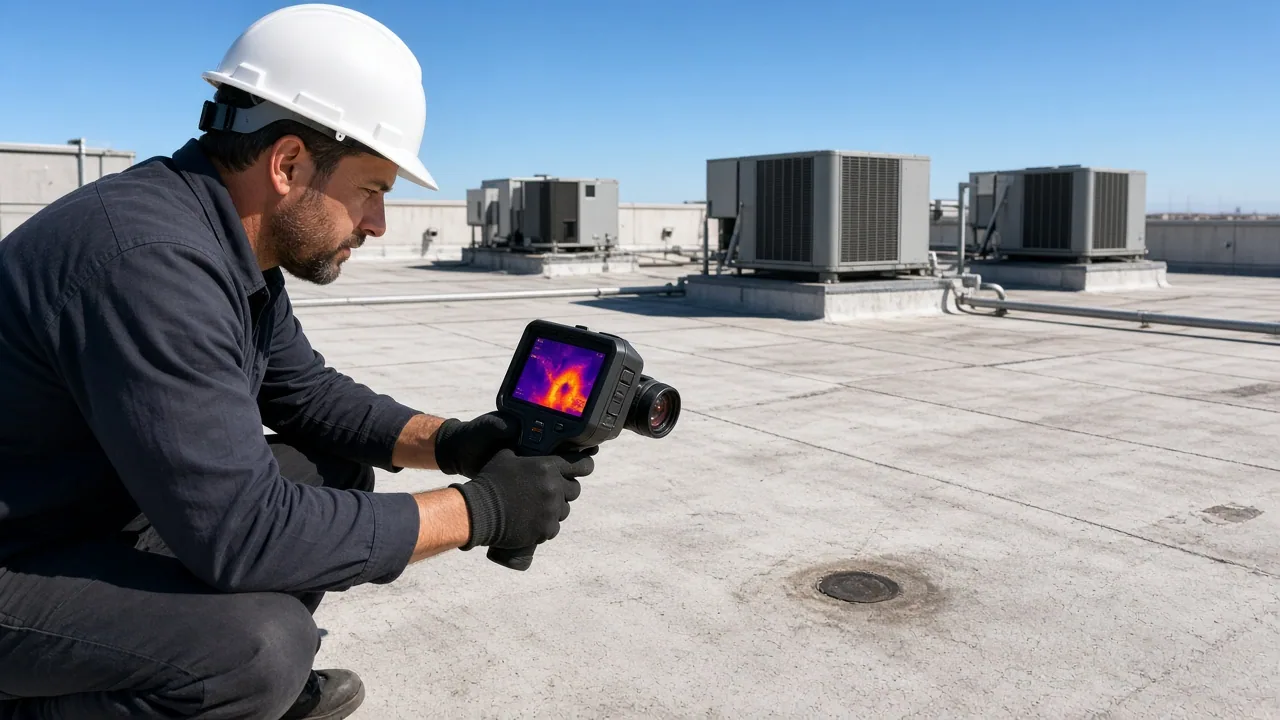
We review roof records, repair history, equipment schedules, and any prior moisture survey. Field observations cover membrane, seams, skylights, curbs, drains, expansion joints, and perimeter details. Distribution roofs often have long service paths between units and multiple areas maintained by different vendors. We identify the route used by other trades and note where walkway protection is absent or damaged.
Roof sections may come from separate additions. We label each zone and check whether the system changes at an expansion joint or height transition. An inspection identifies accessible areas, limits, and any test recommendation. A test cut is approved by the owner and restored after the layers are documented.
For local context, Brewster Creek Business Park includes a large, multi-building business community with distribution and warehouse activity. That does not establish any individual roof’s age or assembly. We inspect the specific facility before setting a repair quantity.
Drainage and weather: protect the shipping floor
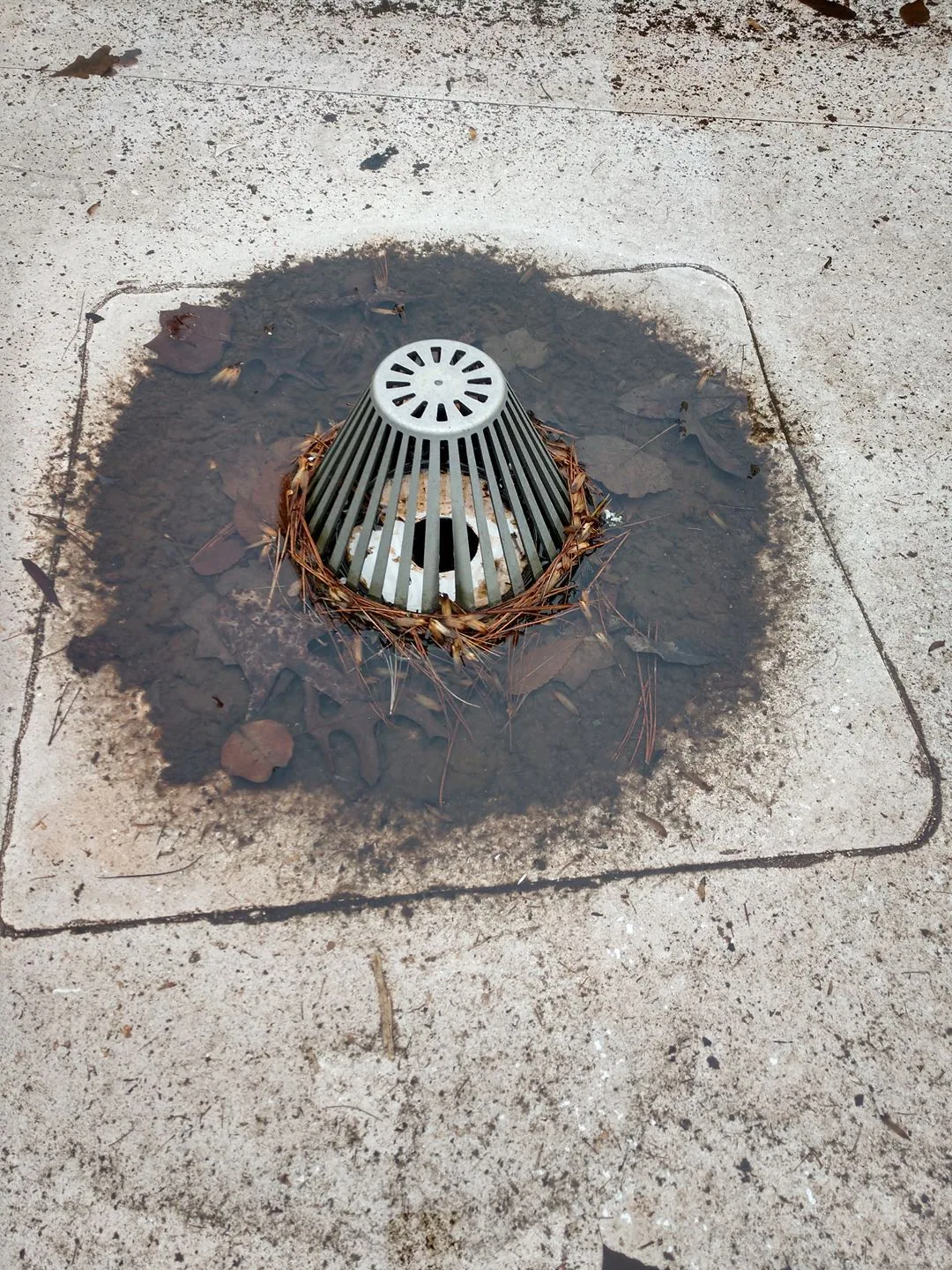
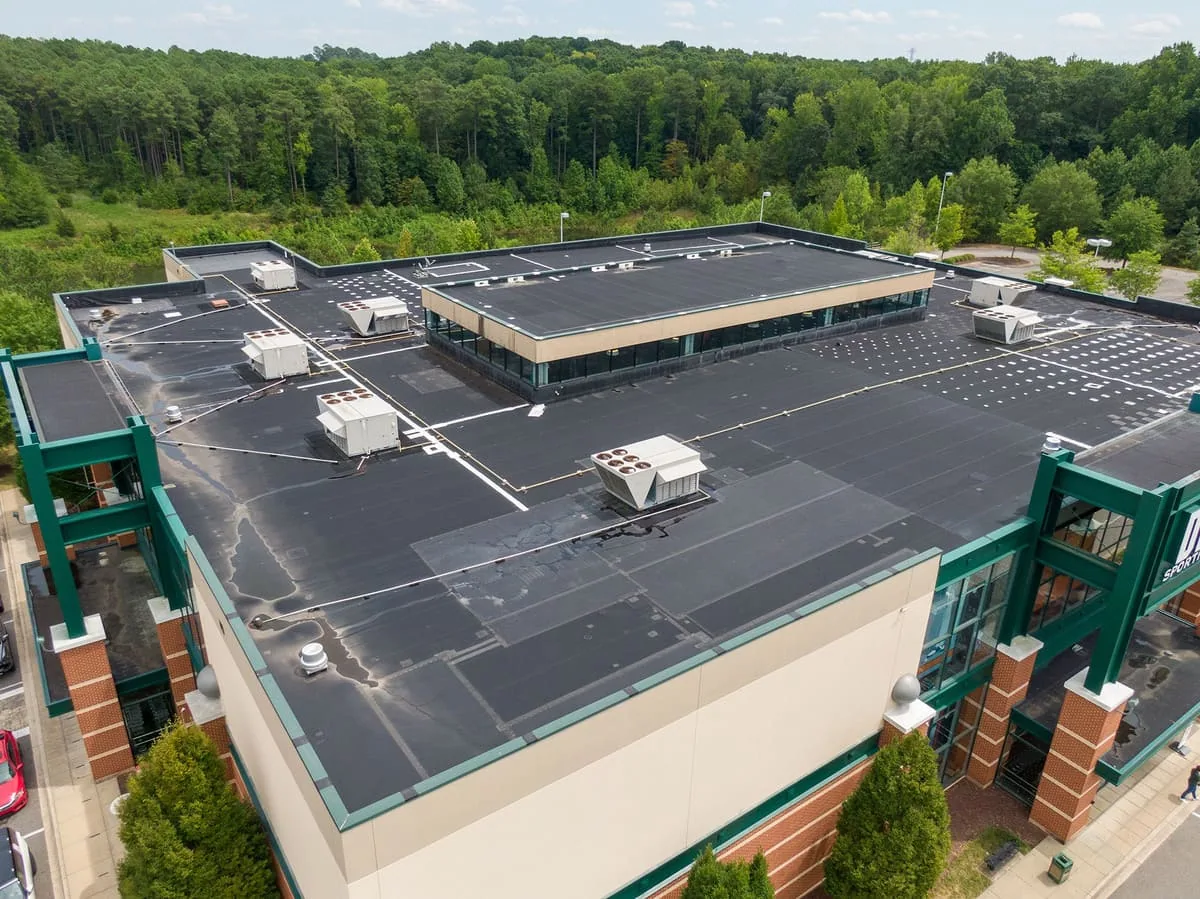
We check low points, drains, scuppers, overflows, and areas where runoff could reach dock doors or lower roofs. Elgin’s precipitation and winter snowfall can bring both rain and meltwater to the same outlets. We record actual debris or water marks and verify the path to discharge. A blocked leader, settled deck, and damaged drain flashing require different trade coordination.
If standing water remains after the roof has drained, we note location and depth where measurable. The inspection may need a return visit or plan review to understand the duration. A drain assessment checks outlets and surrounding membrane. The report keeps site drainage, underground piping, and structural slope questions outside the roofing conclusion unless separately reviewed.
For a facility receiving food or temperature-controlled goods, the contact identifies sensitive inventory and cleaning procedures. We protect affected areas during roof openings and avoid directing discharge toward loading or employee routes.
Phasing: keep each roof opening controlled
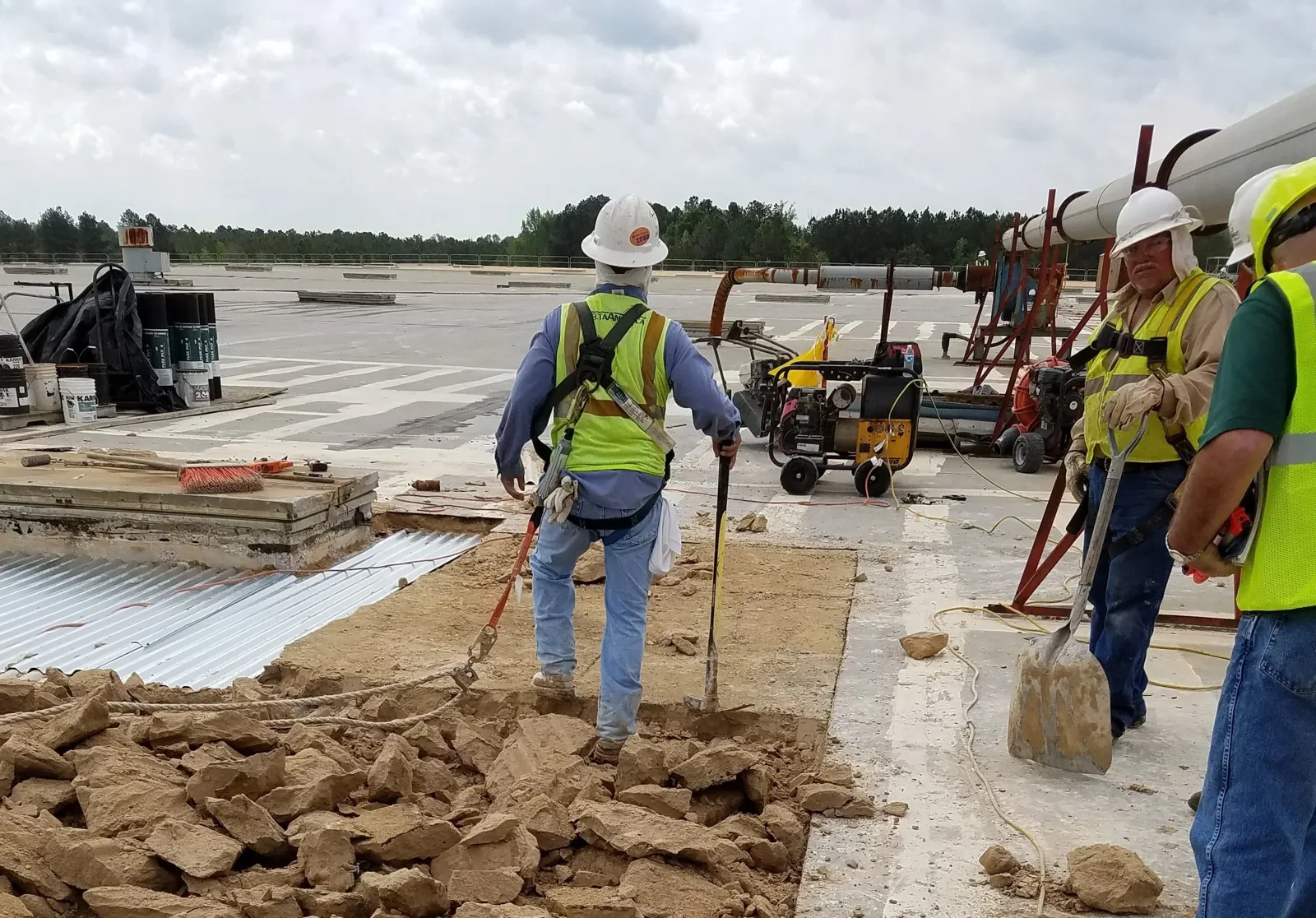
Work is divided into sections sized for crew capacity, weather, and dock operations. The daily plan names the roof zone, opening limits, material staging, and ground controls. At shift end, the active area receives temporary protection and a status photo. If rain or wind shortens the work window, the supervisor secures the edge and notifies the facility contact.
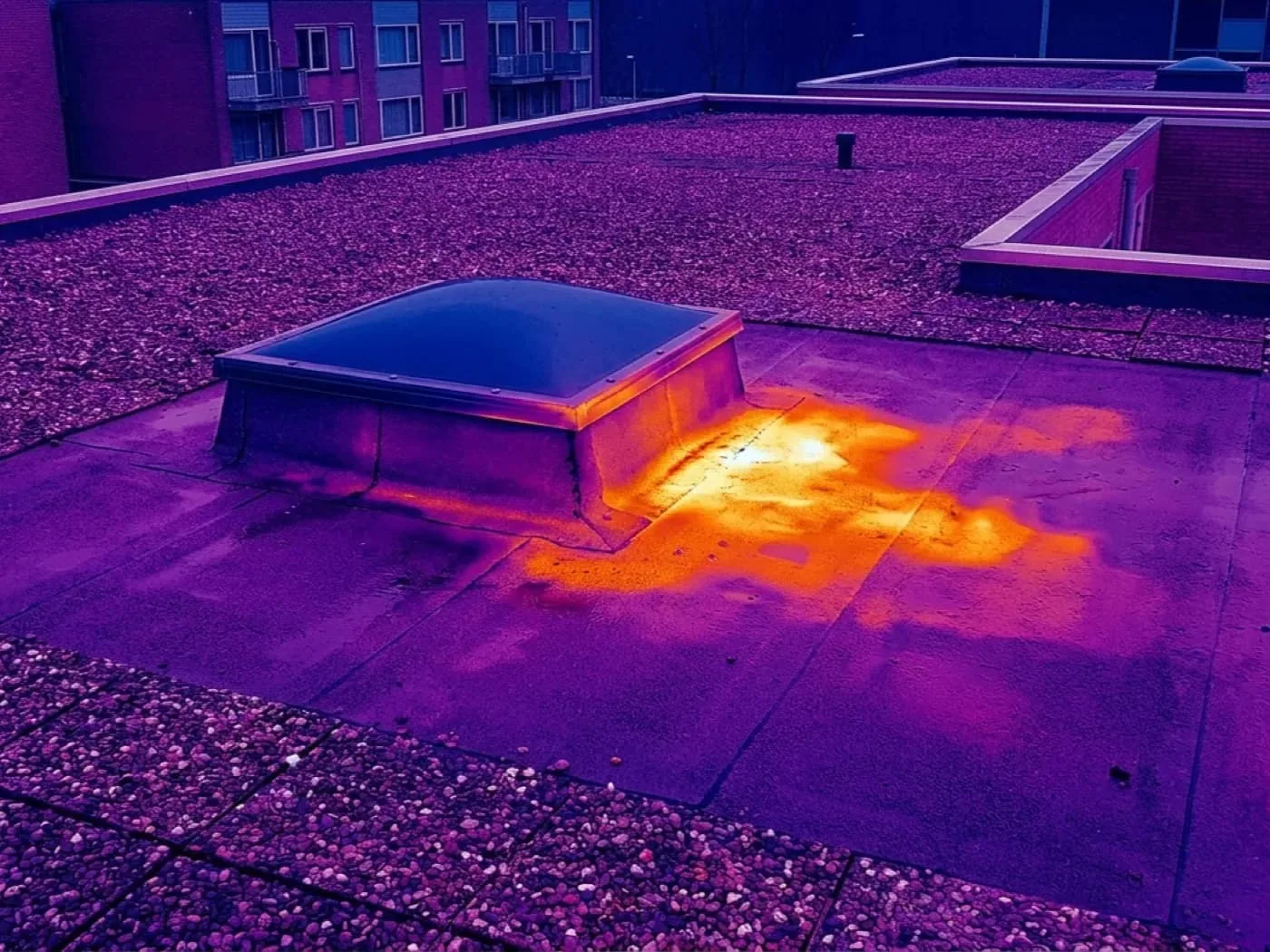
Hidden wet insulation or deck damage can change a repair or replacement quantity. The crew stops at the approval point, documents the condition, and waits for direction before widening removal. This keeps a new cost or schedule decision out of the dock manager’s operating window. Any change order uses the authorized project contact.
A phased reroof scope can coordinate work with dispatch deadlines and tenant operations. Temporary leak measures remain distinct from full replacement. The owner sees which condition each phase addresses and what remains for a later approval.
System selection: match traffic and equipment demands
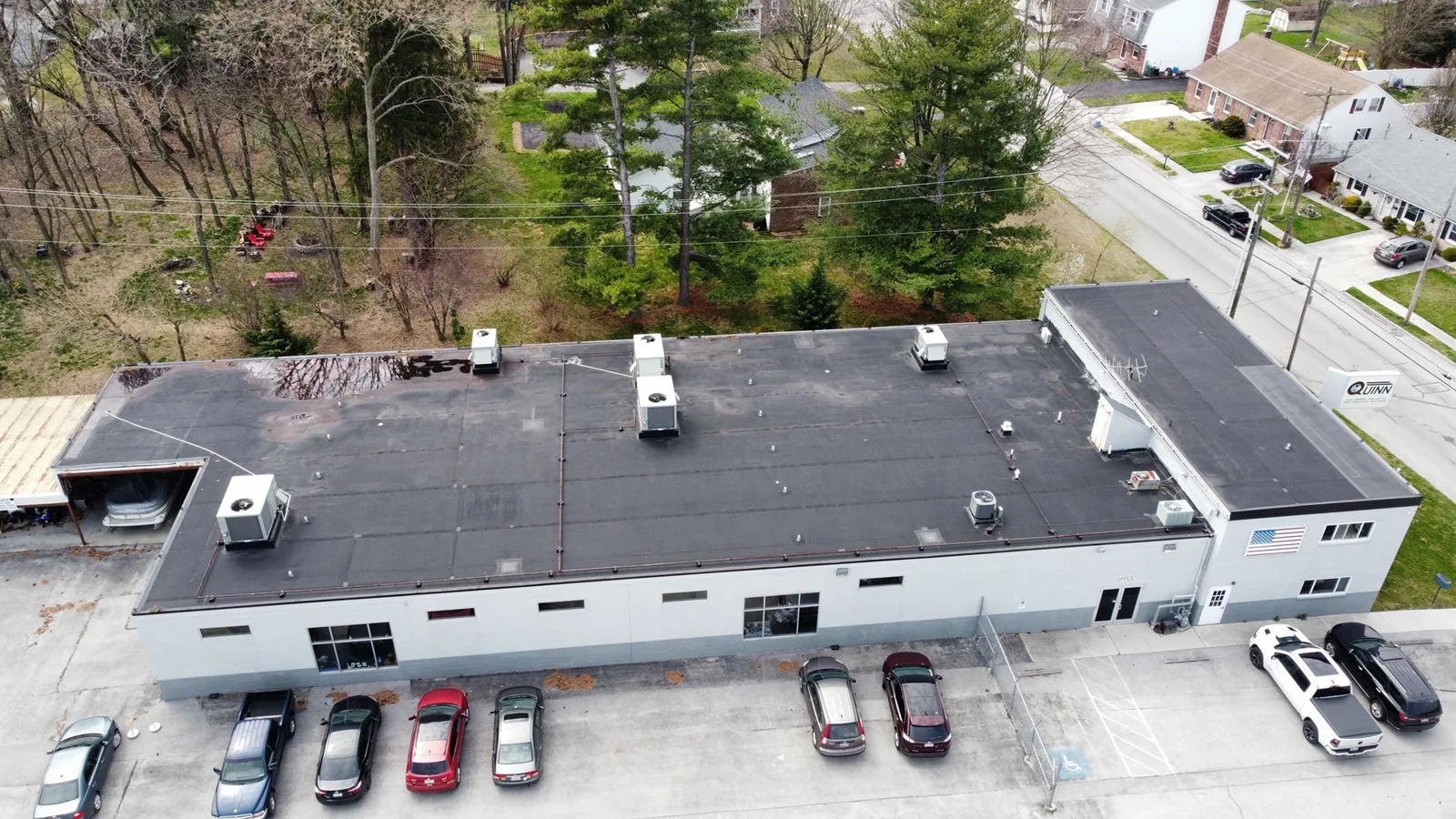
Selection considers roof age and condition, load limits, insulation, attachment, drains, equipment clearances, and expected service access. We compare repair, recover, and tear-off against documented findings. A distribution facility may have many rooftop units or fans, but the layout must be verified from drawings and site review. For distribution roofs, Elgin’s 29-inch annual snowfall average and 137.9 freezing days make post-thaw drainage checks useful. The roof details need to account for local winter exposure, but a weather average cannot choose the assembly. The proposal identifies membrane, cover board, insulation, edge details, and warranty conditions where applicable.
Owners can compare warehouse roof service or cold-storage roofing when operating requirements differ. A distribution building does not automatically need the same air, temperature, or sanitation controls as a freezer facility.
Access and safety: coordinate yard and roof entry
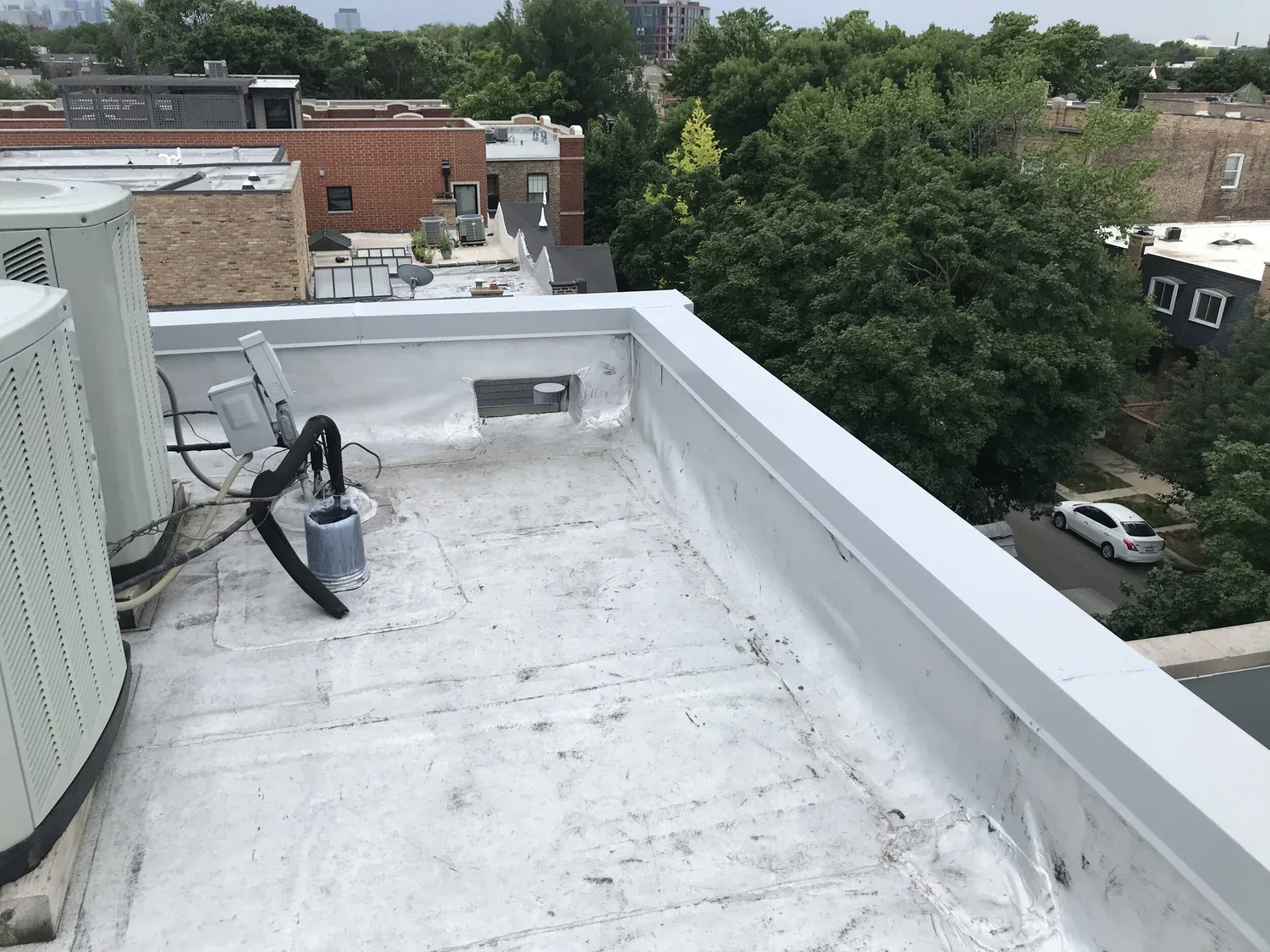
We verify gate procedures, roof hatch access, ladders, fall protection, and any security requirements before mobilization. Truck and pedestrian separation remains part of the site plan. If a lift will occupy a drive lane, the contact confirms traffic controls and timing. A rooftop route is marked around skylights and fragile surfaces.
Weather holds account for wind, rain, lightning, snow, and ice. The crew does not cross an unsafe surface to keep a loading schedule. The facility contact receives the reason for the hold, which roof zone is secured, and the next update. If an emergency threatens goods or operations, the owner identifies the approved response path.
For a multi-building portfolio, a roof program can align access windows and closeout records. Each facility still needs its own route, dock controls, and maintenance contact.
Closeout: tie work to facility zones
Completion records include repaired or replaced areas, closeout photos, materials where known, open items, and maintenance recommendations. Roof-zone labels should match the facility’s drawings or work-order system. The owner receives a list of any areas not accessed and any planned follow-up. Each open item includes a responsible contact and target review date. The site contact confirms which dock remains open during that installation window.
Send roof plans, dock schedules, active shift hours, equipment lists, leak reports, inventory limits, and site access instructions before requesting work. We will confirm the first roof zone and staging plan with the facility manager. A usable closeout lets future crews protect the same routes without interrupting receiving.
Questions About Distribution Center Roofing
Can roofing deliveries use the distribution center’s truck yard?
Only after the facility contact approves the route, gate process, and time. We plan the delivery around dock flow and keep required access lanes open.
How do you protect inventory during a roof repair?
The owner identifies affected aisles and sensitive goods. We set a limited work area, coordinate interior protection, and document how each opening is secured at shift end.
Do you need a separate inspection for every roof addition?
Each zone should be identified where roof systems or repair history differ. We inspect within the authorized boundary and list areas not reached or requiring testing.
Can roof work proceed during an overnight shipping shift?
It can when access, noise, safety, and material handling fit the approved plan. The facility manager confirms operating restrictions and any work window.
What information helps price a distribution-center reroof?
Provide roof drawings, addition history, equipment schedules, dock hours, access controls, leak reports, and inventory requirements. Those records help define phasing and protection.