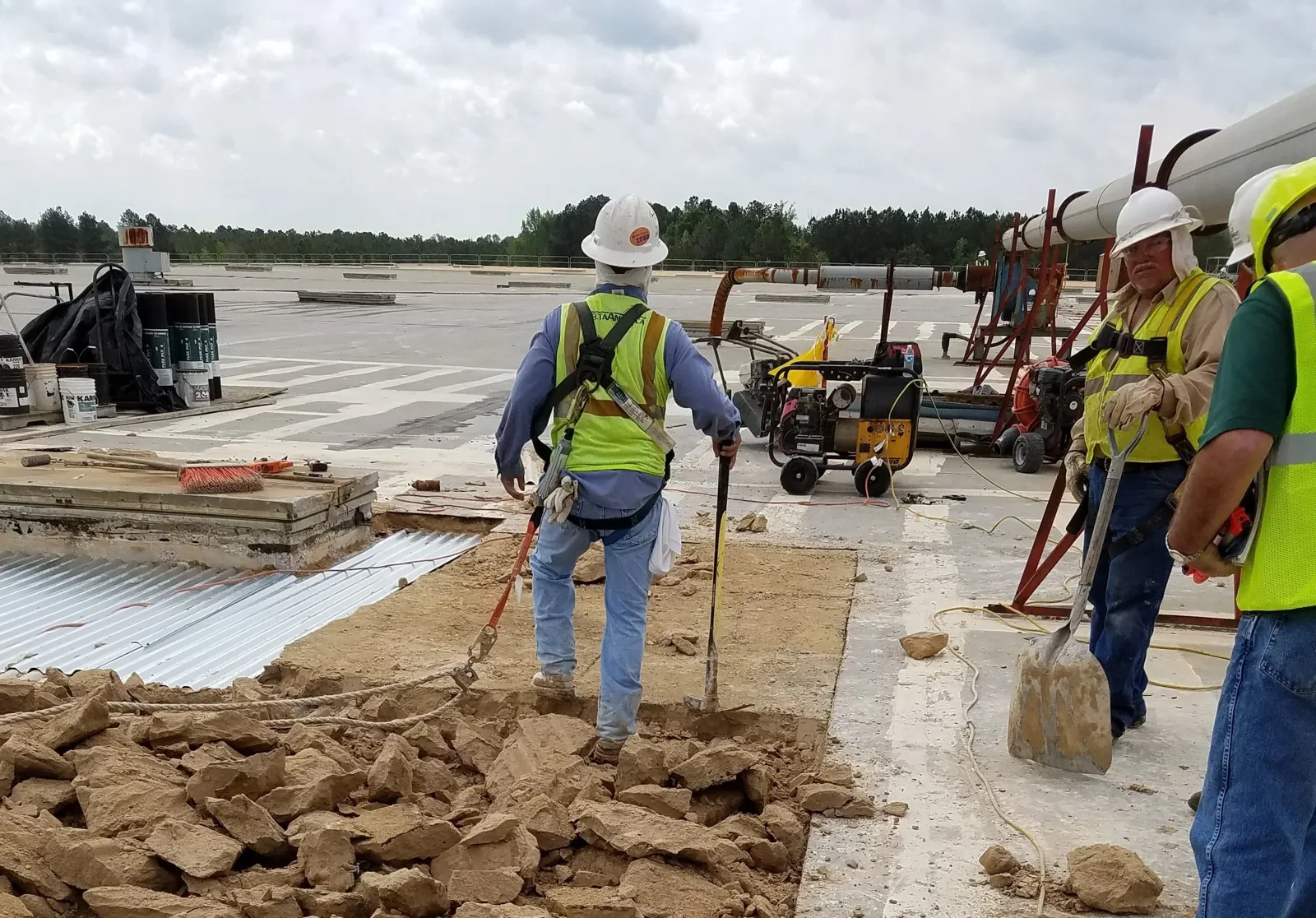
Commercial Roofing for Property Management Companies in Elgin, IL

Request a managed-property roof review
Share the property list, work orders, roof records, tenant contacts, access rules, and approval path. We will organize the visit and findings by asset.
Property Management Companies
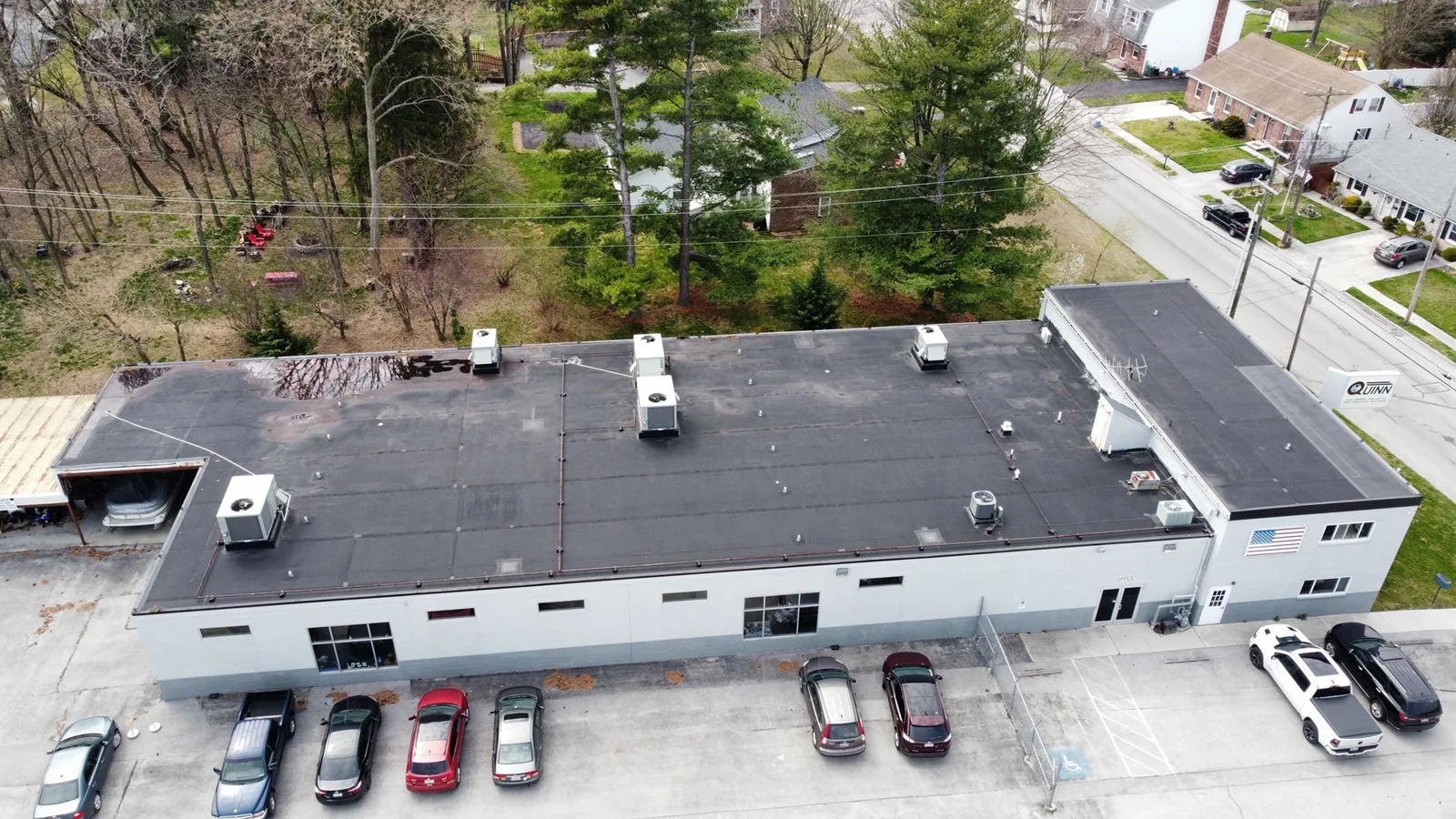
Property managers need roof findings that translate into an authorized next step. We confirm the building, owner representative, access rules, reported issue, and current roof records before inspection. A portfolio may include Downtown Elgin storefronts, industrial properties, and buildings near Randall Point Executive Center. We keep observations by property and roof zone so one leak or repair does not become a claim about every managed asset.
Elgin’s business and industrial parks range from office and research areas to general industrial sites. That mix is useful for local service planning, but does not establish a building’s roof, tenant, or access conditions. The manager supplies the current site contact, work-order number, and approval path for each property.
Turn a tenant report into a roof work order
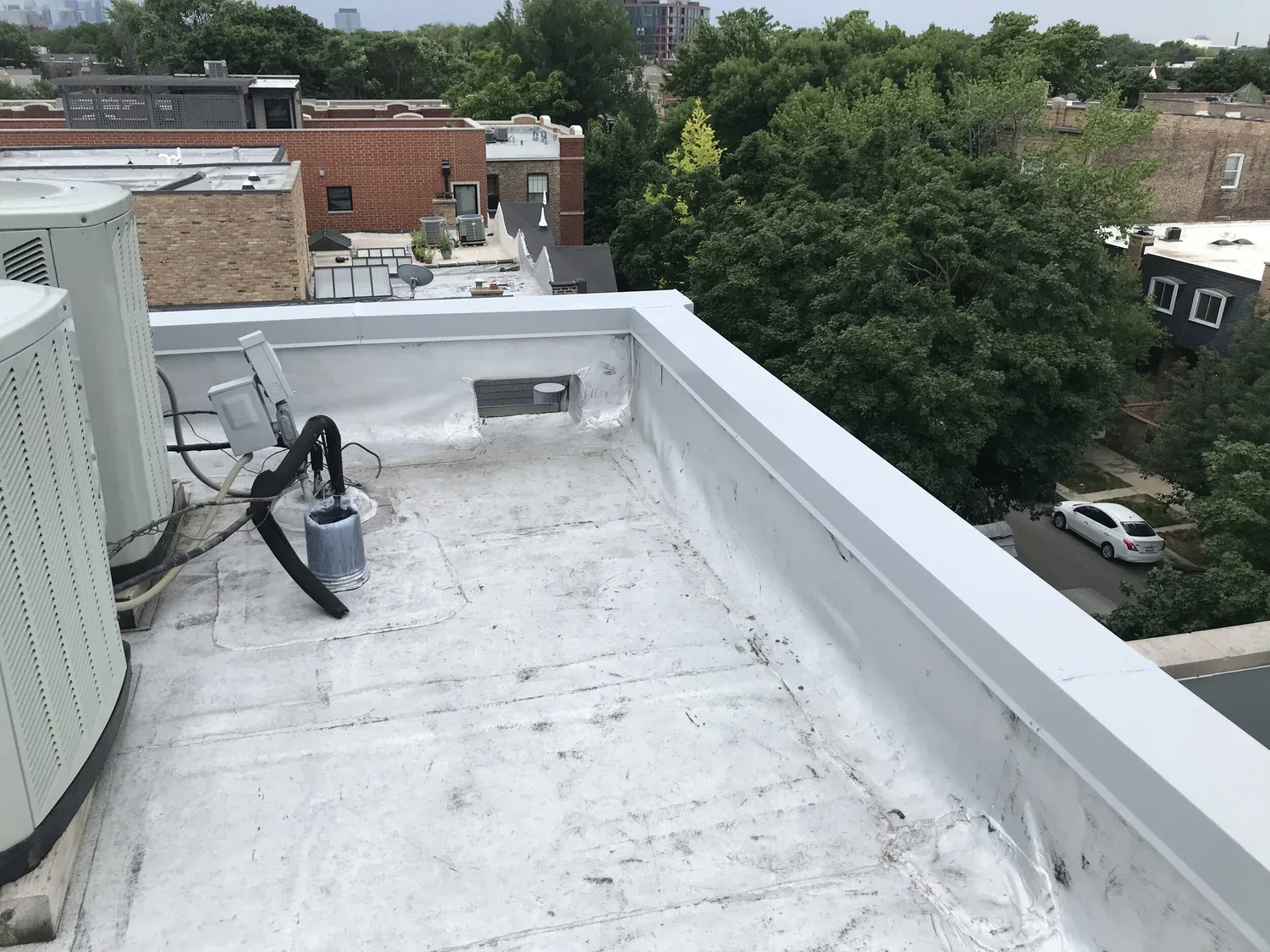
A useful intake includes property and building, suite or room, time reported, active-water status, photos, and a contact who can arrange access. We ask whether water is reaching equipment, inventory, electrical fixtures, or an occupied area. A tenant’s observation helps target the visit; it does not establish where the roof failed. The inspection documents the roof zone, observed defect, and any limits.
Management may need to separate emergency protection from a permanent repair. The work order should state the approved amount, who can authorize additional cost, and whether a tenant or equipment contractor must be present. If concealed conditions appear, we provide location, quantity where measurable, recommended action, and schedule effect before seeking written direction.
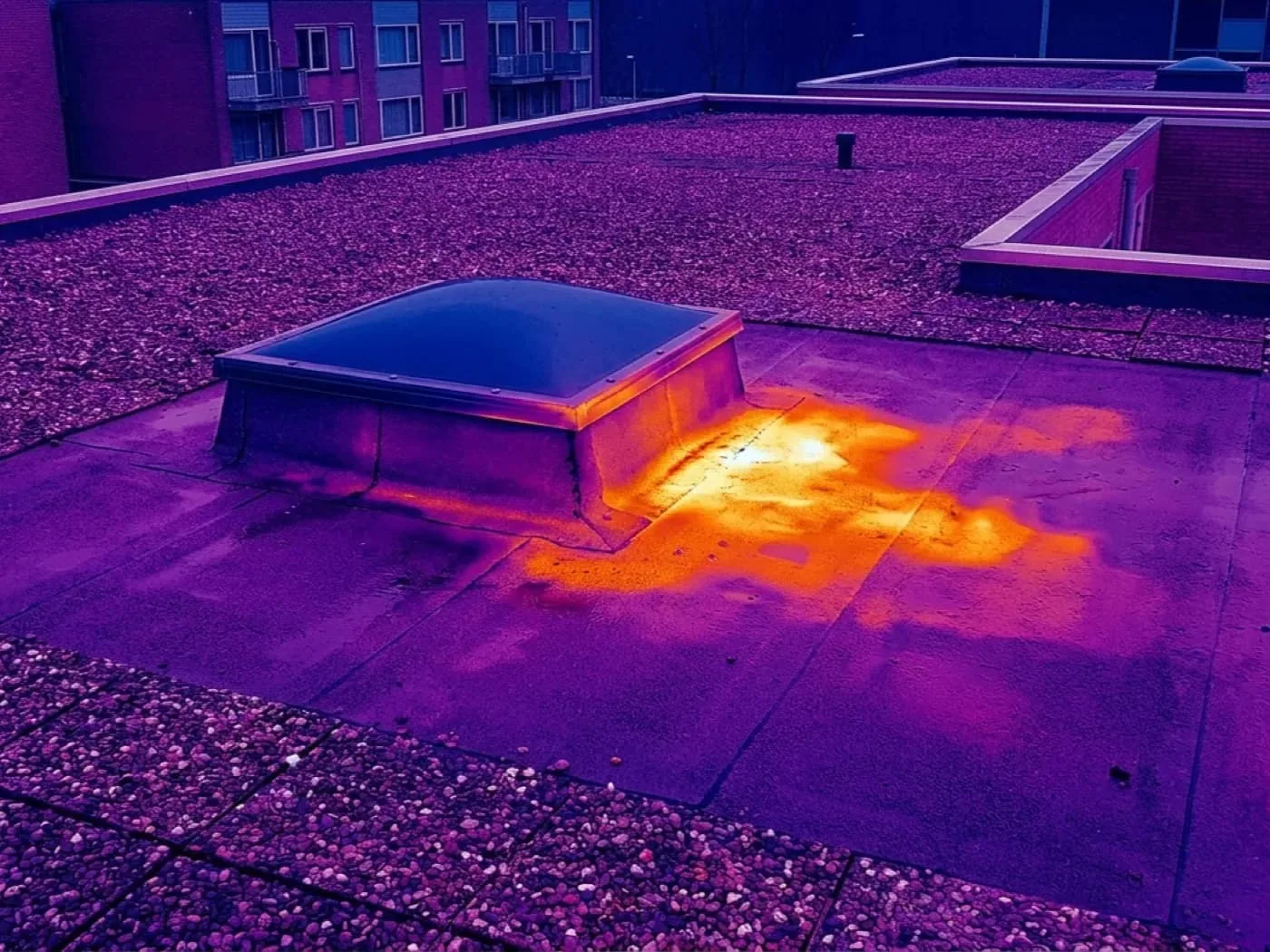
For active water, a leak investigation can focus on the reported area. A condition report can document broader roof observations in a format useful to the owner. Each route to approval should be clear before work begins.
Keep roof history separate by property
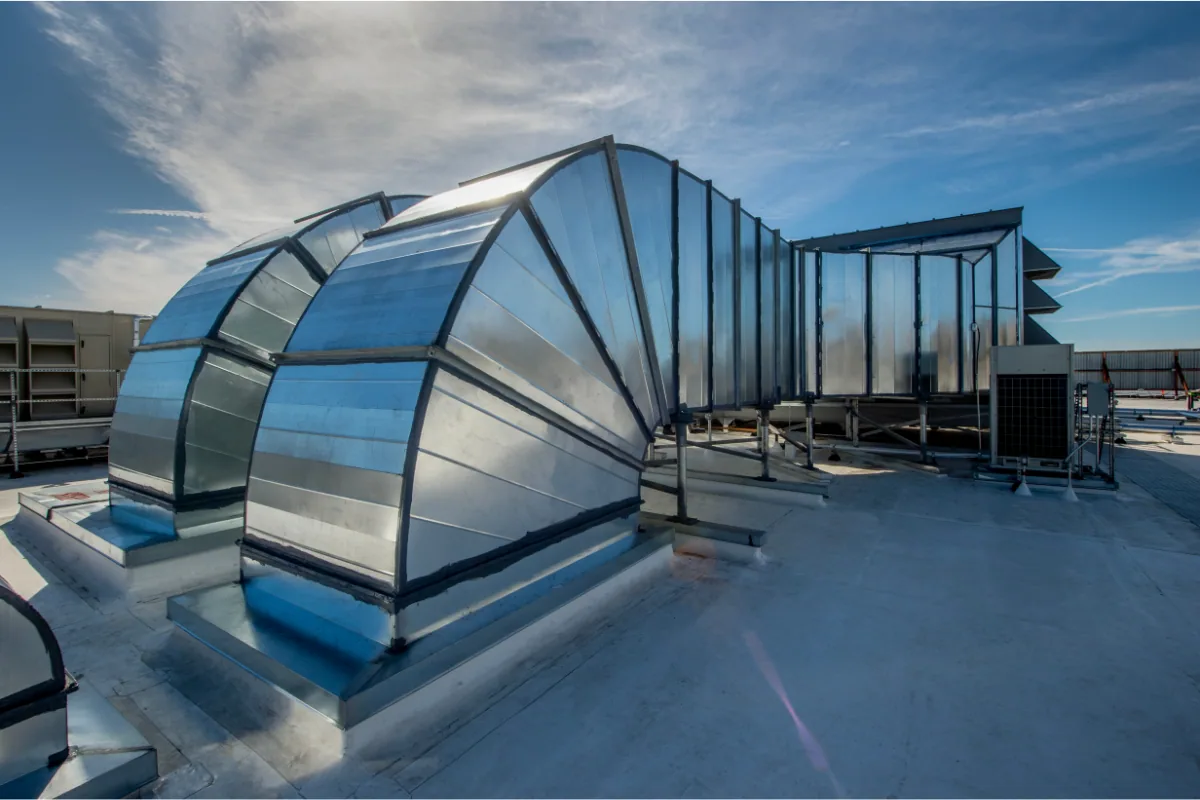
A portfolio log works when every record has a property identifier, building, roof section, inspection date, and follow-up owner. We identify completed repairs, unresolved observations, and zones not reached. A portfolio summary can help prioritize attention, but it should not blend one building’s roof history with another’s.
Available documents may include roof plans, warranties, service tickets, tenant complaints, equipment schedules, and prior capital scopes. We compare those records with field conditions and note any mismatch. If an owner recently acquired a property, the manager can identify what records are missing before a long-term recommendation is made.
A scheduled roof inspection can establish a current baseline. A roof asset program can track recurring inspections, work orders, and warranty follow-up across the manager’s buildings. The result is a list of specific actions rather than an undifferentiated portfolio risk label.
Coordinate access without losing control of the scope
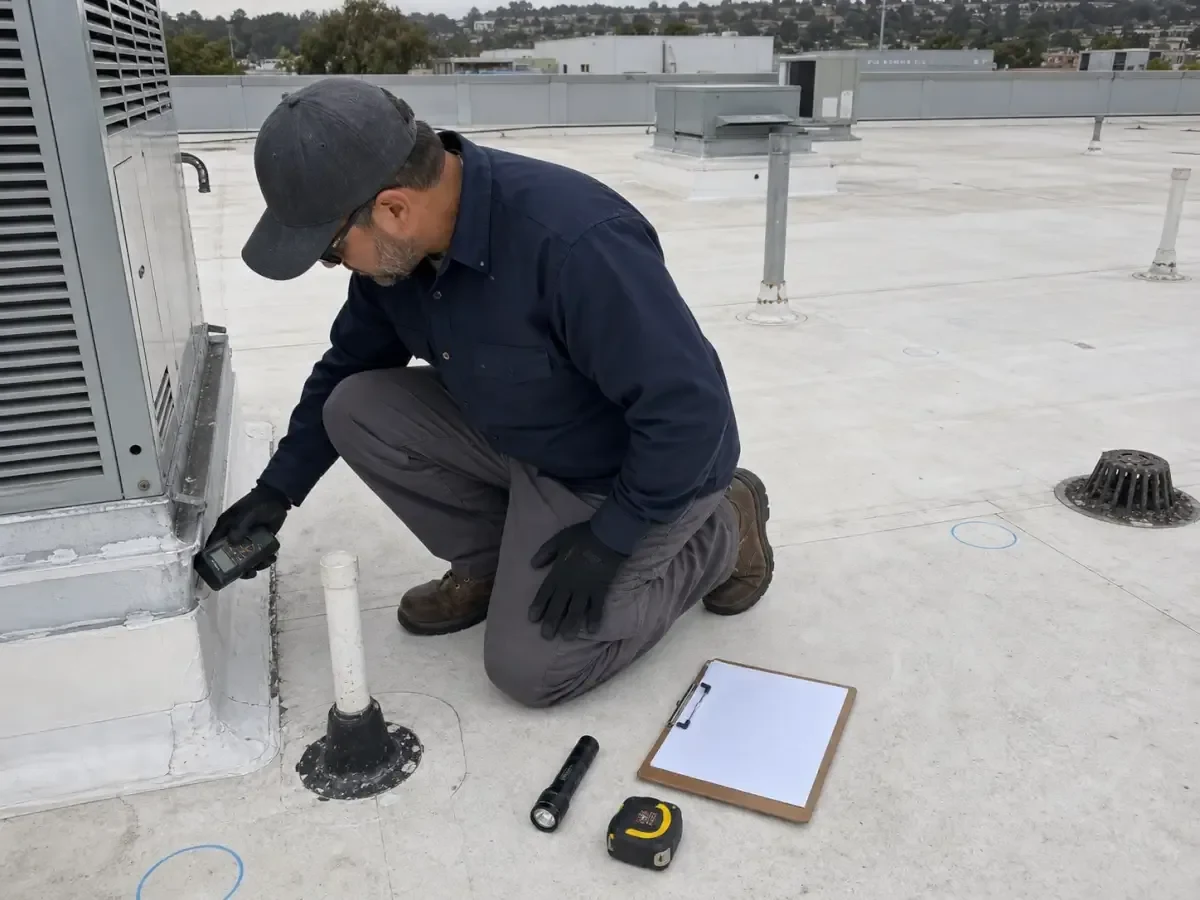
The manager identifies the tenant contact, permitted work hours, loading conditions, security needs, and any room or production area that must stay open. We confirm roof access with the property representative, not by asking a tenant to provide keys or authorize work. The plan records staging, pedestrian protection, equipment shutdown responsibility, and the person receiving status updates.
For occupied buildings, phased reroofing can define separate work zones. The property manager approves each phase and handles tenant notices. We give the manager expected noise, odor, access limits, and temporary protection status so it can communicate accurate information to occupants.
When a delivery, lease event, or tenant schedule changes, the manager updates the supervisor. The crew secures the roof and proposes a revised window. No work expands into another suite or roof section without the owner’s authorization.
Review Elgin weather and roof drainage
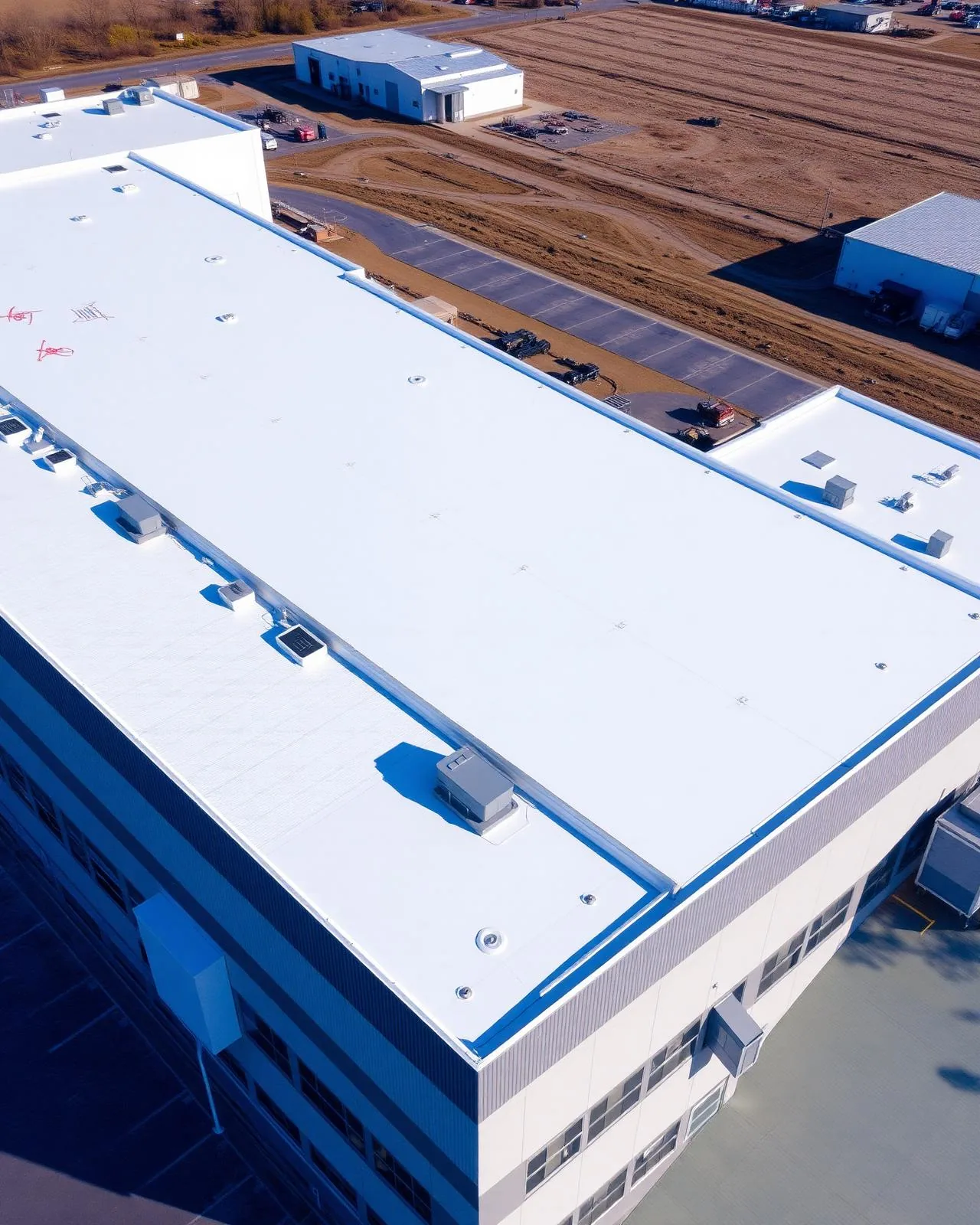
For a multi-property manager, dispatch records should capture the building contact, access instructions, reported room, and who can approve after-hours work at each address. Seasonal conditions can change safe access, so the technician records the zones reached on that visit and carries unresolved items into the next work order. Downtown Elgin and Randall Point Executive Center are local reference areas; the manager confirms each asset’s gate, loading location, and tenant notice requirements.
For a property manager coordinating multiple Elgin assets, keep dispatch directions attached to the individual work order. The local contact should confirm the gate, loading location, parking limits, and tenant notice requirements for that building rather than relying on a general service map. We do not infer a truck route or roof entrance from the corridor name.
Elgin recorded a one-inch hail event in February 2024. A manager may request a check after a reported event, but the event alone does not show that a building was struck. We document observed impact or displaced details by property. After a reported event, we document observed impact and prioritize a verified opening for protection.

Compare repairs with portfolio capital needs
Managers can compare proposals using the same fields while keeping each property’s evidence separate: inspected zones, open questions, authorized amount, and next decision date. A repair request should state what the crew will touch and what remains outside the approved boundary. Larger recommendations can move to owner review with a roof plan, photos, and testing needs attached. Portfolio reports summarize those records; they do not rank an uninspected building by assumption.
A capital plan can rank buildings by documented condition, urgency, and owner timing. It does not replace a site inspection or set the owner’s budget. Separate property records help prepare owner reviews and compare requests. Owners can also review investor roof planning or logistics operations for different asset priorities.
The asset contact should name who submits permit documents, meets inspectors, and retains closeout records. Our proposal defines the roofing work; the owner or design professional verifies property-specific approval requirements.

Set responsibilities across owners and vendors
Property management may coordinate owners, tenants, engineers, mechanical contractors, insurers, and roofing vendors. The kickoff list identifies who can approve roof entry, change scope, authorize payment, and receive closeout. A tenant may report water without authority to approve a permanent repair. We confirm decision roles before ordering material or opening the roof.
Rooftop units, exhaust, communication lines, and other equipment may require a specialist. The scope states which contractor handles shutdown, relocation, and restart. We coordinate at the roof interface and document the work boundary. The manager decides how to route any building notice.
Near Downtown Elgin or the business parks, the manager confirms site-specific staging, shared-lot permissions, and emergency access. A district map does not define a property’s current lease boundaries. The owner verifies any neighboring property approval before a truck or container is placed.
Give owners a decision-ready service record
Closeout lists the property, roof zone, completed work, photos, materials where documented, open findings, and recommended follow-up. Temporary protection is marked removed or retained, with a responsible contact. The manager receives a clear status for the work order and can match the report to the correct owner and building file.
For a new request, send the address, suite or building list, roof plans, leak history, access rules, equipment contacts, work-order reference, and approval authority. Note whether the issue is active and any tenant schedule that cannot move. We will confirm inspection limits and any test that requires owner approval.
Keep the record with the property’s maintenance history. It helps a new manager distinguish an old patch from an active issue and see which recommendation remains open. A later report should identify its own location and date rather than rely on an earlier work order.
Questions About Property Management Companies
Can one request cover several managed buildings?
Yes, with a property list and access schedule. We identify findings, work limits, and closeout by building and roof zone.
Who approves additional roof work discovered during a repair?
The authorized owner or manager decides under the contract. We document the condition and request written direction before expanding scope.
What makes a tenant leak report useful?
Include the property, suite, time noticed, current water status, photos, nearby equipment, and a contact who can arrange access.
Can you help with annual roof planning?
Yes. Current inspections and repair history can support a building-by-building maintenance and capital schedule.
Does Elgin’s storm history establish damage to a managed property?
No. Weather history does not prove an individual roof was hit. The assessment records observed conditions at the specific building.