Commercial Roofing Services in Elgin, IL
Commercial Roofing Services
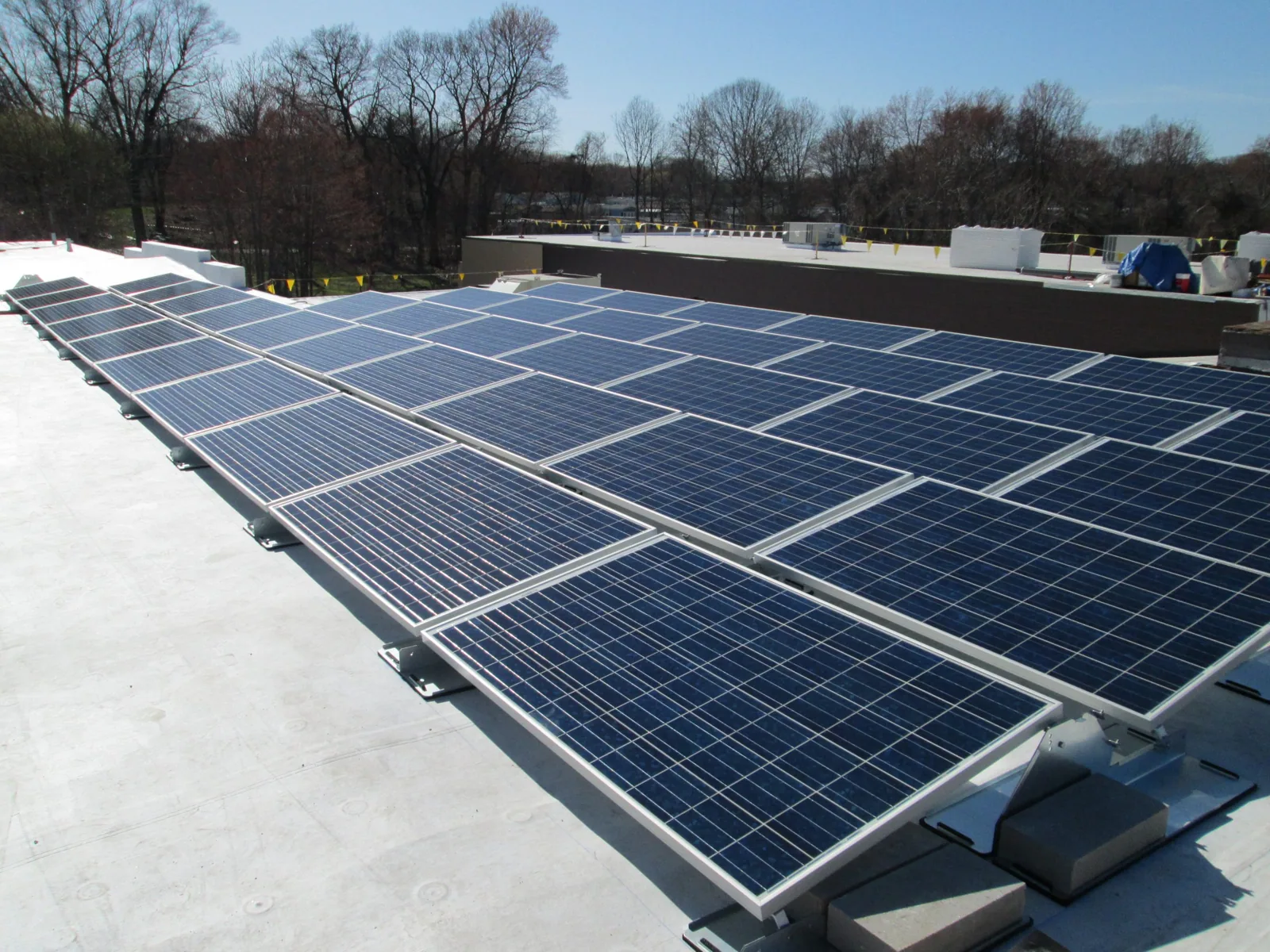
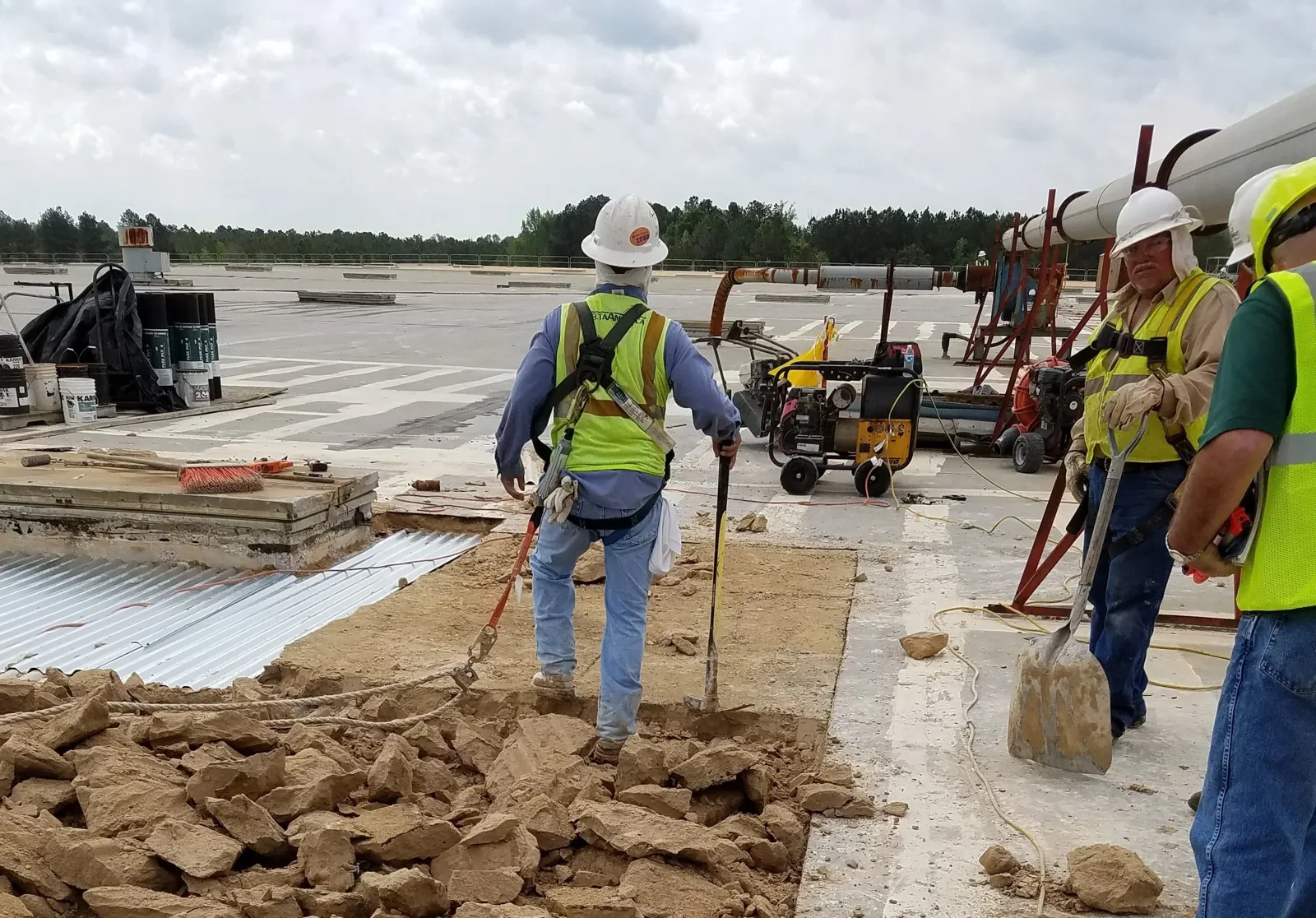
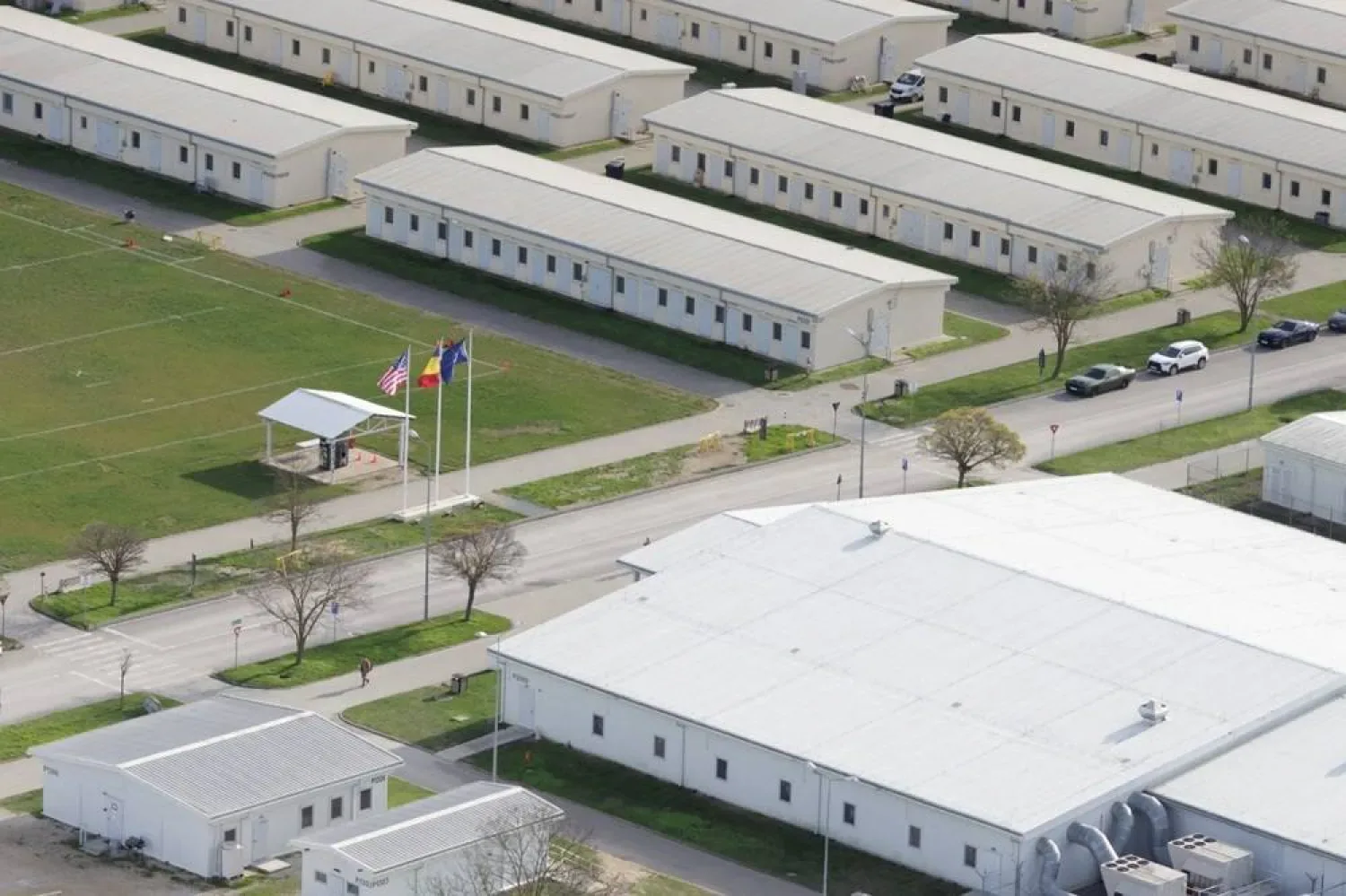
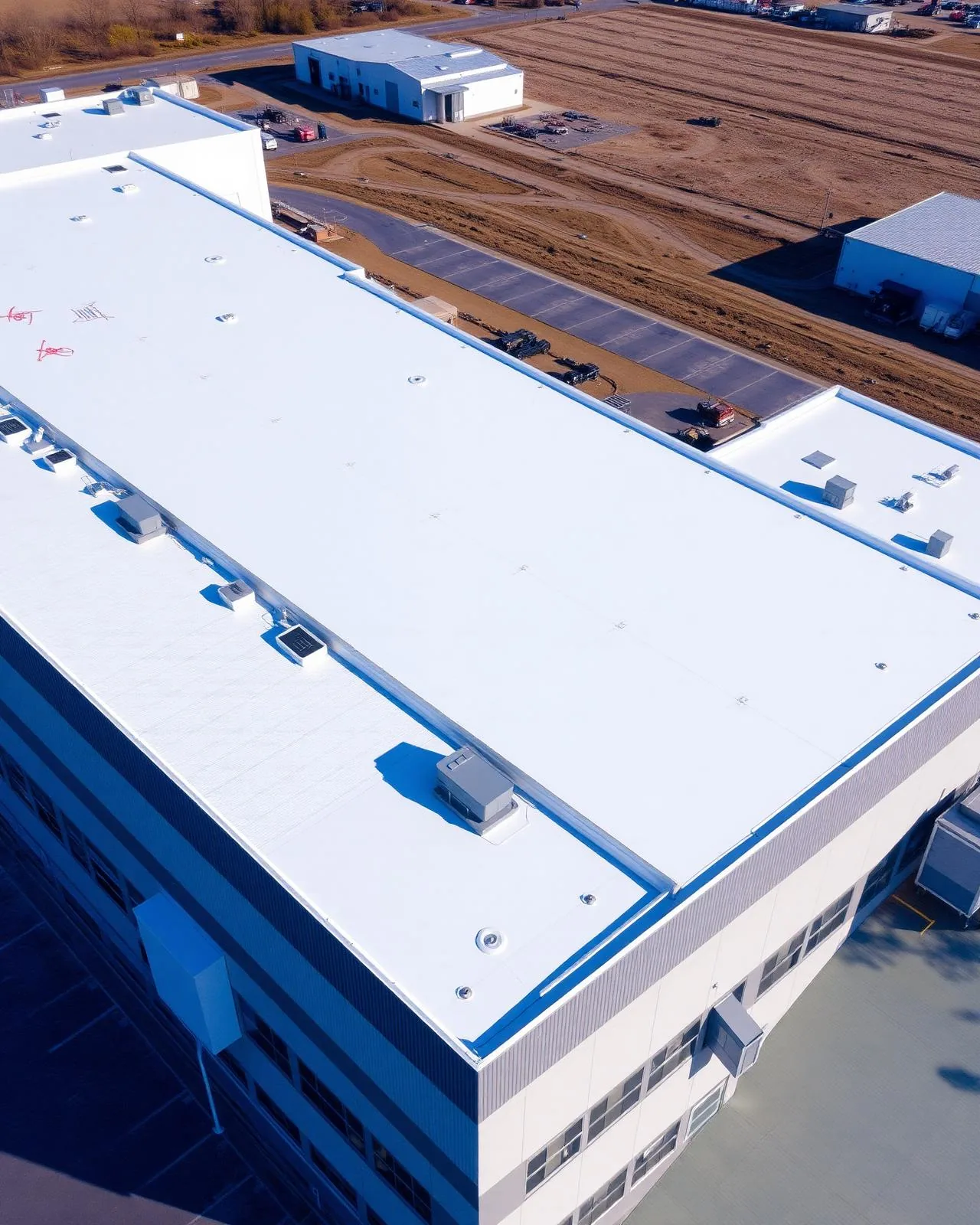
Elgin, IL
Set a commercial roof dispatch window
Dispatch starts with the building, the reported condition, and the access window. We ask which roof zone is involved, whether water is active, and who can authorize entry. Then we set the first inspection around occupied rooms, loading activity, alarms, and safe roof access. Elgin’s July 2023 tornado damaged roofs along its path, while winter freezes and snowfall add seasonal access questions. Neither condition establishes damage at a specific property. The roof visit does.
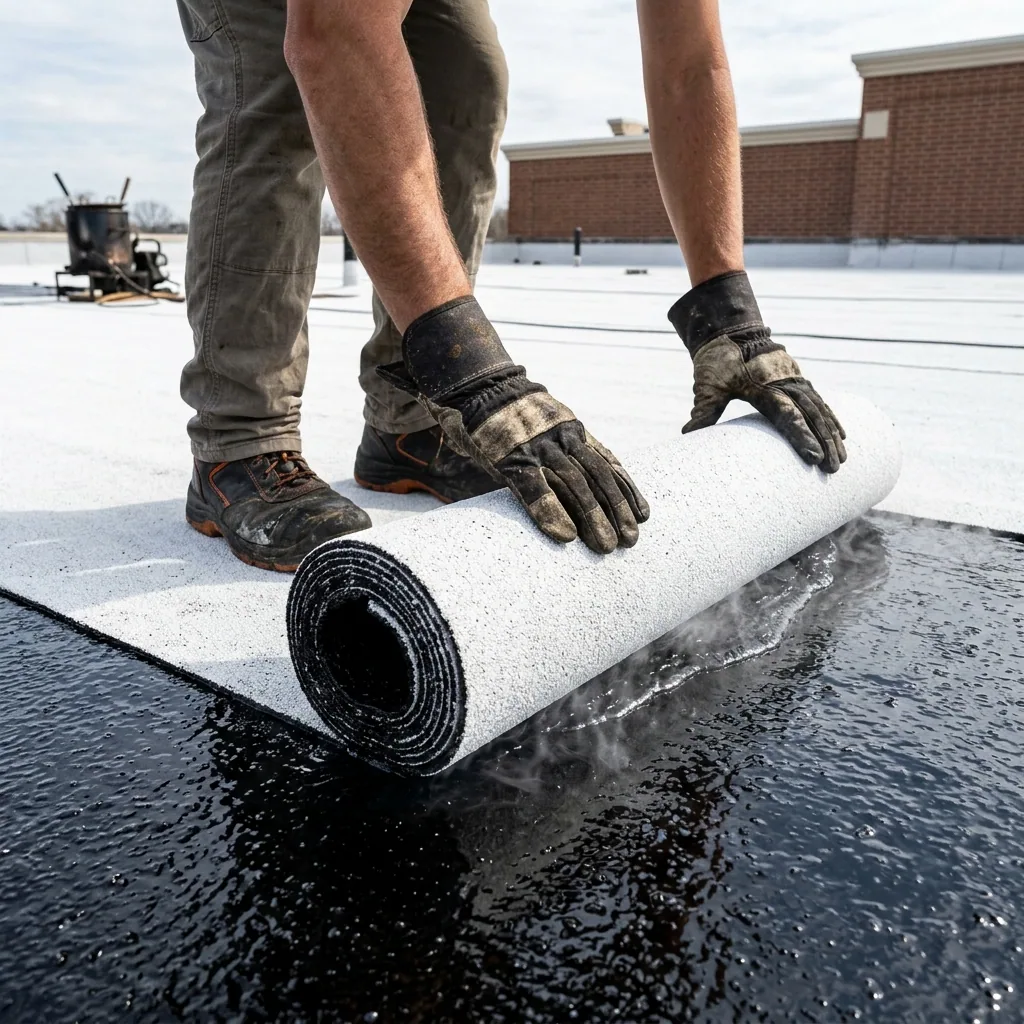
Active condition: control water and confirm the source
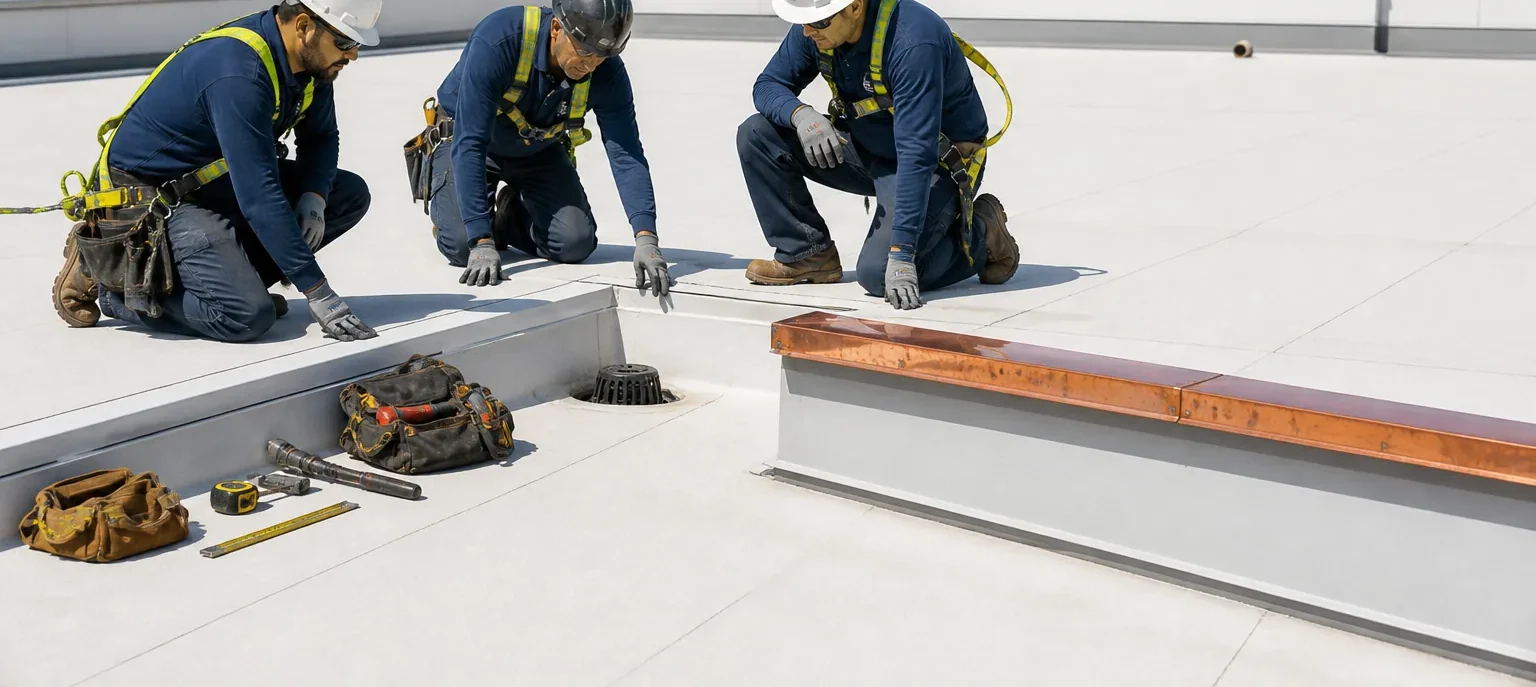
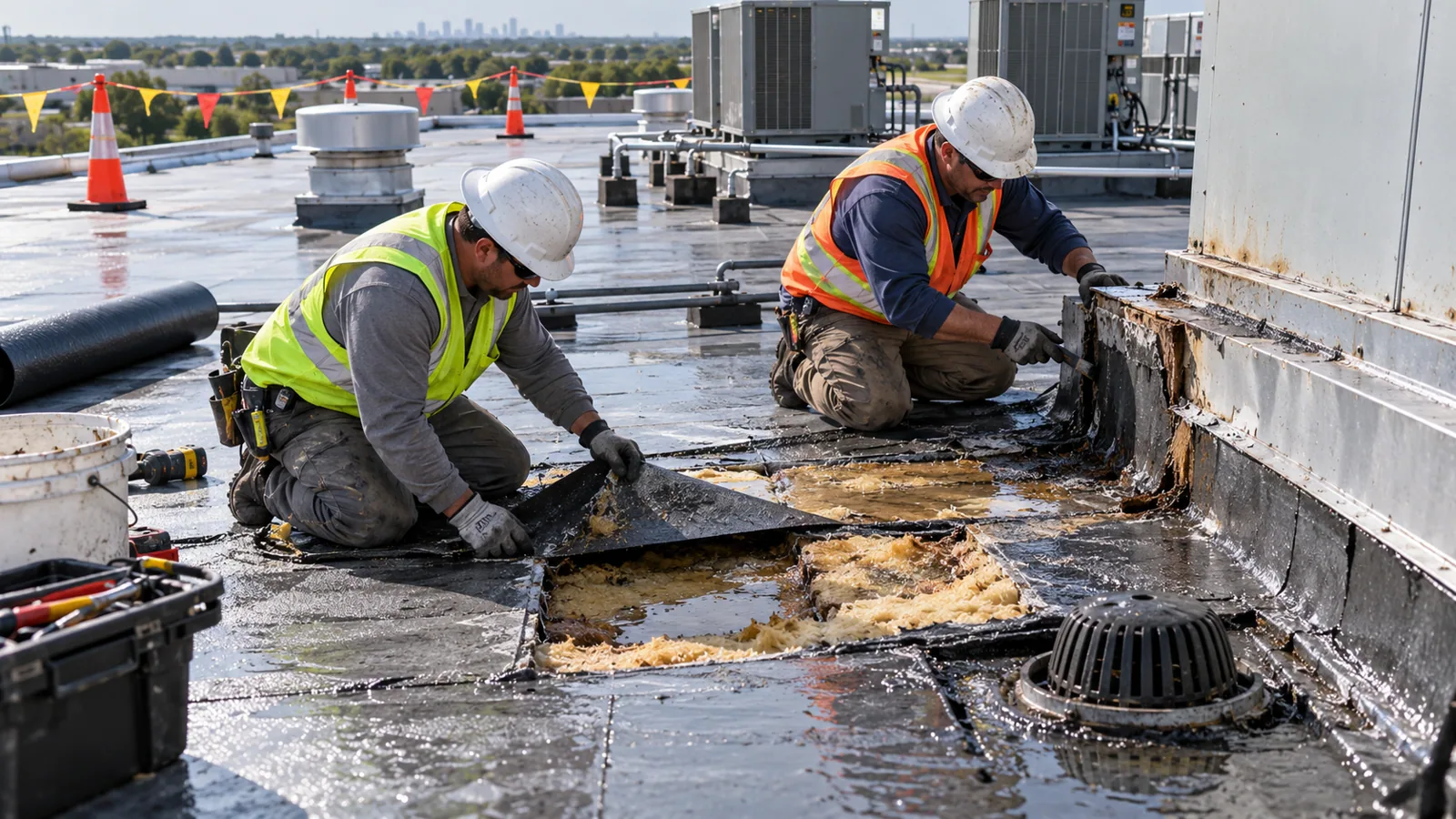
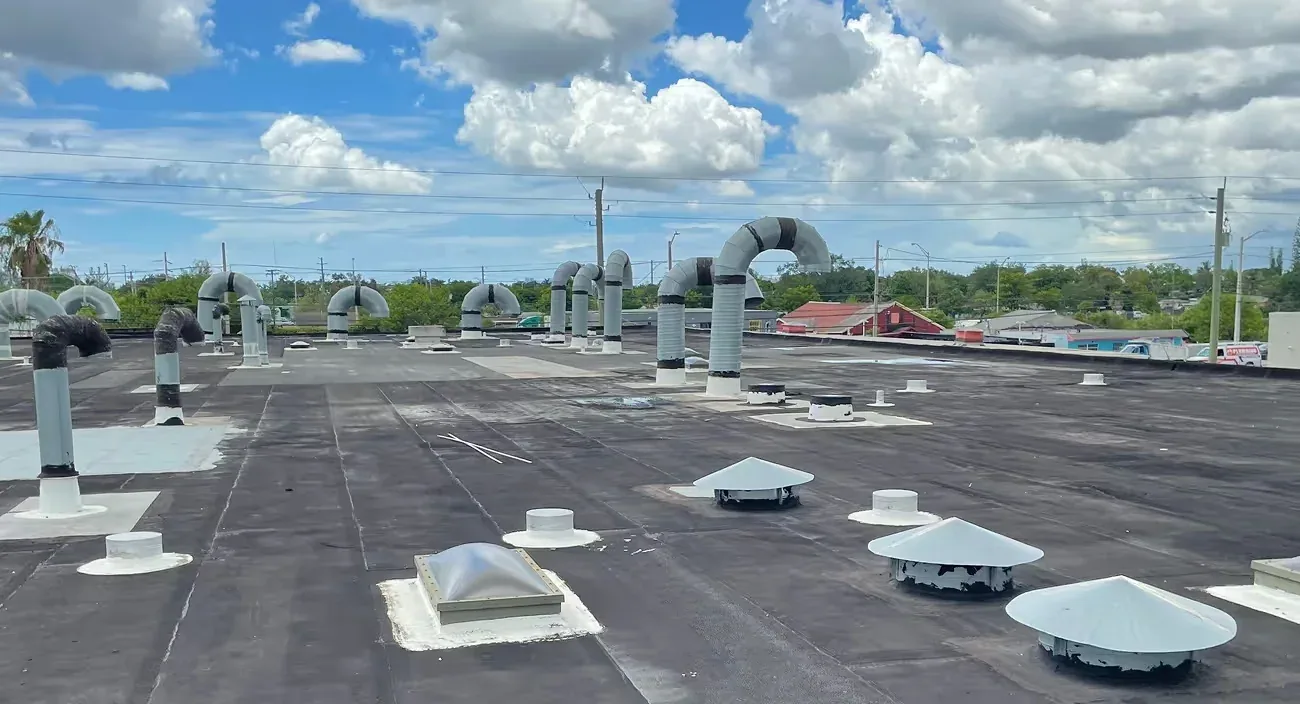
When water is moving, the first work order separates immediate protection from permanent repair. The crew checks the reported room against drains, seams, penetrations, edges, and rooftop equipment. Water can travel before it reaches a ceiling. A marked roof zone and photographs make the repair boundary easier to approve. Commercial leak repair focuses on tracing that path and matching the correction to the installed assembly. If access or weather makes a lasting repair unsafe, temporary protection comes first.
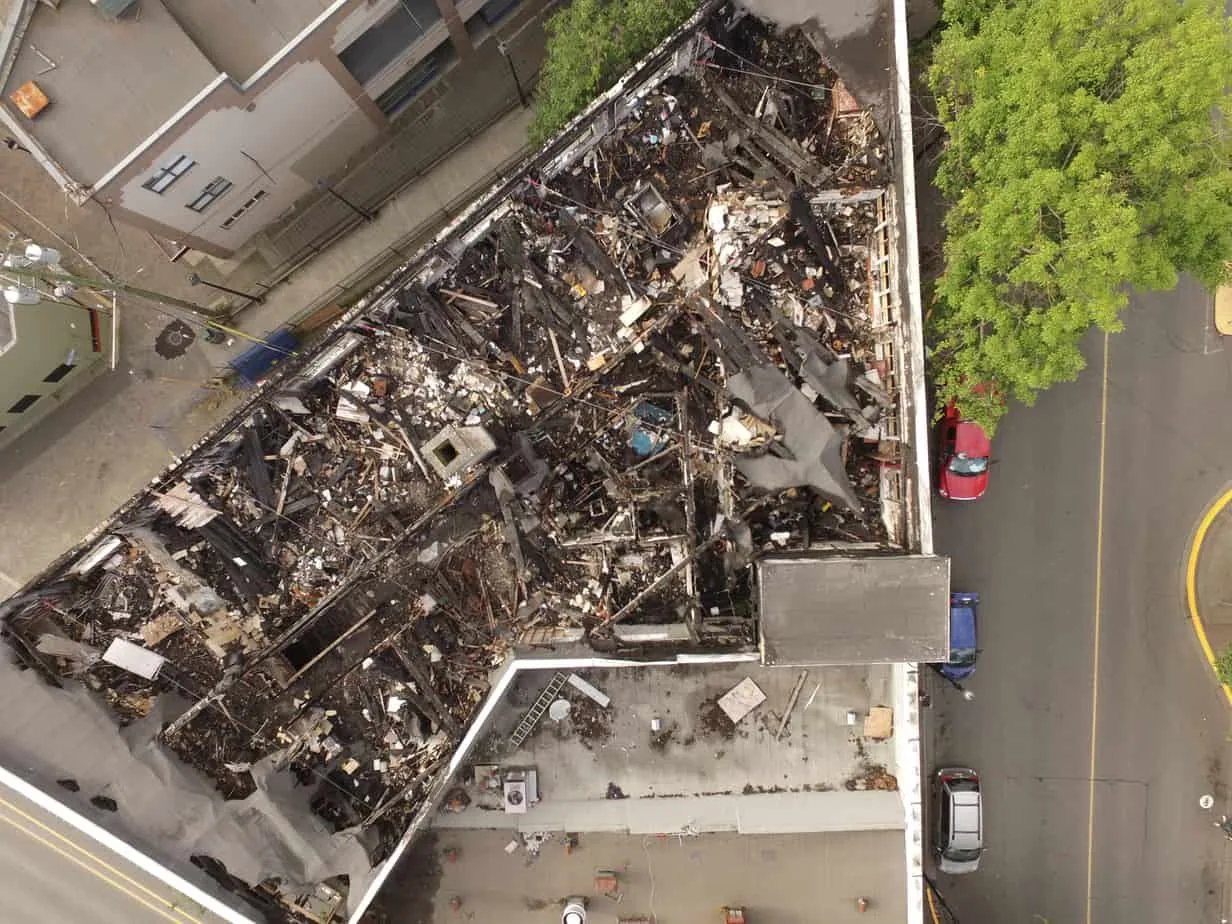
For a sudden opening or active interior impact, the emergency roof response begins with safe entry, affected-area control, and a next update. The site contact identifies restricted zones. Updates state observed conditions, open questions, and required approvals.
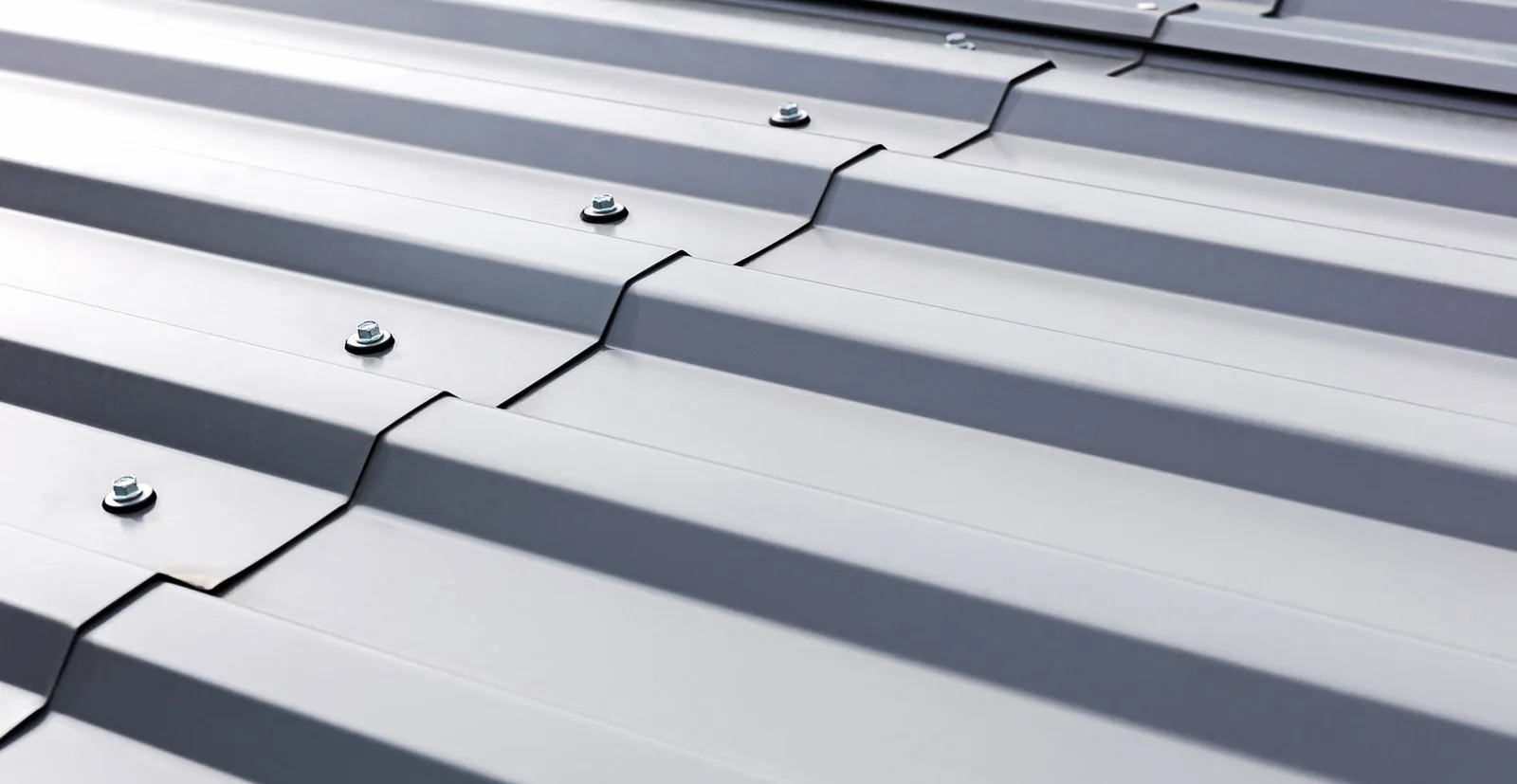
Inspection: document the roof before choosing work
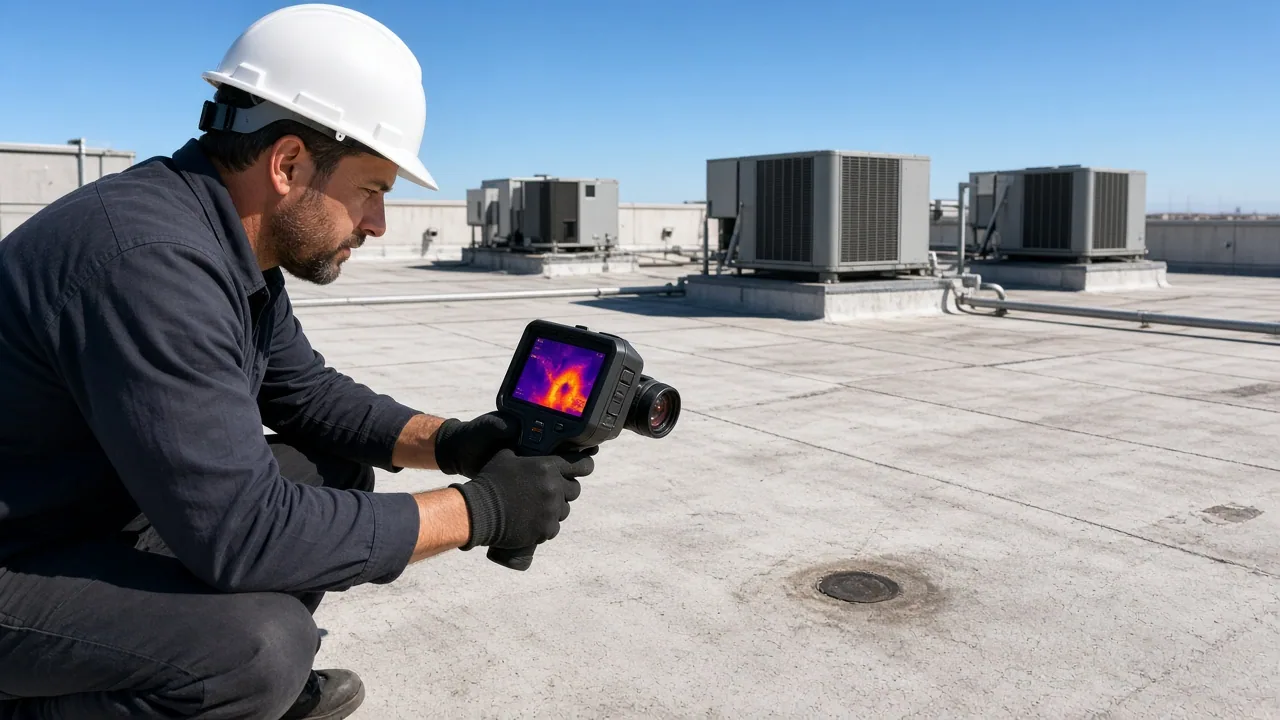
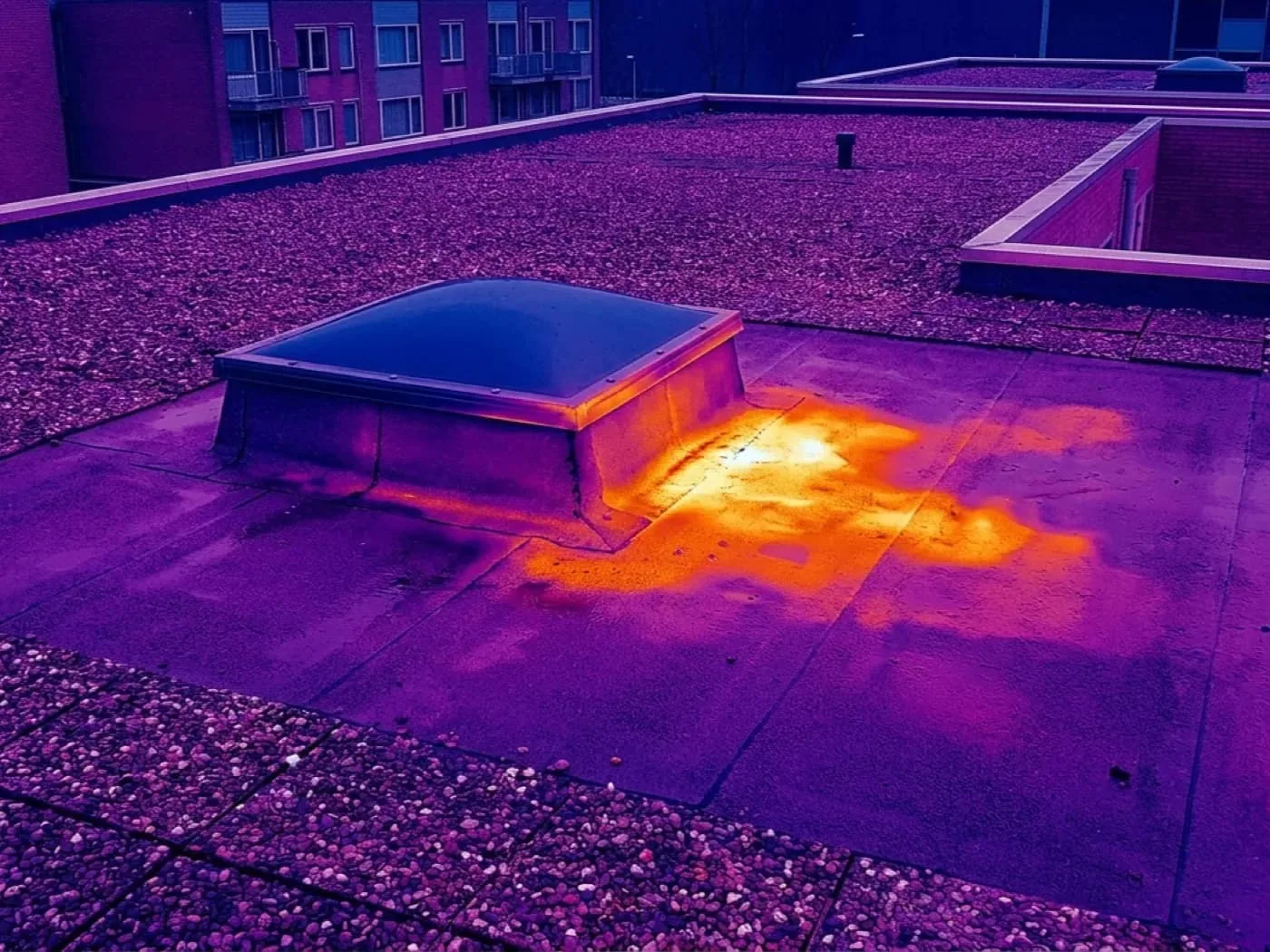
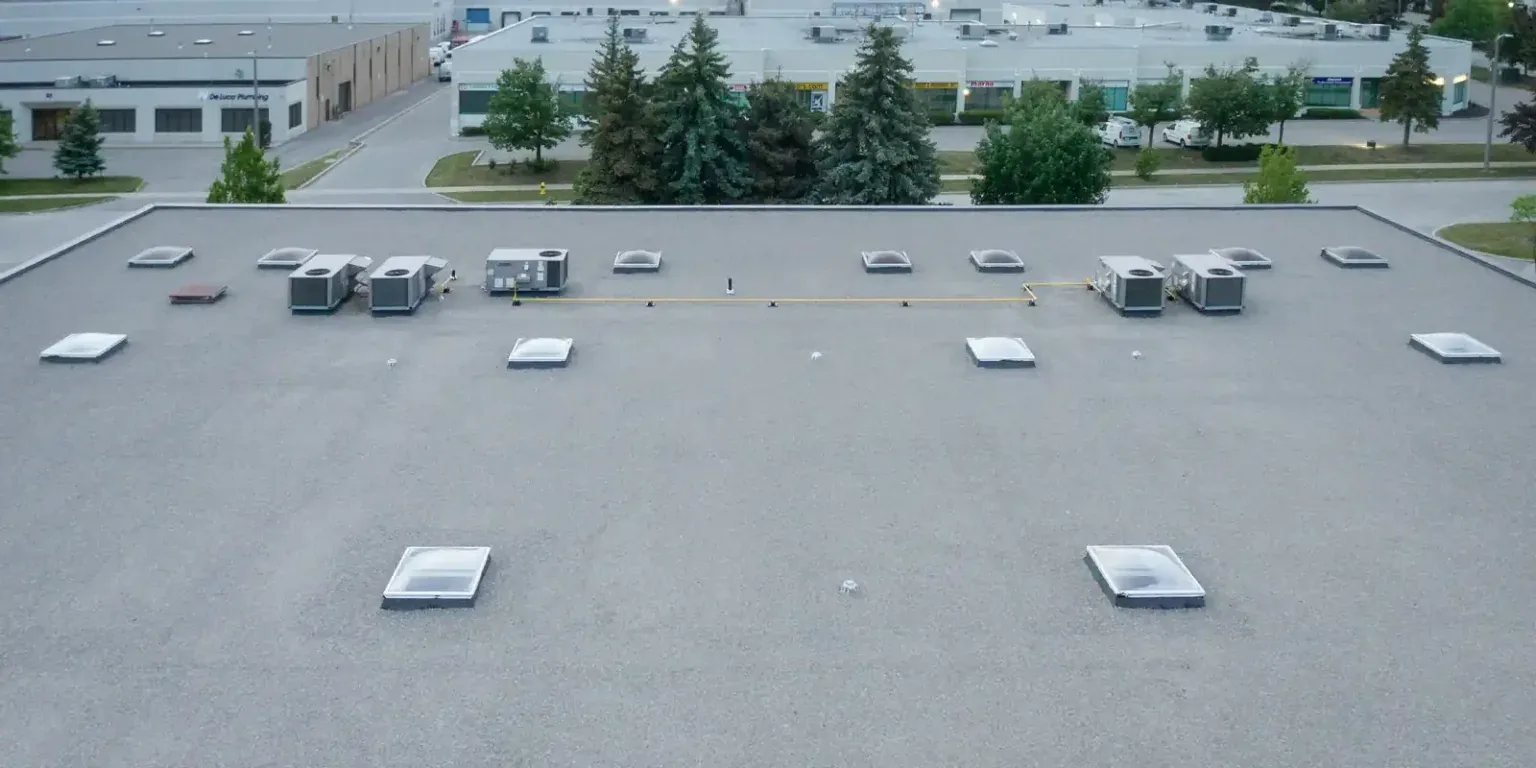
A useful inspection connects roof evidence to a decision. We review seams, flashings, drains, edge metal, curbs, penetrations, and prior patches. Photos identify each location. Moisture testing or a closer survey may be appropriate when the surface does not explain the interior report. A commercial roof inspection can establish condition across defined zones, while an infrared moisture survey can help investigate suspected wet insulation when conditions support the method. Results identify tested areas and the limits of the method.
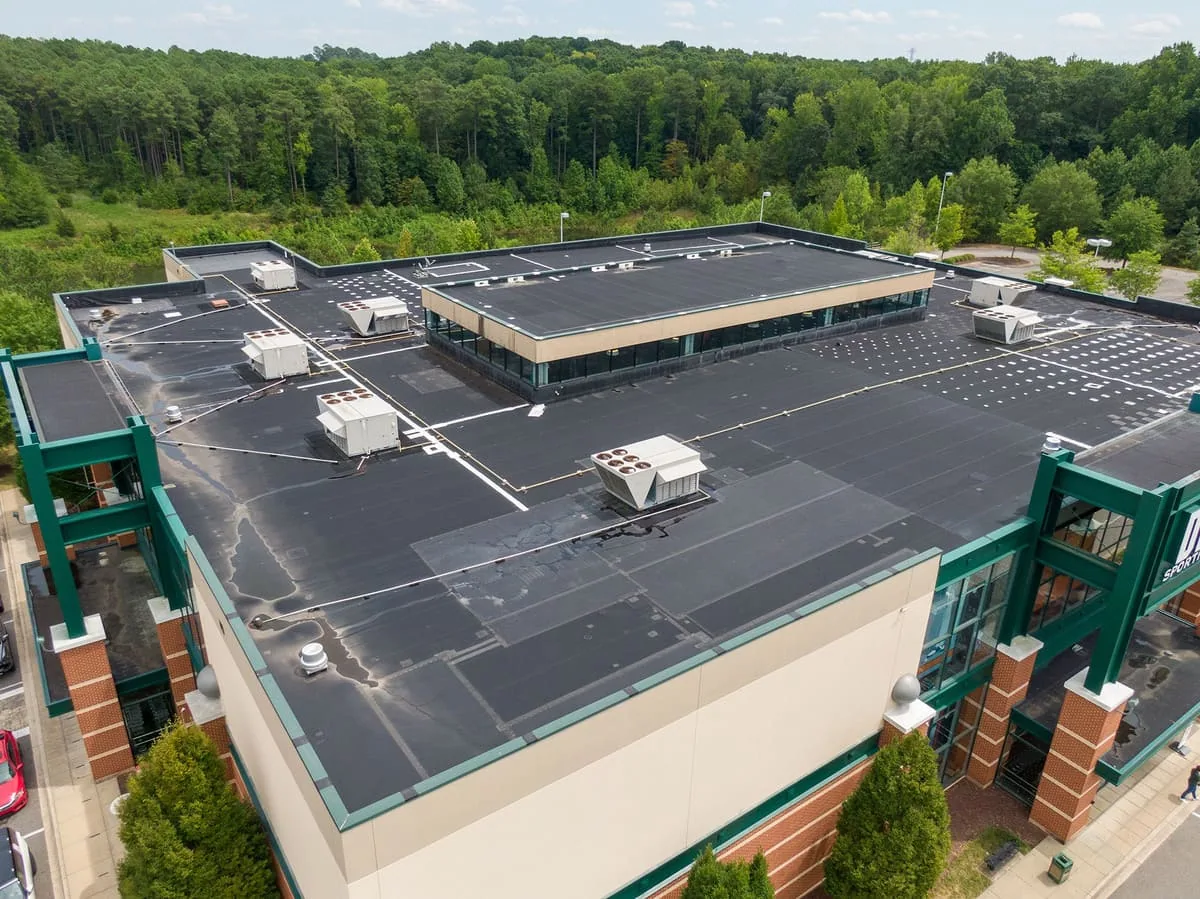
For owners coordinating more than one building, a photo-supported condition report keeps findings, priorities, and follow-up visible. We separate urgent repairs from planned maintenance and capital work so the asset manager can set the next approval.
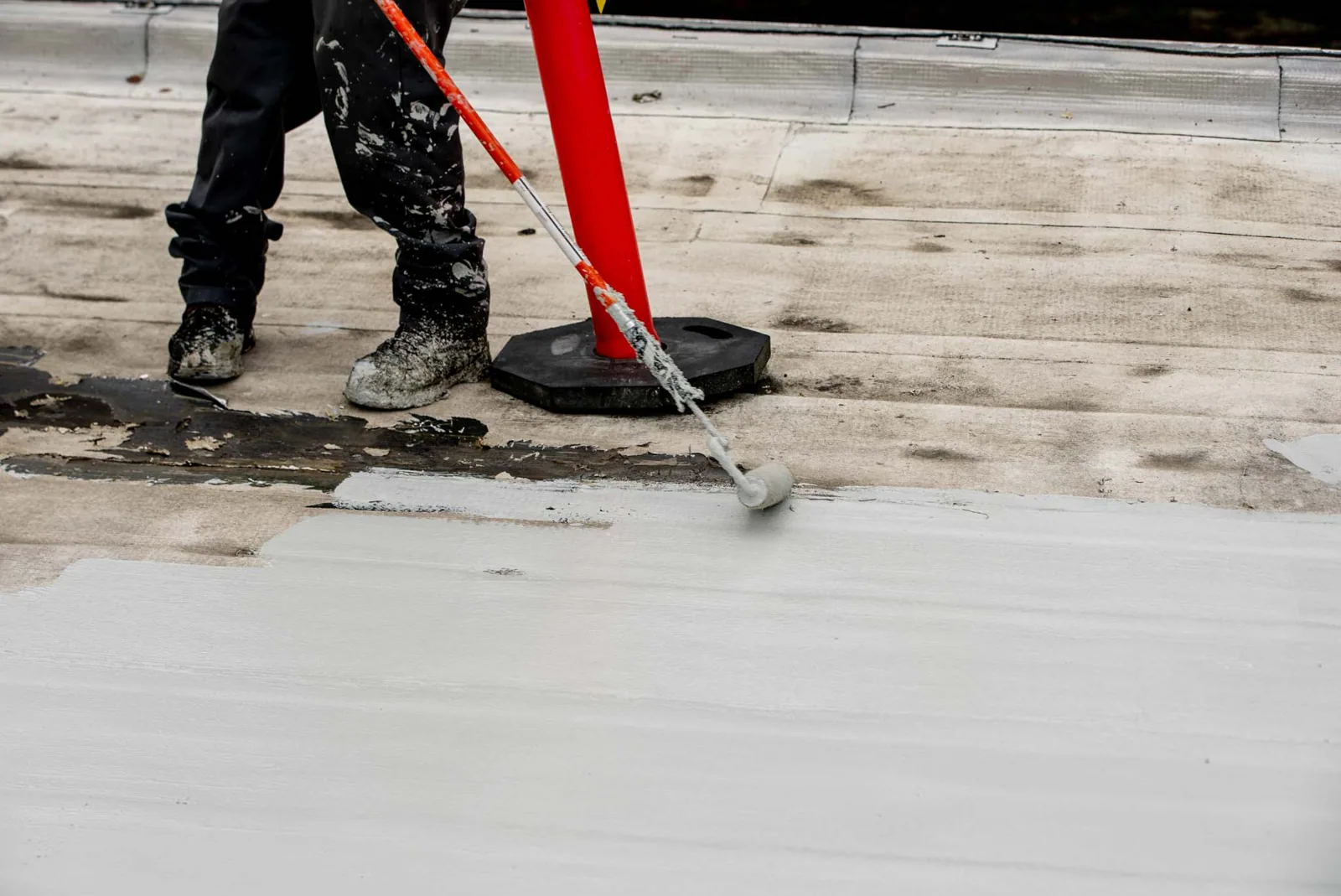
Repair or replacement: define the boundary
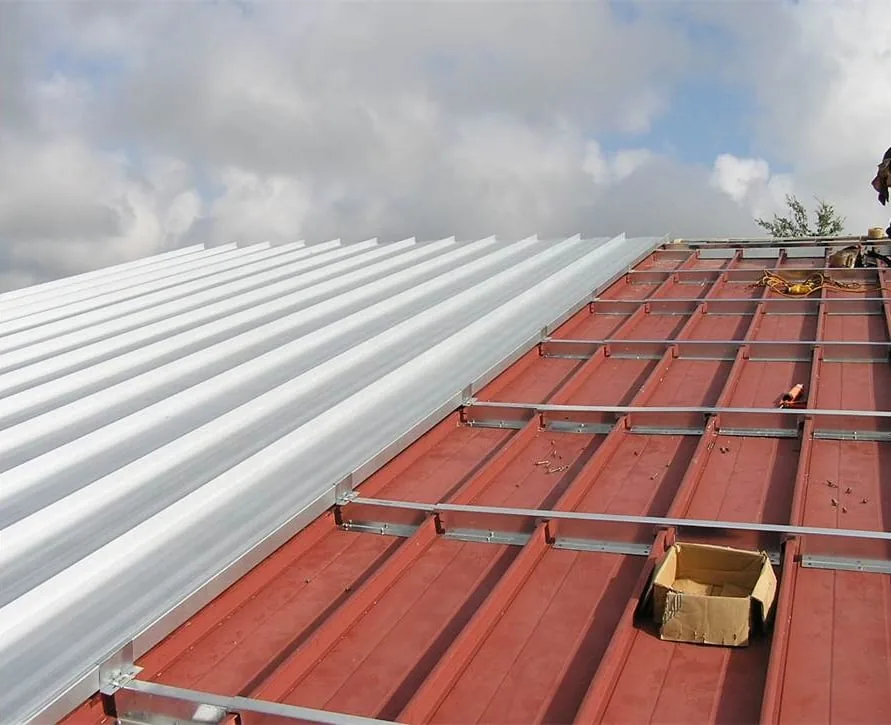
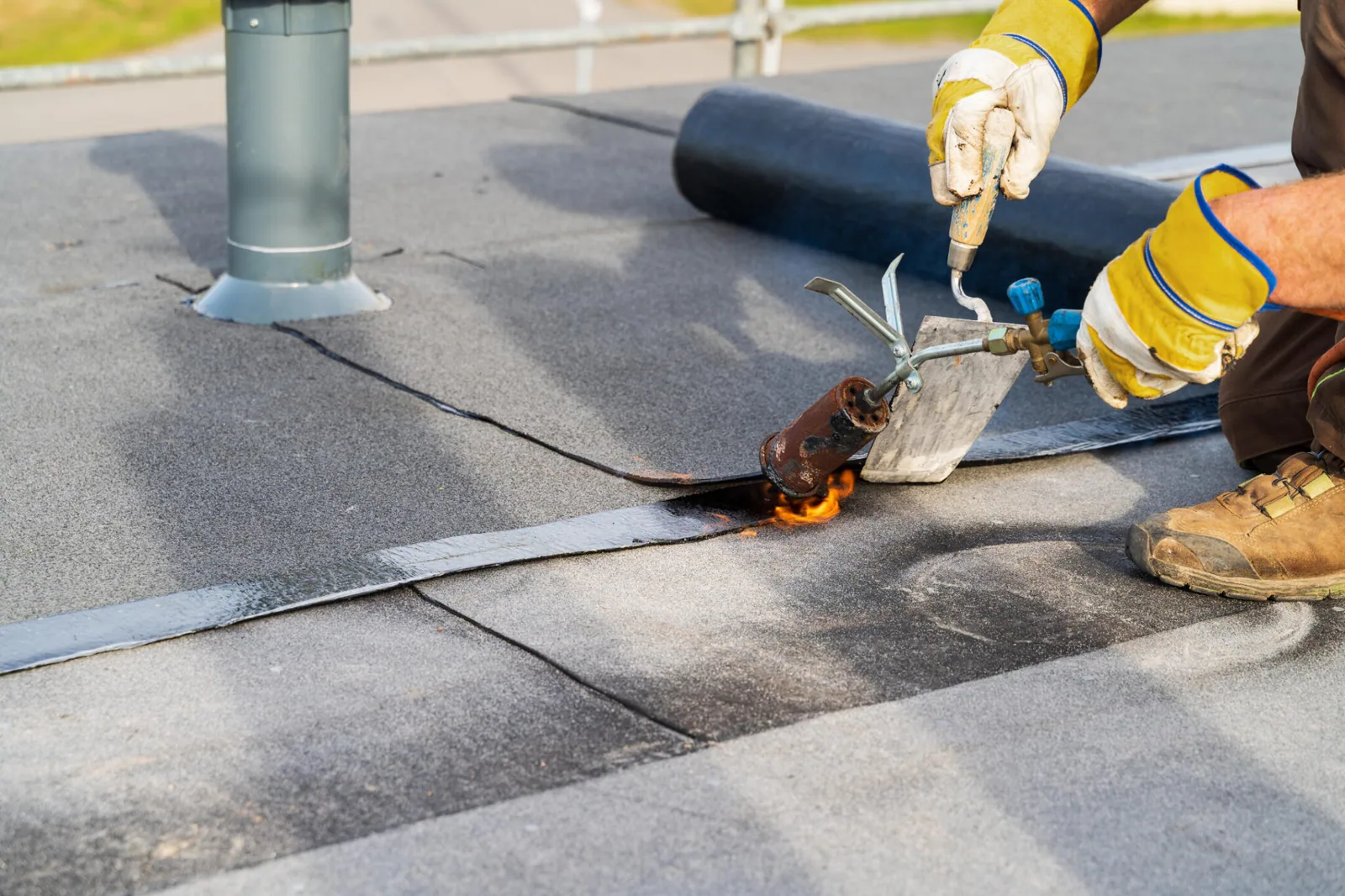
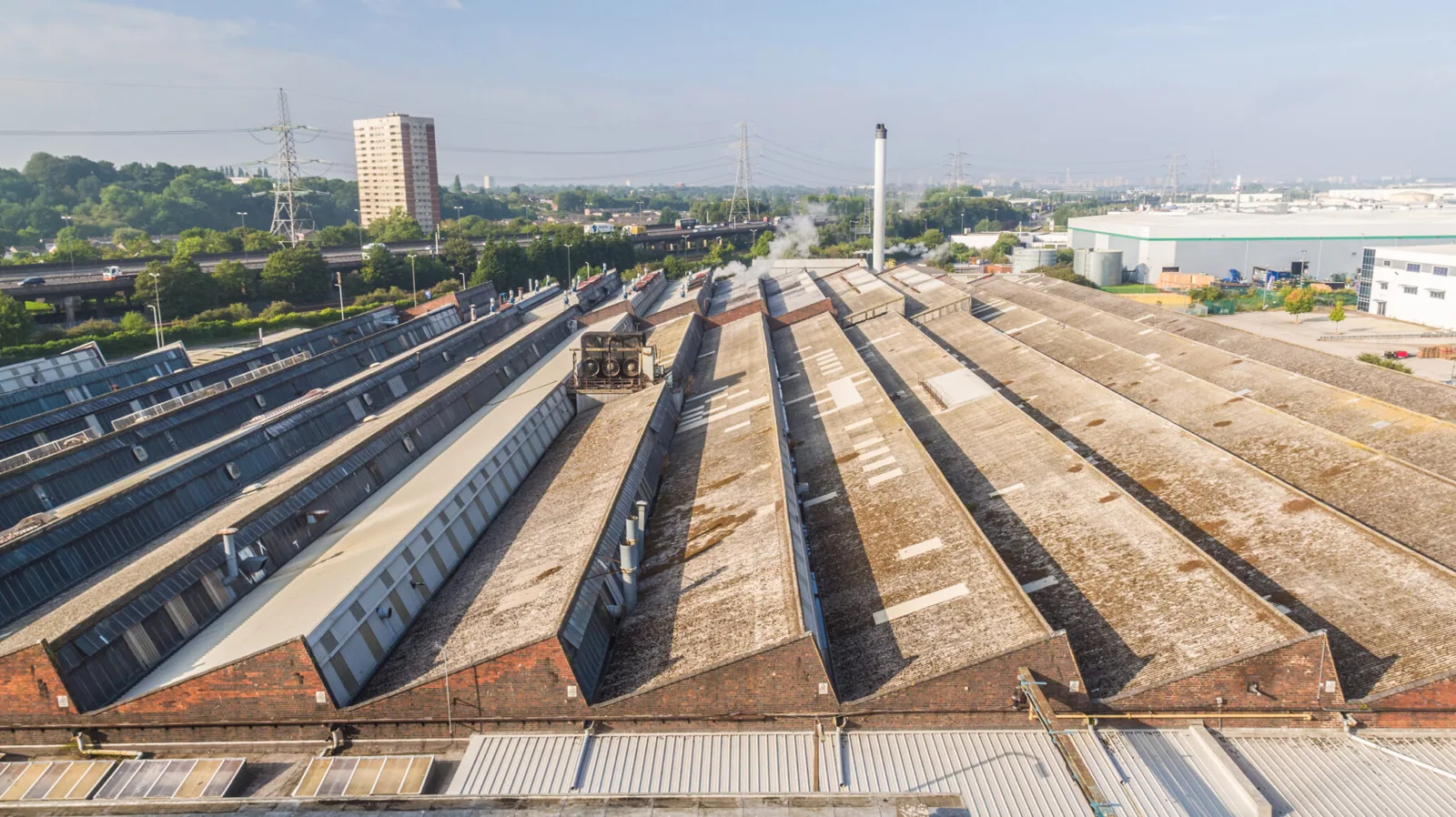
A repair is appropriate when the defect can be isolated and compatible material can tie into sound roofing. The scope should name preparation, quantity, detail, test method, and closeout evidence. Repeated failures across multiple zones may require a broader condition review. A commercial roof repair addresses a defined defect; roof replacement follows a separate review of assembly condition, insulation, drainage, sequencing, and occupied-building constraints. We show what supports each recommendation before an owner commits.
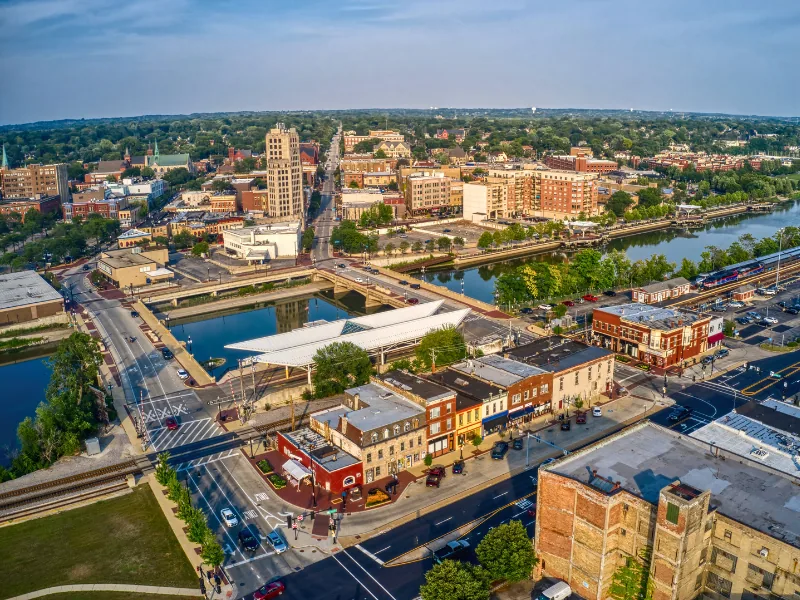
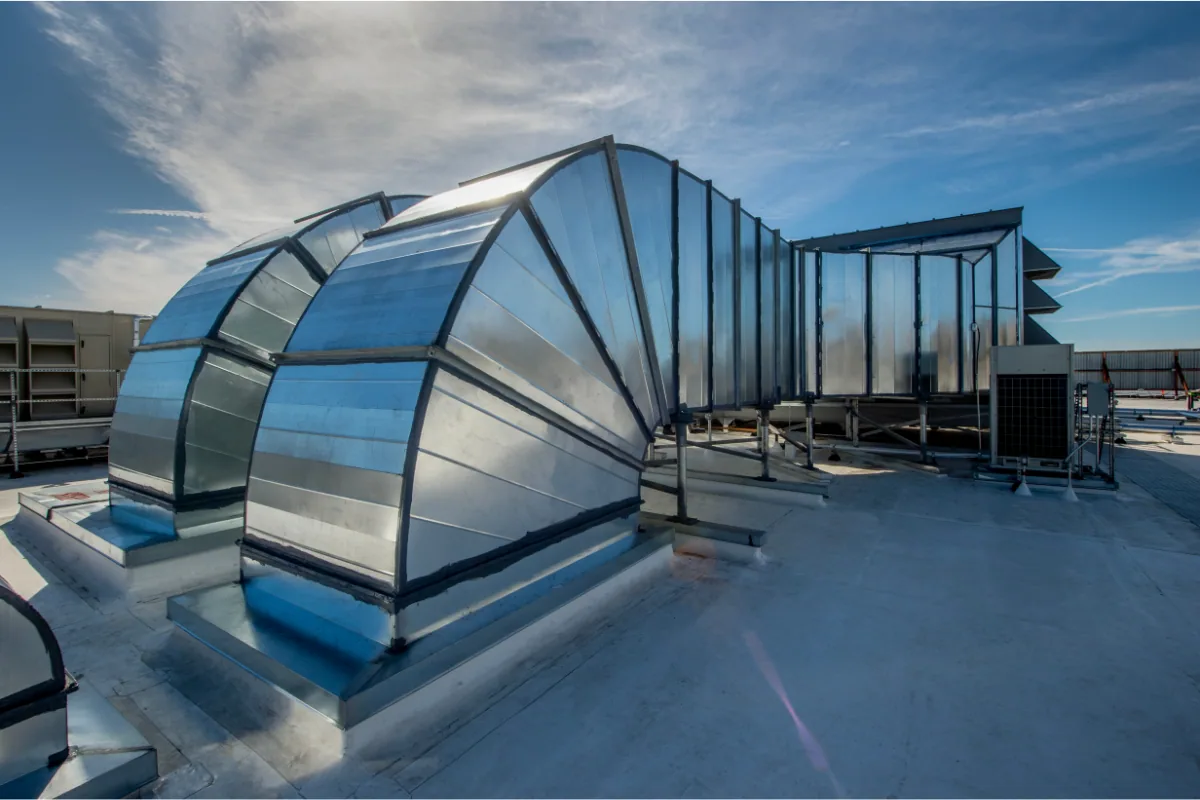
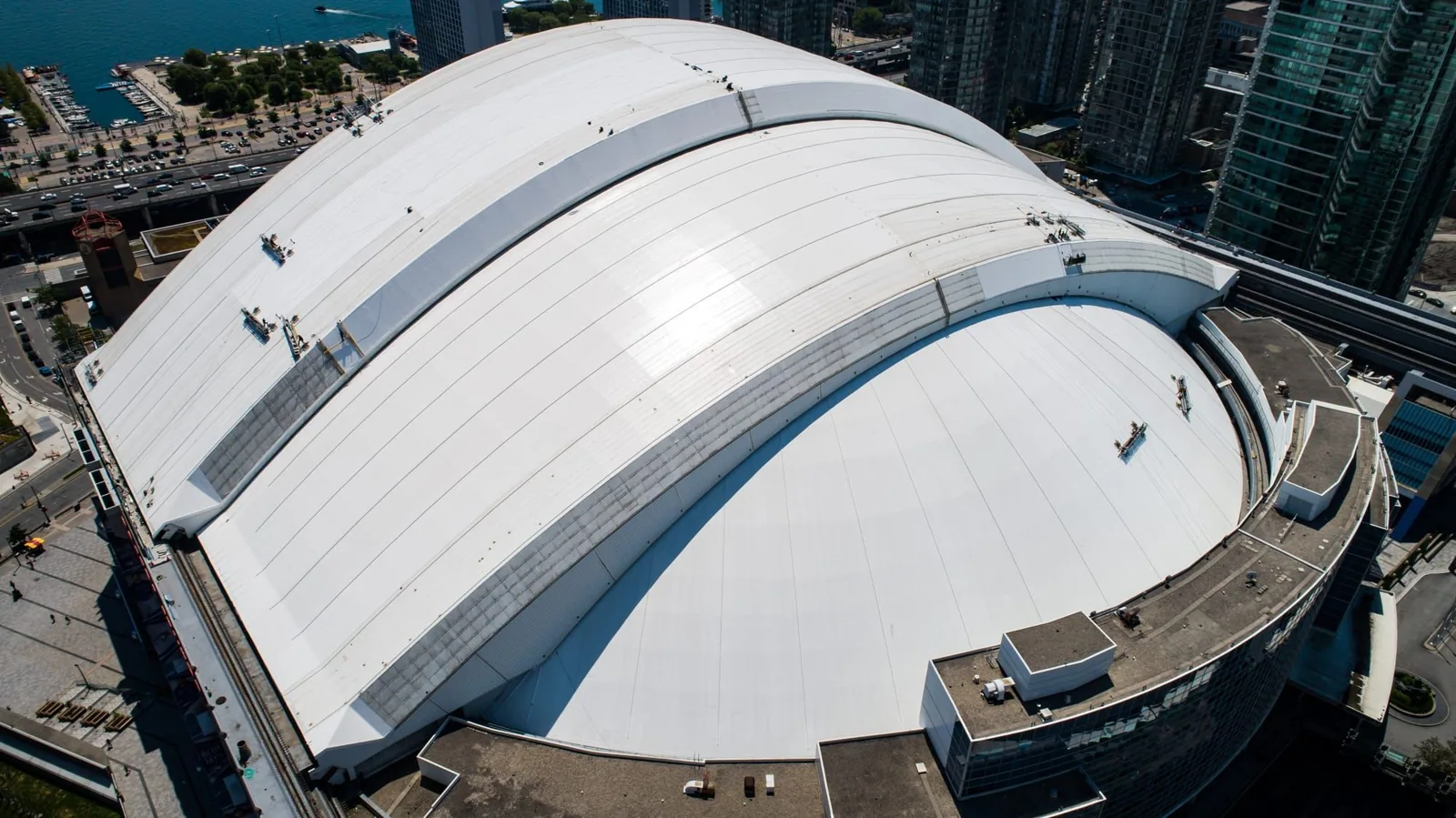
Elgin’s commercial base spans downtown properties and business parks, with major routes including I-90, U.S. Route 20, Randall Road, and State Street. Work planning changes by site. A downtown dispatch may need a tighter delivery window; a larger industrial property may need coordination across roof zones and operating teams. Downtown Elgin and Jaynes Industrial Park illustrate distinct service contexts, not assumptions about any individual roof.
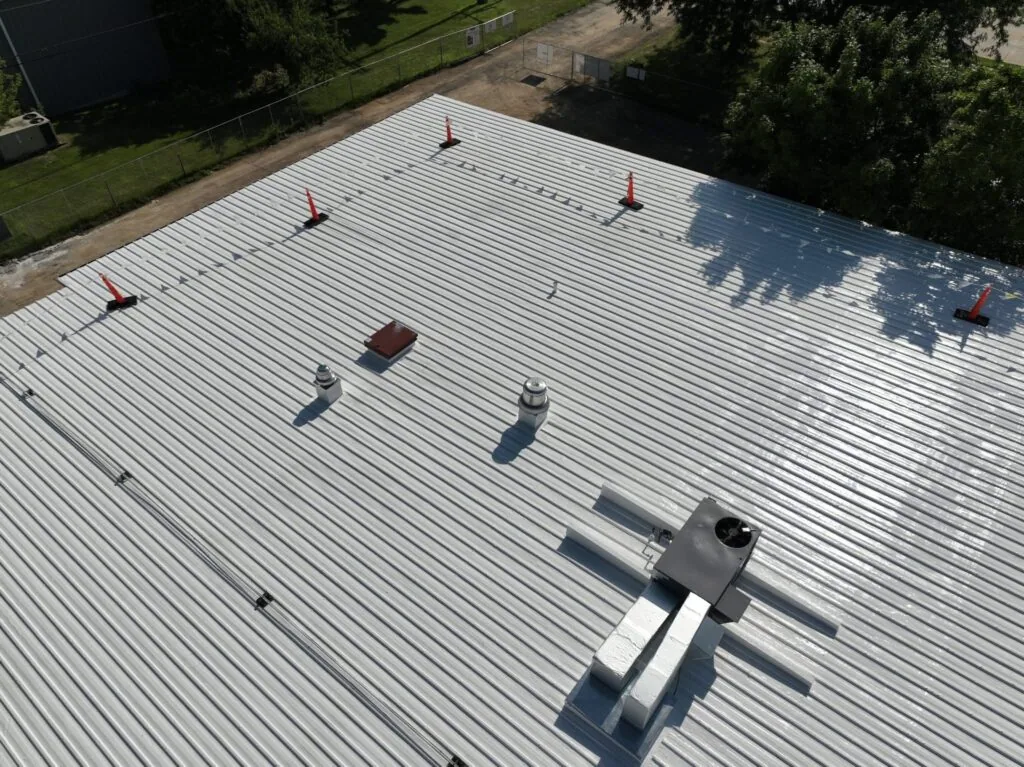
Planned care: keep the next decision ready
Preventive visits check drains, seams, flashings, penetrations, equipment, and earlier repairs. Elgin’s average 29 inches of annual snow and 137.9 freezing days make post-thaw drainage review useful. We record the area and next action. The maintenance program can support repeat inspections without implying that every roof has the same exposure.
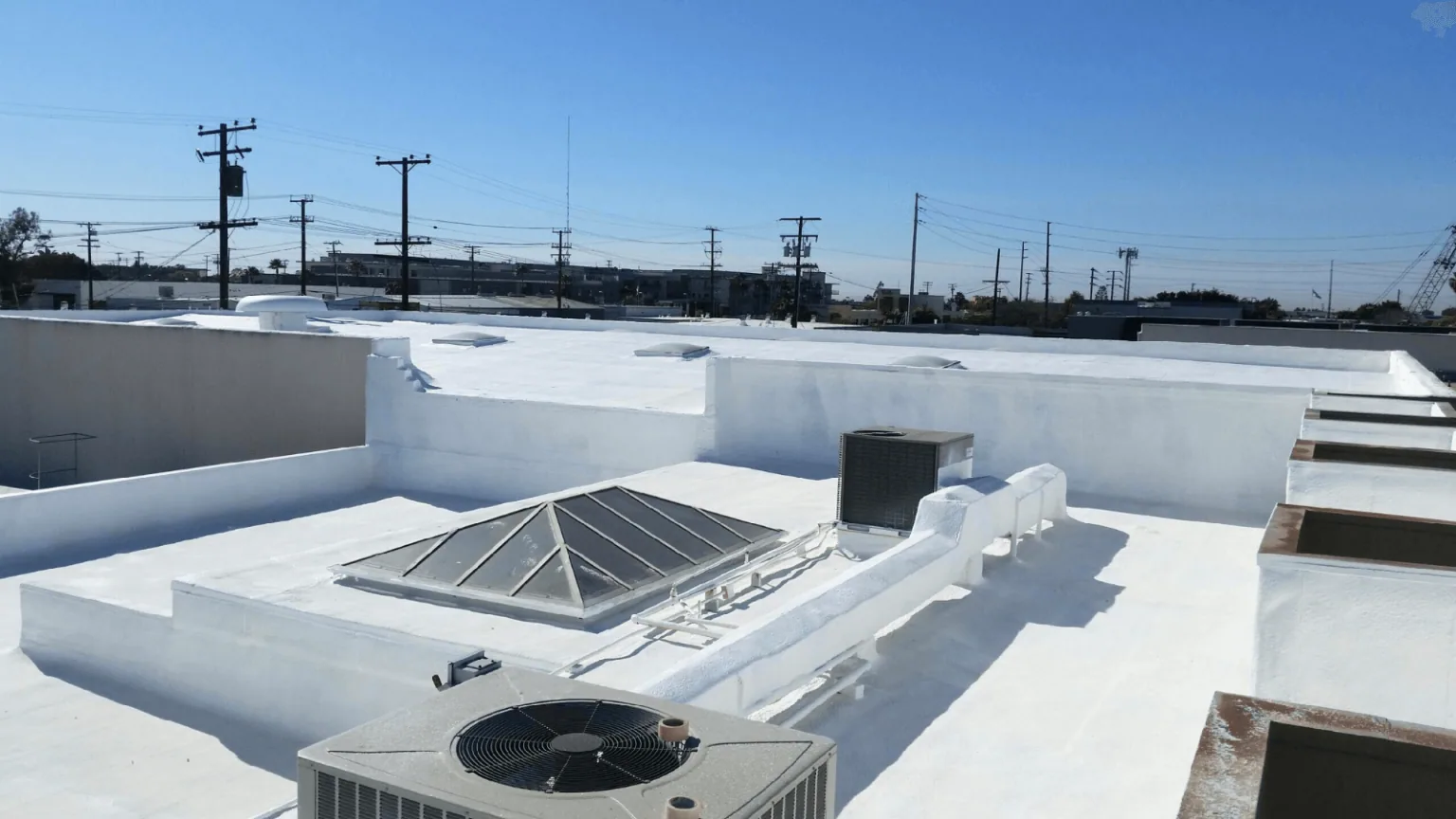
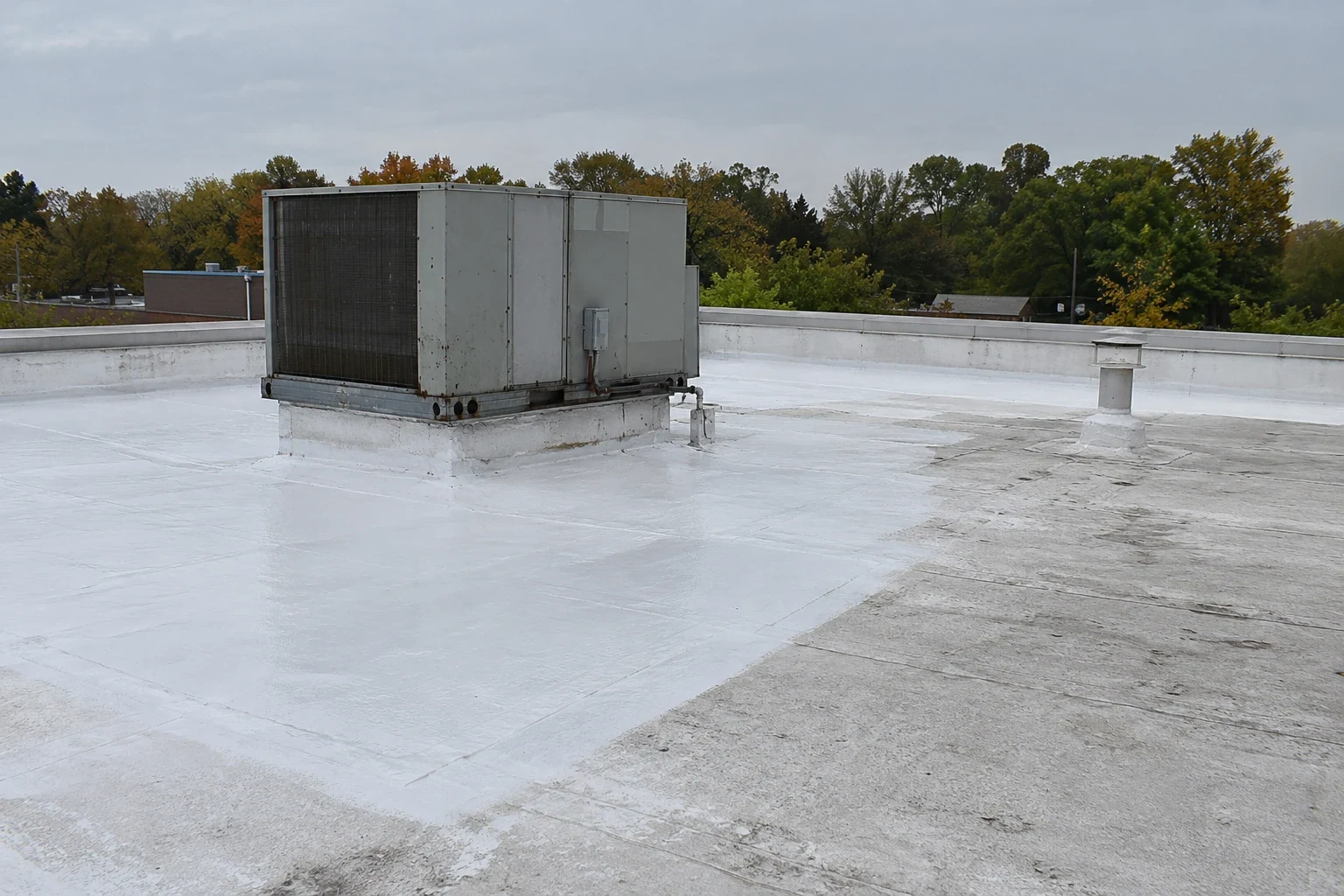
Where restoration remains viable, a roof coating assessment starts with surface condition, adhesion, drainage, and system compatibility. The scope states preparation and any condition that would stop coating work.
Closeout: leave a usable record
Closeout records the work, affected zone, materials, photographs, and follow-up items. It names unfinished tests and the next step. Share building use, reported area, access rules, and water status when arranging dispatch.
Commercial Roofing Services: Common Questions
What should the site contact report before dispatch?
Name the affected building, roof zone, water status, access contact, and operating limits. That sets a useful first visit.
When does temporary protection come before permanent work?
Unsafe access, active water, or unsuitable surface conditions can require temporary control first. The crew records the limit and next step.
Does an inspection establish the condition of every roof area?
No. The report identifies areas entered, observed, or tested, along with any limits and follow-up needs.
What separates repair from replacement planning?
A repair corrects a defined defect. Replacement planning weighs broader assembly condition, drainage, sequencing, and operating constraints.