Emergency Commercial Roof Repair in Elgin, IL
Call for emergency roof response
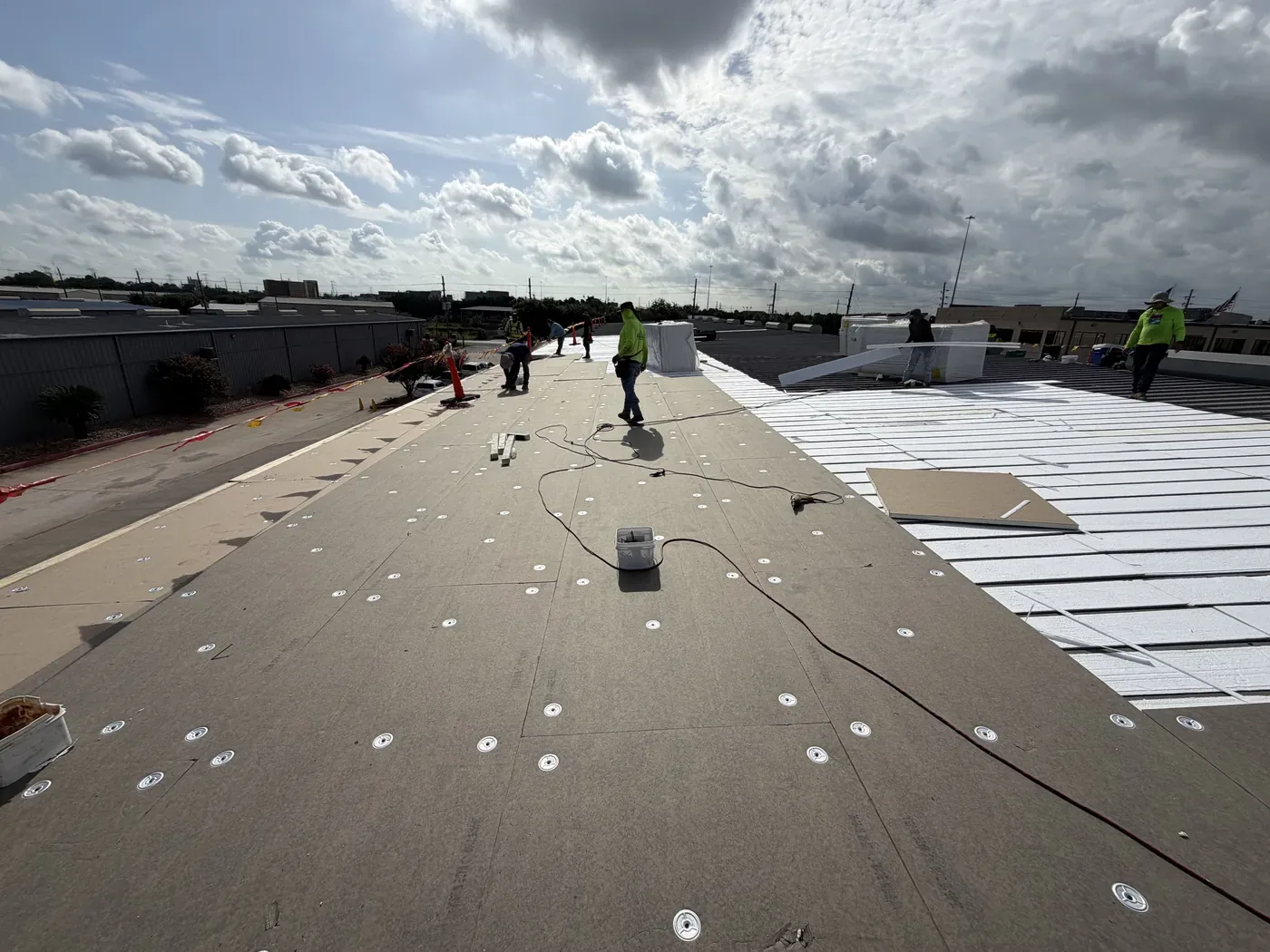
Tell dispatch the building, active leak or damage, affected room, and access contact. We will confirm the next safe step and keep you updated through the repair.
Emergency Commercial Roof Repair
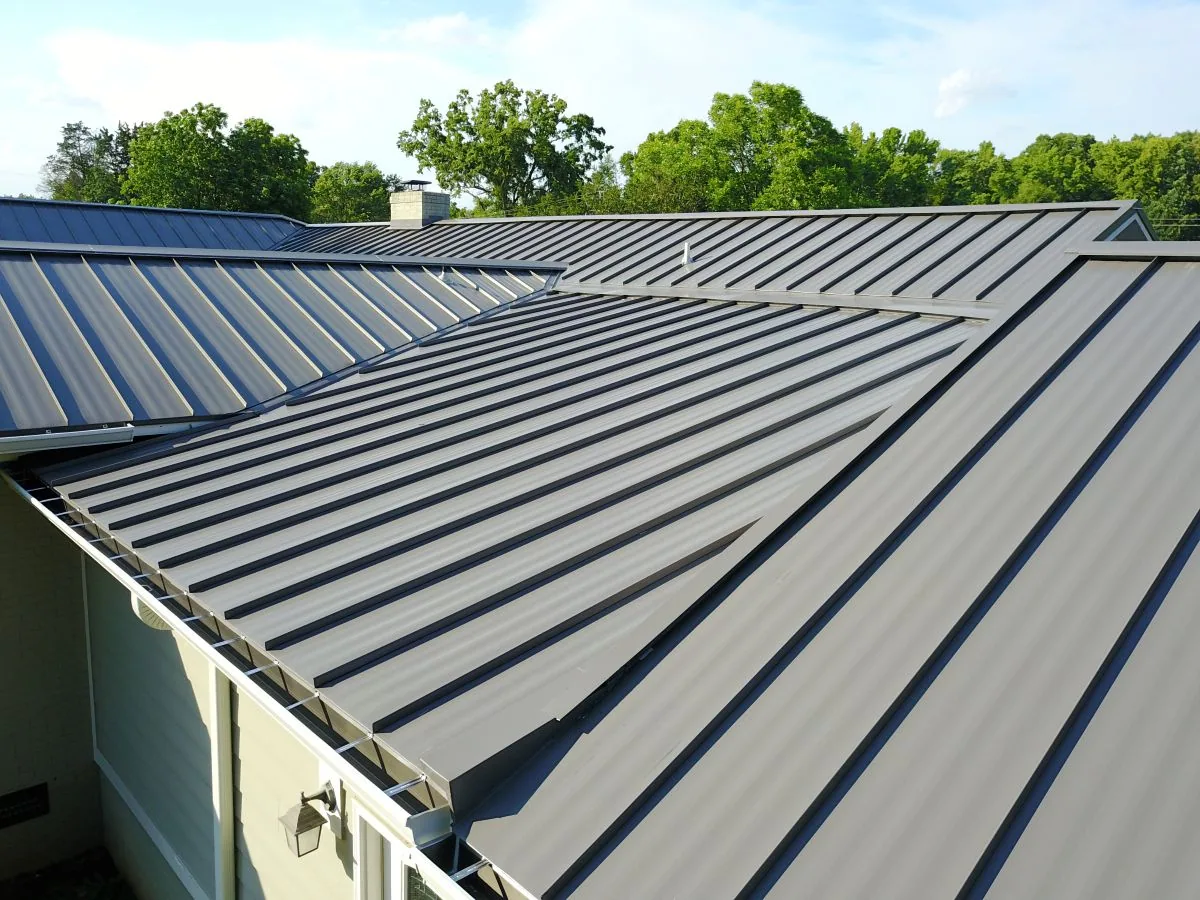
An overnight leak can put inventory, equipment, and occupied rooms at risk before the day shift arrives. Our emergency line is answered around the clock, including weekends and holidays. Dispatch begins with the property, active water, and a safe route to the affected roof area. We coordinate interior protection first, then inspect for an opening, loose material, or a failed transition. The initial visit controls immediate exposure and records what still needs permanent work.
Dispatch details: identify the urgent area
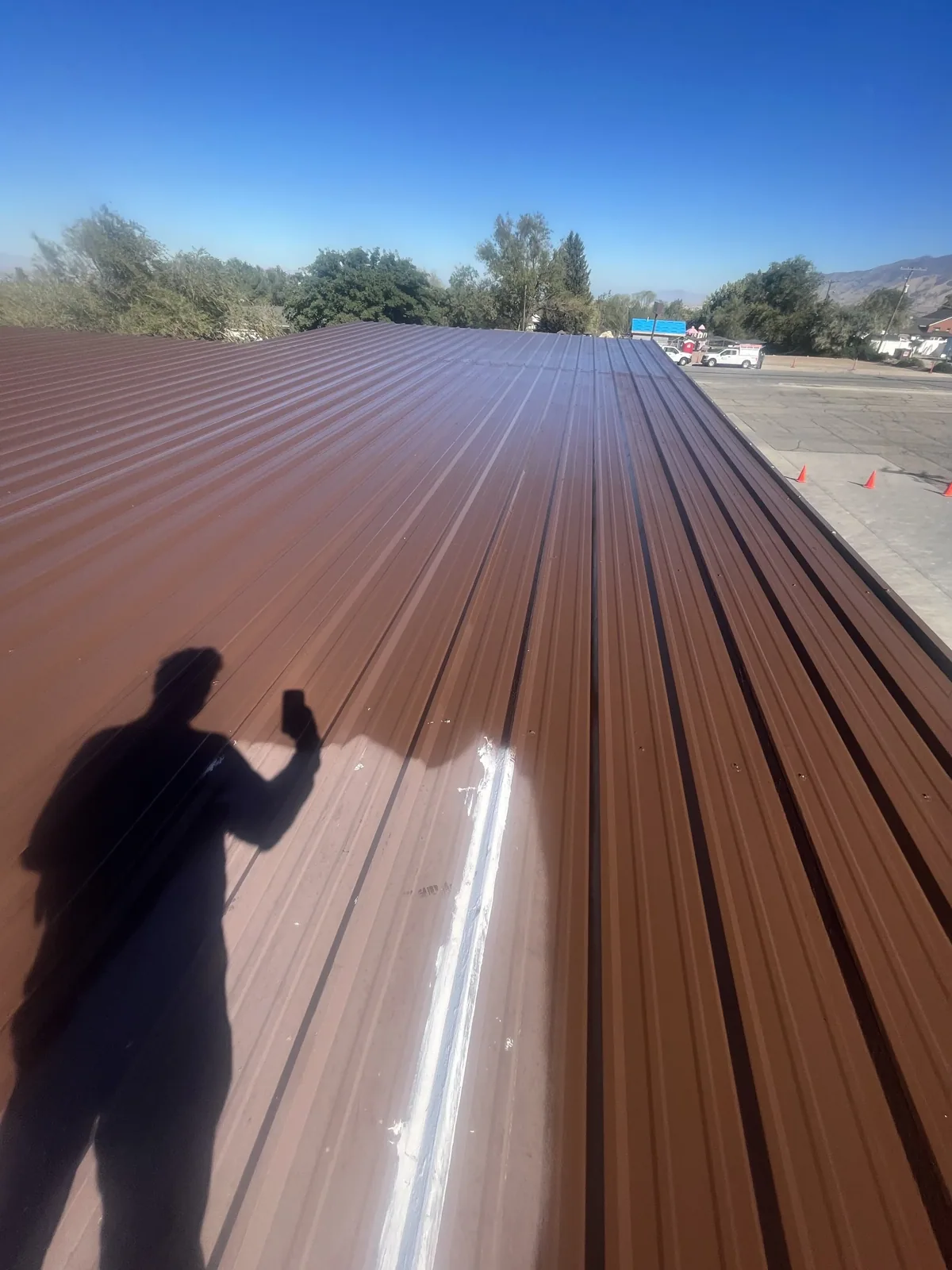
Tell us which building is affected, when water began, what rooms or operations are involved, and who can authorize access. If the roof has a hatch, ladder, alarm, escort, or sign-in process, share that before arrival. We ask whether water is near electrical equipment, production controls, or sensitive inventory. The site contact should keep people away from unsafe ceilings and route water away from occupied paths while help is moving.
Elgin’s larger commercial areas include Northwest Corporate Park, Randall Crossing, and the industrial areas along U.S. Route 20. Their district boundaries do not identify a specific building entry. The dispatch contact confirms the property, gate, delivery route, and roof-access rules. This reduces lost time at arrival and keeps the response focused on the building with active exposure. A second property can be scheduled after the first hazard is controlled.
Safe entry: assess before roof access
Wind, lightning, ice, smoke, falling debris, or a damaged access ladder can make a roof unsafe. We check current conditions and visible hazards before entering. If the roof cannot be reached safely, we explain the limit, help coordinate interior protection, and set a return point. No emergency call justifies stepping onto an unstable surface or walking near a compromised edge. The property manager receives a direct update about what can be done now.
We also confirm whether the route crosses active work areas or a tenant-controlled space. The manager identifies keys, escorts, alarm steps, and any sign-in requirement. A safe access route avoids carrying wet materials through occupied areas. If an interior ceiling has shifted or remains saturated, the building team may need to isolate that room before inspection proceeds.
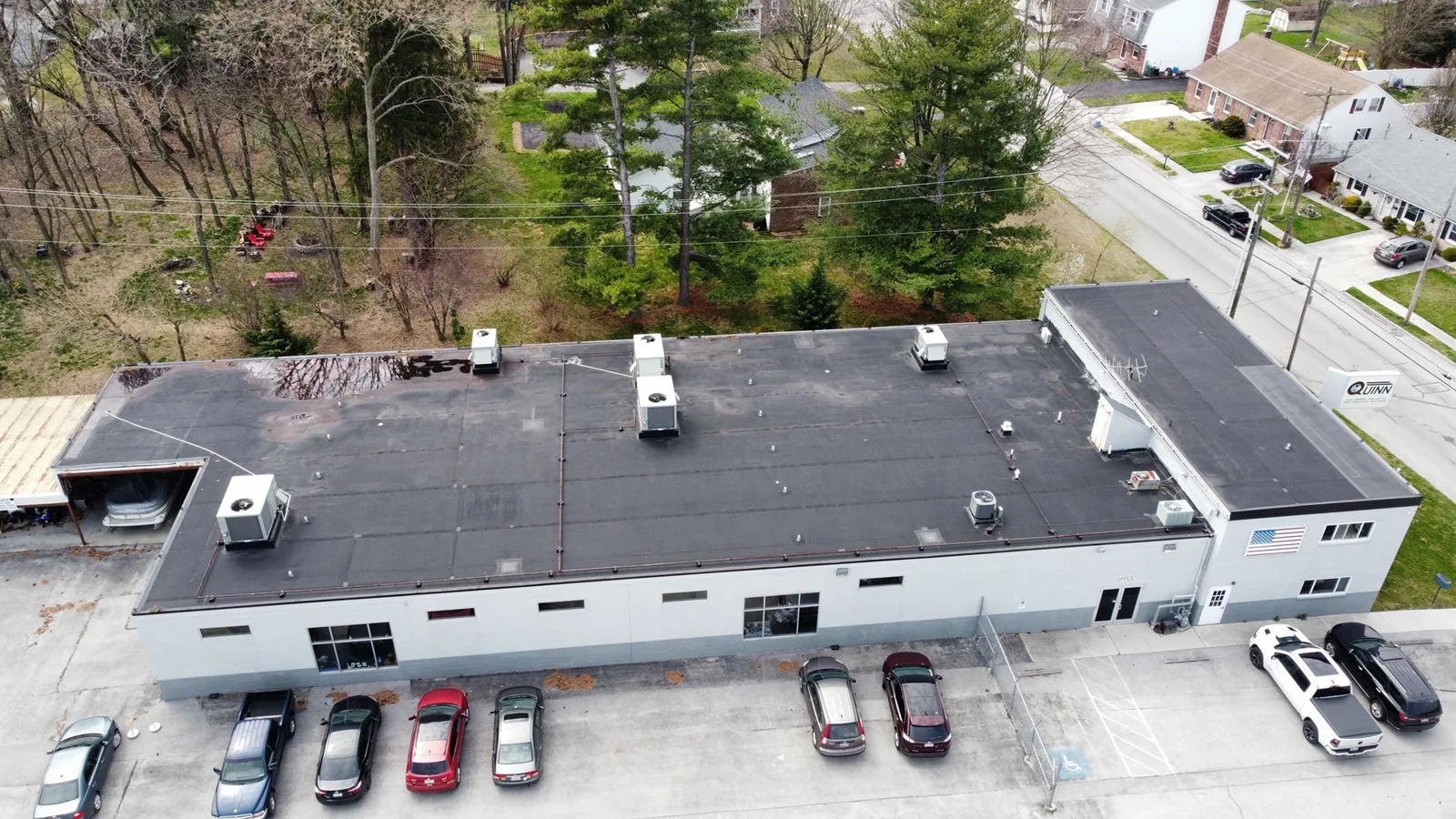
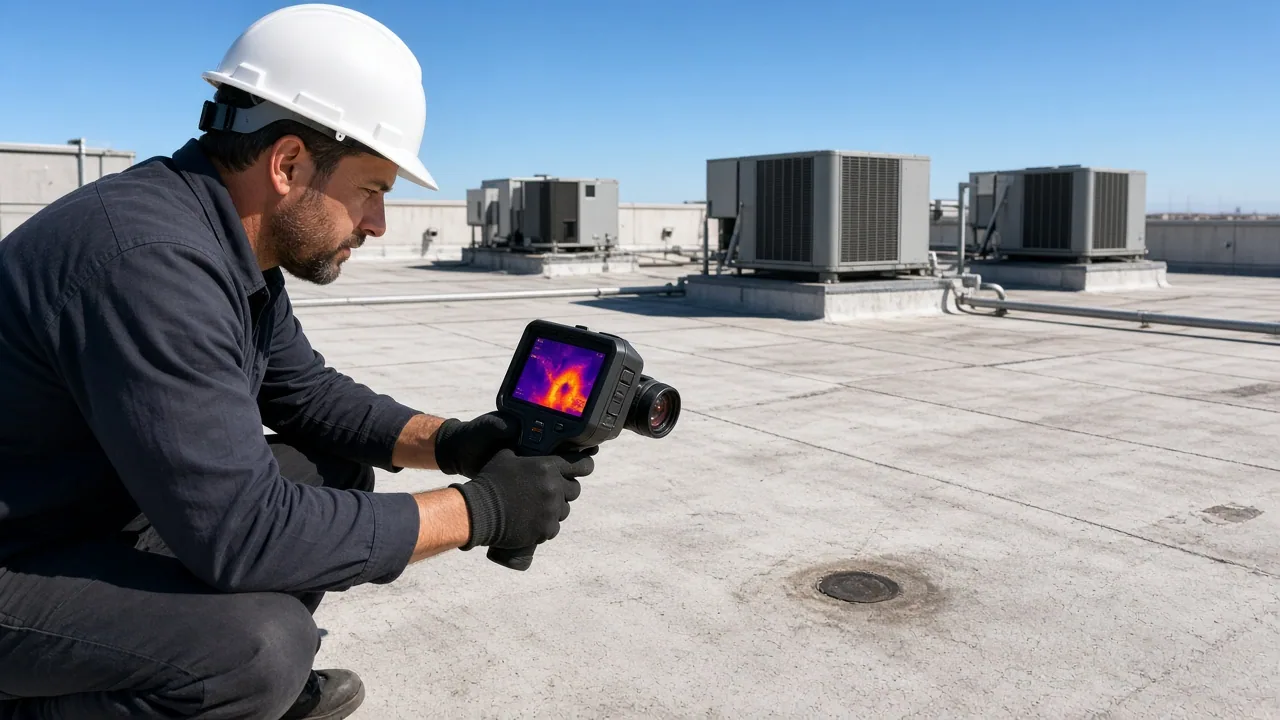
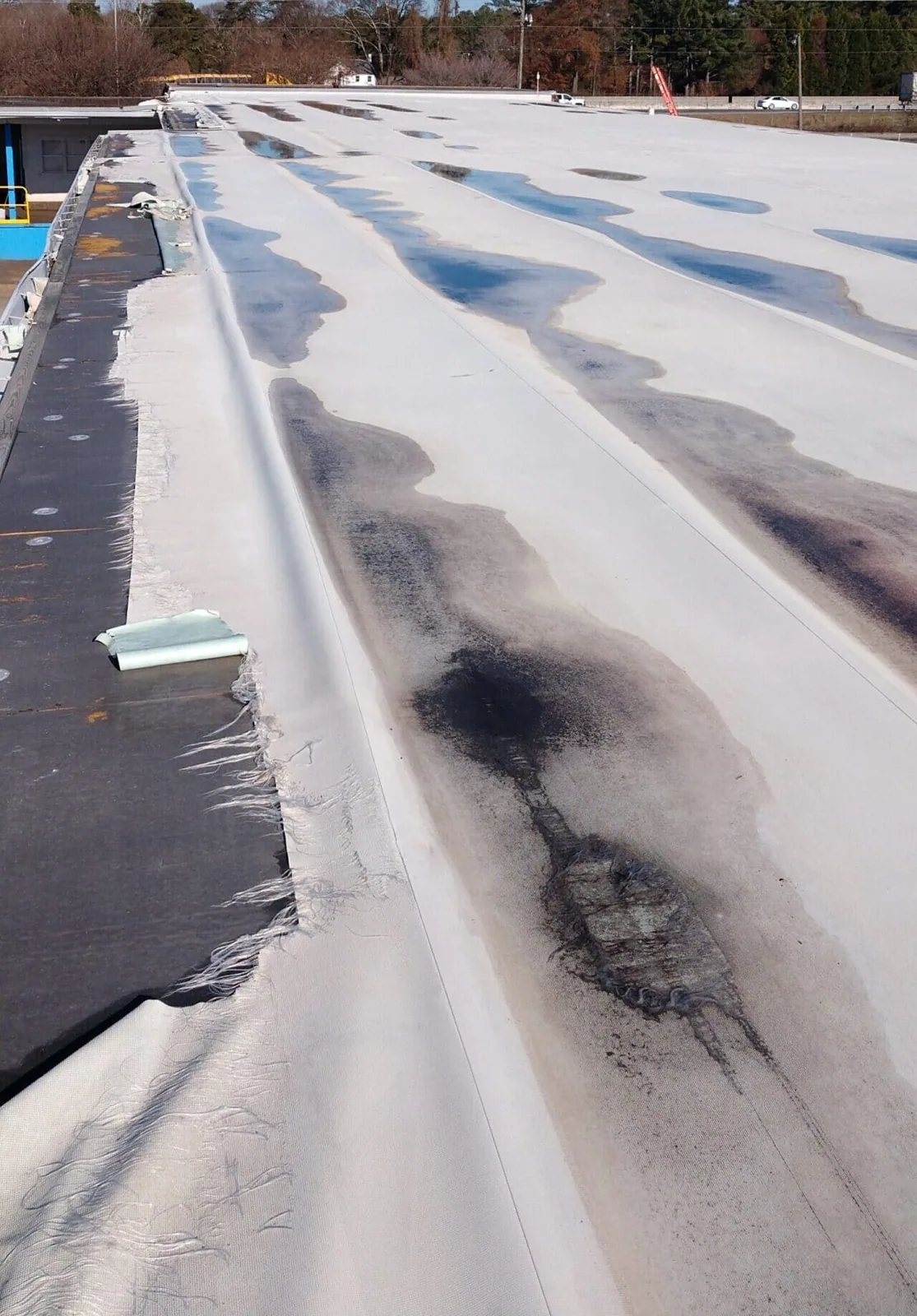
Once access is safe, we mark the affected zone and inspect the path around it. We look for open seams, lifted edge metal, displaced equipment, punctures, compromised flashing, and ponding. We photograph the conditions before moving debris or applying protection where practical. The building team can then compare the current condition with prior reports. If storm impact is suspected, we distinguish visible damage from wear that predates the event.
Water control: protect people and property
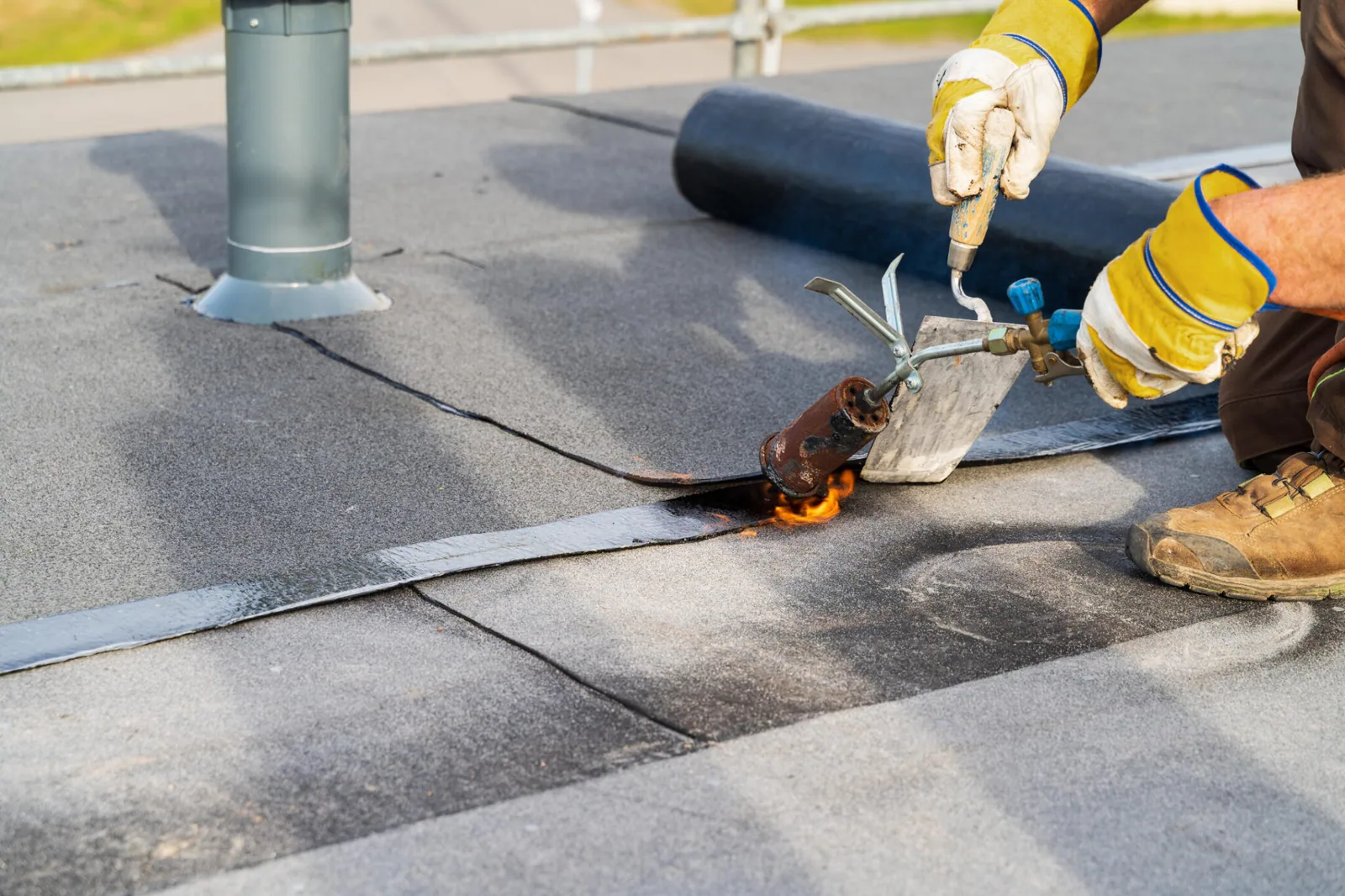
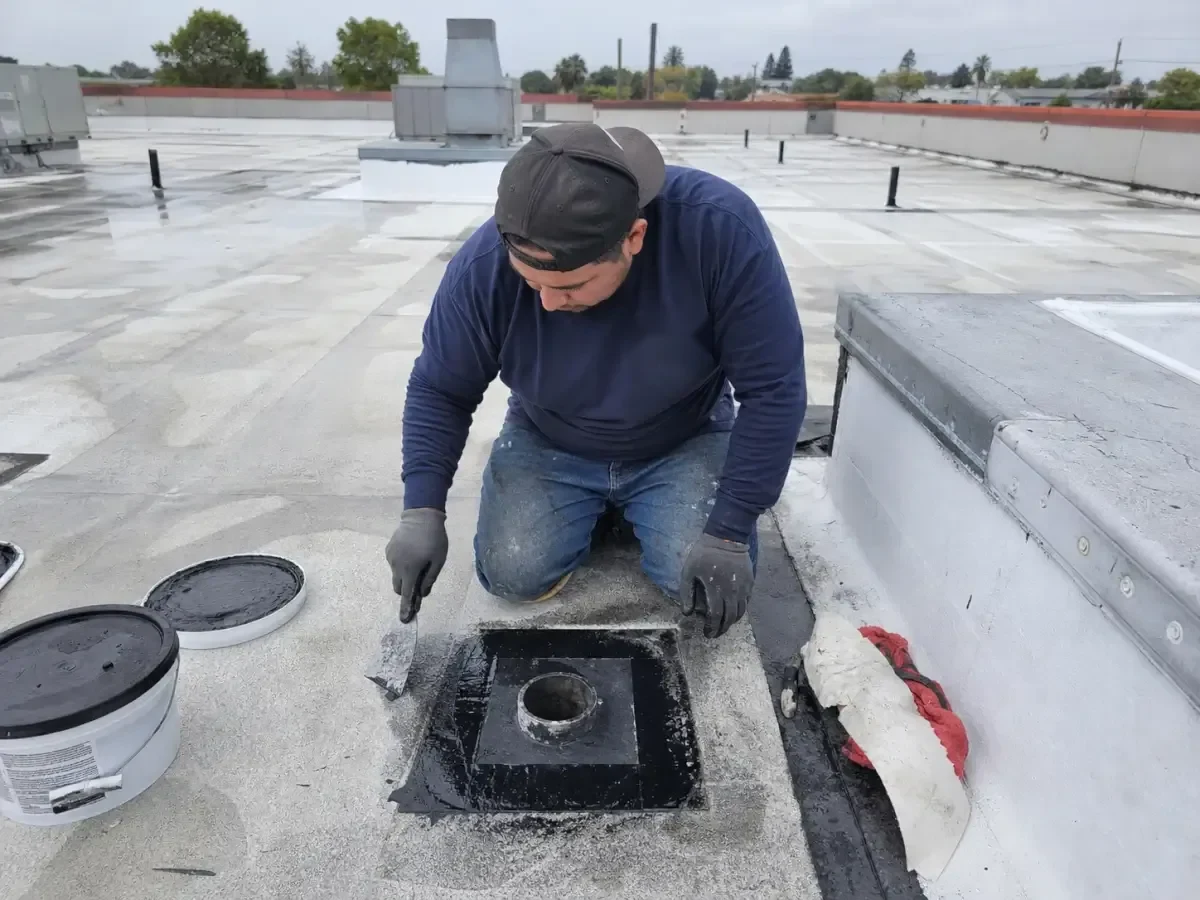
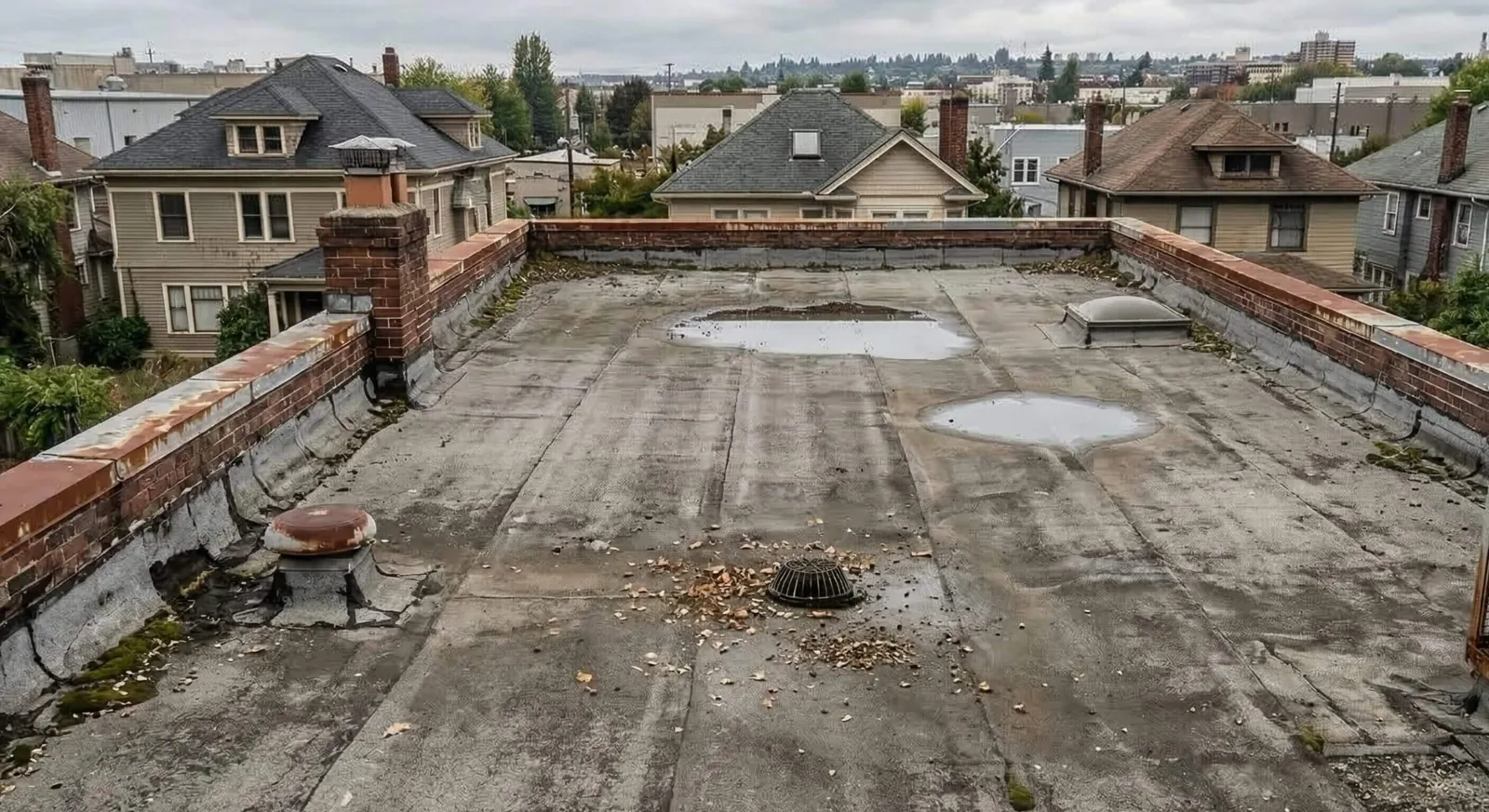
Temporary protection depends on the opening, surface, and weather. A compatible temporary patch may work on a prepared membrane. A secured cover may help where a larger opening cannot be repaired immediately. We check that runoff is not redirected into another room or onto a walkway. We also identify the temporary measure’s limits and whether the area needs monitoring before the permanent visit.
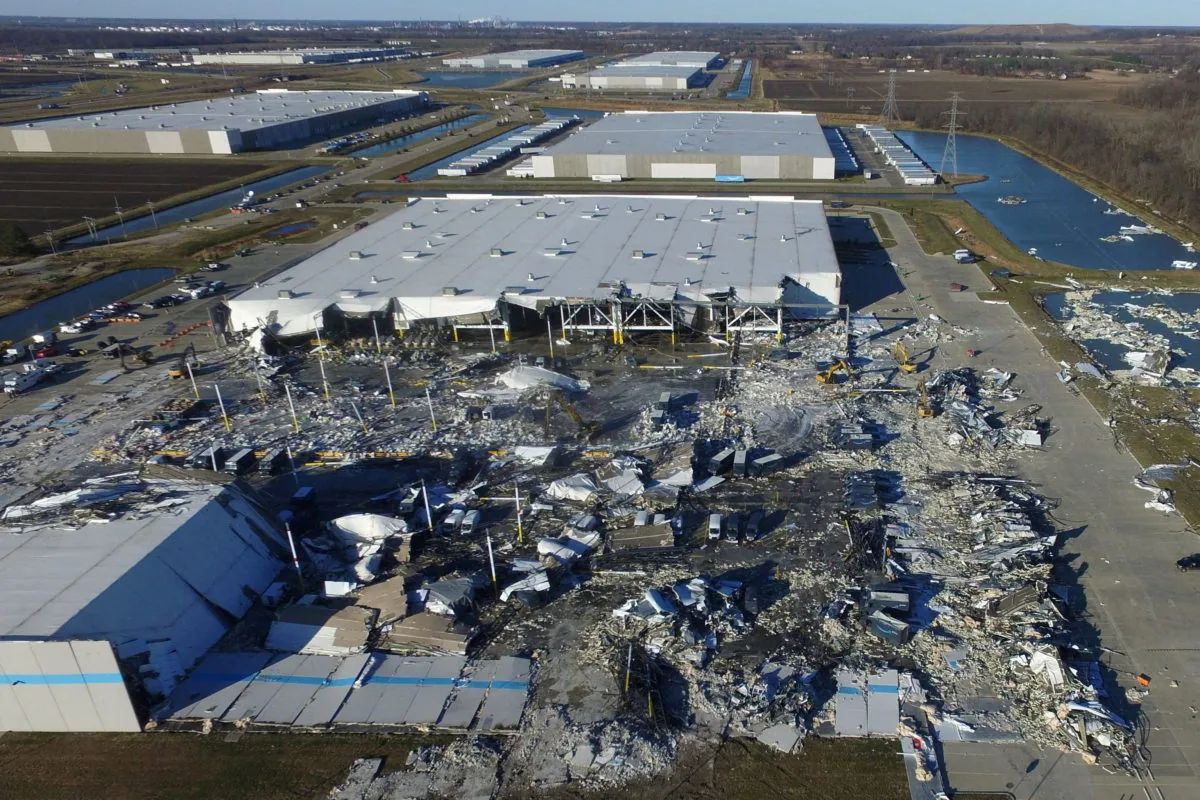
Elgin has experienced one-inch hail and a July 2023 EF1 tornado that crossed the city. Those events explain why owners may call after sudden roof damage, but neither establishes what happened at a separate building. We inspect the reported area and nearby details. A commercial leak trace can follow if water continues after temporary protection, while a storm damage assessment can document impact conditions across additional zones.
Building operations: keep essential access open
Emergency roofing must fit the building’s active use. We coordinate loading doors, delivery schedules, staff routes, tenant communication, and fire access with the site contact. If work is over a production bay, we identify the room below and agree on a safe boundary. For medical, education, or public buildings, quiet zones and occupied corridors can change where equipment and materials stage. We give the manager one contact for updates and next decisions.
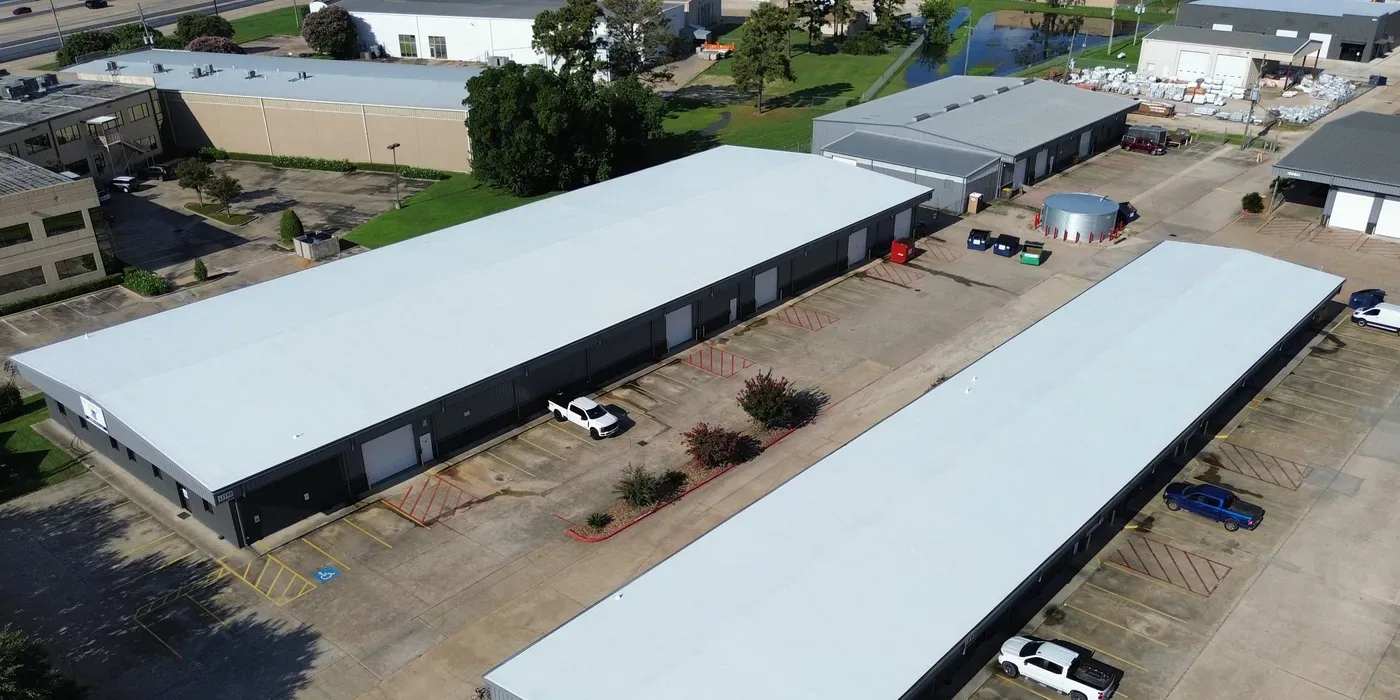
A temporary dry-in may hold through a short weather interval, but it is not the same as a permanent repair. We state the expected monitoring period and the conditions that require a callback. If a second visit is needed, we record the exact roof zone, material used, and access notes. Owners can review warehouse-specific roof planning when an active bay must remain available, or use a Westfield Business Park location reference when coordinating a nearby property.
Permanent scope: return with the right repair
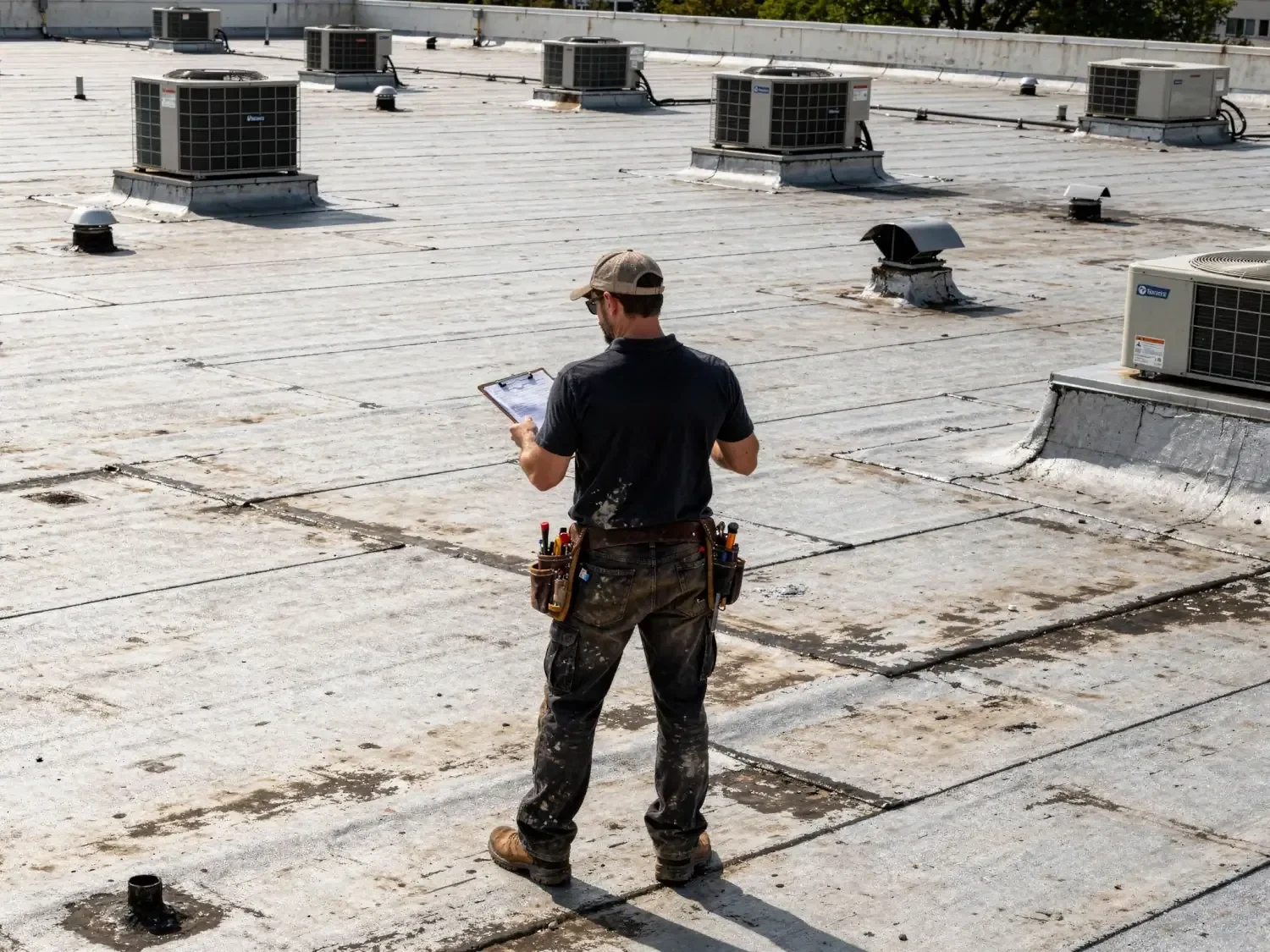
Permanent work starts after the surface and material conditions support a reliable repair. We identify the installed system, prepare sound material, replace wet components where approved, and restore the seam or flashing detail. If the opening reveals hidden deck or insulation damage, we stop at the agreed review point. Photos and measured quantities let the owner approve added work before the crew extends the repair boundary.
Some incidents require more than a patch. We compare local repair, broader section work, and replacement only when inspection evidence supports those options. A weather event alone is not a roof diagnosis. A hands-on roof inspection can map adjacent conditions, and a condition report with photographs can give the asset manager a record for follow-up. Each path has a separate scope and approval point.
Next update: close the emergency loop
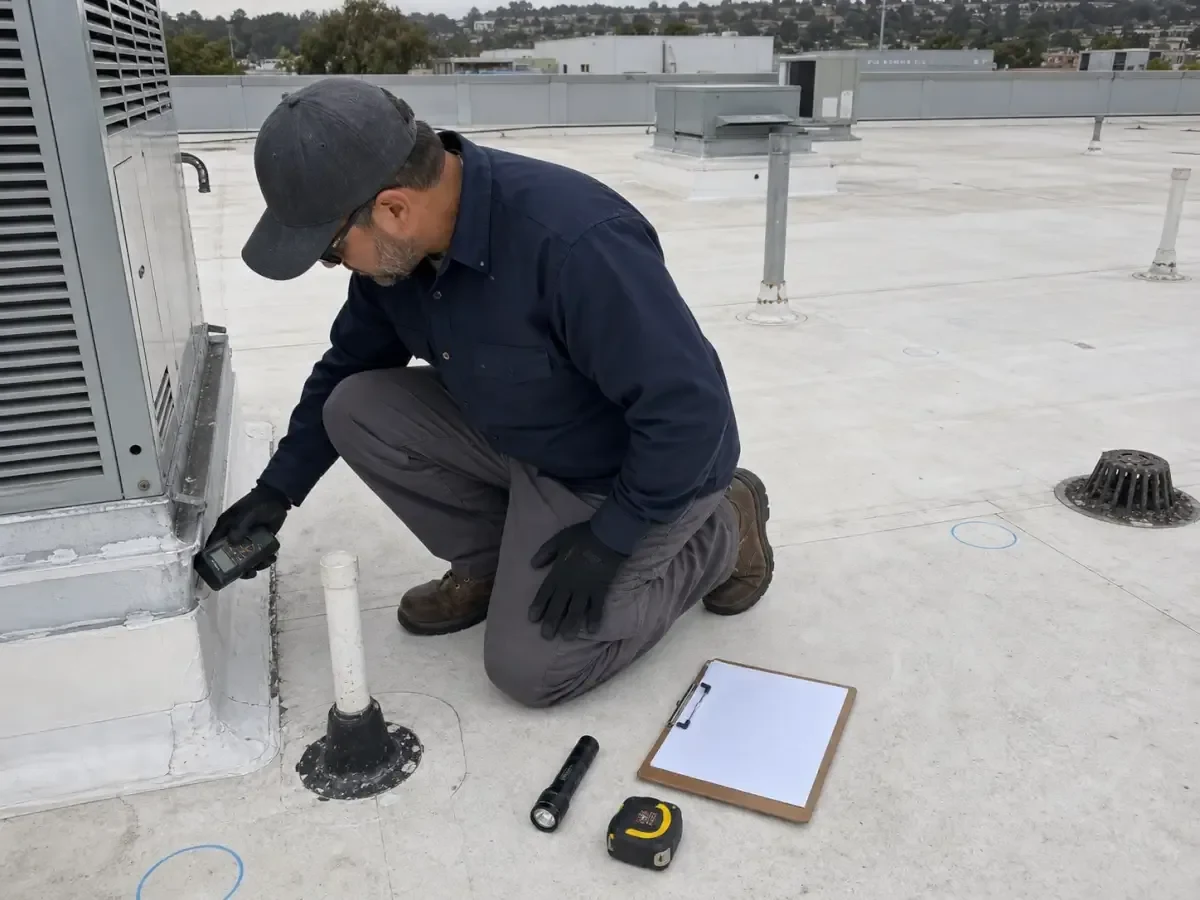
The first response closes with a status, not a guess. We report whether water control is in place, what area remains exposed, and when a permanent repair can be attempted. The manager receives photographs, access observations, materials used, and any safety or operational limits. If weather delays the return, the update states what to monitor and how to reach dispatch again. We confirm the manager received that status before closing dispatch.
After permanent work, we document the completed boundary and any remaining conditions. A dated record helps distinguish the emergency action from later maintenance or insurance documentation. Share the building’s roof plans or prior repair notes if available, but do not delay the call to find paperwork. If the property has multiple roofs, identify the affected wing and any nearby tenant or department. That detail helps dispatch separate the urgent area from later inspection work and stage protection where it is needed. Give dispatch the address, affected room, callback number, roof-entry contact, and current water status so the first visit can begin with useful information.
Questions About Emergency Commercial Roof Repair
Can I reach someone outside normal business hours?
Yes. Emergency calls are answered around the clock, including weekends and holidays. Dispatch collects the property, active water, access contact, and immediate safety concerns, then confirms the response plan.
What should staff do while the crew is traveling?
Keep people clear of wet ceilings and any unsafe interior area. Move portable inventory if safe, protect equipment, and alert building operations to electrical concerns. Share photos and roof-access instructions with the dispatcher.
Will emergency service include the permanent repair?
The first visit may stabilize the roof while weather, access, or material conditions prevent permanent work. We explain the temporary measure, document its limits, and schedule a separate repair when the surface can be prepared.
Can the crew enter the roof during lightning or icy conditions?
Safe access governs the response. We do not enter when lightning, ice, wind, or structural concerns make the roof unsafe. The team coordinates interior protection and returns when conditions support roof access.
What should I keep from the emergency visit?
Keep the dispatch notes, dated photos, location of the temporary protection, materials used, and the return-work scope. Those details help the building team monitor the area and approve permanent repairs.