Commercial Roof Recover in Elgin, IL
Check recover eligibility
Send the roof plans, known layer history, reported leak areas, access contact, and building schedule. We will identify the inspections or tests needed before comparing a recover with tear-off.
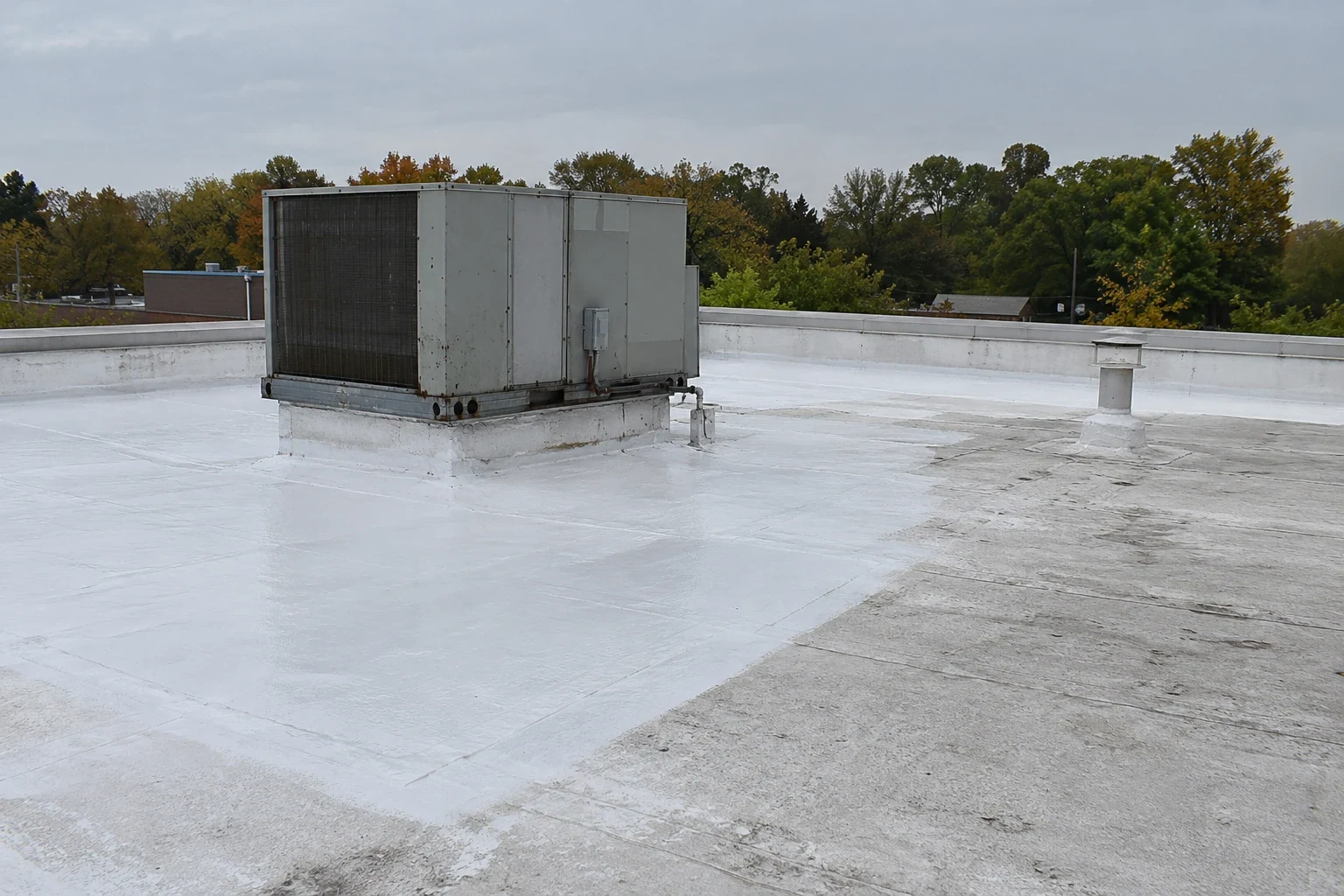
Commercial Roof Recover
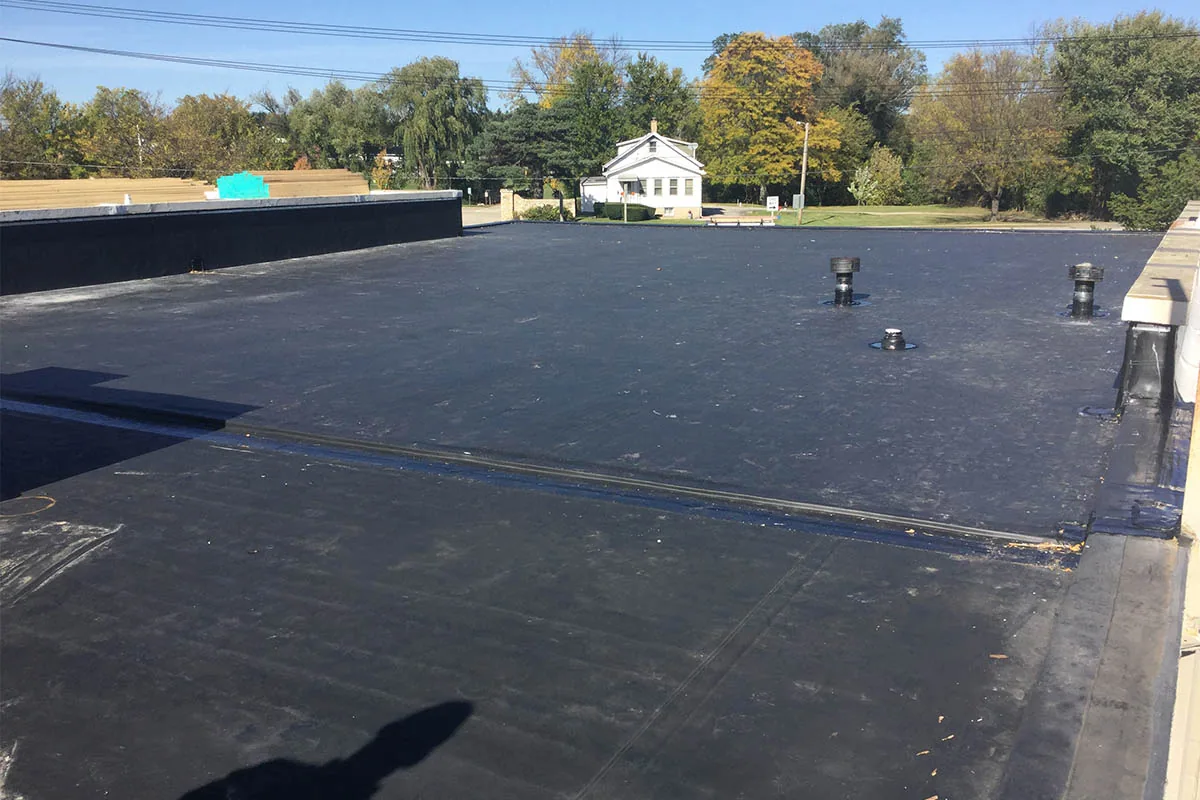
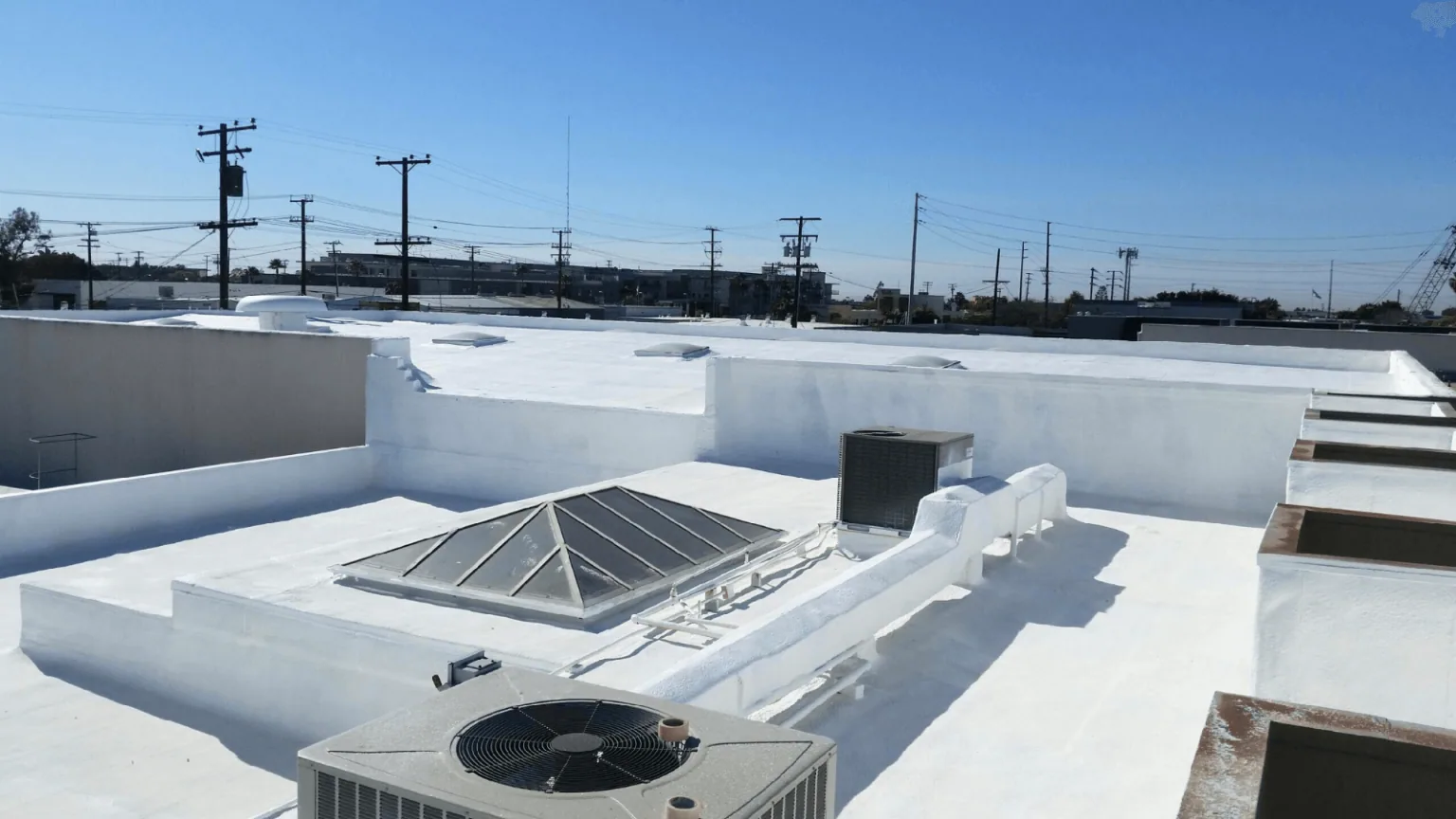
A recover adds a new roof layer over an existing system. The option only works when the roof below can support it and concealed moisture stays within an acceptable boundary. We inspect the building, identify existing layers, test uncertain zones, and compare the proposed assembly with a tear-off. Elgin’s code list includes the 2021 International Existing Building Code with city amendments. That makes permit review part of the decision, alongside deck condition, drainage, attachment, and the property’s operating schedule.
Recover eligibility: inspect the existing build-up
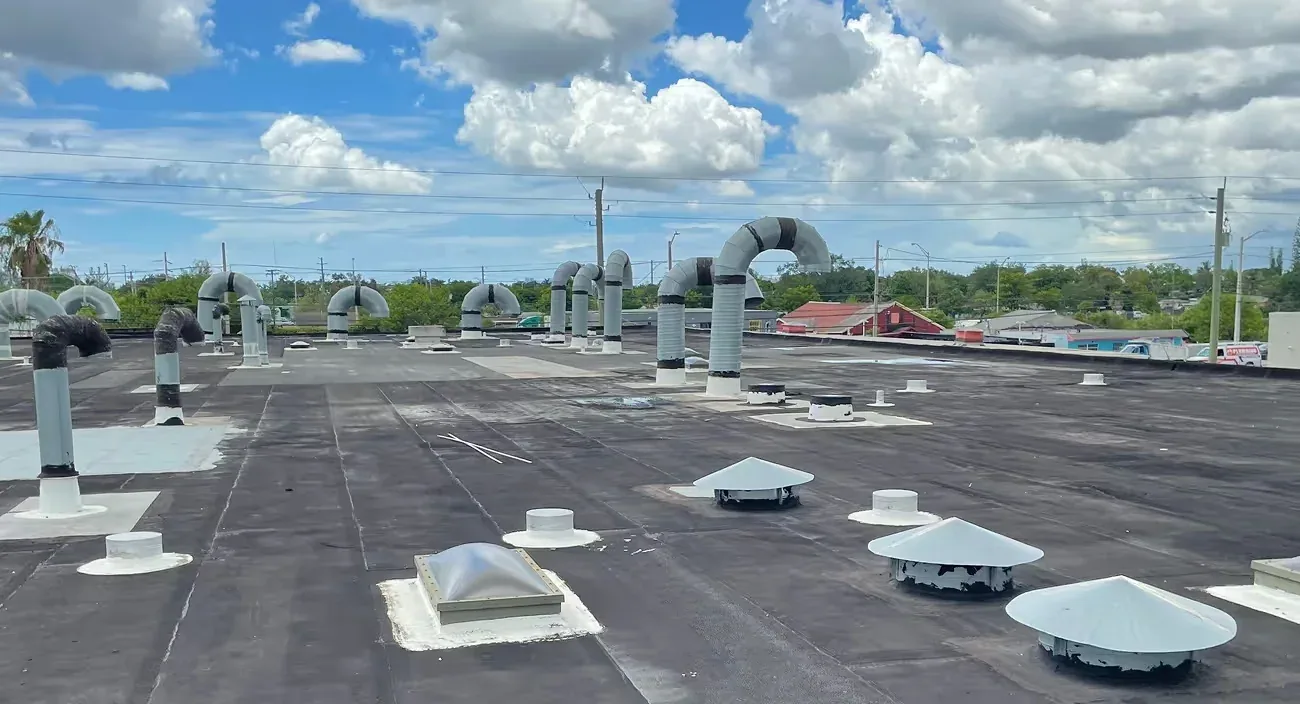
The first check is the number and type of existing layers. We look for loose membranes, saturated insulation, trapped water, unstable cover board, and areas that may conceal a failed deck. Roof plans and prior closeout documents help, but the field condition controls. We map test locations and tie each result to the zone it represents. A few dry readings cannot prove a large roof is dry, so sampling must reflect the assembly and observed changes.
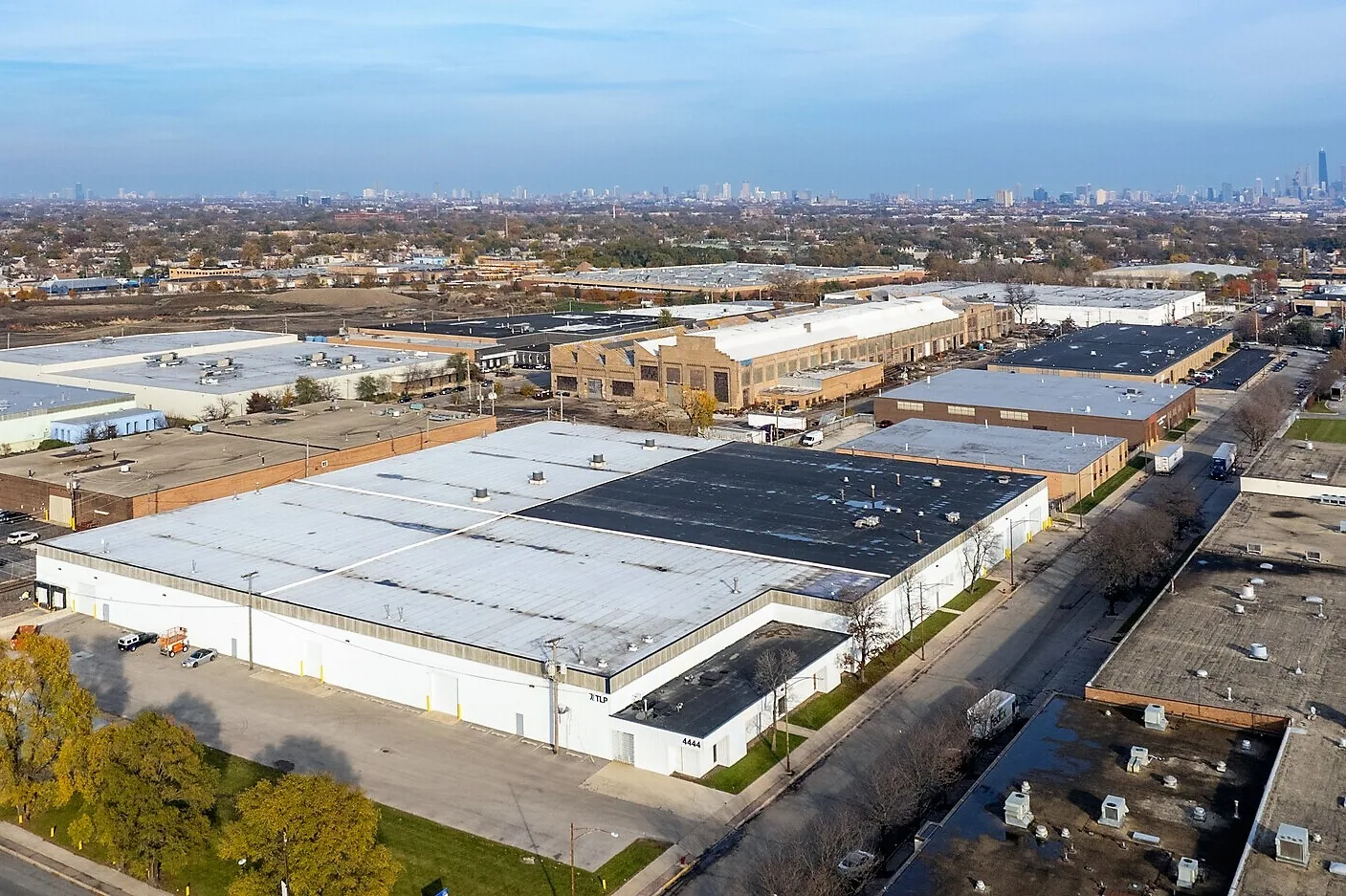
Elgin’s business parks include planned office, research, and industrial zoning, along with general industrial sites. Those designations identify commercial areas, not the roof systems installed on each building. At Northwest Business Park or Randall Point, we inspect the property before discussing overlay. A recover may be practical for one building and unsuitable for a nearby one. The owner receives a recommendation that names the condition behind it, not a blanket yes based on neighborhood or building use.
Moisture boundary: separate wet zones from sound areas
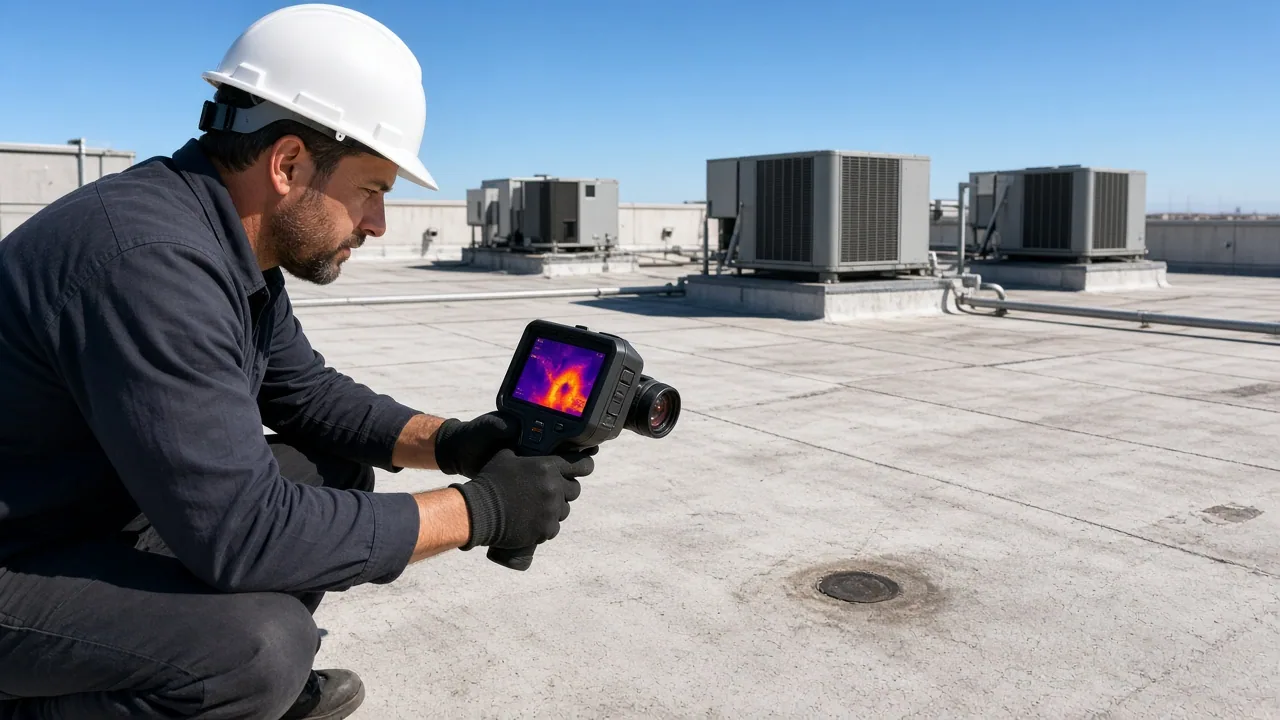
Water in insulation can spread beyond a ceiling stain. We compare interior leak reports with roof slopes, seams, drains, penetrations, and changes in membrane condition. Infrared or capacitance scans can help locate areas for verification, but each method has limits. A core cut may confirm layer depth and moisture where records are incomplete. We mark the sample, discuss the opening, and restore it before leaving the roof.
The report separates confirmed wet material from areas that need more testing. That boundary affects whether overlay remains reasonable. Widespread moisture, repeated prior layers, or deteriorated deck can make a recover unsuitable. If one isolated zone is wet, the owner may compare selective removal with full tear-off. The option should be measured by the condition corrected, remaining service life, and future access for maintenance, not by demolition avoided alone.
New layer interface: check attachment and height
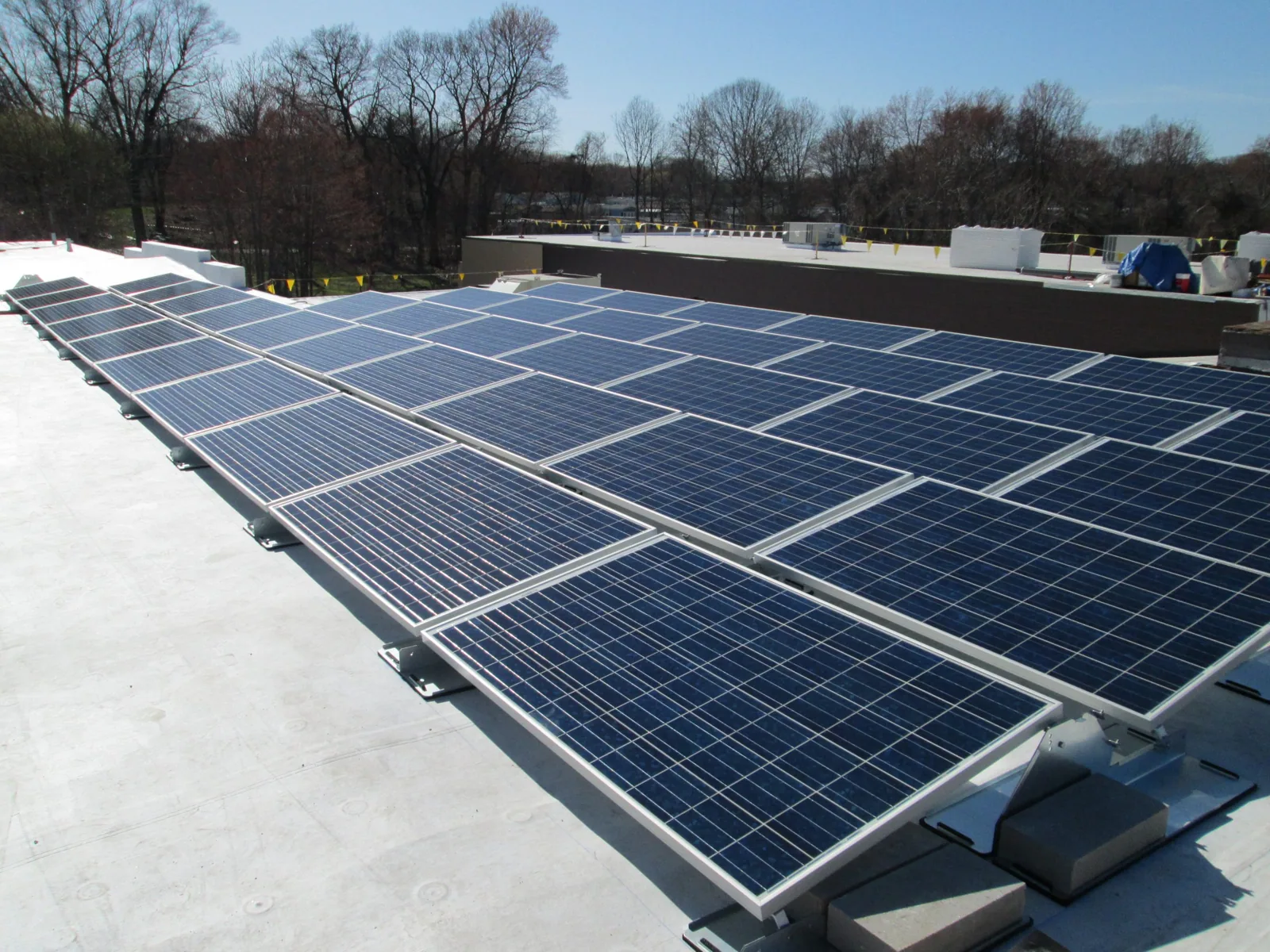
The new roof must connect reliably to the existing surface or approved cover board. We check adhesion, fastener pullout where relevant, surface contamination, and compatibility with the proposed materials. Existing metal edges, curbs, and flashing heights can become too short after another layer is added. We measure those transitions before scope approval. A detail that cannot maintain adequate flashing height can erase the savings of an overlay.
System choice also matters. A TPO recover assembly and an EPDM system use different seams, accessories, and installation methods. We identify the substrate, insulation strategy, attachment plan, and perimeter conditions as one assembly. We do not assume a product will bond simply because the existing roof looks clean. A test area or manufacturer documentation may be needed before committing to the full field.
Drainage and edges: preserve the water path
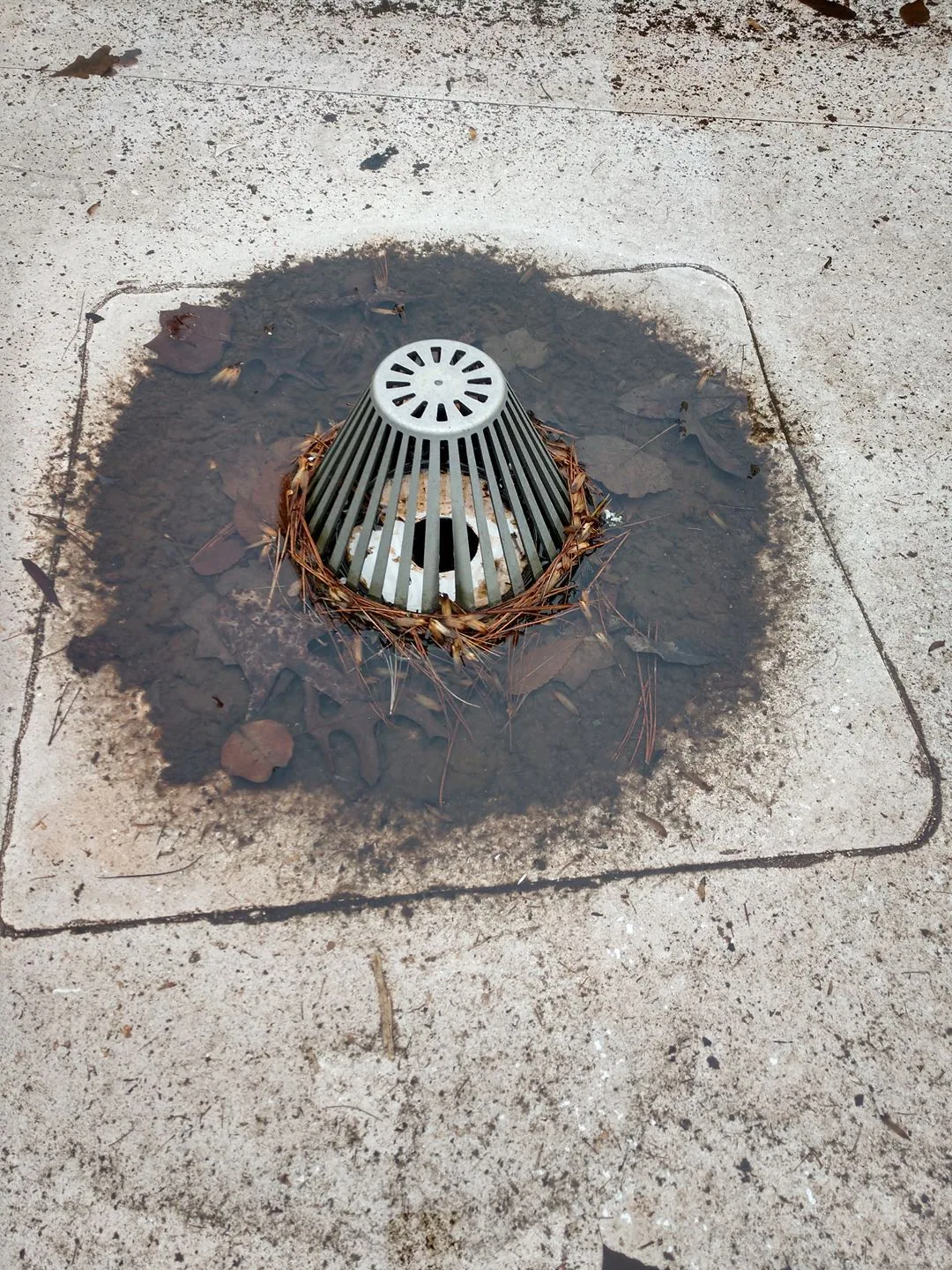
Each added layer changes elevations at drains, scuppers, door thresholds, equipment curbs, and roof-to-wall transitions. We check drain bowl depth, strainer position, slope, overflow provisions, and how water leaves the roof. Ponding can persist even after a sound membrane is installed if the underlying slope remains unchanged. The scope describes any drain modification or tapered insulation separately, so the owner understands what the recover does and does not correct.
We also inspect perimeter metal and existing termination bars. Additional height can expose a weak edge or leave too little room for a secure new flashing. The affected details need a compatible extension or replacement. If the field membrane is sound but the drainage path is not, a recover may leave the operating problem in place. A drain and scupper review can identify whether the proposed work addresses the low points before materials arrive.
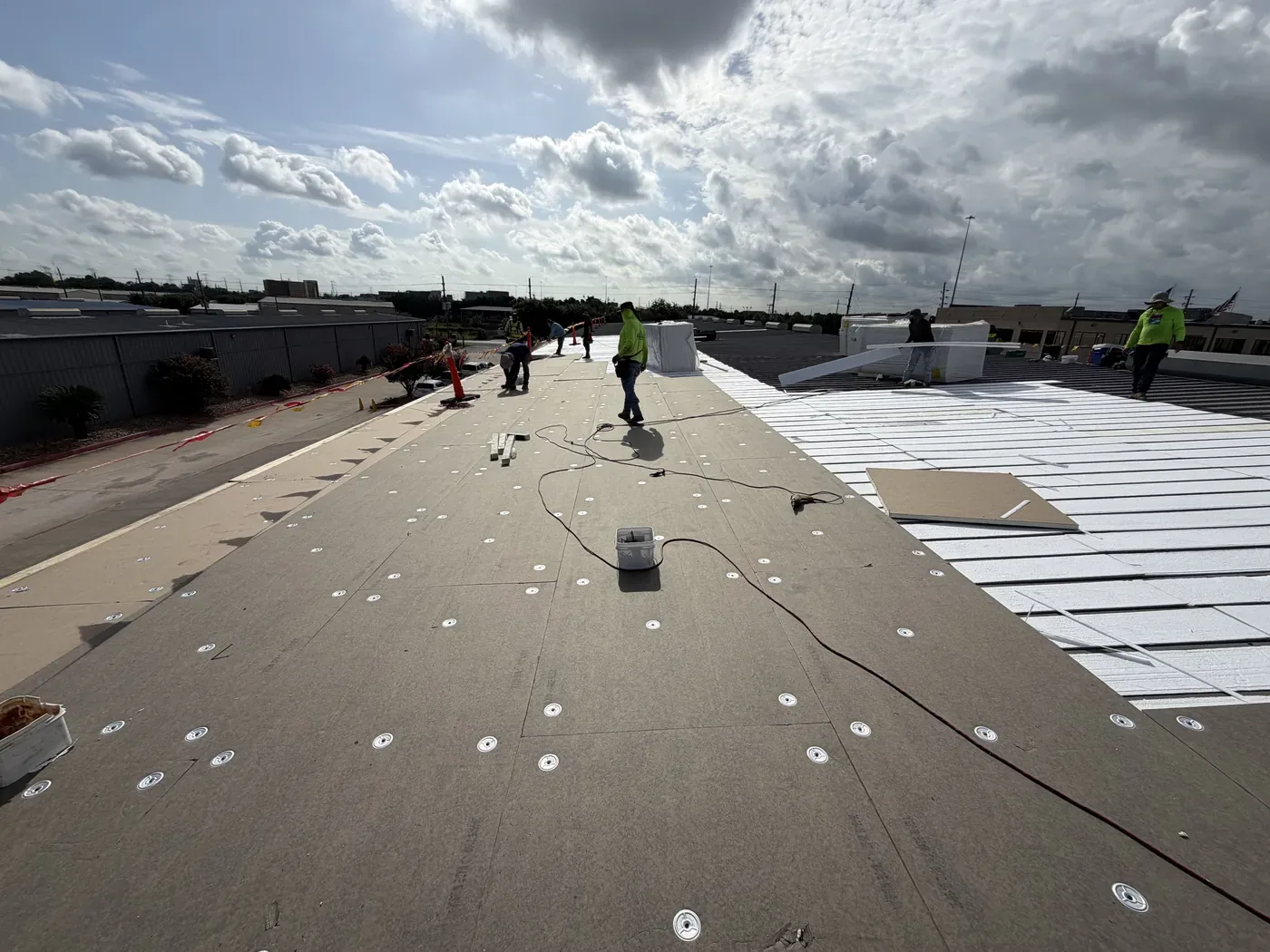
Operations window: plan an occupied-building install
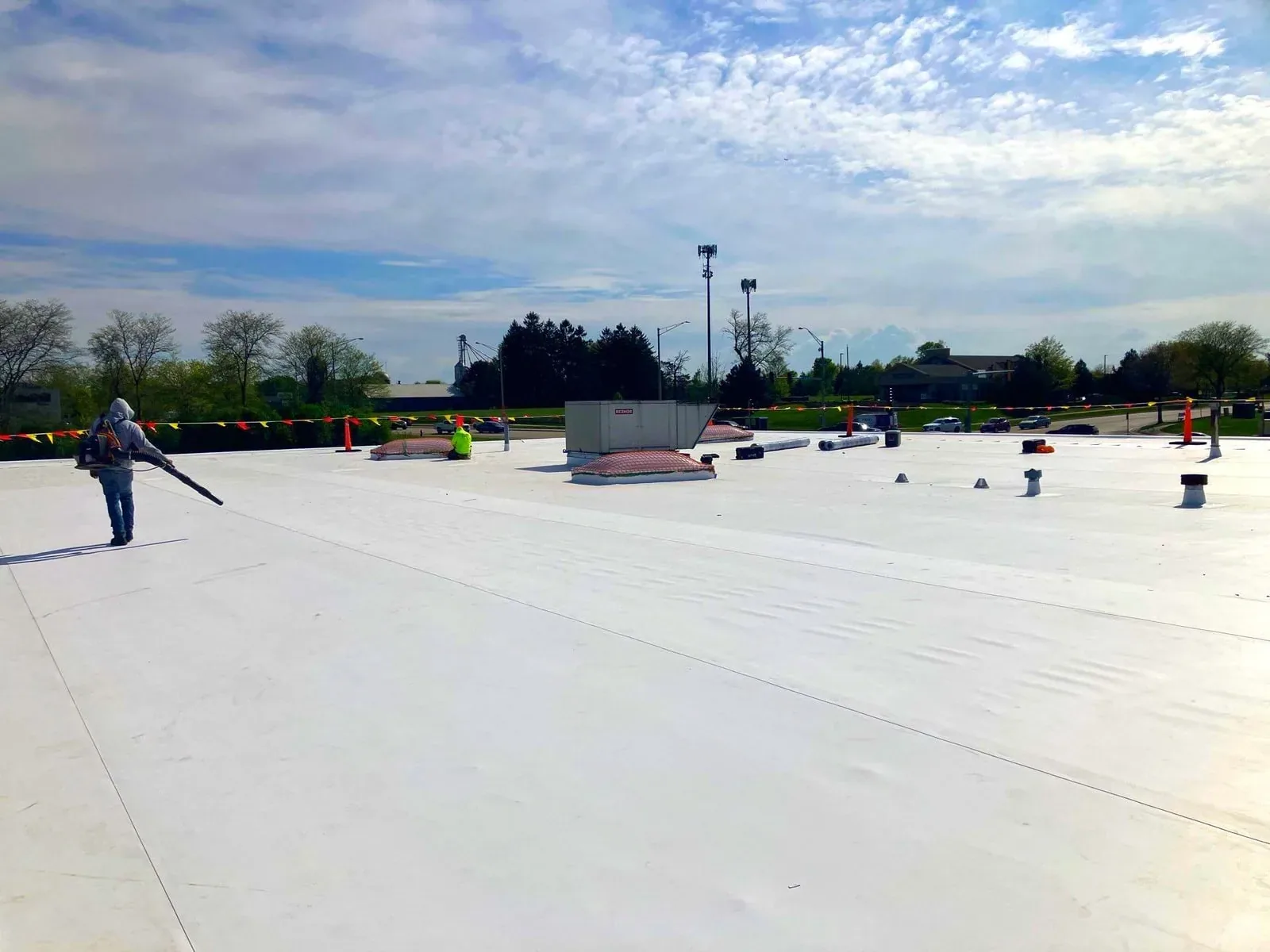
Overlay work still brings noise, material movement, rooftop access, and temporary restrictions. We confirm tenant hours, loading activity, roof access rules, fire lanes, and staging limits with the site contact. Buildings near the Elgin Corporate Center or Westfield Business Park may have different delivery and access conditions; the field visit establishes the actual plan. Elgin Corporate Center and Westfield Business Park include commercial properties with different delivery and access needs. The work sequence is set building by building.
Snow, freezing temperatures, rain, and wind affect adhesive, welding, and safe access. Elgin winters bring repeated freezing conditions and snowfall, so a realistic schedule allows for weather holds. We set a daily work boundary and state how the crew will protect any open transition at shift end. If an area cannot be closed safely, work stops until conditions support a reliable tie-in. The owner receives an update before the crew shifts to another zone.
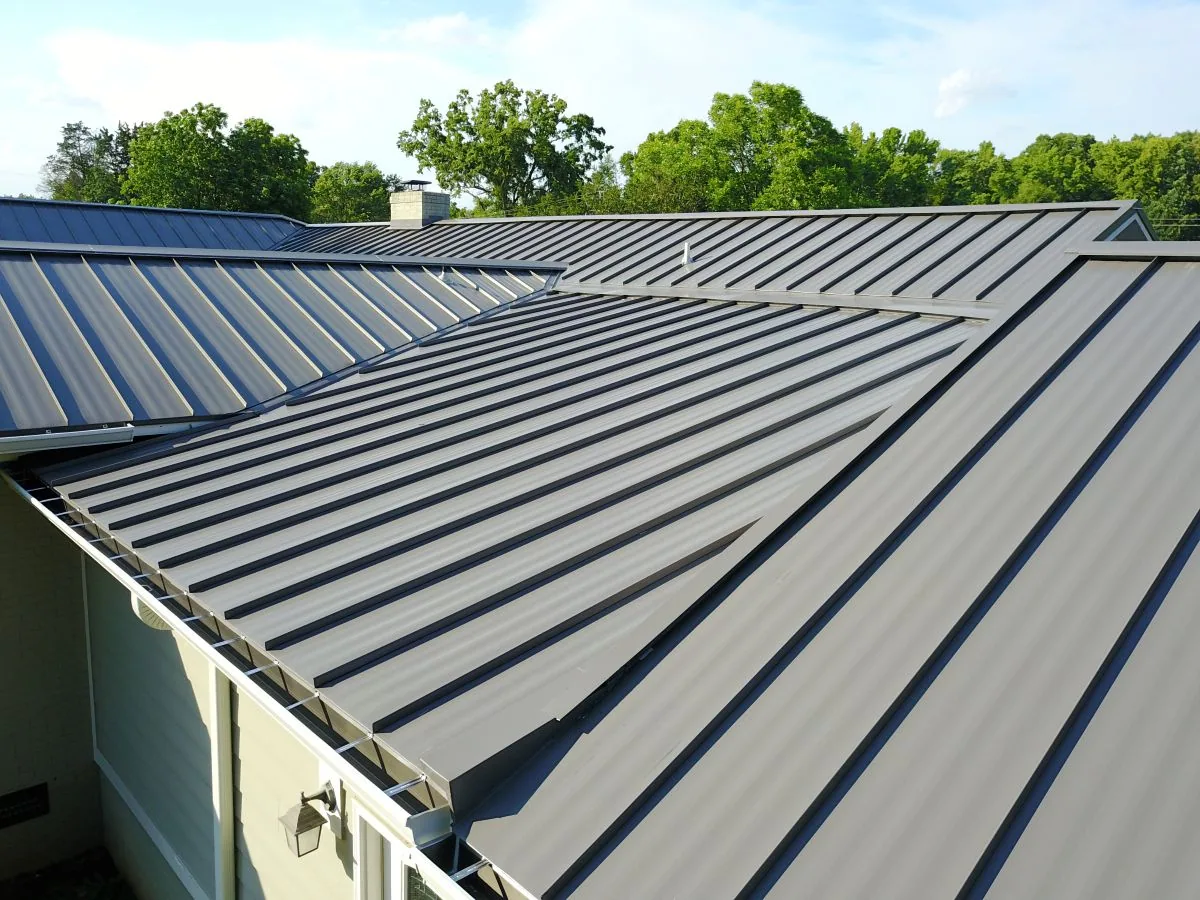
Decision checkpoint: compare recover and tear-off
The comparison should include system condition, wet-area quantities, layer count, deck uncertainty, code review, flashing height, drainage, disposal, and future inspection access. We show which assumptions are verified and which remain conditional. A lower demolition quantity does not make an overlay less expensive over the roof’s full service period if it leaves moisture, ponding, or short flashing behind. A full replacement review gives the owner a second scope path using the same roof evidence.
For each option, we define roof zones, included details, test work, schedule assumptions, and the approval point for concealed conditions. If new conditions appear after work begins, photographs and marked measurements support a decision before added quantities proceed. The owner can also request a hands-on inspection when the current roof record is incomplete. The recommendation stays limited to what the inspection found and what further testing can confirm.
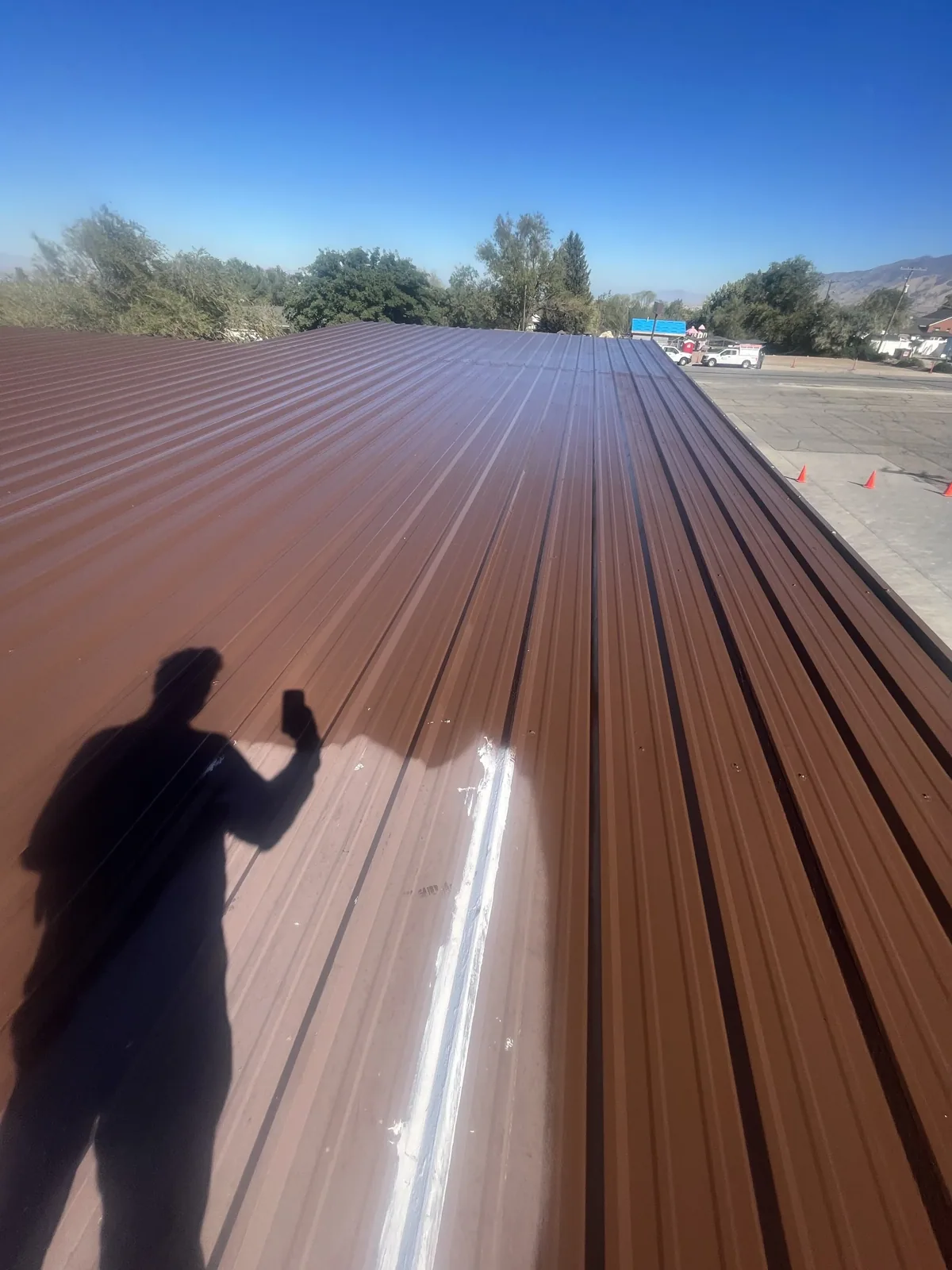
Closeout record: keep the overlay measurable
After installation, we document the new assembly, tested areas, replaced details, drain work, and approved changes. The owner receives dated photographs and care notes tied to roof zones. Those records help the next inspection distinguish the new surface from the system beneath it. They also make later repairs more precise, because the repair boundary and remaining transitions are visible.
Before requesting an evaluation, share the building use, roof access contact, known layers, prior leak areas, and any available plans. We will identify where additional testing could change the recommendation. If the site is in Northwest Business Park, access and staging will still be confirmed at the individual property. The overlay decision should end with a documented assembly, a defined boundary, and a clear plan for the roof zones left in service.
Questions About Commercial Roof Recover
How many existing roof layers can remain under a recover?
The assembly and applicable code limits set that boundary. We identify existing layers, review available records, and confirm the current condition before recommending another layer. If the count or condition is uncertain, test cuts can resolve it.
Can dry areas be recovered when one section is wet?
A selective removal may work if the wet boundary is confirmed and the surrounding assembly is stable. We map the affected zone, replace unsuitable material, and detail the transition before installing the new field system. Extensive or uncertain moisture may favor tear-off.
Will another roof layer fix ponding?
Added membrane does not change the roof slope by itself. We measure drainage paths, check drains and scuppers, and price tapered insulation or drain changes when the design supports them. If the water path remains unchanged, ponding may continue.
What can prevent a new membrane from adhering?
Surface contamination, incompatible materials, trapped moisture, weak insulation, and unsuitable temperatures can interfere with bonding. We inspect the substrate and use a test area when needed. The selected system must match the verified roof below.
When should an owner choose tear-off instead?
Tear-off is stronger when concealed moisture is widespread, the deck needs review, layer limits are reached, or existing flashing heights cannot accommodate another assembly. We compare the full scope and future maintenance implications before approval.