Commercial Roof Repair in Elgin, IL
Dispatch a commercial roof repair
Share the building type, active leak status, reported interior area, roof access contact, and known system. We will confirm a visit and the first checks for that property.
Commercial Roof Repair
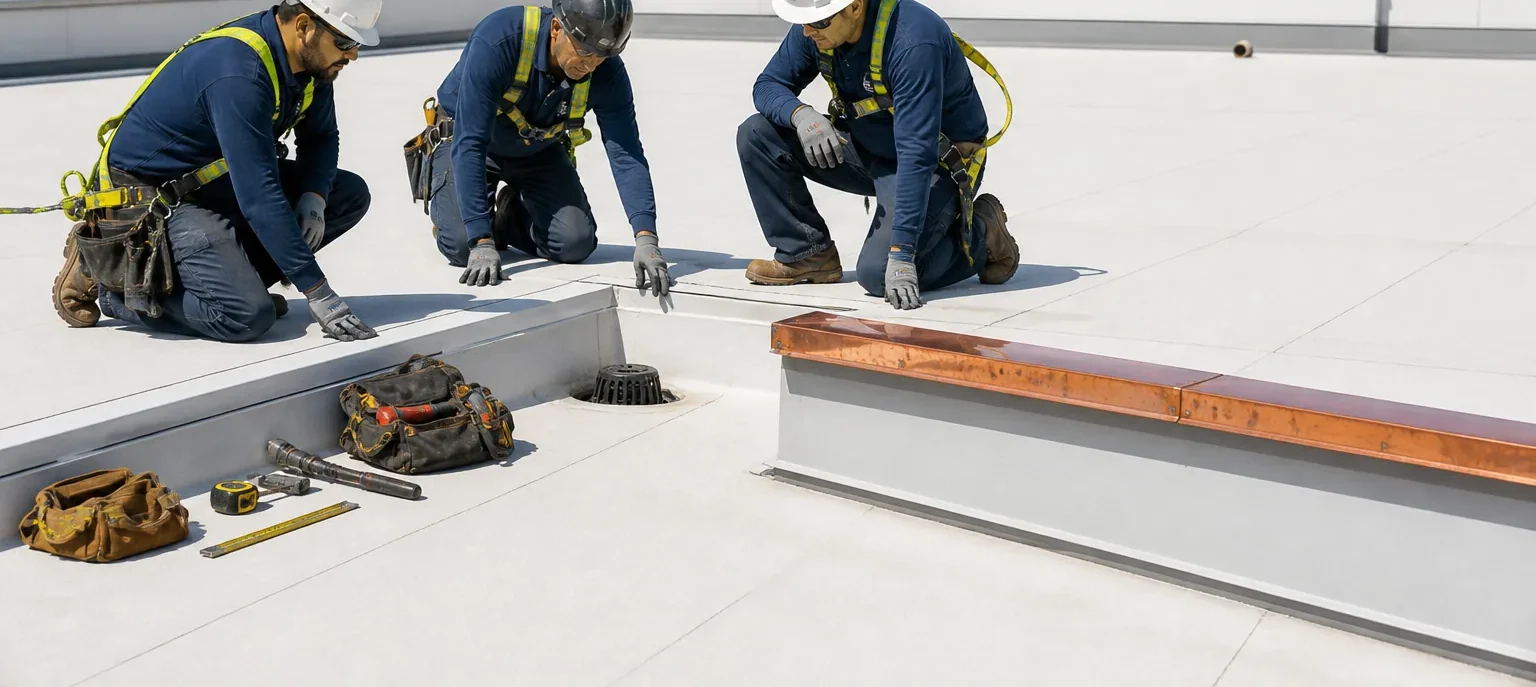
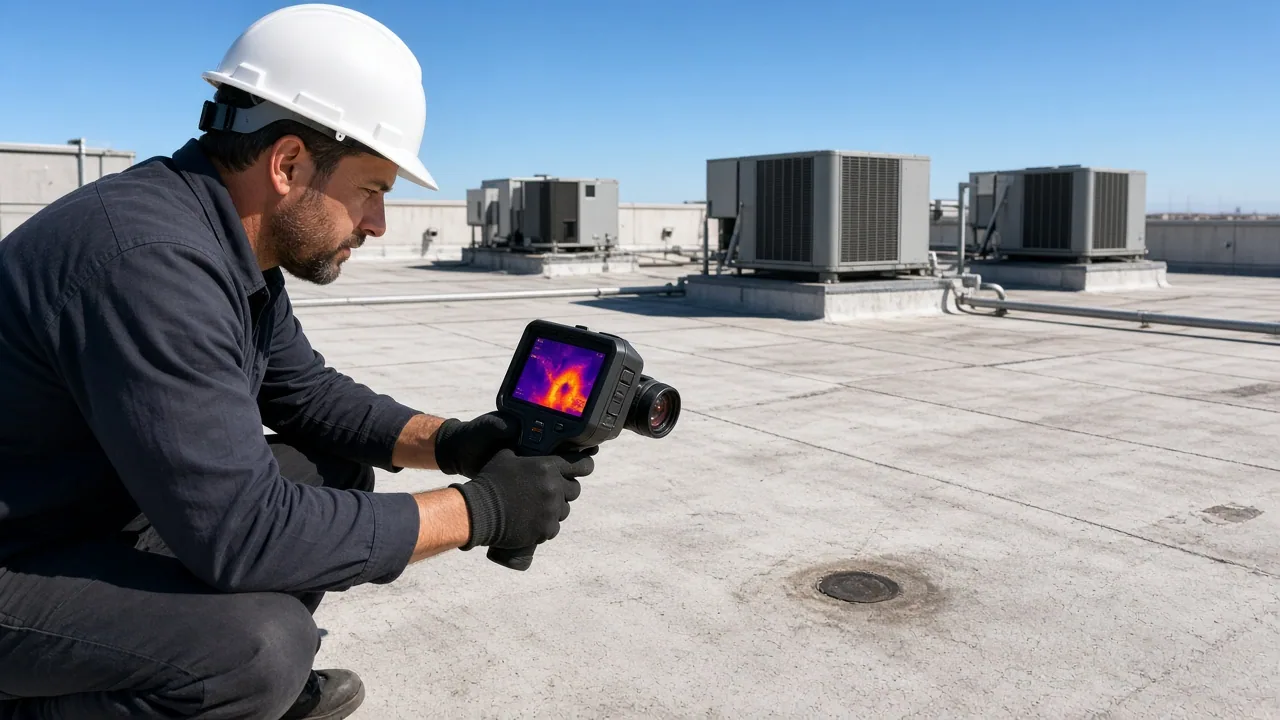
A repair starts with a work order tied to a roof zone. We confirm what failed, what remains sound, and what the building needs while the repair is underway. The inspection covers seams, flashings, drains, penetrations, metal edges, and earlier patches around the reported area. I-90, U.S. Route 20, and State Street connect Elgin’s office and industrial districts. Those corridors help orient dispatch. The repair boundary still comes from the individual roof.
Building status: confirm urgency and access
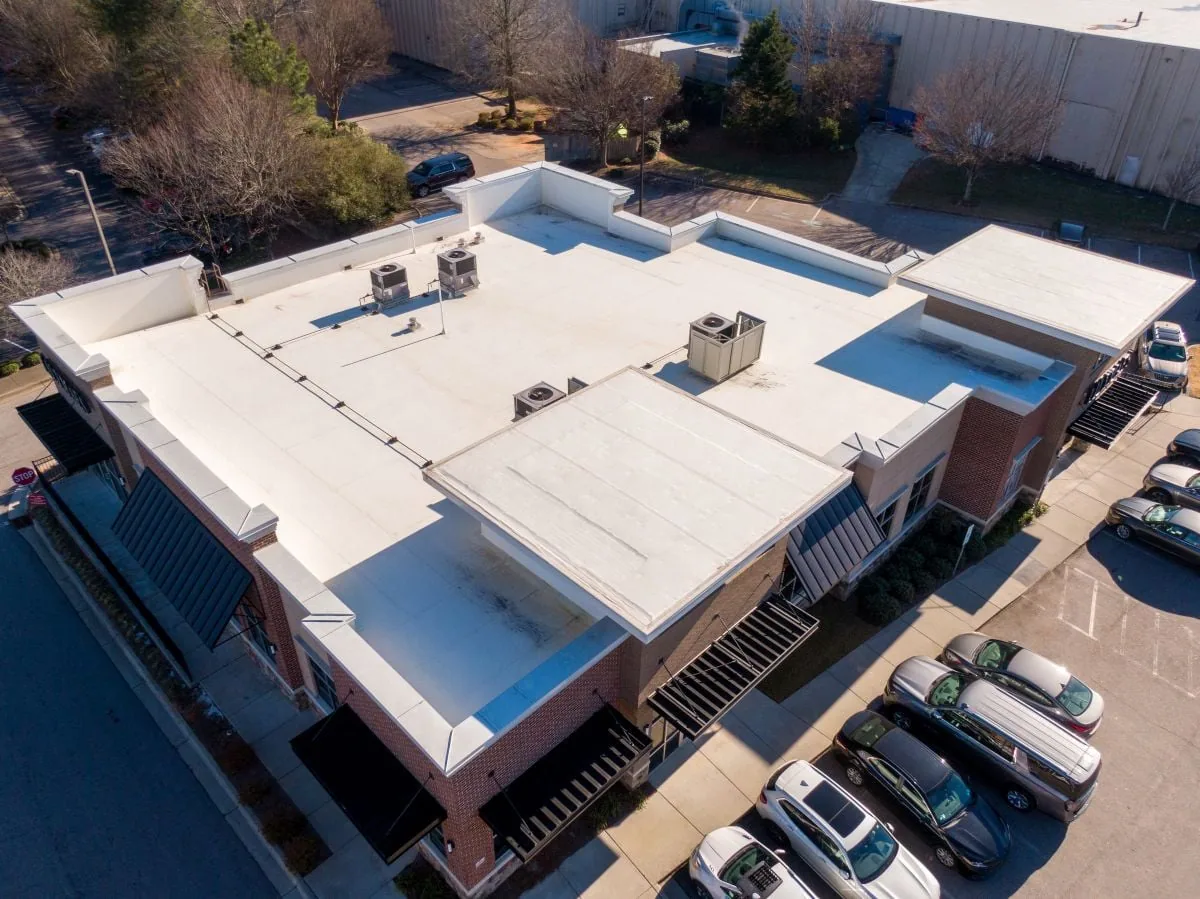
We begin by asking whether water is active, which rooms or operations are affected, and whether occupants need immediate protection. The site contact confirms roof access, ladder or hatch rules, alarm procedures, and areas that must remain clear. A repair at a warehouse may require coordination around loading activity. An office or medical property may need quieter work windows and a clear route for staff. We set those limits before carrying tools or materials onto the roof.
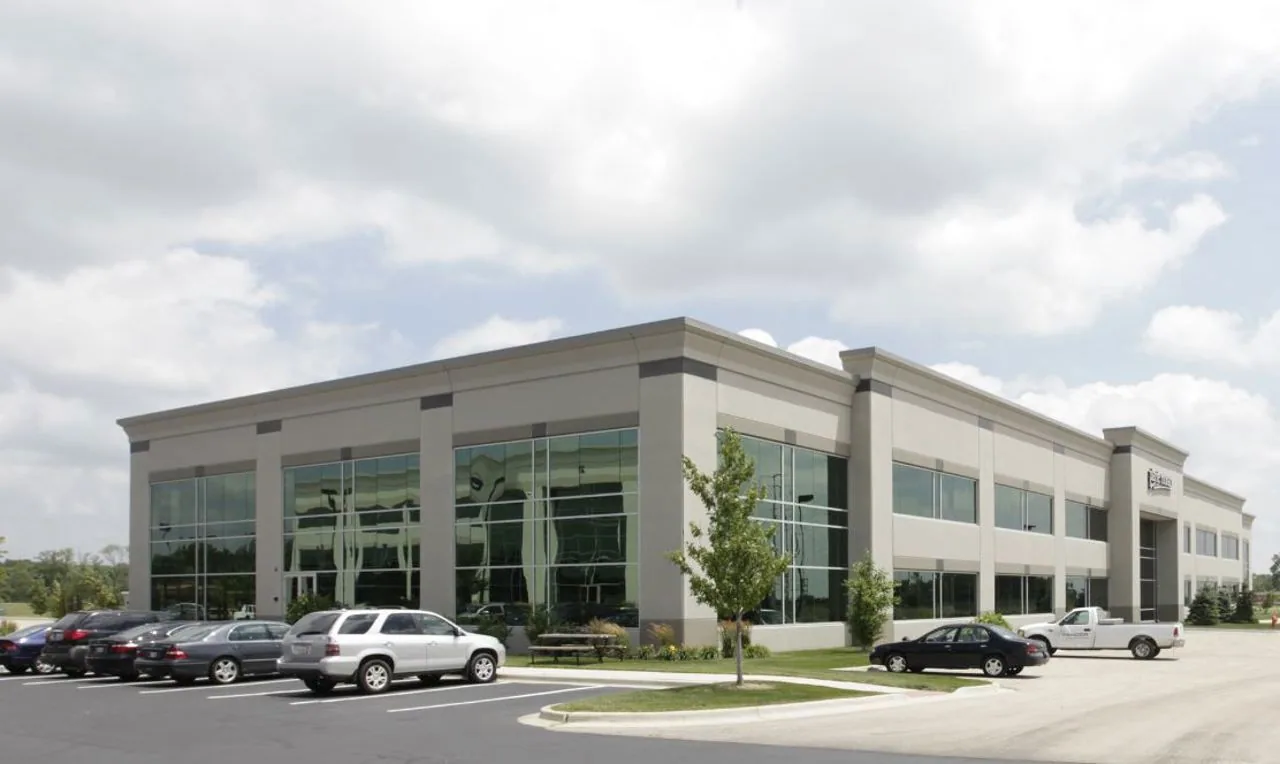
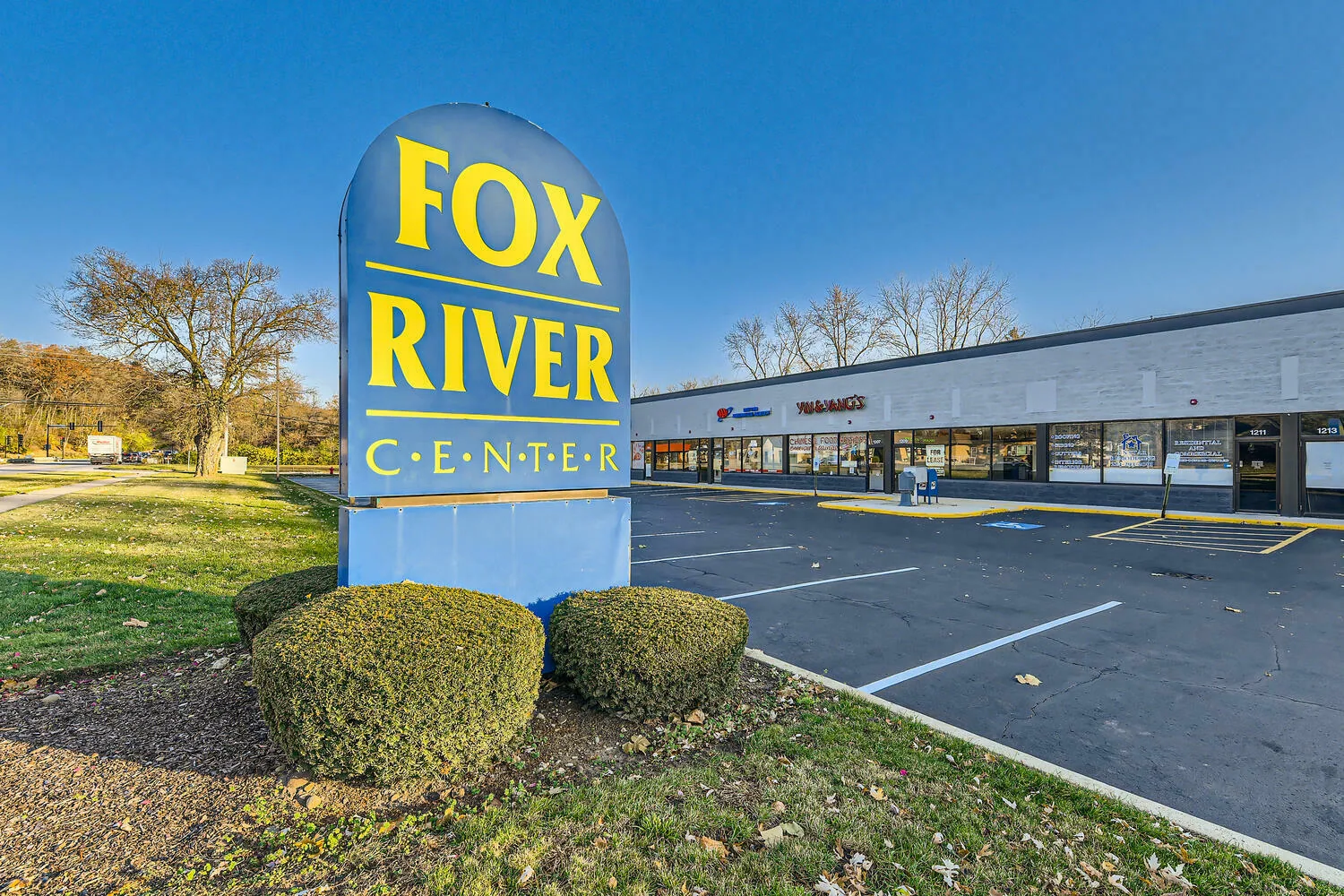
Randall Point Executive Center and Fox River Business Center are Elgin business and industrial areas. Their names do not identify the roof construction at a particular property. We confirm the building’s system and condition at the visit. If the leak is active, temporary water control may come first. The permanent repair then follows after the surface is safe, dry, and ready for the selected materials.
Fault isolation: trace the path before patching
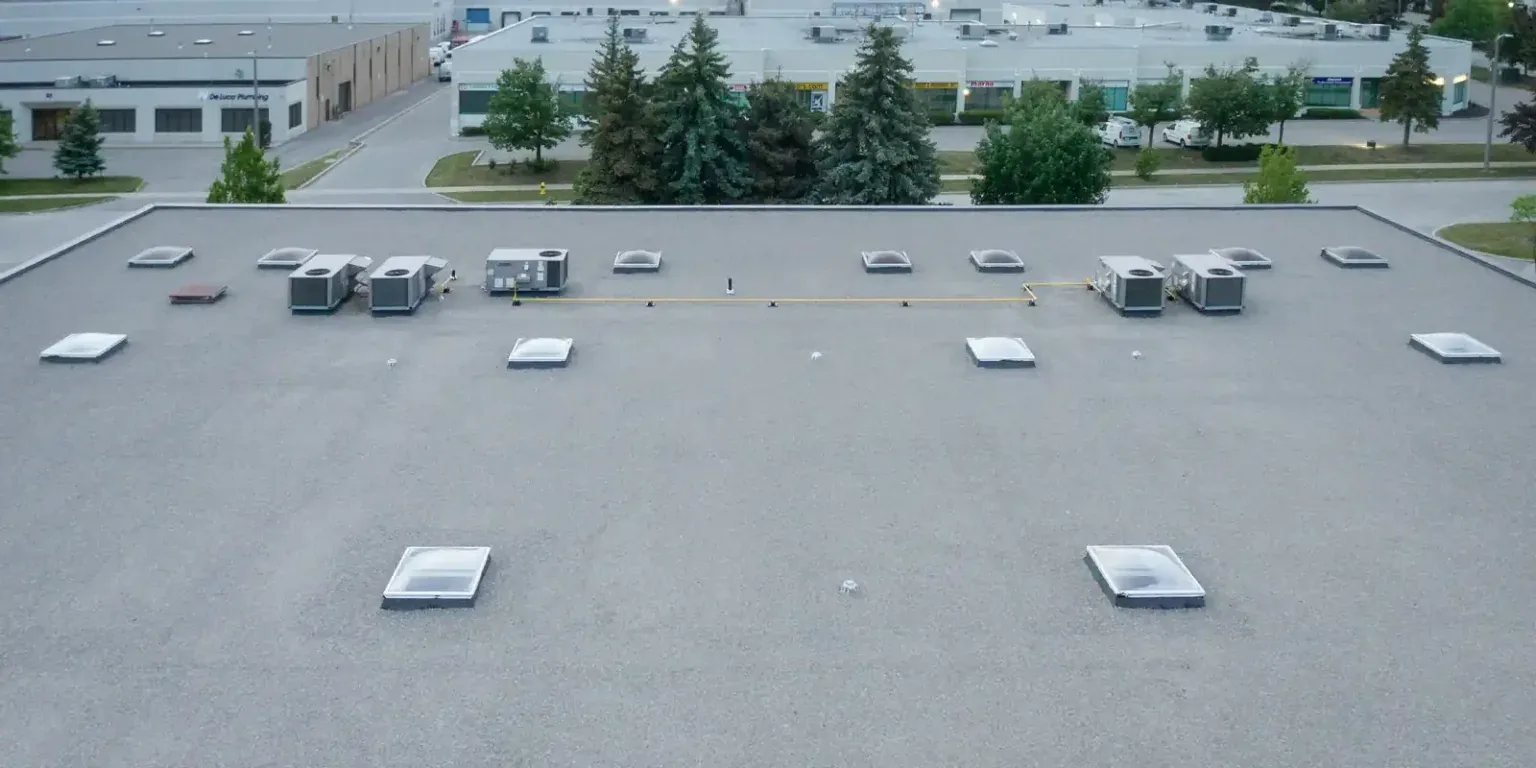
Roof water can travel beneath a membrane, along a deck flute, or through insulation before appearing indoors. We compare the reported location with slope, drains, seams, curbs, and wall transitions above it. The visible ceiling mark is a clue, not a repair map. We document the roof area and surrounding details so the owner can see why the scope reaches a particular seam or flashing. If the source remains uncertain, we say what test or observation is still needed.
Inspection also separates a new defect from an old repair. We look at patch edges, surface preparation, seam condition, fasteners, and nearby dissimilar materials. A patch placed over a wet or contaminated surface may not hold. A leak repair visit can focus on active water entry, while broader maintenance findings can be recorded for later approval. We do not expand a small work order into a full replacement recommendation unless the evidence supports that discussion.
Repair method: match the installed roof
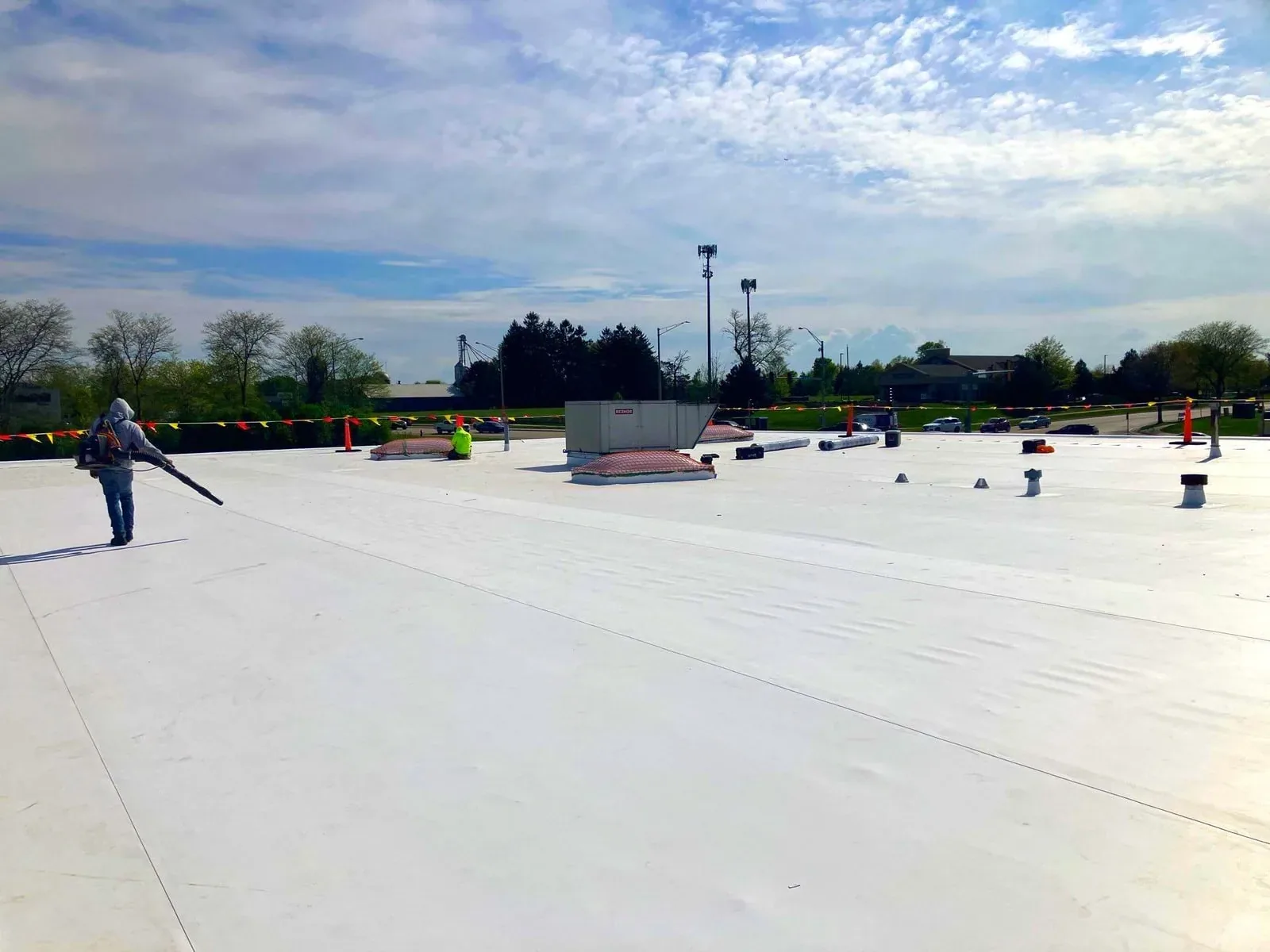
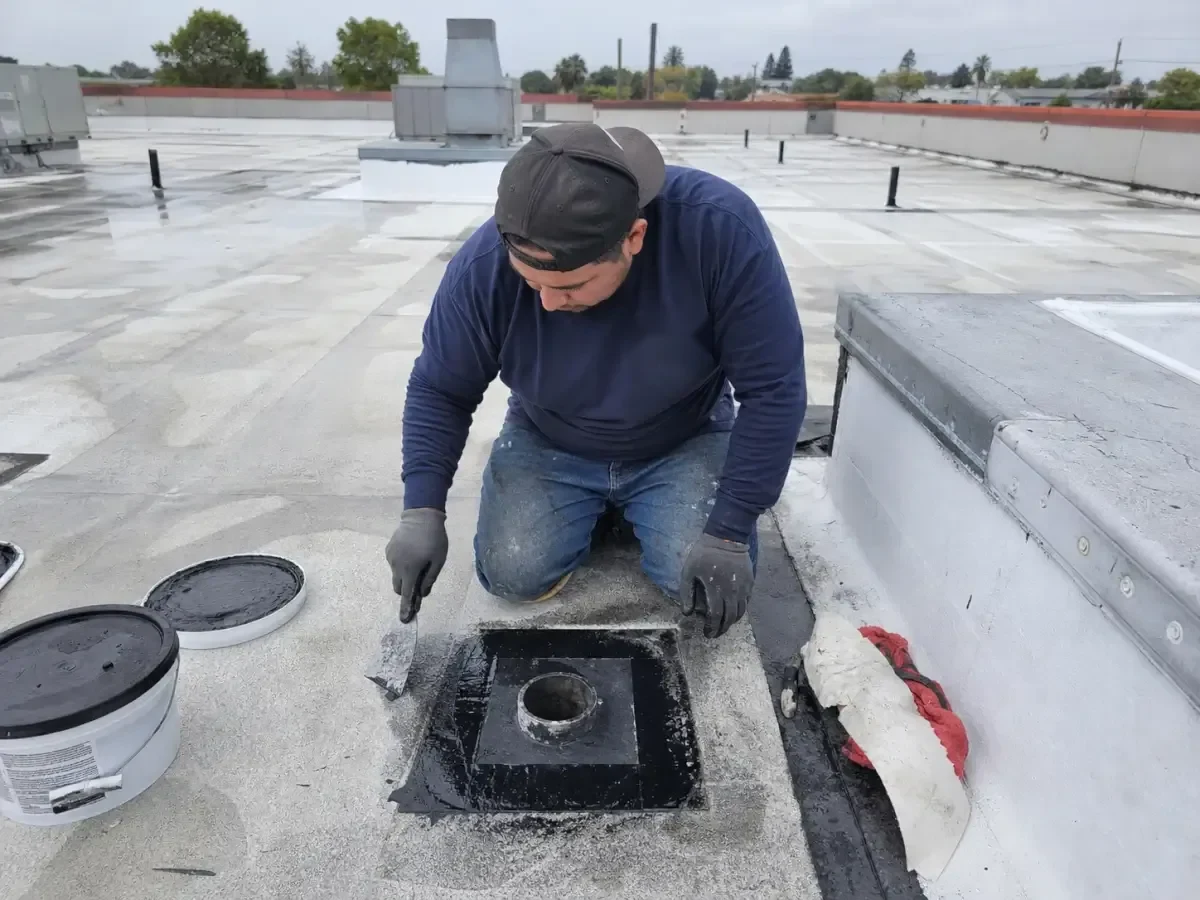
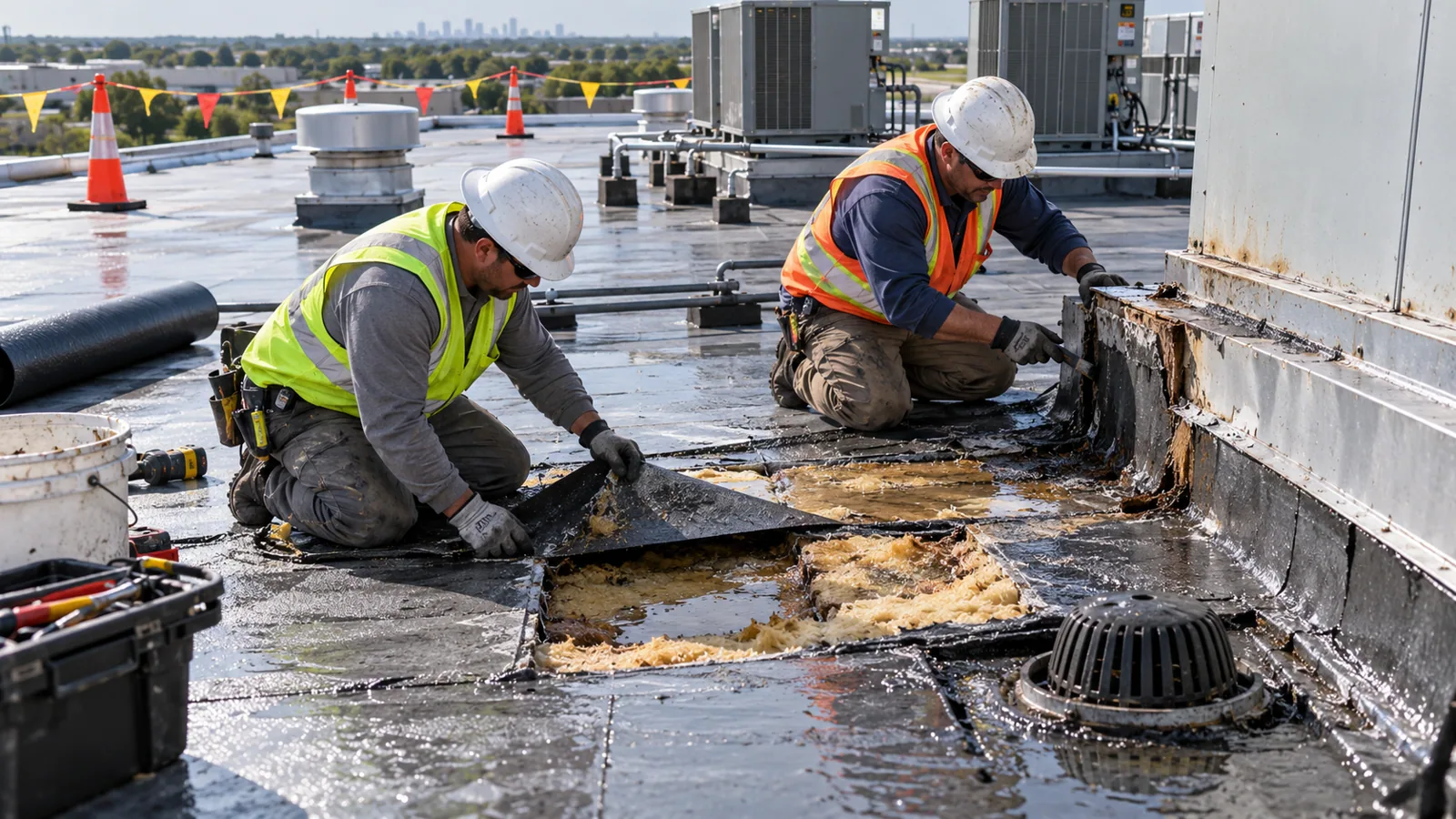
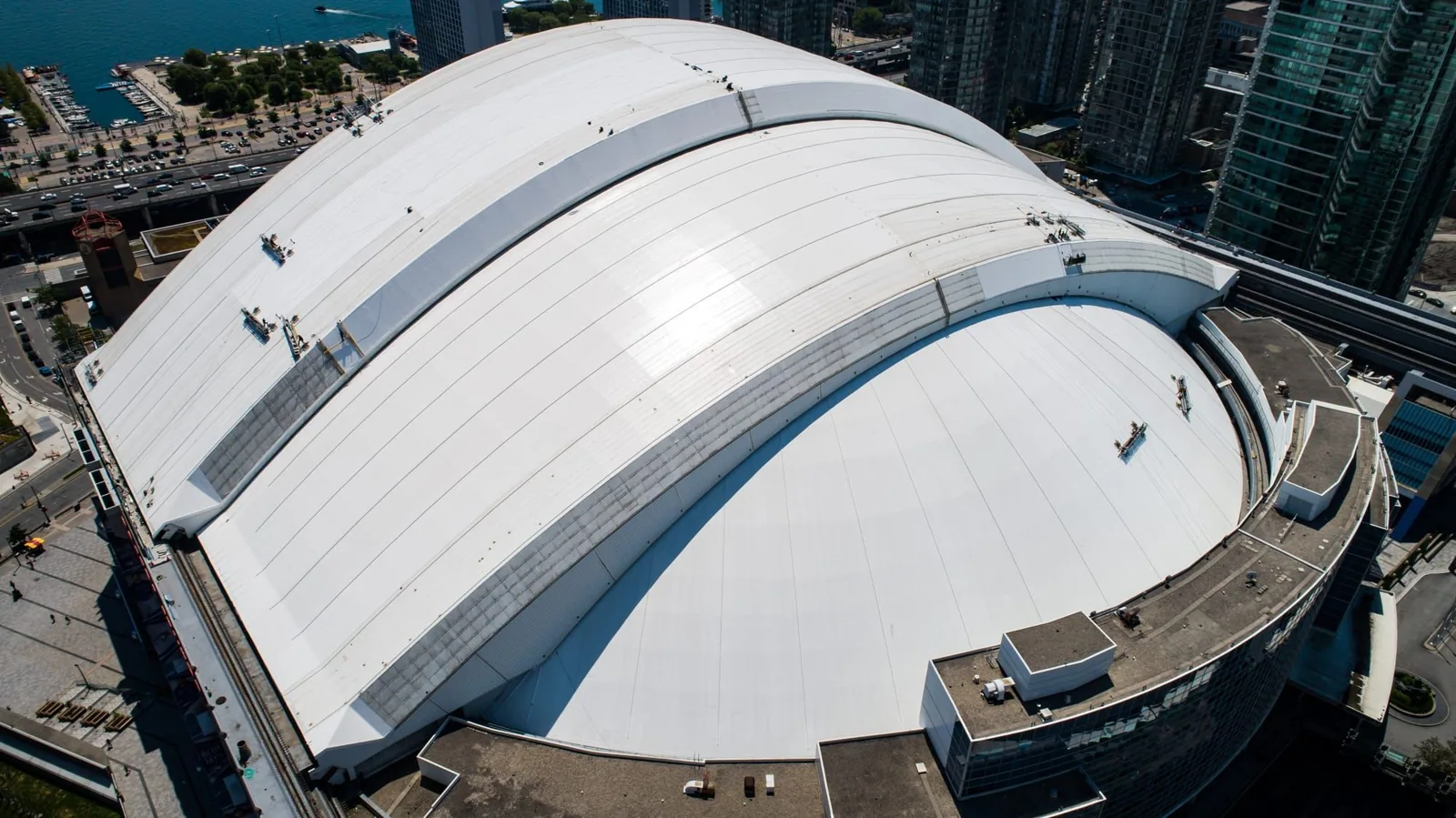
Materials must fit the membrane or metal assembly already installed. We identify whether the roof is TPO, PVC, EPDM, modified bitumen, built-up, spray foam, or metal before choosing a repair detail. The crew prepares the surface, restores the seam or flashing, and checks that the repair can tie into sound material. A generic coating over an unknown system can obscure the defect or create a new compatibility problem.
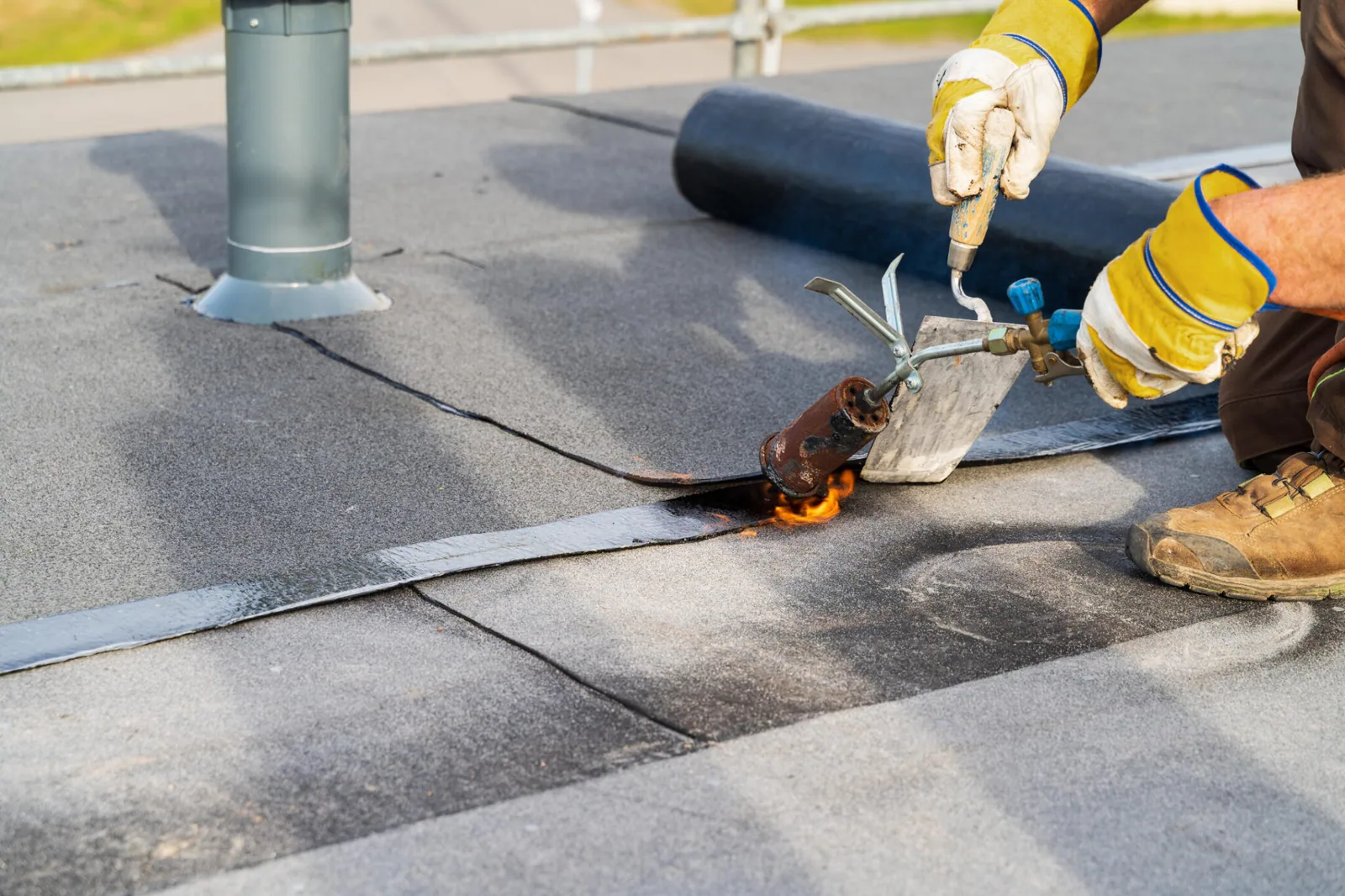
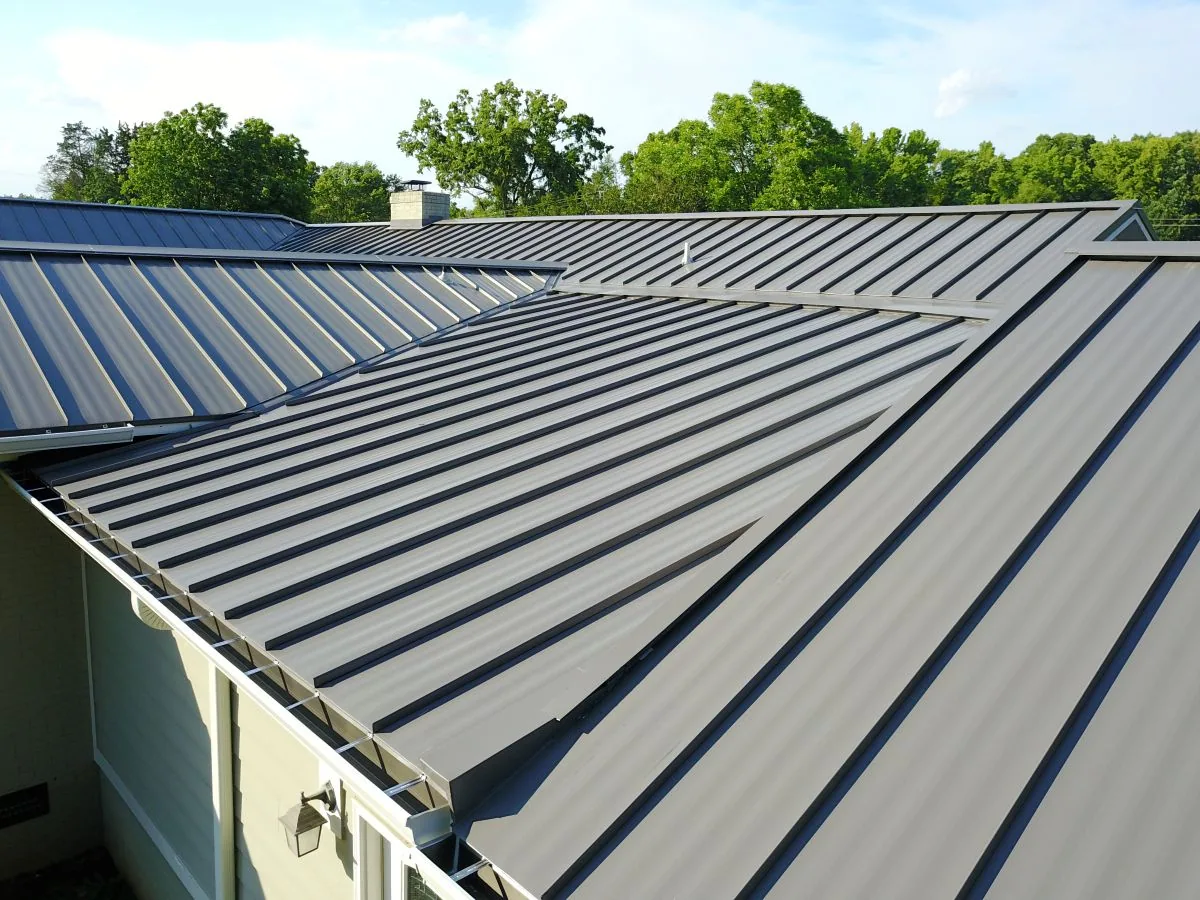
At a TPO or PVC seam, heat-welded details require clean material and controlled temperature. EPDM patches need compatible primer and adequate bonding pressure. Modified bitumen repairs depend on the surfaced ply and existing lap. Metal roofs need attention to fastener movement, panel joints, sealant, and flashing transitions. If inspection identifies a specific system, we can compare a TPO detail repair or a standing-seam metal repair against the actual condition.
Repair boundary: price known work clearly
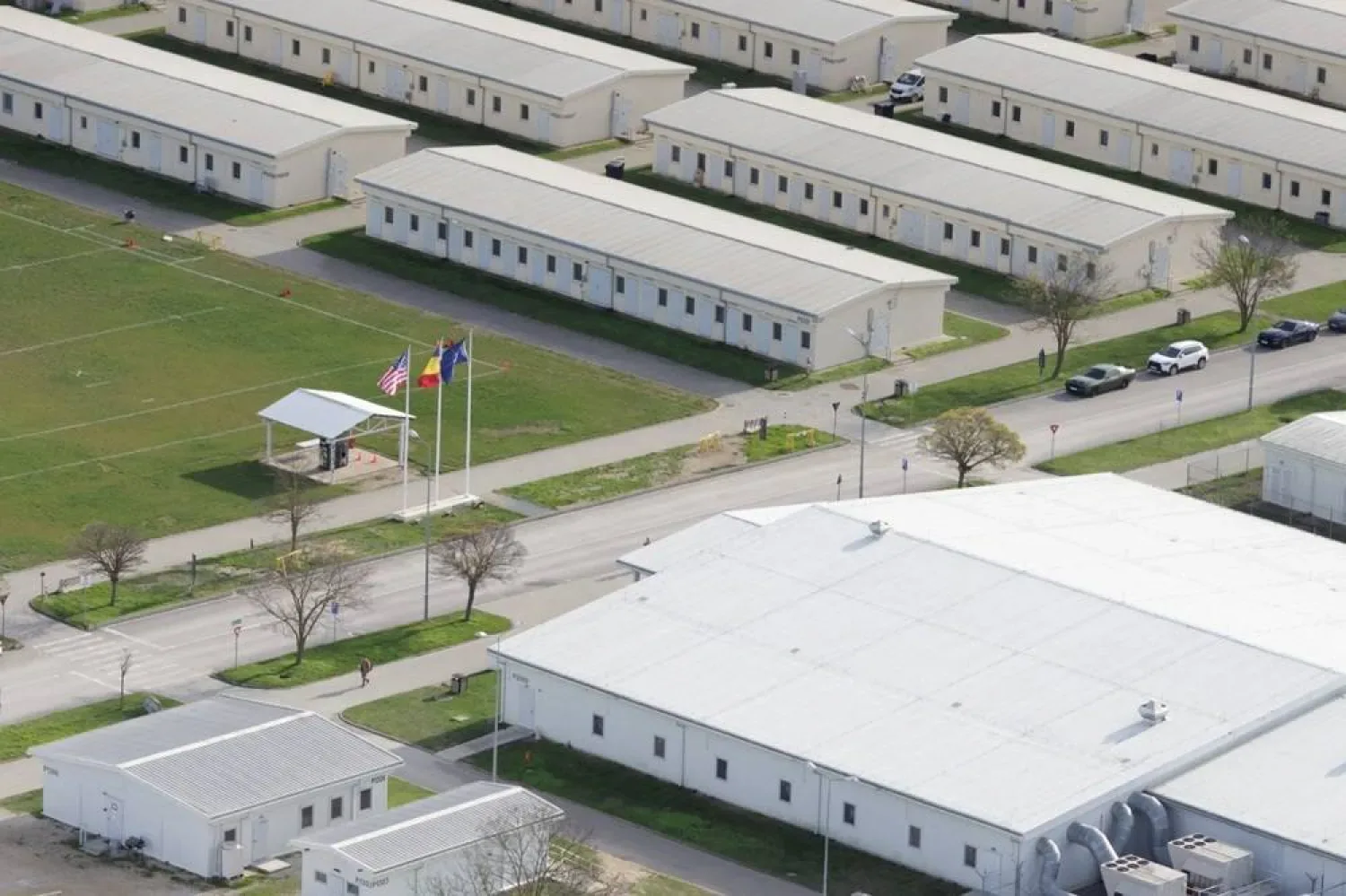
A useful repair scope states the location, material, quantity, preparation, and test method. We identify whether the work includes adjacent curb flashing, drain detail, edge termination, or insulation replacement. If the roof conceals damage that cannot be confirmed before opening it, the estimate sets an approval point for added labor and material. Photos and marked measurements help the owner review that change before the crew proceeds.
Scope may also include temporary protection, interior coordination, cleanup, and a return visit. Each item should be clear enough for a property manager to compare options. We can separate an urgent patch from a permanent repair when weather or access prevents proper preparation. A photo-supported condition report can preserve broader findings without adding them to the current work order. That helps the asset manager prioritize follow-up without confusing it with the approved repair.
Weather window: protect the repair conditions
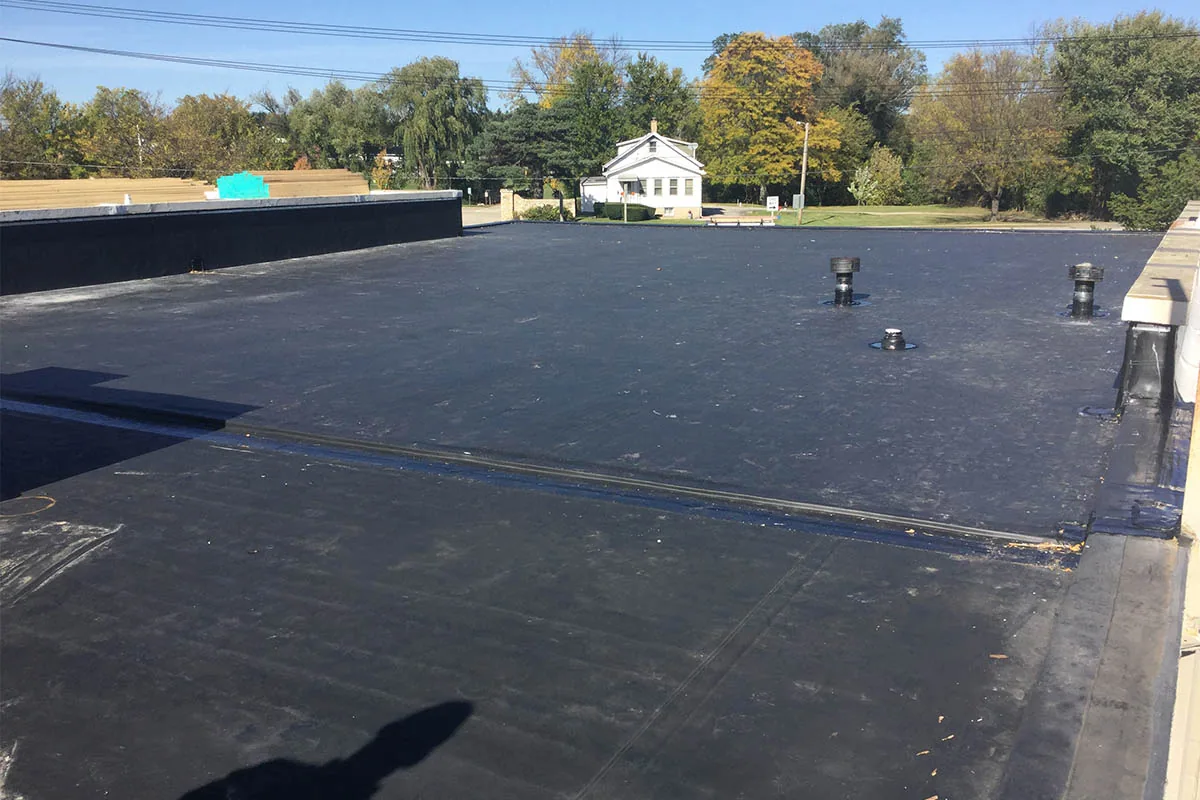
Elgin averages about 29 inches of snowfall each year, with frequent winter freezes and summer days above 90 degrees. Those conditions affect access, surface dryness, adhesive behavior, and how quickly a repair can be tested. We check current conditions before starting and use a weather hold when the material cannot be installed as intended. In winter, snow and ice must be addressed safely before the work area can be inspected. A rushed patch over frost or moisture can fail at the bond line.
On July 12, the Elgin EF1 track ran east through the city and damaged roofs, siding, and walls near Bowes Bend Drive. Each property still needs its own inspection. We photograph the reported roof zone and distinguish observed impact from pre-existing wear. If the building is near Downtown Elgin, delivery and access timing still depends on the site contact and current operating conditions.
Handoff: verify the result and next action
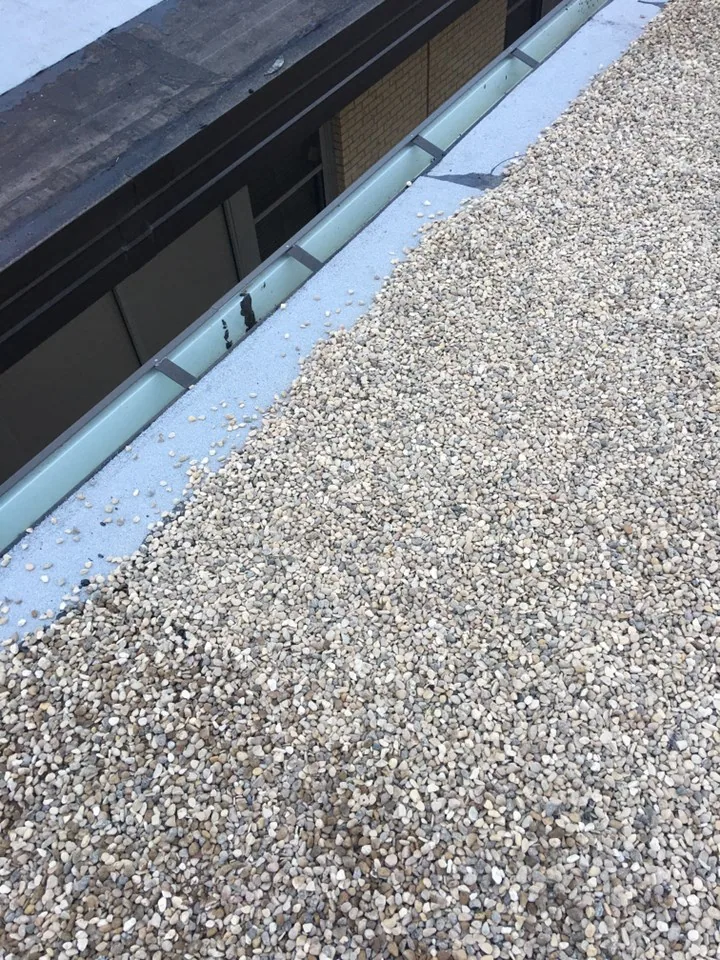
After the repair, we record the completed detail, materials used, conditions observed, and any area left outside the scope. When appropriate, we perform a water test or return inspection, then explain what the result confirms and what it cannot establish. Dated photographs show the repair boundary. If water returns, the next visit can compare the new report with the previous location and determine whether another path is involved.
Owners receive the information needed to schedule future care: access notes, maintenance items, and recommended follow-up. A single repair does not certify every roof zone. If findings point to broader moisture or repeated failure, we explain the next inspection or testing step. When immediate conditions require temporary protection, emergency roof response can stabilize the building before permanent work. Share the building use, leak location, known roof system, and access limits when arranging service. We will set a dispatch window that gives the crew a useful starting point and gives the manager a clear update after inspection.
Questions About Commercial Roof Repair
Can a roof repair be done without replacing the full system?
Many defects can be repaired when sound material surrounds the failure and the assembly accepts a compatible detail. We inspect nearby seams, flashings, and moisture conditions first. If several roof zones show related problems, we document those findings separately from the immediate repair.
What if the leak location is far from the roof defect?
The water path may follow the deck or insulation before reaching the room. We compare the interior report with roof slopes, joints, curbs, and drains, then mark the likely route. Additional testing may be needed when more than one pathway remains plausible.
Does a patch include interior ceiling work?
The roofing scope addresses the roof surface and exterior details unless the proposal specifically includes interior work. We coordinate with the site contact about water protection and affected rooms. Any ceiling or finish repair should be listed as a separate scope item.
How do winter conditions affect an Elgin roof repair?
Snow, ice, temperature, and surface moisture control safe access and material installation. We inspect only when conditions permit and may schedule temporary protection before a permanent repair. A weather delay is preferable to bonding material onto an unsuitable surface.
What will the manager receive after the work?
The closeout identifies the repair area, materials, work performed, photographs, and any follow-up recommendation. If the defect remains uncertain, the report states the limits and the next test. The record helps the next technician find the same zone without expanding the original scope.