Commercial Roofing for Real Estate Investors and REITs in Elgin, IL
Request an investor roof review
Share the asset list, diligence purpose, roof records, access permissions, tenant constraints, and decision timeline. We will return property-specific findings.
Real Estate Investors and REITs
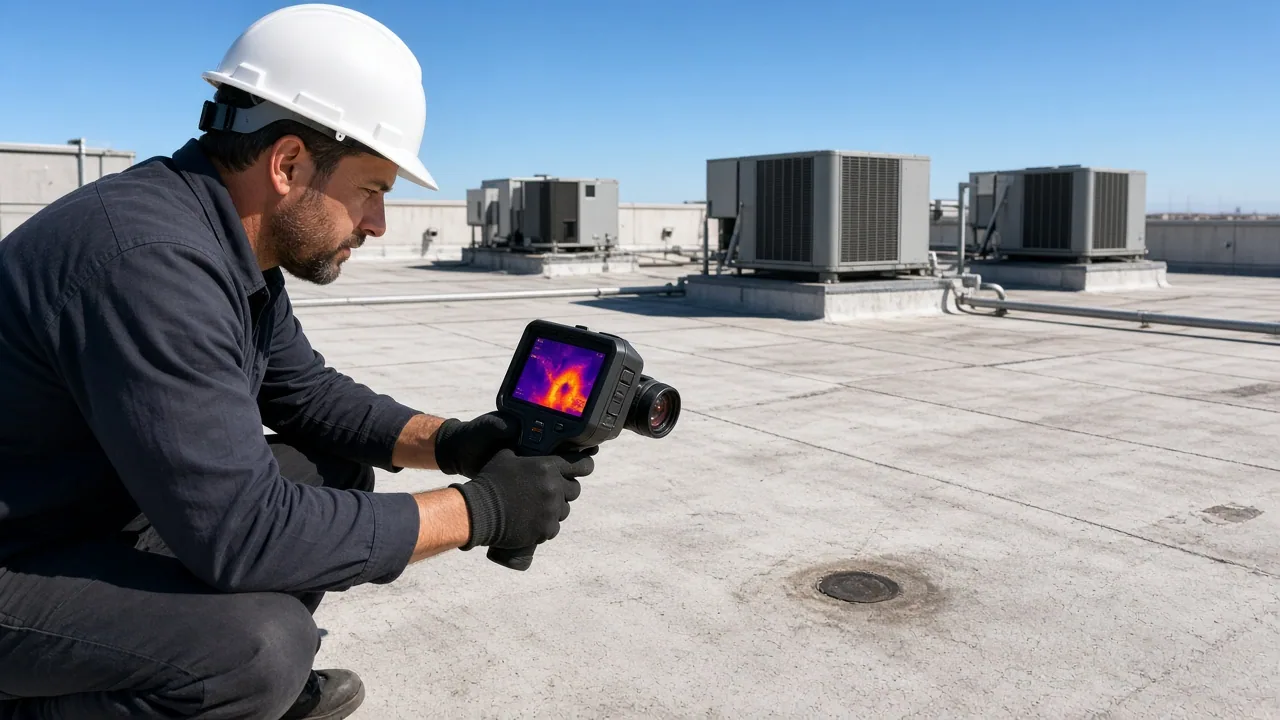
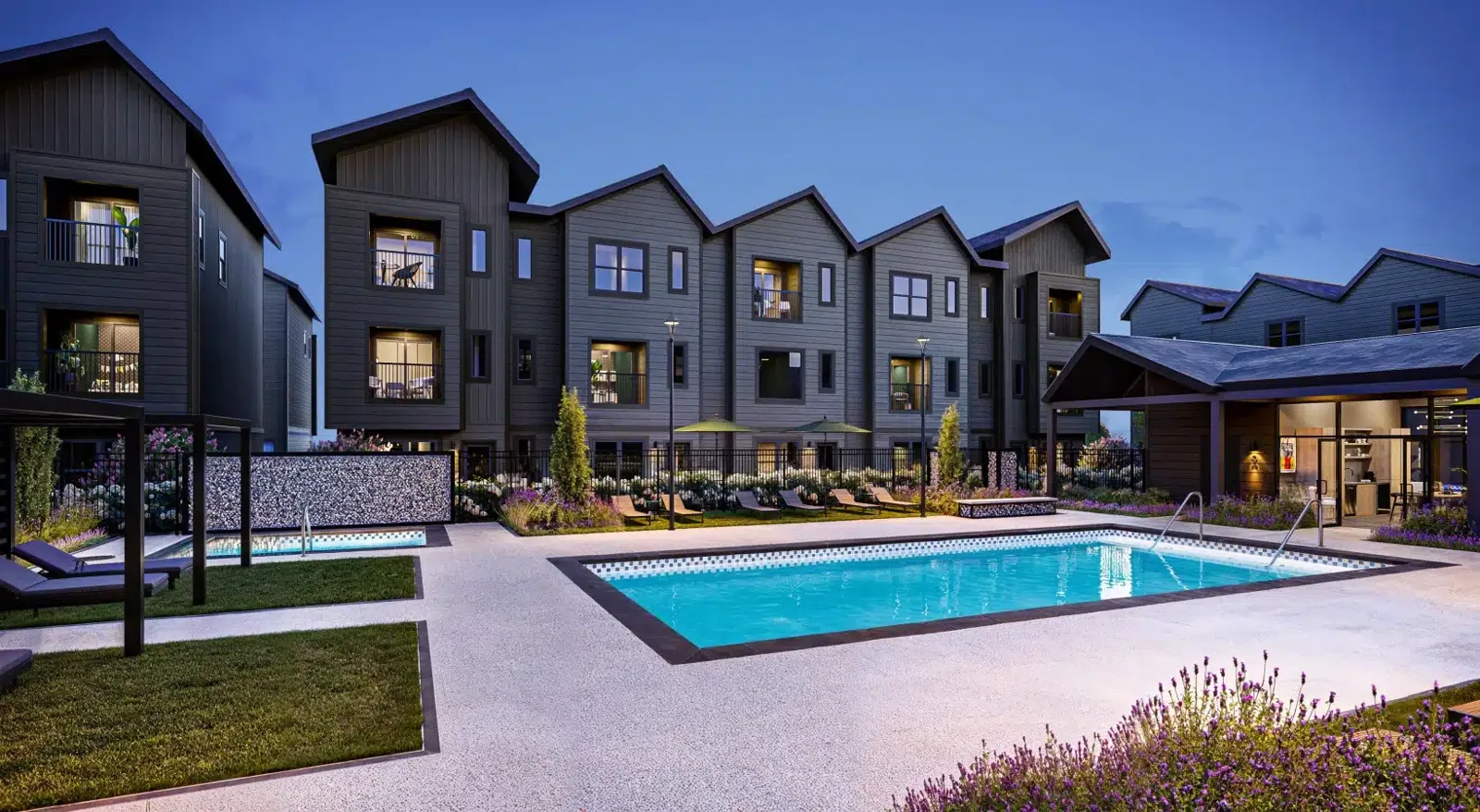
Investors need a roof assessment that separates observable condition from underwriting assumptions. We confirm the property, roof areas, available records, access sponsor, and reason for review before inspection. Elgin’s portfolio spans a Downtown commercial core, office and industrial parks, and employers in manufacturing, healthcare, education, and food processing. Those facts help frame diligence; each property still needs its own verified roof record.
Whether the decision is acquisition, annual budgeting, refinance, or disposition, the report identifies what was reached, what was observed, and what remains unknown. We do not price a portfolio-wide renewal from one sample roof or represent an estimate as a certain future cost.
Set the diligence question before roof access
The asset manager identifies whether the review supports purchase, lease renewal, capital allocation, or current repair. That purpose sets the record list and level of inspection. Useful materials include roof plans, prior scopes, warranties, service calls, tenant reports, equipment schedules, and any recent capital forecast. Missing documents are noted; we do not fill gaps by assuming age, membrane, or repair history.
For an acquisition, the buyer confirms which roofs and building sections are included, the access window, testing permission, and whether the seller has authorized destructive review. The written scope states inspection limits and any excluded structure. A roof zone that could not be accessed is reported as unverified rather than classified as acceptable.
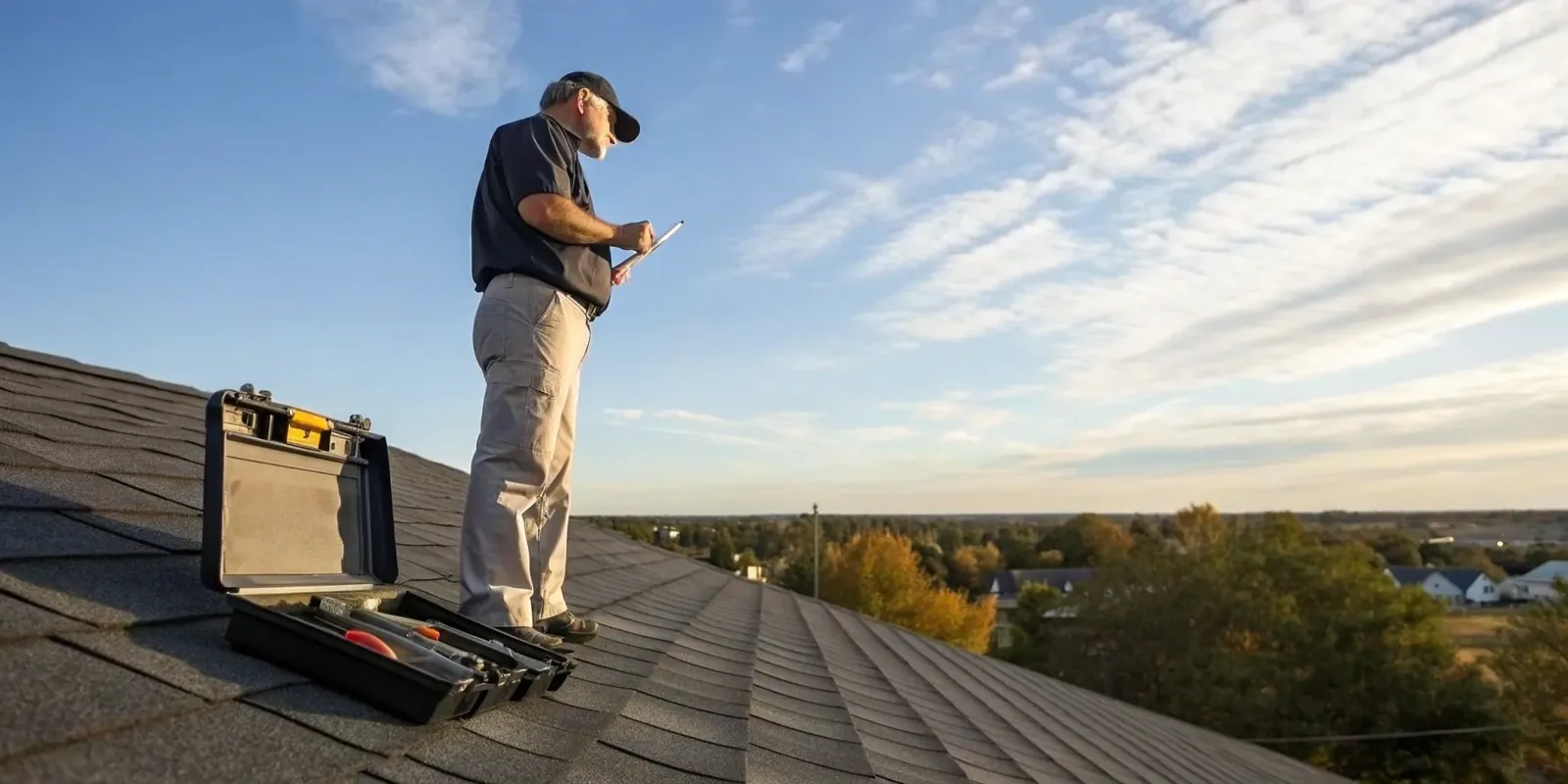
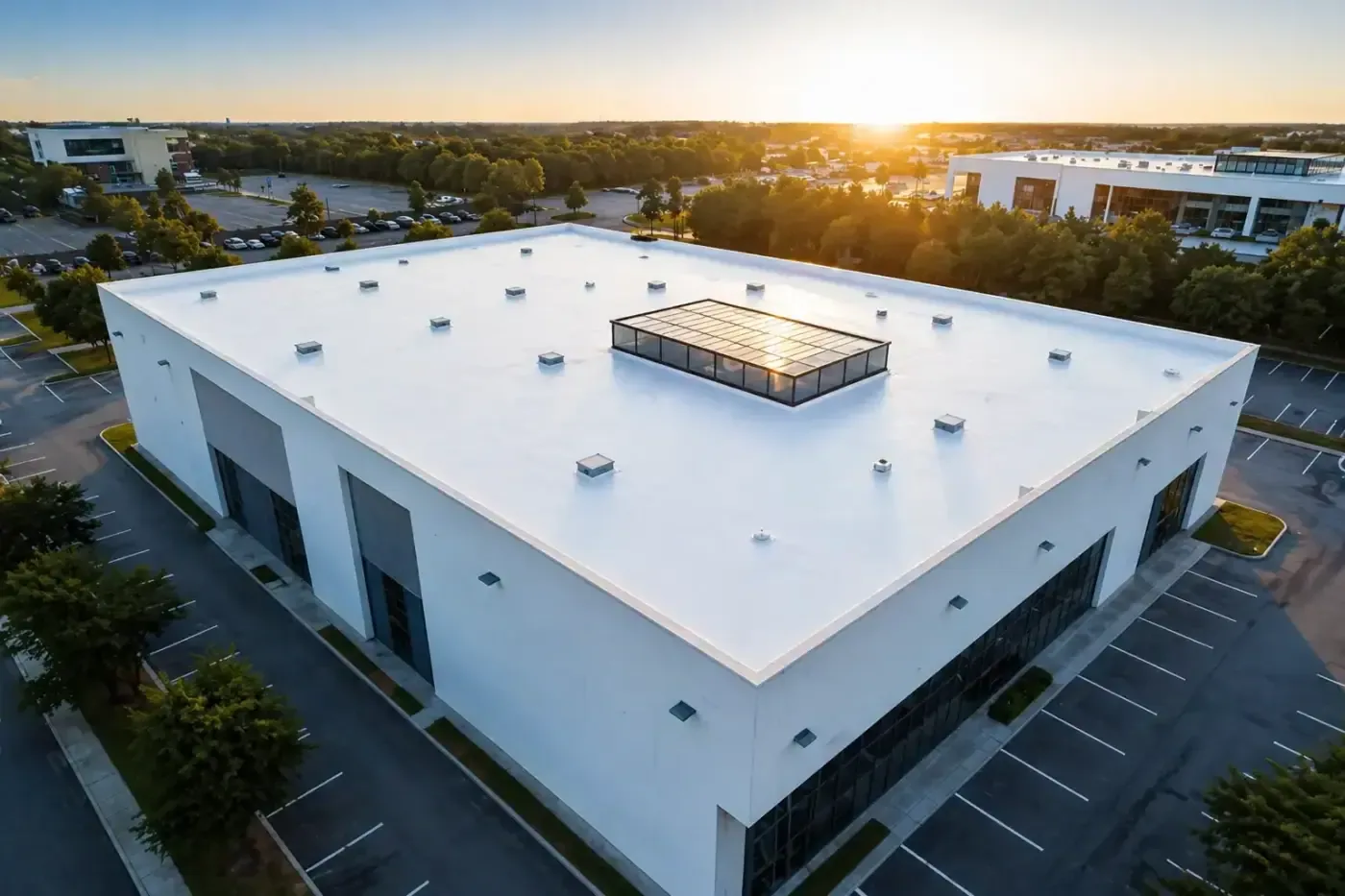
A roof due-diligence survey can organize field observations for review. For an operating building, a condition inspection can establish a maintenance baseline after closing. The two purposes should remain clear in the engagement.
Keep findings comparable without flattening differences
A portfolio view can compare urgency when records use consistent labels. Each property should retain the building name, roof section, assembly where verified, inspection date, photos, open item, and recommended action. We separate active leakage, deferred maintenance, observation, and testing need. Those categories help capital review without implying that every roof has the same cause or useful life.
Elgin’s business and industrial areas include office and research settings as well as general industrial locations. The same portfolio may include different tenant uses and access controls. An owner can group properties for reporting, but roof conditions remain attached to the actual asset and zone.
A condition report records field limits and known assembly information. A multi-site program can coordinate recurring inspections and service across locations. Neither replaces property-level findings or the owner’s valuation assumptions.
Connect repair options to capital decisions
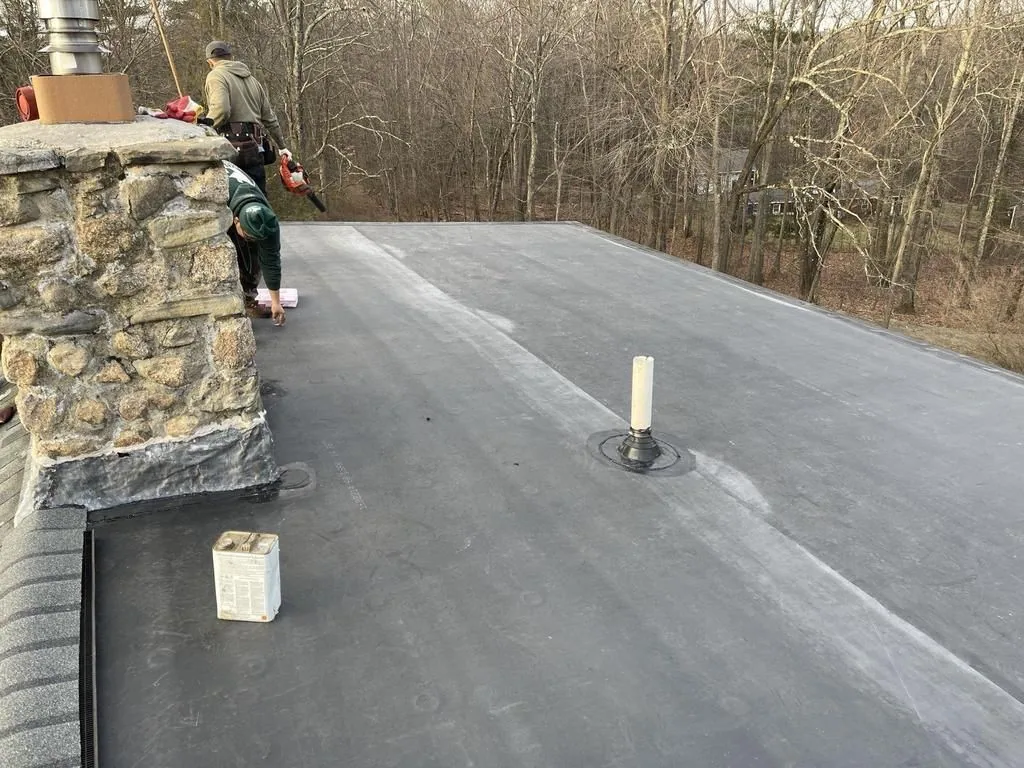
A repair, coating, recover, or replacement scenario depends on roof layers, membrane condition, moisture, deck, drainage, access, and warranty constraints. We describe the evidence for each option and separate urgent protection from renewal. Where testing could change the choice, the proposal identifies the test and owner approval required before final pricing.
Useful cost planning names quantities where measurable, working assumptions, phasing, tenant constraints, and items outside scope. The estimate is tied to the inspected roof and current conditions. An investor may use it to compare priorities or request additional design; it is not a projection of future cost or a substitute for reserve policy.
A capital plan can sequence work with property objectives and budget windows. Management may also consider property manager coordination or general contractor delivery when planning occupied work. Each party’s approval role should be named before contract award.
Check drainage, exposure, and code scope
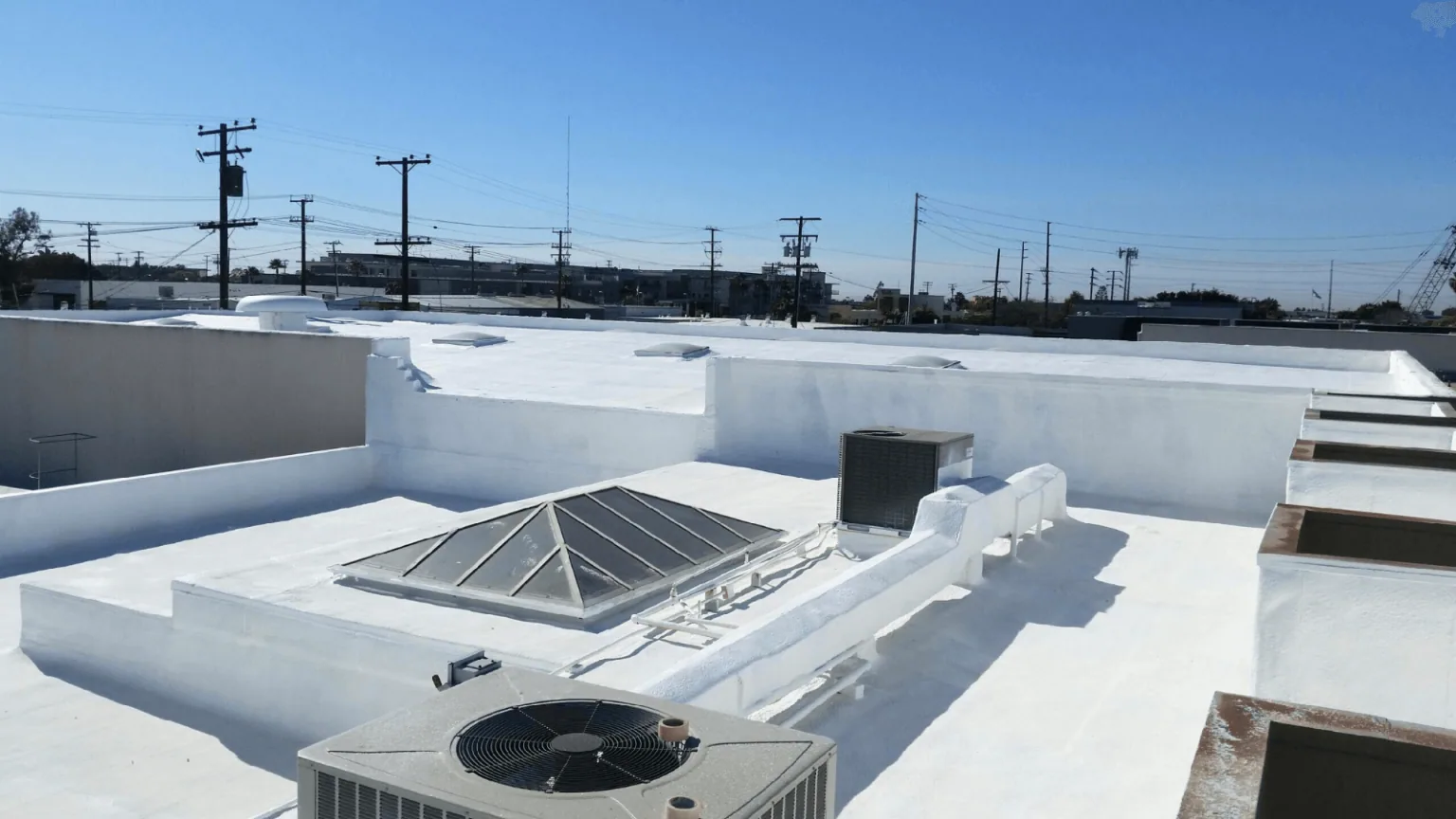
Investment teams can use a consistent roof record to compare assets without assuming they share the same system or remaining life. For each Elgin visit, capture the property identifier, inspected zone, condition evidence, open test, and next approval. Downtown Elgin and Randall Point Executive Center are commercial-area references that help orient regional coverage; ownership teams verify asset boundaries and operating contacts before service is scheduled.
A portfolio coordinator should keep access and loading instructions at the asset level. One property may require a gate contact or scheduled delivery, while another may use a shared dock. Confirm the current operating contact and ownership boundary before dispatch; regional coverage does not establish either detail.
Ownership should assign responsibility for confirming permit, inspection, and closeout obligations before releasing a capital project. The roof proposal defines its assumptions; the asset’s design and compliance representatives confirm applicable requirements.
Protect occupancy and lease obligations
The owner or manager identifies tenant hours, sensitive equipment, loading rules, public access, and notice requirements. Roof work can produce noise, odor, vibration, or restricted paths. We state the likely effects by phase. Property management controls tenant communication and decides whether a room, dock, or entrance may close.
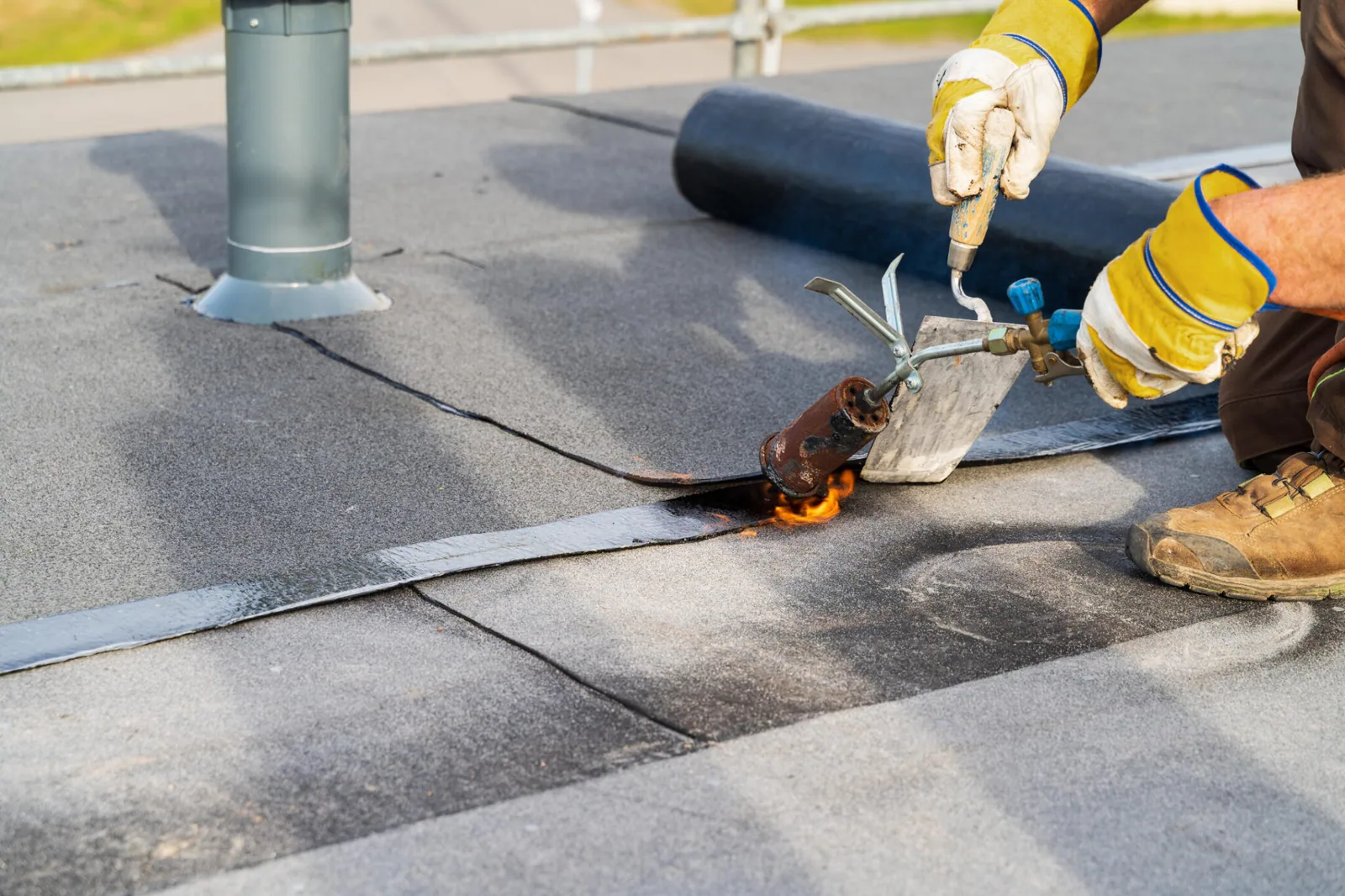
For a larger occupied project, phased reroofing can divide work by roof zone and return the asset to service in planned steps. The scope assigns temporary interior protection, equipment shutdown, and after-hours access. A tenant complaint is useful input but does not establish roof failure or an owner obligation by itself.
If the property changes hands during work, the authorized parties identify who may approve scope, receive closeout, and maintain warranties. We document decisions and open items so responsibility does not depend on an informal handoff.
Orient the review to Elgin’s commercial areas
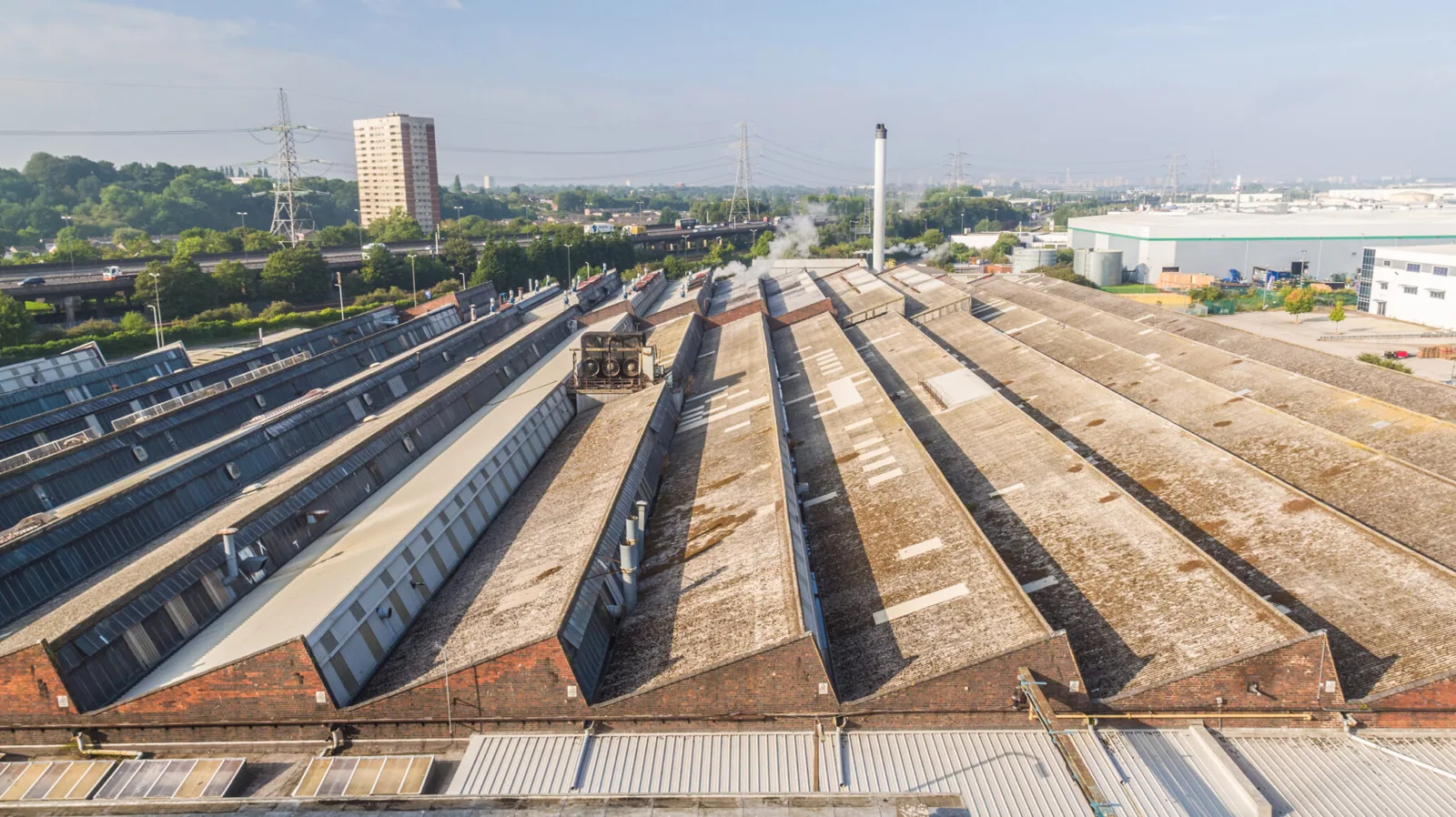
Elgin includes commercial and industrial areas such as Downtown Elgin and Randall Point Executive Center. An asset manager verifies which area, municipality, and ownership record apply to each property before assigning service or capital responsibility. Facility names help orient the portfolio; they do not identify its roof condition.
For service routing, the project team verifies dock access, parking, gate rules, emergency lanes, and any shared-lot agreement at the site. The work plan records the approved delivery location. A corridor or business-park designation cannot substitute for a site contact with authority to release the property.
Where the asset is outside Elgin, the owner confirms the jurisdiction and service boundary. We keep climate and code facts tied to the actual project location rather than borrowing Elgin assumptions for another municipality.
Deliver evidence the investment team can use
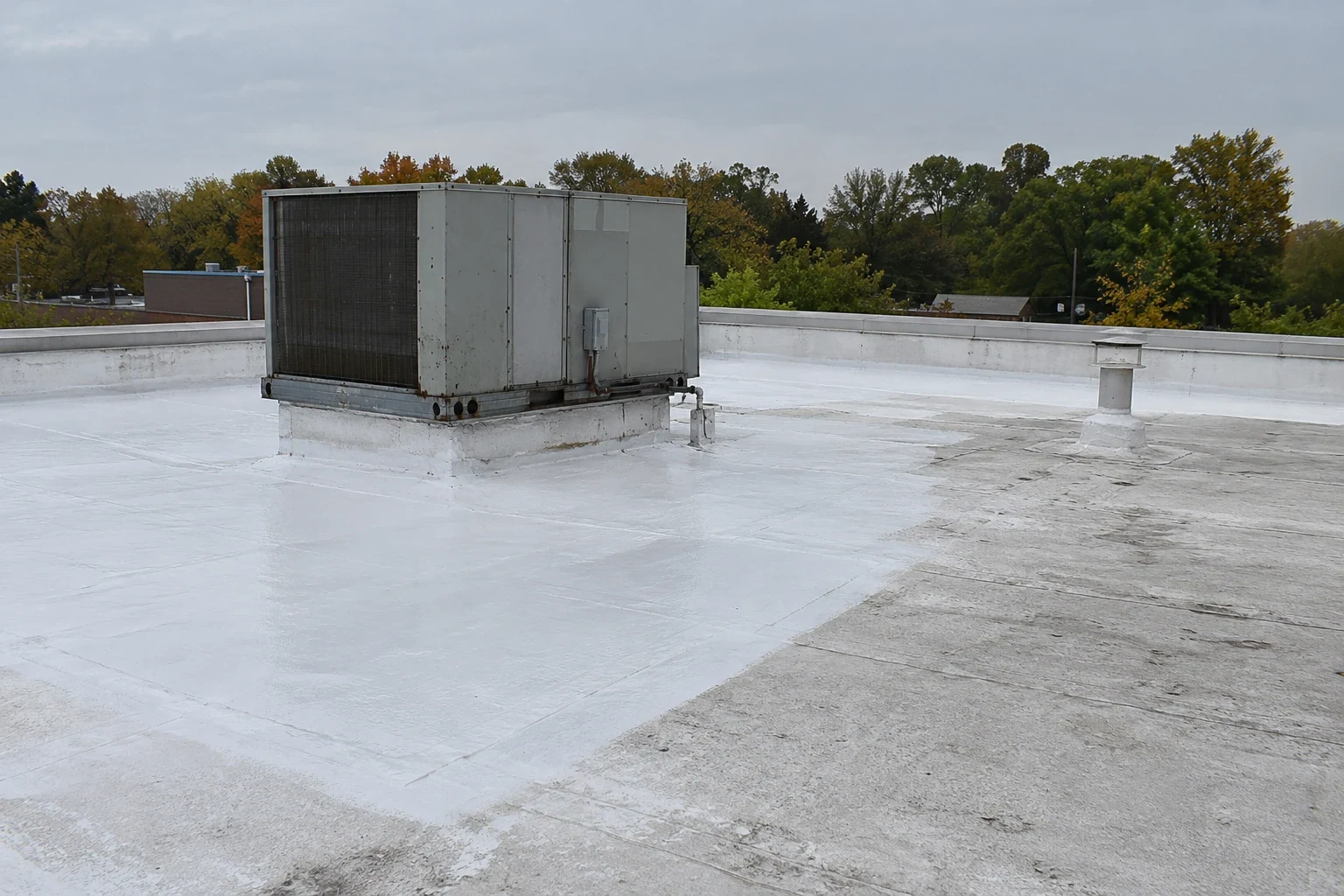
Closeout provides property and roof-zone labels, dated photos, materials where documented, work completed, remaining observations, and recommended next steps. It identifies any inaccessible area and separates repair scope from future capital options. The owner receives a version suitable for its building file and portfolio reporting. The asset manager approves each property’s repair boundary.
To request a review, share the asset list, transaction or budgeting objective, roof records, access permissions, tenant schedule, equipment list, and authorized decision-maker. Identify whether testing is permitted. We will define inspection limits and what additional evidence could change the recommendation.
Keep the report with the asset’s diligence or maintenance record. It helps a future owner distinguish a historical observation from an active issue. If the building changes hands, transfer both the report and the status of any open repair or warranty item.
Questions About Real Estate Investors and REITs
Can one roof review cover a portfolio acquisition?
Yes, with an asset list, access schedule, and agreed inspection level. Findings remain specific to each property and roof section.
Does a roof report determine remaining useful life?
It documents accessible condition and evidence. Remaining-life or reserve conclusions may require additional engineering, testing, or owner criteria.
Can estimates support capital allocation?
They can compare defined repair and renewal scopes based on current observations. Estimates state assumptions and are not future-cost predictions.
What is needed for a transaction-time inspection?
Provide property records, roof plans, access rights, testing permissions, tenant constraints, and the diligence question before scheduling.
Does a regional hail event establish damage at an Elgin asset?
No. The inspection must identify property-level impact. A regional event alone is not proof that a particular roof was struck.