About Commercial Roof Repair Elgin
Commercial Roof Repair Elgin coordinates roof service around the building, the reported condition, and the people responsible for access. The first call identifies the property, the affected zone, whether water is active, and who can meet the crew. We set a dispatch window and confirm any operating limits before roof entry. The first visit is designed to establish what can be observed safely, what needs temporary protection, and what approval is required before permanent work begins.
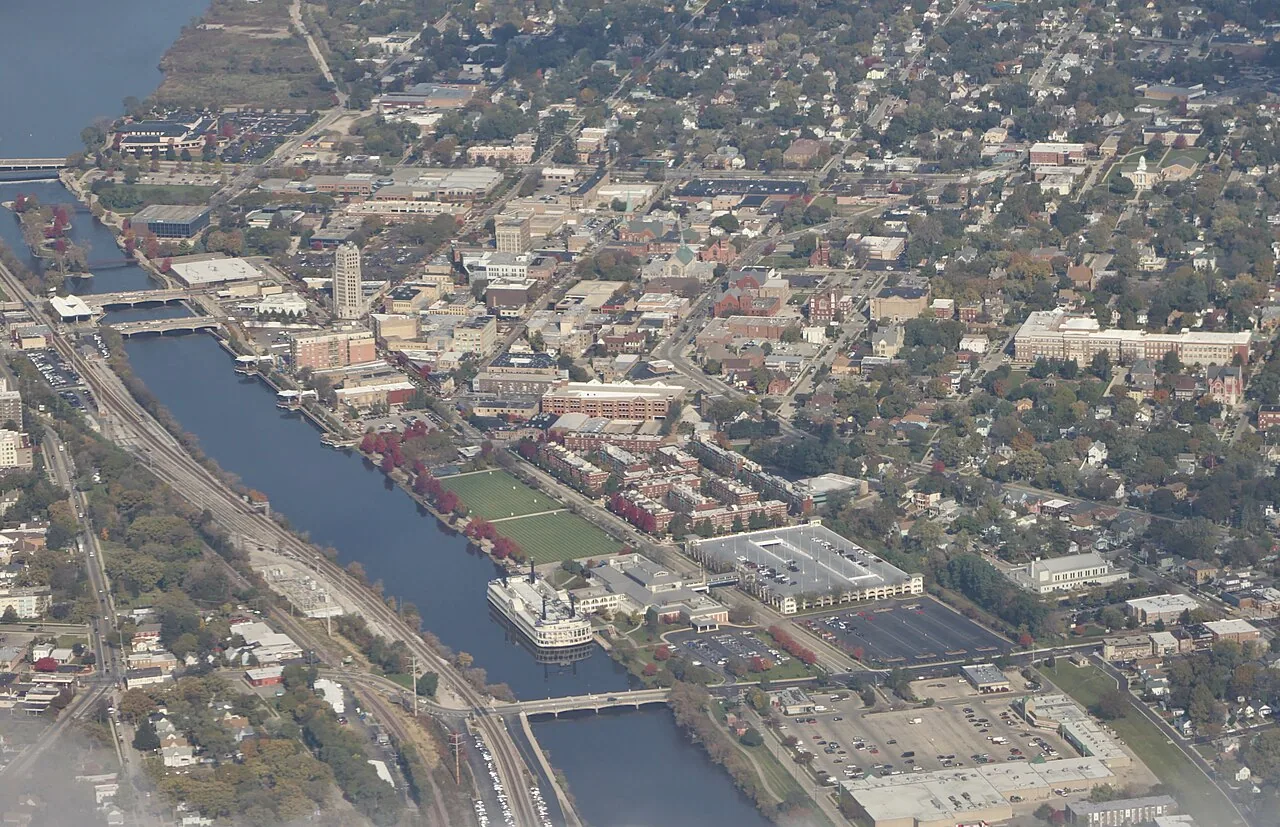
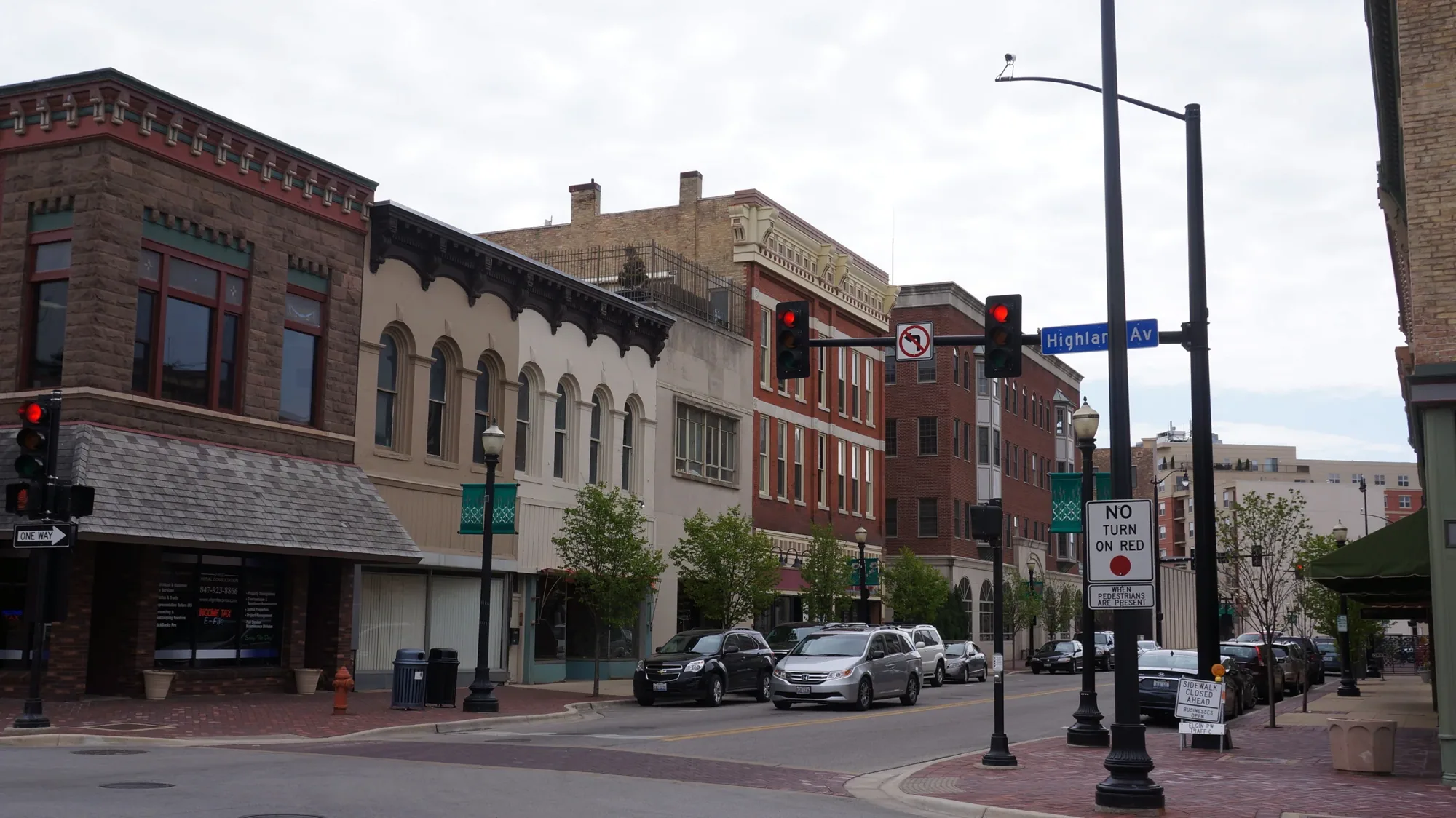
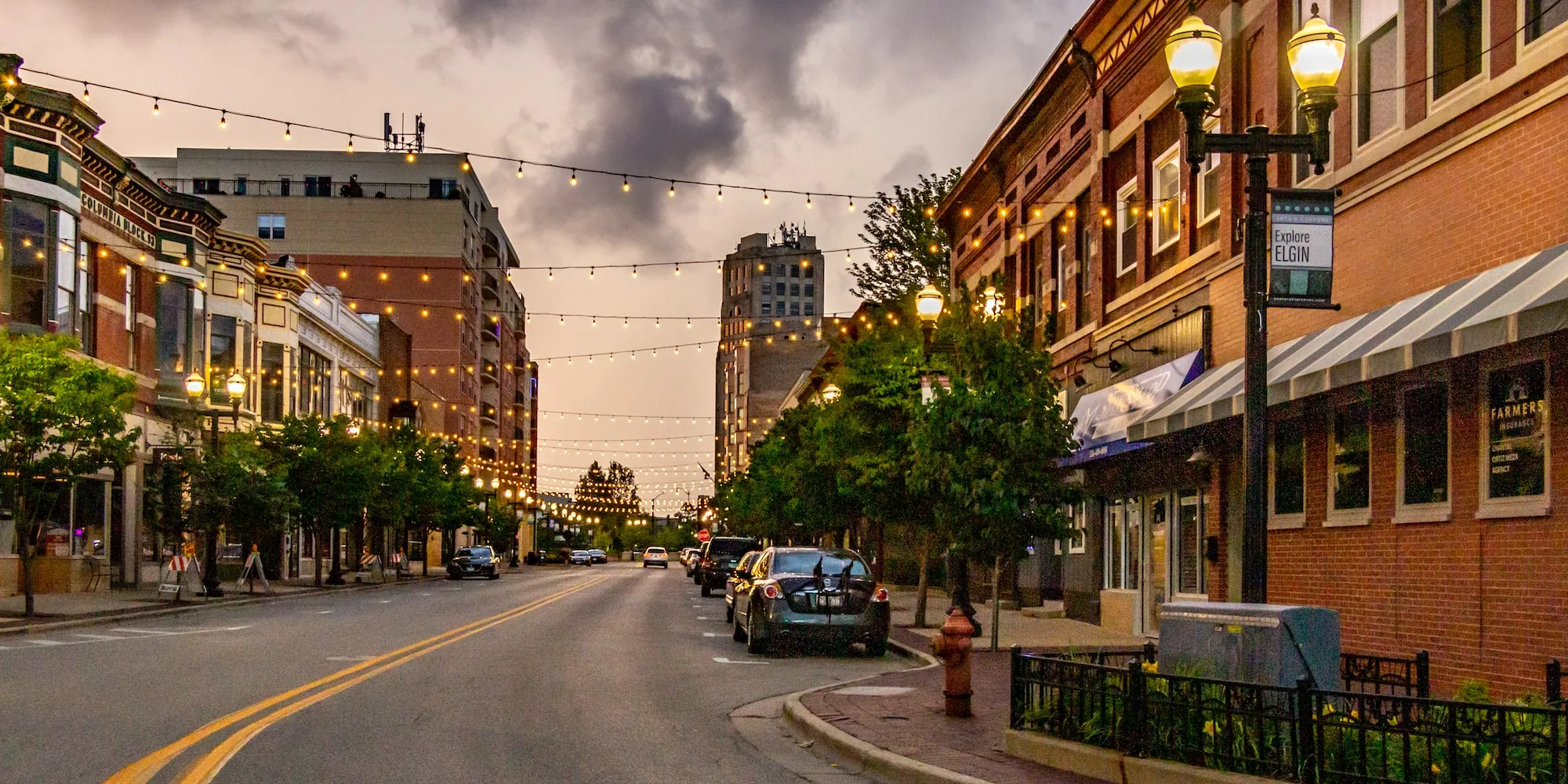
Elgin’s commercial property mix includes a downtown core, business and industrial parks, schools, healthcare, food processing, and other employers. Each site has its own roof system and operating rules. Those local conditions guide dispatch questions, but they do not tell us whether a roof is leaking or what assembly it uses. The building visit supplies that evidence.
Dispatch: get the right people and conditions in place
Before scheduling, we ask the site contact to describe the reported room or roof zone, the time water was noticed, current interior impact, known access restrictions, and any previous repairs. A warehouse can have loading activity to protect. An occupied office or healthcare facility may set quiet hours or controlled access. A school or public building may require separate approval before entering a roof area. We use those instructions to plan arrival, safe roof entry, staging, and the first update.
Elgin has frequent freezing days and measurable winter snowfall. Current weather, ice, wet surfaces, and wind can change whether a permanent repair is safe. When conditions prevent the intended work, the crew can document the limit, explain temporary water control, and reset the visit. A weather hold should be clear to the owner. It should identify what could not be done and what needs to happen next.
For immediate water concerns, emergency roof response prioritizes safe access and protection of affected operations. When the water path is not clear, leak repair service compares the interior report with roof slopes, seams, drains, penetrations, and transitions. The crew records observed conditions rather than treating the ceiling mark as the repair map.
Inspection: connect observations to a decision
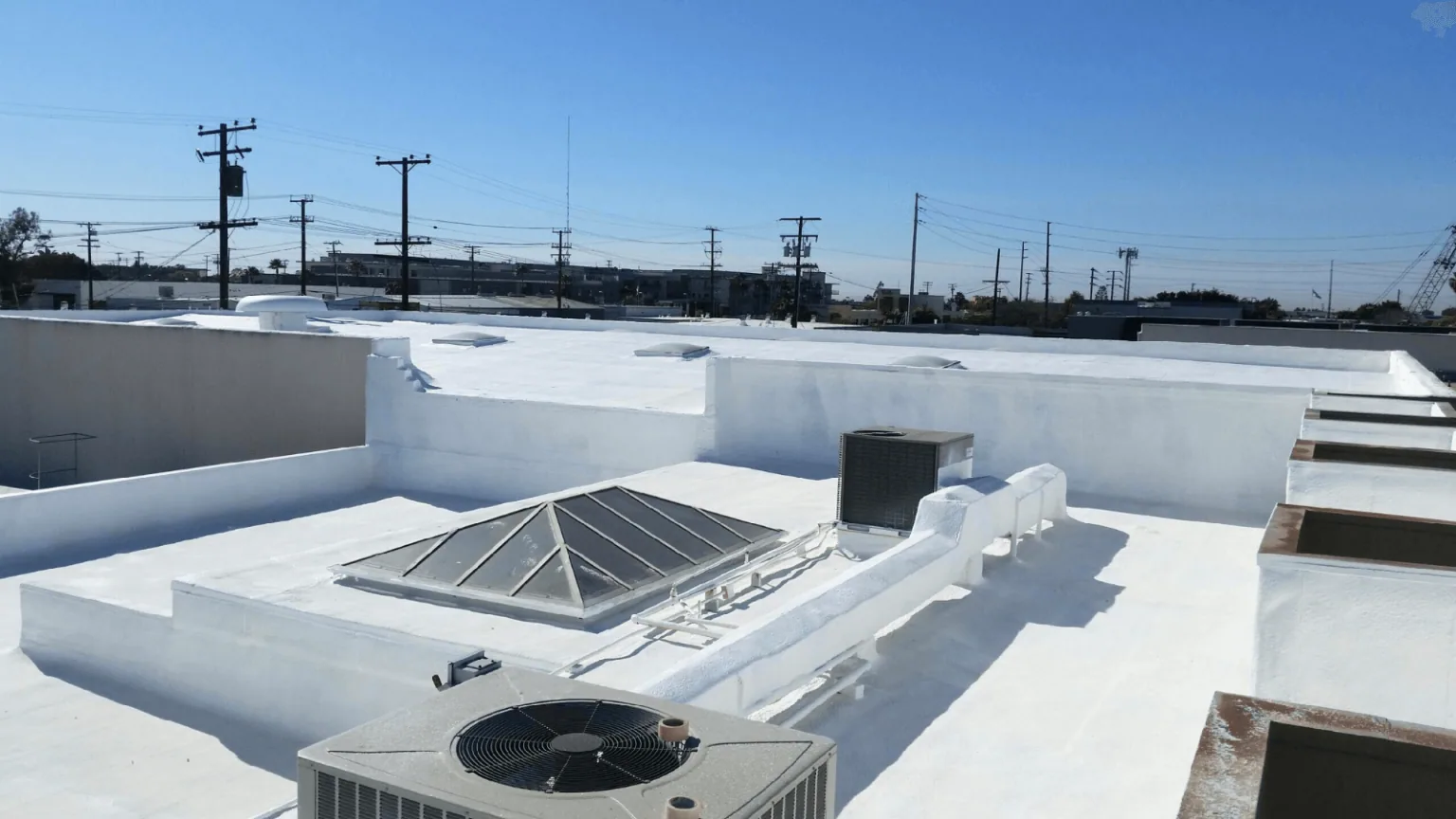
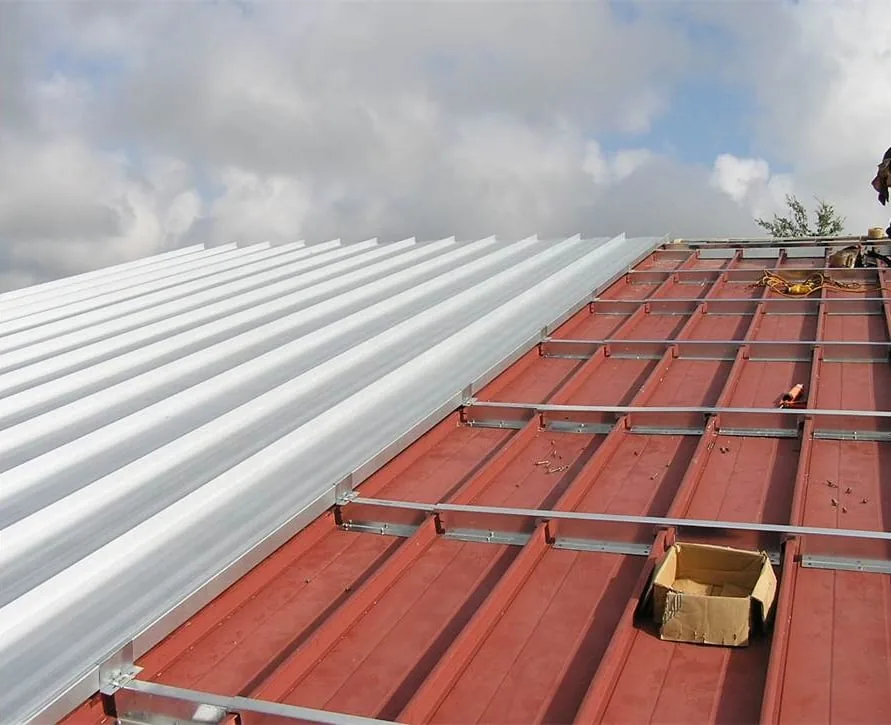
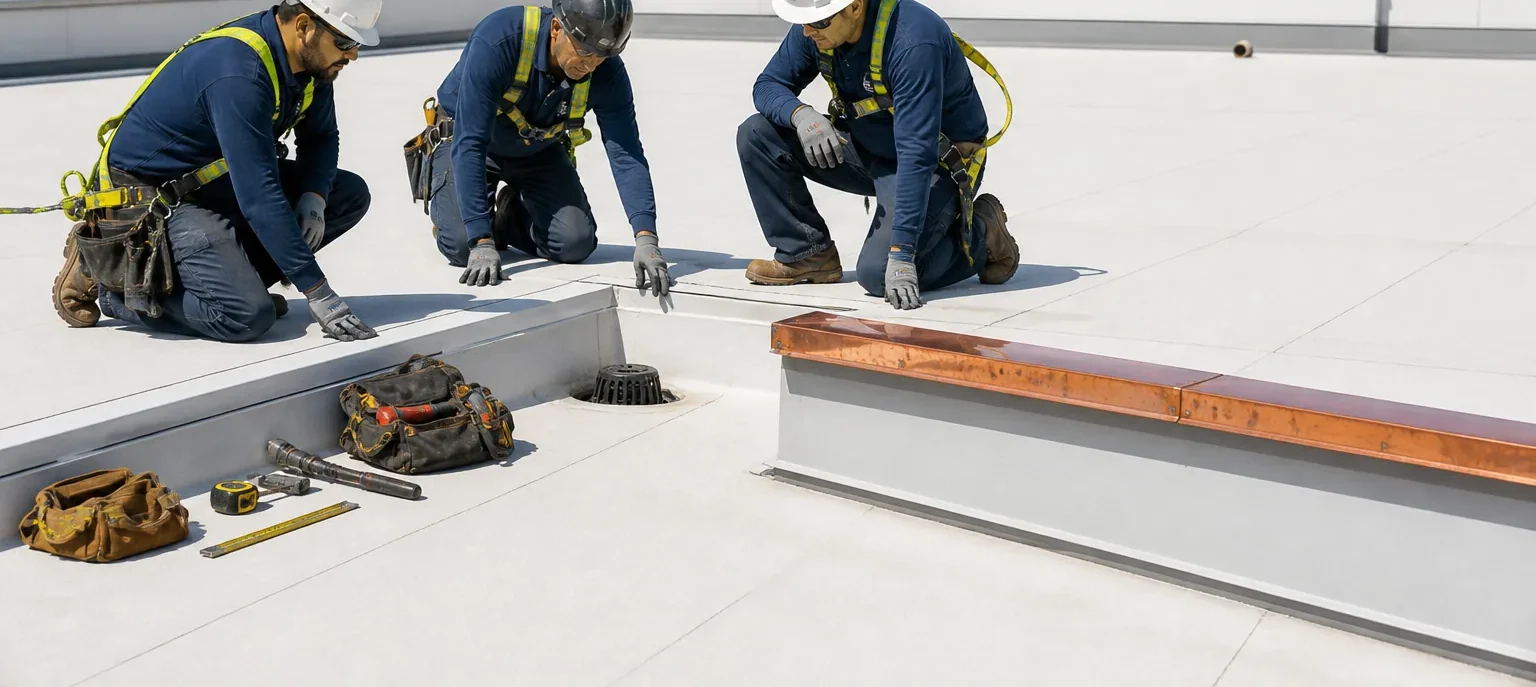
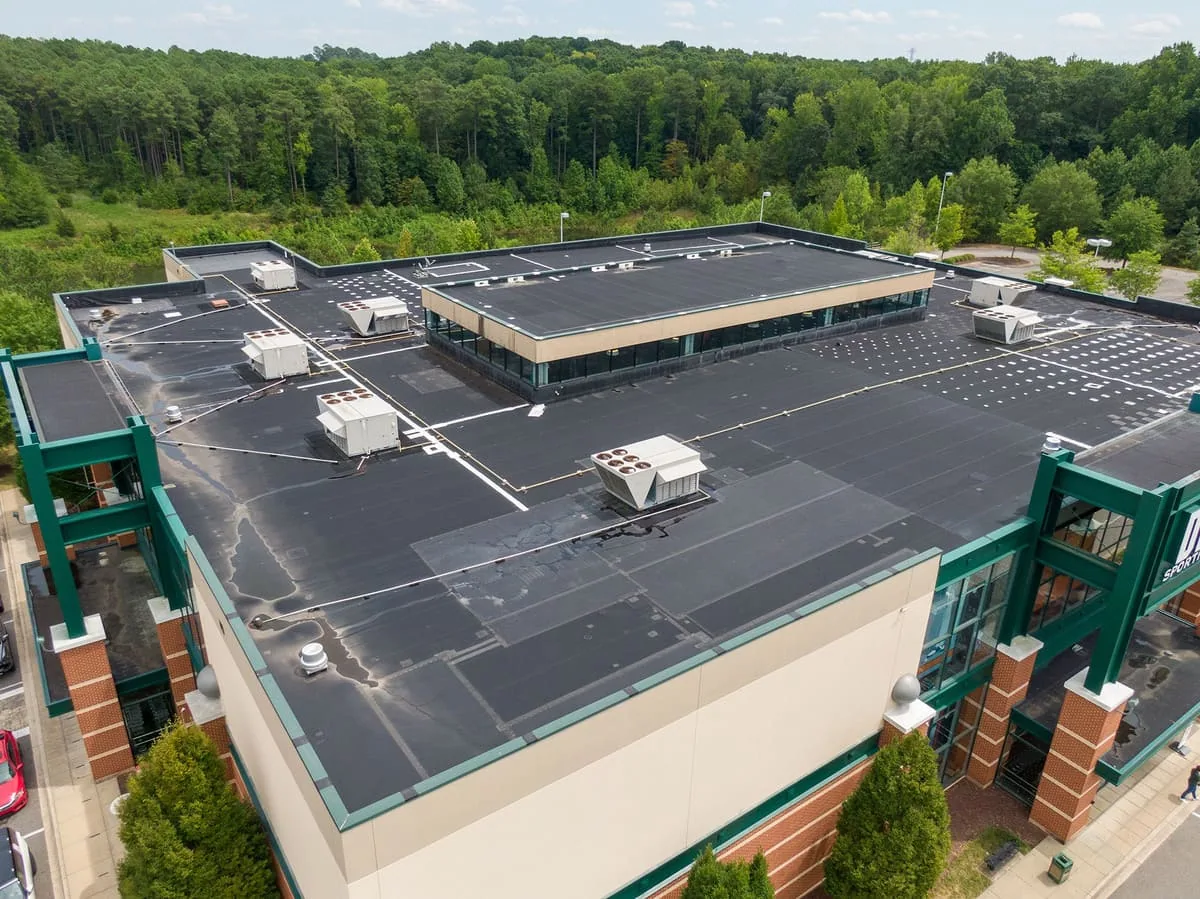
A useful roof inspection names each area entered and ties findings to photographs. We look at membrane seams, metal panels, flashings, drains, curbs, edges, and prior repairs. The roof system determines which materials and methods may be compatible. When the system is unknown, we say what evidence is missing and how it can be checked. If moisture is suspected below the surface, additional testing may be appropriate. The report should state the test area and limitations instead of implying that concealed conditions were fully traced.
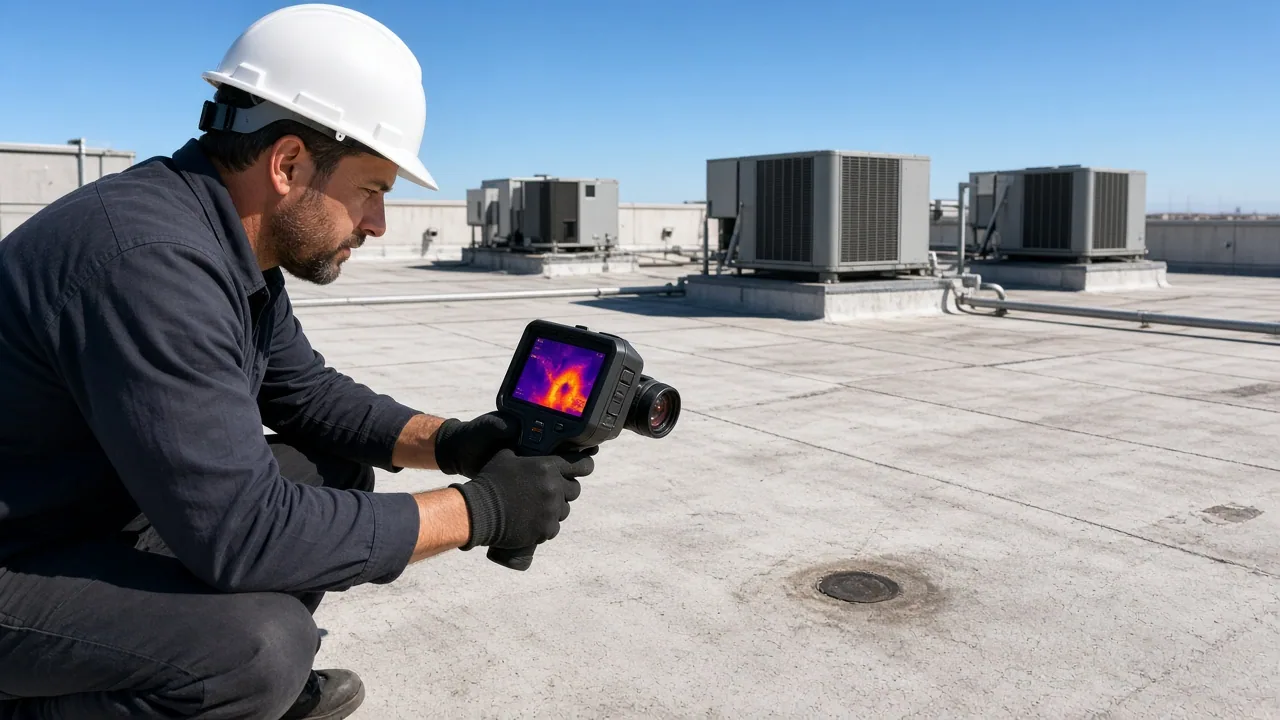
A July 2023 EF1 tornado crossed Elgin, and one-inch hail occurred there in February 2024. Either event can prompt a visit, but the property still needs its own inspection. Field review distinguishes new impact from earlier wear and identifies the affected zone. Commercial roof inspections can support a repair decision, maintenance plan, or broader condition review. Infrared moisture surveys may help when suspected wet insulation needs further investigation and conditions support that method.
We separate active water control from planned work. A minor defect may have a defined repair boundary. Multiple findings across a roof may warrant separate prioritization, testing, or capital planning. The owner receives what was observed, what remains uncertain, and which next action requires approval. That makes the recommendation traceable to evidence rather than a general statement about roof age or property type.
Repair: match the assembly and limit the scope
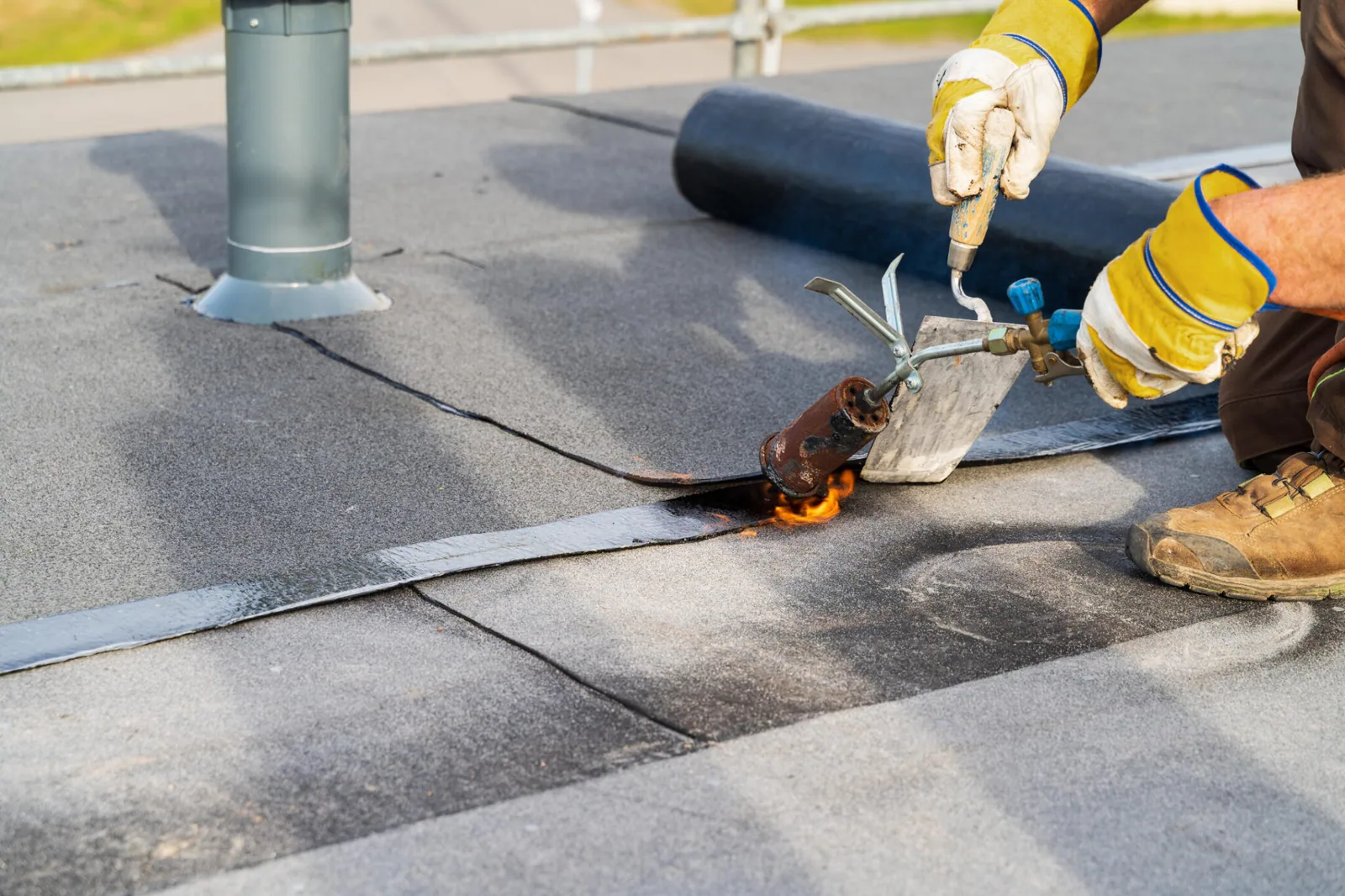
A repair scope should identify preparation, compatible materials, quantity, roof zone, and the method used to verify completion. A membrane patch, metal detail, flashing correction, or drain repair each has a different installation sequence. We do not select a product from the brand name alone. The crew confirms the installed assembly and checks that the repair can tie into sound material. If moisture, substrate condition, or an unknown prior coating changes the plan, that item comes back to the owner before the work expands.
Temporary protection and permanent repair remain separate decisions. If a safe, lasting installation cannot be completed during the first visit, the team records the temporary measure, weather condition, and return requirement. Commercial roof repair should leave a defined boundary and closeout record. Broader findings can be documented without adding them to an approved work order. The property manager can then decide whether follow-up belongs in a maintenance schedule or a separate proposal.
Replacement follows a different review. It can involve roof layers, insulation, drainage, edge details, code requirements, staging, and the effect of construction on an occupied building. A replacement assessment should explain why repair is no longer the preferred path and what assumptions affect sequencing. Where a coating or recover is under consideration, surface condition and compatibility must be checked first. No repair or replacement recommendation should claim more than the inspected evidence supports.
Maintenance and portfolio work: preserve useful history
Planned maintenance is a repeatable check of drains, seams, flashings, penetrations, rooftop equipment, edges, and earlier repairs. Elgin’s seasonal freeze and snowfall make safe access and post-melt drainage part of the schedule. A maintenance report records areas visited, conditions found, and tasks that need authorization. It does not certify portions of the roof that were inaccessible or concealed. A preventive maintenance visit can keep those observations connected to later service calls.
Owners with several properties need a consistent record without pretending every roof is the same. Condition reports can show location, urgency, photographs, open questions, and next action. Capital planning can keep urgent water control distinct from work forecast for a later budget year. For a portfolio, a multi-site program can align inspection fields and review cadence while preserving each building’s system and approval history.
These records help a property manager decide what to address now, what needs testing, and what can be scheduled. They also give the next technician a starting point. Prior photographs, repair boundaries, and access notes can reduce repeated discovery. Where documents raise a warranty question, the actual warranty controls. We can organize available paperwork and service history, but coverage decisions belong to the terms and the party administering them.
Elgin work: account for the place without assuming the roof
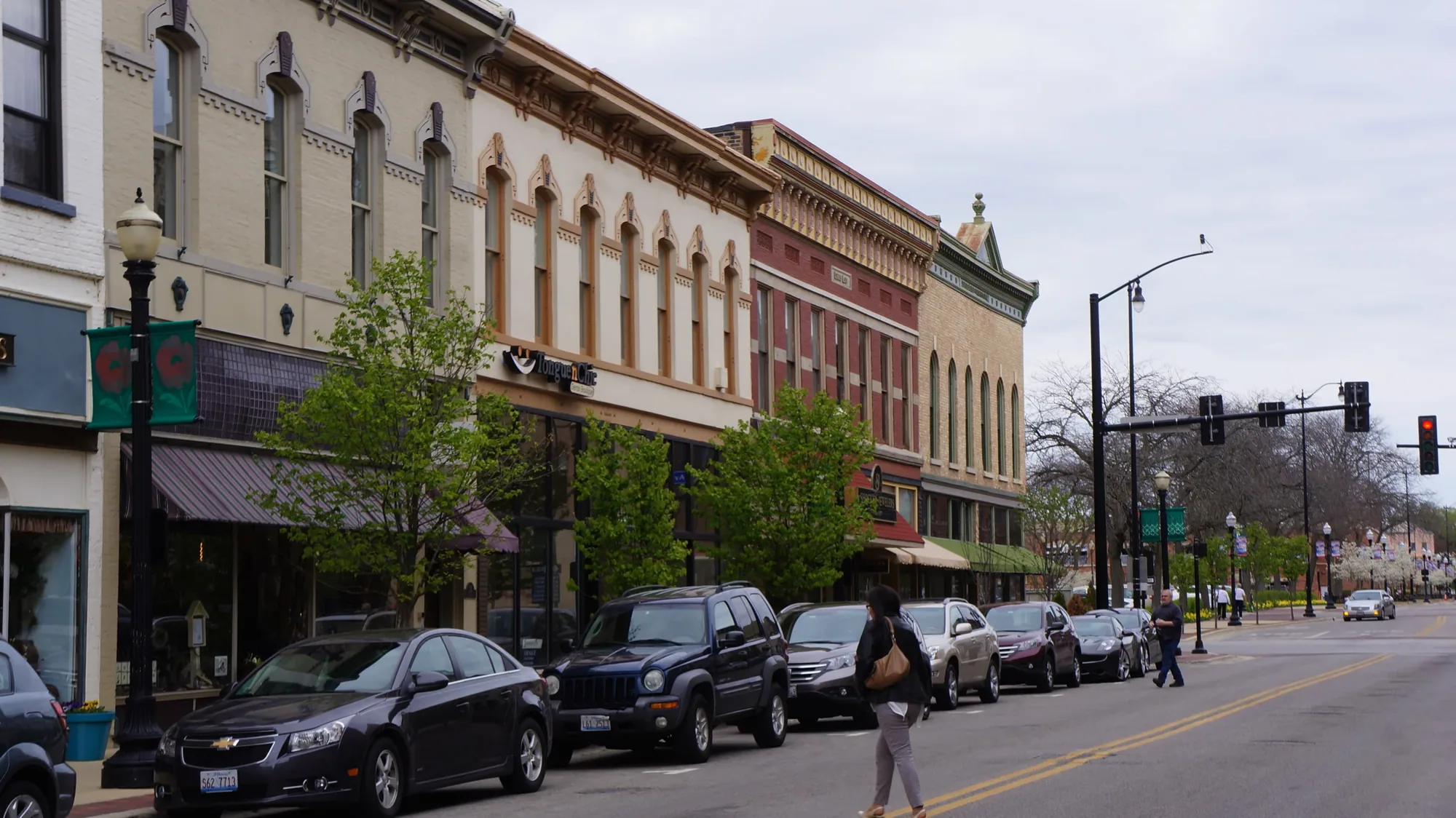
Elgin’s transportation network and business districts affect logistics. Downtown properties may have access windows shaped by nearby activity and site rules. Industrial parks can include multiple buildings and contacts across a larger area. Routes such as I-90, U.S. Route 20, Randall Road, and State Street orient dispatch, but the address and property contact set the actual visit instructions. Areas such as Downtown Elgin and Brewster Creek Business Park provide context for local service. Neither name tells us what material is on a roof or whether a reported defect exists.
Permit review in Elgin can involve the city-amended 2021 International Building Code. Commercial and industrial energy work also falls under Illinois’s 2024 conservation requirements, as amended by the state. The project scope and current authority review determine which provisions apply. We flag the need for project-specific confirmation when code or permit questions affect scope. The owner receives a written boundary between roofing observations and any engineering, design, or authority determination needed for the larger project.
Across emergency calls, planned inspections, and capital work, the process stays procedural: confirm access, inspect the affected zone, document evidence, explain options, obtain approval, complete the defined work, and close out with photographs. The site contact receives the next update when a finding or condition changes the plan. That sequence gives managers a record they can act on and keeps the roof decision tied to the building in front of us.
Common Questions
What information helps arrange the first visit?
Send the property address, building use, affected zone, active water status, site contact, roof access rules, and known system or repair history.
Does a storm event establish damage at my building?
No. It can prompt inspection, but only property-level evidence supports a repair scope. Findings are documented by roof zone.
Will the first inspection include permanent repairs?
Only when access, weather, materials, and approval allow. Temporary protection may come first, with permanent work separately scoped.
How are maintenance and replacement recommendations kept distinct?
The report separates observed defects, scheduled upkeep, further testing, and capital options, each with its own evidence and approval point.
Need a Commercial Roof Looked At in Elgin?
Send us the address and what you are seeing. We will walk the roof, explain what we find and lay out the next step in writing.