Commercial Roof Leak Repair in Elgin, IL
Dispatch a leak inspection
Give us the building location, reported room, water status, and roof-access contact. We will confirm the response plan and tell you what to protect before the crew arrives.
Commercial Roof Leak Repair
Active water changes the dispatch order. We first confirm where water is entering the occupied space, whether power or equipment is affected, and who can authorize roof access. Then we protect the interior and inspect the roof above the reported area. The opening may sit away from the stain, so we trace slopes, seams, penetrations, drains, and wall transitions. In Elgin, rain, snowmelt, and freeze-thaw can expose different weak points. The first update identifies immediate risk, safe access, and the next check.
Triage: control water before opening the roof
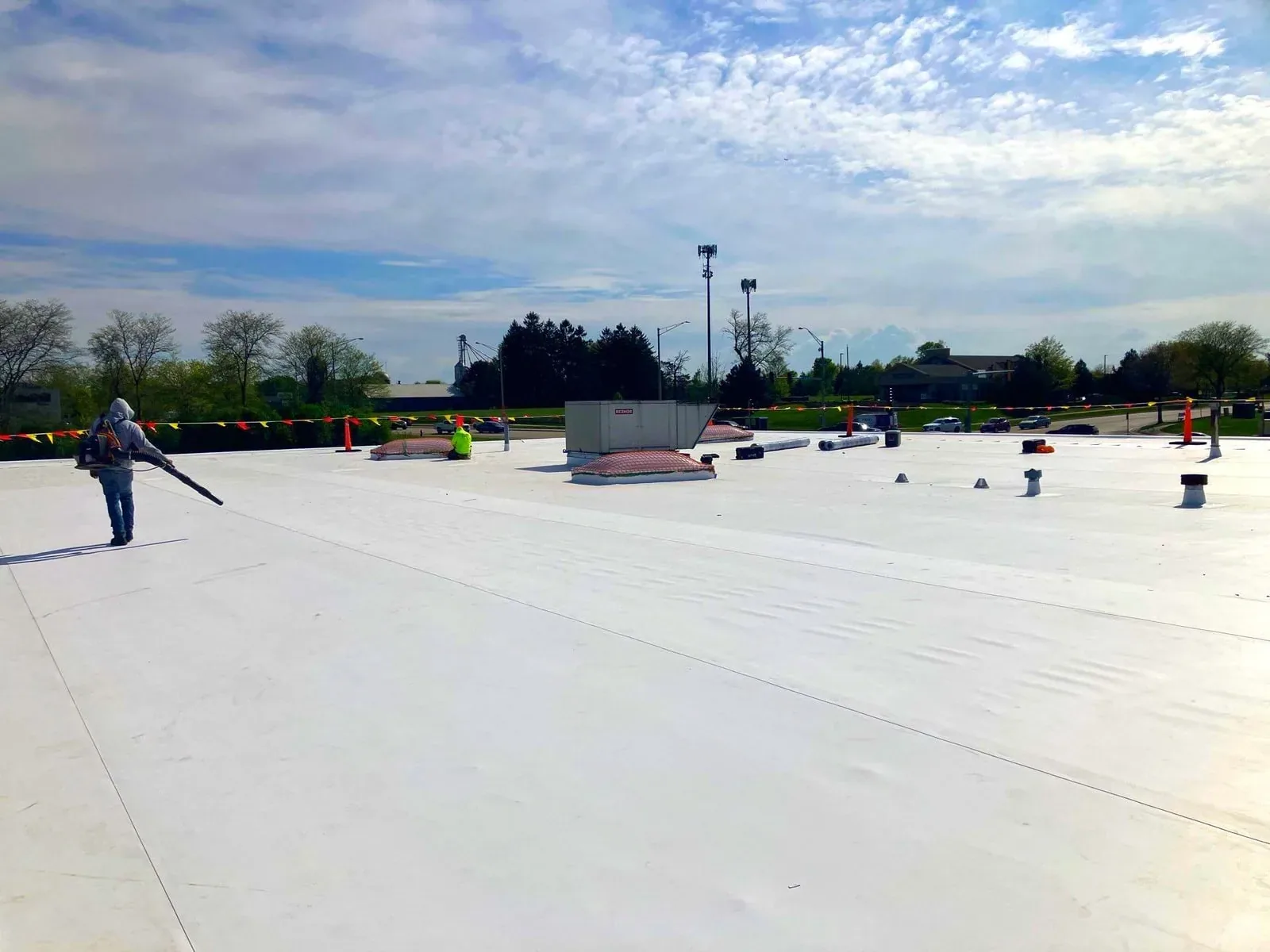
The site contact can help by moving sensitive inventory, placing containers, and keeping people clear of the affected area. We identify electrical, ceiling, or equipment concerns that need the building team before roofing work begins. Keep the affected room clear until active water has stopped. On the roof, we check for standing water, loose material, unsafe surfaces, and weather conditions that could prevent a lasting patch. If safe access is not available, we arrange a temporary interior measure and return when the roof can be reached.
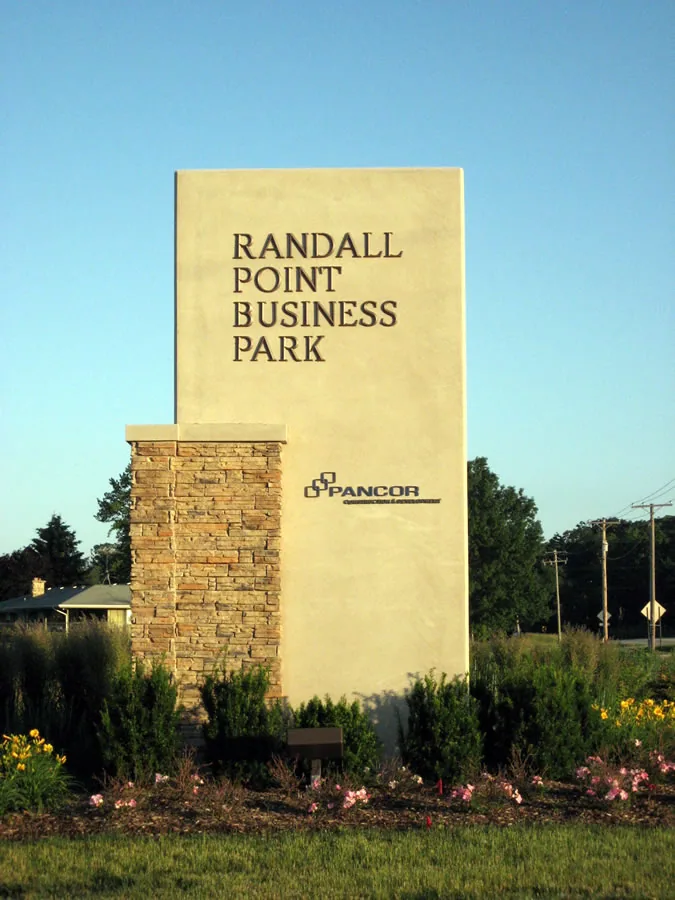
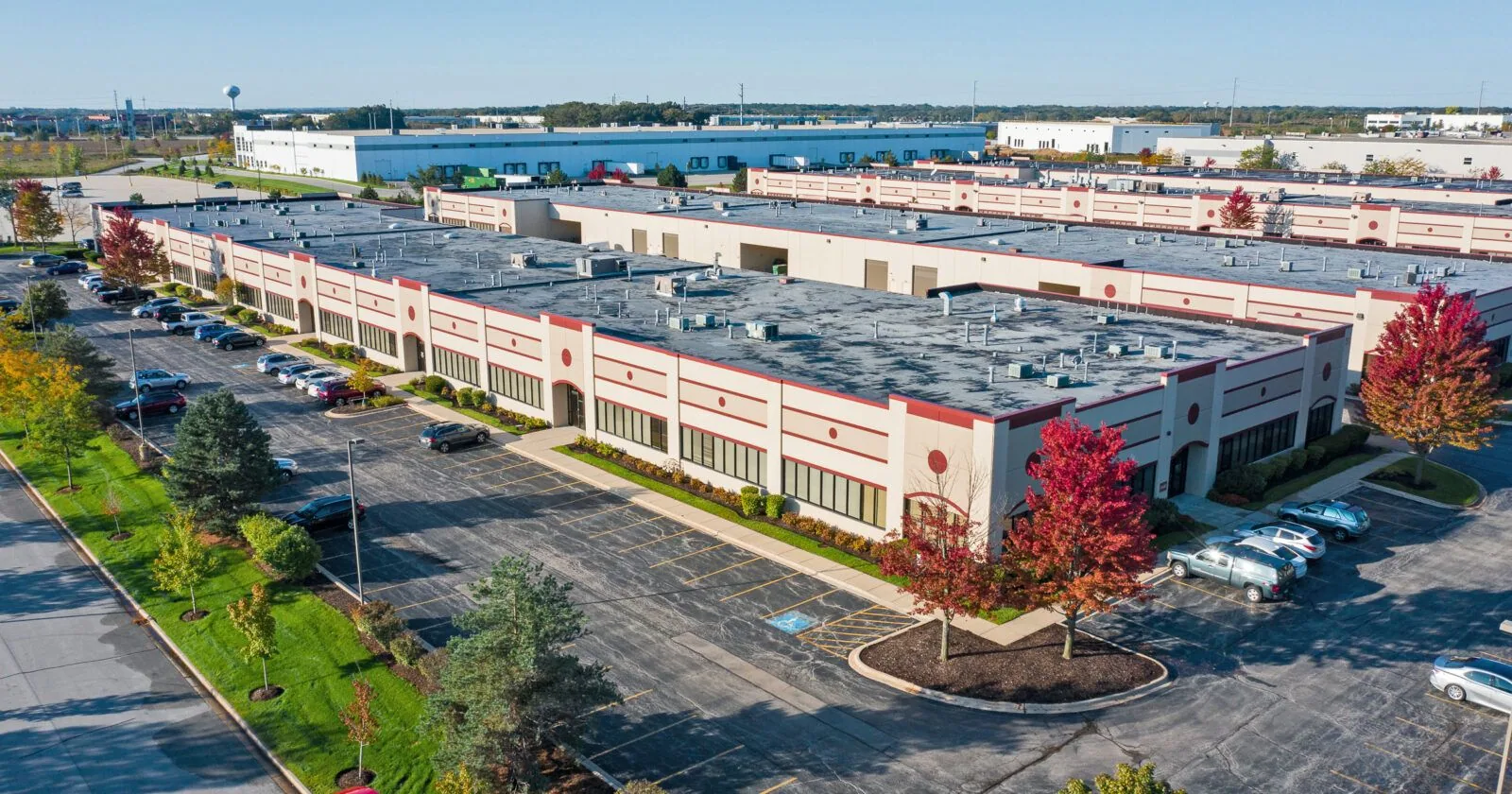
Buildings near the Randall Crossing Business Park or North Elgin Industrial Park have different operating patterns. The park name helps dispatch locate the broad area. We still need the individual building, door or roof entry, and manager contact to coordinate a visit. A warehouse may need a loading bay protected. A medical or office property may require a quiet route through occupied areas.
Water path: connect the interior report to the roof
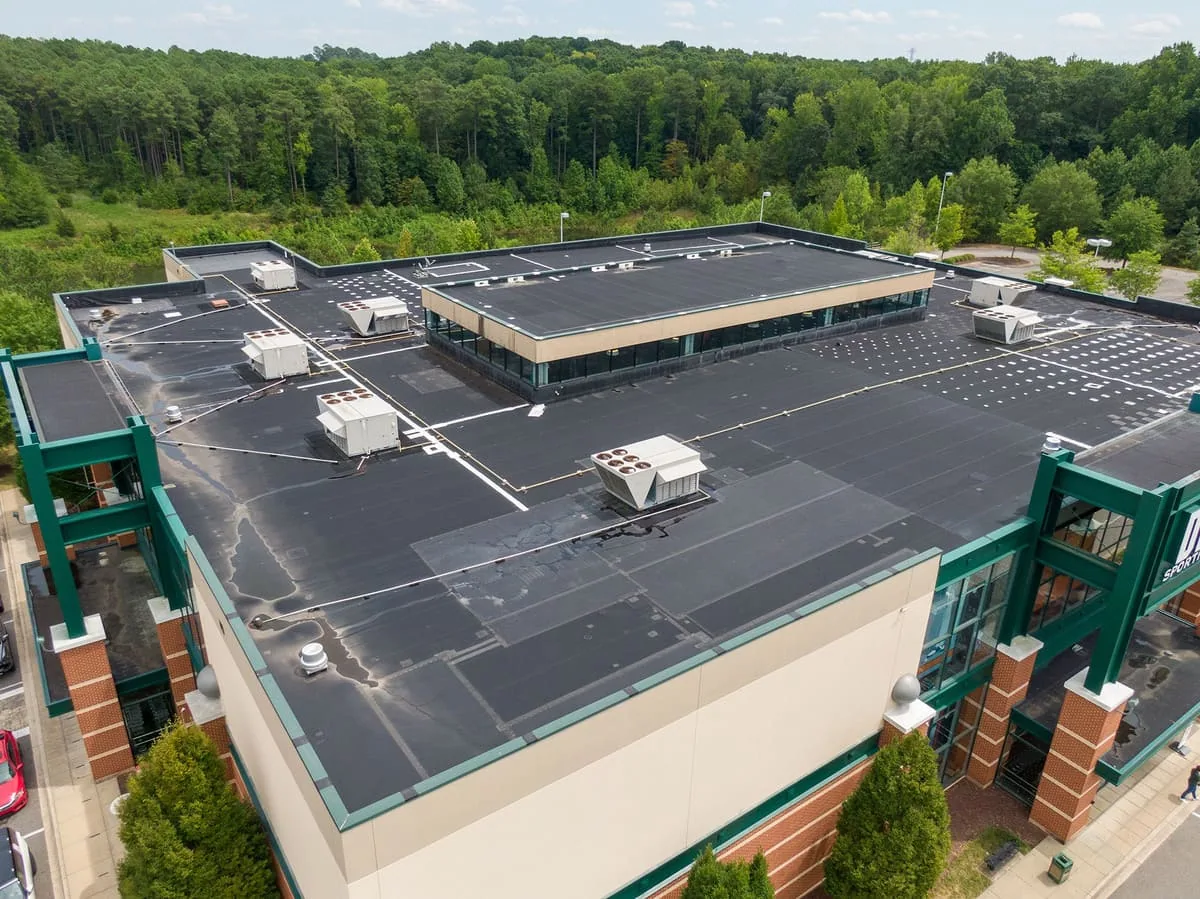
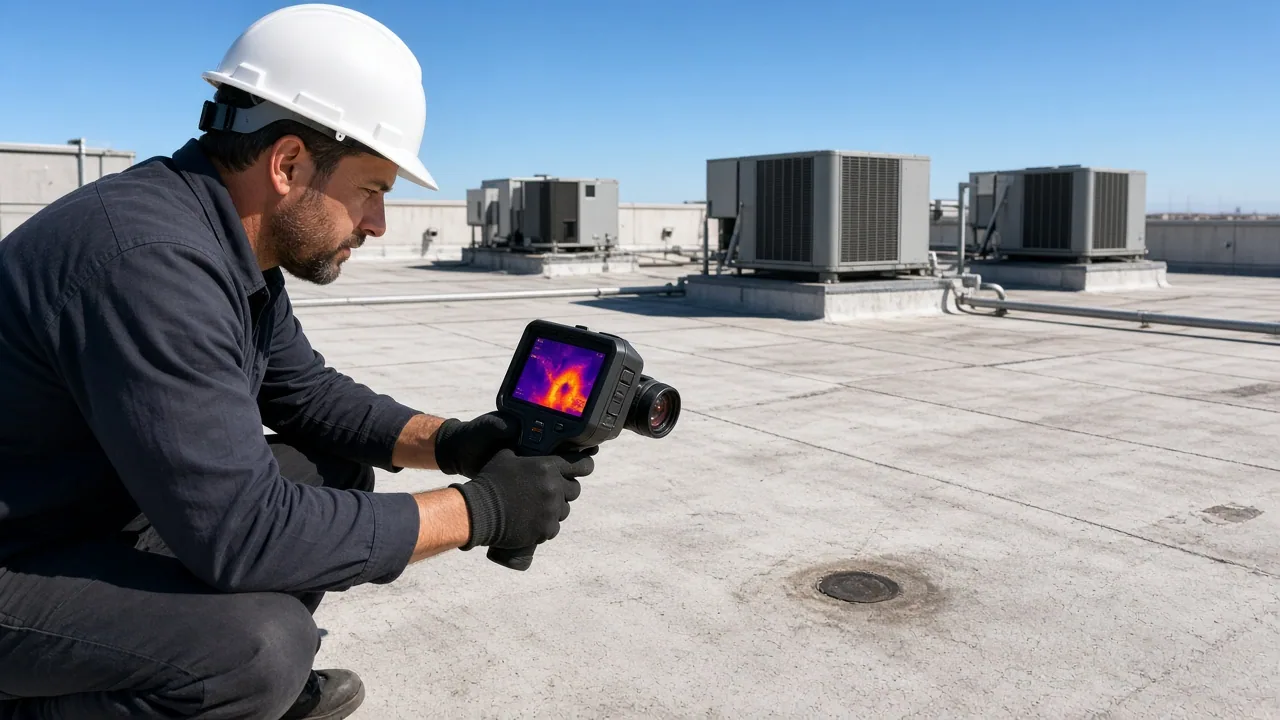
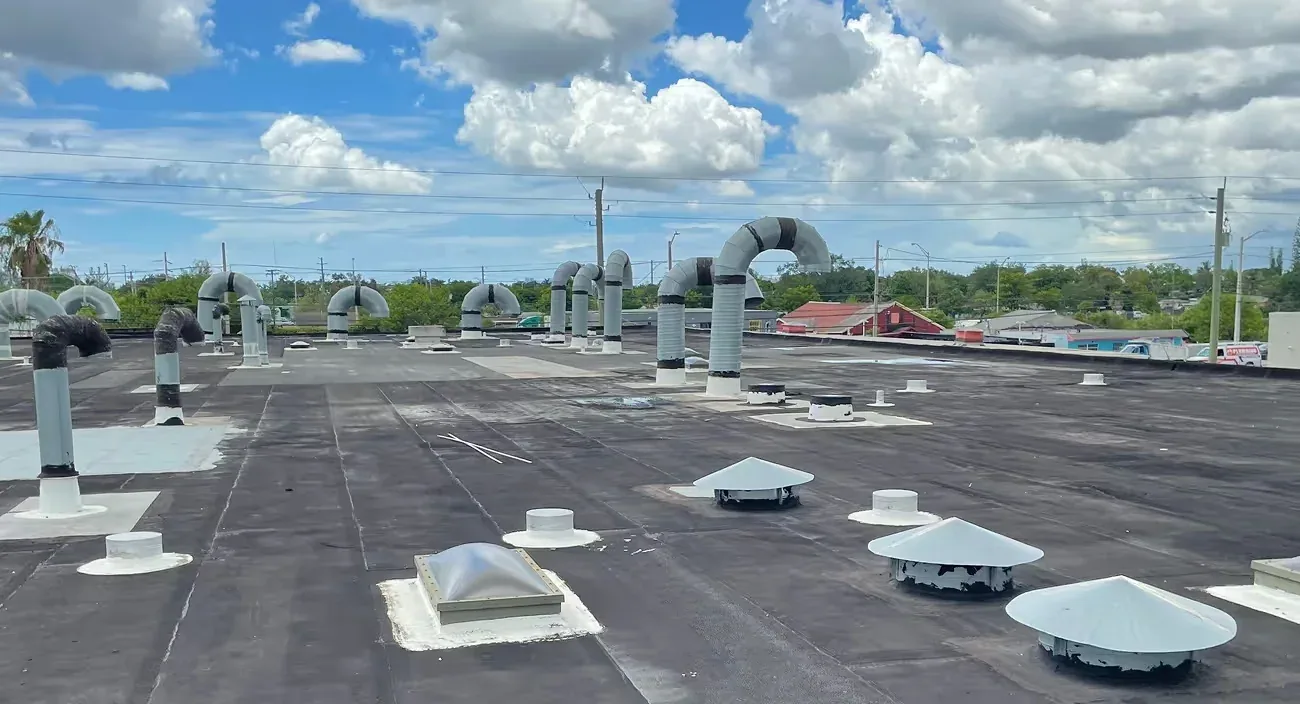
Water can move sideways under a membrane before it appears on a ceiling. The stain may sit below a deck joint, insulation seam, pipe penetration, or roof depression. We start with the reported room and compare it with the roof plan, slopes, drains, and nearby details. Where several routes are possible, we mark each candidate instead of guessing. A moisture scan or controlled test may help narrow the area when visual inspection is inconclusive.
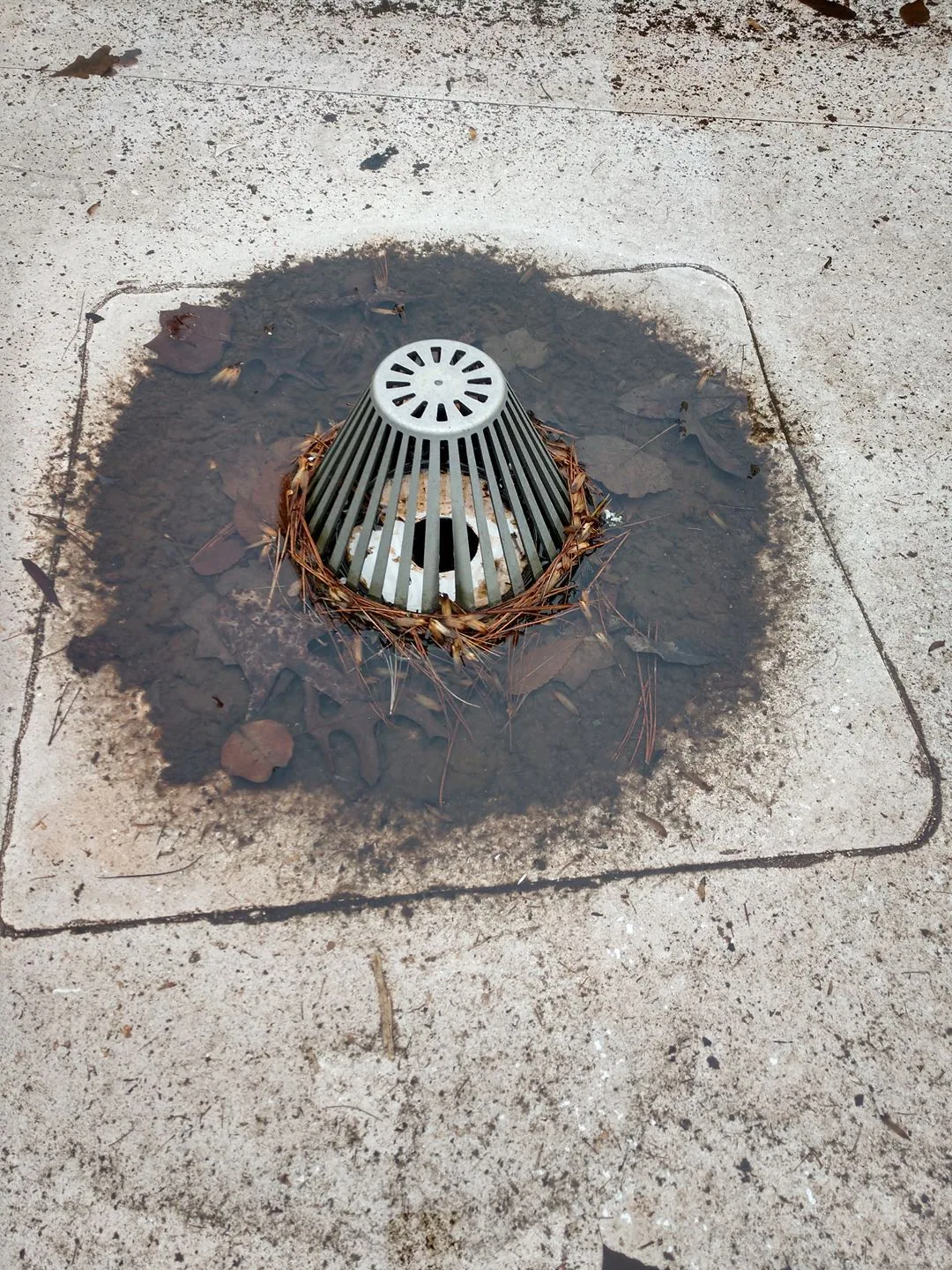
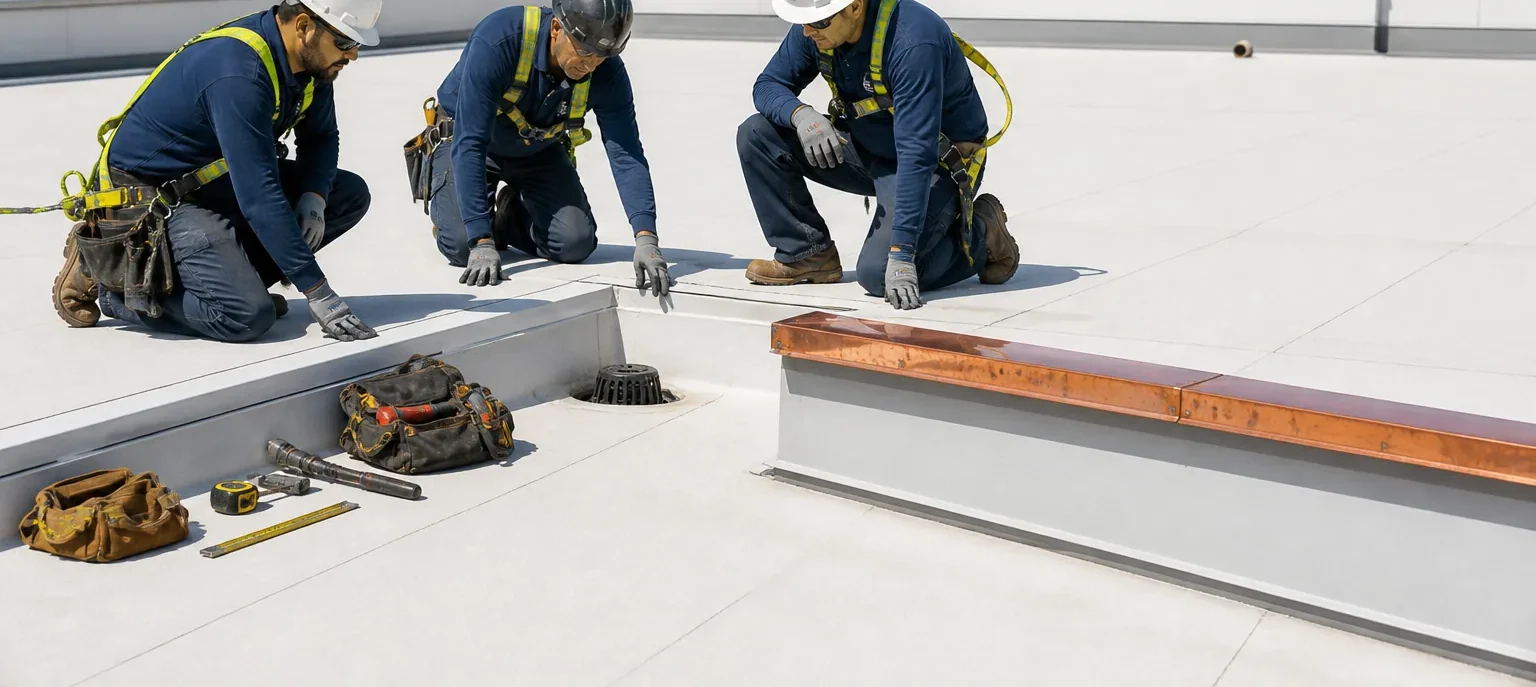
We inspect the membrane and surrounding transitions for open seams, failed patches, punctures, loose flashing, fastener movement, or damaged sealant. Drain bowls and scuppers can collect debris or back up during heavy rain. Rooftop equipment can create a separate path at curbs and conduit supports. A drain and scupper inspection may be part of the leak trace when water gathers at low points. The record ties each observation to a roof zone and photograph.
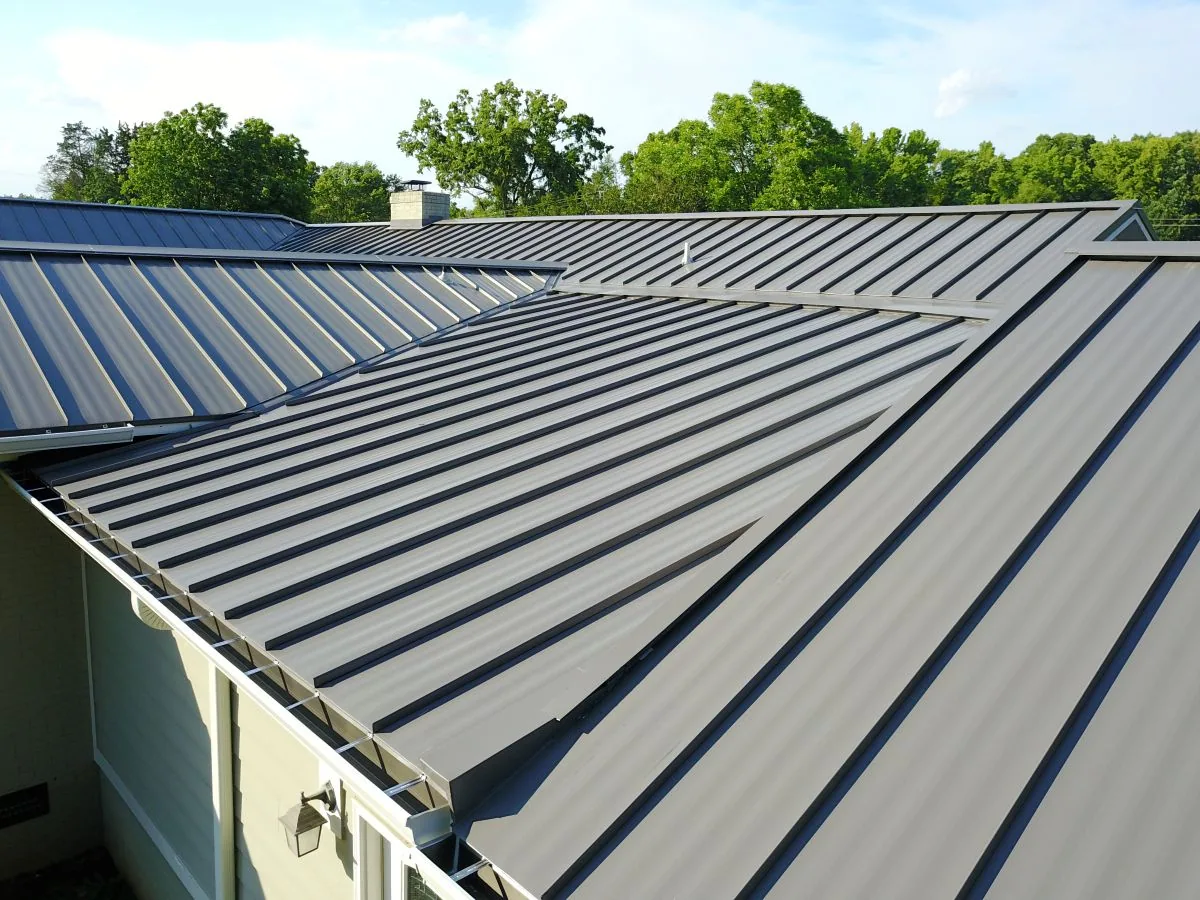
Temporary control: protect the building safely
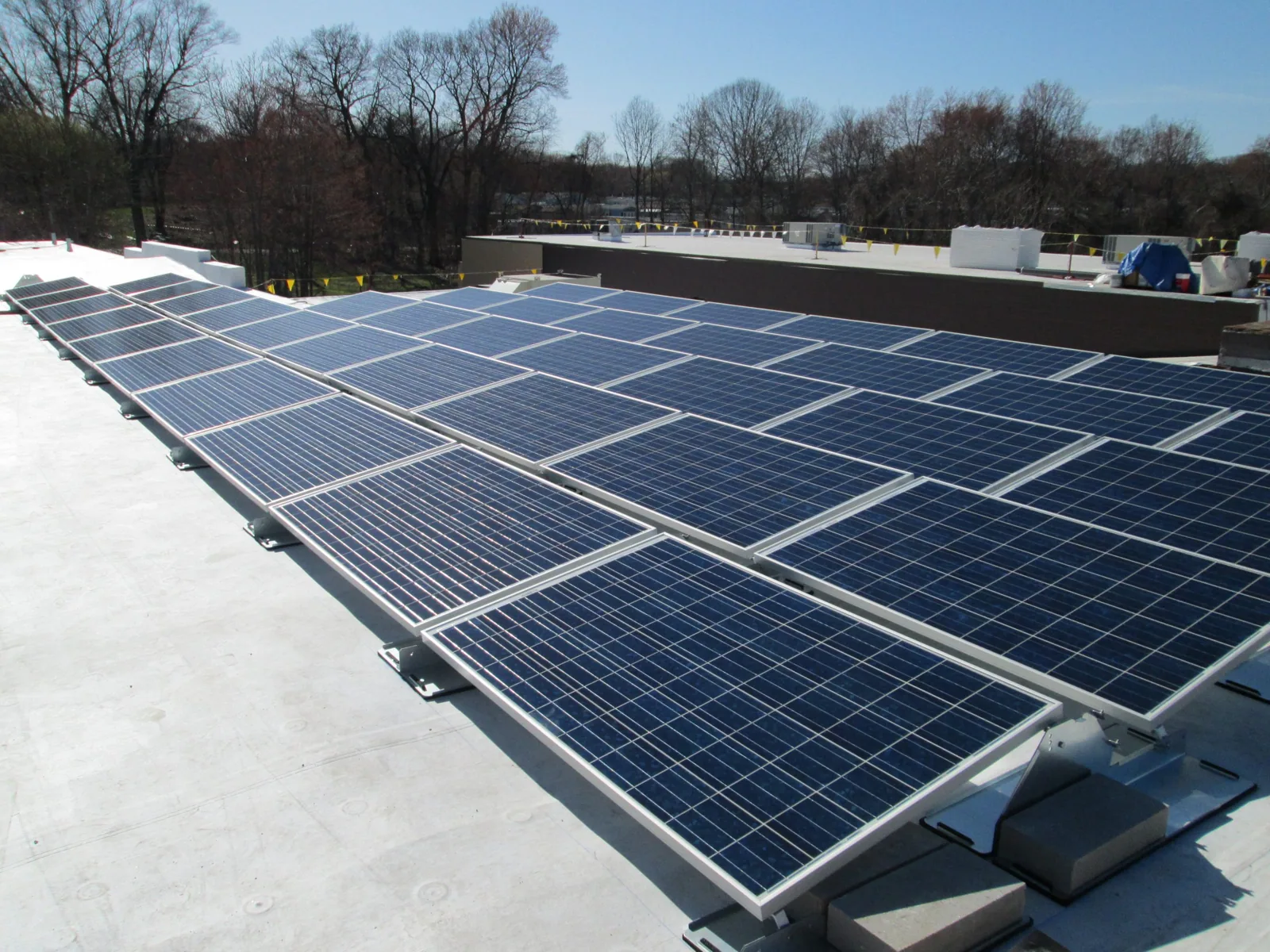
Temporary protection is meant to limit active water entry until a permanent repair can be prepared. It may involve a compatible temporary patch, a secured cover, or another site-specific measure. We explain its limits and the conditions needed for a return visit. A tarp can create wind or drainage concerns if it is not secured correctly, so placement and removal must account for edges, access, and rooftop equipment.
Emergency work runs around the clock, including weekends and holidays. A commercial emergency response prioritizes safe entry, active openings, and protection of people and property. We mark the coverage area and tell the site contact how the opening was secured. The manager can monitor that space until permanent work is ready. Temporary control does not establish the full extent of concealed moisture or prove that adjacent details are sound. We state what remains unknown and schedule inspection once weather allows a proper surface repair.
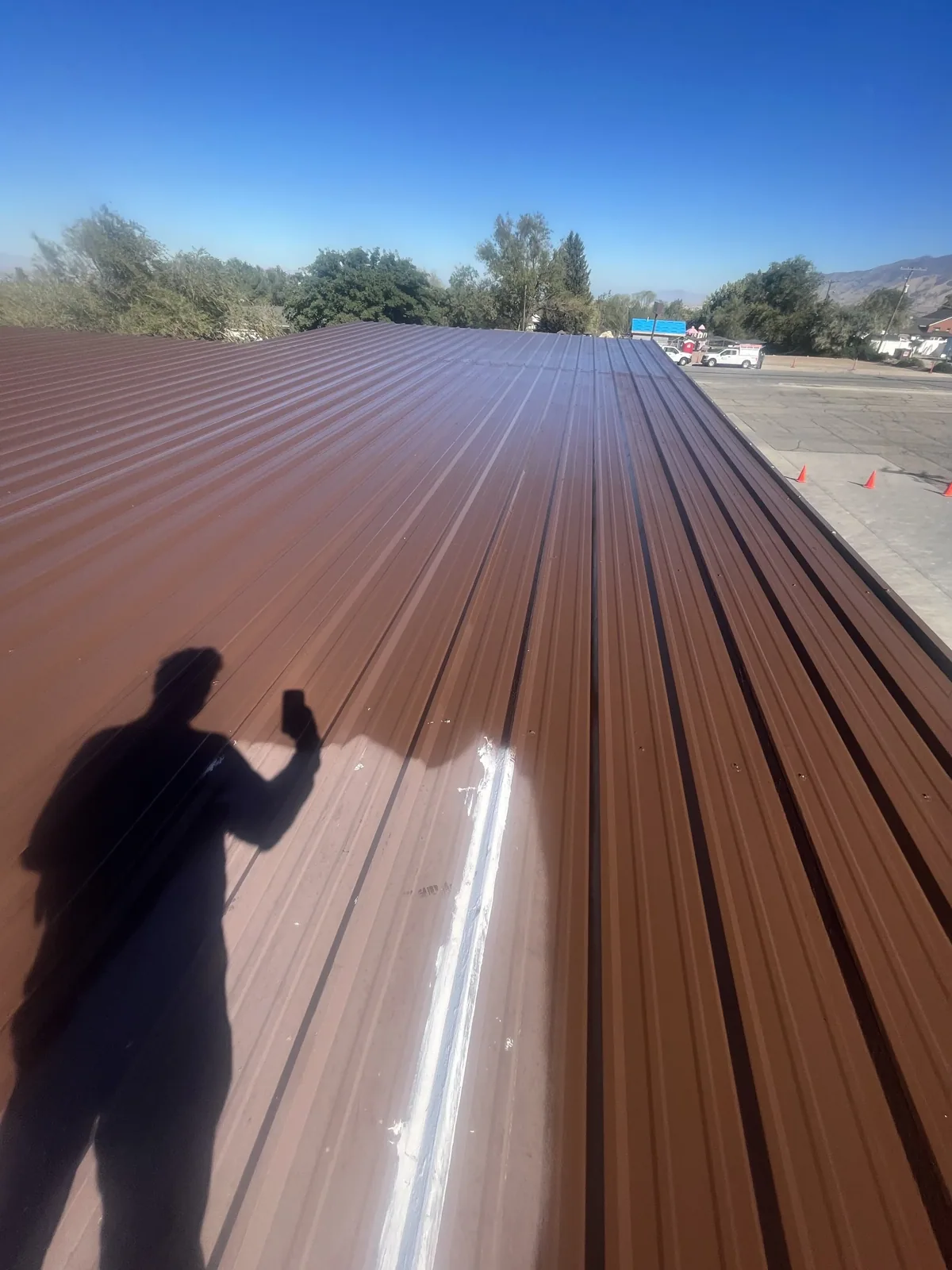
Permanent repair: match the assembly and defect
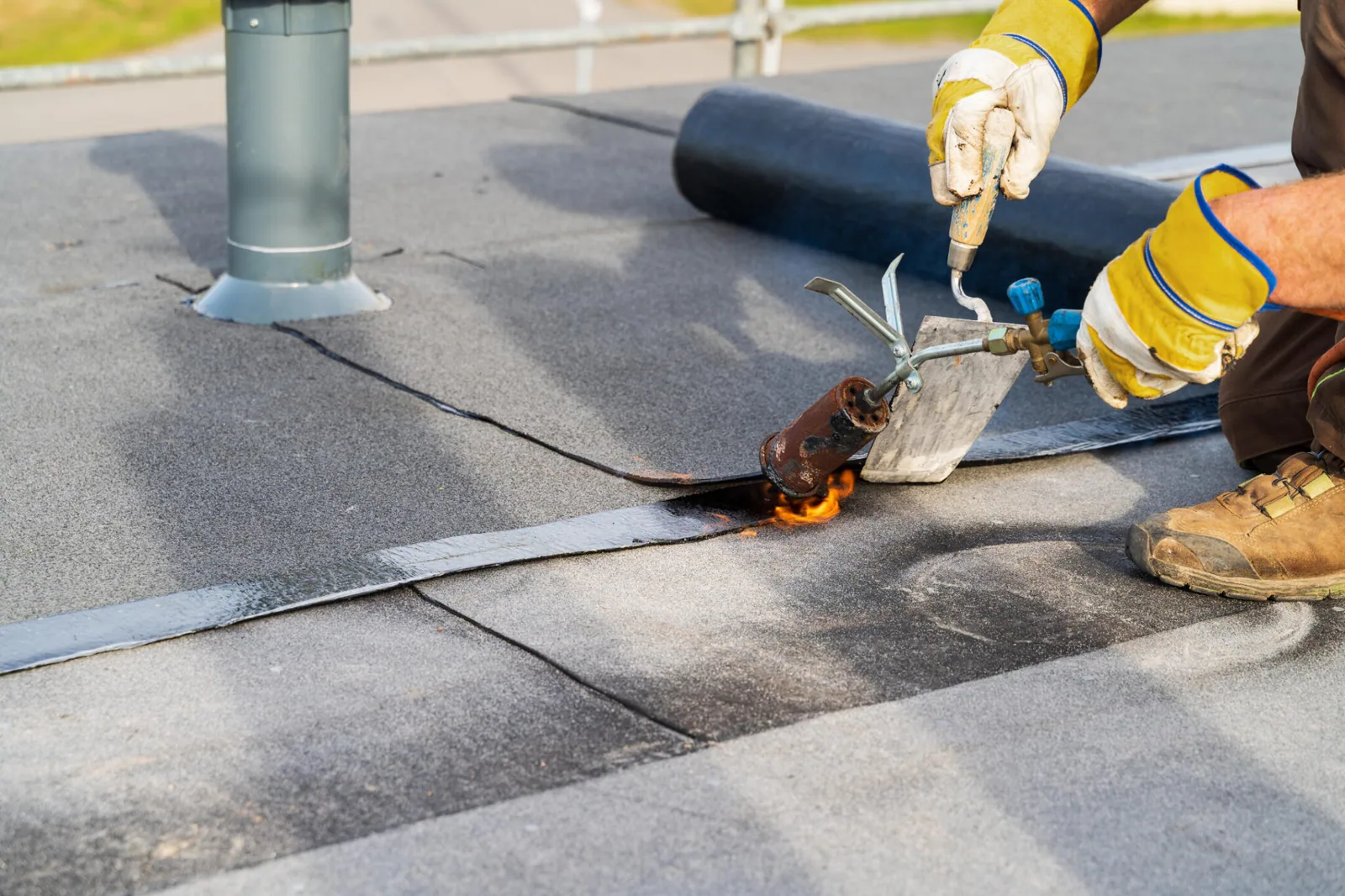
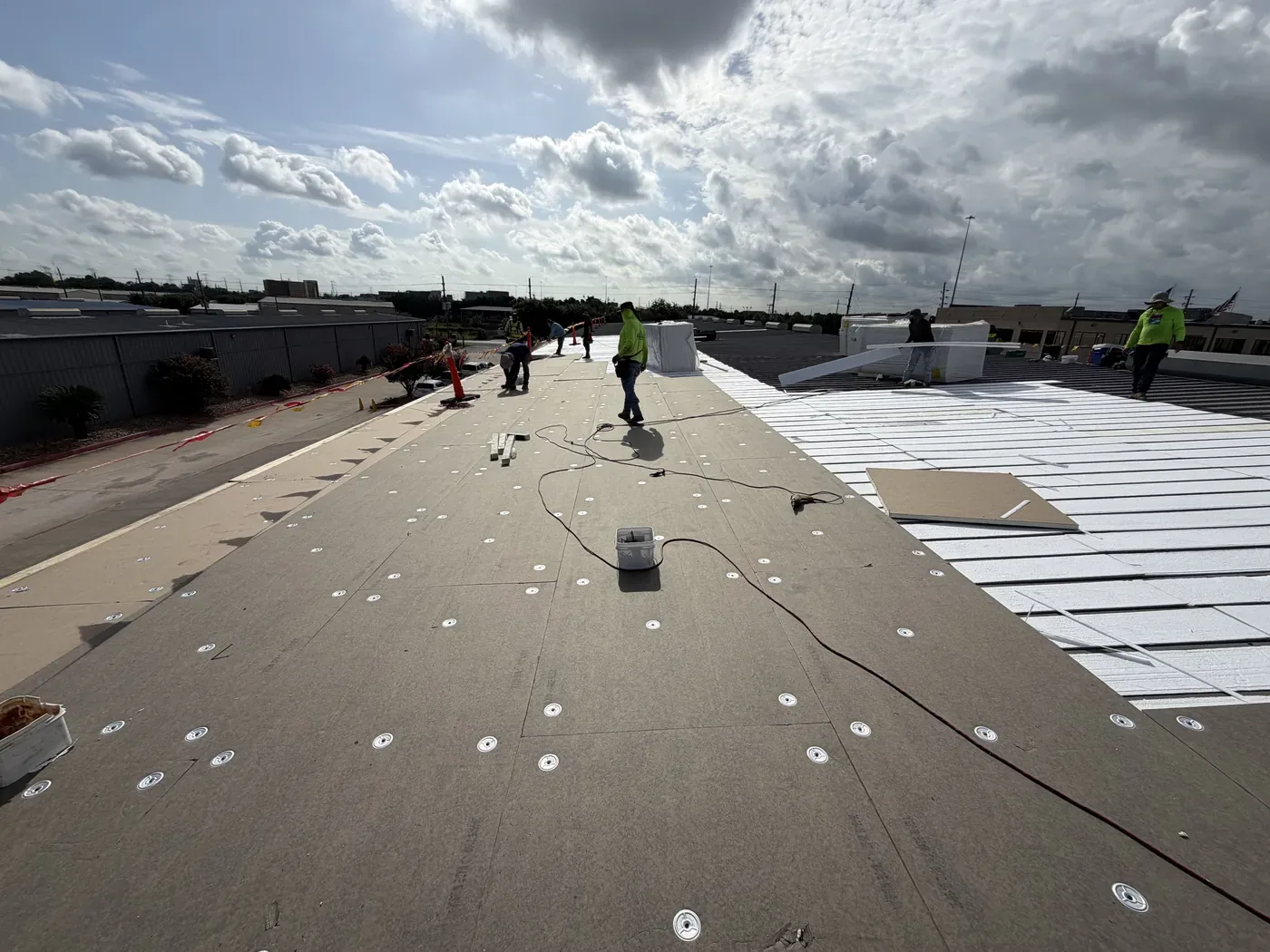
Once the area is dry and accessible, material choice follows the installed system. A thermoplastic membrane may need a cleaned and welded patch. EPDM requires a compatible primer and pressure-sensitive detail. Modified bitumen can need a repair across one ply or several, depending on the failure. Metal panels call for checks at fasteners, laps, and transitions. We do not treat every leak with the same sealant because a repair has to connect to sound material.
The scope identifies the affected area, preparation, repair dimensions, flashing transitions, and any test planned after installation. When moisture extends into insulation, we outline the removal boundary and approval point. If structural conditions are suspected, we identify the need for a separate qualified review. The owner can compare a local roof repair scope with a larger inspection and condition report when the evidence reaches beyond the first reported zone.
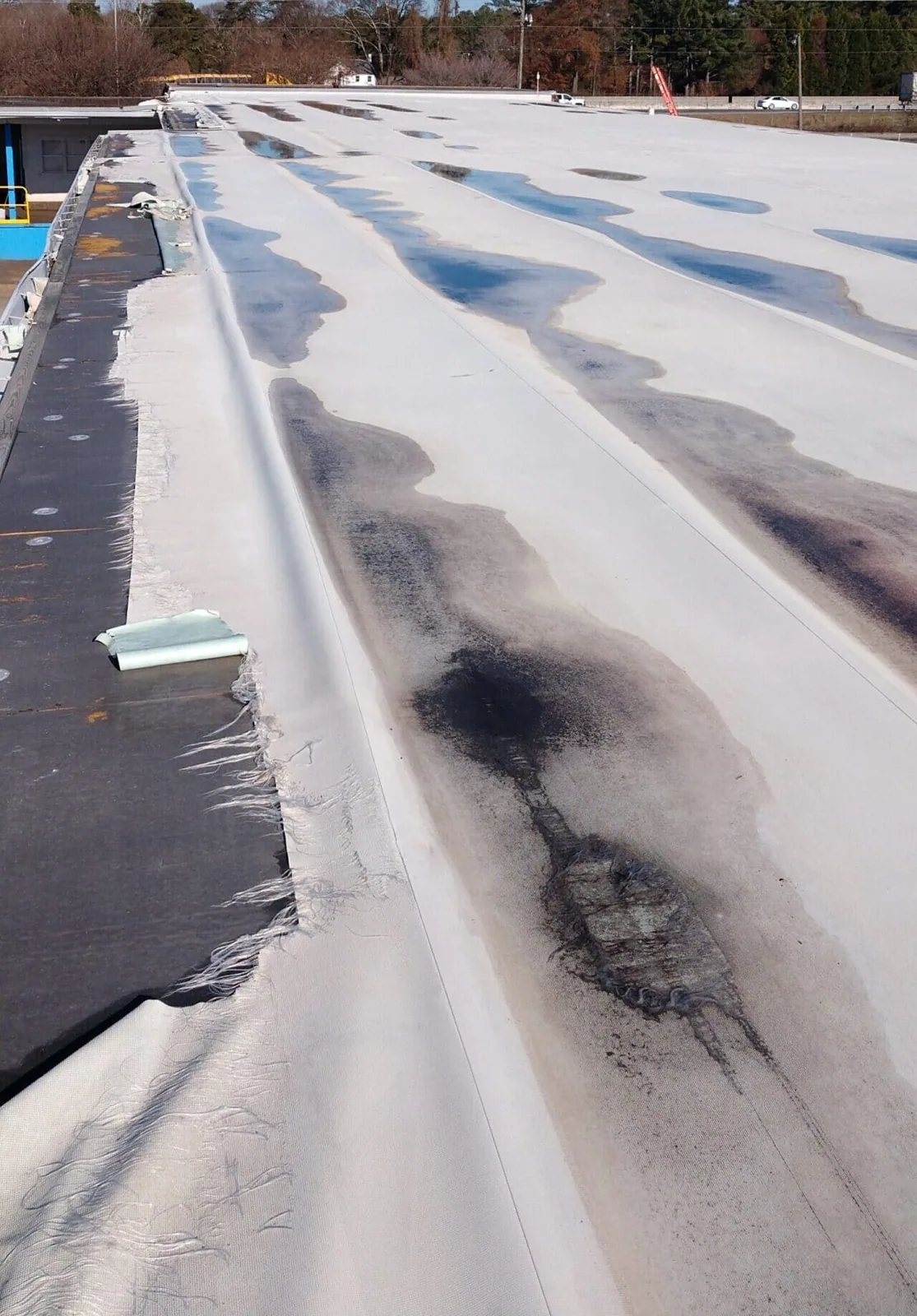
Weather and access: choose a safe return window
Elgin averages about 29 inches of snowfall each year. Winter freezes can leave roof access icy and delay permanent repairs. Those conditions can leave a surface wet, icy, or unsuitable for a permanent bond. We check actual roof conditions before scheduling material work. If the surface cannot be prepared as required, the crew uses a safe temporary measure and reschedules the permanent repair rather than concealing moisture.
One-inch hail struck Elgin in February 2024. The July 2023 tornado damaged roofs near Bowes Bend Drive and Longcommon Parkway. Each property still needs its own inspection. We examine the reported area, nearby edges, rooftop equipment, and drainage before attributing a leak to storm impact. If several rooms are affected, list them separately with start times and operating impact. That helps connect interior reports with distinct roof zones. A storm damage inspection can document separate impact findings when the building team reports a recent weather event.
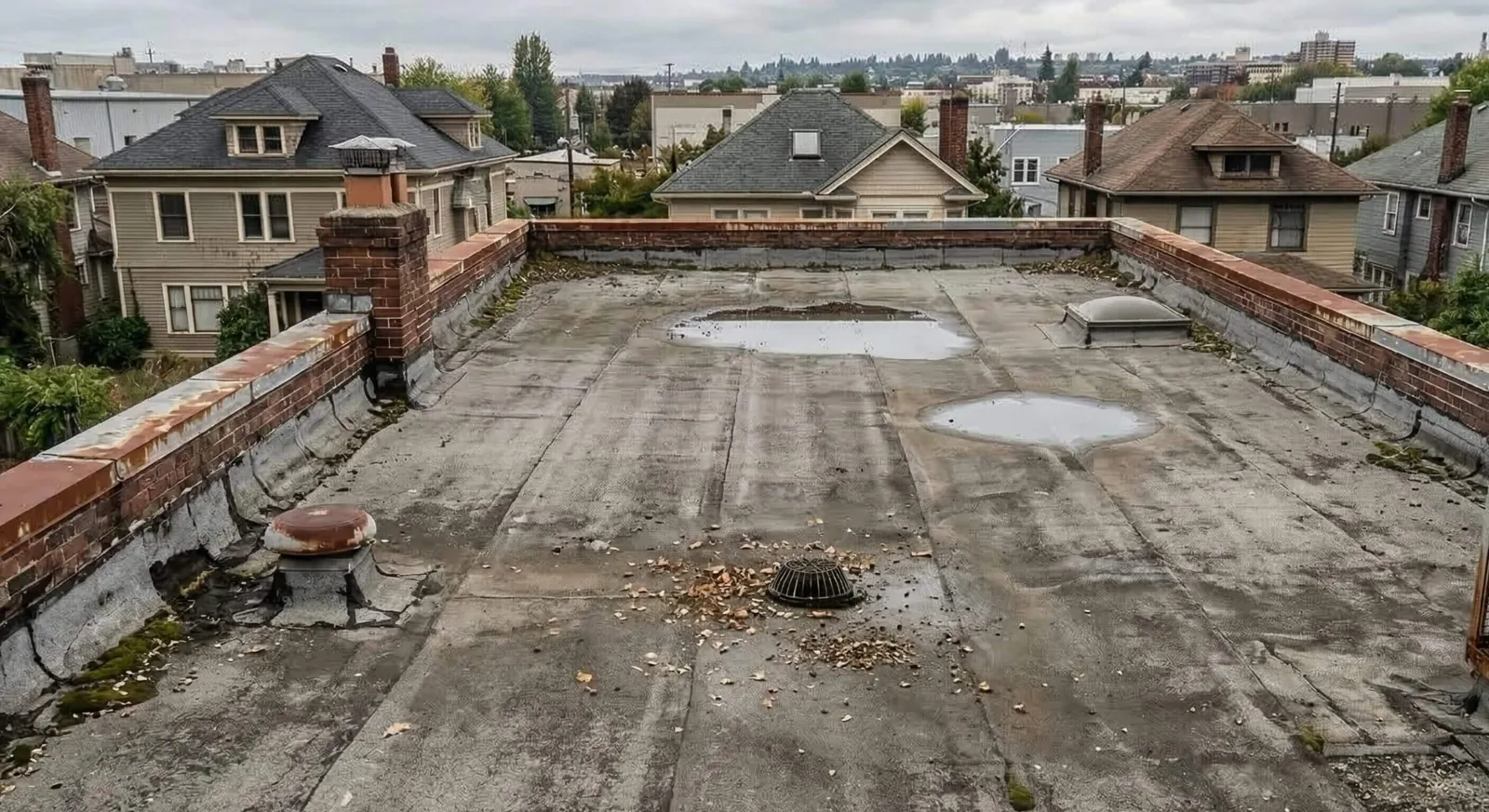
Dispatch report: record what changed
The visit ends with a clear status: active opening controlled, permanent repair complete, or more testing required. We share photographs, the repair location, material used, and limitations of the inspection. If a follow-up is needed, the report names the next action and the area that remains exposed to risk. The manager can use the record to update maintenance logs and coordinate interior restoration.
For a roof with repeated leaks, we compare dates and locations instead of treating each ceiling mark as unrelated. A maintenance visit can check adjacent seams, drains, and penetrations before the next storm. Elgin’s Downtown Elgin includes commercial and historic-district context, but an active leak still requires a roof-level assessment at the affected building. Share the reported room, timing, roof access contact, and any previous repair notes when dispatching service.
Questions About Commercial Roof Leak Repair
What information helps dispatch a leak call?
Name the building, affected room, time water appeared, current activity, and the person who can arrange roof access. Photos from inside can help locate the report. Keep people away from unsafe ceiling areas and alert the building team to electrical or equipment concerns.
Can a temporary patch stop an active leak?
A temporary measure can reduce water entry when the surface and weather allow it. We explain how it is secured, what it protects, and when a permanent repair can be prepared. Temporary work does not confirm the condition of concealed insulation or nearby details.
Why can a leak appear several feet from the roof opening?
Roof layers, deck joints, slopes, and insulation can carry water before it reaches the ceiling. We compare the interior location with roof details above and around it. Moisture testing or another inspection step may be needed when several pathways remain possible.
Will the leak repair include ceiling replacement?
The roofing visit controls water at the exterior and documents the affected area. Interior drywall, insulation, finishes, or equipment service are separate unless listed in the approved scope. We coordinate with the manager so the building team can sequence restoration after water stops.
What if the roof cannot be accessed during a storm?
Safety and weather set the first limit. We coordinate interior protection, identify a safe return window, and avoid walking a roof with lightning, ice, or other hazardous conditions. The update states what is protected and what still needs inspection.