Data Center Commercial Roofing in Elgin, IL
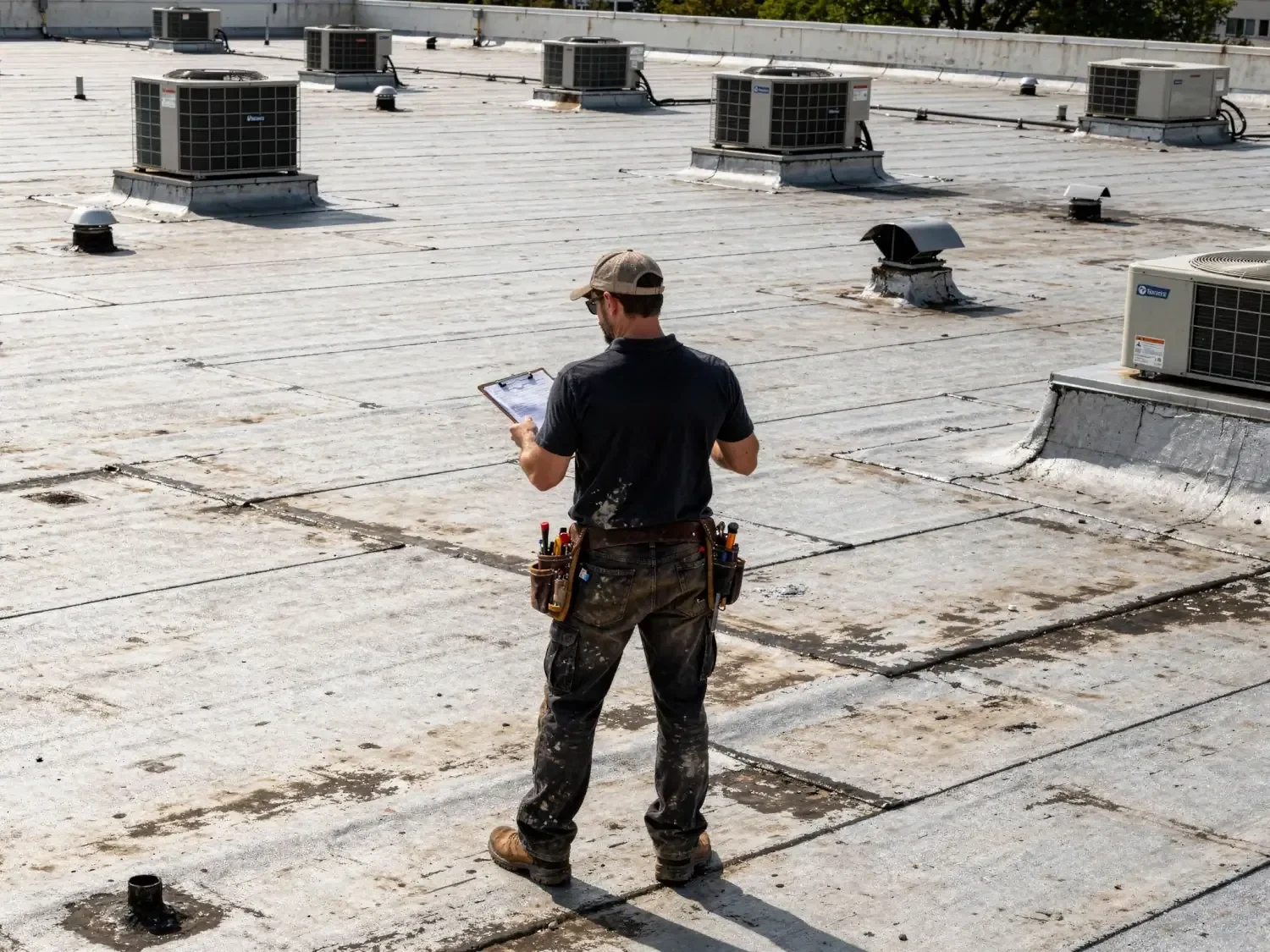
Coordinate an authorized data-center roof review
Share access rules, sponsor contact, roof plans, equipment schedule, reported condition, and permitted work window. We will confirm the inspection and documentation scope.
Data Center Commercial Roofing
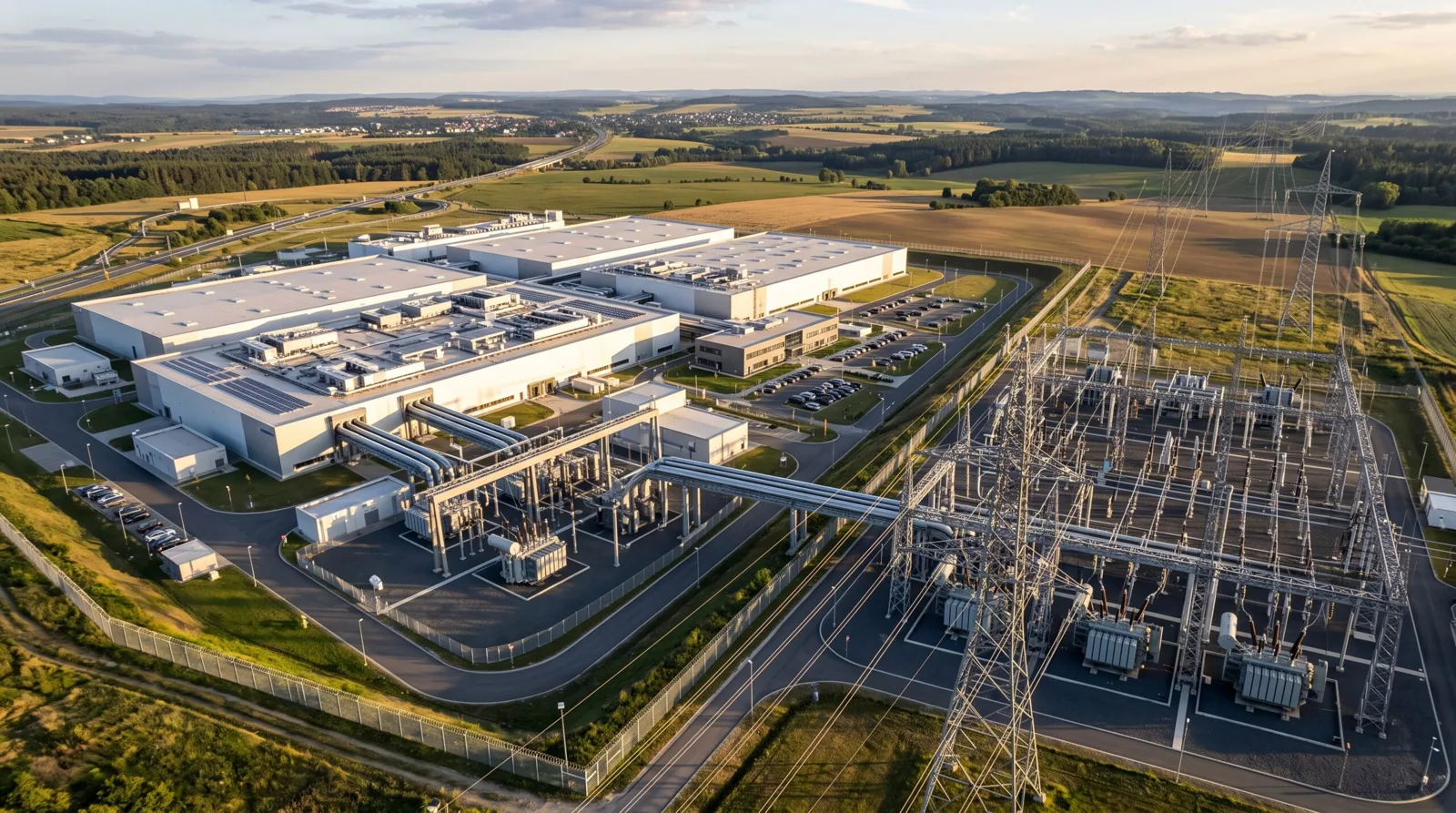
A data-center roof repair needs a clear operations contact and an approved change window. We identify the affected room, rooftop equipment, access controls, and any redundancy or uptime requirement the owner provides. Elgin has a technology and telecommunications employment presence, but that does not establish the design of any individual facility. The operator defines its system boundaries. We scope roofing work around those instructions and keep electrical, cooling, and network changes with qualified trades.
Access control: identify the sponsor and permitted route
The site contact confirms badge rules, escort requirements, tool inventory, roof-entry point, photography limits, and restricted areas. We submit crew details through the approved process and arrive within the designated window. A previous visit does not confirm current access. If the sponsor or route changes, work pauses until the operator confirms the new instruction.
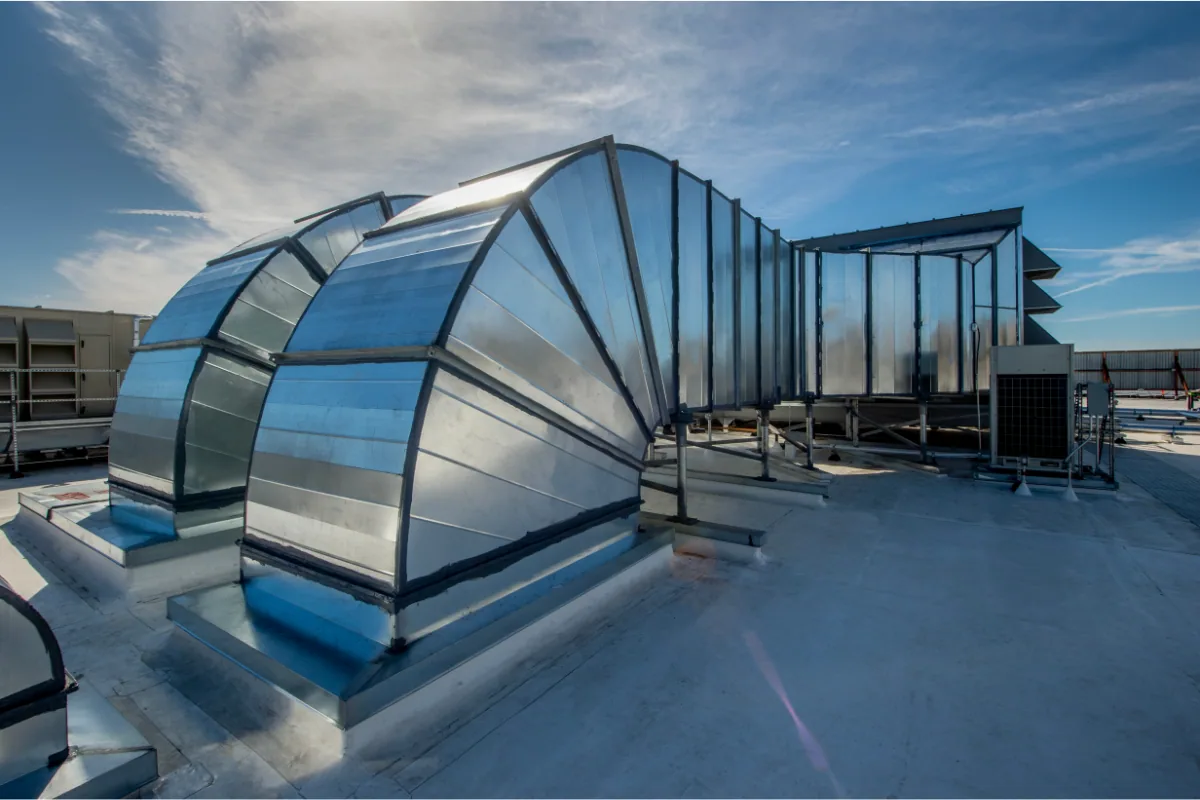
The operator identifies sensitive rooftop units, cable paths, antennae, exhaust, and emergency egress. We avoid placing materials or ladders where they block service access. If a crane, lift, or temporary barricade is needed, the owner approves its location and any effect on equipment or perimeter security.
Near Northwest Business Park or the Miller-Davis Research & Industrial Center, site access depends on each property’s own controls. We do not assume that a technology tenant uses a specific data-hall layout or protection standard.
Continuity: plan work around critical equipment
The facility manager identifies critical cooling equipment, air intakes, electrical rooms, generator areas, and any period when roofing noise or access could affect operations. We ask which equipment must remain online and who can authorize a shutdown. Roofers do not disconnect electrical or mechanical systems. The responsible operator or trade controls those actions and confirms status before the roofing crew opens the assembly.
Before mobilization, we agree on the work boundary, weather hold, temporary protection, and approval contact. The daily update states which zone is complete, which remains open, and what decision is needed. If the approved window changes, crews secure the active area and wait for a revised release.
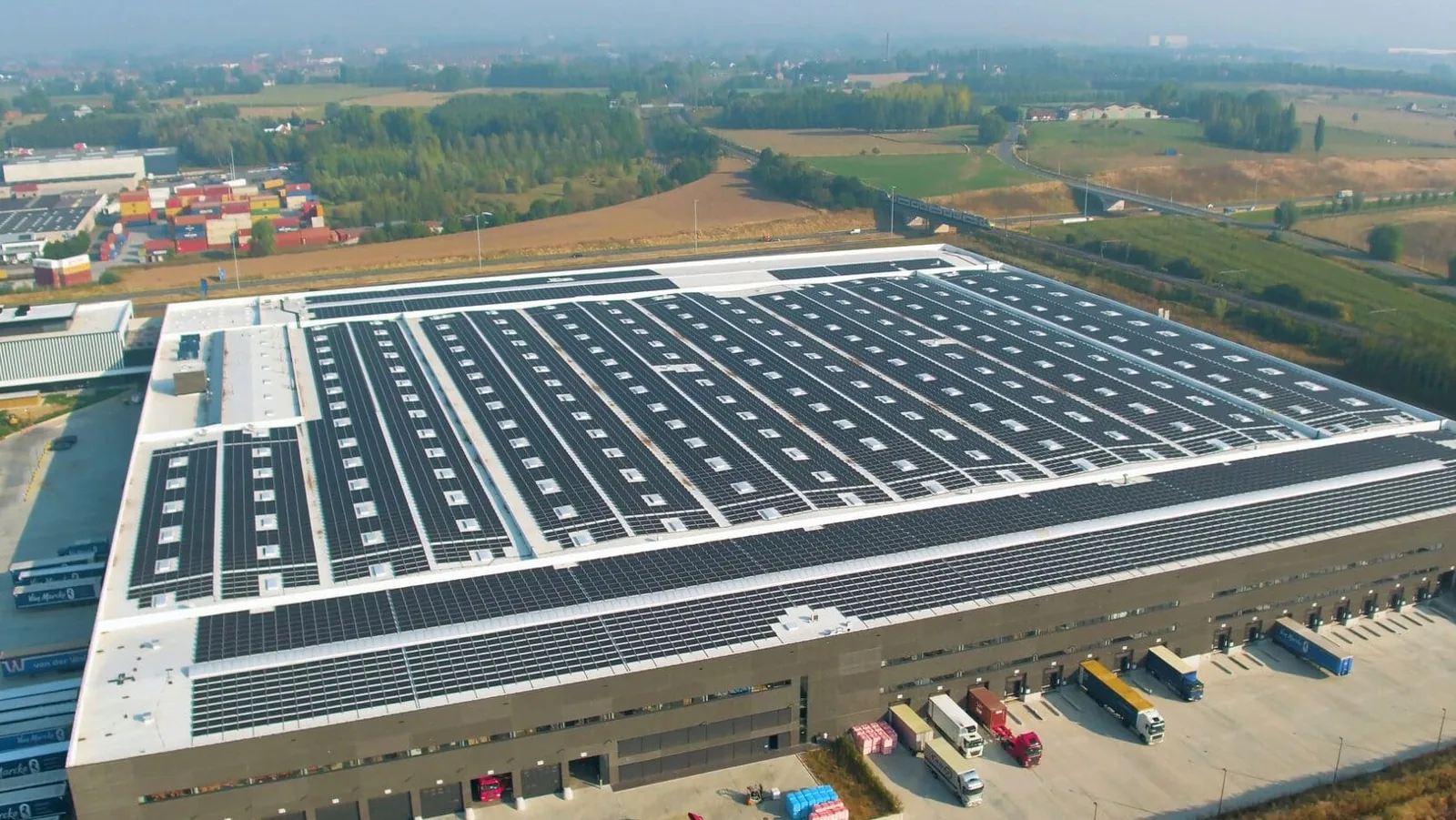
A phased roof plan can coordinate access with scheduled maintenance windows. The plan identifies which sections can be worked without crossing a restricted route. No assumed redundancy replaces the operator’s documented contingency and signoff.
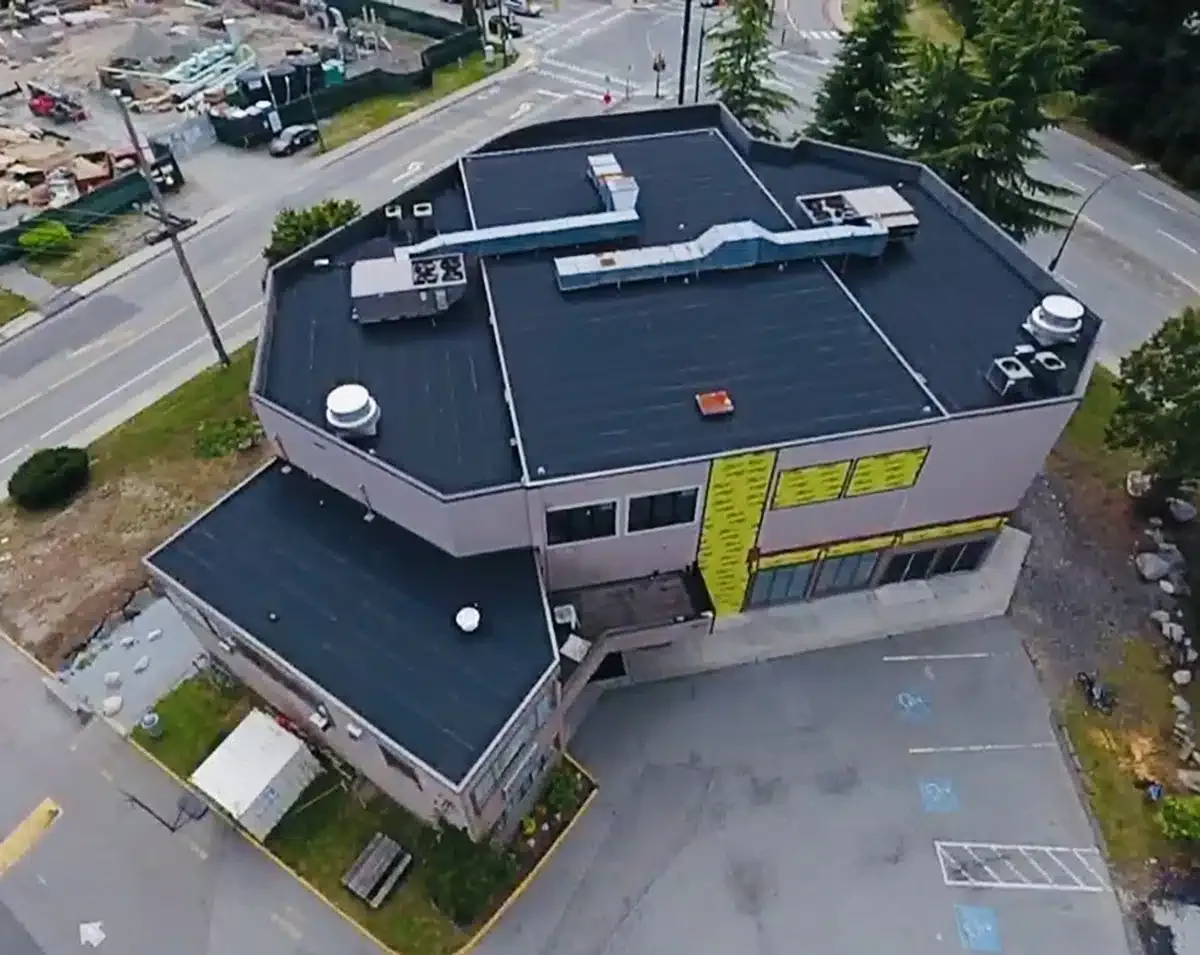
Roof survey: map equipment and water paths
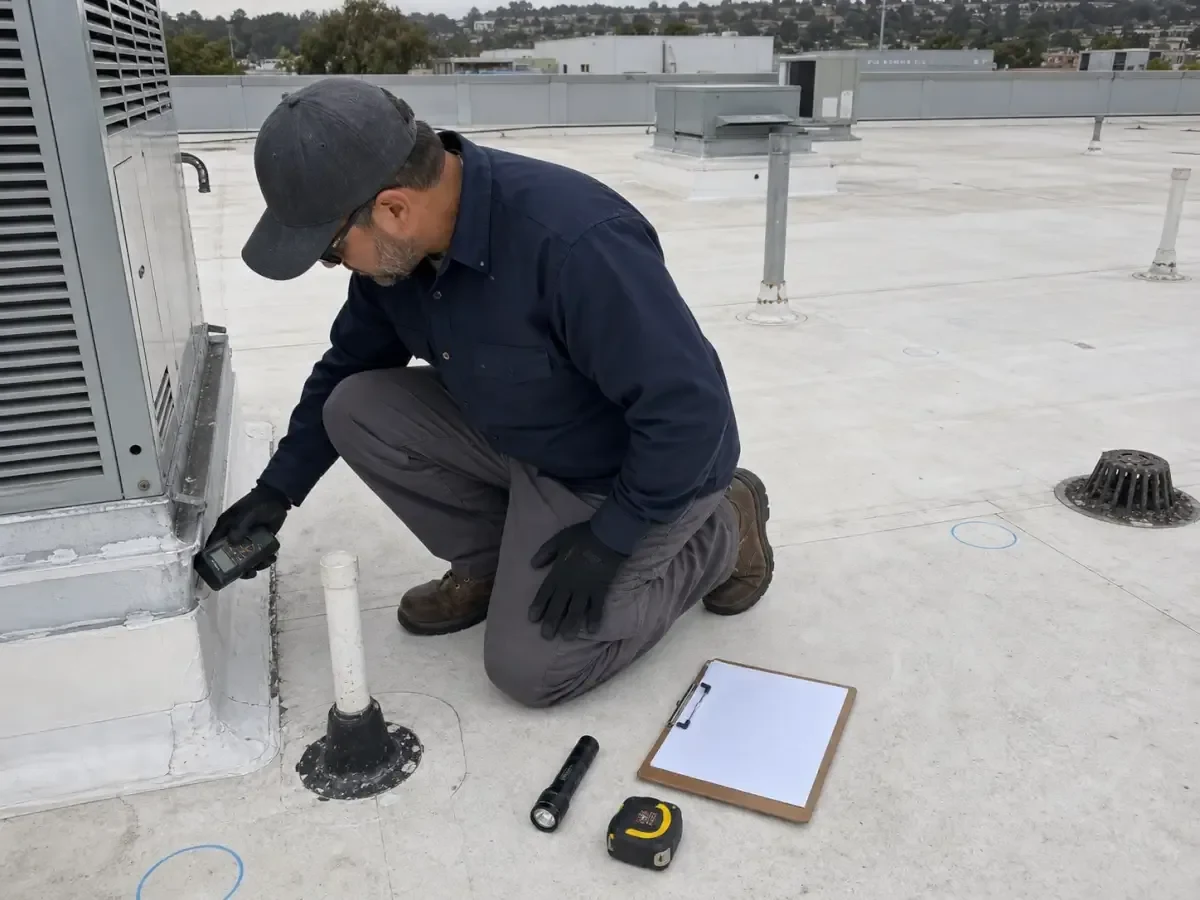
We review roof plans, repair logs, equipment schedules, warranty records, and any water-event history. Field inspection checks membrane, seams, curbs, drains, skylights, flashings, expansion joints, and transitions. Each observation is labeled by roof zone. We identify inaccessible sections rather than treating a partial view as a complete condition survey.
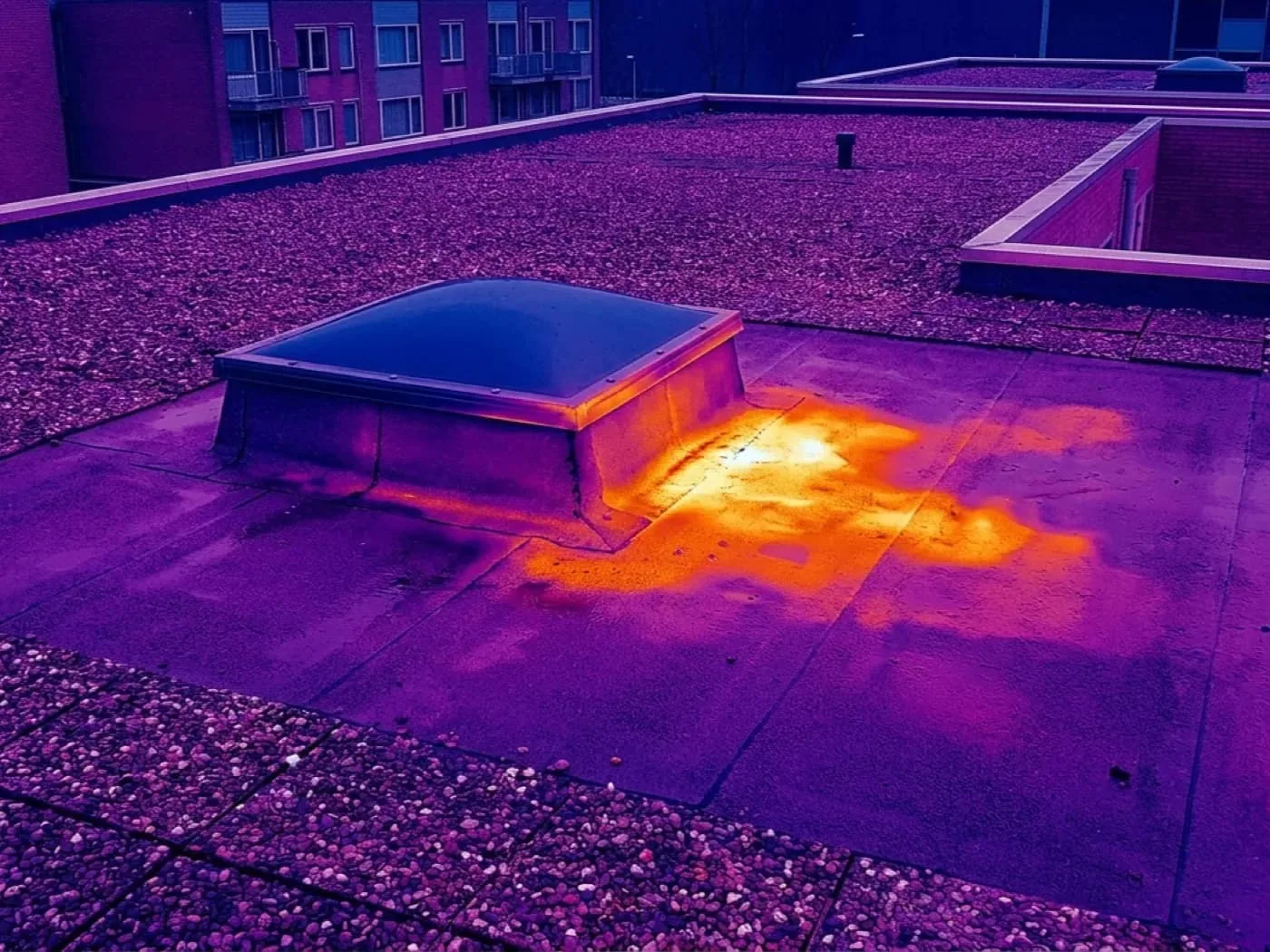
Water can travel beneath a roof surface or along an equipment base before it appears inside. The operator identifies the reported room, sensor or alarm, and time of change. We inspect the corresponding roof area and trace the path. A condition inspection can define the visible scope. Moisture scanning may help prioritize test locations, but a scan does not verify every concealed layer.
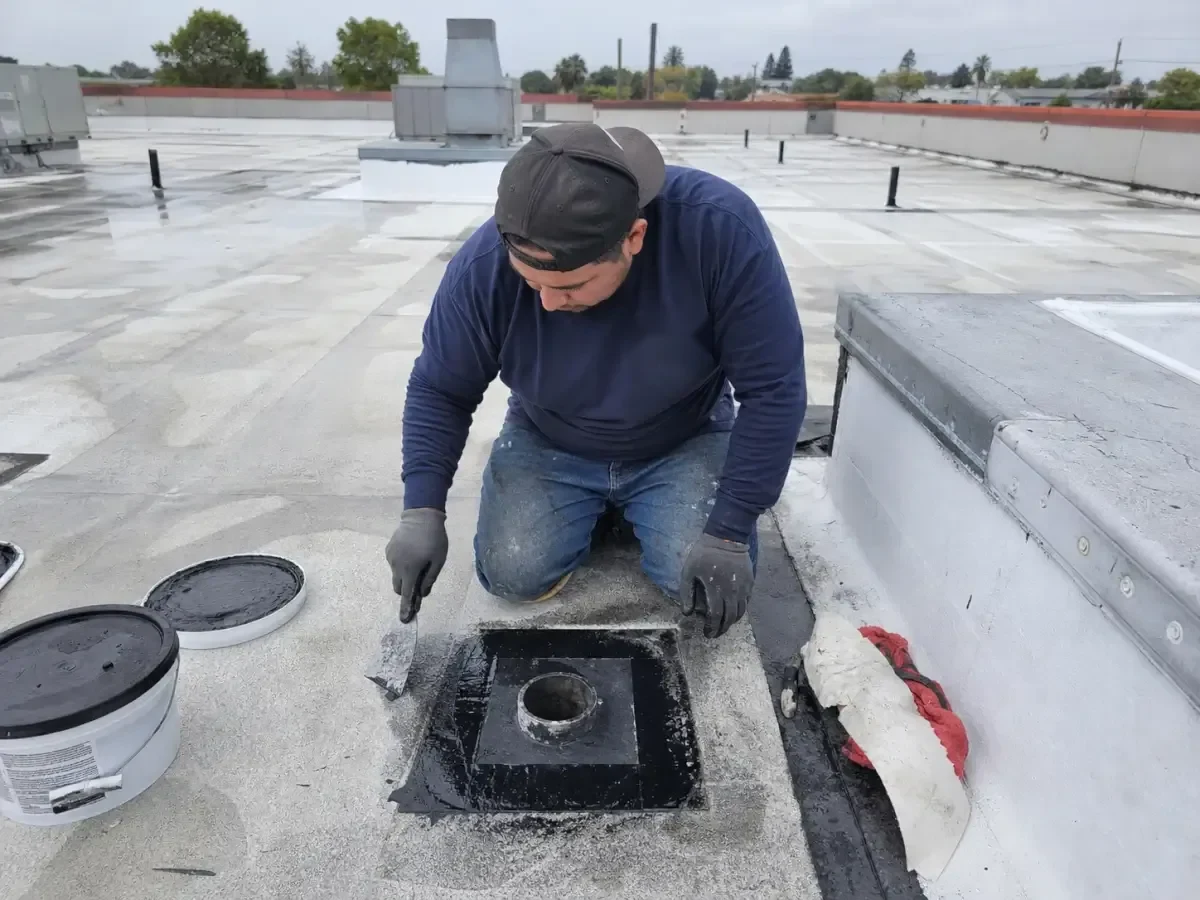
Equipment supports and penetrations can affect warranty and maintenance access. A curb review checks the roof interface while leaving equipment diagnosis to the facilities trade. We record any open question for approval before drilling or removing material.
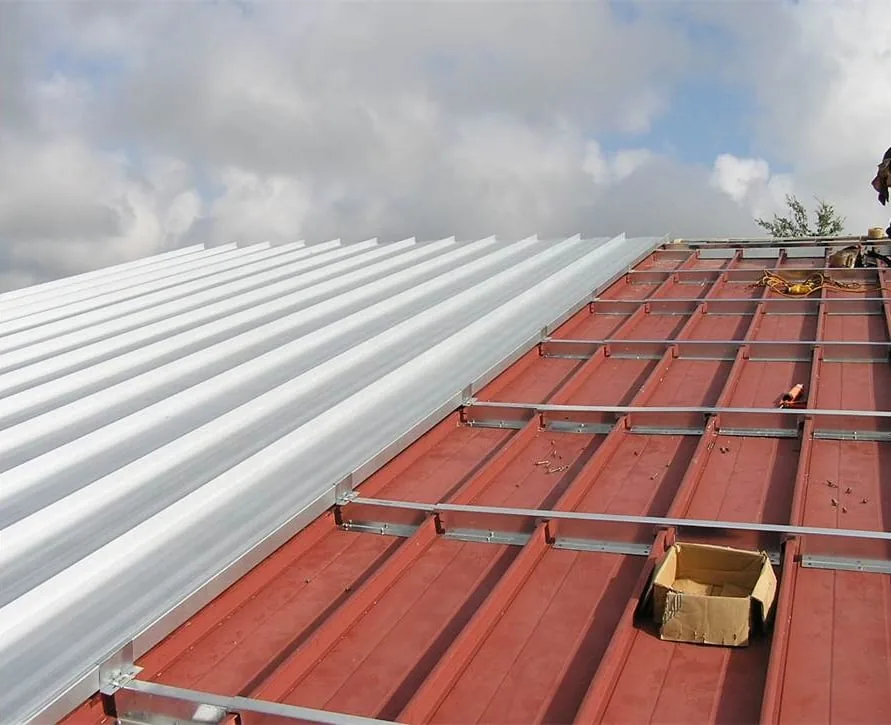
Leak protection: secure the affected zone
If water is active, the response begins with authorized access and a safe way to contain entry. Temporary protection must not block drains, create a trip hazard, or cover an unstable assembly. We identify where protection begins and ends, then notify the operator about any remaining exposure. Interior protection follows the facility’s own procedures.
The permanent repair can follow after the source and roof layers are understood. A leak repair review may involve testing, a curb repair, a seam restoration, or replacement of a larger section. Each option is priced and approved separately. If the operator requires a change request before emergency work, that process takes precedence over a field assumption.
Elgin averages 37.76 inches of annual precipitation. That provides regional context for water management but does not establish a particular roof defect. We report the observed opening, test limits, and next action without making claims about system uptime or equipment impact.
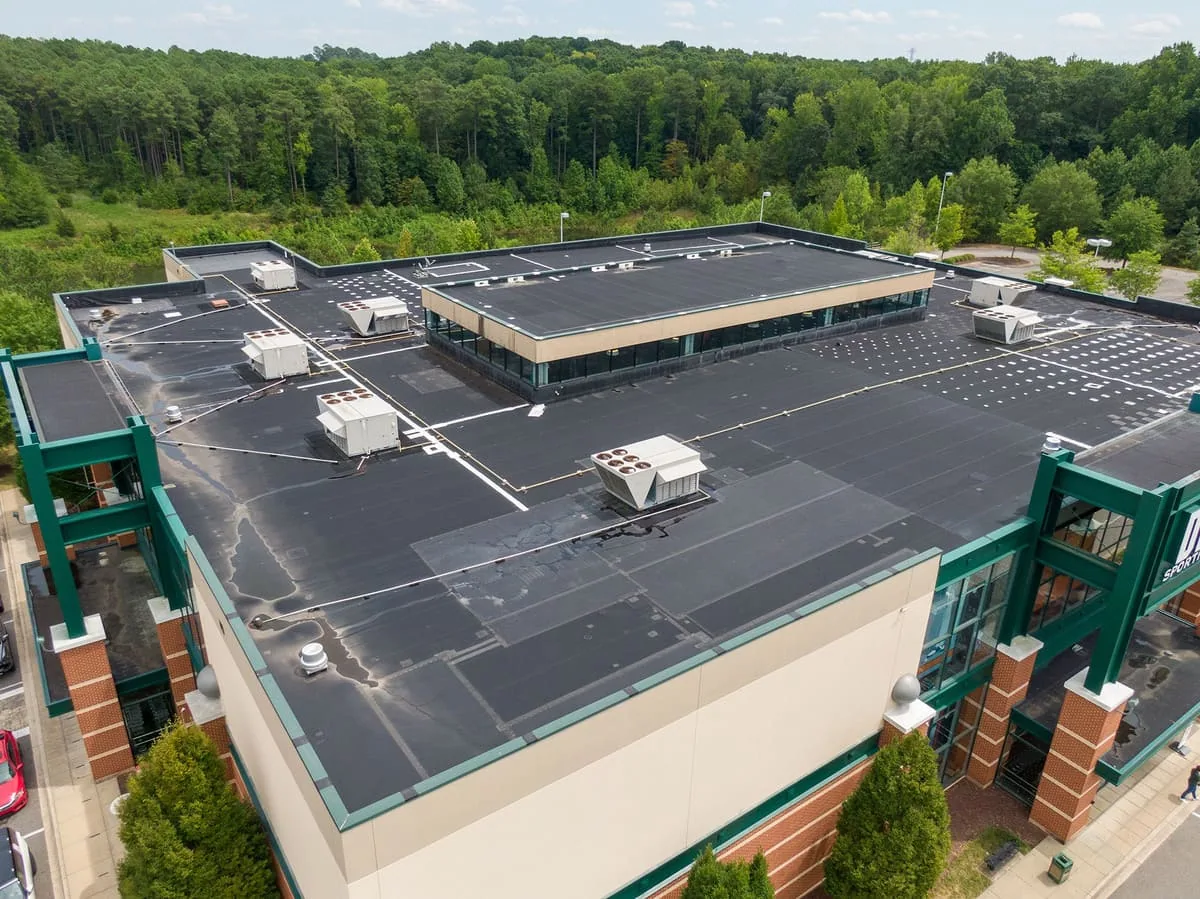
System work: match materials and approved submittals
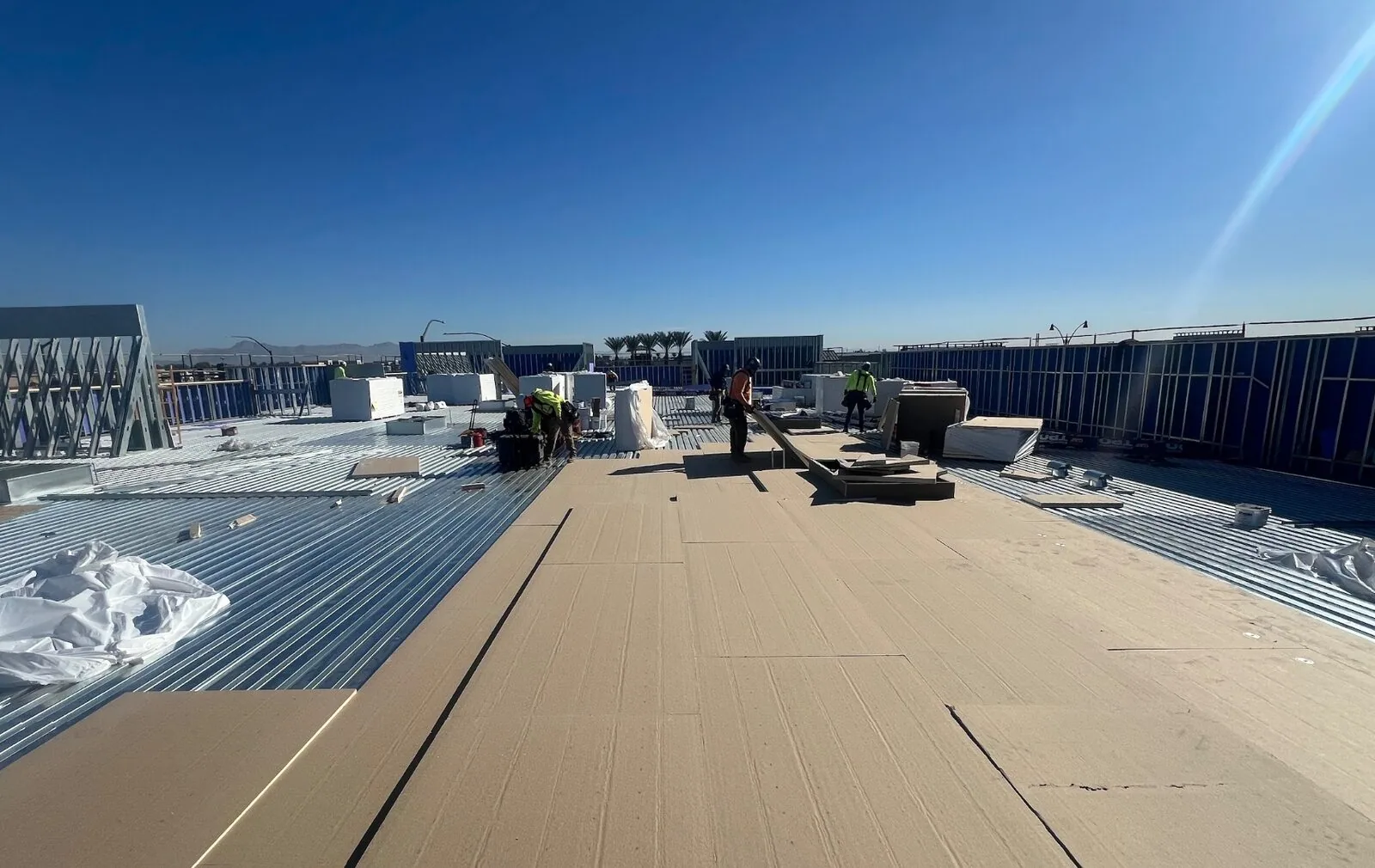
Repair or replacement selection follows membrane type, insulation, deck, attachment, drains, equipment clearances, and approved specifications. We review product submittals and manufacturer details before ordering material. If records are missing, a test cut can confirm the assembly at an approved point. The owner receives the finding and cost or schedule effect before the scope expands.
A data-center roof can have complex equipment zones, but the roof system still requires standard continuity at seams, edges, and penetrations. We coordinate replacement or recover work with the structural and mechanical teams. A commercial office roof may use similar membrane materials while imposing different access and continuity requirements. An acute-care campus has separate controls that should not be assumed for a data center.
The contractor’s work does not certify structural capacity, electrical reliability, cooling performance, or overall facility resilience. Those determinations remain with the project’s qualified design and operations professionals.
Work controls: document tools, staging and changes
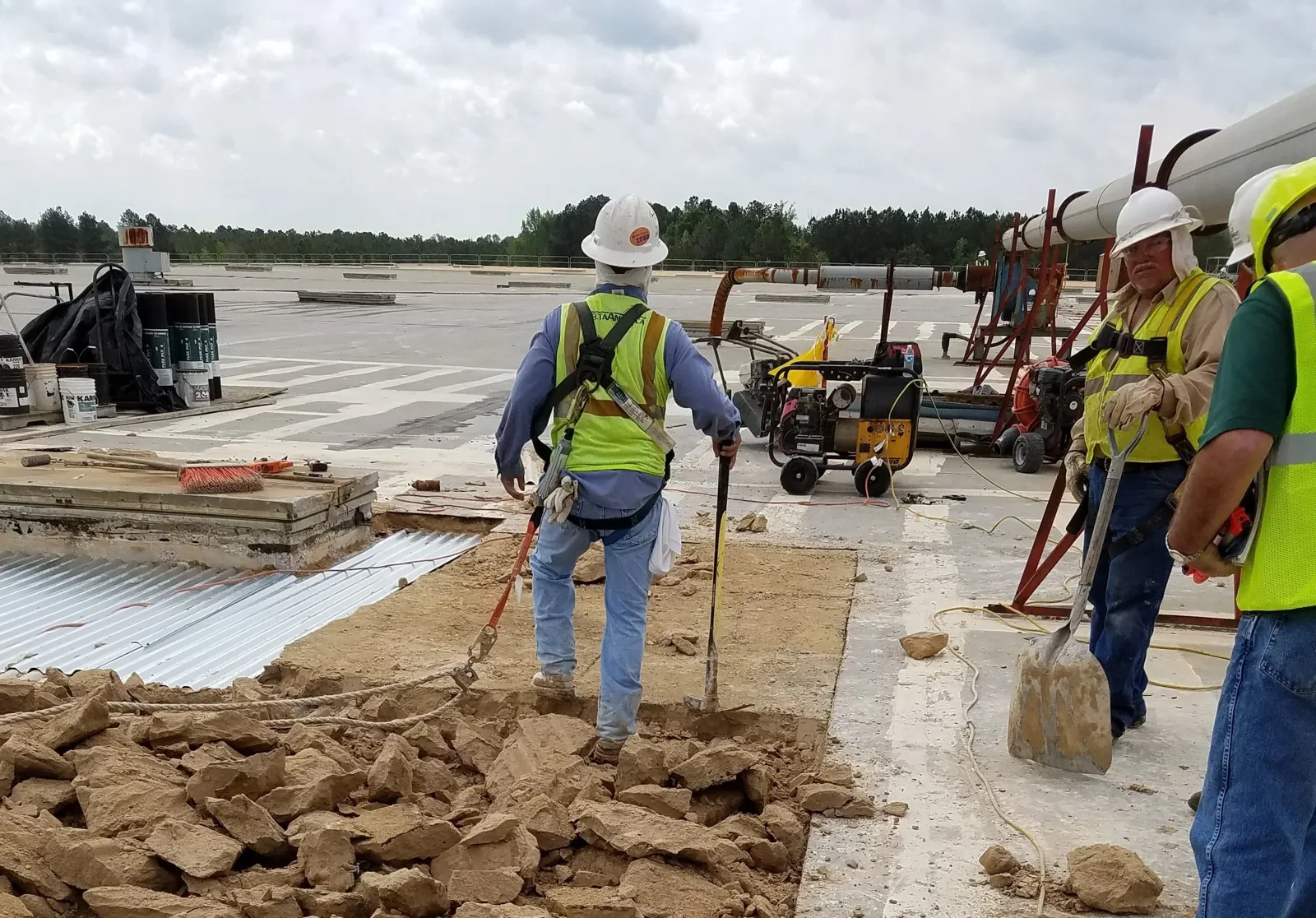
The site safety plan identifies roof entry, fall protection, hot-work controls, fire watch, material storage, ground barriers, and emergency contact. Data-center rules may restrict photography, radios, or devices. The sponsor confirms the current limits before arrival. We track tools and materials as the installation plan requires.
If a concealed condition differs from the drawings, the superintendent documents it and requests direction through the authorized channel. A field change may affect the schedule, cost, or access window. We do not substitute a product or shift the work boundary without approval. Completed areas remain protected while the decision is pending.
Elgin’s building requirements include locally amended building codes and state energy provisions. The design and contracting team confirms which standards and permits govern the project. We provide roofing documents for our work and follow the approved project requirements.
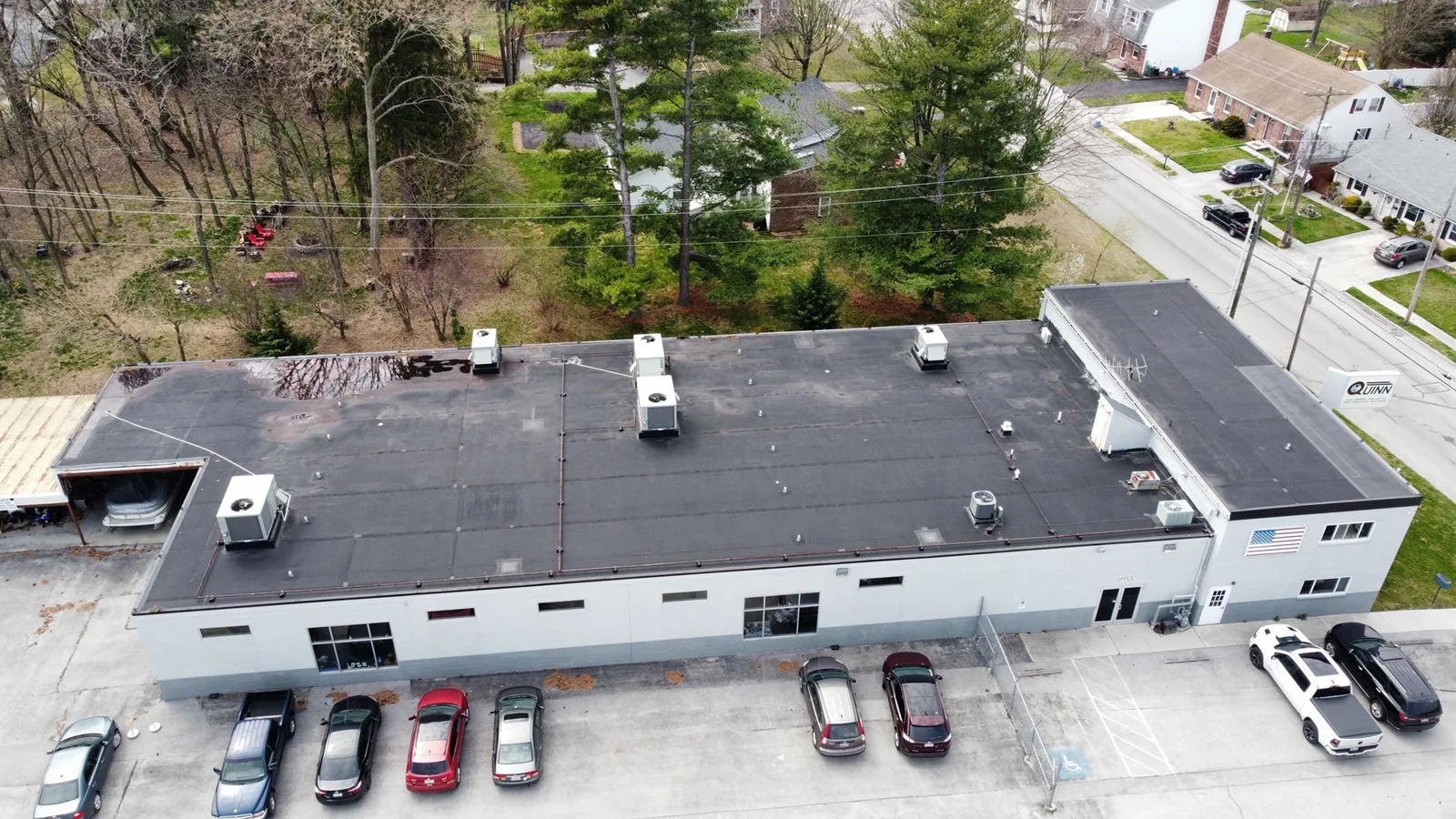
Closeout: hand off roofing status to operations
The final report lists work zones, materials, photographs when permitted, inspection points, and any condition left open. We identify temporary measures removed or retained and confirm which trade must complete a handoff. The owner can add approved roof records to the facility maintenance system. Zone labels should match the current roof plan so later service teams can locate each repair without entering a restricted room.
Provide the authorized contact, escort process, roof plans, equipment schedule, reported room, change window, and rules for photography or tools. We will confirm whether a site inspection is authorized and what documentation can be collected. The roofing recommendation stays within the approved scope and gives the operator a clear status at each decision point.
Questions About Data Center Commercial Roofing
Can roofing work occur without affecting data-center operations?
That depends on site controls, access routes, equipment windows, and the approved work zone. The operator identifies restrictions and authorizes each work period.
Do you manage electrical or cooling shutdowns?
No. The facility operator and qualified trades control equipment and system changes. We coordinate roof access and protection around their approved window.
Can an infrared scan confirm a data-hall leak source?
A scan may identify areas for further investigation, but it does not establish the source or verify every layer. We compare results with roof conditions and approved tests.
What should I send before a site visit?
Provide the authorized sponsor, badge and escort requirements, roof plans, equipment schedule, reported location, and any restrictions on photography or tools.
Will a roof repair ensure uninterrupted uptime?
No roofing scope establishes facility uptime. The operator controls redundancy, monitoring, and change approval.