Commercial EPDM Roofing in Elgin, IL
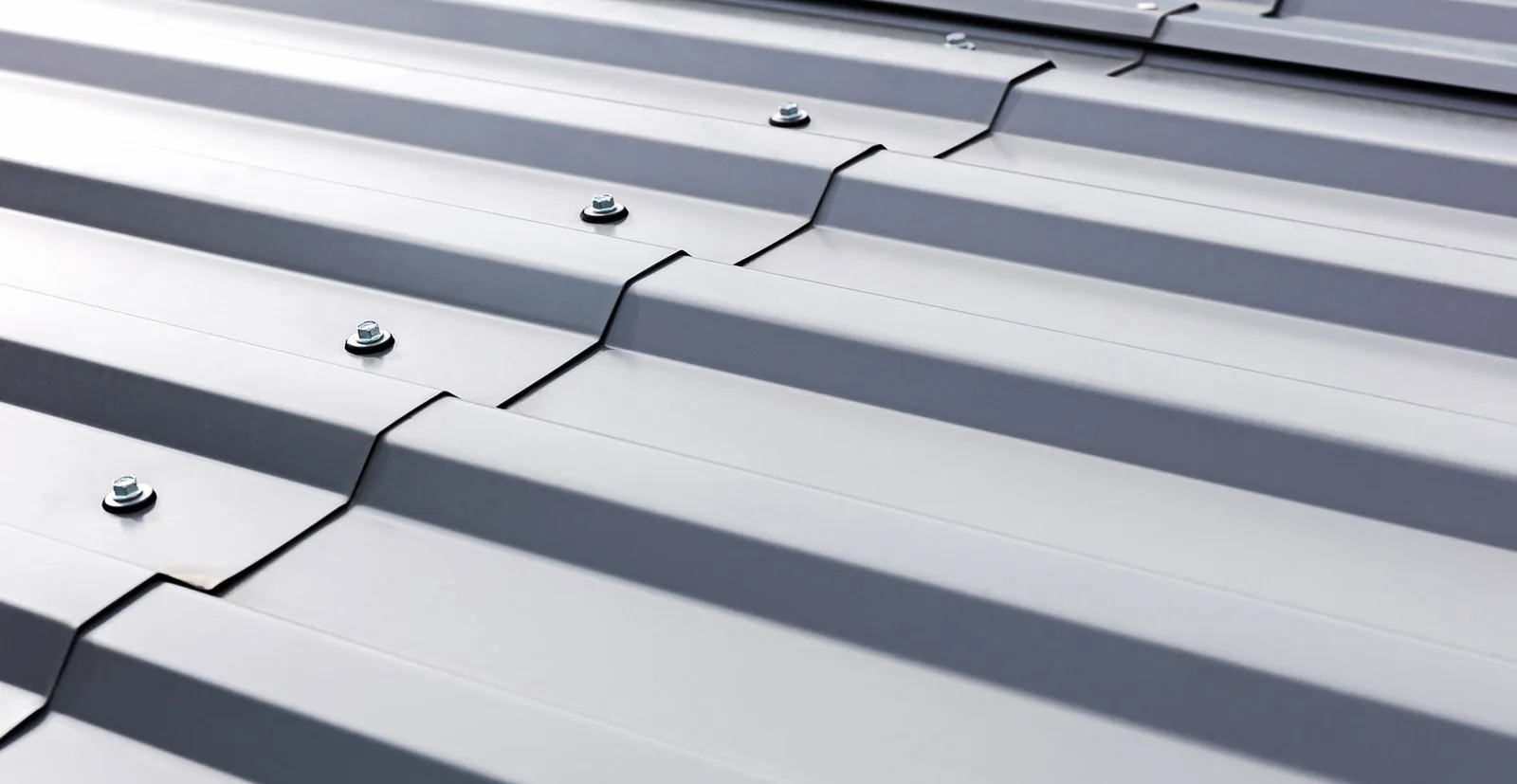
Inspect an EPDM roof
Send the building, reported area, roof plans, repair history, warranty information, and access contact. We will verify the system and set the inspection boundary.
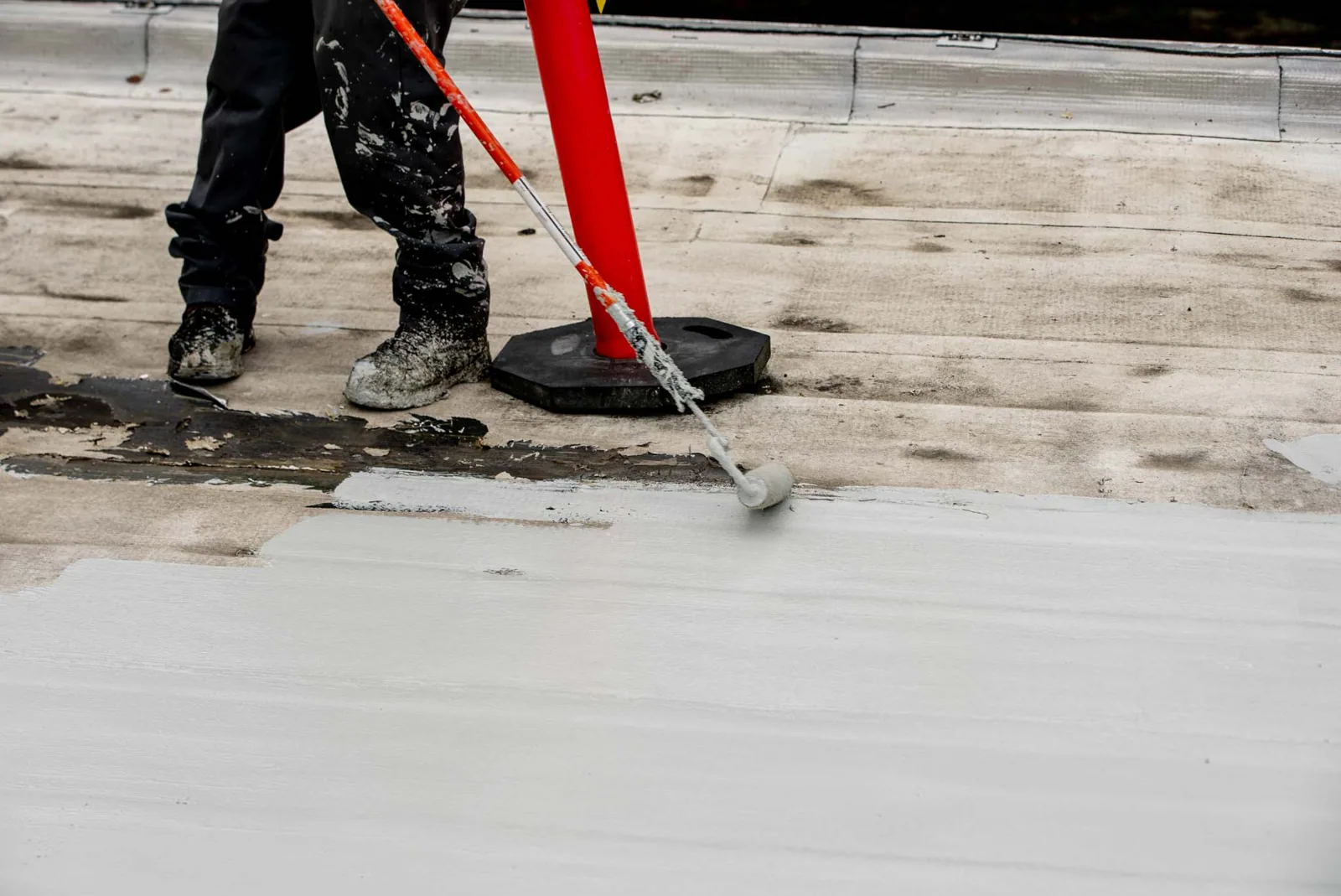
Commercial EPDM Roofing
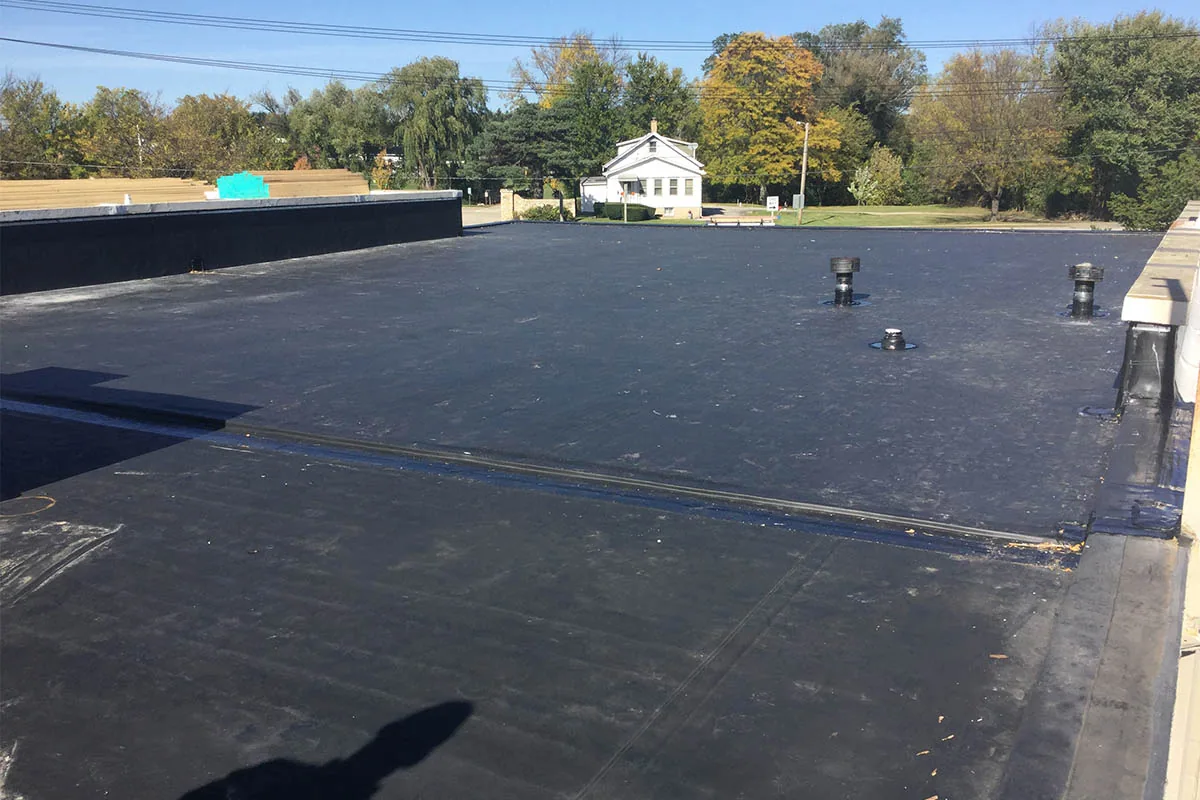
EPDM is a flexible membrane, but its details still need close inspection. We verify sheet condition, seam tape or adhesive, patches, flashings, attachment, and the substrate before proposing a repair. Age alone does not identify the cause of a leak. Elgin’s repeated freeze-thaw cycles and winter snowfall make drainage and exposed terminations important review points. The recommendation follows the roof in place and states where repair, recover, or replacement remains uncertain.
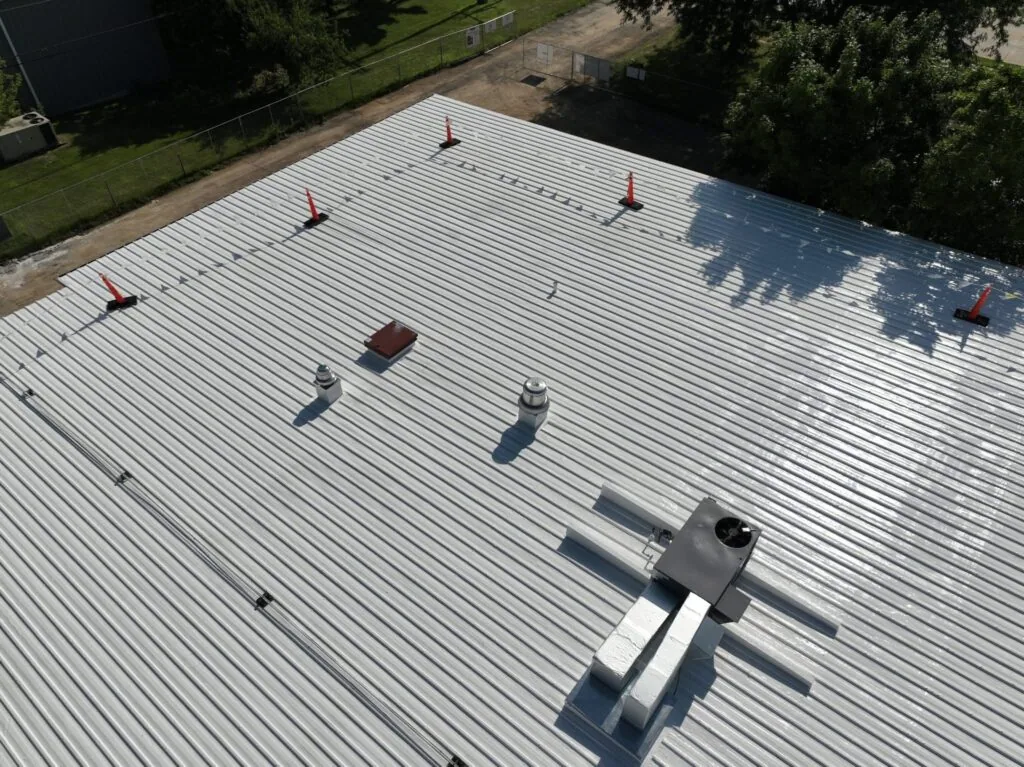
Identify sheet and seam details
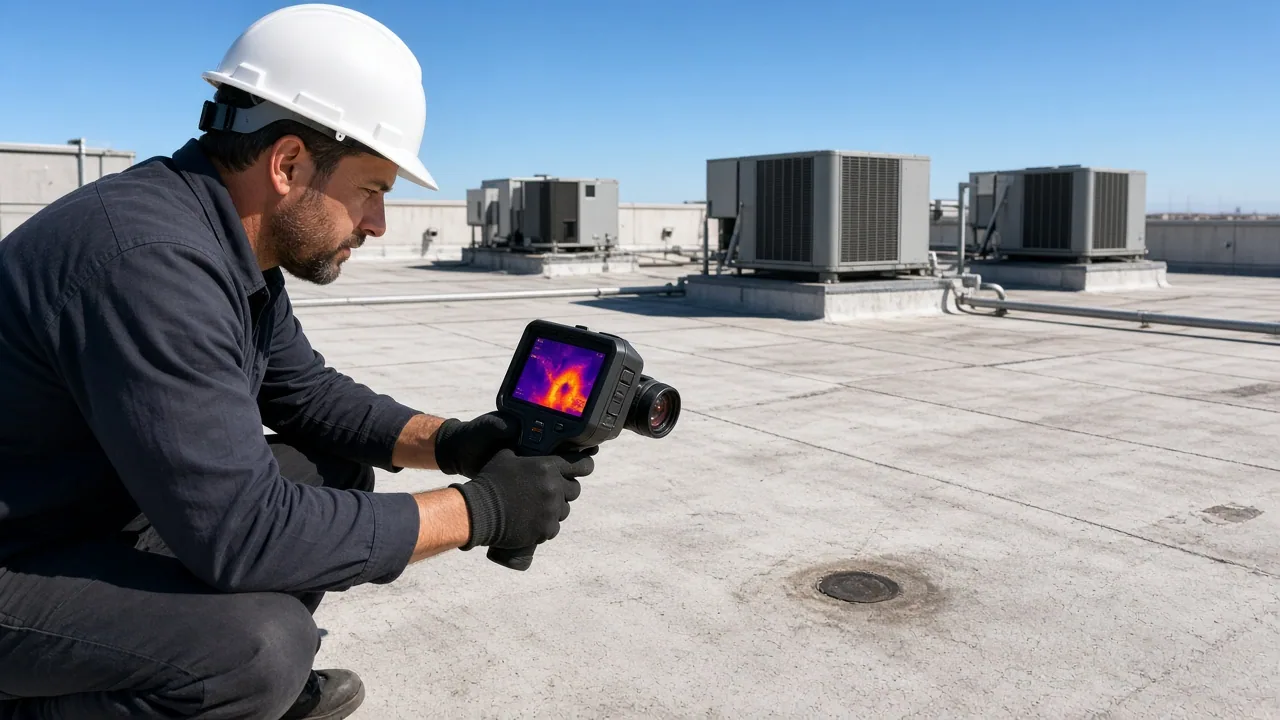
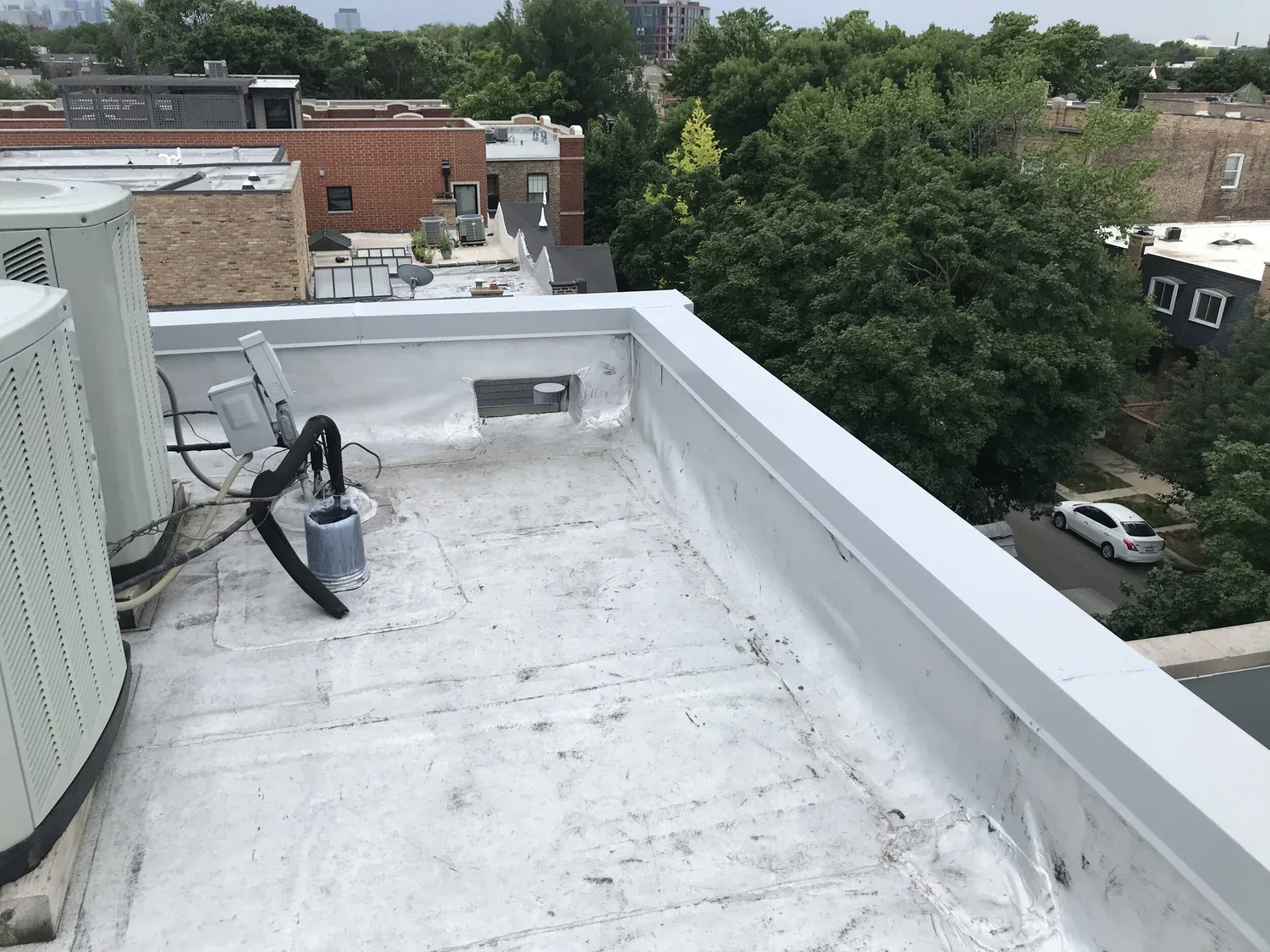
We review roof records, labels, repairs, and any warranty documentation. Field inspection checks the membrane color and texture, seam edges, patches, walkway areas, penetrations, drains, and perimeter. EPDM may use different seam products and attachment methods. We look for adhesive failure, open tape edges, shrinkage, punctures, fishmouths, or material that has pulled away from a curb. The report identifies location and visible condition rather than assuming every dark sheet is the same system.
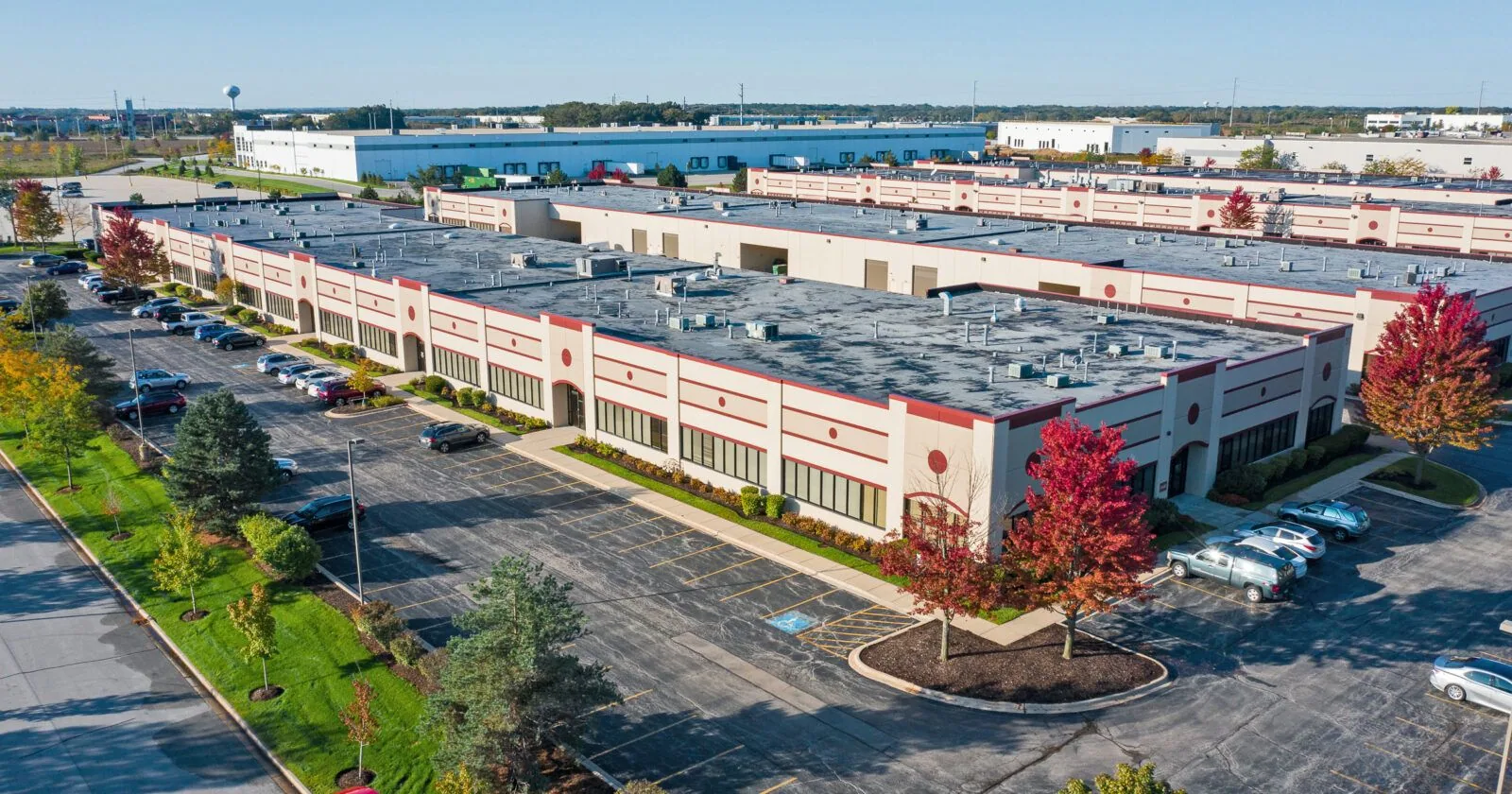
Near North Elgin Industrial Park or the Slough Business Center, roof entry and operating schedules must be confirmed with each owner. An industrial site may have active rooftop equipment, restricted zones, or delivery hours that change inspection logistics. We ask the site contact before selecting a ladder, staging material, or bringing another trade onto the roof.
If membrane layers are obscured by coatings or patches, the owner may need to approve a small test area. An assembly inspection can record accessible conditions and identify what is still unknown. Testing has defined limits; the scope notes what the result can and cannot establish.
Seams: assess tape, adhesive and movement
EPDM seam integrity depends on clean, prepared surfaces and compatible products. We inspect along laps, corners, terminations, and repaired areas. A probe or peel check may be used where suitable. The crew notes accessible seam condition and the method used. A short check does not certify the full roof, especially when sections are concealed by equipment or walk pads.
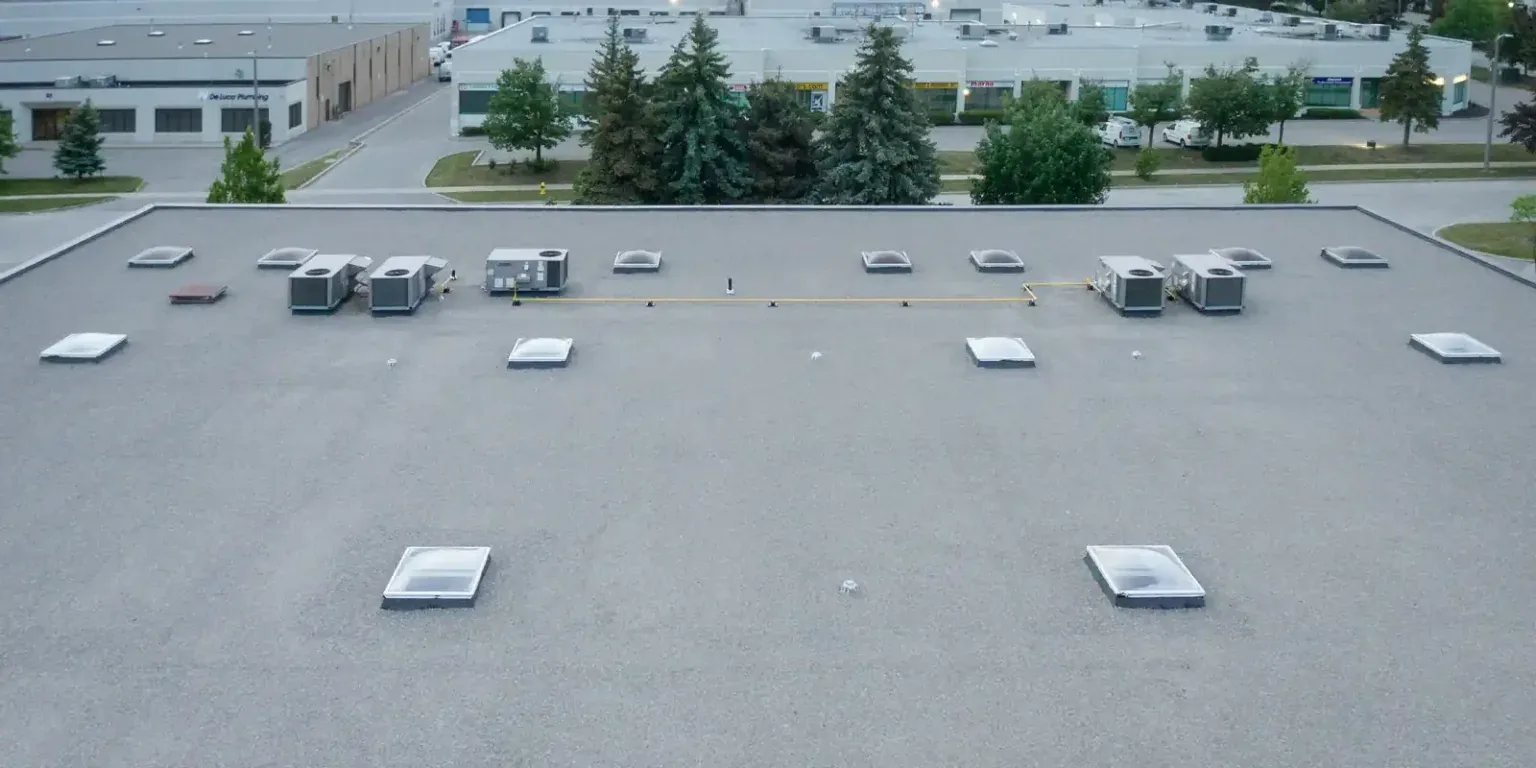
Movement can expose weaknesses where a wall, curb, drain, or expansion joint meets the field sheet. We inspect the transition and identify whether the problem is a loose termination, split flashing, trapped moisture, or another condition. A penetration review can include pipe boots, skylights, and equipment bases when the water path is unclear.
For a repair, we remove incompatible material, prepare the surface, and apply the specified EPDM-compatible primer, tape, flashing, or adhesive. The written scope states the repair area and preparation. We do not smear generic roofing cement over a seam and call it a durable repair. If the surface is contaminated or too degraded for a reliable bond, a test or broader replacement may be appropriate.
Drainage: protect low points and terminations
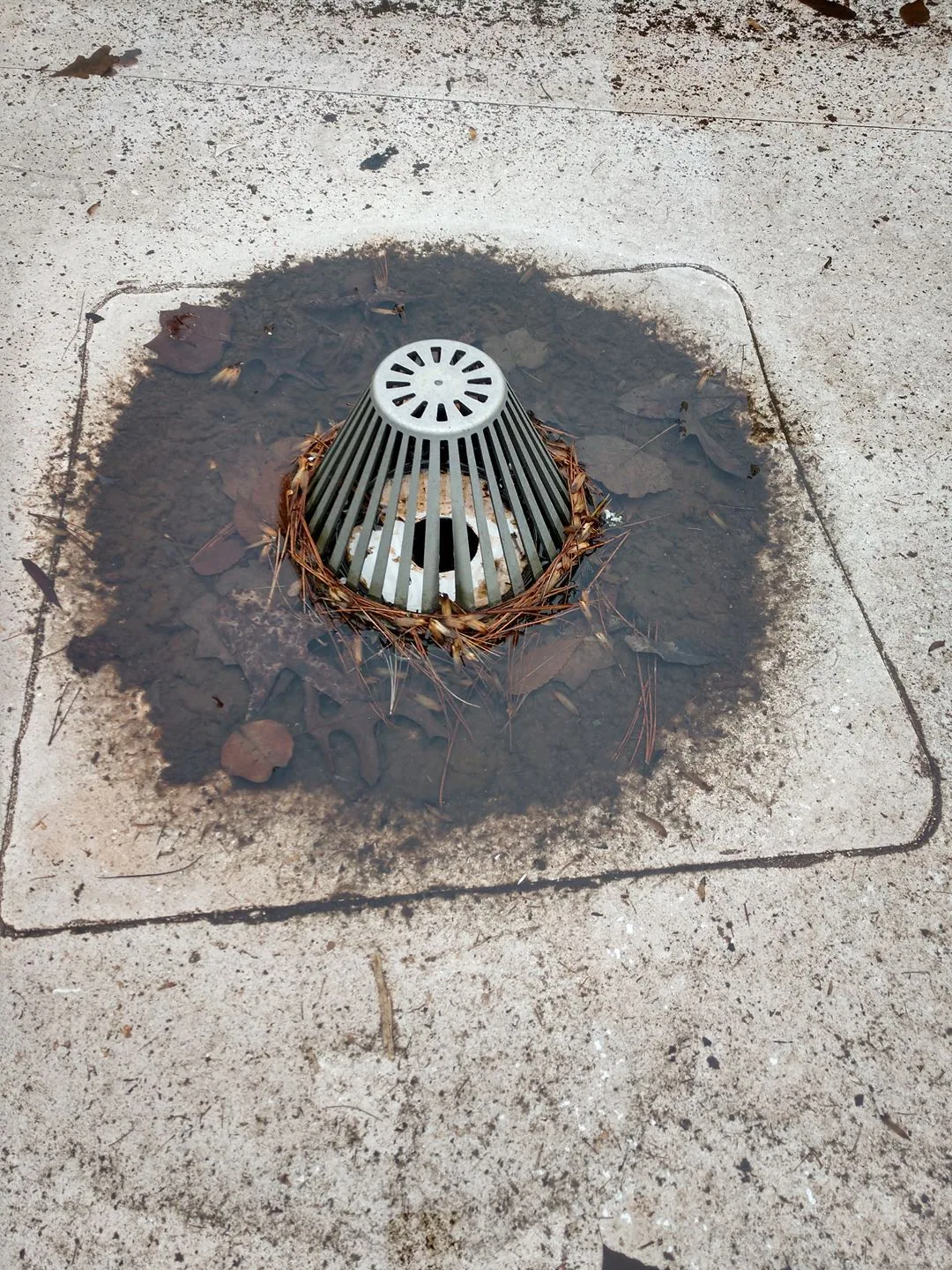
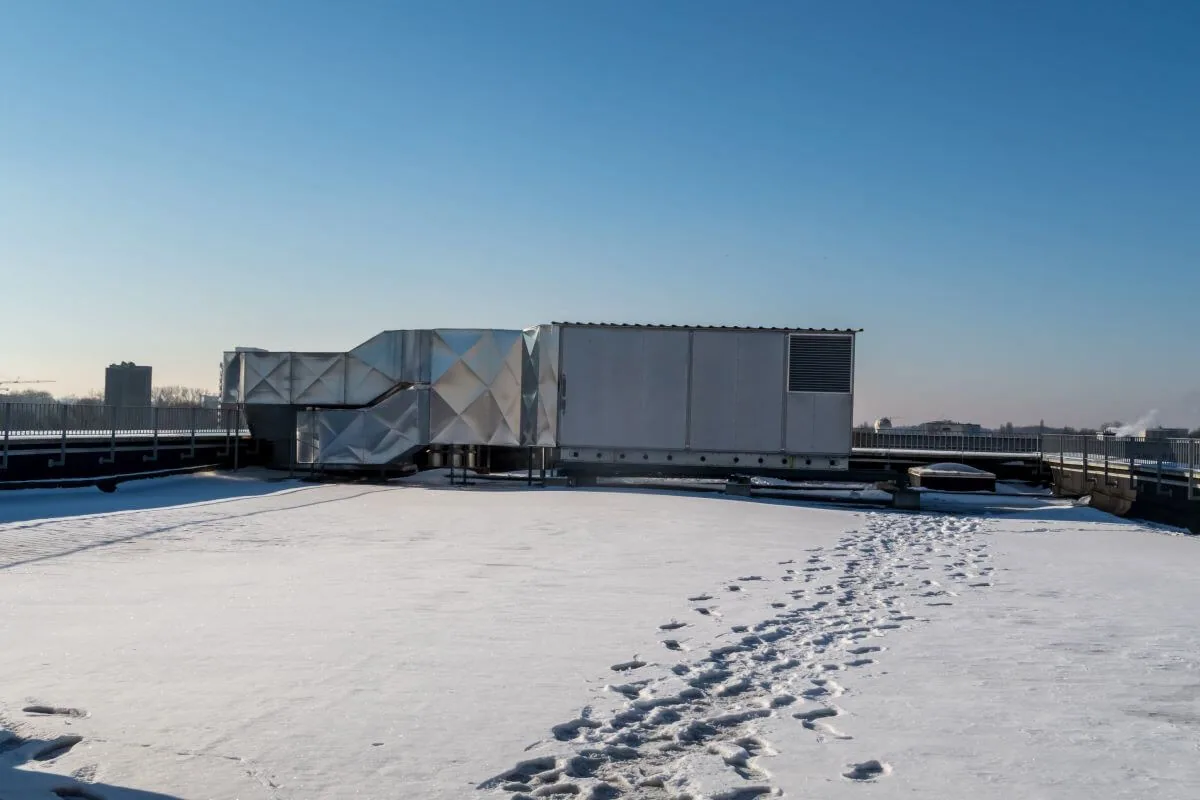
We follow water from high areas toward outlets. The inspection checks drain rings, scuppers, crickets, low-point marks, and transitions where the membrane may remain wet. Elgin averages about 37.76 inches of yearly precipitation and roughly 29 inches of snow. That makes functioning outlets a practical maintenance concern, but the climate does not identify a defect on a particular roof.
Leaves, ice, or displaced equipment can obstruct a drain. We note what is visible and distinguish surface debris from a concealed leader issue. If water remains after surrounding areas dry, records or a follow-up visit may be needed to assess slope or structural movement. A drainage assessment can address the outlet and surrounding membrane as one detail.
At a low curb or wall transition, water may stress the flashing edge. The repair needs enough height and proper termination for the specific assembly. If the proposed change affects a roof edge, a coping review can coordinate membrane termination with metal work.
Repair or replace: use evidence from the roof
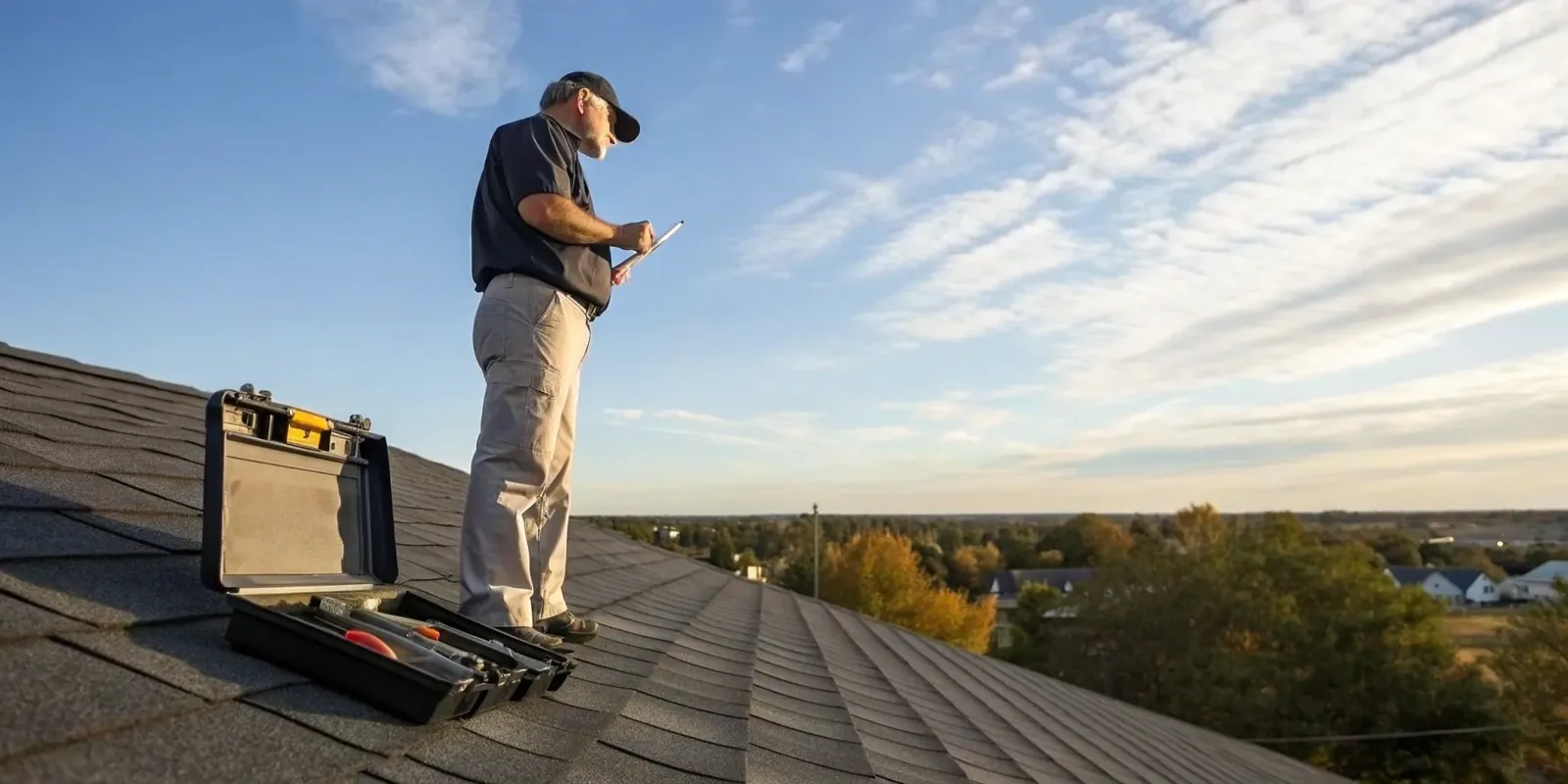
A localized repair may address one seam, boot, puncture, or flashing. Owners comparing options can review a TPO assembly or PVC membrane where the building’s use and approved details support a system change. We identify nearby sections that need observation and keep the approved boundary visible. If repeated failures appear across several roof zones, the owner can compare patching with a recover or tear-off. The estimate lists known layers, wet areas, and test limits rather than assuming all unseen material is dry.
EPDM can be recovered only when existing condition, attachment, moisture, edge height, and system approval support it. Added layers affect drains, wall terminations, curbs, and fastener length. We review those details before recommending work. A replacement review can compare a new assembly with defined repairs where inspection supports the comparison.
Coatings over EPDM require product-specific preparation and testing. They are not a universal way to cover an aged sheet. A restoration assessment can check compatibility and adhesion, but widespread wet insulation or unstable seams remain separate issues.

Installation: control adhesive and weather conditions
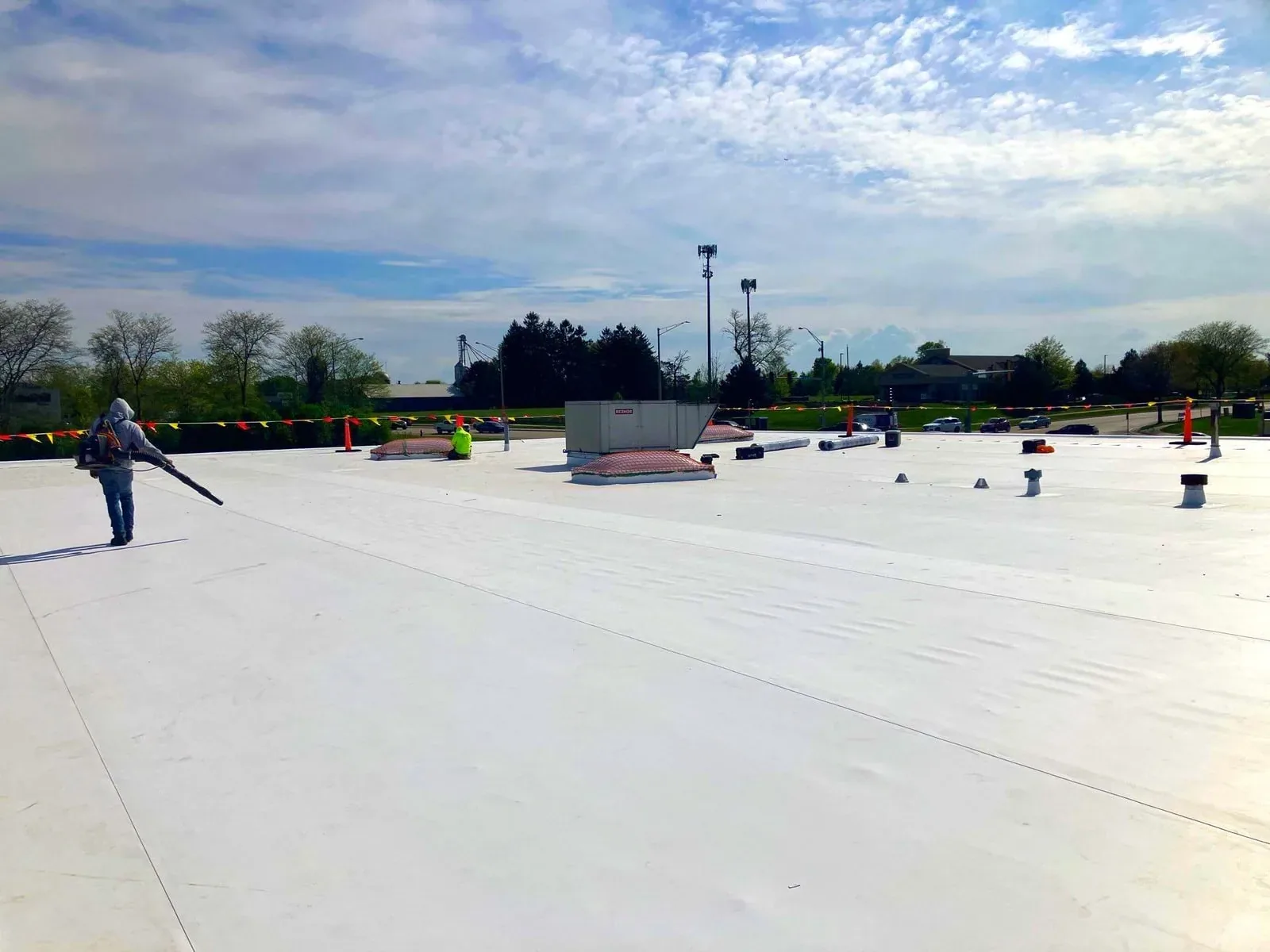
EPDM installation methods include adhered and mechanically attached assemblies, with different substrate and perimeter requirements. We check product instructions, deck, cover board, fastening, adhesive coverage, and edge securement. The project documents control the assembly. If field conditions do not match approved details, the crew requests direction before proceeding.
Adhesive and primer need suitable temperature, dryness, and flash-off time. Elgin’s winter conditions can shorten workable periods; warm-weather work also requires attention to storage and surface temperature. The superintendent checks the roof and product requirements each day. A weather hold prevents a bond made on a wet or unsuitable surface.
For occupied property in Carpentersville Route 25 Corridor, we confirm tenant access and loading with the site contact before delivery. The corridor name does not determine building access. Each roof gets its own staging and protection plan.
Maintenance: keep the record current
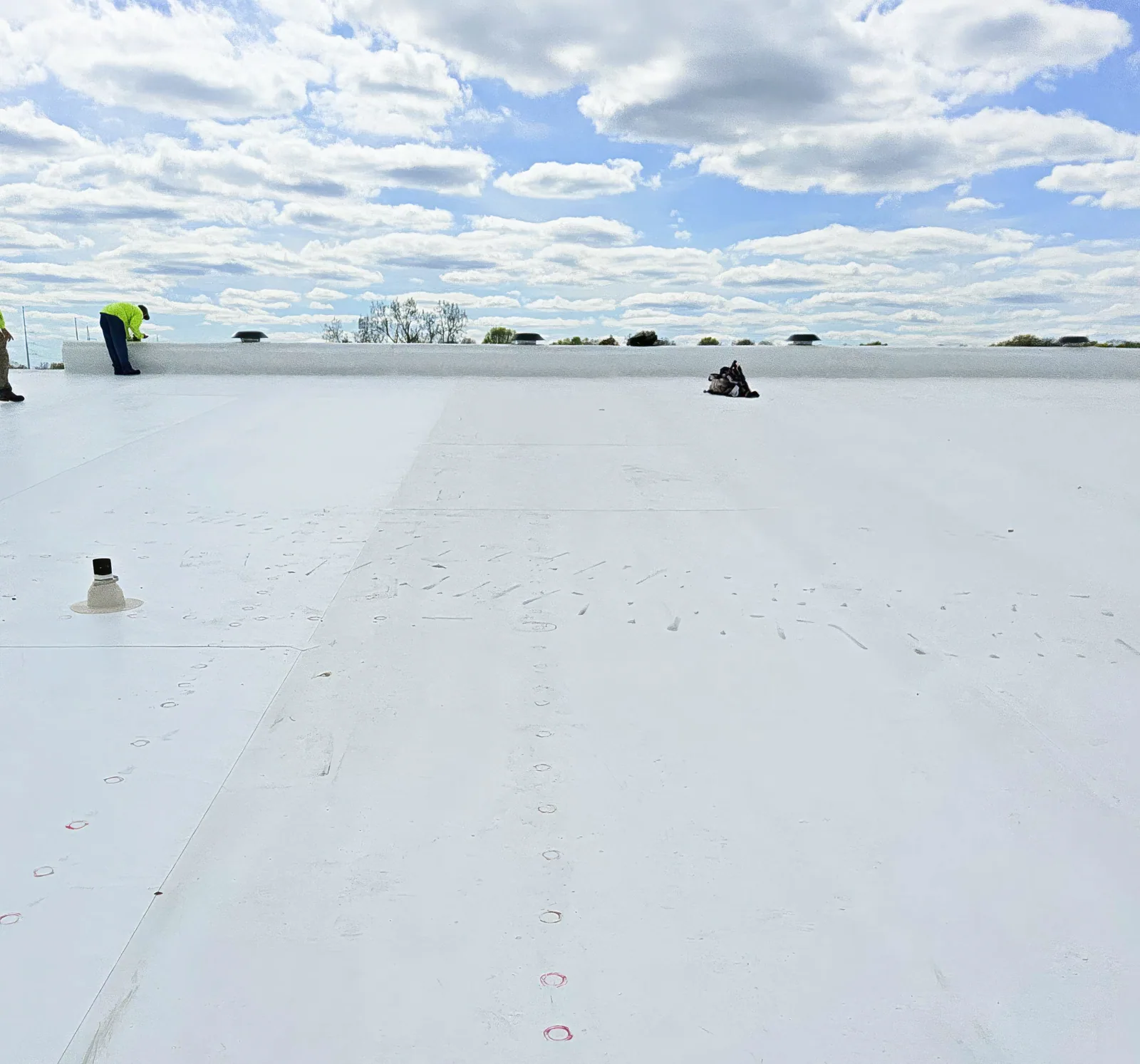
Routine review should cover seams, flashing, punctures, drain areas, roof traffic, and work by other trades. Dated photographs can show whether a patch or termination has changed since the last visit. The owner should record equipment additions and any contractor work that penetrates the membrane. That history helps a future roofer select compatible products and avoid repeating an ineffective repair.
At Carpentersville Route 25 Corridor, commercial and mixed-use properties share a broad service area; they do not share roof records. We identify each structure and roof zone in the inspection notes. A roof asset record can track repairs and upcoming review dates across a portfolio.
Keep warranty terms and manufacturer instructions with project closeout materials. A contractor maintenance visit, manufacturer inspection, and warranty claim are separate processes. The owner should use the contact and notice period stated in the applicable documents.
Closeout: note the system and repaired locations
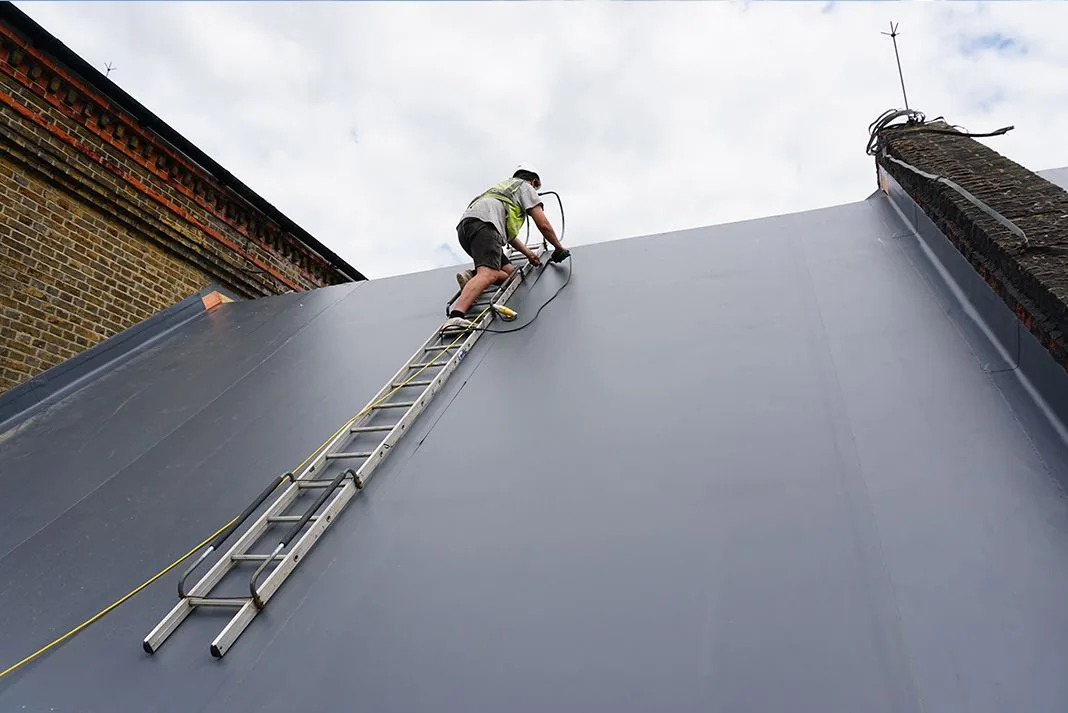
We provide available material information, repaired seam or flashing locations, photographs, and any condition left for follow-up. The report identifies inaccessible areas and test limits. For replacement, the owner receives approved assembly documents and warranty records when issued. Areas excluded from the scope remain clearly marked.
Provide roof plans, repair history, warranty information, access rules, and the reported leak location when requesting service. We will confirm which sections can be inspected and whether testing is needed. The final recommendation follows the installed EPDM system and observed substrate, not an assumption based on the membrane’s appearance.
Questions About Commercial EPDM Roofing
Can every EPDM seam be repaired with new tape?
No. Surface condition, contamination, product compatibility, and existing seam construction matter. We inspect and prepare a defined area before selecting tape or flashing materials.
Does water ponding mean EPDM has failed?
Not by itself. We check drains, slope, membrane condition, and nearby transitions. A blocked outlet and a low deck require different responses.
Can an old EPDM roof be coated?
Only if testing and manufacturer requirements support the product on that substrate. A coating cannot correct wet insulation or unstable flashing.
How do you choose between repair and replacement?
We compare documented failures, moisture, substrate, layer count, edge height, and owner goals. The proposal lists repair limits and any test needed before a larger decision.
What should I send before an EPDM inspection?
Provide roof plans, warranty records, repair dates, current leak reports, access contact, and any known equipment work. Those details help us trace changes in the assembly.