Roof Damage Repair in Elgin, IL

Roof Damage Repair
Elgin, IL
Report a commercial roof condition
A damage report starts a dispatch, not a roof diagnosis. We confirm the affected building, interior report, site contact, and safe access window. On the roof, the crew records the conditions that support temporary protection or permanent repair. Elgin has documented tornado and hail events, along with winter snow and freeze exposure. Those are reasons to inspect after a report, not proof that a specific assembly was damaged.
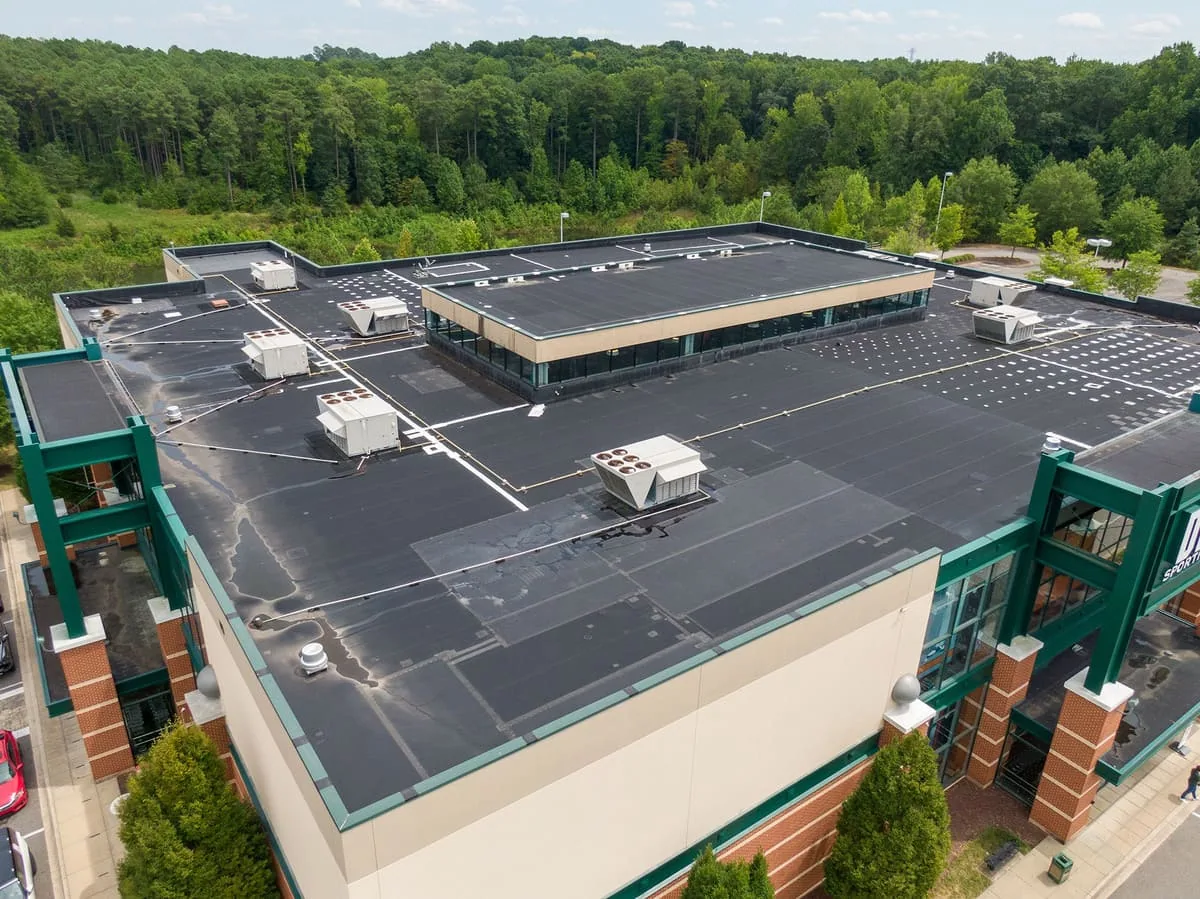
Wind and hail: locate the affected roof zone
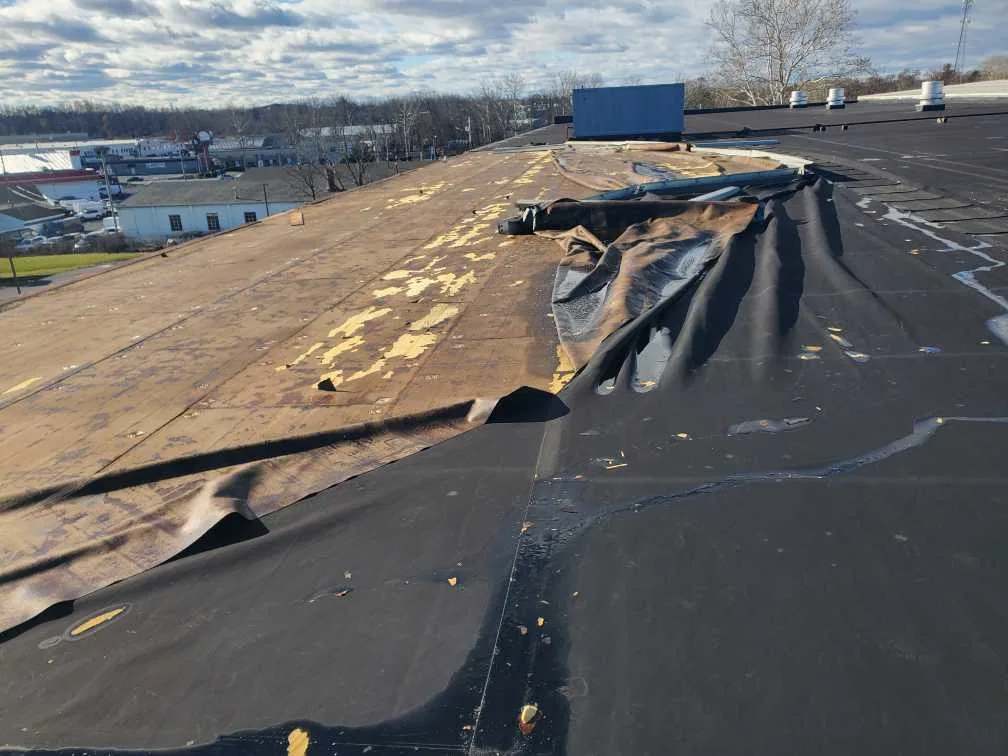
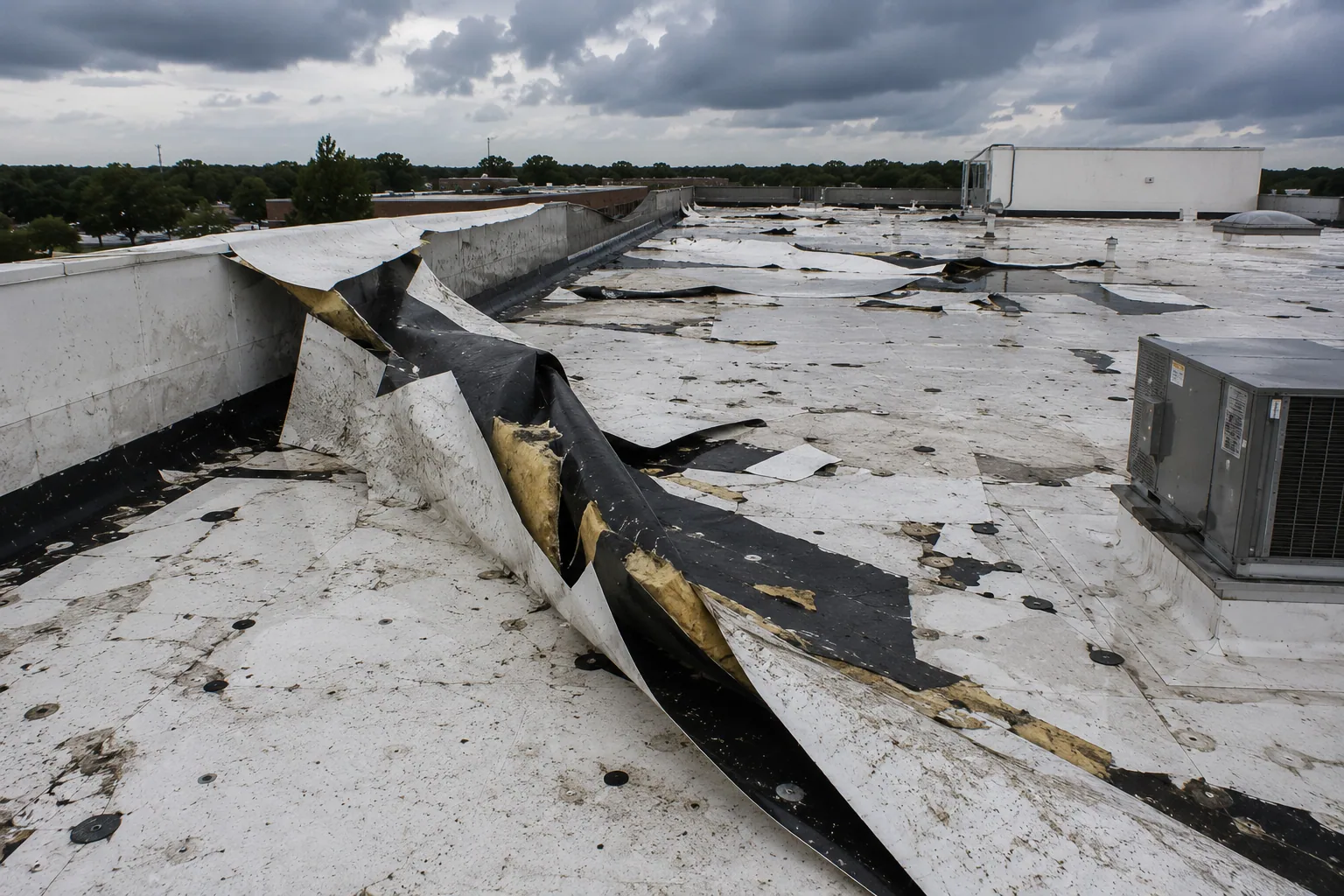
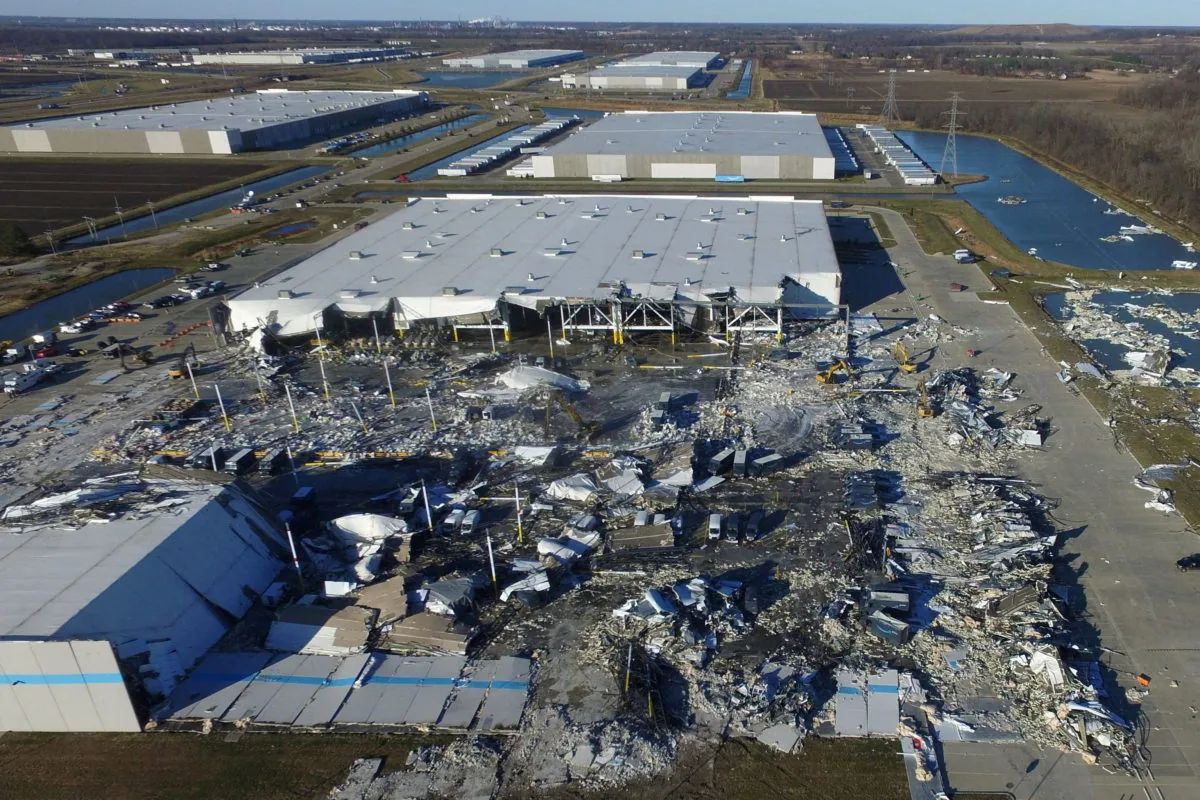
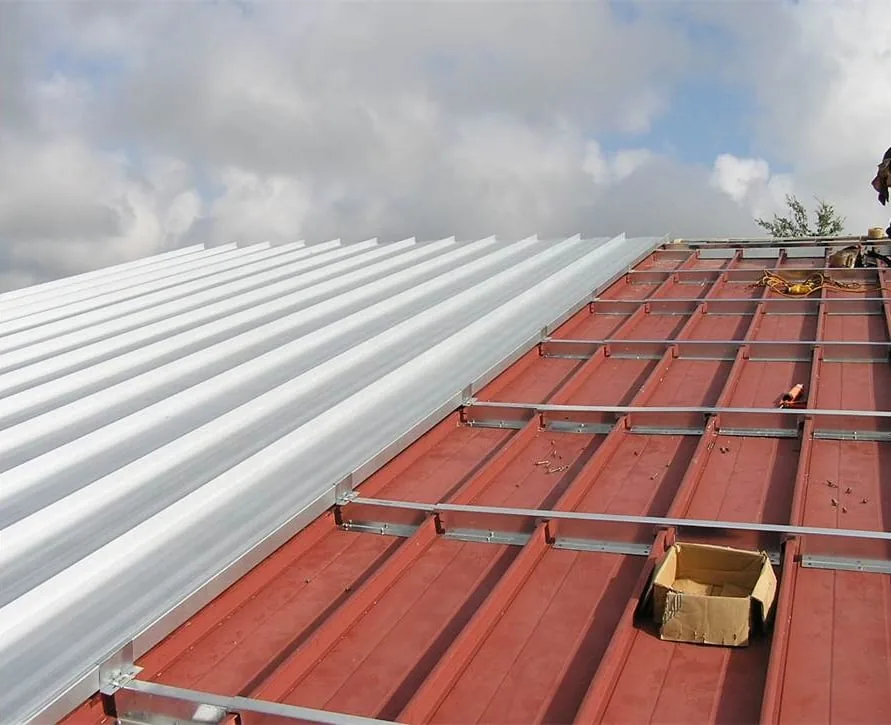
Wind can lift edges, disturb metal, or stress rooftop details. Hail can mark exposed surfaces, but the repair decision depends on what inspection finds. A wind-damage assessment checks perimeter securement, flashings, seams, and debris impacts. A hail inspection documents marks, punctures, and related details without assuming every mark affects performance. Elgin’s July 2023 EF1 tornado crossed the city, and a one-inch hail report occurred in 2024. The property still needs its own inspection.
When the report follows severe weather, tornado-damage repair begins with safe access and a clear separation between temporary stabilization and the permanent work order. Photos should identify the roof zone and each open question.
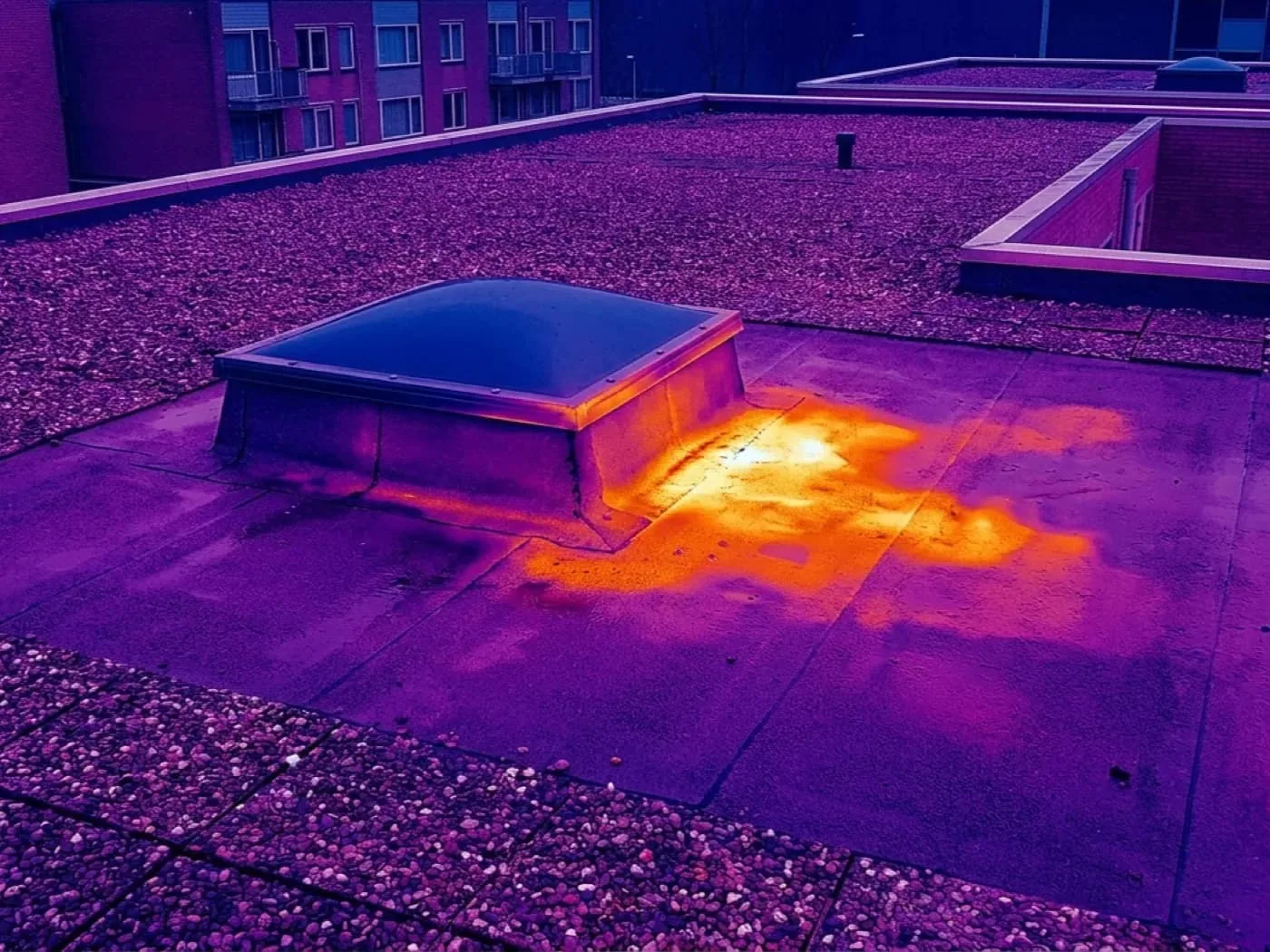
Water movement: distinguish symptom from entry
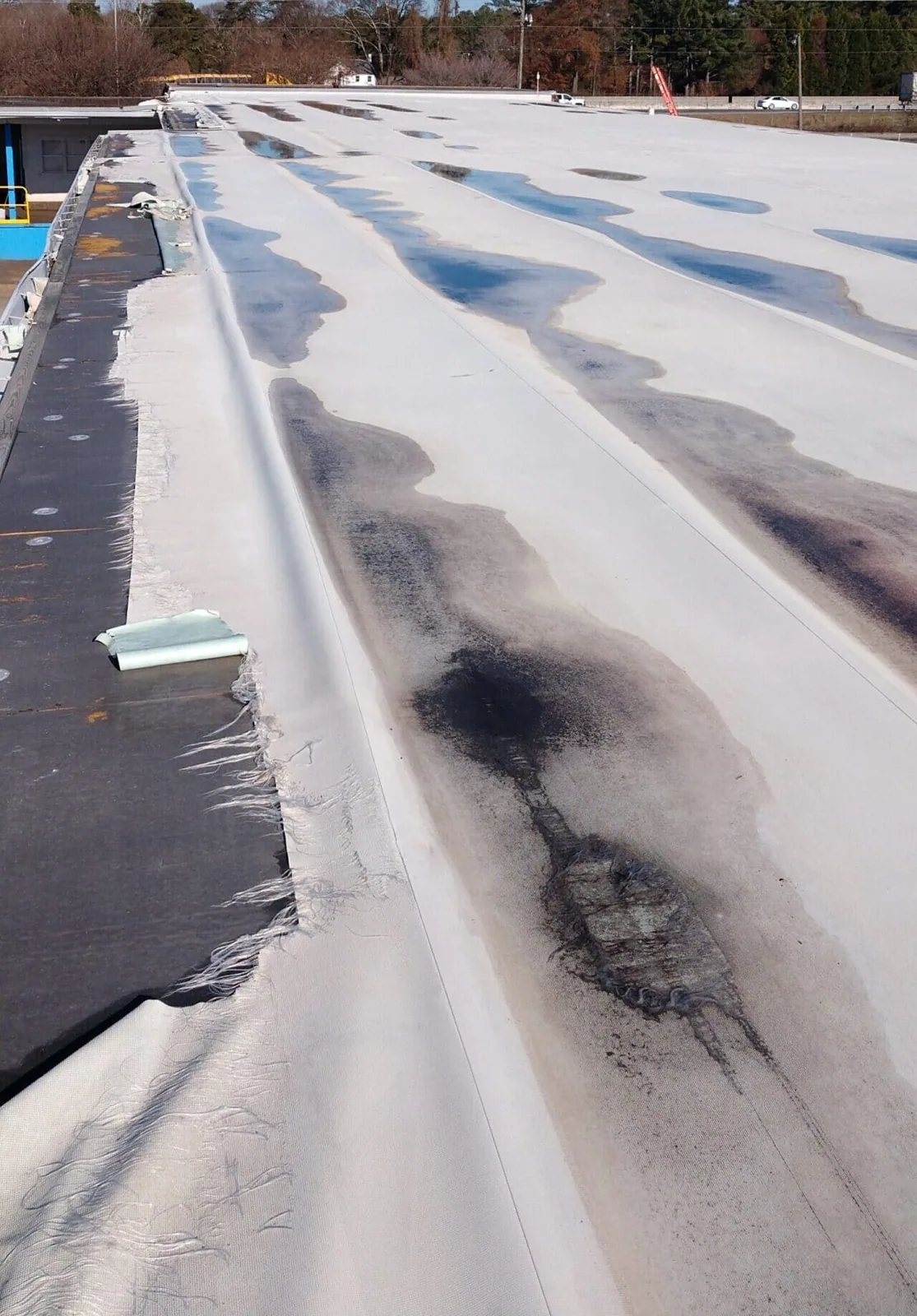
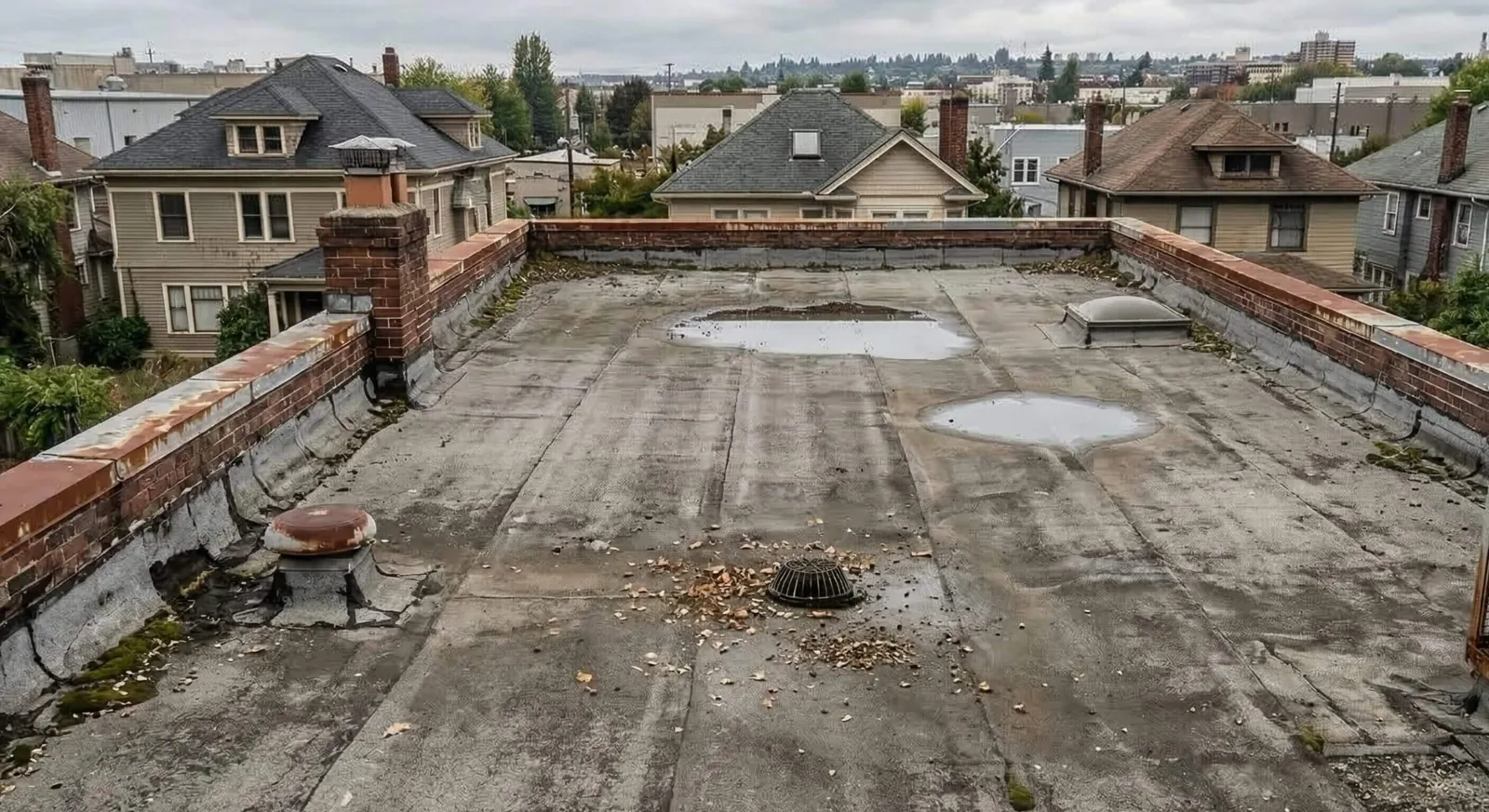
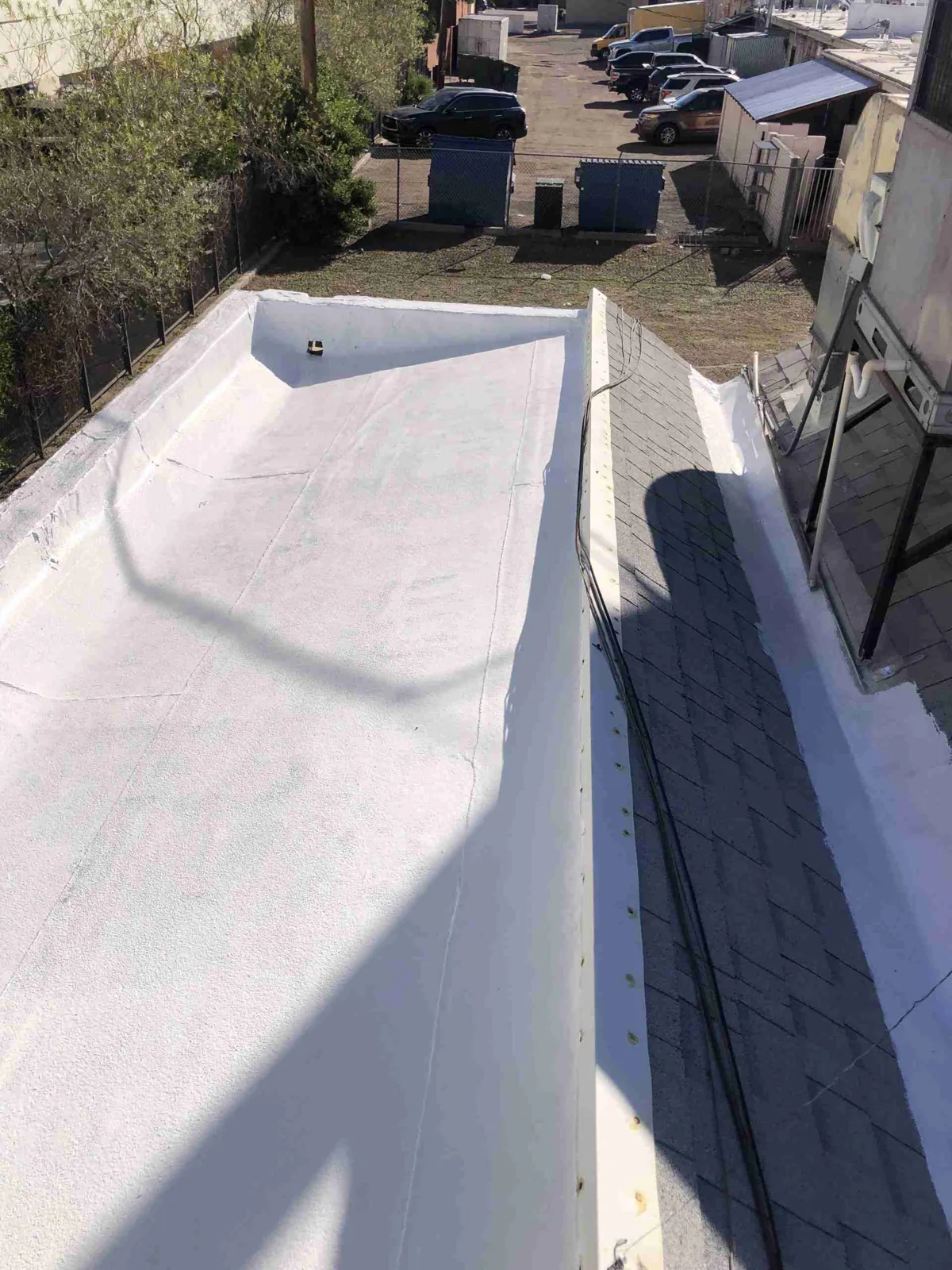
Interior water can appear far from the roof defect. Ponding-water repair starts with drainage paths, low areas, and evidence of recurring retention. Flashing repair checks the transition at walls, curbs, and penetrations. A seam-failure review tests whether a lap or weld has separated, while a membrane puncture correction must match the installed material. We trace the path before selecting the detail.
Elgin averages 37.76 inches of annual precipitation and 29 inches of snow. Drainage checks after rain or melt can help locate a concern. Those climate values describe the city, not a roof’s current condition.
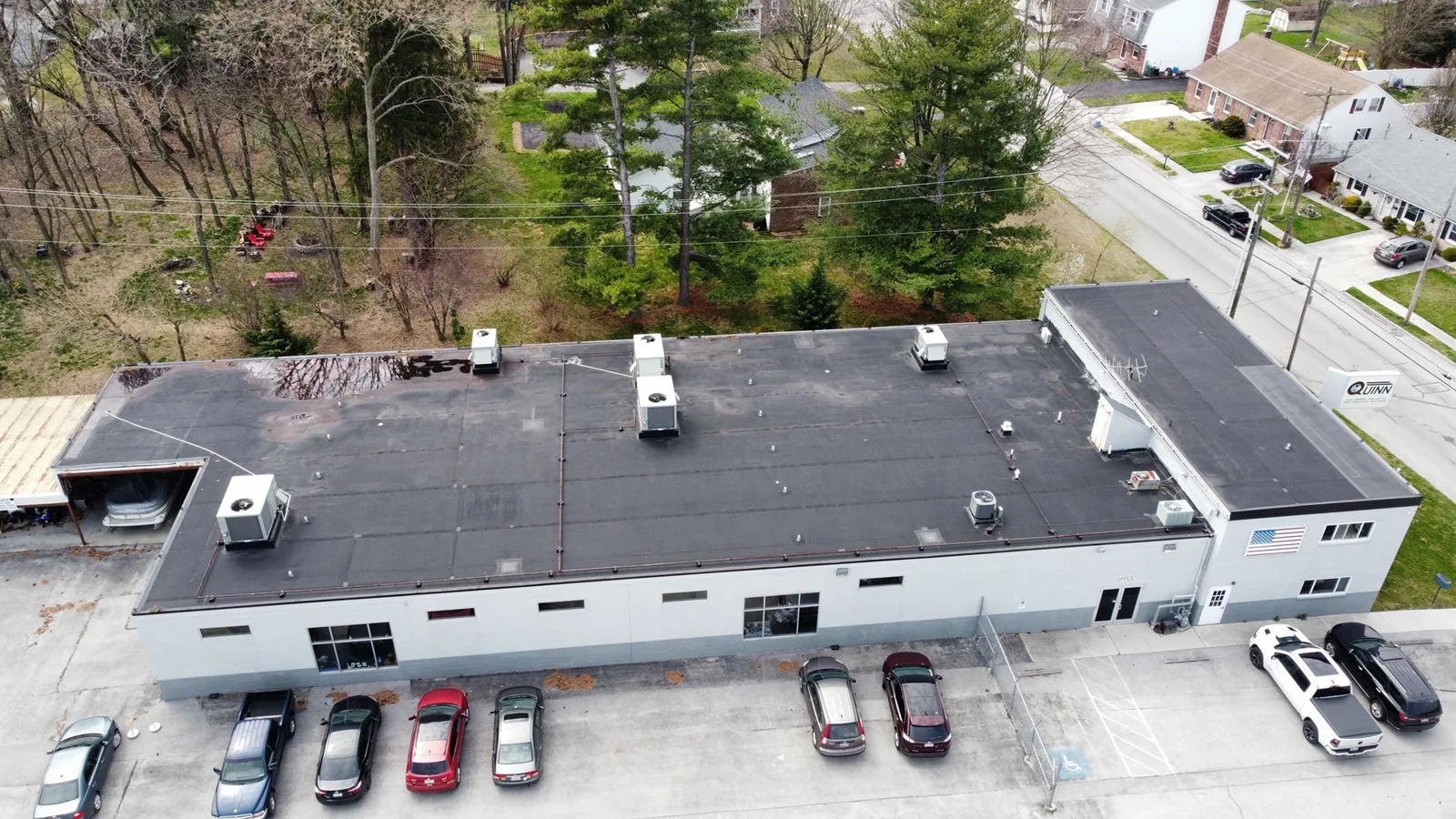
Cold, heat, and fire: set a safe work boundary
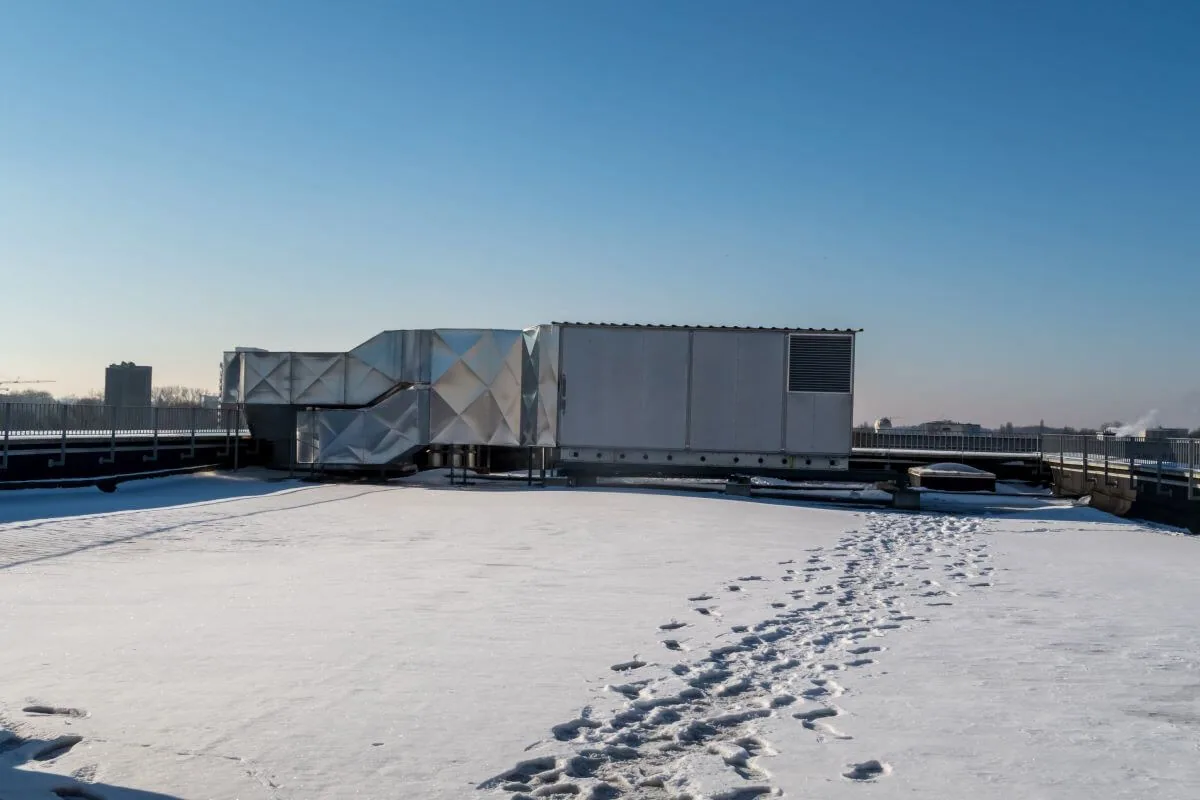
Snow, ice, and freeze-thaw can restrict roof entry and bonding conditions. Snow and ice damage service begins with safe access, visible loading concerns, drains, and meltwater paths. Heat exposure also affects timing and material handling. A heat and UV review checks surface condition and sealant or membrane wear without guessing at service life.
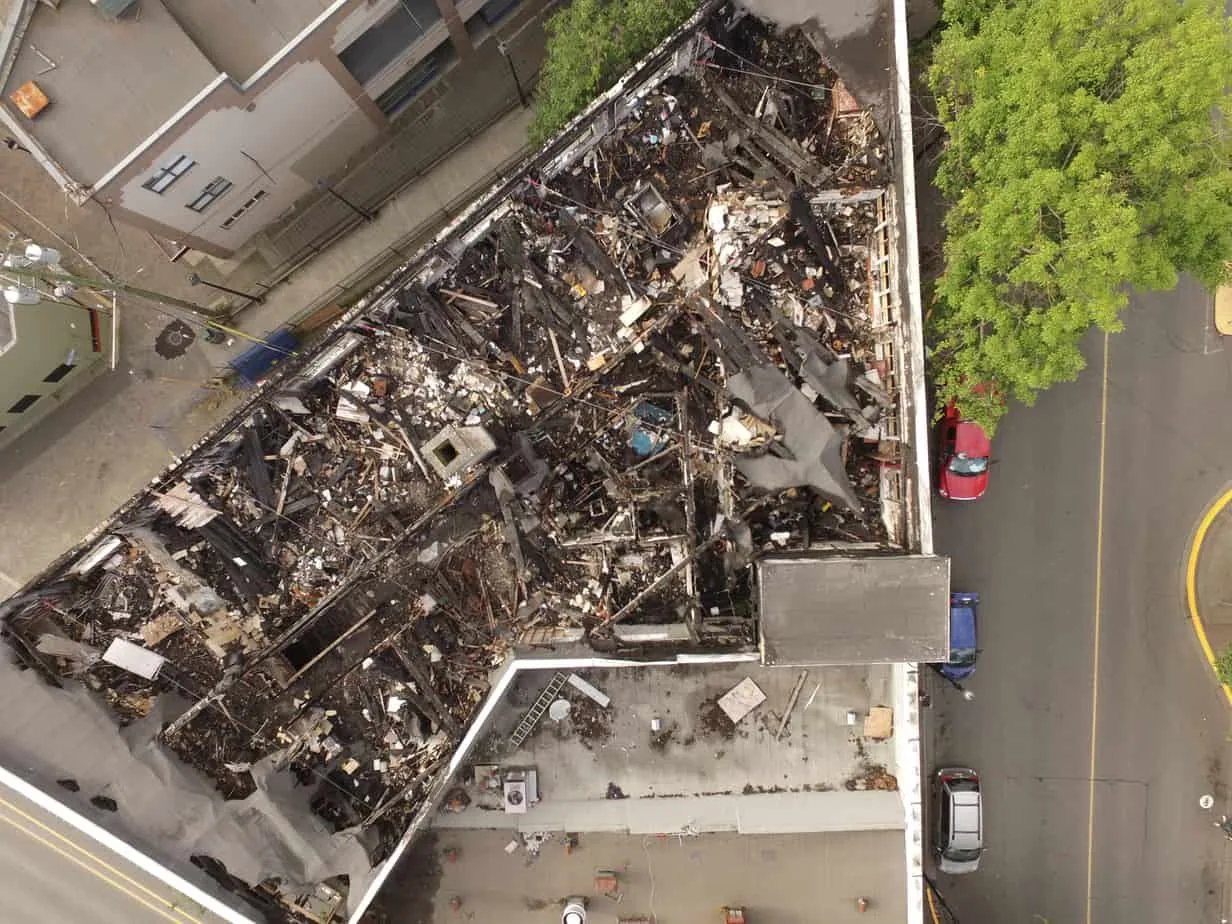
After a fire, the roof scope should separate visible damage, water exposure from suppression, and areas requiring structural or environmental review. Fire-damage repair proceeds only after safe access and the appropriate building-team clearance.
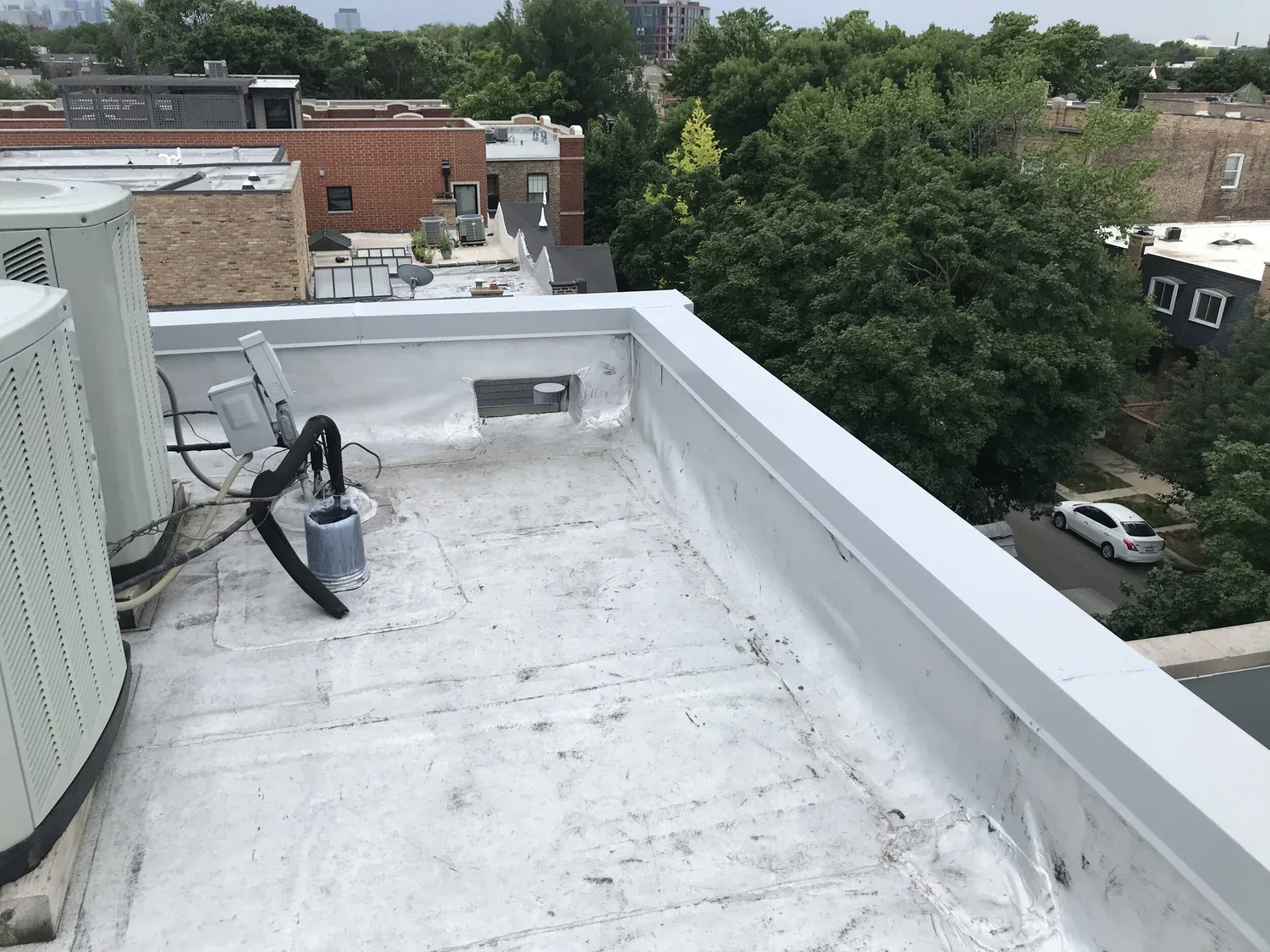
Approval: record what is known and what remains
Before permanent work begins, the owner receives a defined scope, materials, quantities, access assumptions, and exclusions. Insurance documentation can preserve dates, photographs, and observed conditions, but it does not replace the adjuster’s determination. Downtown Elgin and business areas such as Randall Crossing Business Park have different access arrangements. We coordinate with the site contact and issue the next update when weather, access, or findings change the plan.
Roof Damage Repair: Common Questions
Does a storm report prove roof damage?
No. It establishes a reason to inspect. The report should identify observed conditions at the property and any limits on access or testing.
What happens before permanent storm repairs?
The crew confirms safe entry, controls active water where needed, photographs the affected zone, and defines the repair boundary for approval.
Can hail marks alone determine replacement?
No. Material, depth, functional impact, age, and surrounding conditions require field review before repair or replacement is recommended.
What should an insurance file include?
Keep dated photographs, the inspection findings, repair scope, weather-related timing, and notes on temporary protection and unresolved conditions.