Holcim Elevate Commercial Roofing in Elgin, IL
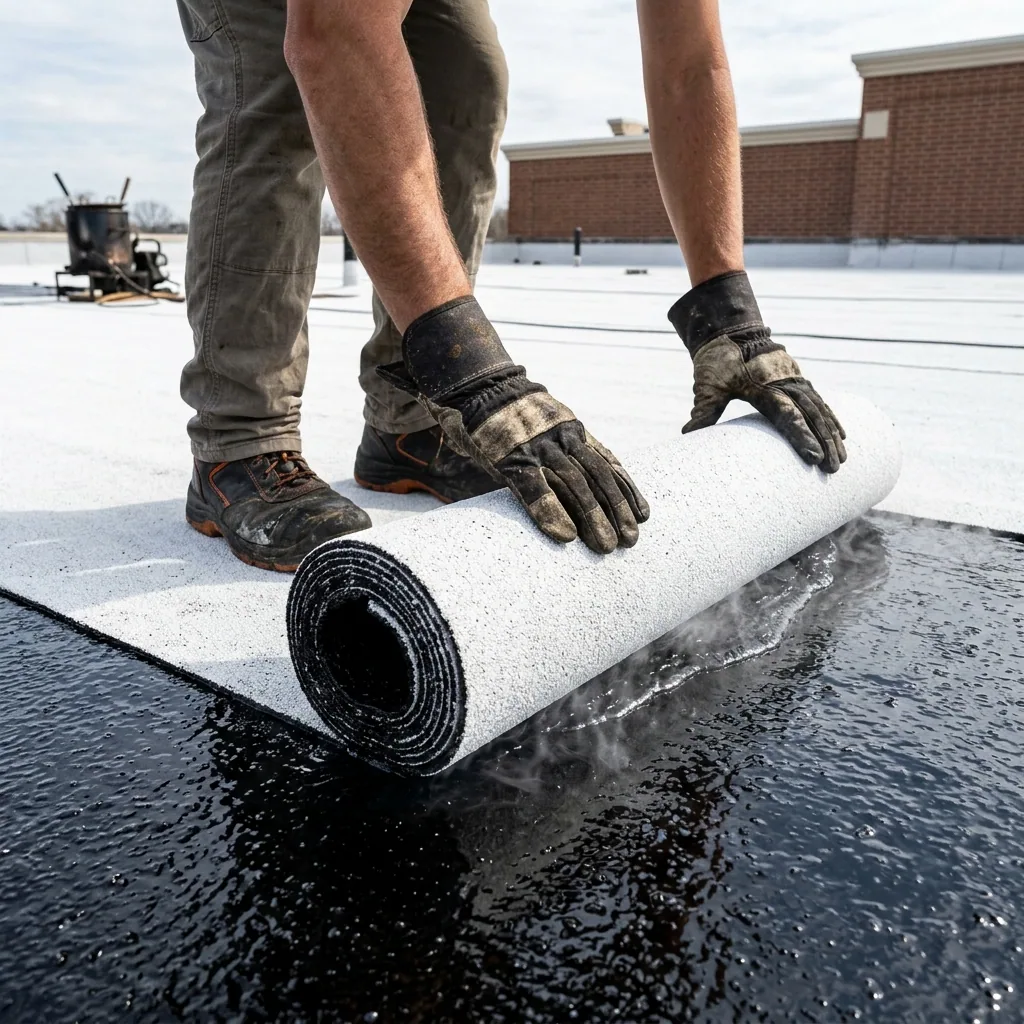
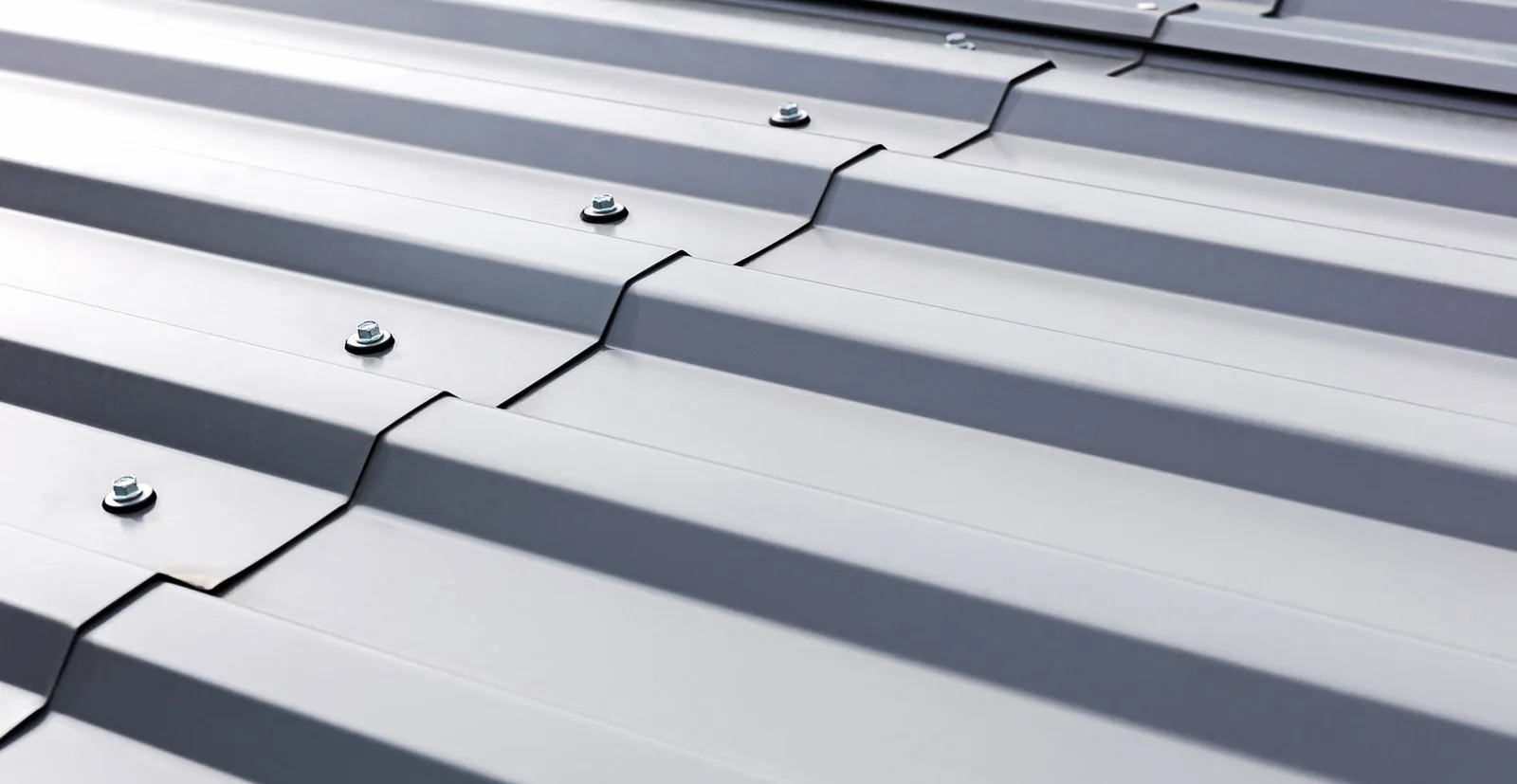
Holcim Elevate Commercial Roofing
A commercial roofing assembly must be evaluated as a whole. Holcim Elevate offers products that include EPDM and thermoplastic membrane systems. Choosing a product starts with the existing roof and the building’s operating needs. We inspect seams, flashings, drainage, edges, penetrations, and visible layers, then document where evidence supports a repair or replacement. A brand comparison is useful only when it reaches the full assembly and the details that keep water out.
Map the current roof before comparing products
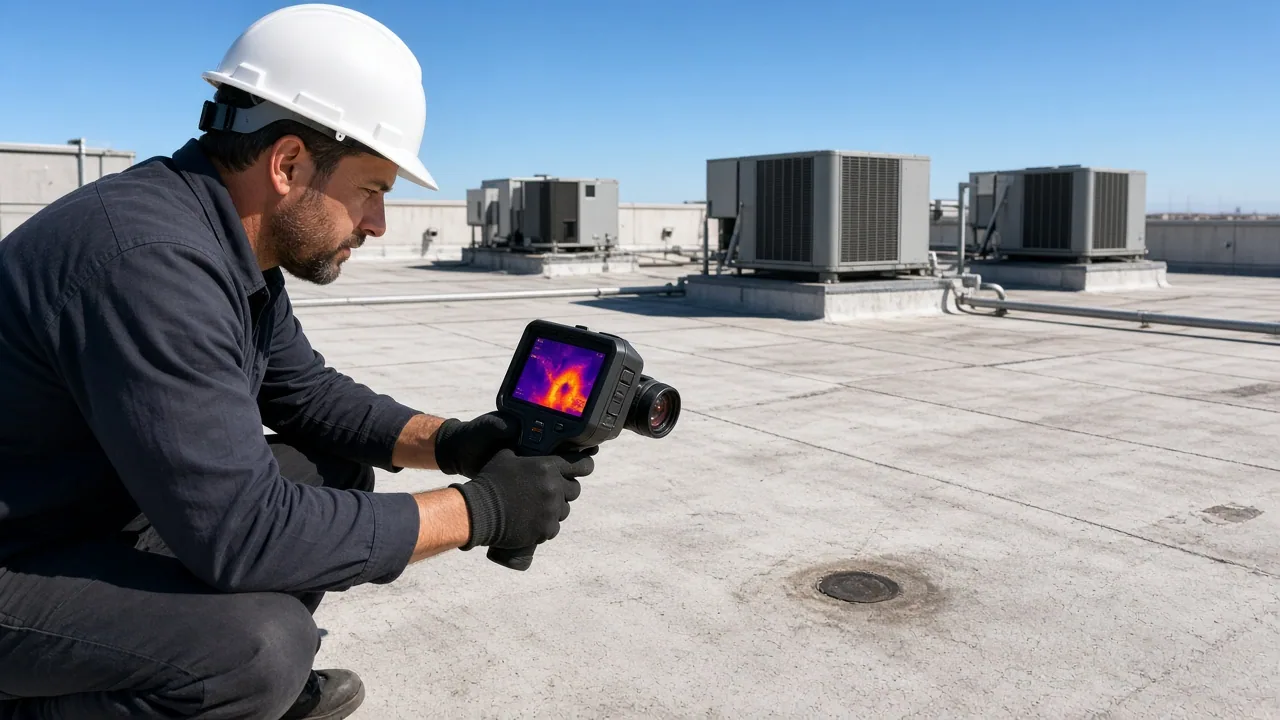
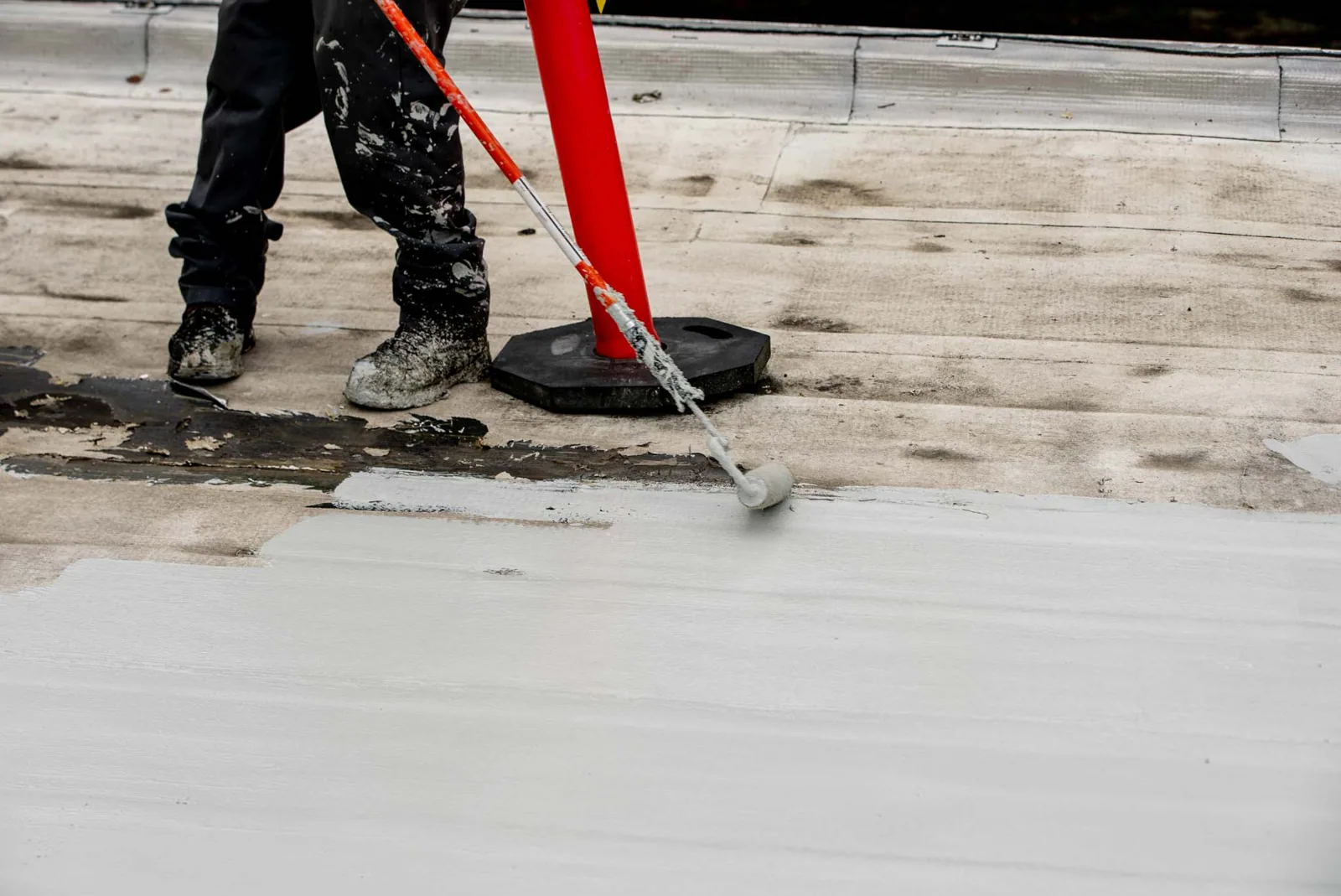
We divide the roof into practical zones and record its visible surface, transitions, penetrations, drains, previous patches, and interior reports. A single leak does not prove that every zone needs replacement. Water can move beneath the membrane, and a ceiling stain may appear away from the actual entry. We trace likely paths and label photos so the property contact can follow the findings.
For an occupied building, we also confirm access, rooftop equipment, service routes, tenant schedules, and areas that must remain open. A facility near Fox River Business Center may have different staging constraints from a property in the Downtown Elgin area. Those broad settings are planning context; they do not tell us what roof is installed or what condition it is in.
Where the membrane cannot be identified from field evidence, we note the uncertainty. Old invoices can help, but a later repair or recover may have changed the assembly. A test cut, moisture survey, or closer review may be warranted before a system-specific patch is selected. The report describes the smallest useful next step rather than promising a result from incomplete information.
Compare the membrane families
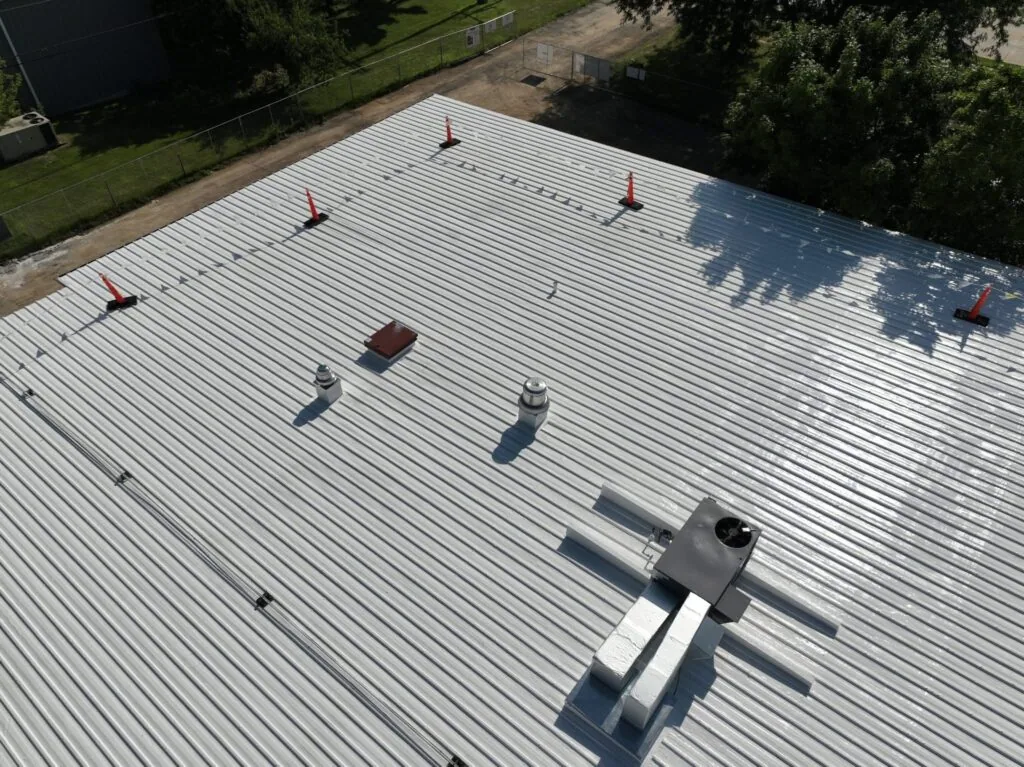
The manufacturer’s commercial portfolio includes EPDM membranes such as RubberGard, UltraPly TPO, and the manufacturer’s PVC systems. These families have different seam methods, flashing details, accessories, and maintenance considerations. The selected product also sits within an assembly that may include vapor control, insulation, cover board, attachment, edge metal, and deck. We identify each specified component instead of treating the membrane name as the complete roof design.
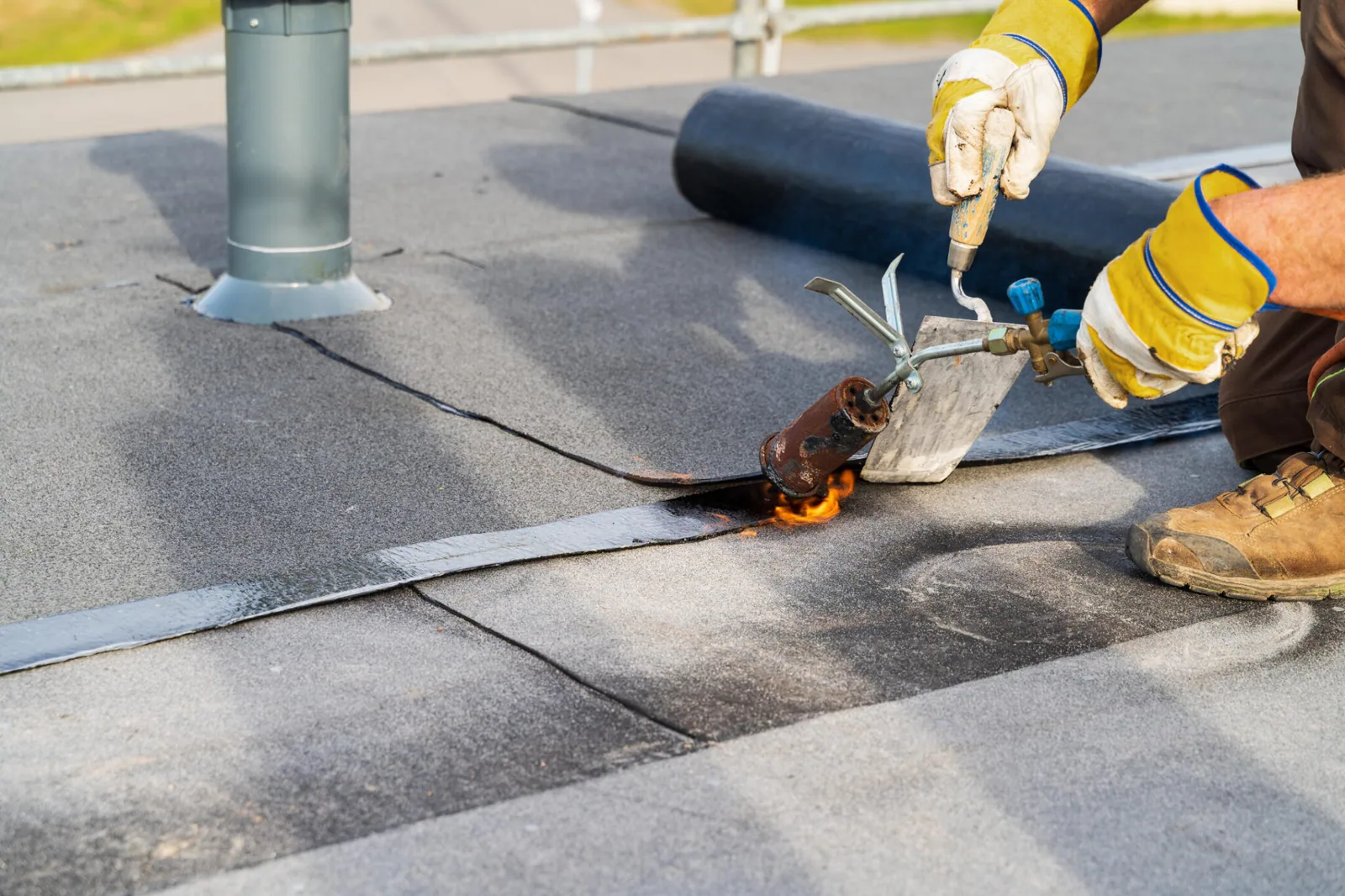
On EPDM, we inspect seams, flashings, terminations, and repair compatibility. TPO and PVC details require attention to welded seams, penetration work, and the appropriate accessories for the selected product. Surface color or a prior contractor’s shorthand is not enough to establish product identity. We compare documents, visible markings, and field details and flag any mismatch for resolution before repair.
Before an assembly is chosen, we compare what each proposal includes. Confirm whether tear-off, insulation, cover board, edge metal, drain work, and interior protection appear in the same scope. A bid may use the same membrane family but assume a different substrate or attachment. We ask the designer to resolve those differences against verified roof measurements and current product details. If the existing roof contains several layers or uncertain repairs, a test opening can prevent an unsupported recover assumption. The owner receives a written list of open decisions rather than a brand recommendation detached from field evidence.
Each assembly must follow the current product-specific instructions and the project specification. Approved attachment and flashing options can depend on the substrate and design. We confirm compatibility and exposure limitations rather than applying a detail from a different membrane family. If an owner is comparing options, the GAF portfolio and Johns Manville systems provide useful comparison points, but the project requirements should decide what belongs in the bid.
Keep repair work bounded and documented
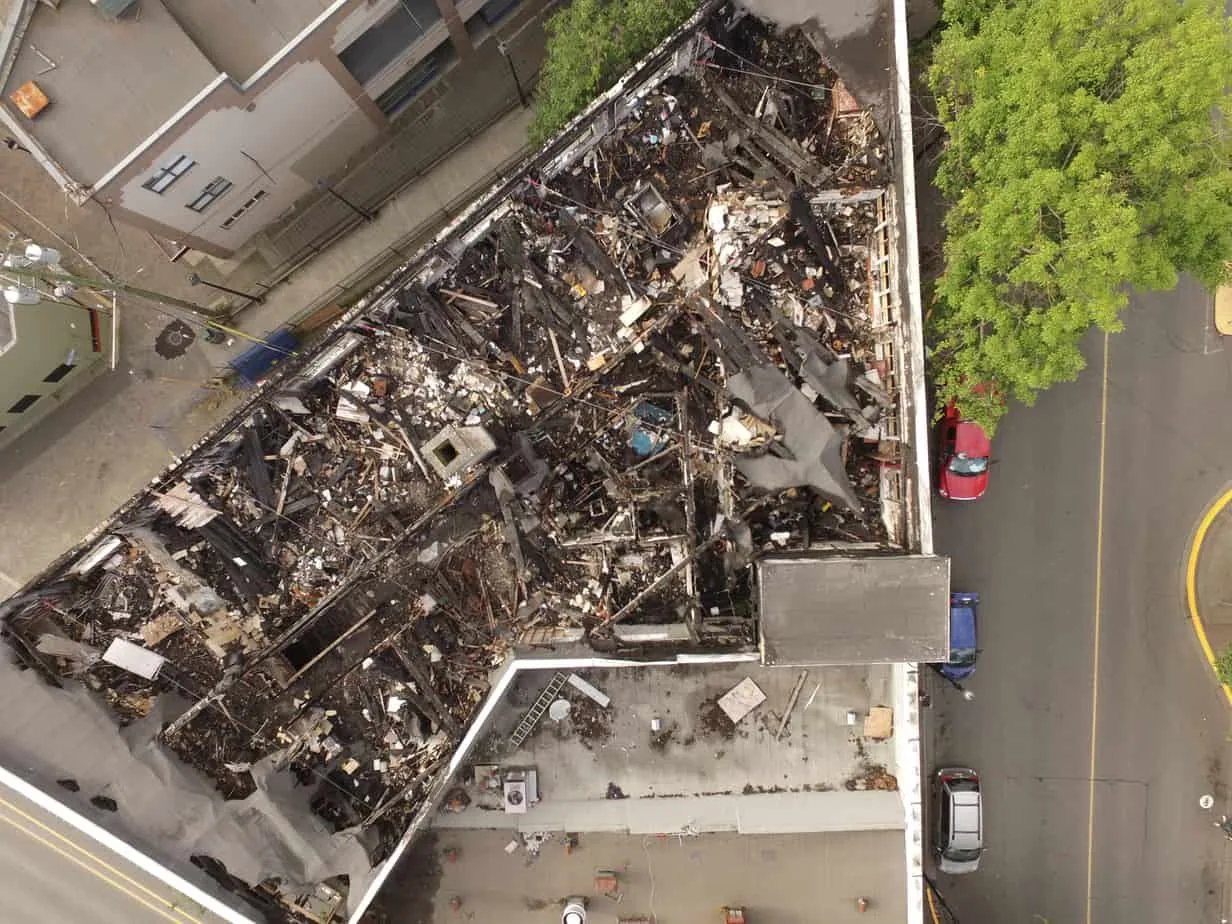
For an active leak, the crew first protects interior finishes or inventory and narrows the likely entry area. We inspect nearby seams, penetrations, curbs, drains, and wall transitions. A temporary covering can reduce exposure until permanent work is authorized, but the work ticket labels it clearly as temporary. The permanent scope names the zone, material approach, and any adjacent condition left open.
Compatible repair materials and sound substrate matter. If the membrane is brittle, the insulation is wet, or the defect extends beyond safe access, we explain what further testing or removal may be needed. We do not cover a questionable substrate to make a photo look complete. For a structured evaluation, request a commercial roof inspection. Active water in a commercial roof leak needs interior protection before we set a permanent repair boundary. An after-hours call follows the safe-access checks used for emergency roof repair.
After work, we record the completed boundary, materials installed, photographs, and follow-up items. This gives the owner a reliable baseline for future maintenance. If recurring leaks point to a broader issue, compare the repair history with a replacement evaluation before another isolated patch is approved.
Design around drainage, edges, and operations
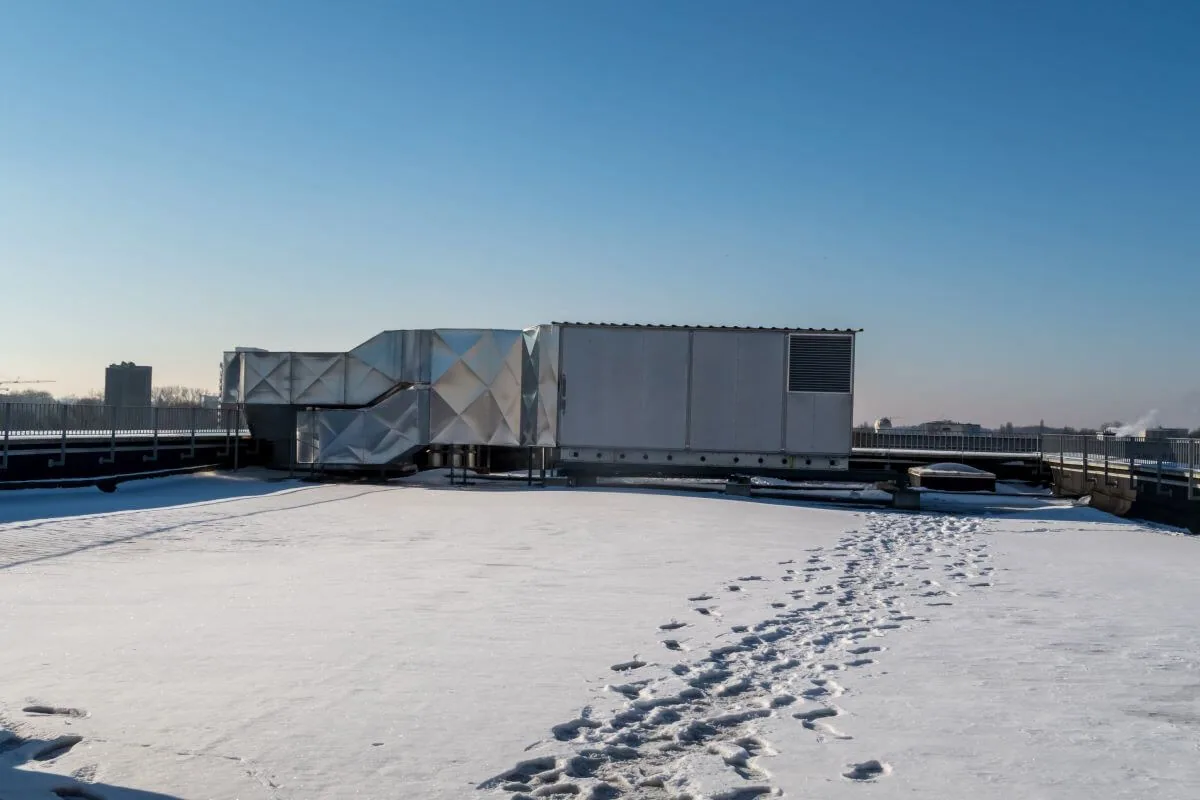
Before replacement, verify tear-off or recover eligibility, deck condition, roof slope, drainage, insulation, edge height, and applicable code requirements. Existing layers may conceal moisture or weak substrate. A recover is not a shortcut around those checks. Where conditions are uncertain, the proposal should identify the test or opening needed and explain how a concealed discovery will be priced and approved.
For this assembly, the schedule should identify the exact membrane, insulation, cover board, attachment, flashing, and perimeter details. It should also address drains, scuppers, equipment curbs, wall transitions, and expansion joints. Wind and fire requirements must be verified for the actual project. The approved product documents and design details control the installation; a generic brand reference is not a construction specification.
Specifications should also describe how fasteners or adhesives interact with each layer and how terminations remain secure at transitions. Field conditions can differ from drawings, especially where older equipment or prior repairs have altered the roof. Before work starts, the contractor and owner should agree on a process for documenting those differences and authorizing any needed change.
A maintenance handoff should identify how to inspect the finished roof, where records are kept, and who receives notice of a new leak. Owners should retain photos, approved product details, and repair dates with the building file. This makes later troubleshooting faster and avoids treating an undocumented patch as part of the original design.
At later service visits, the technician can compare new observations with closeout photos and locate previous repairs. The owner can also add dates for rooftop equipment work, so a changed penetration has a clear history. Keeping these records with the approved roof plan improves the next inspection.
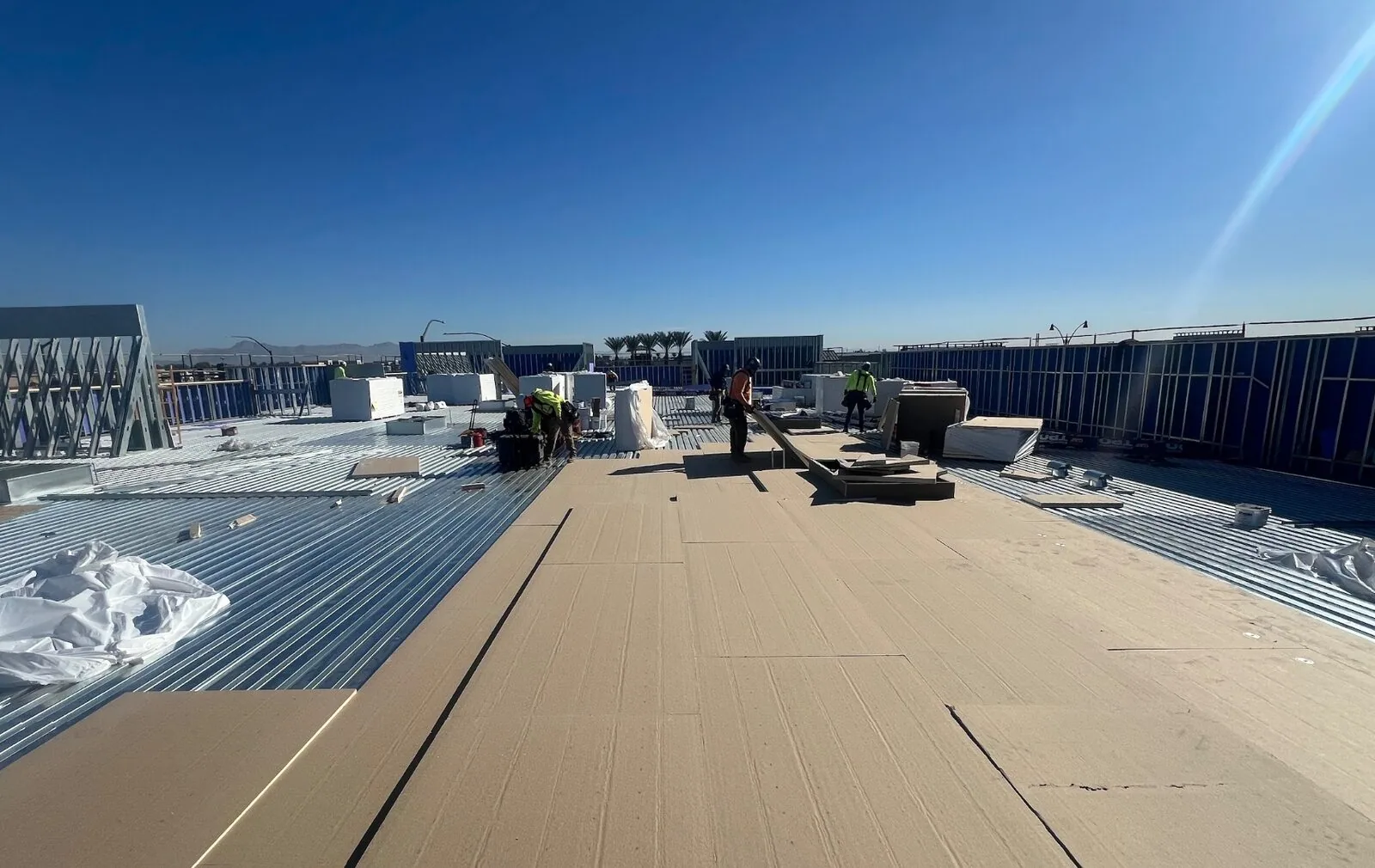
During occupied construction, the site supervisor sequences manageable zones, daily dry-in, material staging, and tenant coordination. The plan should identify deliveries, lift positions, noise windows, temporary access limits, and who can authorize a scope change. Elgin’s winter conditions make a realistic weather plan important. Exposed areas remain within crew capacity, and the site contact receives a clear end-of-shift status.
Elgin conditions belong in the work plan
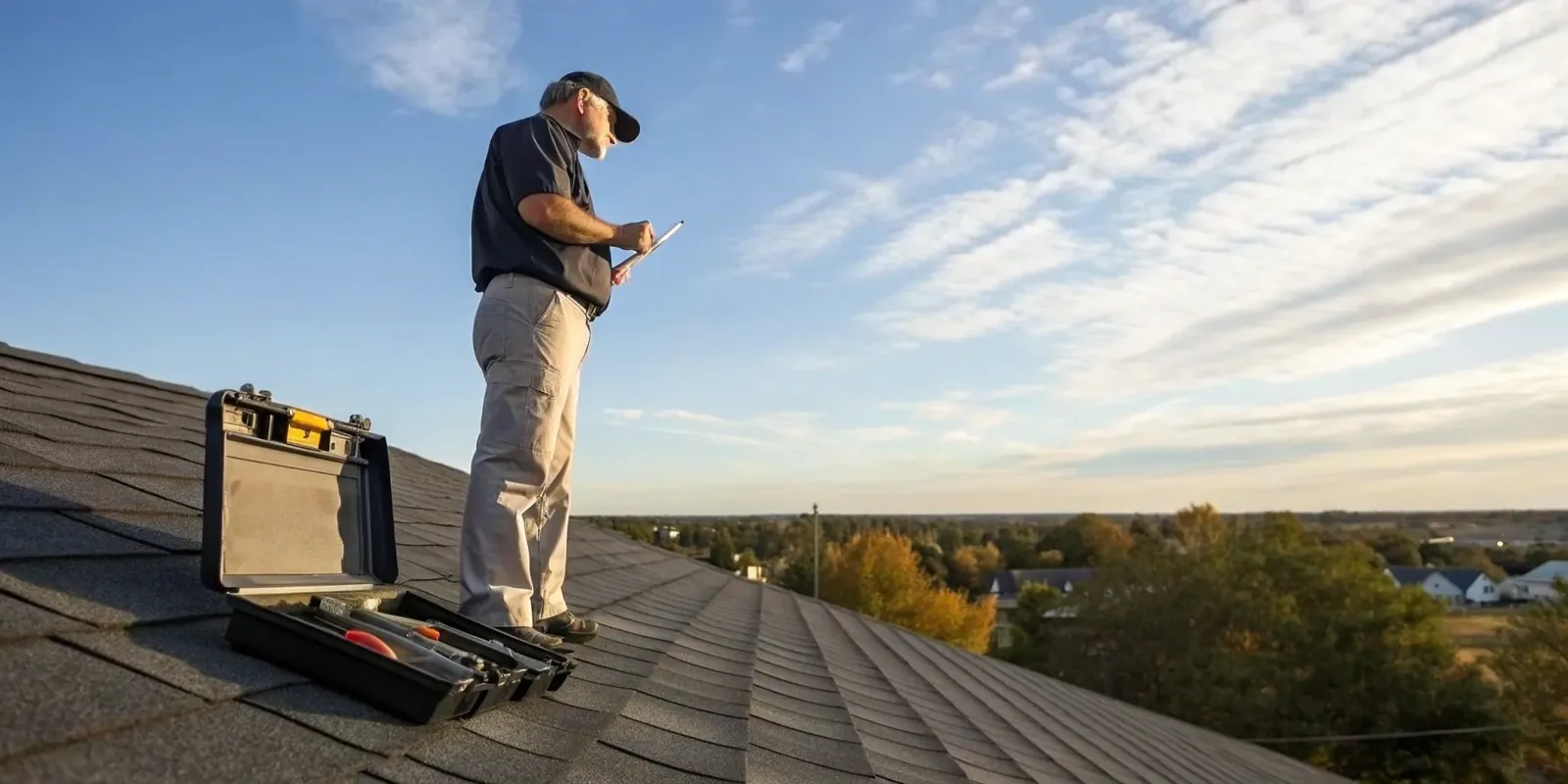
Elgin’s annual weather includes winter snow and recurring freeze-thaw cycles, plus warm summer periods. We consider those conditions when scheduling roof access, selecting a safe repair window, and planning temporary dry-in. Weather context does not prove a particular membrane is failing. Our report connects any recommendation to an observed seam, penetration, edge, drainage, or interior condition.
On July 12, 2023, an EF1 tornado moved through Elgin; damage reports included a home, garage, farm building, and church. A property owner with a storm concern can request an inspection. We document present evidence such as displaced edge material, punctures, open seams, damaged flashing, or interior water marks. The historical event itself does not establish damage at another property.
Operational context also matters near the Westfield Business Park and Elgin Corporate Center. We confirm roof access, escorts, site hours, and delivery rules with each building representative. A familiar park name cannot substitute for a site-specific plan.
Questions About Holcim Elevate Commercial Roofing
Which Holcim Elevate systems are available?
EPDM, TPO, and PVC are commercial membrane families; exact assemblies vary by product.
Can you repair RubberGard EPDM?
Yes, when the substrate and membrane support a compatible repair detail.
Are TPO and PVC repair details interchangeable?
No. Each membrane family has distinct accessories and installation requirements.
Does Elgin weather prove a roof is failing?
Regional conditions inform scheduling; inspection establishes property-specific evidence.
How do you plan occupied work?
We coordinate zones, access, deliveries, interior protection, and daily dry-in.