Commercial Roof Maintenance in Elgin, IL

Set a maintenance baseline
Share the building list, roof plans, access contacts, known leaks, and operating constraints. We will map the first visit and recommend a maintenance interval by roof condition.
Commercial Roof Maintenance
A maintenance calendar keeps the first roof visit from happening during a ceiling leak. We set inspection intervals, access contacts, and seasonal checks around each building’s use and roof system. The baseline records drains, seams, flashings, edges, penetrations, and known repairs by zone. In Elgin, recurring freezes, snowfall, hail, and summer heat influence when those details need attention. The schedule turns observations into assigned work, so a property manager knows what was checked, what changed, and which item needs approval.
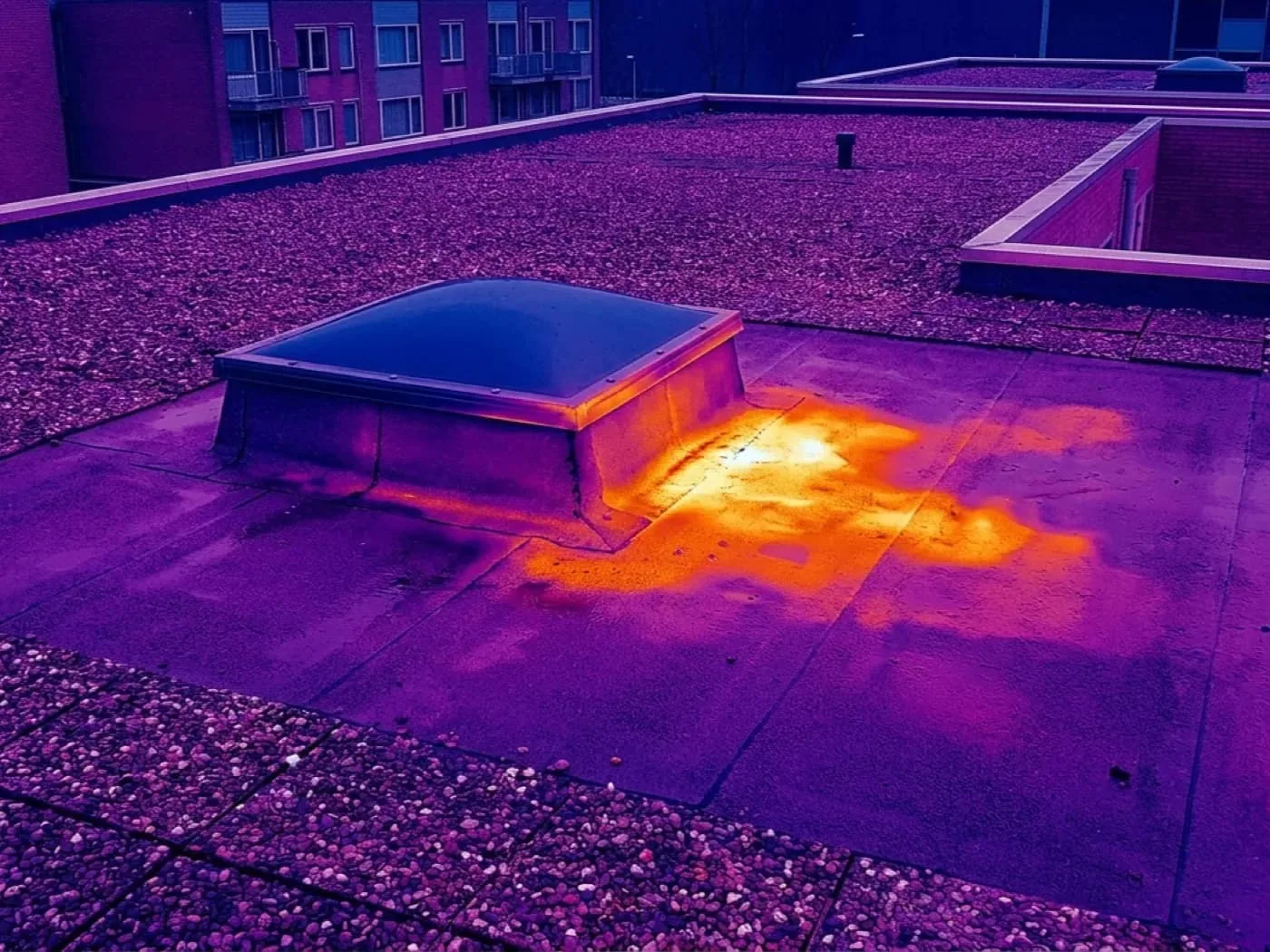
Baseline: map each roof before setting intervals
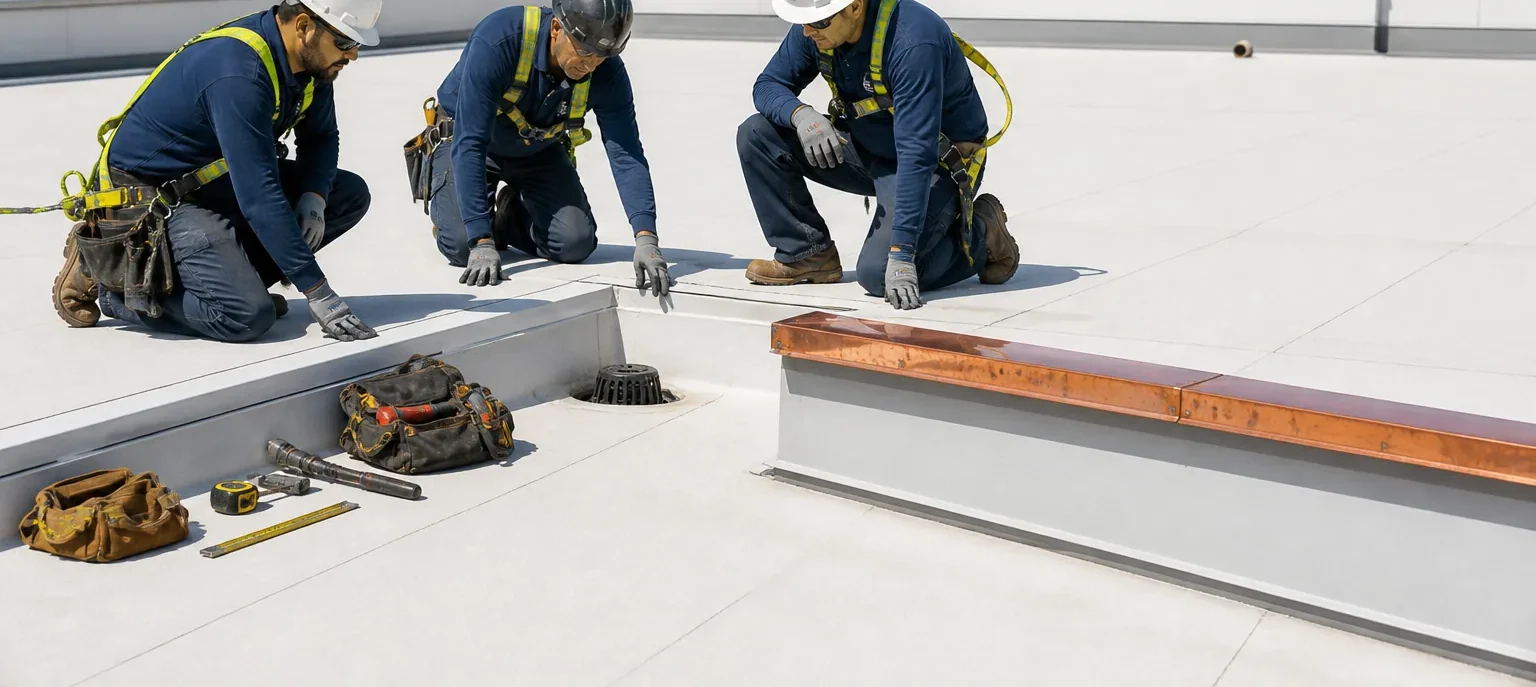
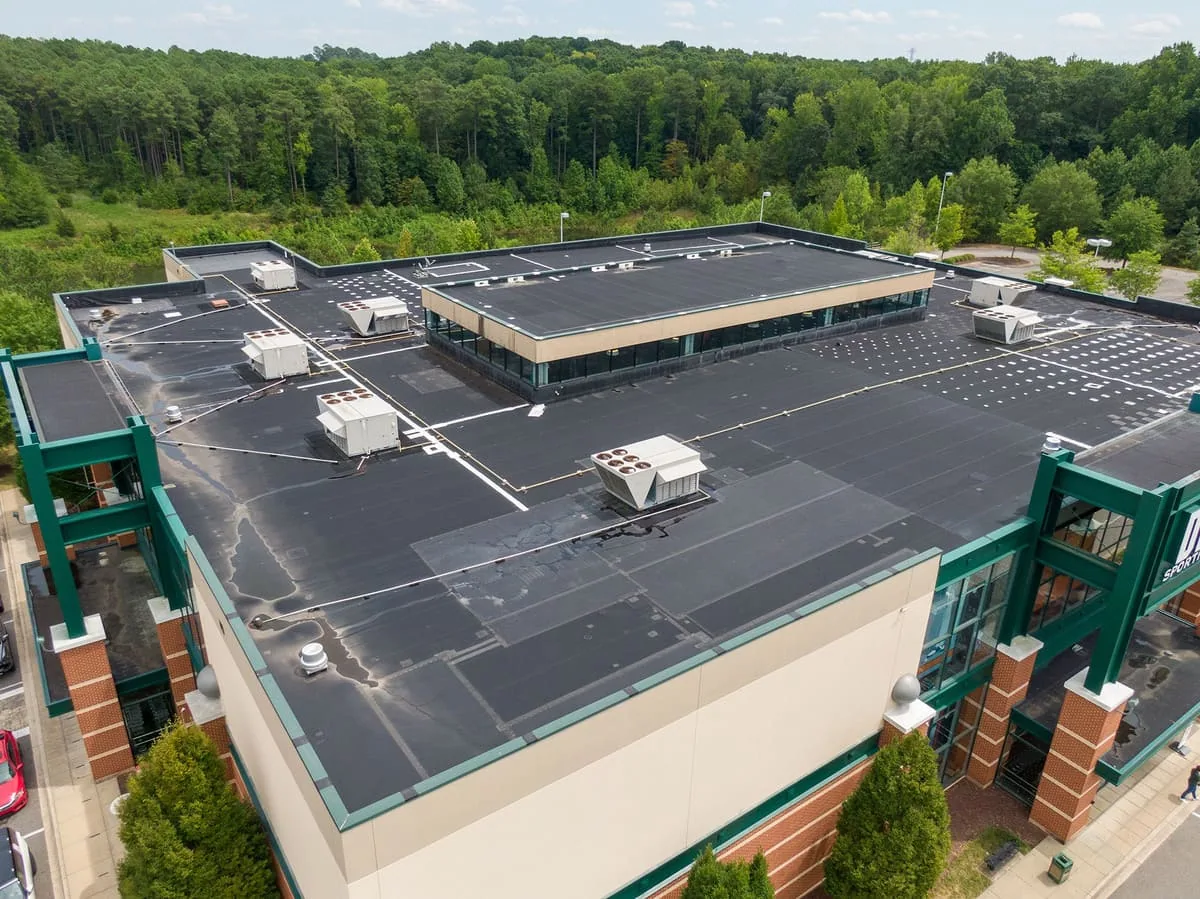
The first maintenance visit establishes the roof sections, assembly when identifiable, access route, and operating limits. We review plans and repair records, then compare them with visible conditions. If an area cannot be reached, the report states that limit. The manager receives a roof-zone map with drain locations, equipment clusters, seams, edges, and prior repair points. That record lets later visits compare the same locations instead of relying on memory or a generic checklist.
Elgin’s business parks include office, research, and general industrial zoning, along with larger planned industrial areas. Northwest Business Park and Randall Point each have their own buildings and operating rules. A property name does not tell us its roof type or inspection interval. We confirm whether the site runs multiple shifts, stores sensitive inventory, or has a restricted roof-entry process. The maintenance plan then fits that building, not just the larger district.
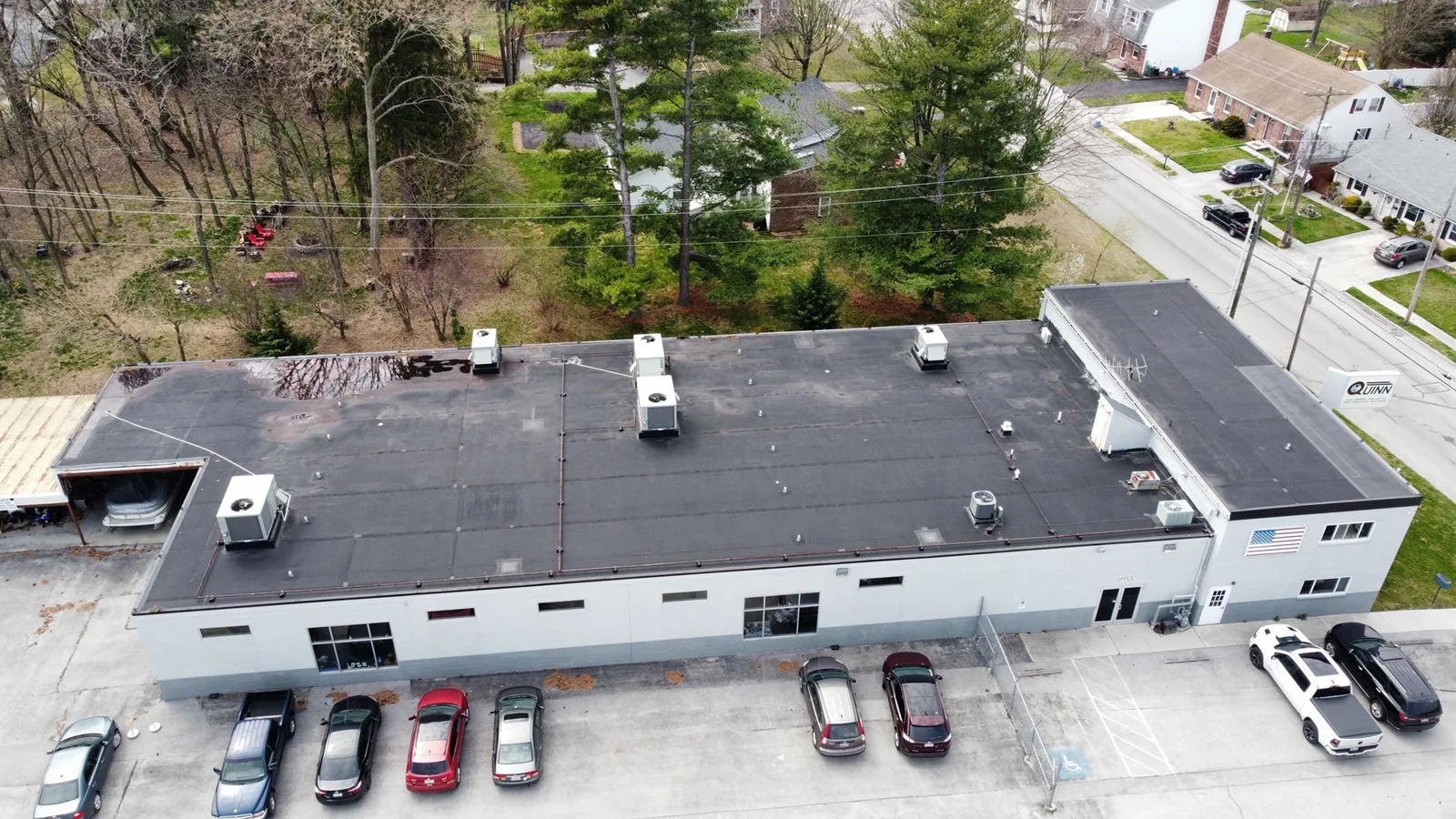
Drainage round: clear the water path
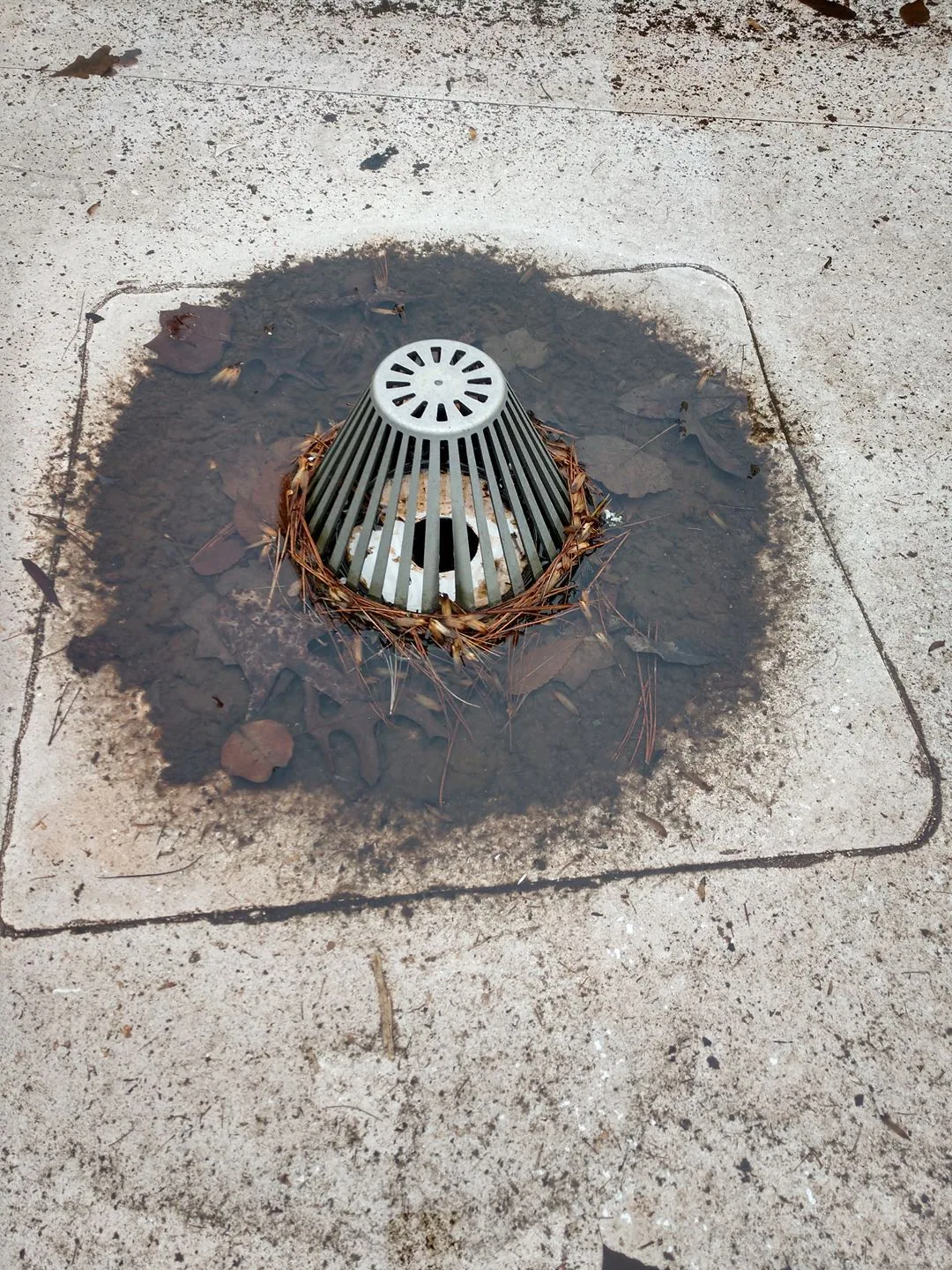
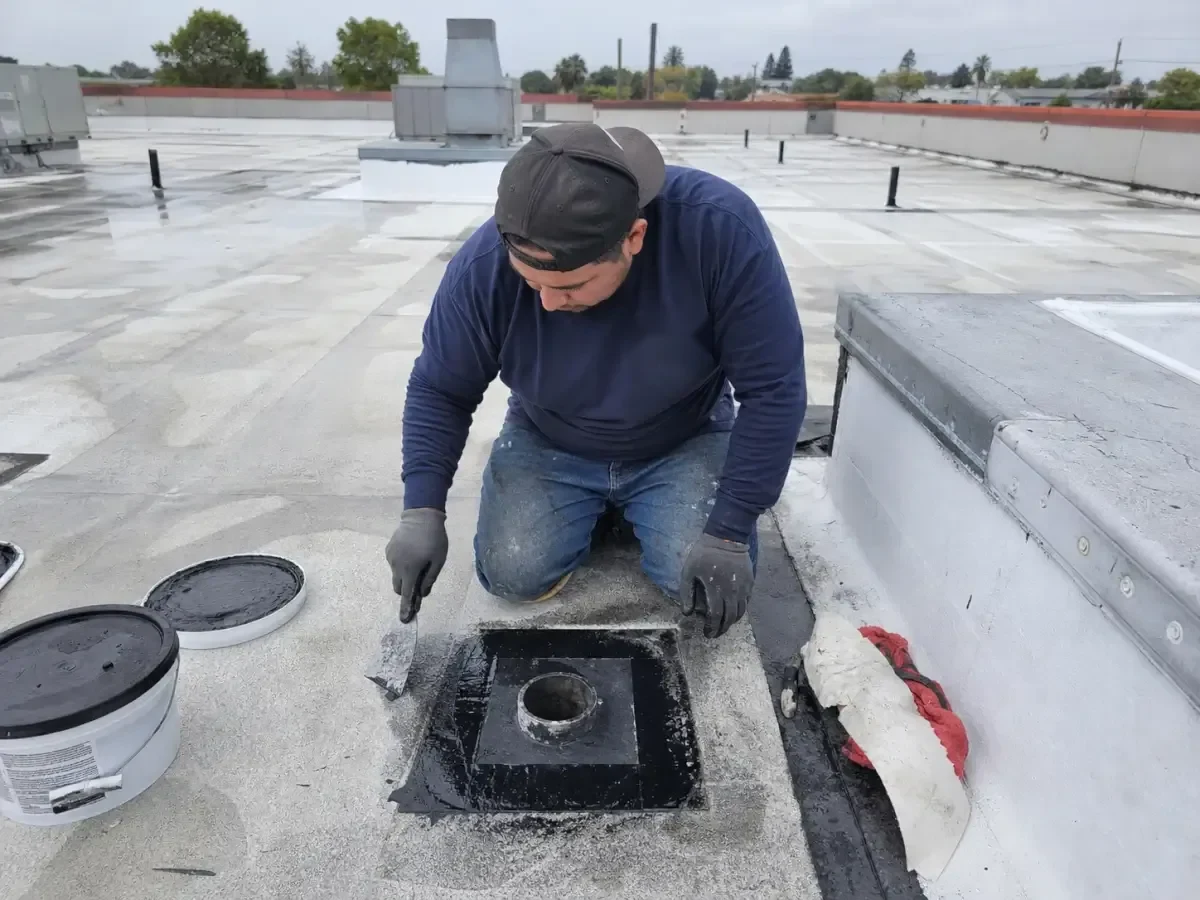
Drains, scuppers, strainers, crickets, and downspouts receive a focused check. We remove ordinary debris when the approved scope allows it, inspect visible connections, and note slow drainage or standing water. The report records where runoff collects and whether a follow-up repair may be needed. A blocked drain can redirect water toward a seam or curb, while a damaged overflow can leave the building with fewer options during heavy rain.
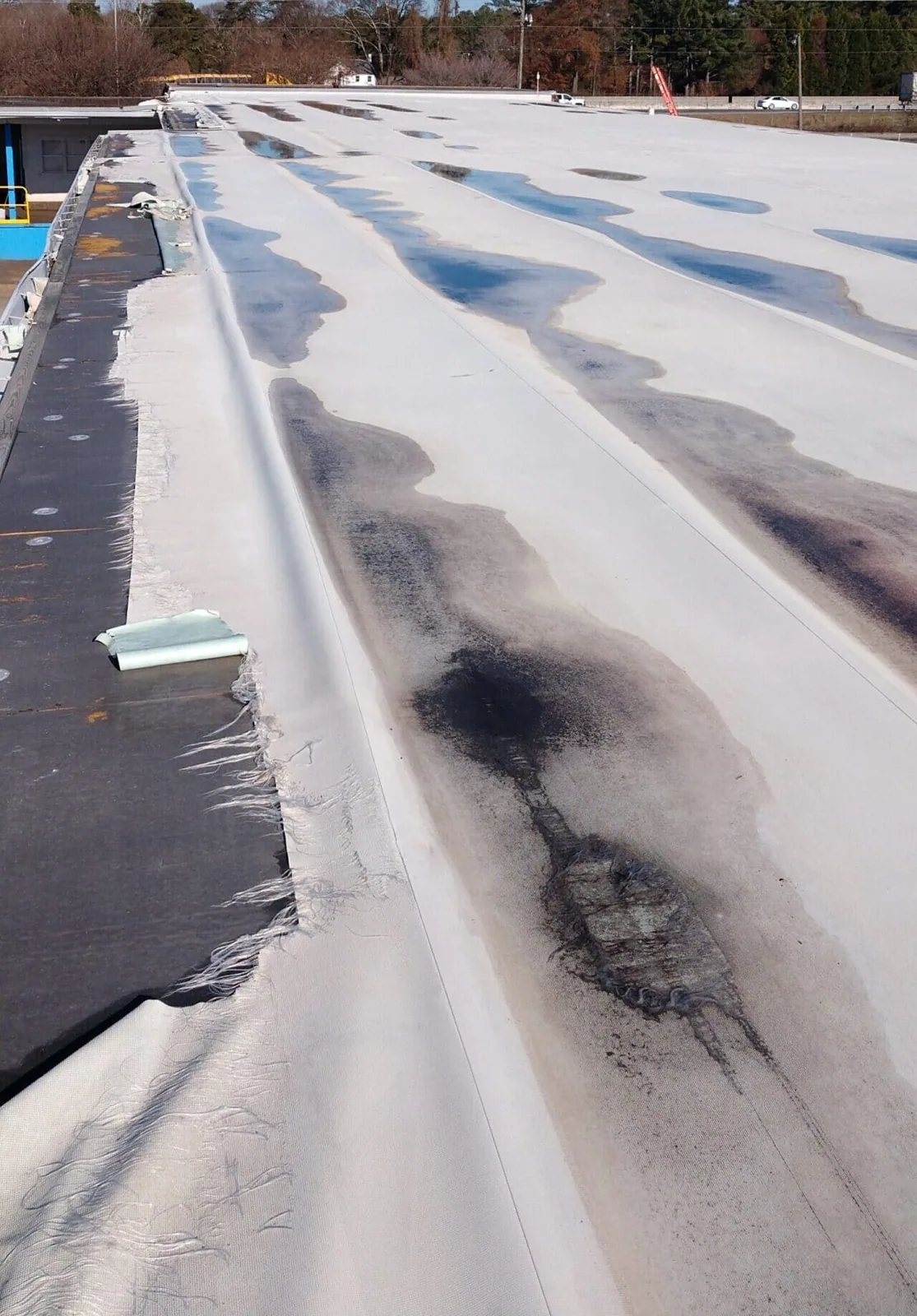
Maintenance does not mean changing a drain or slope without checking the assembly. We inspect the surrounding membrane, drain bowl, flashing, and insulation transitions. If ponding remains after debris removal, we measure the area and discuss tapered insulation or other corrections. A drain and scupper service visit can address a defined defect, while ponding water repair requires a cause-based scope. Those items remain separate from routine cleaning unless the owner approves added work.
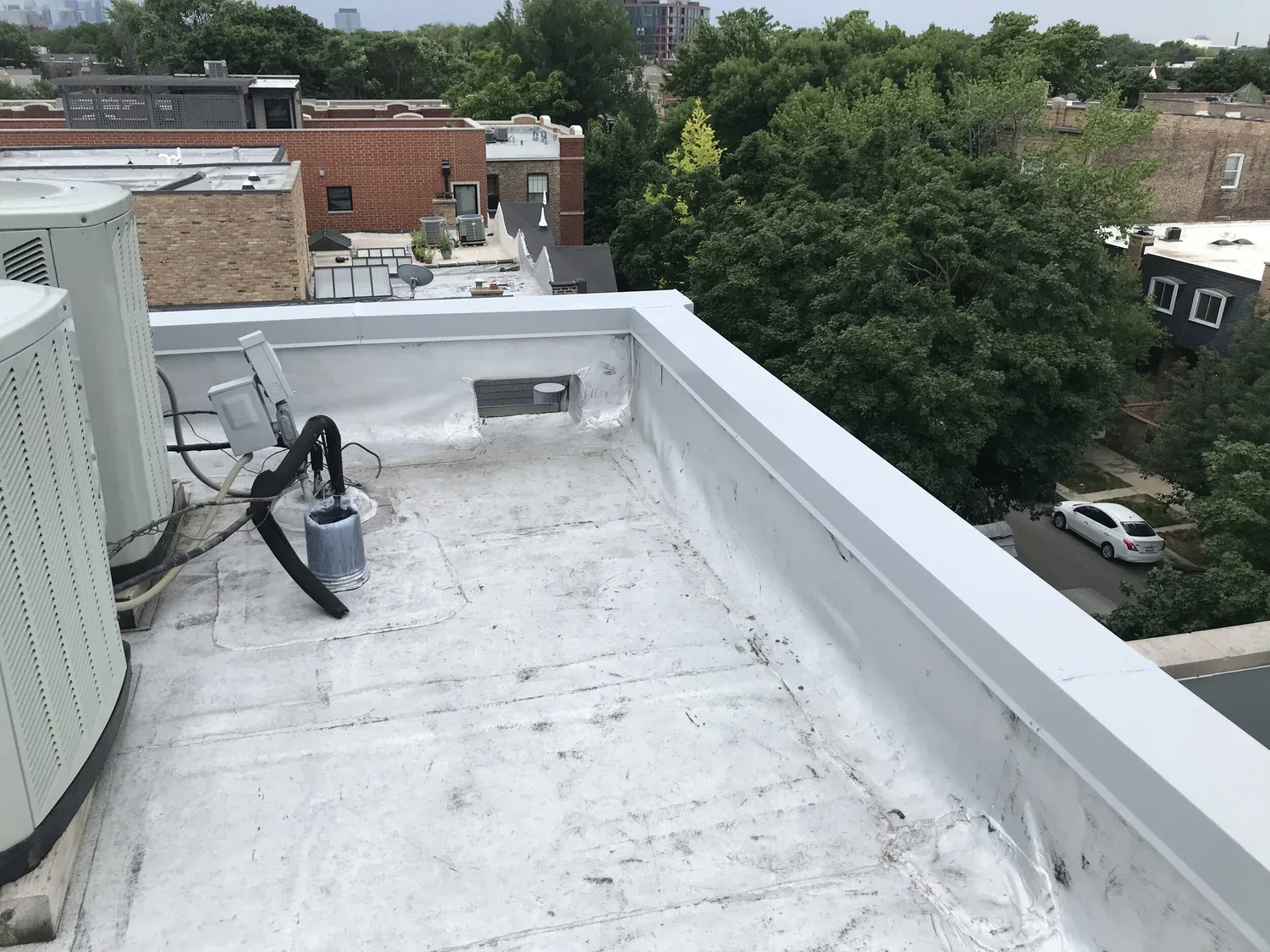
Seasonal checks: work around Elgin weather
Elgin averages about 29 inches of annual snowfall and has many days below freezing. Before winter, we check visible drains, scuppers, edge details, rooftop access, and known leak areas. After thaw, we look for changes at laps, flashings, and low points. Ice removal is not included by default because it can damage a membrane or create unsafe conditions. We document the condition and coordinate an appropriate response with the property manager.
Warm weather brings different access and surface concerns. High roof temperatures can affect work conditions and material handling. After hail or strong wind, the manager may request a separate condition check. A July 2023 tornado crossed Elgin and damaged roofs near Bowes Bend Drive and Longcommon Parkway, while one-inch hail struck the city in February 2024. Those events do not show that a different property was damaged. We inspect the building and report its actual condition.
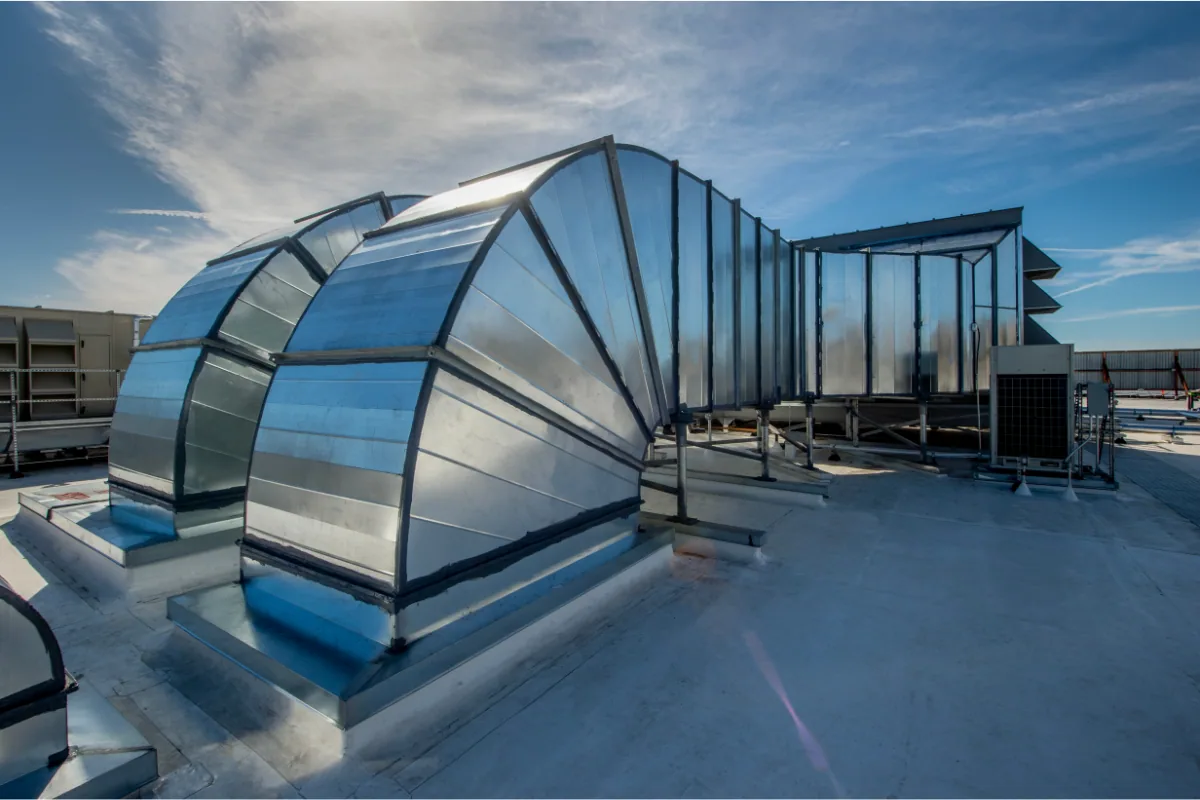
Repair queue: separate urgent items from planned work
Each visit sorts findings by current exposure and the consequence of waiting. Active water or a loose edge may need prompt stabilization. A worn sealant joint or surface concern may fit a planned repair window. We describe the evidence, location, and next check for each item. The manager can approve work by roof zone instead of accepting an open-ended recommendation to repair everything.
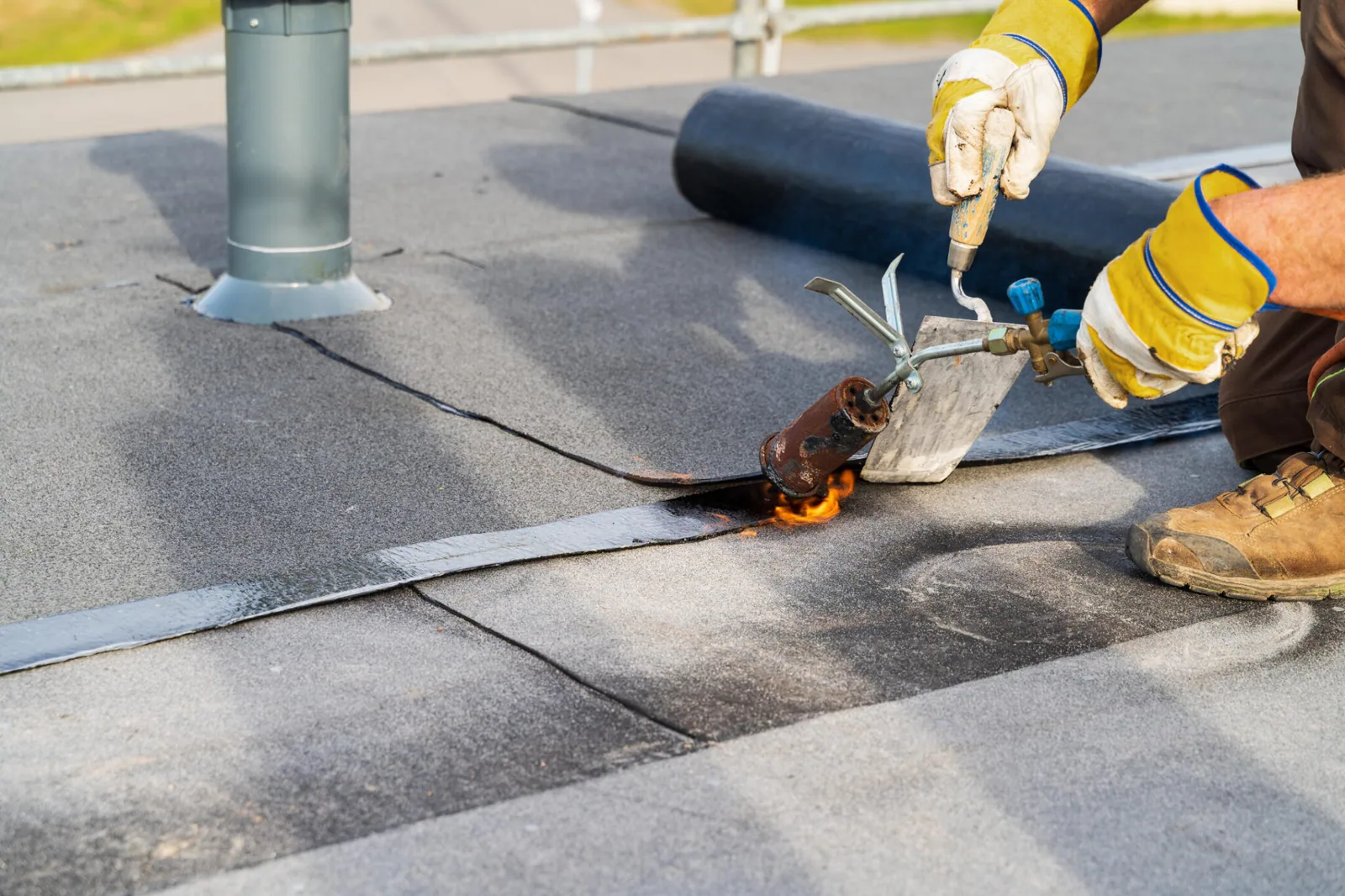
Recurring failures deserve a closer look at their cause. Repeated patches near one curb may point to a flashing detail, movement, or equipment work. Ponding near a drain may call for a slope or drainage review. If a finding extends beyond maintenance, a commercial repair scope identifies the work area and quantity. For an active interior report, leak response can trace and control water before the next scheduled visit.
Operations calendar: protect access and tenants
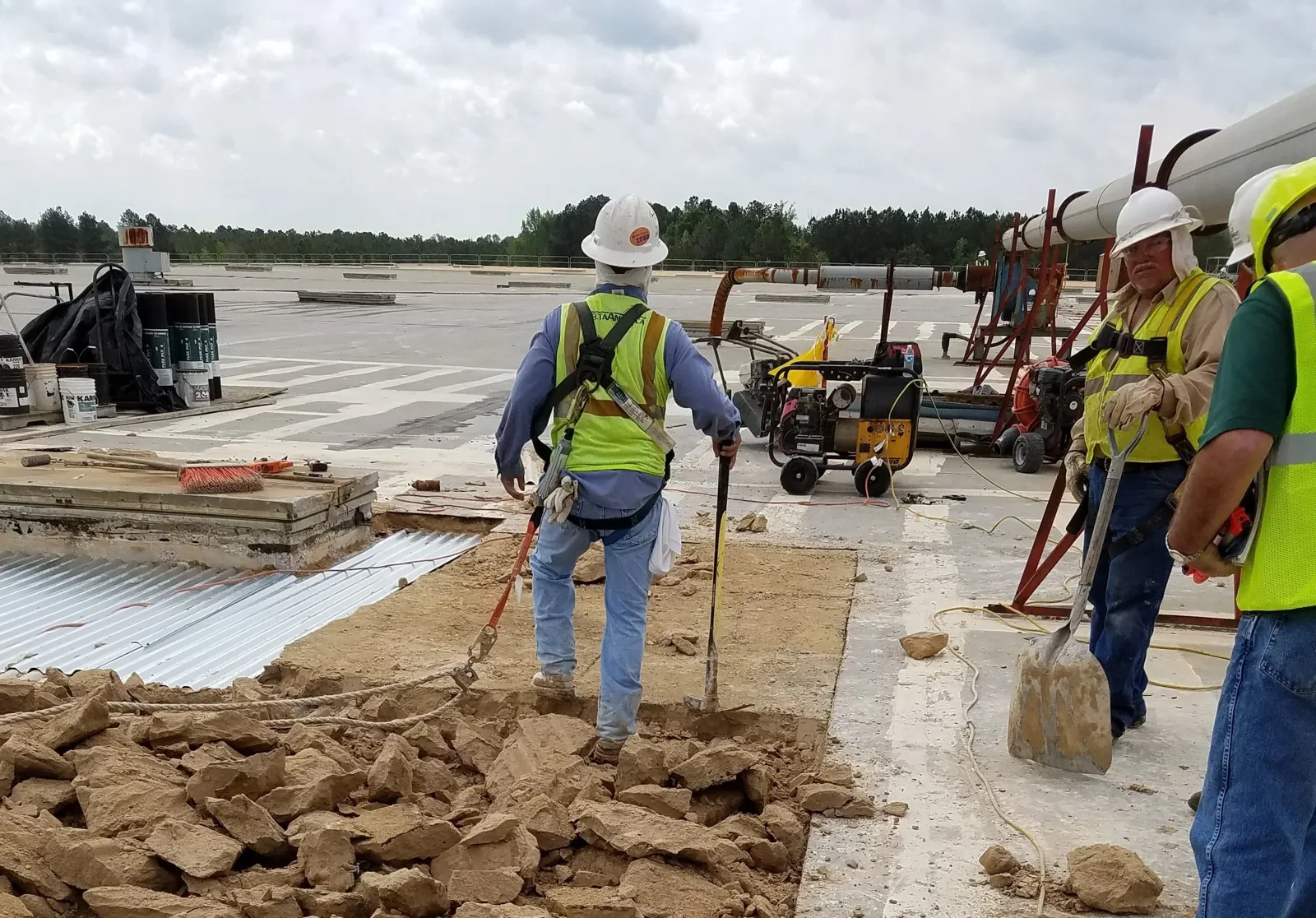
The site contact confirms operating hours, delivery windows, tenant notices, roof-entry procedures, and restricted zones before maintenance begins. A distribution property may need inspections outside loading peaks. An office or healthcare facility may require clear walkways and quieter work. We identify areas where debris removal, tools, or a temporary barrier could affect operations, then set a sequence that keeps the approved routes open.
Properties around Elgin Corporate Center and Fox River Business Center may have different access conditions even within the same commercial area. We confirm entry with each manager. If several buildings share a portfolio, visits can be grouped, but each roof receives a separate condition record. This helps an asset manager distinguish the building with an open repair from another property that only needs routine monitoring.
Maintenance record: keep dates, photos and approvals
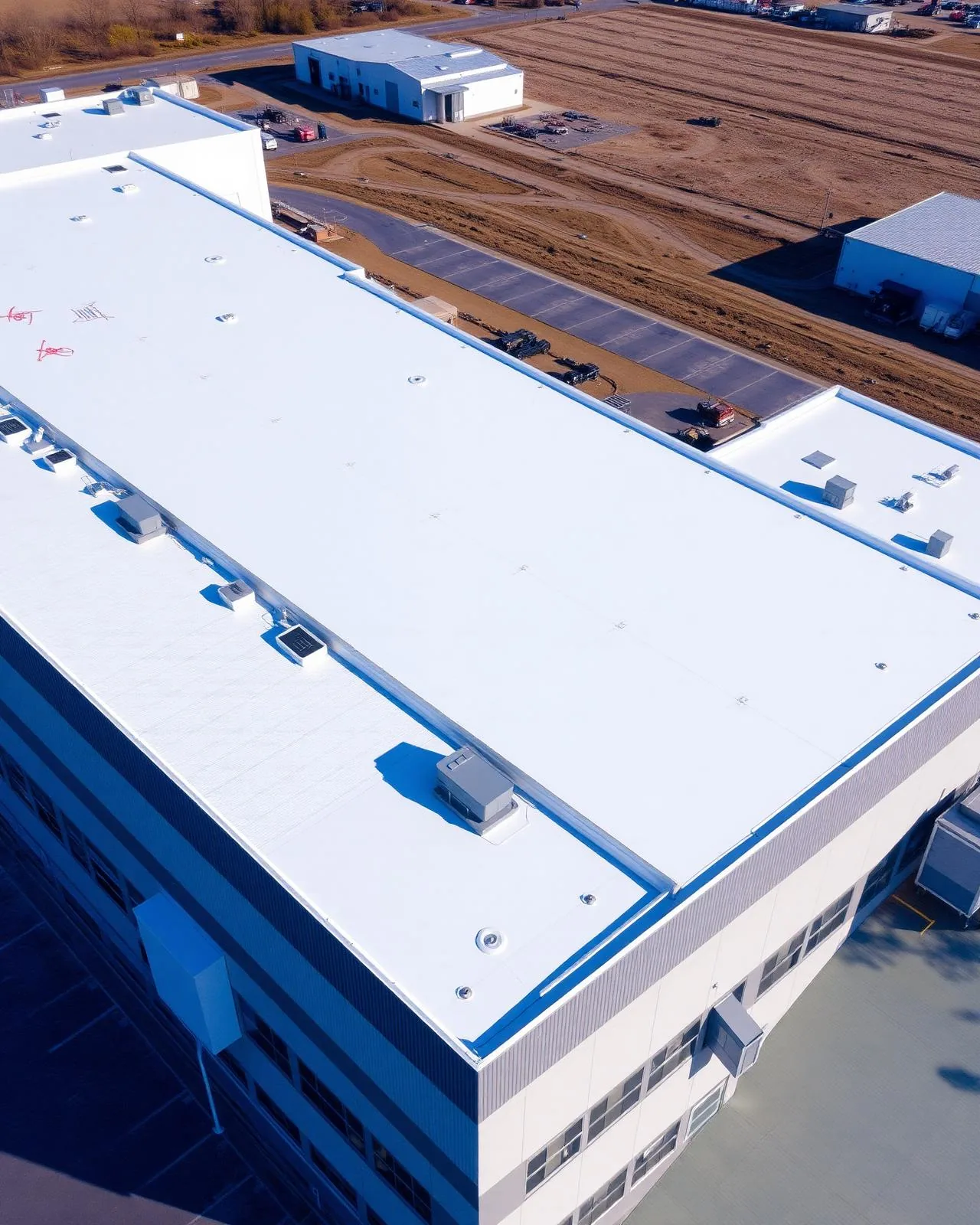
We record the visit date, weather conditions, roof zones reached, photographs, debris removed, maintenance completed, and items that remain open. Each recommendation includes a location and responsible next step. When the owner approves a repair, the record links that work to the earlier observation. If a condition changes before the next scheduled visit, the manager can compare current photos with the baseline and decide whether the inspection interval should shift. We note who received each open item and whether access, repair approval, or testing remains outstanding. That makes the next visit easier to scope and avoids repeating a completed check when the roof record is current. The manager can assign each task before the next roof visit.
A useful maintenance file includes the roof plan, system and warranty information when available, prior repair scopes, access contacts, and approved changes. A roof condition report can support capital planning when the routine log shows larger issues. The owner can also request a focused inspection before a transaction or budget deadline. In Northwest Business Park, as elsewhere in Elgin, the records stay tied to each individual building.
Questions About Commercial Roof Maintenance
How often should our Elgin roof be checked?
The interval follows roof age and system, drainage, repairs, access, and operating risk. We establish a baseline and set seasonal or periodic visits based on the building. An active leak or severe weather report calls for a separate inspection, not a wait for the next scheduled round.
Does routine maintenance include repairs?
Cleaning and inspection can identify work without authorizing it. We document the finding, quantity, and urgency, then request approval for repair. The owner can maintain one schedule while keeping each repair scope and cost decision separate.
Can you clear snow and ice from a commercial roof?
Snow or ice removal requires a safe access and loading review. We inspect the roof and discuss the proposed method before any removal. The maintenance plan should not assume that mechanical scraping or deicing chemicals are safe for every membrane or metal surface.
What happens if an inspection finds a leak?
The active area moves to dispatch, with interior protection and roof access coordinated first. We trace the likely path, make temporary protection where conditions allow, and define permanent work separately. The manager receives photographs and a return plan.
What should the maintenance log contain?
Keep visit dates, roof-zone photographs, access limits, completed cleaning, open repairs, approvals, and the next action. Add plans and system records when available. Those details let managers compare changes across visits without treating an old note as proof of current condition.