Occupied Commercial Building Reroofing in Elgin, IL
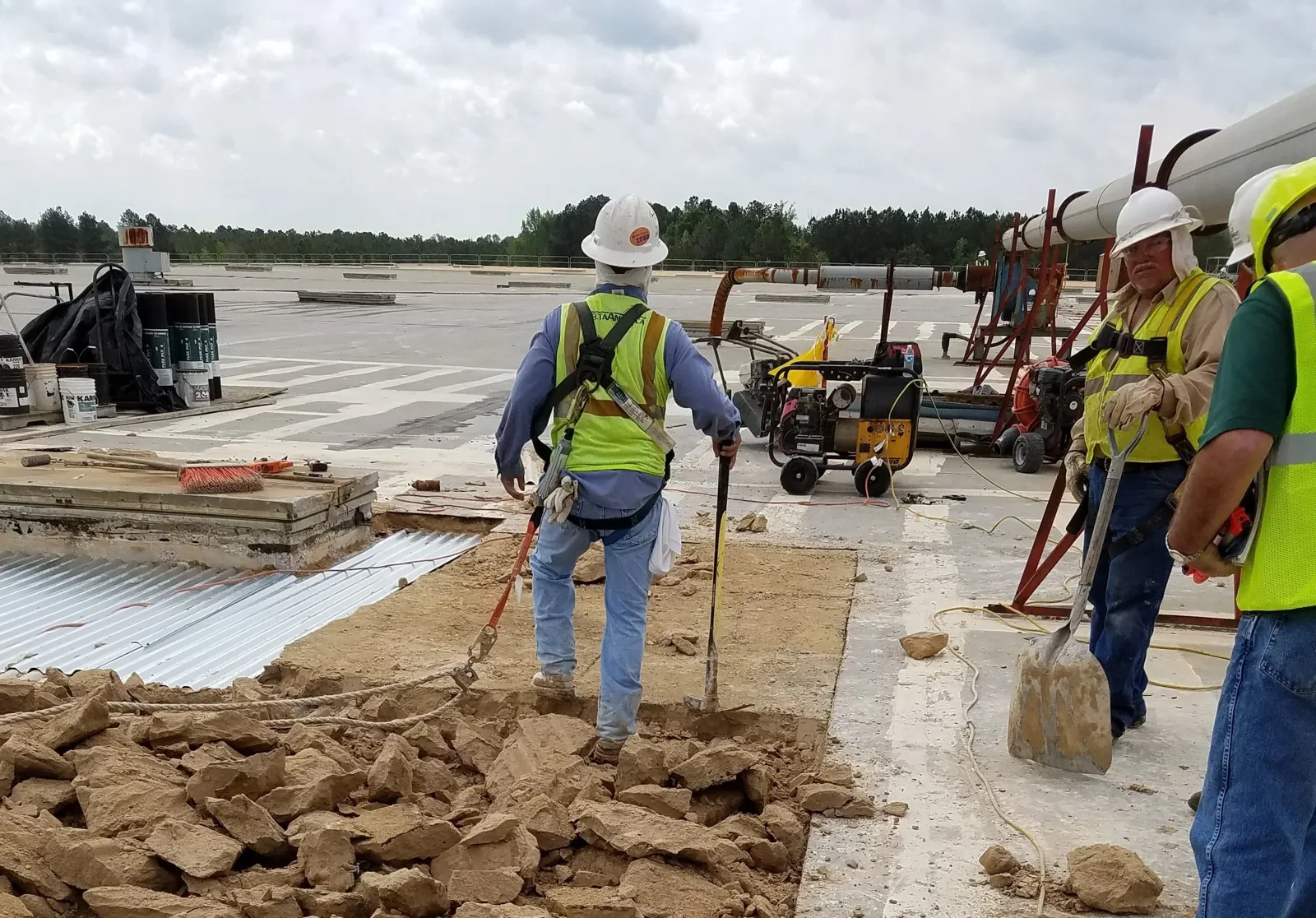
Plan an occupied reroof
Share the building schedule, tenant controls, roof plan, access rules, critical equipment, and preferred update contact. We will set the first work zone and coordination meeting.
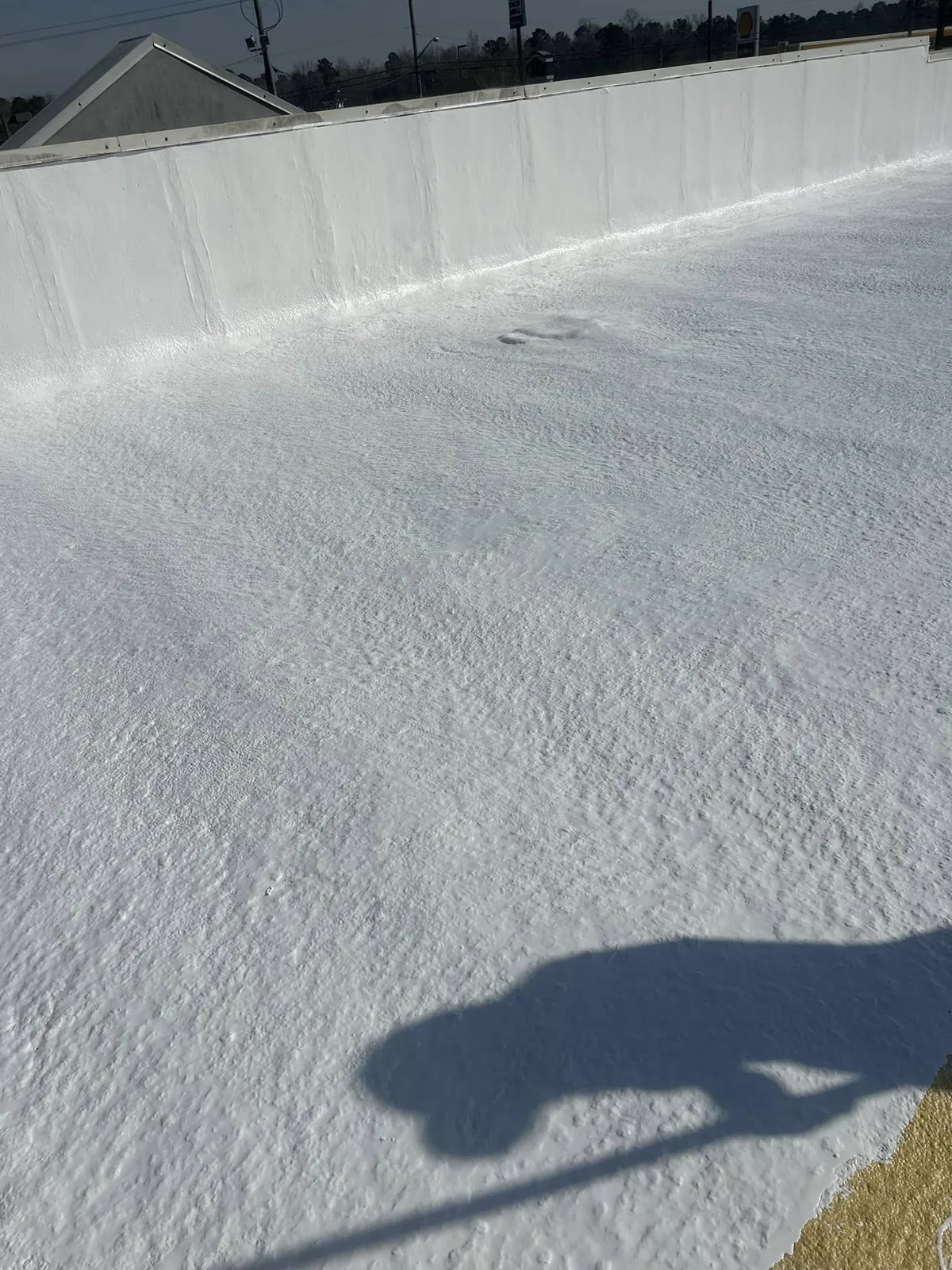
Occupied Commercial Building Reroofing
An occupied reroof needs a daily operating plan. We divide the roof into work zones, establish a safe entry route, protect openings at shift end, and identify who receives each update. Elgin’s major employers span healthcare, education, manufacturing, and food processing. Each building has its own access and continuity rules. We confirm the owner’s requirements before sequencing removal, deliveries, noise, and temporary weather protection.
Before mobilization: map work and building activity
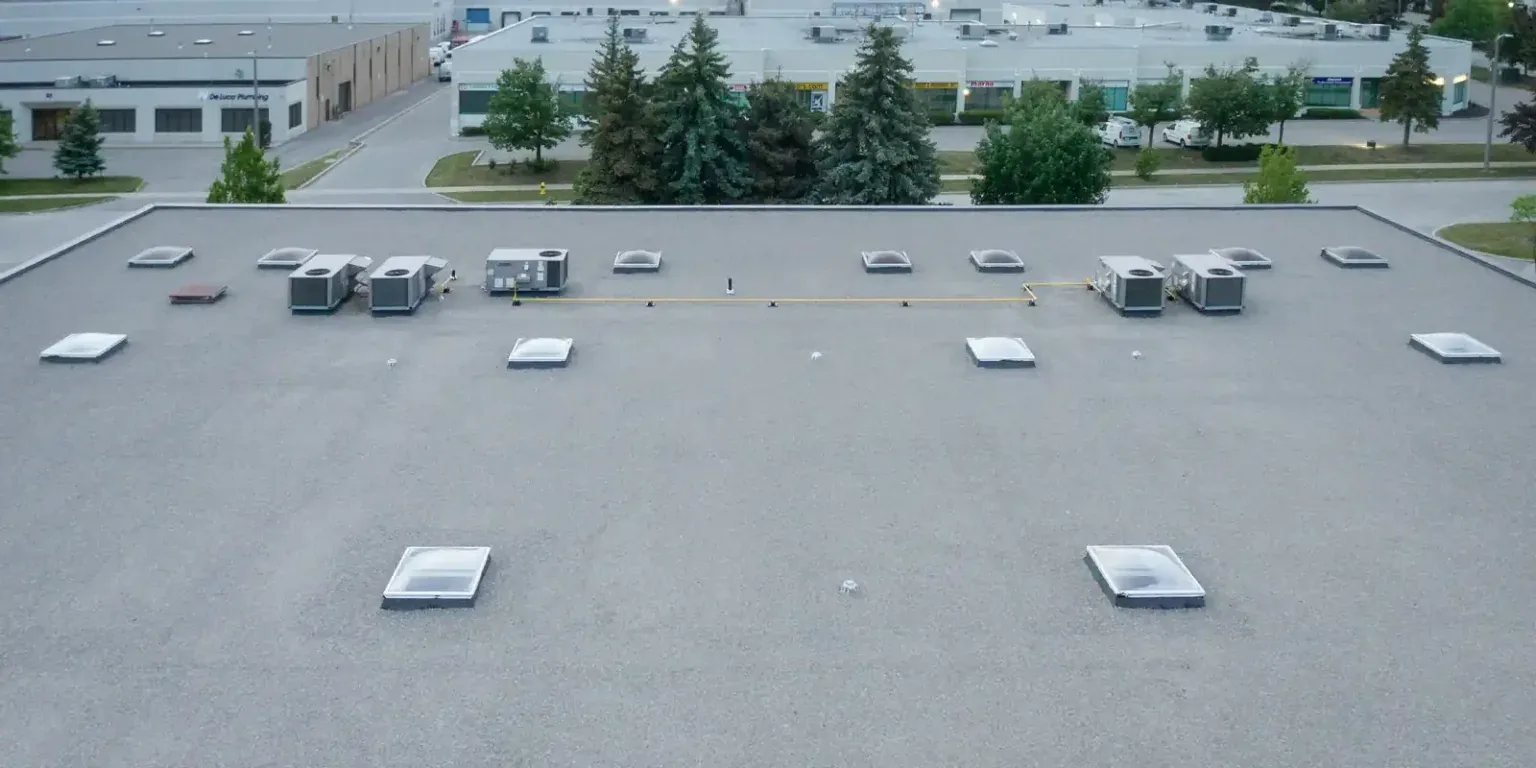
We review roof plans, leak history, tenant schedules, loading restrictions, rooftop equipment, and emergency access. The site contact identifies critical rooms, public entrances, delivery windows, and operations that cannot pause. We mark roof zones and ground areas, then coordinate where crews can stage materials without blocking fire lanes or active docks.
The building’s use affects the work sequence. A healthcare tenant may require specific notification and dust controls. A food operation may restrict access or staging near ventilation. A school or office can have different hours and public routes. Elgin’s employer mix includes these sectors, but we ask each owner for written site rules rather than apply a generic plan.
For a property near Downtown Elgin or Randall Crossing Business Park, the contact can flag pedestrian movement, tenant access, or delivery limits. Those details shape work hours and barriers. We verify them at the property and identify the person empowered to adjust the daily plan.
Phasing: open only the area crews can protect
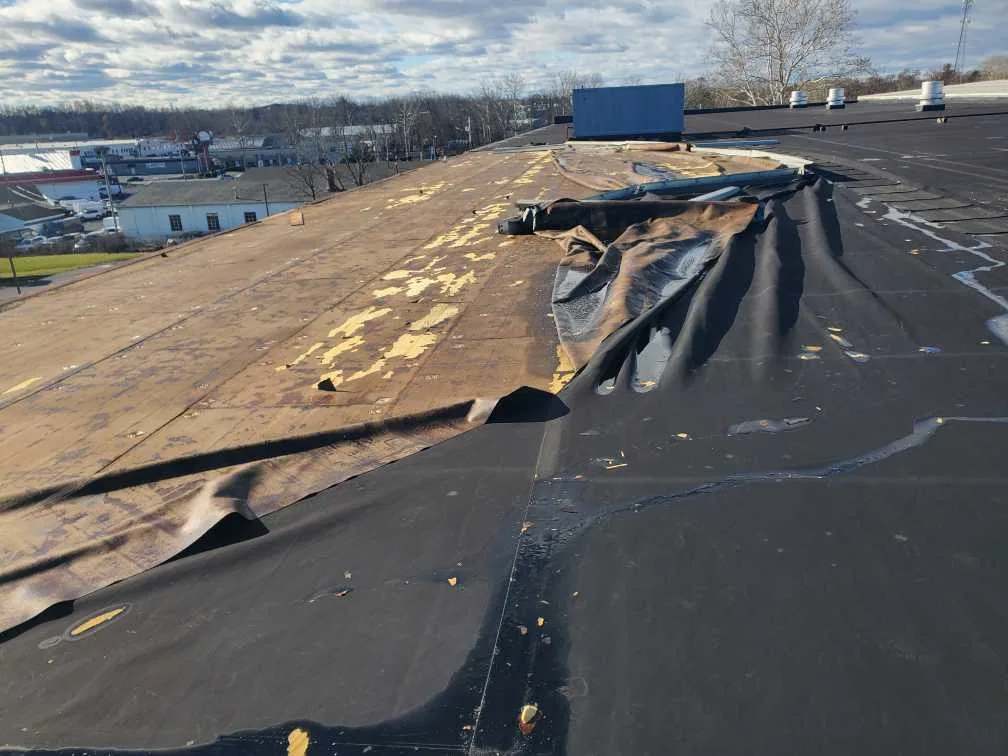
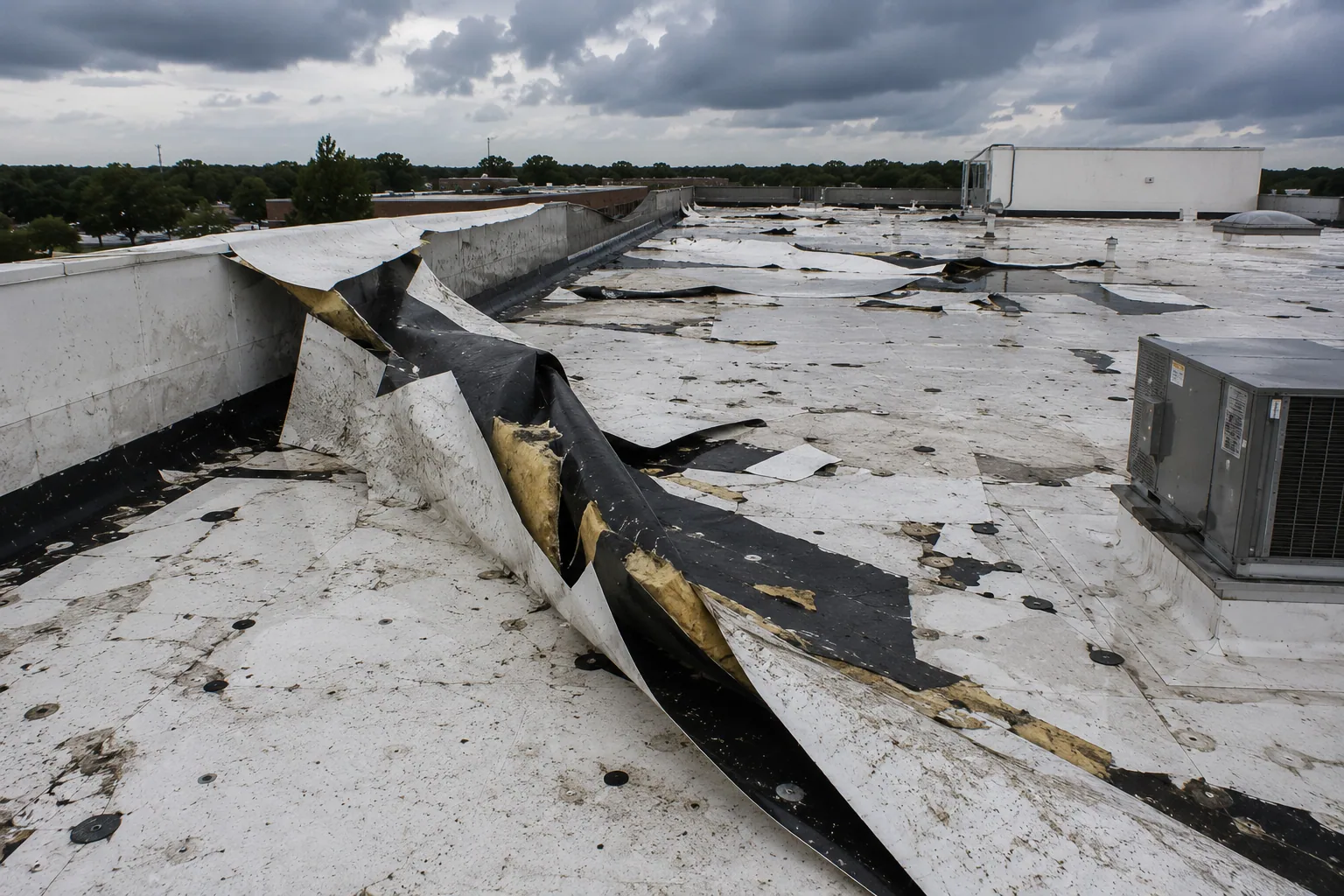
We remove roof material in sections sized for the crew, weather window, and building layout. Before opening an area, the team confirms that replacement materials, equipment, and protection are ready. At each shift end, exposed edges and tie-ins receive temporary protection designed for the conditions. The daily record identifies the area opened and whether it was closed the same day.
Unexpected wet insulation, deck damage, or unrecorded layers can change the sequence. The crew stops at the agreed approval point, photographs the condition, and contacts the owner before enlarging removal. The proposal describes how additional work will be priced. This keeps the open-roof boundary clear and gives the building contact a decision before crews proceed.
Where a tenant remains below the work, we coordinate interior protection and noise notice. The contractor does not move inventory or equipment unless that task is expressly included. For larger roof areas, a phased asset program can organize buildings or zones around operating priorities.
Weather holds: keep occupied areas protected
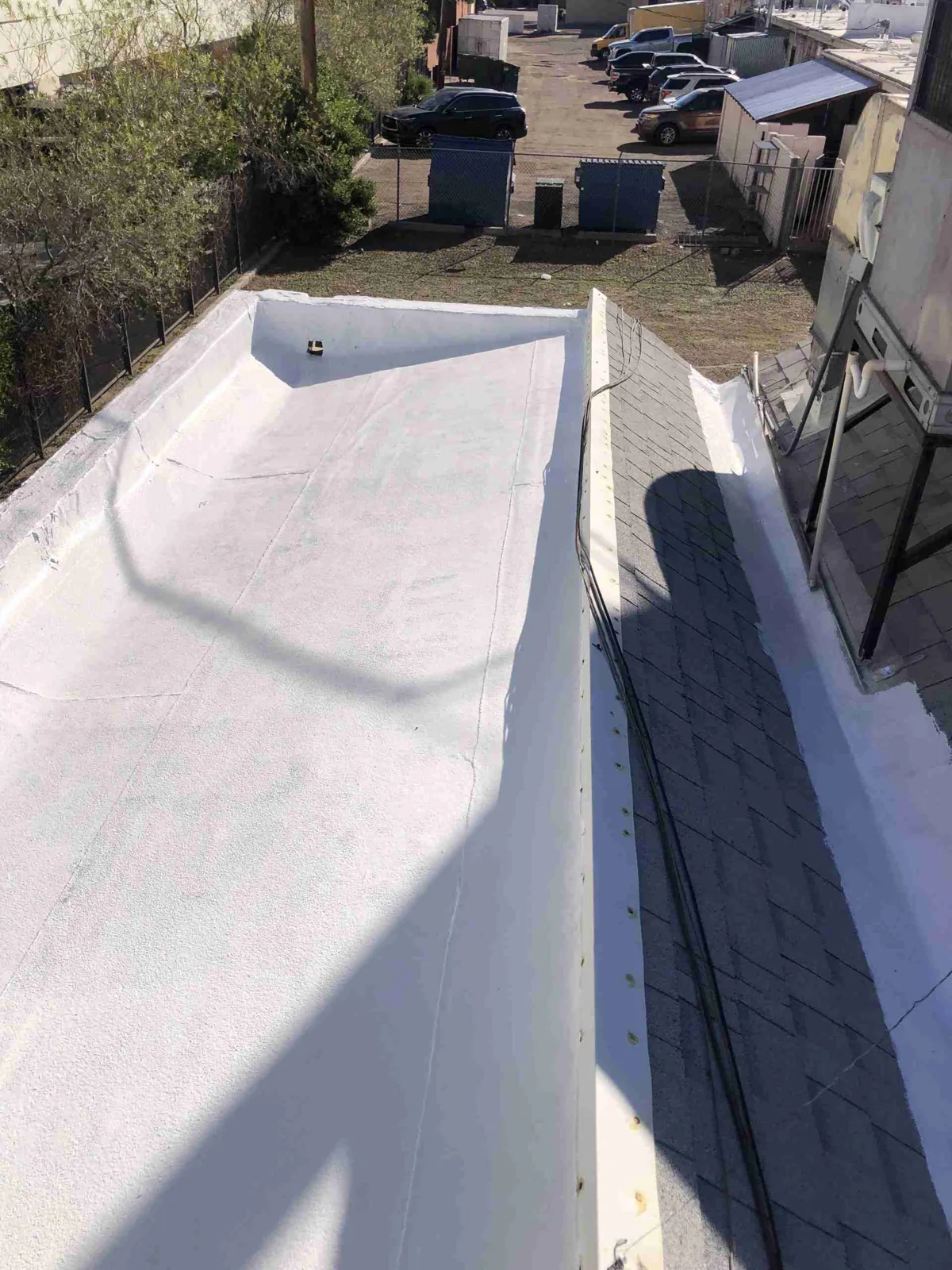
Rain, wind, lightning, ice, or material temperature limits can change the daily plan. For Elgin projects, 29 inches of average snow and 137.9 subfreezing days make phased dry-in and access checks essential. Winter work may need smaller sections and stricter roof-entry review. Summer conditions also affect crew exposure and material handling. We check actual conditions and the forecast before opening a roof area.
If a weather hold is called, the crew closes or secures the active zone and tells the site contact what remains. The next update includes the affected area, temporary protection status, and likely restart window. We do not promise a date until the roof and materials can support safe installation. If interior operations need protection, the building team receives specific instructions rather than a general statement.
A repair response may be appropriate before the reroof reaches a reported leak area. Temporary leak work remains separate from the permanent project scope unless written into the contract.
Tenant coordination: control access and communication
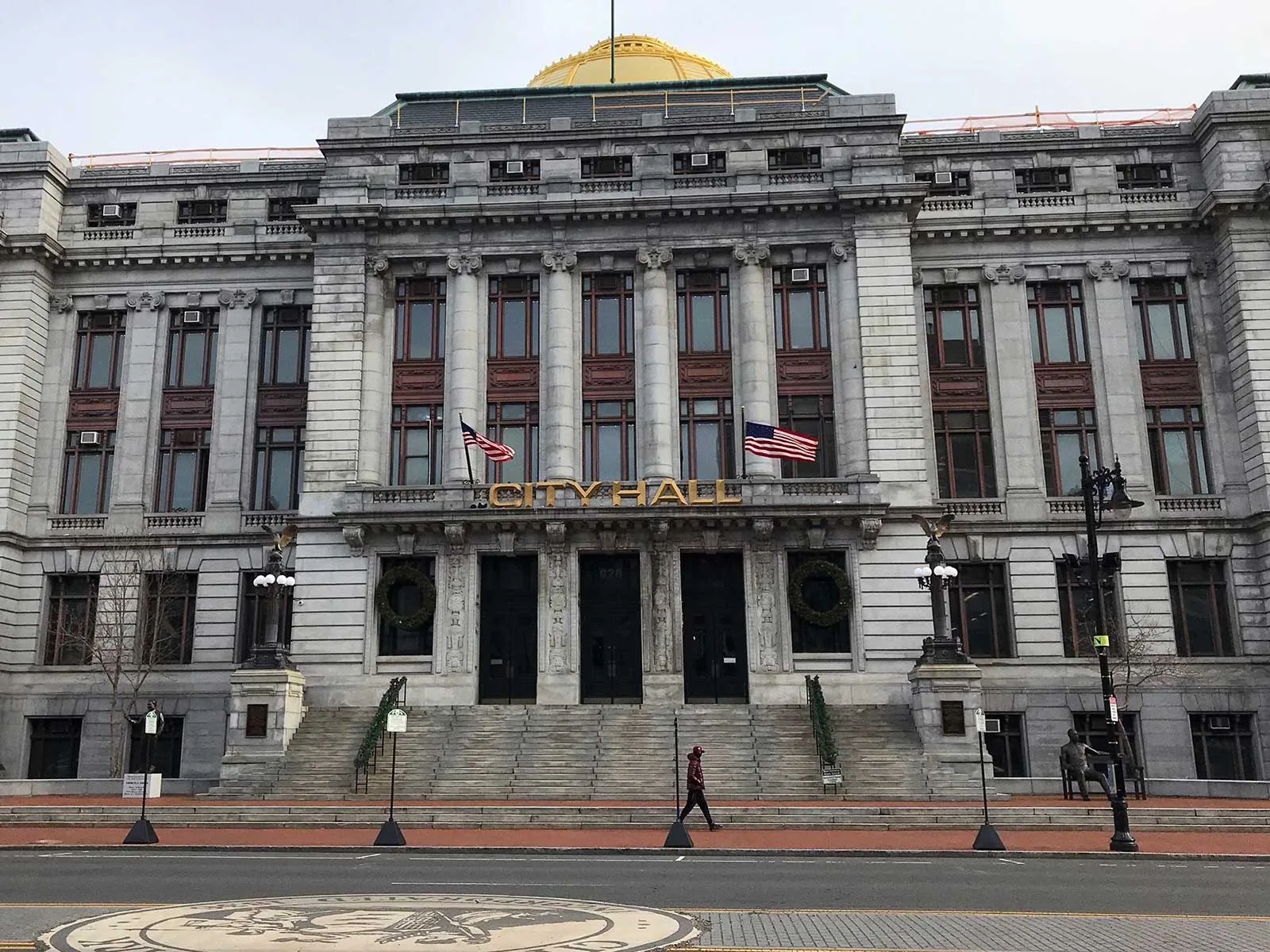
One contact should consolidate daily roof status and distribute approved notices. We can provide a schedule of noisy operations, material deliveries, crane activity, or access changes. The owner decides which tenants receive notice and how much detail is appropriate. A posted update should state timing, affected entrance or area, and the person to contact if operations change.
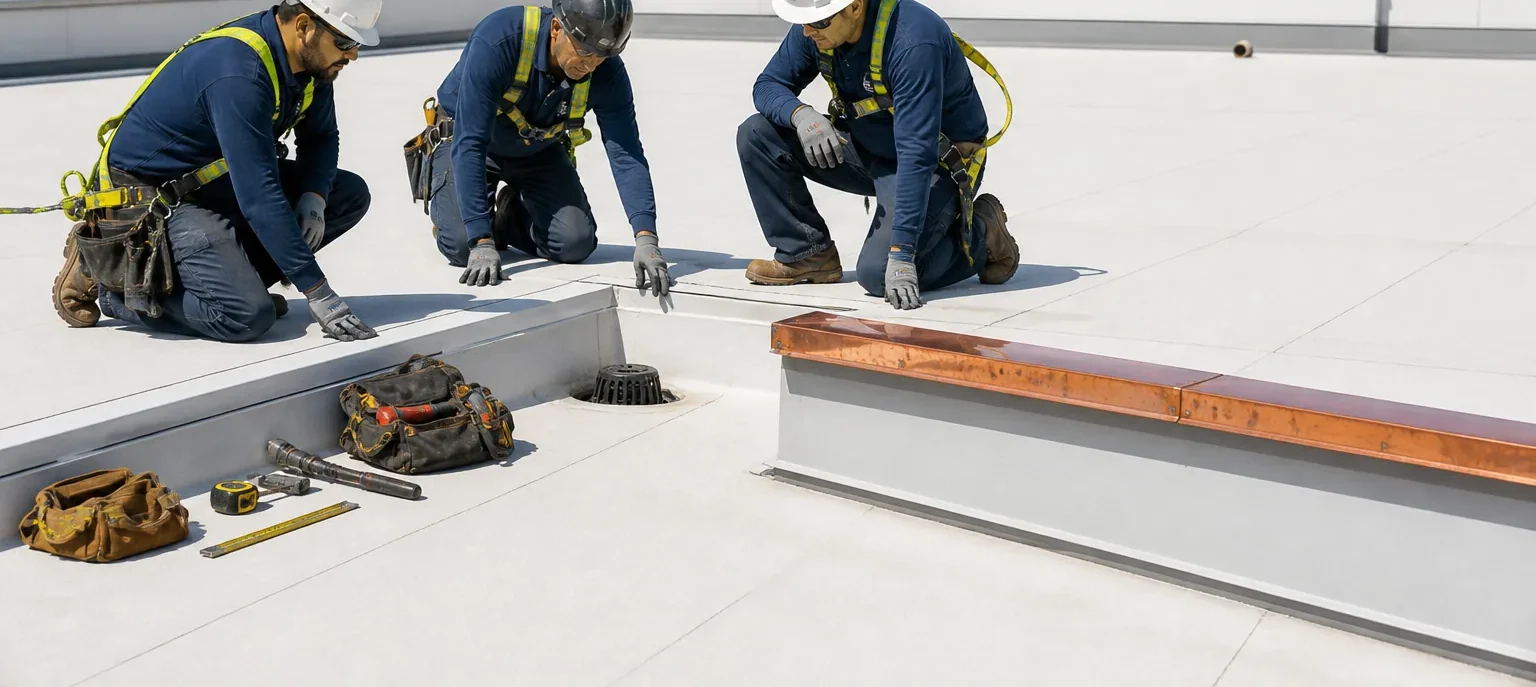
Roof access remains controlled. Crew routes, ladder locations, fall-protection boundaries, and any interior hatch access are agreed before work. Tenants do not enter the work zone or cross a temporary opening. If an emergency requires access, the site contact reaches the superintendent to pause work and create a safe route.
Elgin’s three Metra stations and Pace network connect employment areas and city destinations. A site near transit or a busy commercial corridor may have additional pedestrian considerations. We confirm the actual route, deliveries, and property controls at the preconstruction meeting rather than assume local traffic conditions.
Quality checks: verify tie-ins and daily closeout
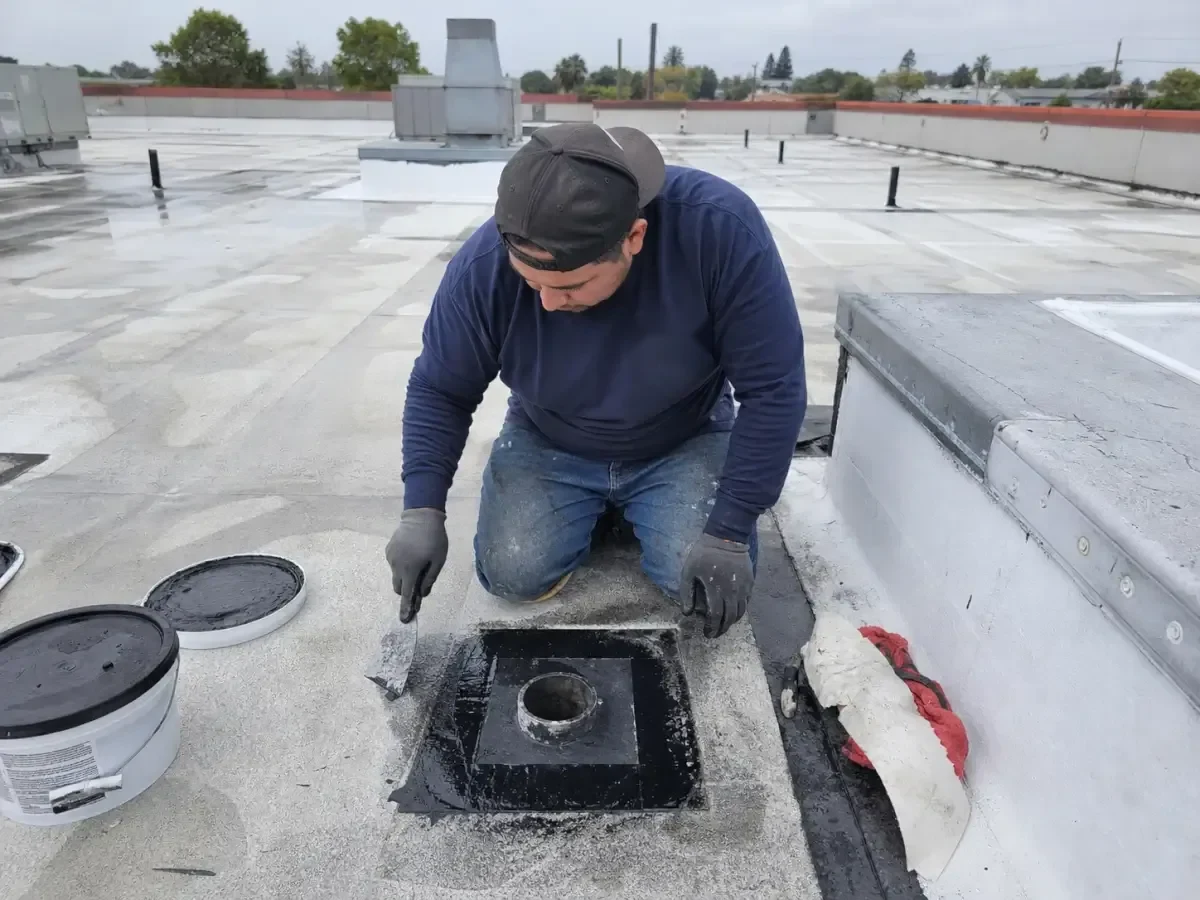
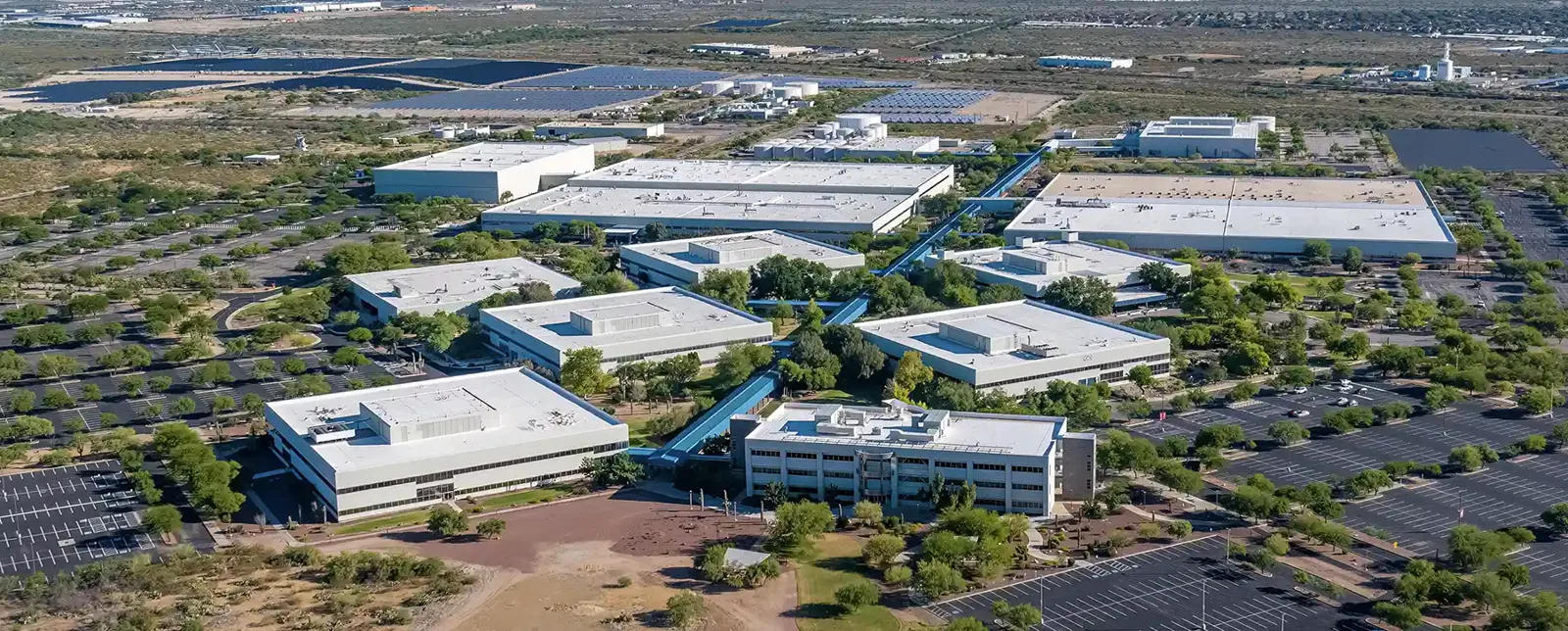
Each work zone receives a condition check before the next section opens. The supervisor reviews seams, flashings, drains, perimeter details, and temporary terminations. Photos identify the completed area and any limitation. We track materials and inspection items against the approved submittals and installation requirements.
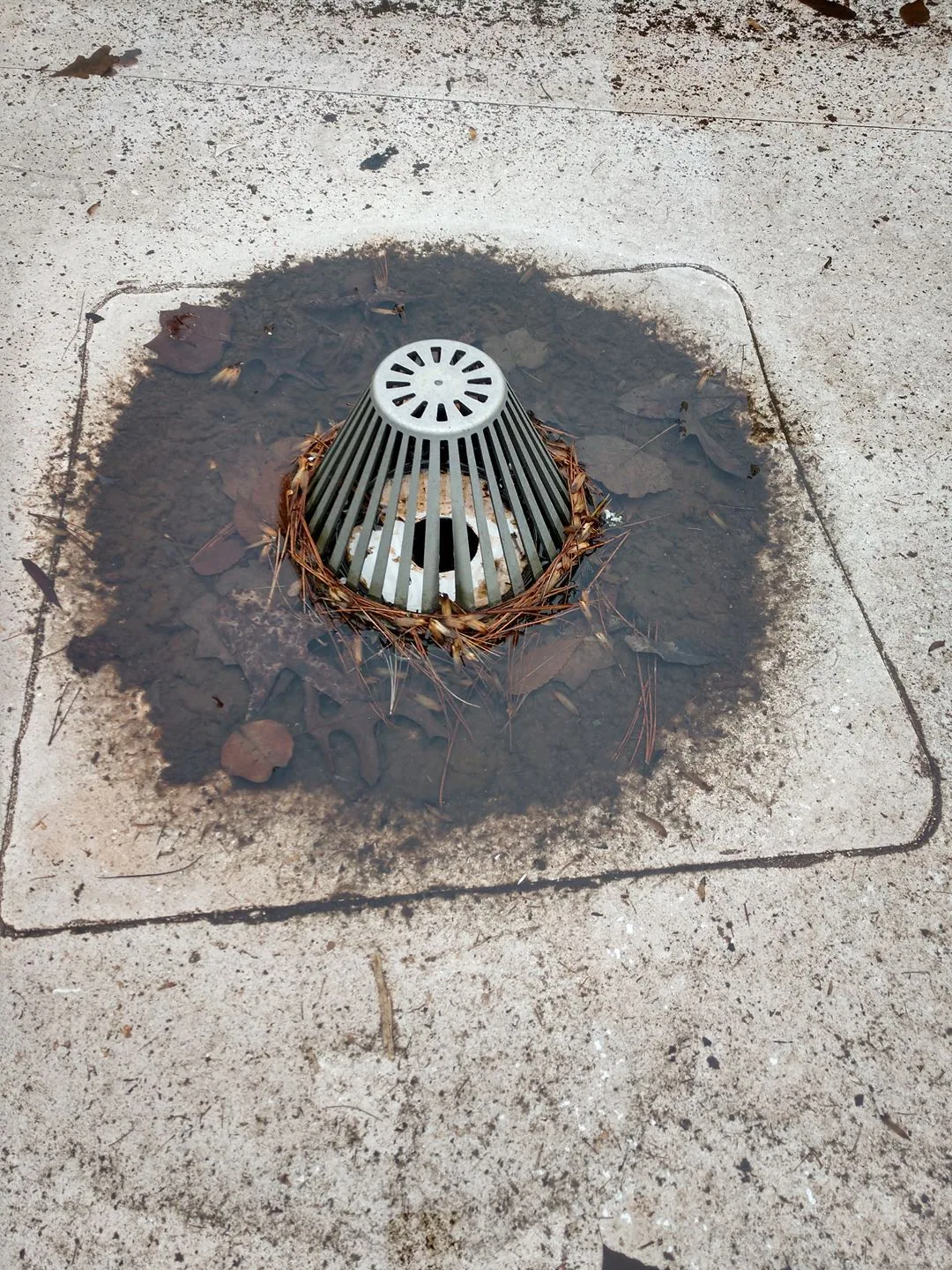
Drainage paths stay visible during phasing. A drain and scupper check can confirm that outlets are not covered or obstructed. Equipment and skylights receive defined protection. A penetration review may be added if an active detail needs separate repair. The superintendent records open items before moving to another zone.
If the owner needs a broader condition history, a roof condition report can organize photos and findings by area. That record stays distinct from a warranty inspection or an engineering review.
Scope boundary: define work, exclusions and approvals
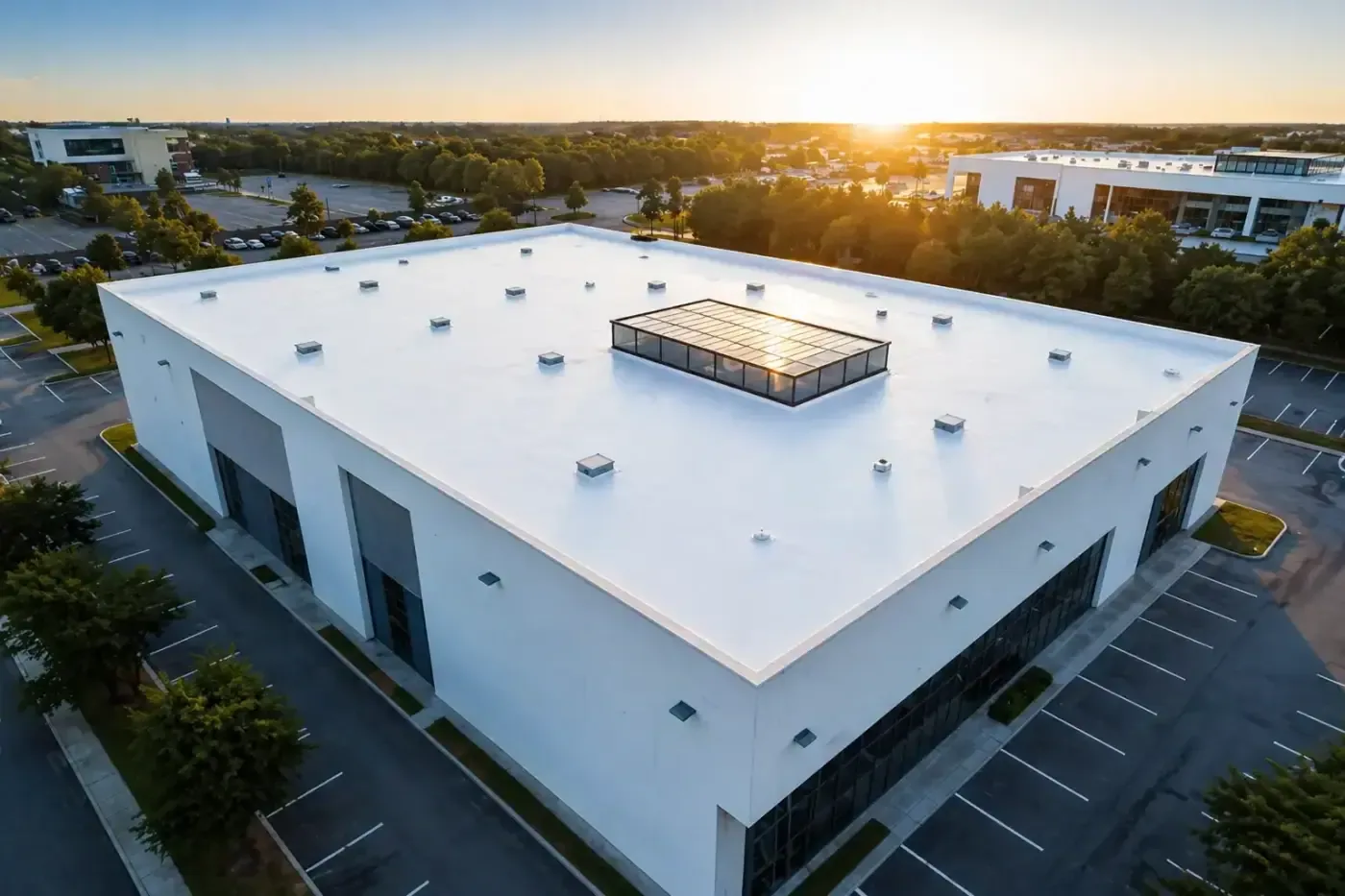
The proposal states work limits, access, protection, phasing, disposal, and what building operations must provide. It identifies whether interior protection, equipment disconnection, traffic control, or after-hours work is included. If a hidden condition requires added labor or material, the superintendent documents it and pauses at the approval point.
Before mobilization, the project team checks required permits and inspections with Elgin and the officials overseeing the work. The owner receives the selected roof assembly, product data, and warranty steps where applicable. We avoid suggesting that an occupied work plan changes technical requirements. The installation must satisfy the approved system and project documents.
For an owner managing sites near Fox Bluff Corporate Center, a multi-building calendar can coordinate noisy work and seasonal access. Each property still gets its own safe-entry and tenant plan.
Closeout: return a usable building and roof record
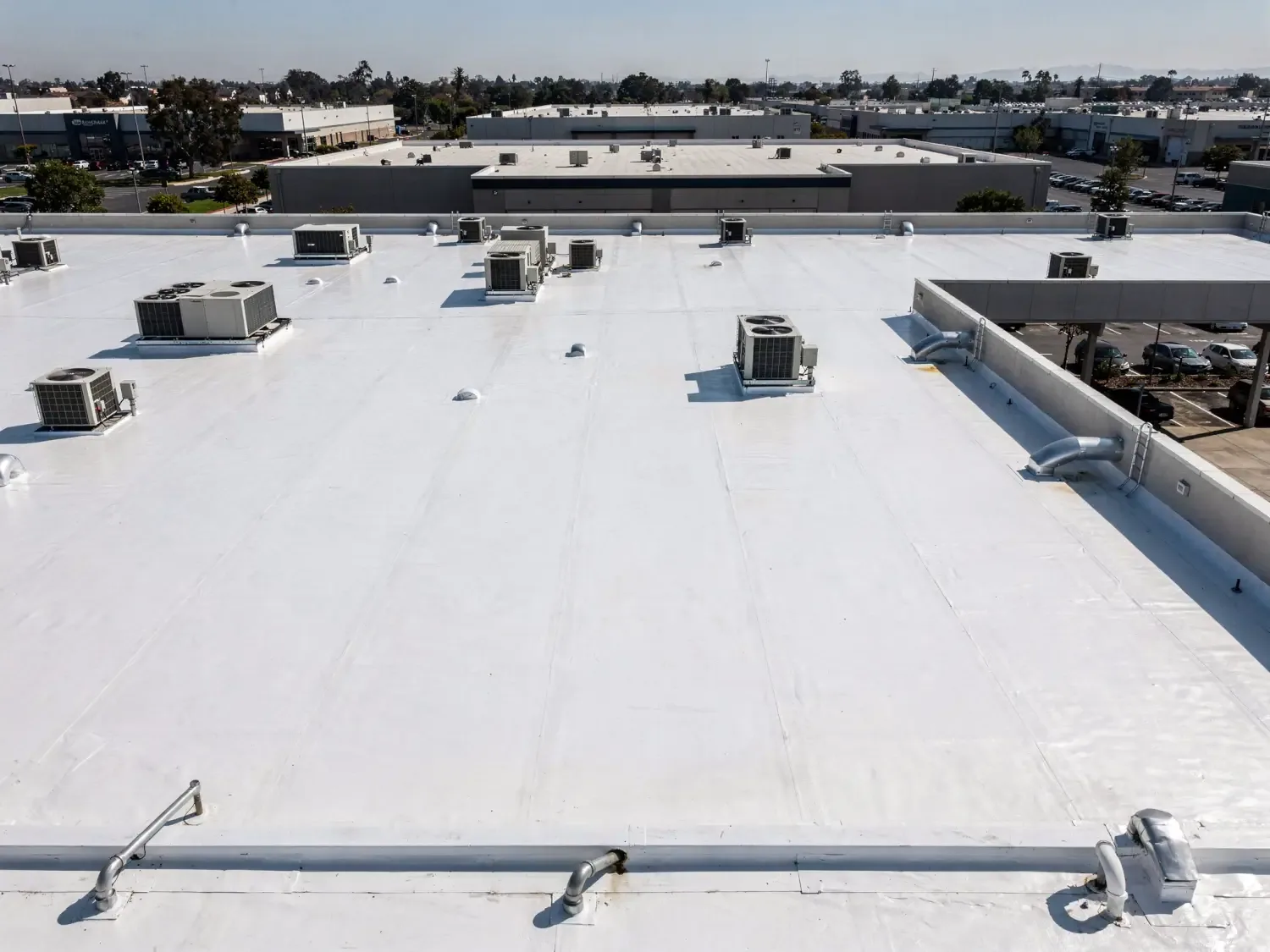
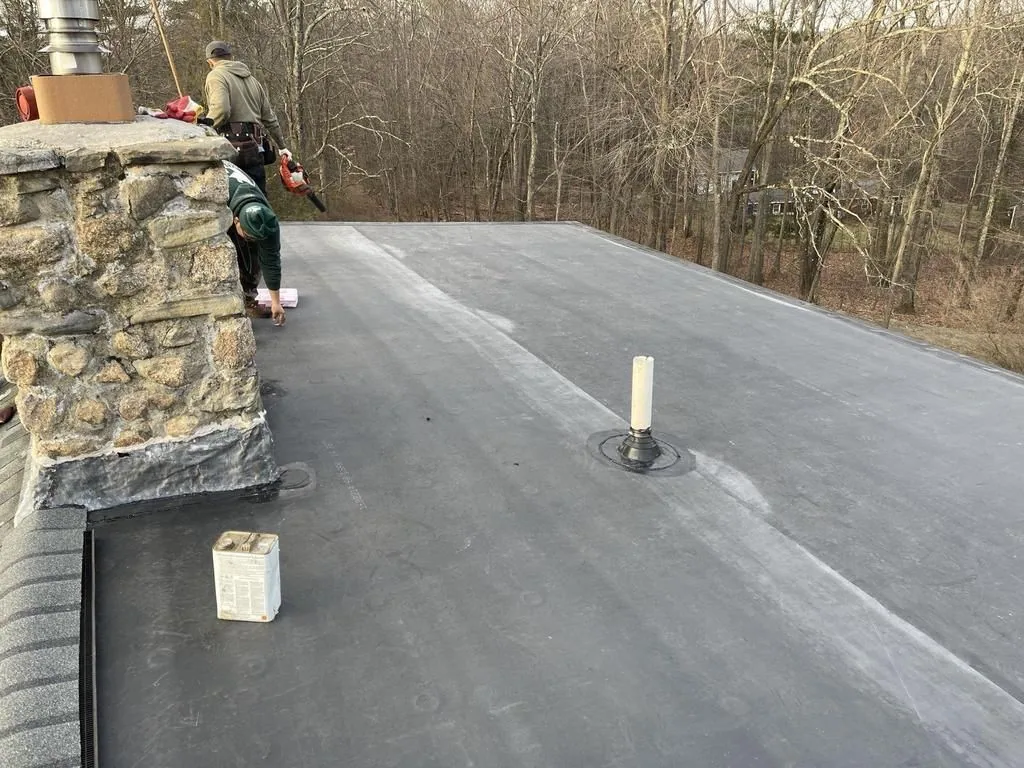
After the final zone is complete, we remove temporary barriers and materials from the agreed areas, document finished transitions, and list remaining work. The closeout includes available product records, photographs, inspection items, and maintenance notes. The site contact confirms that tenant routes and roof access have returned to the owner’s operating plan.
Send a roof plan, occupancy schedule, access restrictions, tenant contact, critical equipment list, leak history, and preferred update cadence before kickoff. We will identify the first work zone and the daily decision contact. An occupied reroof succeeds when crews can work safely, the building knows what changes each day, and every open roof area has a clear closeout status.
Questions About Occupied Commercial Building Reroofing
Can tenants remain in the building during reroofing?
Often, with a site-specific access and protection plan. The owner identifies critical areas, operating rules, and notification needs before work is sequenced.
What happens if rain is forecast after a roof section opens?
We limit the open area to what crews can protect and close at shift end. If conditions change, the supervisor secures the active zone and gives the site contact a status and restart update.
Who moves rooftop equipment or tenant property?
Those tasks remain with the owner or qualified trade unless expressly included. We identify required shutdowns, clearances, and responsibilities before mobilization.
Will the schedule stay fixed throughout the project?
Weather, hidden conditions, deliveries, and site operations can change sequencing. The superintendent reports the affected zone, decision needed, and next workable window.
What should be covered in a preconstruction meeting?
Review roof zones, access, tenant notices, loading, critical operations, temporary protection, emergency routes, approval contacts, and daily update timing.