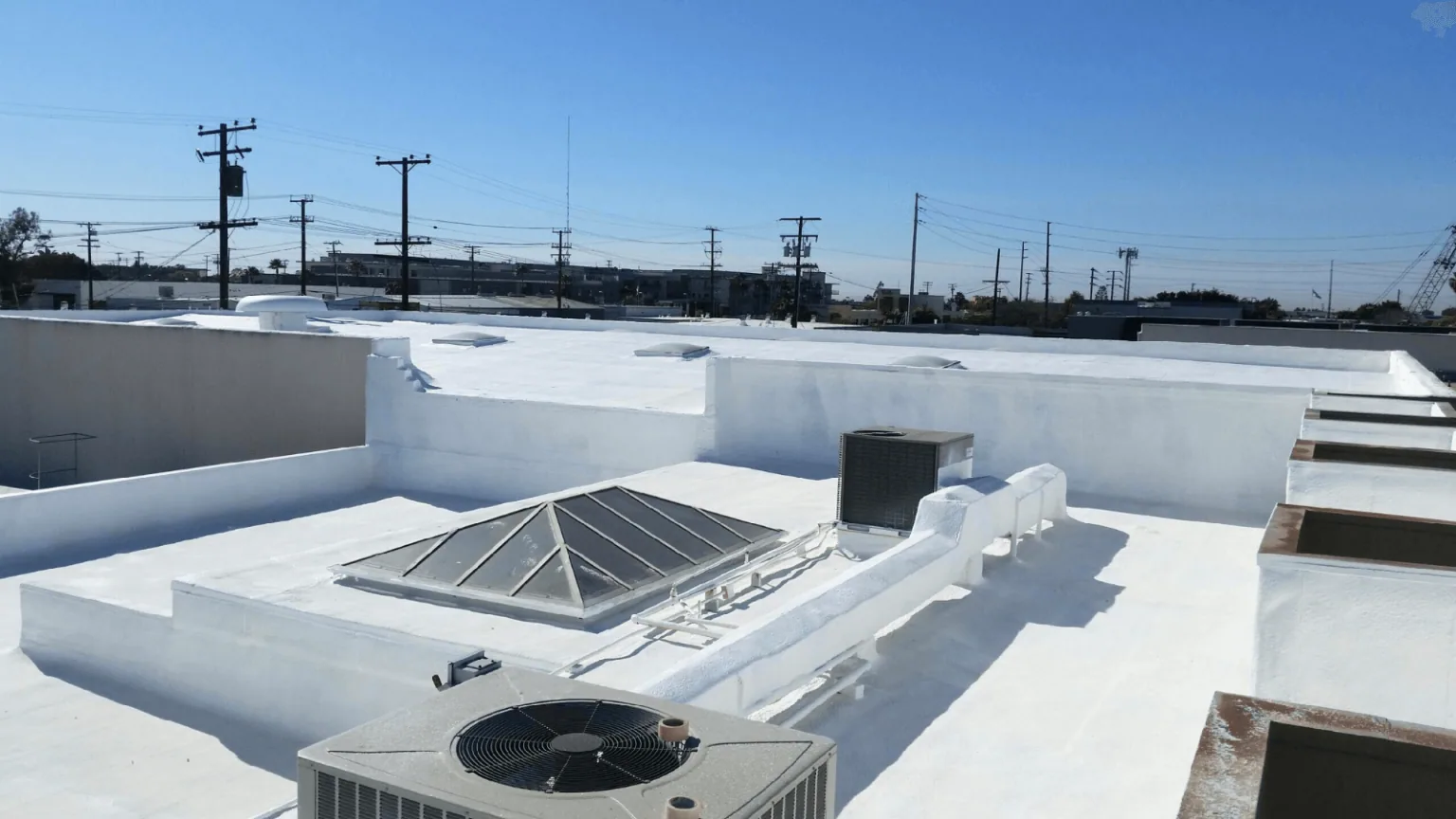
Commercial Roof Capital Planning in Elgin, IL
Request a roof capital planning review
Share the asset list, roof records, active conditions, access contacts, and budget period. We will identify inspection needs, alternatives, assumptions, and owner decision points.
Commercial Roof Capital Planning
A roof budget starts with the condition that needs a decision. We separate active repair, testing, monitoring, and potential renewal for each building. The asset manager sees what is confirmed, what remains unknown, and which approval would move the work forward. A planning estimate is not a final construction scope until access, quantities, and assembly are verified.
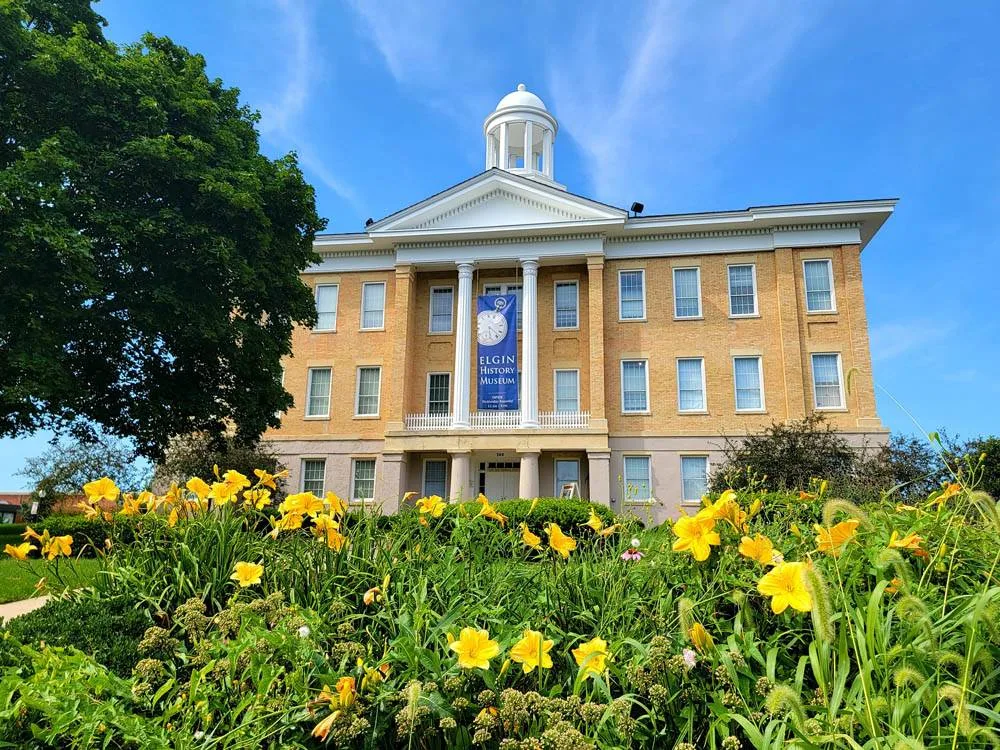
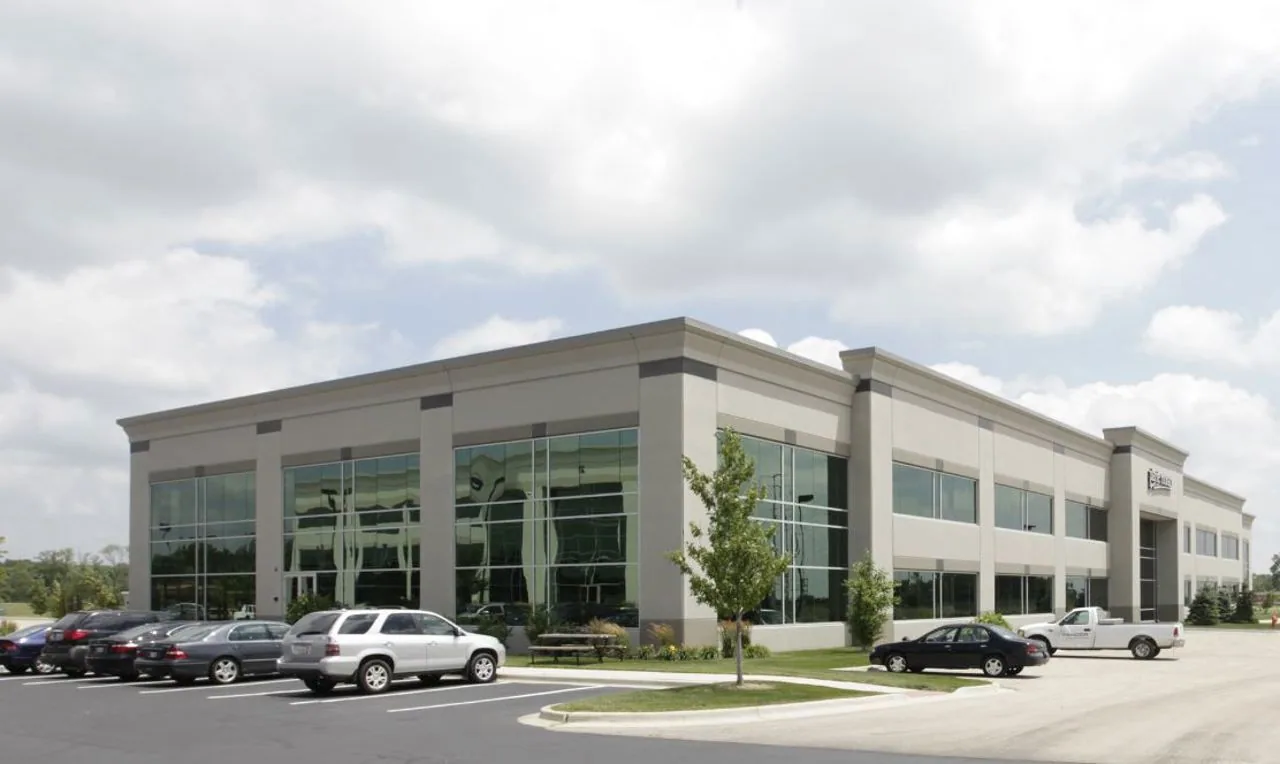
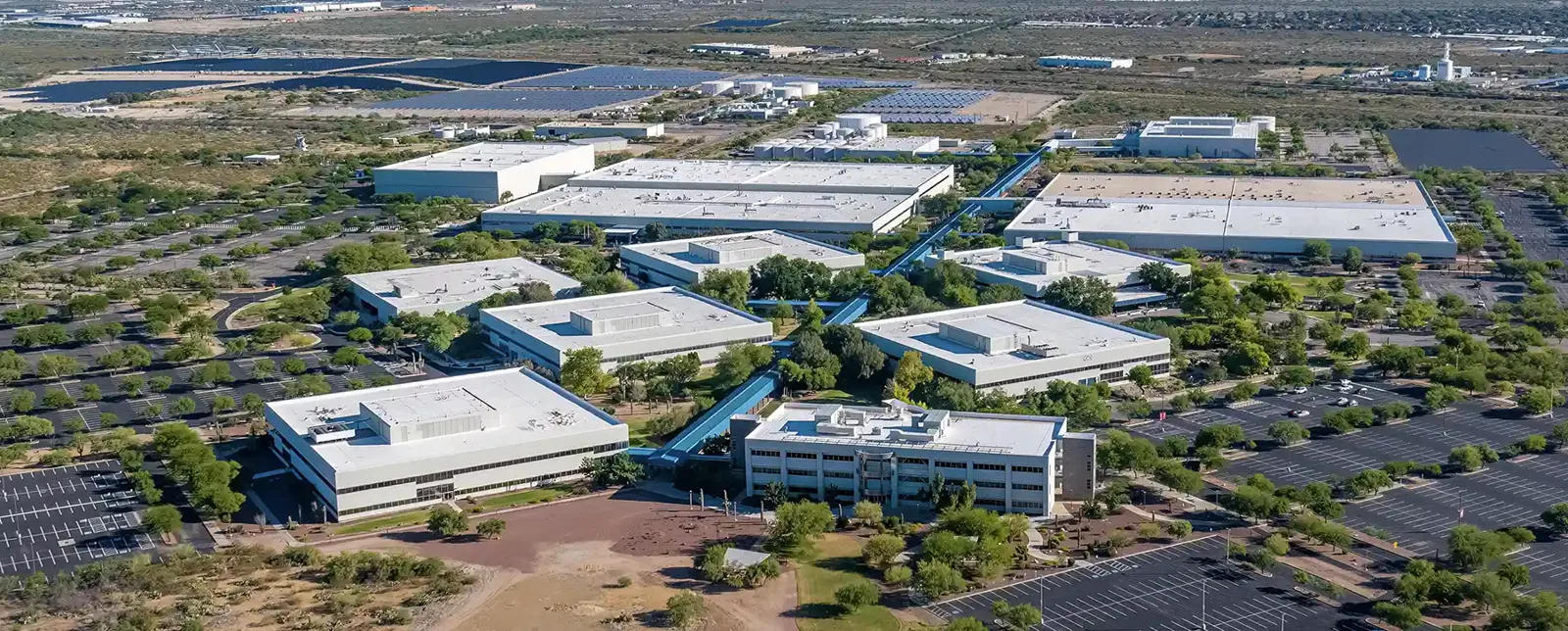
Elgin has office, research, and industrial parks alongside a downtown commercial core. Local employment includes healthcare, education, manufacturing, food processing, and commercial equipment. Those buildings can carry different access and operating constraints. A Downtown Elgin property and one at Randall Point Executive Center need separate condition records before budgets are compared.
Baseline: separate urgent work from planned renewal
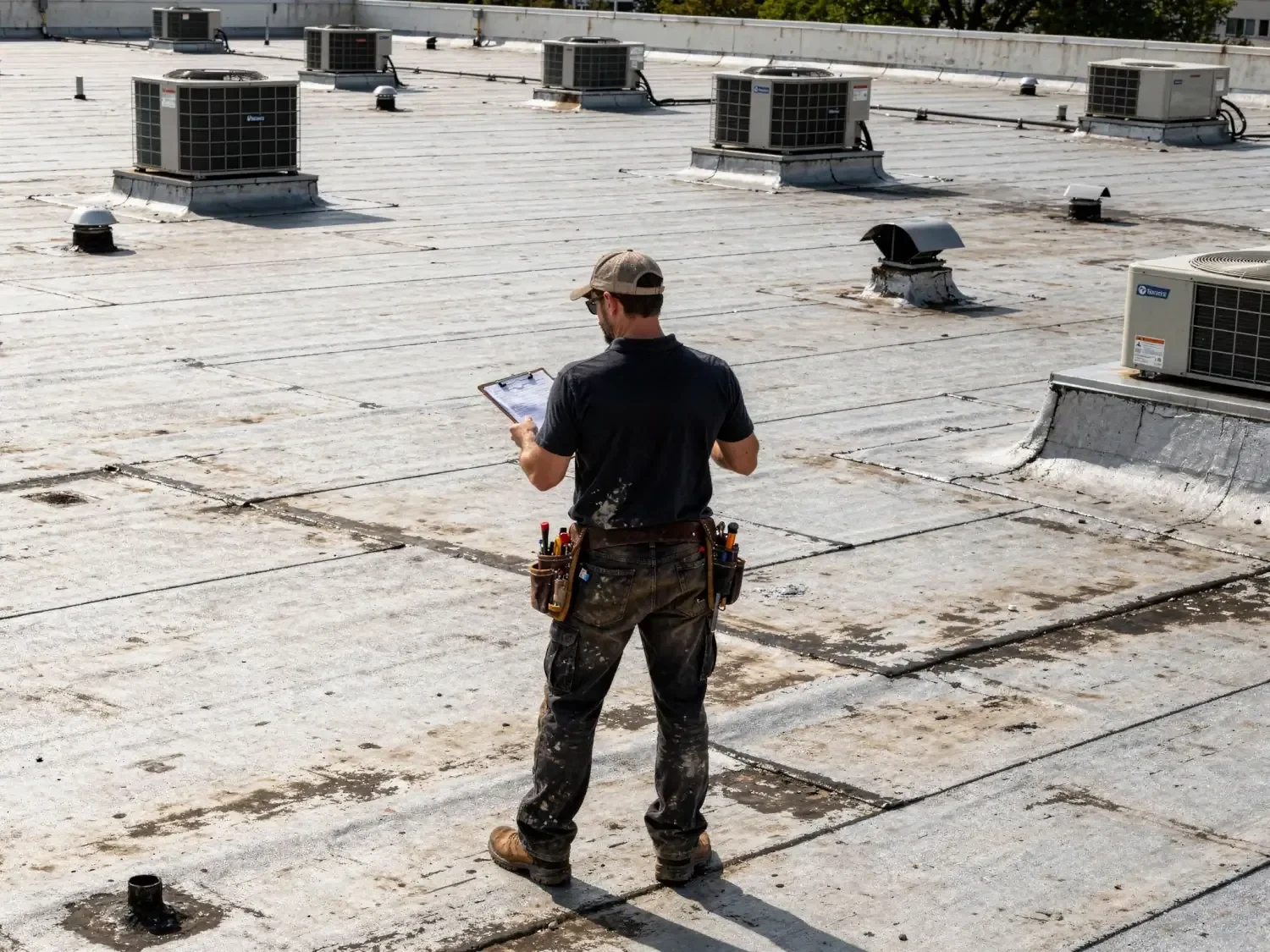
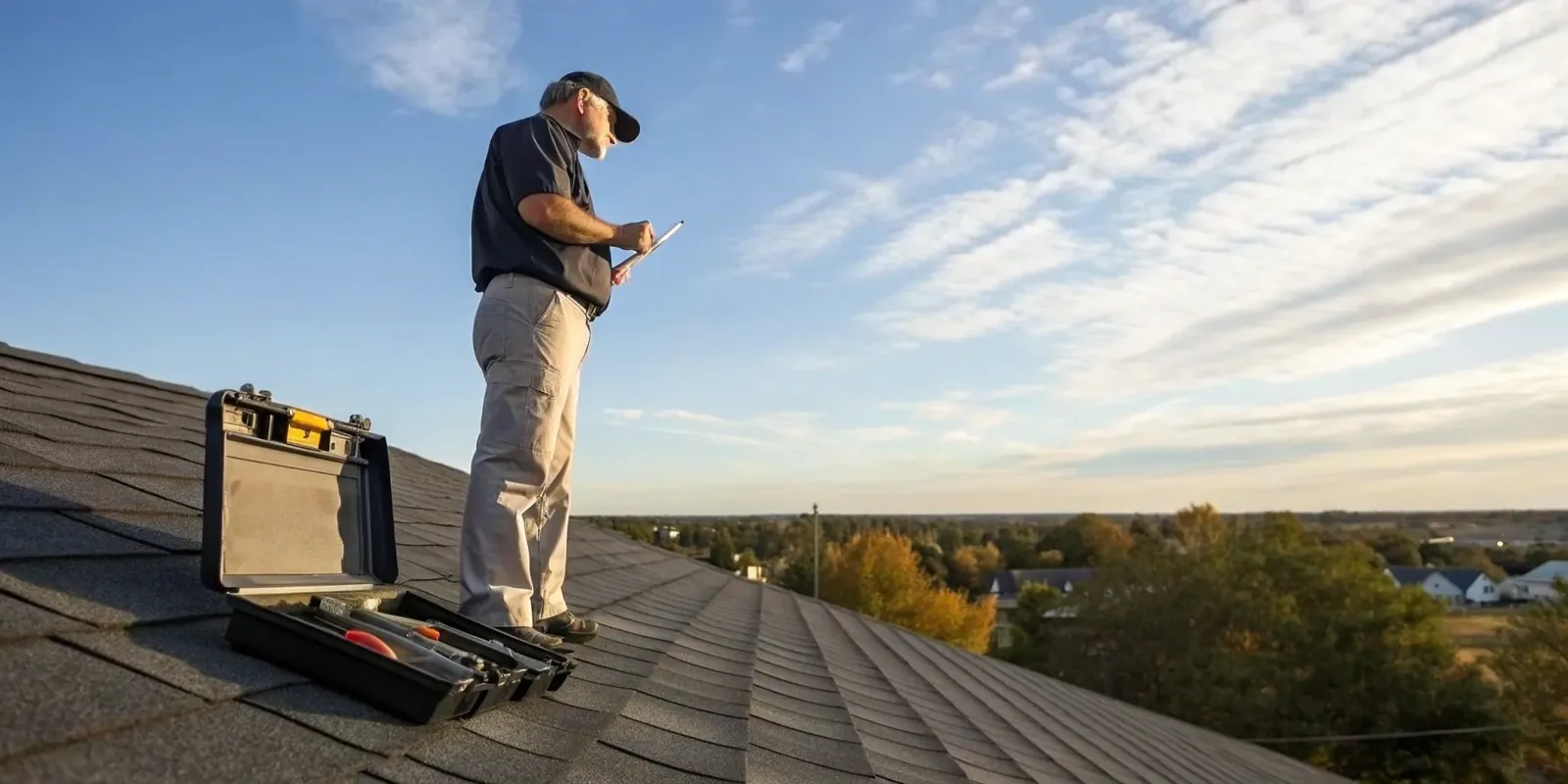
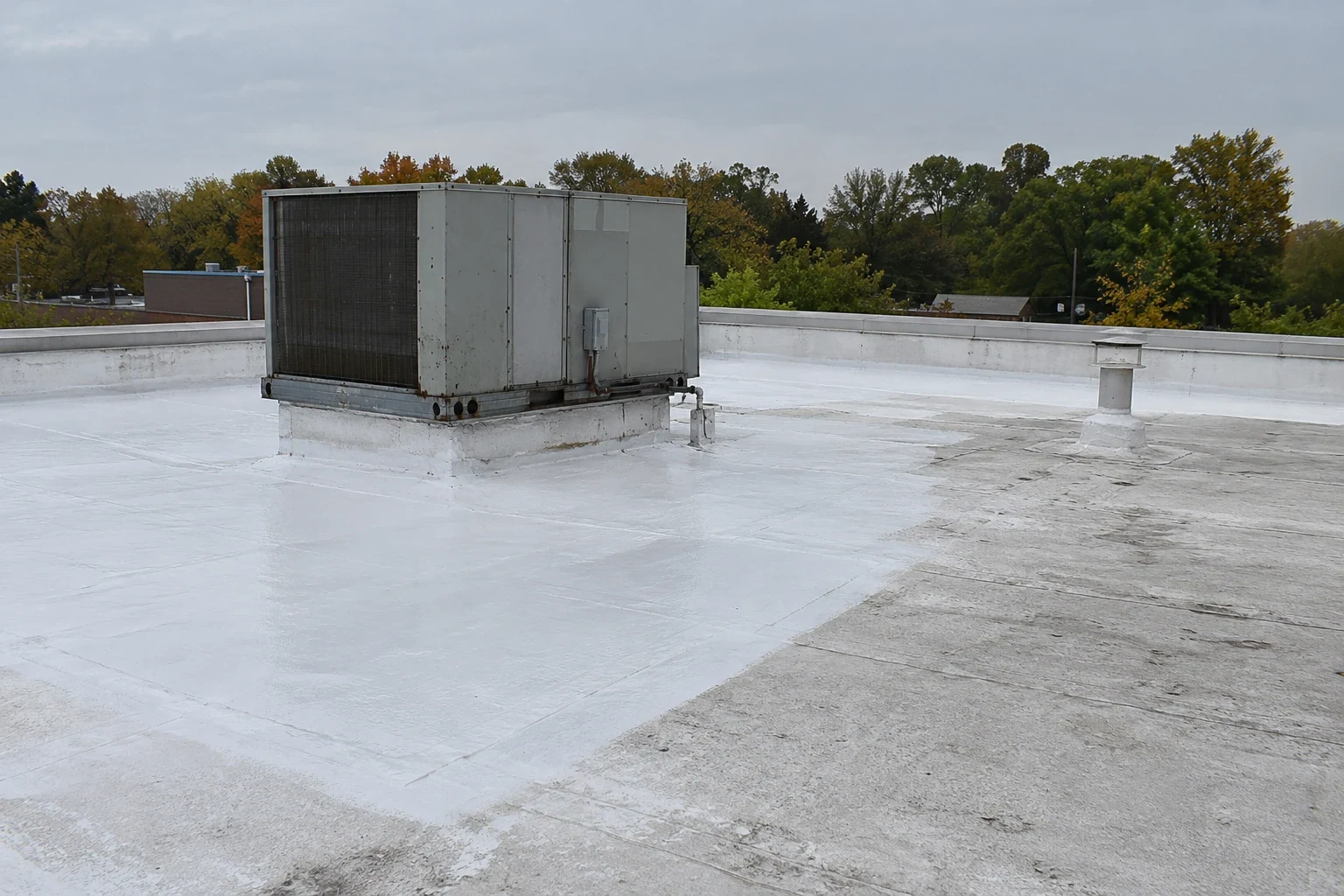
First identify the building, roof zones, system where verified, known repairs, active leaks, and work that has already been authorized. We compare the property records with field observations and mark any gap. One current leak does not establish that the entire roof needs replacement. A clean-looking section does not establish that hidden insulation is dry. The baseline states where evidence begins and where more inspection is needed.
Elgin’s July 2023 EF1 tornado crossed the city and produced reported roof damage along its path. That history helps owners consider post-event inspections, but it does not establish a condition at a specific asset. We tie every proposed capital item to an inspected roof zone, visible evidence, test result, or clearly labeled assumption. Unvisited roofs remain unassessed.
A roof asset review can keep system records, work history, and open decisions together. A condition report can give each proposed line item photographs, date, access limits, and follow-up. Those records make the capital conversation more specific than a single replacement year copied across a portfolio.
Alternatives: price the decision, not a guess
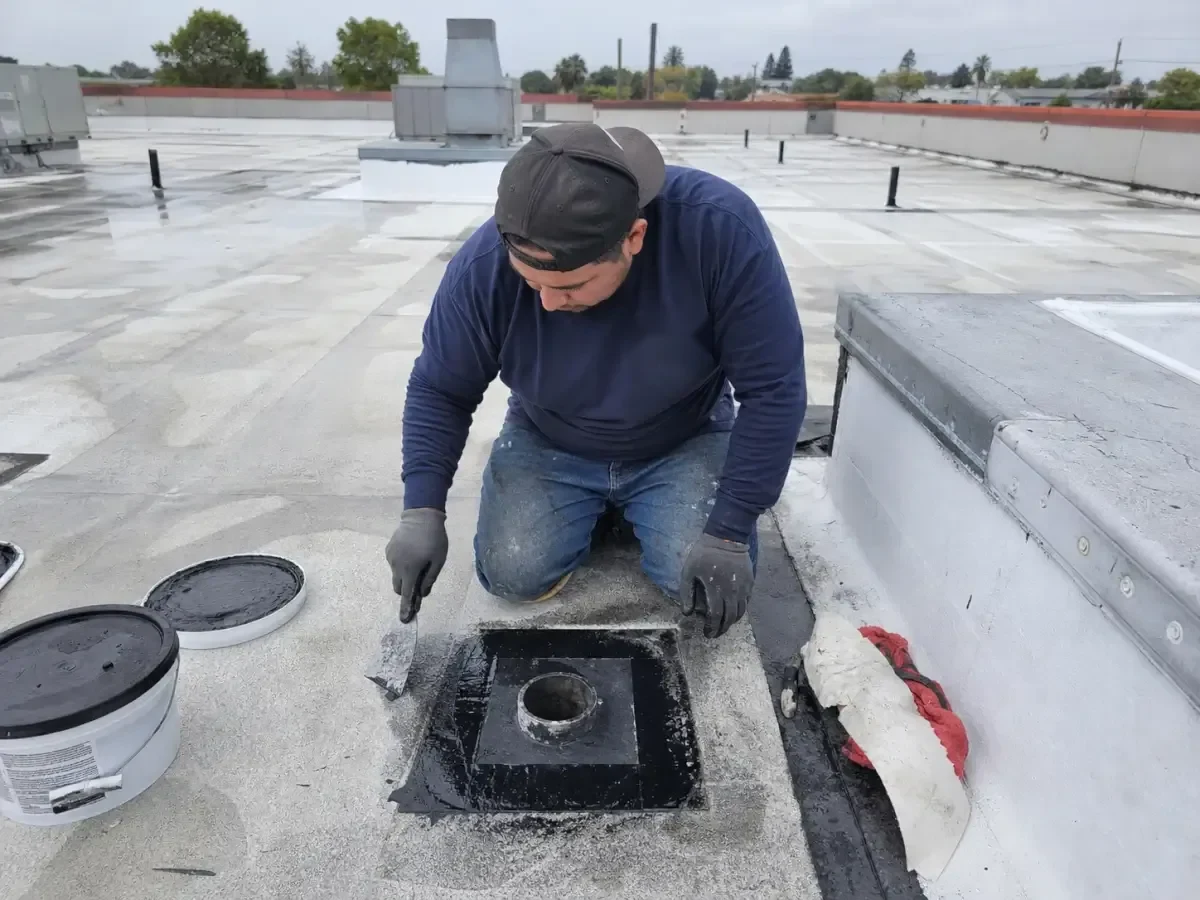
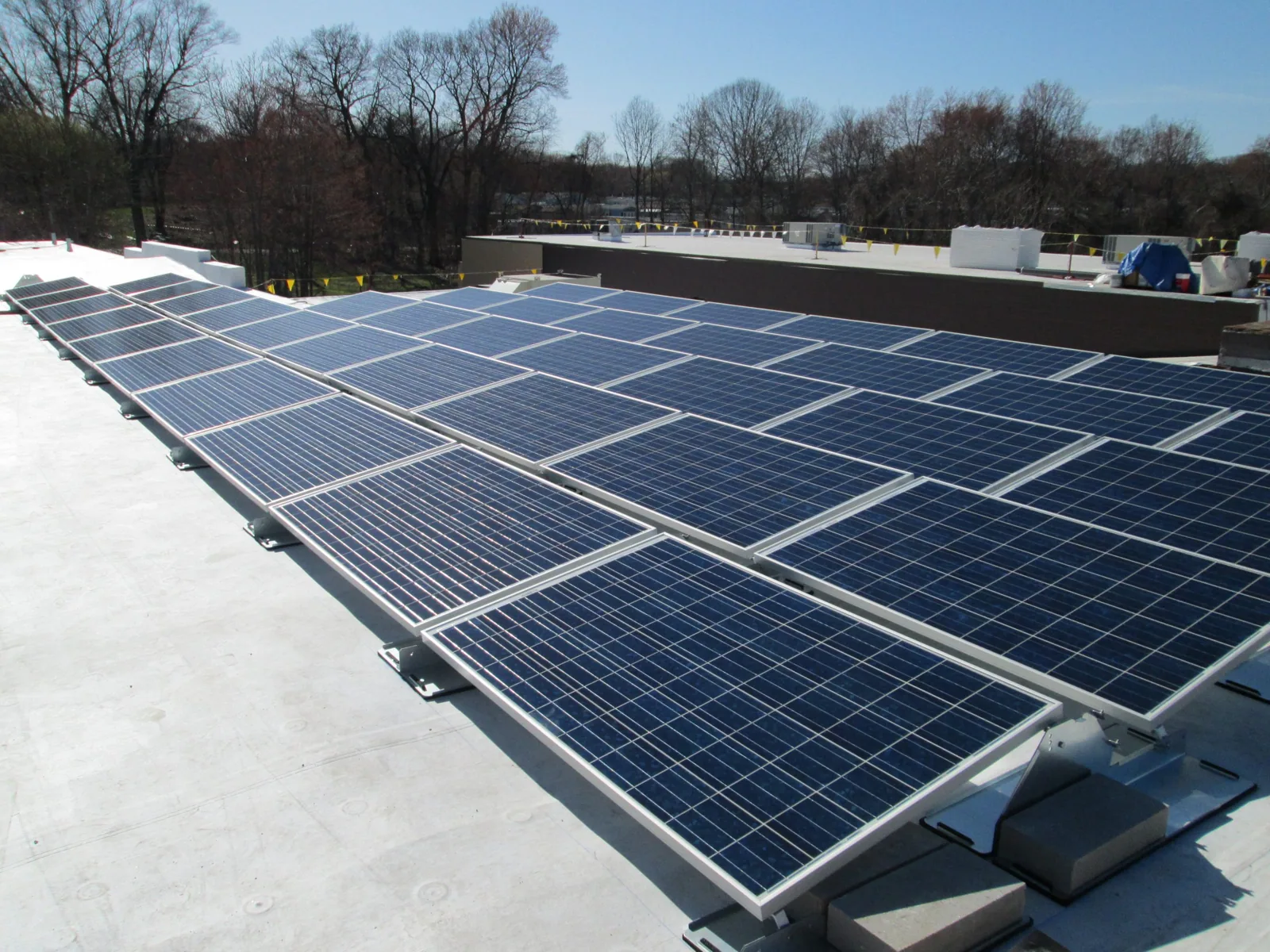
Where conditions support more than one path, compare localized repair, targeted testing, coating or recover, and replacement. Each alternative states the assembly assumption, work limits, access, preparation, disposal, and any task assigned to another trade. The comparison should show what changes if testing finds wet insulation or a different layer count. We identify the evidence behind each option rather than present a single number without scope.
Repair can suit a defined defect when adjacent material is sound. Coating may fit a compatible surface after preparation and moisture checks. Recover depends on existing layers, attachment, deck, drainage, and applicable restrictions. Replacement can address broader deterioration but requires a defined tear-off, protection, staging, and operational plan. A replacement estimate should name assumptions and exclusions so the owner knows what could change it.
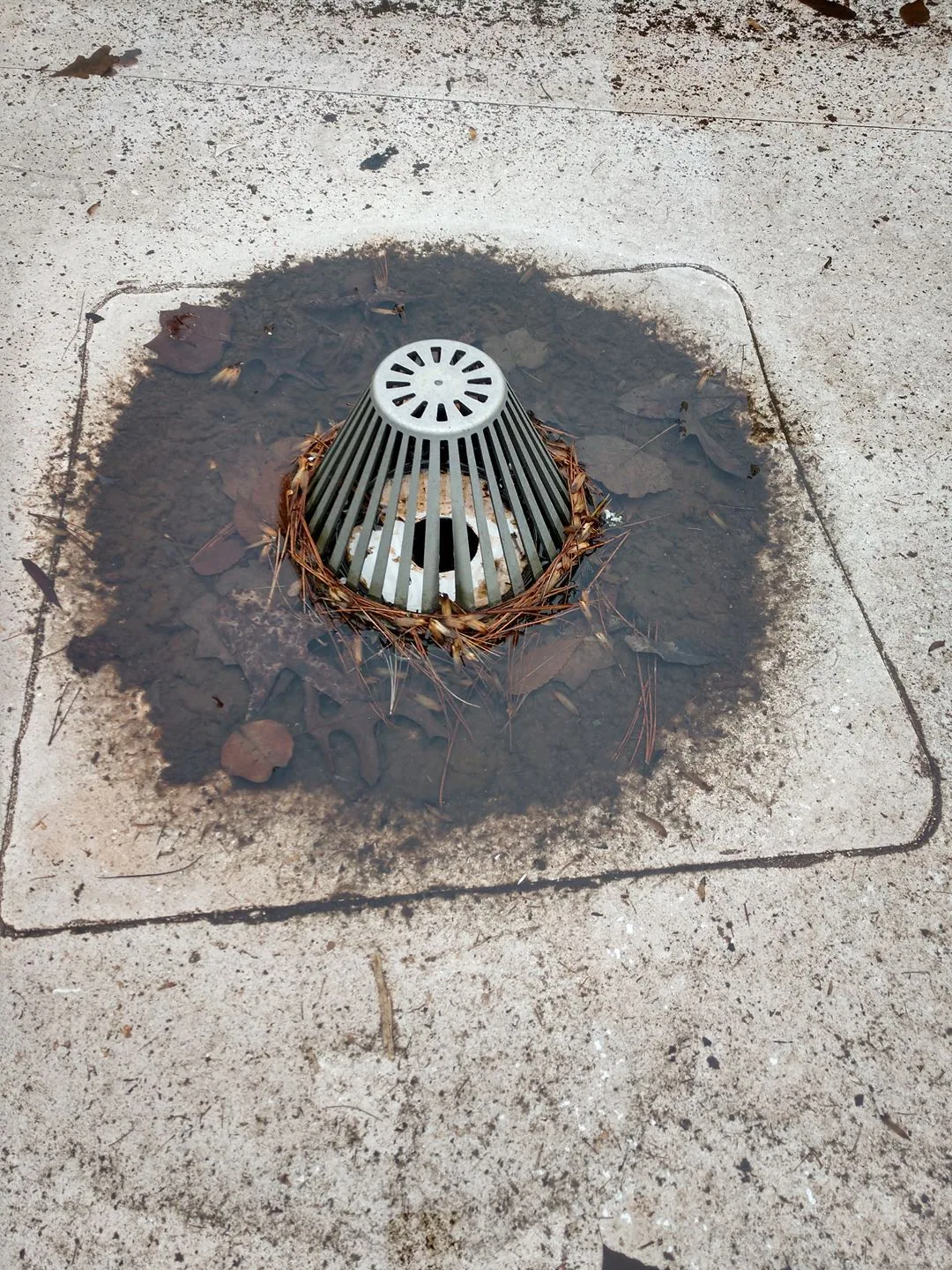
Each estimate also identifies the cost drivers that need field confirmation: roof area, access equipment, removal quantities, insulation or deck repair, edge details, penetrations, and work-hour limits. We do not apply a generic contingency without explaining its basis. Hidden conditions stay an allowance or separate approval point, not an assumed completed repair.
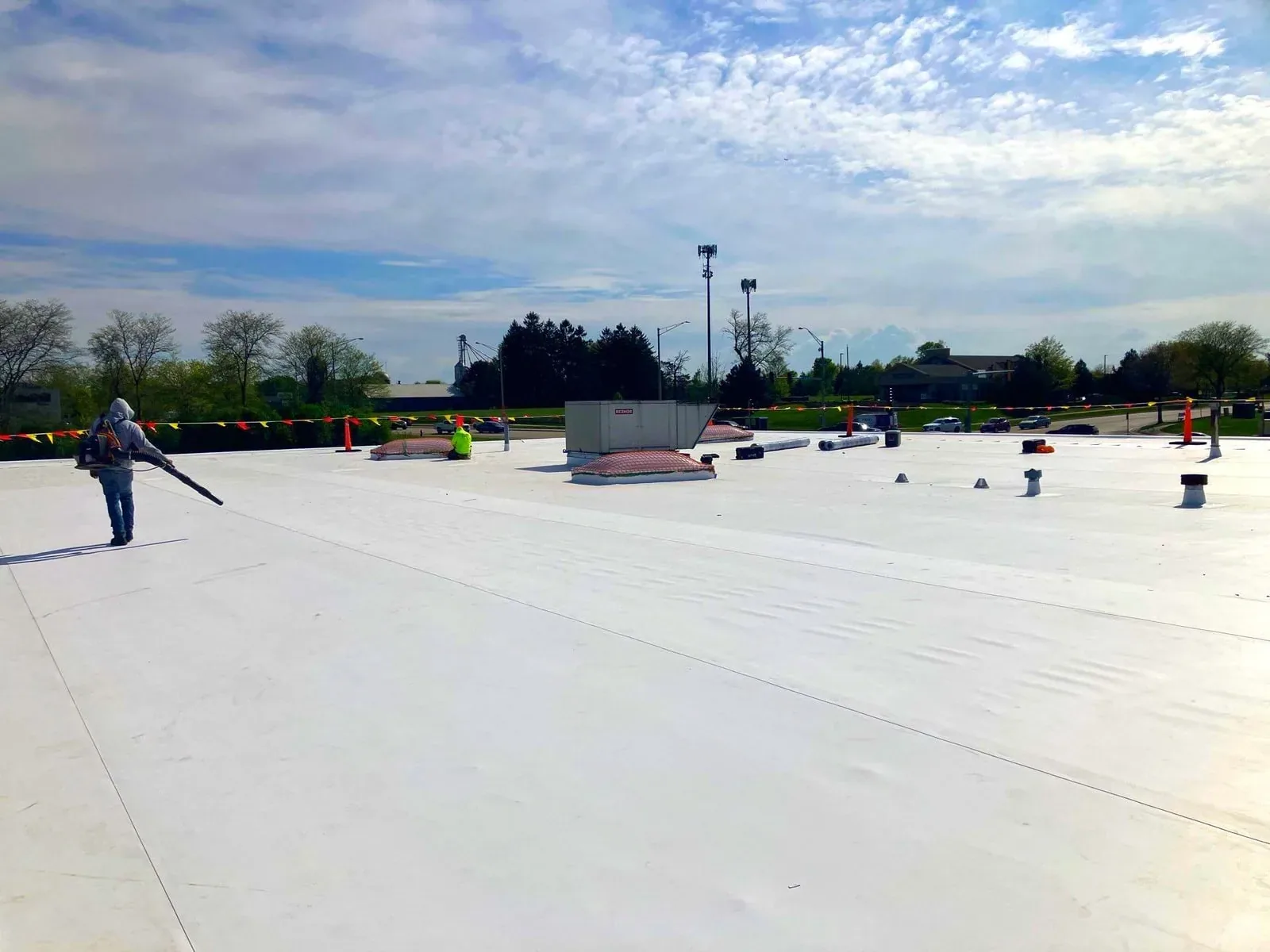
Sequence: fit work to operations and weather
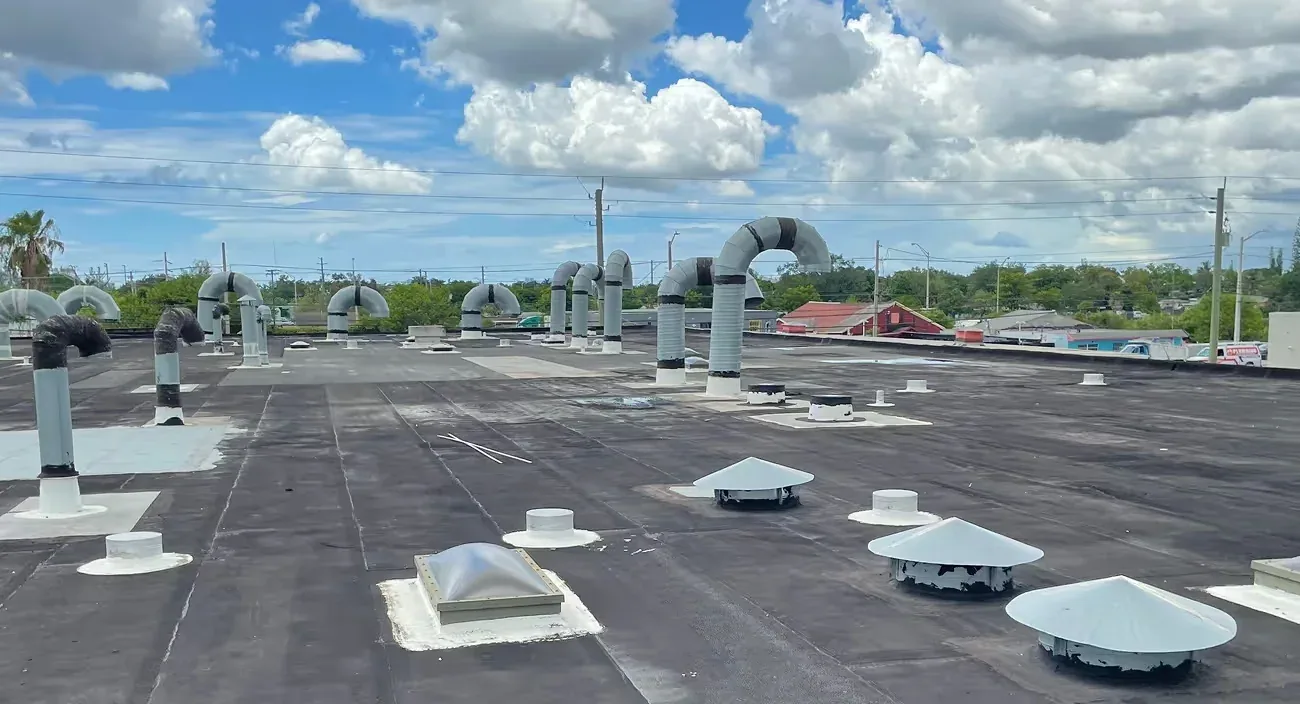
Capital timing depends on access, material lead time, owner approvals, and how much building activity must remain open. We identify work that can be completed in one visit and work that requires phases. A manufacturing or healthcare facility may need a restricted window around equipment and operations. A downtown building may have different staging or pedestrian controls. The property contact confirms those constraints before a schedule is set.
Elgin averages 29 inches of annual snow and has 137.9 below-freezing days. These seasonal facts can affect roof entry and repair preparation. We use a safe window for fieldwork and identify when an inspection or bond must wait. The budget can separate temporary protection from permanent work so an urgent condition does not erase the planned capital scope.
The work calendar can group properties by owner availability and operating window. A multi-site schedule can align inspections across Elgin’s business parks while retaining a separate scope and decision date for each building.
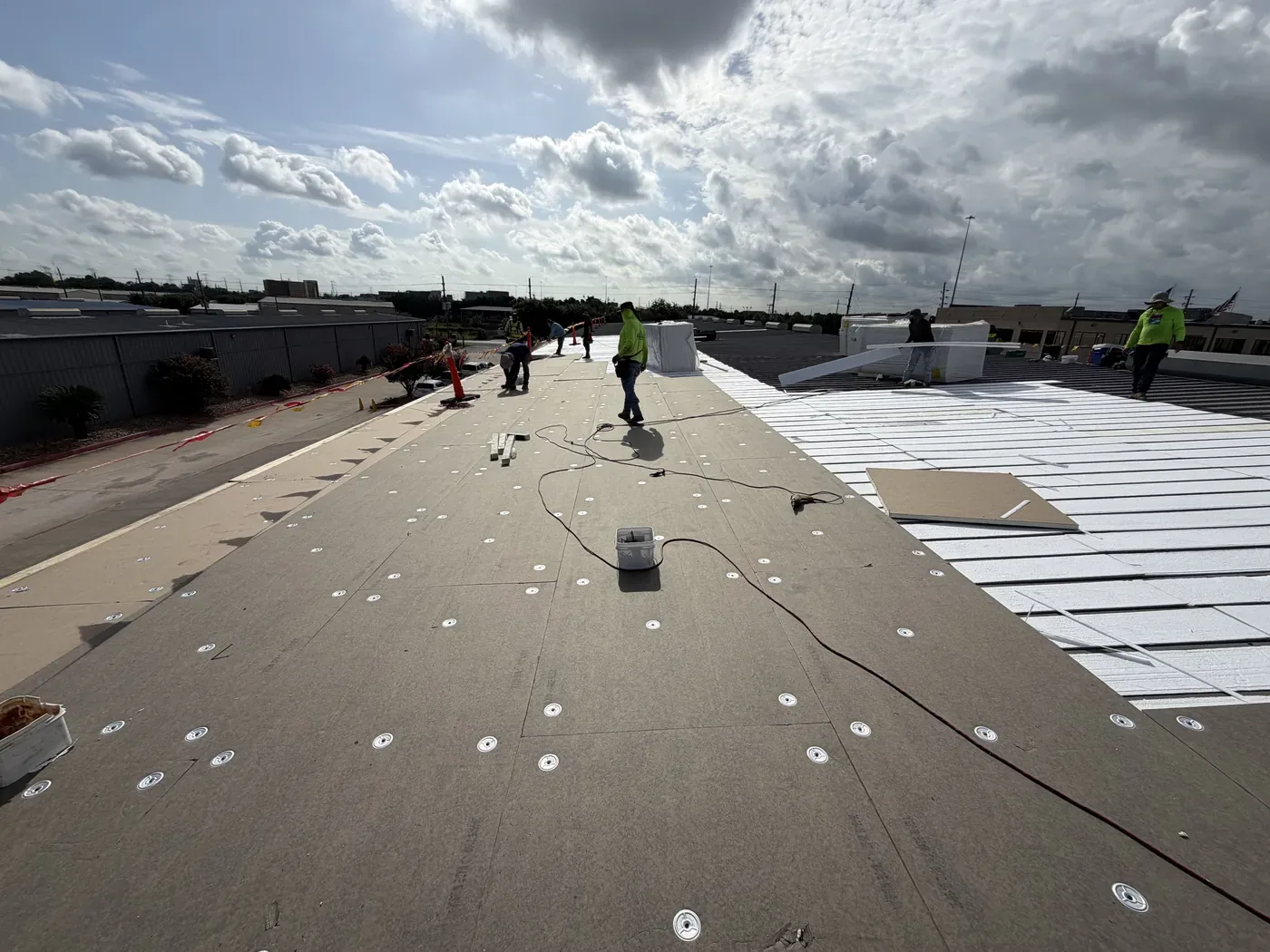
Funding review: show what moves each option
A useful capital summary names the decision date, estimated scope, inspection date, known assumptions, and consequence of waiting. We can identify a short-term repair, a test that could change the plan, and a broader renewal alternative. The owner or asset manager decides funding priority. We do not assign business value to a building without the owner’s operating information.
If the budget spans more than one year, document which roof areas are included in each phase and how temporary protection will be maintained between phases. State whether prices, material selections, access, or quantities need updating before award. A deferred item should include a monitoring action and trigger for earlier review, such as active water or a newly exposed detail.
Warranty obligations, tenant requirements, code review, and work by other trades can change the sequence. We identify where those checks remain open. The owner’s design professional and the City determine applicable code requirements. A warranty review can check the available file before a repair or recover option is selected.
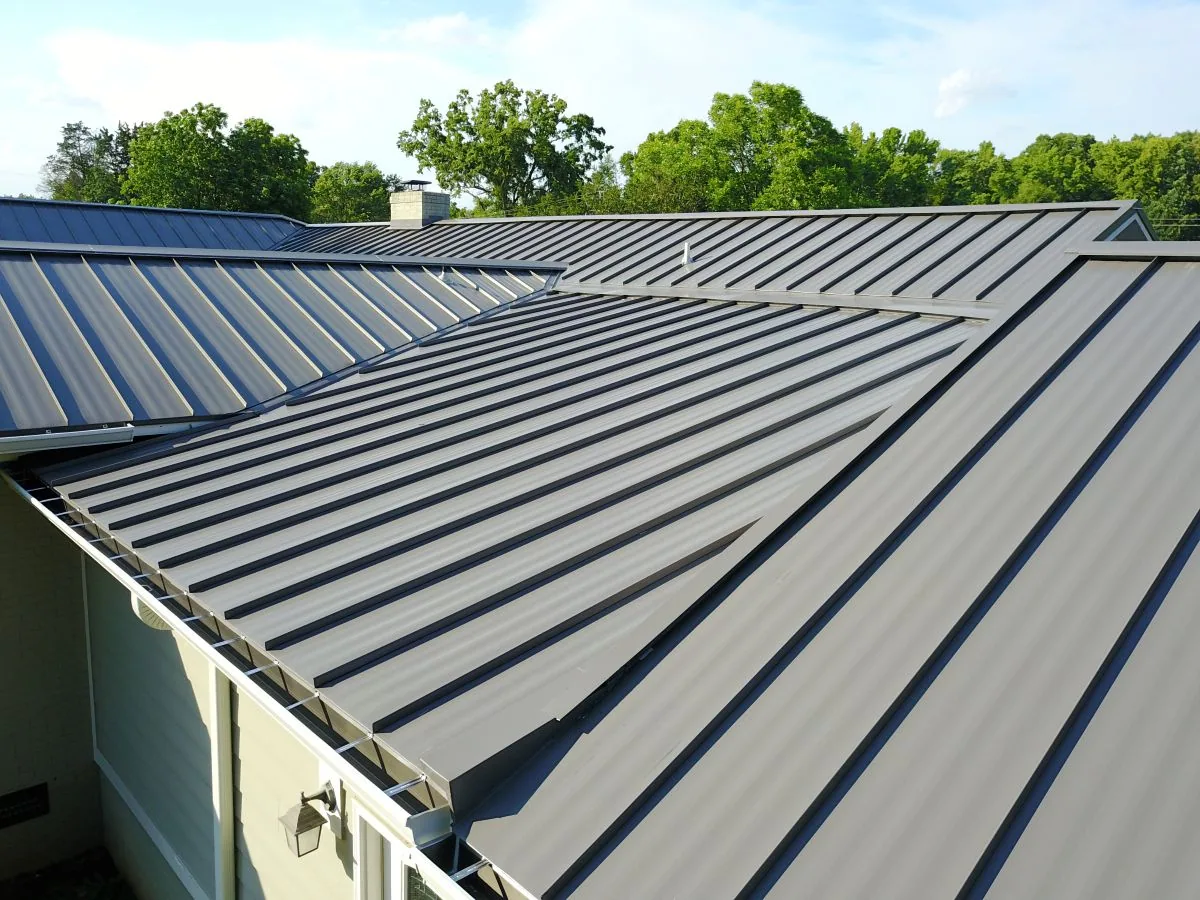
Approval points: keep assumptions visible
Before work starts, confirm property authority, roof access, approved area, material, work hours, and change procedure. If removal reveals damage beyond the estimate, the crew photographs it and pauses at the agreed boundary. The owner receives the added work, quantity, and schedule effect. This keeps budget authorization tied to a current condition rather than allowing an unreviewed scope expansion.
At closeout, record the completed roof zone, material, photographs, remaining condition, and any test still due. Update the capital file only after the work is confirmed. If an estimate remains open, mark it proposed rather than completed. A property manager can coordinate tenant notices and building access, while the asset owner retains budget approval.
For acquisition or refinancing, the buyer may need an independent condition snapshot before setting reserves. A due-diligence survey can document observed roof conditions and limits at the time of review. It does not promise future performance or replace a final bid scope.
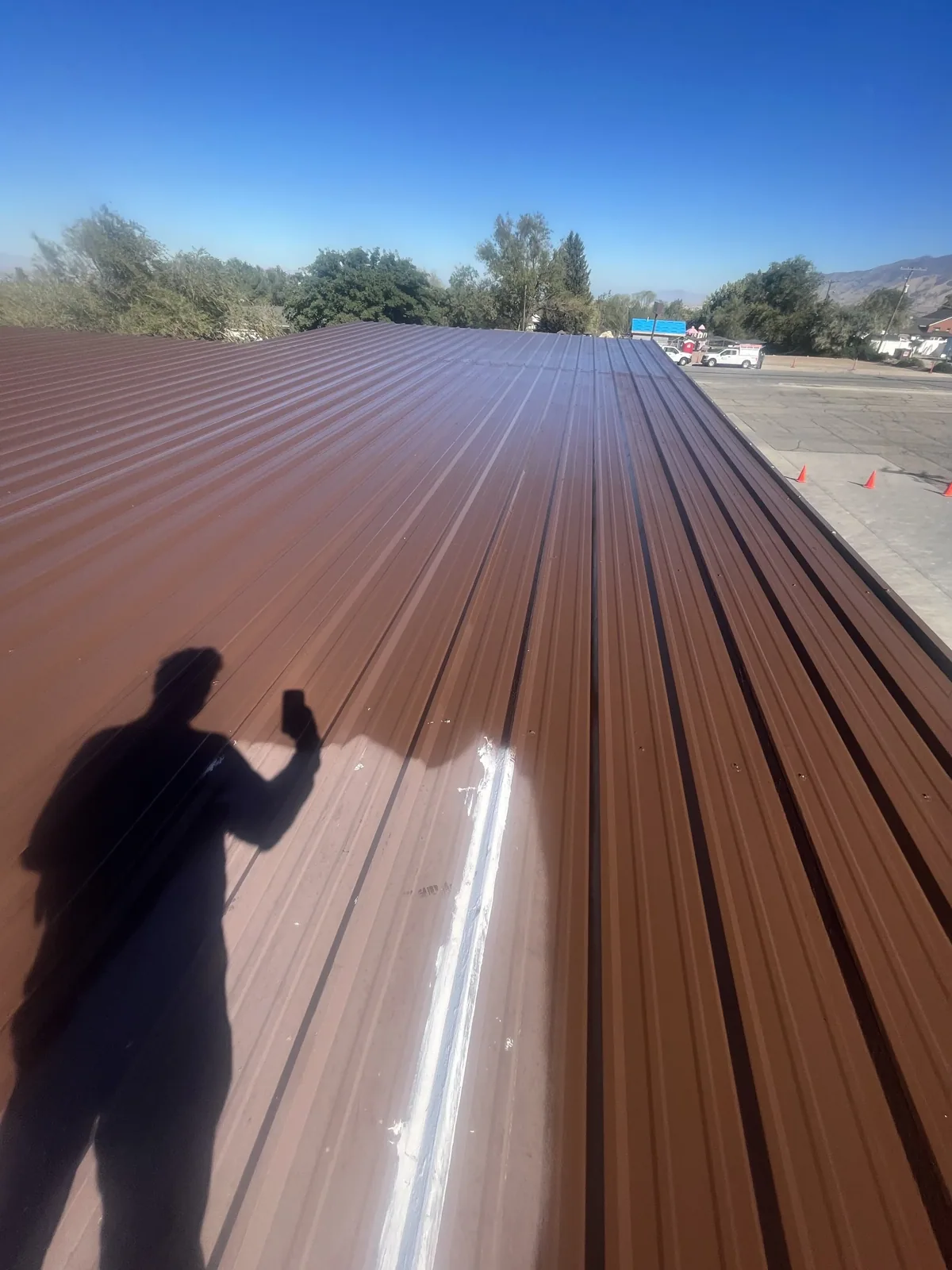
Next step: turn the portfolio list into decisions
Send the property list, roof plans, repair history, known leaks, access contacts, and planning period. Identify which buildings have active water, which need a condition review, and which already have an approved project. We will organize the inspection and estimate sequence around those decisions.
For Elgin properties, include any known snow or storm reports with their dates, but keep the event separate from the roof diagnosis. A capital plan uses field evidence, project assumptions, and owner timing. Each line should end with a clear next step: authorize repair, approve testing, request a broader estimate, monitor, or defer with a stated review trigger.
Questions About Commercial Roof Capital Planning
How should we budget a roof when the system is not verified?
Start with an inspection or record review that identifies the system and accessible roof zones. Any estimate before confirmation should label its assembly and quantity assumptions.
Can a capital plan include repairs and replacement options together?
Yes, when each option has a defined boundary and basis. We separate confirmed repairs, tests, and broader alternatives so the owner can compare like decisions.
Does Elgin storm history change a roof replacement date?
It can support a timely inspection after a reported event, but it does not set a replacement date for one building. Current roof evidence and owner priorities guide the plan.
What happens if concealed damage changes the approved scope?
The crew documents the exposed condition and pauses at the authorization limit. The owner reviews the added quantity, material, and timing before work expands.
Can a multi-year plan group work by Elgin business area?
Visits can be sequenced by location when access and operations allow. Each property keeps its own inspection record, estimate, scope, and approval.