Commercial Roof Asset Management in Elgin, IL
Set up a commercial roof asset review
Share the property list, roof plans, prior repair records, site contacts, current leaks, and review period. We will define the first inspections and portfolio decision points.
Commercial Roof Asset Management
A portfolio list is useful only when each roof has a current record. We identify the building, roof sections, system where verified, last inspection, active issue, and next decision. The asset manager can then separate emergency response from planned work. We keep each property’s findings tied to its own date and area instead of assigning one condition to an entire portfolio.
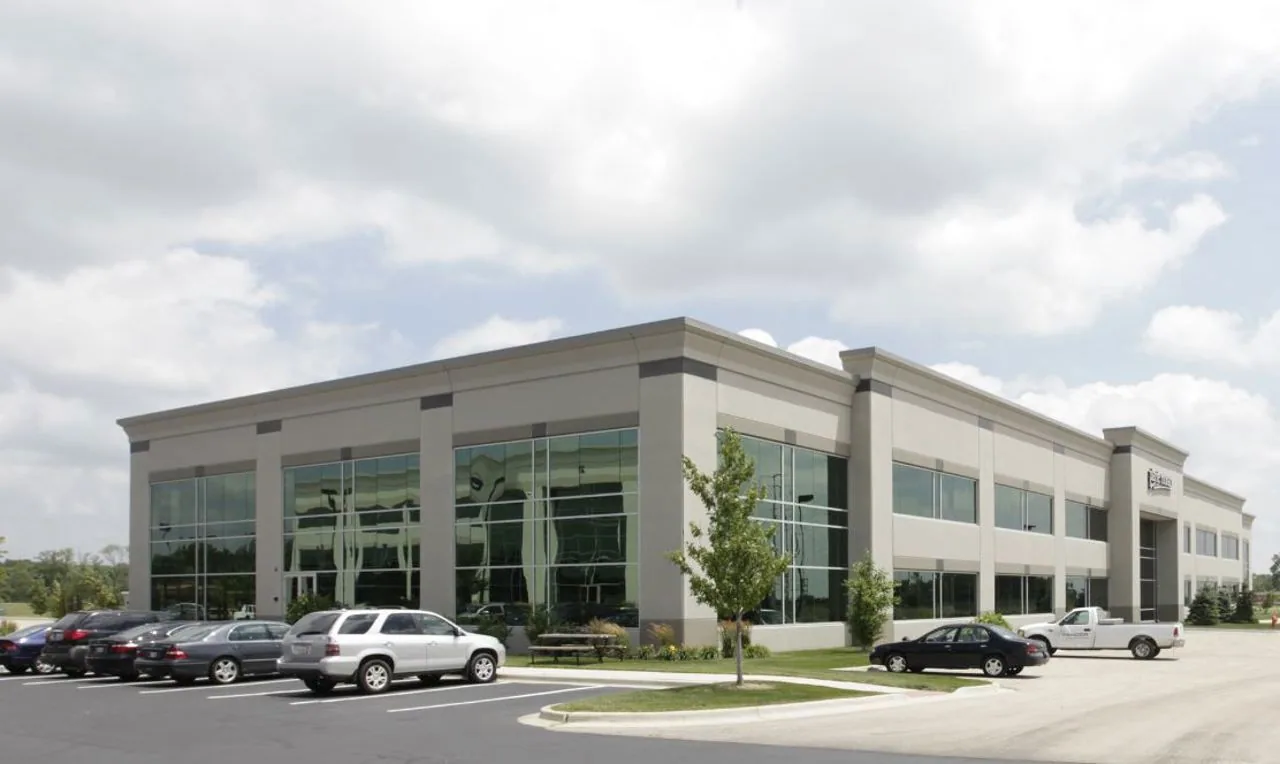
Elgin includes office, research, and industrial parks, and its employers include manufacturing, healthcare, education, food processing, and commercial equipment. Different uses bring different access and operating needs. A site at Randall Point Executive Center and one in Burnidge Big Timber Industrial Park need separate roof records, contacts, and dispatch plans.
Inventory: establish a reliable roof record
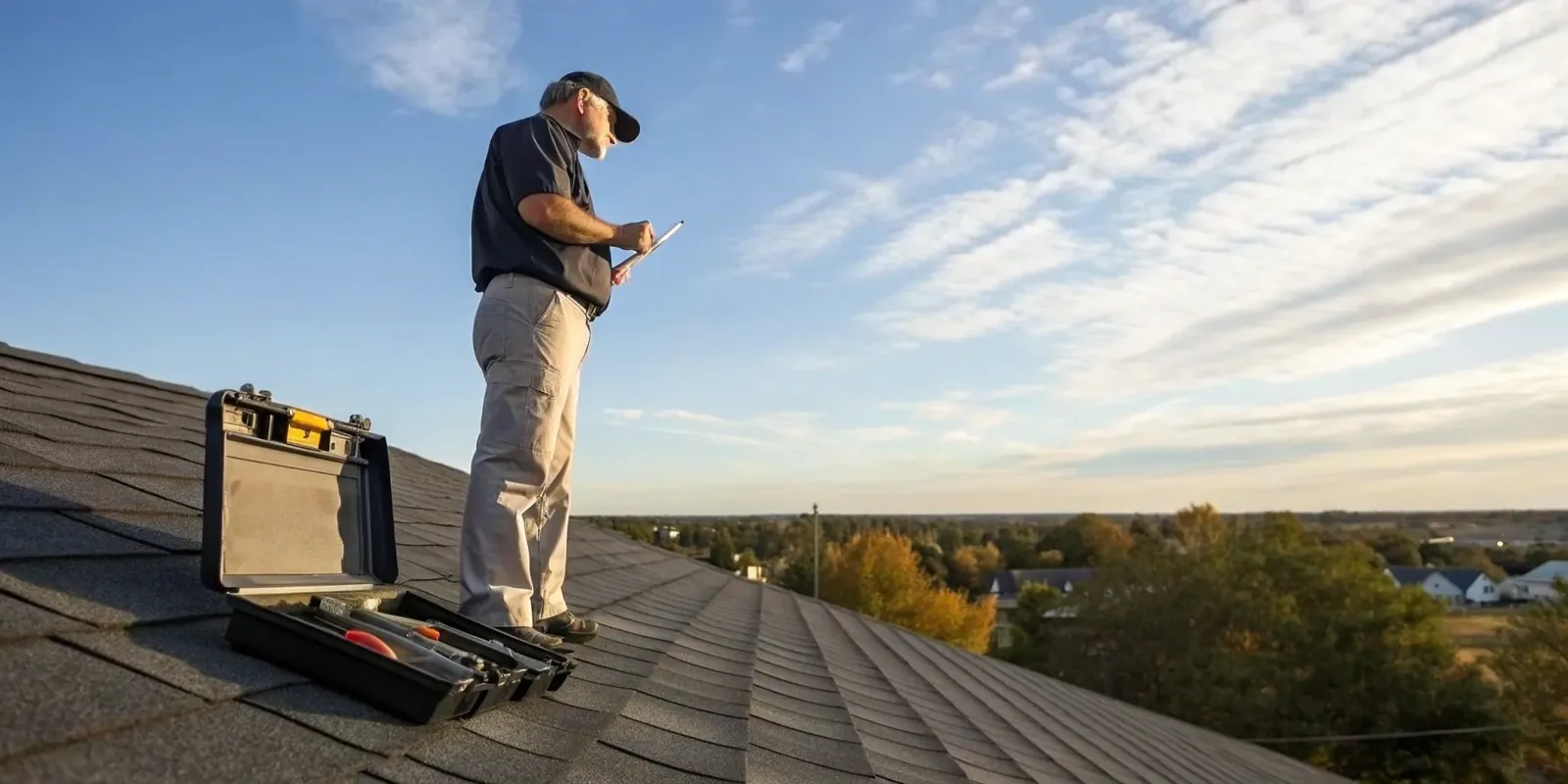
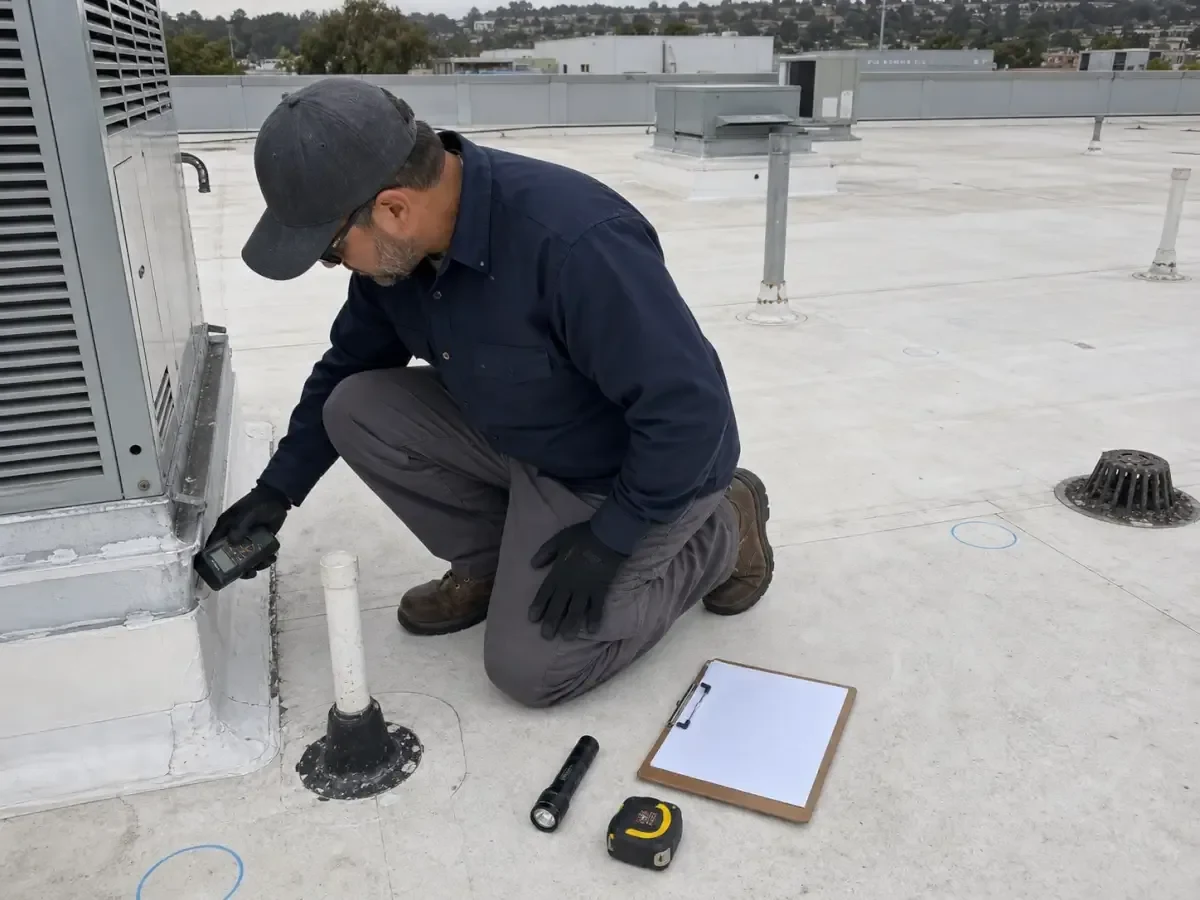
We start with a building register that identifies property name, address, occupancy contact, roof zones, system if known, access route, and current work authority. Roof plans, repair invoices, warranty files, and equipment layouts can support the inventory. We compare those records with visible field conditions and mark mismatches. An old plan is a reference, not proof that later work did not change the assembly.
Each observation belongs to a specific roof section. One wing may have a different system, repair history, or drainage layout from another. We record section boundaries and show them on the plan or photo index. If a section cannot be accessed, the record marks it unknown rather than assigning it the condition of a nearby area. That distinction matters when the owner compares work requests.
For a property group, the register also tracks who can authorize entry, approve testing, accept an estimate, and direct added work. A tenant who reports a leak may not control the roof. The site contact confirms access and operating limits before dispatch. A roof condition report can tie photographs, findings, and follow-up actions to those building records.
Condition tracking: keep priorities tied to evidence
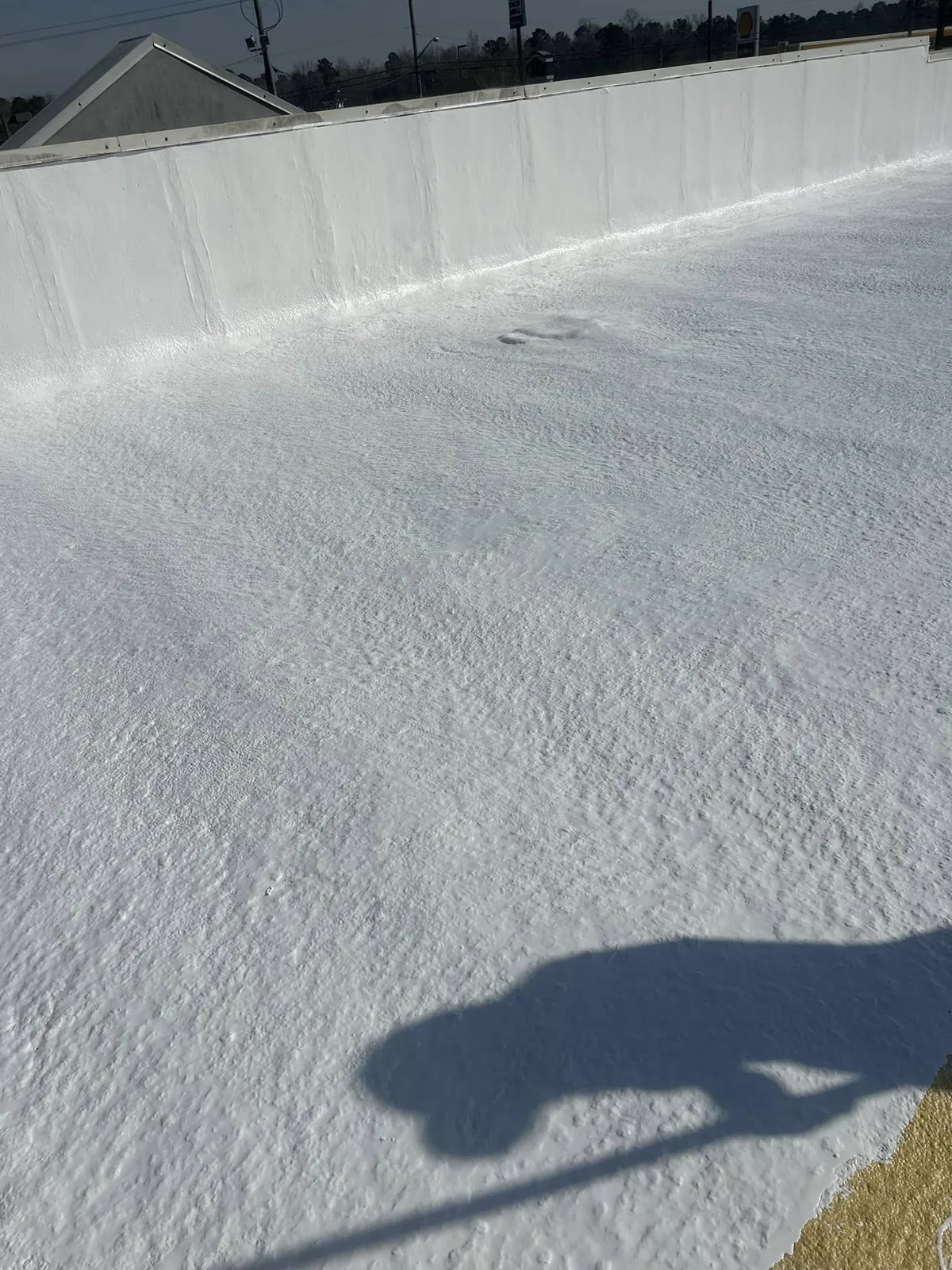
Use repeatable condition labels, but retain the observation behind each one. Active water, open seam, patch failure, wet insulation, and deferred access are not interchangeable risk levels. We identify the roof zone, what we saw, what remains uncertain, and the next action. The annual Elgin snowfall average is 29 inches; freezing days total 137.9. Use current roof access, not the seasonal average, to set priority. Seasonal exposure can affect safe entry, drainage review, and maintenance timing. Those numbers do not establish a defect on one roof. We record the actual surface condition and access date. The July 2023 EF1 tornado crossed Elgin and caused reported damage to several structures along its path; each portfolio property still requires its own inspection.
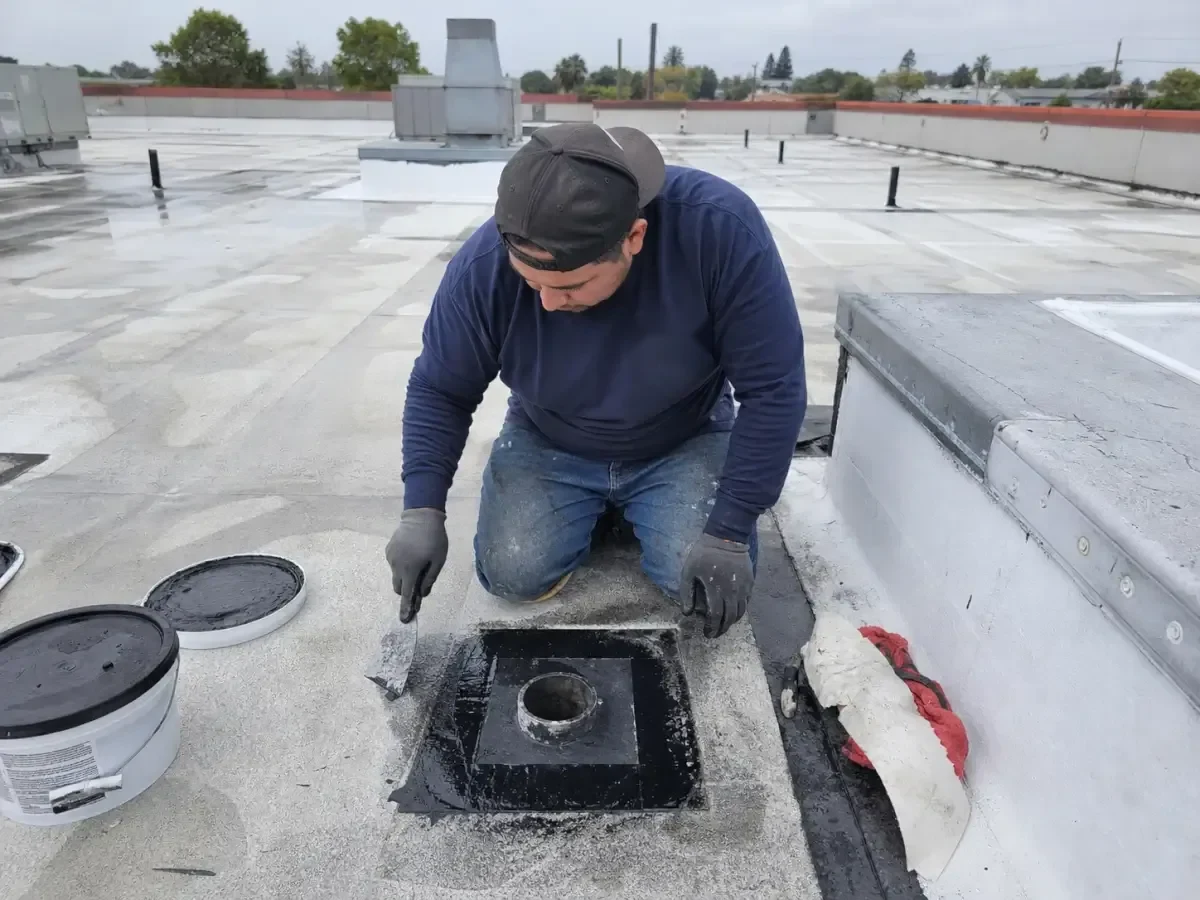
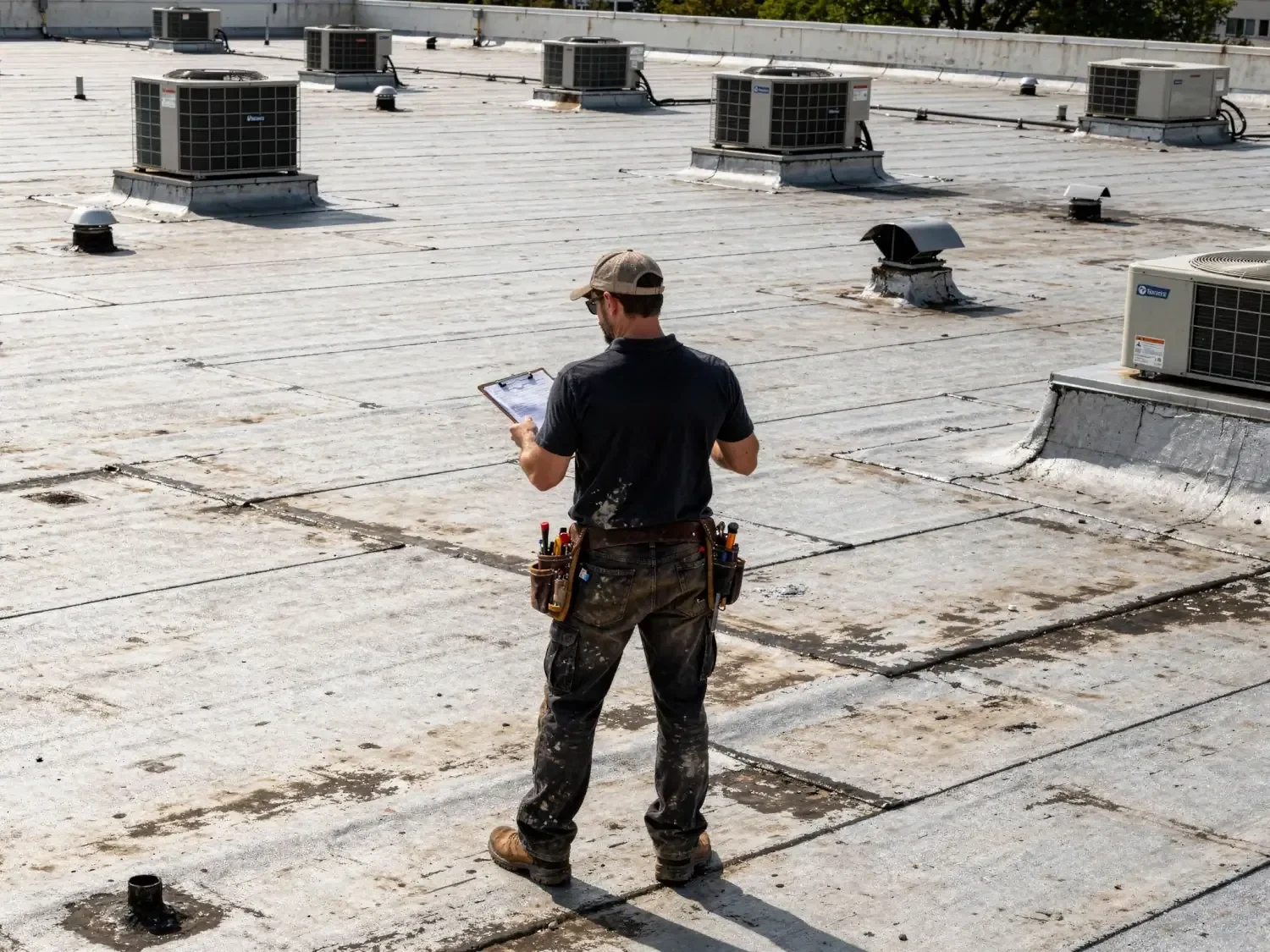
Condition tracking should retain photo dates and the repair boundary. When a later visit covers the same area, we compare the new condition against the prior image instead of assuming the repair succeeded or failed. A maintenance inspection can revisit drains, seams, edges, and known repair zones on an agreed schedule. Open items move forward with a named contact and a next review date.
Risk ranking: decide what needs attention first
A useful priority review considers active leakage, safety, building use, number of affected zones, and what is known about the assembly. We identify immediate protection needs before long-term capital questions. A public entrance or active production area may need a different dispatch window from a vacant storage area. The owner sets business priorities; our records explain the roofing evidence and limits.
Separate urgent work from condition that can be monitored. An open roof entry with active water may need temporary control. A weathered coating with no reported interior impact may need testing or scheduled review. We identify the decision each item needs, the information still missing, and the person who can approve the next step. That creates a clear queue without implying that every asset has the same urgency.
Portfolio comparisons should not convert a rough score into a remaining-life promise. We can group roofs by observed issue, system, or timing need. A test result, concealed deck condition, or later repair can change that view. The report states its date and inspection limits so leadership can use it as a decision aid rather than a warranty or engineering conclusion.
Work coordination: connect budgets to field decisions
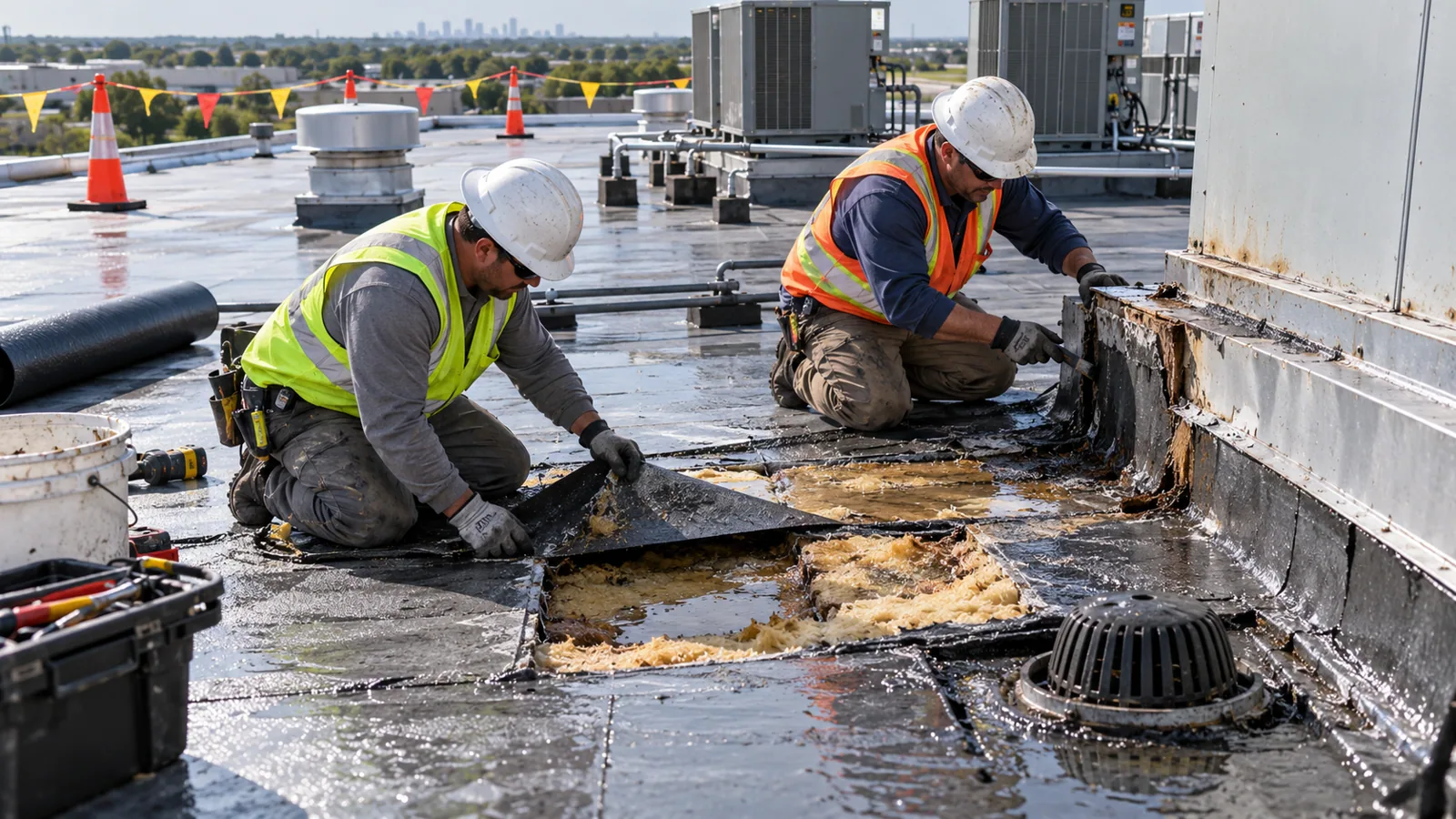
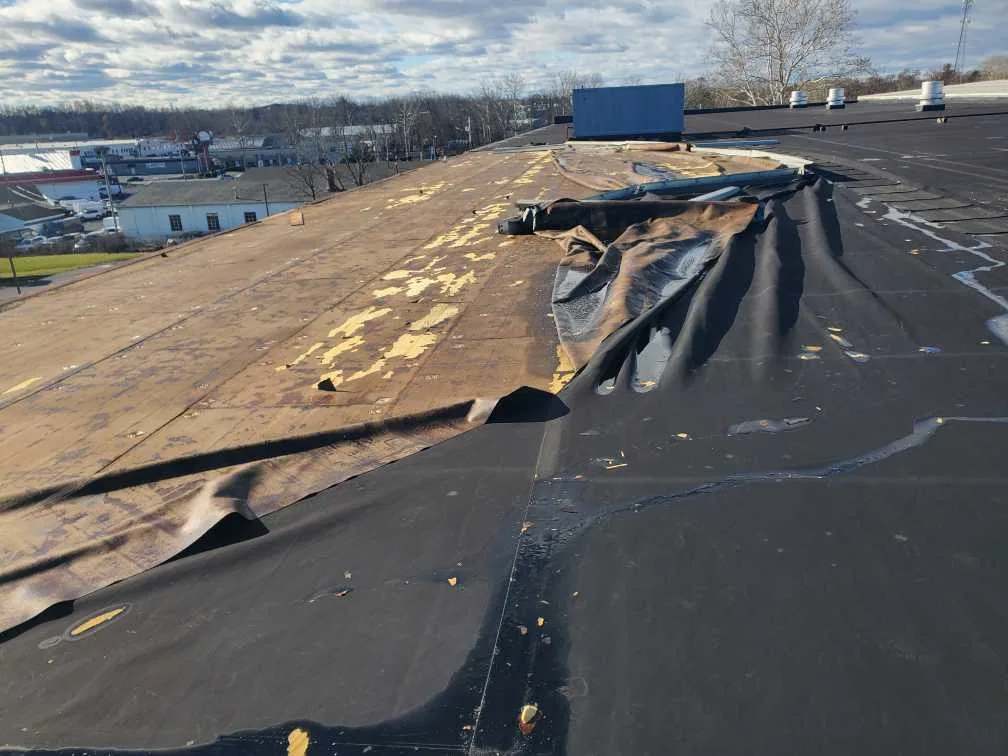
Once priorities are set, we identify the approval point for each work item. A scope should state building, roof zone, material, access, preparation, quantity, and exclusions. If the crew finds hidden damage after removal, the work pauses at the agreed boundary. The owner receives photographs, the added condition, and a schedule effect before authorizing additional work.
For multi-building programs, dispatch can be grouped by property readiness and the site contacts who can release each roof. The coordinator confirms the approved arrival point and staging for every visit. Elgin’s commercial areas include mixed office/research and industrial areas, but parcel-level instructions determine the working route.
Where a repair may turn into replacement, compare the confirmed condition with the cost and timing drivers for each option. We document the test or opening that would change the estimate. A capital plan can sequence those decisions across budget periods, while the owner retains authority over timing and funding.
Warranty and risk: track obligations without assumptions
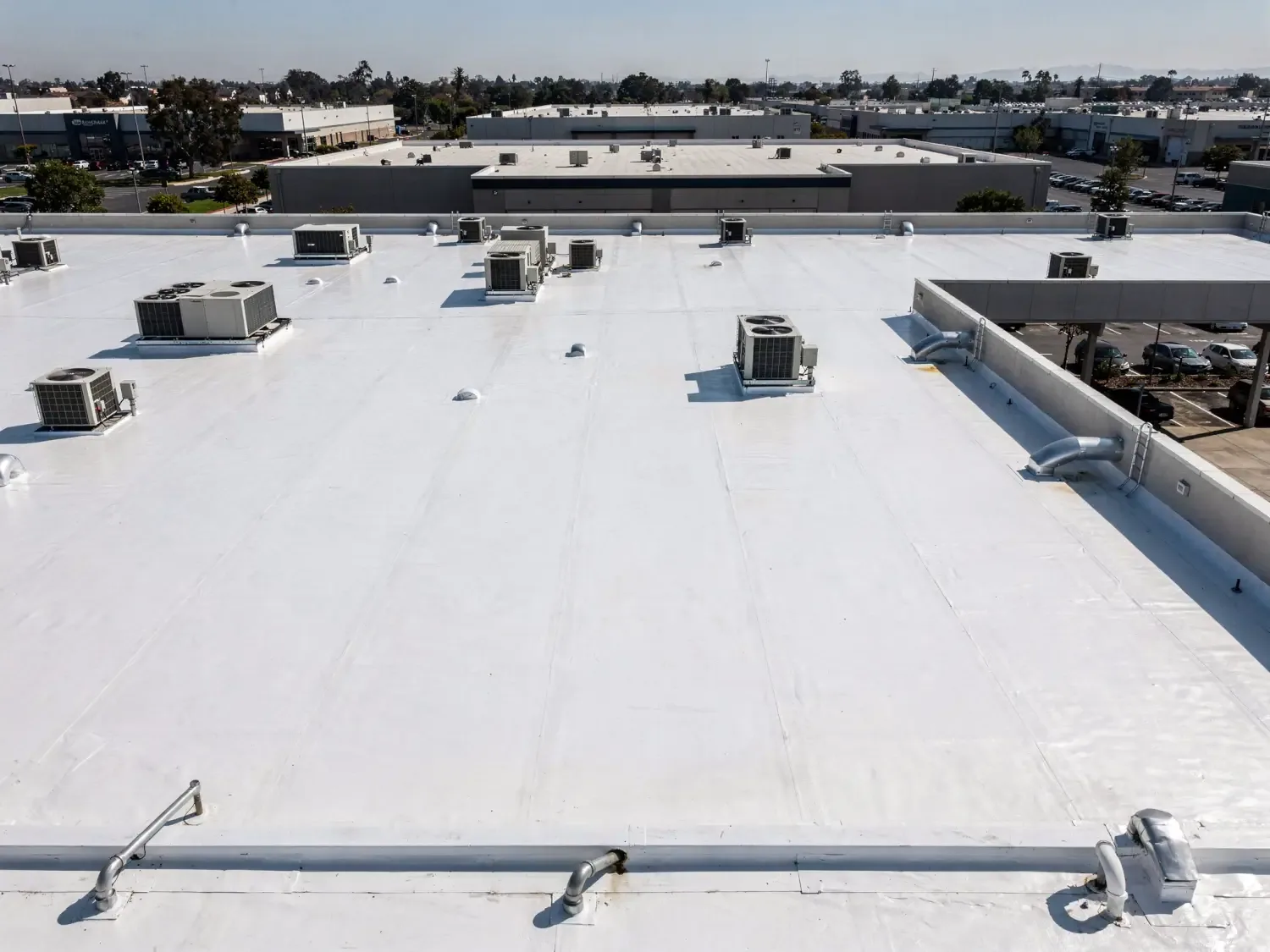
Warranty records should identify the issuing party, covered assembly, term, inspection requirement, exclusions, and current service contact where documents provide them. We review available files and note missing information. A roof’s manufacturer name alone does not establish that coverage remains active or that a proposed repair will preserve it. The owner or issuing party confirms obligations before work changes the assembly.
When a repair may affect a warranty, we identify the planned detail, material, and work boundary for review. We do not promise that a repair will be accepted. The file records who approved the method and what closeout documents were delivered. A warranty management review can keep expiration dates and inspection requirements visible across the portfolio.
For an acquisition or refinancing, the buyer may need a separate roof survey and access window. Asset-management records help locate plans and prior repairs, but do not replace a current inspection. A due-diligence roof survey records condition and uncertainty at the time of review.
Reporting: give each decision a clear next step
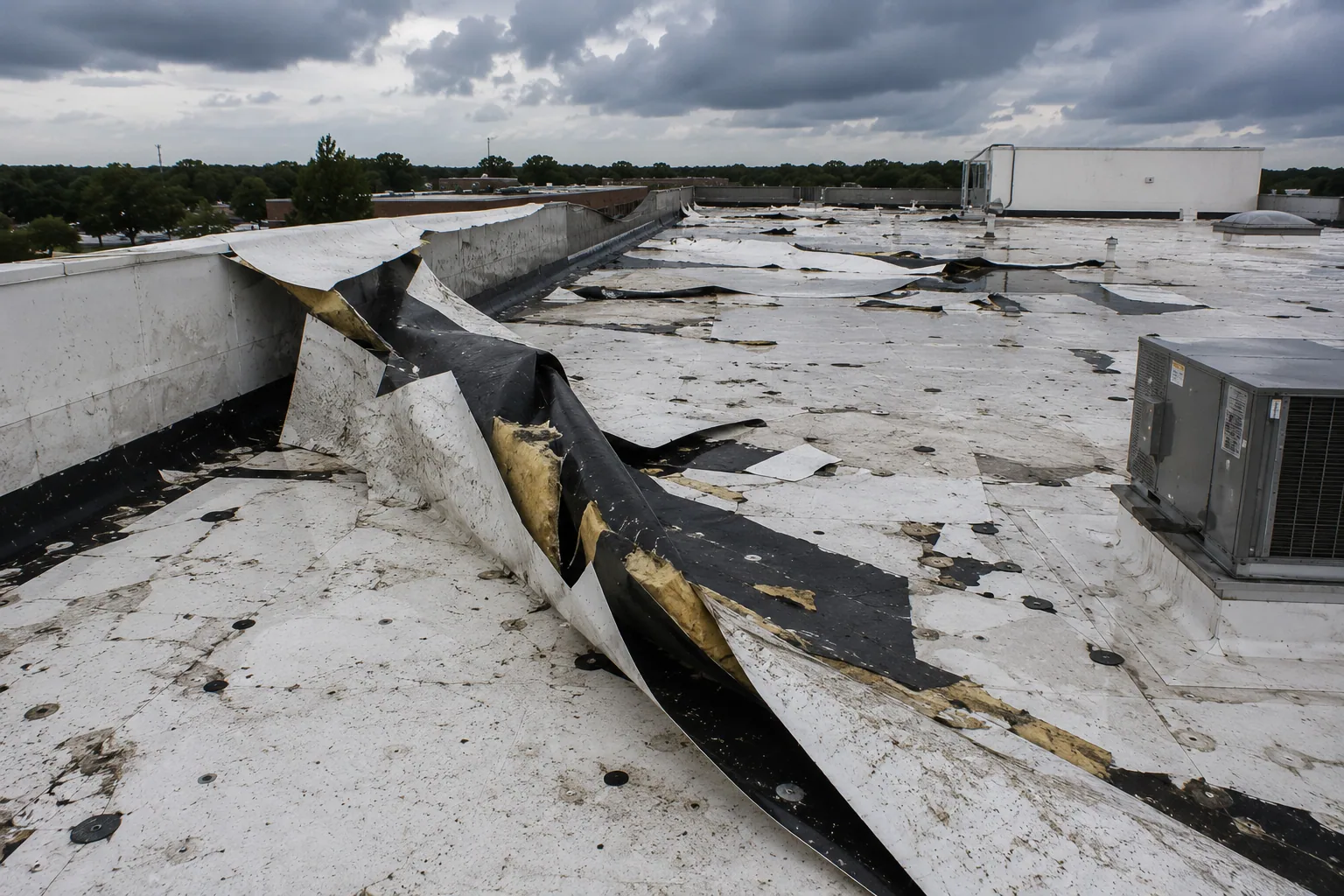
A quarterly or annual roof review can list inspected properties, open repairs, overdue access, unresolved tests, and next approvals. We distinguish completed work from proposed work and pending owner decisions. Each entry includes the source date, roof zone, contact, and status. A portfolio summary can be concise while retaining building-level evidence for review.
Elgin’s Downtown district, Randall Point Executive Center, and its industrial parks help orient local service planning. The site address and current operating contact still determine the work plan. A regional weather event does not establish the condition of an unvisited roof. Set priority from the property’s own inspection evidence.
Send the asset list, available roof plans, current service contacts, known leaks, repair records, and portfolio review period when starting a program. We will identify where the records are complete, what needs inspection, and which decisions require owner authorization.
Questions About Commercial Roof Asset Management
What should a roof asset register include?
Include each property, roof section, system where verified, access contact, inspection date, open condition, work history, and next decision. Unknown details should remain marked unknown.
Can one inspection score compare every building?
A shared format can support review, but each score needs its own field evidence and date. Building use, access, assembly, and observed condition remain property-specific.
How do you set repair priorities across a portfolio?
We separate active exposure, safety, confirmed defects, and testing needs. The asset owner sets business priority after reviewing the evidence and operating constraints.
Does a condition record establish remaining roof life?
No. It documents observed conditions and limits on its inspection date. Remaining-life opinions require supporting evidence and should state assumptions and uncertainty.
Can you group inspections by Elgin business area?
Dispatch can be grouped when access and operations allow. Each building retains its own entry instructions, inspection record, findings, and approval path.