Commercial Roofing in Brewster Creek Business Park, Bartlett, IL
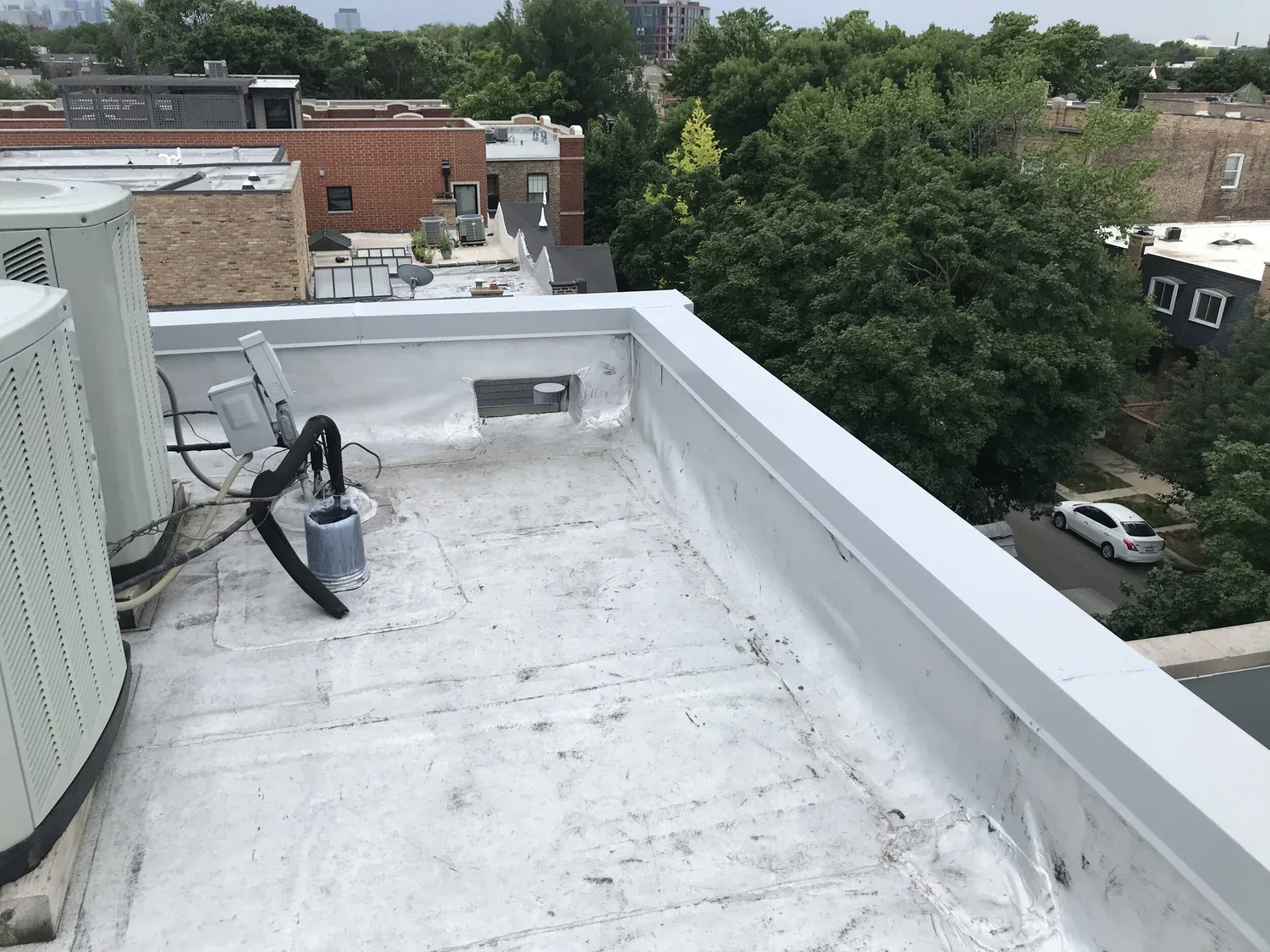
Coordinate a Brewster Creek roof inspection
Share the building, operation, access contact, and reported roof zone. We will set a safe visit window and approval sequence.
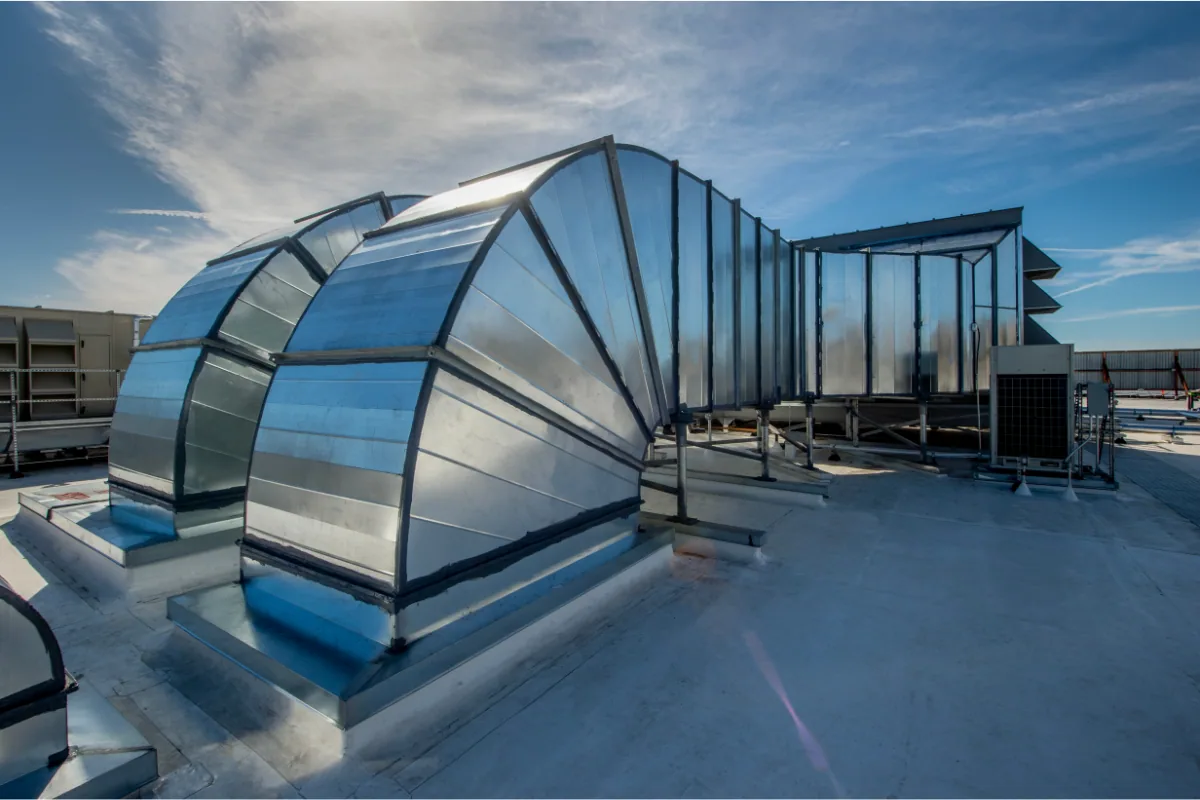
Brewster Creek Business Park, Bartlett
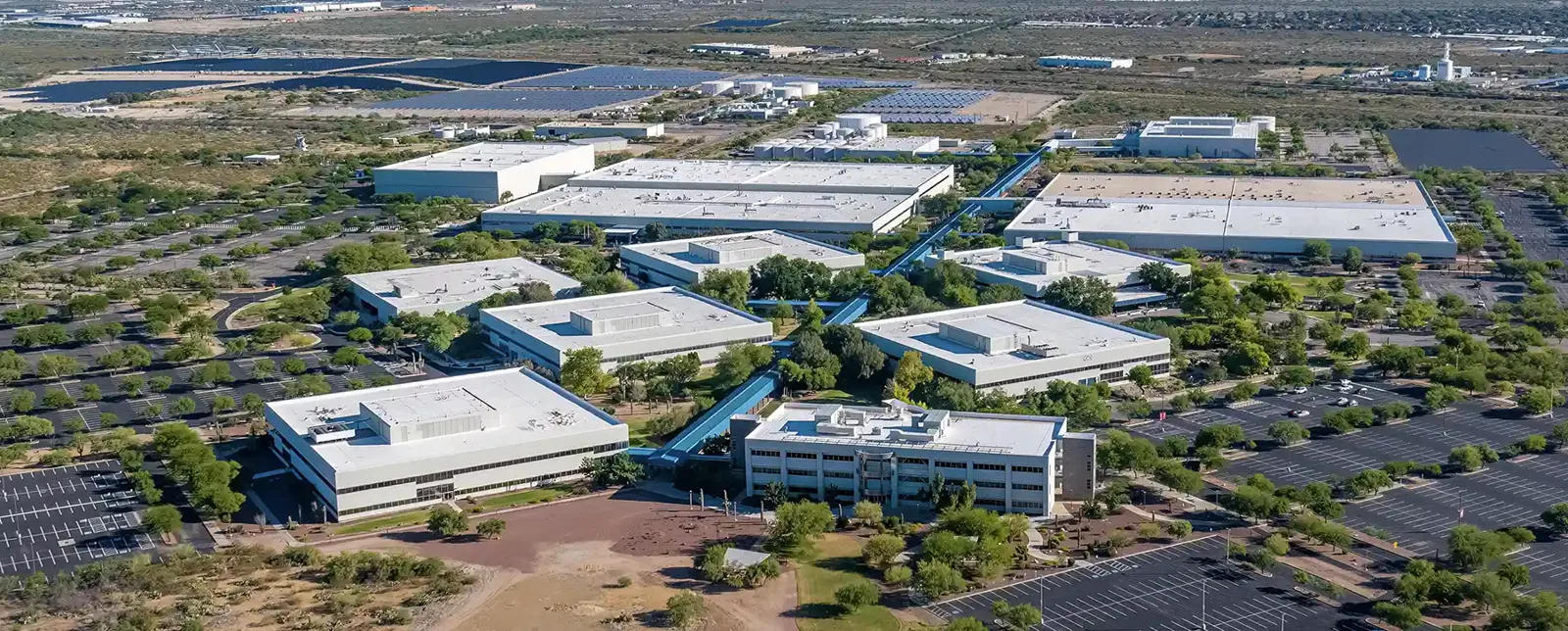
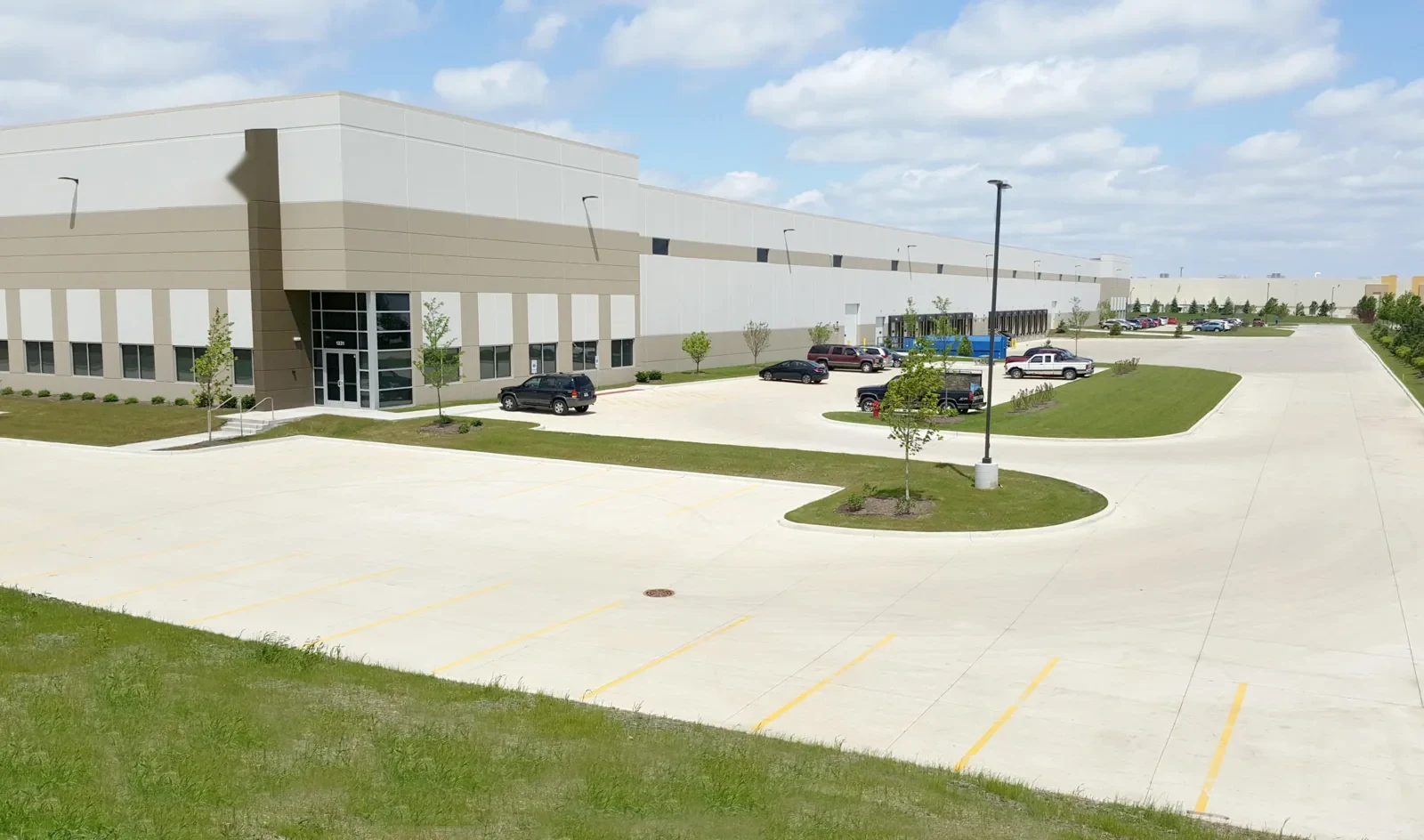
Brewster Creek Business Park is a multi-building Bartlett business area with 48 buildings and more than 75 businesses. Its uses include food distribution, robotics, warehousing, and automotive supply. The park also includes Fortune 500 businesses such as ITW and McKesson. Those operations make roof access and work phasing important, but no business name tells us the roof system at a particular building. We inspect each property and coordinate with its current contact.
The park contains more than 5.2 million square feet of business space. That figure describes business space, not roof area. For a portfolio review, we identify each building, roof zone, access rule, and operating priority separately. The owner can coordinate dispatch dates while keeping system condition and repair history tied to the right property.
At Brewster Creek, crews use the current weather window; nearby Elgin averages 29 inches of snow and 137.9 freezing days annually. At a Bartlett property, safe entry still depends on the roof's actual surface and current conditions. Snow can cover drains and seams; ice can make access unsafe. We record deferred zones, protect any exposed section, and give the site contact the next inspection window.
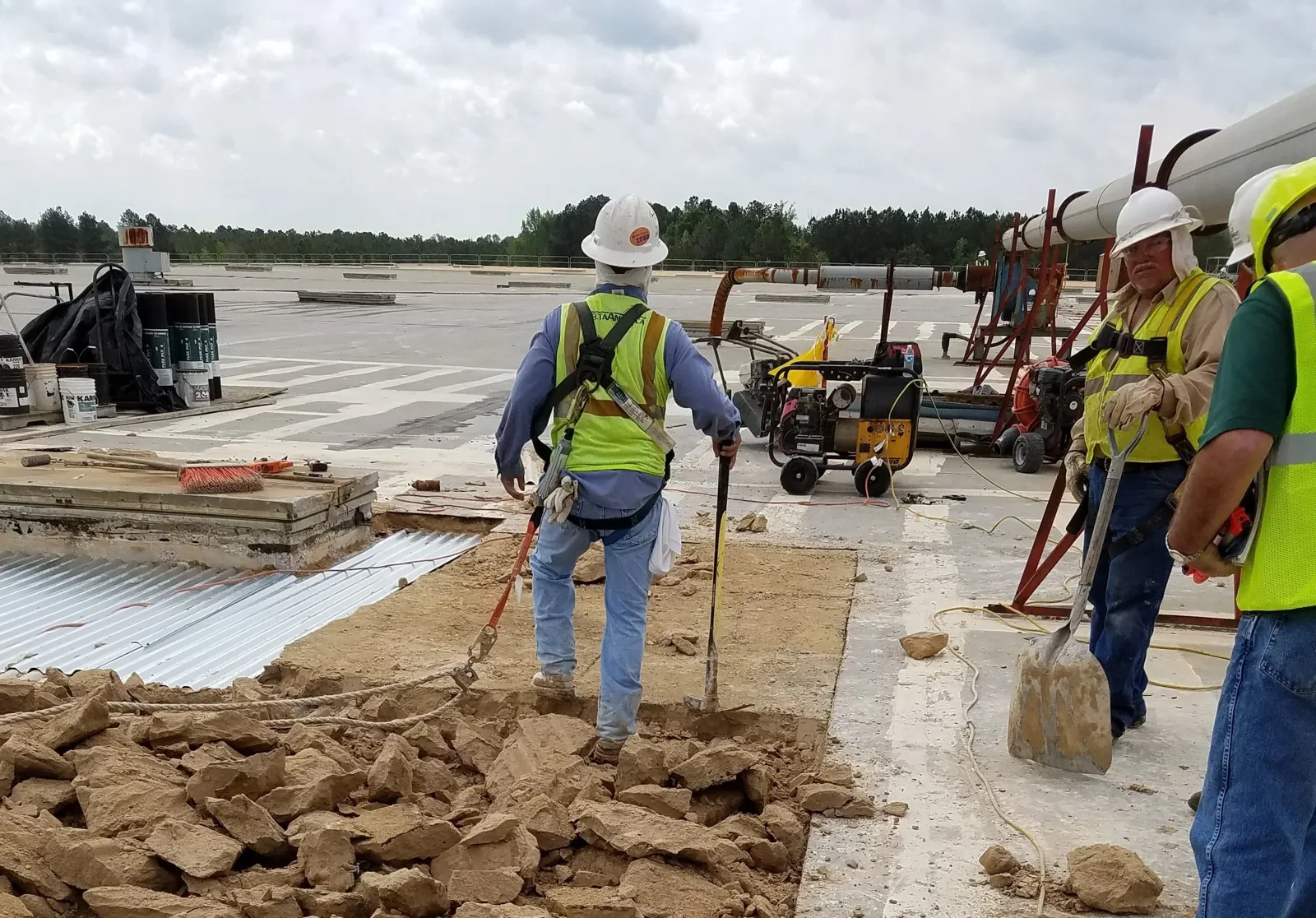
Portfolio dispatch: separate assets, coordinate timing
A site list helps set the first work sequence. The property contact confirms which building has active water, which roof is due for inspection, and where a planned replacement decision is pending. We ask about delivery schedules, operating hours, roof keys, escorts, staging, and any controlled process area. The plan should name the person who can approve added work before the crew reaches the roof.
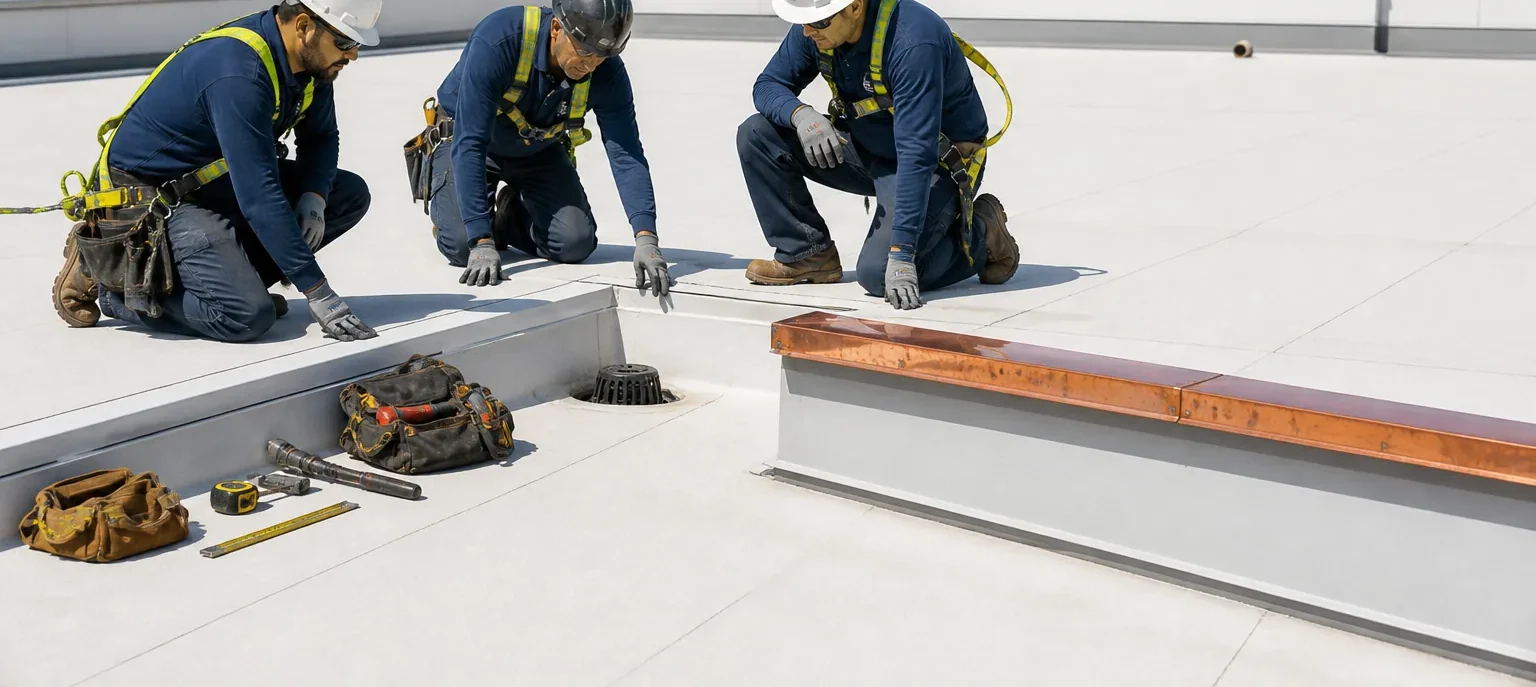
On each roof, the crew checks the visible membrane or covering, seams, laps, flashings, penetrations, curbs, walls, drains, scuppers, edges, and previous repairs. Photos identify the roof zone and surrounding details. If the building has a leak over storage or distribution space, we compare the reported room with likely water paths. The source may be offset by slope, insulation, or a curb. A ceiling mark is not enough to price a permanent repair.
For an owner coordinating several sites, a consistent condition log can help compare priorities. It should still preserve each roof's system, measured areas, active leaks, and access limits. The business-space total cannot substitute for roof takeoff. We measure the roof zones required for a repair or replacement estimate and show those quantities separately from the park's overall business-space total. That keeps planning numbers relevant to the scope.
Where robotics or production equipment is involved, access and protection below need confirmation with the current facility team. We do not assume a process can be interrupted or that rooftop equipment can be shut down. The site contact identifies what must remain operating, who can escort the crew, and how a roof opening will be secured. Work is sequenced around those conditions and documented at the end of each shift.
A portfolio report can separate active leak response, planned maintenance, testing, and capital work. One roof may need a drain correction; another may require moisture mapping before repair. Each finding gets its own date, photo, location, action, and approval status. That record helps an owner prioritize without carrying one building's defect or system assumption to another.
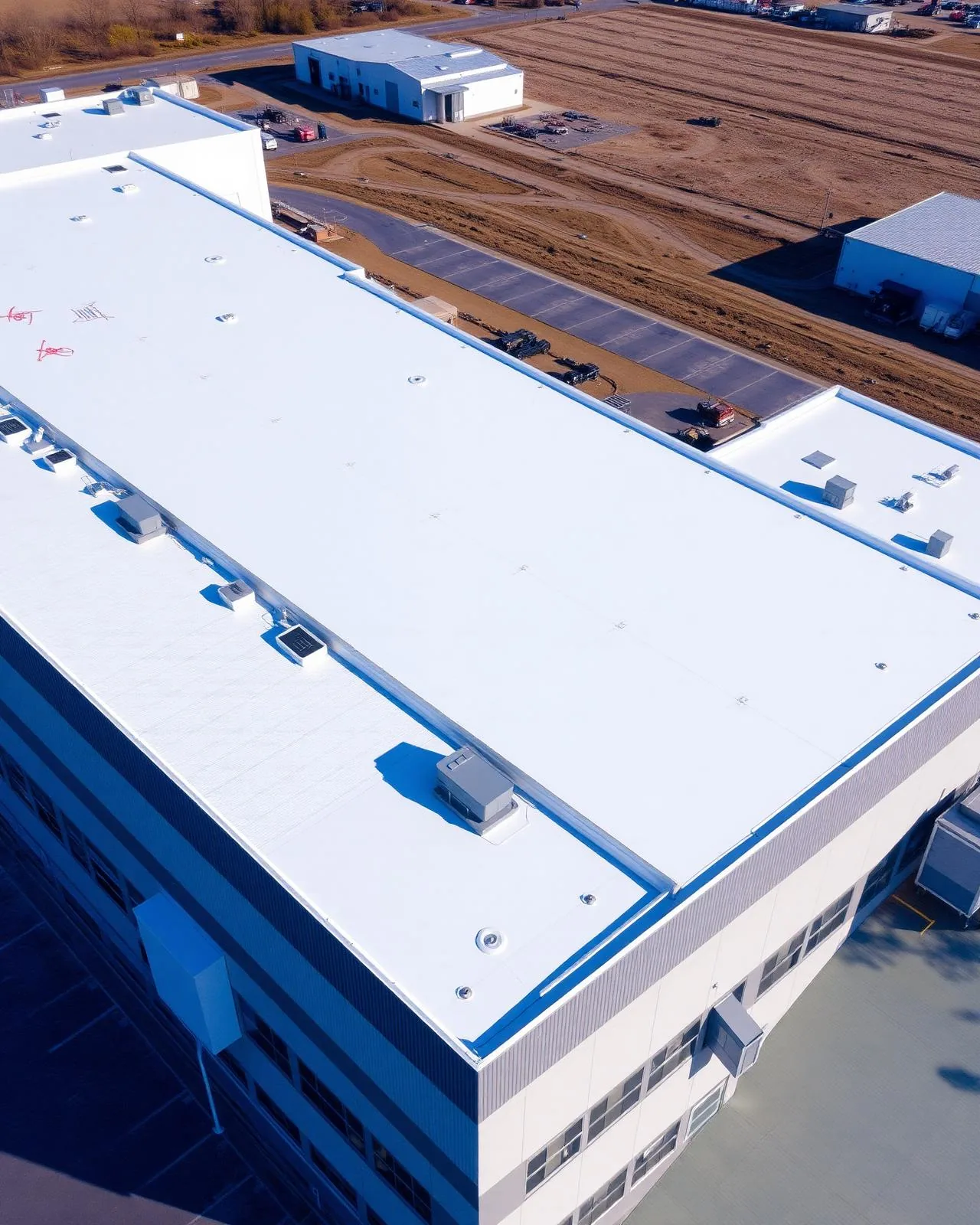
Operations plan: keep exposure under control
A roof repair at an active distribution or supply operation has two work areas: above the membrane and below it. The site contact identifies inventory, vehicles, equipment, or processes that may be affected. The crew confirms material delivery, lift placement, pedestrian routes, and any restricted hours. If the work passes over an occupied or controlled area, the scope states how protection will be handled before roof material is removed.
When water is active, we protect the interior and trace the roof route when entry is safe. The inspection checks seams, wall details, drains, equipment curbs, penetrations, and previous patches. A temporary cover may reduce exposure while the permanent detail is prepared. The closeout states where the measure was installed, its limits, and what remains. Temporary protection is not presented as a final repair.
If demolition exposes wet insulation, loose attachment, or damaged deck, we pause beyond the agreed perimeter. Photos and measurements go to the owner. The report describes the added condition, potential work, and schedule effect. The property contact approves any expansion. This matters when operations continue beneath the repair and the crew must keep an area dry each day.
If a roof area serves a temperature-controlled or inventory-sensitive space, the facility contact identifies the exposure before work begins. We agree on interior protection, access points, and a response if conditions change. The roof report ties those protections to the repair zone and closeout.
Elgin experienced an EF1 tornado in July 2023 that damaged roofs along its path. A Brewster Creek building still needs a property-level inspection after severe weather. We check current seams, flashing, edge metal, punctures, and equipment supports. The inspection note documents what is present and what remains uncertain. The weather event does not establish damage to a particular building or business.
System review: select compatible roof work
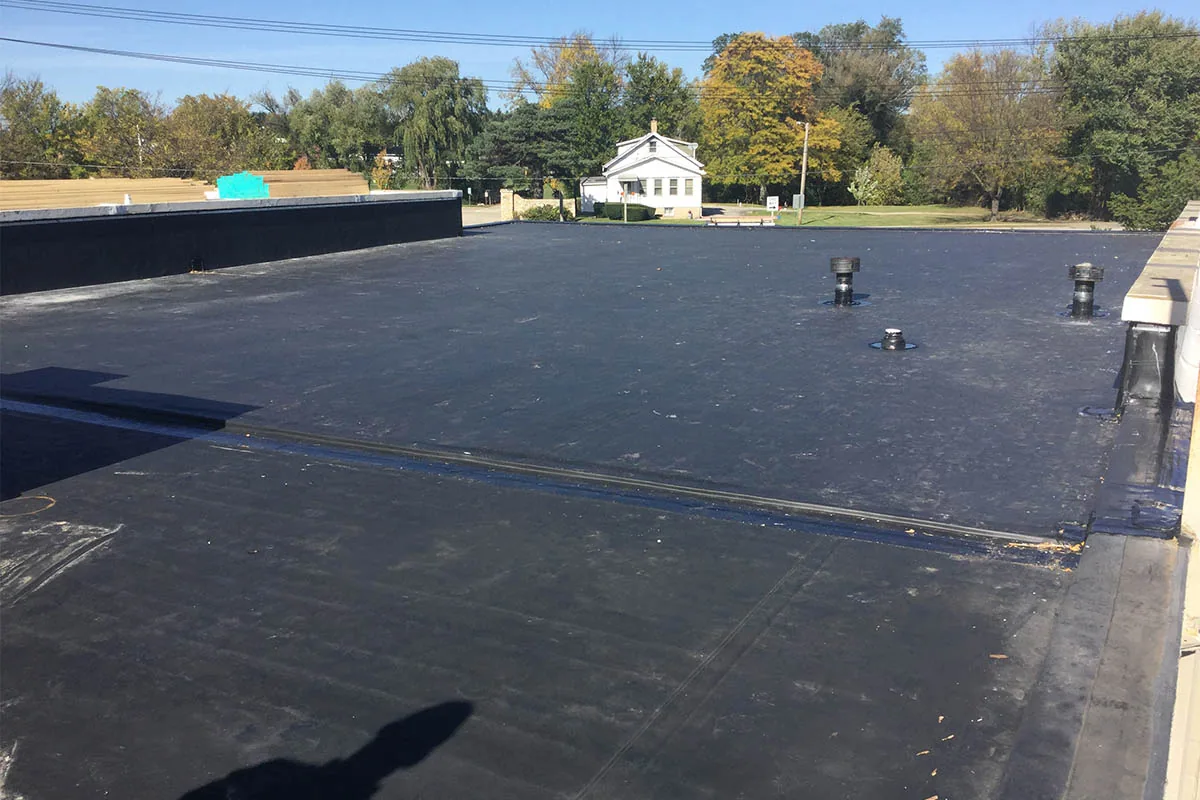
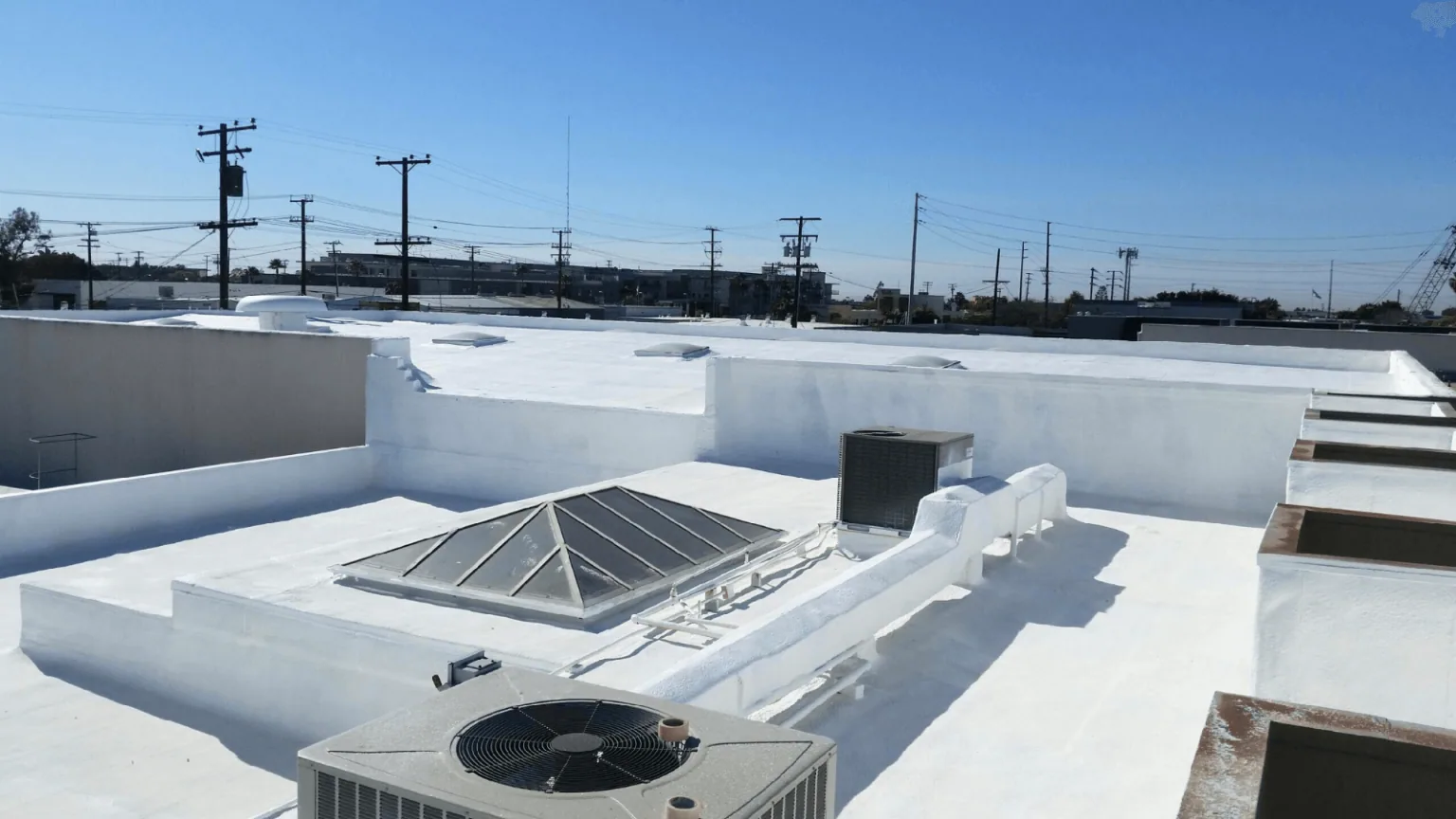
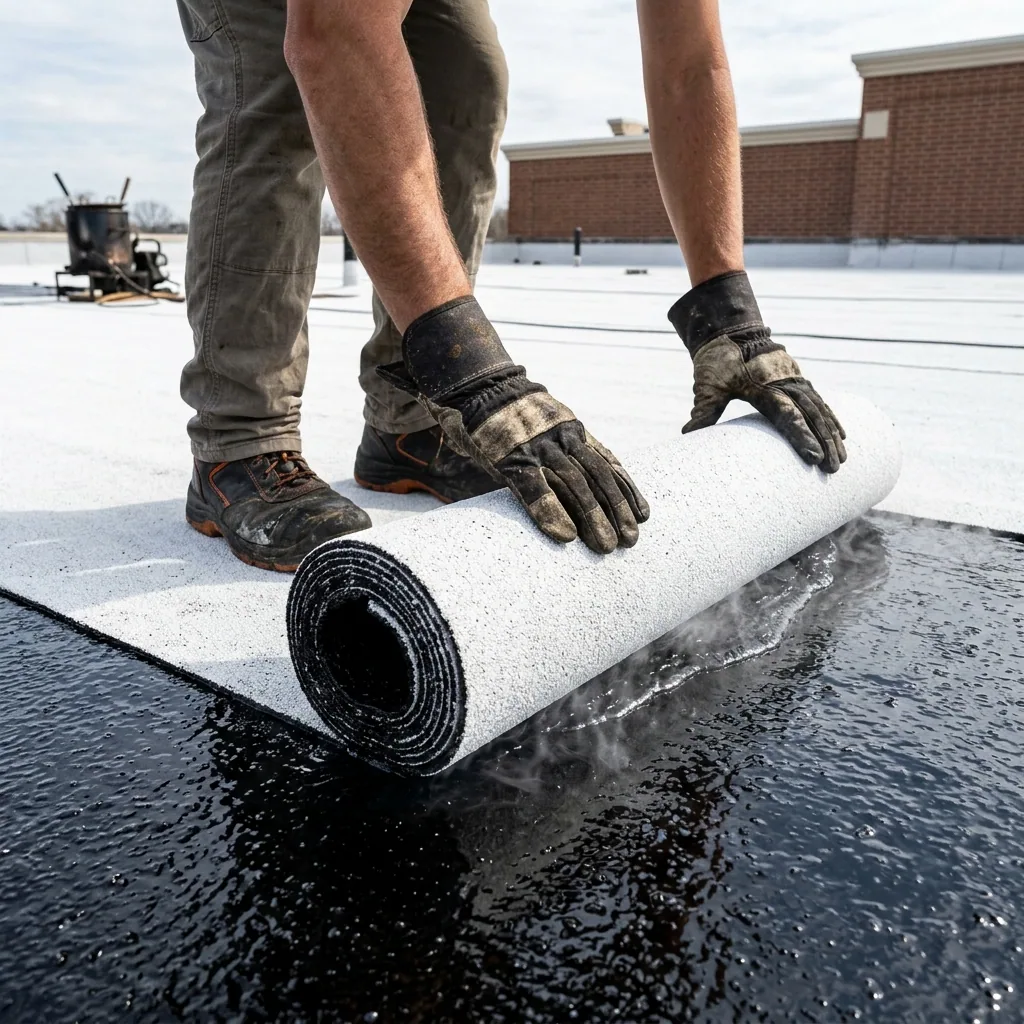
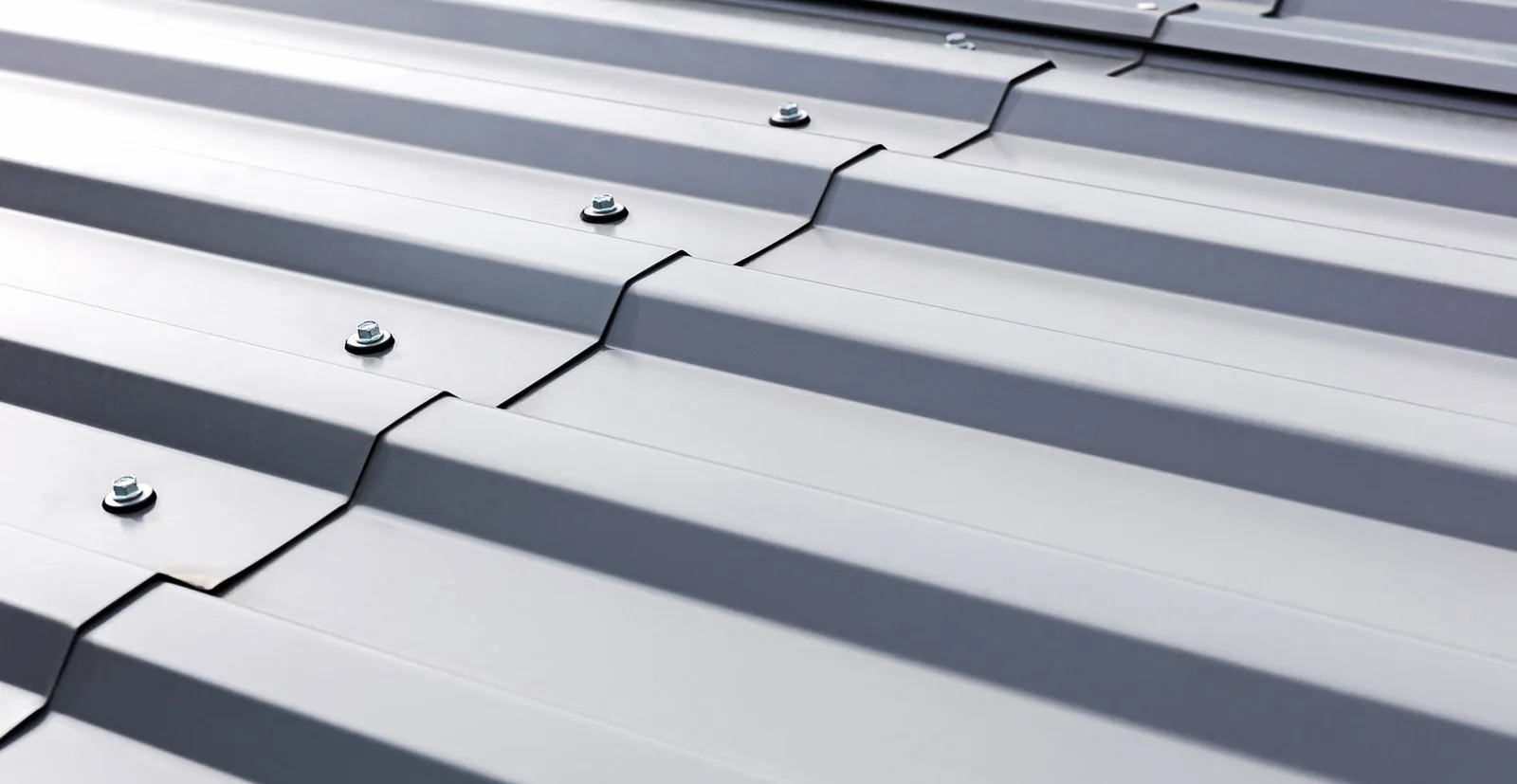
Roof types can vary from one building to the next. The crew determines whether the visible assembly is single-ply, layered bitumen, standing-seam metal, or coated by checking joints, edges, and transition details. Repair compatibility depends on the surface and substrate. If an overlay hides the assembly, a test opening can answer a material question before a bid assumes the wrong detail.
For a defined defect, the repair scope identifies preparation, material, tie-in, and boundary. A seam repair differs from a curb flashing, drain, or edge correction. If prior service traffic or equipment movement has changed the surface, the crew records it. A commercial repair addresses a specific failure; moisture mapping can help investigate a concealed wet area when that result could change the scope.
Replacement review examines existing layers, deck and insulation condition, attachment, roof perimeter, outlets, rooftop openings, and entry logistics. Recover depends on moisture, structure, attachment, and code. An estimate itemizes removal, deck contingencies, insulation, field assembly, flashing terminations, drainage, penetrations, staging, and secure end-of-shift conditions. It should separate measured scope from hidden-condition allowances.
Before pricing a Bartlett commercial assembly, the design team verifies local amendments to the 2021 IBC and the state energy provisions that govern the project. A TPO roof has different seam details than an EPDM assembly or a metal retrofit. A replacement proposal should reflect the verified building and its operating constraints.
Records: make multi-building decisions comparable
Each service record should include a building identifier, inspection date, roof zones reached, findings, photos, work completed, and open action. The record notes materials installed and whether a temporary measure remains. If access prevented a full walk, that limitation is recorded. Owners can compare priorities without confusing one facility's condition with another's.
A maintenance program can revisit drains, seams, flashings, equipment supports, edges, and prior repairs. A multi-site plan can coordinate calendars while keeping approvals separate. For a replacement cycle, capital planning can arrange projects by condition and operational window.
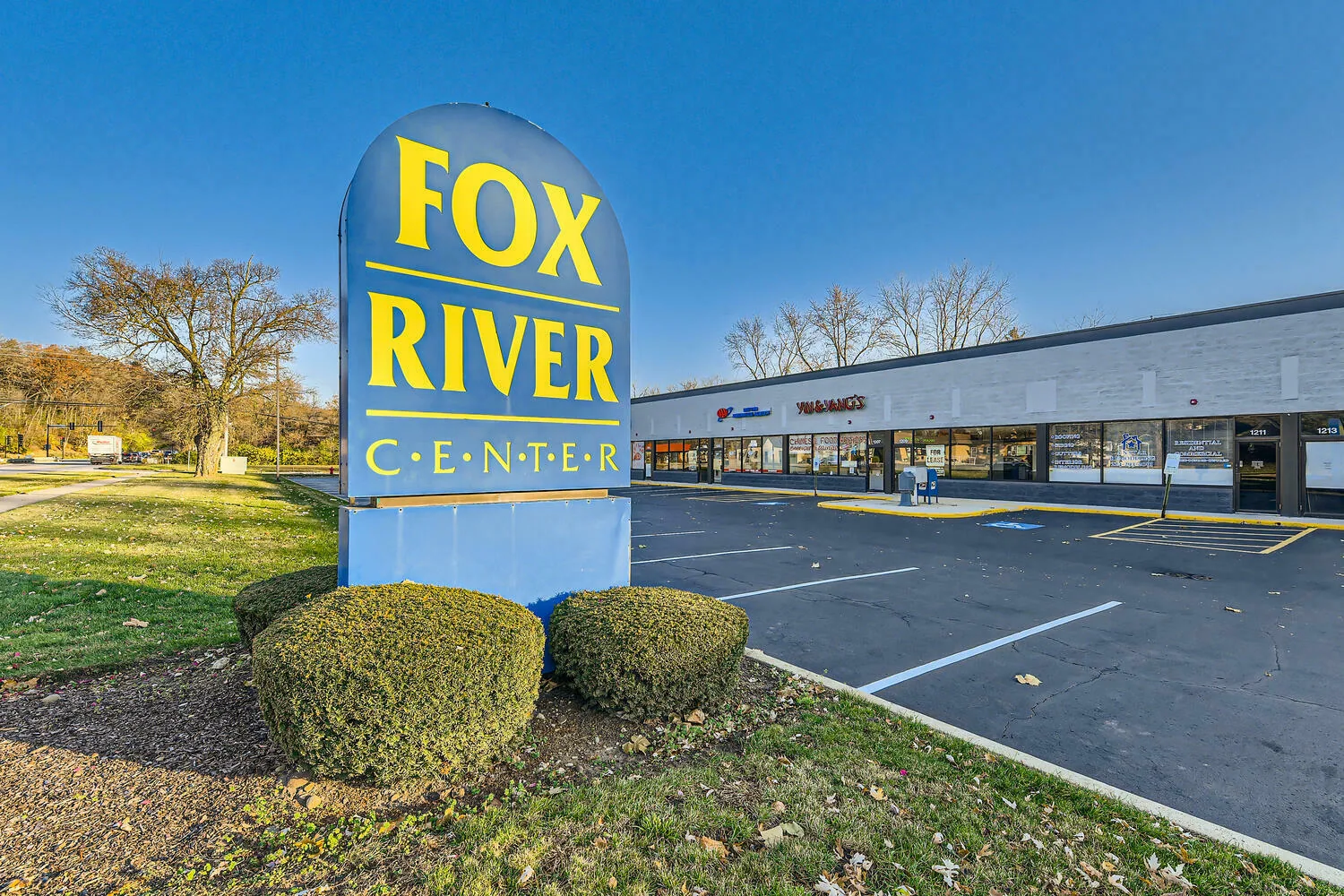
Elgin's Fox River Business Center and Carpentersville's Route 31 Corridor are other service areas in the market. Their roof conditions are separate from Brewster Creek. We verify access, operations, and roof construction with each property contact before setting a scope.
Call with the property, operating area, roof access contact, and reported issue. For active water, identify what is exposed below. We will confirm the first dispatch window, protect the work area, and provide the next decision for approval.
Questions About Brewster Creek Business Park, Bartlett
Do the park's total square feet describe its roof area?
No. It refers to business space, not measured roof surface. Each building needs its own inspection and quantities.
Can you schedule service across several park buildings?
Yes. Dates can be coordinated while findings, access notes, system details, and approvals stay tied to each property.
How do you protect distribution or manufacturing operations?
We confirm sensitive areas, hours, staging, access, and interior protection with the facility contact before work starts.
What should happen if a repair exposes wet insulation?
The crew documents and measures it, then waits for owner approval before extending work beyond the original boundary.
Does the Elgin tornado mean a Brewster Creek building was damaged?
No. The event is regional context. A building-specific inspection documents current roof evidence and limits.