Commercial Roofing in Carpentersville Route 31 Corridor, Carpentersville, IL
Set a Route 31 corridor roof inspection
Share the building, access contact, and operating limits. We will set the first visit and next approval.
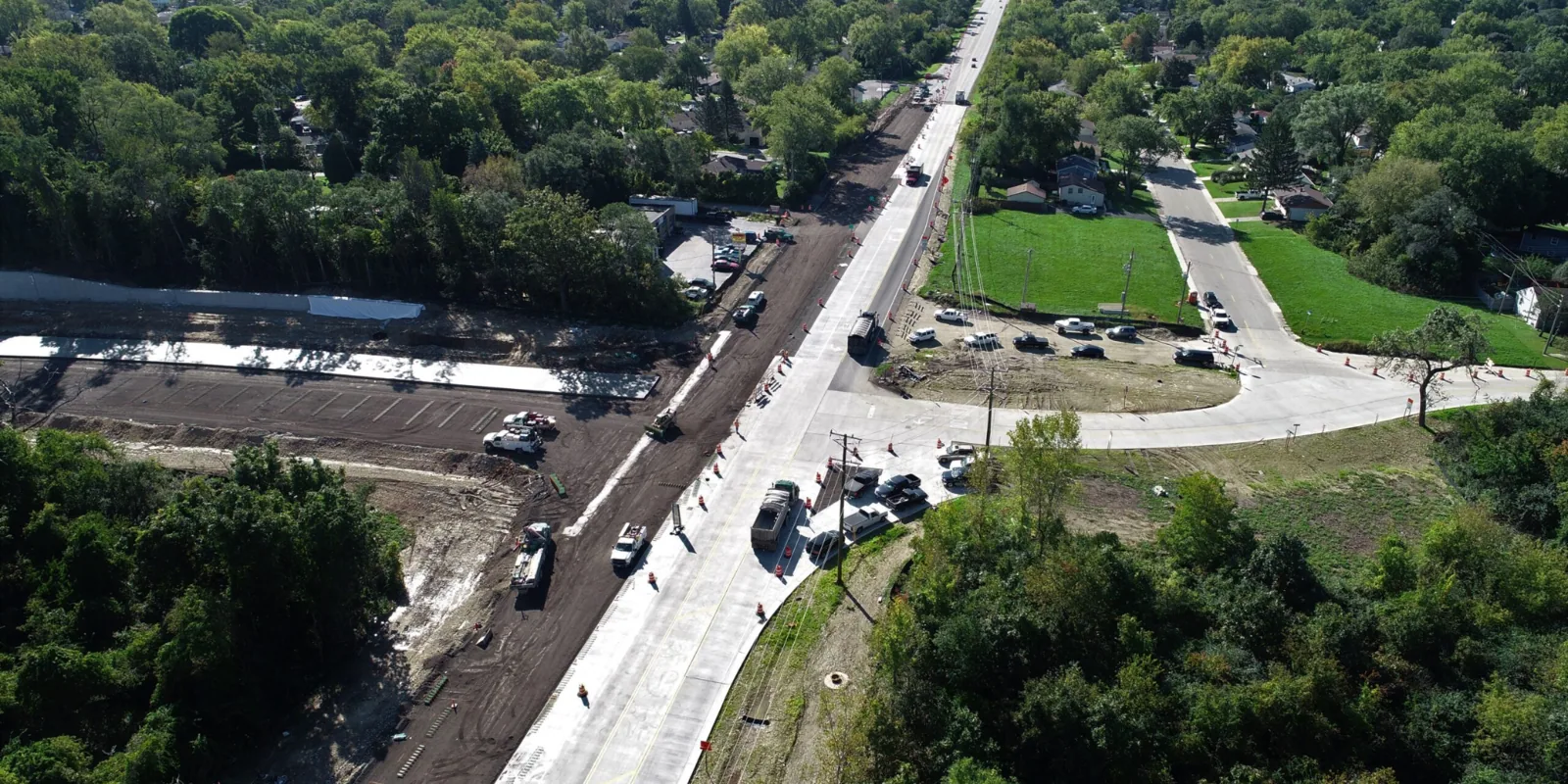
Carpentersville Route 31 Corridor, Carpentersville
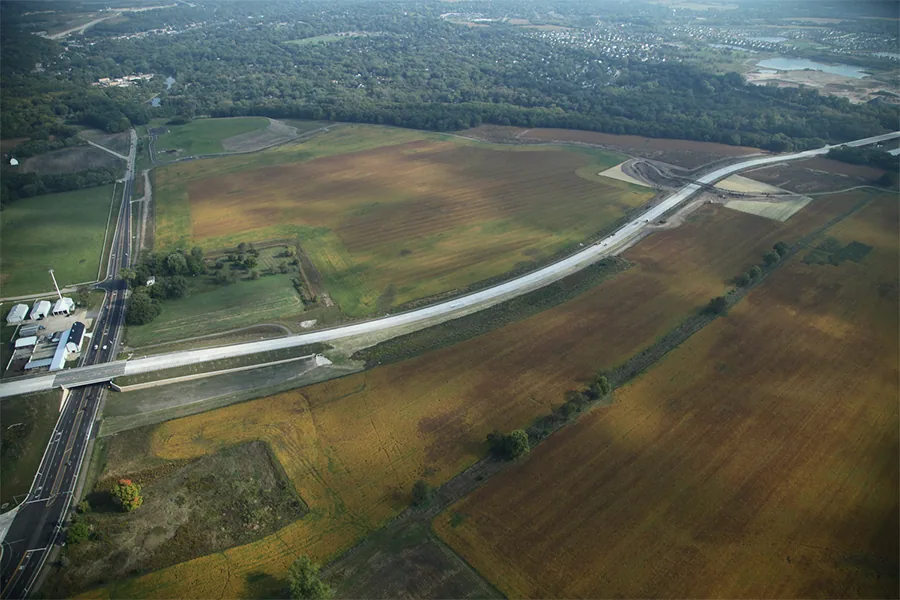
Illinois Route 31 serves an adaptable industrial and employment corridor in Carpentersville, with manufacturing activity and regional connections. The roof plan starts at the building, its operation, and the condition reported by the site contact. We confirm entry and inspect the actual assembly before describing a repair. Corridor identity provides context; it does not tell us what a particular roof contains.
Route 31 is one of three named regional corridors in Carpentersville, alongside Randall Road and Route 25. Work planning may involve deliveries, production activity, and shared access. We verify those details with the current building contact before staging material or setting roof entry. If operations limit the work window, the sequence should keep open areas small and secure each section before the crew leaves.
Elgin's winter normals show snowfall and repeated freezing conditions. Snow can obscure a roof transition, and ice can close a route to the surface. After a thaw, water may expose a blocked outlet or seam problem. We record what could be reached safely and give the owner a return plan for the deferred zone.
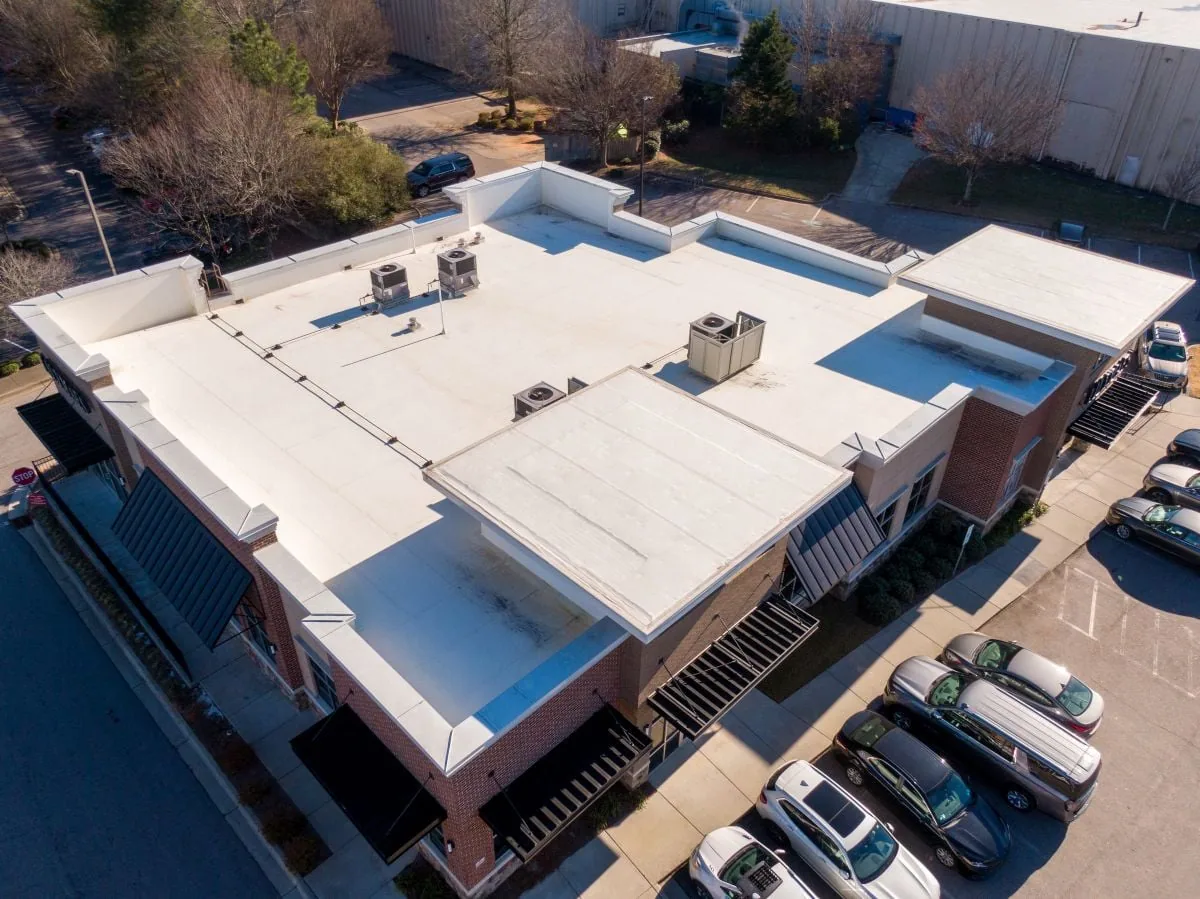
Operations check: protect the work below
When a building supports manufacturing or employment activity, downtime and access rules belong in the first call. The site contact identifies the affected room or line, sensitive equipment, delivery period, and person who can authorize entry. We ask where temporary protection can be placed and whether any work must avoid active production hours. The crew confirms the roof route before moving tools or material.
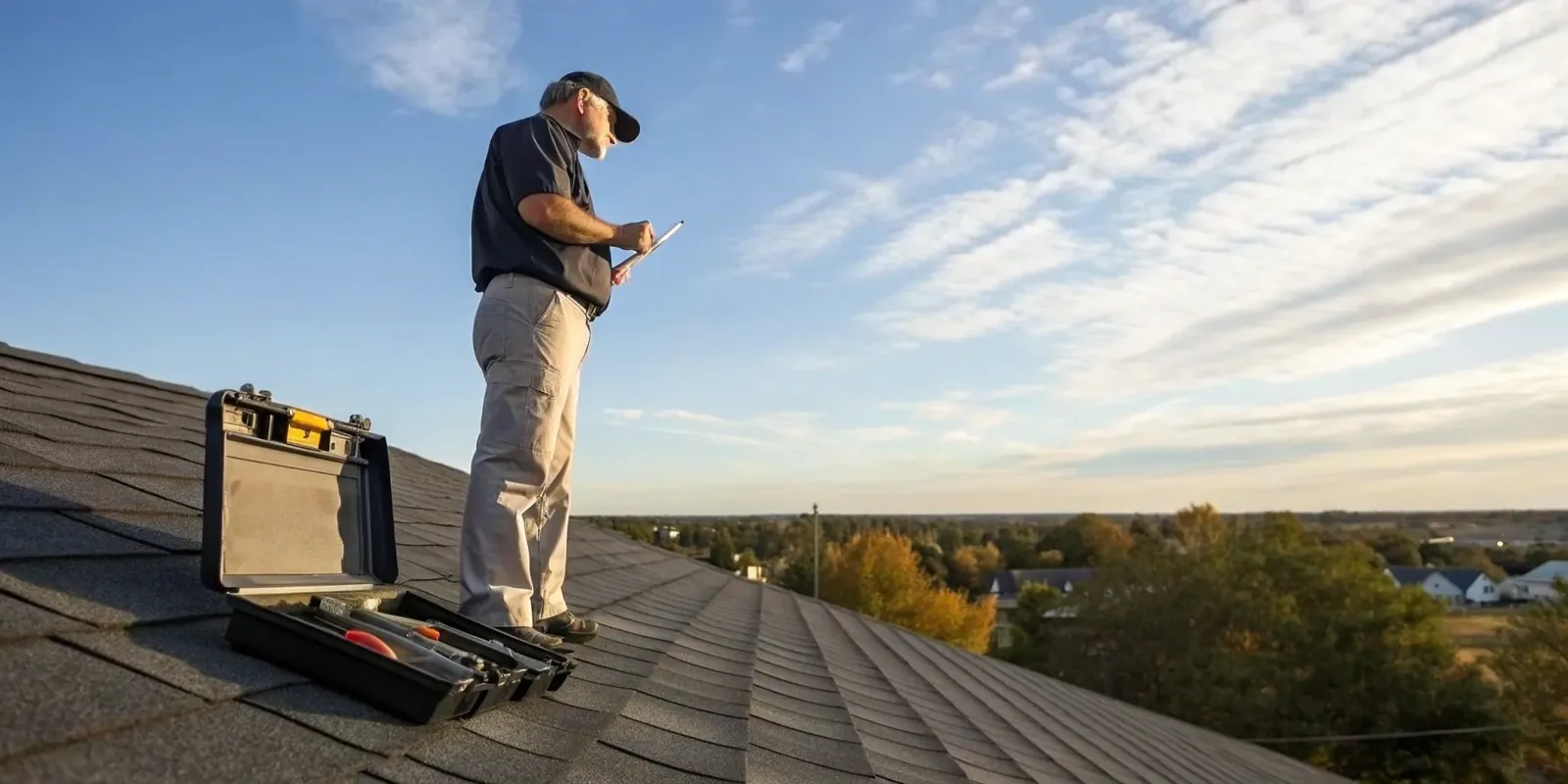
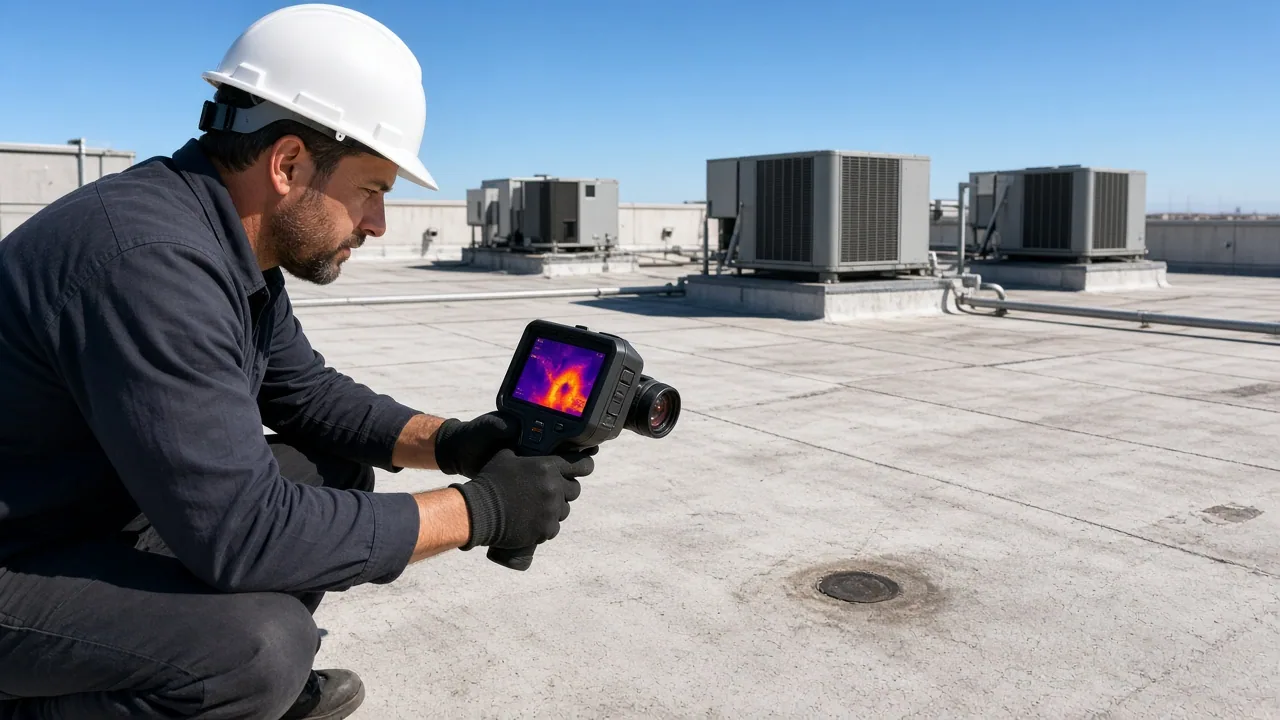
The crew starts with the interior report and traces likely water routes. It examines joint lines, wall connections, roof openings, drainage outlets, edge terminations, and earlier work near that path. Water inside may have traveled from a separate roof zone. We photograph the suspected entry area and label the location. If there is no confirming defect, we state what survey or test would help find a concealed source.
Equipment servicing creates another coordination point. A technician may need to cross the roof or temporarily remove a curb cover. We ask which trades have recently accessed the roof and whether a support or penetration has changed. If the membrane has been cut or patched, we inspect the detail and adjacent material. A repair record should identify the condition present before work begins and the boundary authorized.
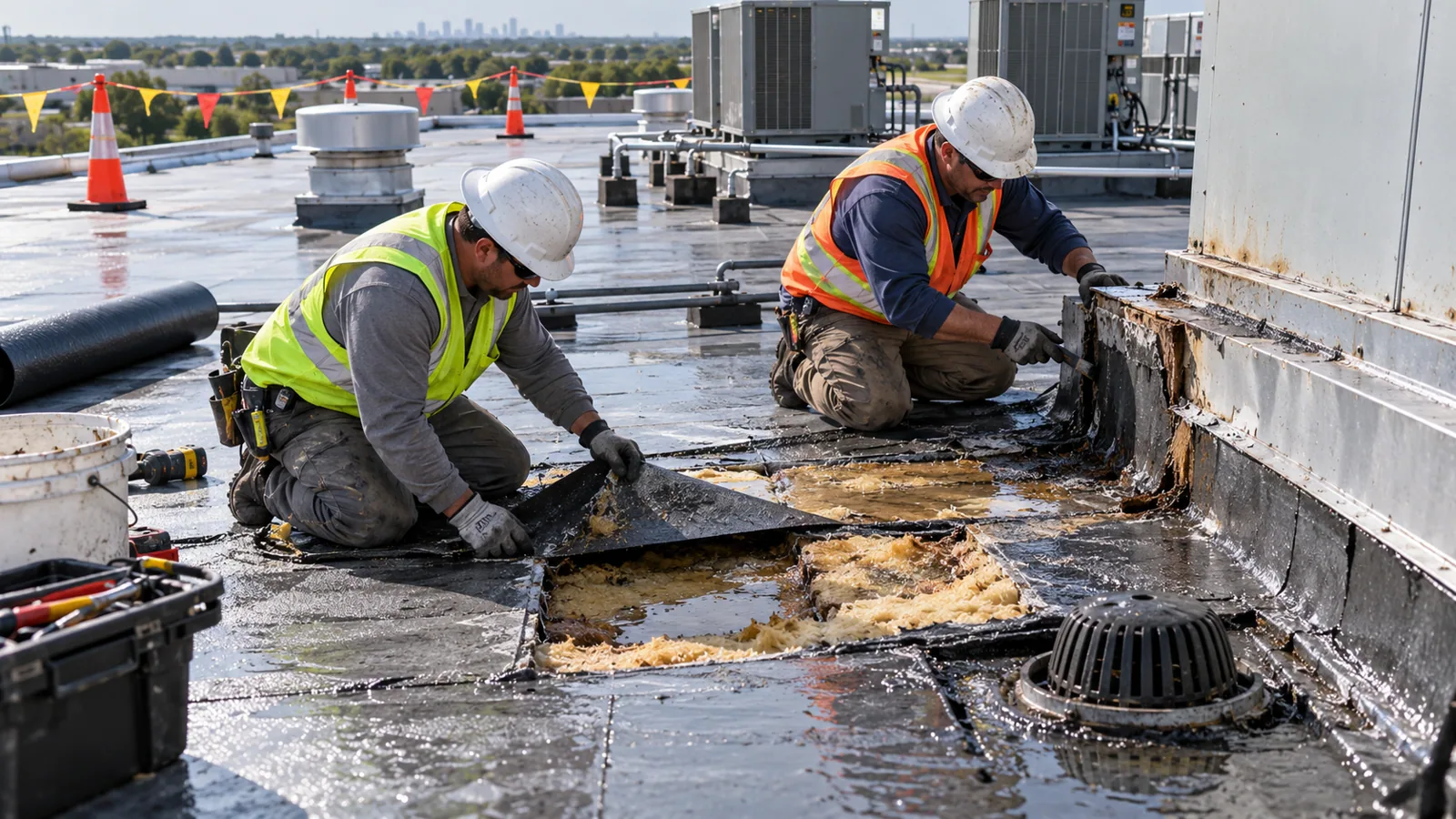
A work plan can separate immediate water control from the lasting correction. Temporary protection may be needed while materials or access are arranged. Its limits and follow-up date are written down. If opening the roof exposes wet insulation, loose attachment, or deck damage, the crew measures and photographs the area. The owner receives the scope and schedule effect before any expansion proceeds.
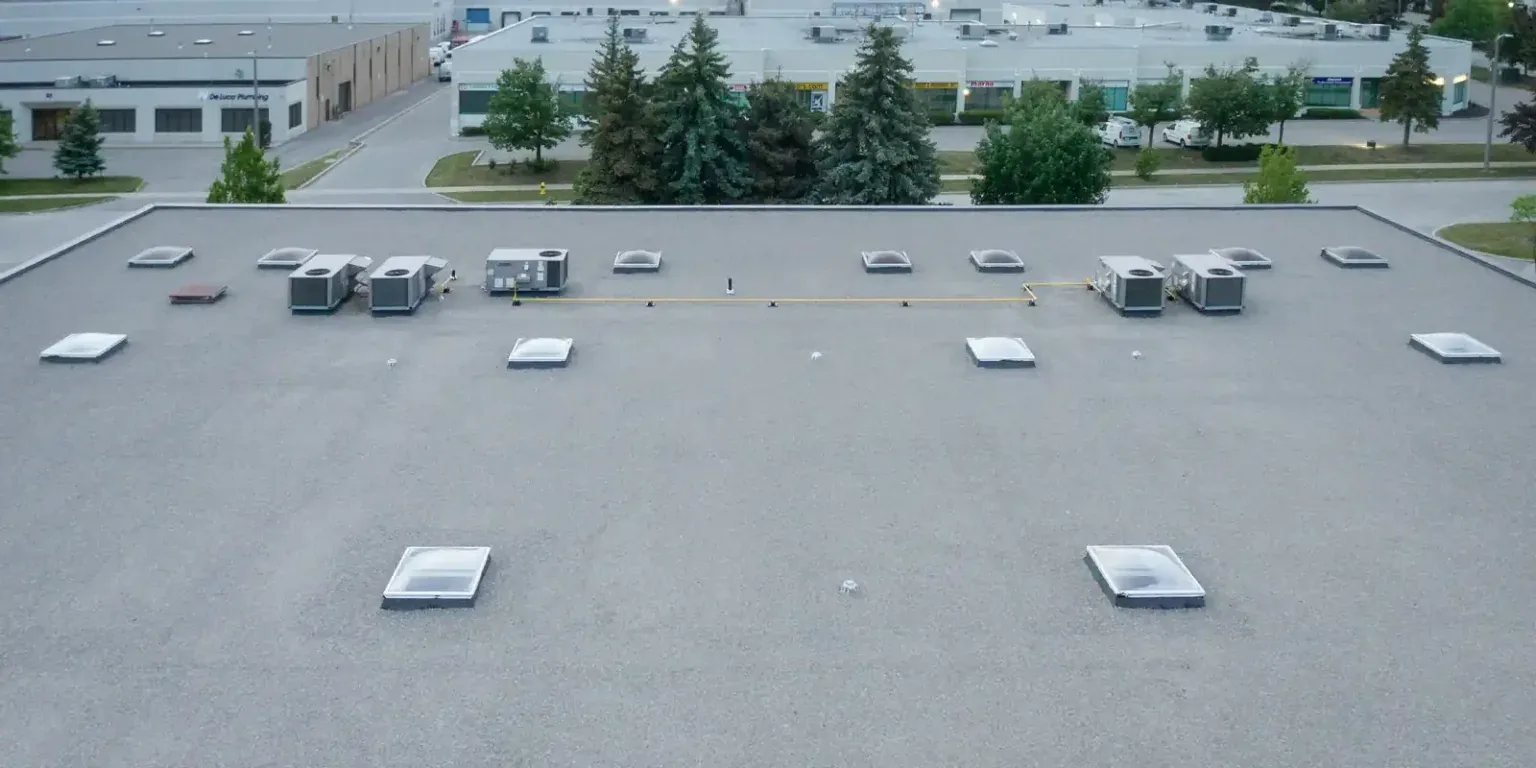
Weather response: document what the crew can confirm
An EF1 tornado reached Elgin during July 2023 and damaged roofs in the area. A Route 31 inspection still needs current evidence from the property. A Route 31 property still needs inspection to establish its present condition. We check for displaced edge metal, torn flashing, punctures, seam separation, and movement around rooftop equipment. The report ties those observations to a location and distinguishes them from a suspected cause. Weather history alone does not set the repair scope.
Winter access can limit inspection detail. Snow hides low areas and roof openings; ice changes the fall-protection plan. A hold is recorded with the zones left for later. If water is active inside, temporary protection can proceed only when conditions allow. The next update identifies what was secured and what needs a safe return.
Elgin's hot-season readings can place roof surfaces above 90 degrees. Some products require a narrower placement window. The foreman checks on-site temperatures against installation instructions before material is opened. If the limits are exceeded, the crew protects the materials and shifts the sequence; the site contact receives an updated start plan. A weather hold protects the repair quality and keeps the building team informed about exposed work.
The route's connection to manufacturing and regional movement makes delivery sequencing important, but each property's current operation is confirmed separately. The superintendent sets staging, lift placement, material path, and work hours with the site contact. If another contractor needs roof access, the crew coordinates timing and protects completed details. The daily log tracks changes instead of leaving the next shift to infer what happened.
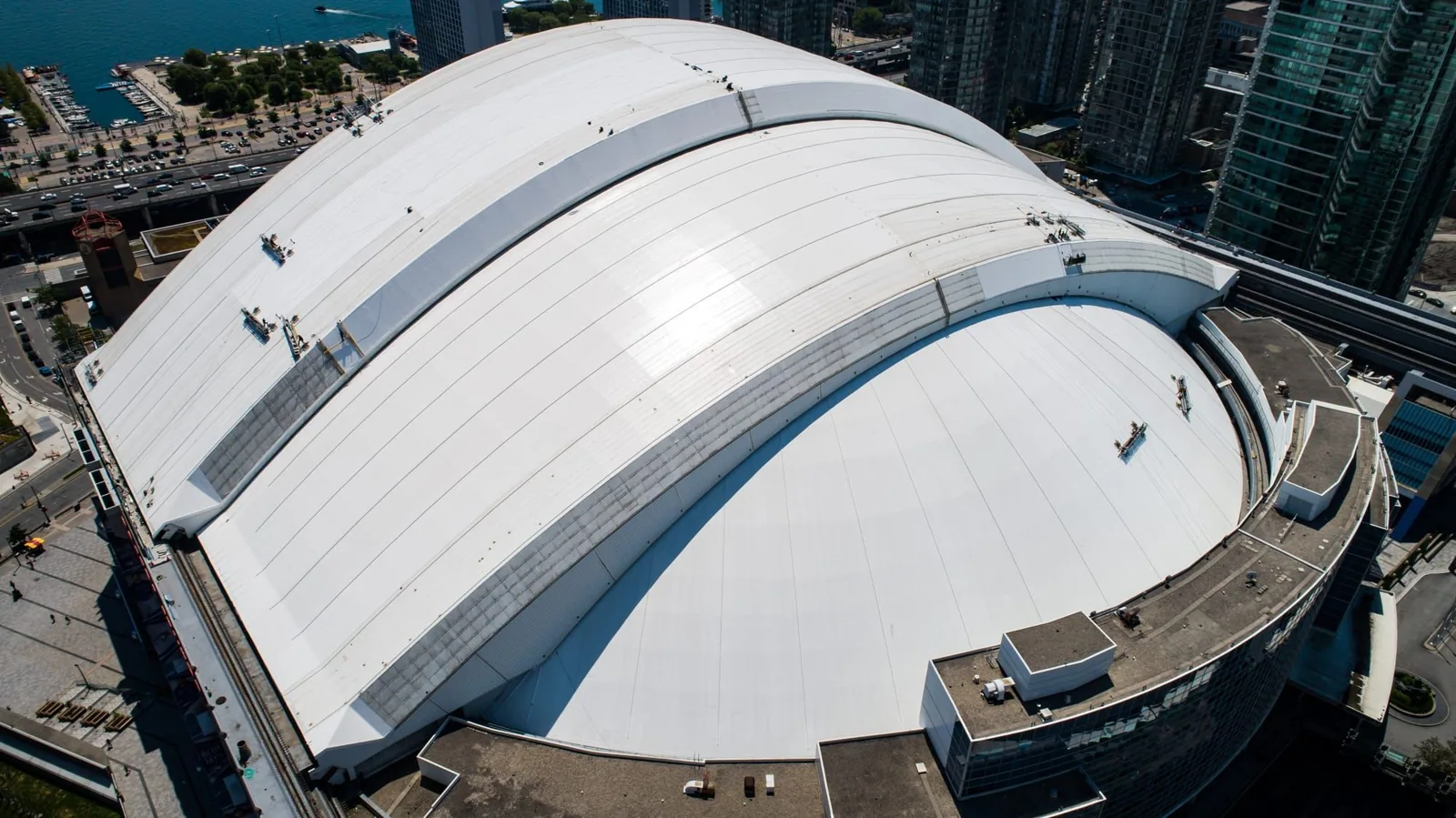
Scope review: repair the verified assembly
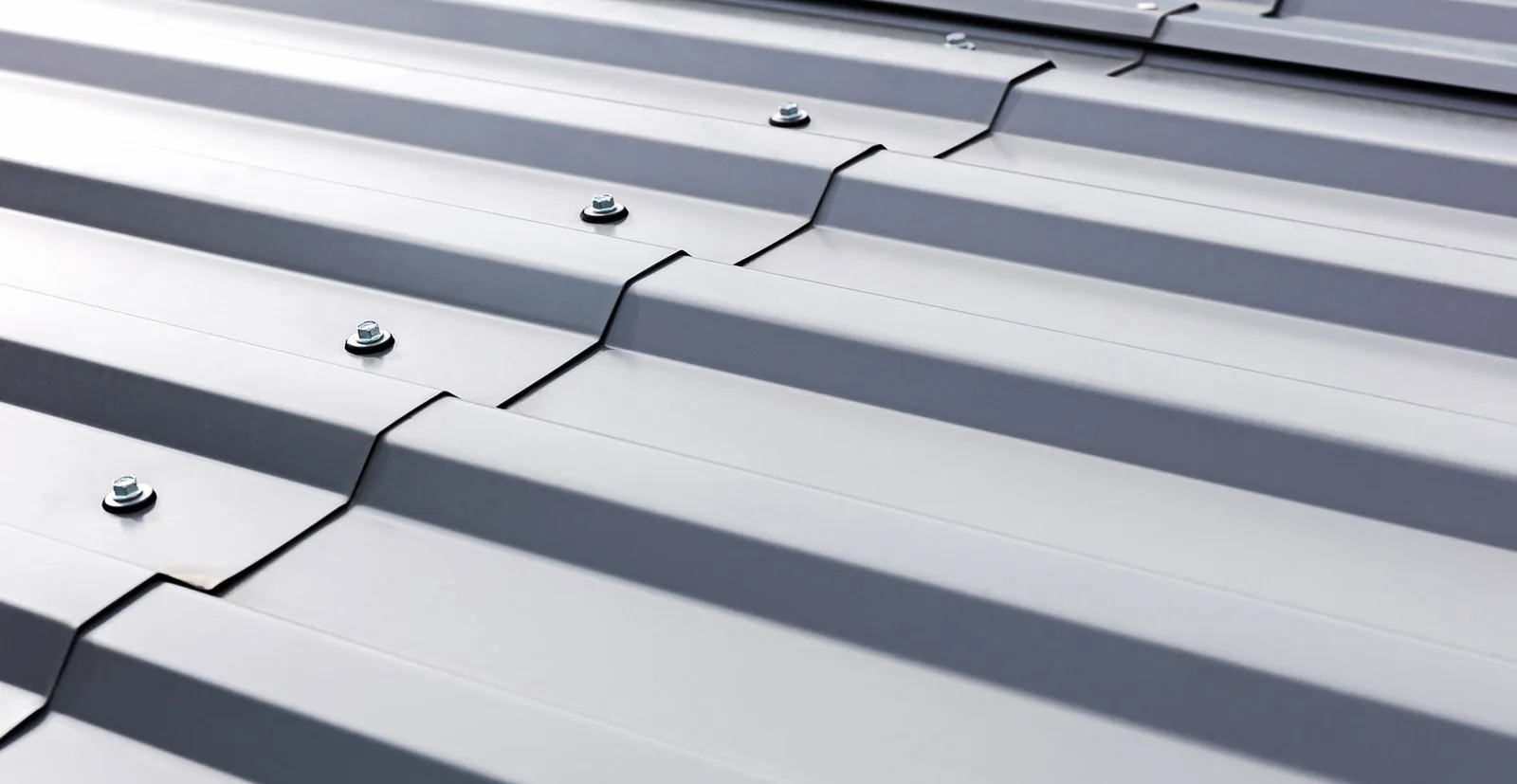
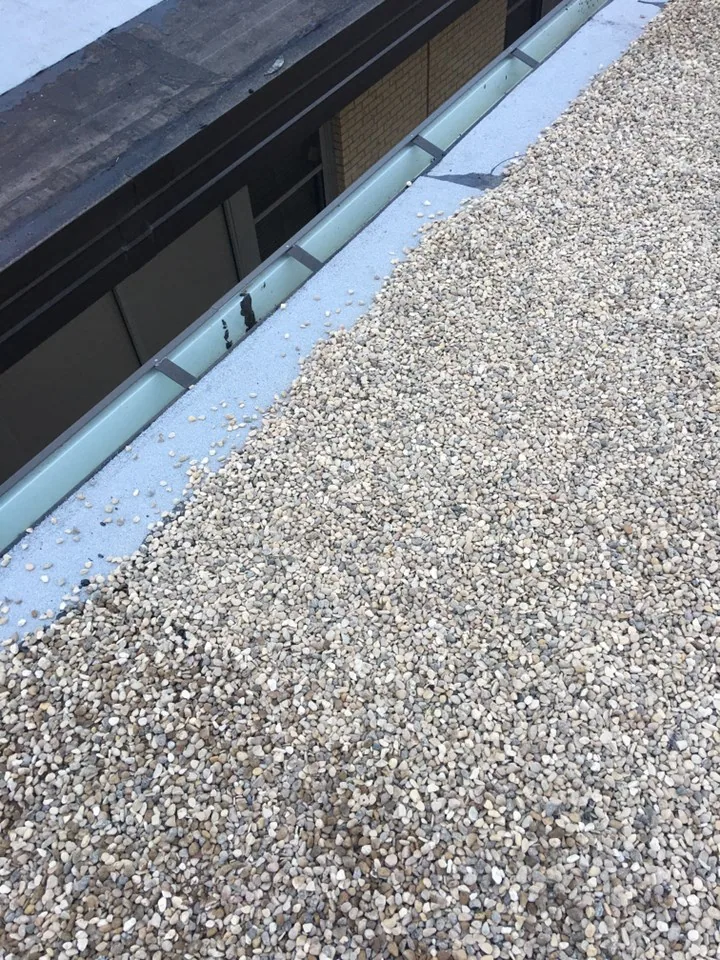
The visible assembly dictates acceptable preparation. We check whether it is membrane, layered bitumen, standing seam, foam, or coating, then verify transitions and old repairs before selecting material. If an overlay hides the base, a test opening may be needed. The report states why that information changes the decision and what the owner will learn from the test.
For active industrial operations, roof access can share the same schedule as deliveries and maintenance work. We confirm whether a lift or material cart can move without blocking a required route. If a mechanical unit must stay online, the scope identifies the handoff with the facility contact before disconnect or flashing work. The crew protects finished membrane from service traffic and records any area another trade must revisit. If production shifts, the site contact updates the superintendent before the crew changes roof zones. These details keep a roofing scope aligned with the operation below and help the owner account for more than roof labor alone.
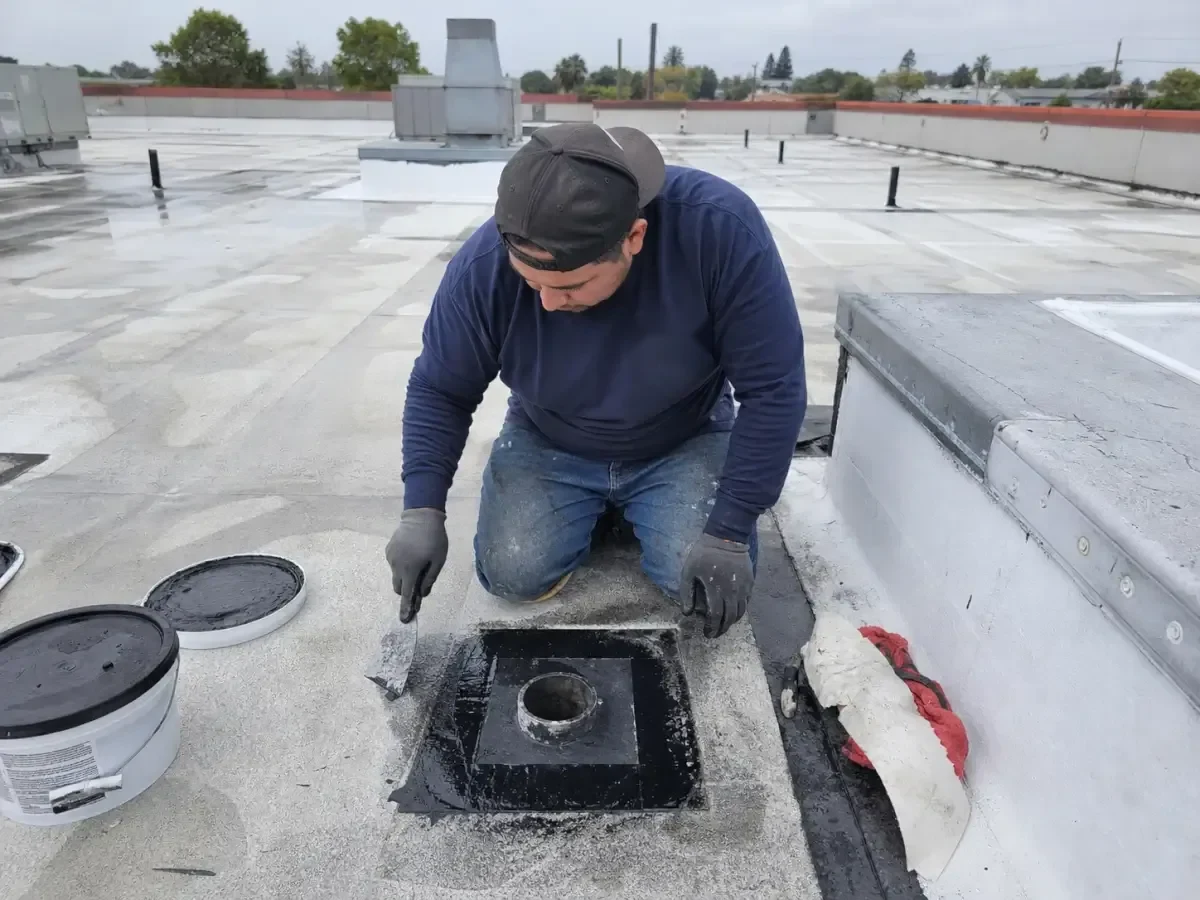
A targeted repair scope lists the defect, preparation, repair material, tie-in, and perimeter. For a seam, we inspect adjacent laps and field condition. At a wall or curb, we check the flashing connection and substrate. A sealant pass cannot resolve every failure. If moisture or movement remains, the proposal should describe the investigation required before setting a permanent correction.
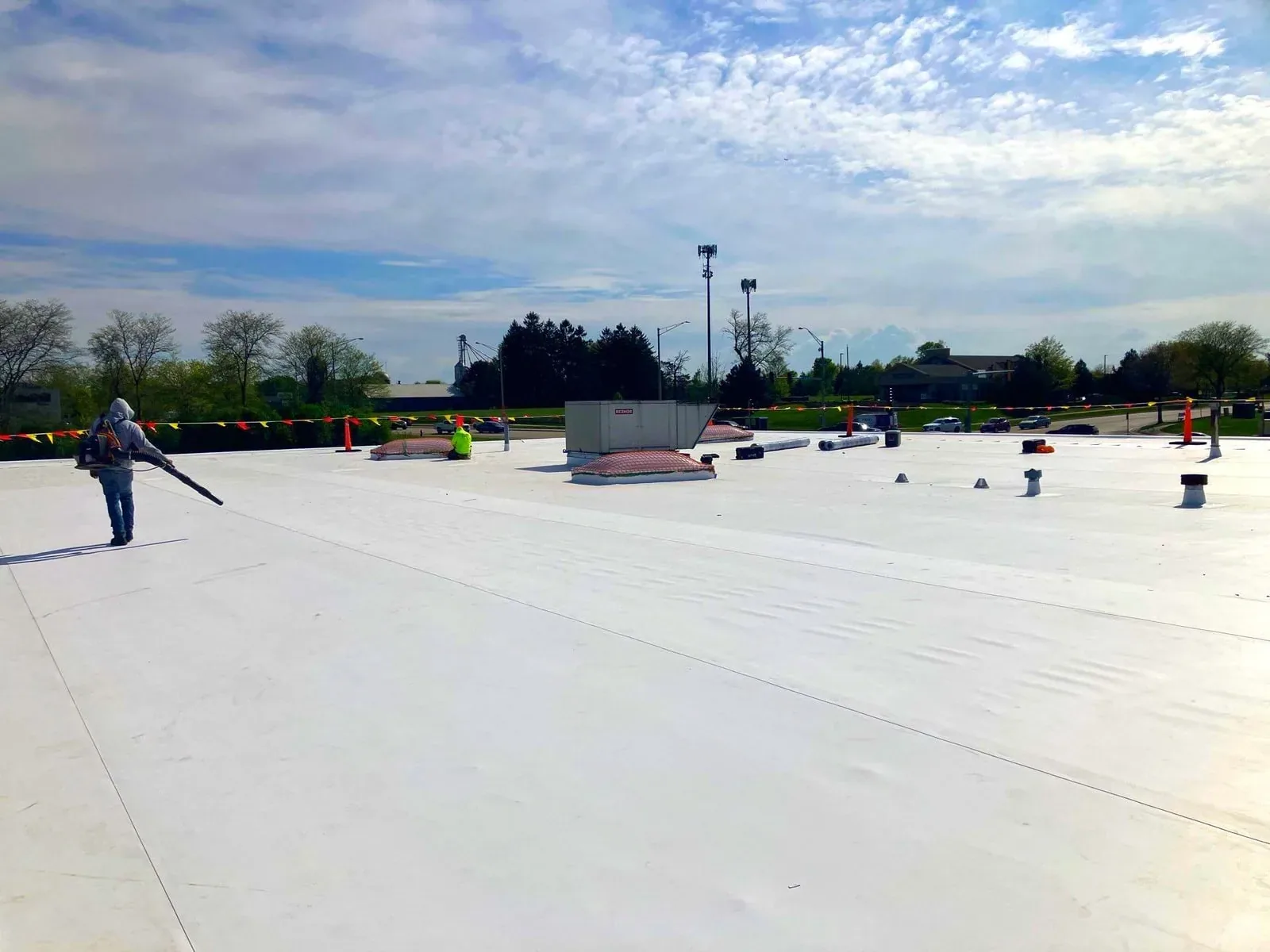
For commercial roof design in Elgin, verify which locally amended 2021 IBC provisions and current state energy rules apply to the permit scope. The design team confirms how those rules affect a replacement. A metal retrofit differs from a TPO membrane or built-up system. The selected assembly must match the existing conditions, deck, attachment, and design scope.
For replacement, the estimate separates removal and disposal from substrate repair, insulation choices, the roof assembly, equipment transitions, drainage details, and staging. A recover option depends on dry layers, a sound deck, compatible attachment, and code approval. We separate measured quantities from assumptions and define how concealed conditions are approved. If manufacturing continues below, a phased plan states daily dry-in and access requirements.
Records: keep each corridor asset distinct
Closeout records should make the next decision easy to find. We include inspection zones, photos, completed repairs, materials, temporary work, and unresolved conditions. If access was limited, the report names the deferred area. If a test or owner approval remains, it identifies the responsible contact and the question still open. The record also states whether work can proceed or must wait for materials, access, or a safer weather window.
Routine maintenance can monitor drains, seams, flashing, penetrations, edges, and earlier repairs. A maintenance visit documents the actual route. A condition report tracks priorities and repeat concerns, while capital planning can stage larger work using those findings.
Carpentersville names Randall Road and Route 25 as separate corridors. Owners may also review the Route 25 Corridor or Randall Road Corridor. Shared timing can help coordinate visits, but each property keeps its own system identification, access notes, and repair history.
Tell us which building is involved, who can provide access, and what must keep operating. We will coordinate a first visit and report the findings that guide the next approval.
Questions About Carpentersville Route 31 Corridor, Carpentersville
Does Route 31's industrial designation identify my building's operation?
No. The corridor supports industrial and employment uses, but the site contact confirms the current operation and access rules.
How do you limit disruption during manufacturing hours?
We set entry, staging, deliveries, work hours, and interior protection with the person responsible for operations.
What happens if the system is hidden by old repairs?
We document the visible layers and explain whether a test opening can resolve the material question.
Can the crew work after a tornado report?
A safe, building-specific inspection identifies current conditions. The event itself does not establish roof damage.
What should be included in a replacement scope?
Identify layers, tear-off, insulation, flashing, edges, drains, access, phasing, and the approval process for concealed conditions.