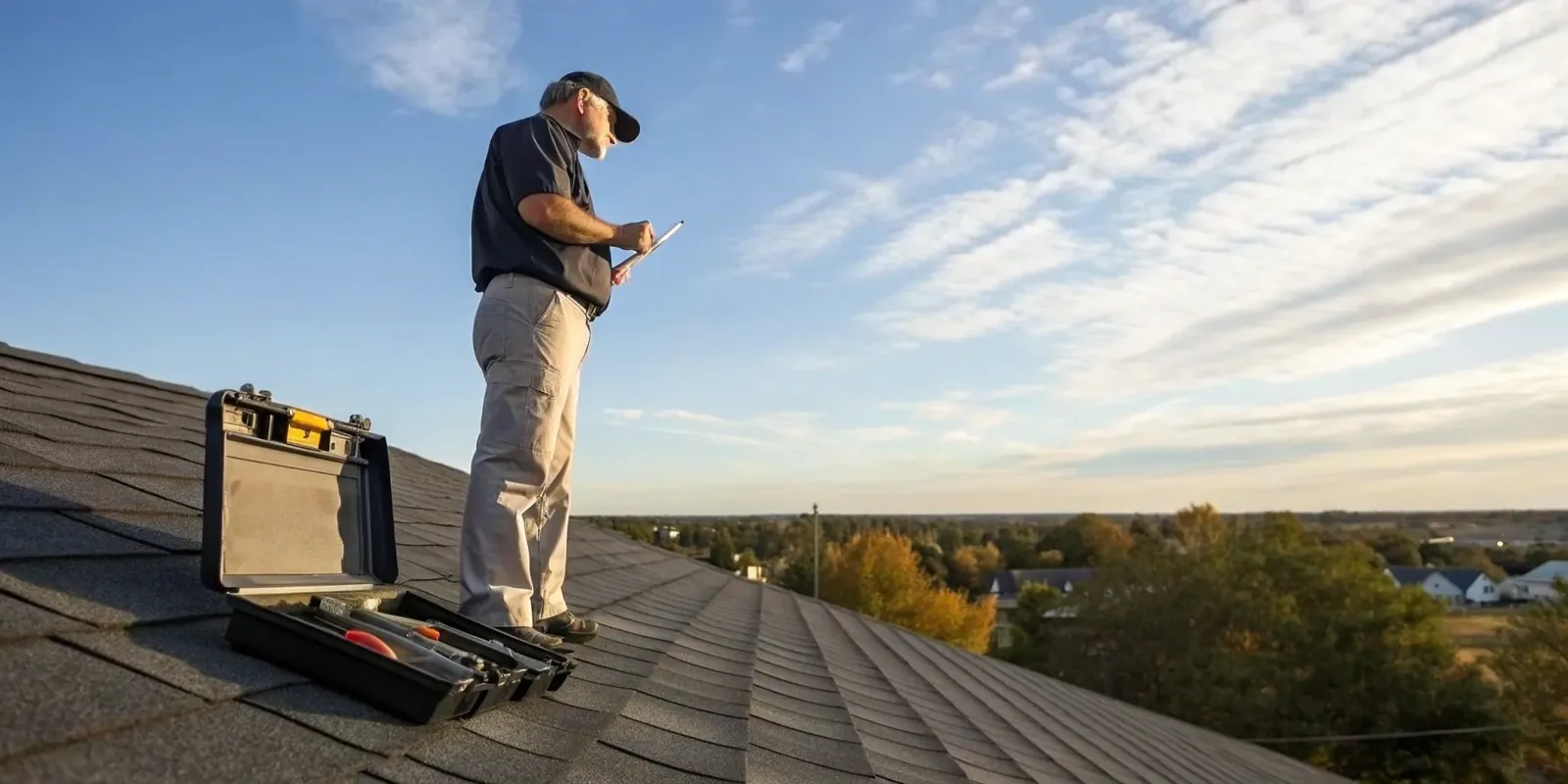
Multi-Site Commercial Roof Programs in Elgin, IL
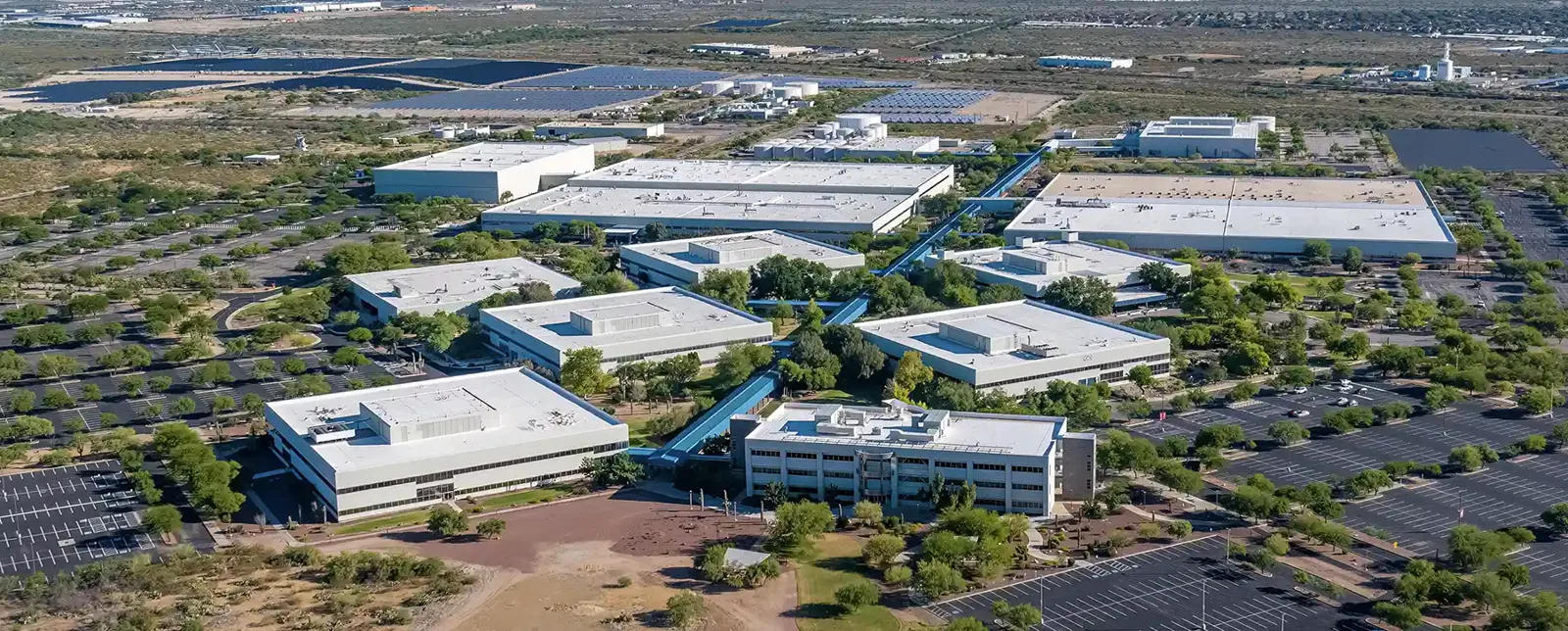
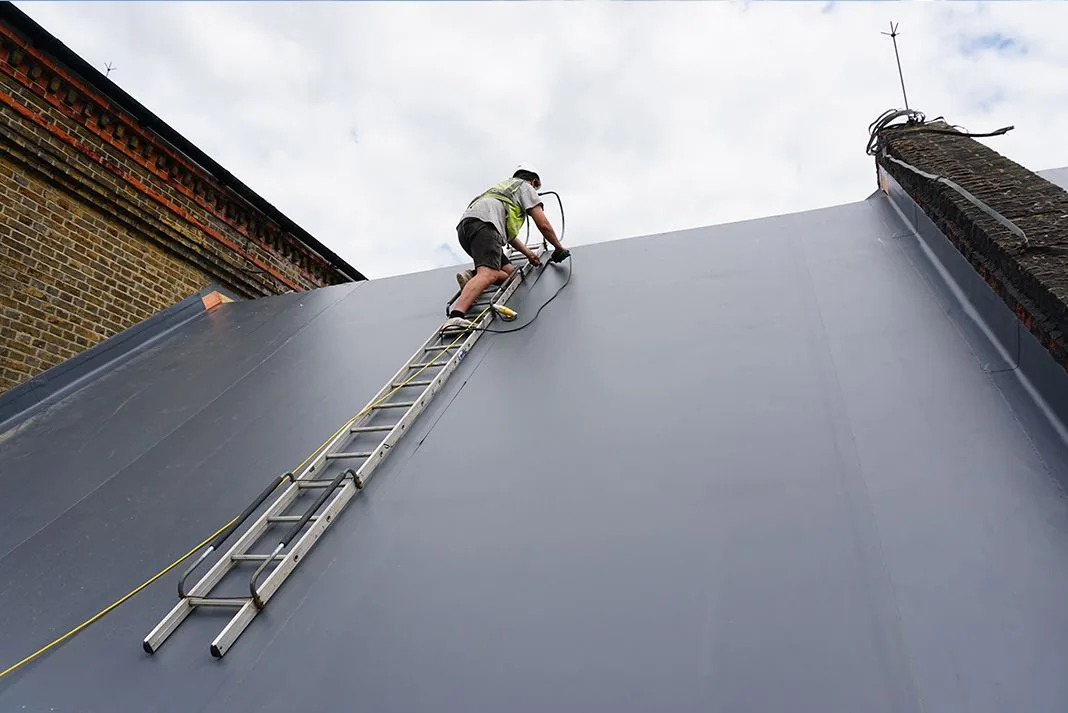
Set up a multi-site roof program
Share the property list, roof plans, known issues, service contacts, approval authority, and reporting cadence. We will define the first inspection group and site-level records.
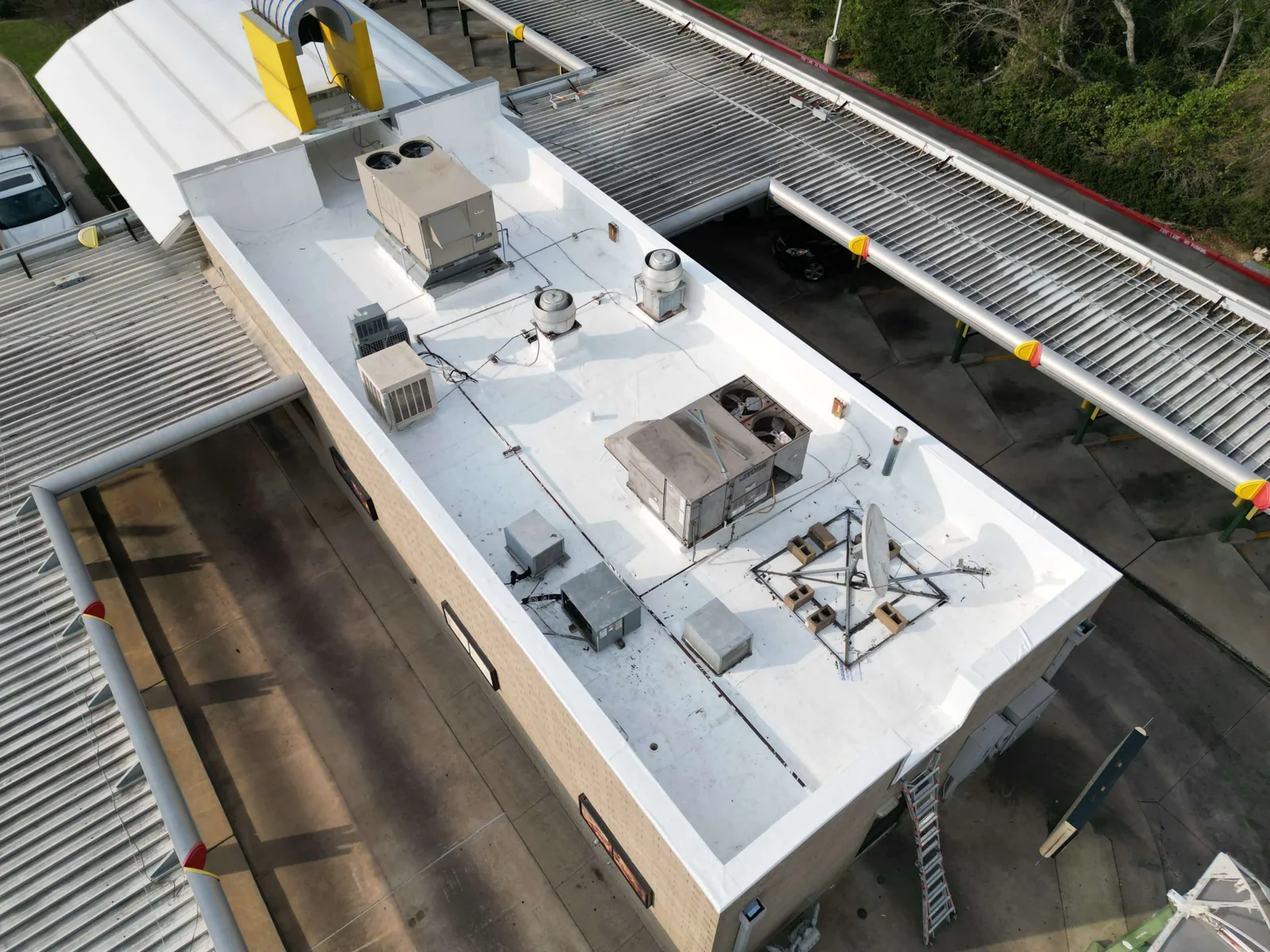
Multi-Site Commercial Roof Programs
A multi-site program needs one operating format and a separate record for every building. We identify each property, roof sections, contact, access method, active issue, and approval authority. Then we group inspections or repairs where timing and access make sense. The program does not merge roof conditions or assume the same system across a portfolio.
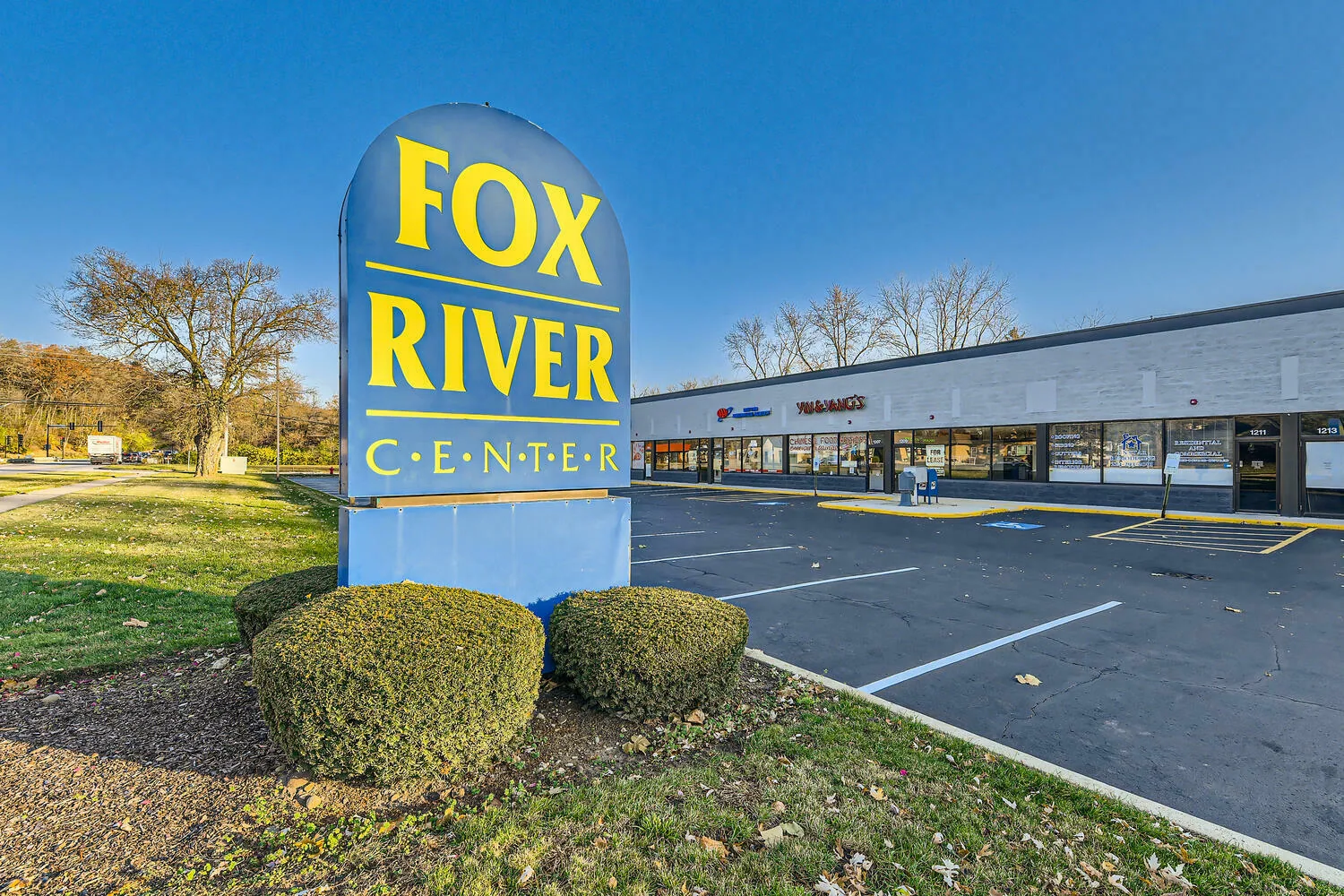
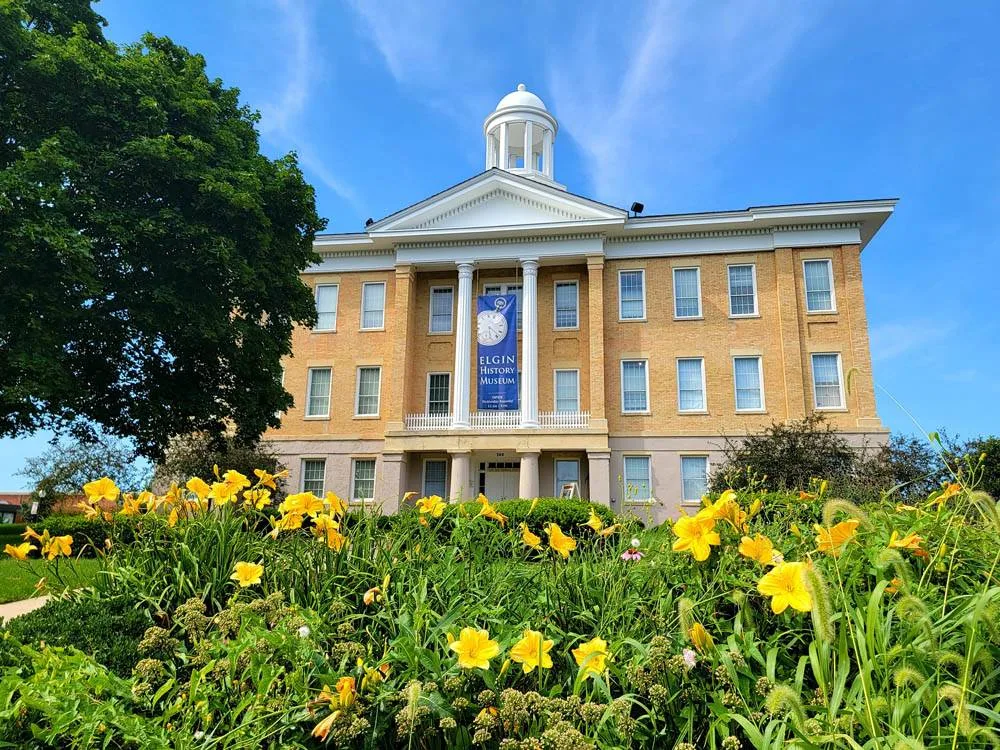
Elgin has business and industrial parks along with a downtown commercial core. The local employer mix includes manufacturing, healthcare, education, food processing, and commercial equipment. A group may have different operating windows across those uses. A property at Fox River Business Center and one in Downtown Elgin keep distinct roof and access records.
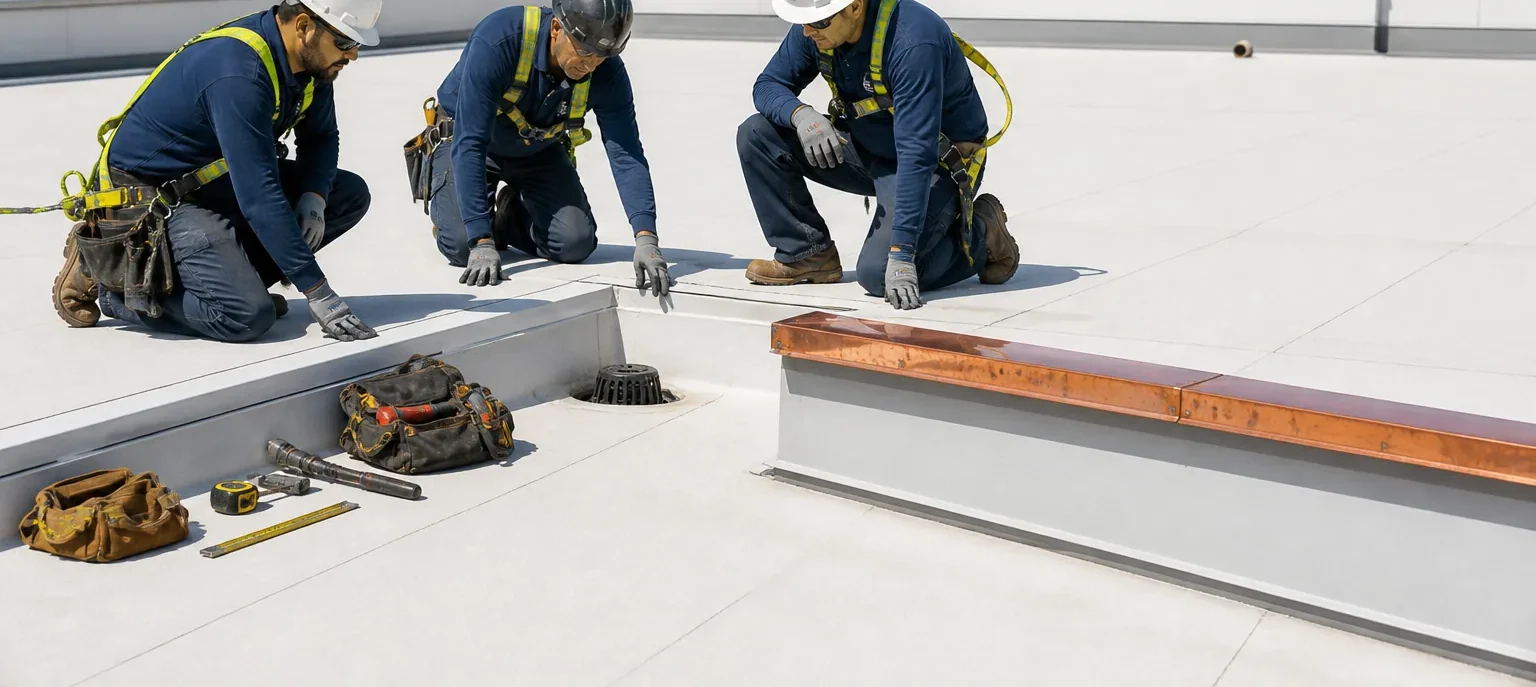
Program setup: assign a contact to each building
Start with an asset list, property identifiers, roof plans, known systems, prior repairs, warranty records, and current service contacts. The portfolio lead names who can open each building, receive photos, approve testing, and authorize work. A tenant may report a leak without controlling the roof. We confirm the owner or representative with authority before dispatch.
We mark which assets need emergency response, a condition inspection, routine maintenance, or a project estimate. Unknown systems and missing plans remain marked for field confirmation. If two roof sections were installed in different phases, they receive separate records. This prevents one inspection from being applied to a wing or building the crew did not reach.
A roof asset register can store those contacts, system notes, work history, and open items. A condition report can supply comparable fields for each property while preserving photos and dates at the site level.

Dispatch model: group work without losing site detail
Visit grouping can follow geography, roof access readiness, or the type of work requested. Before a route is set, each site contact confirms entry, staging, tenant hours, escort, and equipment restrictions. A building with an active leak may need a separate dispatch from a planned inspection. We identify the service window and the decision-maker for every stop.
For a route across Elgin properties, group visits by confirmed access window and operating contact rather than a map alone. Elgin has several business and industrial parks, and each property supplies its own loading and roof-entry instructions. We verify those details before setting the daily sequence.
When a program covers multiple properties, the daily update lists completed buildings, deferred access, active protection, and open approvals. A delay at one site should not erase the record for another. If weather or a tenant restriction changes a route, the contact receives the revised plan and next visit date.
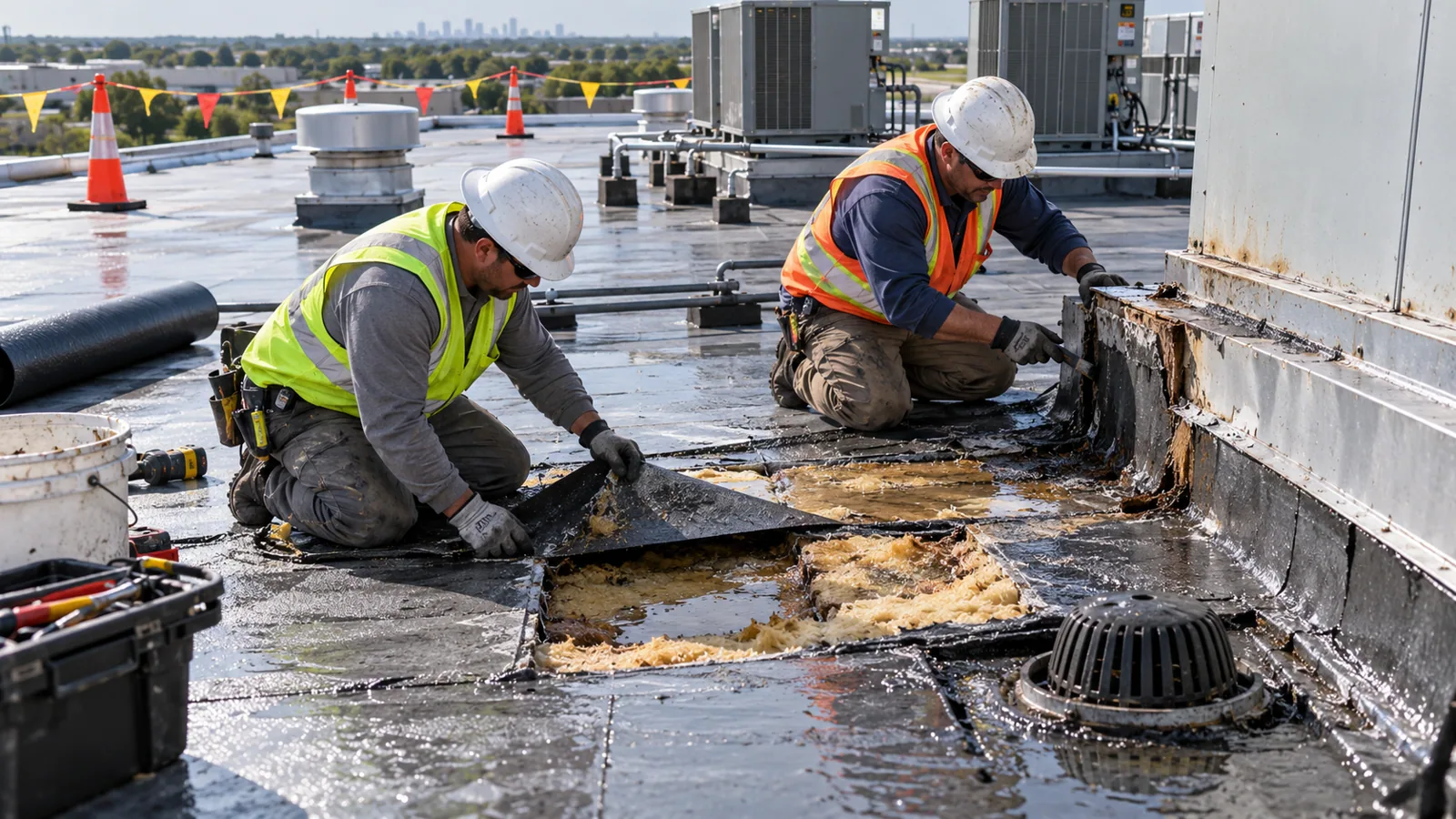
Service standard: use the same fields, keep evidence local
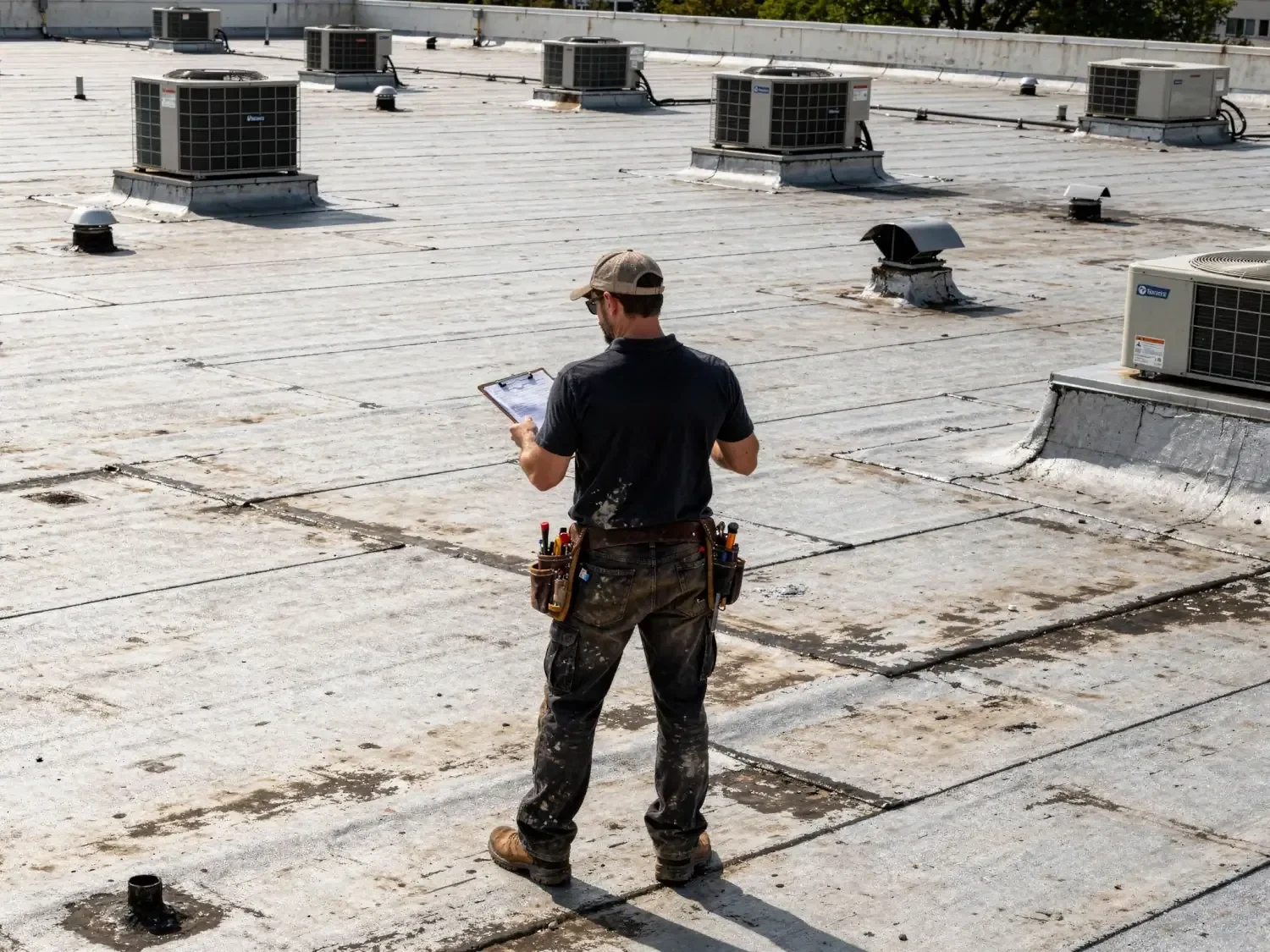
Each inspection records property, date, roof zone, system where verified, observed condition, photos, access limits, and next action. Repairs document material, preparation, boundary, and closeout. The shared fields make portfolio review easier. The findings remain attached to the building that was inspected. A condition found at one property is not evidence about another address.
Elgin averages 29 inches of annual snowfall and 137.9 below-freezing days. Those conditions can affect entry and seasonal scheduling. A weather hold is recorded for the affected site, with its return requirement. It does not automatically postpone every property in the same program. We check current access and roof conditions building by building.
Elgin recorded a one-inch hail event in February 2024, and an EF1 tornado crossed the city in July 2023. Those events can prompt a portfolio review, but do not establish impact at each building. The owner identifies the properties for inspection. We document site-specific findings and list sections not reached.
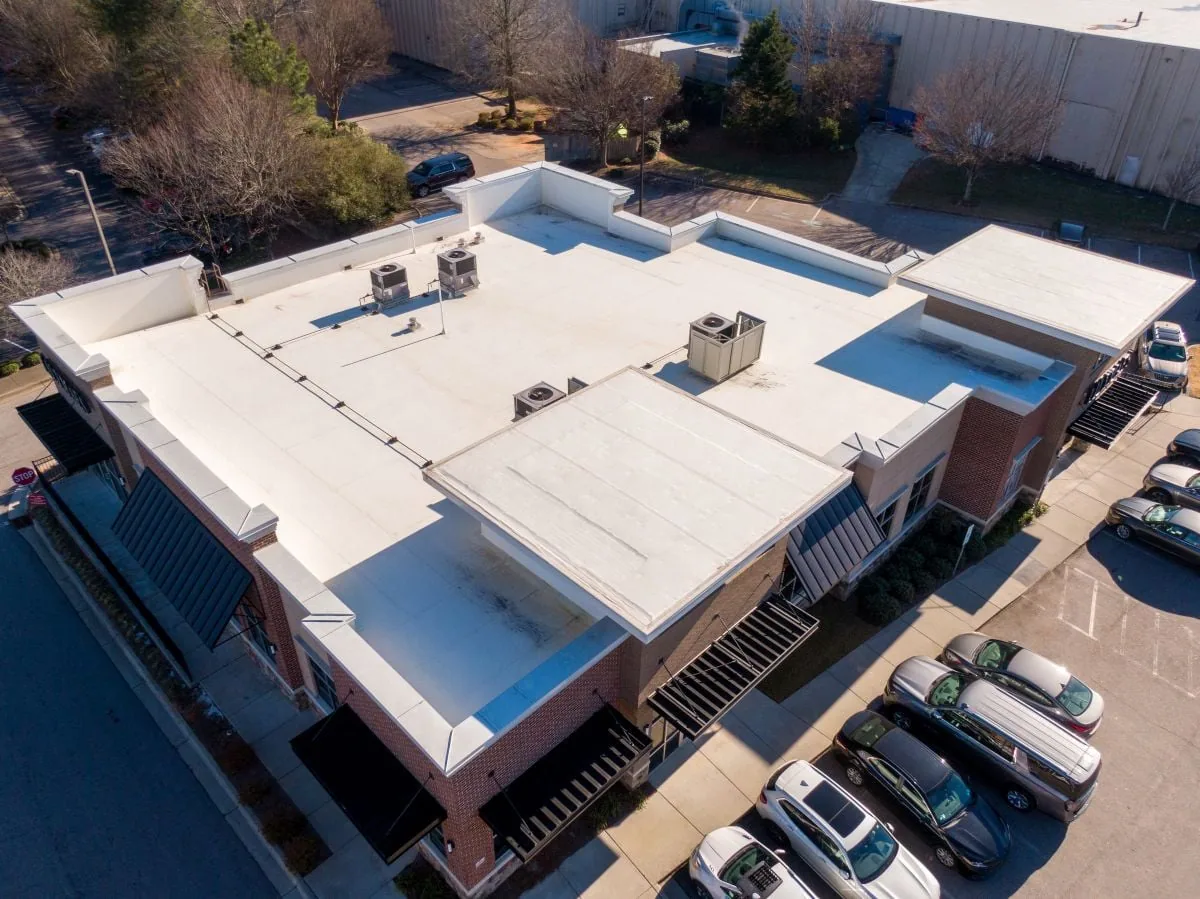
Maintenance: track open work and recurrence
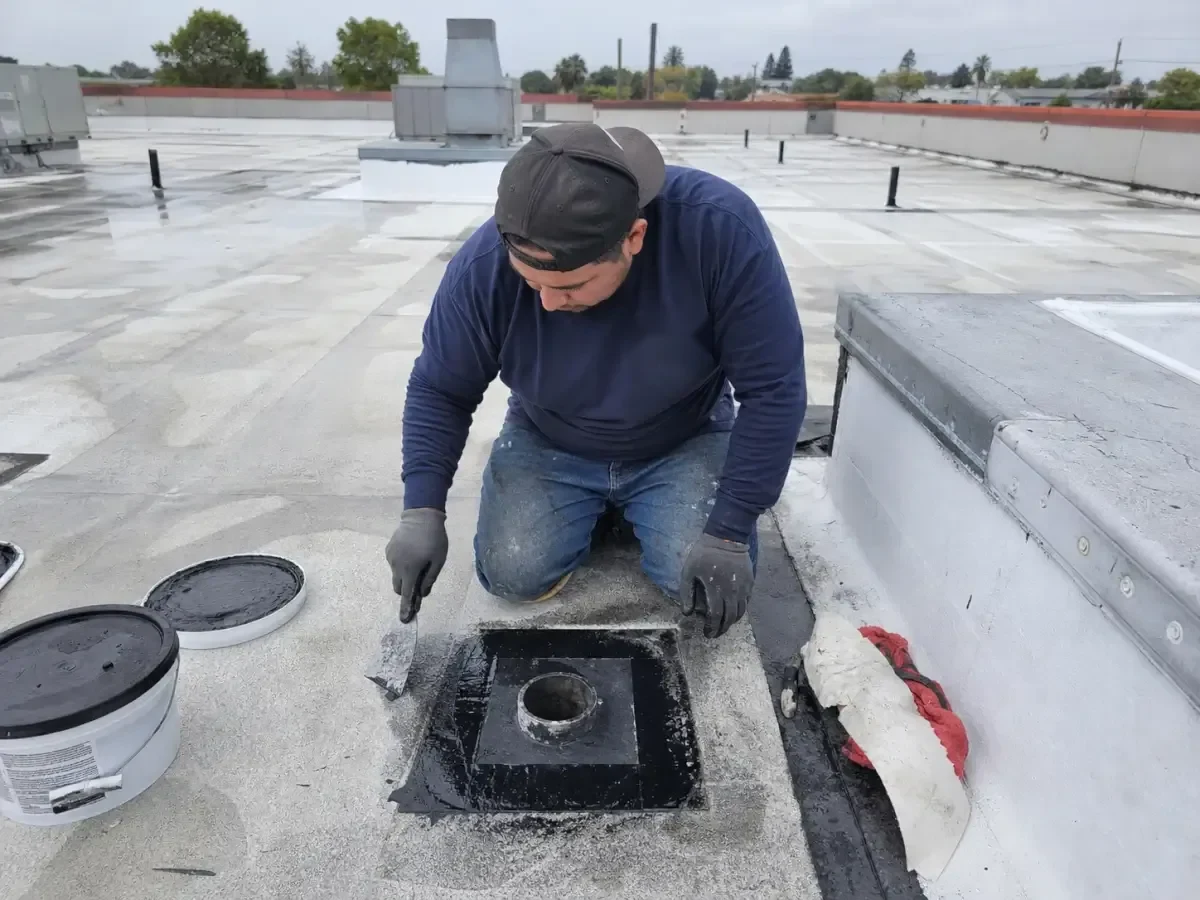
Planned visits can check drains, seams, edges, flashing, and prior repairs under an agreed work order. The record identifies which tasks were completed and which need follow-up. If a repair is recommended, it gets its own estimate and approval. Routine maintenance should not be recorded as a repair to a defect that was not observed.
For a recurring leak, compare visit dates and photographs from the same roof section. If the location changes, record the new area separately. Moisture scanning or a test cut may be proposed when the result could change the repair quantity. The owner approves testing and interior protection before the crew opens the assembly.
Close each visit with a status the portfolio lead can act on: complete, awaiting owner approval, deferred for access, or returned for testing. Add the responsible contact and expected date. A central report can surface overdue work while leaving the underlying roof observations attached to each asset.
A maintenance program can keep property-specific visits on a shared calendar. A capital plan can rank larger projects after evidence, estimate assumptions, and owner timing are assembled. Neither should present an uninspected roof as a confirmed condition.
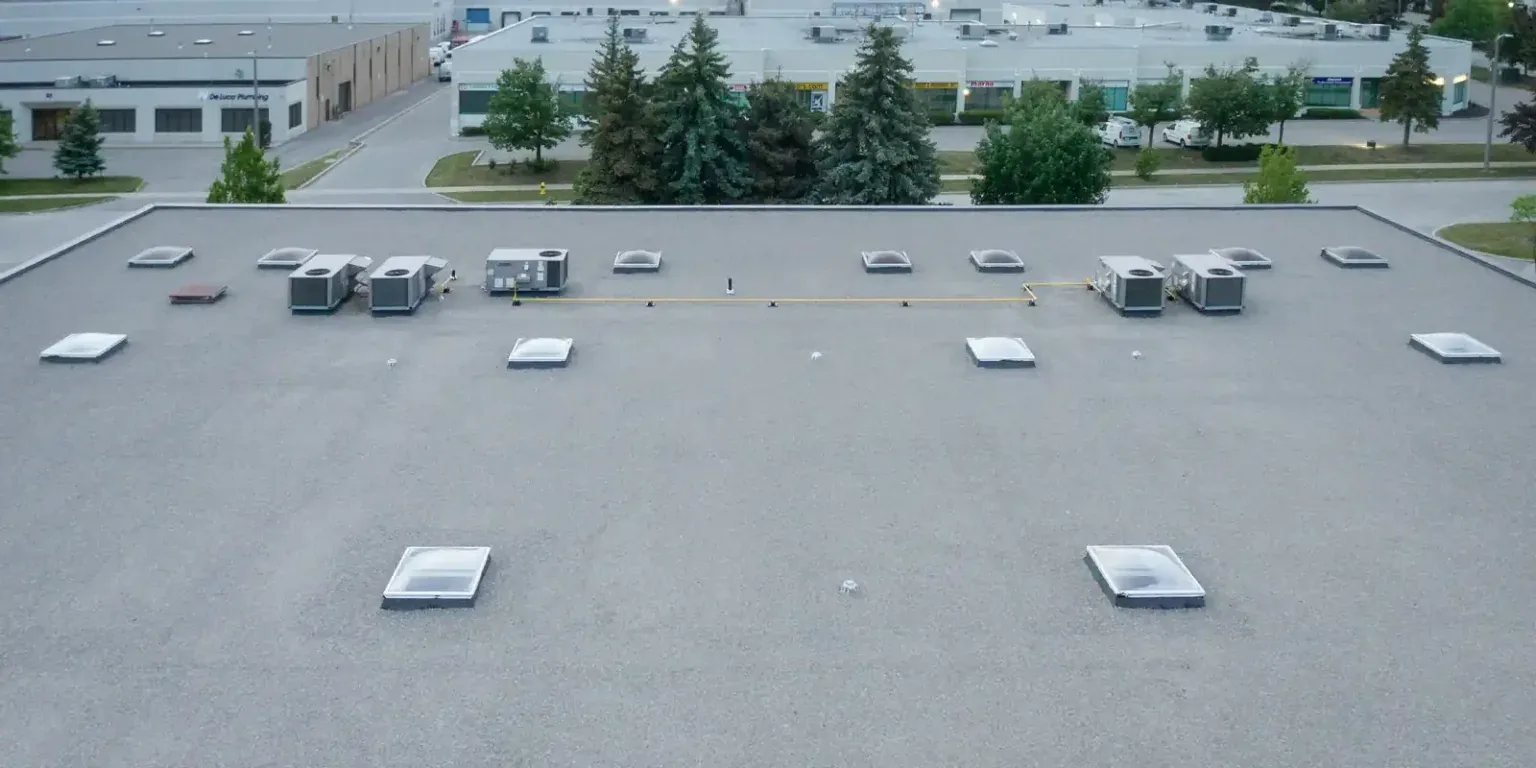
Approval control: keep each scope and budget separate
Every estimate names the building, roof area, material, work limit, assumptions, and exclusions. A central manager can coordinate schedules, but the owner or authorized representative approves cost and scope changes. If removal reveals wet insulation or damaged deck, the crew documents it and pauses. The work does not expand until the correct decision-maker responds.
Where a proposal may affect a warranty, we identify the detail for review. Where code or structural questions arise, the owner’s design professional and local authority determine requirements. We record who owns each open action and what information they need. A single portfolio approval should not be assumed to cover separate properties unless the owner explicitly defines that authority.
For an acquisition or refinancing across several Elgin properties, a due-diligence survey can record each roof as of its inspection date. A warranty review can organize terms and requirements by building.

Reporting: give leadership a usable status view
A monthly or quarterly roll-up can list properties visited, repairs completed, conditions needing approval, deferred access, and upcoming inspections. Each line links to the property record, photo set, and work order. The summary separates proposed work from completed work. It identifies where a test or updated estimate is needed before the next funding review. Separate property records keep access limits, repair history, and authorization attached to the correct building.
Elgin business areas include Randall Point Executive Center, Fox River Business Center, and its downtown commercial core. Area names can help group dispatch, but the asset list and site contacts control the actual service plan. Send property names, locations, available plans, known problems, access contacts, and reporting frequency when setting up a program.
We will confirm the first group of properties, field sequence, scope fields, and approval contacts. Each visit will retain its own observations, condition date, open items, and next action.
Questions About Multi-Site Commercial Roof Programs
Can you use one inspection form across all our Elgin buildings?
Yes. Shared fields can support review, while each property keeps its own roof zones, photos, system, access limits, and findings.
Can visits be grouped by business park or corridor?
They can be grouped when access and operations allow. Each building’s contact confirms entry, staging, work hours, and approval authority.
What happens when one property is inaccessible?
That site is marked deferred with the reason and return condition. Other visits retain their own status and do not inherit the access limit.
Does a storm event mean every property needs repair?
No. An event can prompt inspections, but each building requires its own roof evidence. We document the properties and zones actually reached.
Who approves a repair in a multi-site program?
The owner or authorized representative identified for that property approves its scope and any change. A central coordinator can schedule work without replacing that authority.