Commercial Roofing in Jaynes Industrial Park, Elgin, IL
Set a roof inspection for Jaynes Industrial Park
Share the building, reported area, access contact, and operating limits. We will set a dispatch window and confirm the next approval point.
Jaynes Industrial Park
Jaynes Industrial Park covers 72 acres of Elgin business land. Office, research, industrial, and planned-business uses are allowed by its zoning categories. We begin with the property contact, reported roof zone, and safe access window. Then we check the assembly, water path, penetrations, edges, and visible repairs. Dispatch separates water control from follow-up inspection.
Elgin's winter normals include frequent freezing days and annual snowfall. Meltwater can test a seam or drain after a cold stretch. Ice can make entry unsafe. We hold the walk when roof access creates a fall risk, protect exposed work, and name what remains for the return visit.
For a leak, we trace the interior report instead of assuming the opening sits overhead. For planned work, we identify the visible assembly and map the repair boundary. Each recommendation ties to a roof zone and photograph. The owner gets an approval point before a patch, test, or replacement moves ahead.
First walk: mark the roof zones
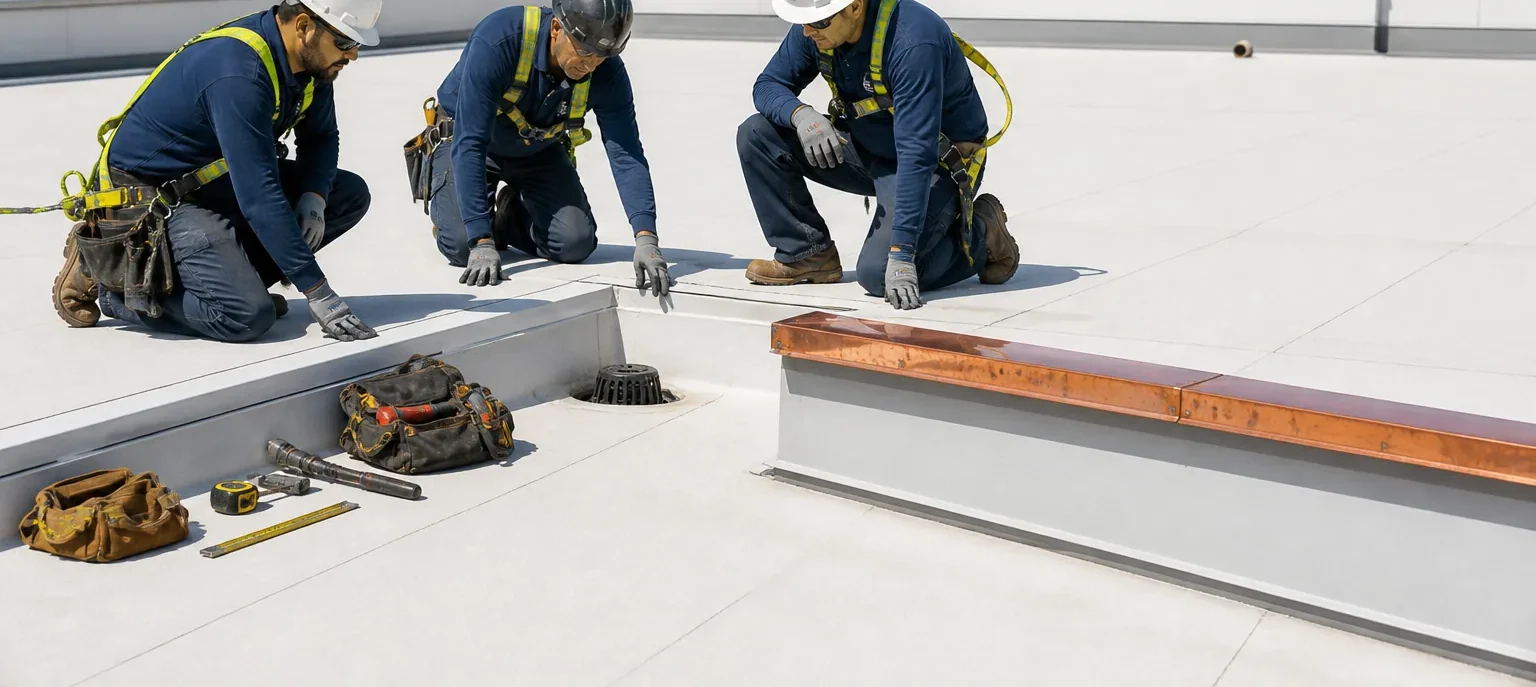
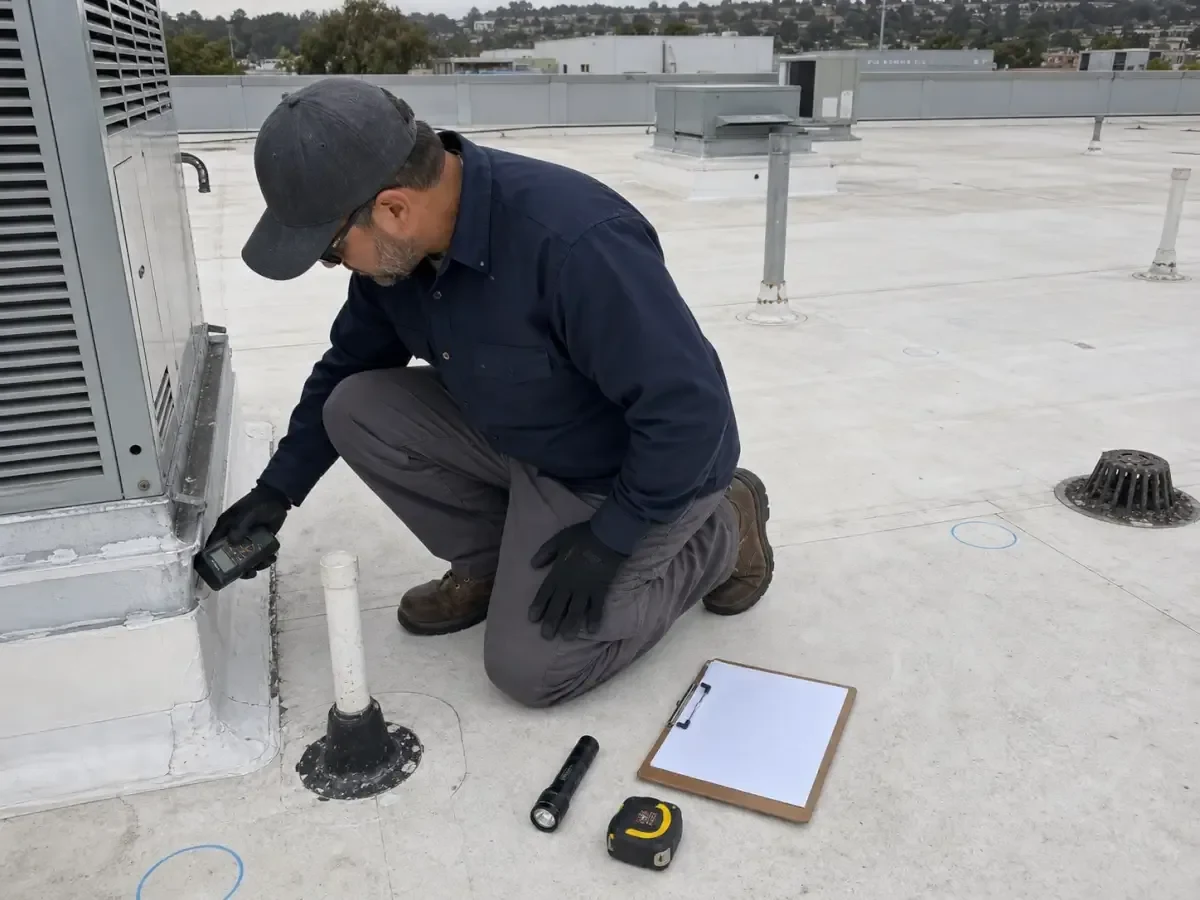
The site contact identifies the affected room, equipment, or operating area before roof entry. We confirm the hatch or ladder, escort needs, fall protection, and the route around rooftop equipment. If production, deliveries, or tenant schedules restrict access, those limits shape the walk. We record areas reached and sections deferred.
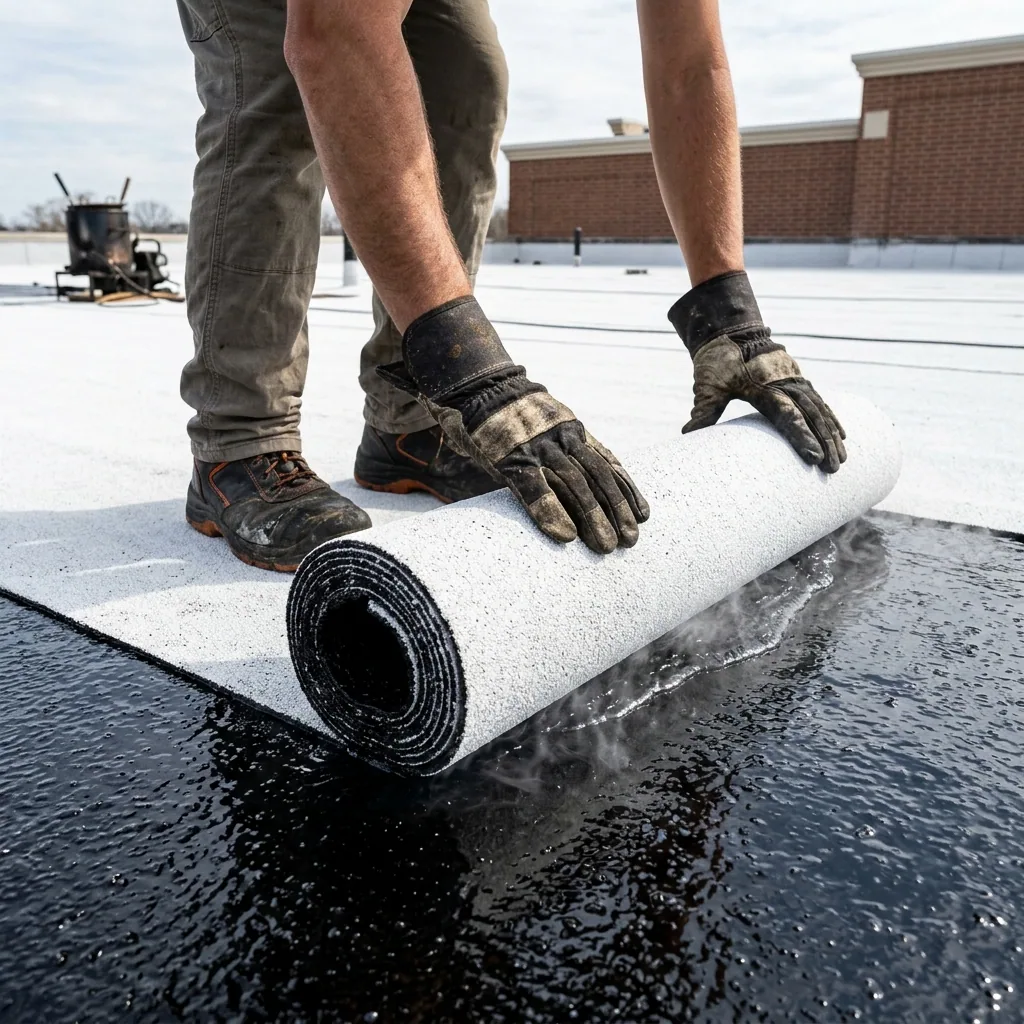
On the surface, we check seams, laps, membrane transitions, penetrations, curbs, parapets, edge metal, drains, and prior patches. We photograph a detail close enough to evaluate and wide enough to find again. A loose termination, open lap, or damaged flashing may support repair. A stain without a matching roof condition may need moisture testing or a controlled opening.
We also identify the roof system where visible evidence allows it. The membrane label, attachment pattern, coating, and flashing materials can help determine compatibility. If layers are concealed, we state that limitation rather than infer the assembly. A repair detail must bond to a clean, stable surface and tie into sound material. When the substrate is wet or deteriorated, the repair boundary may need to widen after the owner approves the added investigation.
Each finding gets a location, condition, recommended action, and priority. Photos preserve the original condition. The report separates an active leak from maintenance, testing, or a capital item, which helps the owner set the right approval point.
Weather window: protect safe roof entry
After a thaw, water can remain at low points or reveal a drainage restriction. We note standing water, overflow marks, blocked outlets, and the condition of accessible scuppers or drains. Standing water alone does not establish a slope or structural problem. Plans or measurements may be needed to assess drainage.
During July 2023, an EF1 tornado moved through Elgin and damaged roofs along its route. A Jaynes request still needs its own roof inspection; we check current edge metal, flashing, punctures, seams, and equipment supports. We inspect current conditions at the building: displaced edge metal, torn flashing, punctures, seam separation, or movement around equipment. We record each item before discussing repair scope. If no damage is visible from the accessible areas, that limit belongs in the update too.
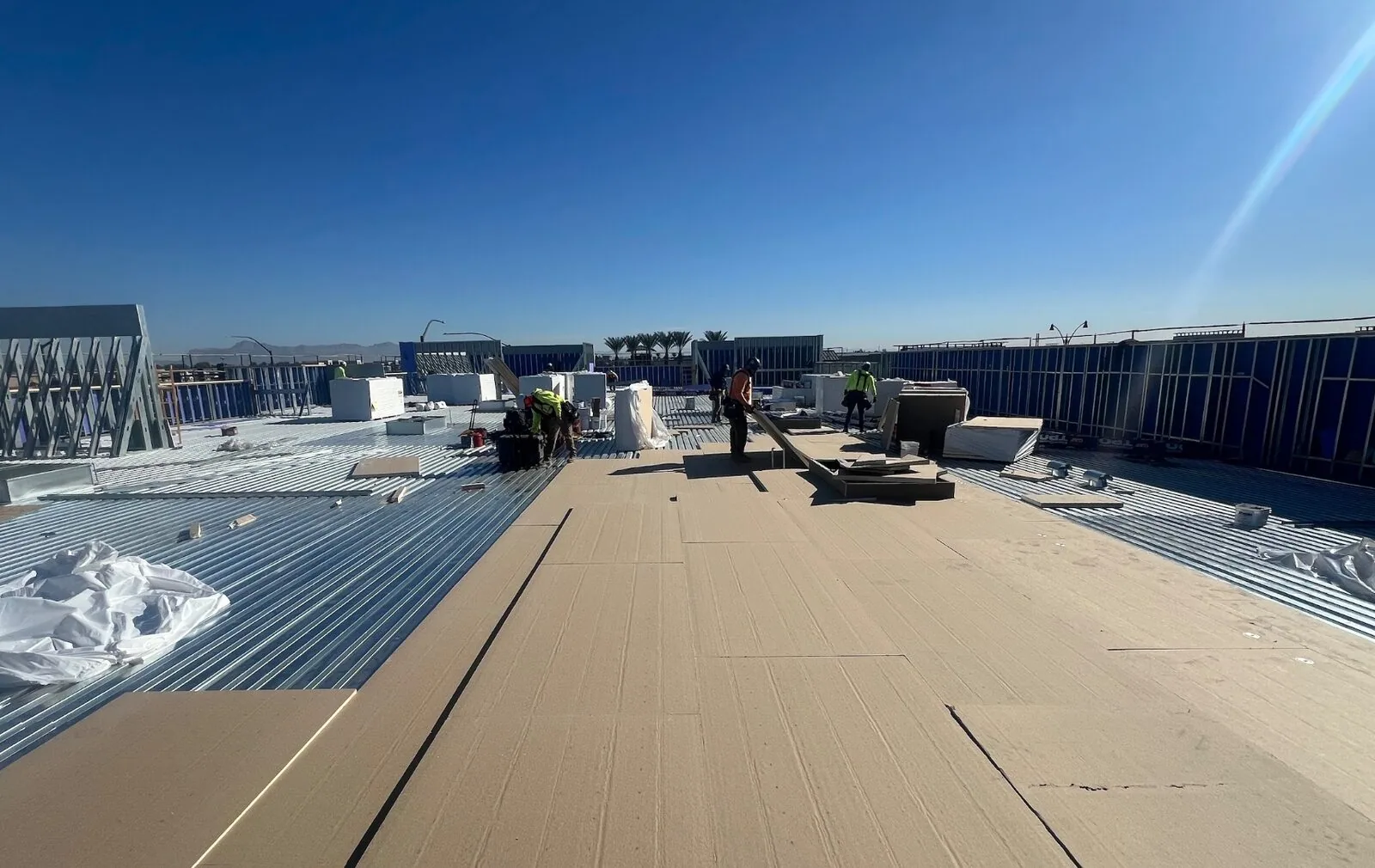
Elgin also records days above 90 degrees. The superintendent checks actual surface temperature and product requirements before staging adhesives, coatings, or membrane. Work may shift to a cooler window or pause when conditions exceed the installation range.
Repair boundary: keep the cause in view
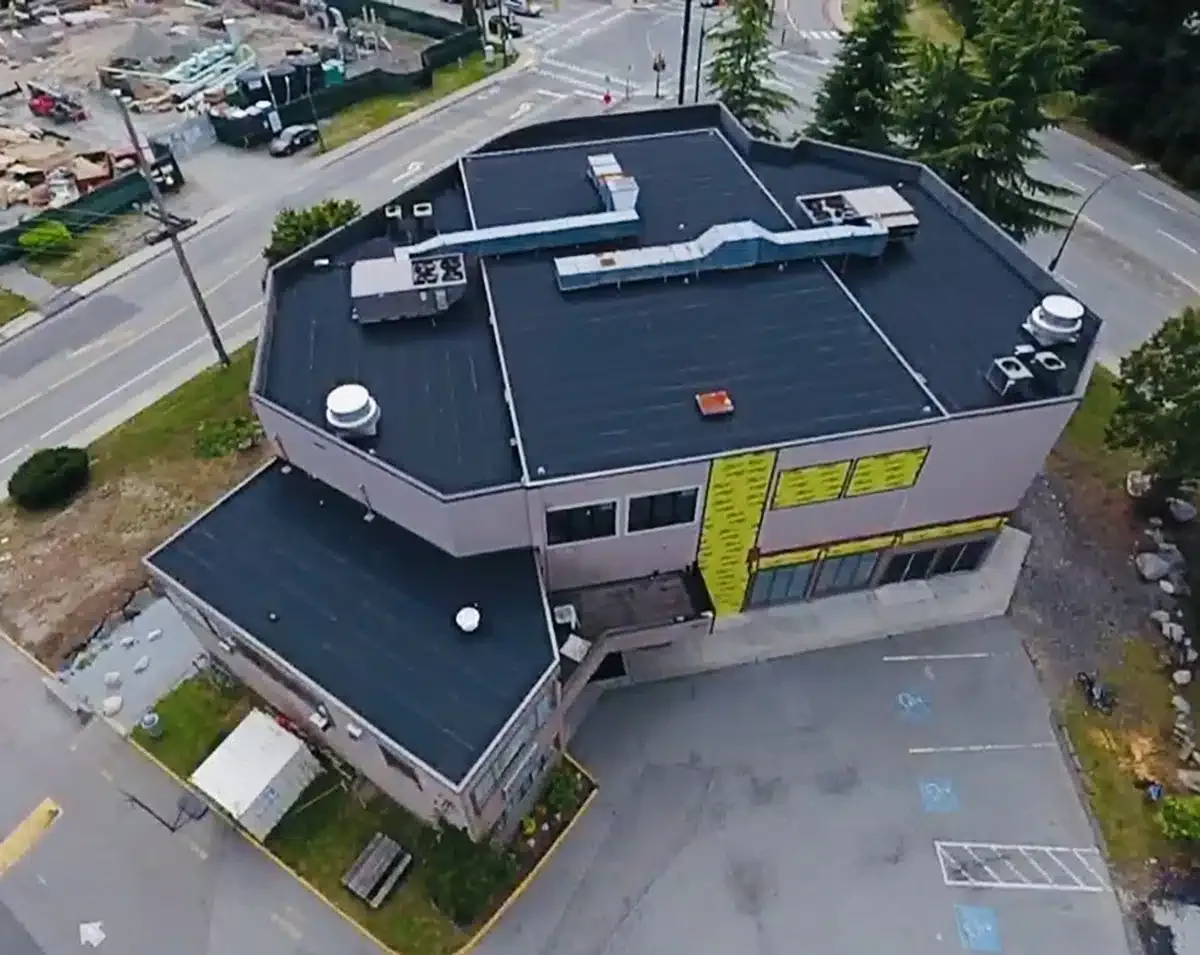
An active leak changes the dispatch order. We first protect the interior and check whether water is near electrical systems, inventory, or occupied space. On the roof, the crew follows plausible water paths through seams, penetrations, wall details, and drainage points. A wet ceiling does not prove that the opening lies above it. We document the likely entry area and identify whether the cause is confirmed or still needs testing.
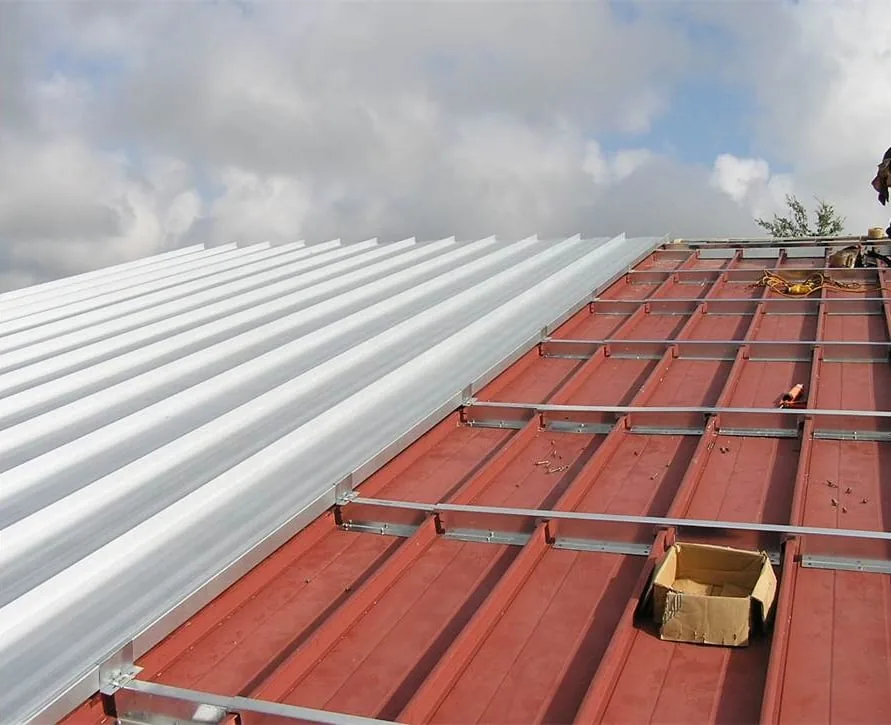
A repair scope names the roof zone, material, preparation, detail, and perimeter. It also states what the work does not include. If a patch is temporary, the record says so and sets the expected next step. If a permanent repair is proposed, the substrate must be suitable and the materials compatible with the existing assembly. A concealed wet area or failing insulation may require a test opening before the crew can price a lasting repair.
Our commercial roof repair service covers isolated defects and defined repair zones. When a broader area is involved, an inspection with findings helps the owner compare immediate work with maintenance or replacement planning. The recommendation depends on the observed assembly, not the name of the district.
Closeout photos show the repair and adjacent details. We record materials, completed areas, and remaining limits. A temporary dry-in stays labeled as temporary until permanent work is complete.
Budget review: compare a repair with replacement
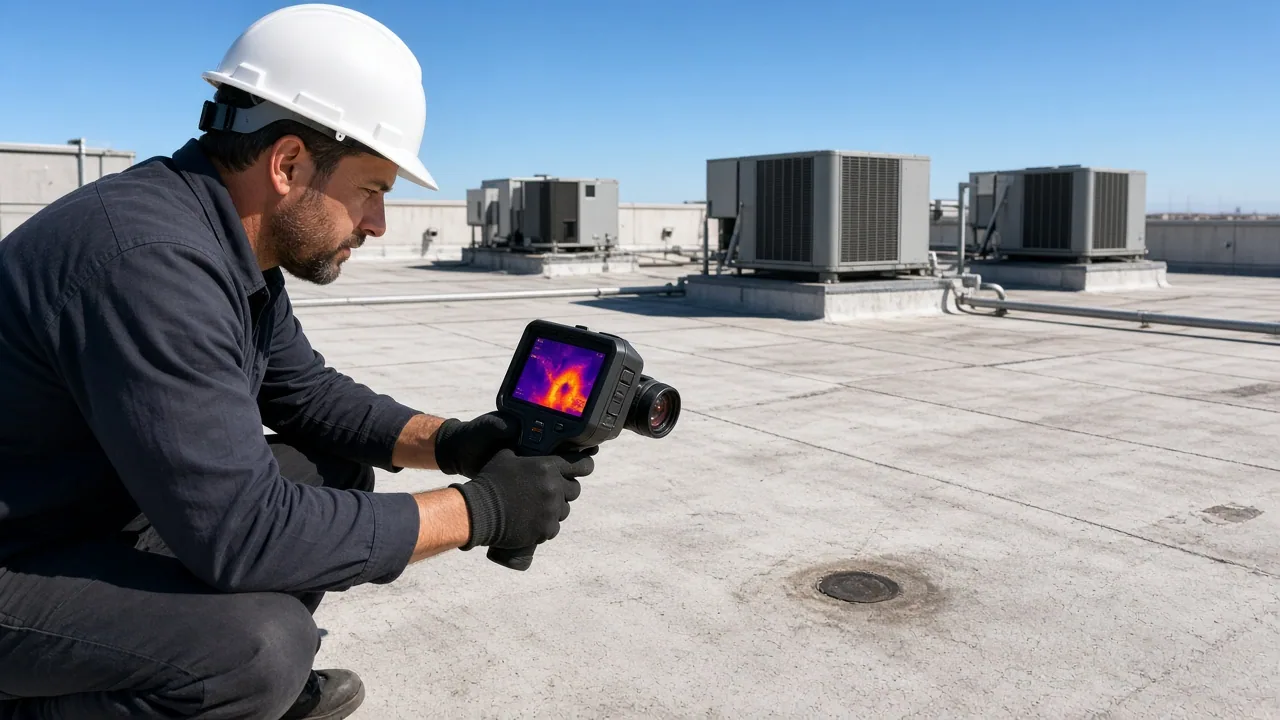
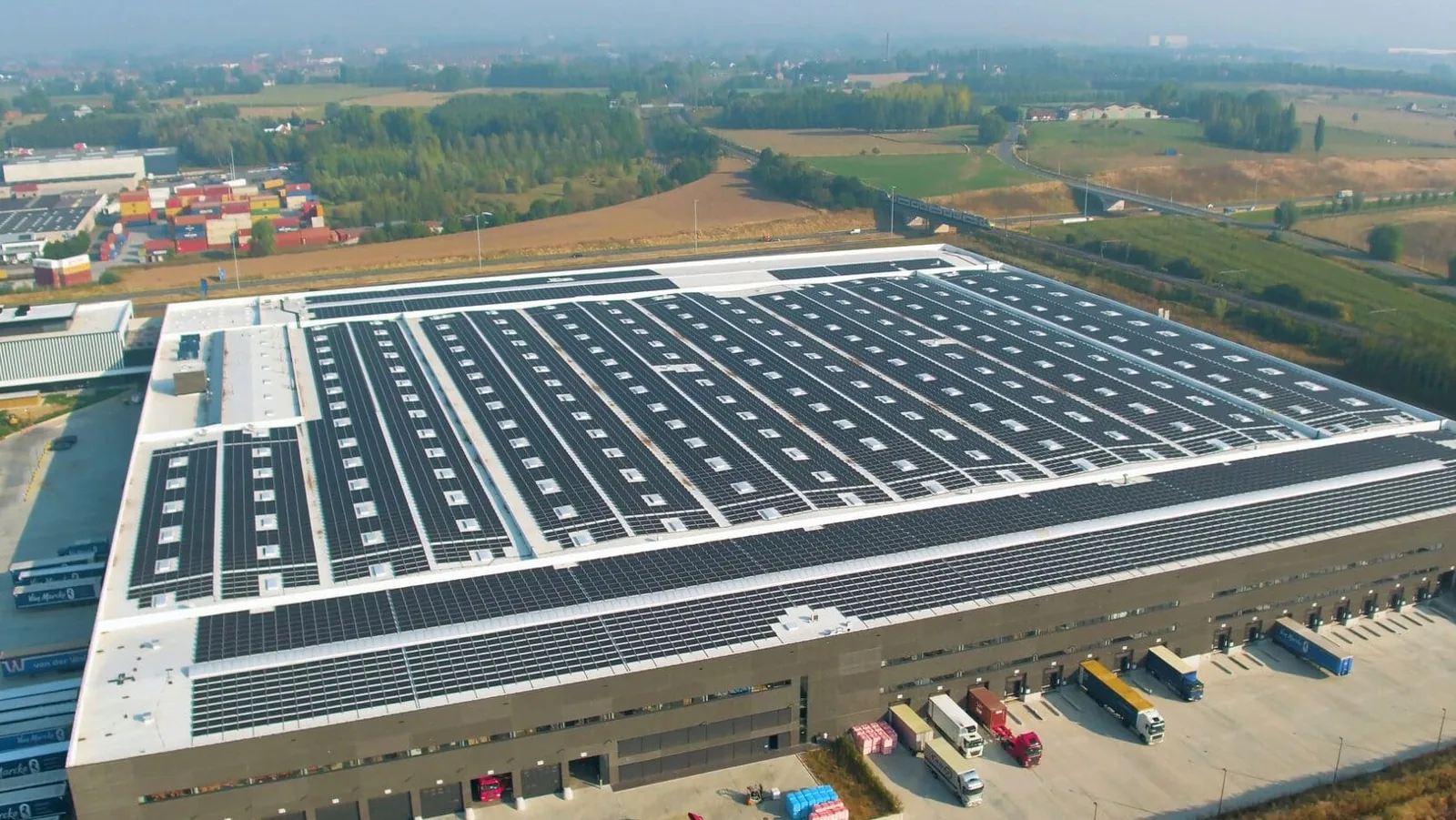
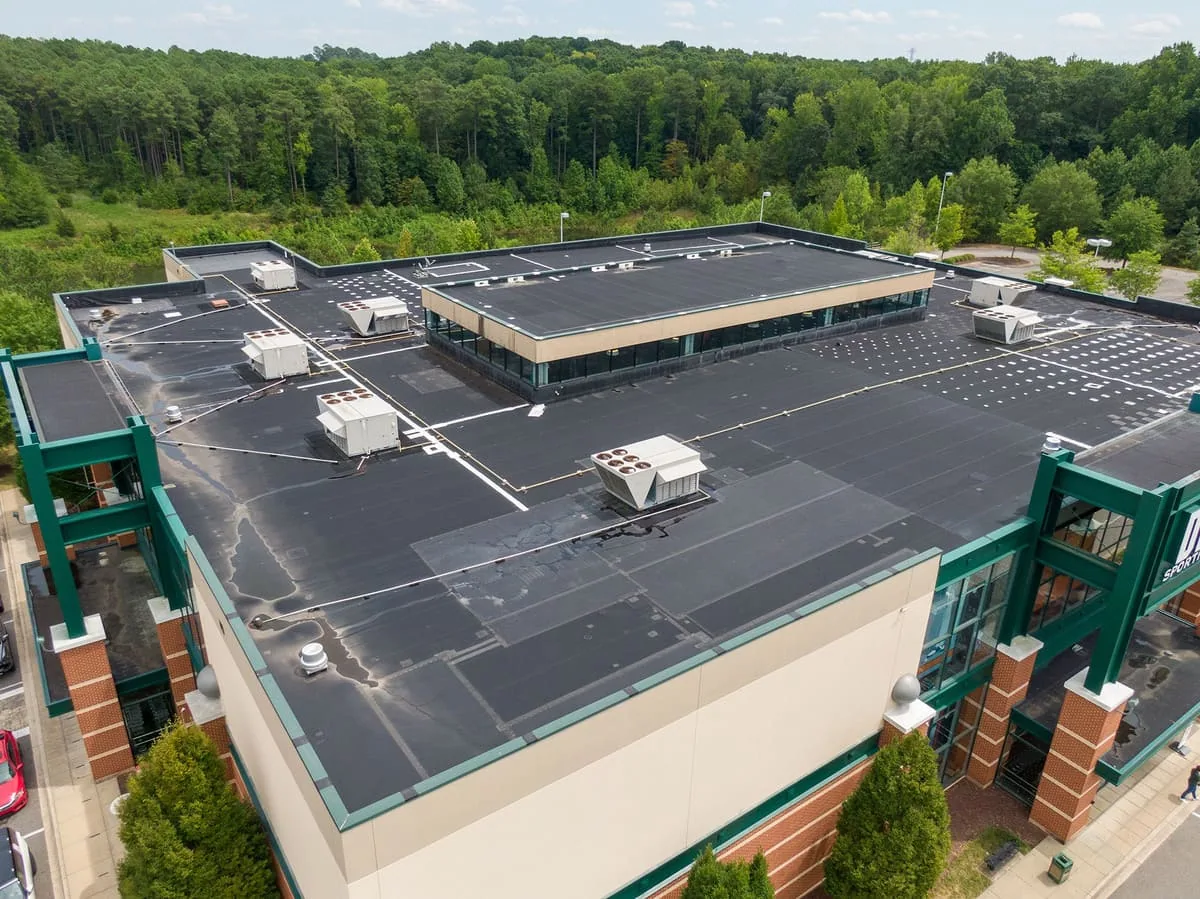
A roof nearing a capital cycle deserves a system review before a replacement number is set. We confirm visible layers, membrane type, edge height, insulation condition, deck observations, drainage, rooftop equipment, and access. A recover may be possible only when the existing assembly, moisture condition, attachment, and code requirements permit it. If those conditions are unknown, a test cut or moisture survey can answer a decision question before the proposal assumes a system.
Replacement scopes should show the full assembly and the work at transitions. That can include tear-off, disposal, deck repair, insulation, cover board, membrane, attachment, flashing, curbs, edge metal, drains, and protection for occupied operations. We separate verified quantities from assumptions. Any hidden-condition allowance identifies what could change budget or schedule and who must authorize that change.
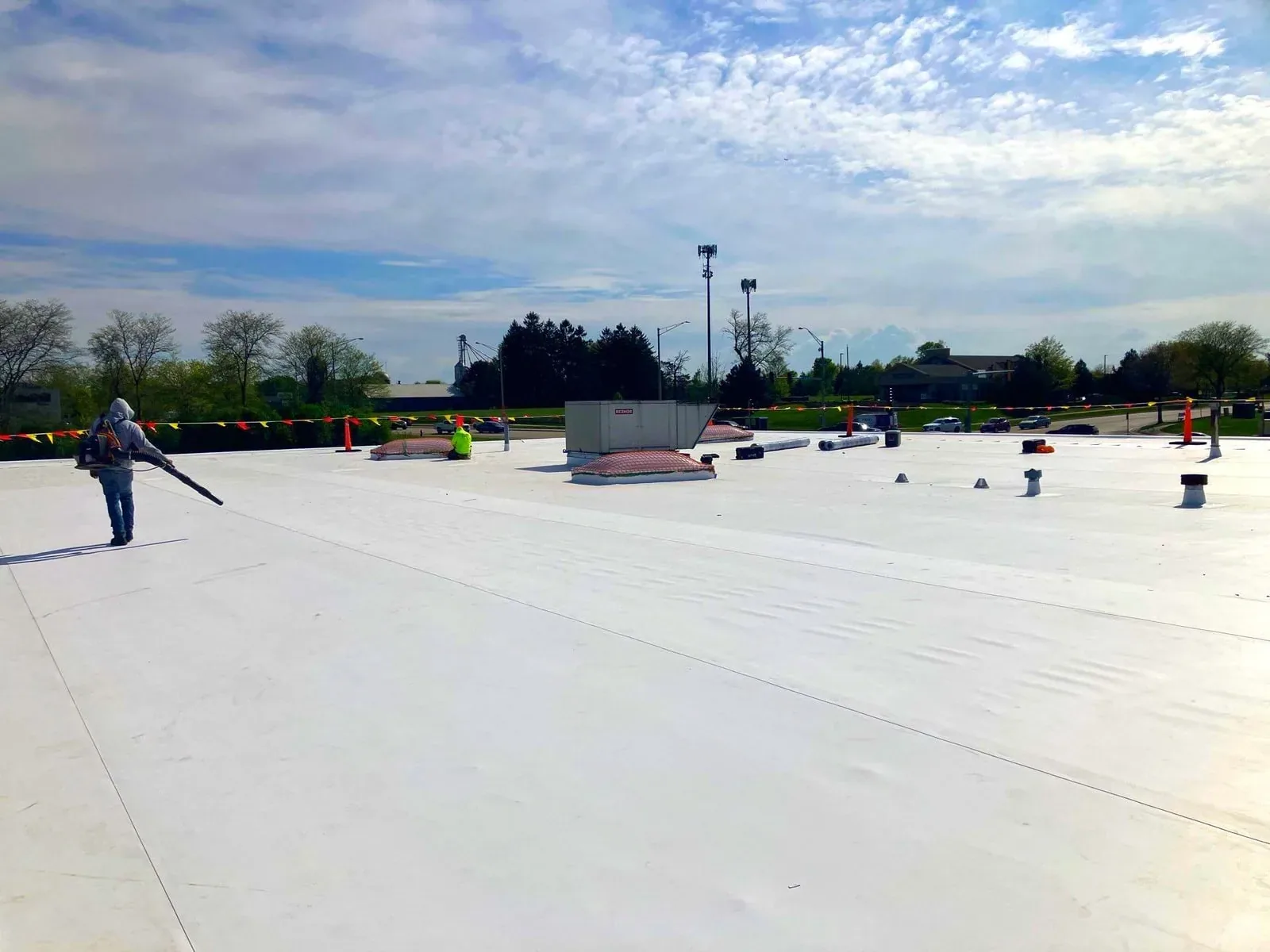
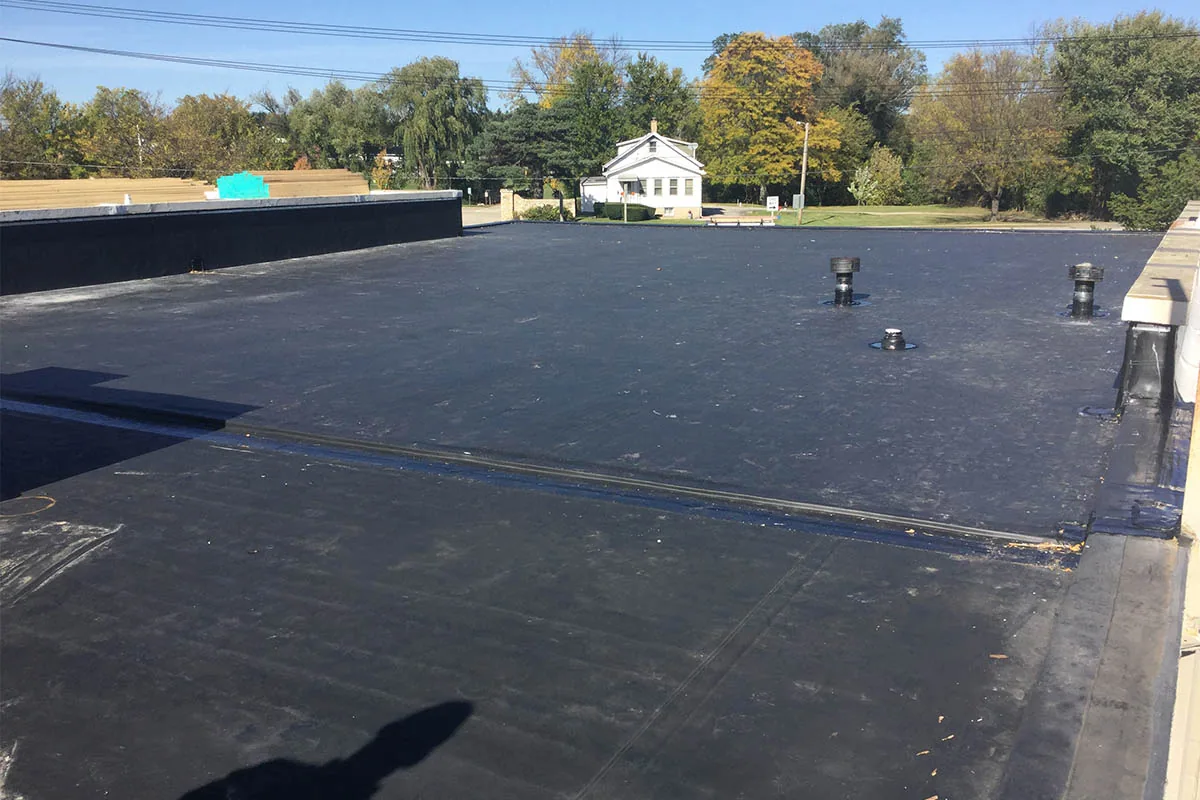
The selected roof system affects how details are repaired. A TPO assembly, an EPDM roof, and a modified-bitumen system use different seams and repair materials. We verify what is present before recommending a method. A coating can extend service only when the substrate and existing roof qualify; it is not a substitute for correcting wet insulation or failed details.
A replacement in Elgin must account for the locally amended 2021 IBC and current state energy requirements. The project team verifies applicable provisions before choosing an assembly. The proposal then states scope, access, phasing, and weather limits for approval planning.
Dispatch notes: set access and approval points
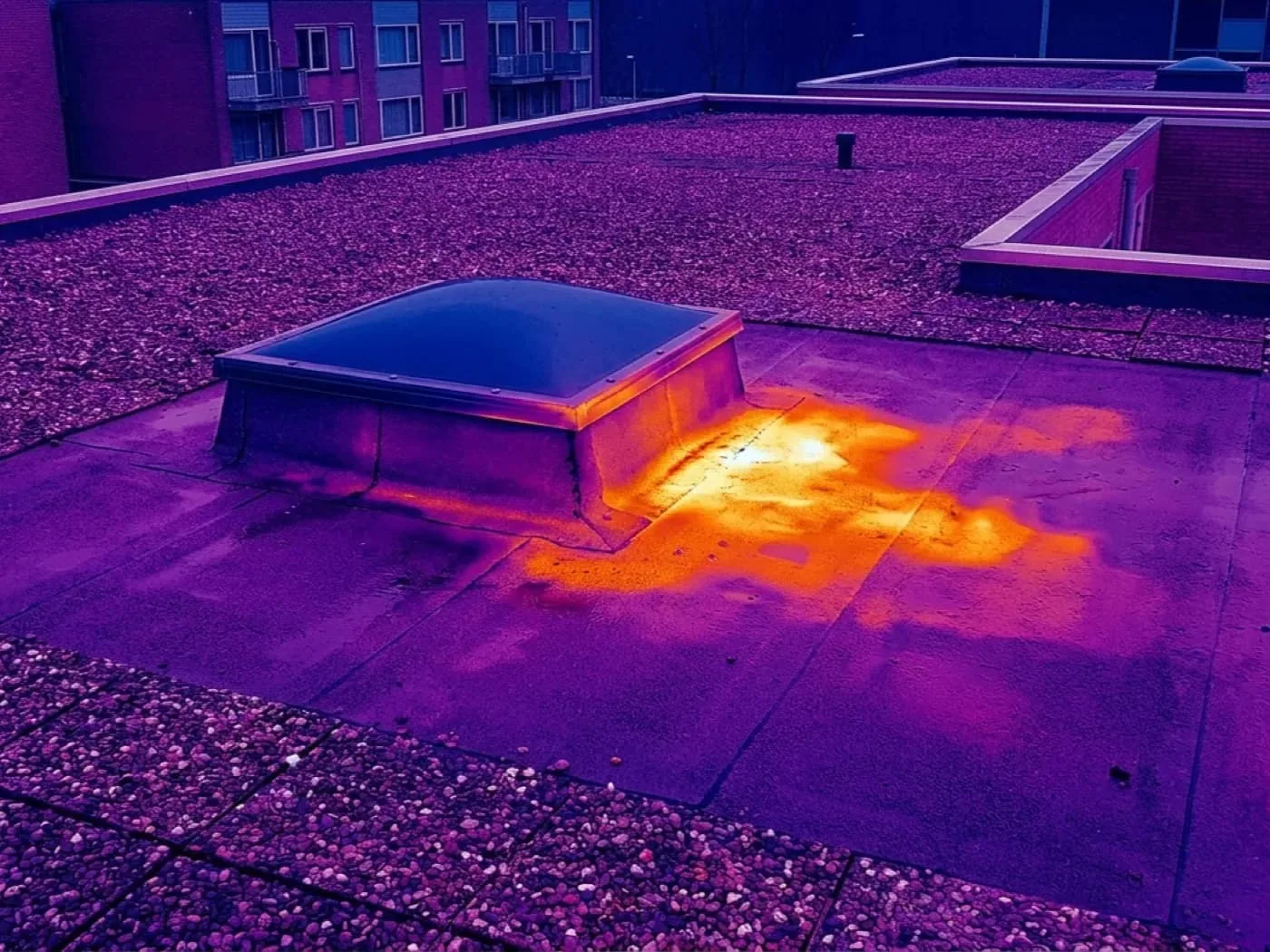
Before mobilization, the site contact confirms roof entry, escort rules, deliveries, staging limits, tenant notices, and the person authorized to approve added work. We ask which rooms or operations need protection and when noisy work can occur. A location name does not tell the crew how a property operates. The job plan must come from the current building contact.
For multi-building work, each roof gets its own findings and repair boundary. The update marks completed zones, return visits, owner decisions, and the next action.
Other Elgin work areas include Westfield Business Park and Northwest Business Park, each with a separate access plan. For planned capital work, roof capital planning can organize condition records and priority by building. A recurring maintenance program can track drains, flashing, seams, and repairs across future visits.
Call with the building, access contact, operating limits, and reported area. We will set a safe dispatch window and identify the next approval point. For active water, name the affected room and equipment at risk.
Questions About Jaynes Industrial Park
What should the first Jaynes Industrial Park roof visit cover?
We confirm the reported area and access, map reachable zones, photograph defects, and identify tests or repairs needing approval.
Does the 2023 tornado mean a Jaynes property needs repair?
No. The Elgin event is context; an inspection establishes current conditions and any access limits.
Can one inspection cover multiple buildings?
Each building gets separate findings and a repair boundary. Scheduling can be shared; systems and conditions are checked separately.
What changes a repair into a replacement project?
Wet layers, repeated failures, deteriorated substrate, code requirements, and remaining sound material affect the recommendation.
How do winter conditions affect dispatch?
Snow or ice may delay safe entry. We protect exposed work and return when the roof can be inspected safely.