Commercial Roof Condition Reports in Elgin, IL
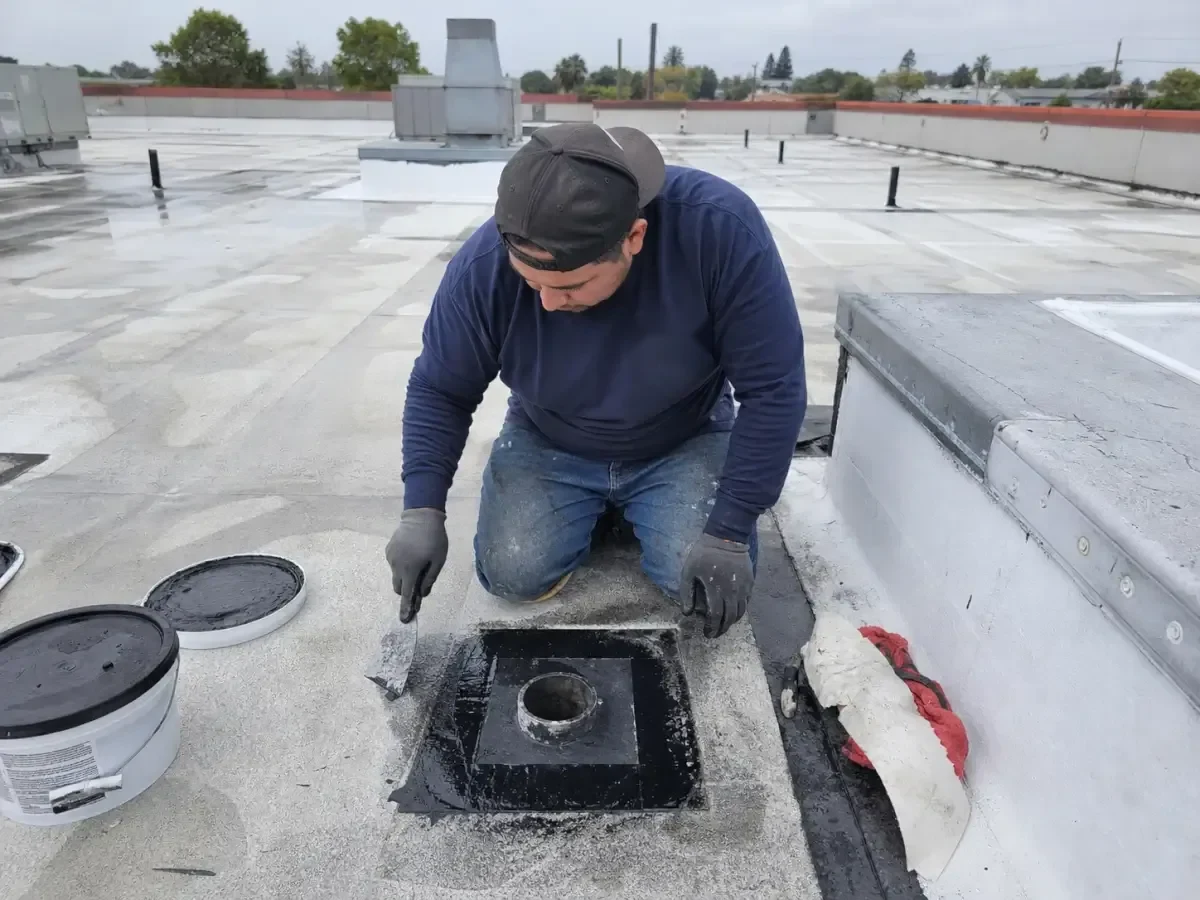
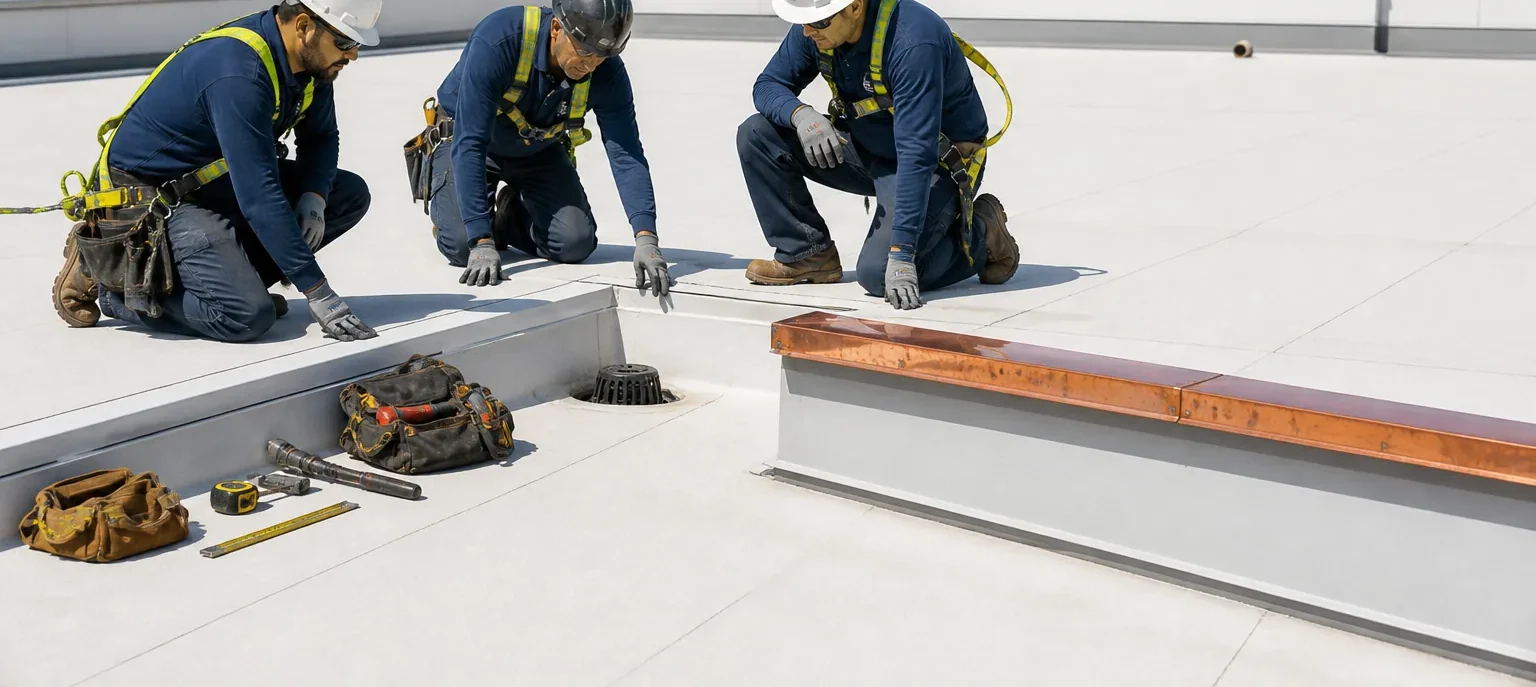
Request a roof condition report
Provide the property, requested roof sections, available plans, reason for review, reported conditions, and access contact. We will confirm inspection method and limits.
Commercial Roof Condition Reports
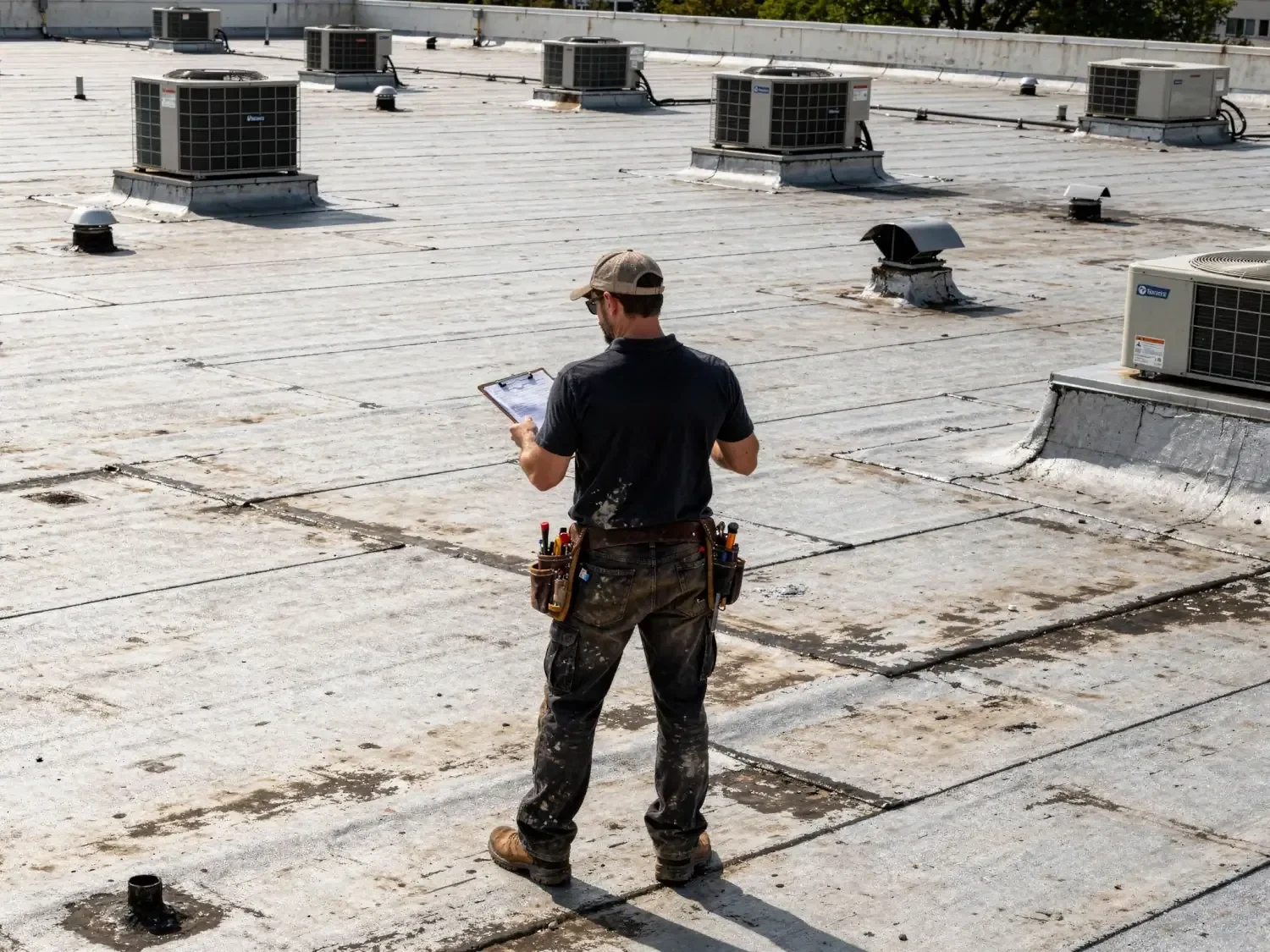
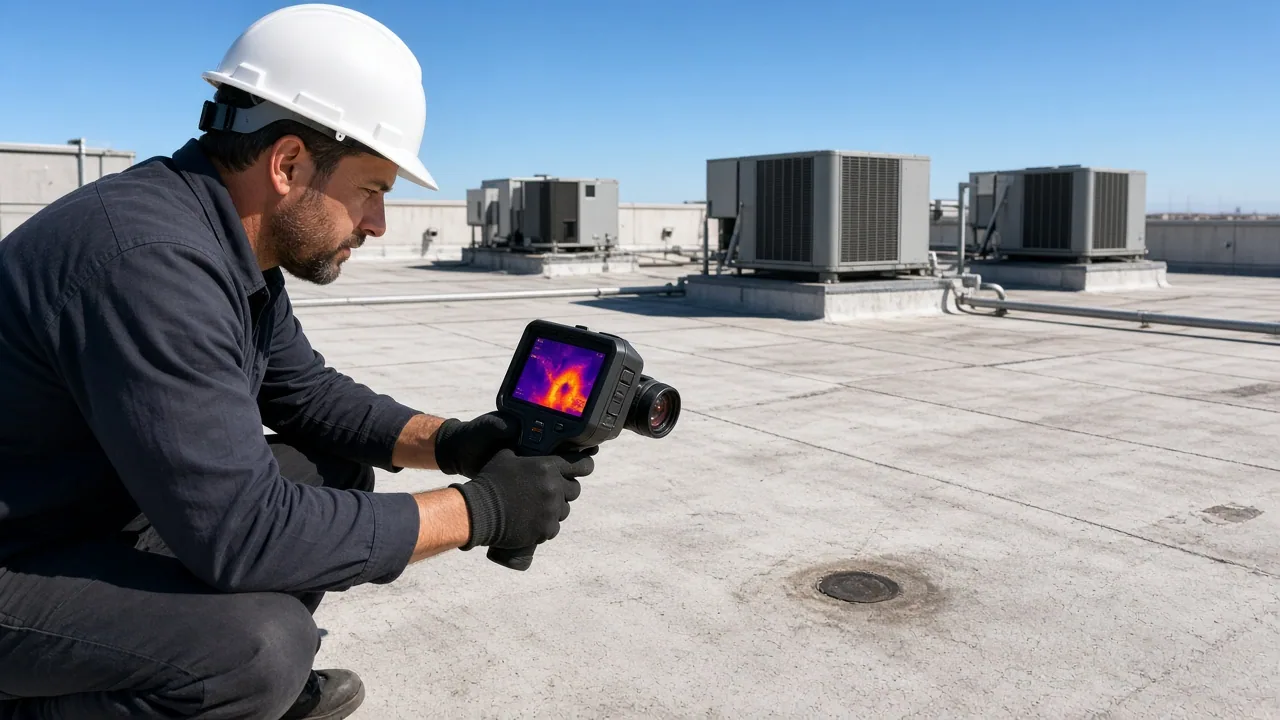
A useful roof report answers four questions: what area was inspected, what was visible, what could not be confirmed, and what decision comes next. We identify the property and roof zones before documenting conditions. Photos show details and enough context to locate them again. The report distinguishes a confirmed defect from a test, estimate, or follow-up that remains open.
Elgin’s business areas include downtown, office and research parks, and general industrial sites. The city also has employers in healthcare, education, manufacturing, and food processing. Those settings can affect access and reporting needs. A Northwest Corporate Park building and a Downtown Elgin property each need a report tied to the actual roof.
Report scope: define the inspection before the visit
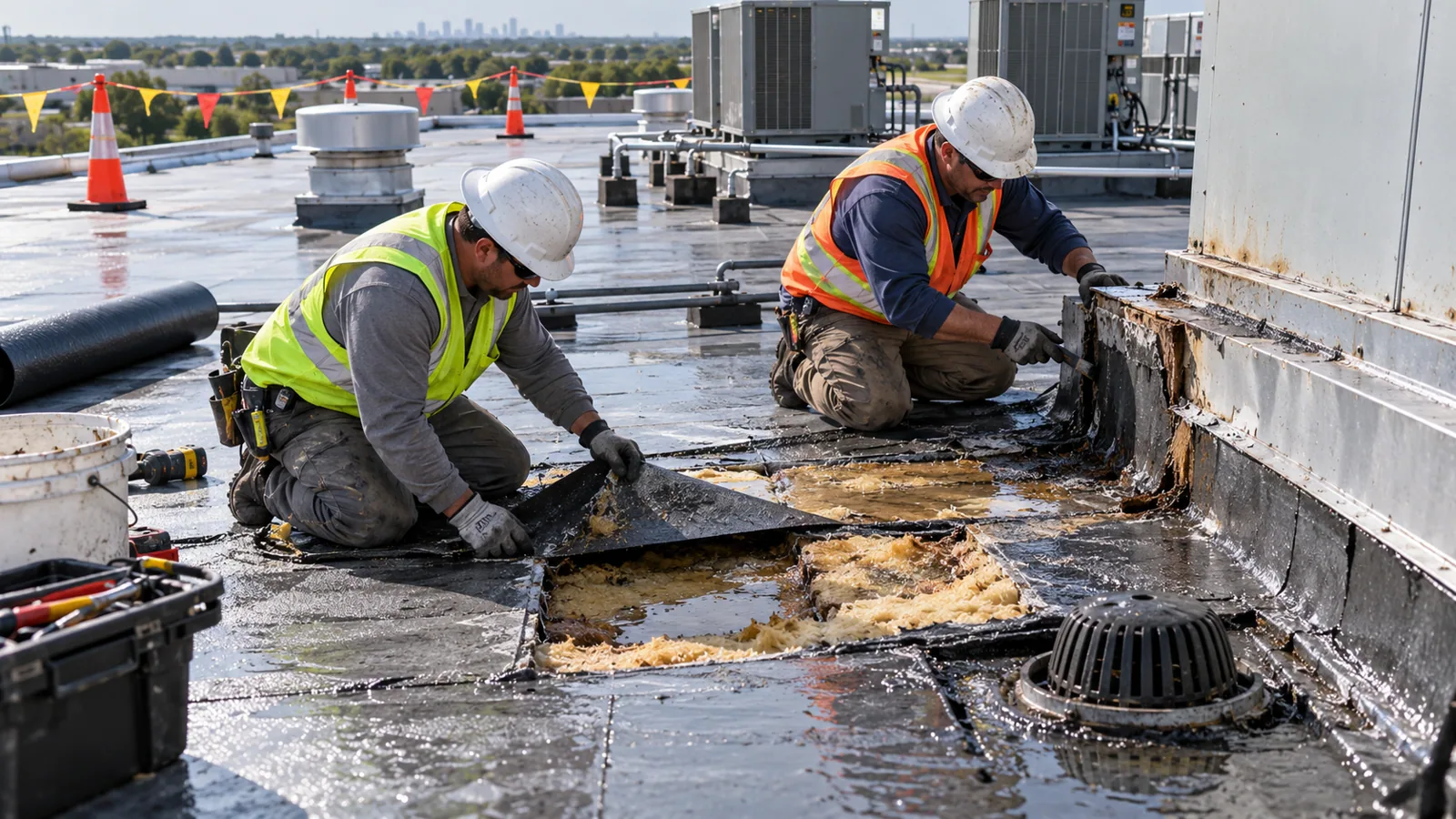
Before dispatch, we confirm the address, requested roof sections, access contact, reason for review, and records available. The owner identifies any active leak, tenant restriction, equipment concern, or area requiring an escort. If a roof plan is available, we compare it with visible construction and mark any mismatch. A plan can help locate a section; it does not prove what is installed today.
The report states whether inspection was visual, photo-based, drone-assisted, infrared, or supported by a test opening. Each method has limits. A drone image may show surface conditions but not concealed moisture. Infrared patterns may require confirmation. A test cut can reveal material layers in one location, not the whole roof. The findings identify method, date, weather, and access constraints.
Elgin averages 37.76 inches of annual precipitation and about 29 inches of snow. Those patterns can inform the timing of a drainage or post-thaw review. They do not establish that an outlet is blocked or a roof is damaged. The report connects local context to a specific observation only when the inspected condition supports it.
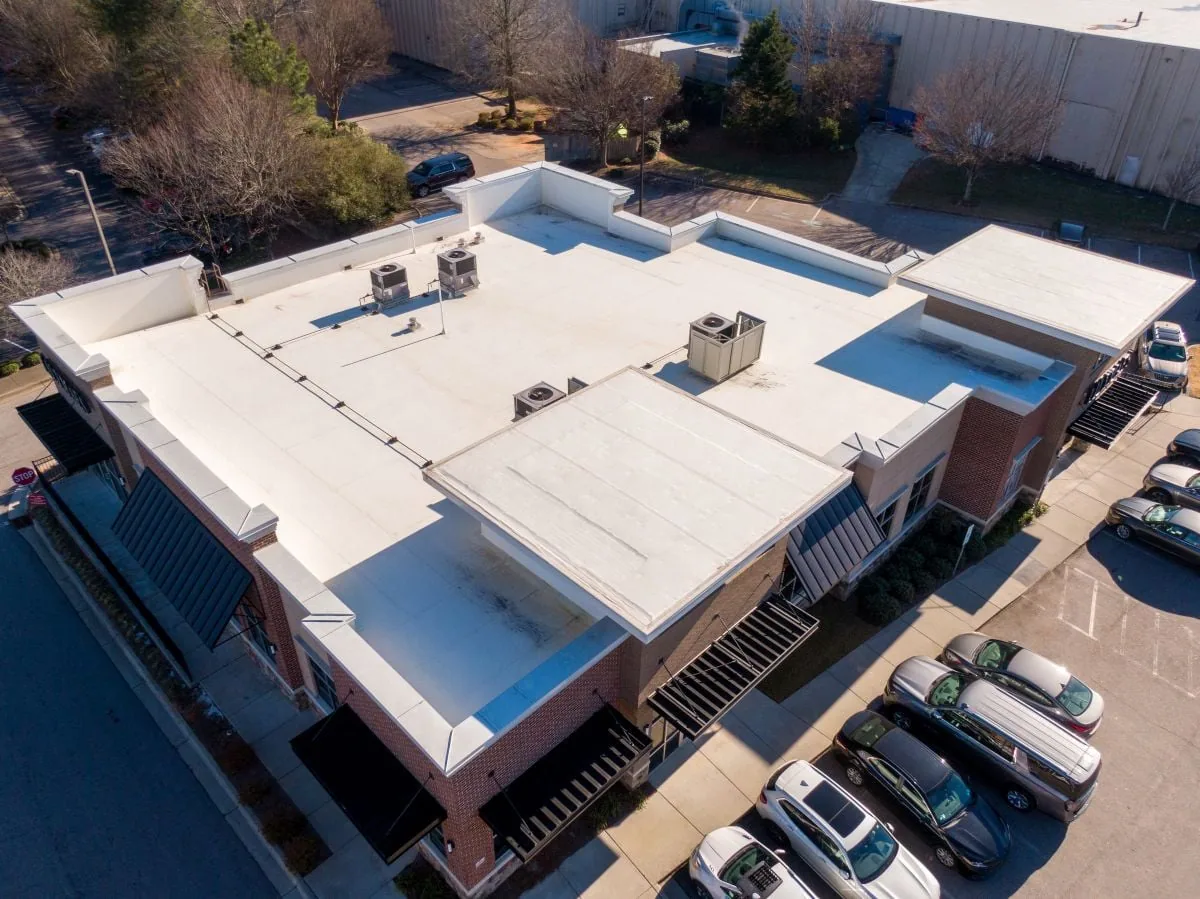
Photo record: connect each image to a roof zone
Each photo should have a date, location, view direction where useful, and description. A close image shows the defect or detail. A wider image shows the surrounding curb, drain, edge, or roof section. We label the roof zone and keep the image sequence consistent with the written findings. That lets a property manager compare follow-up photos without guessing which detail changed.
We document open seams, punctures, flashing separation, ponding evidence, displaced metal, previous patches, and visible surface wear when present. We do not treat a stain or a mark as proof of a cause by itself. If several paths could explain active water, the report identifies each candidate and any test that may narrow it. The owner sees the difference between observation and conclusion.
Where the building remains occupied, photos and access notes should avoid unnecessary exposure of tenants, inventory, or restricted spaces. The site contact can identify sensitive areas before the visit. A roof inspection can be scoped to a reported issue or to a broader section review, depending on the decision the owner needs.
Findings: separate observed condition from risk
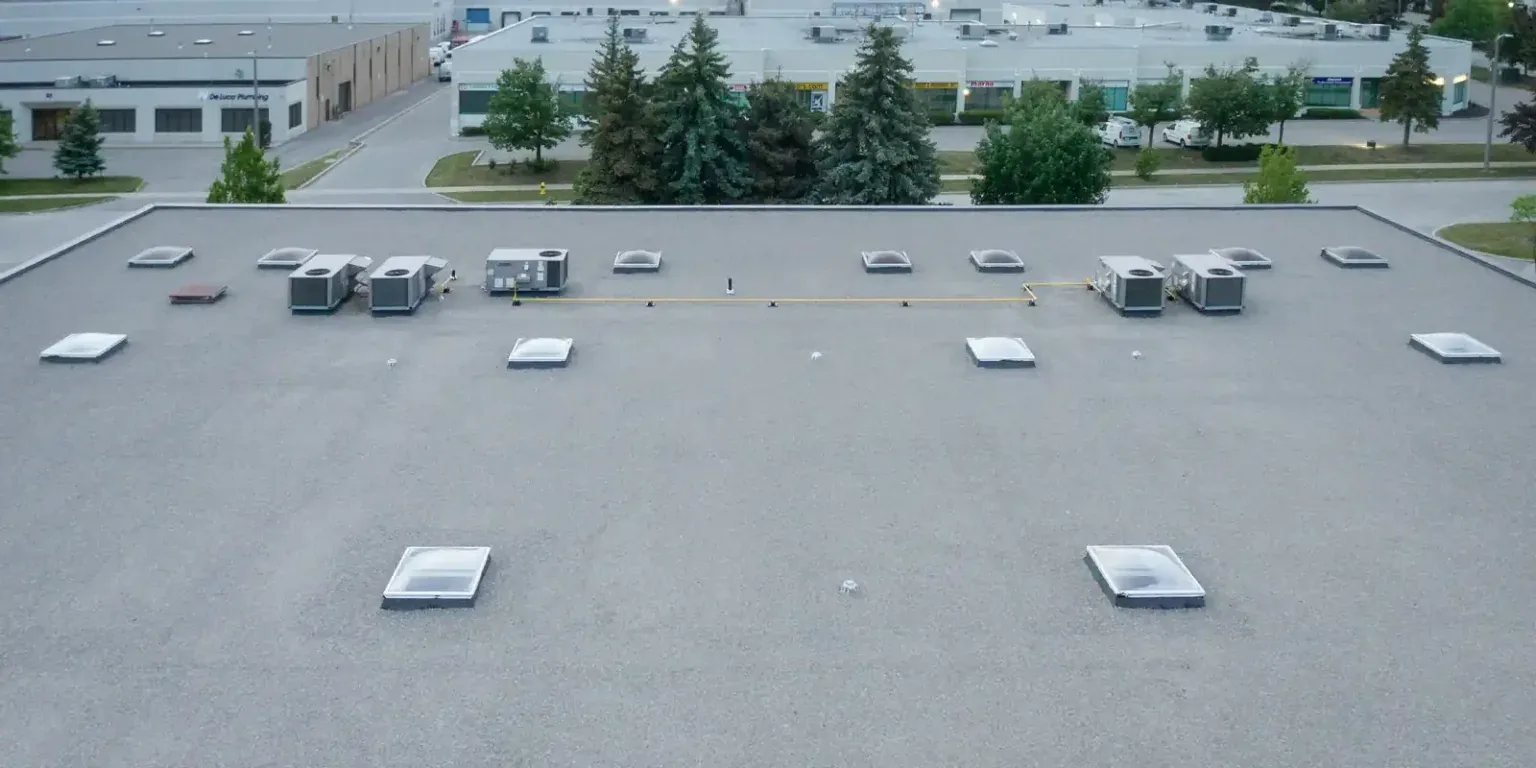
Each finding names the roof zone, visible condition, immediate status, and next action. An active opening may need temporary protection. A loose flashing edge may need a defined repair. A low area may require additional measurement or design review. We mark urgency by observed exposure and access, not by dramatic wording. If a concern remains unverified, the report says what evidence is missing.
Elgin’s local employer mix includes healthcare, education, manufacturing, and food processing. Those uses can shape a site’s operating limits and the people who need the report. We record the building contact’s instructions and tie every finding to the inspected roof zone, not to a citywide condition.
The report can include repairs, monitoring, moisture testing, selective removal, or a broader condition review as separate choices. We state what would change the recommendation and whether access or testing is needed. A roof asset record can carry those open items forward across inspections. A repair estimate should be based on the approved area and material assumptions.
Limits: state what the crew could not reach
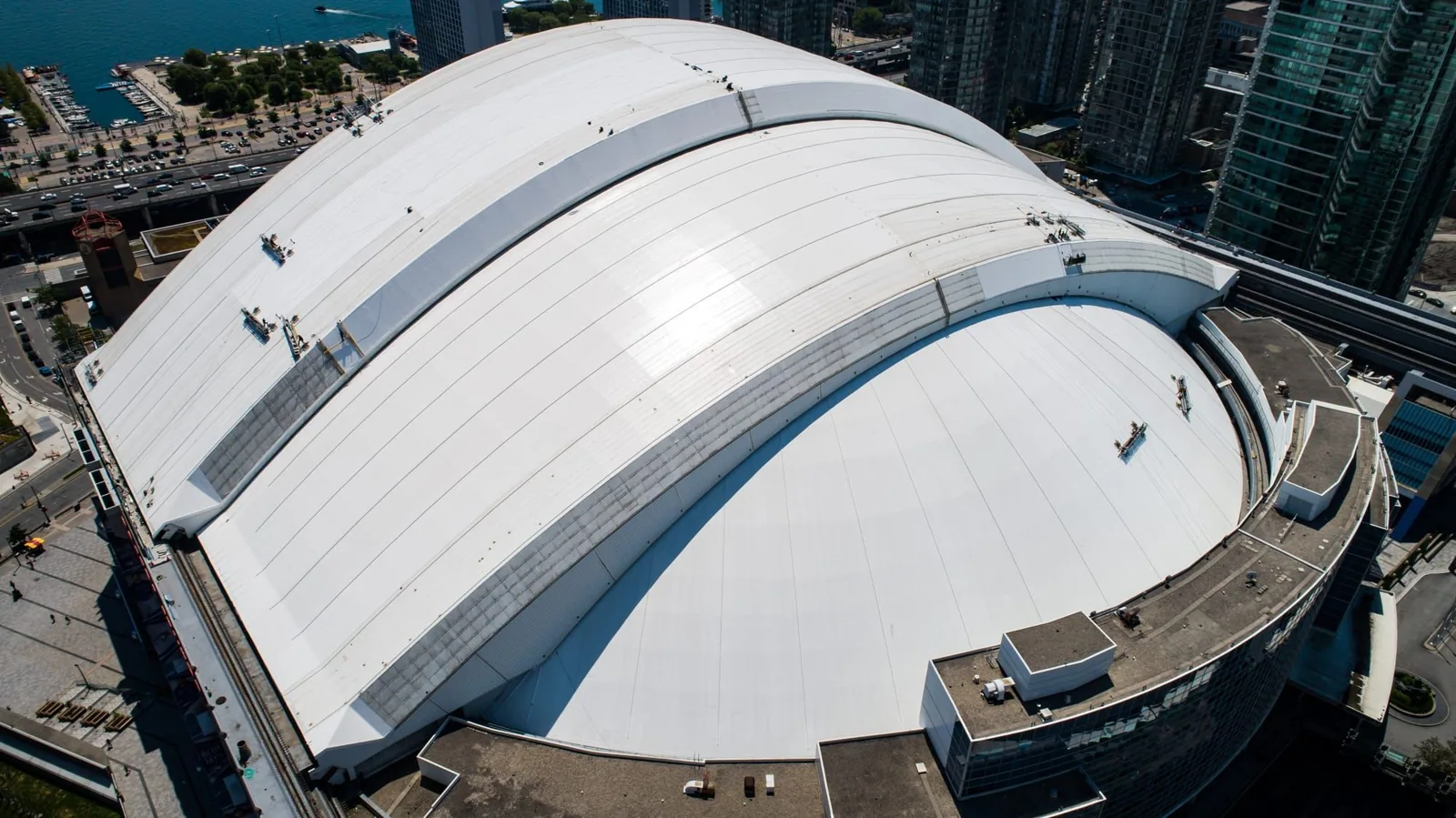
Roof access can be limited by snow, ice, heat, fall hazards, active operations, or restricted space. The report lists the area not reached and what prevented inspection. It does not describe an unvisited section as sound or damaged. A later visit should identify its own date and scope once access is available.
Elgin has 137.9 below-freezing days in its official normals. Ice may affect ladders, hatches, edges, and drains. We check current conditions and defer entry when necessary. If a report is requested during a weather hold, it can include accessible ground observations and an explicit return requirement, but not a roof-level finding we could not verify.
Infrared readings, moisture meters, or selective openings need interpretation within their method limits. If a reading suggests moisture, the report identifies the area and recommended confirmation. We do not convert one reading into a whole-roof quantity without additional investigation. If suspected deflection or structural damage appears, we identify the need for review by the owner’s qualified design professional.
Next action: turn findings into an approval point
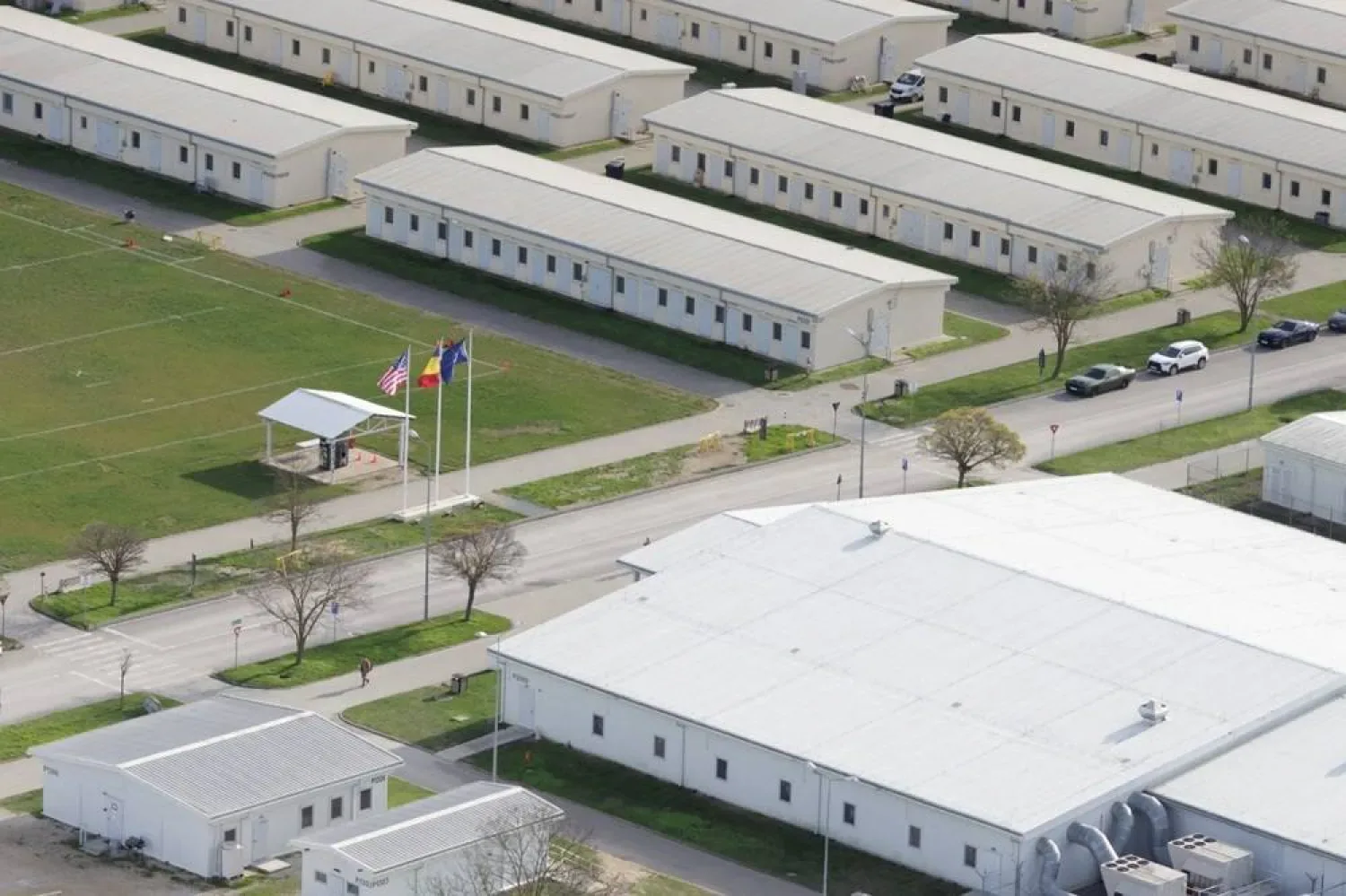
The last section names the next decision, person responsible, and information required. That may be temporary water control, testing, a repair, a replacement comparison, or a return inspection. We identify owner authorization before opening the roof or expanding the work area. When hidden material changes the scope, the crew photographs it and pauses at the stated boundary.
A capital plan can place larger recommendations beside confirmed repairs and testing needs. A due-diligence survey addresses an acquisition or refinancing review with its own inspection purpose. For recurring visits, preventive maintenance can check previously documented areas and new reports under an agreed schedule.
Send the building, roof plan, reason for inspection, reported water, access contact, and operating constraints when requesting a report. We will confirm the areas to inspect, methods proposed, and any access limit that could affect the findings.
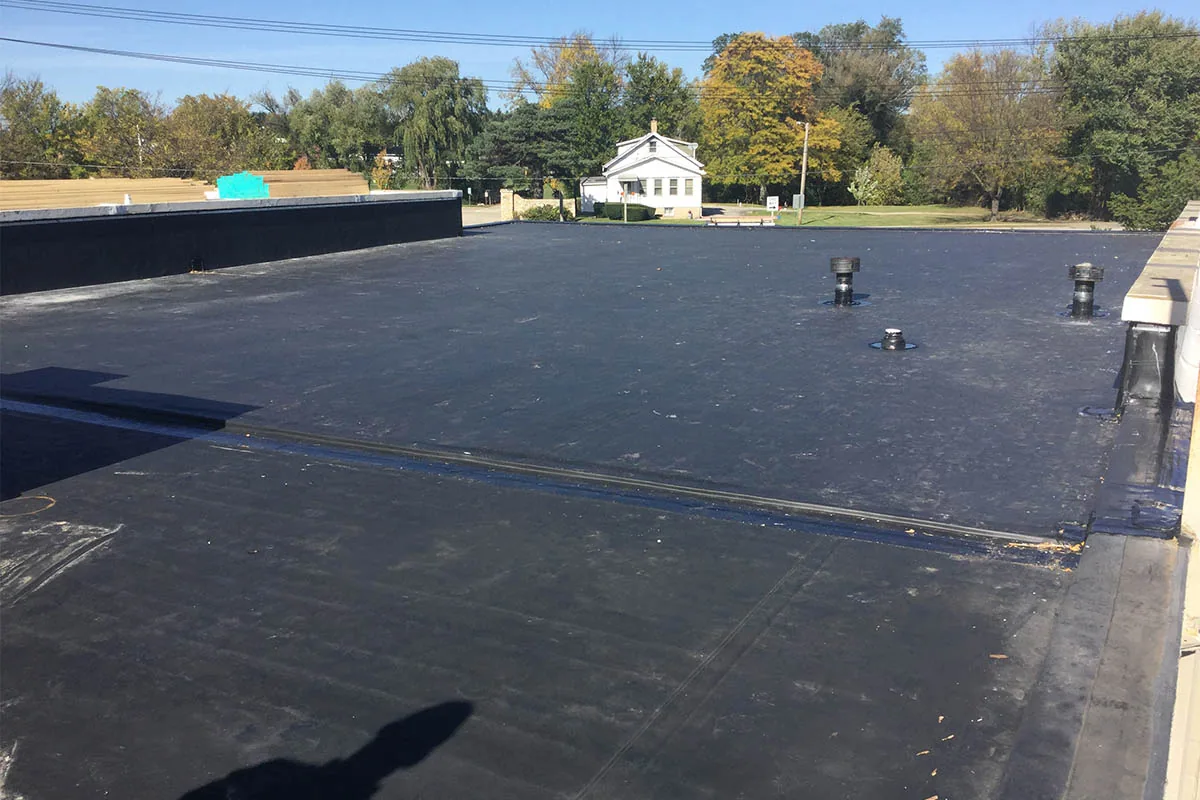
Distribution: give the right record to each reviewer
The property owner may need a concise decision summary while the facility team needs photos, roof-zone labels, and repair history. We can organize the same field findings for those uses without changing what was observed. The report date, inspection method, scope, and limitations remain visible so a later reviewer does not confuse it with an estimate or completed repair.
Elgin’s I-90 and U.S. Route 20 corridors connect business areas across the city. Those routes help orient dispatch, but the property contact provides access directions. A multi-site report set can use consistent fields while preserving each address, system, date, and approval contact as its own record.
Questions About Commercial Roof Condition Reports
What should a commercial roof condition report include?
It should identify property, inspected roof zones, methods, date, photos, findings, limits, and next actions. We keep confirmed conditions separate from testing or estimates that remain pending.
Can a report say whether a roof will last a certain number of years?
A visual report does not create a remaining-life promise. We state condition evidence and assumptions; any projection must identify its method and uncertainty.
Do infrared photos prove that insulation is wet?
Not alone. We explain the survey method and identify readings that may need confirmation with another test or selective opening.
Can you report on an area that was unsafe to access?
We can document the access limitation and any observations available from safe locations. The report will not claim a roof-level finding for an area the crew could not reach.
Can the report support a repair estimate?
Yes, when the inspection defines the area and material assumptions needed for pricing. If testing or removal could change quantities, those steps remain separate approval items.