Commercial Roof Flashing Failure Repair in Elgin, IL
Request a flashing inspection
Share the affected building, reported room, transition if known, current water status, roof access contact, and recent equipment or wall work. We will set the inspection boundary.
Commercial Roof Flashing Failure Repair
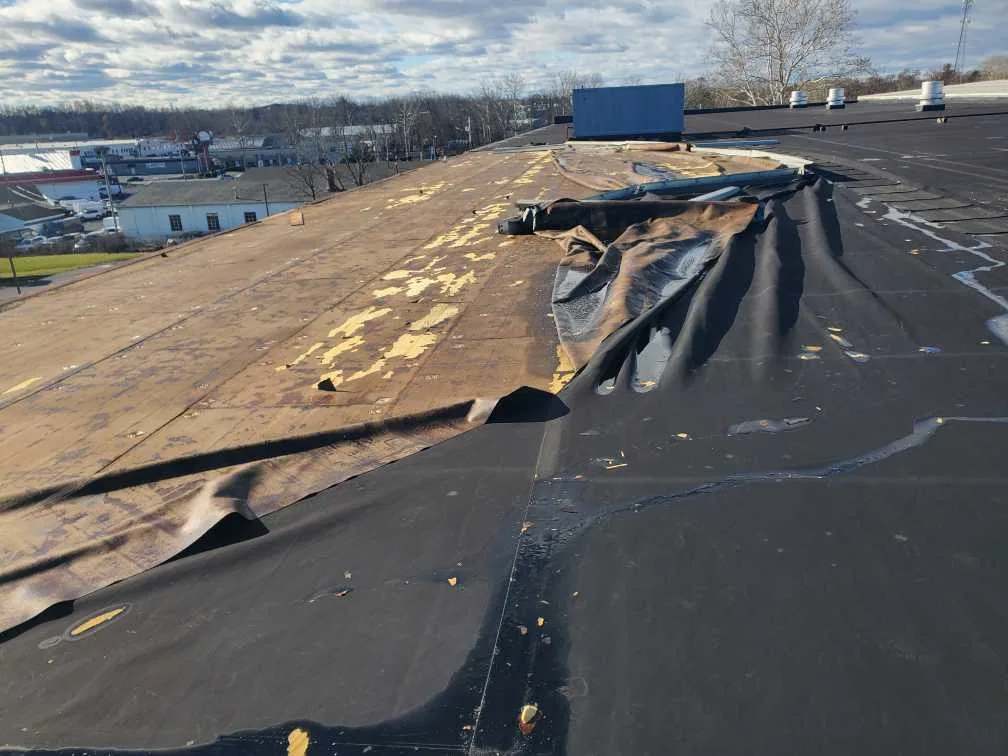
A flashing leak needs a transition-by-transition inspection. We confirm where water appeared, what the roof meets at that point, and whether the area can be reached safely. Then we check curbs, walls, drains, edges, skylights, and equipment supports. Sealant at the surface may hide a loose counterflashing or failed membrane turn-up. We identify the actual assembly before selecting material.
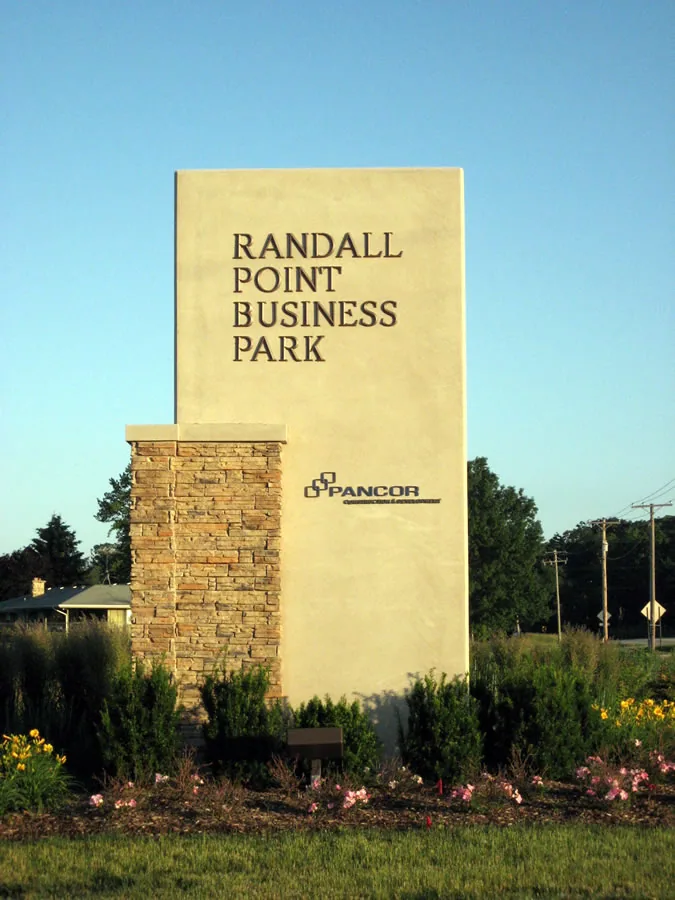
Elgin receives 37.76 inches of average annual precipitation, and recurring freeze periods affect access and sealant conditions. That context helps set a return window; it does not identify the failed detail. A property near Capital Corporate Center or the Randall Crossing Business Park still needs its own roof-zone record, access contact, and repair boundary.
First check: identify what the flashing connects
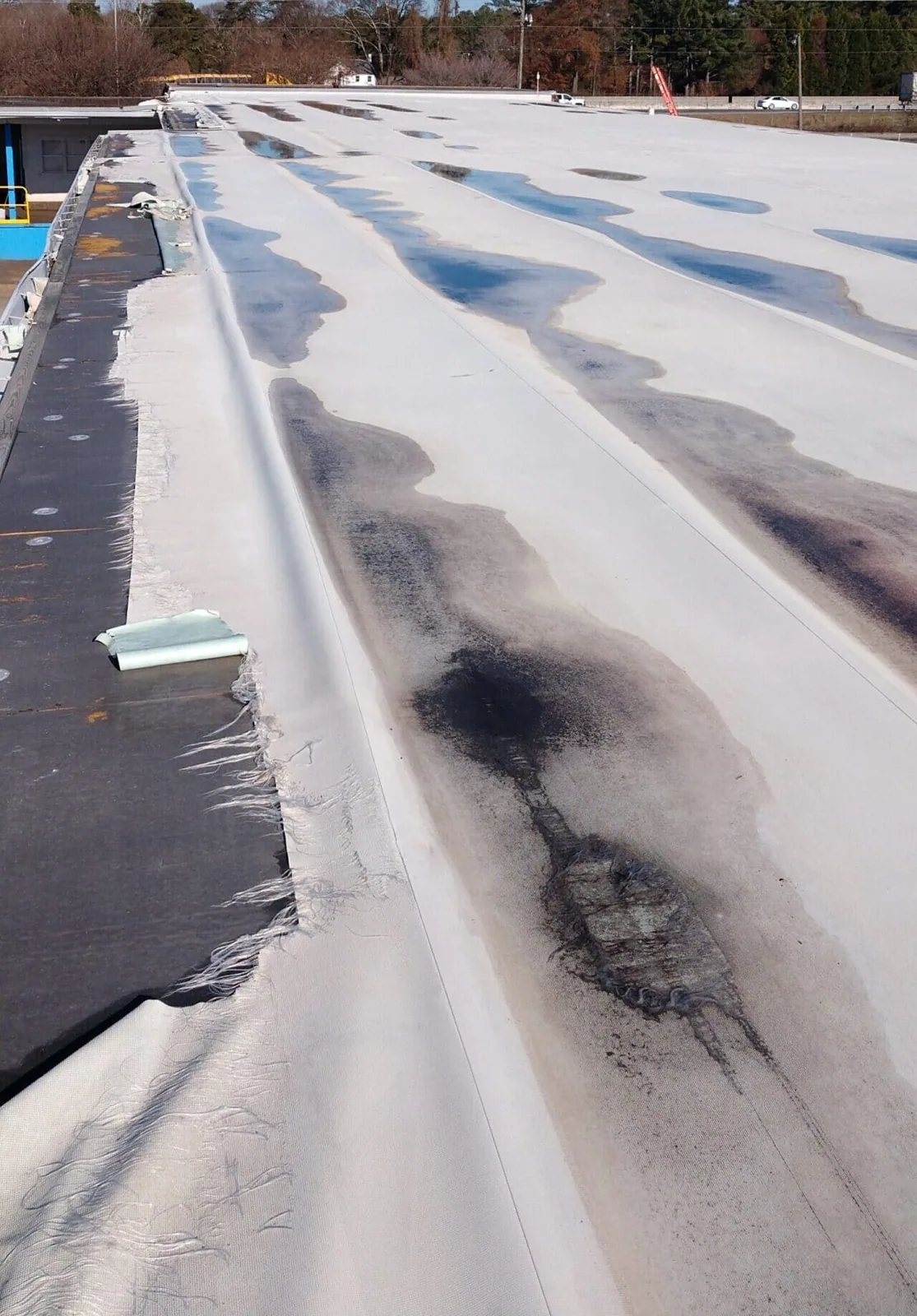
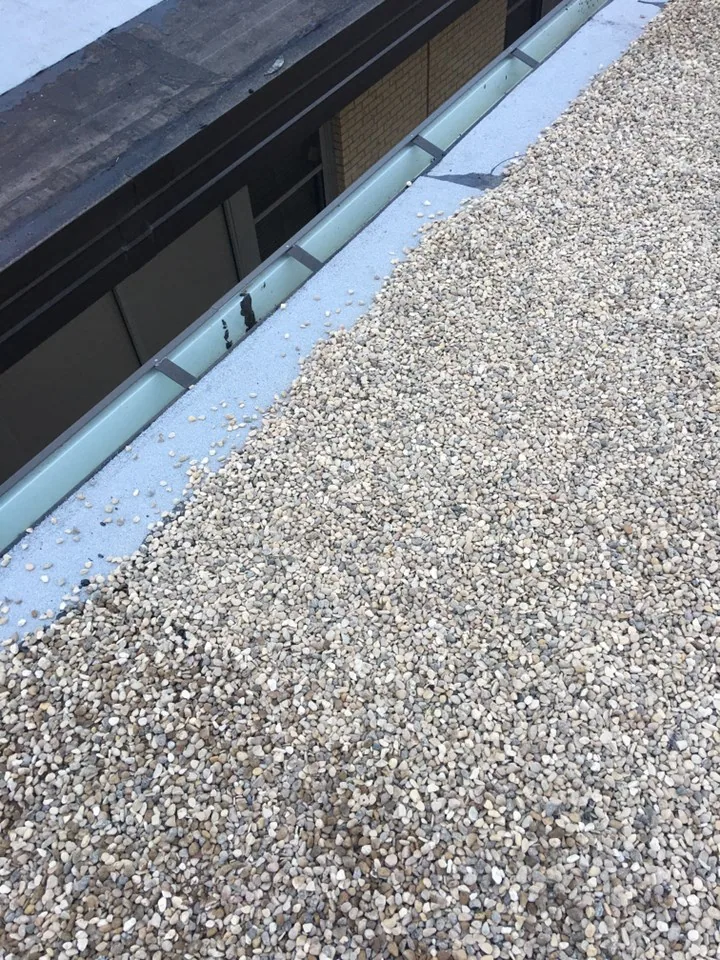
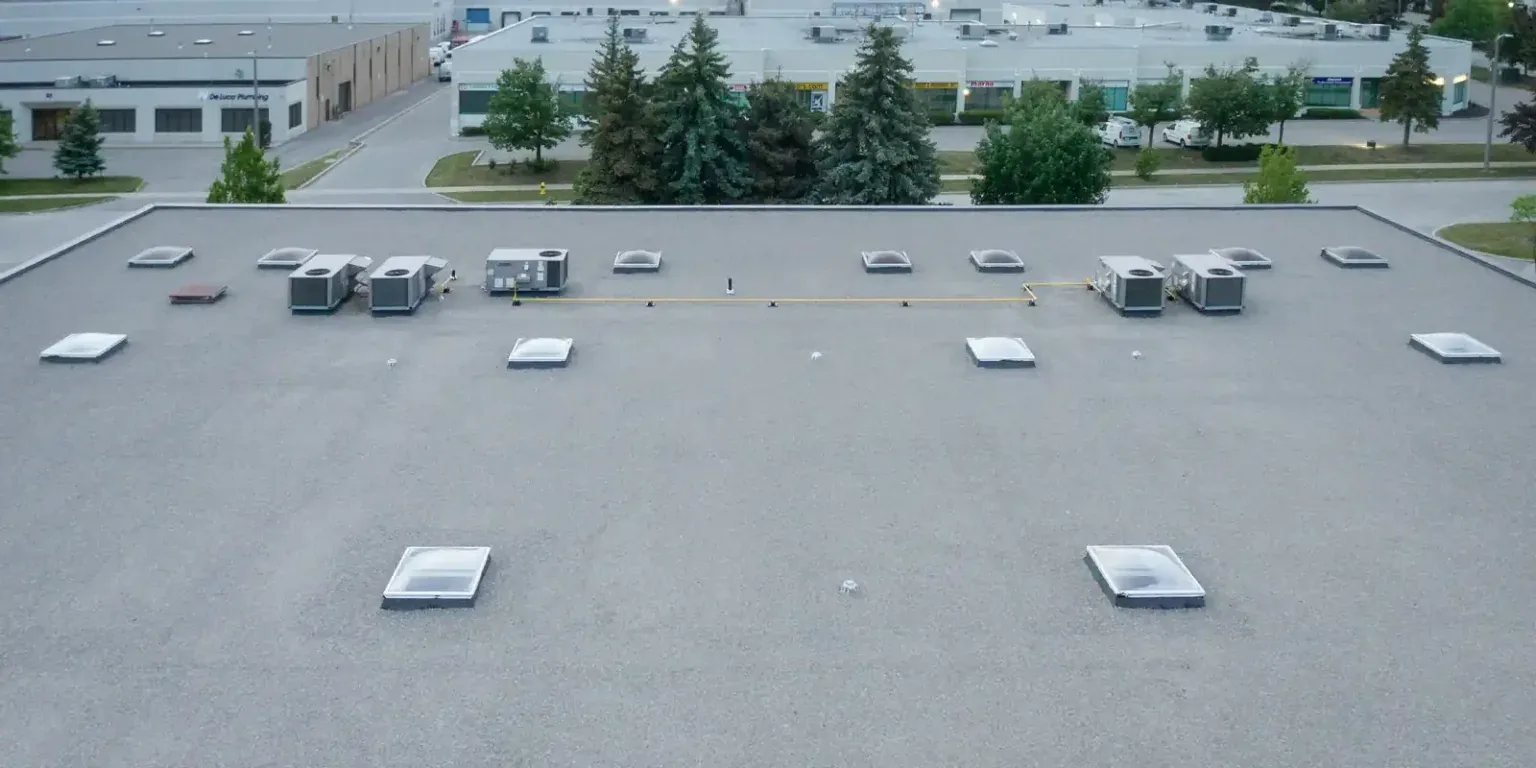
Flashing closes the joint between a roof field and another surface or object. We record whether the detail meets a parapet, curb, pipe, wall, skylight, drain, or metal edge. The inspection checks laps, seams, termination, counterflashing, fasteners, sealant, and the condition of nearby membrane. A crack at one bead is different from a loose base flashing or an open membrane splice.
Inside, the site contact marks the room, ceiling condition, date, and whether water remains active. The interior stain may not sit directly below the failed transition. We compare that report with roof slope, deck direction where known, nearby penetrations, and drain position. Where two or more routes remain possible, the report names each candidate instead of assigning a cause from a photograph alone.
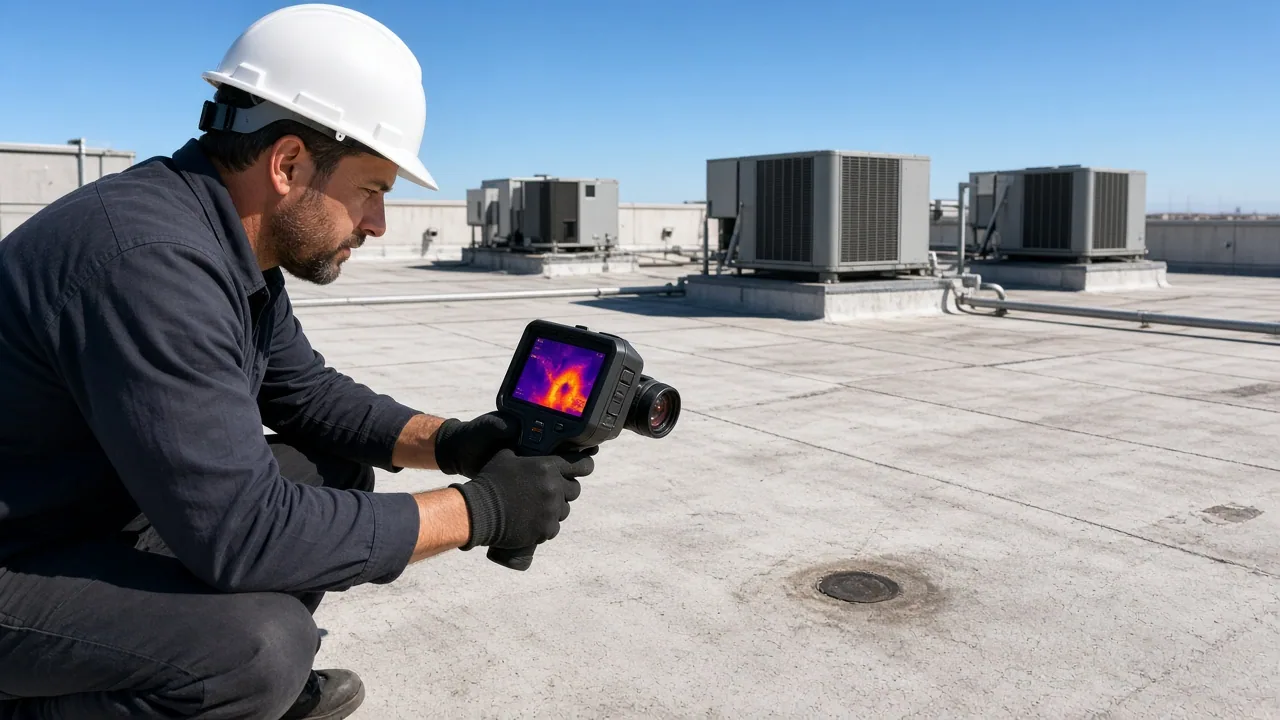
We photograph the close detail and the wider roof zone. The record notes access, weather, system where verified, and any part not inspected. If a test cut or moisture scan could change the recommendation, we identify the location and request approval before disturbing the roof. A commercial roof inspection can examine adjacent conditions when the reported leak extends beyond one transition.
Detail types: check each joint on its own
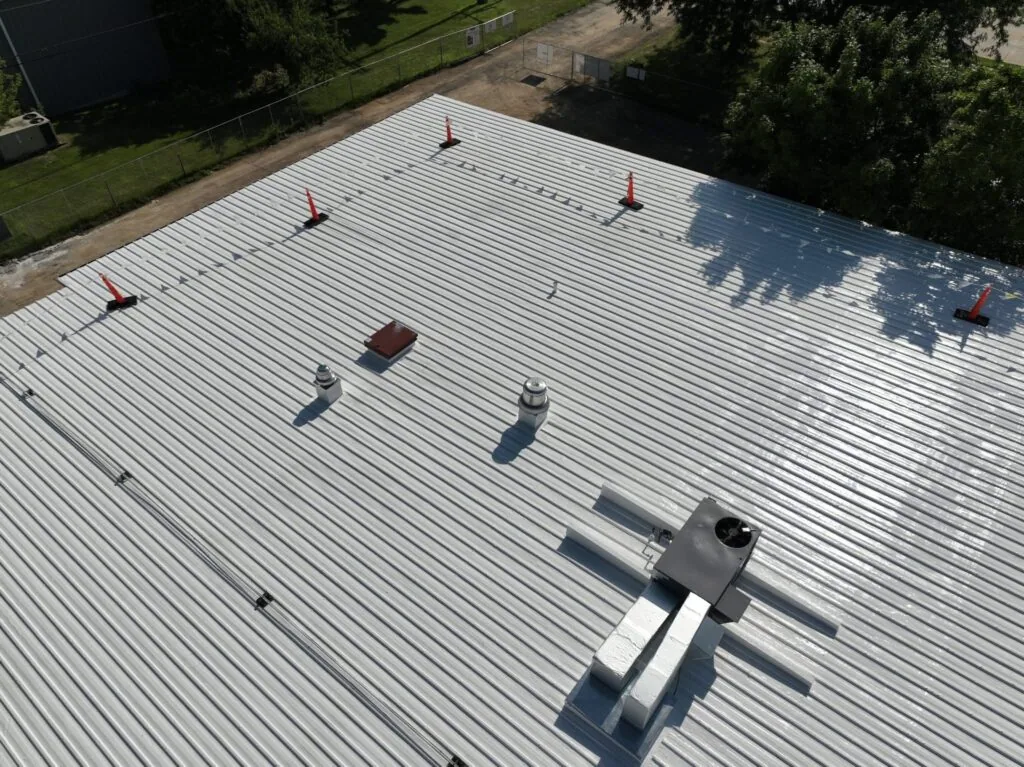
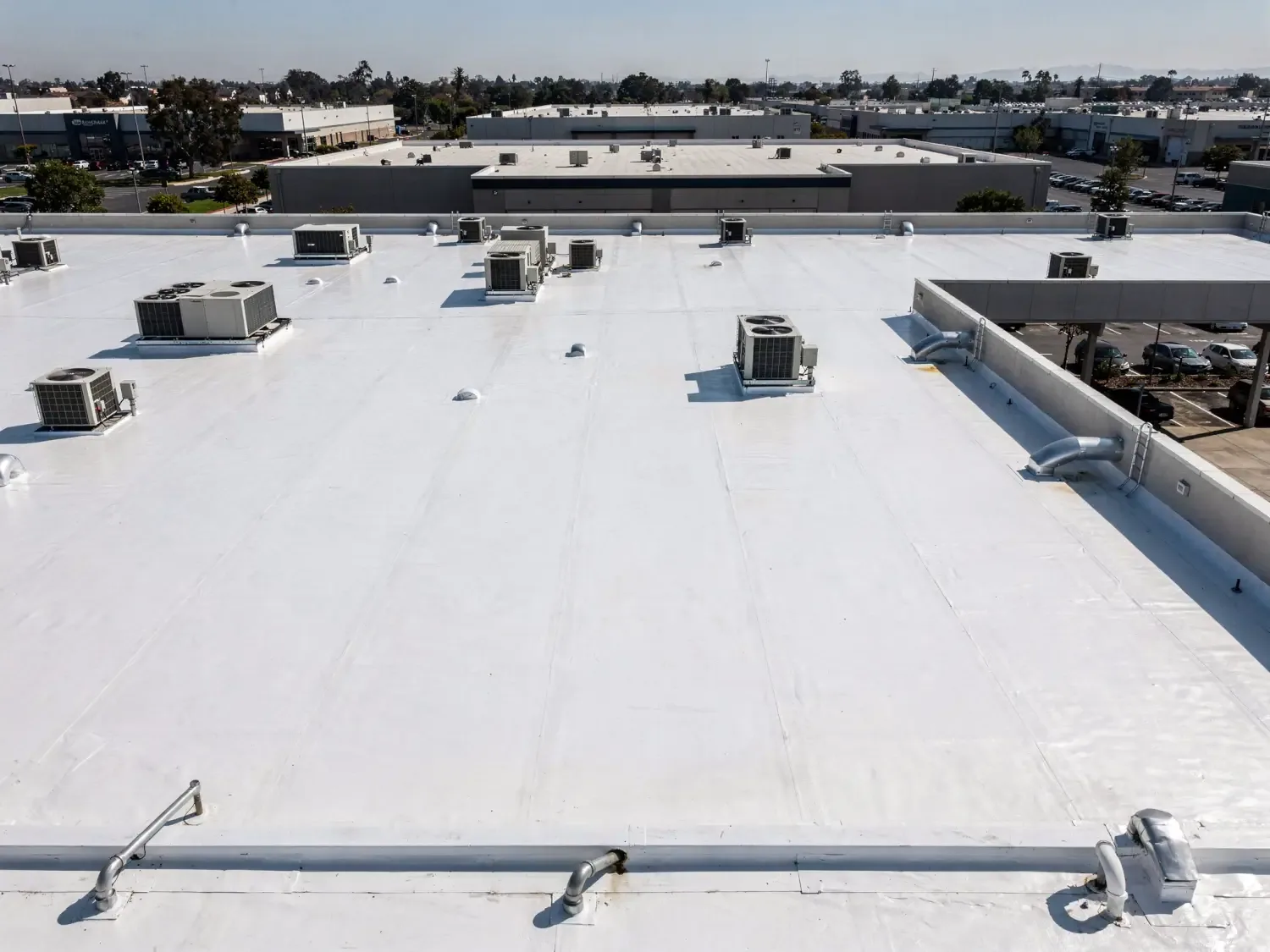
A curb detail needs a secure membrane rise, sealed corners, and a sound termination. We check for a split at the corner, loose metal, exposed fasteners, or a sealant bridge that has separated from one side. If rooftop equipment sits on the curb, the owner identifies any operating restriction before work begins. The roofing scope may exclude electrical, mechanical, or equipment removal unless those tasks are listed and assigned.
At a wall, water can enter where base flashing, counterflashing, coping, or a termination meets the field membrane. We look for open laps, movement, corrosion, and cracks that continue behind an edge. Historic or occupied areas in Downtown Elgin may have access or use constraints, but the building’s actual construction governs the repair. We do not assume masonry, concealed framing, or a particular roof age from the district name.
Pipe penetrations, skylights, and drains each need a compatible detail. A split boot, failed seal, or loose clamping ring requires a different repair from a wall transition. Wind can also shift trim and stress the same junction. A wind-damage review checks whether movement reaches the flashing or stops at the curb. Elgin averages about 29 inches of annual snowfall. We inspect the affected path when safe, and a ponding-water review can remain a separate scope if water retention is also observed.
Temporary protection: limit active water
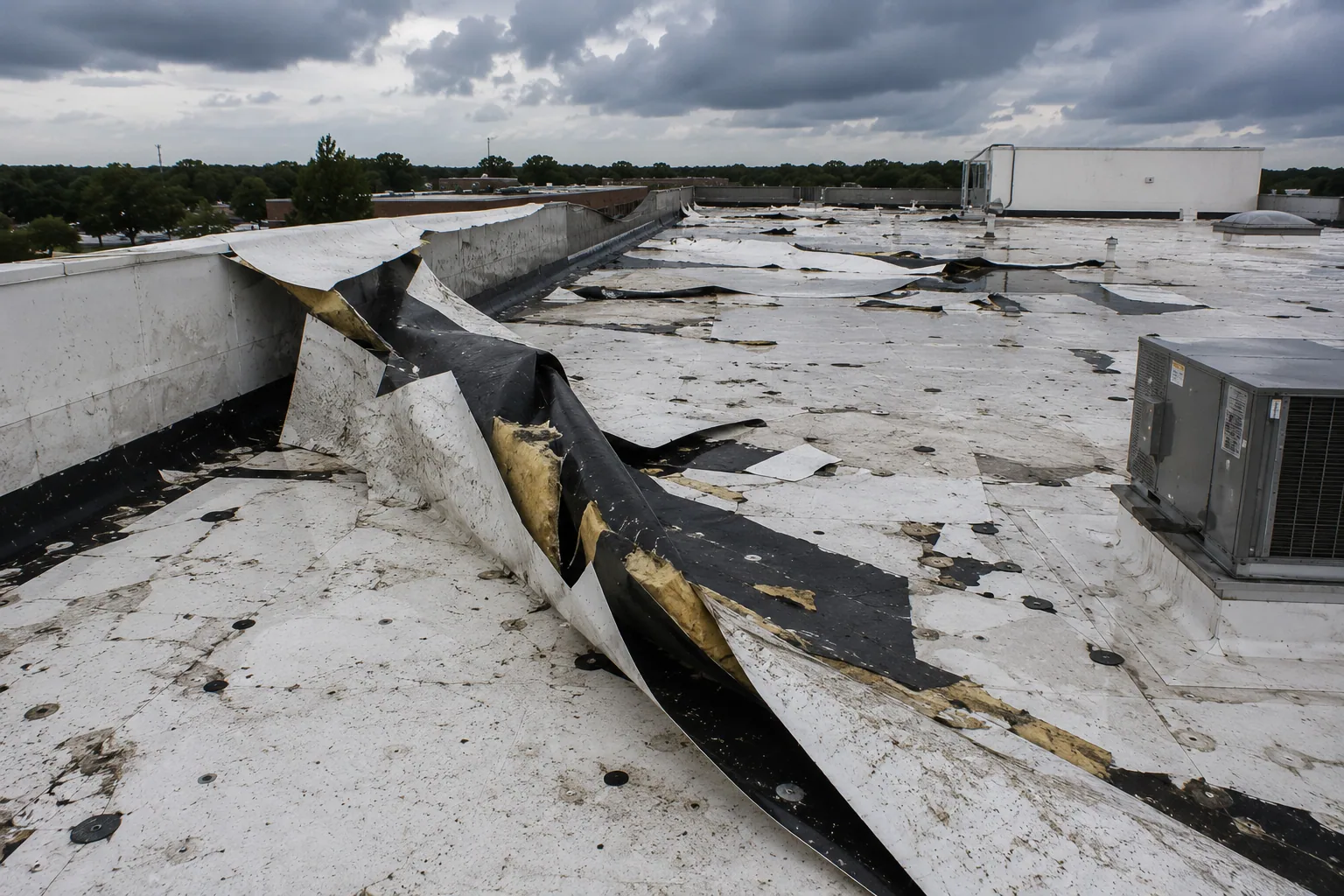
If water is entering, first identify the affected room, equipment, inventory, and safe path below. The roofing lead confirms whether safe roof access is possible. A temporary cover or compatible short-term measure may reduce exposure until the detail can be repaired under suitable conditions. During Elgin’s 137.9 below-freezing days, snow averages 29 inches a year. Inspect the flashing after safe access returns. Frozen surfaces can make roof entry unsafe and prevent preparation needed for a lasting bond. We record a weather hold instead of applying materials to a wet, icy, or contaminated surface. The site contact receives the next update and a return window. If wind has displaced nearby edge metal, we document that condition separately from the flashing failure.
Temporary protection does not establish hidden moisture or correct a failed base detail. The owner may authorize a scan, test opening, or broader examination if results could change the scope. We state where testing will occur, what interior protection is required, and who approves the opening. A dedicated response can address immediate exposure while preserving the later permanent repair decision.
Repair method: match material and substrate
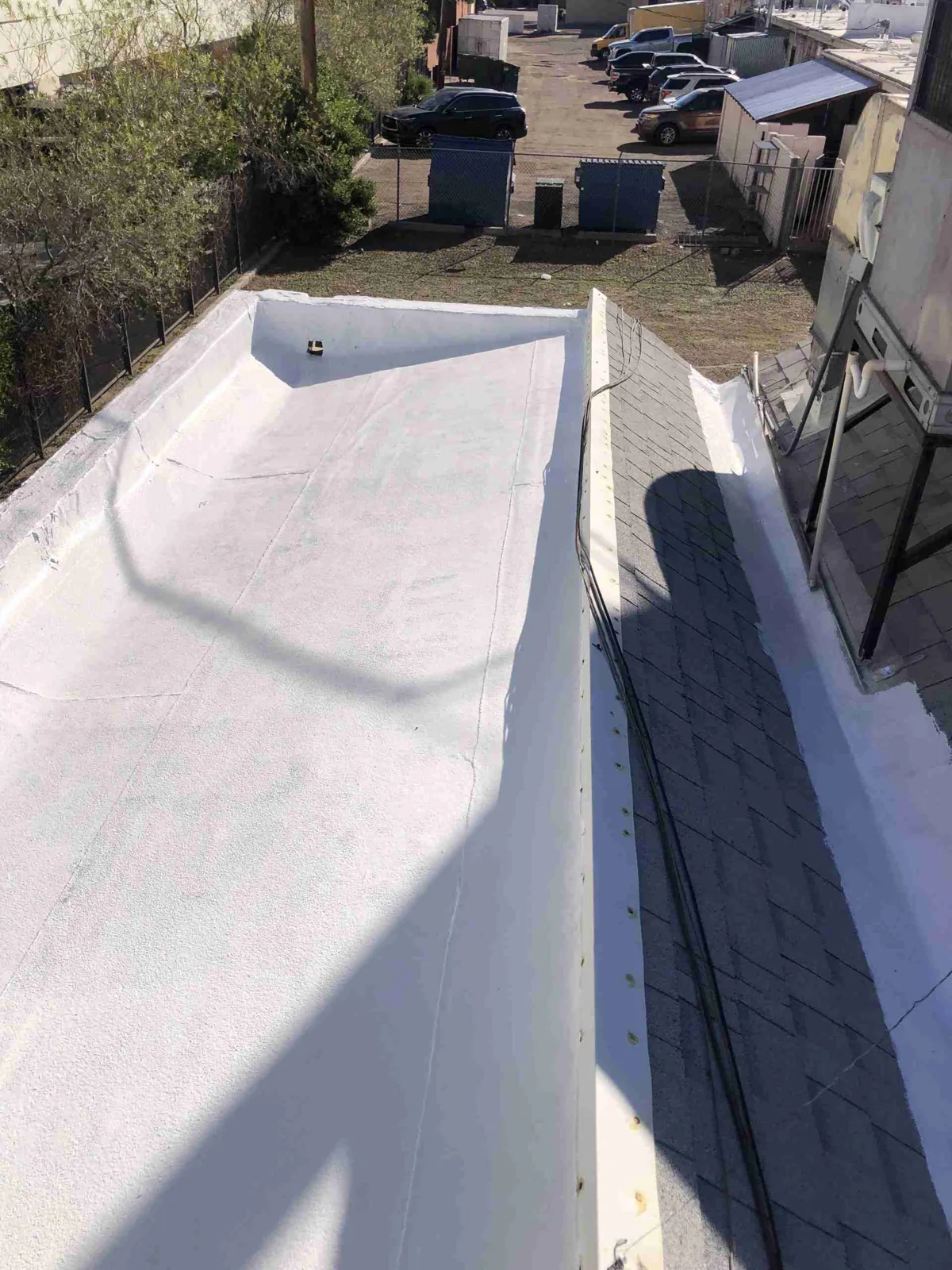
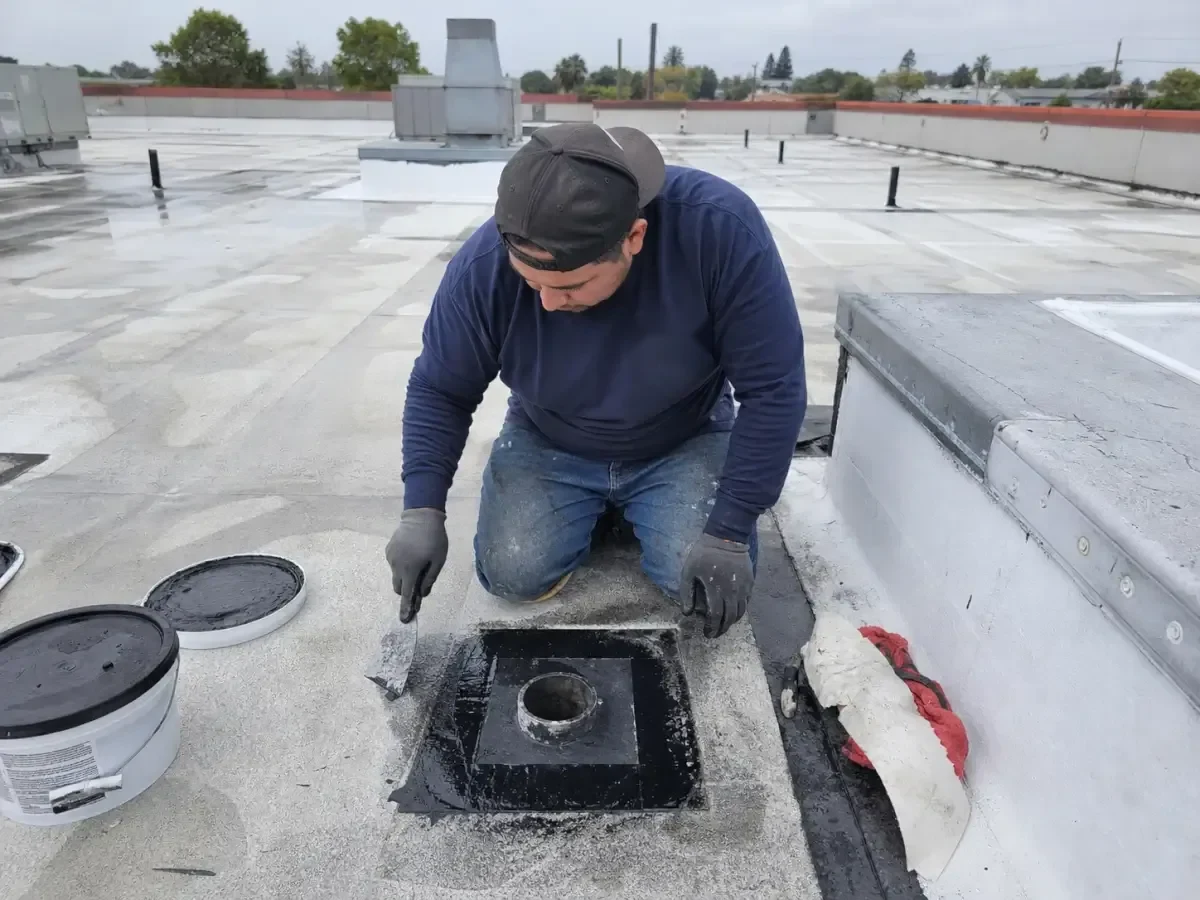
For thermoplastic membrane, the crew prepares and welds a patch or fabricated flashing detail where the substrate allows. EPDM uses compatible primer and uncured or molded details. Modified bitumen may require new flashing ply and compatible surfacing. Metal transitions may need a formed piece, fastening, or replacement. The chosen work follows the installed system and the condition beyond the visible split.
The estimate marks the transition, preparation, material, overlap, fastening, sealant where specified, access, and post-work check. If removal shows saturated insulation, deteriorated deck, or a larger separation, the crew photographs the finding and stops at the approved boundary. The owner decides whether to expand the repair. A TPO repair and a metal edge correction do not share one universal detail.
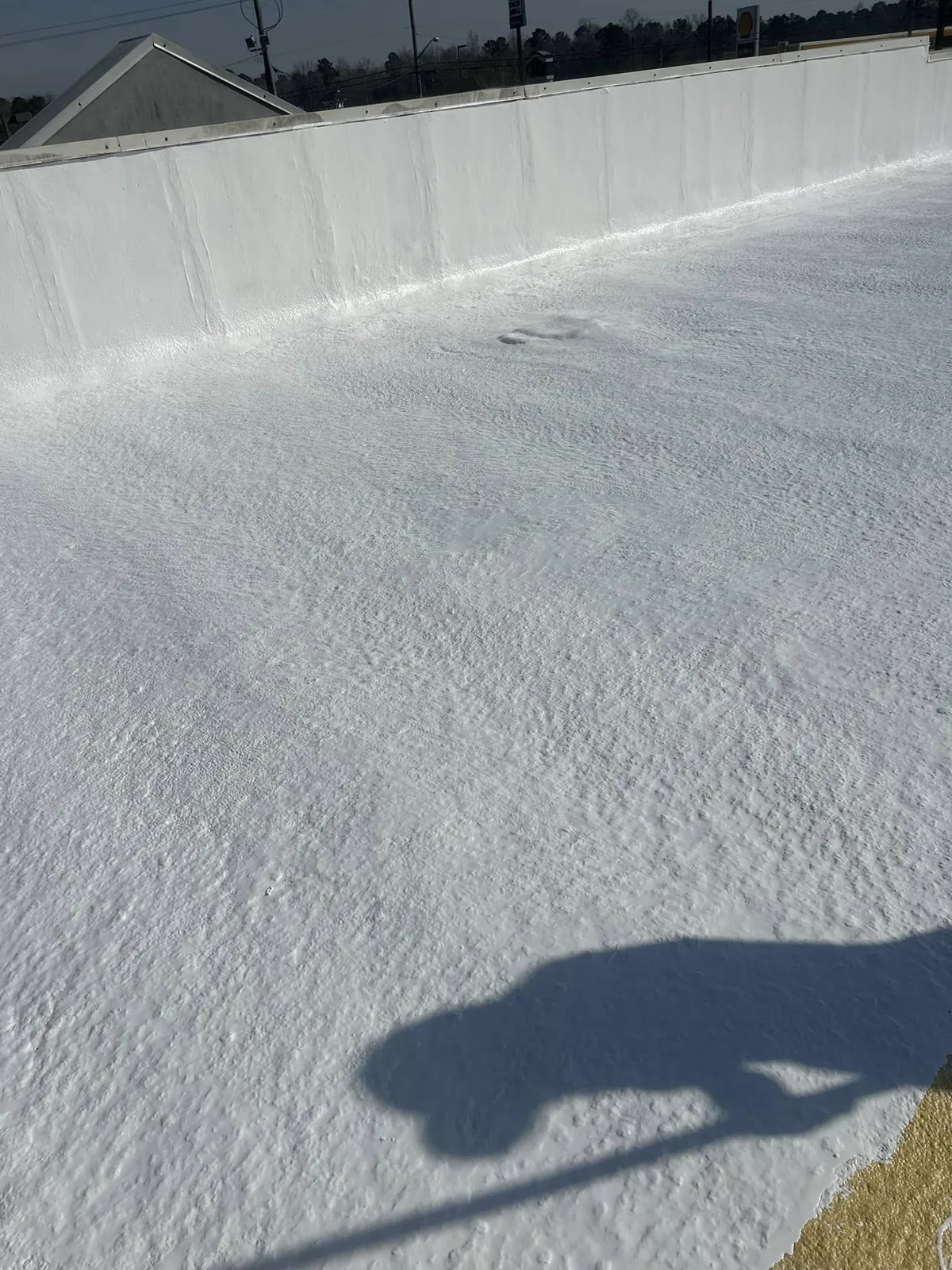
Coating may be considered only when the surface and flashing detail can accept it and the preparation is defined. Adding coating over a loose termination can conceal rather than correct the joint. Replacement or recover may be considered when failures are repeated and system-wide conditions support that decision. A replacement estimate should identify the evidence, roof sections, and assumptions separately from a localized flashing repair.
Access plan: keep the repair within a clear boundary
Occupied buildings require coordination above and below the roof. The site contact names the person who opens the hatch, escorts the crew, authorizes access to restricted space, and approves cost changes. If a tenant, maintenance vendor, or equipment operator must attend, we include that person in the dispatch window. The crew confirms lift placement, staging, and fall protection before work begins.
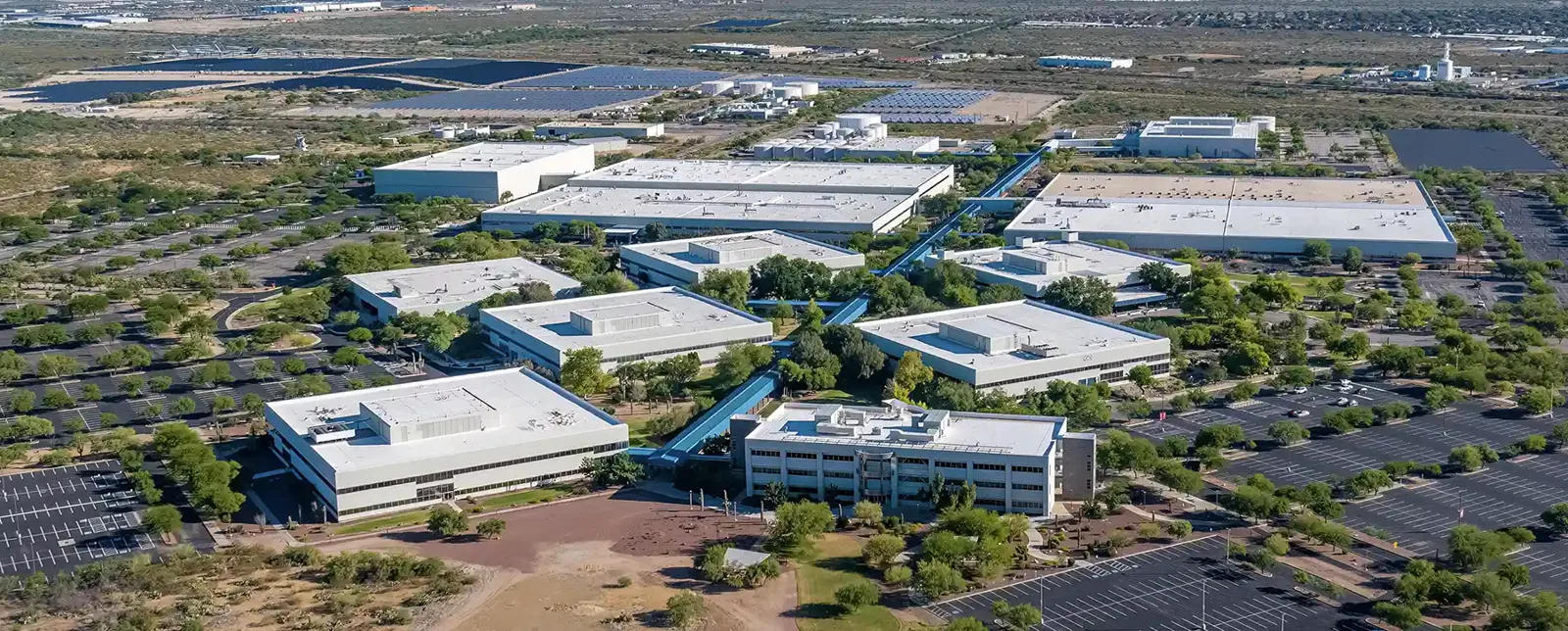
Elgin includes office, research, and industrial business areas. For each call, the site contact confirms the truck entrance, permitted staging, and roof-access route before materials move. A downtown address and an industrial parcel may follow different operating rules, so dispatch instructions stay attached to the individual building.
Closeout: verify the transition and next action
Closeout photos show the repaired detail, the adjoining membrane or metal, and the location in the broader roof area. The report states what was replaced, what remains, and whether a weather hold delayed any test or follow-up. If the repair has a planned observation after rain or thaw, the manager receives that step and the responsible contact.
For repeat flashing calls, compare prior photos and work limits before opening the same transition again. A maintenance visit can check nearby curbs, drains, and edges as part of a planned roof review. Send the affected building, interior report, roof access contact, roof system if known, and any recent equipment or wall work when requesting service. We will confirm the first inspection and approval point.
Questions About Commercial Roof Flashing Failure Repair
How can you tell whether flashing or the roof field is leaking?
We inspect the transition and nearby membrane, then compare those findings with the reported interior area. The report lists what is visible and where testing may be needed before assigning a repair boundary.
Can sealant alone fix a failed roof flashing?
A bead may be appropriate as one part of a compatible detail, but it cannot secure a loose base or replace missing material. We identify the joint and substrate before choosing the repair.
Will equipment need to be shut down for curb flashing work?
The owner’s equipment contact confirms operating limits and access. We define whether the roofing scope can proceed around the curb or needs a separate shutdown or trade coordination.
What if the flashing is wet or frozen on the service date?
The crew checks whether the surface can be safely accessed and prepared. If not, we record the weather hold, address active exposure when possible, and set a return window for permanent work.
How is concealed damage handled after flashing is removed?
We photograph the newly exposed area and stop at the authorized limit. The owner receives the condition, added work needed, and schedule effect before deciding whether to expand the scope.