Commercial Roofing for Retail and Restaurant Chains in Elgin, IL
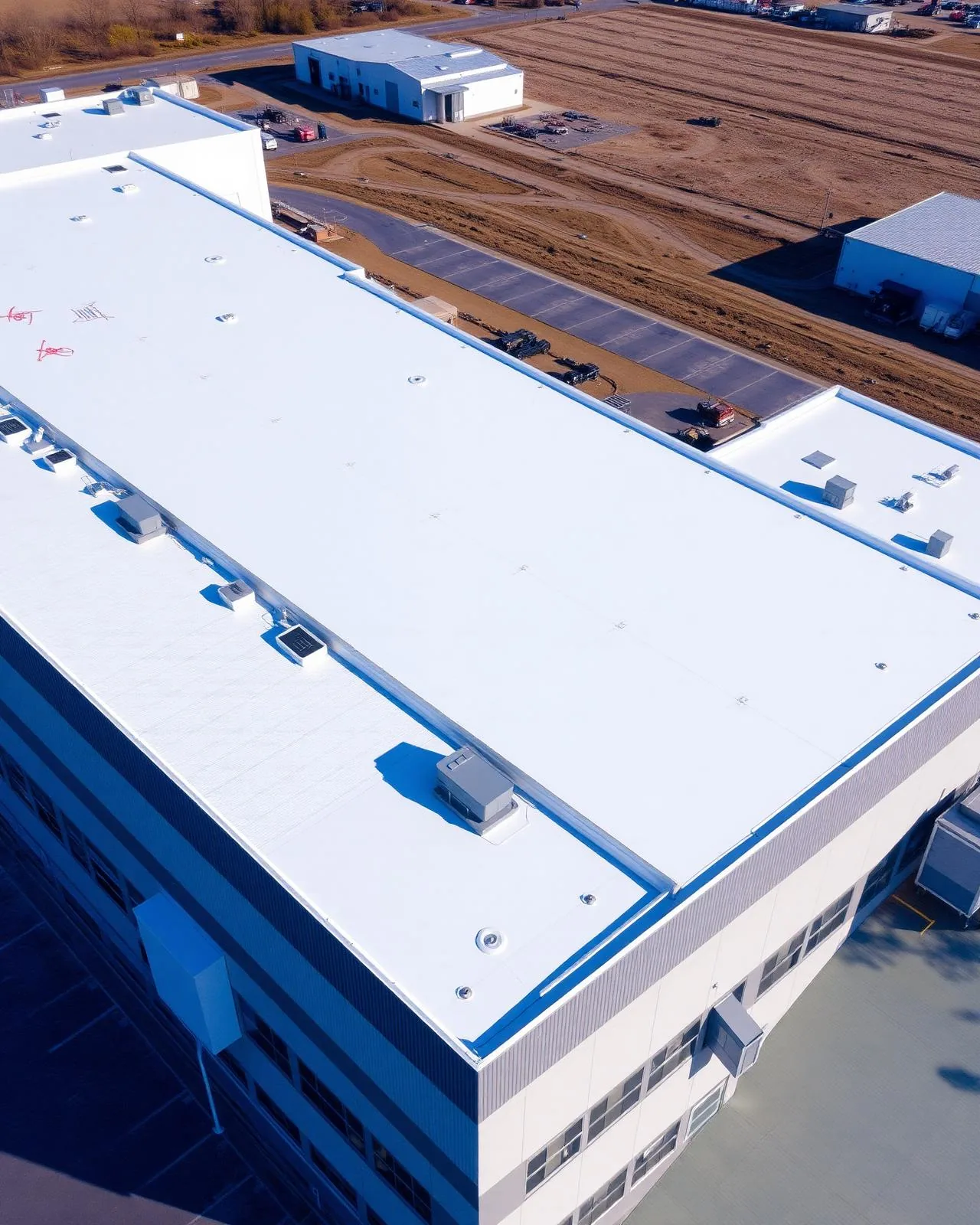
Coordinate chain roof service
Send the location list, ownership contacts, store schedules, roof records, leak reports, and approval path. We will keep each property’s findings separate.
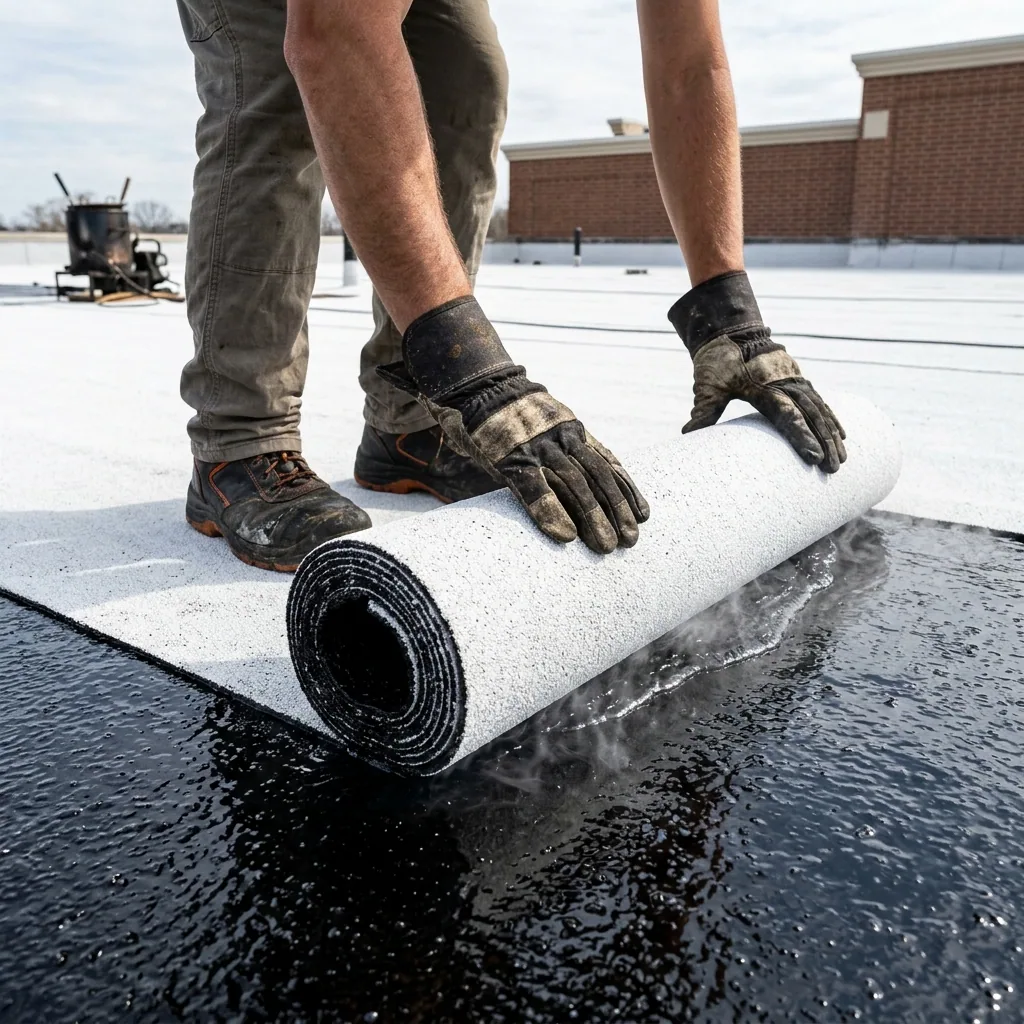
Retail and Restaurant Chains
A chain needs consistent reporting while each store keeps its own roof history and access rules. We confirm the location, building owner, store contact, reported condition, and roof area before planning service. Elgin’s commercial areas include Downtown Elgin and Randall Road business areas; John B. Sanfilippo Company is a major local food manufacturer. Those facts frame local context, not a particular brand’s lease, roof, or operating plan.
Corporate facilities, franchisees, landlords, store managers, and equipment vendors may control different decisions. We identify who can authorize roof access, approve cost, and direct a scope change at each property. A work order for one restaurant or store does not automatically extend to another location.

Standardize service requests without merging locations
A useful request includes site number, address, suite or department, time reported, active-water status, photos, and the contact who can arrange access. We label findings by property and roof zone. Corporate teams can compare priorities, but each estimate and closeout remains tied to the specific owner and store.
For restaurant locations, note kitchen service, receiving, refrigeration, exhaust, and guest traffic. For retail sites, note customer entrances, stockrooms, promotional periods, and loading. These differences affect work hours and protection. The inspection does not assume a common roof design or identical vendor process across a brand’s portfolio.
A multi-site service program can coordinate calendars and reporting. Property managers can review owner coordination, while brands using outside distribution can review logistics operations. Each site still needs its own property and roof-zone record.
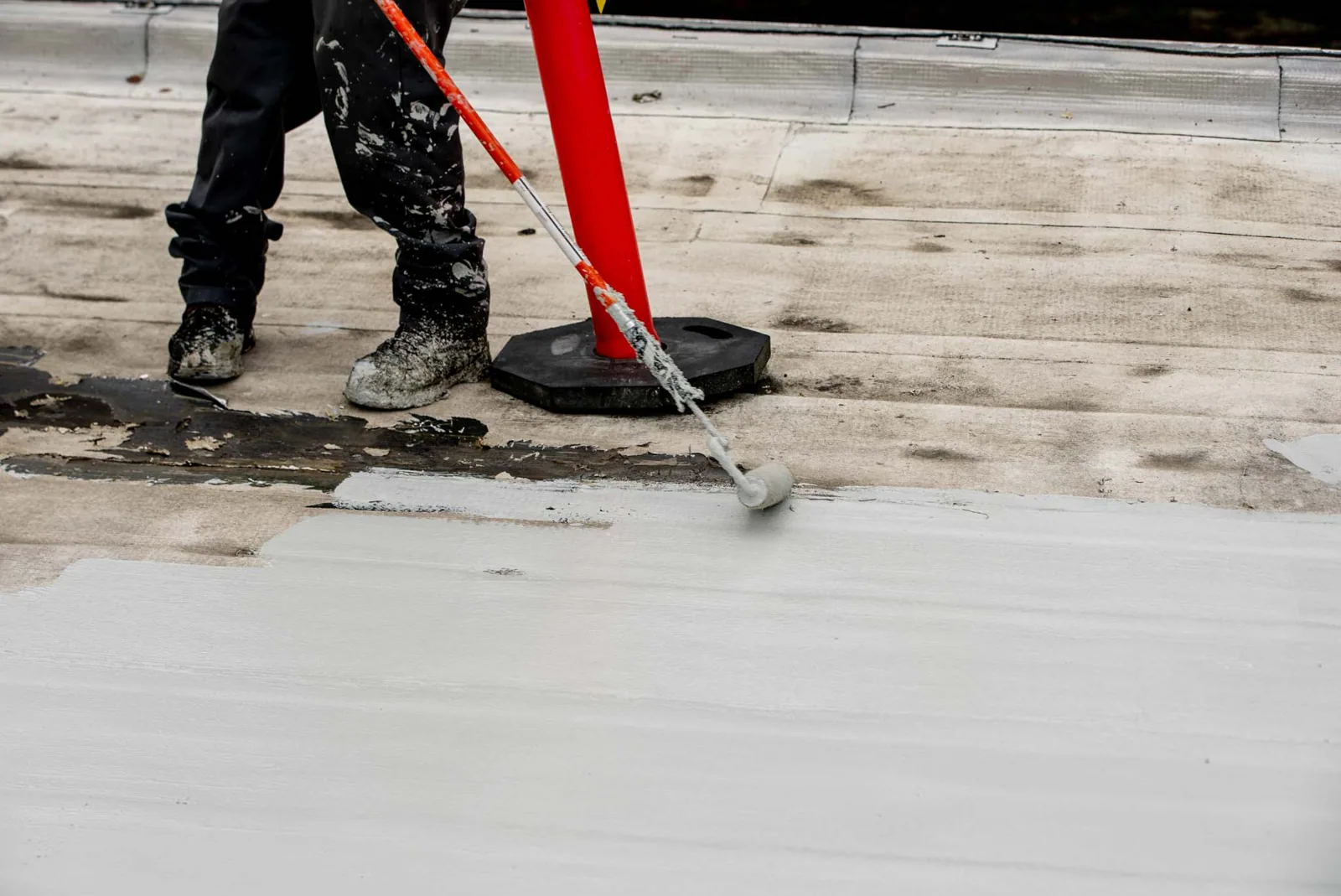
Protect sales and food-service activity
Store leadership identifies opening hours, meal peaks, deliveries, inventory counts, promotions, cleaning, and any route that must remain available. Roofing can create noise, odor, lift movement, or temporary interior protection. We state those effects by zone and date. The chain or franchise operator decides how to manage customers and staff.
For a restaurant, the facility identifies food-preparation areas and sanitation procedures below roof work. For retail, the manager points out displays, high-value stock, and customer circulation. The crew follows the approved protection plan. When kitchen service continues, the operator identifies exhaust controls and food-delivery timing so roofing materials stay away from receiving and handling areas. Food handling, product relocation, and store messaging remain under the operator’s control unless expressly assigned.
On larger work, phased reroofing can keep a portion open while crews complete a defined roof section. Management approves the sequence and closure. At day’s end, the site contact receives the status of any temporary cover and access restriction.
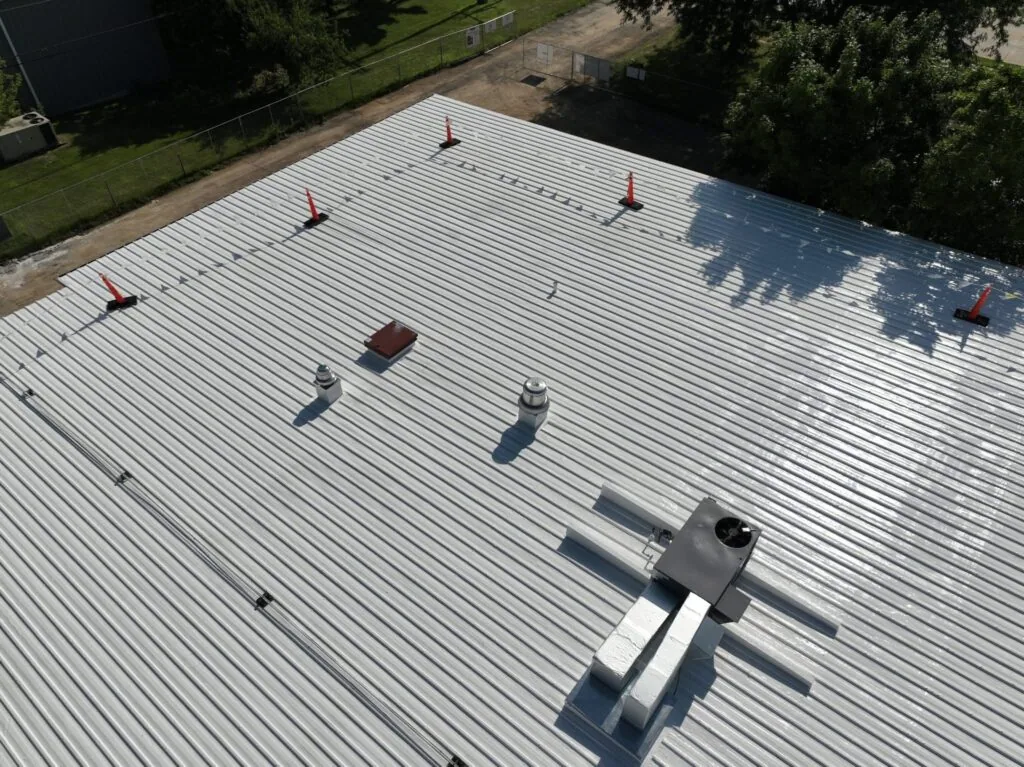
Clarify franchise, landlord, and corporate roles
A franchise agreement or lease may divide roof maintenance, emergency response, and capital replacement differently. We ask for the party authorized to approve each scope. A manager may report an active leak but may not have authority to buy a permanent repair. We confirm the owner, tenant, corporate contact, and work-order route before mobilization.
If an issue appears beyond the approved amount, the supervisor records the location, quantity where measurable, and recommendation. The authorized decision-maker receives that information before removal expands. A storm claim or vendor ticket does not replace written scope approval.
Rooftop HVAC, exhaust, signage, and refrigeration equipment may require a specialist. The proposal identifies which contractor handles shutdown, isolation, or restart. The roofing crew documents the flashing interface and completes only the work included in the approved scope.
Find roof causes behind store-level reports
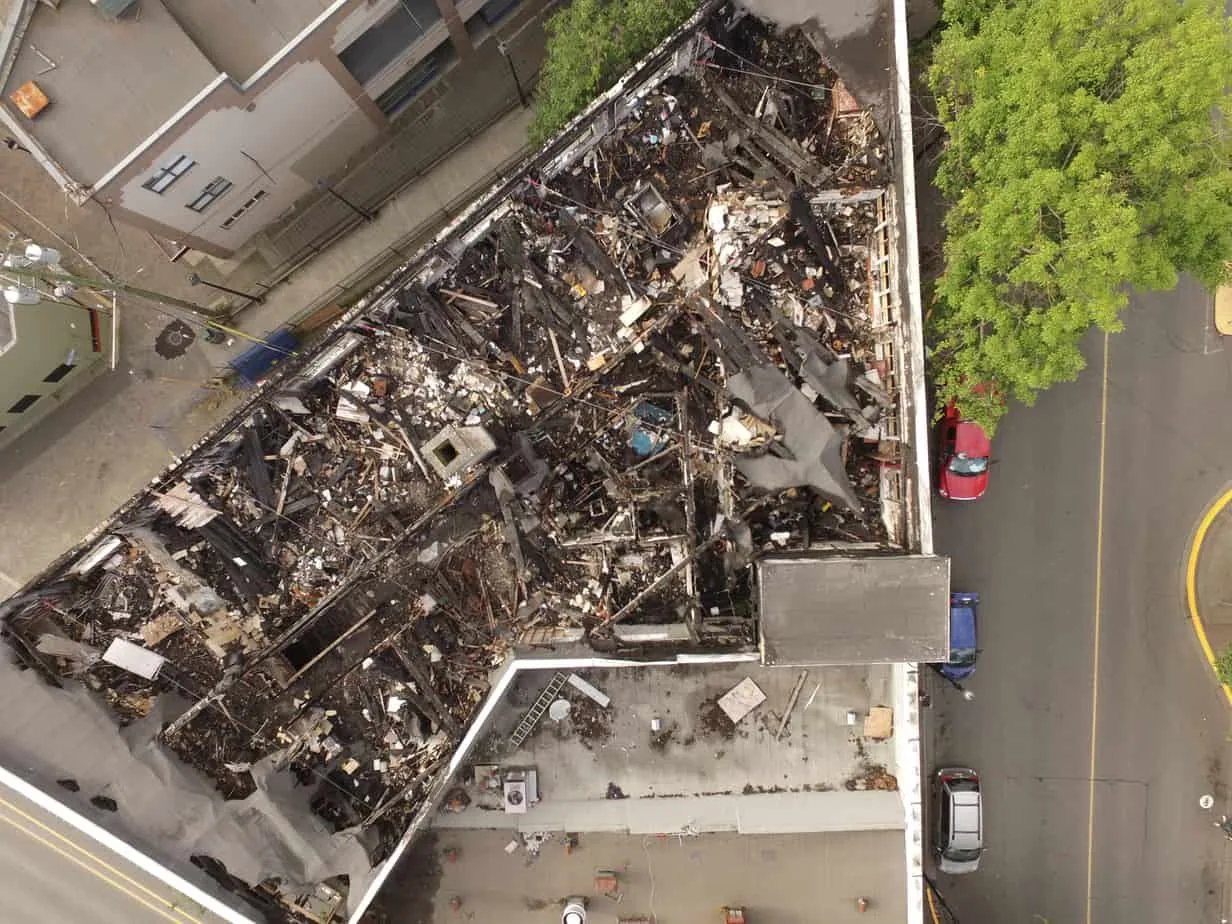
Water over a dining area, checkout, stockroom, or cooler may travel before it appears indoors. We record the room, date, active status, and equipment nearby, then compare that information with accessible seams, drains, curbs, penetrations, and edge details. The report states what is visible and which path remains unconfirmed.
Chain records may include roof plans, prior invoices, equipment schedules, warranties, and tickets from store managers. We compare them with field observations and identify mismatches by location. A scan or test opening requires owner approval and an interior protection plan. If one property has multiple roof sections, each receives a distinct label.
Use a leak investigation for active water or schedule a roof inspection for a broader review. The response can help corporate staff decide which follow-up belongs to the landlord, tenant, or store operator.
Check drainage and exposure across locations
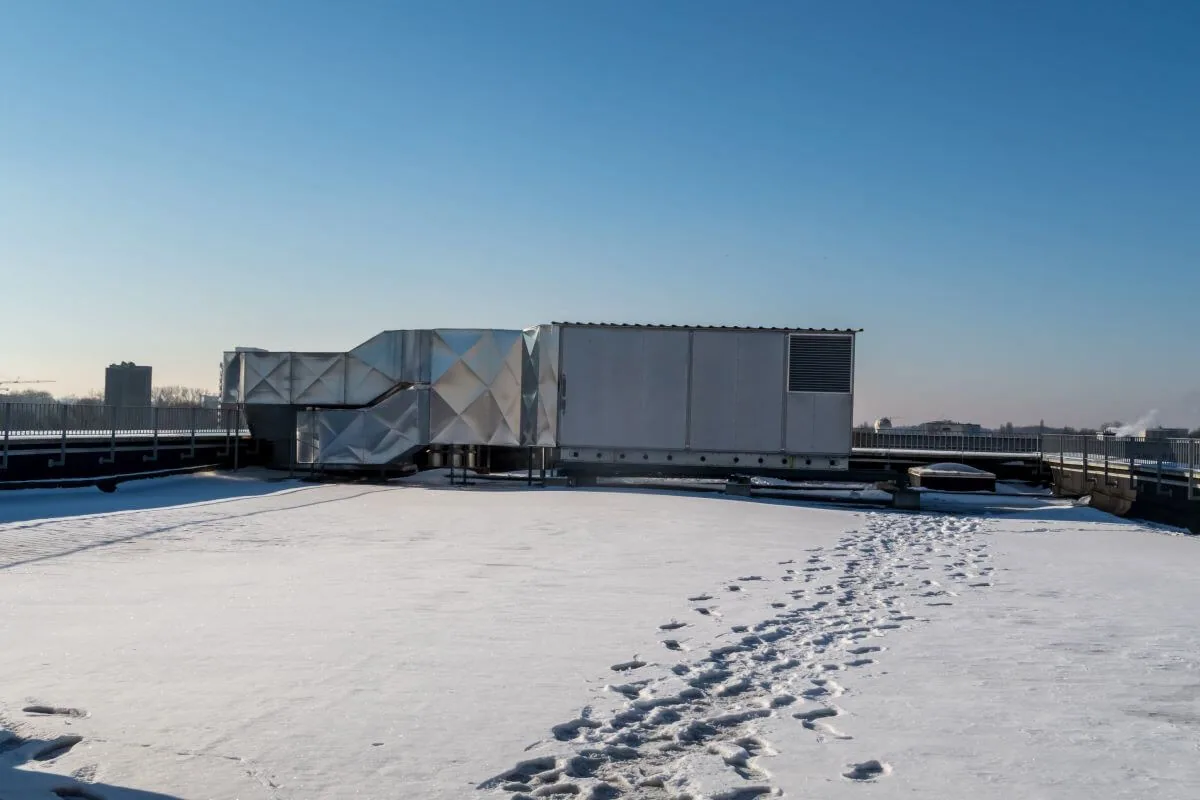
Store visits should fit delivery hours, food-safety controls, customer entrances, and the manager’s staffing plan. Before access, the local contact marks any area that must stay open and confirms where a crew can stage without blocking receiving. The service record identifies the roof sections inspected and any work postponed for unsafe conditions. Elgin’s retail corridors support regional dispatch, while each landlord or franchise contact verifies its own gate, dock, and approval path.
Elgin’s regional corridors include I-90, U.S. Route 20, Randall Road, and Illinois Route 31. These routes help plan local dispatch, while the property contact confirms the correct dock, parking, gate, and delivery hours. A route name is not a substitute for a store-specific access plan.
For a store claim review, record the location, event date supplied by the owner, customer or stock area affected, and the person who can authorize roof access. The visit describes observed conditions in each inspected section; it does not infer loss at another chain location or decide the lease or coverage question.
Prioritize repairs while preserving store records
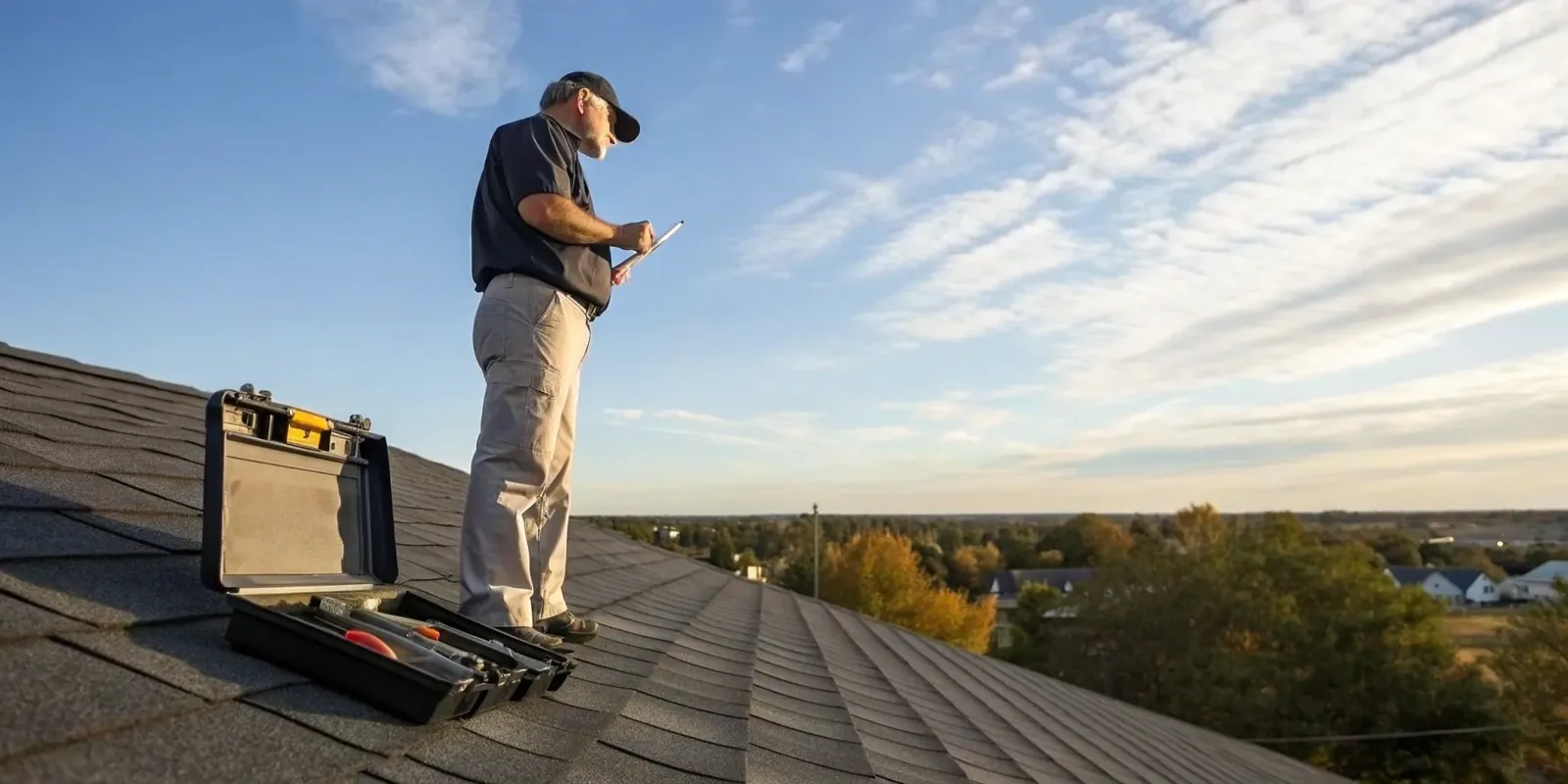
For chain locations, keep each proposal tied to its own roof history and lease responsibility. A confirmed localized defect, a test needed to evaluate concealed layers, and a larger capital alternative should appear as distinct decisions. The estimate names the store, roof section, access window, customer-area protection, and person authorized to approve added work. Corporate reporting can use shared fields without treating all locations as one building or one maintenance event.
A capital plan can compare urgency and budget across locations without blending roof histories. Each estimate lists property, work zone, system, staging, protection, and open decisions. A chain can use consistent reporting fields while retaining separate approvals and lease responsibilities.
The landlord, franchisee, or corporate facilities team should confirm permit responsibility before a store project is scheduled. Our estimate defines the roof work and location; the responsible party coordinates any review required for that specific property.
Make closeout useful to the next store manager
Closeout identifies the store, roof zone, work performed, photos, materials where documented, remaining observations, and recommended follow-up. Temporary protection is marked removed or retained. The manager receives a status that can be attached to the correct work order and location record.
For a new request, provide site number, address, owner contact, leak history, roof plans, store hours, delivery windows, equipment list, and approval authority. Identify customer, stock, or food areas that cannot be disrupted. We will define inspection limits before testing or opening the roof.
Keep the record with the store and corporate facilities files. A future manager can see which roof area was served and whether a revisit remains due. If water returns, report the date and department; a prior location repair does not establish the cause at another store.
Questions About Retail and Restaurant Chains
Can one request cover several chain locations?
Yes, with a site list and access schedule. Inspection findings, approvals, and closeout remain specific to each address.
Who approves roof work at a franchised store?
The lease and franchise agreements determine authority. We verify the owner or representative authorized to direct the roofing scope.
Can work happen outside normal store hours?
We can plan around hours the operator provides, subject to safe weather, access, equipment coordination, and the repair method.
What information helps trace a leak at a restaurant?
Identify the store, kitchen or guest area, date, active water, nearby equipment, and the contact who can authorize roof access.
Does a local hail report mean my store is damaged?
No. An event record is not evidence of impact at a specific location. The inspection documents observed roof conditions.