Commercial Skylight and Roof Penetration Flashing in Elgin, IL
Inspect a roof opening or flashing detail
Share the reported room, opening type, roof plan, equipment contact, and access rules. We will identify which transitions need inspection and schedule safe roof entry.
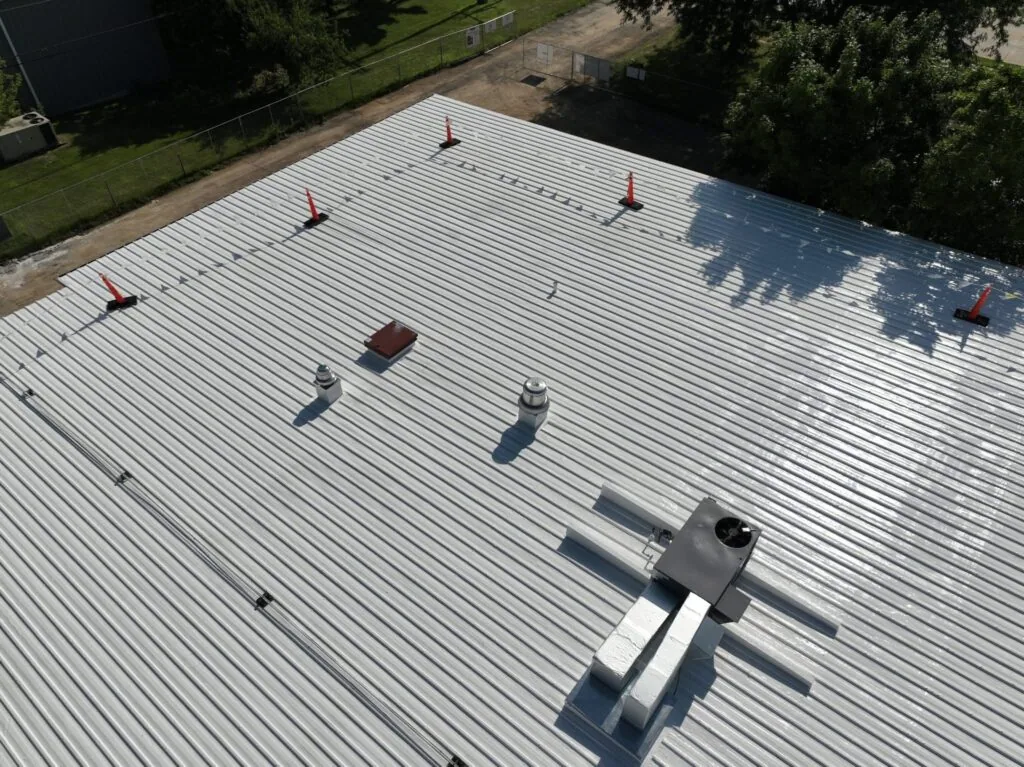
Commercial Skylight and Roof Penetration Flashing
A leak at a skylight or pipe does not always start at the visible opening. Water can travel along a curb, conduit, fastener, or roof layer before appearing inside. We inspect the penetration, surrounding membrane, curb height, counterflashing, and nearby drainage before choosing a repair. Elgin’s freeze-thaw cycles can stress exposed transitions, while summer heat affects sealants and membrane movement. The work record ties each observation to the correct roof detail and leaves the repair boundary clear.
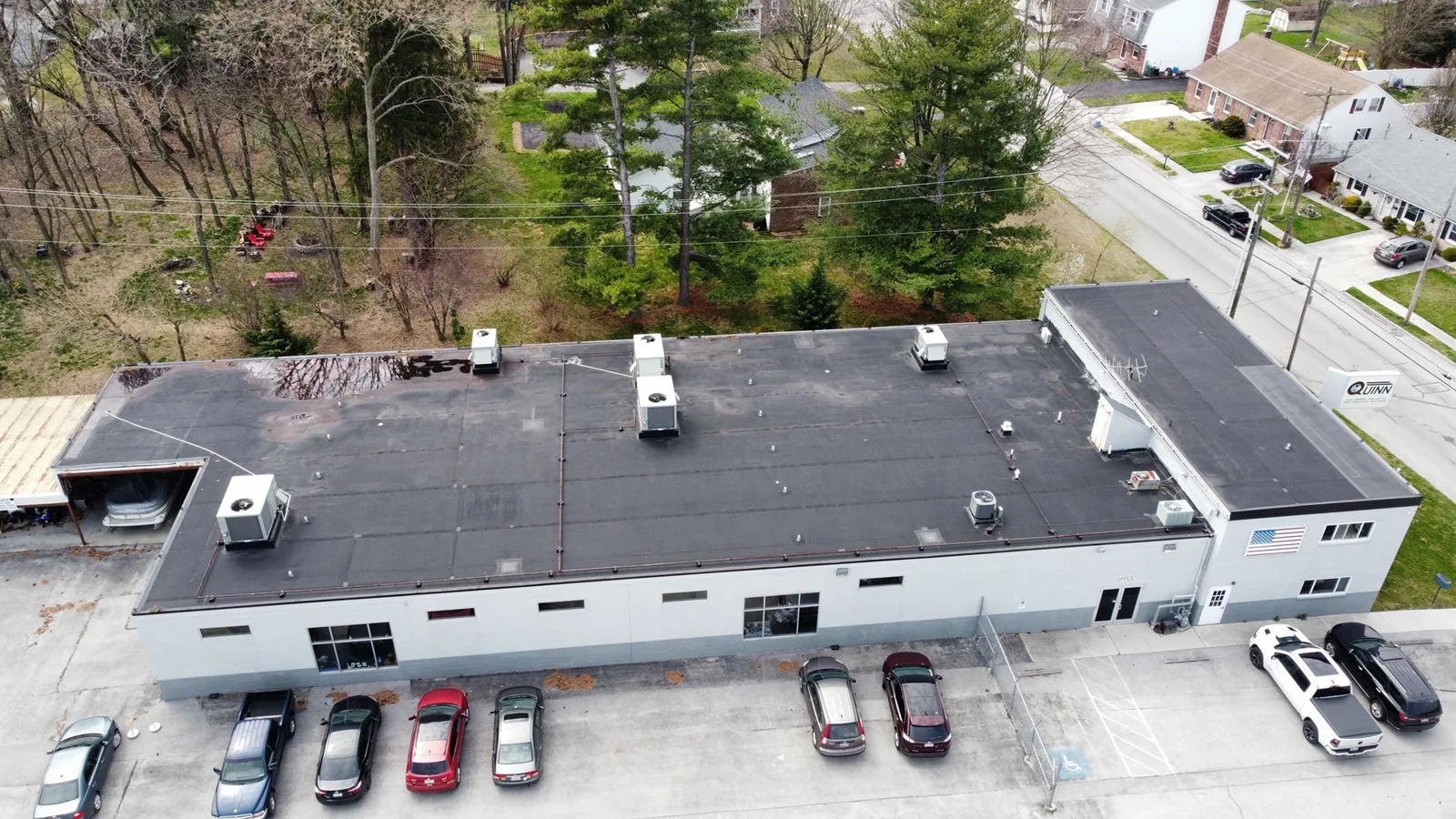
Trace entry: inspect the whole transition
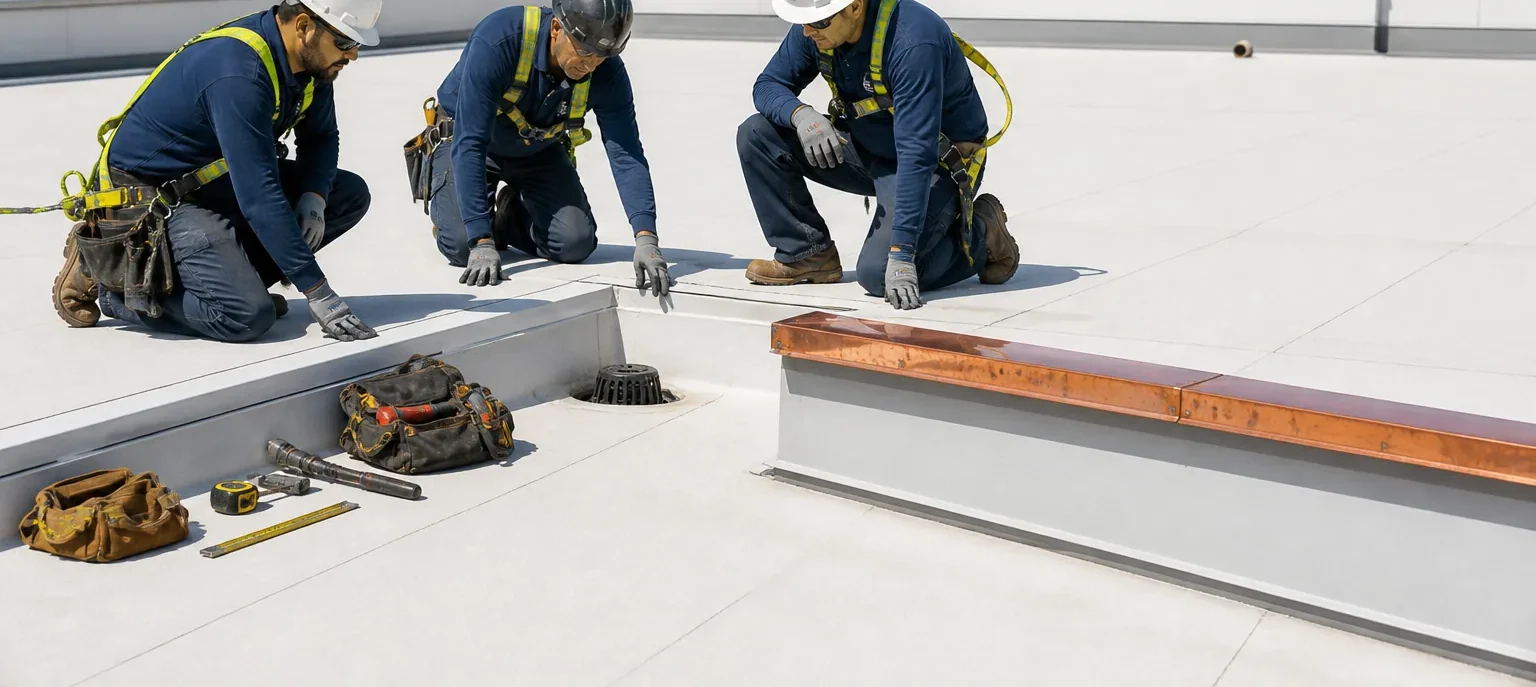
We start with the interior report and locate the corresponding roof area. The inspection checks skylight corners, curb seams, metal counterflashing, pipe boots, pitch pans, equipment supports, and nearby field seams. We look for cracked sealant, loose fasteners, separated membrane, corrosion, staining, and physical movement. Each condition gets a close photograph and a wider view that shows its position on the roof.
A water stain below a skylight does not prove that the glazing itself failed. The curb, adjacent membrane, or an uphill detail may be the source. We inspect the uphill path and note whether the surface drains around the curb. If the roof is wet or unsafe, access stops and the site contact receives an updated plan. On larger sites such as Burnidge-Big Timber Industrial Park, entry rules and active operations are confirmed with the property representative.
Elgin experiences recurring freezing conditions and about 29 inches of annual snowfall. Meltwater can test a small opening after a freeze, but the local climate does not identify a failed component. We report what the crew can observe and recommend testing only when concealed construction could change the repair.
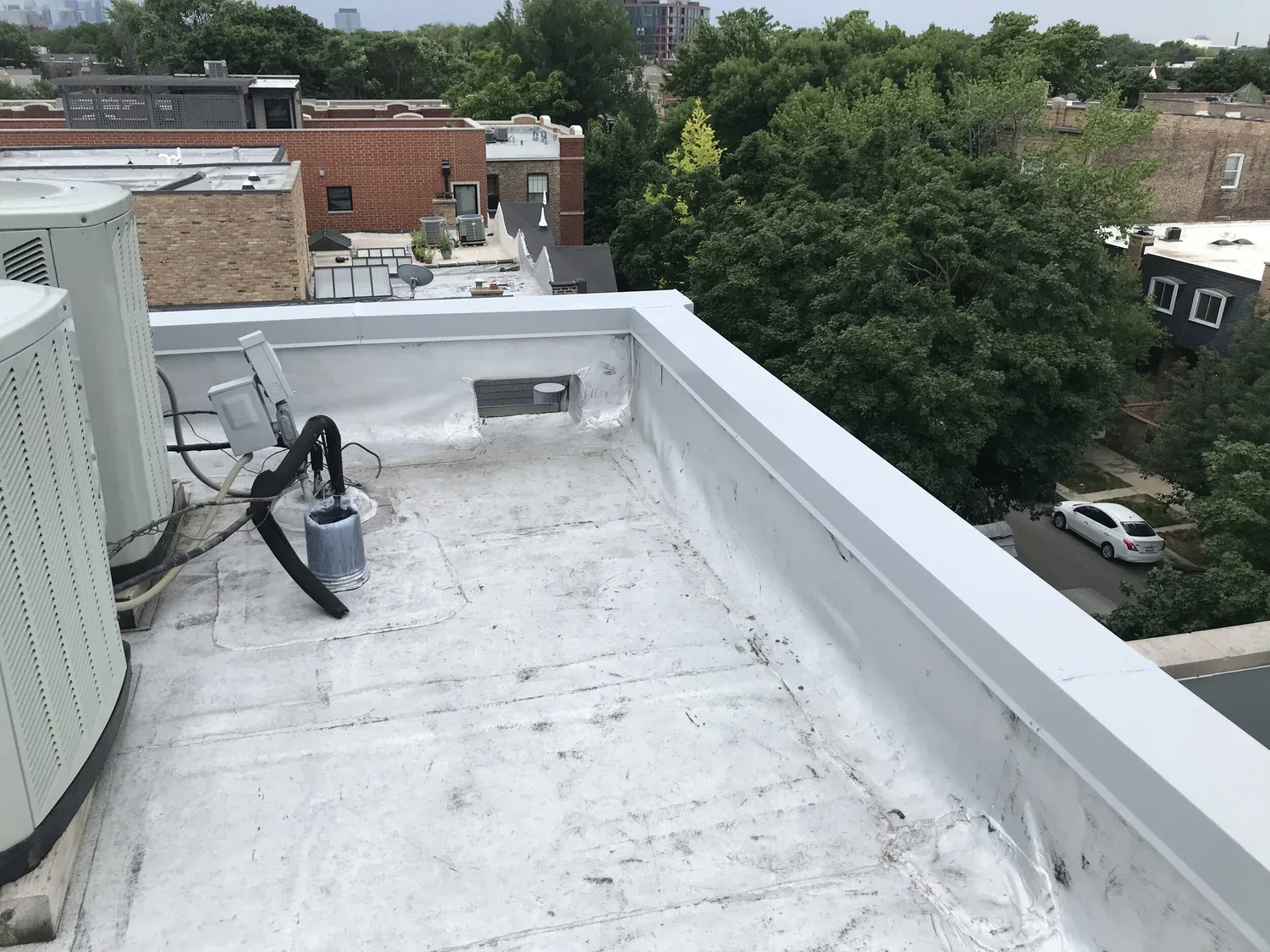
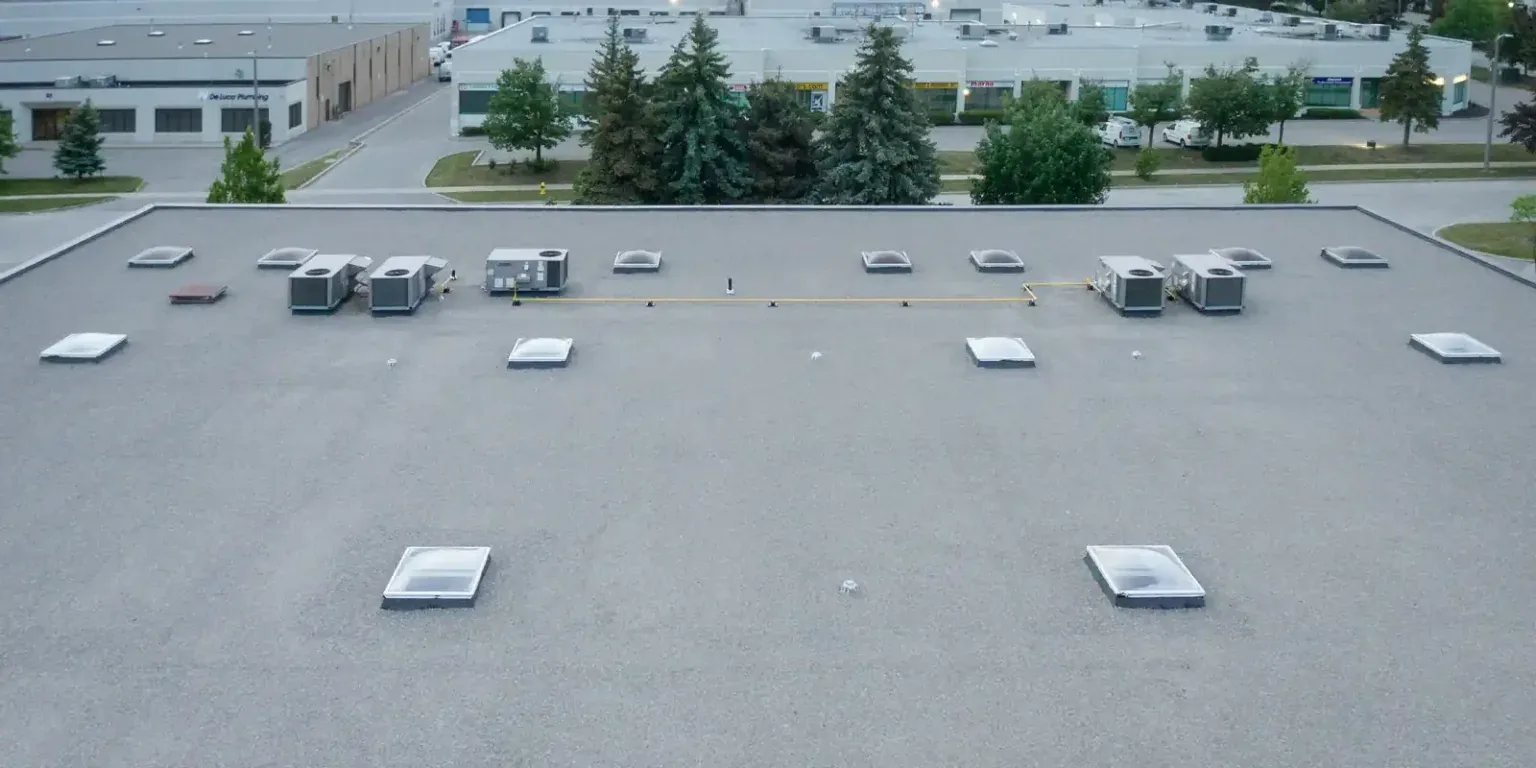
Skylights: confirm curb and glazing details
For a skylight, the crew checks the curb, corners, mounting, flashing, glazing perimeter, and any factory cover or frame components visible from the roof. We do not assume the unit can be resealed from the exterior. A failed lens, damaged frame, or compromised curb may require different work. The owner receives separate observations for the skylight product and the roof membrane around it.
We note whether nearby surfaces direct water toward the curb and whether debris or snow could collect at the detail. The inspection also considers safe protection around the opening. If a skylight is fragile or its rated condition is unknown, we keep crews off the panel and follow a controlled access plan. For interior spaces below, the site contact identifies any equipment, inventory, or public area needing protection during investigation.
When the curb or membrane tie-in is the concern, a localized roof repair may be possible. If a unit replacement is needed, the proposal states whether glazing, frame, curb, and roofing work are included or assigned to another trade. We avoid a one-line “reseal skylight” scope when the failed part has not been identified.
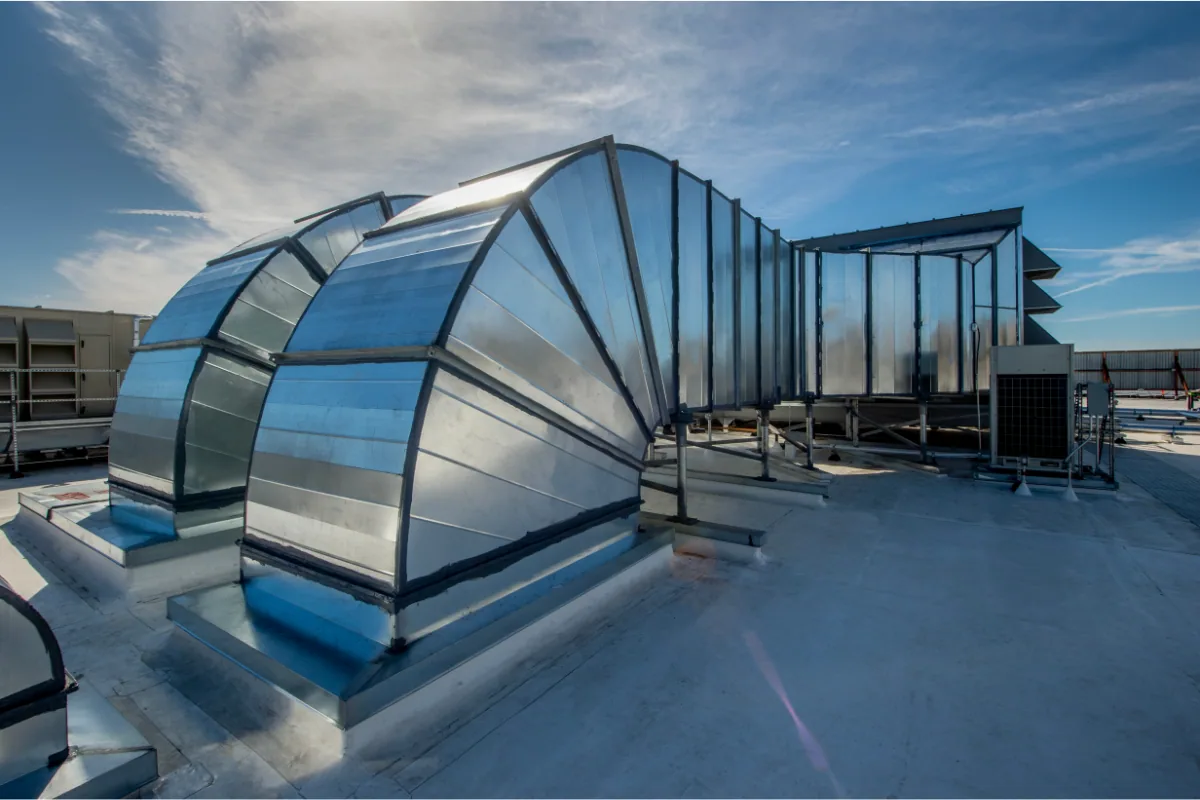
Pipes and equipment: match the flashing to the use
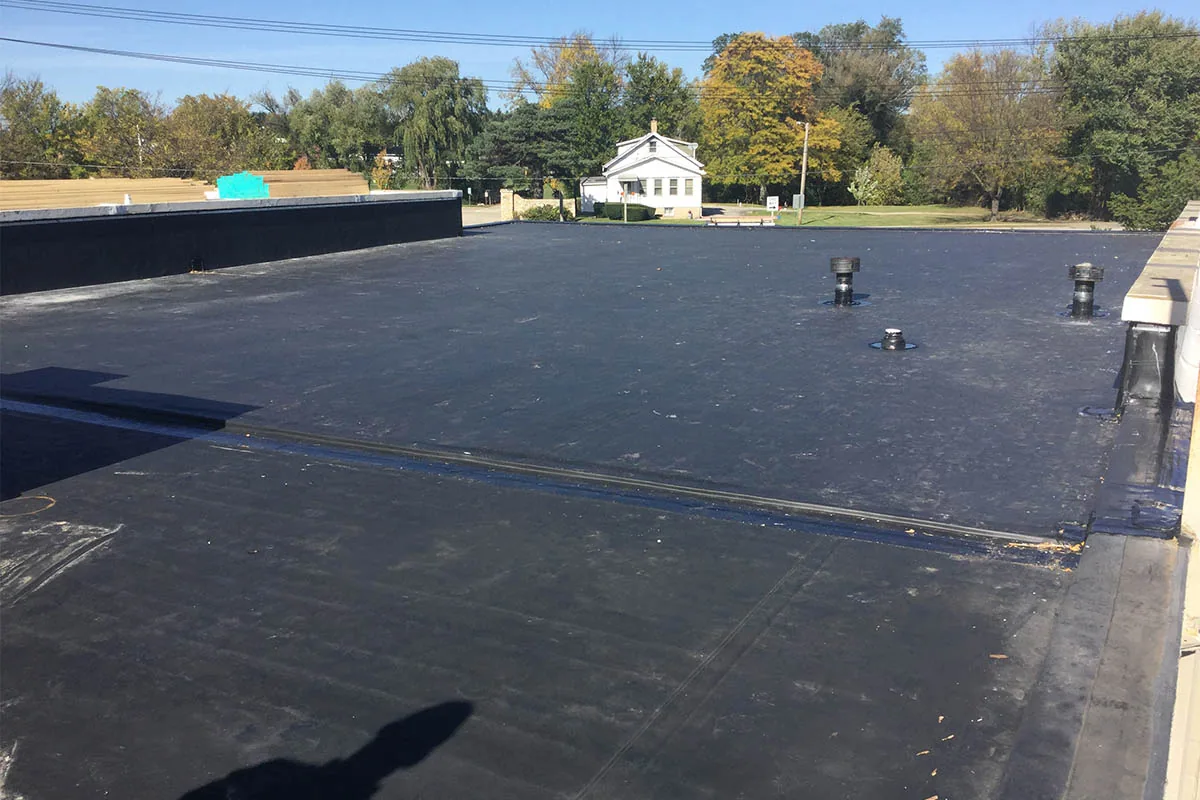
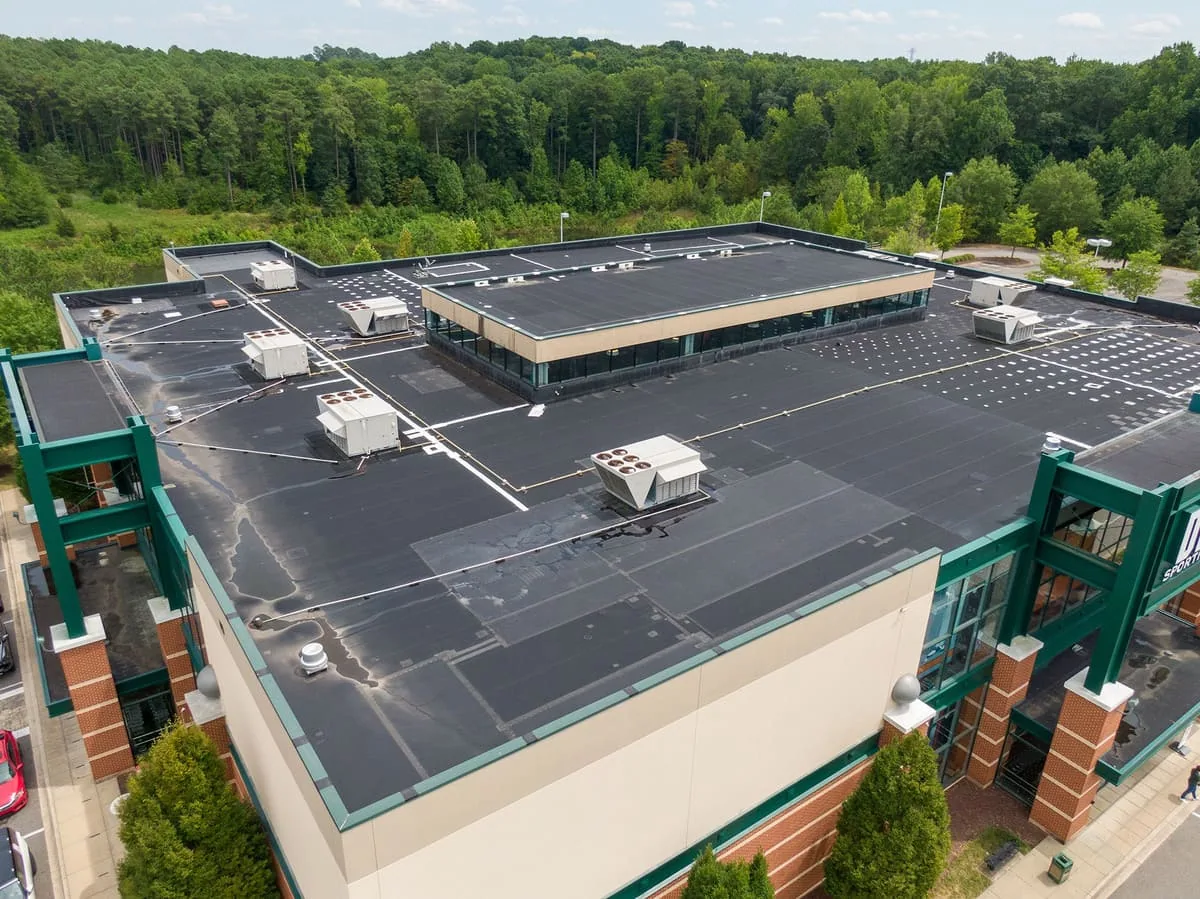
Penetrations vary in movement, temperature, and service. A vent, conduit, gas line, refrigerant line, exhaust, and equipment support each place different demands on a roof boot or curb. We identify the object, size, material where visible, and whether it moves or vibrates. Then we compare the existing flashing with the roof system and determine if a compatible boot, pitch pan, or fabricated detail is appropriate.
Unused penetrations can remain as leak points. We confirm that the line is truly abandoned before proposing removal or a cap. Active equipment stays in place unless its owner authorizes shutdown or disconnection. The roofing crew does not alter a mechanical connection as part of flashing work. If access requires coordination with a facilities technician, that requirement appears in the schedule and scope.
A curb and equipment support review may address a larger base or recurring movement. An EPDM roof detail uses different seam and flashing methods than a metal roof or thermoplastic membrane. We verify the installed assembly before listing materials.
Repair: restore continuity without masking movement
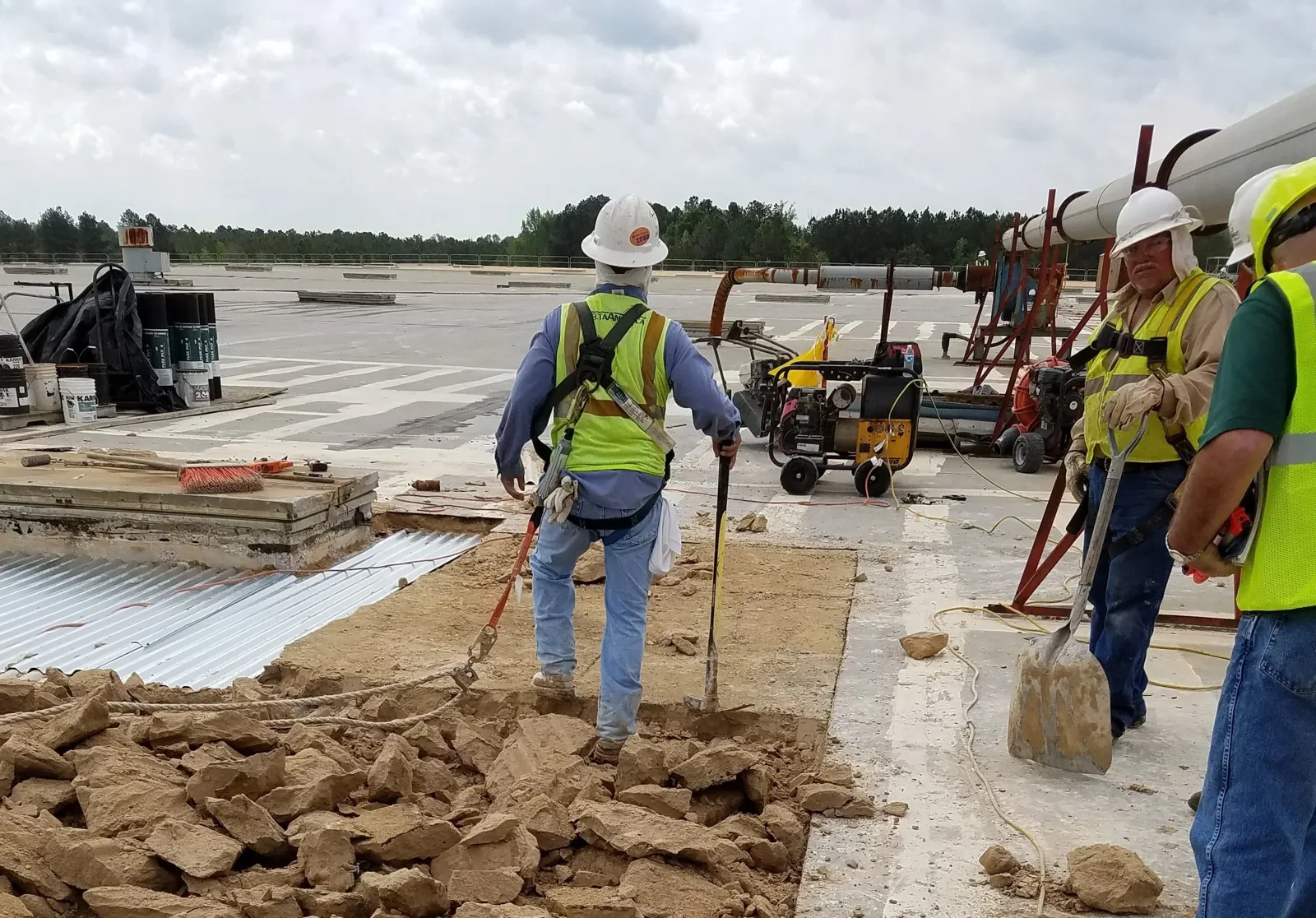
Repair can mean replacing a pipe boot, rebuilding curb flashing, correcting a counterflashing termination, replacing a skylight component, or renewing a membrane section around a penetration. The scope records the selected method, material, prepared area, tie-in, and any limitations. If the substrate is wet or deteriorated, that condition needs an approval decision before new material covers it.
Sealant has a defined role. It may close a compatible joint, but it is not a substitute for a proper membrane turn-up or mechanical attachment. We identify which joint needs sealant and avoid describing it as a universal fix. If water appears at multiple penetrations, we assess each location independently rather than apply the same repair without evidence.
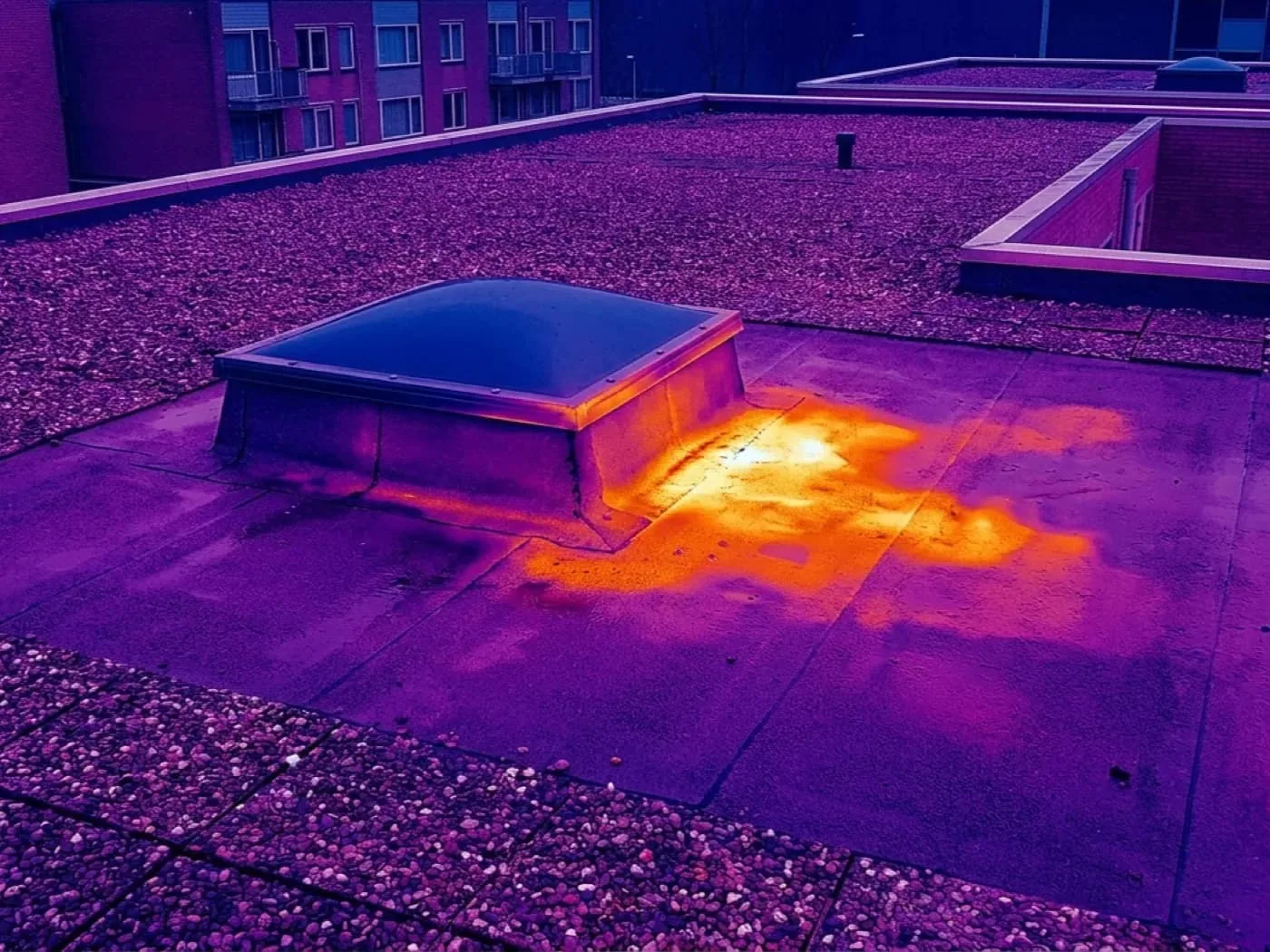
Where the roof contains concealed moisture, an infrared moisture survey can help target verification. Scan results are not a substitute for confirmation of the assembly. We explain the scan area, limits, and any proposed test cuts before opening the roof.
Access and weather: protect occupied space
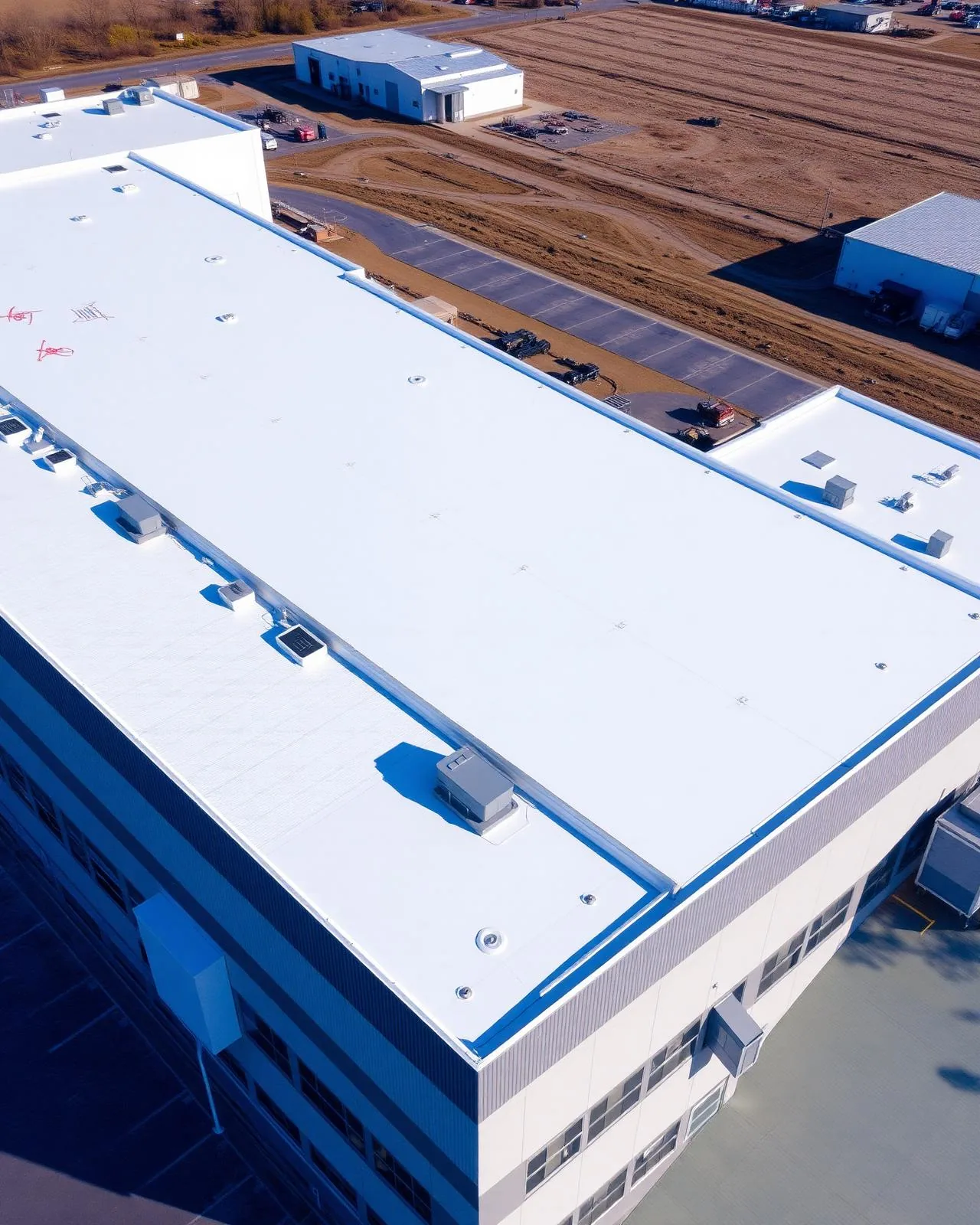
Skylight and penetration work depends on safe access and dry conditions for selected materials. Ice, rain, wind, or a wet roof can stop work. The crew sets a weather hold when the surface or forecast falls outside the repair method’s limits. A return window follows after the site contact confirms building access and any equipment shutdown needed.
For a facility in Downtown Elgin or Elgin-O’Hare Business Center, staging may affect tenants, deliveries, or public routes. We ask the contact to identify the work zone, security steps, and any overhead protection requirement. Elgin averages 12.7 days above 90°F each year. That provides seasonal context for sealant handling and worker breaks; the roof surface still controls each installation decision. The daily roof temperature and product limits still control whether installation proceeds. We communicate if staging, cure time, or access restrictions change the work sequence.
Closeout: label each repaired penetration
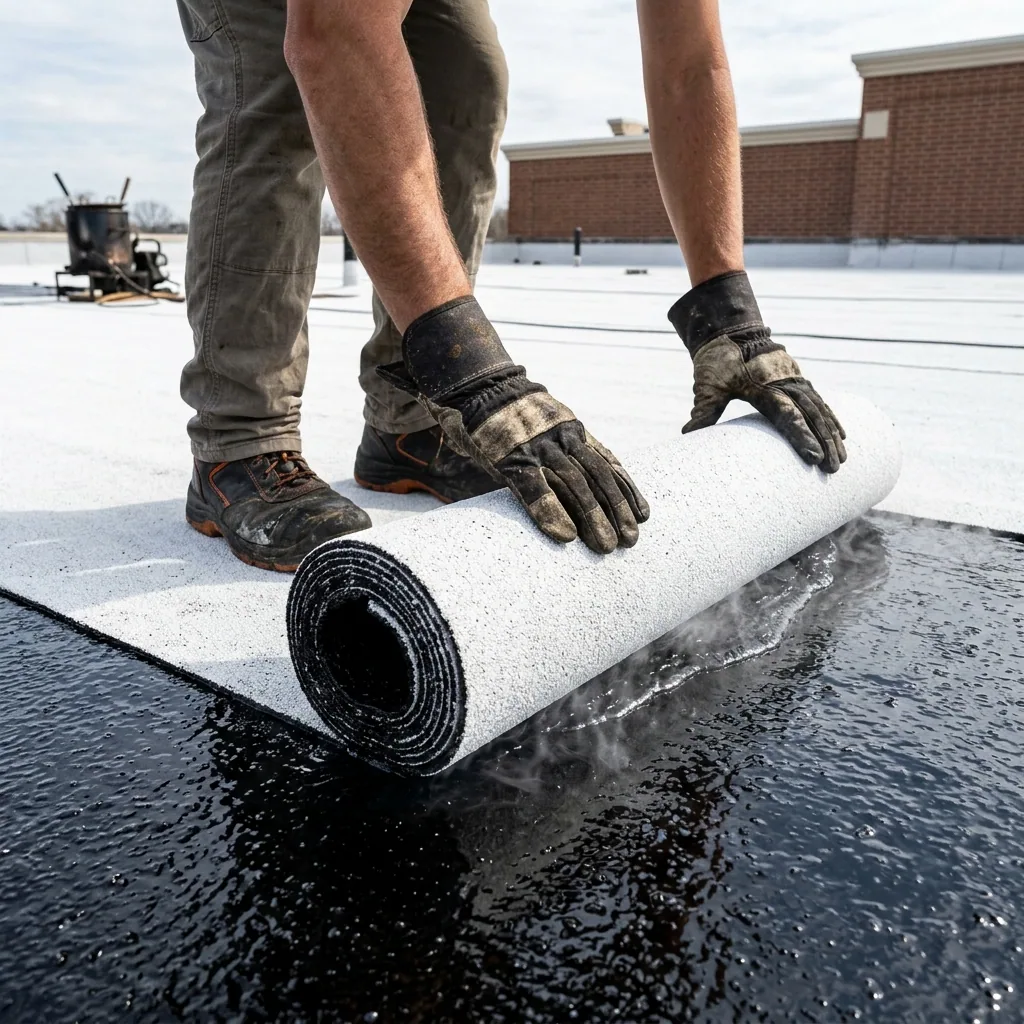
The closeout identifies each repaired curb, skylight, boot, or support by roof zone. Photos show the original condition where available, prepared detail, finished tie-in, and any remaining limitation. We note components left in place and any owner follow-up needed. If a mechanical contractor must reconnect equipment or inspect an active line, the closeout makes that handoff explicit.
Share the affected room, roof plan, penetration schedule, recent leak reports, equipment contact, and site access rules. Include any fall-protection or skylight restrictions already established for the building. We will trace the reported water path, confirm which details can be reached, and present the first approval point. Clear identification prevents a repair to one curb from being mistaken for work on every opening across the roof.
Questions About Commercial Skylight and Roof Penetration Flashing
Does water below a skylight mean the skylight itself is leaking?
Not necessarily. Water can enter at a curb, membrane transition, nearby seam, or another uphill detail. We trace the path and document the component that needs further attention.
Can you reseal every roof penetration with sealant?
No. The correct repair depends on the penetration, roof system, movement, and existing flashing. Sealant may be one component, but it cannot replace a compatible boot or membrane detail.
Will you disconnect rooftop equipment to repair flashing?
Only with the equipment owner’s authorization and appropriate trade coordination. We identify shutdown, clearance, or reconnection needs before setting the roofing schedule.
How do you protect a skylight during roof work?
We verify the unit and safe access limits, then keep crews off panels that are fragile or unrated. Any temporary protection is planned for the specific opening and removed or documented at closeout.
What if moisture is hidden under the membrane?
We explain options such as targeted scanning or test cuts, including their limits. The owner approves the verification area before we open the assembly.