Commercial Edge Metal, Coping and Gutters in Elgin, IL
Review a roof perimeter
Send the building name, reported edge or gutter condition, access contact, roof records, and staging rules. We will confirm the inspection window and repair boundary.
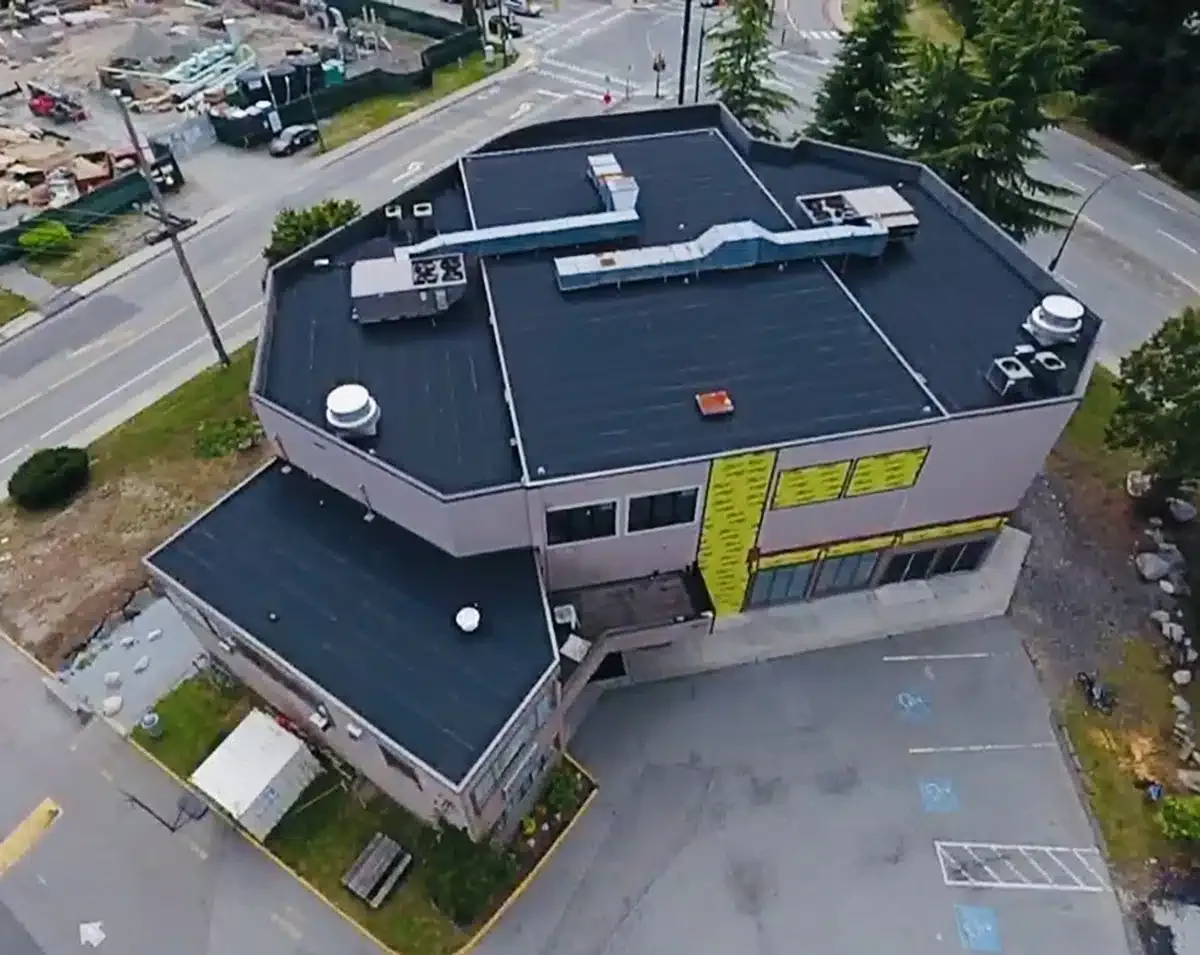
Commercial Edge Metal, Coping and Gutters
Perimeter metal is a roof termination and a water-control detail. We inspect edge securement, coping joints, fascia, gutter connections, downspout discharge, and the membrane transition beneath each component. Wind can loosen a cleat; freeze-thaw can stress a joint; backed-up water can expose a weak seam. Elgin’s documented tornado activity makes post-event review reasonable, but only an inspection can establish a condition at the building. The report names the edge, observed movement, and next repair decision.
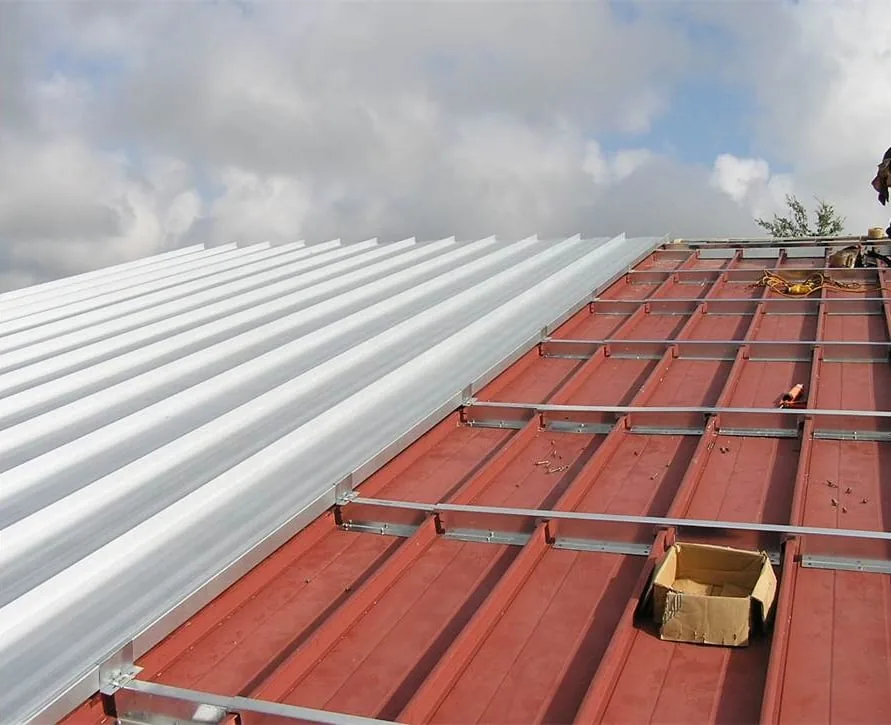
Edge inspection: follow the attachment
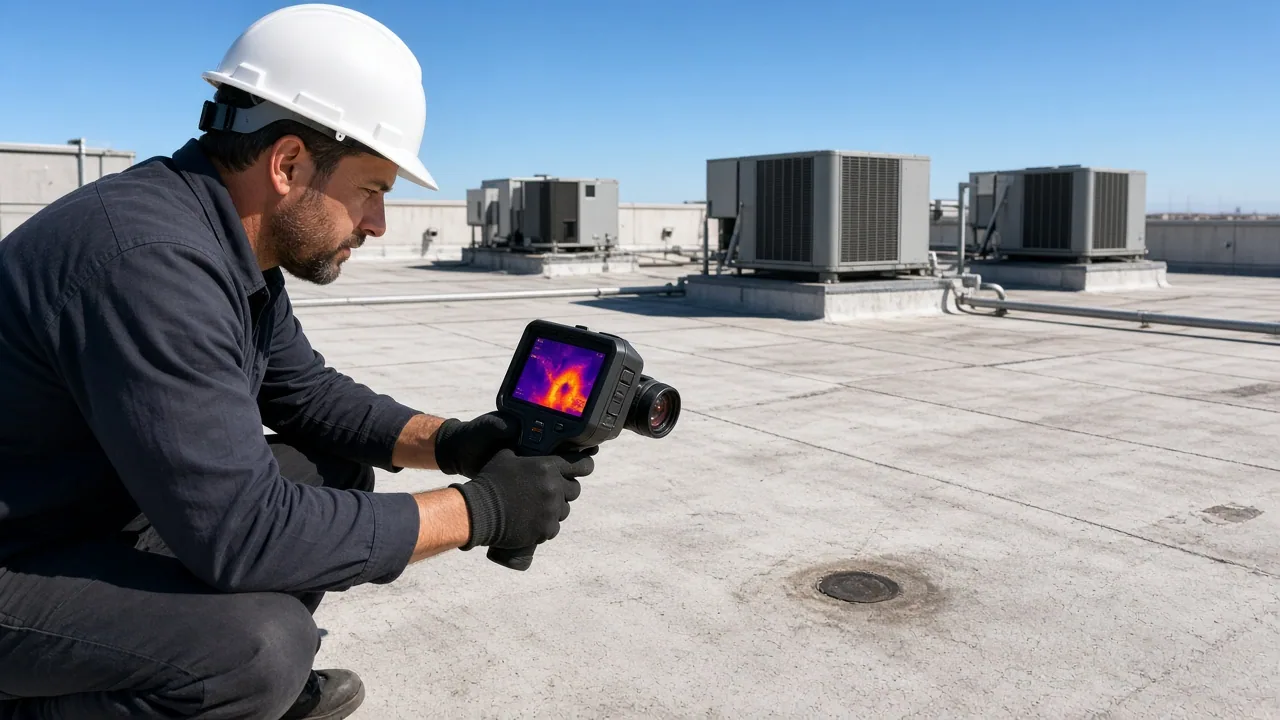
The crew checks metal laps, cleats, fasteners, sealant, corners, and changes in roof height. We look for lifted sections, corrosion, open joints, missing pieces, and membrane that has pulled from the termination. A loose edge is not automatically a failed roof system. We identify its length and position, then check whether water can enter beneath the assembly. If wind affected a section, adjacent terminations receive a limited review for continuity.
Elgin and nearby commercial areas include varied site layouts. At Westfield Business Park or the Carpentersville Route 31 corridor, loading zones and tenant schedules may affect access and staging. Those area names do not predict edge conditions. We confirm the specific structure, roof elevation, safe tie-off, and access route before bringing tools or material to the perimeter.
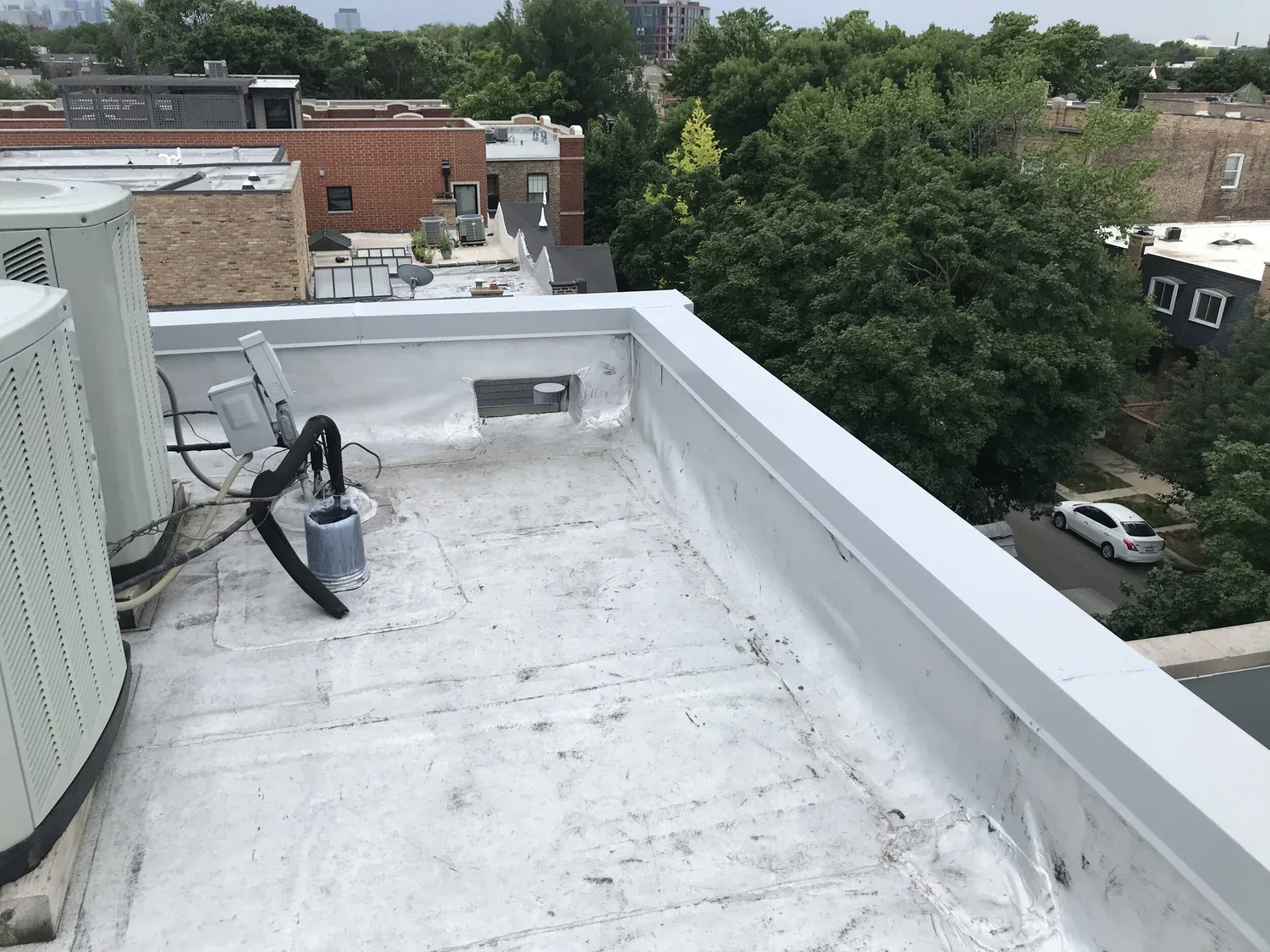
Where coping protects a parapet, we inspect the cap width, joints, splice plates, cleat engagement, corners, and termination at roof-mounted equipment. A coping cap can look intact while the underlying attachment needs review. We document fasteners and visible gaps without assuming concealed blocking is sound. If the cap must be removed, the work plan accounts for temporary exposure and weather.
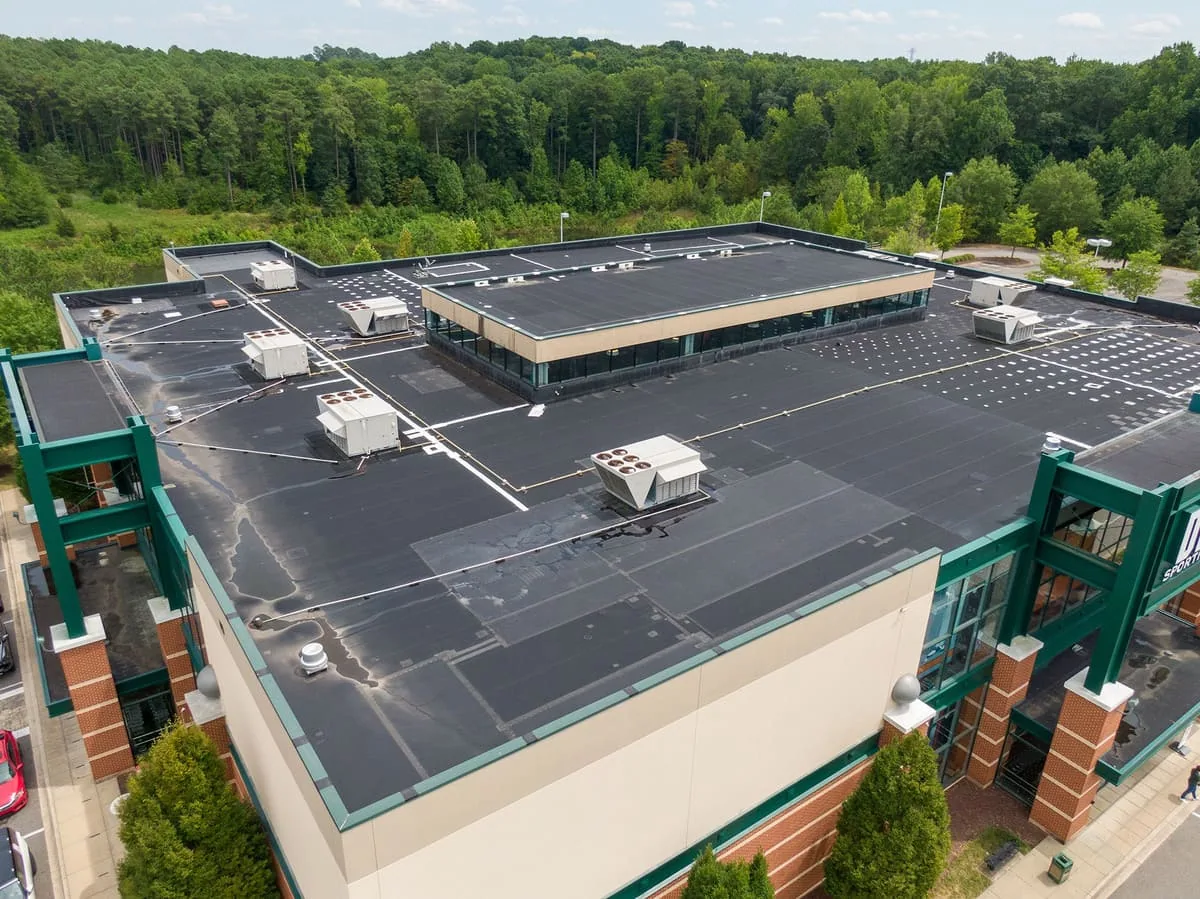
Gutter and downspout review: confirm discharge
Gutters collect water only when their slope, outlets, hangers, and downspouts work together. We check attachment, seams, end caps, debris, overflow marks, and visible deformation. Downspouts need a clear discharge location that does not undermine an entry, sidewalk, or lower roof. We ask the site contact where water should flow and whether the system connects to a storm line, splash block, or other approved destination.
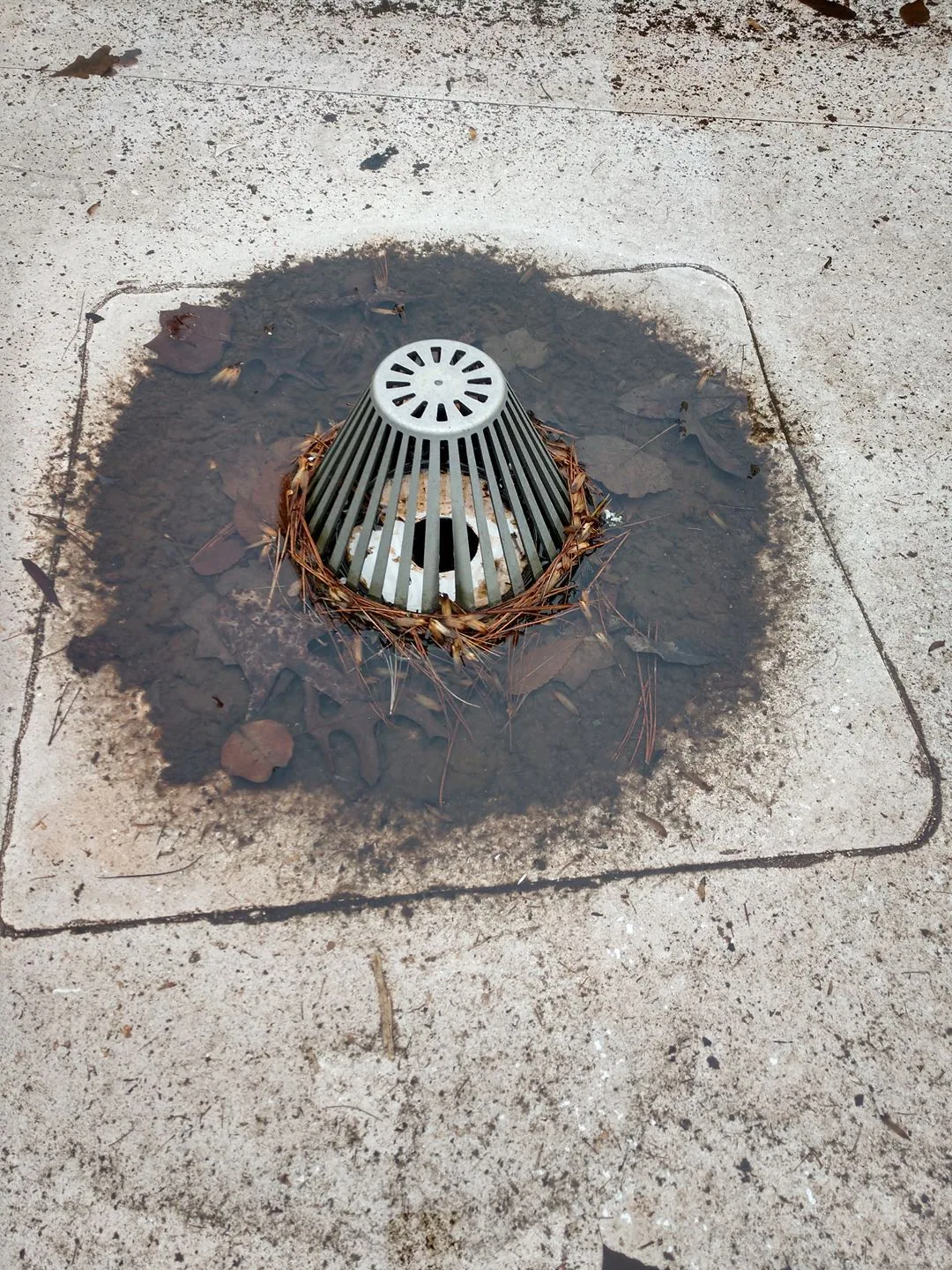
Snow and ice can load a gutter or hold water at a joint. Elgin averages about 29 inches of annual snowfall and records recurring freezes. The local pattern supports seasonal attention; it does not establish that a particular gutter has been damaged. We note bent metal, separation, ice marks, or overflow staining only when present. If roof drainage backs up, a drain and scupper assessment may be needed alongside perimeter work.
Where the gutter meets membrane or edge flashing, the tie-in must suit the existing roof. We verify material compatibility and define the interface. A gutter replacement that leaves a weak roof termination untouched can move the leak instead of resolving it. The estimate separates the collection system from roofing transitions so the owner can see what each item addresses.
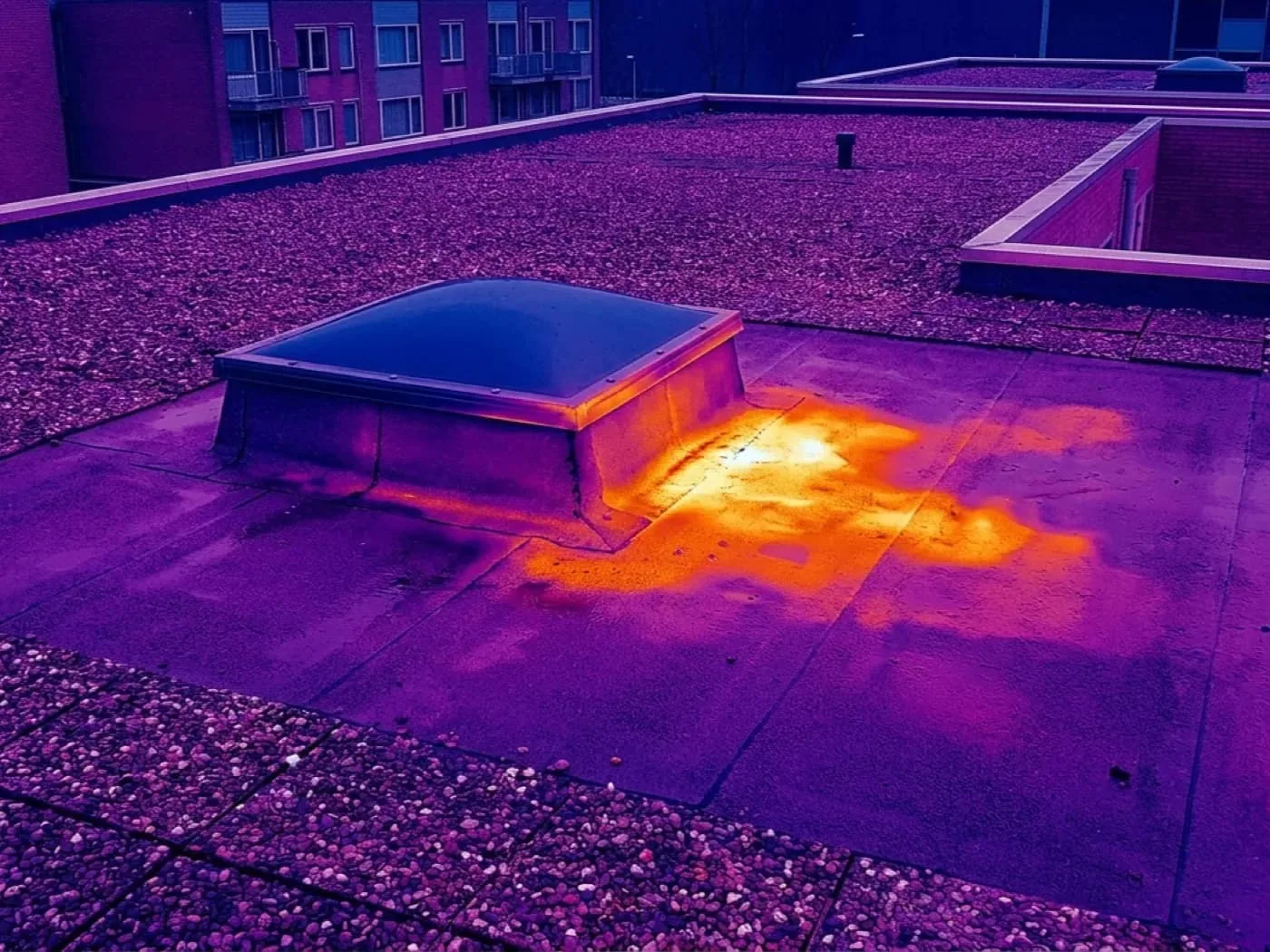
After wind or hail: document what moved
After a reported storm, we photograph the affected perimeter and identify whether metal shifted, detached, or remains secure. Elgin had an EF1 tornado in July 2023 and a recorded one-inch hail event in February 2024. The events are relevant exposure context. They do not establish storm causation on a specific coping cap or gutter. We describe the observed mark, displacement, or opening and preserve any earlier maintenance record the owner supplies.
If water is entering, the first visit may focus on safe temporary protection. We mark the repair boundary and avoid covering loose material that could create a wind hazard. The permanent scope identifies replacement length, substrate checks, splice treatment, membrane tie-in, and any painting or finish limitation. A storm damage assessment can document adjacent roof conditions when the event affected more than the perimeter. A separate roof inspection can record the remaining assembly.
For an occupied building, we coordinate ground protection and pedestrian routes before work begins. In Downtown Elgin, commercial entrances, nearby transit, and sidewalks can influence staging. We ask the property contact to confirm access boundaries rather than assume a standard setup for every building in the district.
Repair options: secure, restore or replace
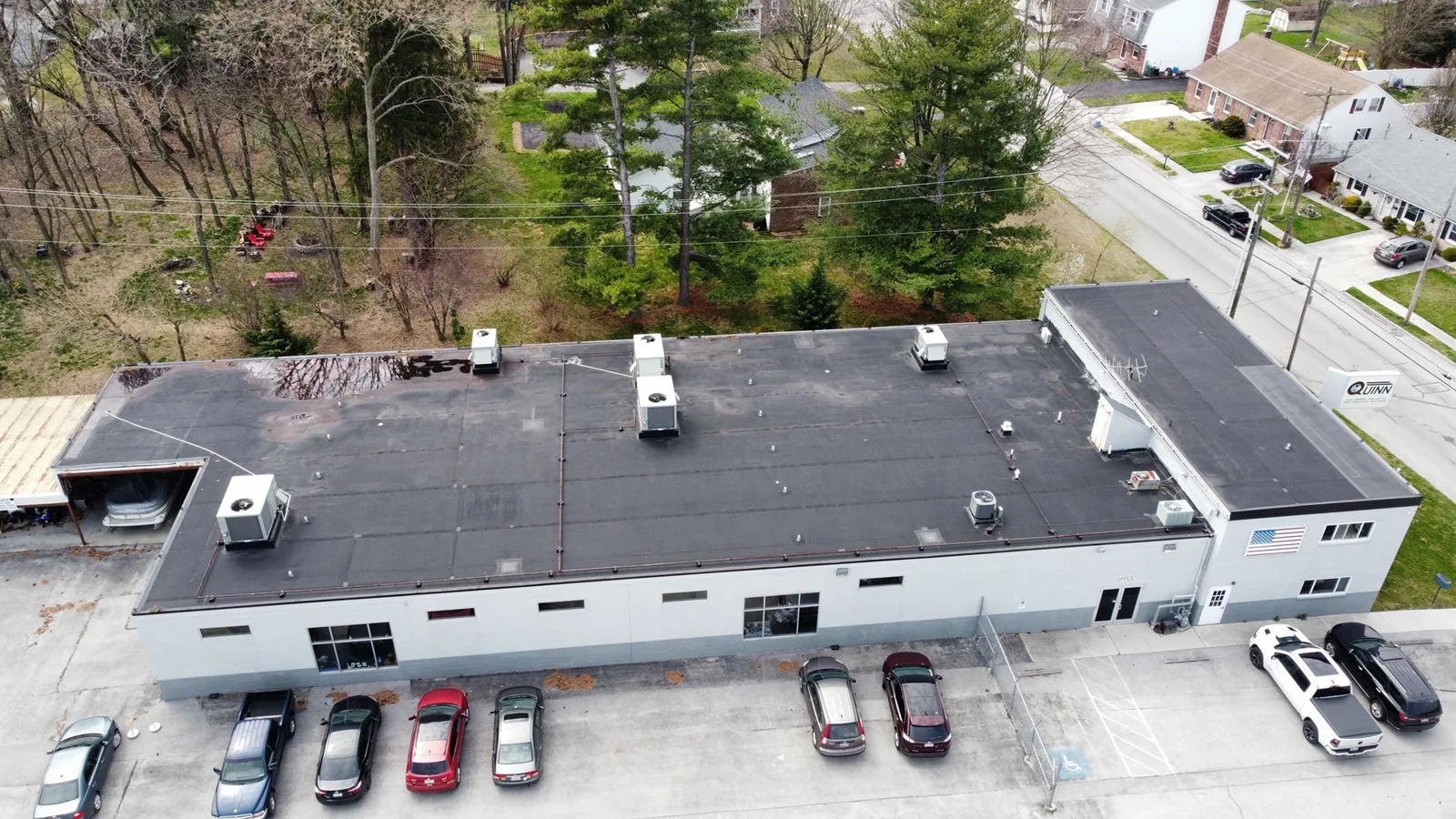
A localized repair may reset a cleat, reseal a joint, replace a short section, or restore a membrane termination. Broader replacement may be appropriate when metal is widely corroded, attachment is unreliable, or dimensions no longer match the roof detail. We measure the proposed length and identify corners, transitions, and end conditions. The owner sees the distinction between a single defect and a system-wide perimeter project.
Substrate condition matters. If blocking or deck material is deteriorated, replacement metal alone may not provide secure attachment. The estimate states when removal is needed to verify the support. Any concealed repair remains an approval point. We do not promise that new coping resolves interior moisture if the source is a roof penetration or drainage issue elsewhere.
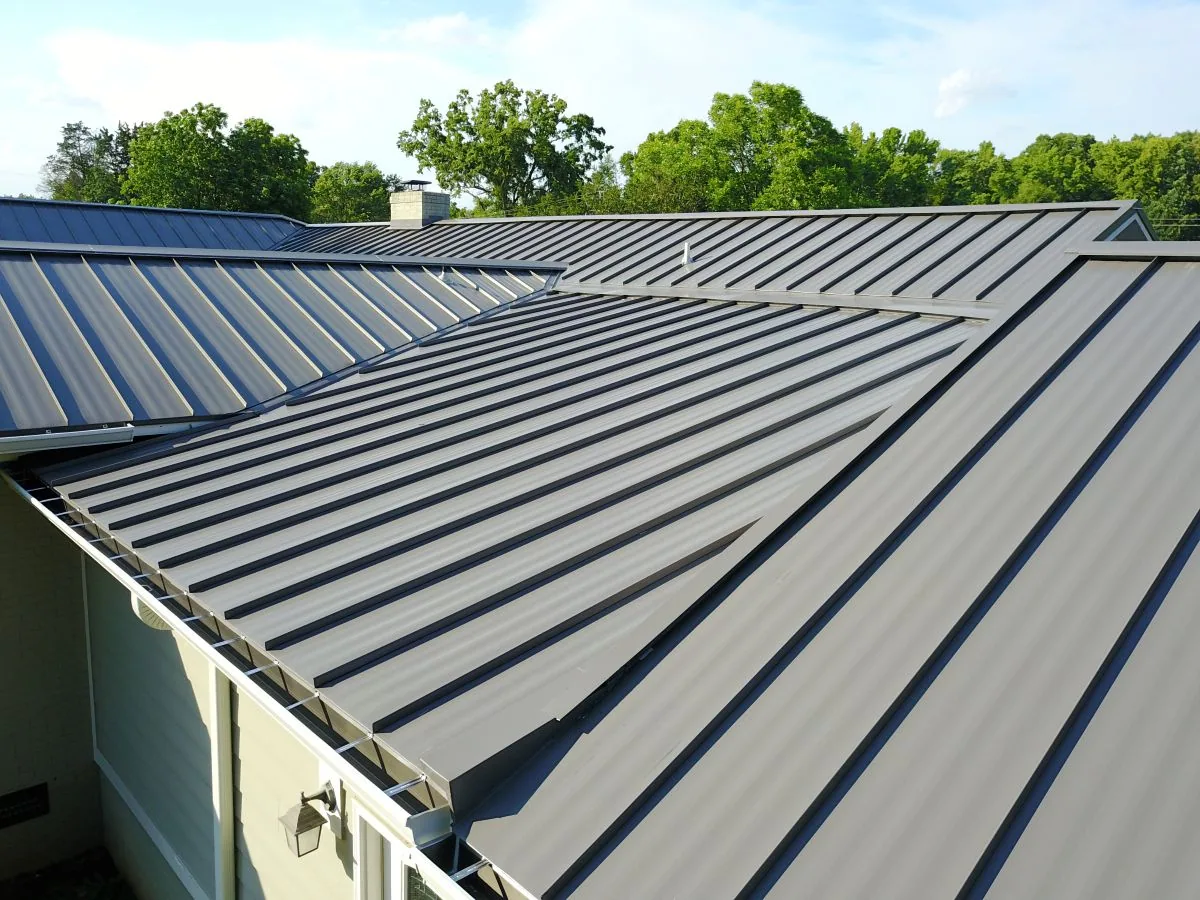
Material selection considers exposure, roof system, gauge, finish, movement, and manufacturer details. When a membrane termination is involved, the tie-in must align with the assembly. An edge next to standing-seam metal requires a different transition than a single-ply membrane. We confirm the existing material before specifying the repair.
Occupied site: control staging and approvals
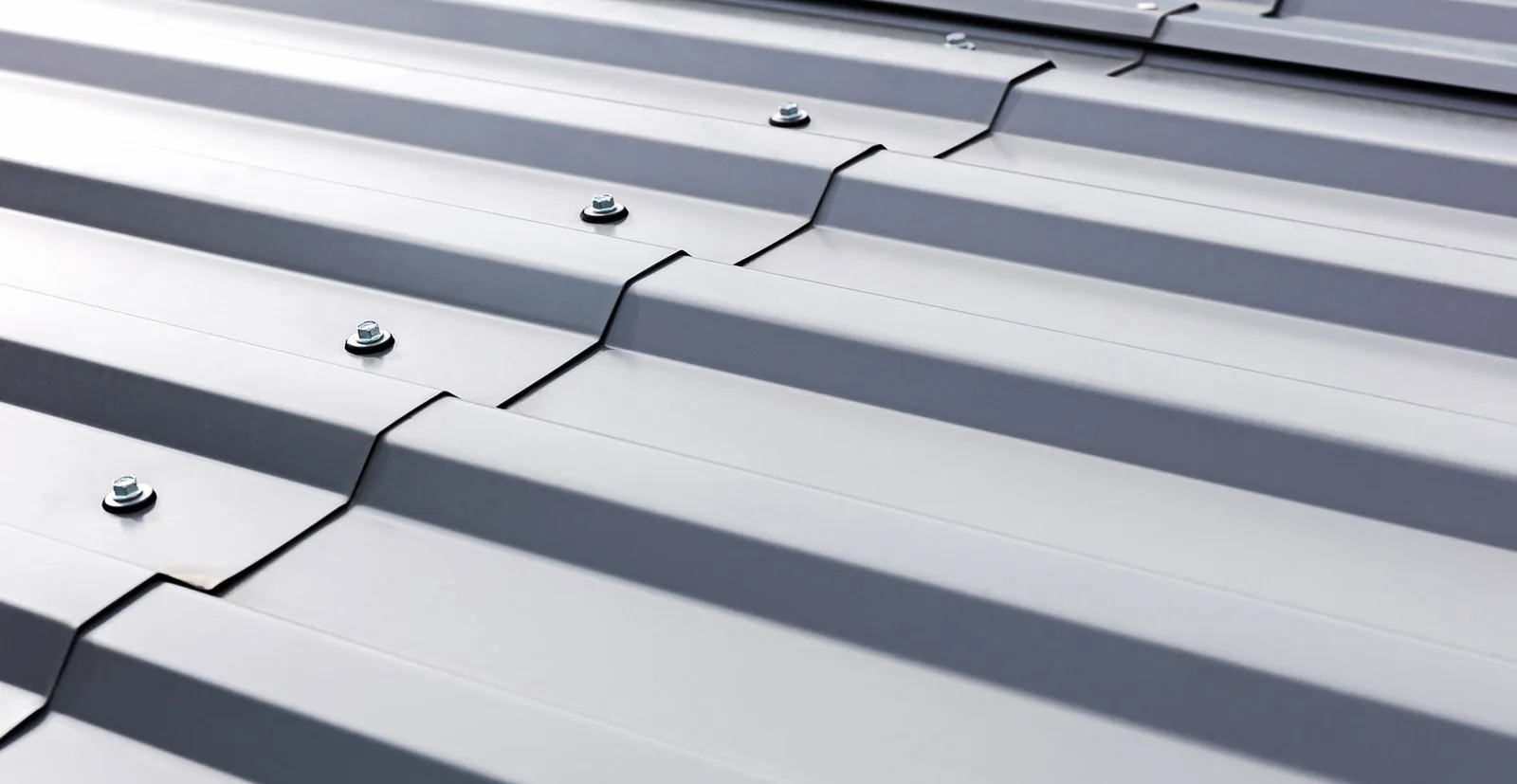
Perimeter work can place crews near entrances, parking, docks, or public sidewalks. The site contact identifies access times, delivery points, tenant notification needs, and areas requiring barriers. We agree on roof-entry method and ground controls before mobilization. A lift plan, when required, depends on actual site clearance and permissions.
Our written proposal states removal, substrate inspection, new metal, fastener pattern where specified, sealants, membrane work, and disposal. It lists finish limitations and any work by another trade. If a hidden condition appears, we stop at the agreed approval point, photograph the support, and request direction. This keeps the repair boundary visible and prevents an unapproved expansion.
For assets around Elgin Industrial Park or the Randall Road corridor, include shift changes, truck movement, and any no-work hours in the request. We confirm operating details with each manager; district context is not a substitute for site instructions.
Closeout: photograph the completed edge
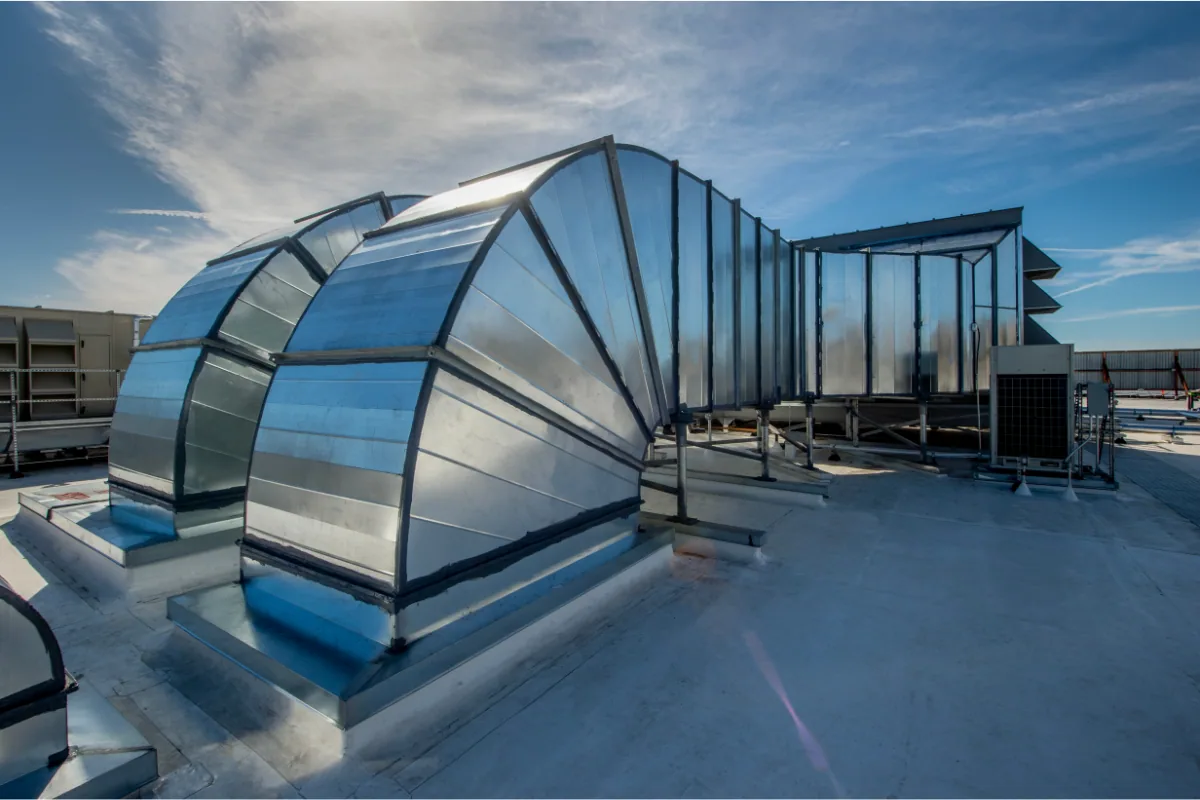
Completion records show the repaired length, corners, splice joints, termination, and tie-in. We note removed material, any concealed condition discovered, and the limits of finished work. The owner receives maintenance guidance for inspecting exposed edges after significant wind and for keeping gutters free of debris. A visual check from grade cannot confirm hidden fastener engagement, so we identify the roof-level work performed.
Share recent leak locations, roof plans, storm timing, access rules, and photos when requesting service. Tell us whether the concern is loose coping, gutter overflow, visible separation, or a general assessment. We will set the first inspection boundary and report the next approval point. Repair recommendations follow observed attachment and water paths, not the age or name of the business district.
Questions About Commercial Edge Metal, Coping and Gutters
Can loose coping be repaired without replacing every edge?
Sometimes. We inspect the affected run, attachment, corners, joints, and supporting material. The proposal identifies the repair length and any conditions that would justify broader replacement.
Do hail records prove damage to gutters or roof metal?
No. Local weather history provides exposure context. We document property-specific dents, movement, openings, or other visible conditions before recommending work.
Why inspect a downspout if the gutter looks intact?
A sound gutter still needs an open outlet and suitable discharge. We check visible connections and ask where water is intended to flow. Concealed piping may require separate testing.
Will new edge metal stop every roof leak?
Only if the leak source is at the edge and the repair addresses the affected assembly. We trace the reported water and keep unrelated penetrations or drainage problems separate.
What should I prepare before the inspection?
Provide the building contact, known leak area, access rules, roof drawings, and any recent storm or maintenance record. Note pedestrian or loading restrictions around the work zone.