Commercial Roofing in Carpentersville Route 25 Corridor, Carpentersville, IL
Coordinate a Route 25 corridor roof visit
Provide the property, operating hours, affected area, and roof access contact. We will set a safe dispatch window and approval sequence.
Carpentersville Route 25 Corridor, Carpentersville
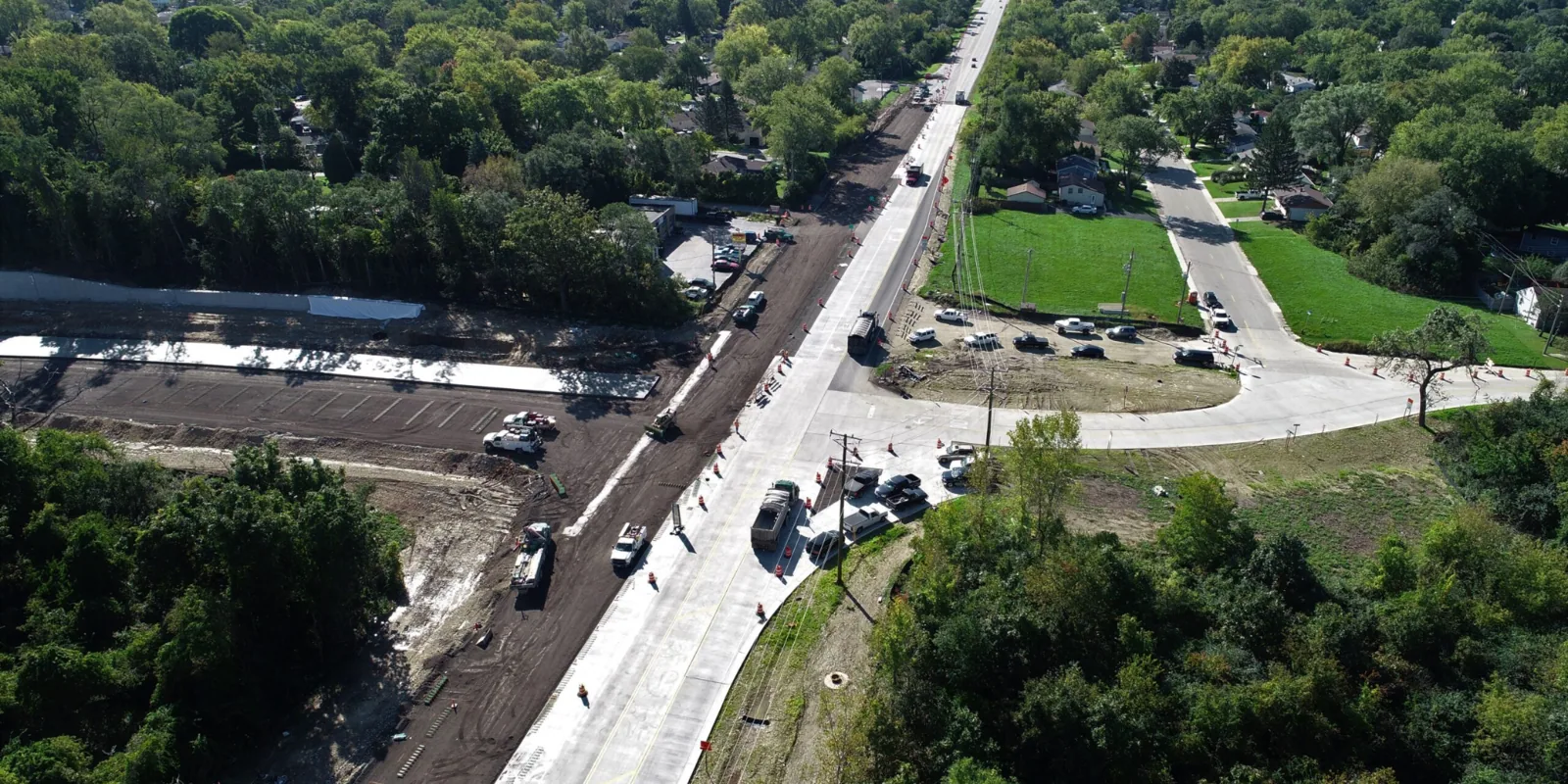
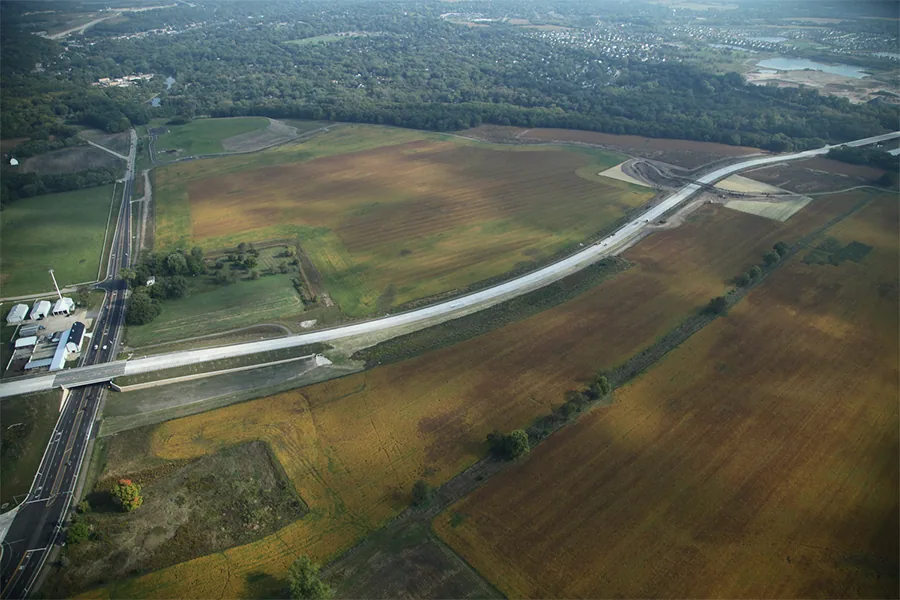
Illinois Route 25 follows the Fox River through Carpentersville as a north-south connector. Retail, service, office, mixed-use, and multifamily uses line the corridor, which also has several redevelopment opportunities. Roofing work must begin at the property, not from a road label. We confirm the building, operation, access contact, and reported condition before inspecting the roof zone.
Elgin's climate adds snow, freeze, thaw, and summer heat to the dispatch plan. A snow-covered surface can hide seams and drains; ice can make roof entry unsafe. A thaw may reveal where water held or crossed a transition. We record the accessible area and schedule a return when the roof can be entered safely. The update names what was observed and what still needs review.
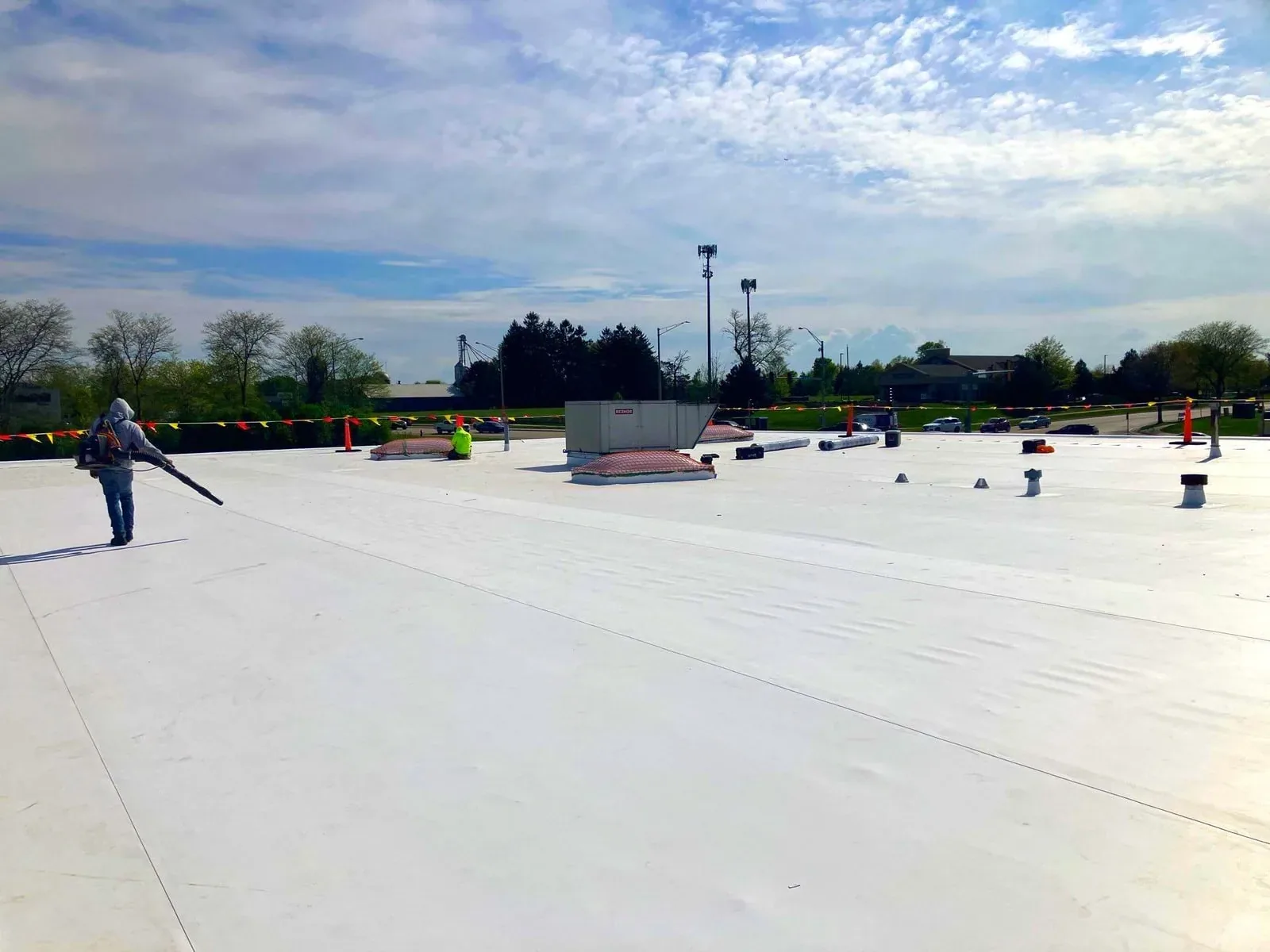
Along an active corridor, staging and pedestrian access can affect timing. We work with the property contact on deliveries, lift placement, barriers, loading activity, and work hours. A repair scope should protect people below and keep a clear boundary around the roof work. The site-specific operating plan is set before mobilization.
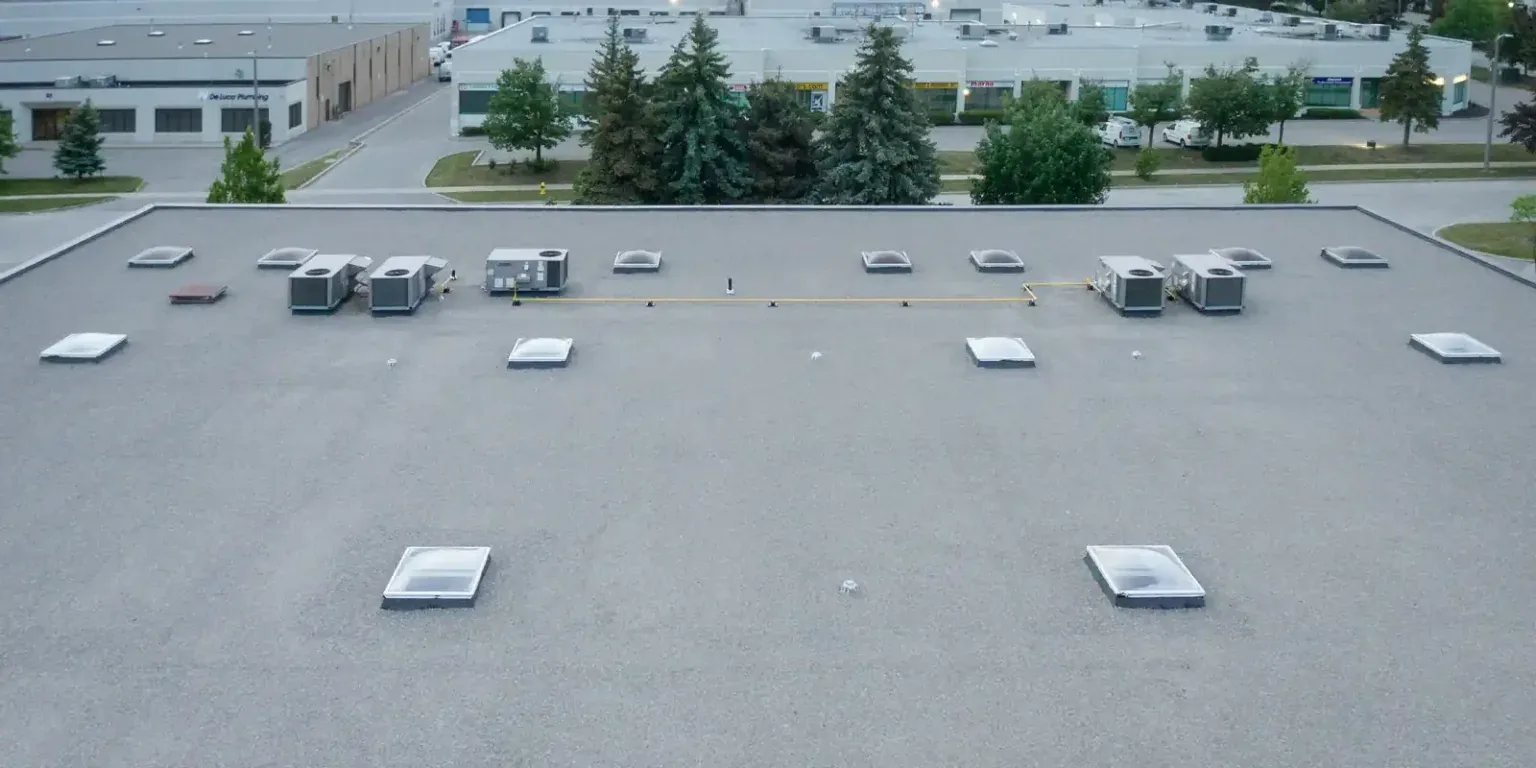
Corridor access: plan for occupied operations
The Route 25 corridor serves several building-use categories. Each one can have a different access pattern, tenant schedule, loading need, or approval contact. We confirm those facts with the actual property rather than assume that one plan fits the full corridor. Before roof entry, the site team identifies keys, escorts, pedestrian routes, restricted rooms, delivery windows, and any area that needs protection.
If work requires equipment near an active business entrance, the superintendent coordinates lift placement and material handling with the site contact. The plan identifies where a truck can stage, how foot traffic stays clear, and how debris will leave the property. Work may be sequenced in smaller sections to limit exposure below. If a schedule changes, the daily note records the new access window and what was completed.
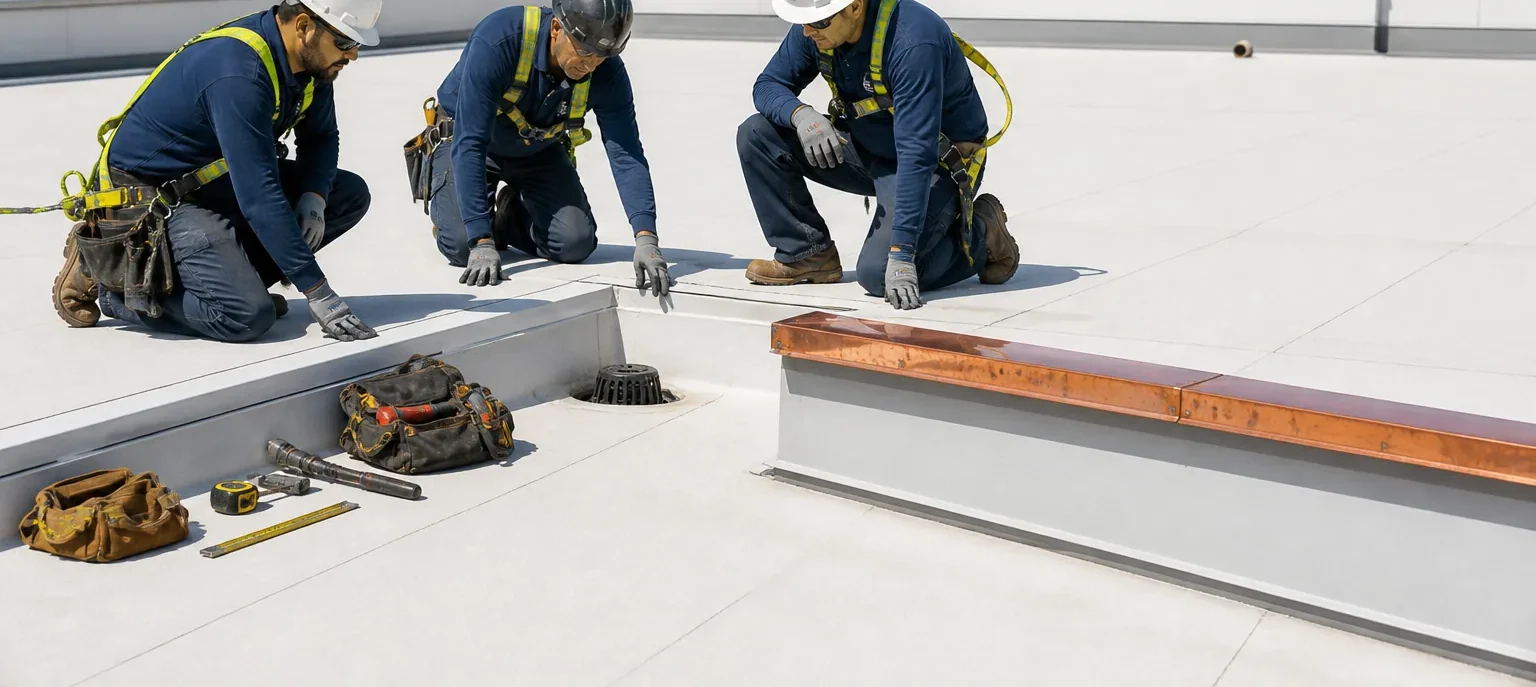
A first inspection checks the roof surface, seams, flashings, curbs, penetrations, wall transitions, drains, scuppers, edges, and previous repairs. We photograph defects and mark the roof zone. If the reported leak is indoors, we compare the room with likely water paths rather than assume the opening is above the stain. If the source remains uncertain, testing can be proposed before a permanent scope is priced.
The district's mixed-use context also means a roof repair can affect an occupied suite or a shared interior area. The property manager identifies any equipment or contents at risk. We establish temporary protection and confirm who can approve added work. The report states if a portion of the roof was inaccessible, so a limited walk does not read as a full inspection.
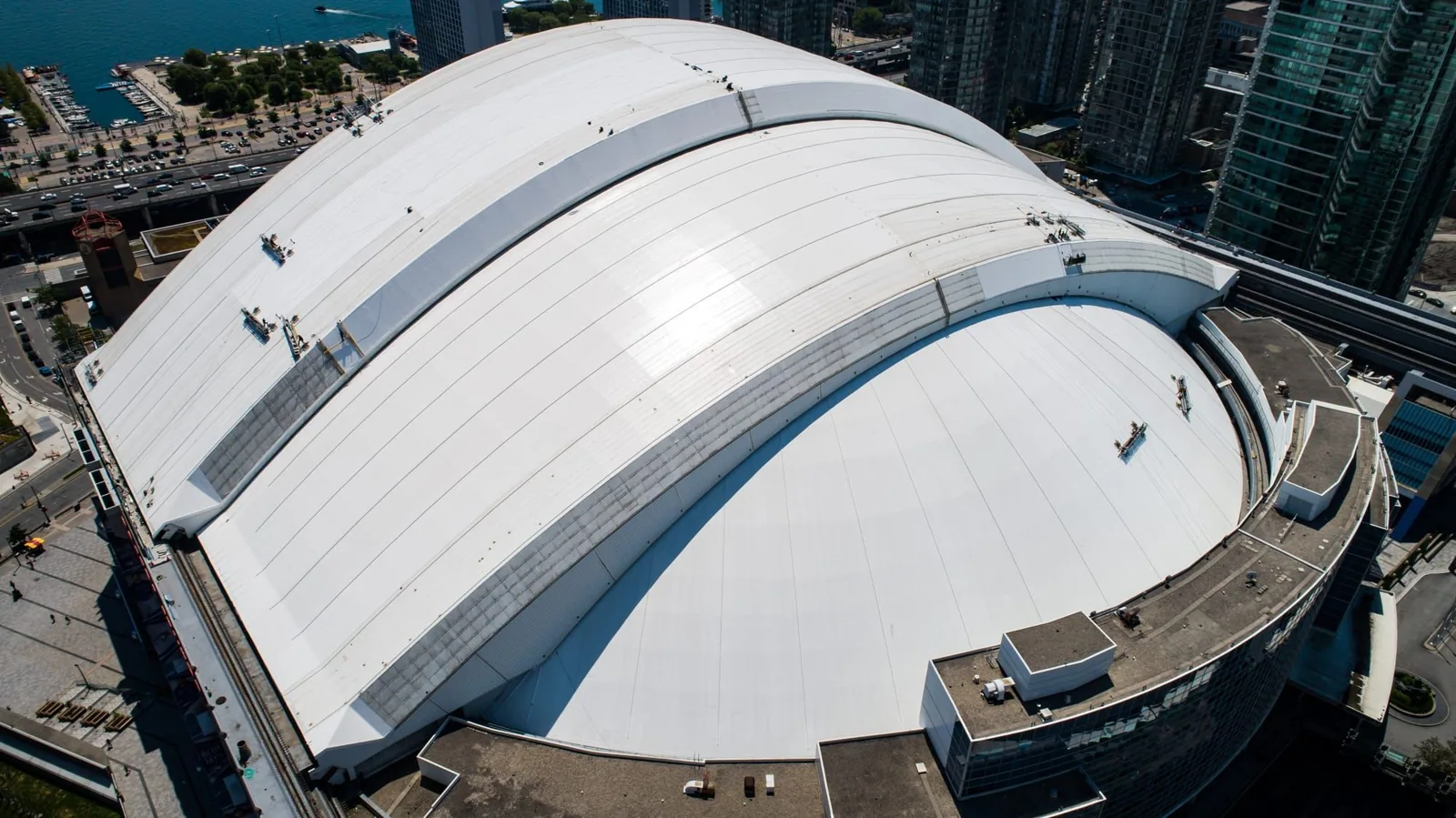
Redevelopment review: protect both old and new work
Route 25 has several redevelopment opportunities. Where a building is being repositioned or work is planned, a roof survey can help the owner decide whether to repair, restore, recover, or replace. We document visible assembly, prior patches, insulation clues, deck observations, drainage, parapets, penetrations, and roof access. A building's future use does not prove its current roof condition.
Before tenant improvements or other trades begin, we check whether rooftop work could disturb existing membrane or flashing. Equipment curbs, vents, piping, and roof openings need compatible detail work. We identify where other trades will cross the roof and how completed work will be protected. A repair record can preserve the condition before construction changes or covers a detail.
Redevelopment planning can put roof questions beside tenant work, interior changes, and new mechanical equipment. Before another trade cuts or supports equipment through the roof, we document the existing membrane, flashing, and surrounding condition. The project team can then set a clear protection detail and sequence. If a building remains occupied, the plan should state which areas stay open and how the crew will secure each day’s work. Early coordination can keep a roof opening from becoming an unplanned water-control problem.
When conditions are below freezing, crews check whether the repair product can be installed and whether a temporary measure can remain secure. Snow, rain, and wind can change the order of work. A dispatch note should record exposed roof area, completed dry-in, and any protection required before the crew leaves. This is especially useful when an owner is coordinating building work with redevelopment activity already planned for the corridor.
In July 2023, an EF1 tornado moved across Elgin, and roof damage followed its track. Any Route 25 inspection checks present conditions at the building. That event provides regional context, while the Route 25 property inspection determines what is present. We look for torn flashing, displaced edge metal, punctures, open seams, and movement around rooftop equipment. The report separates current evidence from a cause conclusion and does not assign claim coverage.
For a targeted problem, commercial repair documents the defect and work boundary. A roof inspection maps a broader condition. If the surface may accept restoration, coating evaluation checks adhesion and substrate conditions before the owner commits. Each option answers a different project question.
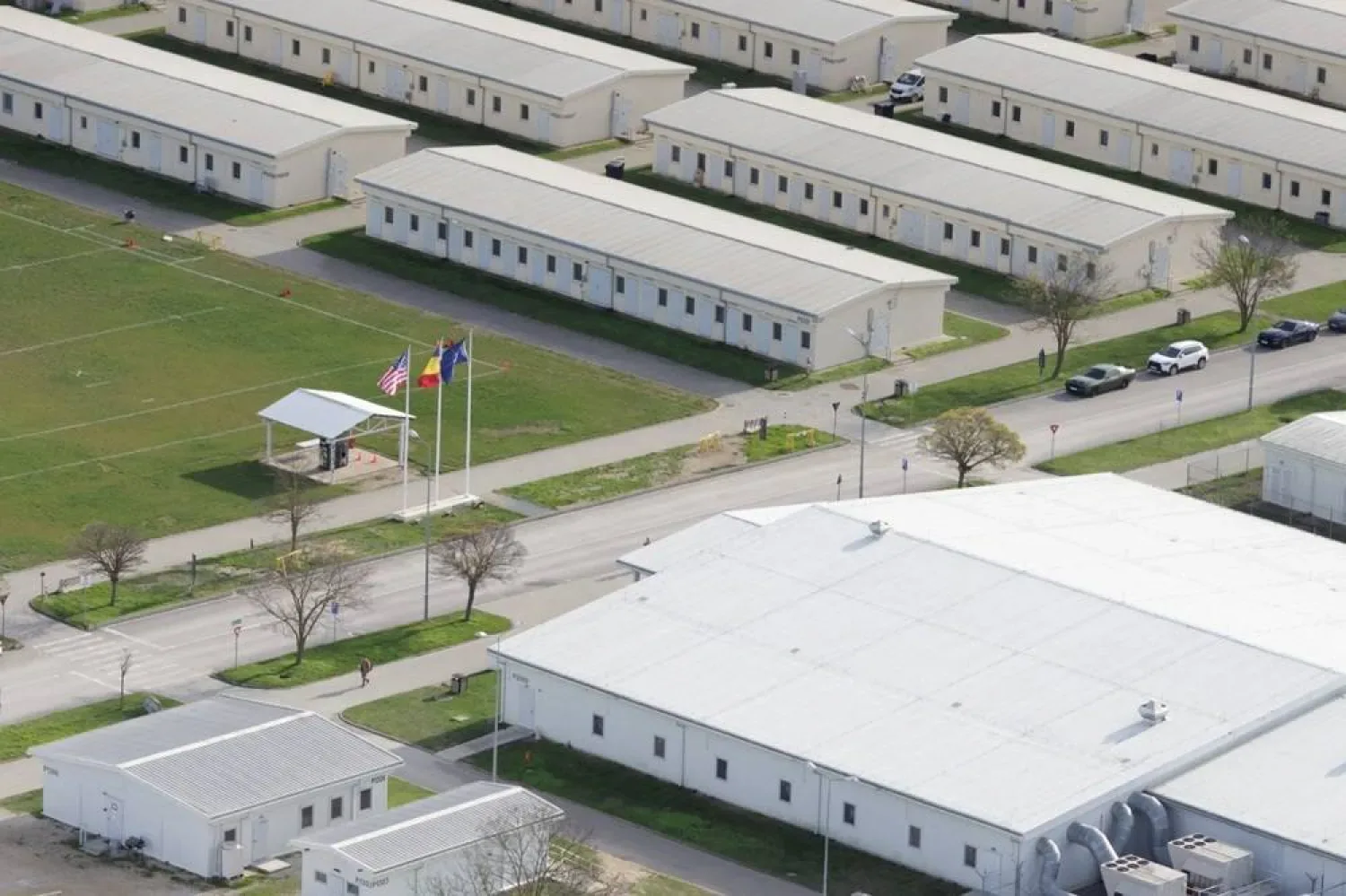
System review: match details to the roof
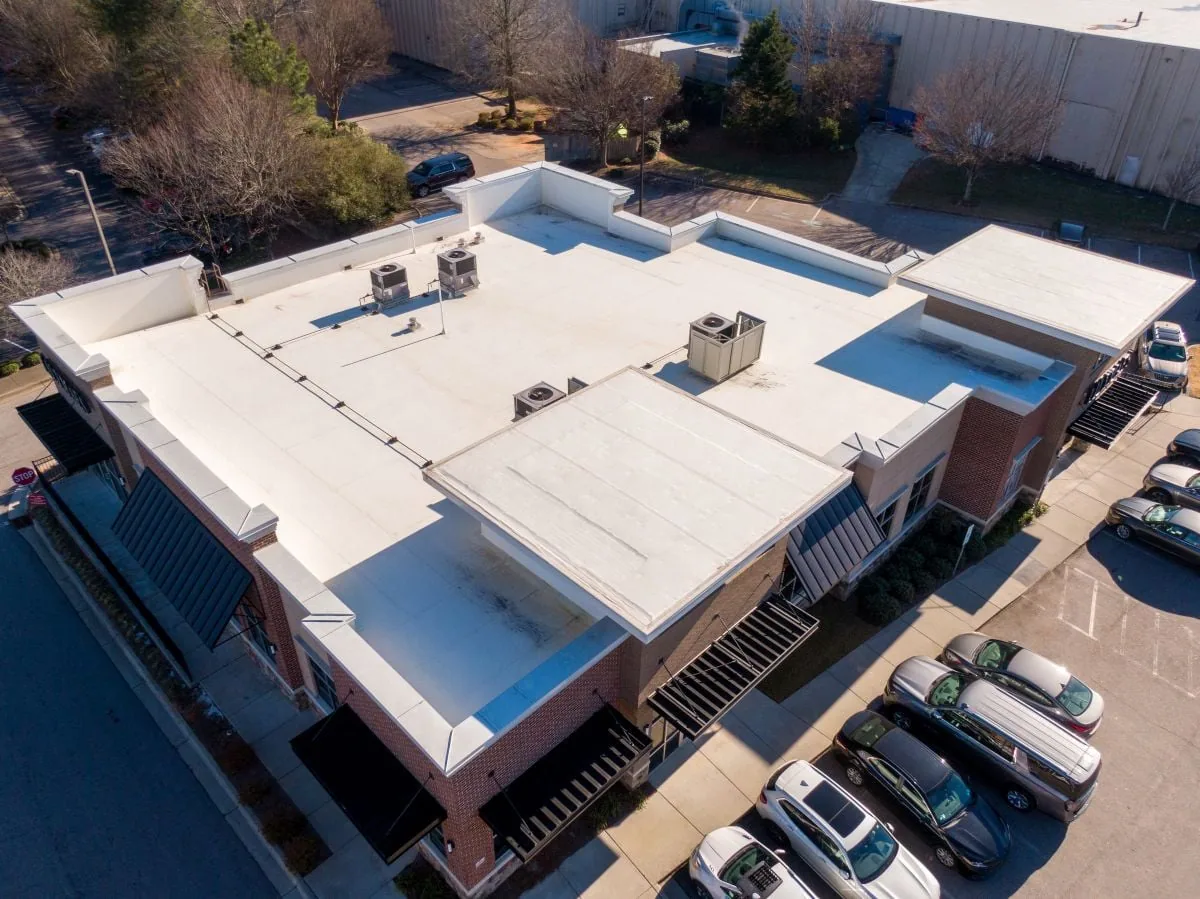
Roof systems are not interchangeable. TPO, PVC, EPDM, modified bitumen, built-up, metal, and coating assemblies use different seams, flashings, attachment, and surface preparation. We identify the visible assembly and note any overlay or unknown layer. If system identity changes the repair method, a test may be needed before material is selected.
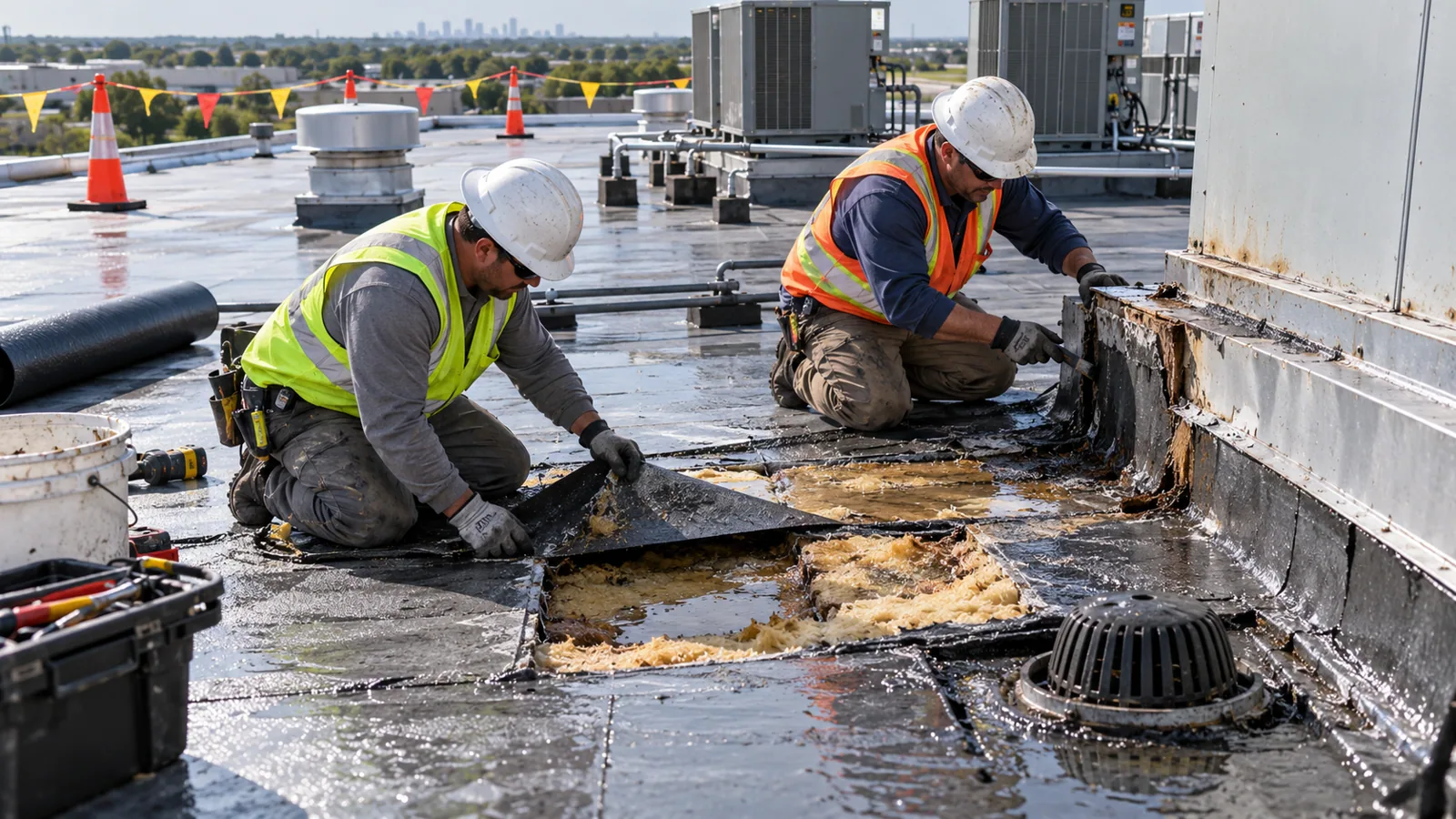
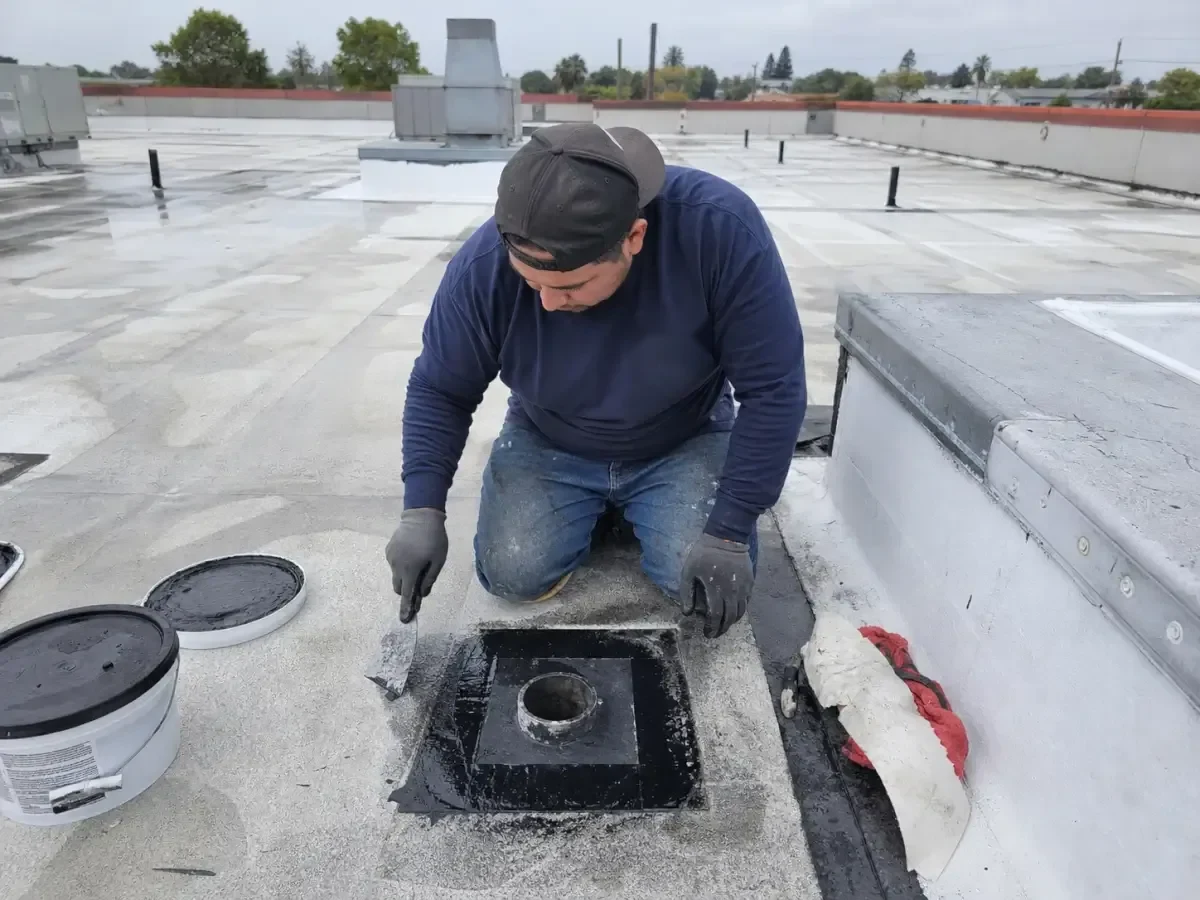
For an isolated seam failure, the crew checks the length, adjacent field, and nearby transition. A puncture near a service route may need review of foot traffic and protection. A leak at a wall may involve the counterflashing, not only the roof membrane. The work order describes the point of failure, repair method, preparation, and limit. If opening the area exposes wet insulation or a damaged deck, photographs go to the owner before expansion.
Before selecting an assembly for an Elgin project, the design team verifies the locally amended 2021 IBC and applicable Illinois energy provisions. A TPO roof uses different details from modified bitumen or a standing-seam metal system. Selection follows the verified assembly and project requirements.
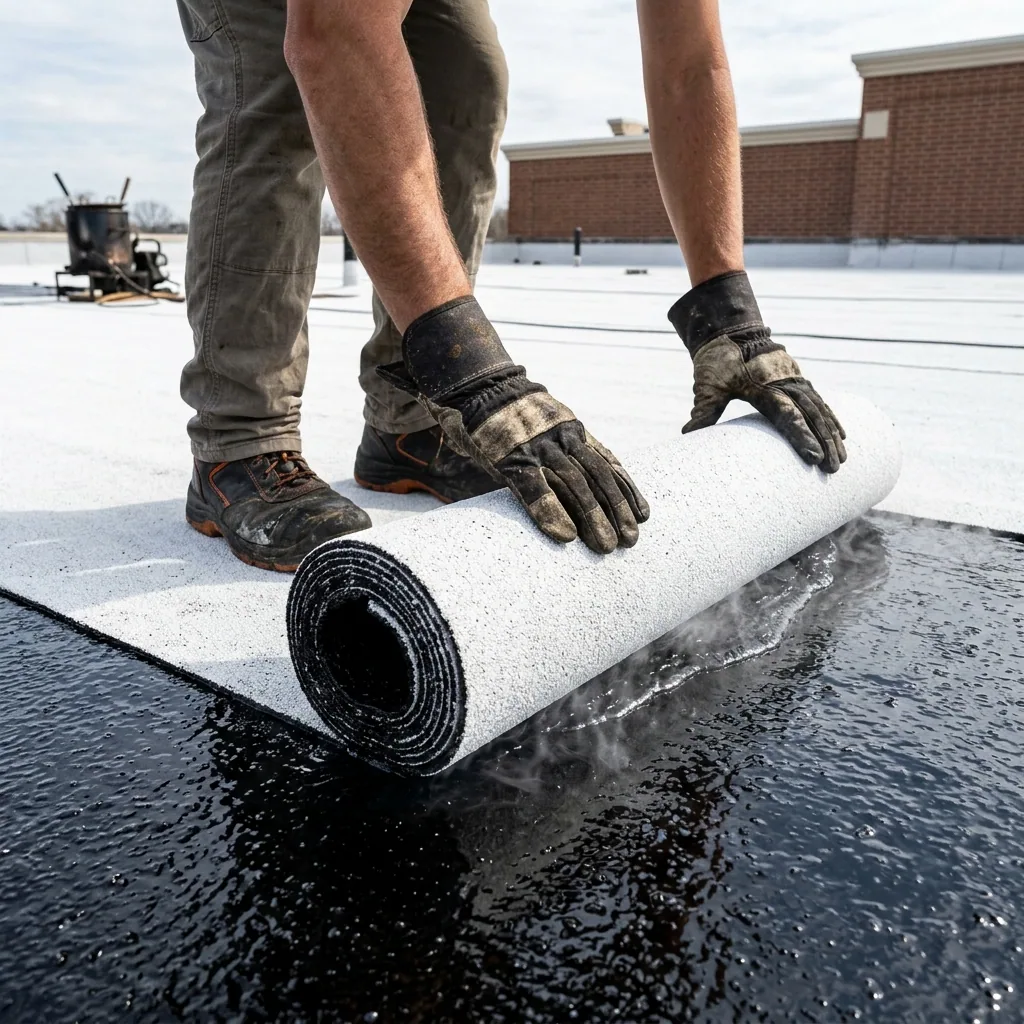
Replacement planning includes tear-off, disposal, deck repair, insulation, cover board, membrane, flashing, curbs, edge metal, drains, access, and occupied-area protection. Recover feasibility depends on moisture, structural capacity, attachment, and code. The proposal separates measured quantities from hidden-condition allowances. It also explains phasing and daily dry-in so the property team can plan operating impact.
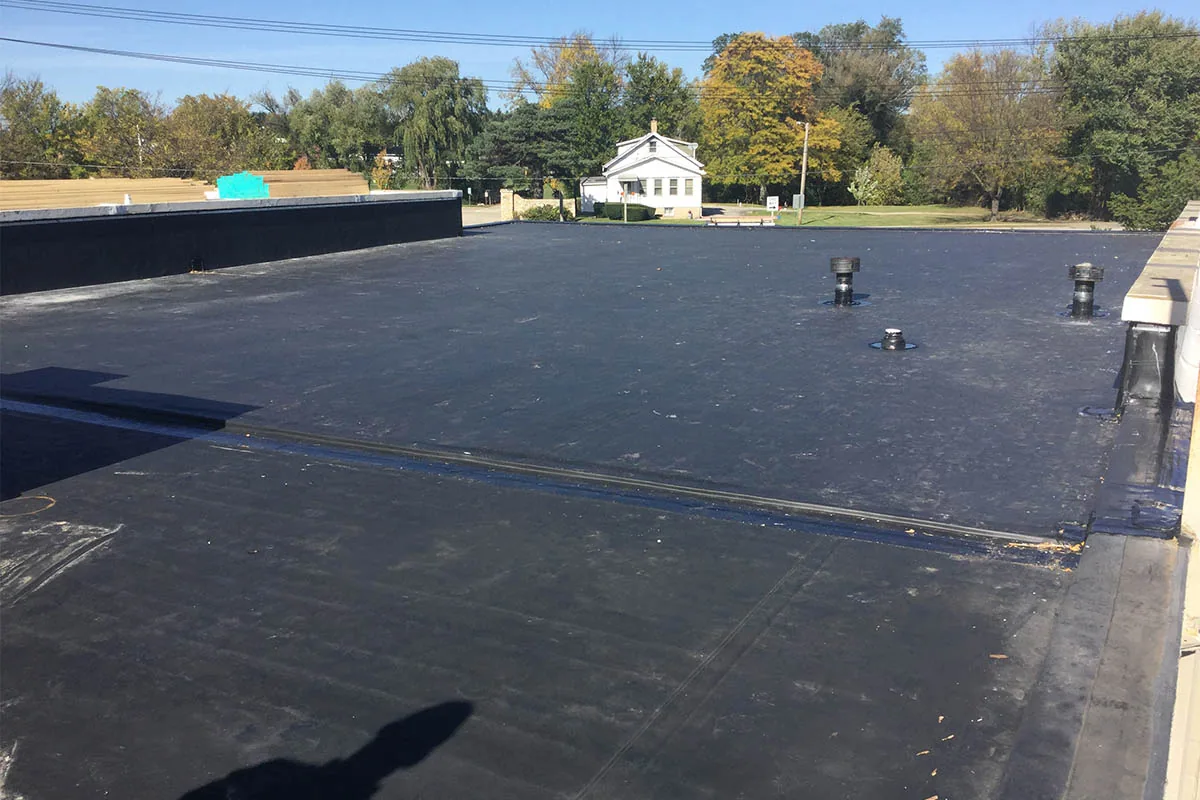
Closeout: record the corridor property's condition
After work, the owner gets dated photos, roof-zone labels, materials used, completed limits, and any open recommendation. We state whether protection is temporary or permanent. An inaccessible area remains on the follow-up list. If approval or testing is pending, the record names the next step and the contact who can authorize it.
Routine maintenance can check drains, scuppers, seams, penetrations, flashing, and edge details. A maintenance visit records the completed route. Condition reports organize findings by risk and action, while capital planning can sequence larger work when replacement timing becomes a question.
Carpentersville also identifies the Route 31 Corridor as an employment and industrial area. Downtown Elgin has a separate mix of access and preservation needs. Each area gets a property-level roof review; corridor facts help shape coordination but do not establish a particular building's assembly.
Call with the property, reported room or roof zone, operating schedule, and access contact. For active water, identify what is exposed below. We will set a dispatch window, document safe access, and send the next approval point.
Questions About Carpentersville Route 25 Corridor, Carpentersville
Does Route 25 define one type of building or roof?
Route 25 serves several use categories. We verify each property’s actual operation, roof system, and access plan.
How do you work around retail or service operations?
We confirm entrances, deliveries, staging, pedestrian protection, and work hours with the current property contact.
Can a roof be surveyed before redevelopment work?
Yes. We record visible conditions, open questions, and repair priorities before other work changes roof details.
What if an inspection finds a hidden wet area?
We measure and photograph the condition, explain testing or added scope, and wait for owner approval before expanding work.
Will a July 2023 storm record establish damage here?
A regional storm history does not establish damage. The property visit documents current roof evidence and access limits.