Commercial Roofing in North Elgin Industrial Park, Elgin, IL
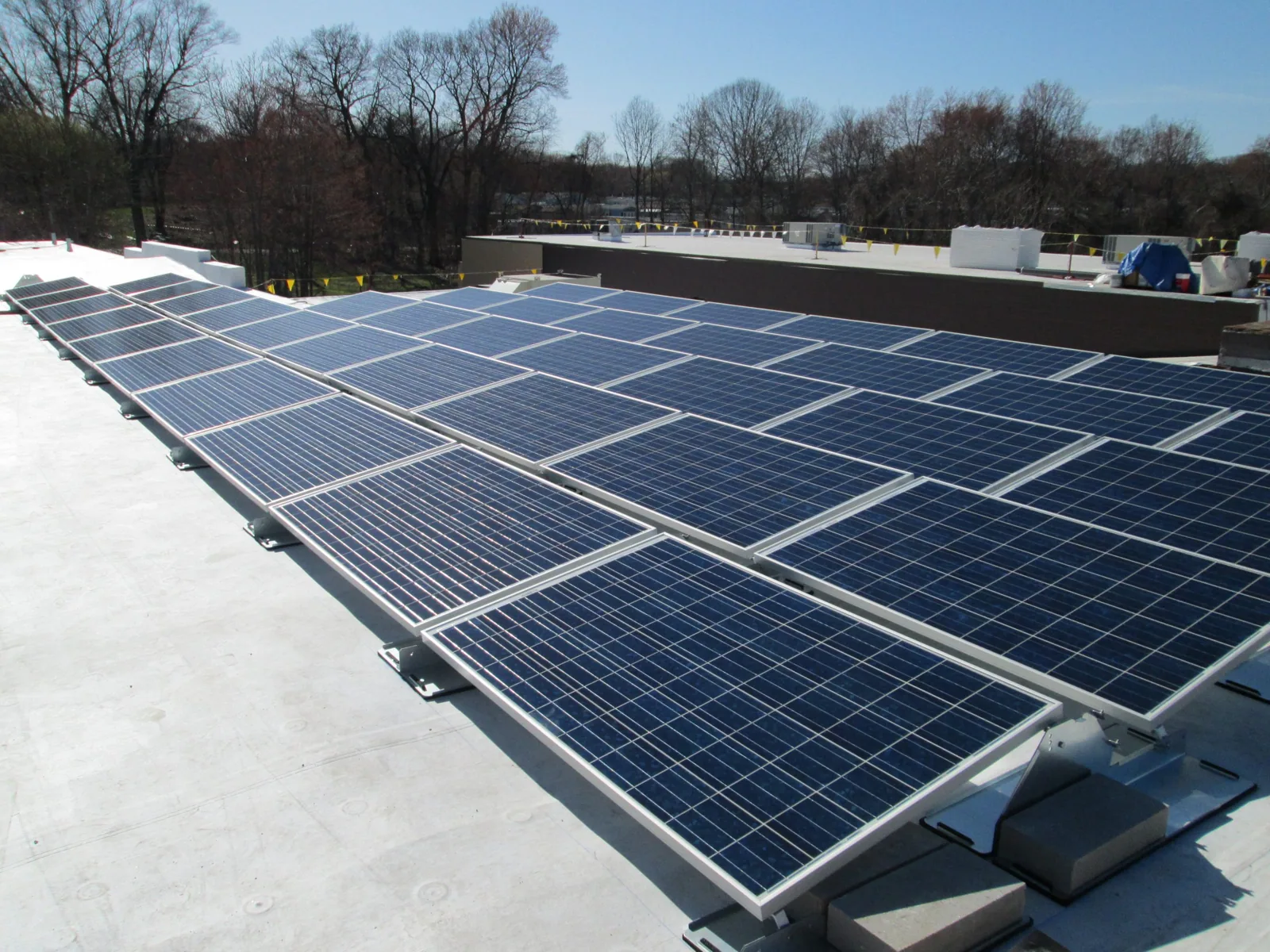
Arrange an inspection in North Elgin Industrial Park
Send the building, roof concern, access contact, and operating limits. We will confirm a safe dispatch window and next action.
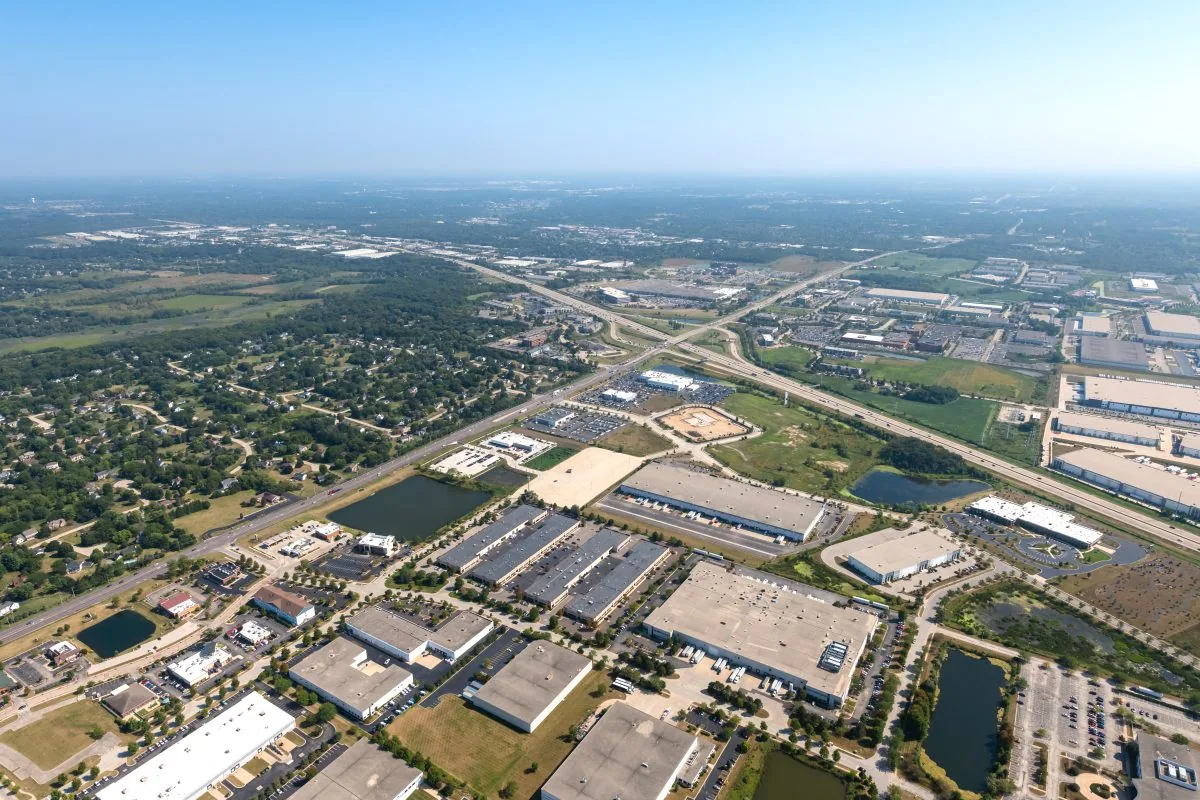
North Elgin Industrial Park
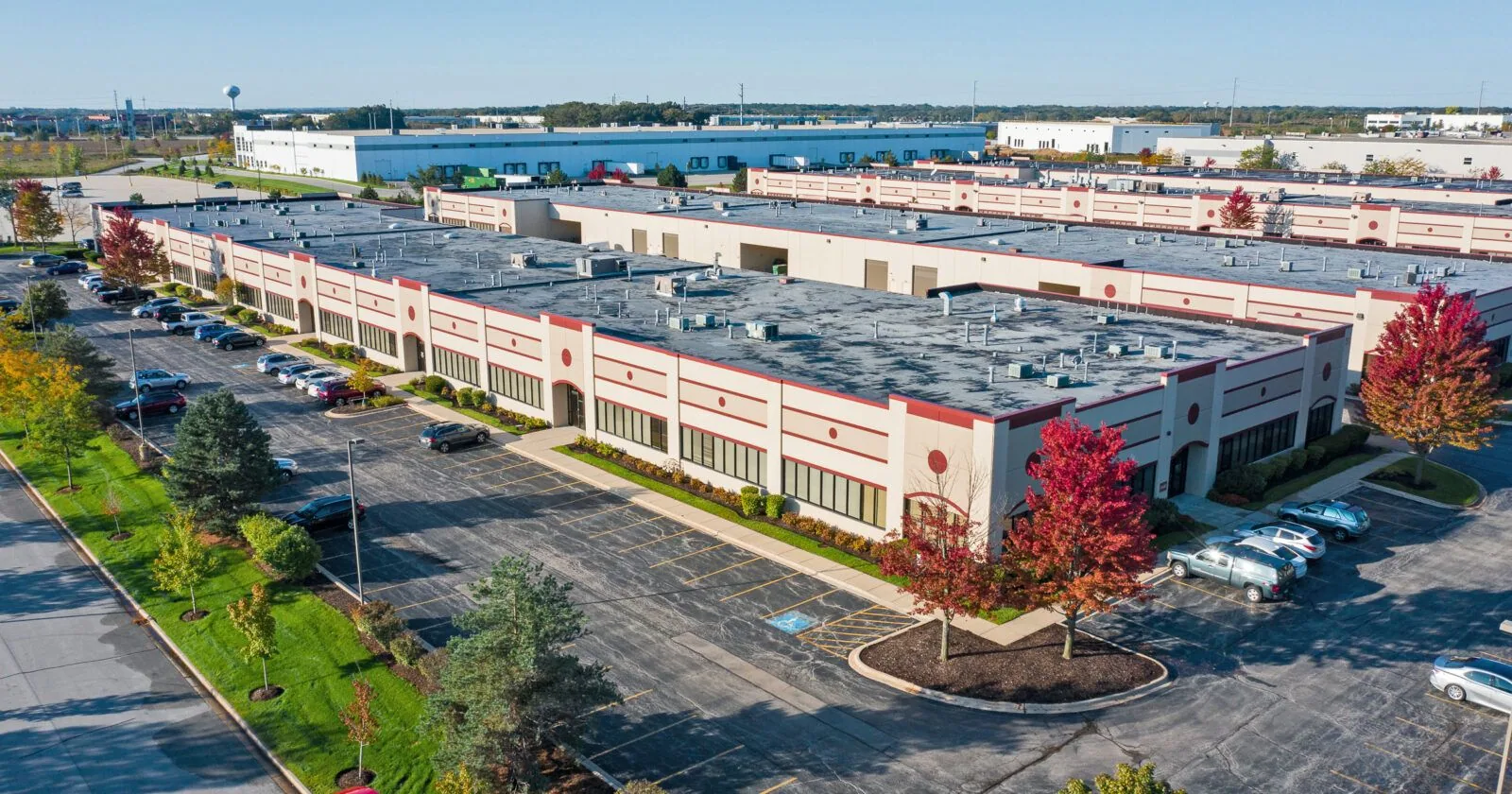
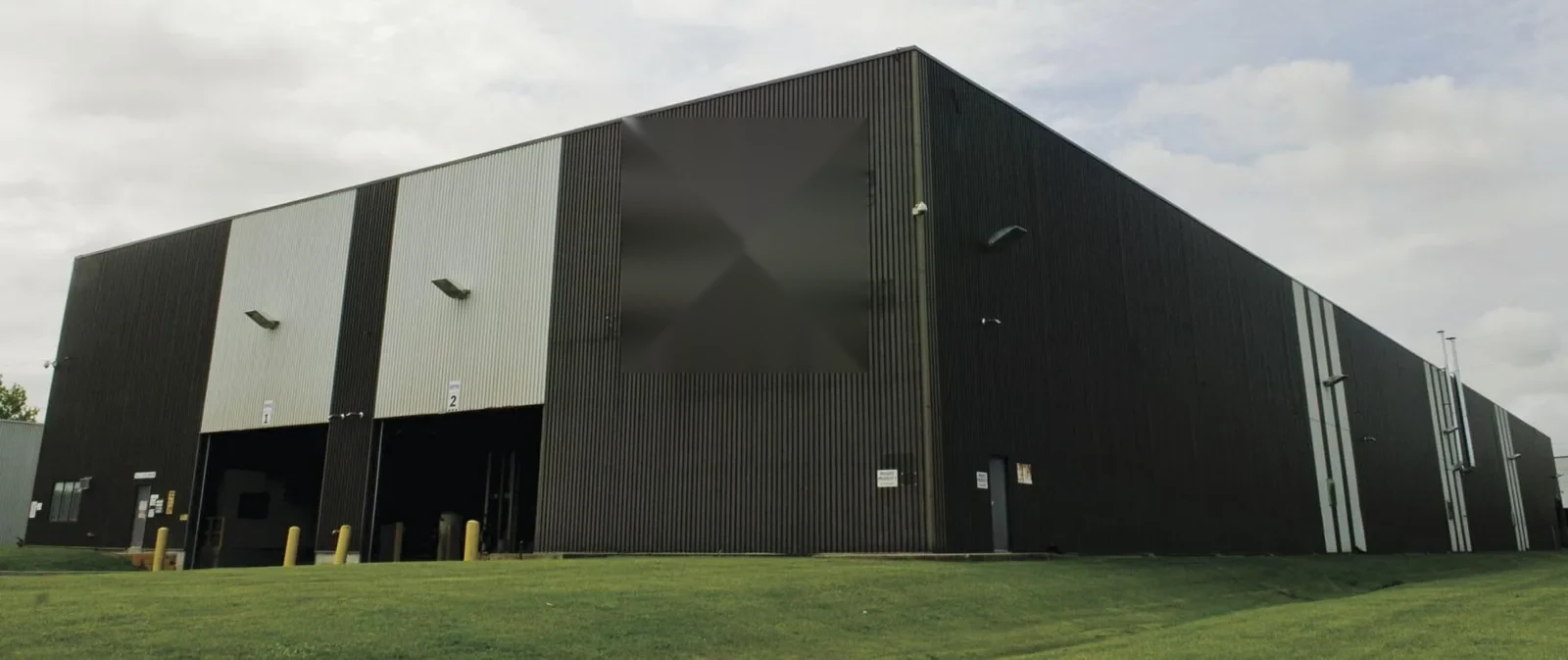
North Elgin Industrial Park spans 102 acres and carries GI/PGI zoning categories for industrial, office, research, and planned-business uses. Those categories identify the type of activity permitted in the area, not the roof installed on a specific building. We open with the property concern: active water, a recurring repair, drainage, or a capital decision. The first visit identifies safe roof entry and the section that can answer that question.
Elgin winters bring snowfall and frequent freezing weather. Water can refreeze at a drain or edge, then move differently after a thaw. Snow can hide penetrations and roof transitions. We inspect only what can be reached safely, protect active openings, and name any area held for a later visit. The dispatch update gives the site contact the next step without overclaiming what the crew saw.
A wide business area may involve several properties, but each roof needs its own system information and service record. We confirm access rules with each contact. Photos, roof-zone labels, and a written repair boundary help the owner compare the current condition with prior work and future budget needs.
Access plan: prepare the work route
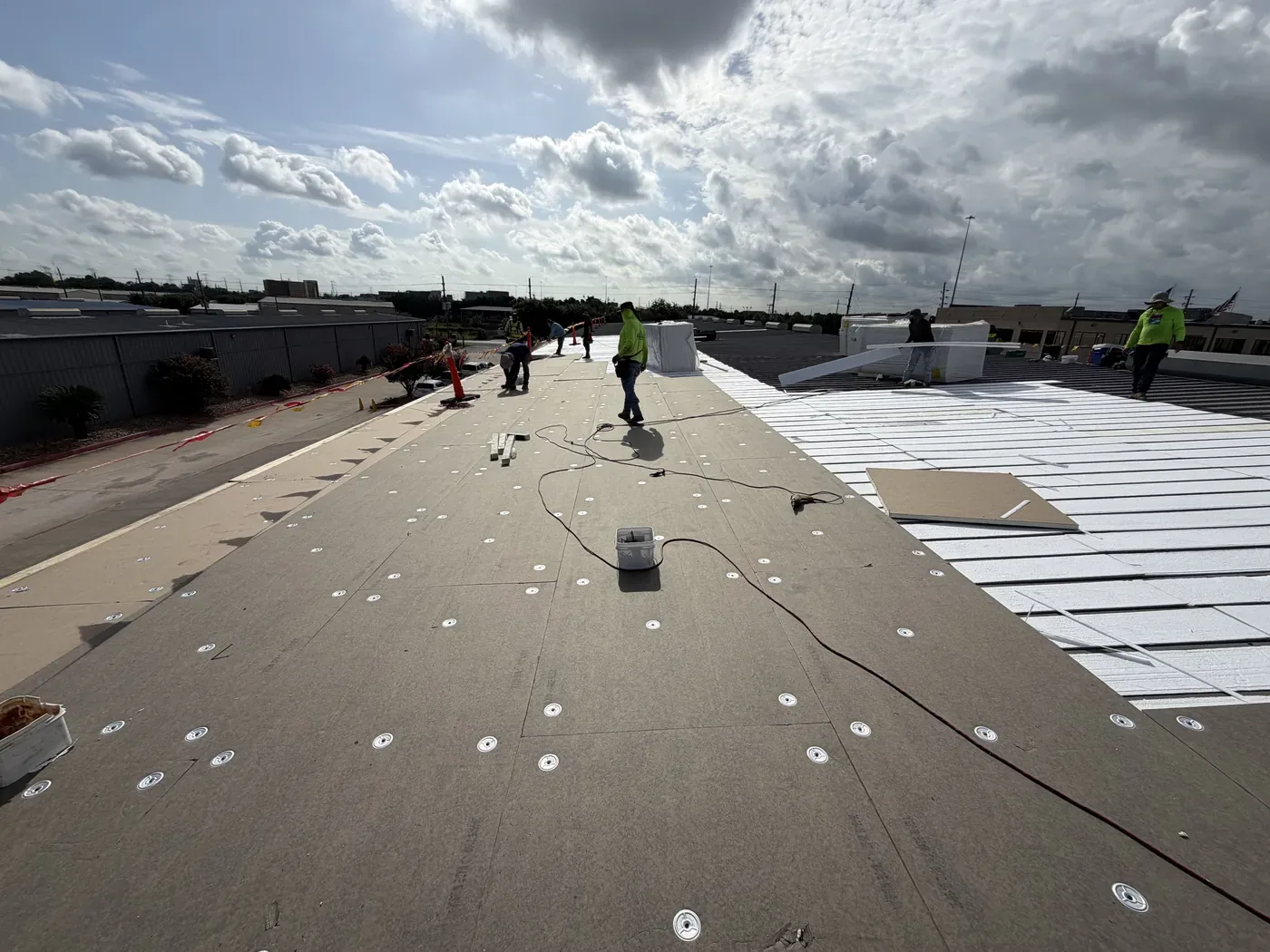
The site contact can speed the first visit by identifying the building, reported room, roof entry, and any operating restrictions. We confirm keys, escorts, ladders or hatches, fall-protection requirements, and areas that must remain clear. If material delivery or lift placement affects a drive or loading area, the timing is set with the property team. We do not infer those rules from the park designation.
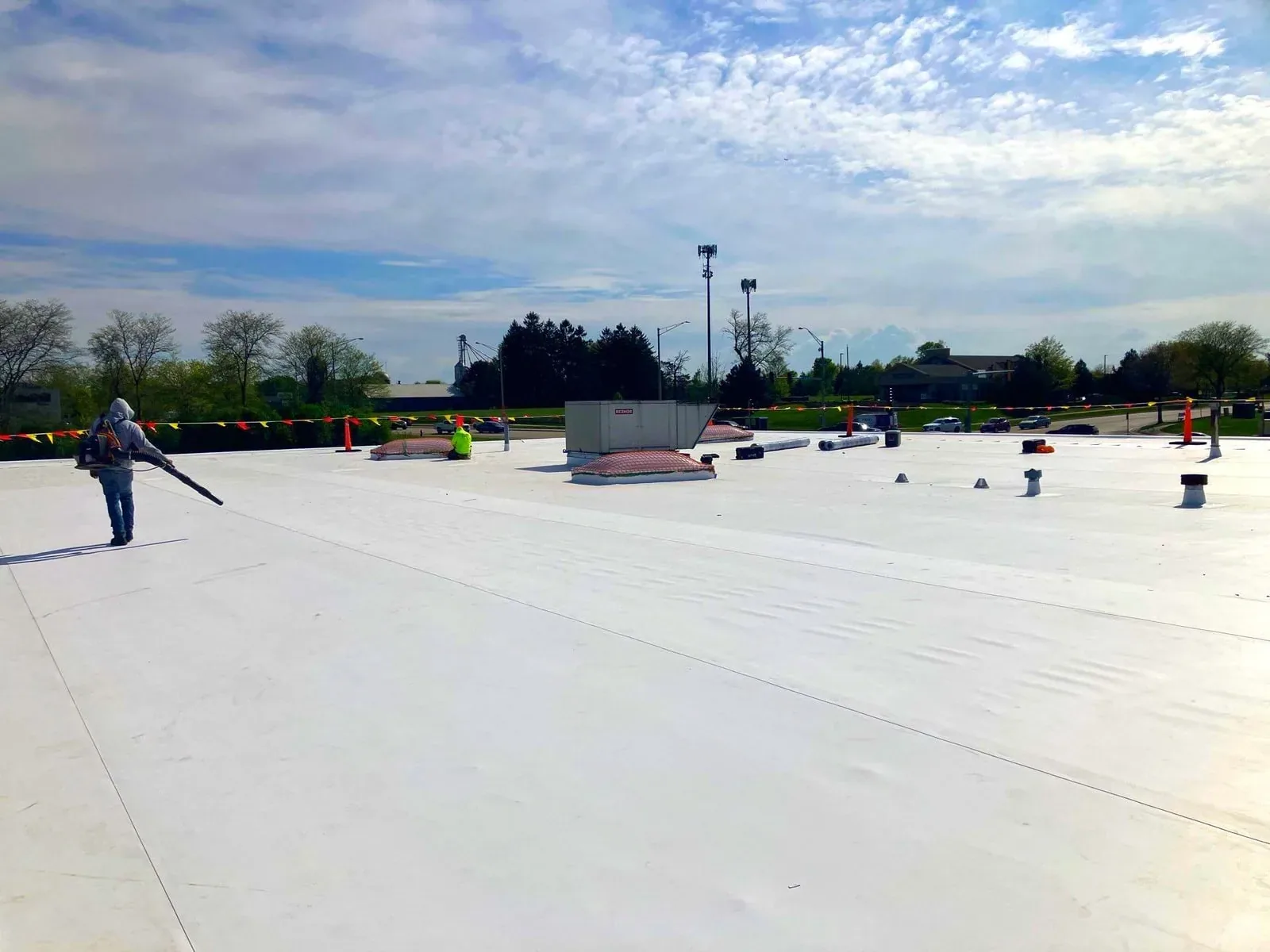
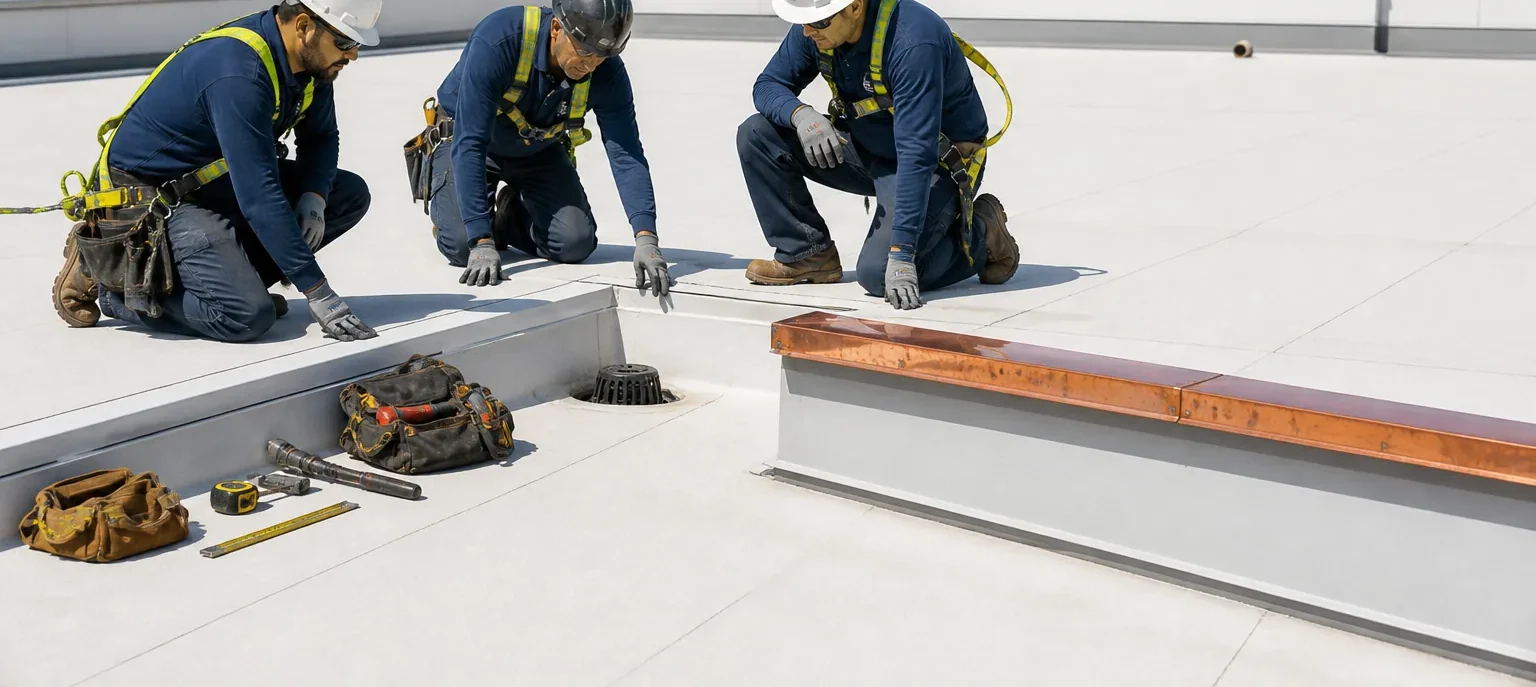
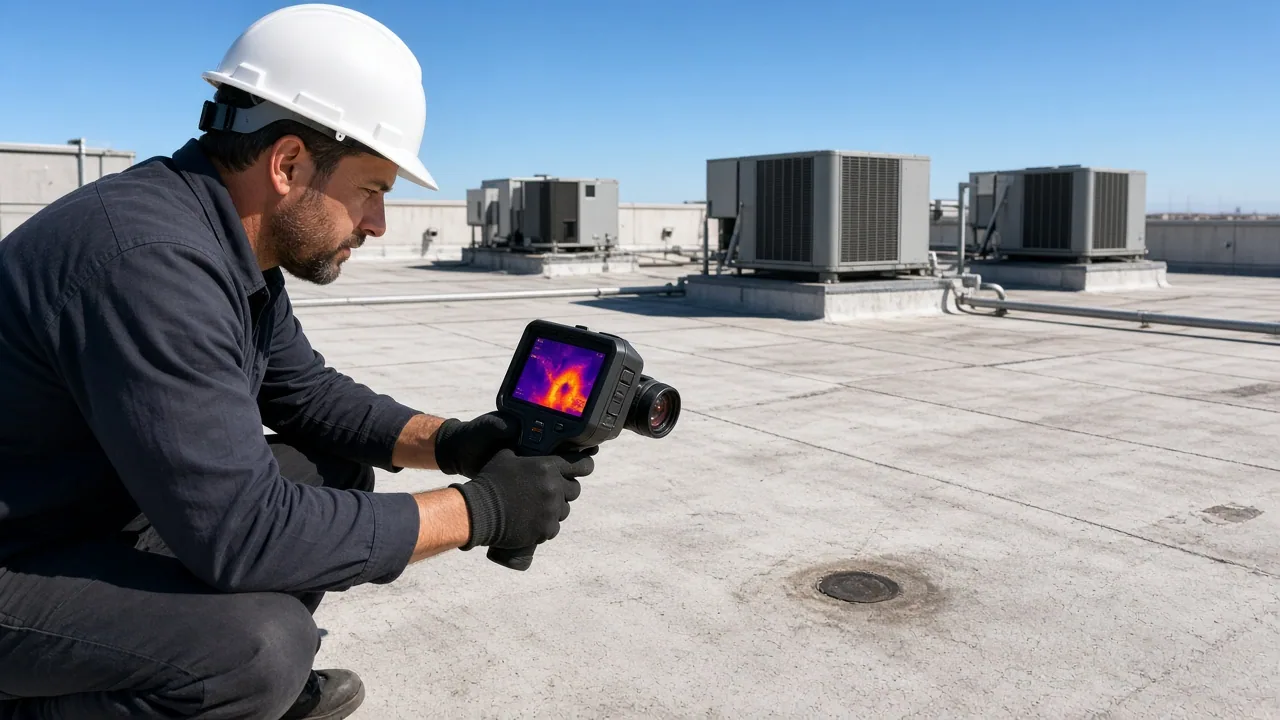
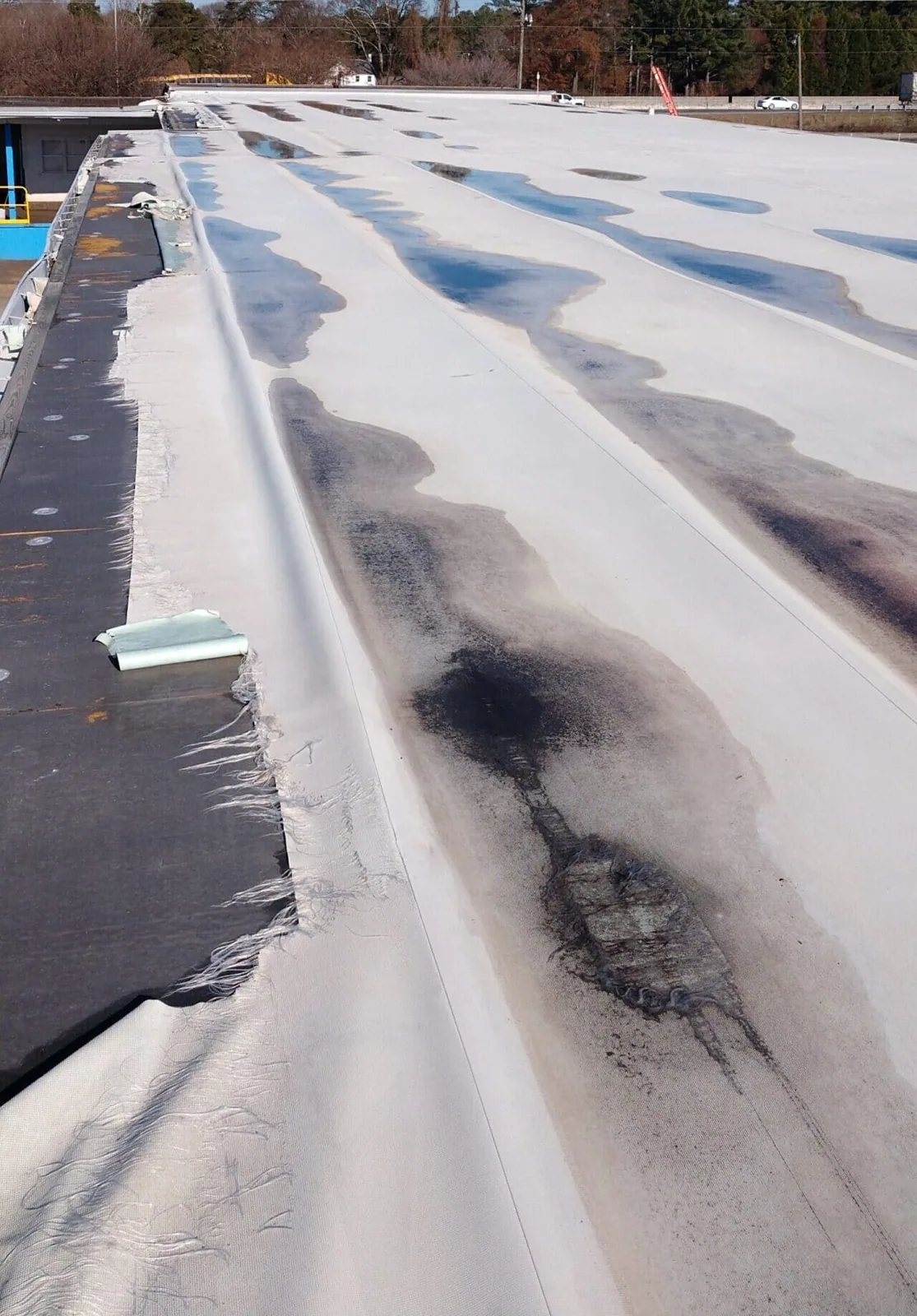
Once on the roof, the crew checks membrane or covering, seams, laps, penetration flashings, curbs, parapets, drains, scuppers, gutters, perimeter metal, and previous repairs. A close photo records a defect; a second view captures enough context to locate it later. We note changes in surface, attachment, and transitions. If the assembly is not identifiable, the report names that limit and avoids prescribing an incompatible repair.
Where rooftop equipment, screens, or service piping are present, the inspection follows each transition that meets the membrane. We look for loose counterflashing, failed sealant, support movement, and paths where water can collect. The report identifies which detail was visible and whether a closer test is warranted. Equipment service can also affect roof surfaces, so we ask whether other trades have recently crossed the work zone.
Water may travel before it reaches an interior opening. We compare the reported room with nearby roof details and possible paths through slopes, walls, curbs, or drains. If visible evidence does not establish the source, we explain what moisture mapping, testing, or a controlled opening could verify. The owner sees the cost and purpose of that next step before approving it.
The first record also identifies which roof areas were not reached. Snow, ice, equipment, or unsafe conditions can limit a walk. We state the reason and recommend a return window. That prevents a partial inspection from being treated as a complete roof survey and helps the next crew begin at the unresolved zone.
Response: control water, then set the permanent scope
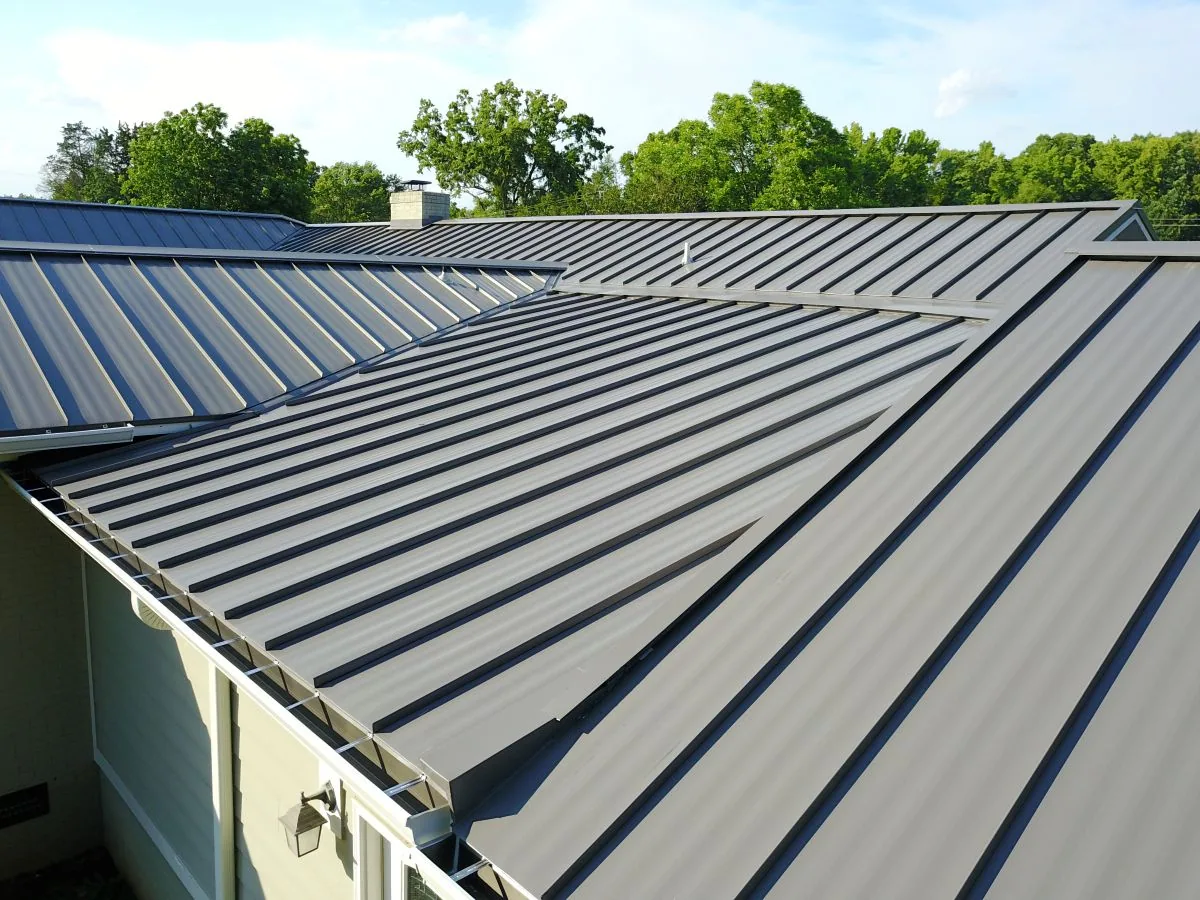
An active leak calls for a quick interior check. We identify any exposure to people, equipment, inventory, or electrical systems, then coordinate temporary protection. The roof crew traces the likely entry route and checks whether the surface can be repaired under current conditions. If wind, ice, or rain makes permanent work unsafe, the update states what temporary measure is in place and what must happen next.
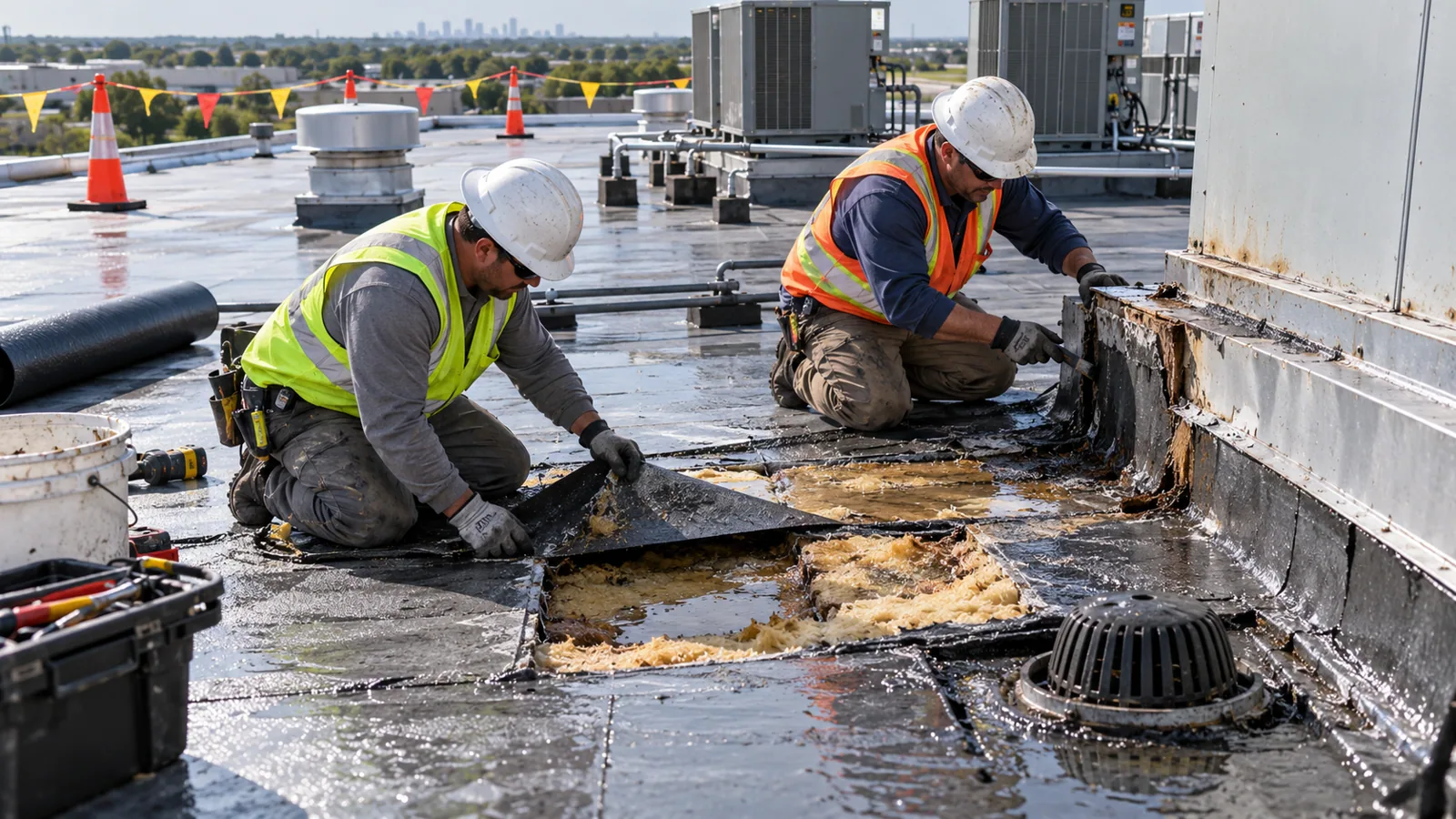
A defined repair names the affected area, surface preparation, material, and limit. The crew checks whether the substrate is dry and stable enough to accept the detail. A patch over wet insulation or a moving transition may not solve the source. Where additional material must be removed, we photograph and measure the finding. The owner approves any expansion before the crew moves beyond the agreed boundary.
In July 2023, a tornado reached EF1 strength while crossing Elgin; roofs were damaged along its course. Our North Elgin visit checks the building as it stands today. That history can prompt a review in North Elgin Industrial Park, but current conditions must be established at the building. We inspect for displaced edge metal, torn flashing, impact marks, loose rooftop equipment, or separated seams. Elgin averages 12.7 days above 90°F each year. Surface temperature and product instructions affect when membranes, adhesives, or coatings can be installed. The supervisor checks the day's conditions and adjusts the work window when needed. The site contact receives the reason for a weather hold and the next expected check.
Replacement review: account for layers and operations
A replacement decision starts with the assembly now in place. We document visible membrane layers, edge height, insulation condition, deck observations, drainage, curbs, penetrations, and roof access. If concealed materials affect the design, a moisture survey or test opening may reduce uncertainty. A recover requires suitable moisture conditions, structural capacity, compatible attachment, and code approval. We do not treat it as a default shortcut.
A useful proposal describes tear-off, disposal, deck repairs, insulation, cover board, membrane, flashing, edge metal, drains, equipment details, and occupied-building protection. It distinguishes field measurements from assumptions. A concealed-condition allowance tells the owner what may change scope and how authorization works. For an active facility, phasing identifies how much roof can be open and how the crew will leave it secure each day.
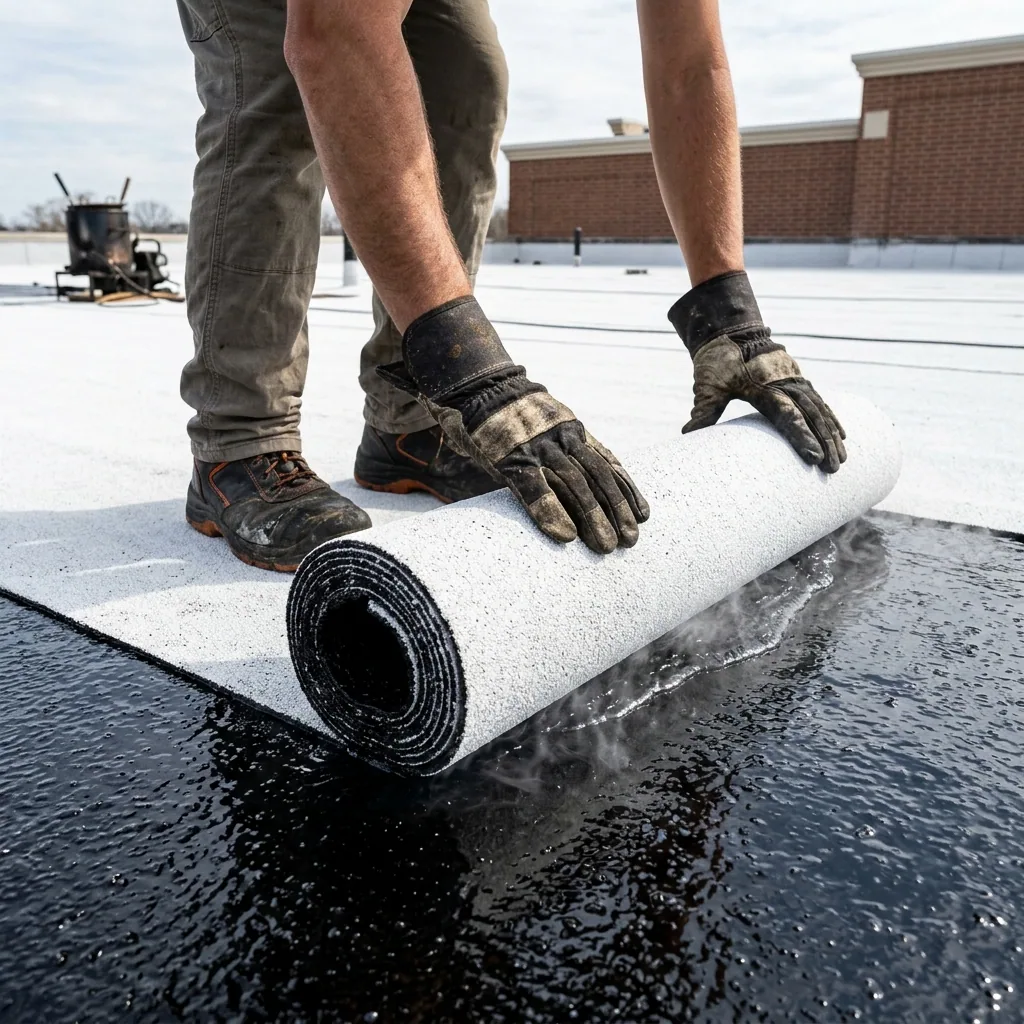
For commercial roof projects, Elgin uses the 2021 International Building Code as amended locally and the current Illinois energy requirements. The design team verifies the provisions that govern this scope before selecting the assembly. A TPO membrane is not repaired like a modified-bitumen roof; a silicone restoration requires a substrate that qualifies.
Where isolated defects remain, a repair visit may be the right next step. When conditions need mapping, a roof inspection can separate urgent items from planned work. These scopes answer different questions. The proposal should make that distinction clear and connect each line item to an observed condition or agreed investigation.
Record: make the next inspection faster
At closeout, the owner receives photos, work completed, materials installed, the roof zone, and any open recommendation. We distinguish a temporary cover from the permanent detail. If a section remained inaccessible, the report identifies it. The next update should say whether testing, another repair visit, or an owner decision is pending.
For routine care, a maintenance plan can track drains, flashings, seams, equipment supports, and earlier repairs. A capital schedule can rank projects by condition and timing. Each visit should use the same building identifier and roof-zone labels, while keeping findings separate between properties.
Elgin Industrial Park and Tollgate Industrial Center are other Elgin business areas. Their names do not establish that their buildings share North Elgin's construction. If an owner schedules multiple sites, we can coordinate dates and reporting while inspecting each roof separately.
A useful record includes dates, roof-zone names, temporary measures, and owner instructions. Use the same property identifier on later visits so a new finding can be compared with previous repairs. The detail matters when a different facilities contact receives the next dispatch or a budget review is prepared.
Call with the building, roof access contact, operating limits, and reported condition. For active water, identify the affected room and whether the leak is continuing. We will set a dispatch window and send the next update with findings, limits, and the approval needed to proceed.
Questions About North Elgin Industrial Park
Does the 102-acre designation describe one roof?
No. A business-area boundary does not establish roof type or condition; we inspect each property and document access and findings.
What should I report before a leak visit?
Name the building, room, water status, access contact, and any equipment or operation that needs protection.
Can a crew inspect under snow or ice?
Unsafe conditions can prevent a complete walk. We record the areas deferred and plan a return when access is safe.
What does a replacement estimate need to identify?
A proposal should identify the selected assembly, removal scope, insulation, transitions, drainage, work sequence, and the process for approving concealed conditions.
How can multiple roofs be scheduled?
Dates may be coordinated across properties, while each roof keeps separate findings, history, and approval records.