Commercial Roof Coating Restoration in Elgin, IL
Check coating eligibility
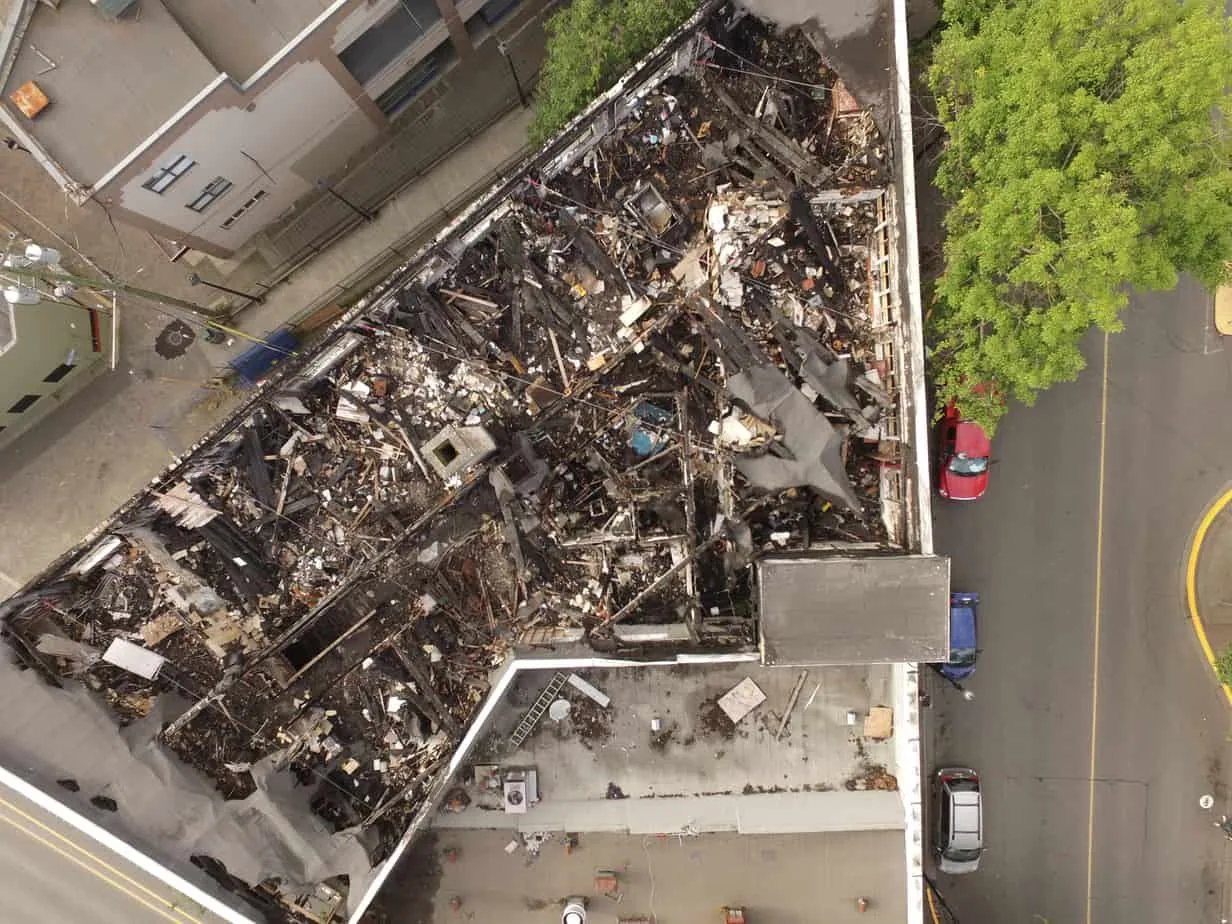
Share the roof system, leak history, plans, access contact, and restoration goal. We will inspect the substrate and determine whether testing or a trial area is needed.
Commercial Roof Coating Restoration
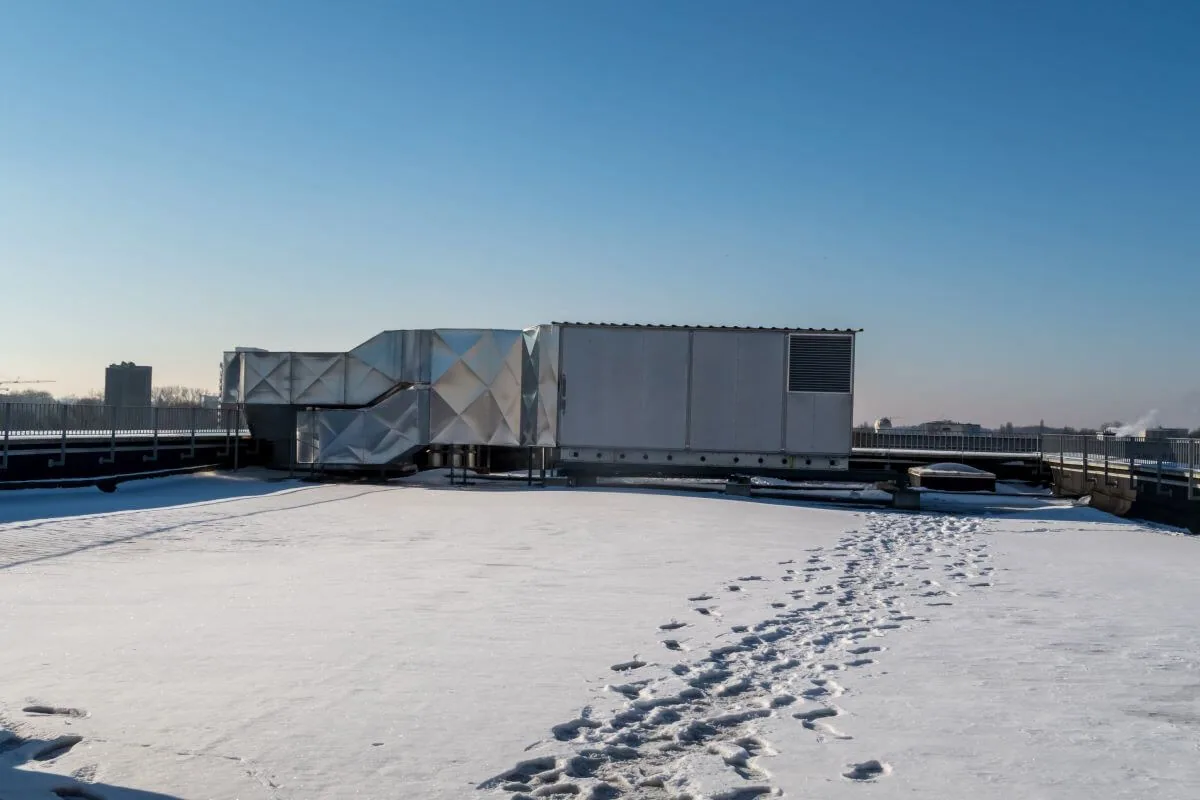
A coating belongs on a roof that can support it. We inspect the existing membrane or metal, locate wet areas, test adhesion, and review drainage before recommending restoration. A coating can protect a compatible, prepared surface. It cannot correct widespread trapped moisture, failed insulation, unstable seams, or poor slope by itself. Elgin’s freezing winters and summer heat affect application windows, so the plan needs verified roof conditions and a weather hold before materials are ordered.
Eligibility check: confirm a sound substrate
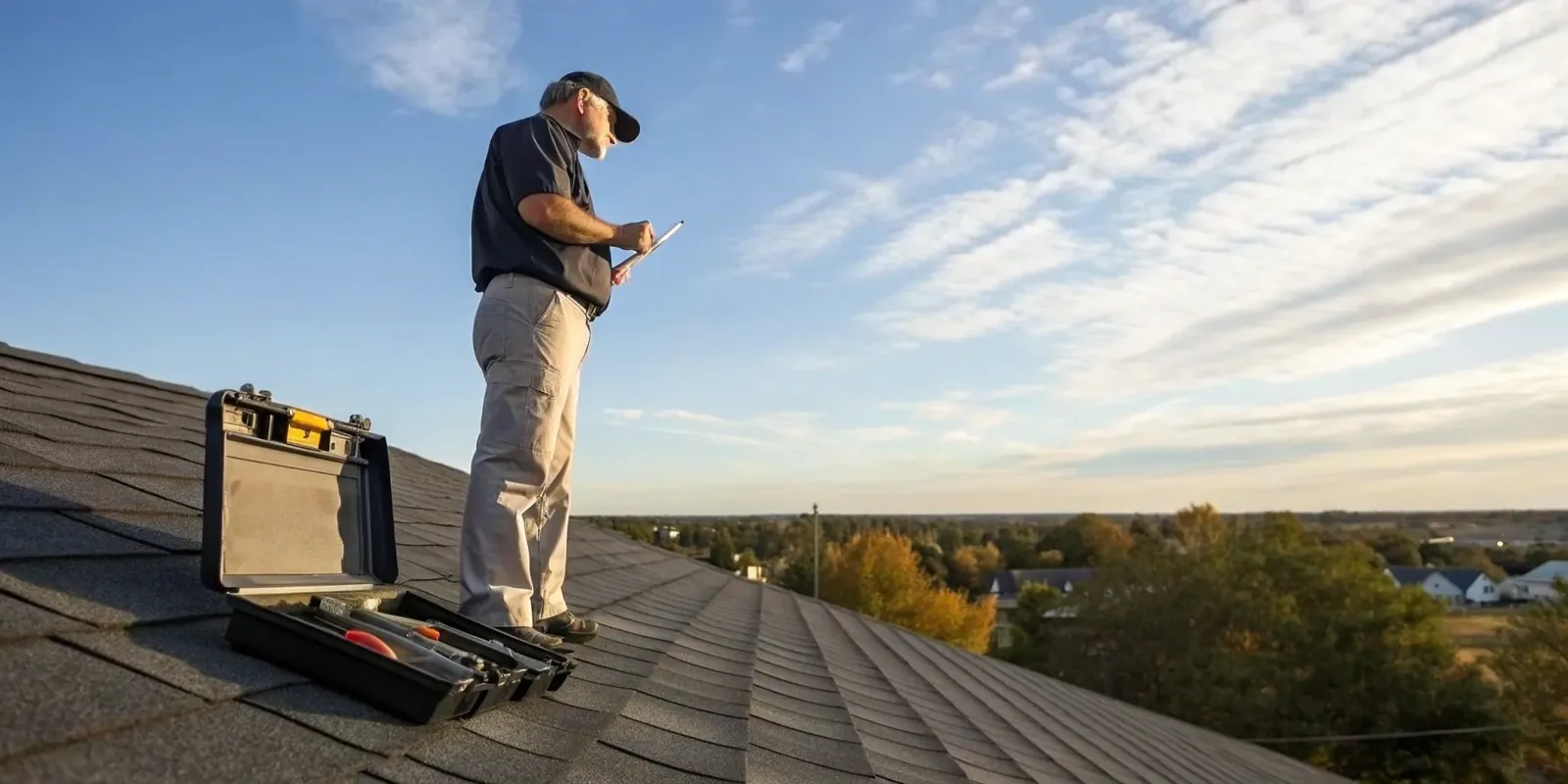
The inspection identifies the existing roof system, repairs, surface condition, and areas where water may be trapped. We look at seams, penetrations, drains, edges, and transitions where movement or moisture can break adhesion. If the assembly is unknown, test cuts or records may be needed. We map each test and restore the opening. The owner receives a clear distinction between sound areas, candidate repairs, and zones that need more evaluation.
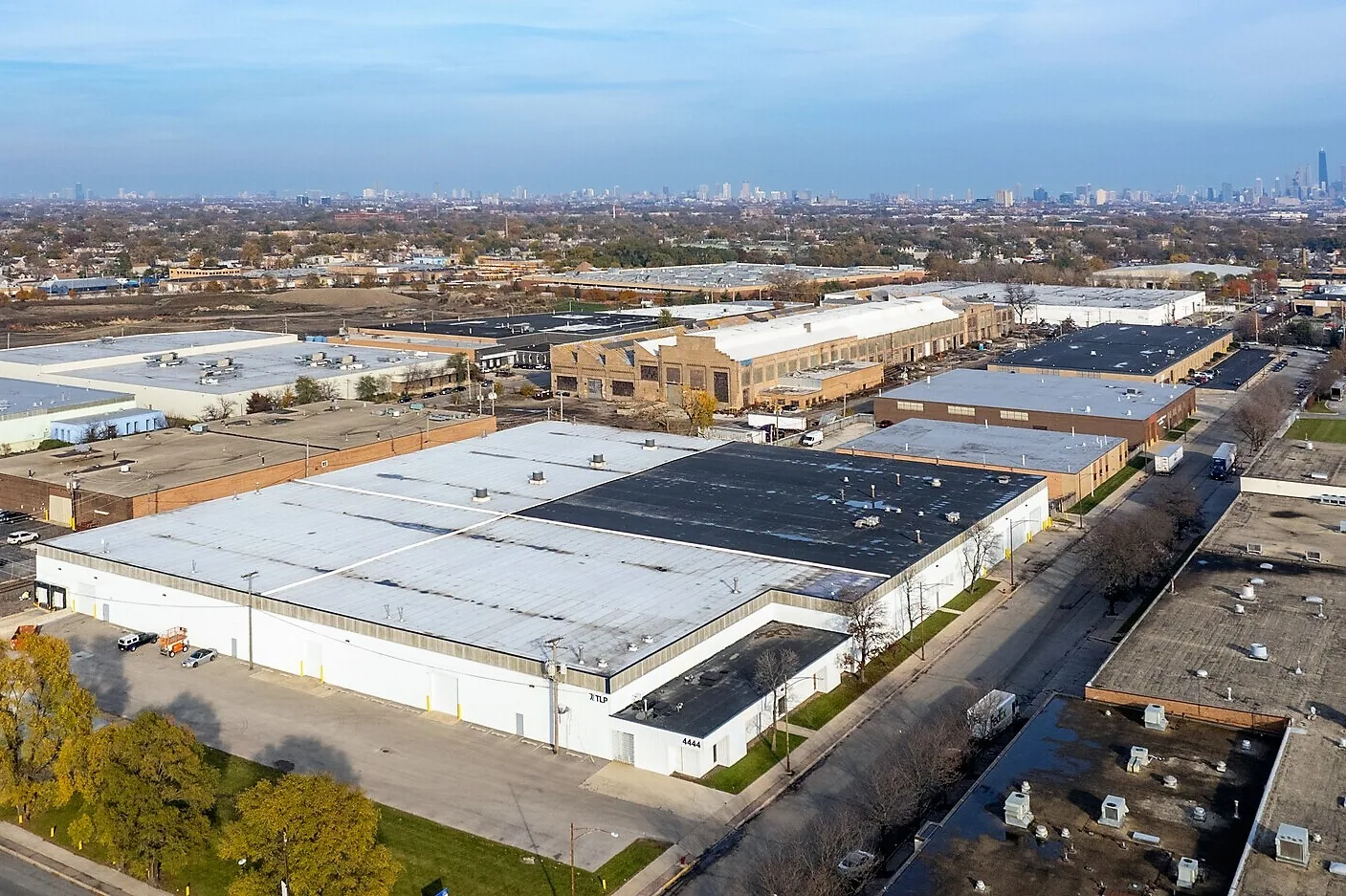
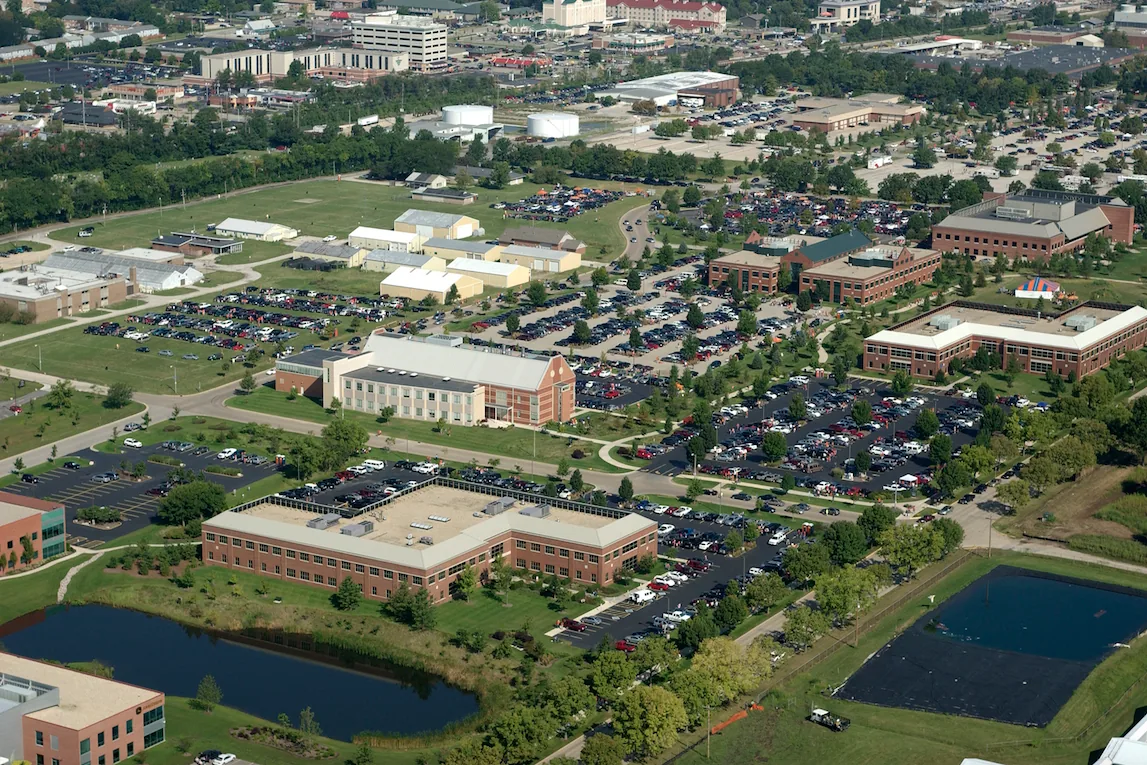
Northwest Business Park and Miller-Davis Research & Industrial Center are two Elgin employment areas where commercial properties may have different roof histories and operating demands. Their names help locate a service request; neither one tells us what assembly sits on a particular building. We inspect the specific property and confirm access, roof use, and installed layers. A coating is not selected by district or building age alone. The substrate must meet product requirements and provide a stable base for the proposed application.
Repair preparation: fix details before coating
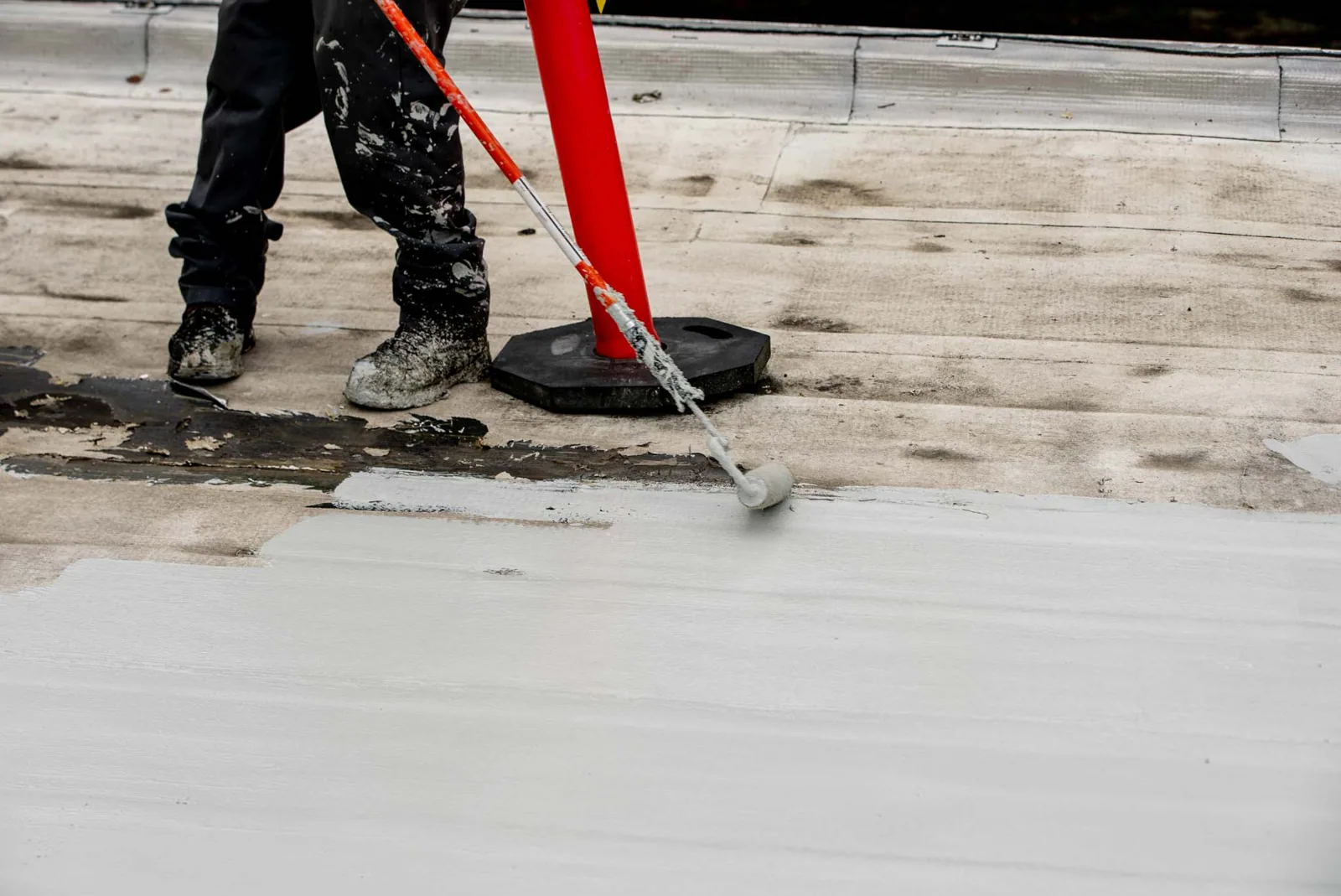
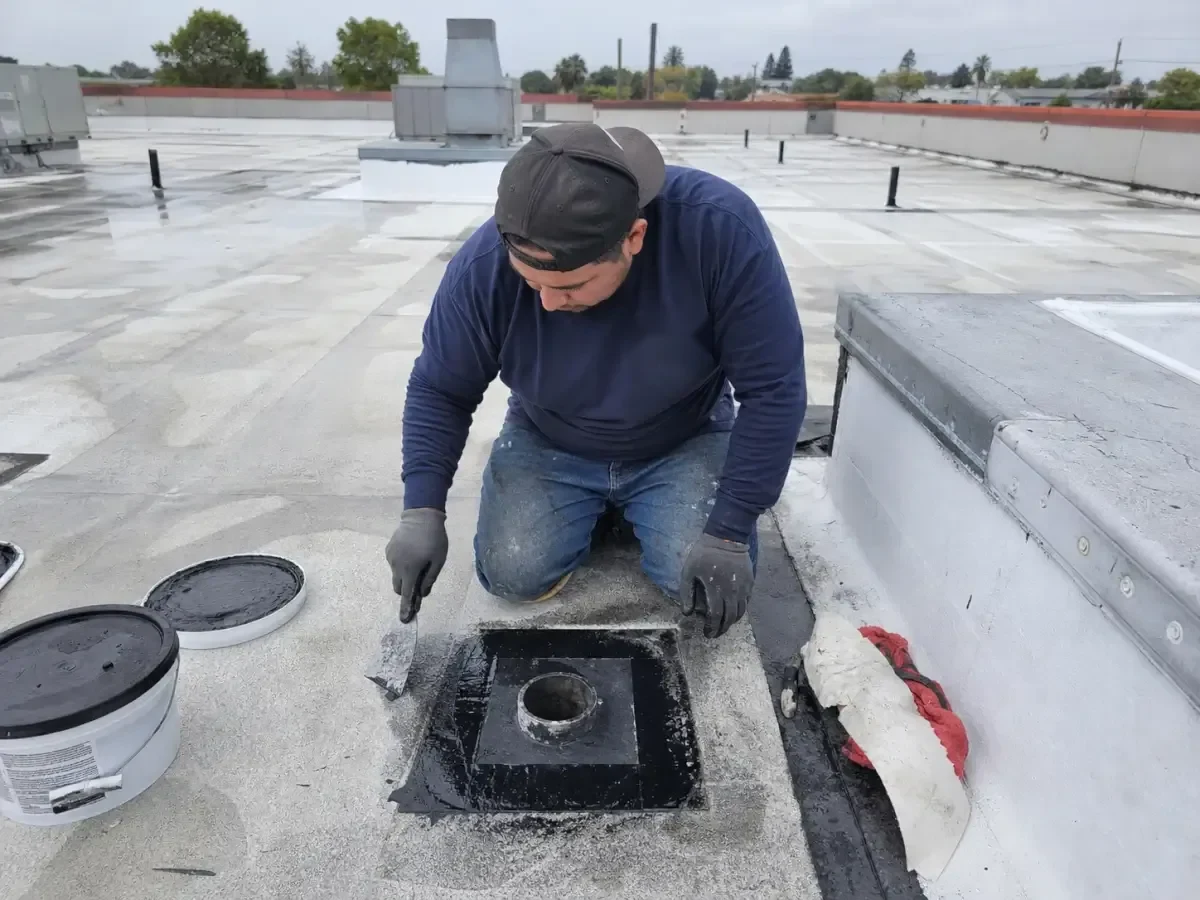
Surface preparation may include cleaning, removal of loose material, compatible primer, and repair of seams or flashings. We define the preparation in the scope because coating over dirt, oil, chalking, or moisture can lead to poor adhesion. Existing penetrations and rooftop equipment curbs need appropriate reinforcement. Open seams and damaged transitions are repaired before field application, not hidden under a broad finish coat.
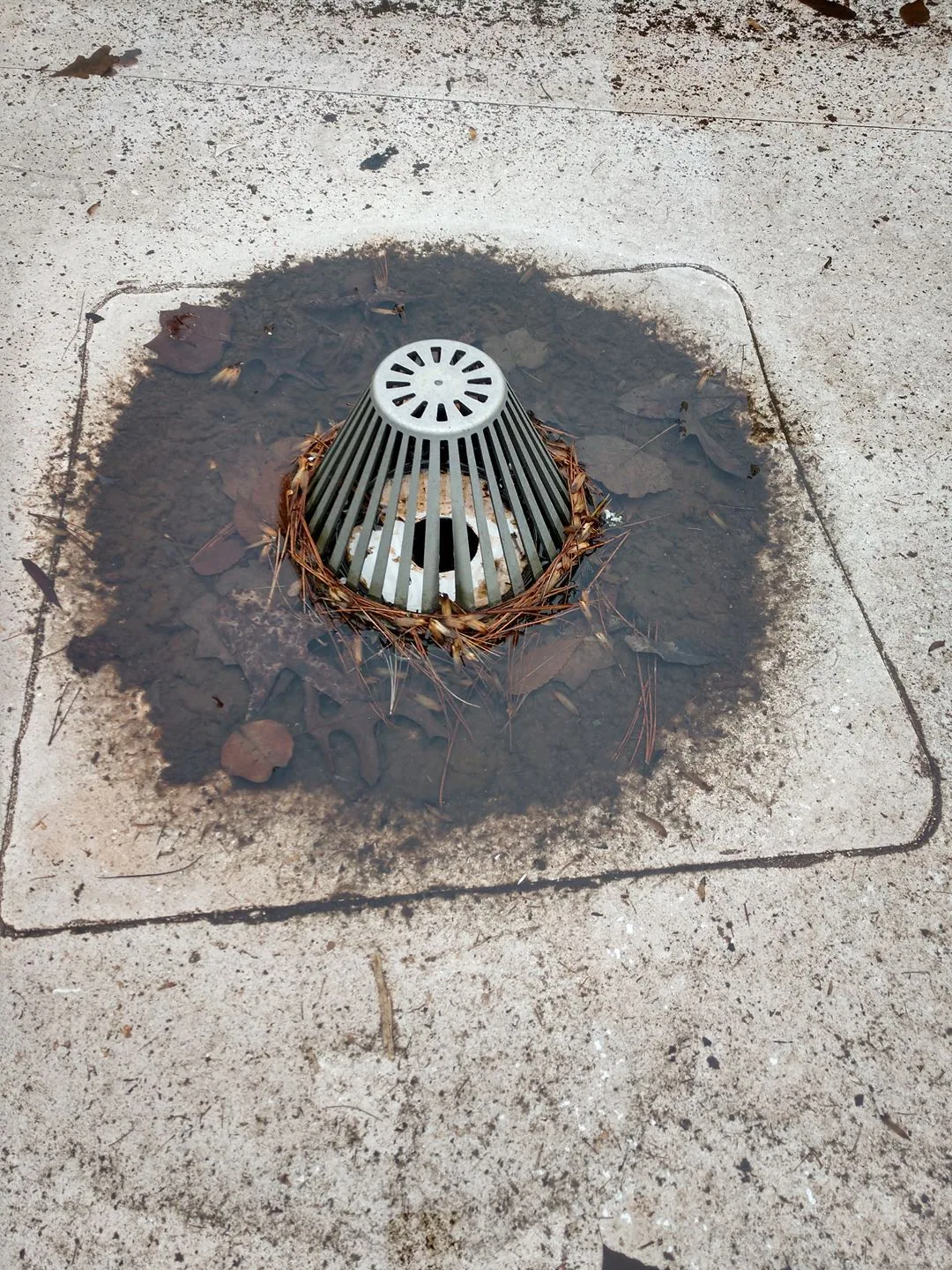
Drainage needs separate attention. Ponding water can shorten coating performance if the selected system does not permit prolonged exposure or the roof remains poorly drained. We inspect bowls, scuppers, crickets, and overflow details. A drainage correction may be needed before restoration. When the coating does not address a structural or slope issue, we identify that boundary and price any tapered insulation or replacement work separately.
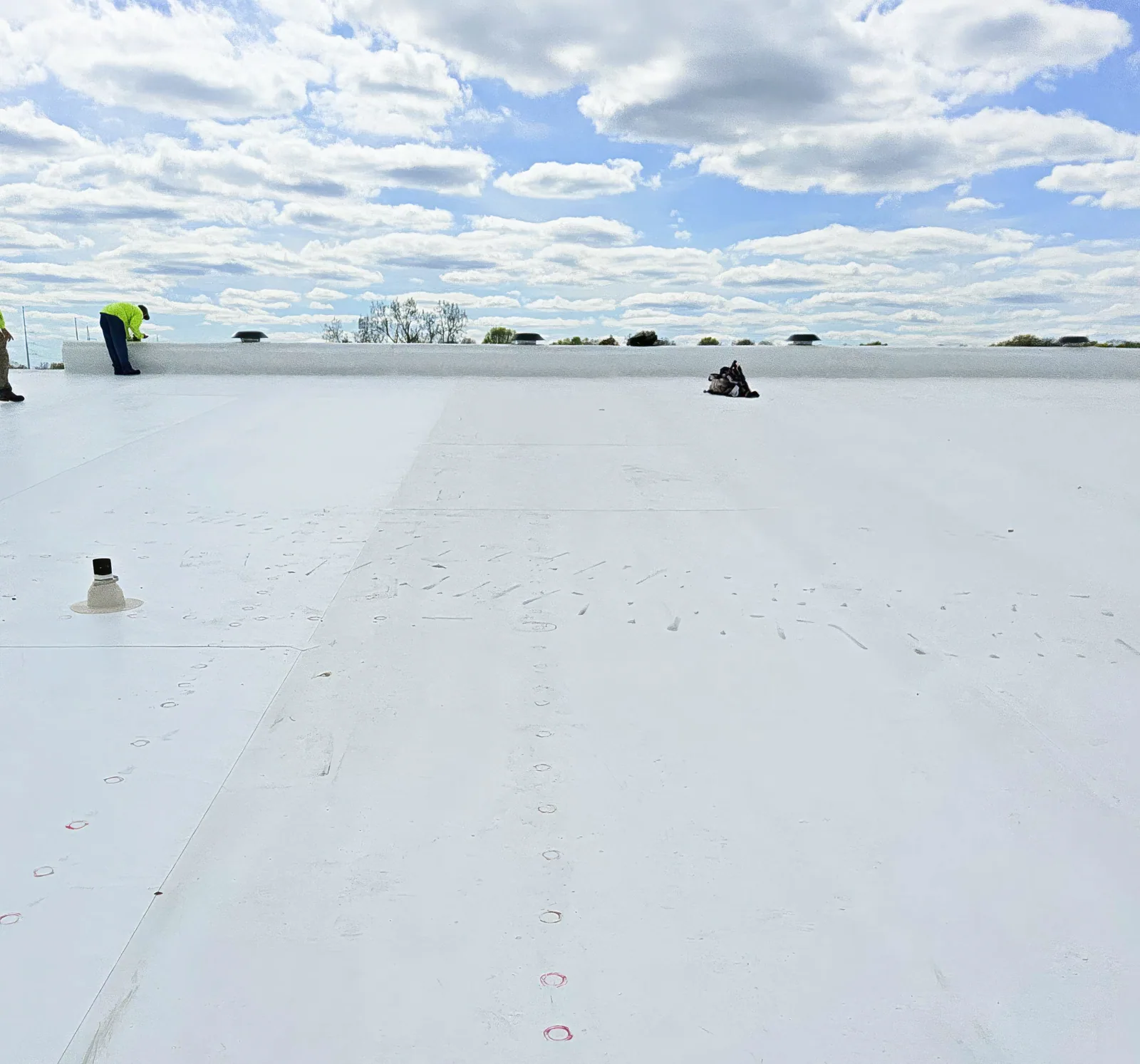
Coating selection: match chemistry and exposure
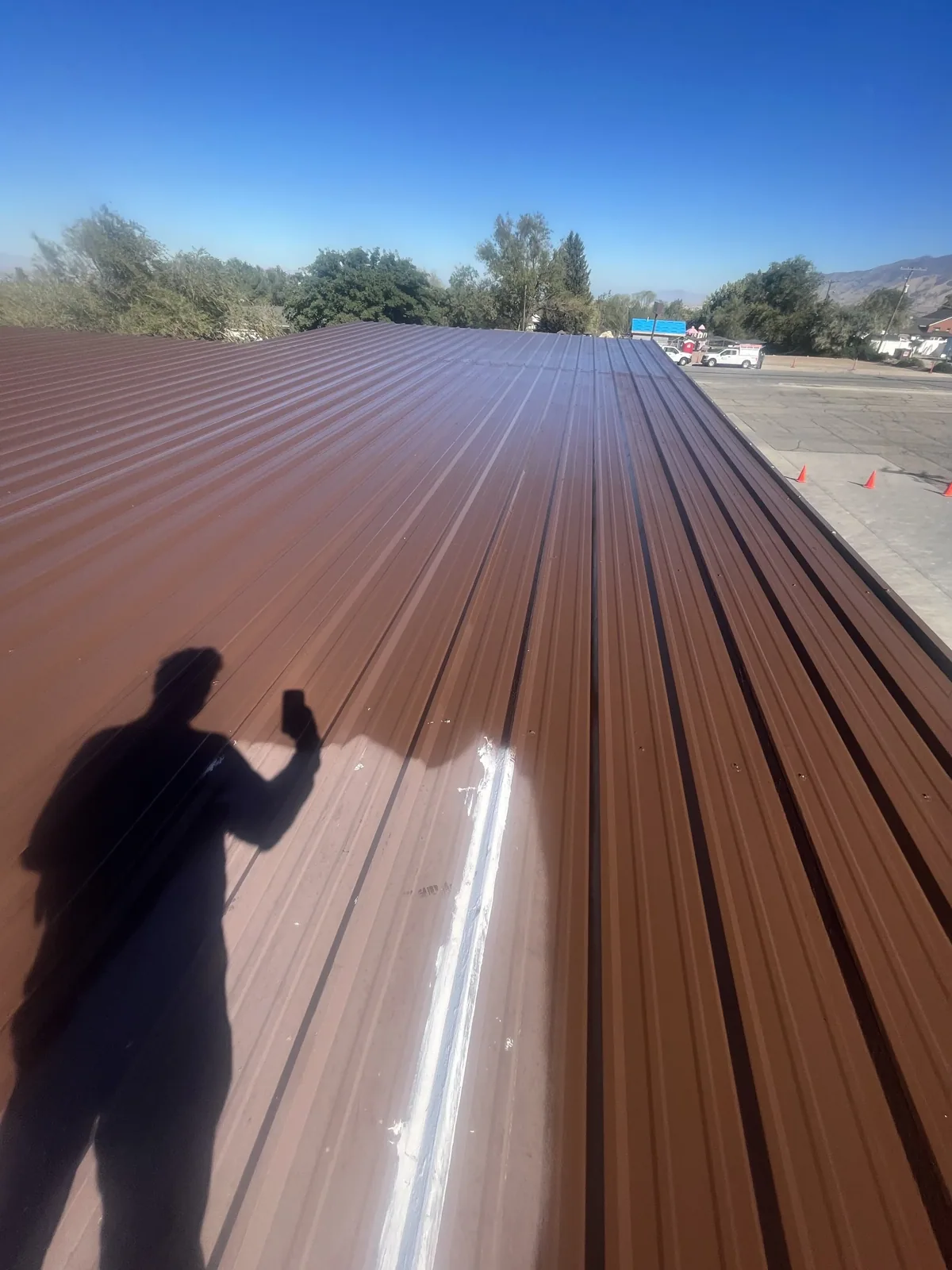
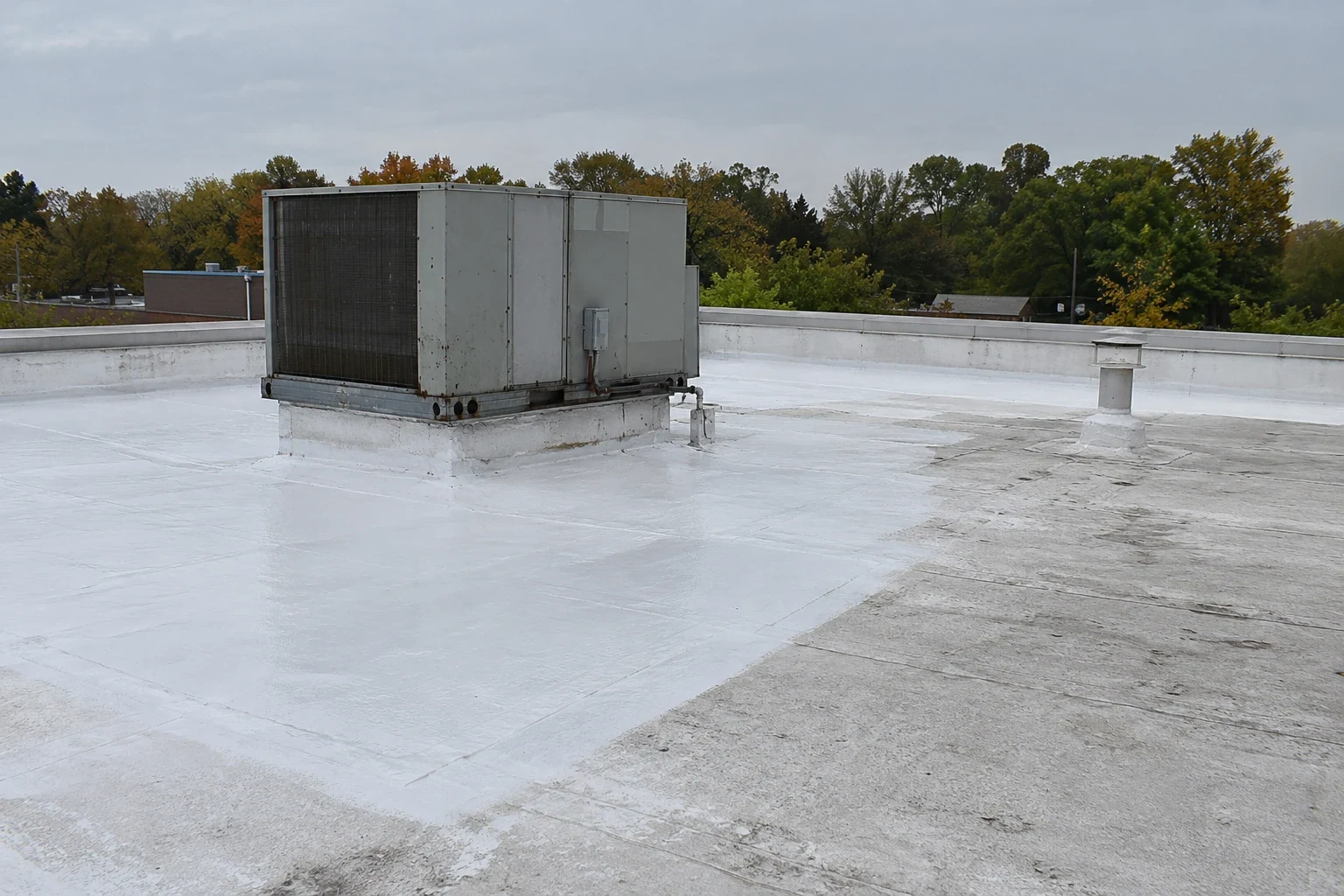
Silicone, acrylic, and other coating chemistries have different requirements for substrate, drainage, temperature, and maintenance. We select by the installed roof and the property’s conditions. The scope names the preparation, primer when required, reinforcement, application areas, and target film build specified by the manufacturer. It also states where coating stops, such as incompatible flashing or equipment bases that need separate work.
Acrylic coatings usually need suitable dry weather for application and curing. Silicone can tolerate some standing-water conditions when the specific product allows it, but it does not fix blocked drains or unstable insulation. The crew confirms product compatibility before coating. Owners can compare a silicone coating assembly with an acrylic system after inspection. We do not promise a coating will correct a roof defect that remains beneath it.
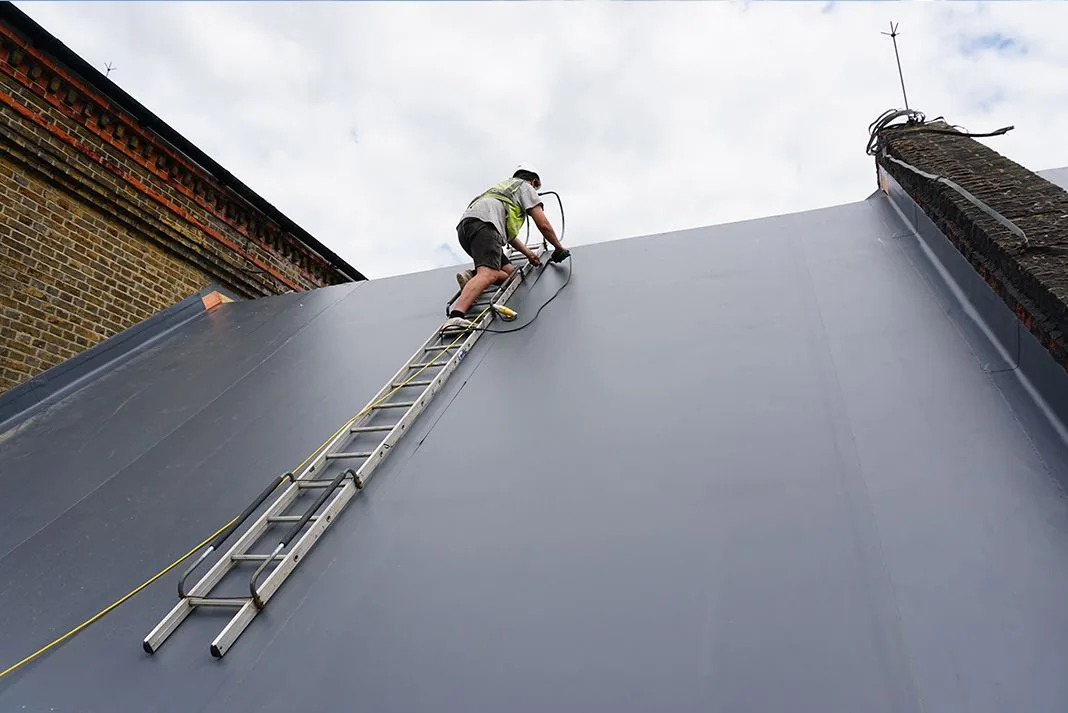
Weather window: confirm application conditions
Coatings require a clean, dry surface and weather within the product’s installation limits. Cold temperatures, dew, rain, high humidity, or wind can change application and cure conditions. Elgin averages about 29 inches of snowfall annually and experiences recurring freezes, so the schedule must account for the local season and current forecast. We check the actual roof and conditions at application time, then postpone work if the surface cannot be prepared reliably.
Heat also affects worker exposure and coating handling. We plan work sections, water access, and breaks around actual rooftop temperatures. If a building remains occupied, the site contact receives notice about odor, staging, and areas where access may be restricted. At Northwest Business Park or Miller-Davis Research & Industrial Center, delivery routes and operations are confirmed at the property before mobilization.
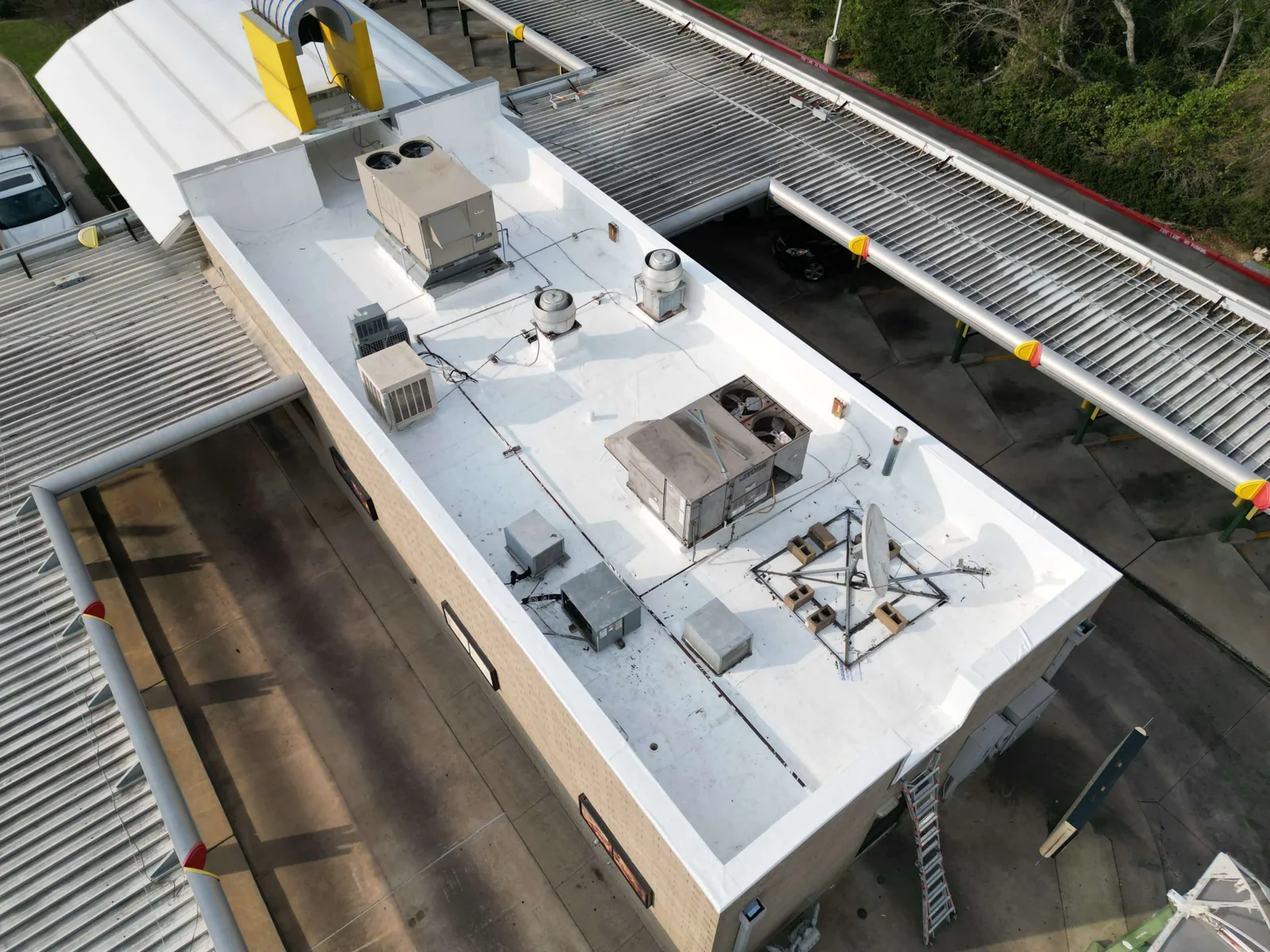
Scope boundary: define coverage and exclusions
The proposal states roof area, coating system, surface preparation, repair items, reinforcement locations, and areas excluded. Wet insulation removal, deck work, drain changes, and replacement of unstable metal remain separate unless included in writing. The owner sees the test findings and knows which areas could not be verified. If hidden moisture appears during work, the crew stops at the approval point and documents the affected zone.
A coating can be appropriate when inspection supports restoration, but other choices may fit better. We compare maintenance, local repair, coating, recover, and tear-off when the roof evidence supports those paths. A condition inspection can define the substrate and moisture questions. If the field roof fails eligibility, a replacement scope may be the clearer path. The decision should consider repair limits and future maintenance access.
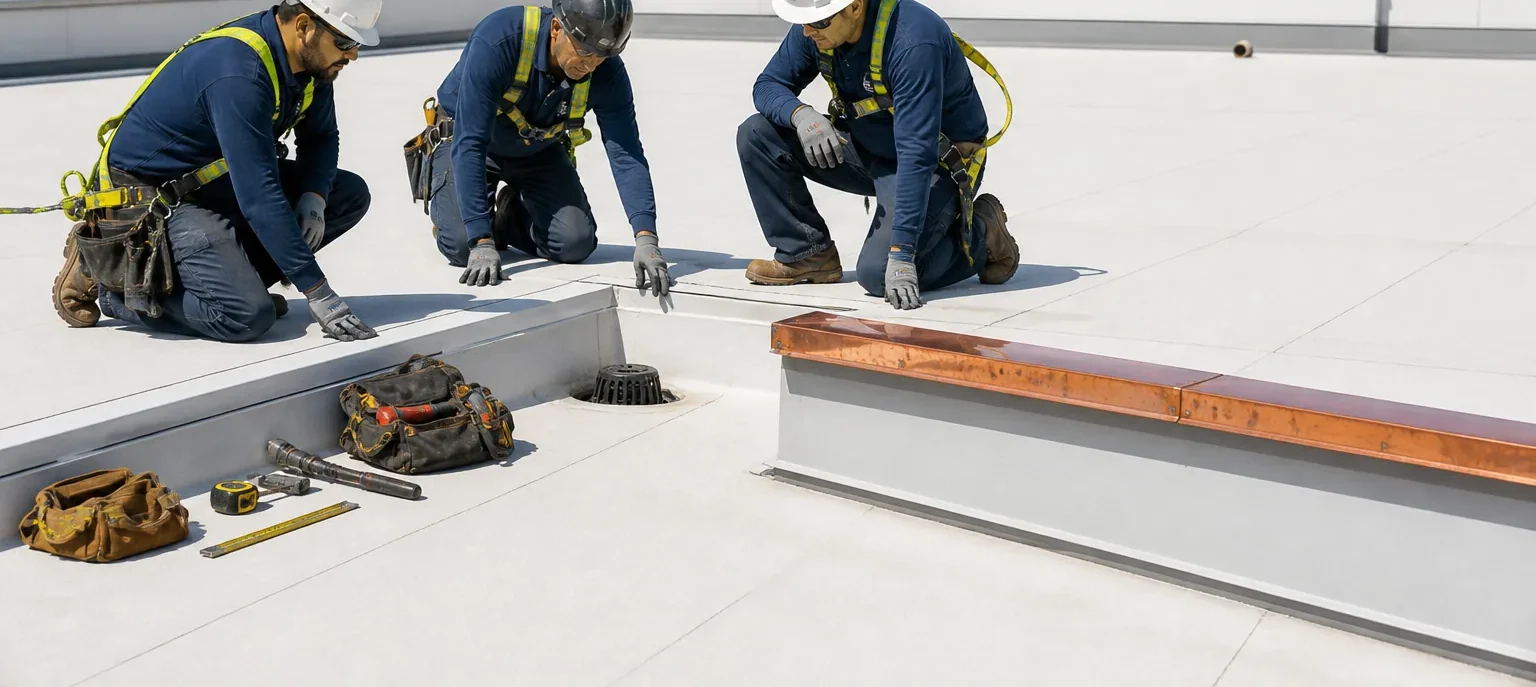
Closeout: document the restored surface
We record preparation, repaired details, coating areas, application conditions, and approved changes. Dated photographs identify transitions and coverage boundaries. Product and warranty documents are included when issued for the specific project. The closeout also notes maintenance steps, such as keeping drains clear and checking exposed edges at future visits. Those records help distinguish the restored surface from any roof zone that remains untreated. A maintenance visit can compare a current photograph with the closeout record, then focus on changes at seams, drains, curbs, and perimeter terminations. That comparison is useful after a severe freeze-thaw period or when a tenant reports a new interior stain. It does not replace a warranty inspection where one is required, and it does not expand the coated area beyond the written scope.
Share existing roof records, leak reports, access rules, and the owner’s restoration goal before scheduling. We will confirm whether testing or an adhesion trial is needed. For a building near Downtown Elgin, we coordinate staging and application timing with the property contact. We identify where crews can load materials, protect pedestrian routes, and keep access to occupied entrances. If coating stops at a transition, the closeout marks that boundary so future repair work does not mistake adjacent material for part of the restoration. The recommendation remains tied to the inspected roof, not an assumption that every surface in the market can be coated. A written boundary keeps later maintenance decisions tied to observed conditions.
Questions About Commercial Roof Coating Restoration
Can a coating be applied over any commercial roof?
No. The membrane or metal must be compatible, stable, and prepared for the selected product. We inspect seams, wet areas, drainage, and adhesion before recommending coating. If the substrate is unsuitable, we explain repair or replacement options instead.
Will a coating stop ponding water?
A coating does not change roof slope by itself. We inspect drains, scuppers, crickets, and low points, then determine whether drainage correction is needed. The proposal separates slope or drain work from coating application.
How do you know whether the existing roof is dry enough?
We review visible conditions and use moisture testing when concealed layers could change the scope. Test cuts or scans can identify candidate areas, but each method has limits. The owner approves verification locations before openings are restored.
What weather is needed to apply a roof coating in Elgin?
Surface temperature, moisture, wind, rain, and the coating’s published limits control timing. Freezing conditions and snow can delay application, while summer heat affects handling. We confirm the roof at mobilization and hold work when conditions are unsuitable.
What does the coating proposal include?
It identifies the roof areas, system, preparation, repairs, reinforcement, application boundaries, and excluded work. We also state how concealed wet material will be reviewed and approved if found during preparation.