Commercial Acrylic Roof Coatings in Elgin, IL
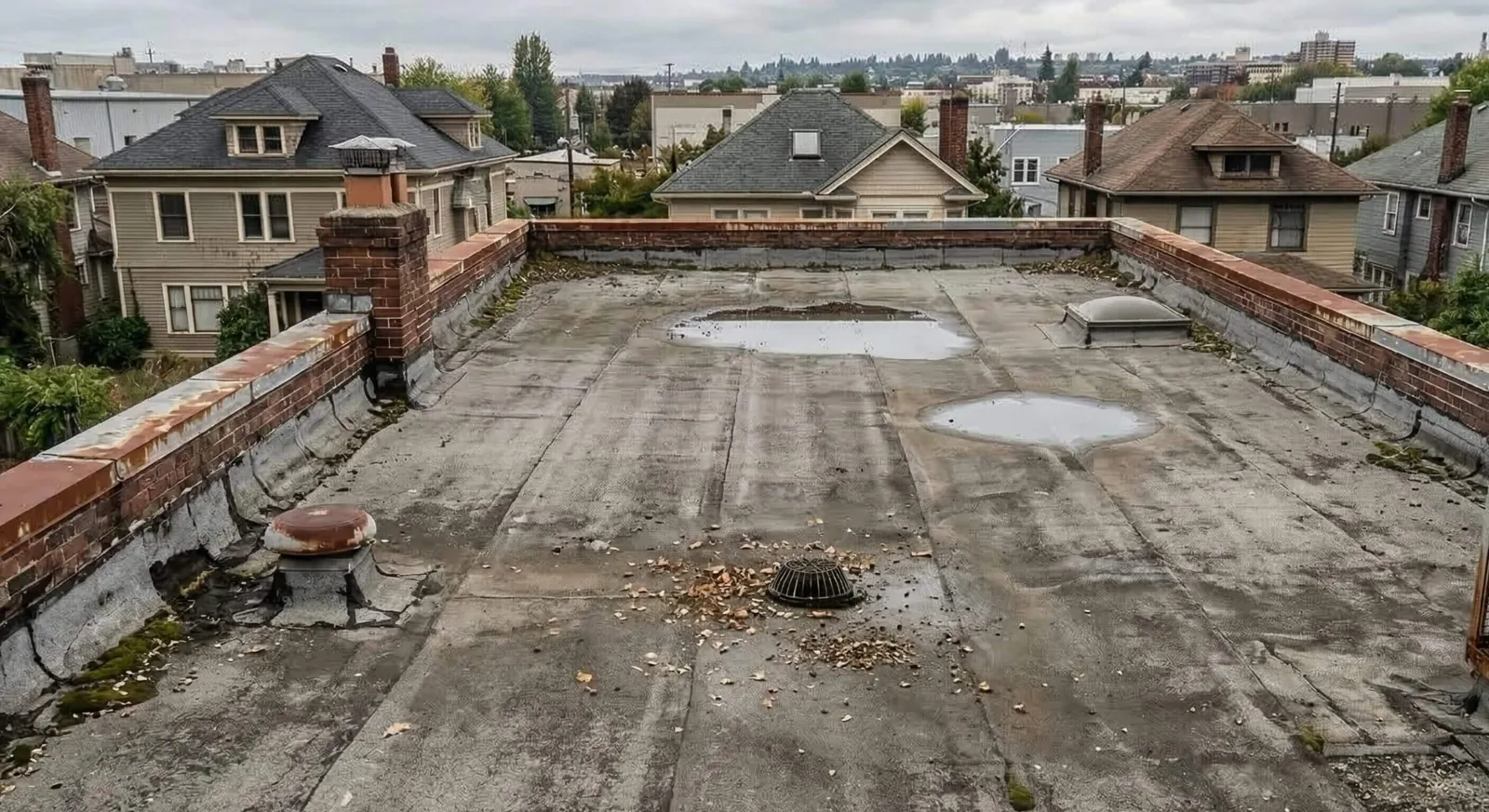
Check acrylic coating suitability
Send roof plans, coating records, leak history, current surface photos, access rules, and the restoration goal. We will identify testing and weather requirements.
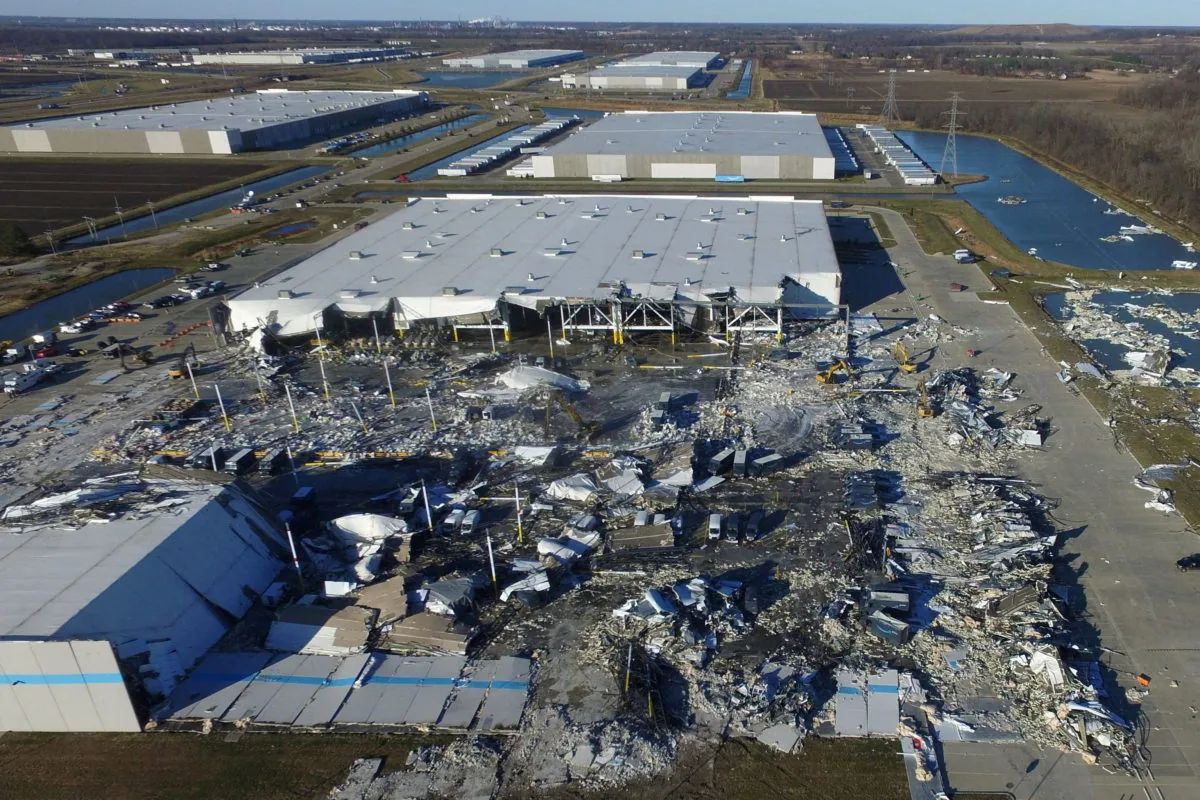
Commercial Acrylic Roof Coatings
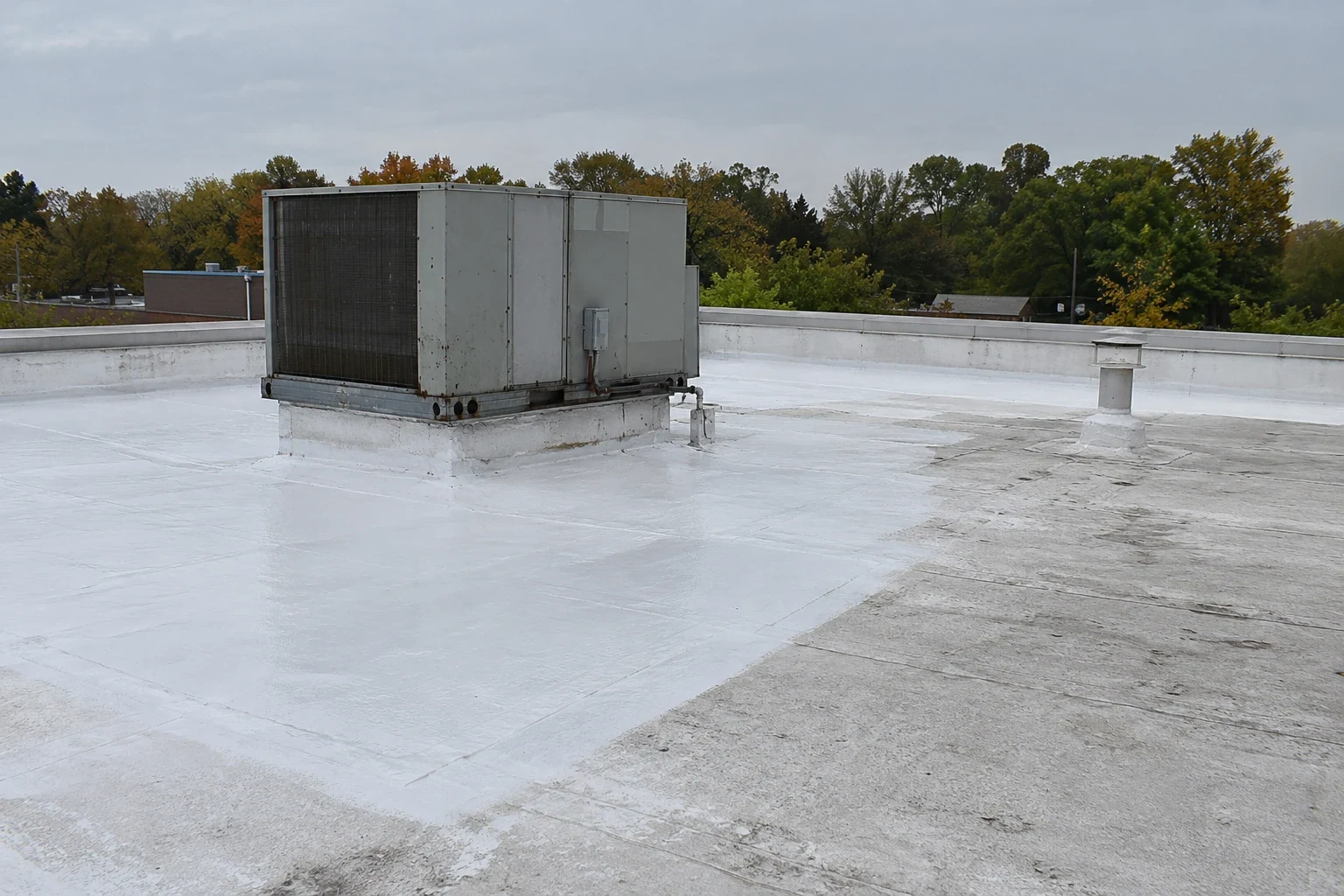
Acrylic coating work depends on a sound roof and a reliable dry-weather window. We inspect the existing membrane or metal, check adhesion, map repairs, and review drainage before recommending a recoat. Elgin’s annual rainfall and winter conditions make scheduling part of the technical plan. A coating can renew a compatible surface; it cannot fix wet insulation, unstable seams, or a roof plane that holds water. The proposal identifies eligible areas and open questions.
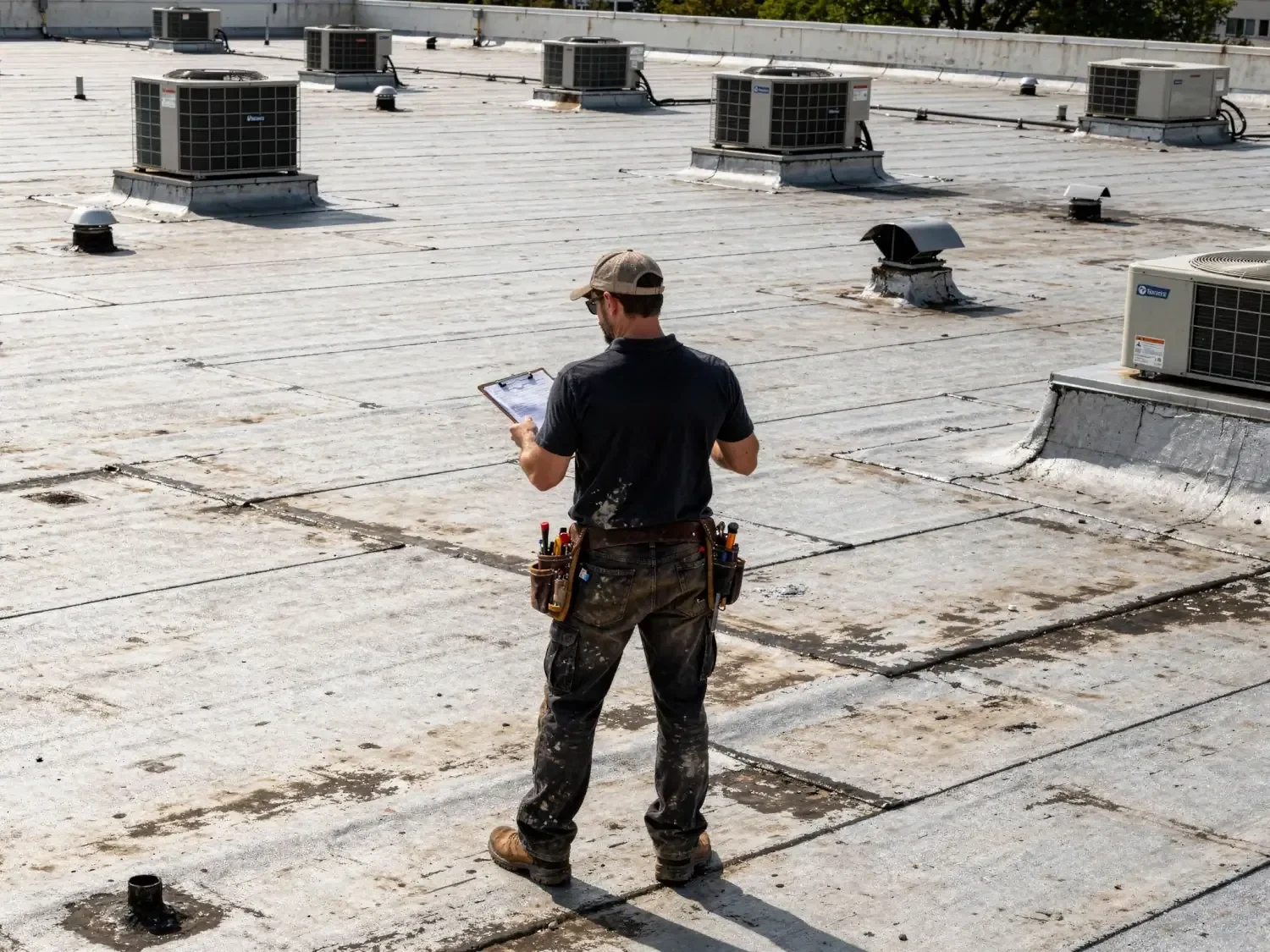
Substrate review: identify what the coating will bond to
We identify the existing roof system and any previous coating, patch, or surface treatment. The crew checks chalking, dirt, oil, loose material, cracks, seams, fasteners, penetrations, and areas where the substrate may be wet. Product records help confirm compatibility. If the roof contains multiple materials, we map the transitions and test each relevant surface rather than assume one adhesion result applies everywhere.
Near Northwest Business Park or the Elgin Corporate Center, buildings may have different roof layers and maintenance histories. We confirm use, access, and tenant controls with the actual property. Business-area location supports dispatch, not a conclusion that acrylic belongs on a given roof.
Adhesion testing uses the proposed preparation and coating on a defined area. The test records how that sample performed under the specified conditions. It does not prove that concealed insulation is dry or that every roof section will bond. If moisture affects the scope, the owner may approve a scan or test cut before application.
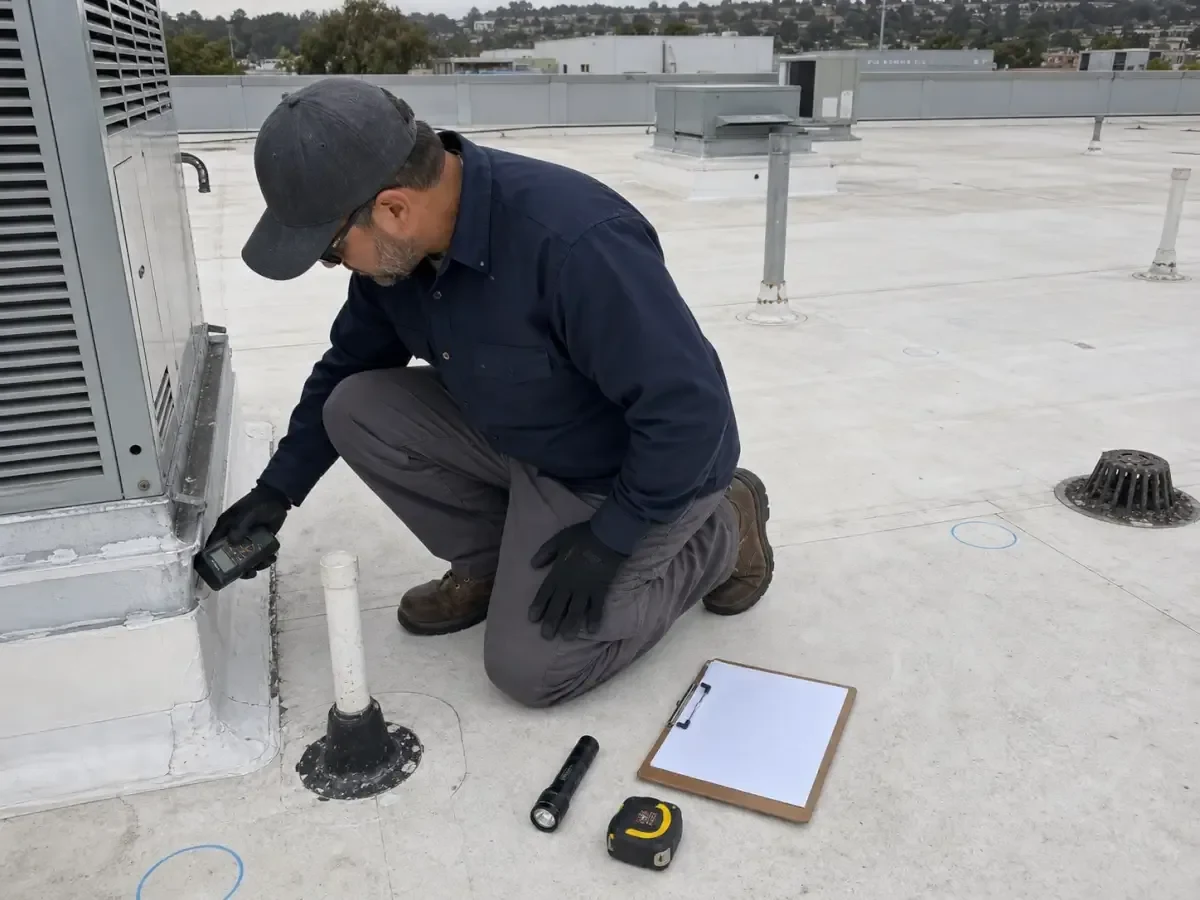
Preparation: repair seams before the field coat
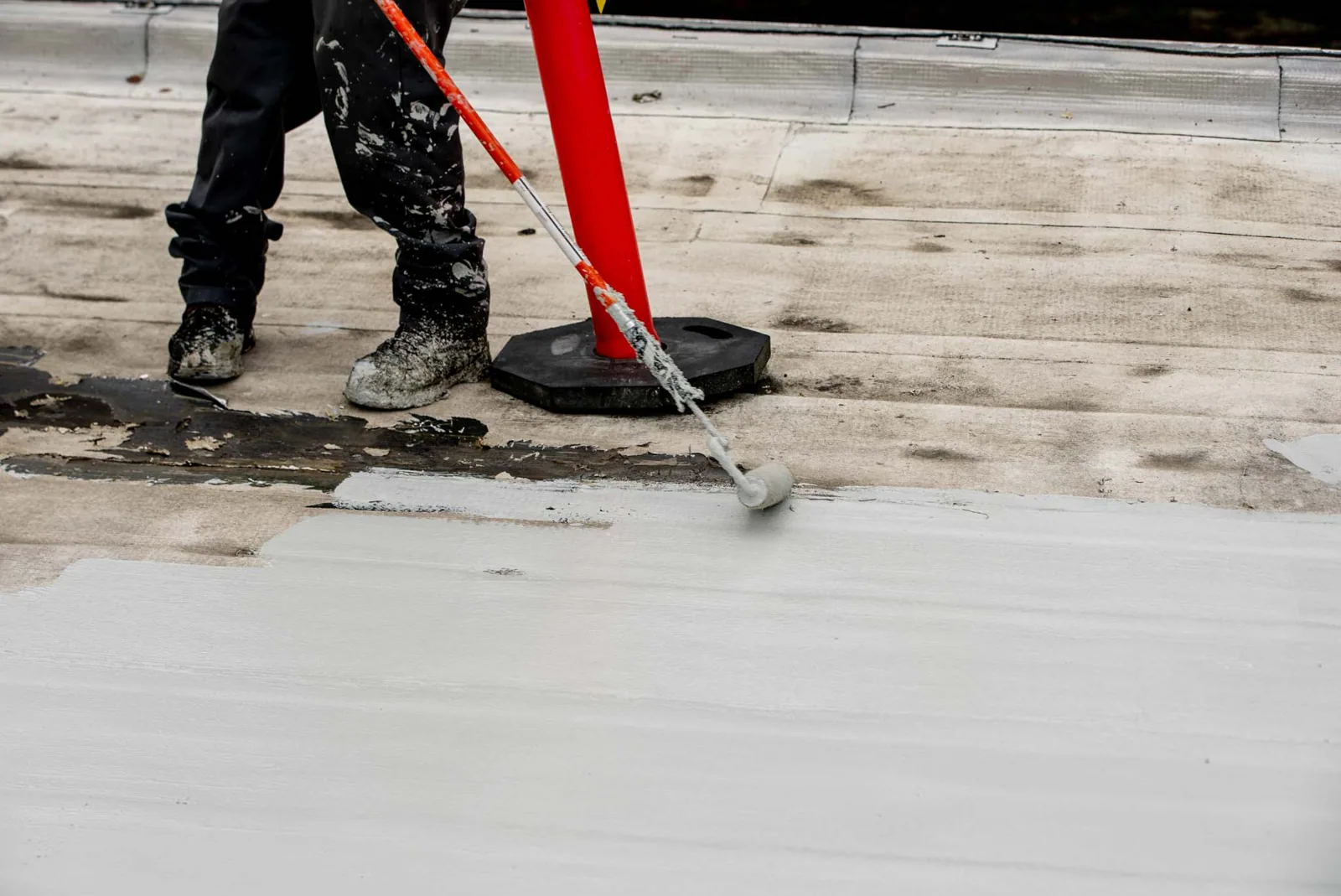
Preparation can include washing, removing loose coating, priming, and repairing membrane laps, fasteners, flashings, or metal transitions. The method depends on the surface and product instructions. We identify cleaning water control, protection for air intakes, and how residue will be handled. A clean surface is necessary, but it does not make a failed roof detail sound.
Open seams, rust-through, and damaged penetrations require repair before a broad application. Reinforcement fabric may be specified at select transitions. The written scope identifies those locations and the product method. A metal-edge assessment can check a corroded perimeter or gutter tie-in. A flashing review may address curbs or openings outside the field coating.
When wet insulation or unstable material is found, the crew stops before covering it. The owner receives the affected location and a price or test recommendation. A restoration scope should distinguish preparation, repair, coating, and removal rather than combine them under a single application line.
Dry-weather window: protect cure and recoat intervals
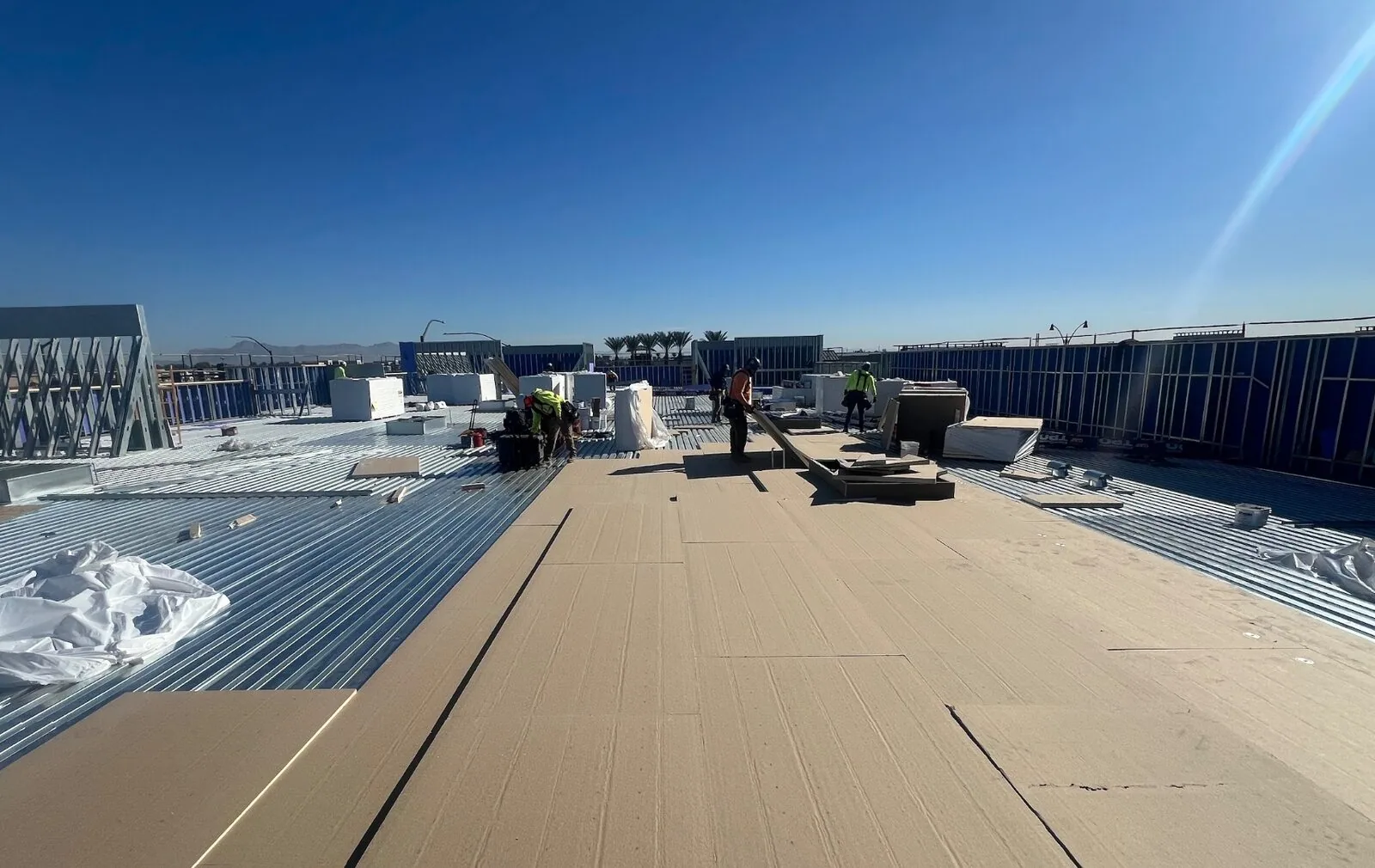
Acrylic products need the surface and forecast to stay within application and cure limits. Rain before cure can affect film formation. Dew, humidity, wind, shade, and surface temperature can also alter timing. Elgin receives about 37.76 inches of annual precipitation, so the superintendent checks the current forecast and roof conditions before each section. An annual average does not set a safe application date.
We stage only the area crews can prepare and coat within the planned window. The site contact receives notice if weather forces a hold. The crew documents what was completed and protects exposed edges. A recoat interval may require a later mobilization; it should be included in the schedule and access plan.
Summer heat can affect workers and material handling. Elgin averages 12.7 days above 90°F. The actual surface temperature and product limits govern. We organize water, breaks, roof entry, and occupied-area notices before mobilization.
System choice: compare acrylic with other roof options
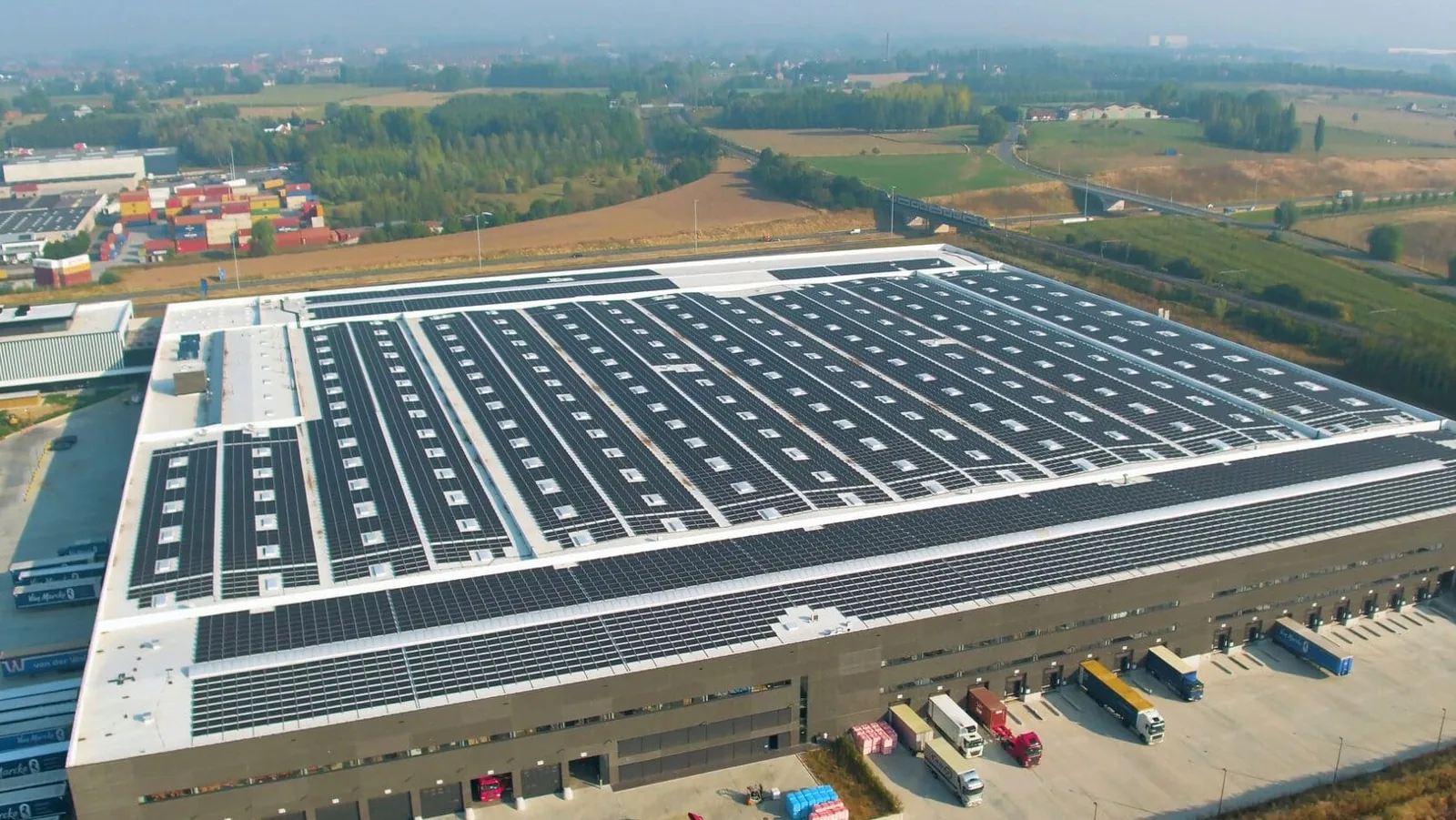
Acrylic coatings reflect sunlight and can renew a compatible roof surface, but product ratings and building savings are separate questions. We can provide manufacturer data for the selected material. A project-specific energy consultant should estimate expected utility effects using insulation, HVAC, schedules, roof area, and operating records.
For Elgin commercial work, the design team confirms how the 2024 Illinois energy standard and its state amendments apply to the building. We provide roofing product data and assembly details for review. A surface color or measured film alone does not settle the project’s code obligations.
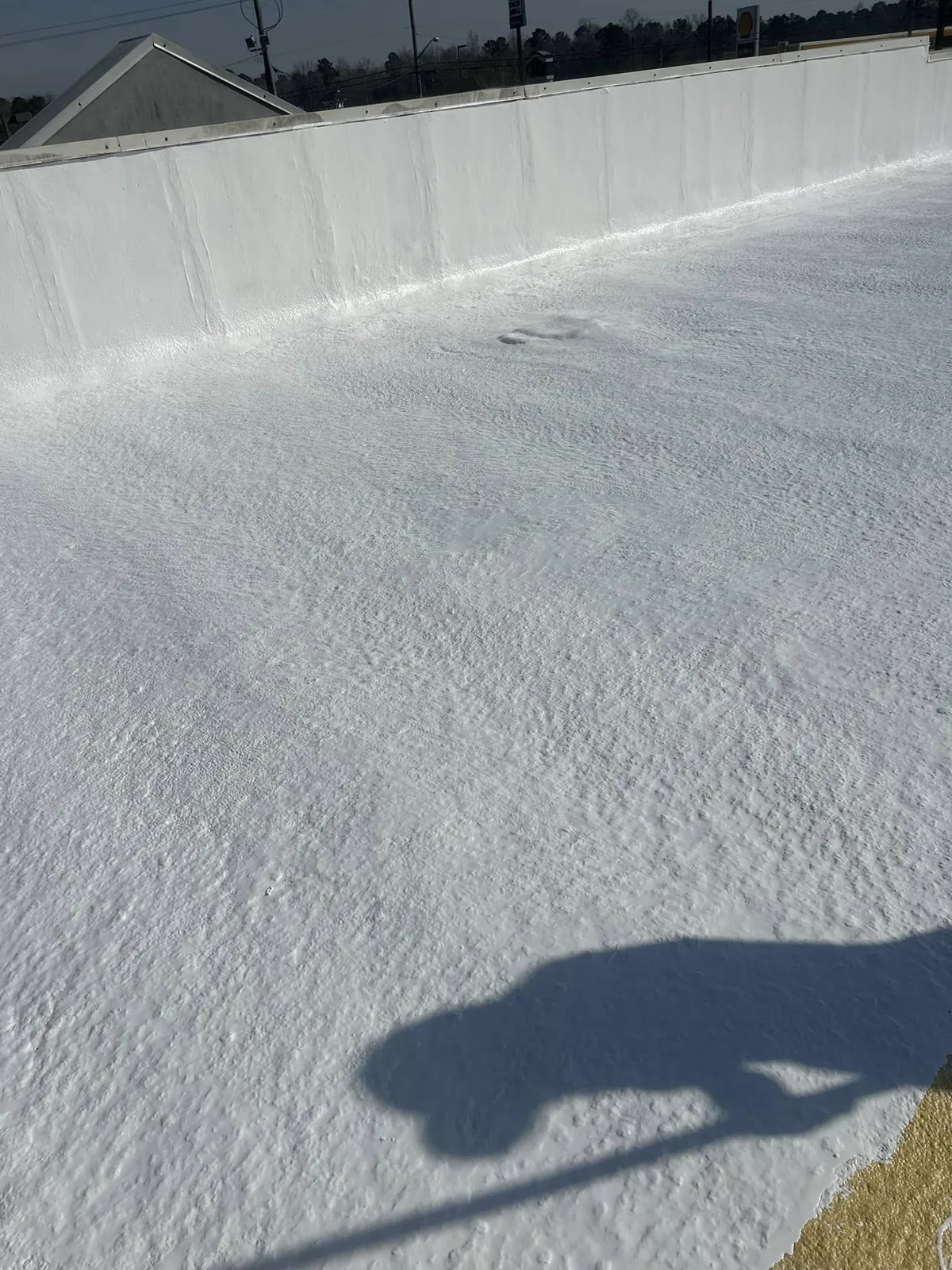
Acrylic generally needs suitable drainage and adequate dry time. If the roof experiences prolonged standing water, we review the product’s limitations and may compare a silicone coating or a new assembly. On an existing spray foam roof, the exposed foam condition and existing topcoat need direct evaluation before any coating is chosen.
Scope boundary: measure coverage and exclusions
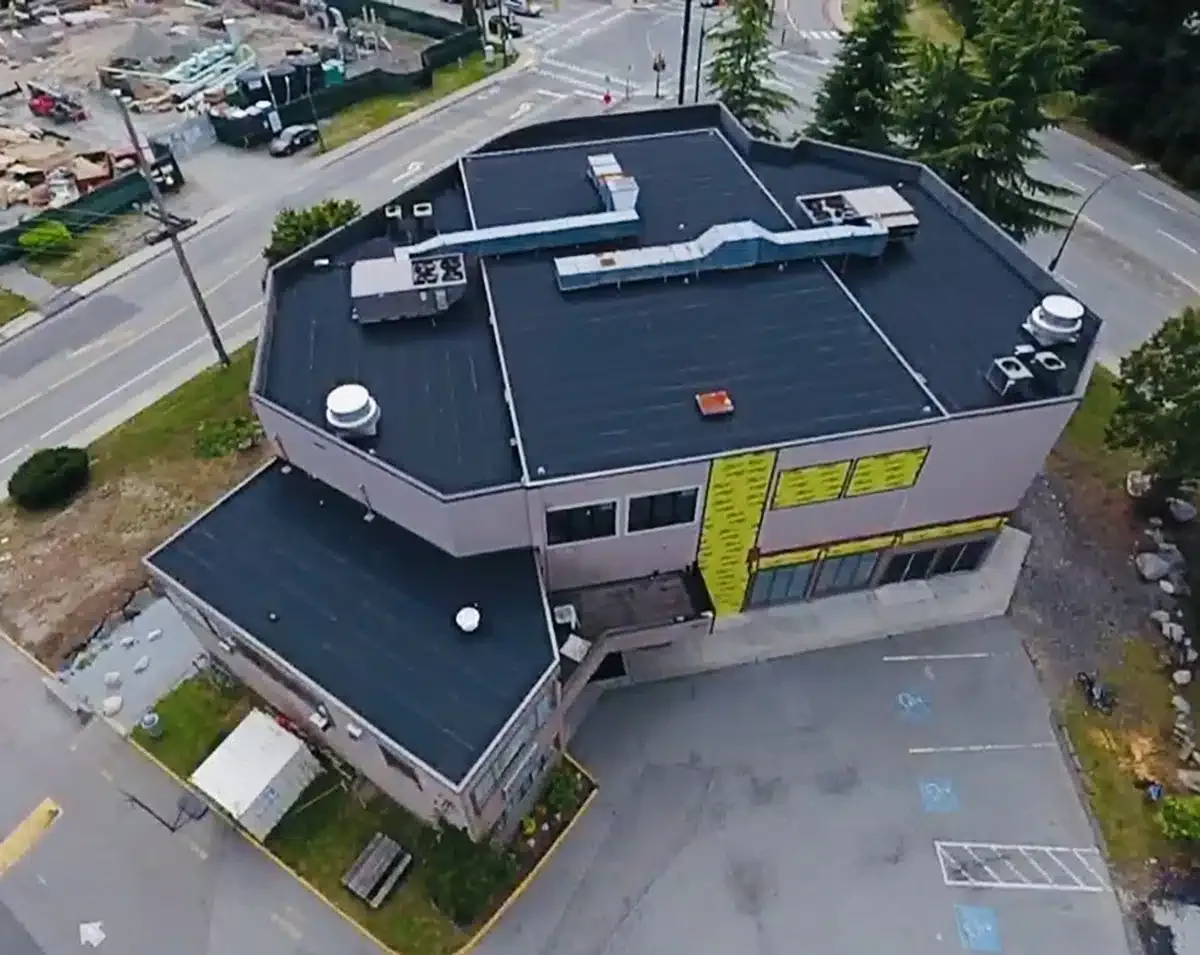
The proposal names the substrate, test results, preparation, repairs, primer, reinforcement, number of coats, target film build, weather limits, and included roof zones. It lists excluded transitions and any area that could not be tested. The owner can see whether cleaning, wet-insulation removal, drain work, equipment movement, or structural repair is separate.
If testing shows the coating cannot bond or the roof contains widespread moisture, the recommendation changes. We compare a repair or replacement path and explain why. A replacement evaluation can include tear-off, insulation, membrane, details, and phasing. We do not represent a coating as a replacement roof or give a service-life promise beyond written product terms.
For multi-building owners, a condition record can keep test results, application date, repairs, and excluded roof sections tied to each building. That helps plan future work without treating every property as the same substrate.
Maintenance: preserve the coating record
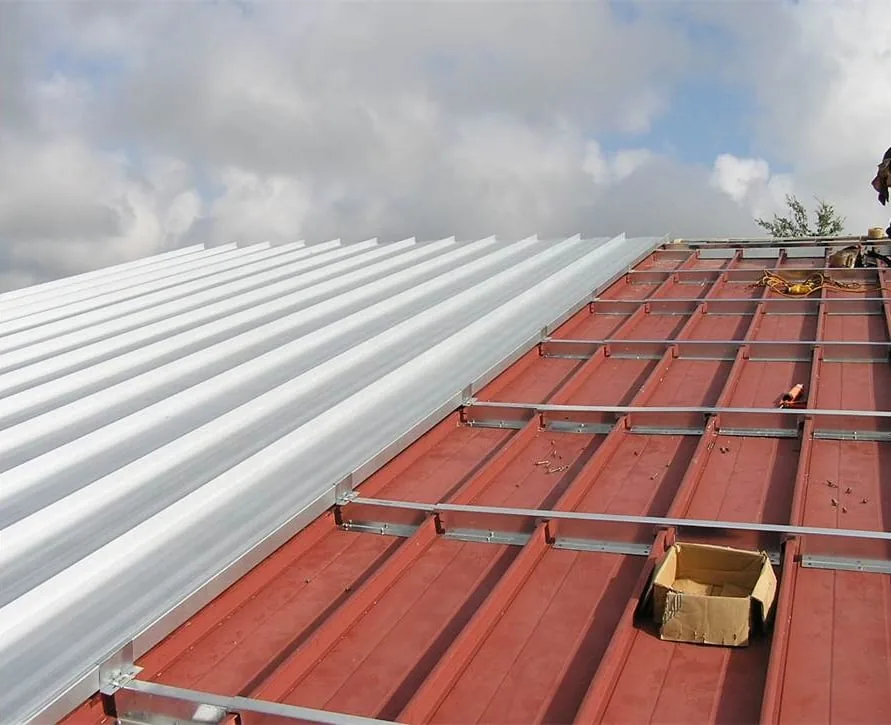
After application, owners should follow product instructions for inspection, cleaning, traffic, and repairs. Review roof drains, penetrations, fasteners, edge details, and any area that receives regular service access. New equipment work can cut a coating and needs a compatible repair. Record who performed the work and what material was applied. Mark the repaired zone on the roof plan and retain a dated photograph for the next inspection.
Elgin’s winter snowfall and freeze cycles can make seasonal checks useful. Safe access remains the first condition. Look for peeling, cracks, debris, ponding marks, or exposed substrate, then arrange a roof-level assessment before applying more material. An unplanned touch-up with an incompatible product can complicate later restoration.
A warranty record can preserve product name, application dates, inspection notes, and required notices. The warranty administrator decides coverage under its terms; contractor maintenance records do not replace that review.
Closeout: document the application area
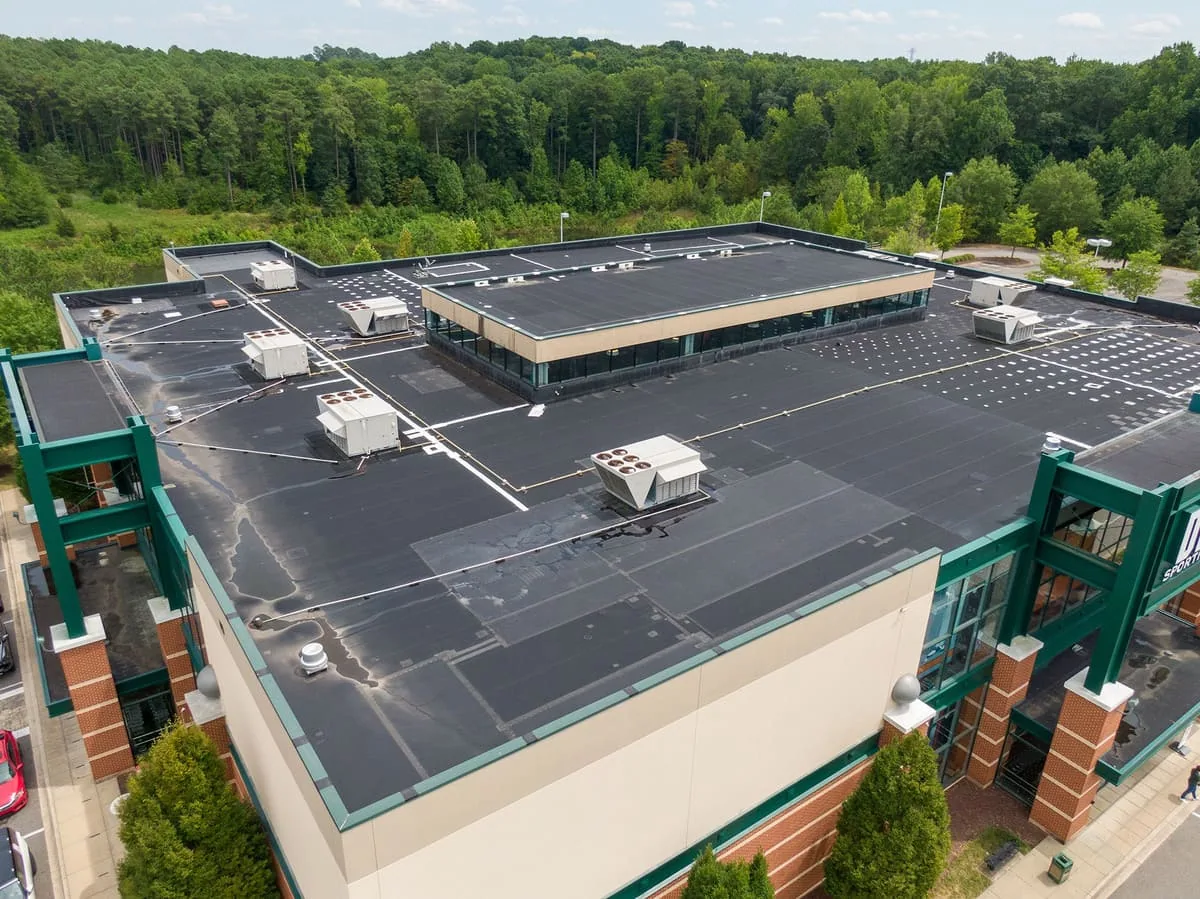
Closeout photos show prepared substrate, repaired details, field coverage, transitions, and any excluded zone. We identify product and application date, available film-build checks, weather holds, and required follow-up. Warranty documents are included when issued for the specific project. If a test showed an area was not eligible, the file identifies it plainly.
Provide roof plans, coating history, leak reports, product records, access requirements, and operating restrictions before requesting service. We will confirm test locations and the dry-weather plan. The finished scope will identify what received acrylic, what remains untreated, and which conditions need another roofing solution.
Questions About Commercial Acrylic Roof Coatings
Can acrylic coating be applied during a light rain?
No. The roof and forecast must meet the product’s application and cure requirements. We postpone work when moisture could affect the surface or film.
Does acrylic coating work over metal?
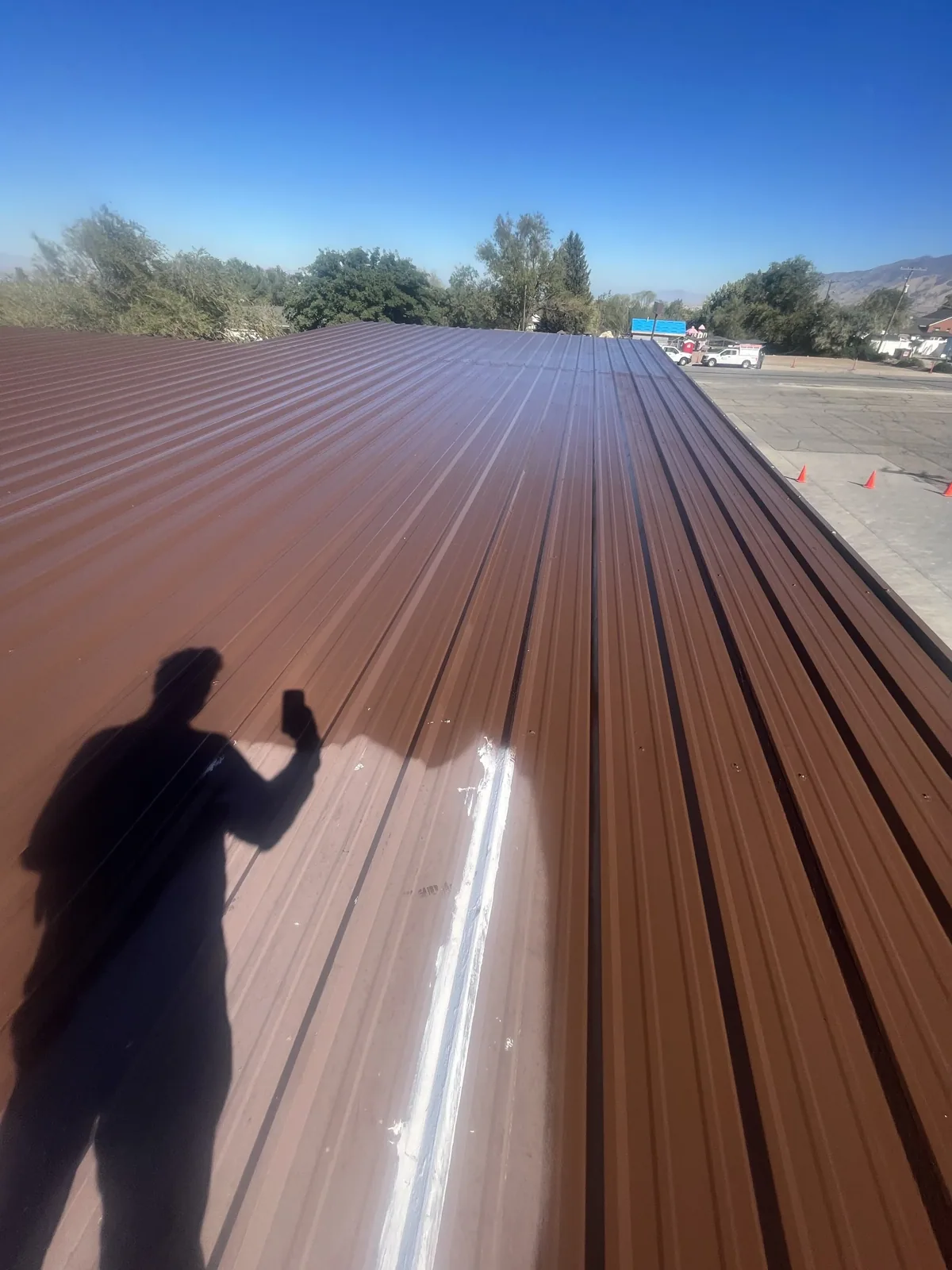
It can be considered when the metal, existing finish, fasteners, and preparation meet the product requirements. We inspect and test the actual surface before pricing application.
Will acrylic correct ponding?
No. Coating does not reshape a roof or clear a blocked drain. We inspect slope, outlets, and product limits before recommending a restoration system.
How do you set the coating thickness?
The specified film build comes from the product system and project scope. We state target coverage and document field checks where available.
What records should I keep after coating?
Save product data, application date, test results, repair photos, warranty terms, maintenance instructions, and areas excluded from the work.