Commercial Hail Damage Roof Repair in Elgin, IL
Request a hail-impact roof review
Share the property, event date, affected roof area, reported interior impact, current water status, and site contact. We will confirm access and the first inspection boundary.
Commercial Hail Damage Roof Repair
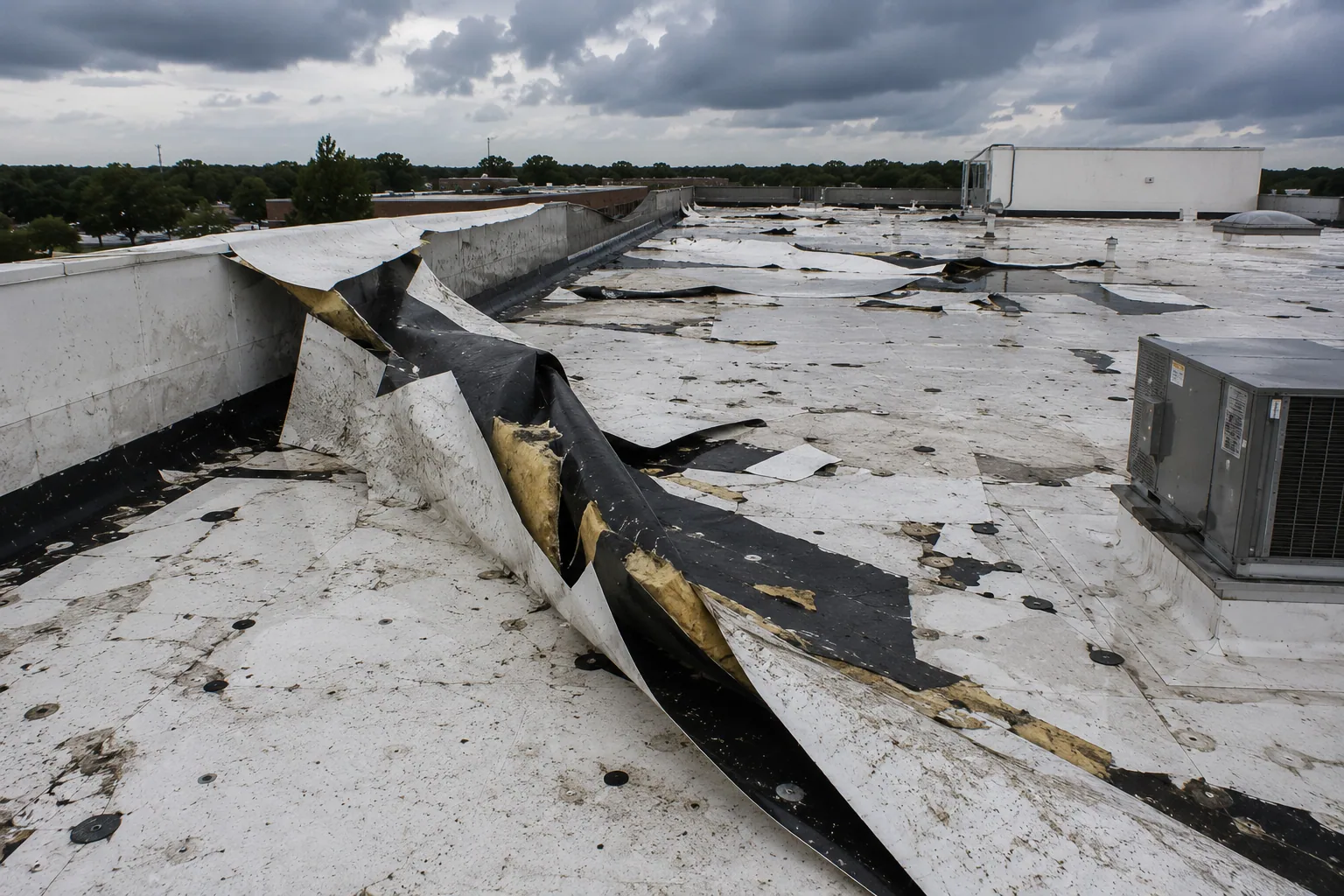
A hail report begins with the property and the date, not a repair assumption. We confirm the building, reported area, roof access contact, active water, and operating limits. Then we inspect membrane, metal, edge details, rooftop units, and penetrations for observable impact. A mark on one surface may be cosmetic, functional, or unrelated to the event. The inspection records which condition can be confirmed.
One-inch hail was recorded in Elgin on February 27, 2024. That event confirms local exposure; it does not establish damage at a particular commercial address. The crew checks the property itself. A building near Westfield Business Park or Downtown Elgin receives the same evidence-based review as any other site.
Impact map: inspect vulnerable roof details
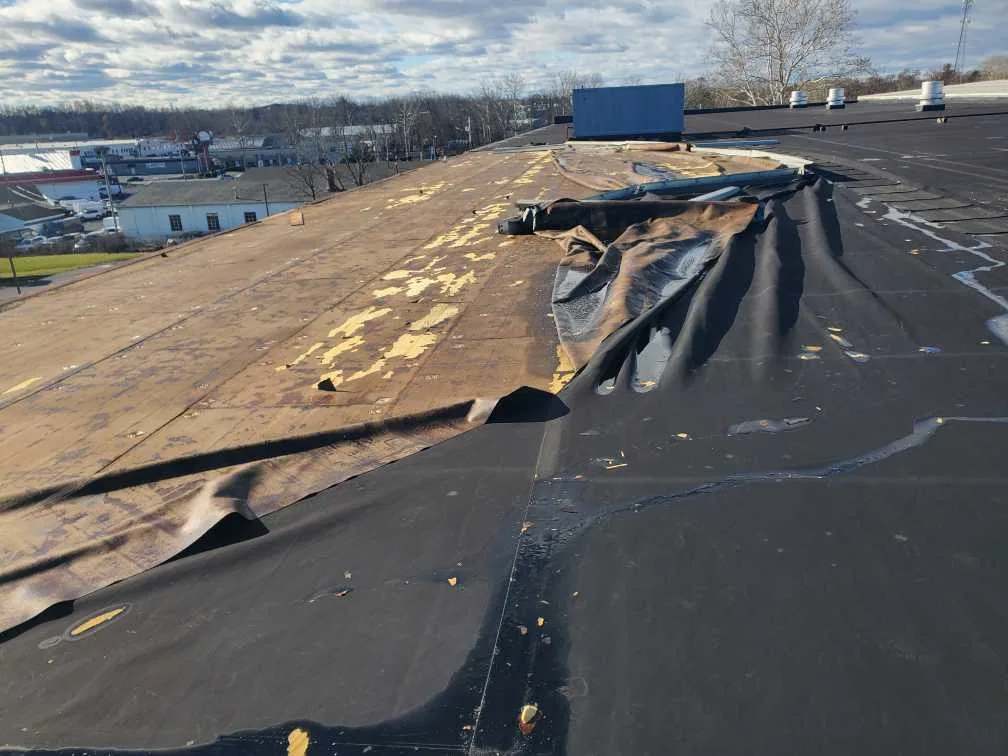
We walk the accessible roof in planned zones and photograph hail marks with enough context to find them again. On single-ply membrane, the crew checks for punctures, cuts, displaced patches, and damage near seams or penetrations. On modified bitumen, granule loss or surface marks need comparison with the surrounding cap sheet. On metal, dents should be reviewed at panel laps, fasteners, closures, and finish. Appearance alone does not establish a leak.
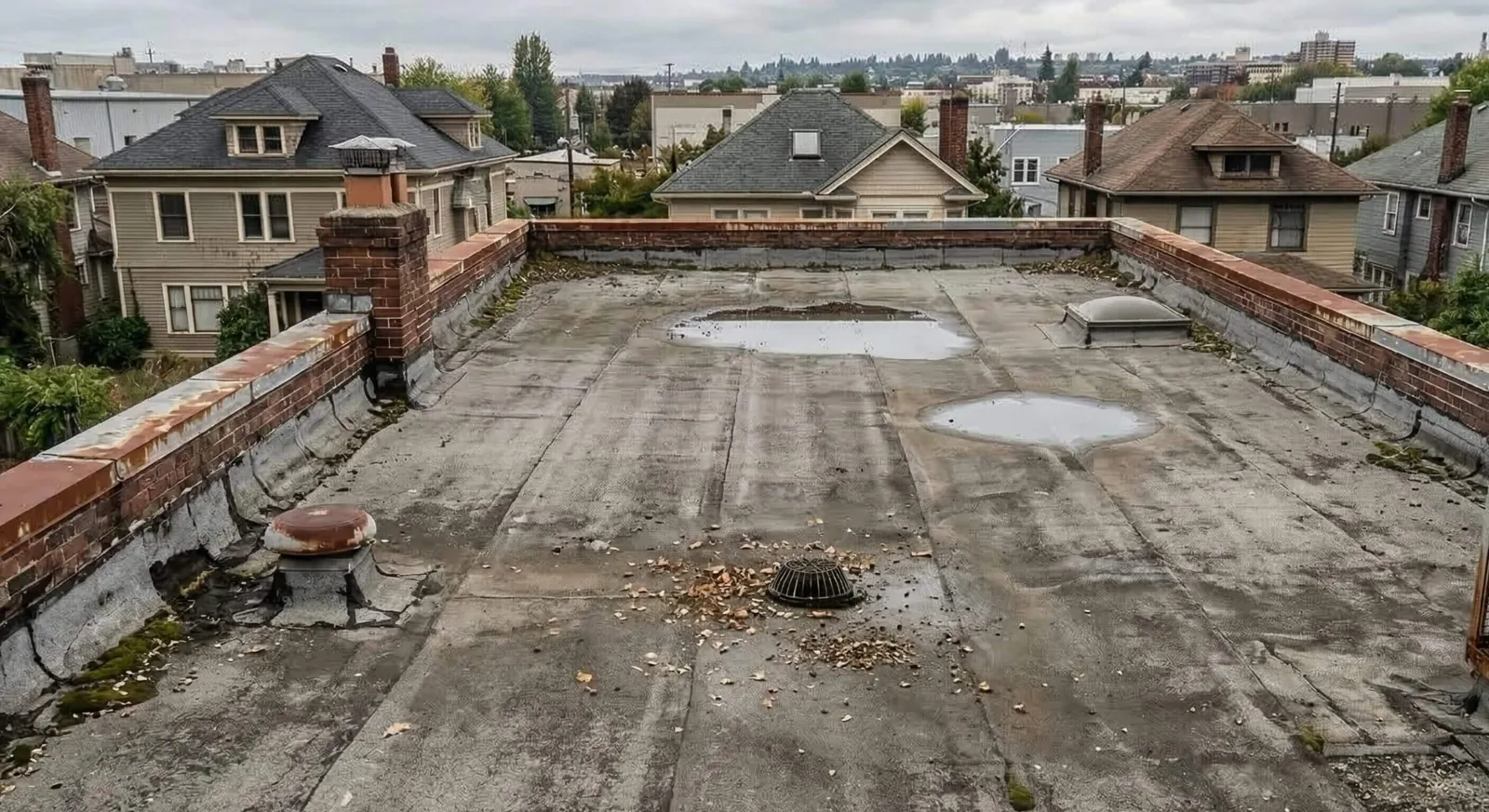
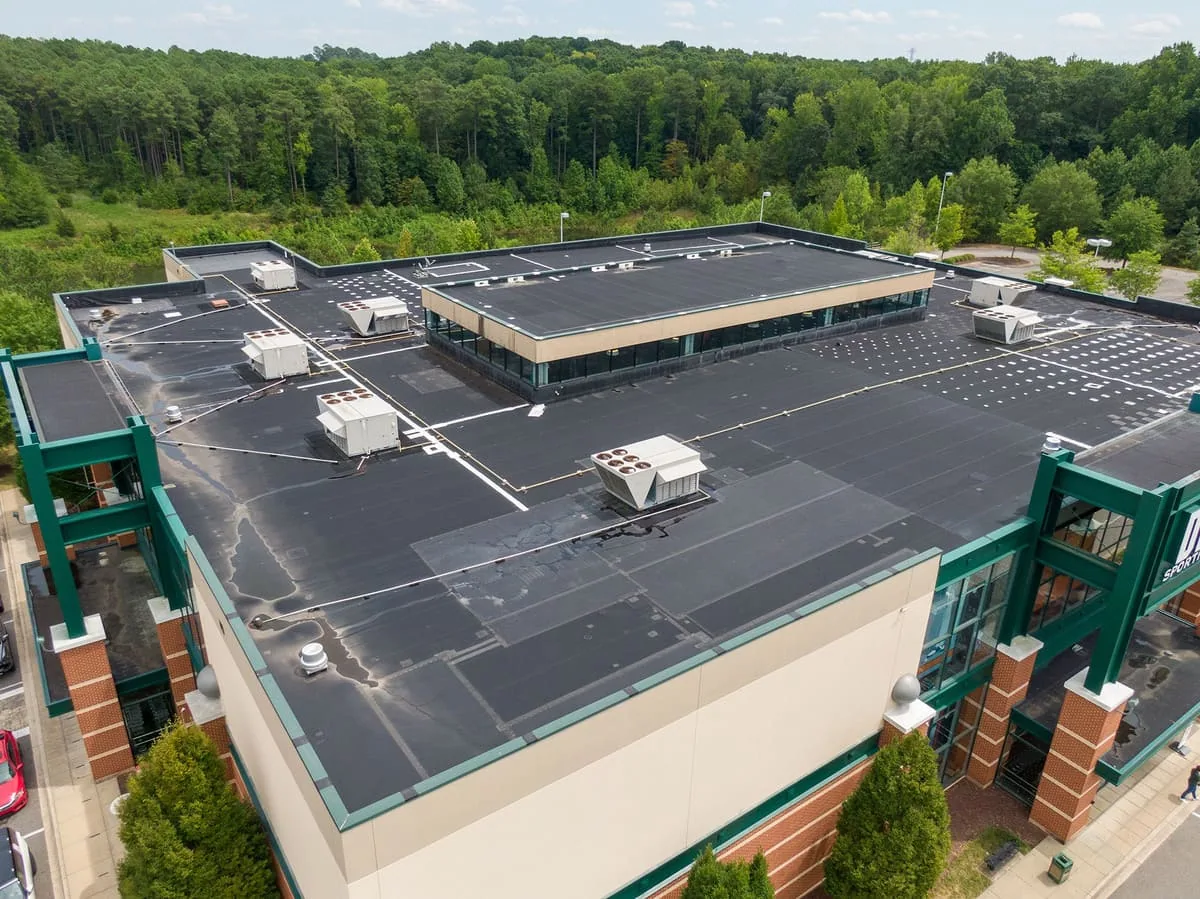
Equipment curbs, skylights, drains, coping, and edge metal may need closer review because a defect there can affect weather protection. We inspect the transition and nearby field material. If hail is reported alongside interior water, the site contact lists the room, start time, and current status. We compare that report with roof slope, the affected surface, and likely water paths without assuming the nearest mark caused the leak.
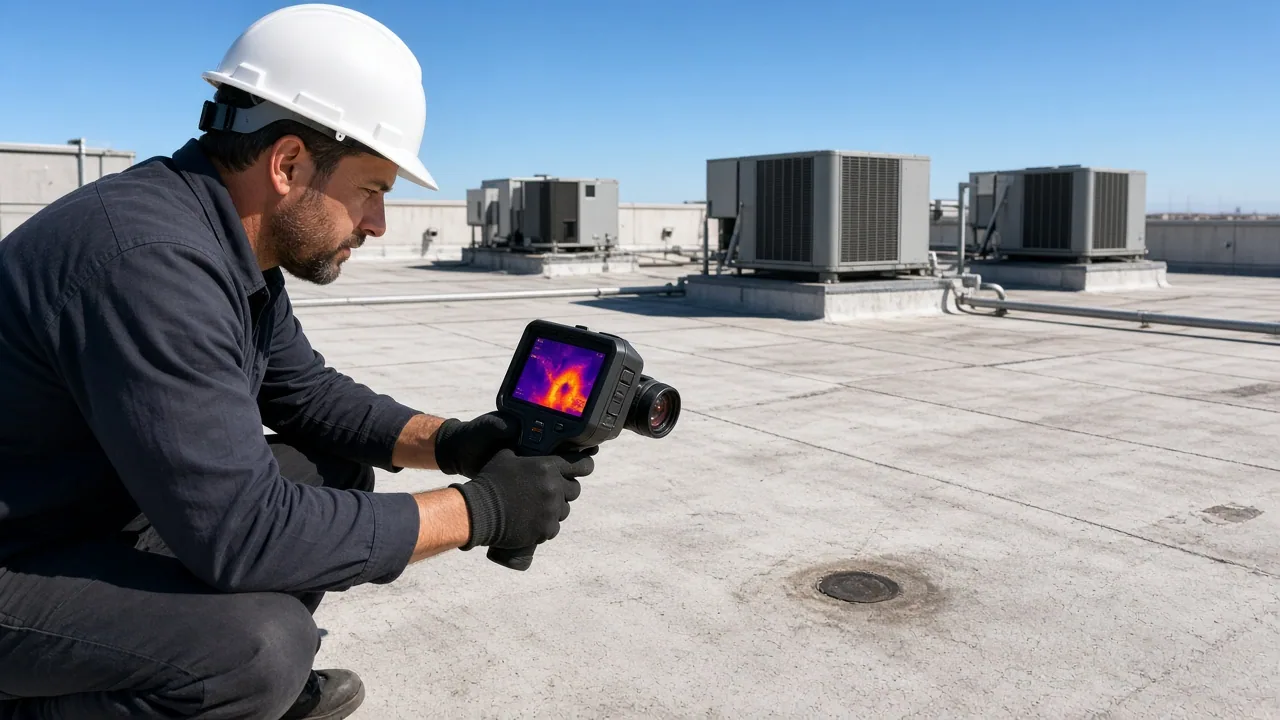
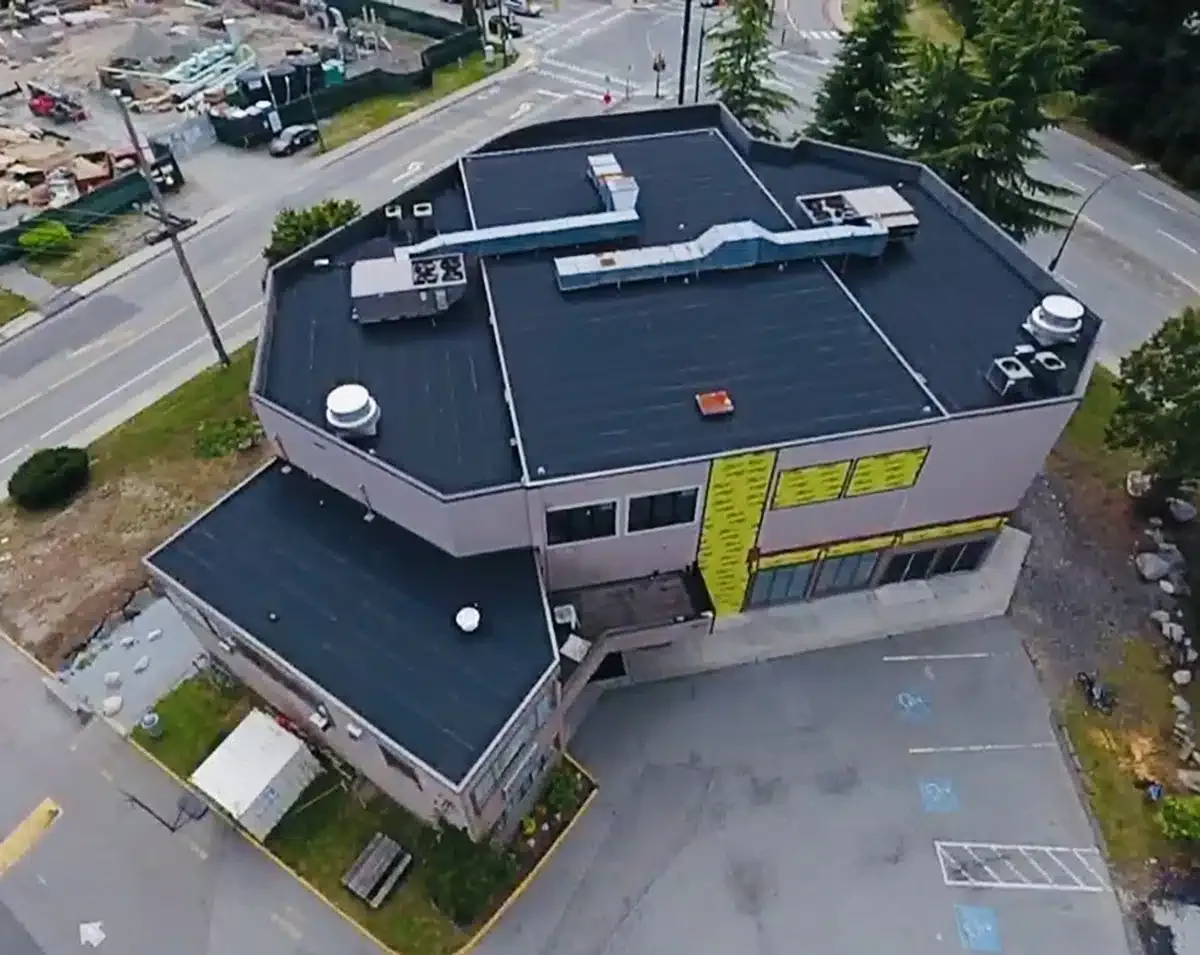
Elgin has business and industrial areas serving office, research, and manufacturing uses. Each property can have different equipment and access constraints. A roof inspection records the accessible sections, photo locations, material where verified, and any area not reached. A scan or test opening is proposed only if its result could affect the repair or removal limit.
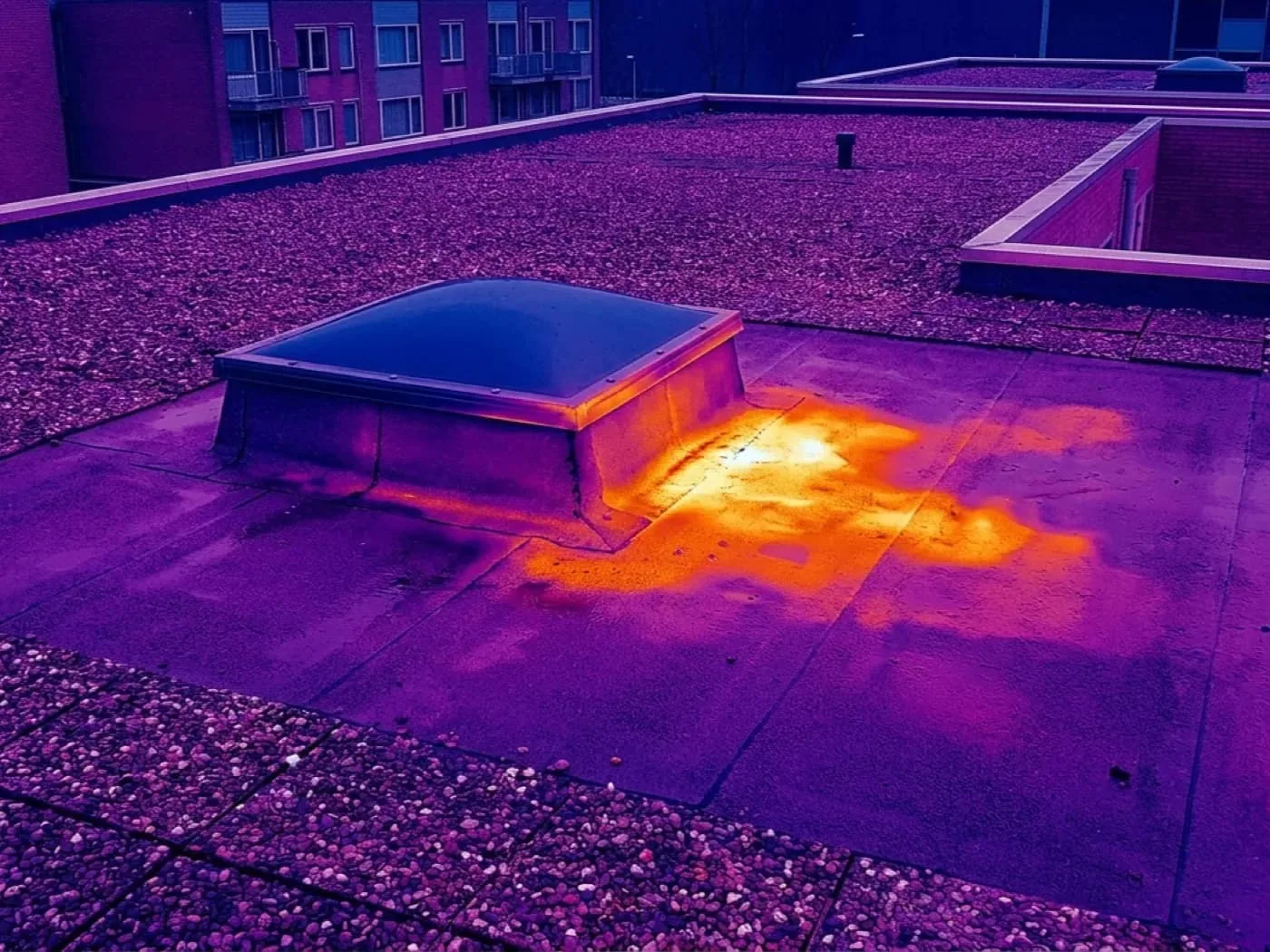
Evidence: distinguish impact from unrelated wear
Hail findings should be described by location, surface, and visible effect. The report can record a puncture, split, displaced edge, or coating loss where present. It should also name roof areas where no impact was observed. We do not infer a building was in a storm track from a nearby report. The property record and the owner’s event information stay tied to the inspected location.
Older patches, foot traffic, dropped tools, and equipment service can create marks that resemble storm impact. We review patch edges, maintenance tickets, and nearby work history when available. If a condition cannot be attributed confidently, we describe the observed material and leave cause open. An adjuster or insurer makes its own claim determination; the roofing report stays within visible roof conditions and scope options.
When active water is present, protection comes first. The work order names the room, equipment, or inventory to safeguard, plus the roof zone where temporary control is installed. A puncture repair may fit a verified opening, while a separate wind review addresses displaced edges or attachments. Each finding receives its own description and photo record.
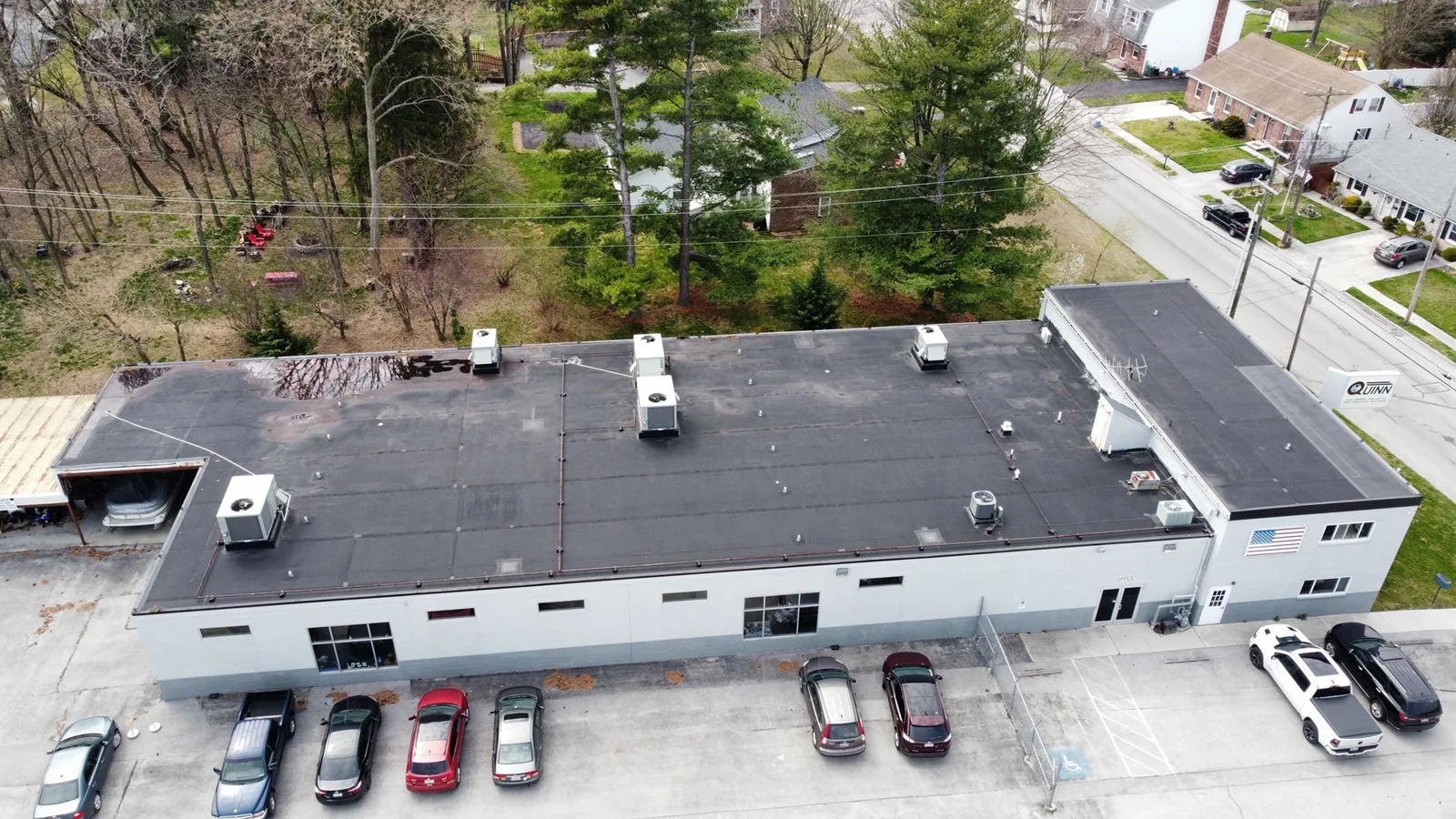
Temporary control: reduce exposure safely
The crew checks roof access, lightning or active weather, surface condition, and the stability of any loose material before entry. If a temporary cover is appropriate, we secure it without blocking a drain or redirecting runoff toward another opening. The work order states the covered zone, limit, monitoring contact, and return trigger. If no safe roof access exists, the owner identifies interior protection and a place to keep people clear.
Elgin averages 12.7 days above 90 degrees and 0.1 days above 100 in its official normals. Heat can affect safe work timing and membrane handling. Winter conditions also matter: Elgin receives about 29 inches of snow and has recurring freezes. The dispatcher checks actual weather and roof condition instead of treating a historical average as a work forecast.
A temporary measure can limit entry while testing or permanent work is arranged. It does not prove whether insulation below is wet or whether adjacent seams remain sound. We state what was inspected and what could not be reached. A storm damage service can document immediate response separately from final claim or repair decisions.
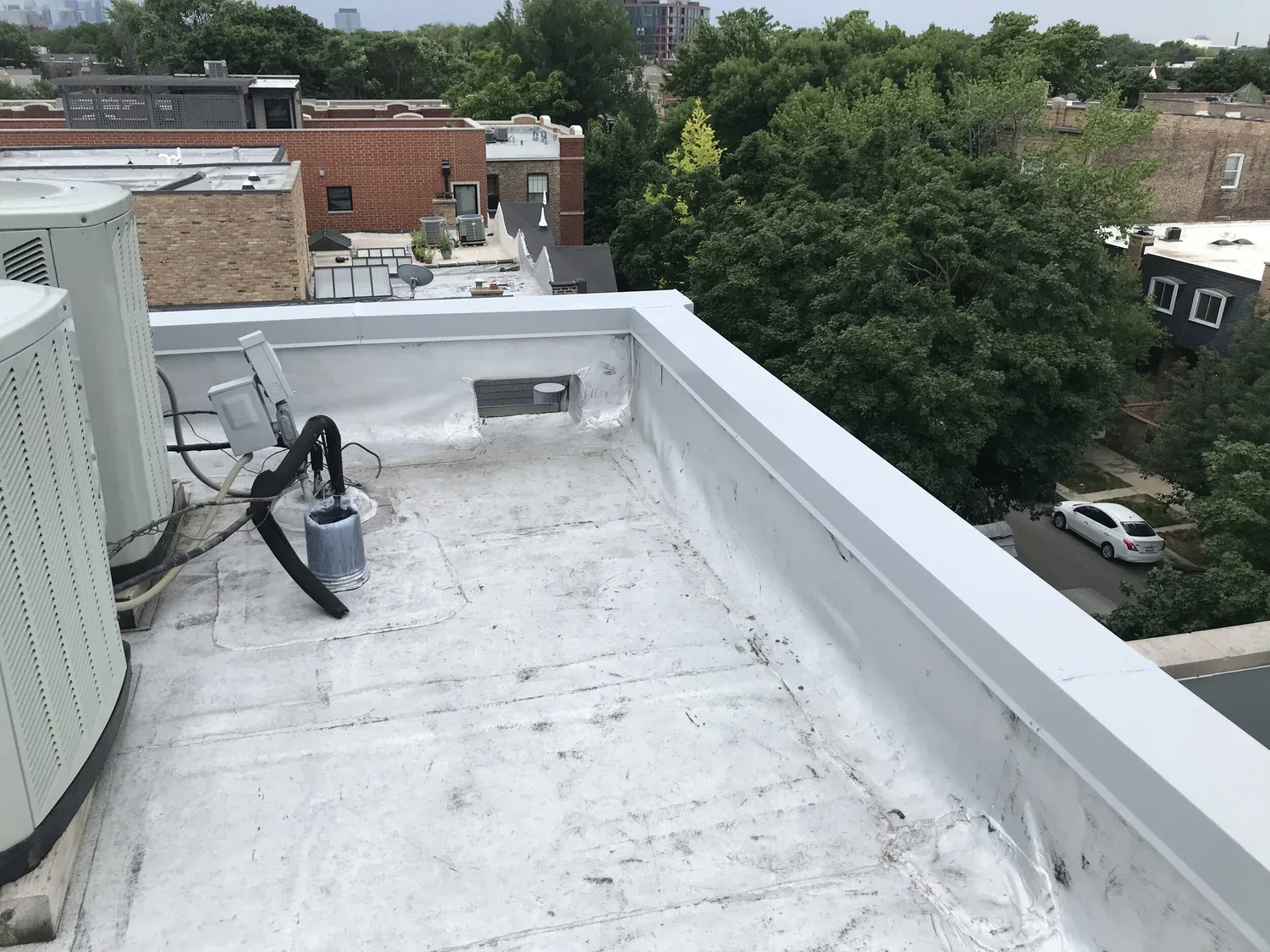
Repair options: match impact to the assembly
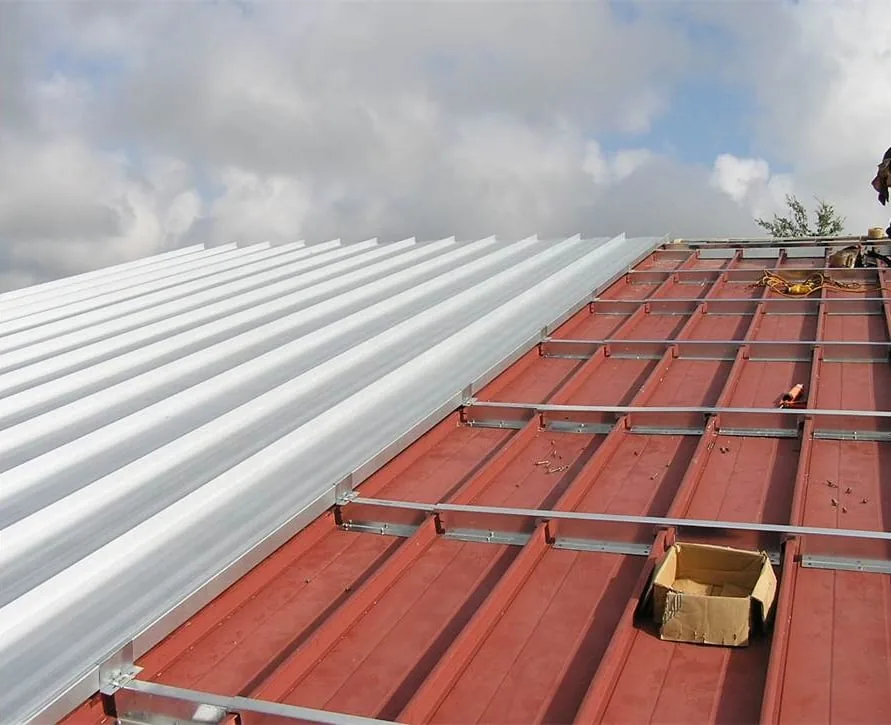
A confirmed membrane puncture may need a compatible patch on clean, sound material. A thermoplastic system requires proper surface preparation and welding; EPDM uses a different primer and cover detail. Metal-panel impact may need trim or panel work if a joint or attachment is compromised. Modified bitumen repairs can involve a cap-sheet patch or a larger ply repair. The installed system and test findings control the method.
Should an approved cut reveal wet insulation or a compromised deck, we photograph the exposed condition and hold work at that point. The owner receives the proposed added area, material, and schedule change, then decides whether the crew continues.
If impact marks are widespread, repeated, or tied to brittle material, a broader evaluation may be appropriate. We review layers, seams, drainage, insulation, attachment, and deck before recommending a larger project. A coating should not conceal a hole or failed seam. A roof condition record can support owner review, but it does not determine coverage or promise reimbursement.
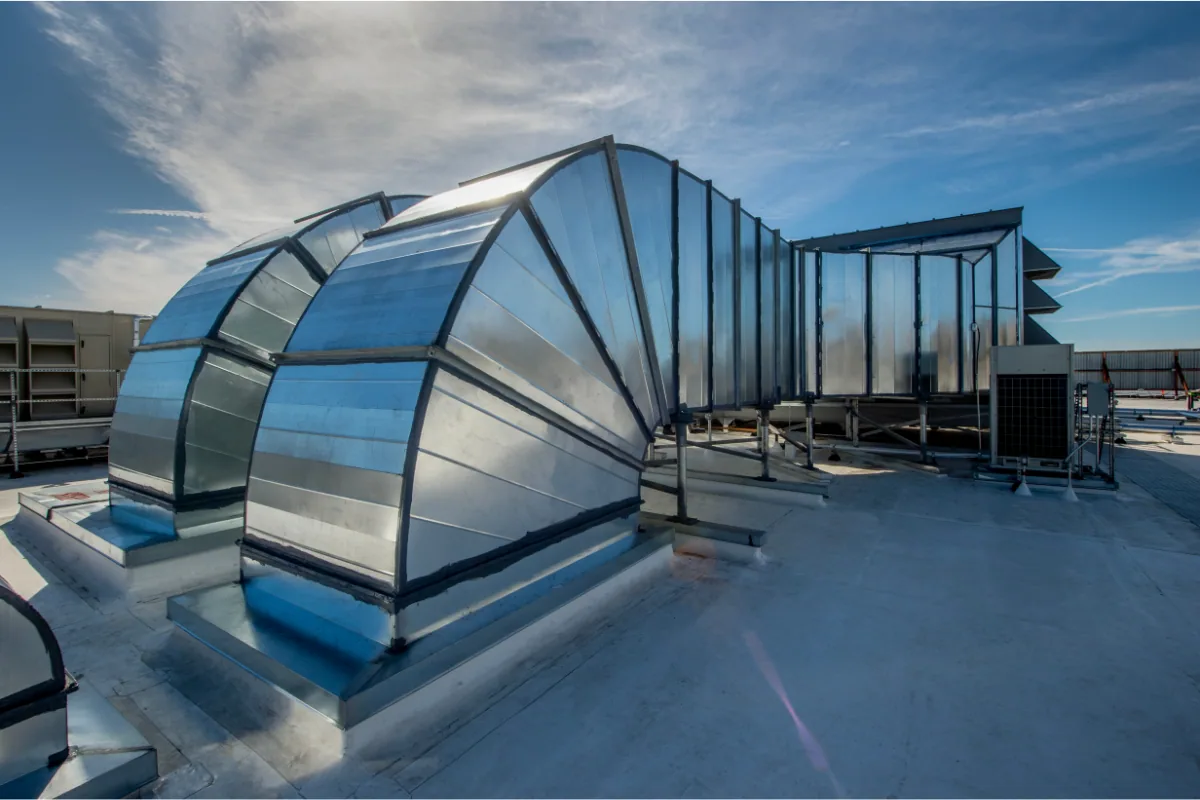
Dispatch: plan the property visit
Before dispatch, the owner provides roof access, escort instructions, operating hours, and the contact who can approve testing or repair. The manager identifies any tenant area, loading path, or equipment that cannot be interrupted. If multiple roof sections are involved, we list them in the work order and note which are priorities. Weather or surface conditions may change the sequence on arrival.
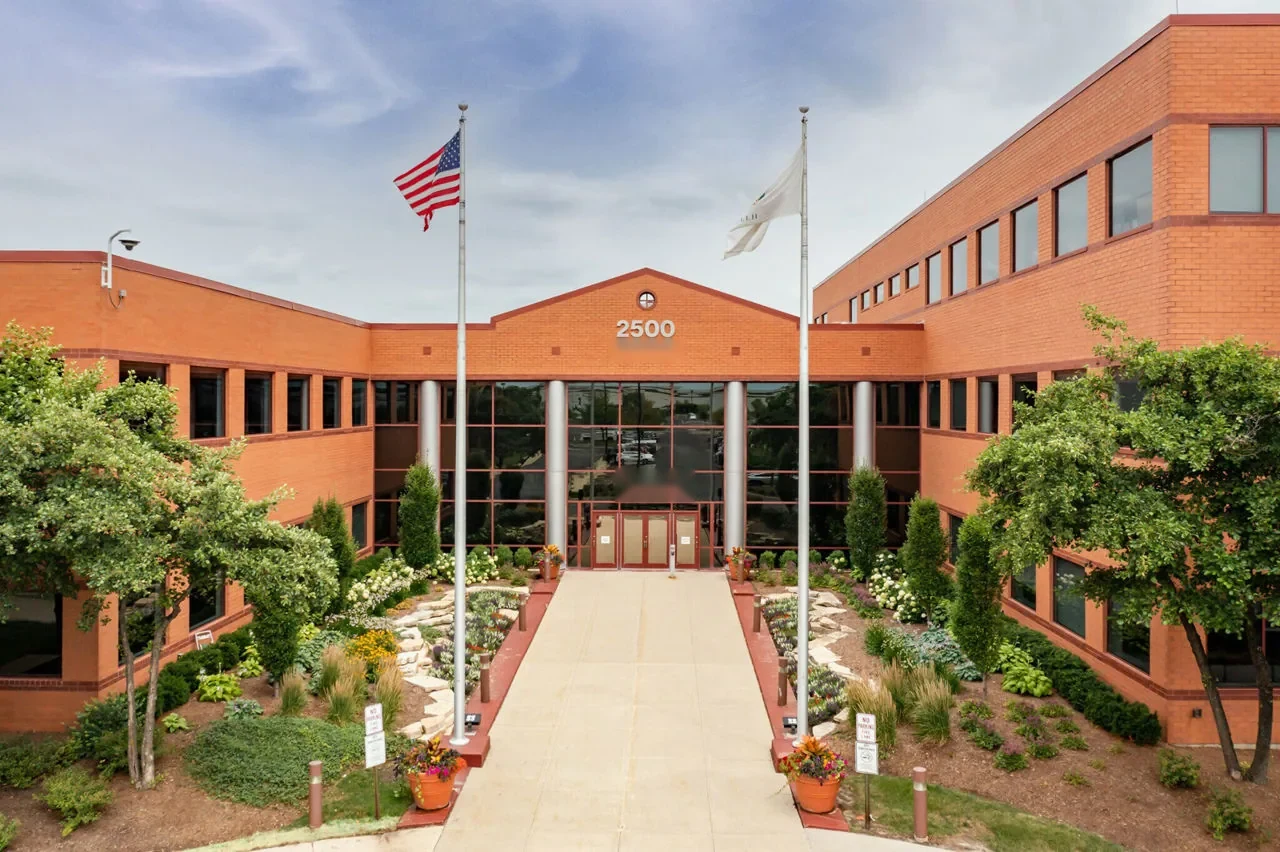
Elgin’s commercial areas include Downtown Elgin and several business and industrial parks. Those area names orient dispatch. The property contact confirms the actual gate, truck route, and staging location, then identifies any tenant, public, or equipment constraints that affect roof entry.
Downtown Elgin includes a transportation center and several historic districts. The surrounding use does not establish a roof assembly or preservation restriction for a specific property. The owner confirms any review required for the work area. We identify the roofing boundary and separate any wall, window, electrical, or interior task before the crew begins.
Closeout: keep observations tied to the date
Closeout records the event date supplied, inspection date, roof zones reached, visible findings, photos, and work performed. It notes any uninspected section or test that remains open. If a later visit follows rain, thaw, or authorized removal, that visit receives its own observations. This keeps a current repair record separate from historic weather context.
A condition report can organize photo locations and follow-up actions for a building team. Send the property, event date, roof system if known, active leak status, access contact, and affected operation when requesting service. We will confirm what can be inspected and the next approval point.
Questions About Commercial Hail Damage Roof Repair
Does the February 2024 hail record prove damage to my building?
No. It confirms hail was recorded in Elgin, not that a particular commercial property was hit or damaged. We document evidence on the roof at the address supplied.
Can hail marks be cosmetic rather than functional?
Yes. Appearance alone does not establish water entry or loss of service. We check the surface, seams, penetrations, metal transitions, and interior reports before setting a repair scope.
Should every roof area be inspected after hail?
The owner identifies the reported sections and any broader request. We document the areas reached and note access limits so the record does not imply a whole-roof review when only part was inspected.
What should I send before a hail inspection?
Provide the building, reported event date, photos, active-water status, roof records, access contact, and any operating limits. That helps dispatch select the first inspection zones.
Can hail damage be repaired before an insurance review is complete?
Emergency protection may be authorized when needed. Permanent work follows the owner’s approval and documented roof condition. The insurer or policyholder handles coverage decisions.