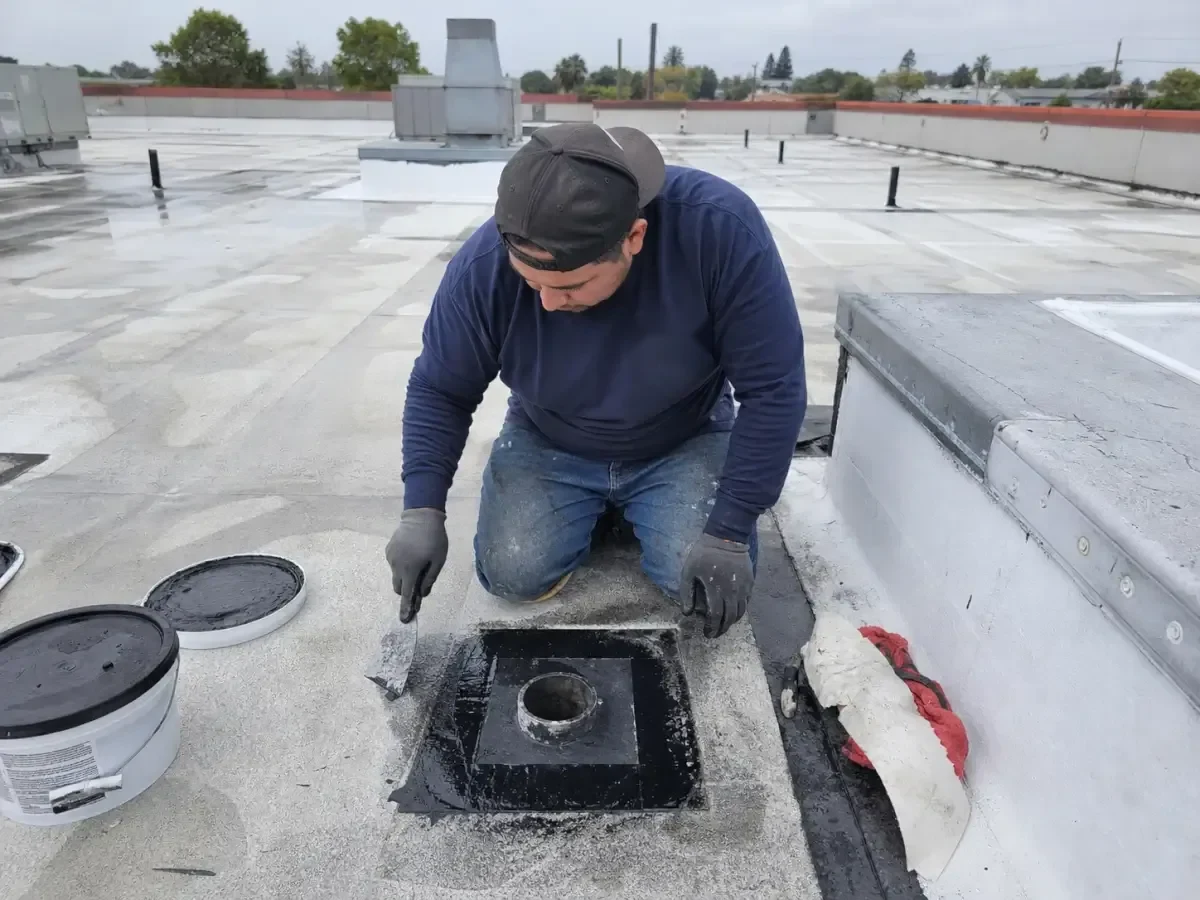
Commercial Roofing for Public Agencies in Elgin, IL

Request a public facility roof review
Provide the facility list, procurement path, roof records, access rules, public hours, and approval contact. We will define an inspection schedule.
Public Agencies
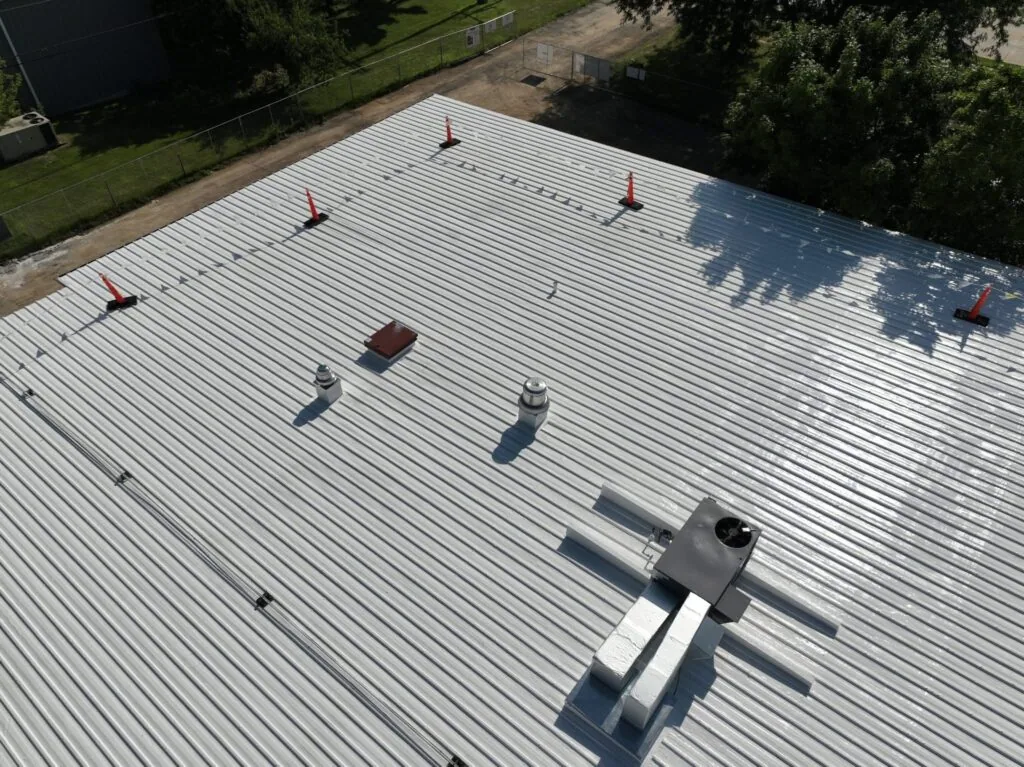
Public owners in Elgin may manage service counters, meeting rooms, garages, and maintenance buildings under different operating rules. We confirm the facility, roof section, access contact, reported condition, and approval path before inspection. Use Downtown Elgin and Randall Point Executive Center as broad dispatch references; the agency contact supplies its property entry point and security instructions.
A city or county portfolio may include service counters, offices, equipment spaces, public meeting rooms, garages, and support buildings. We identify each property and roof zone separately. A repair at one facility does not establish that another agency building has the same system or needs the same work.
Confirm purchasing and approval authority
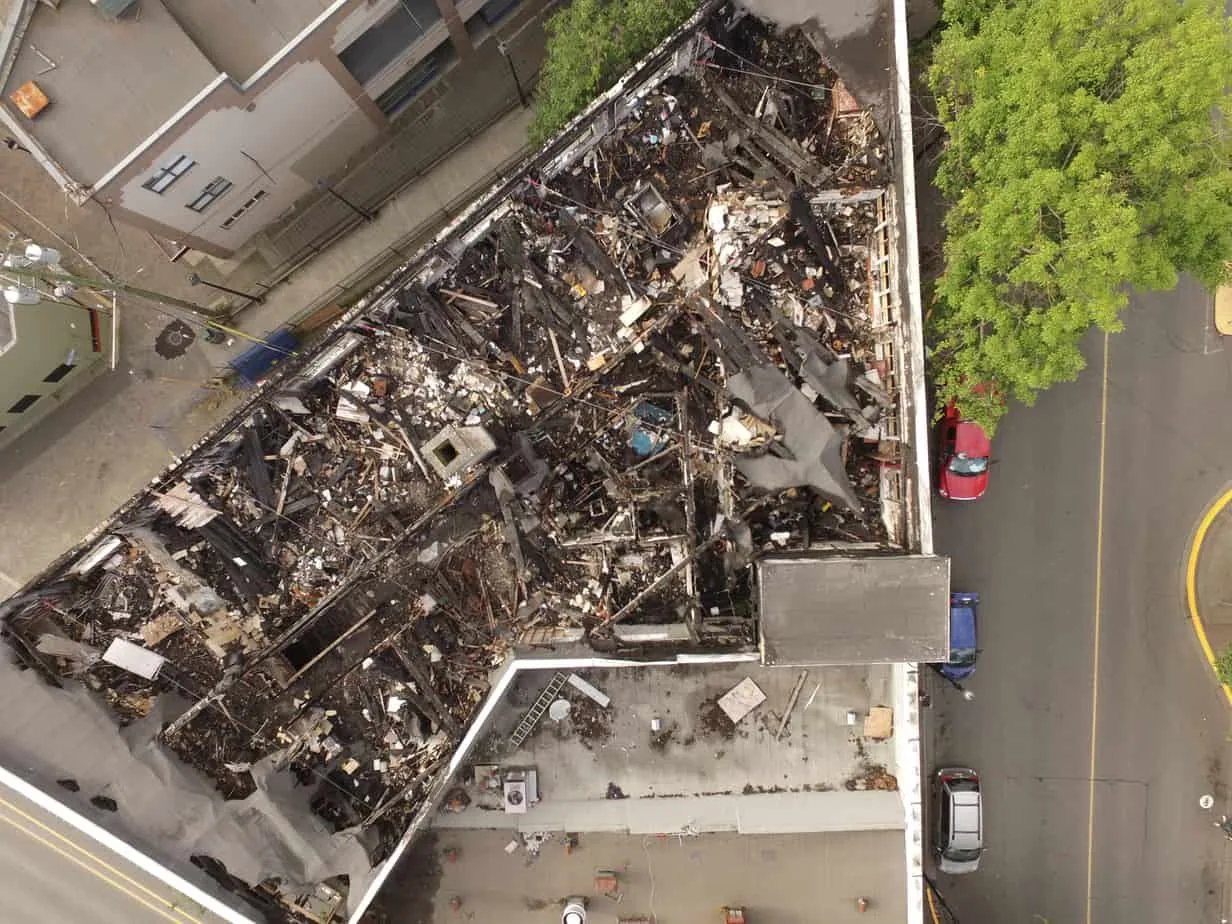
Before scheduling, the agency identifies who can request inspection, grant site access, approve an estimate, authorize change orders, and receive closeout. A department contact may coordinate keys without authority to commit public funds. We verify the procurement path and required documents before ordering material or opening a roof section.
The scope names deliverables, exclusions, price assumptions, access needs, and approval points. If concealed material changes quantity or method, the crew documents the location and pauses. The agency receives the observation, measurable amount where available, recommended response, and schedule effect before new work proceeds.
For a public building with active services, phased reroofing can sequence zones while keeping approved areas in use. The owner selects the order and manages public notices. We state likely work impacts, delivery timing, and any temporary access restriction.
Maintain public routes and essential services
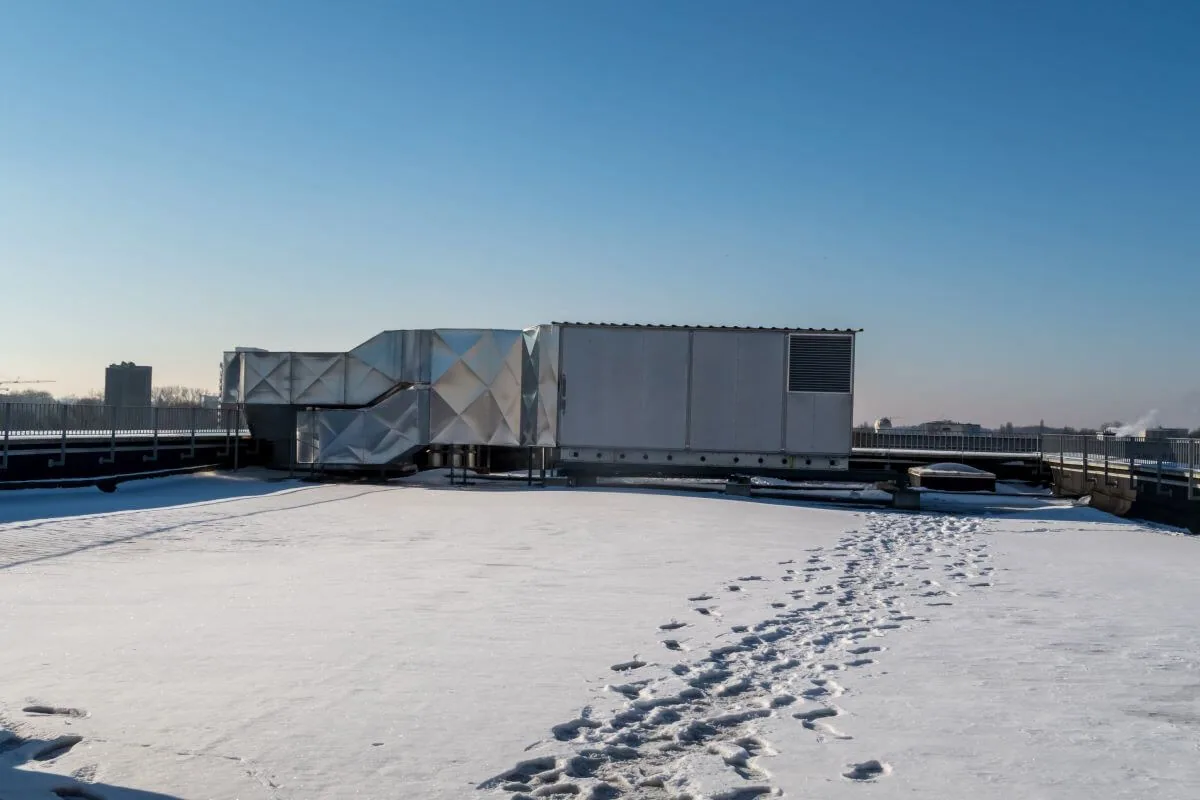
The facility lead marks public entries, accessible routes, emergency lanes, service counters, meeting areas, vehicle access, and loading points. A material truck, lift, or waste container may affect the ground-level operation. We agree on staging and any temporary detour with the agency. The public owner directs visitors and controls official signage.
Restricted spaces may include dispatch, utilities, records, IT, or secured equipment. The agency determines who may enter and whether an escort is needed. A drawing or prior work order does not authorize access to controlled areas. The crew follows the current badge, key, sign-in, and site safety requirements.
If the roof is above a public room, the scope identifies interior protection and any closure. The department contact decides whether the room can remain in service. If a meeting or service schedule changes, the supervisor secures the work area and coordinates a new window through the named agency contact.
Use the building file to define inspection limits
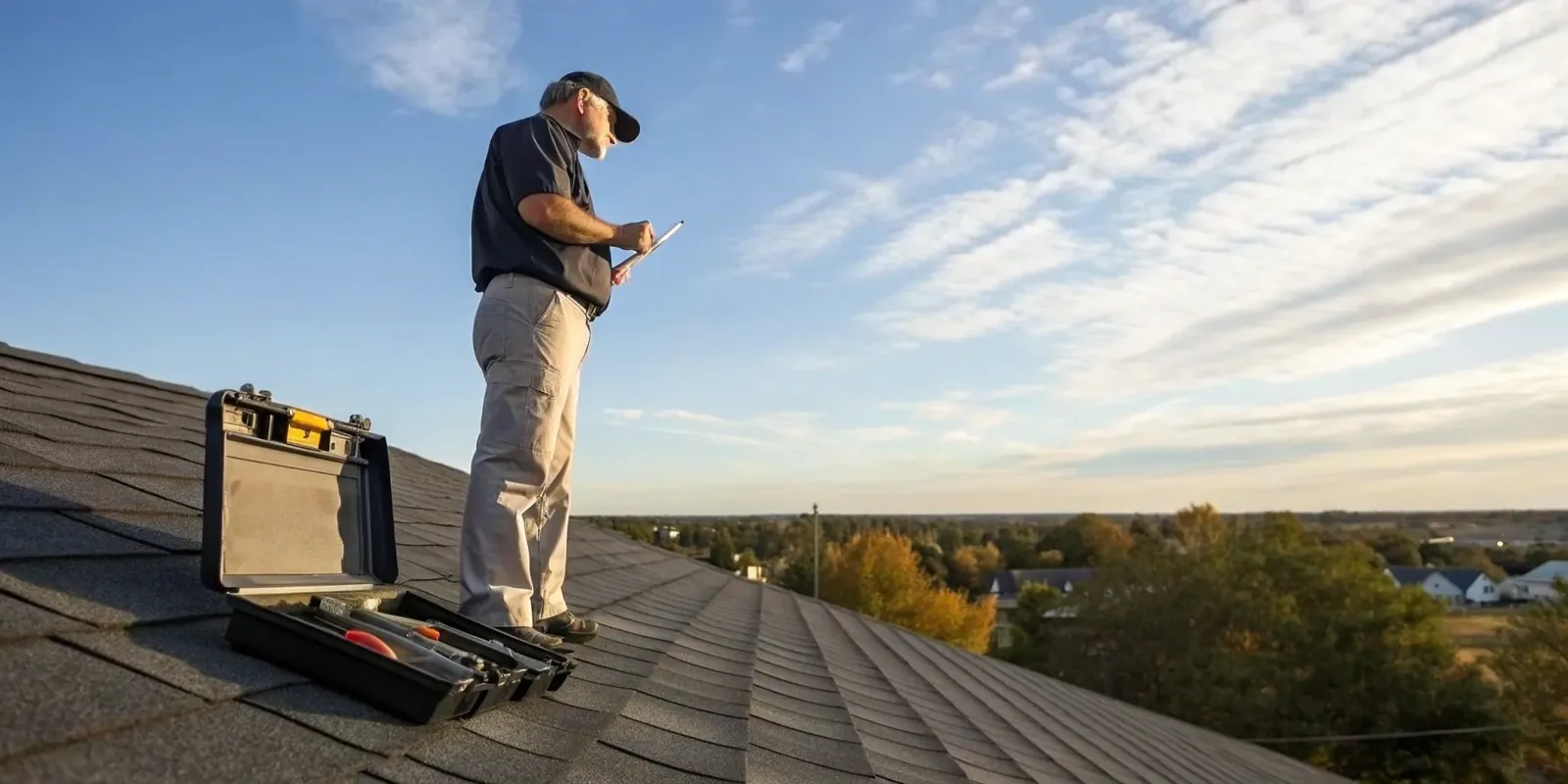
Roof plans, repair invoices, leak tickets, warranty documents, equipment schedules, and previous condition reports help establish history. We compare those records with field observations and identify any mismatch. Public facilities may have additions or projects from different years; the report describes verified sections instead of treating the whole roof as uniform.
A water report should identify the building, room, date, active status, and nearby equipment. Water may travel before appearing indoors. We check accessible seams, drains, curbs, skylights, and edge transitions and label findings by roof zone. Areas that could not be reached because of security, weather, or safety remain listed as limits.
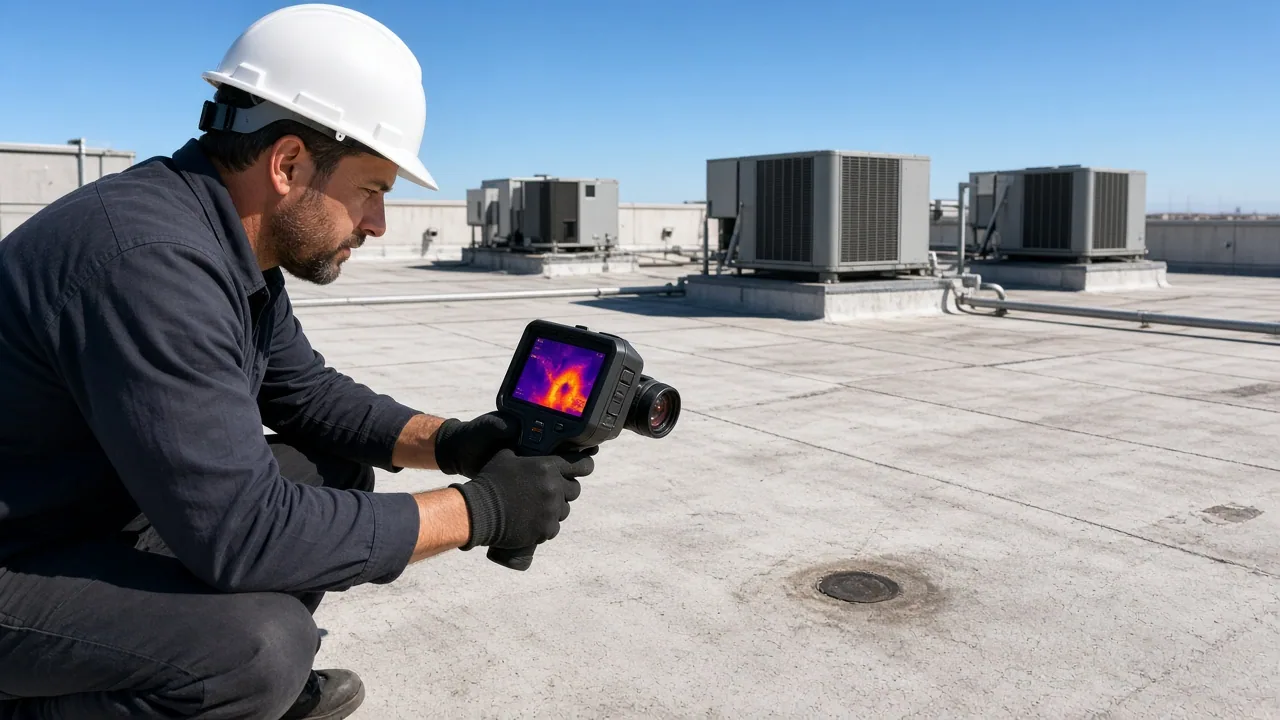
A roof inspection can establish a current baseline. A condition report can organize actions and outstanding questions. For active water, a leak investigation can focus on the reported location.
Account for Elgin weather and code requirements
Public works and facility staff should identify who can open a roof, escort a crew, and keep emergency lanes available before dispatch. The visit record names the inspected facility, access limits, and any section that must wait for safer footing. When water affects a public entrance or service counter, the department contact identifies operating hours and temporary routing. The city’s commercial corridors are useful for dispatch planning, but site-specific security and vehicle rules control arrival and staging.
For a municipal facility, confirm the approved vehicle entrance and keep fire lanes, public drop-off, and accessible paths clear. The agency contact sets the arrival instructions and any escort requirement. The work order records those directions for the specific visit; a regional map cannot replace facility approval.
The agency’s facilities and procurement teams can identify which department coordinates building review and inspection records. Our bid states the proposed roof assembly and limits so the authorized public representative can route it through the required process.
Separate storm response from long-term repair
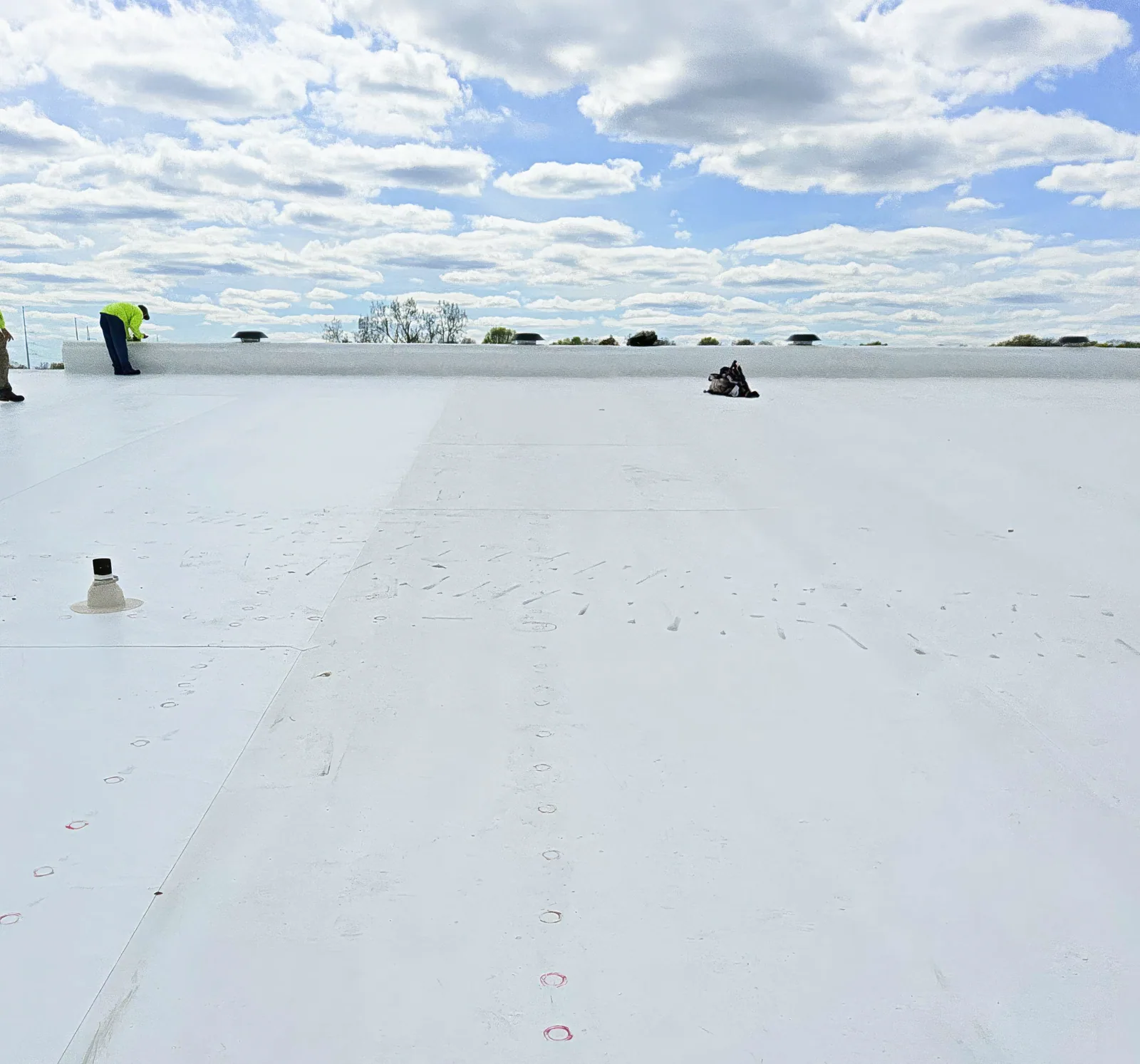
For a storm-related request, the agency can preserve the reported date, initial photographs, and any immediate protection record alongside the contractor’s inspection findings. We describe visible conditions by roof zone and distinguish them from areas that could not be reached. If temporary protection is requested, its limits and monitoring contact belong in the work order. That record supports the agency’s review process without deciding cause, responsibility, or coverage.
If active water is present, temporary cover may be a separate first step. The scope names the protected zone, duration, and remaining exposure. Permanent repair follows the inspected condition and owner approval. A claim or event report does not replace a roof assessment or establish a cause at an individual property.
For documented storm concerns, an event assessment can prioritize safe protection. If the work requires public-route control, the agency identifies the contact who can approve barriers and communicate closures.
Connect facilities, procurement, and contractors
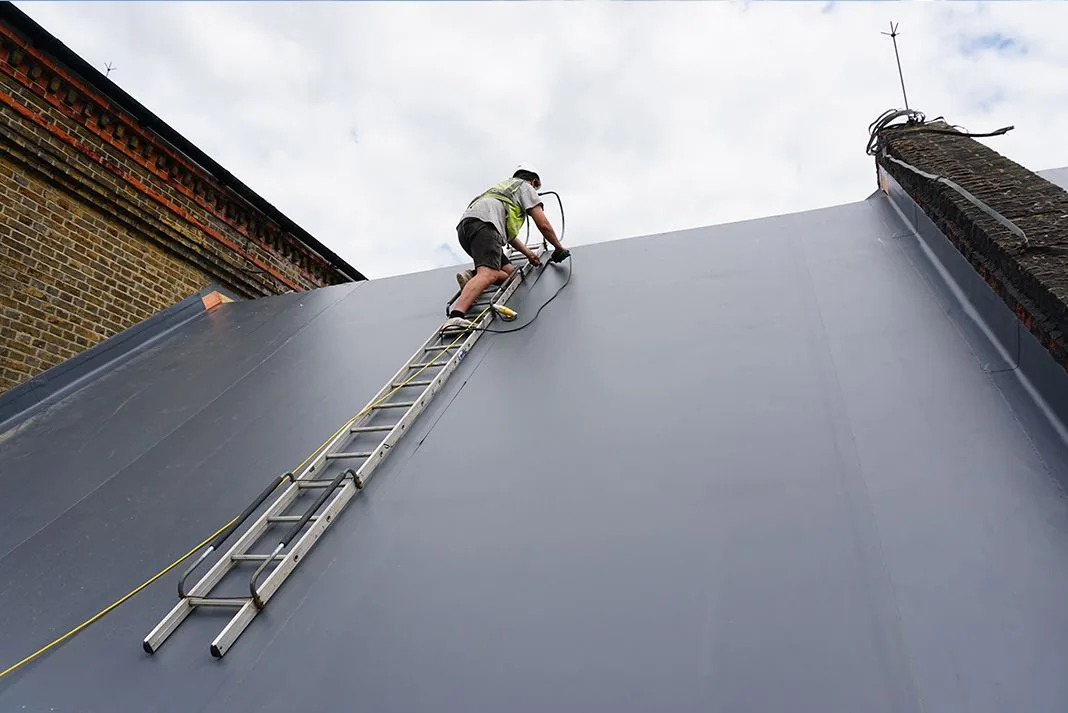
Public works, facilities, procurement, risk, department leadership, and outside engineers may all touch one roof project. The startup list names the person who approves scope, the person who releases the site, and the contact who receives daily updates. A field request does not replace the agency’s formal approval process.
Rooftop HVAC, exhaust, antennas, or electrical systems may need a specialist. The estimate states what is included at the roof interface and who is responsible for isolation and restart. If another trade must work first, the sequence is documented before mobilization.
For school assets, district coordination has its own calendar and student controls. For project delivery, general contractor coordination should identify the roofing scope, submittal path, and authority for change. Each agency retains its own procurement terms.
Provide a record ready for public asset files
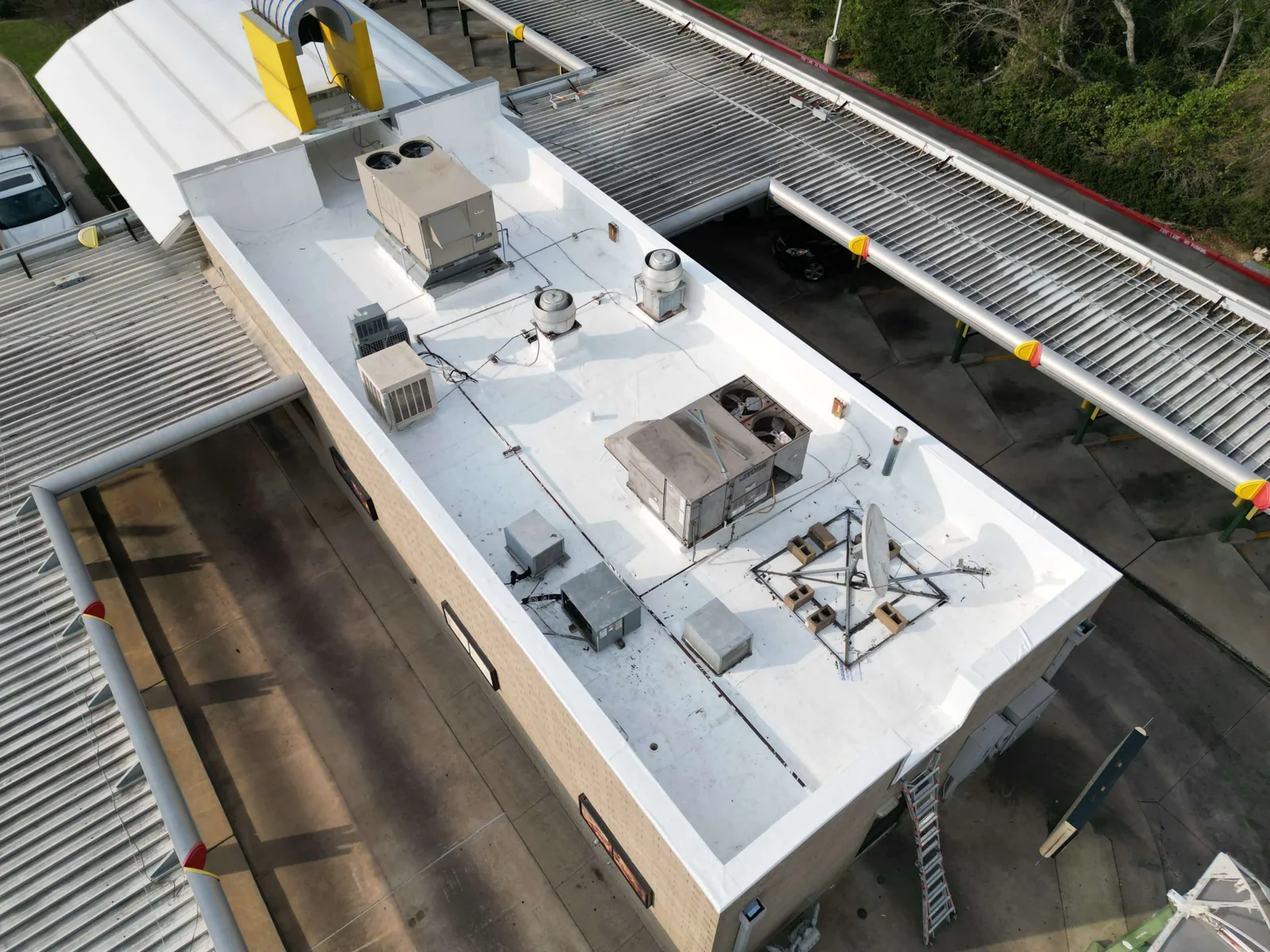
Closeout names the facility, roof zone, work completed, photos, materials where verified, open observations, and recommended follow-up. It identifies any temporary protection still in place and who owns that next step. The agency receives the record through its approved channel and can attach it to the building file.
For a review, send the facility list, roof plans, leak reports, access rules, equipment schedule, procurement documents, and authorized representative. Note public hours, security limits, and dates when service cannot be interrupted. We will confirm inspection boundaries and any proposed test before work.
A building-level record helps future staff distinguish completed work from unresolved items. If a new leak appears, log its date and room separately. A prior inspection does not confirm a new condition in another roof section.
Questions About Public Agencies
Can public services continue during roof repairs?
Often, with approved staging, protected routes, and a defined schedule. The agency decides which rooms and service counters must remain available.
Who can authorize a change to the roofing scope?
The agency’s designated representative approves changes under its procurement process. Crews document concealed conditions and wait for direction.
What documents should an agency provide before inspection?
Send roof plans, prior scopes, leak tickets, warranty records, equipment schedules, access rules, procurement contacts, and facility hours.
Can a program cover several public facilities?
Yes. The agency supplies an access list and schedule. Findings and closeout stay identified by property and roof zone.
Does a regional hail event prove a public building was damaged?
No. The event does not establish property impact. The inspection documents visible conditions at the facility.