Commercial Cool Roof Installation in Elgin, IL
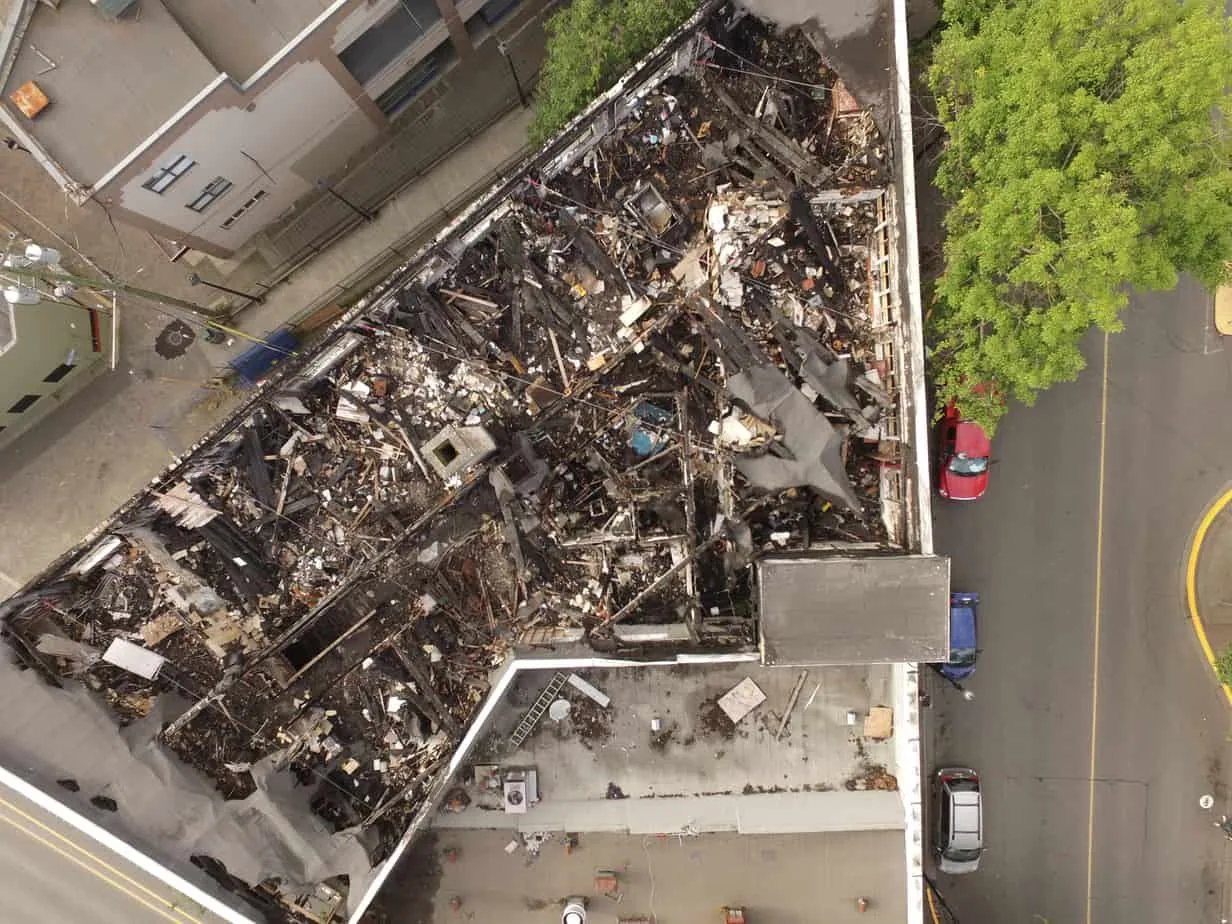
Evaluate a reflective roof option
Share roof records, energy goals, utility history, HVAC schedule, leak reports, and access rules. We will inspect the assembly and define viable system choices.
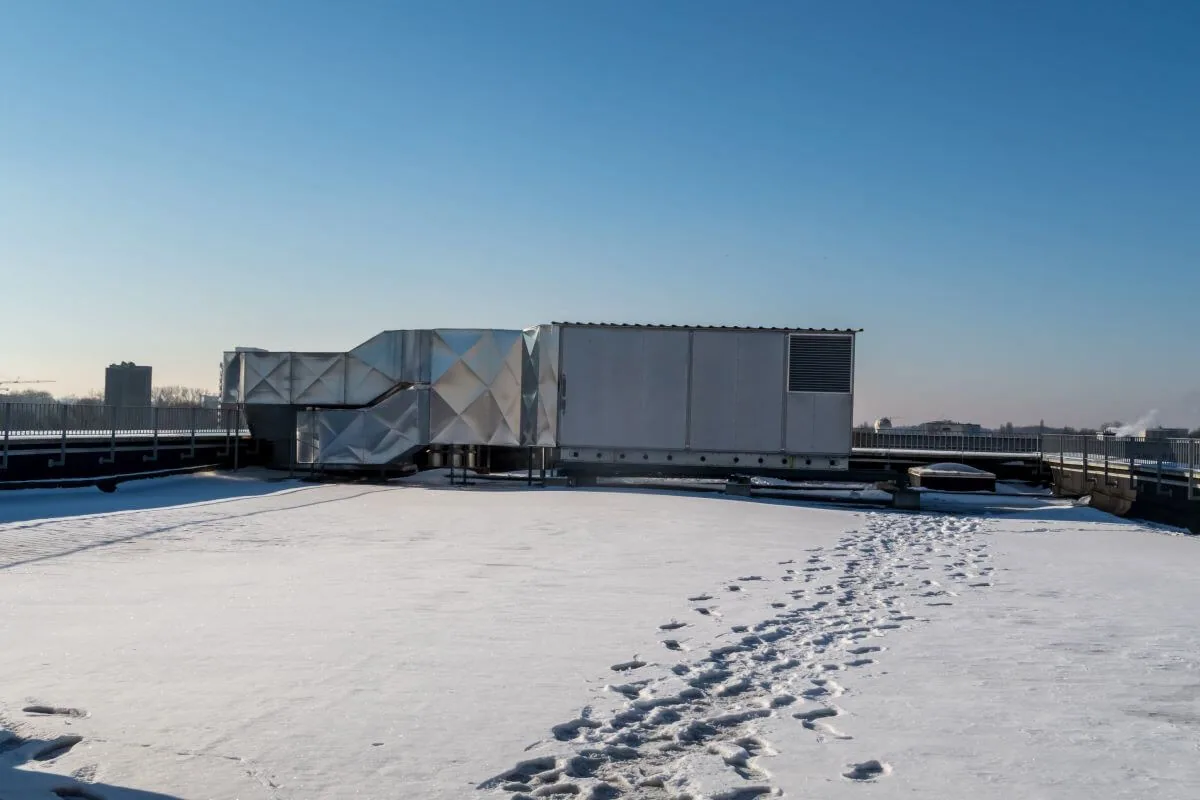
Commercial Cool Roof Installation
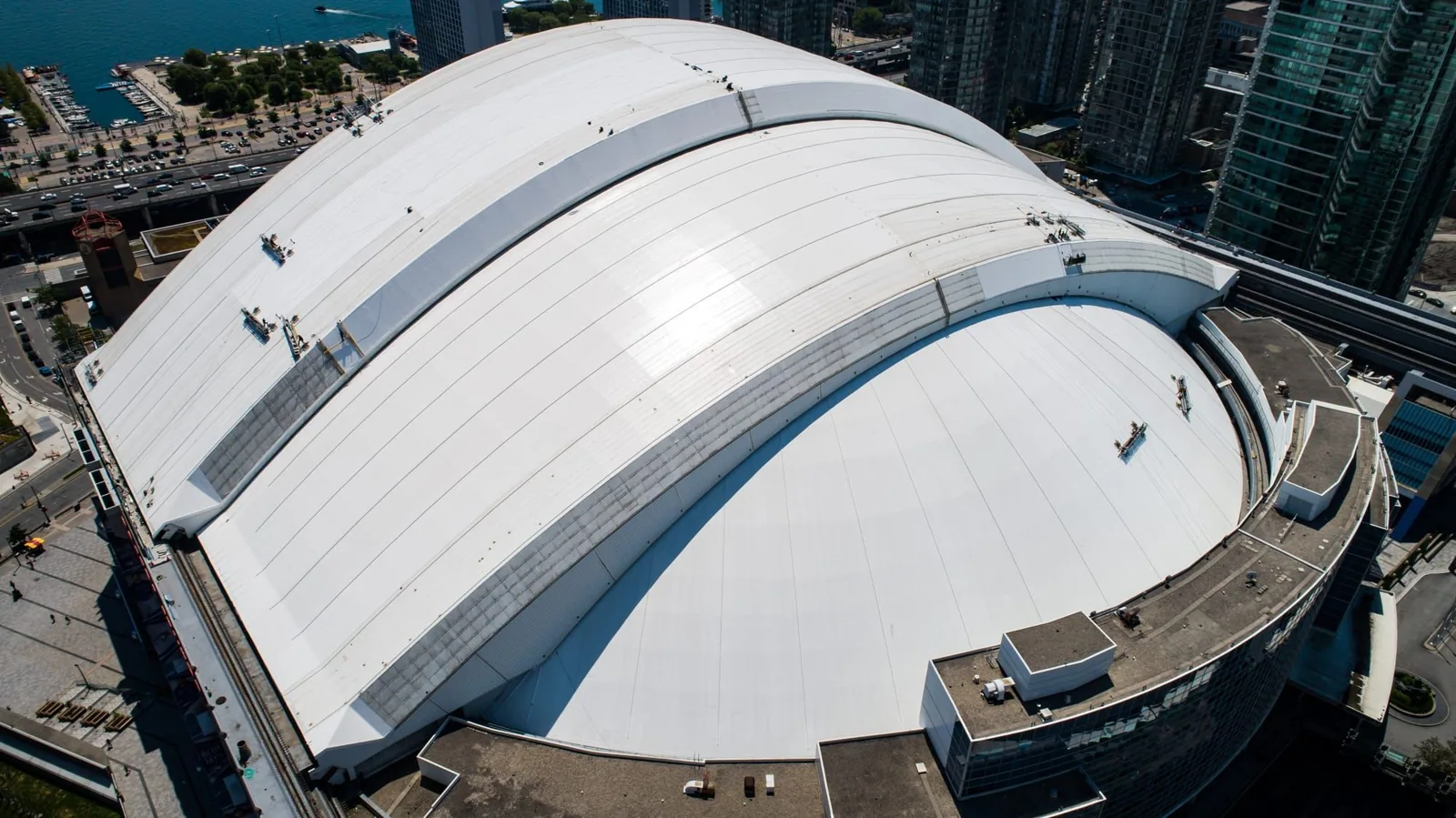
A reflective roof is a system choice, not a paint color. We check the existing assembly, insulation, drainage, rooftop equipment, and owner’s performance goal before recommending a cool-roof approach. Elgin records about 12.7 days above 90°F in a typical year, so hot-weather planning matters. That climate fact does not predict a building’s energy savings. We describe the proposed surface and assembly, then leave savings estimates to project-specific energy analysis.
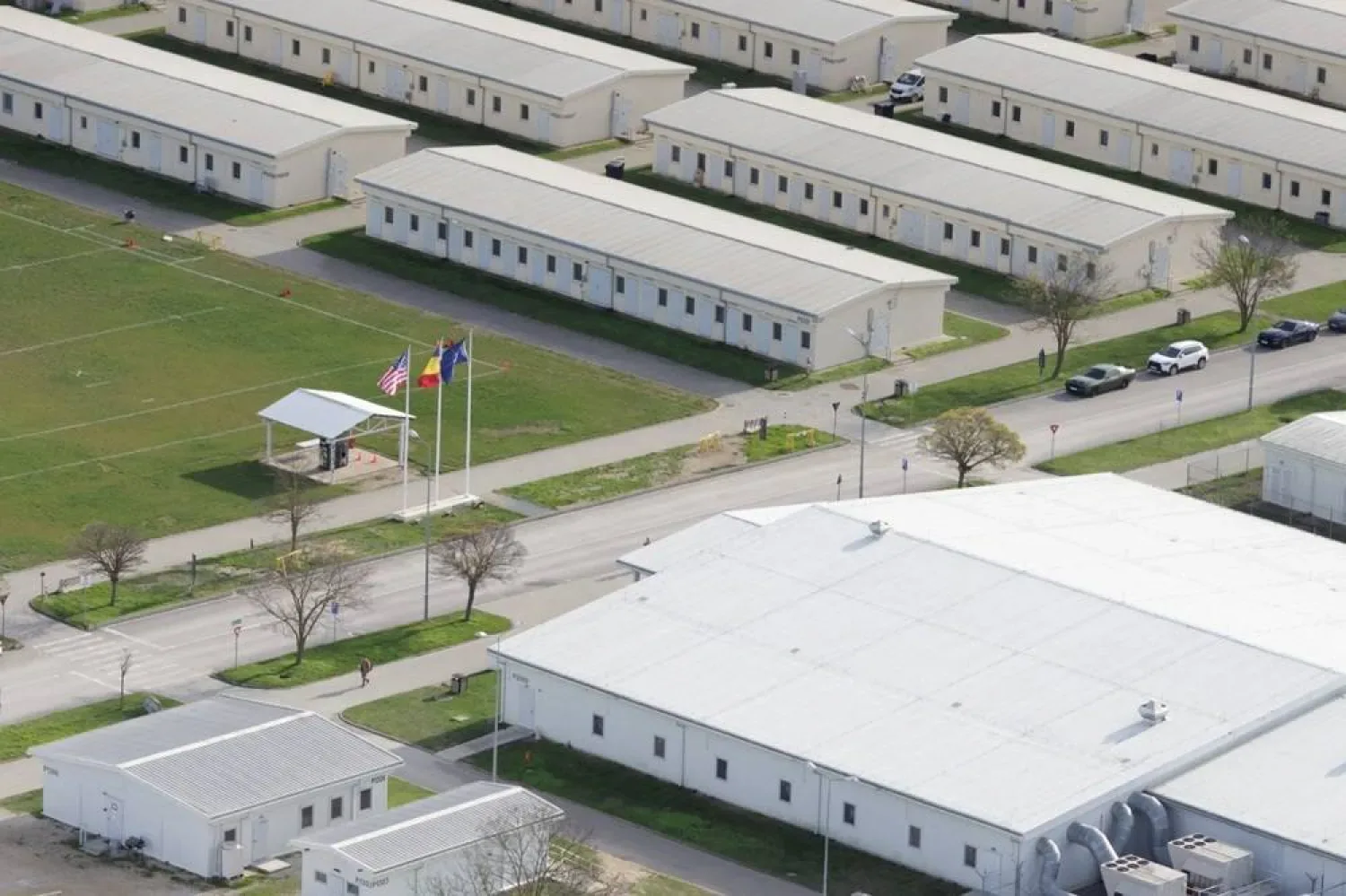
Set the target: identify the problem to solve
Owners may ask about roof temperature, cooling load, comfort below the deck, equipment exposure, or a planned reroof. Those goals require different evidence. We ask for utility history, building schedules, insulation records, and any energy study the owner has. A reflective surface can alter solar absorption, but it cannot repair wet insulation, correct an air leak, or replace a failing membrane.
Elgin’s commercial areas include Northwest Corporate Park and the Fox Bluff Corporate Center. Building uses and operating hours vary across each area. We verify the property’s roof type, conditioned space, equipment, and cooling strategy. A general local-weather figure helps frame the discussion; it cannot substitute for metered energy use or a building model.
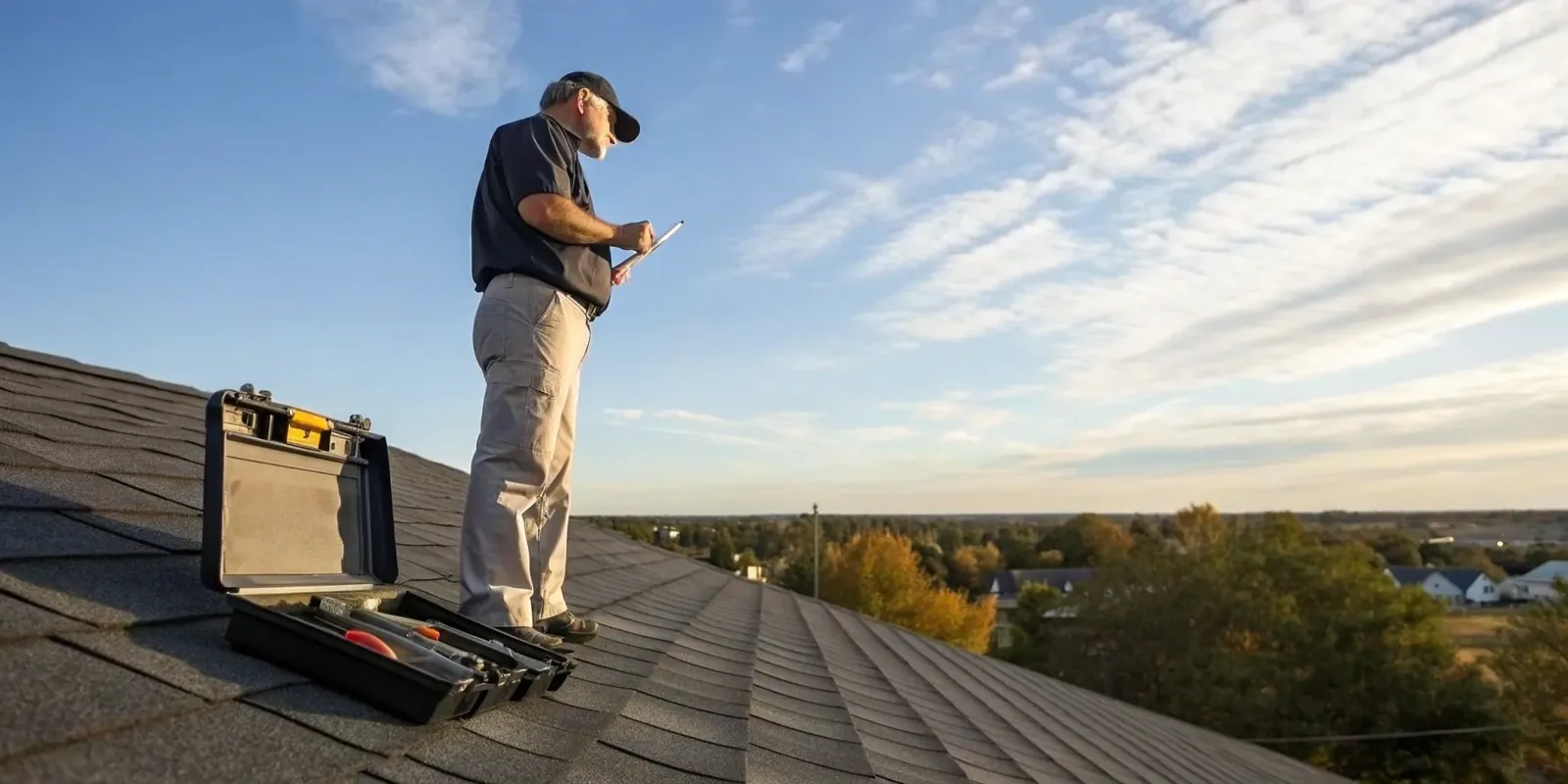
When the roof has active leaks or uncertain layers, begin with a condition inspection. The field report can identify whether restoration, recover, or replacement is a better starting point than a reflective finish.
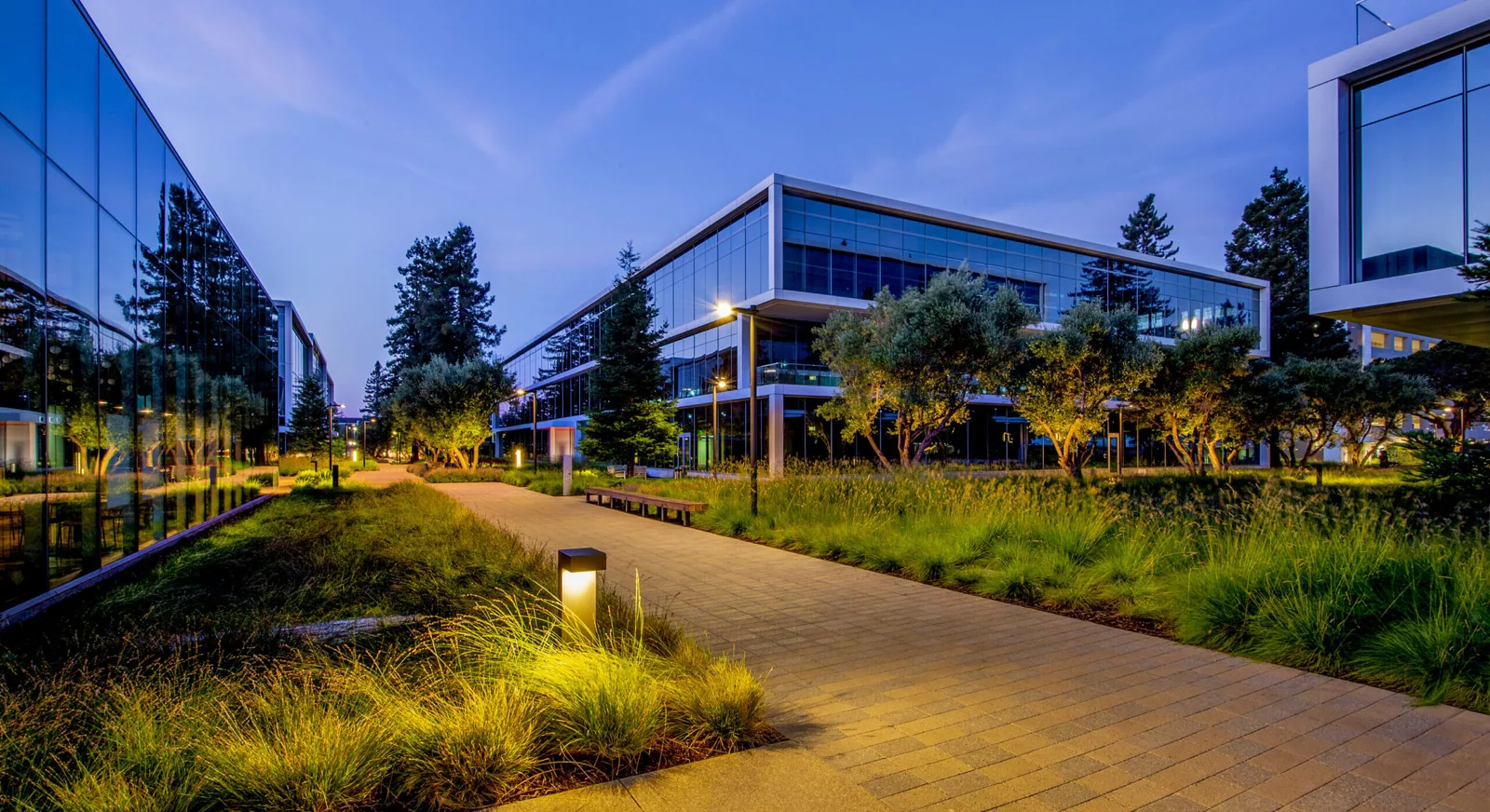
Compare systems: coating, membrane or replacement
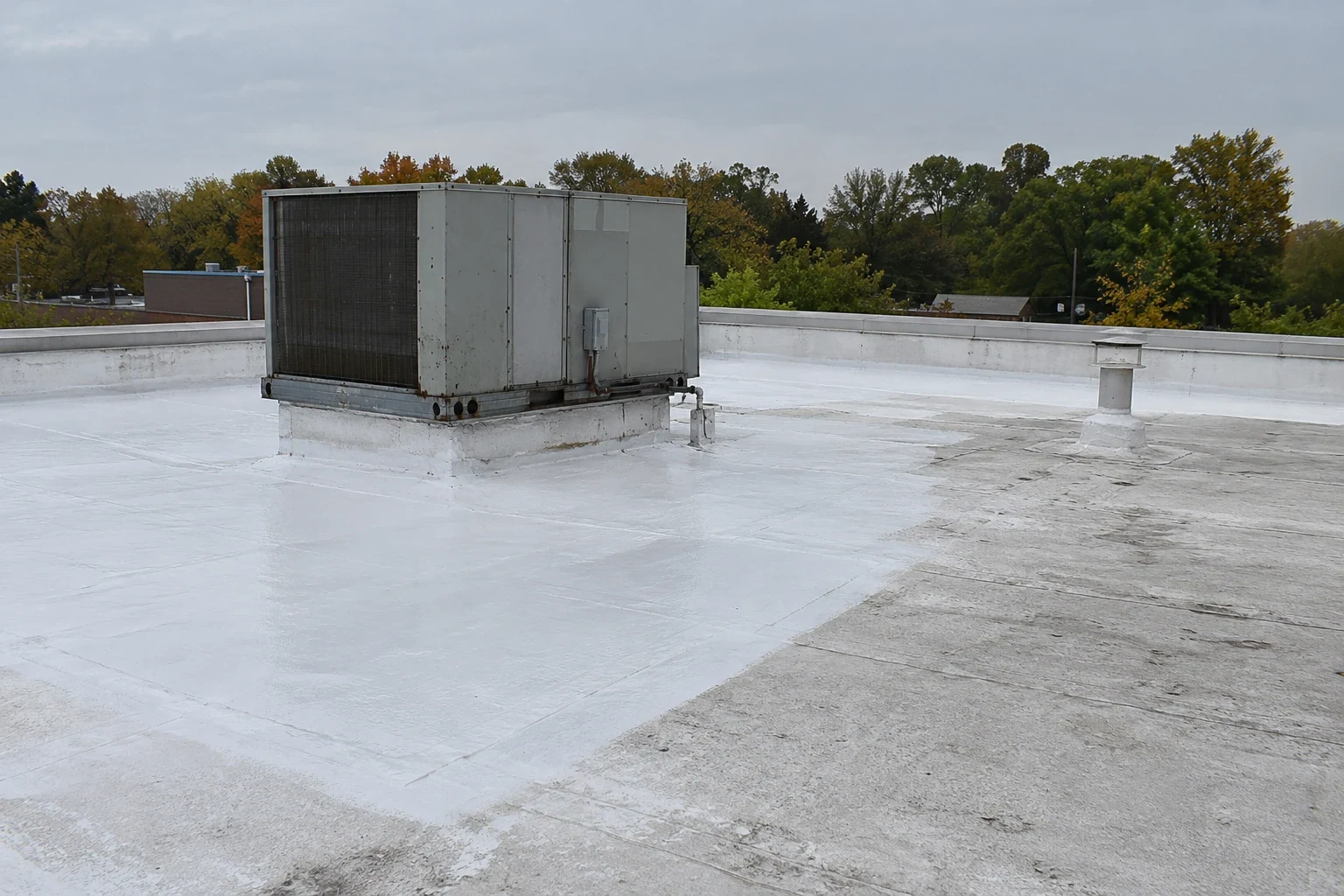
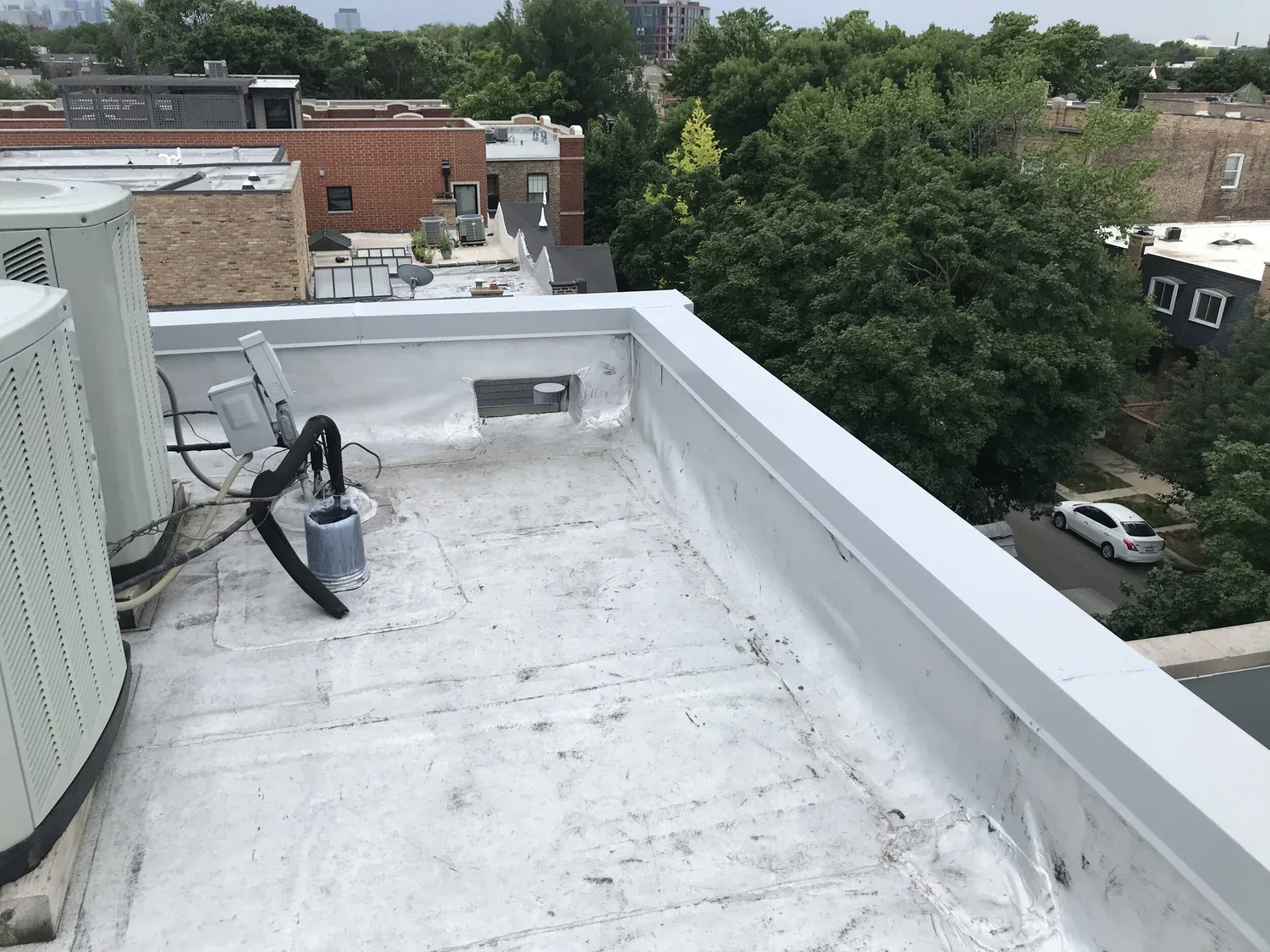
Reflective options may include a compatible coating over a sound roof or a new membrane assembly with a reflective surface. Each has separate preparation, warranty, drainage, and maintenance requirements. We confirm the existing substrate, adhesion, moisture, laps, flashings, and penetrations. A product’s marketing label does not prove that it is suitable for the roof in front of us.
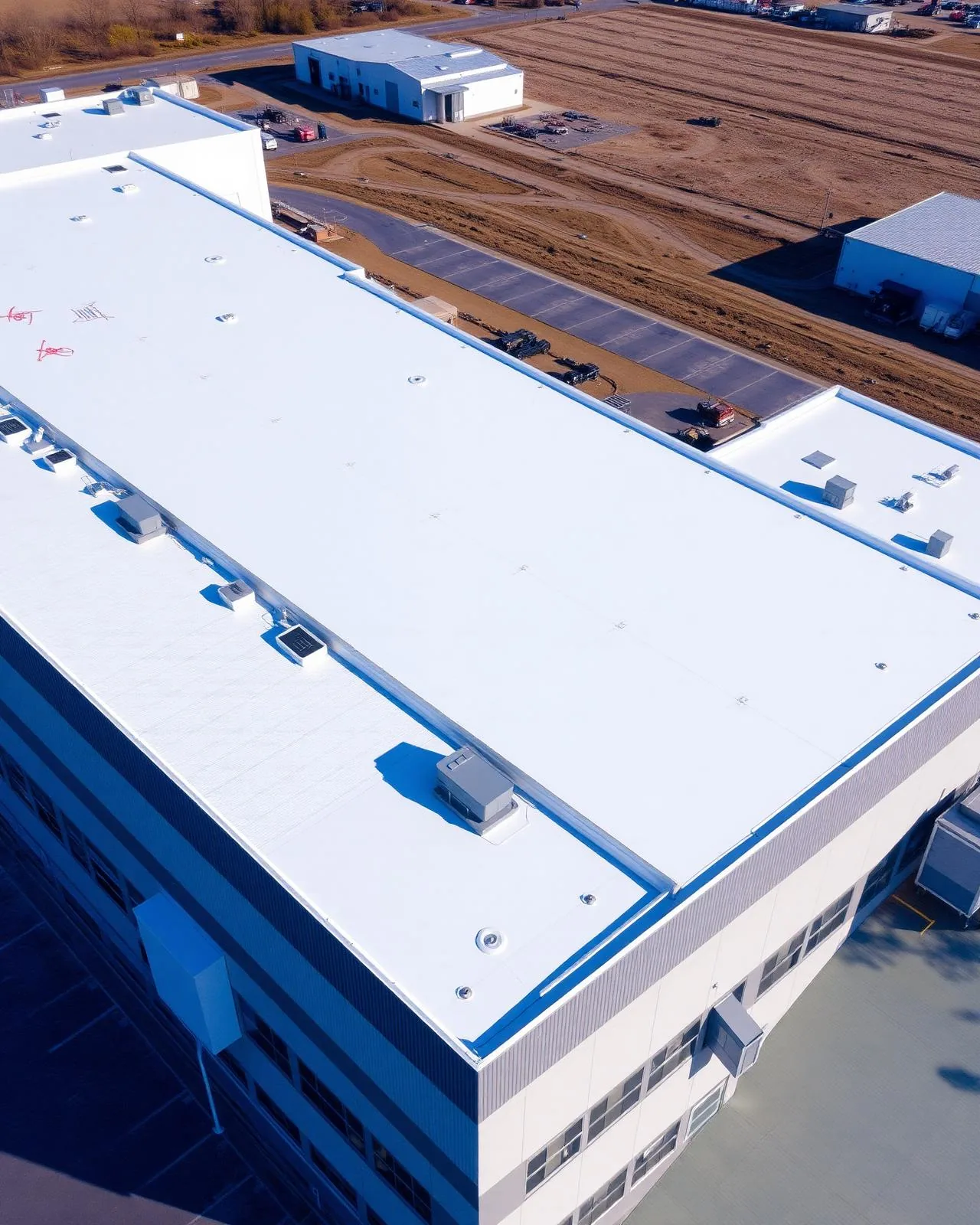
White TPO or PVC membranes can provide a reflective surface when installed as part of an approved assembly. Coatings use different chemistries and need a prepared substrate. A coating restoration review determines whether the existing roof can support that option. An alternative PVC assembly may be considered when the owner’s use, chemical exposure, and manufacturer details support it.
We compare scope boundaries in writing. The owner sees preparation, insulation work, edge details, drains, curbs, and excluded conditions. If tear-off is needed, we state how the building remains protected each day. If recover is proposed, we verify the number and condition of existing layers before adding material.
Performance: connect roof properties to measured outcomes
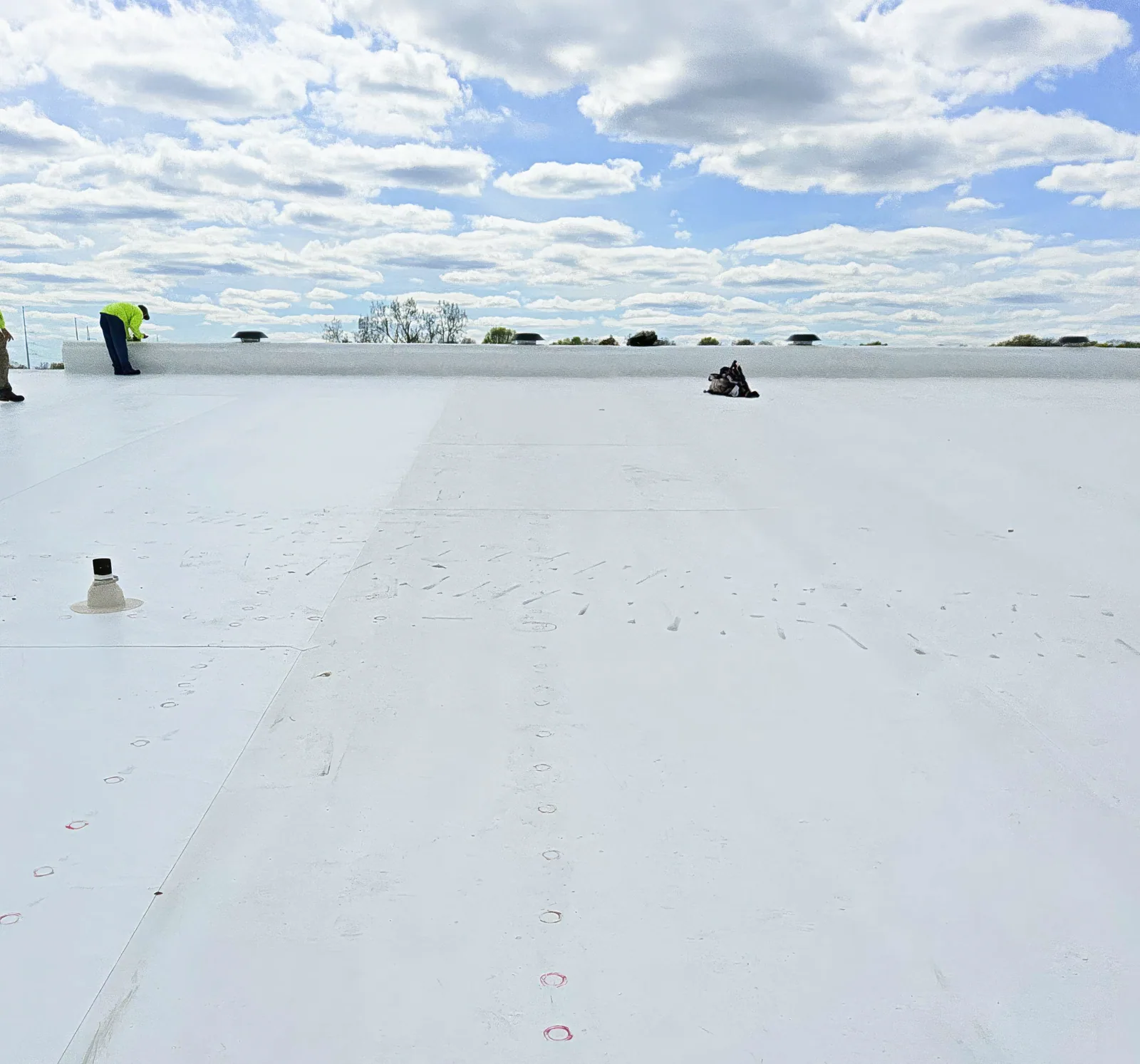
Solar reflectance and thermal emittance describe surface behavior. They do not establish a specific reduction in utility cost. The result depends on insulation, HVAC efficiency, interior schedules, climate, roof area, and other building features. We can provide product data for the selected assembly. Elgin averages 12.7 days above 90°F each year. The hottest day still varies, and a roof’s measured surface temperature depends on sun, wind, moisture, and construction. A normal-year statistic cannot establish a building-specific payback period. The owner can compare a proposed system against invoices and operating data with an energy professional.
Reflective materials may also change rooftop maintenance conditions. Glare, surface dirt, foot traffic, and equipment shadows should be considered. We identify service paths and areas likely to receive repeated access. A capital-planning review can place roof work alongside HVAC replacement or insulation upgrades.
Installation plan: prepare details before field work
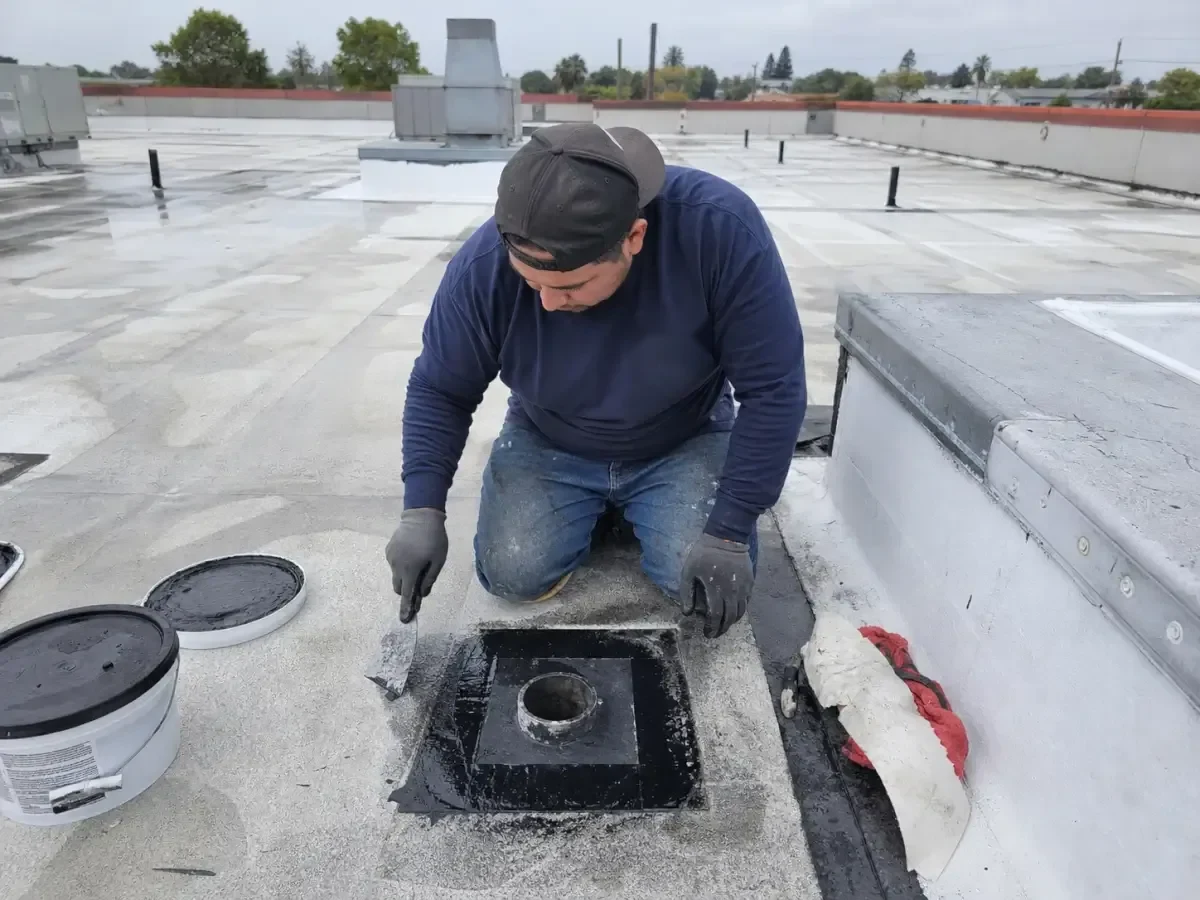
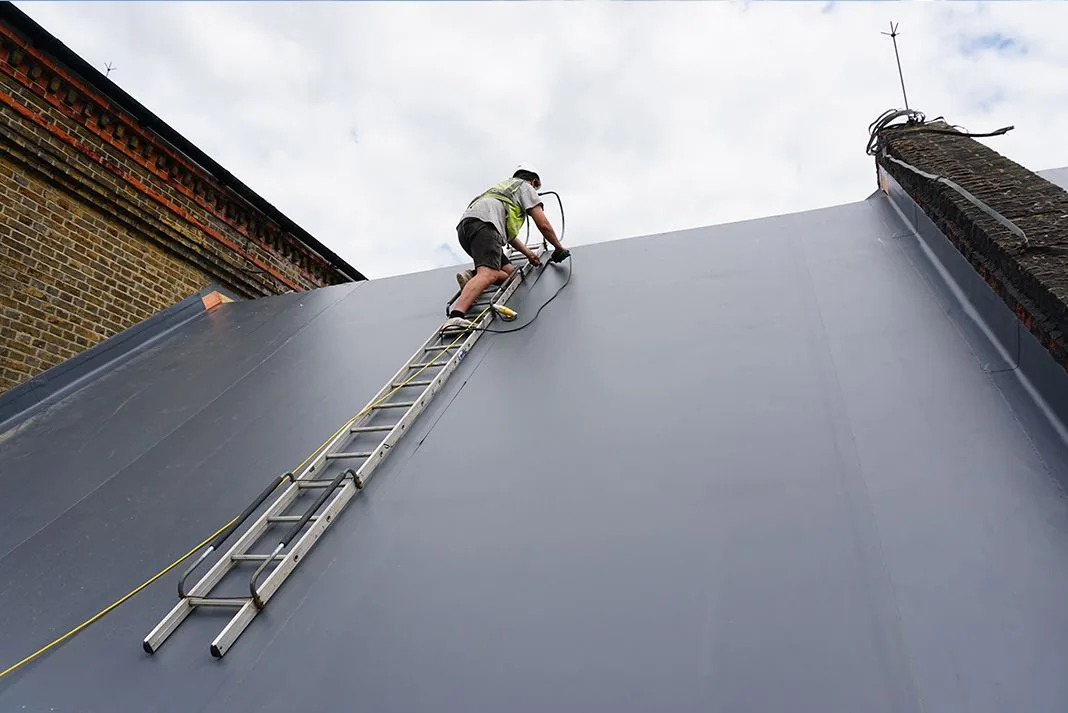
Before mobilization, we identify the work area, staging, roof-entry route, occupied zones, and weather window. Surface preparation must match the selected membrane or coating. The crew removes incompatible material, repairs approved defects, and checks that substrate conditions meet installation limits. If rain, dew, or temperature falls outside those limits, we hold work rather than trap moisture beneath a new layer.
Elgin’s summer heat averages more than a dozen days above 90°F. We schedule work sections, hydration, and material handling around actual rooftop conditions. Product and worker safety limits control each day. The owner receives the next update if heat, wind, or rain changes the sequence.
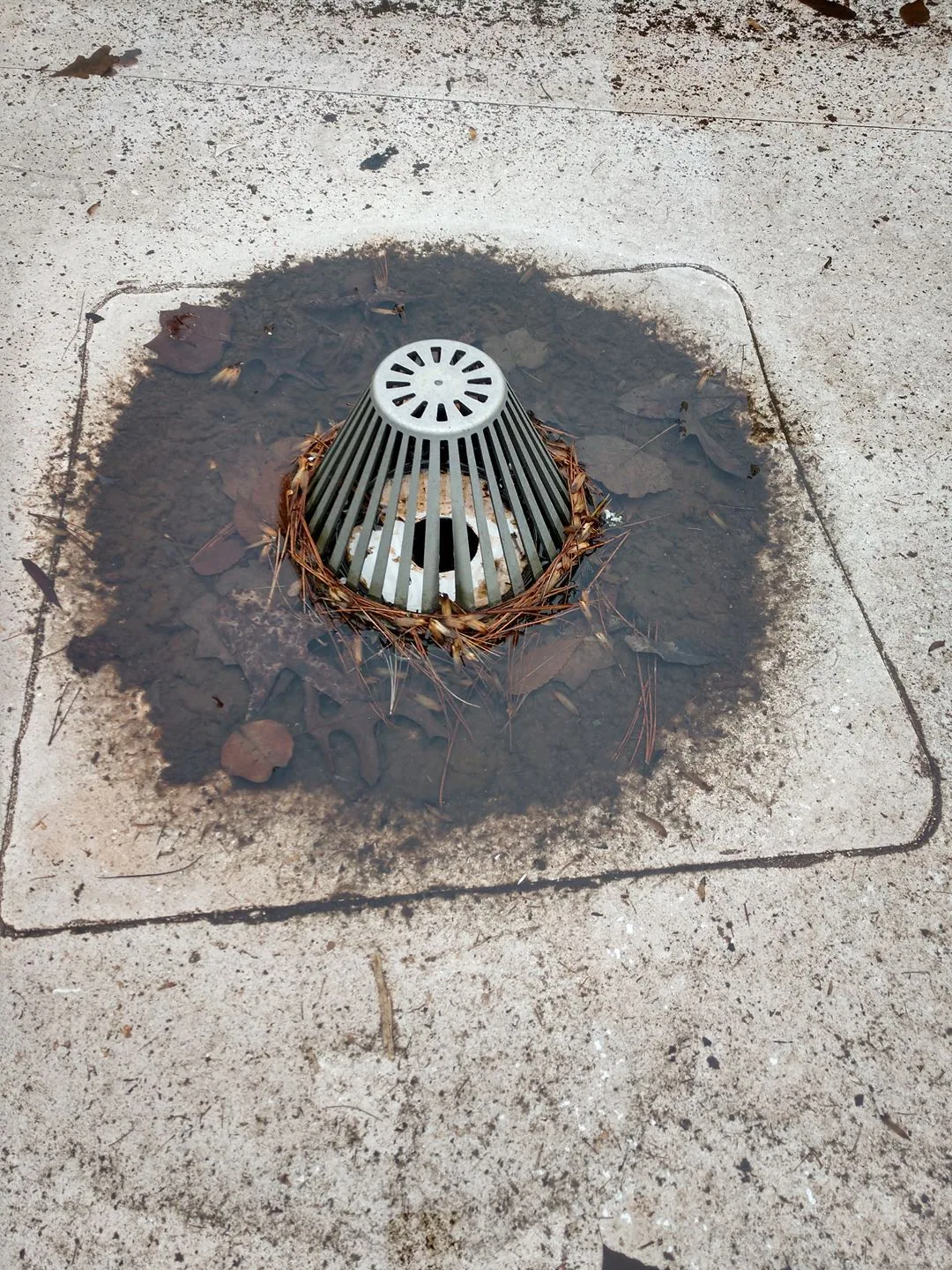
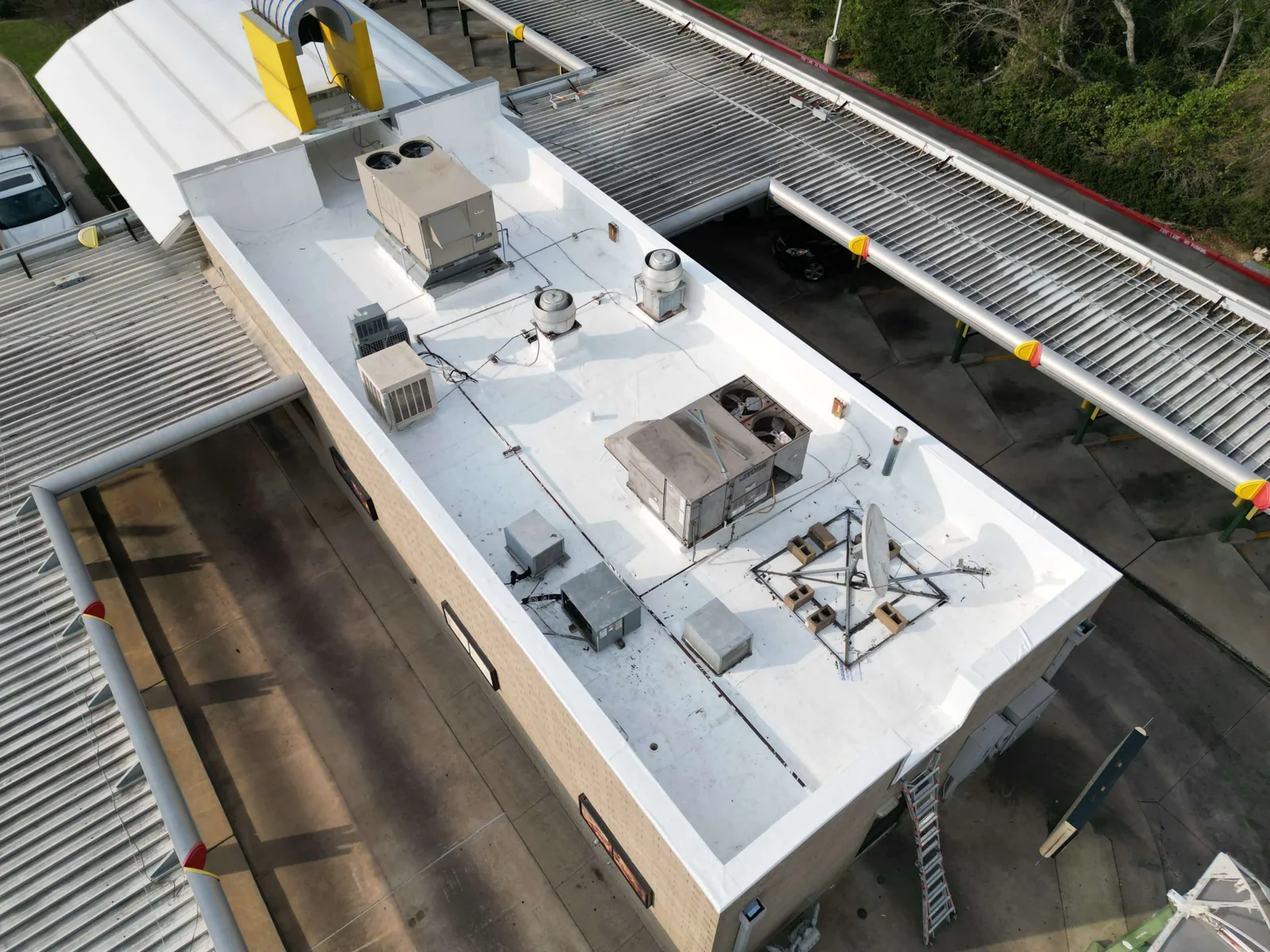
Details carry much of the long-term risk. We inspect drains, skylights, curbs, parapets, expansion joints, and perimeter metal. A roof-edge review can align reflective field work with edge terminations. A drainage inspection confirms that the surface still directs water toward working outlets.
Code and procurement: confirm project requirements
The City of Elgin applies the 2021 International Building Code with local amendments and lists the 2024 Illinois Energy Conservation Code with state amendments for commercial and industrial work. The design team should confirm which provisions, permits, and product approvals apply to the project. We provide roofing submittals and assembly information but do not make an energy-code determination from a color or product sheet.
Before purchasing material, the owner should settle the system, warranty terms, maintenance needs, and any sustainability or procurement target. We match requested specifications to documented product data. Current program rules must confirm any tax credit, certification, or utility incentive for the specific project.
At Randall Crossing Business Park, site traffic and building operations may influence delivery. Across other sites, loading access and storage differ. We verify each logistics plan with the property contact instead of extrapolating from the business park.
Proposal: keep system and savings claims separate
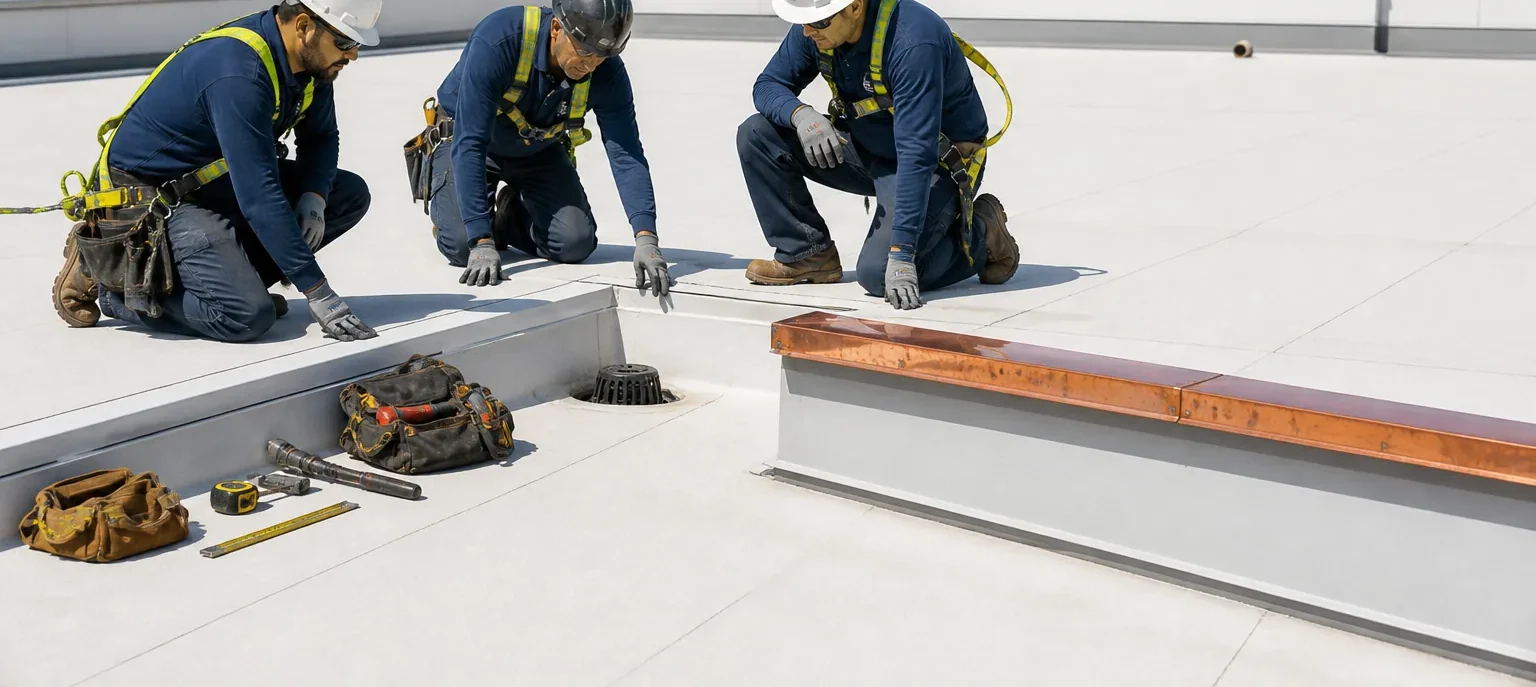
The proposal names the roof system, surface preparation, repairs, insulation or cover board, drainage details, application limits, and exclusions. It lists manufacturer information and warranty steps when known. If test results are needed before a final price, the estimate identifies the test and who approves it. The owner can compare options without confusing a reflective finish with a full energy retrofit.
Where a roof remains sound but surface performance is the main goal, a coating may be appropriate after testing. Where the membrane or insulation has failed, a new assembly may be the more durable path. A replacement scope can set out that alternative, including phasing and open-roof protection. These options are priced separately so the owner can assess cost and scope.
We document any claim about reflectance, emissivity, or warranty with the applicable product data. We do not transfer a manufacturer’s laboratory rating into a building-level savings promise. The owner’s energy decision remains tied to verified records and measured operating conditions.
Closeout: document materials and maintenance
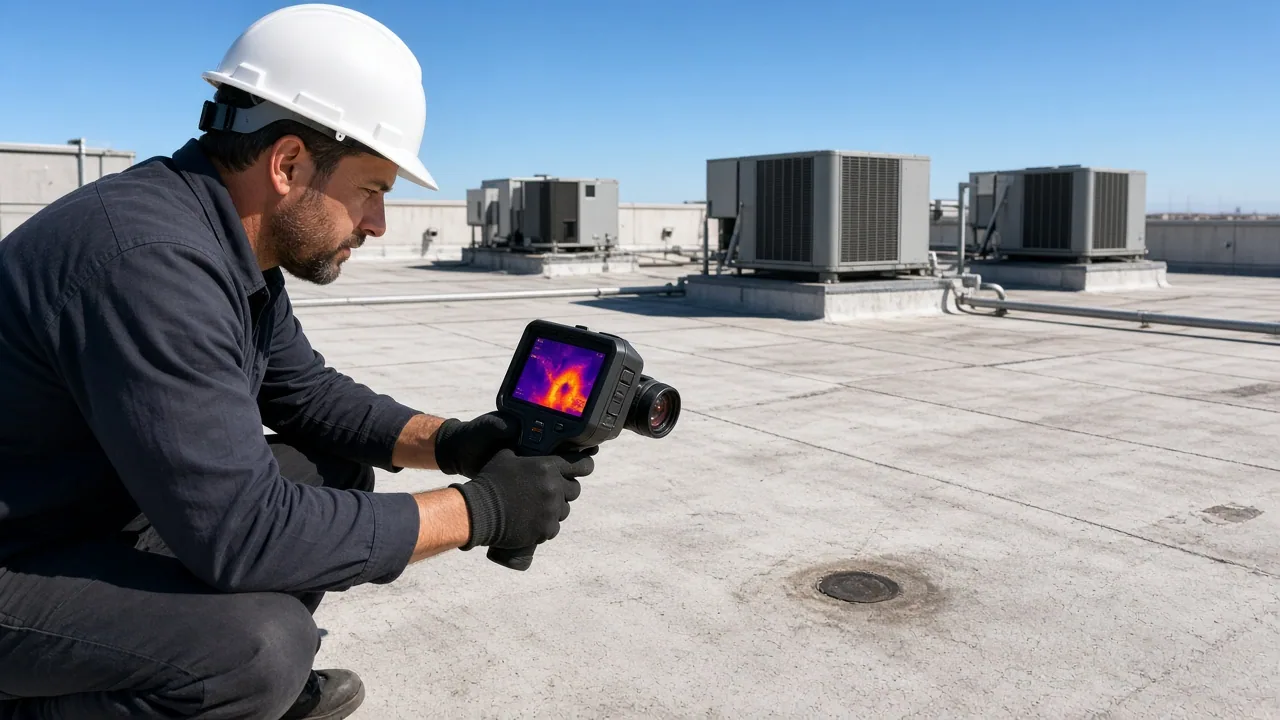
At completion, we provide available product data, approved assembly records, photos of the finished roof, and a list of areas excluded. We note maintenance access paths and any care instructions from the manufacturer. If the building owner plans to track energy use, the roof completion date can be compared with later bills, but weather and operations also affect those results.
Share the roof plans, leak history, utility or energy study, HVAC schedule, access rules, and project target. For a building near Downtown Elgin, include delivery and pedestrian constraints. We will confirm the inspection boundary and whether system testing or design input is needed. The recommendation stays focused on a compatible roof assembly and a measurable owner goal.
Questions About Commercial Cool Roof Installation
Will a cool roof lower my energy bill by a specific amount?
We cannot promise a savings figure from the roof surface alone. Insulation, HVAC, occupancy, schedules, and weather all affect use. A project-specific energy analysis can estimate potential outcomes.
Can a reflective coating go over any commercial roof?
No. The substrate, moisture, adhesion, roof details, and product limits must be checked. If the existing assembly is unsuitable, we explain other roofing options.
Does Elgin require a reflective roof?
Applicable energy and building requirements depend on the project. The design team should verify current code, amendments, permits, and assembly approvals with the City and authority having jurisdiction.
Is a white membrane the same as a cool-roof coating?
No. A membrane and a coating are different systems with separate preparation, attachment, warranty, and maintenance details. We identify the proposed assembly in the scope.
What information helps compare roof options?
Provide roof plans, leak and maintenance history, utility data, HVAC schedules, access needs, and the project goal. Those records help separate roof condition from energy-performance questions.