Commercial Tornado Damage Roof Repair in Elgin, IL
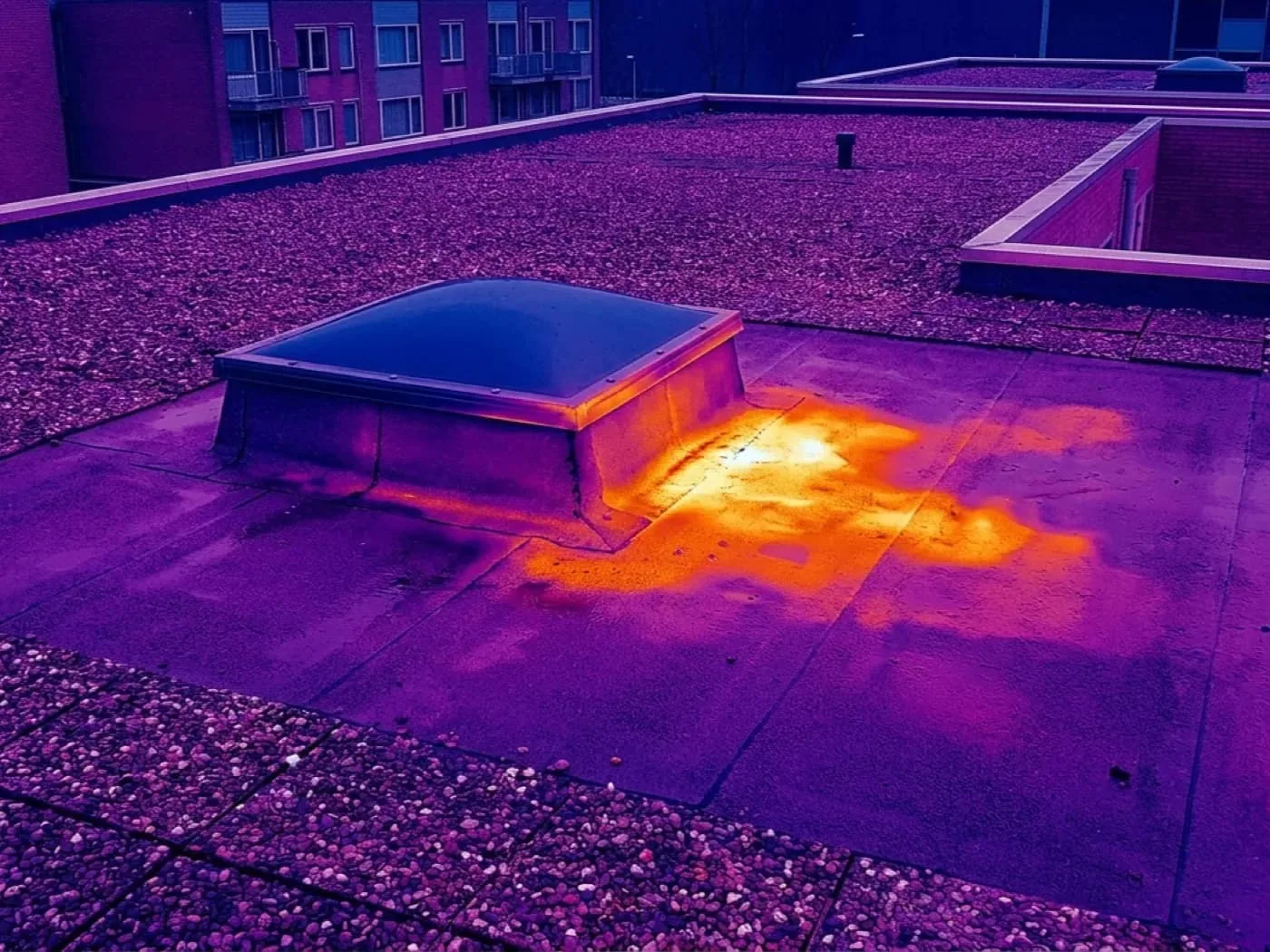
Request a tornado-related roof inspection
Send the property, incident date, release status, active-water report, access contact, and operating restrictions. We will confirm safe entry and the first approval point.
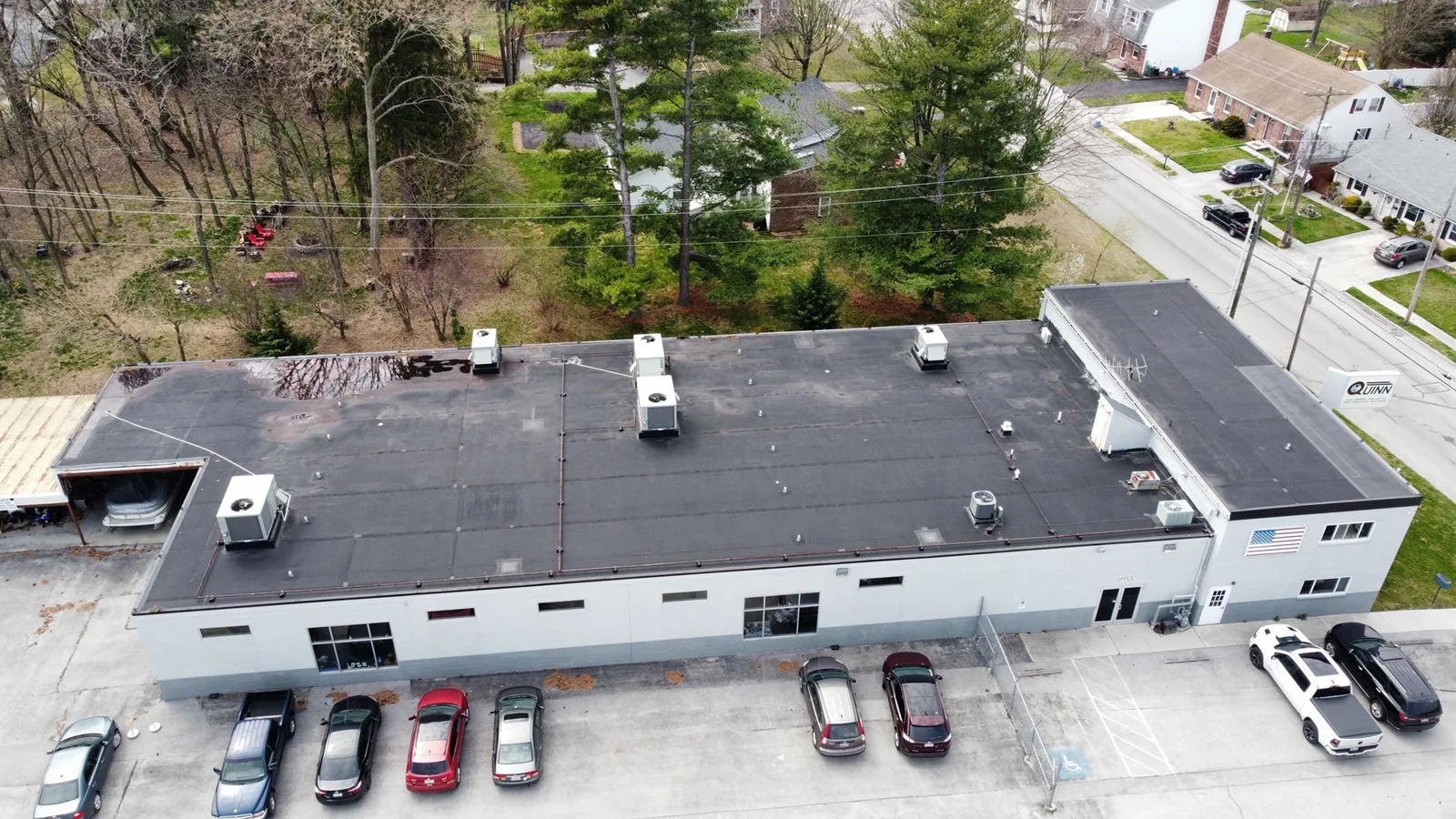
Commercial Tornado Damage Roof Repair
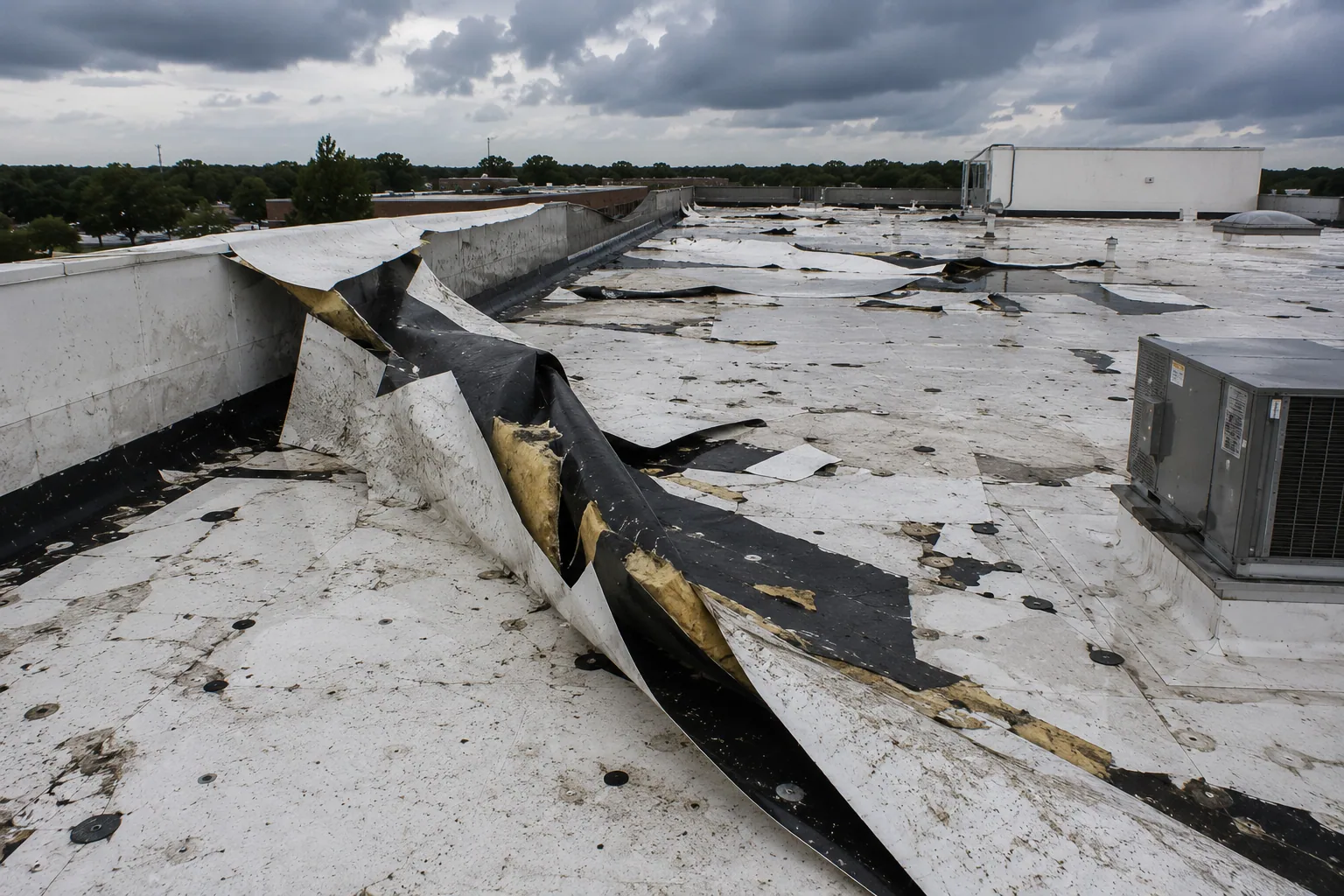
After tornado activity, the first roof decision is whether entry is safe. We confirm the building, incident contact, active water, and restricted areas before dispatch. Then we inspect the reported section for displaced edge metal, open membrane, damaged flashing, debris impact, and roof openings. If the owner or fire authority has not released the area, we wait and record the access limit.
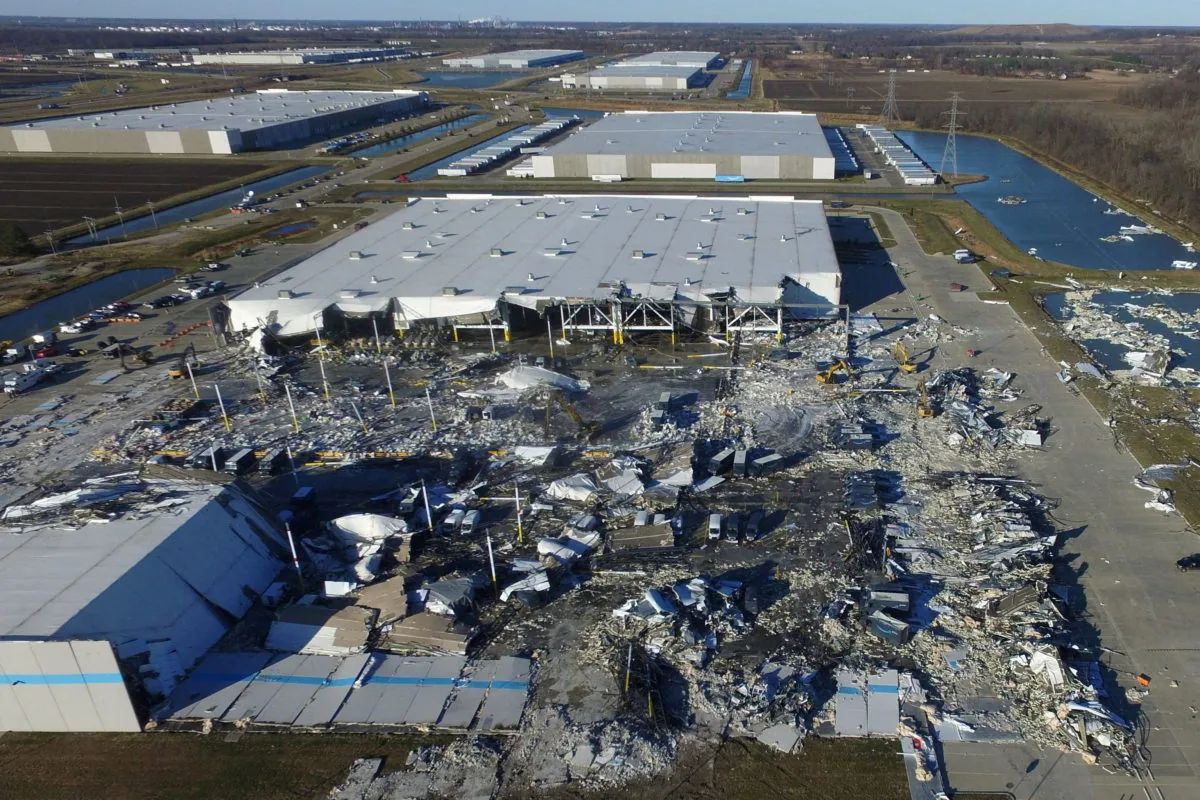
An EF1 tornado crossed Elgin on July 12, 2023. The survey documented damage to homes, a garage, a farm building, and a church along the path. That event does not establish damage at a commercial address. A property near North Elgin Industrial Park or Downtown Elgin requires its own inspection and approval plan.
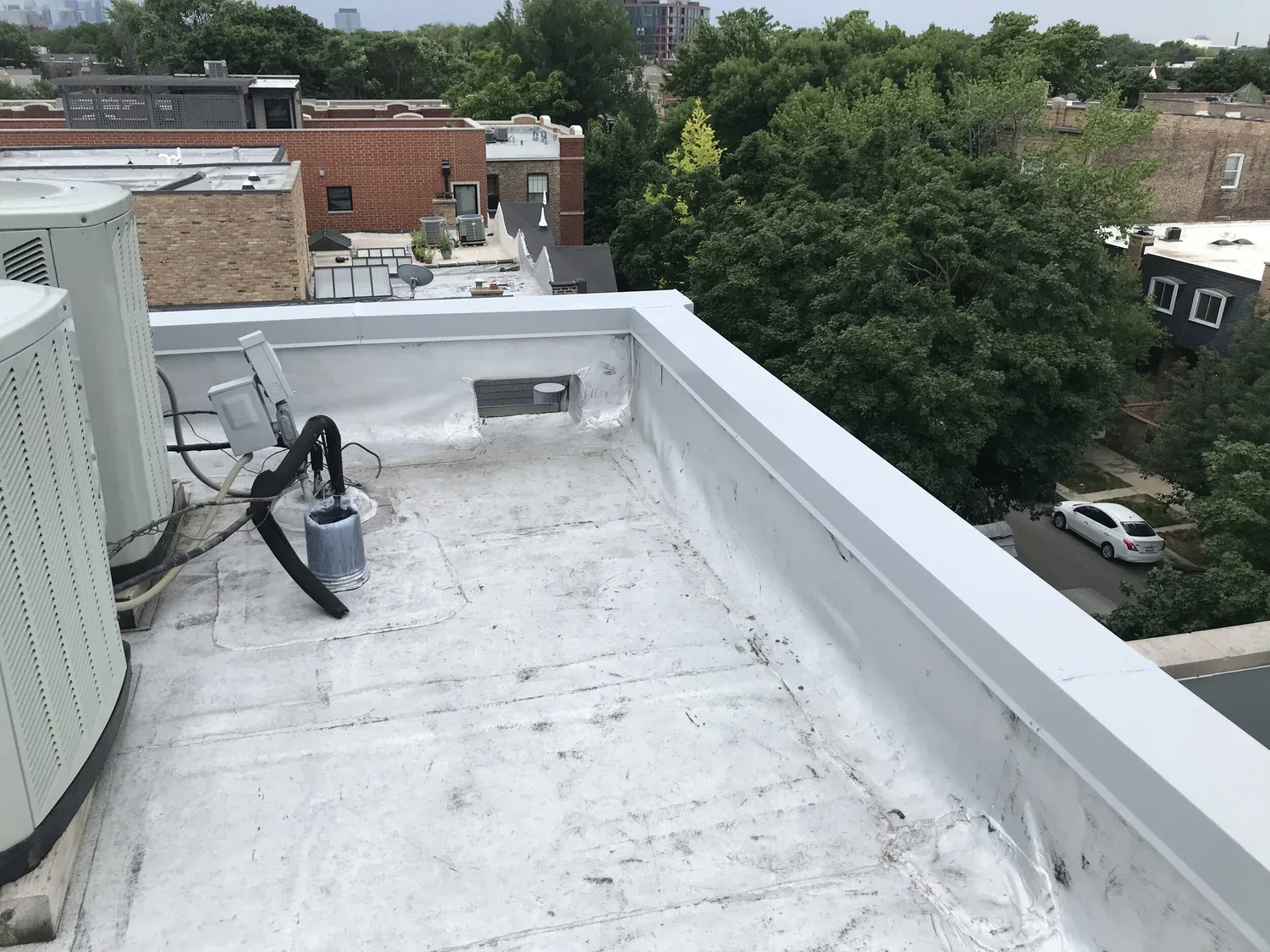
Site release: confirm who can authorize entry
Storm response can involve fire officials, structural professionals, utilities, restoration teams, tenants, and property ownership. The site contact identifies which area is cleared and who controls the next release. We do not cross tape or enter a roof section based on visual access alone. If the building remains restricted, we coordinate an exterior observation or wait for the named release condition.
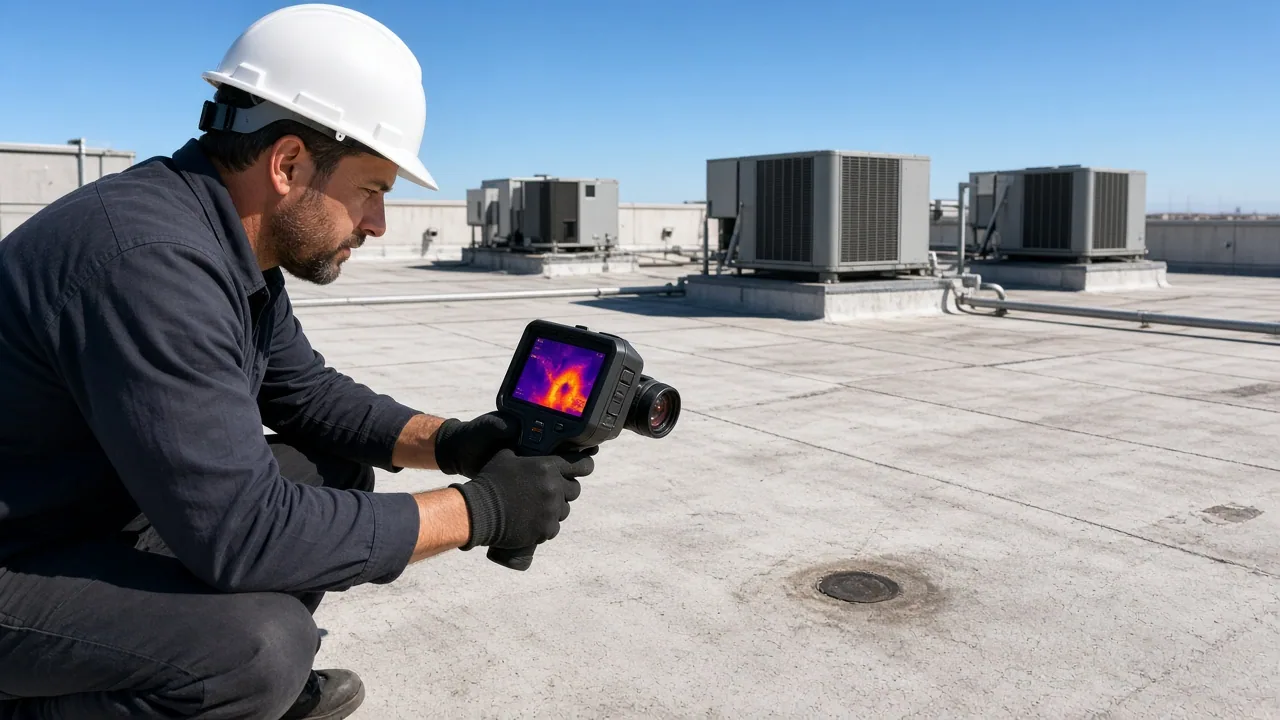
Before roof entry, confirm ladder or hatch location, fall protection, escort, overhead hazards, and any damaged equipment. The owner identifies active electrical concerns and rooms that remain off limits. A roof opening may be visible from outside while the surrounding deck is unstable. The report names what the roofing crew could inspect, what it could not reach, and who must clear the next step.
Inside, staff list affected rooms, equipment, inventory, and current water status. Water can move beneath a membrane or deck before appearing at the ceiling. We compare the interior report with roof slope, seams, curbs, and drains. Photographs include the detail and roof-zone location. A roof assessment can record broader conditions once access is approved.
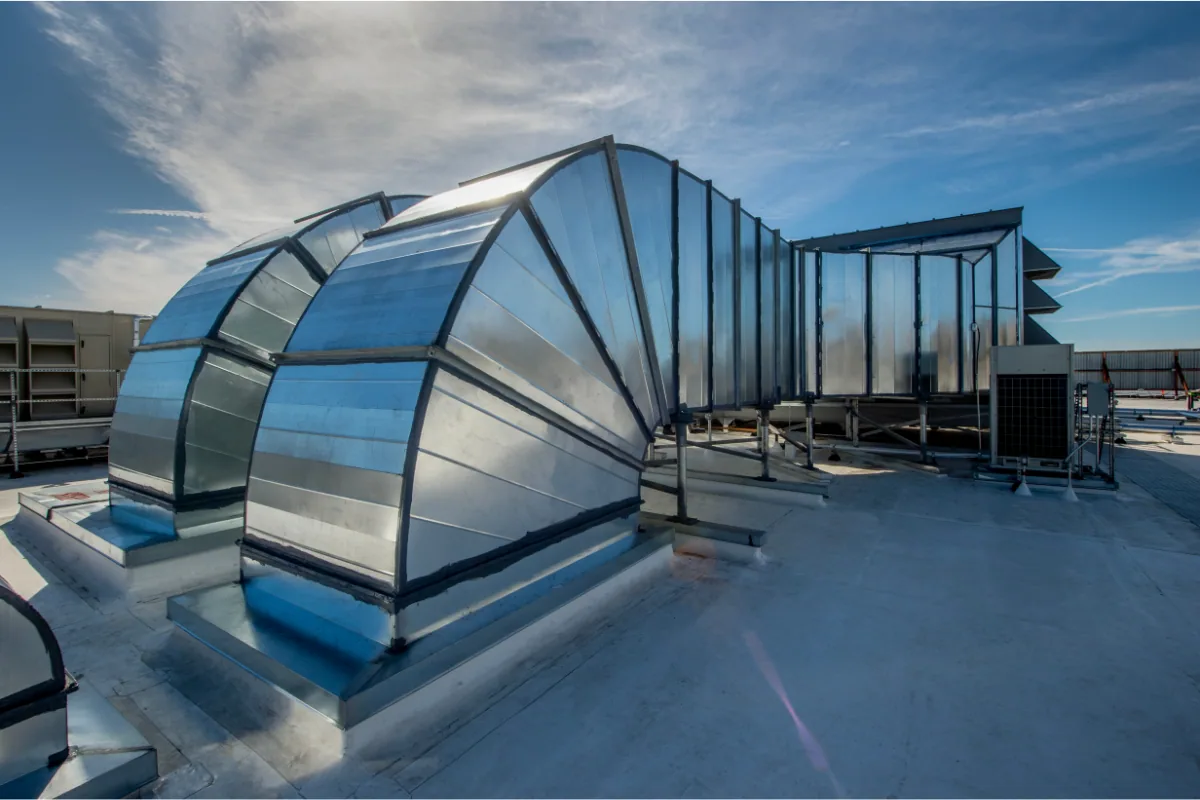
Damage map: separate impact points and openings
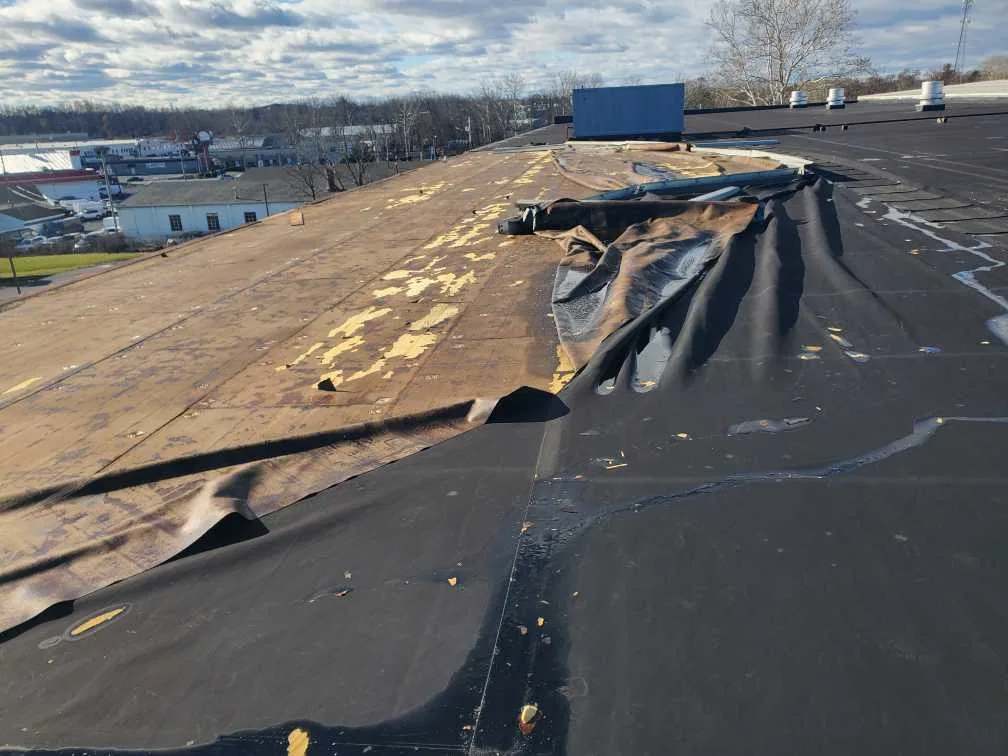
We inspect corners, perimeter terminations, coping, panel laps, rooftop units, and penetrations for movement. A lifted membrane edge differs from a puncture or displaced metal panel. The report describes each visible condition without using one label for the entire roof. If an opening continues under an overburden or insulation layer, we state the unknown depth and ask whether testing or selective removal is authorized.
Debris can strike a roof, block a drain, or damage equipment supports. The site contact identifies debris that arrived during the event and any later work that moved material. We photograph contact marks, nearby details, and the route water could follow. A dent in metal is not automatically a leak. A split seam or loosened curb flashing deserves its own location and repair boundary.
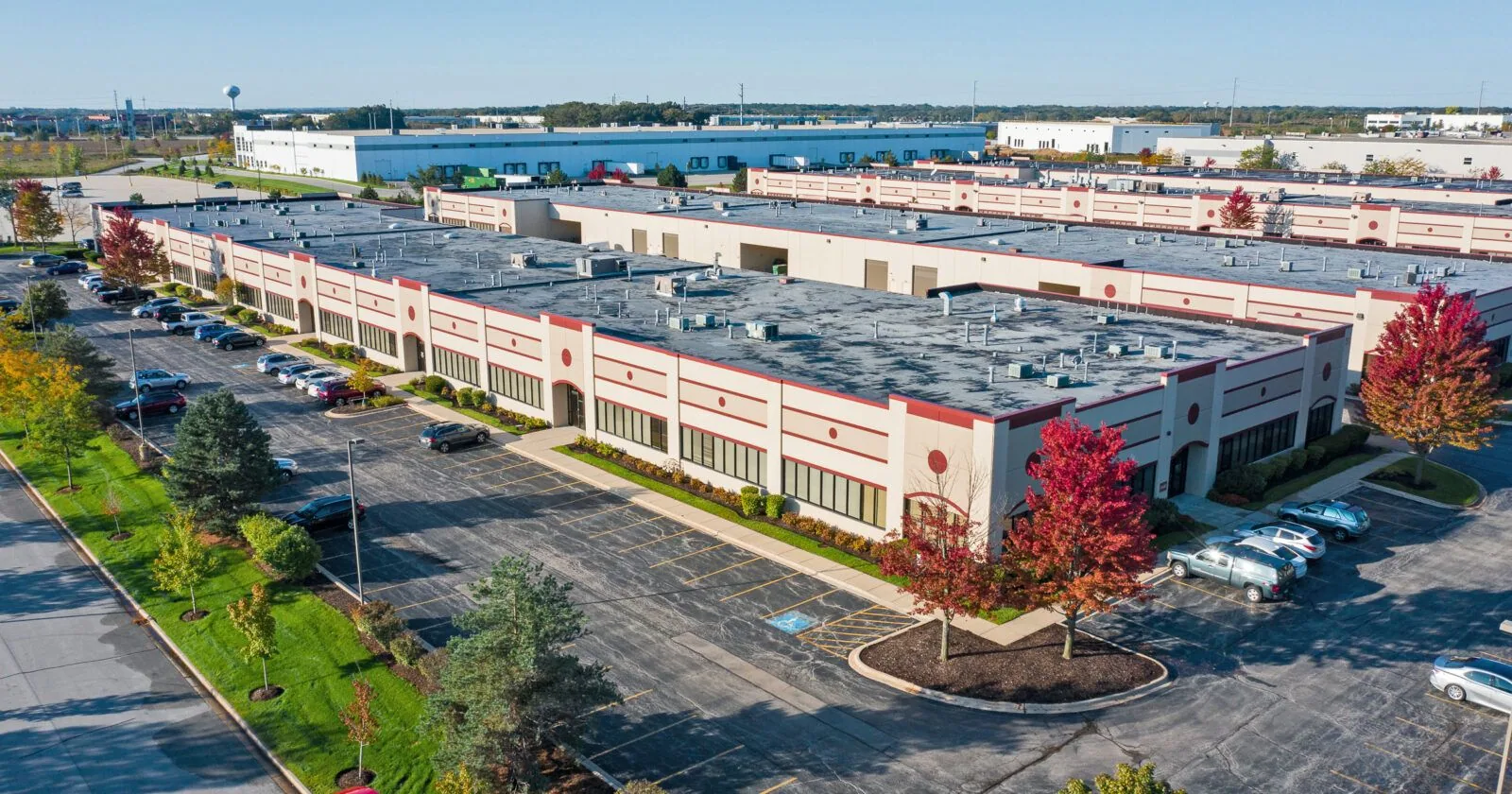
Elgin’s business areas range from planned office and research areas to general industrial parks. That property mix makes access instructions important, but does not reveal the roof construction. At a site along Big Timber Road or U.S. Route 20, the manager confirms truck entry and staging. A wind-damage inspection can focus on uplift and attachment evidence, while a hail review addresses impact findings.
Temporary protection: control exposure without expanding scope
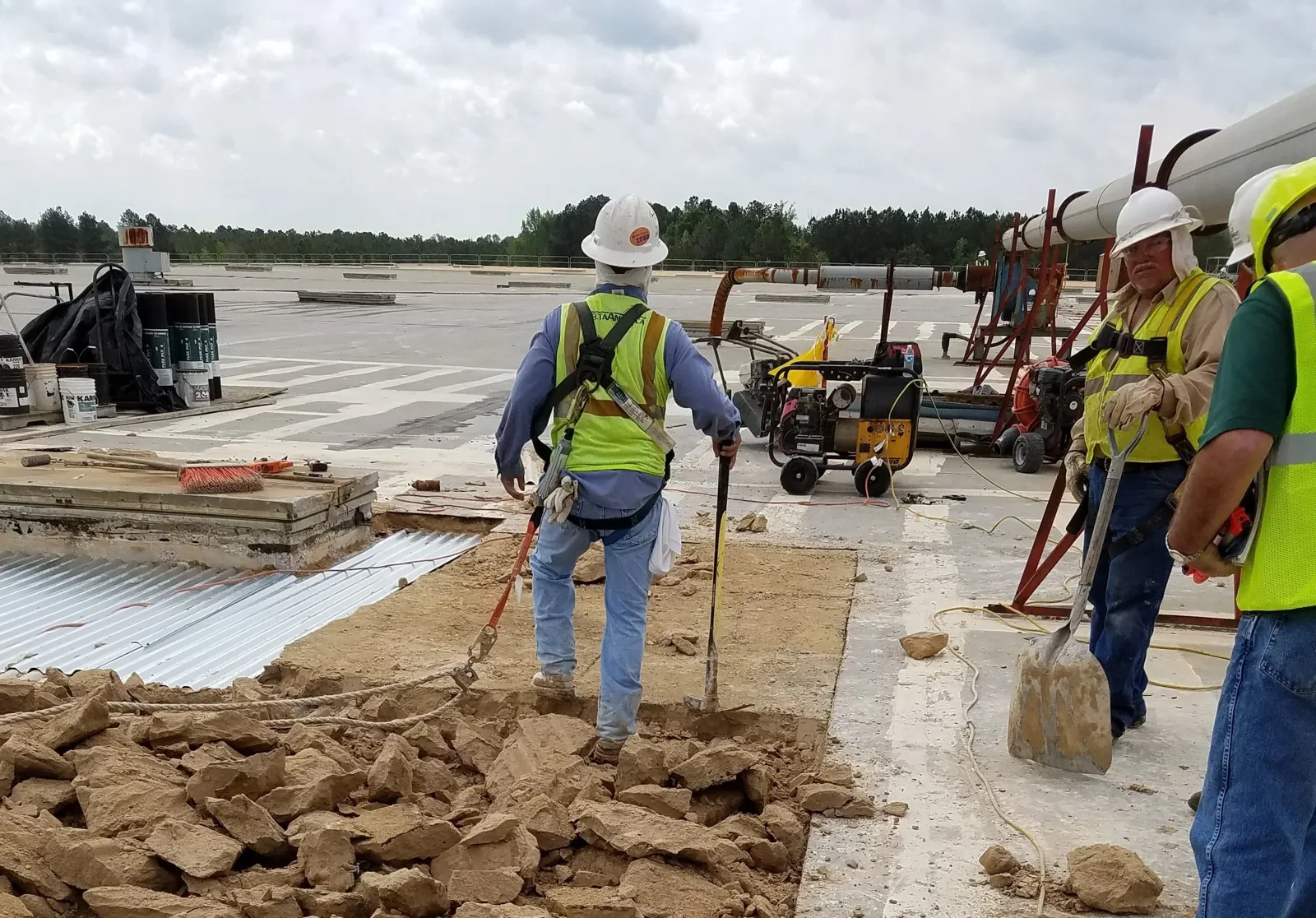
If water is active, we first identify what is at risk below the opening. The crew checks whether the roof is safe to enter and whether temporary control can be secured to sound material. A cover should not block drainage or load a damaged edge. The work order names the protected zone, installation limit, monitoring contact, and expected return decision.
Temporary work can limit exposure while the owner waits for structural release, test results, or permanent materials. It does not establish the cause of each ceiling mark or the extent of concealed damage. If the site is not ready for roof entry, the owner may need a separate interior protection plan. We record the boundary between that work and the roofing scope.
Elgin’s winter climate adds a second access constraint after a storm. The city averages 29 inches of annual snow and 137.9 below-freezing days. Ice may prevent a safe inspection or lasting bond. We state when the condition requires a weather hold and what must change before return. A commercial emergency response can address immediate exposure without deciding the permanent repair scope.
Repair boundary: price confirmed work first
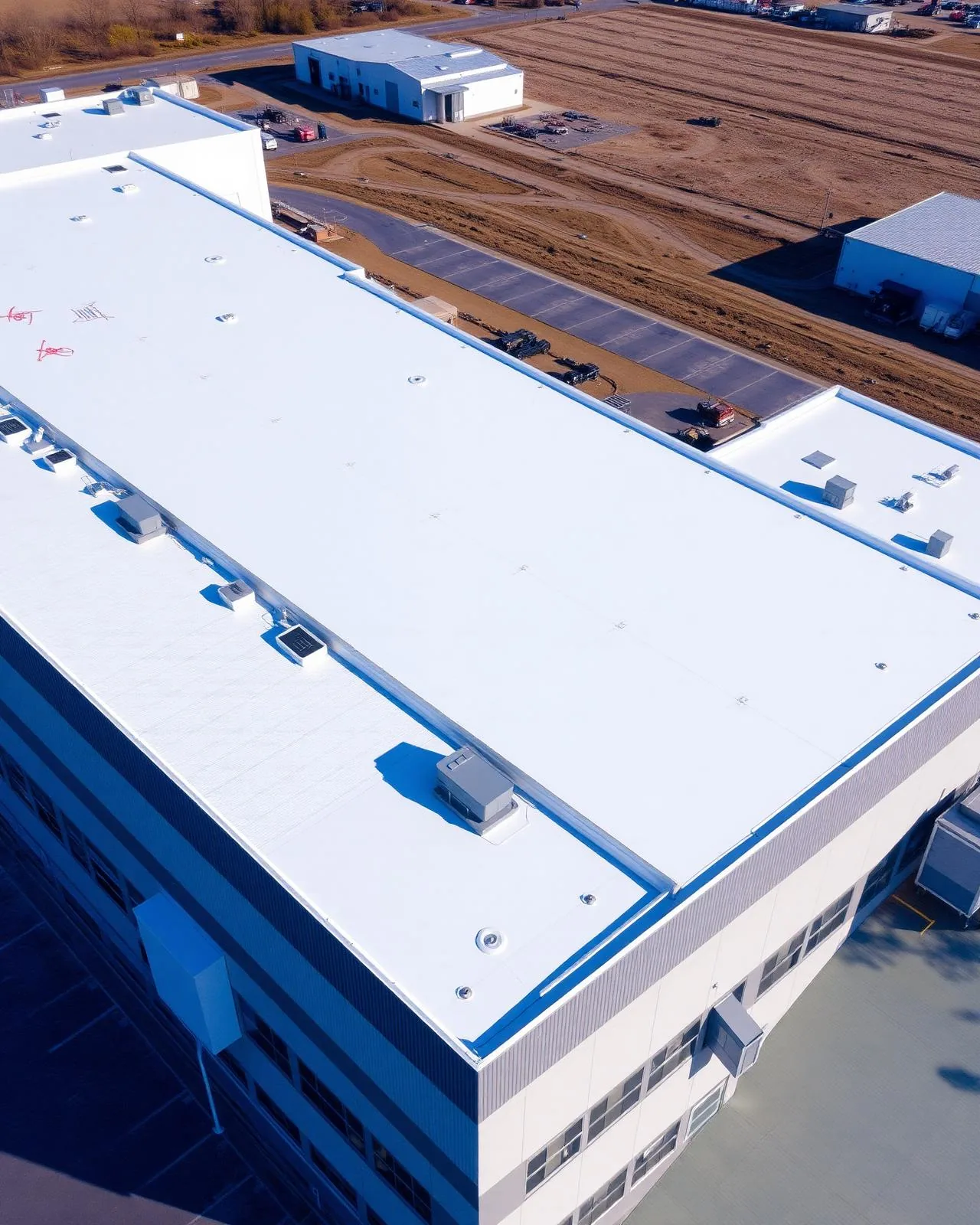
A permanent repair depends on the installed system and damage found. Thermoplastic membrane may need a prepared weld, EPDM a compatible cover detail, modified bitumen a ply repair, and metal a formed panel or trim replacement. The proposal states the material where verified and identifies what cannot be confirmed until removal. Repairs should extend onto sound material and close the path without hiding another open detail.
We list roof zone, measured area, preparation, materials, access, disposal, protection below, and any test planned after installation. If removal uncovers wet insulation, a split deck, or damaged attachment, the crew documents it and stops at the approved boundary. The owner receives the added scope, quantity, and schedule effect before making a decision.
Coating, recover, or replacement may be considered where event damage is broad or the assembly cannot support a localized repair. Those options require review of layers, moisture, attachment, deck, drainage, and warranty restrictions. We distinguish confirmed work from allowances and future evaluation. A storm damage repair plan can combine approved emergency control and permanent work while retaining separate approval points.
Dispatch: coordinate operations and staging
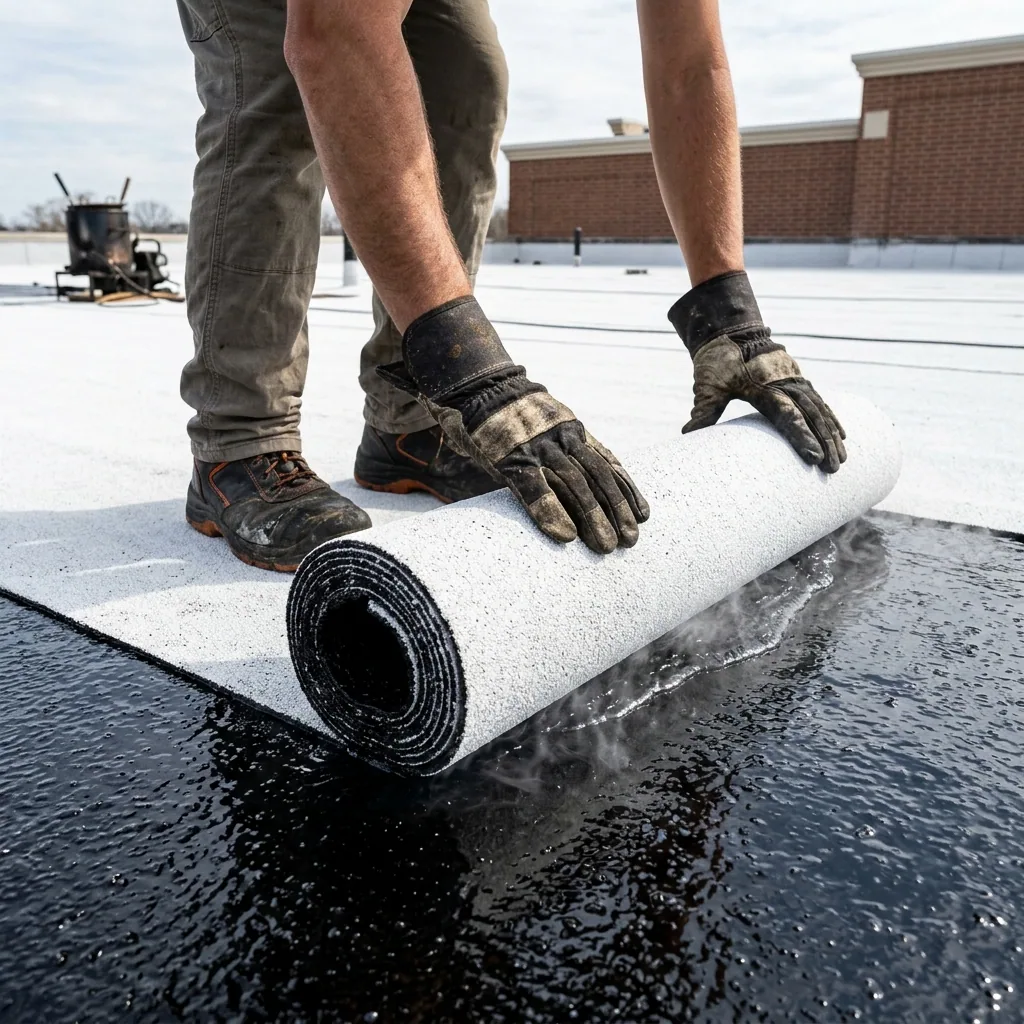
Before a crew arrives, the owner identifies the building representative, entry gate, staging area, restricted rooms, and work hours. If a tenant or restoration contractor controls access, that contact joins the dispatch plan. For occupied offices, clinics, warehouses, and manufacturing sites, the plan protects people below and keeps equipment or loading activity clear of the work zone.
North Elgin Industrial Park and Downtown Elgin are useful local reference areas, but they do not set access at a specific property. The owner confirms which gate is open, where the crew may stage, and whether a public or tenant route needs protection. Incident release and site instructions govern the dispatch plan.
Storm dates and local paths help the property team organize records. They do not show whether one roof was in the damage area. We tie photographs to the actual address and roof zone. If a later inspection follows safe release or thaw, the new visit receives its own date, observations, and limits.
Closeout: leave the next decision clear
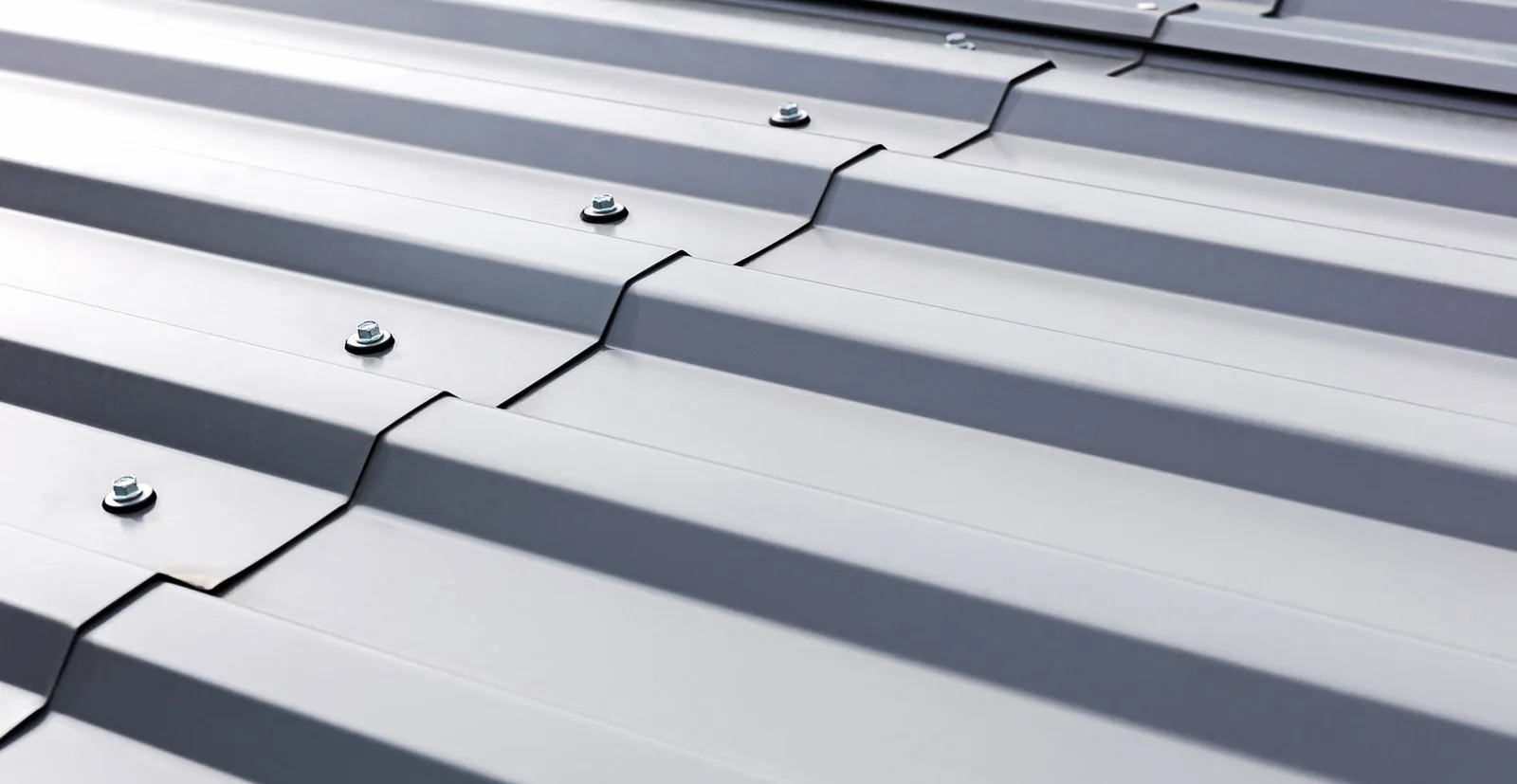
Closeout lists the inspected zones, visible damage, temporary controls, permanent work completed, and sections not reached. Photos show each repair and its wider roof location. Open items identify a test, structural review, access release, or approval still required. The owner can then coordinate restoration and return visits using a clear record of roofing work.
Elgin’s 2023 tornado event provides local context, not a building diagnosis. A photo condition report can keep findings and follow-up actions together after the site is released. Send the property, incident date, access status, current water condition, affected rooms, and authorized contact when requesting service. We will confirm the safe first step.
Questions About Commercial Tornado Damage Roof Repair
Did the 2023 Elgin tornado damage my commercial roof?
The storm crossed Elgin and caused reported roof damage along its path, but that does not establish conditions at a specific commercial building. We inspect the address and document visible findings.
Can you inspect a roof before officials release the building?
We follow the owner’s and fire authority’s access limits. If roof entry is not approved or safe, we record what cannot be reached and wait for the required release.
What should I do about water entering after a tornado?
Keep people clear of unsafe areas and identify affected equipment or inventory. We check safe roof access and may scope temporary control before permanent work.
Will tornado repairs include concealed insulation or deck?
Only where the condition is exposed, inspected, and authorized. If removal reveals additional damage, the crew documents it and stops at the approved boundary for owner direction.
How should the damage record be prepared for multiple trades?
Keep roof photographs tied to date and roof zone. The closeout should separate roofing work from structural, electrical, interior, and restoration tasks assigned to others.