Sika Sarnafil Commercial Roofing in Elgin, IL
Sika Sarnafil Commercial Roofing
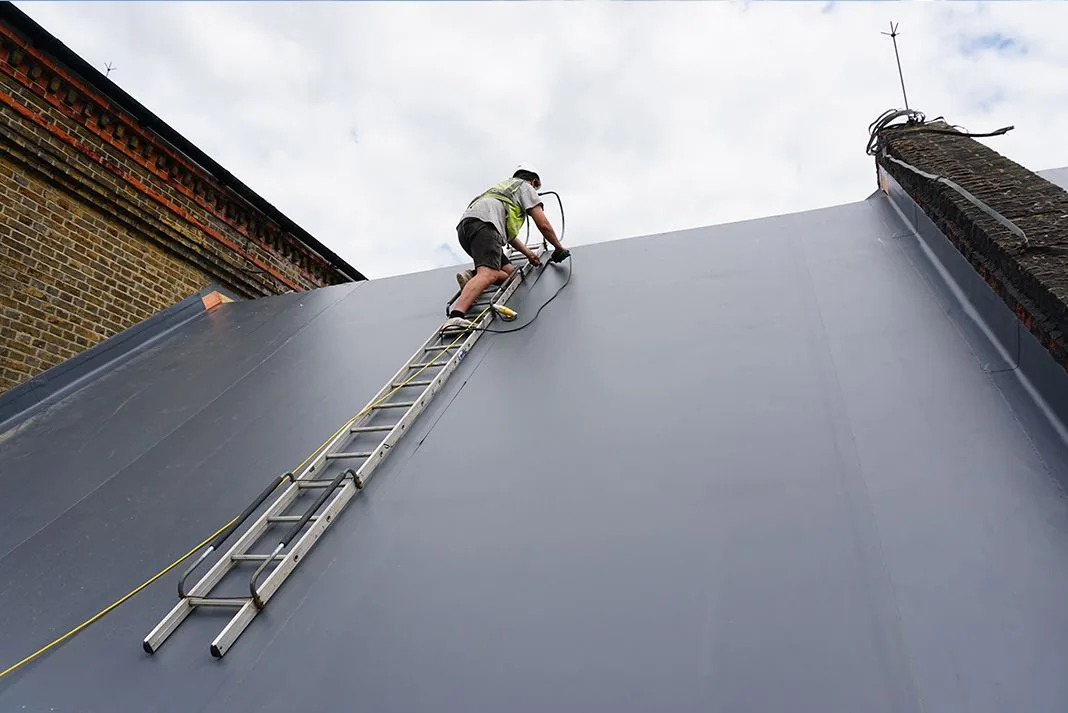
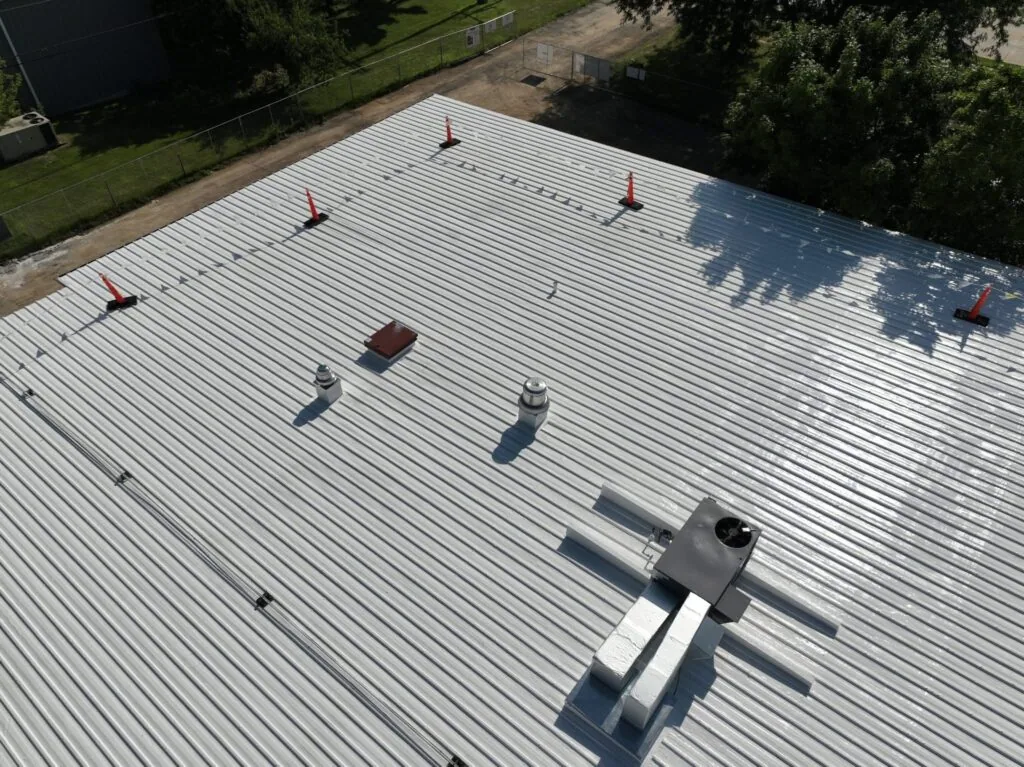
A PVC membrane is only as dependable as its seams, flashings, terminations, and supporting layers. We inspect those details before recommending a Sika Sarnafil repair or replacement. Sika’s commercial roofing portfolio includes Sarnafil and Sikaplan PVC systems, with assembly choices that must match the deck, insulation, attachment, and project specification. The field report identifies the observed condition and separates it from anything concealed.
Start at seams and transitions
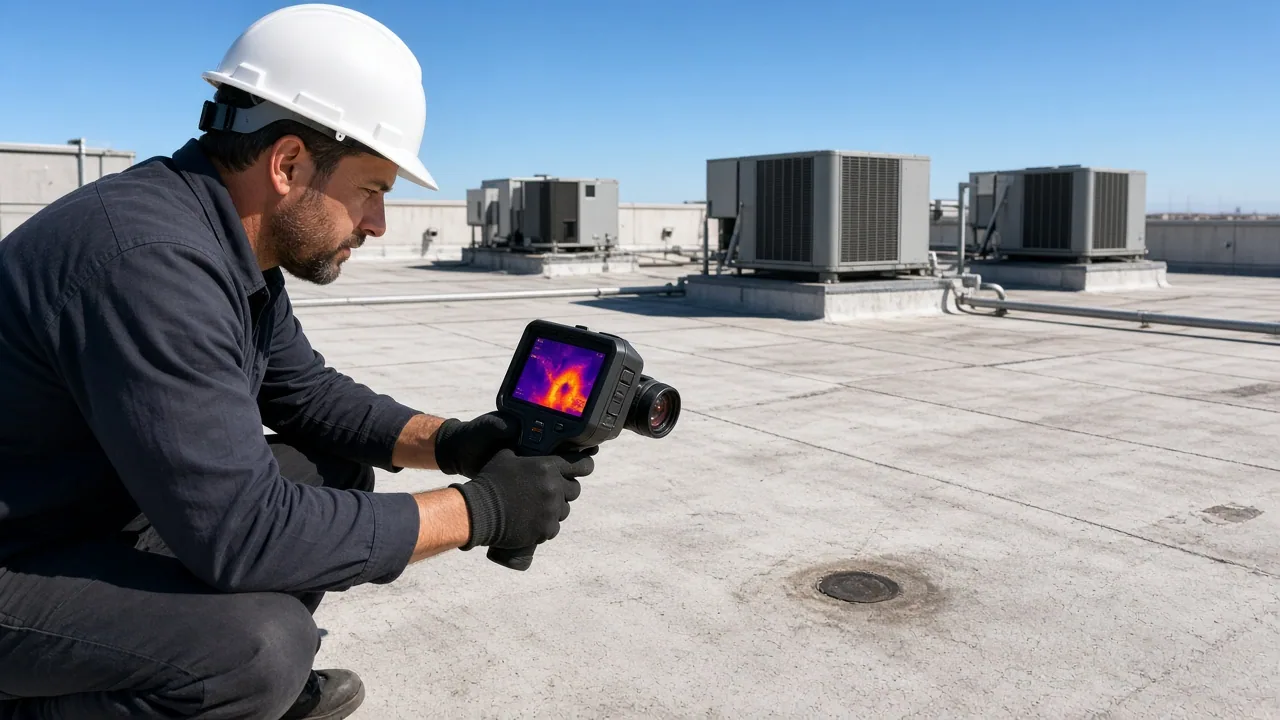
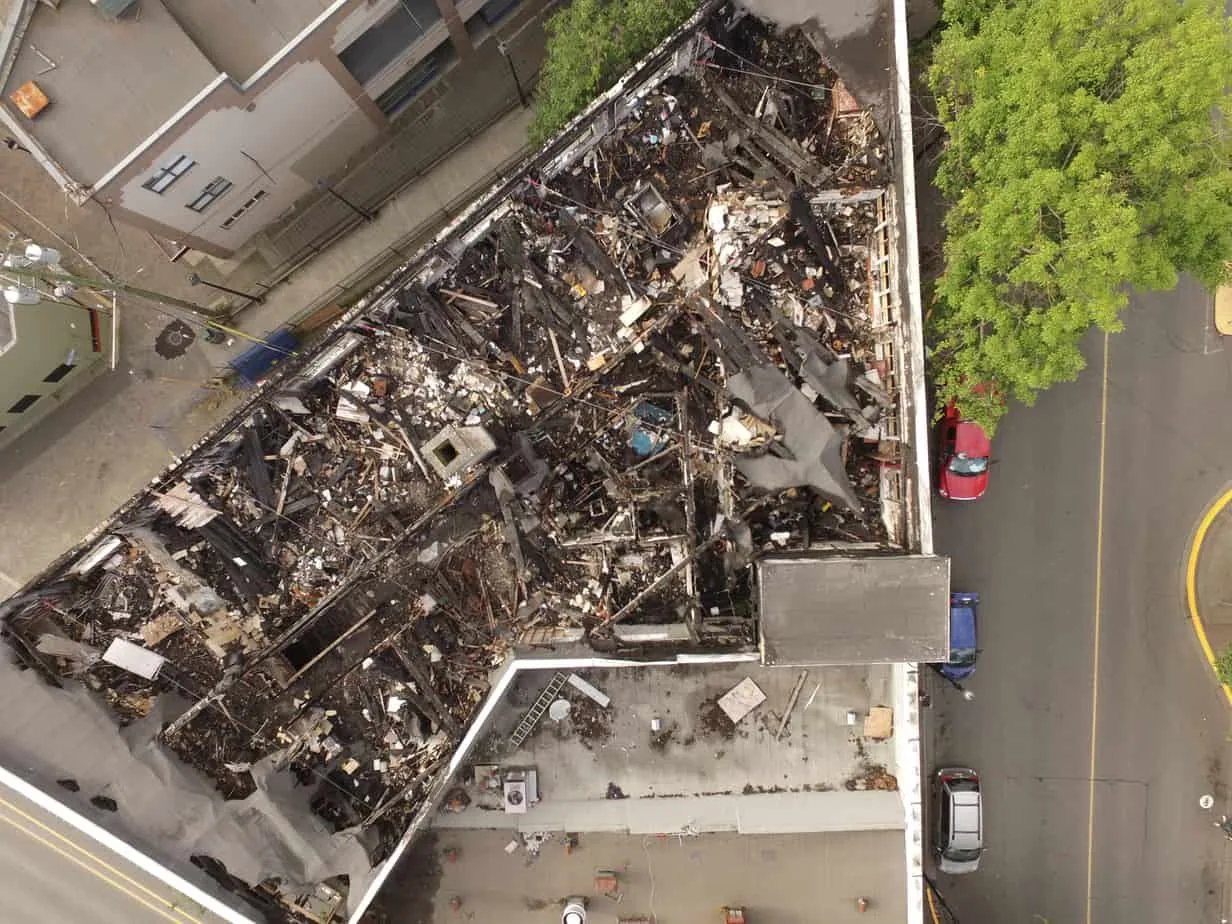
We map membrane sections, lap lines, roof penetrations, wall transitions, drains, equipment curbs, and prior patches. At each representative seam, we look for separation, contamination, wrinkles, or repair work that needs closer review. We inspect flashing where the field sheet meets a vertical surface because that transition can be more demanding than an open roof area. Photos include a roof-zone reference so a facility manager can find the observation later.
A water mark inside may not line up with the roof opening. Water can follow a seam, insulation joint, or deck before it appears indoors. We check plausible paths and note what remains uncertain. If the membrane family cannot be confirmed, we do not select a hot-air repair detail by appearance alone. A small test or access opening may be the best way to identify the layers.
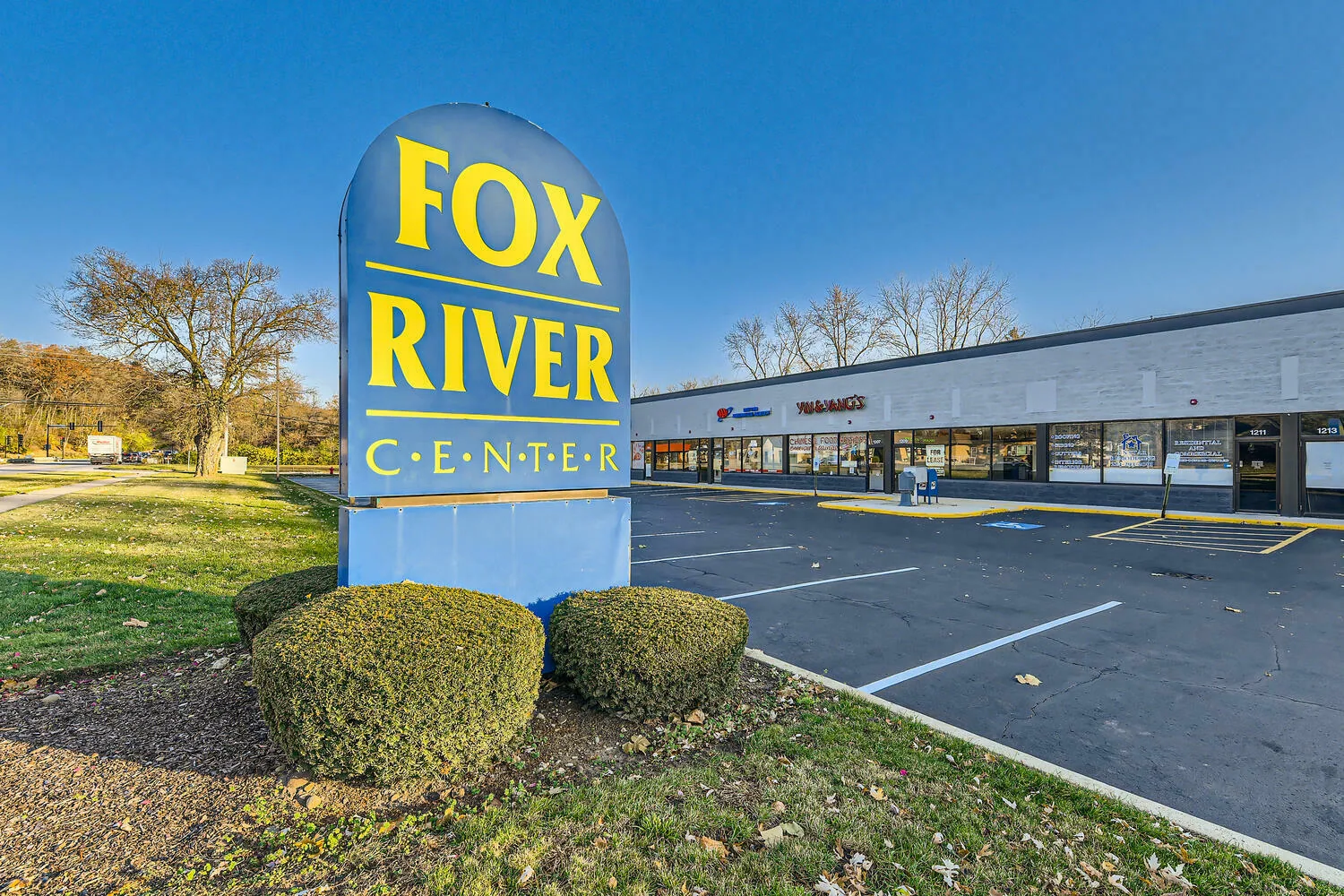
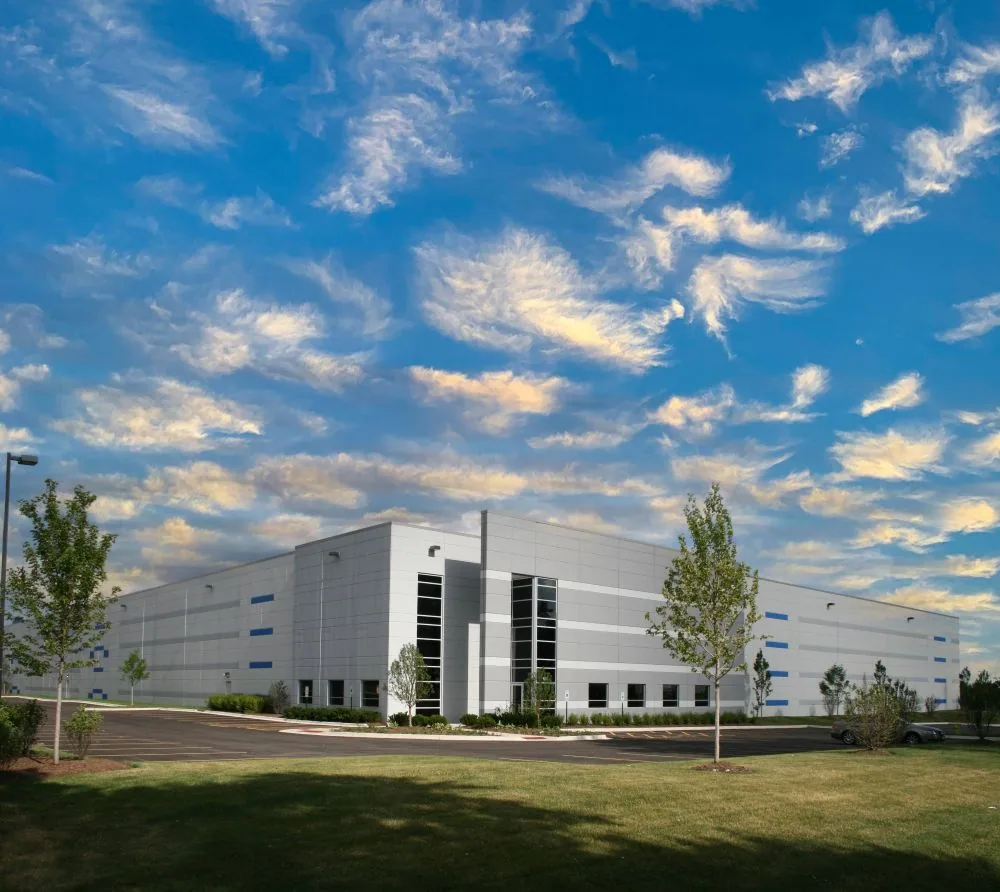
In the Fox River Business Center or Tollgate Industrial Center, roof work may overlap with active deliveries, tenant hours, or equipment service. We confirm the roof entrance, escorts, site contacts, and safe material route for each building. The park names do not establish any roof condition. To start with documented findings, request a commercial roof inspection.
Understand PVC system requirements
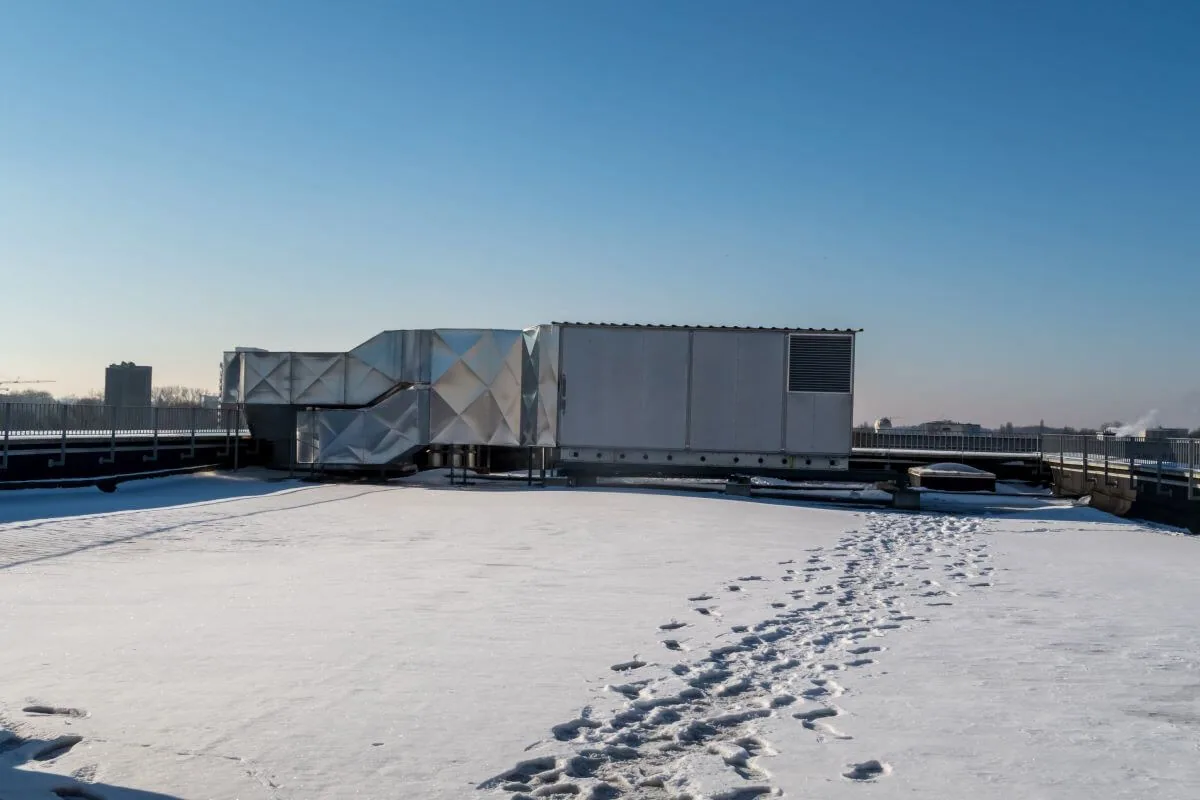
Sika Sarnafil and Sikaplan product families use PVC membranes for commercial roofing. Specific products vary in reinforcement, thickness, backing, and approved application. Some assemblies are mechanically attached; others are adhered, with fleece-backed options available in certain systems. The exact current product guide and project specification determine the acceptable substrate, accessories, and seam procedure.
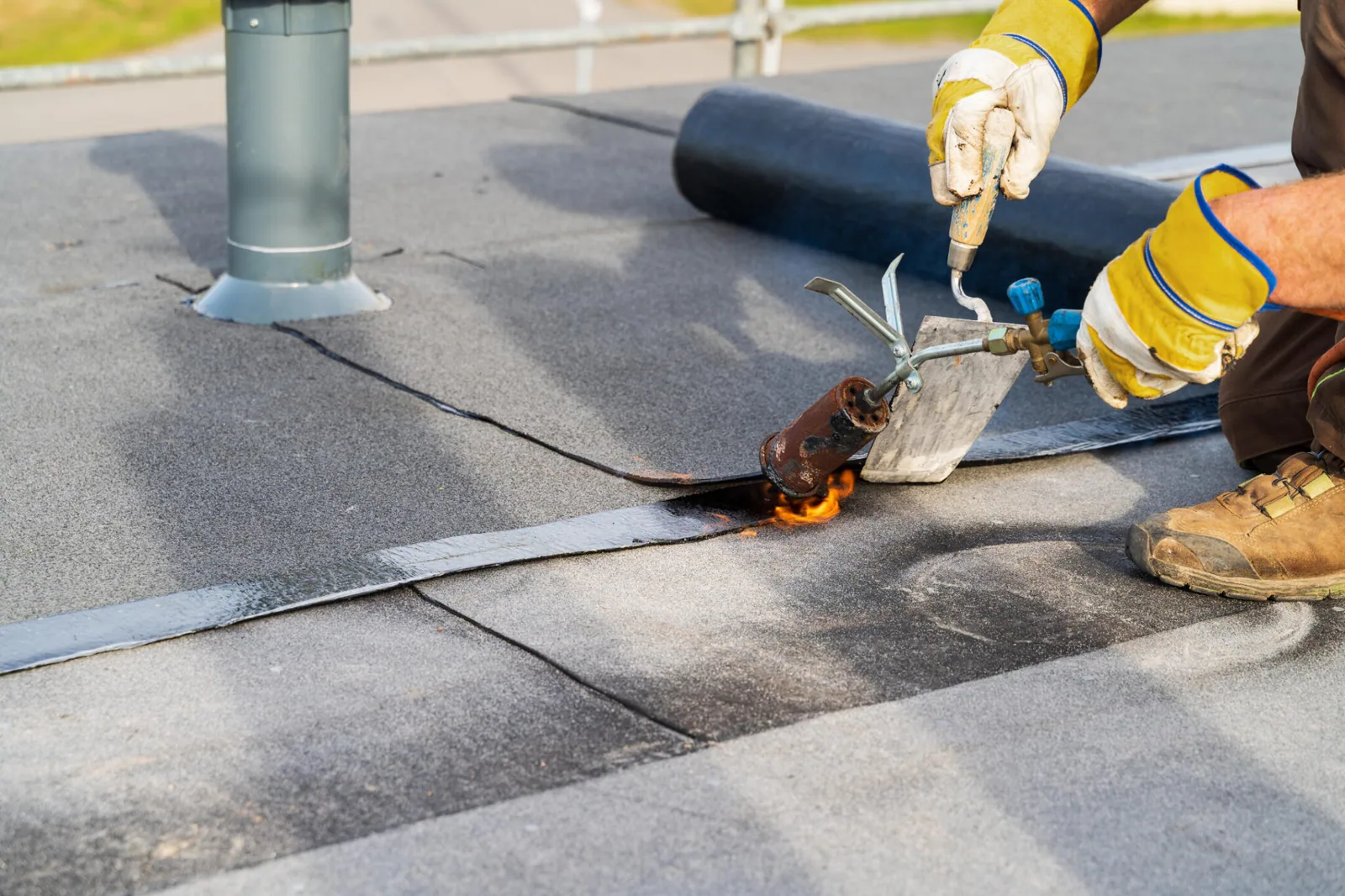
Field crews should verify membrane identity, sheet orientation, weld settings, lap width, and flashing material against the selected system documents. Heat-welded seams need clean, compatible surfaces and a controlled test-weld process. Penetrations and corners require details made for the chosen membrane and substrate. A generic PVC repair kit or a detail intended for another manufacturer should not be assumed compatible.
When evaluating a replacement, we review the complete assembly: deck, vapor-control layer where required, insulation, cover board, membrane, attachment, perimeter metal, drains, and transitions. A membrane specification cannot fix poor drainage or a weak roof edge by itself. Owners may compare Holcim Elevate systems and Carlisle SynTec options, but the final selection should track the building’s documented criteria.
Use the right repair boundary
For an active leak, we first limit water exposure indoors and narrow the likely roof entry. The inspection checks seams, wall flashing, curbs, drains, and previous work near the symptom. A membrane defect and a drainage problem can occur together, so the repair scope should state which condition it addresses. Temporary protection is logged as such until a permanent repair is completed.
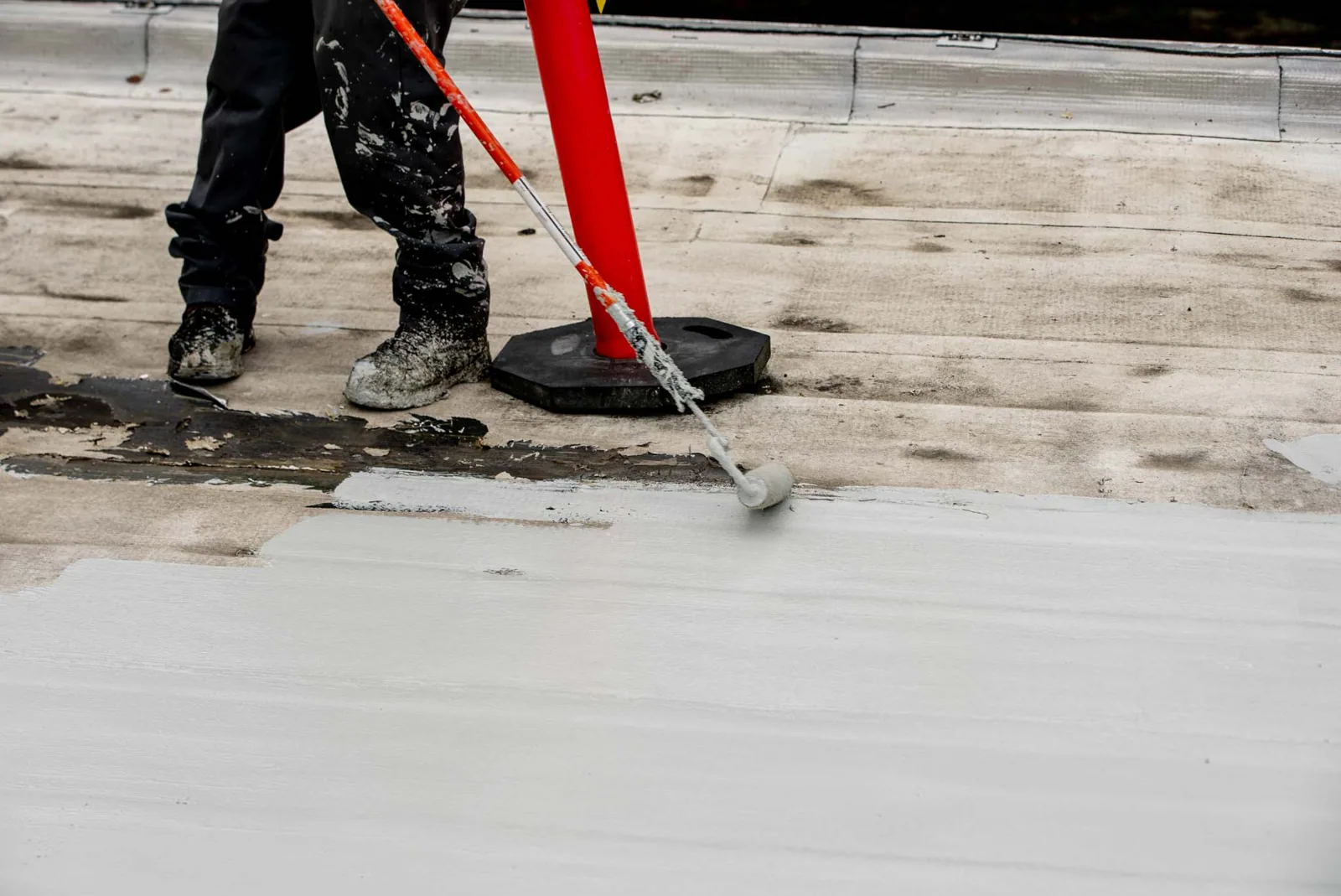
PVC repairs depend on the membrane’s condition and a compatible detail. A surface patch is not the right answer where the membrane has lost flexibility, the substrate is unsound, or water has reached lower layers. We explain the boundary and seek approval for additional investigation before cutting into a larger area. When water is entering, a commercial roof leak repair starts with interior protection and a traced roof-zone boundary. After an event, a storm-damage roof assessment checks adjacent details before permanent work is approved.
After repair, we record the area, method, materials, photos, and any follow-up recommendation. This helps an owner compare future findings with the original work. When issues return at the same seam or transition, investigate the underlying detail rather than simply adding another patch. An inspection and maintenance schedule can give the site contact a consistent way to track open items.
Test the product against actual conditions
System choice depends on roof geometry, use, exposure, and project requirements. We ask whether roof traffic is frequent, whether future equipment work is planned, what chemicals or exhaust may reach the surface, and how often access will occur. Any such exposure should be evaluated using the product documentation. A building in the Elgin area is not automatically suited to one PVC formulation.
Drainage and perimeter design receive equal attention. We look for ponding, blocked outlets, slope changes, low edges, parapets, and locations where water can be trapped. The design team confirms wind and fire requirements for the complete assembly. Existing layers need investigation before a recover is considered. If tear-off reveals wet insulation or a damaged deck, a change process should identify how the condition will be documented and priced.
Elgin averages 12.7 days above 90°F annually and has recurring winter freezes. That seasonal range affects safe work windows and open-roof planning. It does not establish which product should be chosen or predict service life. We schedule membrane work within the manufacturer’s installation limits and protect each completed zone before conditions change.
Plan occupied work with clear handoffs
A roof replacement can be divided into zones so tenants, staff, and deliveries continue where safe. The superintendent coordinates staging, lifts, material storage, interior protection, and daily dry-in with the facility contact. A sequence should show which access points are restricted and who receives notice before noisy or disruptive tasks.
Before installation, the crew verifies substrate readiness, insulation layout, attachment, seam details, flashing, and perimeter transitions. A test weld at the beginning of the work and after material or weather changes gives the crew an opportunity to confirm settings. Quality checks are logged before seams become inaccessible. The approved details govern; a product brochure is not a substitute for project documents.
The quality log can track membrane labels, roof zones, representative test-weld results, and transitions reviewed before they are covered. A foreman checks seams as work proceeds and repeats a test when material, equipment, or conditions change. Flashing at a penetration should match the selected product detail. If a seam does not pass the field check, the crew corrects and retests it before documenting completion. Photos include enough context for an owner to find the work later.
At closeout, the owner should receive photographs, product identification, approved changes, punch-list status, and maintenance guidance. The project file should identify who handles any manufacturer paperwork and what inspections remain. We state only the warranty terms confirmed in the job documents. A clear handoff makes it easier to schedule service without guessing what was installed. The file flags unresolved findings for follow-up. The property manager receives the next service recommendation in writing.
Local conditions inform scheduling, not diagnosis
Elgin recorded one-inch hail on February 27, 2024. A hail date can help a property team decide when to request a review, but it does not establish that a roof suffered impact. We document present signs, including punctures, displaced edge metal, damaged flashing, or interior leaks, and identify any area needing closer examination.
A site near Elgin Industrial Park may have roof access tied to production or shipping windows. A property near Randall Point may use different security and visitor procedures. We verify hours, escorts, roof access, and lift location directly with the contact for the property.
When a storm inspection or repair is needed, our notes distinguish the event reported by the owner from conditions seen during the visit. That keeps the next decision specific: repair a seam, investigate wet insulation, restore a flashing transition, or seek a broader replacement design.
Questions About Sika Sarnafil Commercial Roofing
Are Sarnafil and Sikaplan PVC systems?
Yes. Both are Sika PVC product families; specific details depend on the selected membrane.
Can a Sika PVC seam be repaired?
Sometimes. We check membrane condition, seam geometry, contamination, and access first.
Does Elgin hail prove damage?
No. The local report is context; inspection documents conditions at a specific building.
Can PVC be installed over an existing roof?
Possibly, after layers, moisture, deck, attachment, code, and system requirements are reviewed.
How do you plan work at an occupied site?
We coordinate work zones, delivery, access, interior protection, and daily dry-in.