SOPREMA Commercial Roofing in Elgin, IL
SOPREMA Commercial Roofing
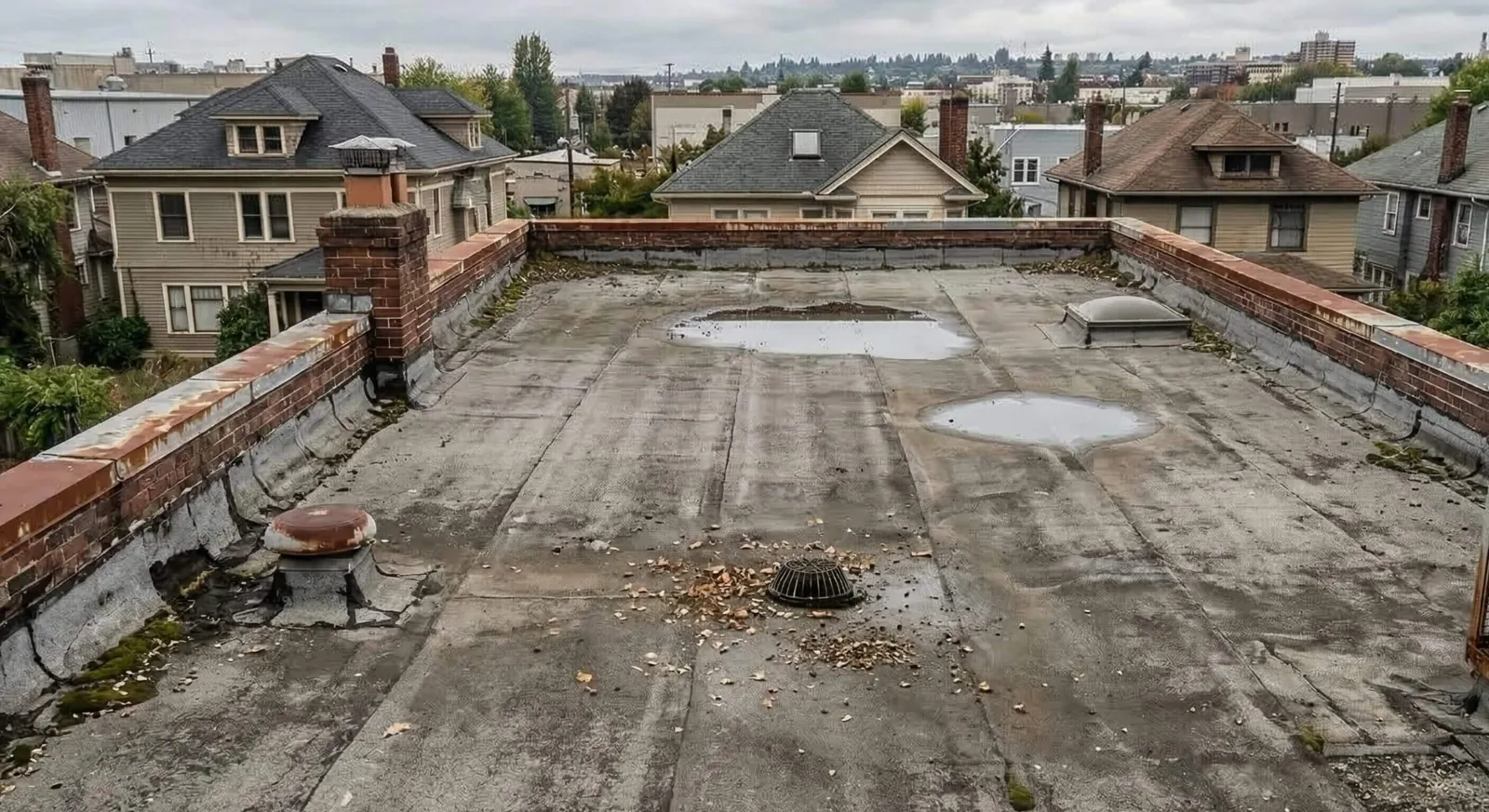
Roof-system decisions begin at the building, not at a product catalog. SOPREMA offers commercial roofing products that include SBS-modified bitumen, PVC membranes, and liquid-applied systems. Each family has its own substrate, seam, flashing, and application requirements. We inspect the installed roof, record the condition by zone, and compare a repair or replacement with the project’s actual constraints.
Record what is exposed and what is concealed
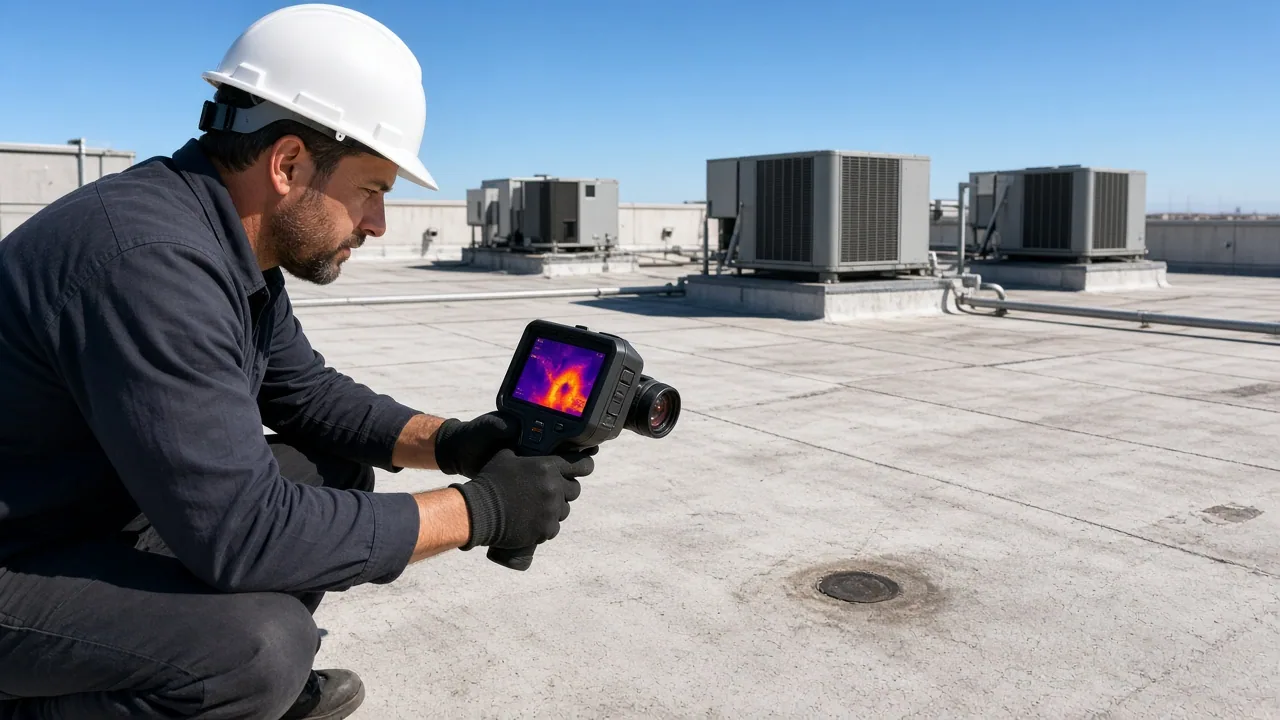
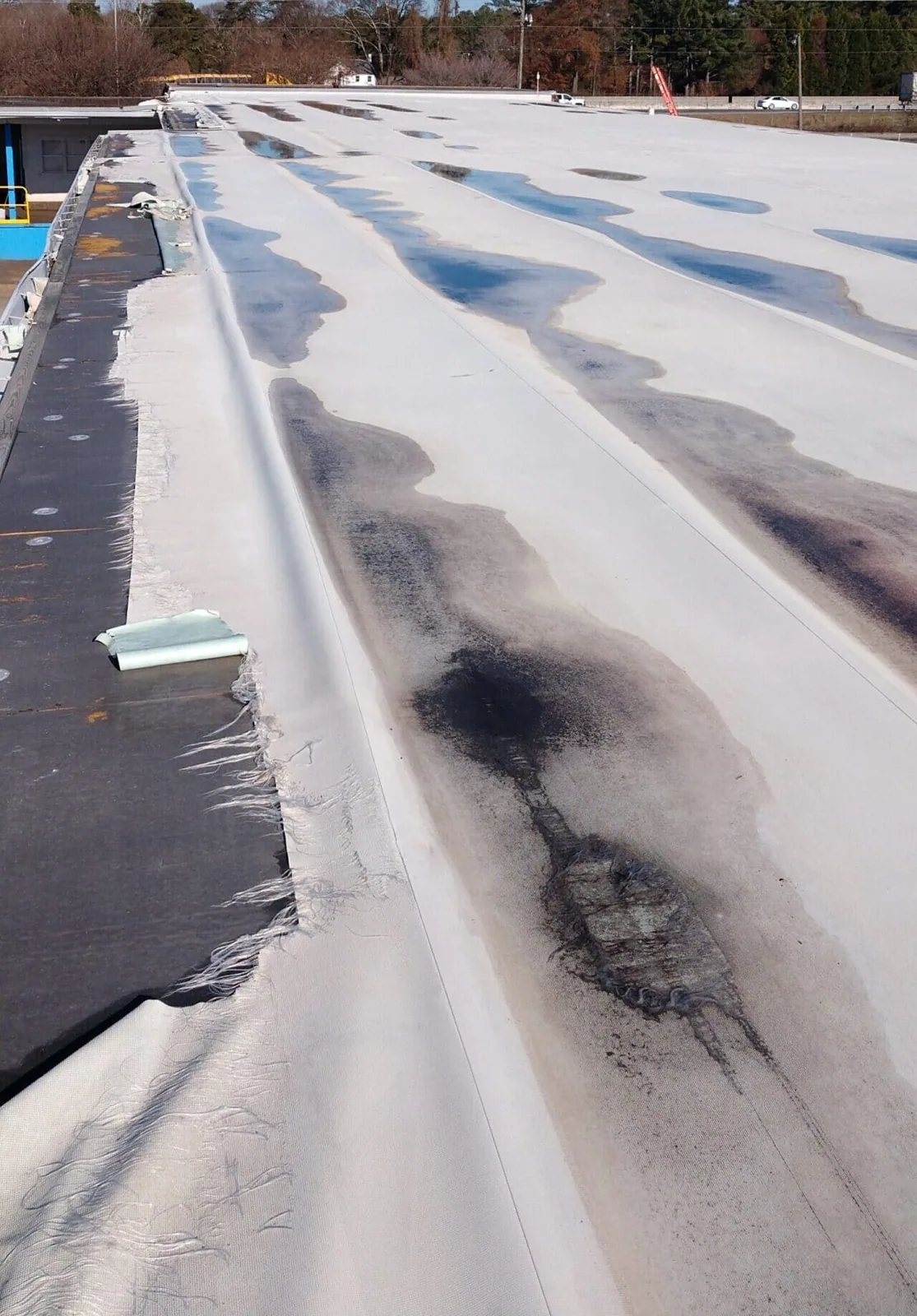
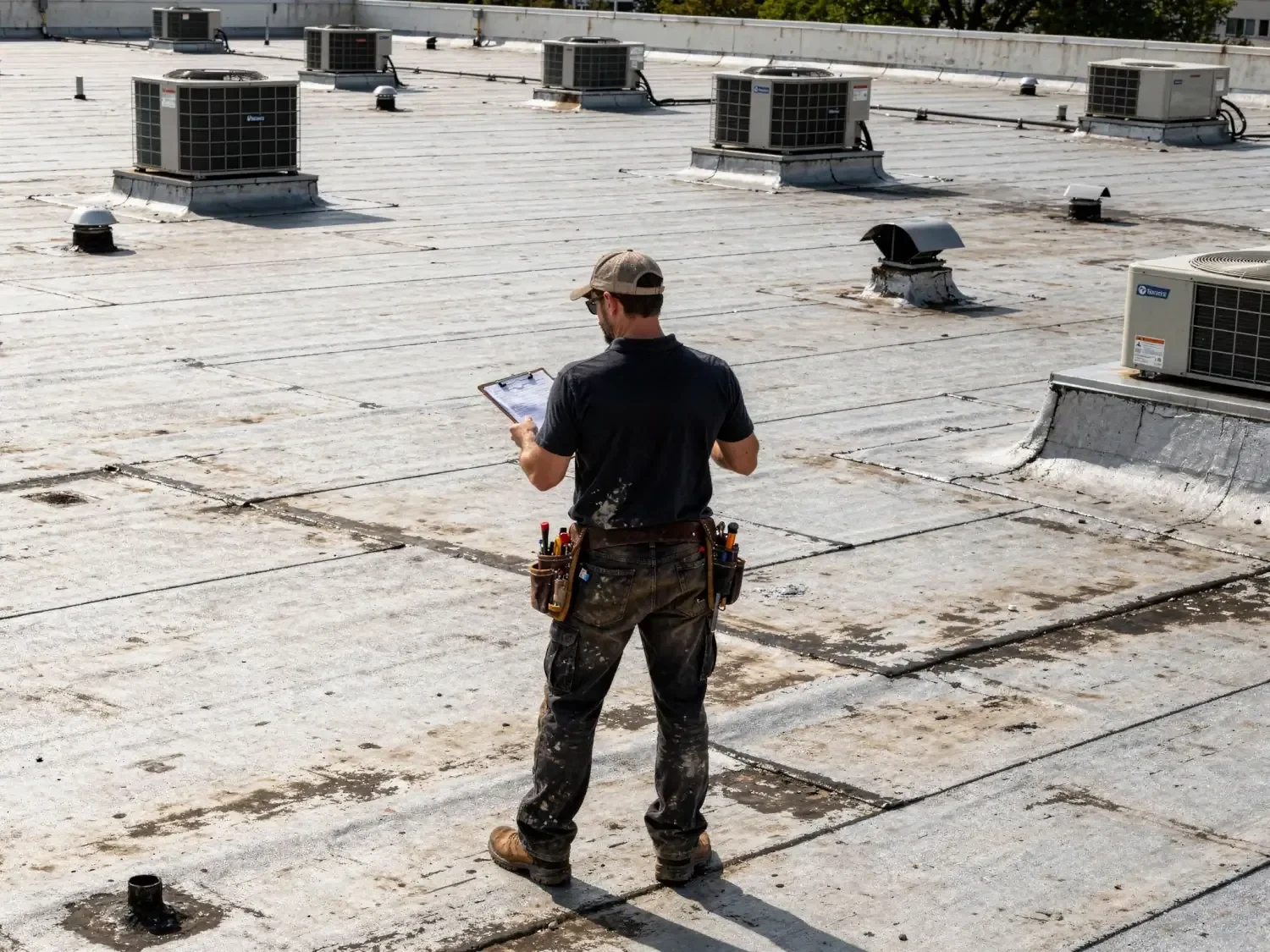
We inspect field areas, transitions, drains, parapets, curbs, expansion joints, and visible prior repairs. For a multi-ply roof, we note surfacing loss, open laps, exposed reinforcement, blisters, and areas that need a closer look. On PVC, we focus on seams, flashing, punctures, and terminations. With a liquid-applied system, we review substrate, coating continuity, and transitions where the application meets another material.
Those observations do not replace an opening or moisture survey when the assembly is concealed. A surface can appear intact while lower layers retain moisture. We mark any uncertainty and explain which test could answer it. Water reports from tenants are to the roof section, but the indoor stain is not treated as the roof-entry location until checked.
Properties near the Jaynes Industrial Park or Brewster Creek Business Park may have separate loading, security, and access requirements. The service visit begins by confirming those details with the property representative. For an overall condition record, use a commercial roofing inspection; for active water entry, a leak-repair visit narrows the immediate scope.
We also check how roof access affects the inspection: ladders, hatches, fall protection, escort rules, and safe routes around equipment. A property contact can identify restricted areas and operating hours before the crew arrives. Clear access prevents a rushed review and helps the report account for every authorized roof zone.
SOPREMA’s commercial roofing categories
SOPREMA’s U.S. commercial products include SBS-modified bitumen membranes, synthetic single-ply PVC, and PMMA or PMA liquid-applied membranes. SBS systems use layered roofing materials, with product-specific base and cap sheets and specified installation methods. PVC is a thermoplastic sheet system with approved attachment and flashing details. Liquid-applied systems rely on the selected substrate preparation, reinforcing components where specified, application conditions, and cured continuity.
For any category, the assembly schedule must identify more than the exposed surface. Insulation, cover board, vapor retarder, attachment, deck, edges, drains, and wall transitions affect the completed roof. Product data and current system manuals control material compatibility, safety steps, and installation methods. We do not assume one product can substitute for another because both are listed as roofing materials.
For a modified-bitumen roof, we verify the existing ply configuration and surfacing before planning a repair. A PVC patch requires a compatible membrane and proper seam preparation. Liquid-applied restoration requires a substrate that can receive the selected system. Owners can compare the broader Johns Manville portfolio or GAF commercial systems, but the project specification should set the selection criteria.
Choose a repair that matches the material
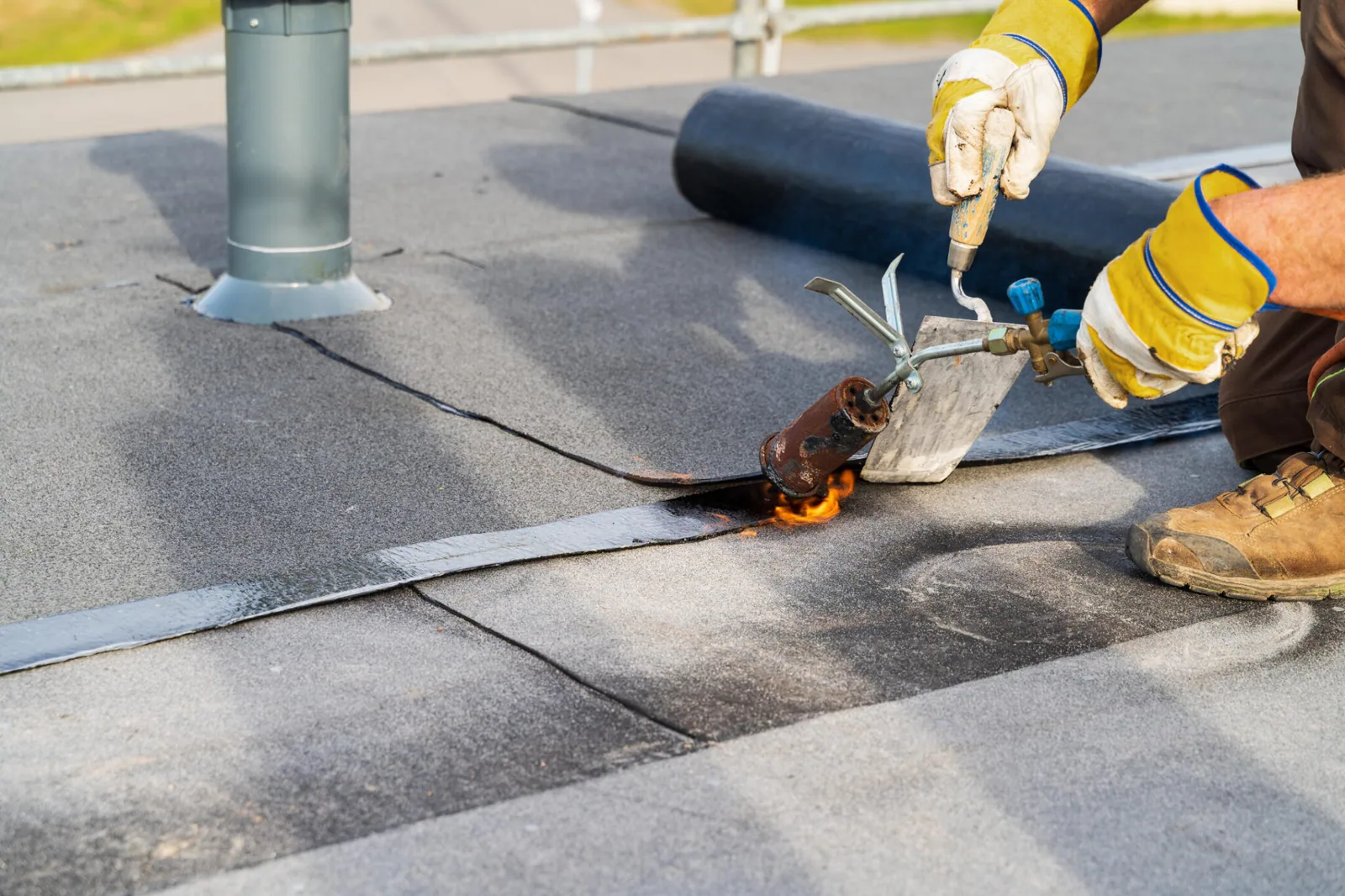
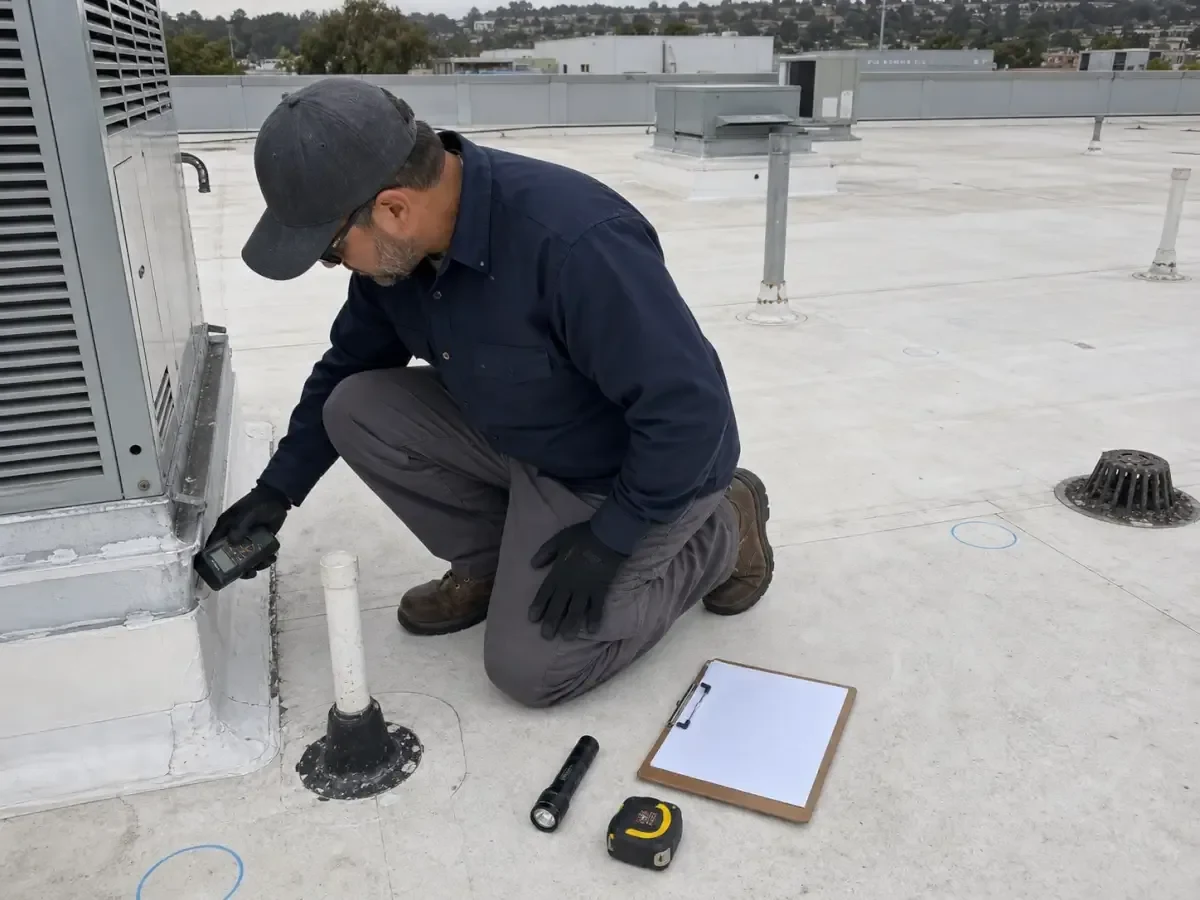
We define the repair location and perimeter before beginning. A crew verifies the installed roof type, prepares the affected surface, and uses the specified components. If moisture extends below the membrane or the substrate cannot hold a repair, we stop and explain the added investigation. A surface application should not hide damage that needs removal.
On SBS-modified systems, the repair has to address the correct ply and surfacing. At PVC seams, a test weld and compatible flashing detail matter. For an applied coating or membrane, preparation and weather limits are central to adhesion and continuity. We follow the current product-specific instructions and record the repair area with photographs. Any temporary cover is identified as temporary until final work is approved.
Where an SBS system meets a wall or curb, we note whether the flashing edge remains bonded and whether the transition can be inspected without removing surrounding material. For a PVC membrane, corners and penetrations deserve a separate look from long field seams. Coating work needs a measured area and a record of preparation conditions. Those distinctions help the owner understand why a repair scope includes one detail and excludes another.
The work order also lists conditions observed nearby but left outside scope. Owners can use preventive maintenance to track open recommendations or request a coating-restoration review when the existing assembly may be a candidate. A broader replacement decision can be compared through commercial roof replacement.
Specify substrate, attachment, and exposure
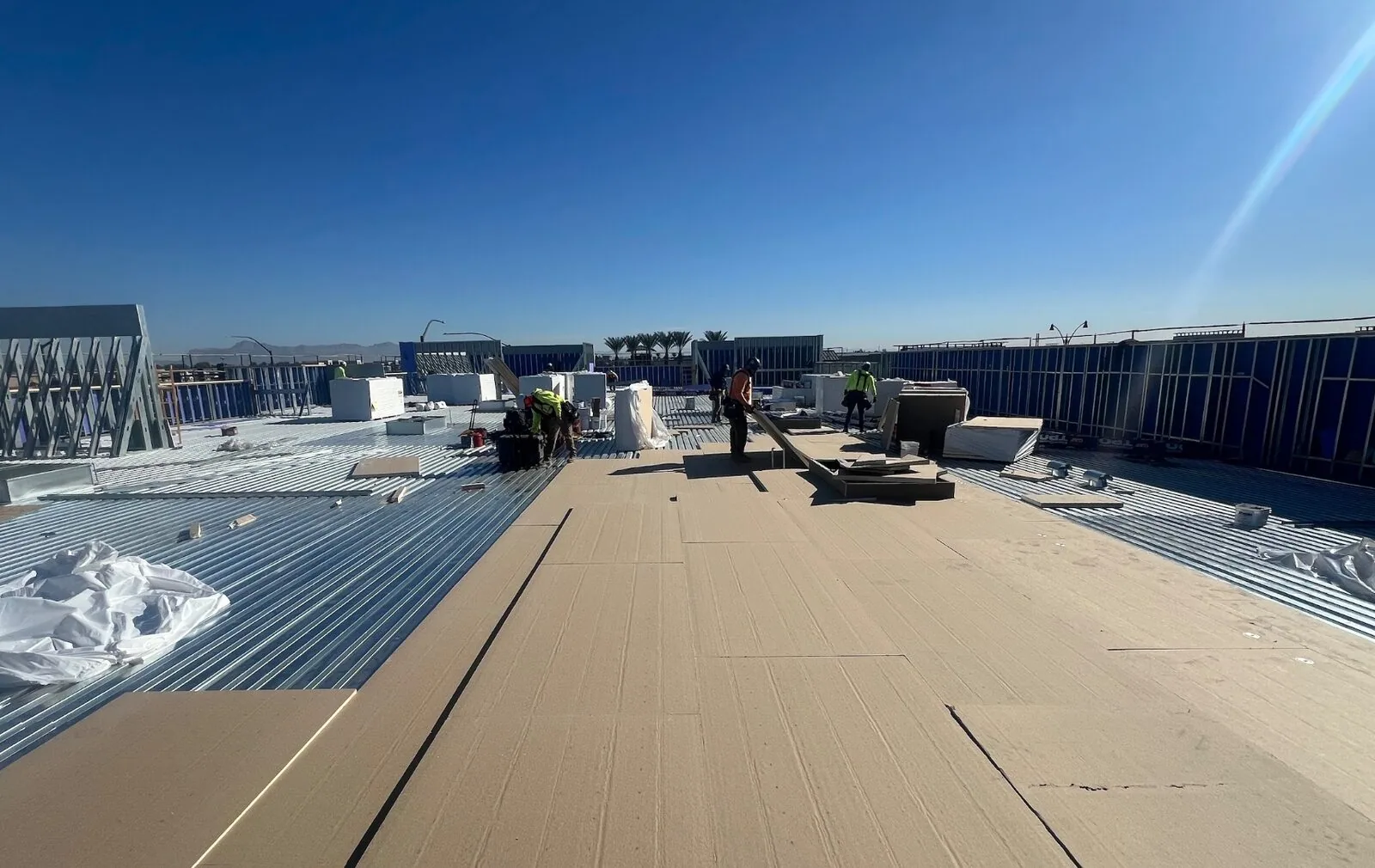
A system should be selected against roof slope, drainage, deck, occupancy, anticipated traffic, and expected maintenance. Before recover work, verify existing layers, moisture, deck capacity, and perimeter height. If those facts remain unknown, the proposal should call out a test or opening and describe how the result affects the bid. Tear-off can also reveal conditions that need documented approval.
The design should identify compatible components at drains, scuppers, walls, equipment, and movement joints. Wind and fire requirements apply to the designed assembly. Liquid-applied materials require application planning that accounts for substrate temperature, moisture, ventilation, and exposure limits in the current instructions. SBS work also requires a method appropriate to the selected product and site safety requirements. The installer follows approved specifications rather than improvising a generic detail.
For a multi-ply assembly, record the number and role of the layers where they can be confirmed, along with the exposed surfacing and visible repair history. A liquid-applied specification should identify the product family, substrate preparation, reinforcement, coverage, cure, and transition details required for that system. PVC requires compatible sheet and flashing components. These differences affect sequencing and safety controls, so the proposal should state which method is being used. The owner should review access, ventilation, odor management, and temporary closures with the contractor where the selected work method makes them relevant. Do not let a generic “roof restoration” label stand in for a system description.
Before mobilization, the project lead confirms the chosen product, current data sheet, safety requirements, material delivery, and approved substitution process. The crew should have the applicable detail available at the roof, especially where several trades meet at a penetration or parapet. Record any approved field change with closeout photos. The closeout file records any change from the bid documents and the owner’s approval.
At an occupied property, phase roof areas so staff know which doors, rooftop routes, or equipment zones are affected. Confirm daily dry-in, weather stop authority, material storage, deliveries, and emergency access. The plan should describe how dust, odors, noise, or other work effects are managed when relevant to the selected process.
Elgin’s seasons shape the work window
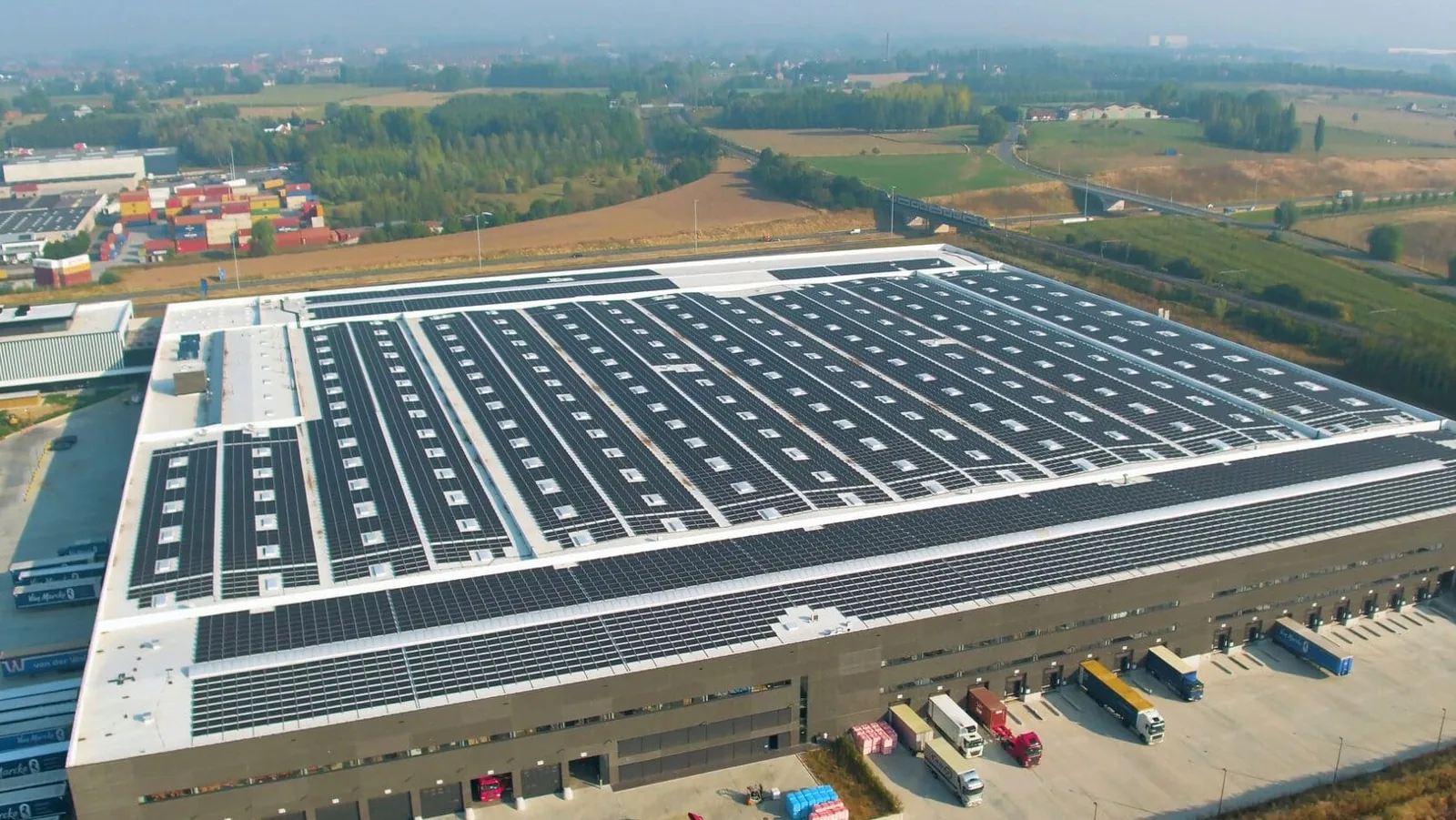
Elgin’s climate brings cold-weather periods, recurring freezes, summer heat, and about 37.76 inches of annual precipitation. These conditions affect scheduling and temporary protection. A system-specific installation window must still follow the current manufacturer instructions. Climate averages cannot determine whether a particular roof is sound or which SOPREMA product belongs on it.
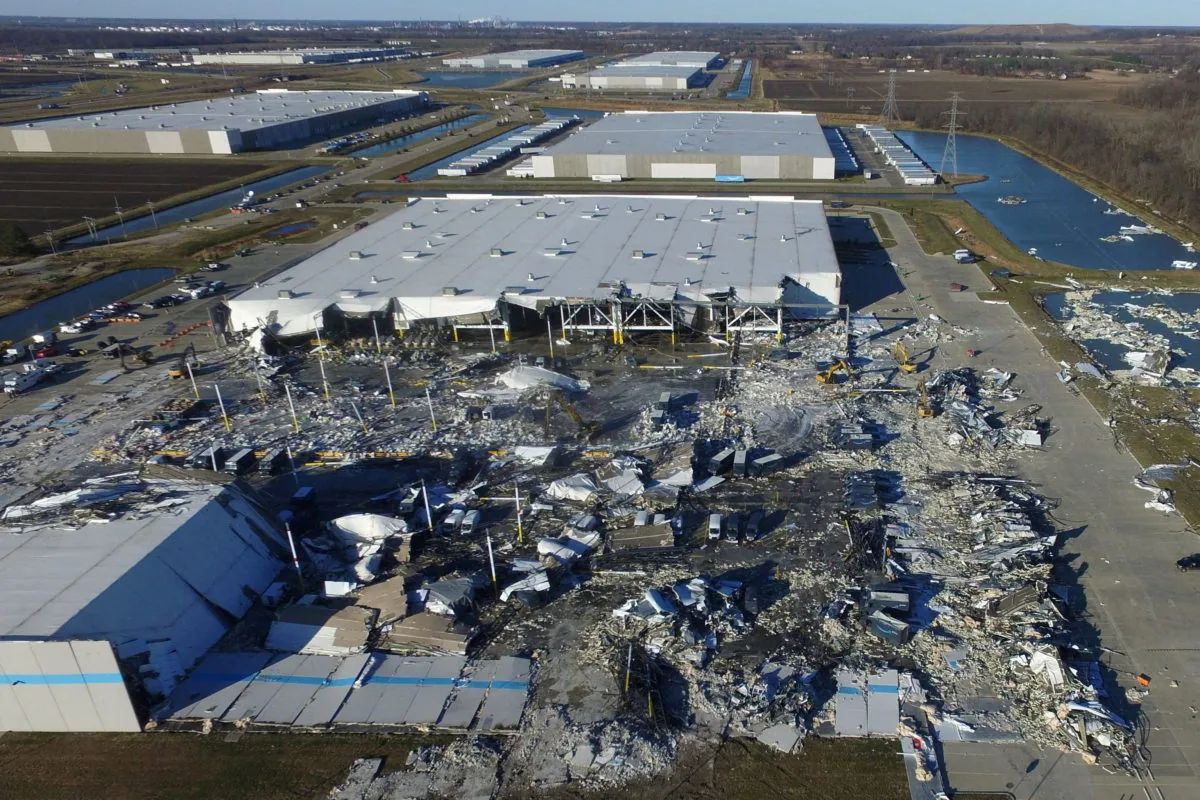
The July 2023 tornado crossed Elgin, and a one-inch hail report occurred in February 2024. Those events can prompt a property owner to request a review, but the inspection documents what is present now. We note damaged edges, punctures, open seams, loose flashing, blocked drainage, or interior signs only if observed on that building.
A site in Randall Point Executive Center or the Windsor Commerce Center may have different gate procedures and delivery slots. We verify access, escort needs, work hours, and roof entry before dispatch. A precise visit plan makes the inspection useful without presuming a roof condition from its location.
Questions About SOPREMA Commercial Roofing
What commercial roofing does SOPREMA offer?
Its categories include SBS-modified bitumen, PVC, and PMMA or PMA liquid-applied membranes.
Can you repair an SBS roof?
A repair may fit when layers and substrate are suitable; we define the boundary first.
Will a coating work on any roof?
No. Substrate, compatibility, preparation, and application conditions must support the system.
Do regional storms confirm damage?
No. Inspection documents present evidence at the specific building.
What belongs in a system specification?
Products, layers, attachment, substrate, flashing, edges, drains, and project criteria.