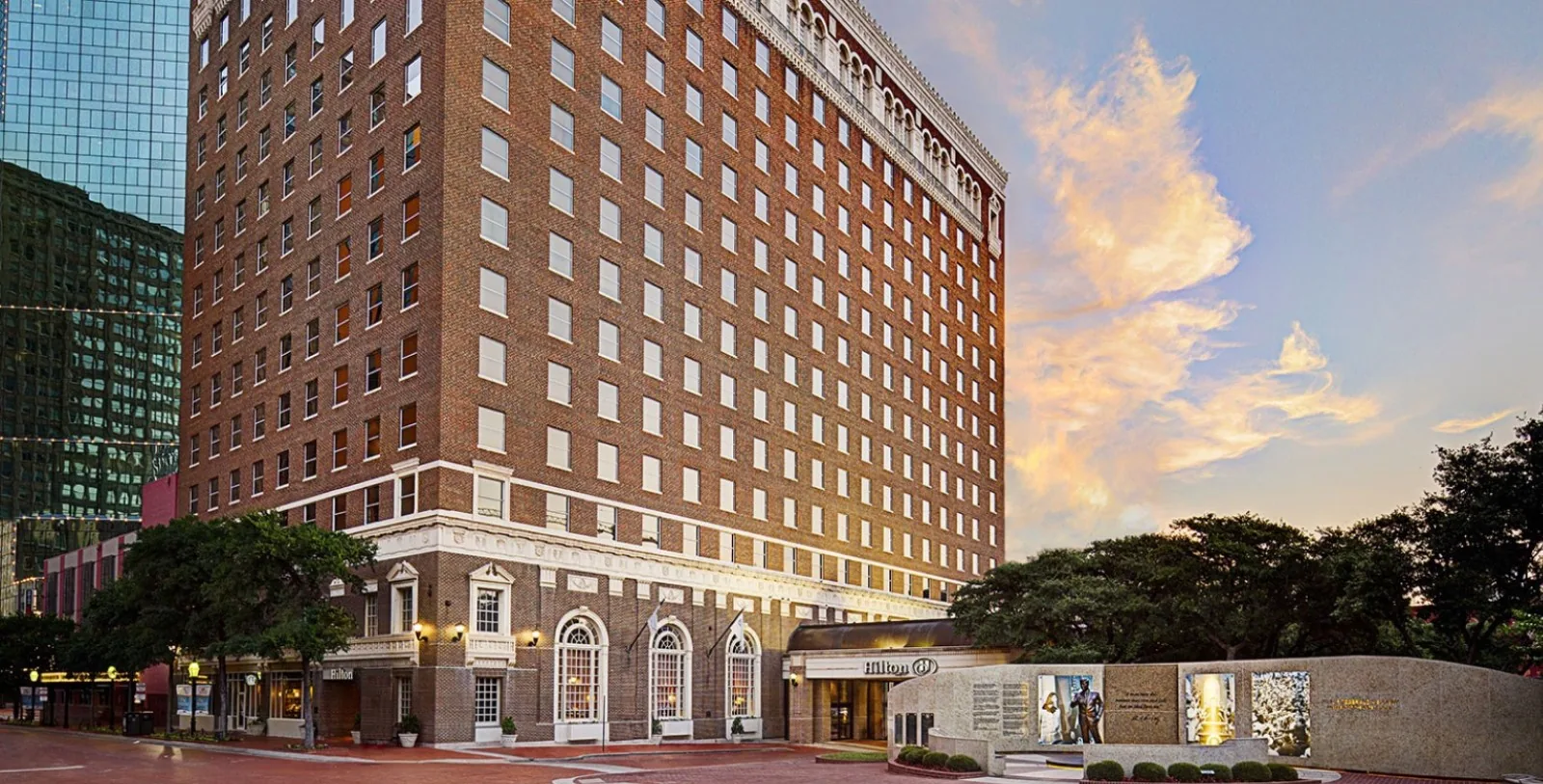
Hotel Commercial Roofing in Elgin, IL
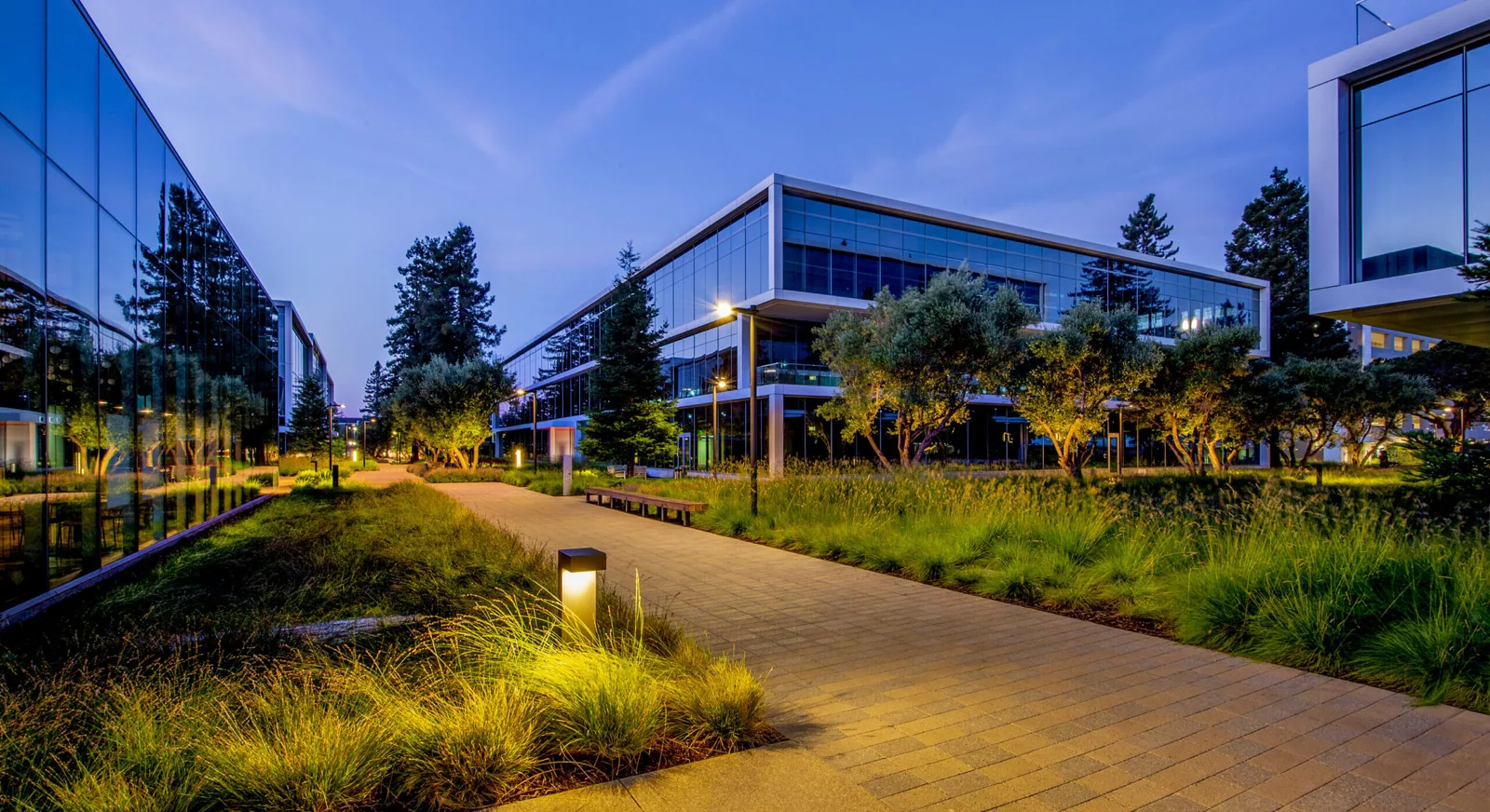
Schedule a hotel roof review
Send the property address, leak details, occupancy limits, roof plans, equipment contacts and event calendar. We will define the inspection and work boundaries.
Hotel Commercial Roofing
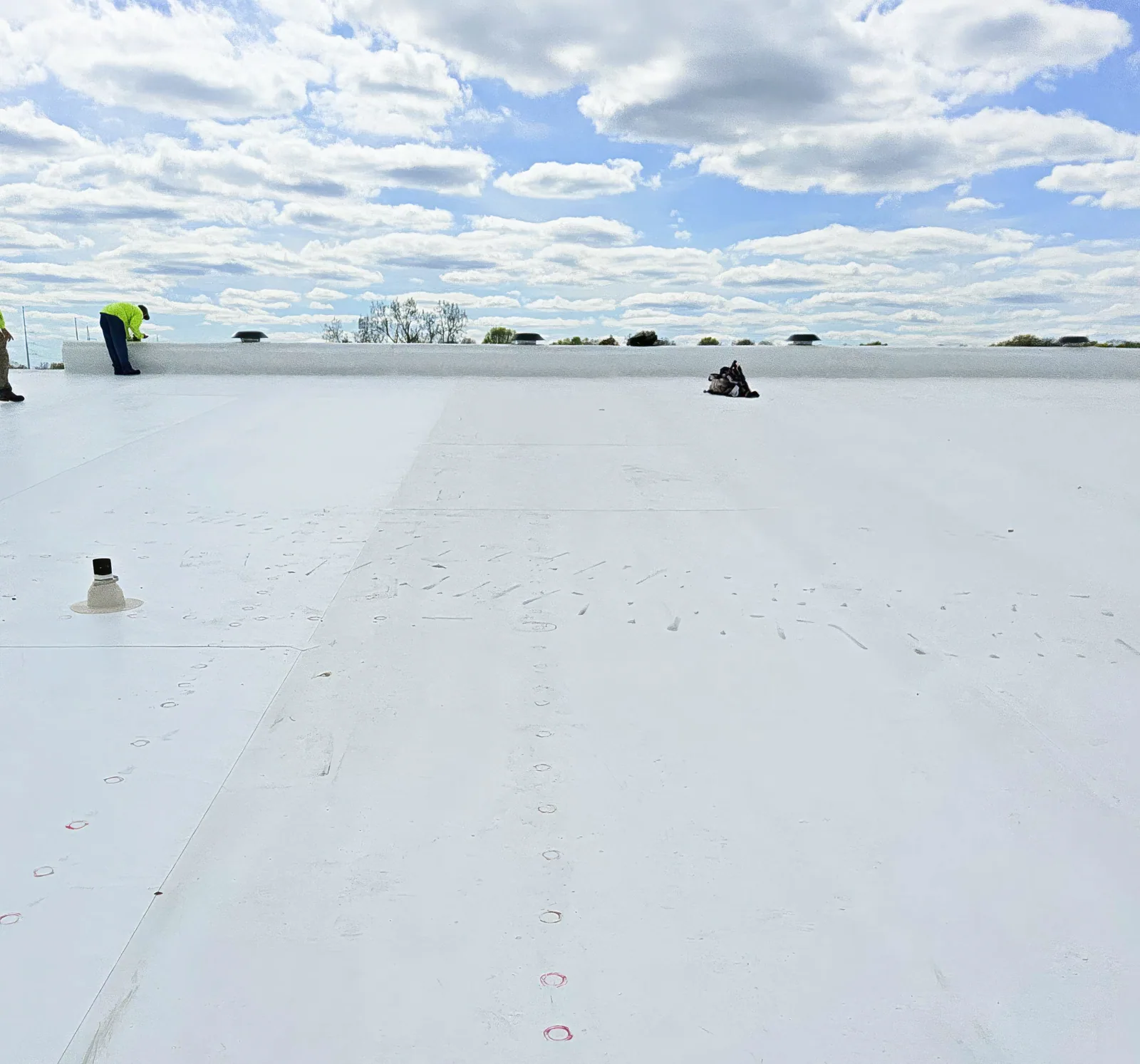
A hotel roof project has two operating schedules: the work plan and the guest experience. We confirm the building contact, roof system, affected zones, access controls and any reports of water inside before recommending a repair. The plan then accounts for check-in, events, housekeeping, food service, deliveries and rooms below the work area. Those details guide access and communication.
Elgin’s commercial areas include Downtown Elgin and business parks near I-90 and Randall Road. Loading and event needs vary by property. Our team verifies those property-specific arrangements with management rather than assume a shared hotel layout or guest route.
Map guest activity before setting a work window
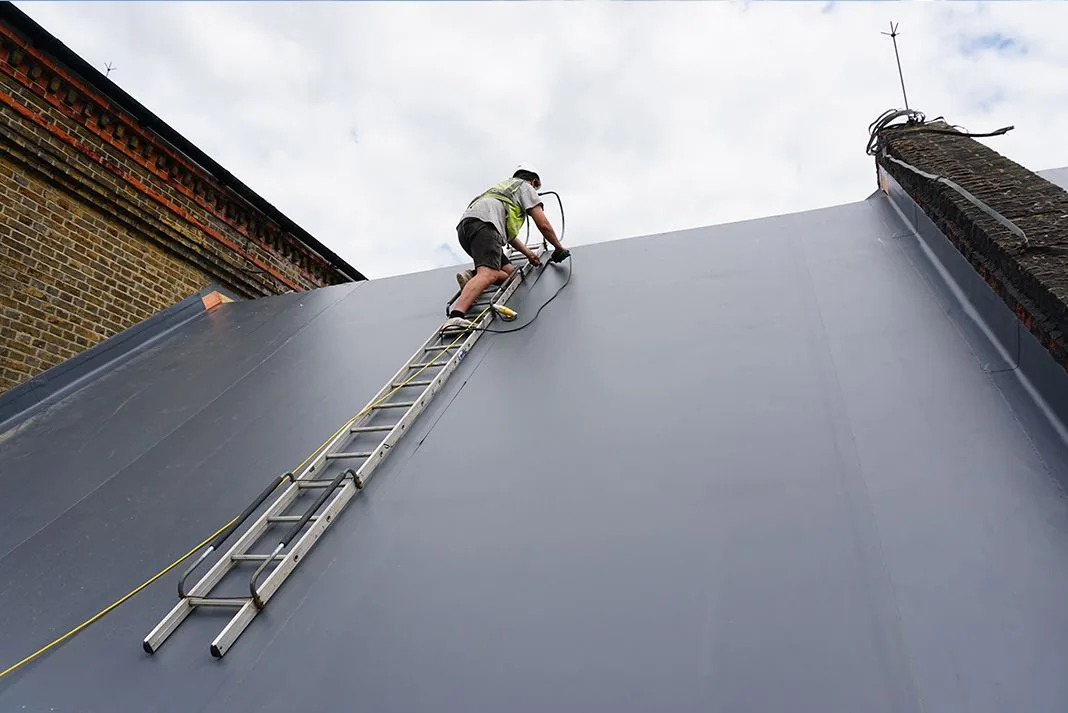
The general manager or facilities contact identifies occupancy patterns, event rooms, housekeeping shifts, food-service hours and any planned group arrivals. We confirm open guest areas and service routes. We describe likely noise and odor before management adjusts room assignments.
Access is confirmed with the person who controls keys, alarms, escorts and rooftop equipment. A mechanical room or roof hatch may require a separate authorization. The crew does not enter guest floors or shut down building systems without an agreed process. If equipment isolation is needed, the owner coordinates the qualified operator and confirms the service window.
A material delivery should not compete with a hotel’s loading activity. The plan records staging, truck path and emergency access. For properties near Downtown Elgin or the Randall Road commercial area, management verifies its own parking, dock and municipal requirements. A site walkthrough sets the roof scope and confirms the access plan.
Investigate leaks with room-level detail
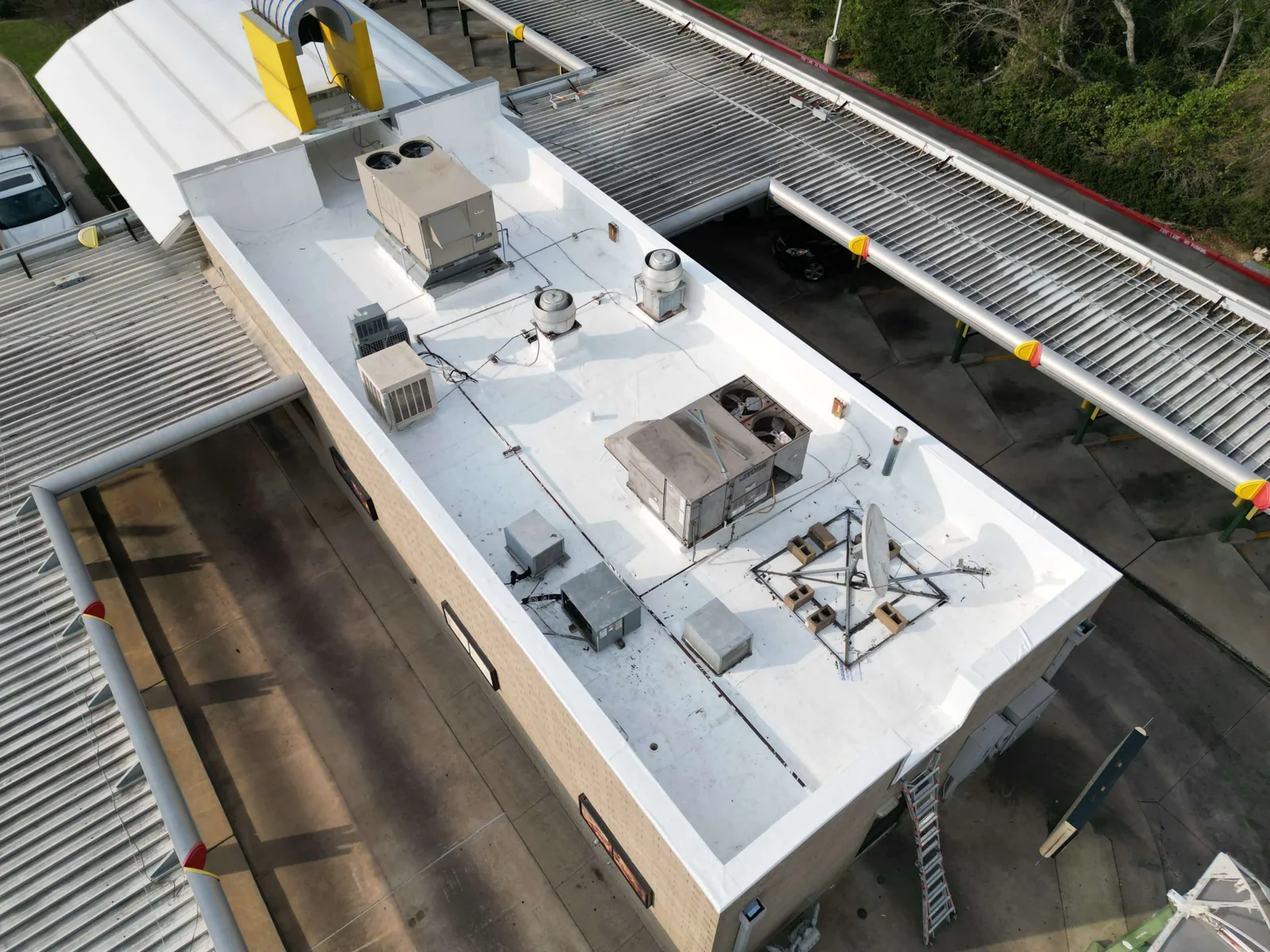
A report should identify the room or public area, date and time, whether water is active, recent weather and any nearby lights or equipment. We compare that information with roof observations, recognizing that water may travel across a deck or insulation before appearing below. Findings distinguish the reported symptom from a confirmed opening or failed roof detail.
We examine accessible seams, flashing, drains, curbs, skylights and equipment transitions. We record the specific zone and accessible condition. Any test opening or scan is scheduled only after management selects the location and interior safeguards. No ceiling removal is assumed in a roofing-only scope.
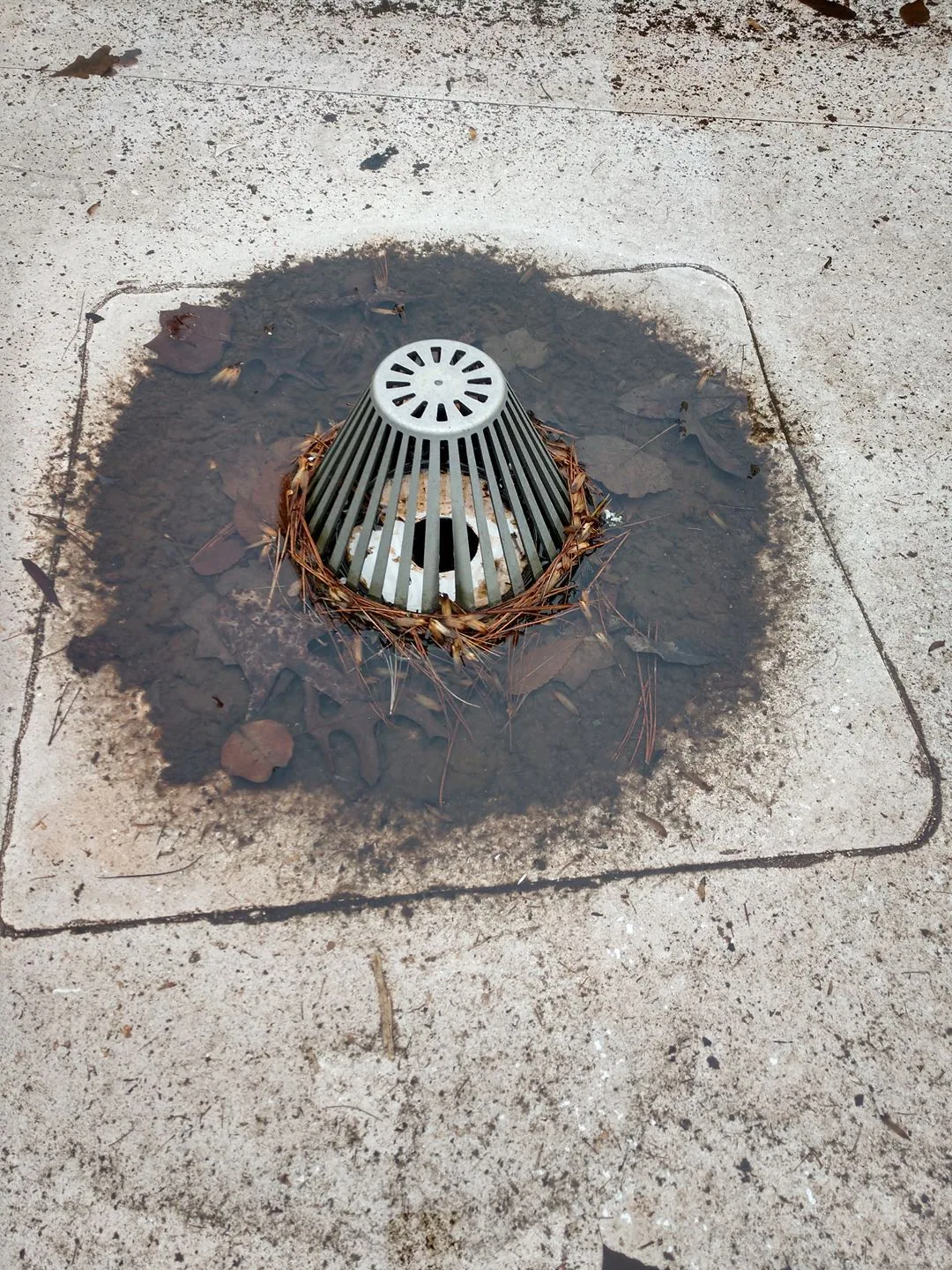
A commercial leak assessment targets the reported condition; a broader inspection can document several roof zones. Where drainage appears relevant, a drainage review checks the accessible outlet and surrounding membrane without presuming that a blocked drain caused the leak.
Protect sleeping rooms and shared spaces
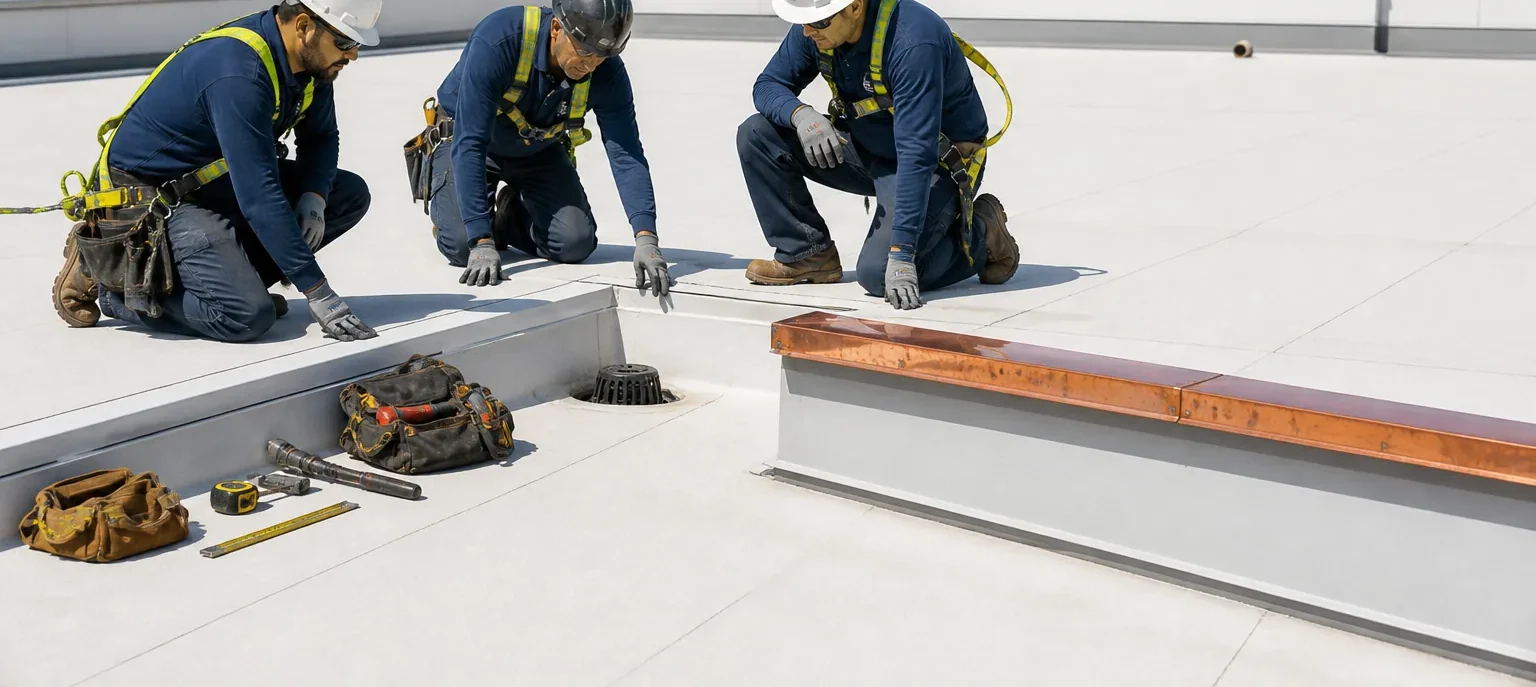
If work sits over occupied rooms, the hotel identifies any rooms that cannot be used during a repair window. The roofing lead explains noise, vibration, dust, odor and the possibility of temporary interior protection. Management makes guest-relocation decisions. We keep the work boundary and schedule clear, and notify the designated contact before conditions change.
Public areas add distinct concerns. A restaurant, lobby, meeting room, pool enclosure or fitness space may have separate operating hours and access controls. We ask whether an event setup, food delivery or housekeeping cart route crosses the staging area. Barriers and spotters can be part of the plan where a lift or material handling could affect a pedestrian path.
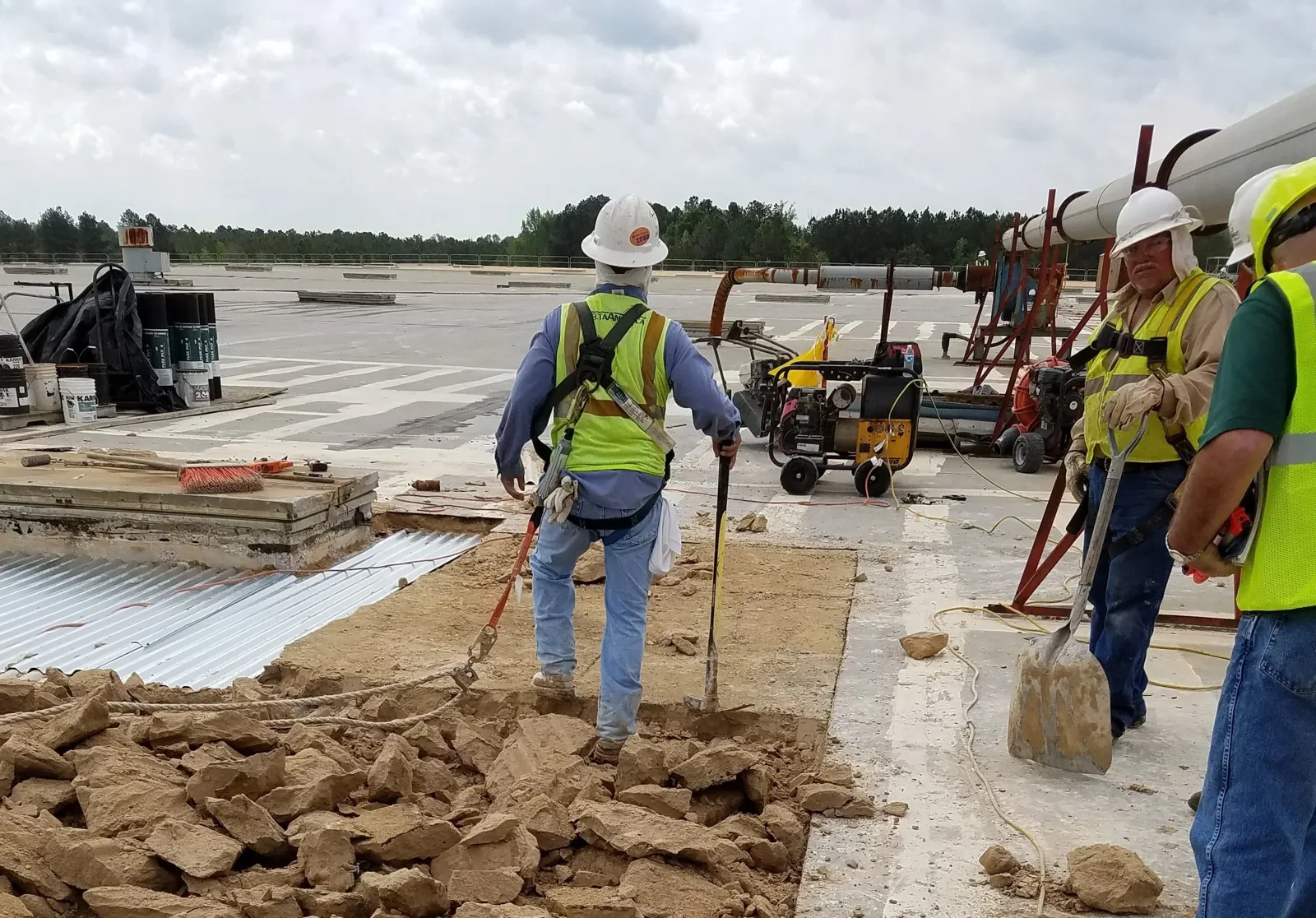
For extensive work, phased reroofing can divide the building into manageable sections. The hotel approves the sequence and any room blocks. Each phase records roof area, protection, noise window and responsible contact. This makes schedule effects visible without promising that every day will be free of disruption.
Review equipment, drainage and exposed details
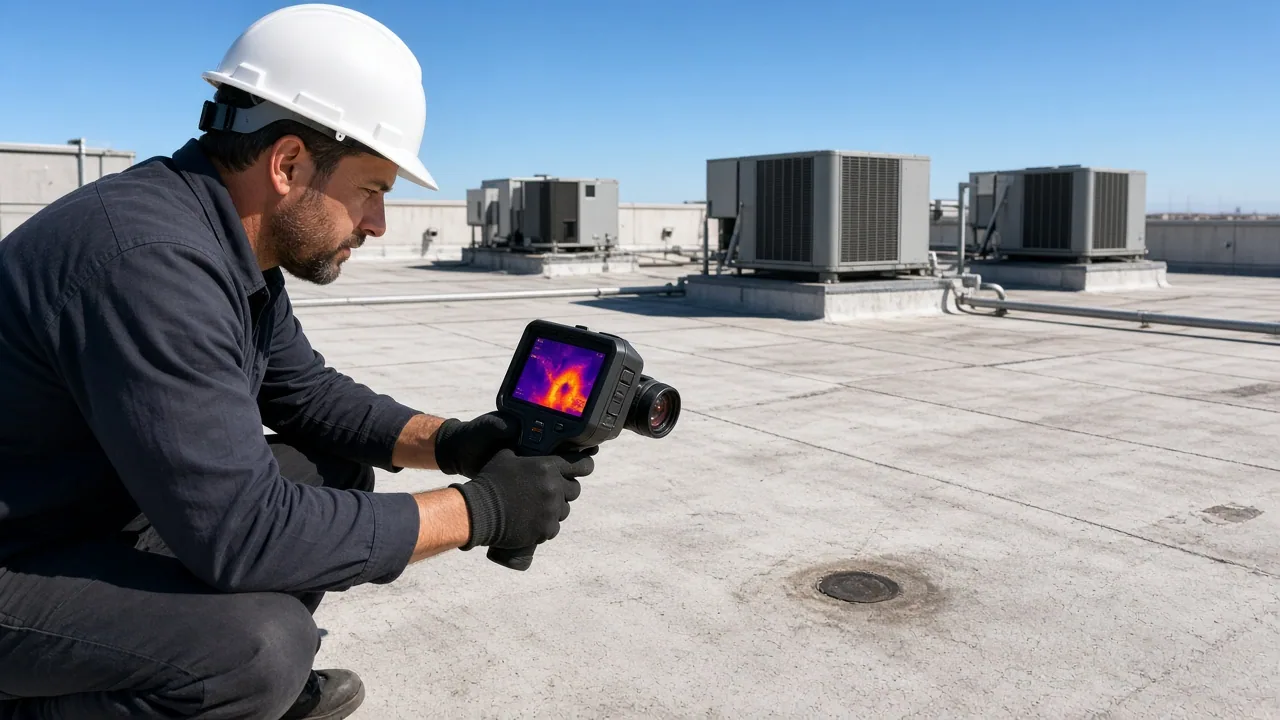
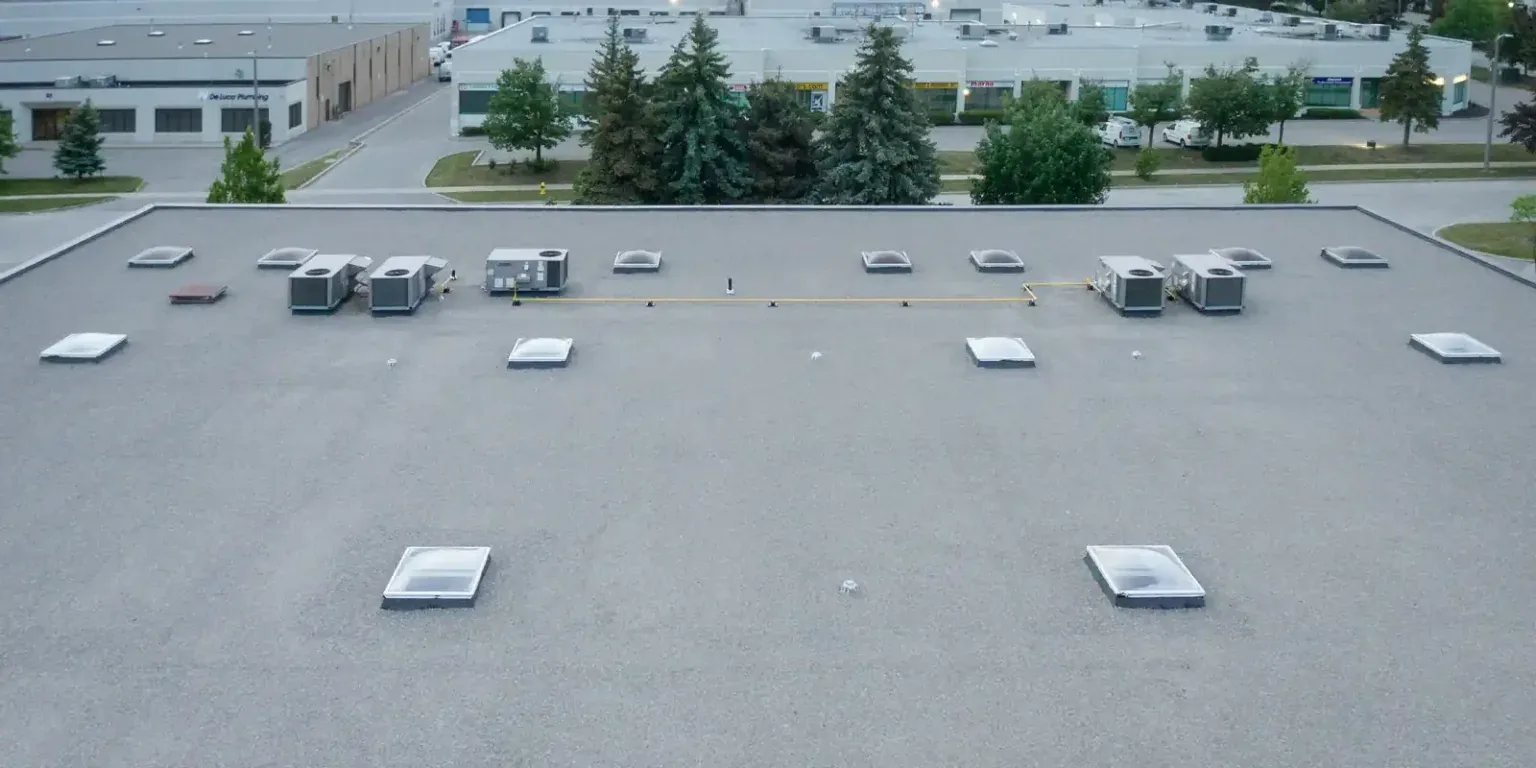
Hotel roofs may support HVAC units, kitchen exhaust, communications equipment, skylights and access systems. We map visible penetrations and note curb flashing, sealant, attachment and membrane condition. Equipment remains in service unless the owner and its specialist approve a shutdown. If a curb repair needs temporary disconnection, the assigned responsibility and return-to-service check are stated before work.
Elgin averages 29 inches of annual snowfall and has recurring freeze periods. The site review records drain condition, overflows, low points, snow-related access limits and visible water marks. Winter weather can make roof access unsafe. We schedule the inspection when the surface can be reached safely and distinguish an observed issue from a seasonal possibility.
A one-inch hail event was recorded in Elgin in February 2024. That history makes a reported event worth documenting, but does not establish damage to this hotel. We photograph observed impact or displacement and note what could not be confirmed. If the owner reports event-related concern, storm damage response can separate temporary protection from permanent repair.
Choose work from documented roof conditions
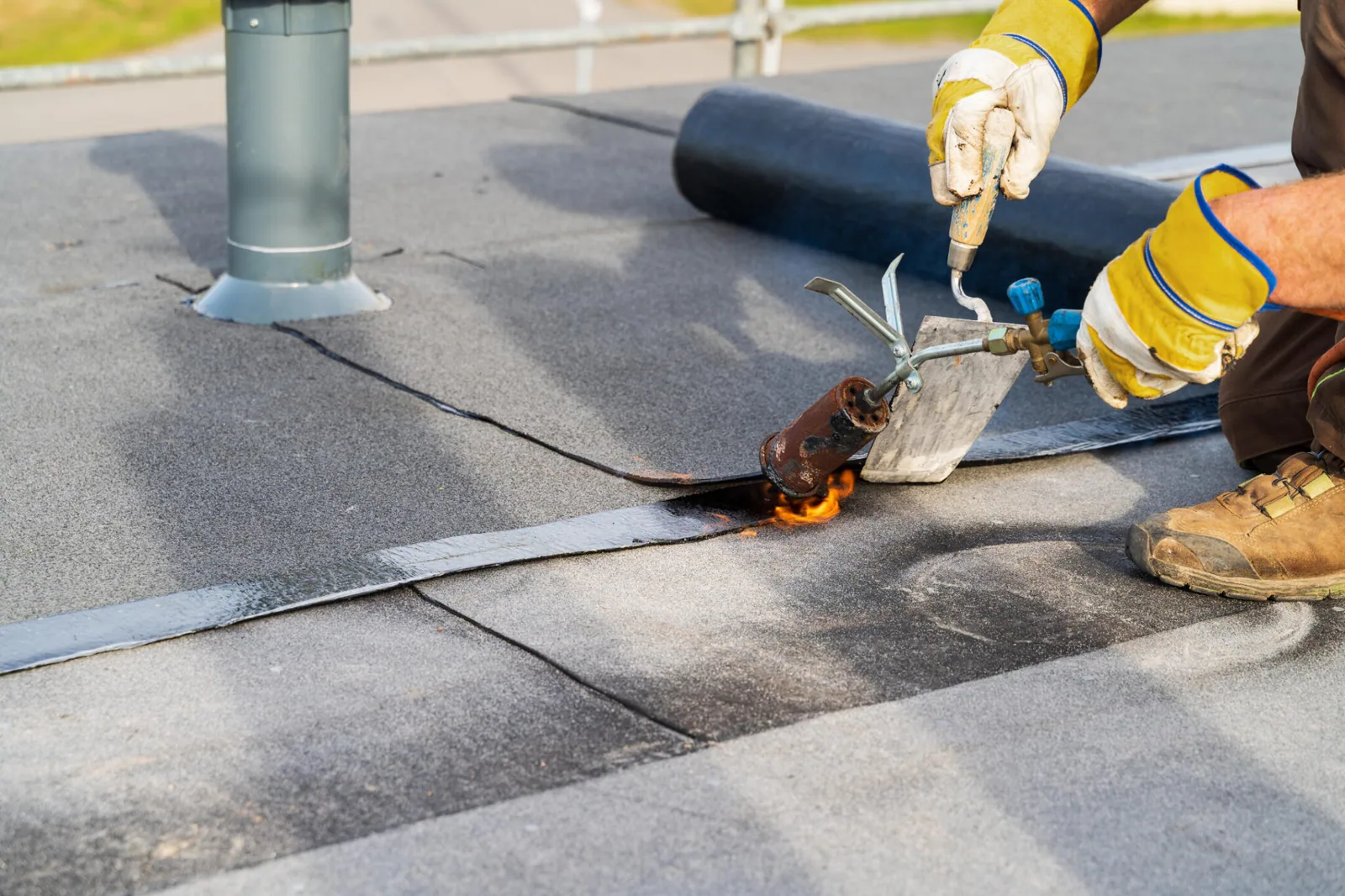
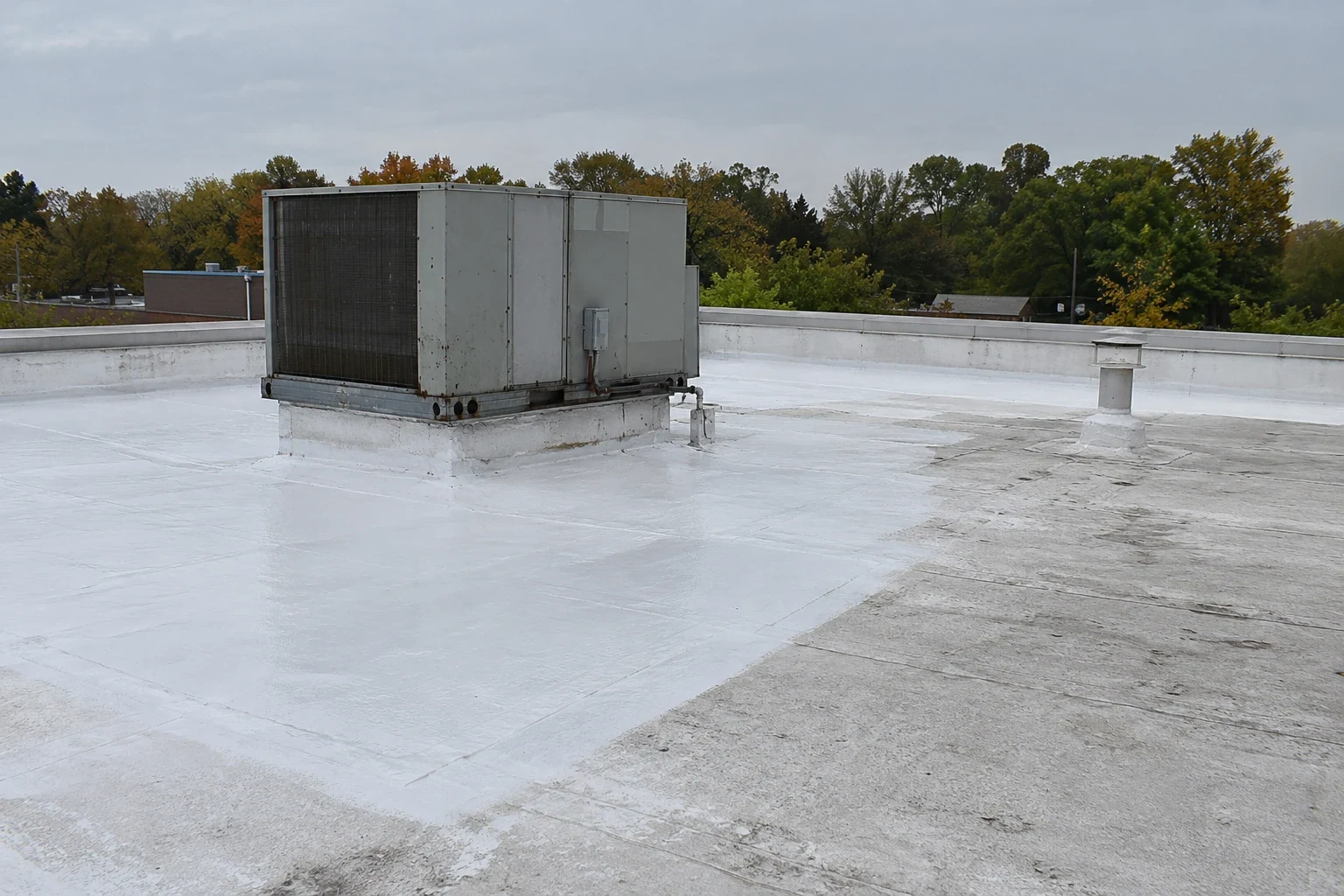
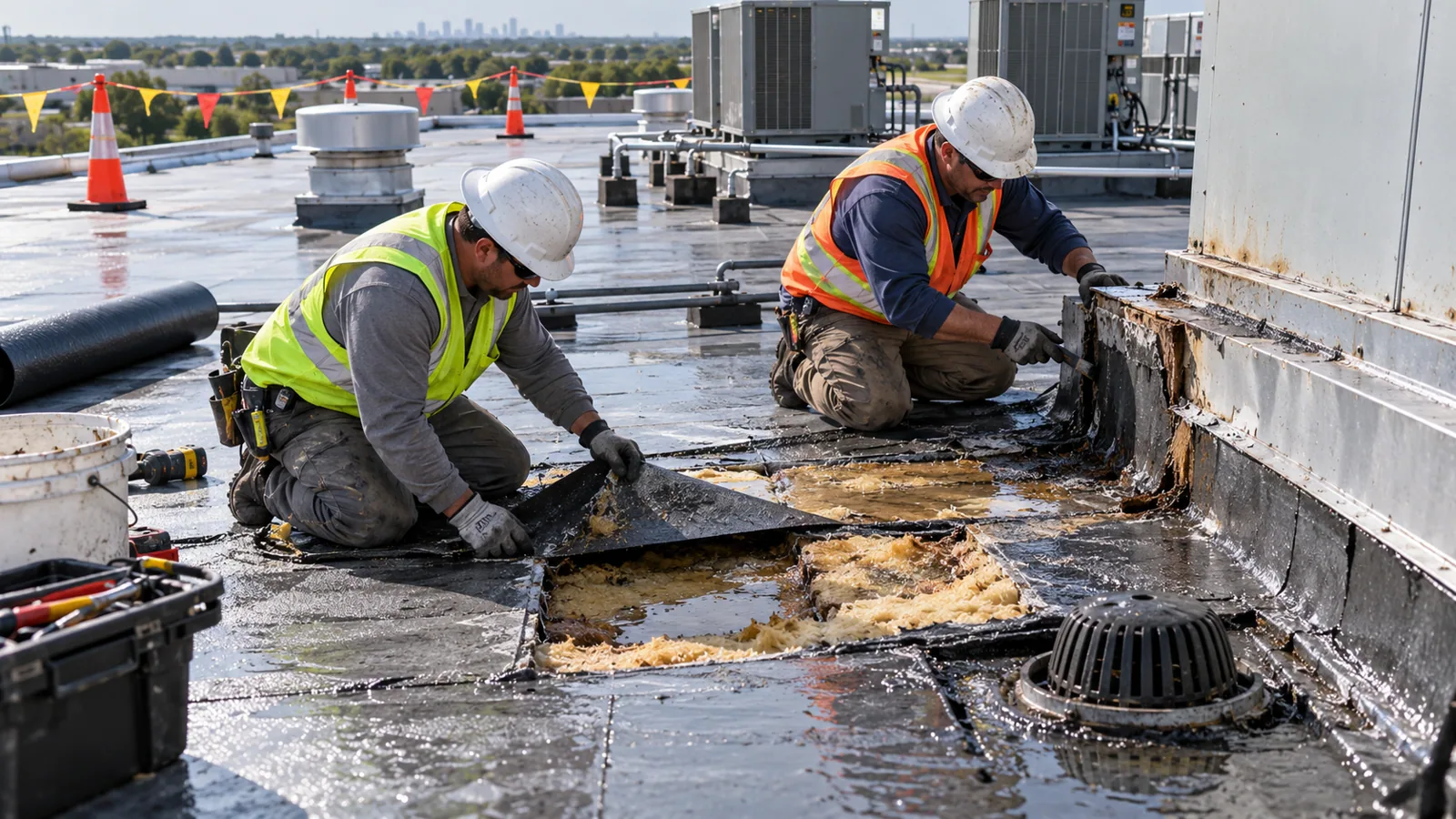
Repair, coating and replacement are evaluated against membrane condition, seams, insulation, deck, moisture readings, drainage and assembly history. A localized defect with sound adjacent material may support a repair. A coating proposal depends on compatibility, preparation, adhesion and drainage details. Broad deterioration, repeated failures or unsuitable existing layers can change the comparison toward replacement. A hospital roof plan must protect clinical access and sensitive equipment while the route and work hours are confirmed.
The estimate identifies the system, work limits, penetrations, edge details, material handling, interior protection and warranty requirements. It also states what the hotel must coordinate, such as room access or equipment isolation. The crew documents concealed conditions and pauses before expanding removal.
Elgin uses the 2021 International Building Code and Existing Building Code with city amendments. Project-specific permit requirements should be verified for the planned scope. The contractor describes its assembly; the owner’s professional handles code determinations. Performance claims remain tied to the actual roof assessment.
Coordinate vendors without mixing responsibilities
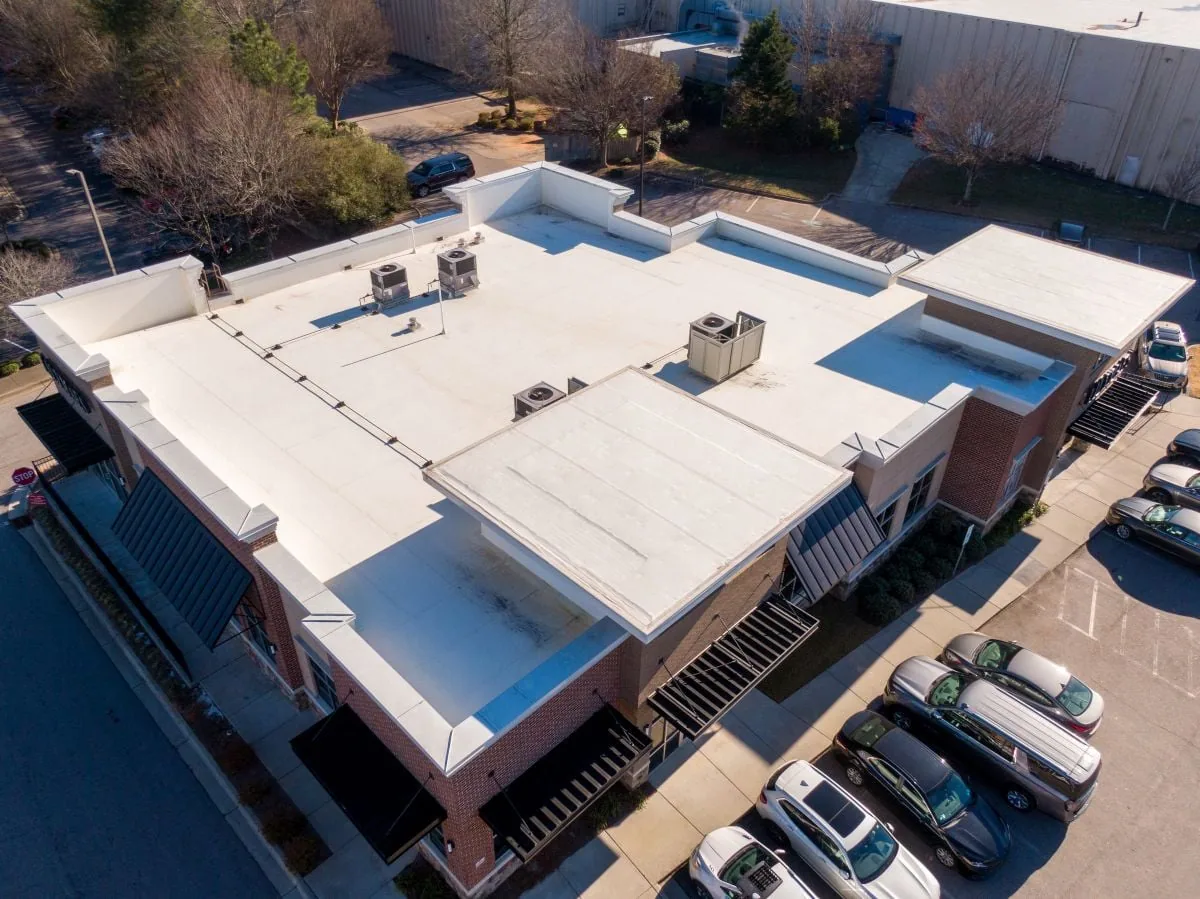
Hotels may have facilities, housekeeping, food-service, event and mechanical teams. The project contact identifies who can approve roof access and who must receive daily updates. A vendor that controls a rooftop unit may be different from the person who approves the roofing contract. The contact list should name both roles where needed. Multifamily access is different; review apartment roofing.
For a portfolio owner, a shared roof log can show open leaks, completed work, next inspection and deferred items by building. Each entry needs a property identifier, roof zone and date. A summary across multiple sites is useful only when the underlying records remain separate and comparable.
Elgin’s employer base includes Advocate Sherman Hospital, Elgin Community College and John B. Sanfilippo Company, reflecting a varied local commercial economy. We rely on the property’s own plans and operations when setting roof access, staging and communications.
Close out for facilities and management teams
At closeout, the hotel receives a description of work, photos by roof zone, materials where known, open observations, temporary protection status and any recommended follow-up. We confirm staging has been removed from agreed paths and tell management when the work area is ready for normal access. If the property is near Elgin Industrial Park, verify truck access on site.
Before requesting service, send the property address, roof plans, leak reports, room or public-area impacts, access rules, equipment list, occupancy windows and approval contact. Note upcoming events and any area that cannot be closed. We will confirm what can be inspected, identify immediate protection needs and provide a written scope based on the accessible evidence.
Keep the record in the maintenance file. It helps the next facilities manager distinguish a past repair from a current problem. If water returns, use the new date and room location to start a fresh review rather than assuming that the previous roof zone is responsible.
Questions About Hotel Commercial Roofing
Can roof work happen while guests are staying at the hotel?
Often, with a defined work zone, approved access and a schedule that management can communicate. The scope should state expected noise, odor, room impacts and protection.
Will a roof inspection require closing guest rooms?
Not always. The property contact determines access below the roof, and any test opening or intrusive work requires a separate location and protection plan.
Can you coordinate rooftop HVAC shutdown?
We identify roof-related coordination in the proposal. Hotel management arranges shutdown and restart with the responsible mechanical specialist unless expressly included.
What details help investigate a guest-room leak?
Send the room number or area, when the water appeared, whether it remains active, photos, nearby equipment and the contact who can arrange roof access.
How do you plan around a hotel event?
Management provides event and occupancy windows. We compare those with weather, access, material timing and the repair method before confirming the work sequence.