Commercial Metal Roof Retrofit in Elgin, IL
Review an exposed-fastener roof
Send panel records, leak locations, repair history, access details, equipment plans, and any structural review. We will inspect attachment and define retrofit options.
Commercial Metal Roof Retrofit
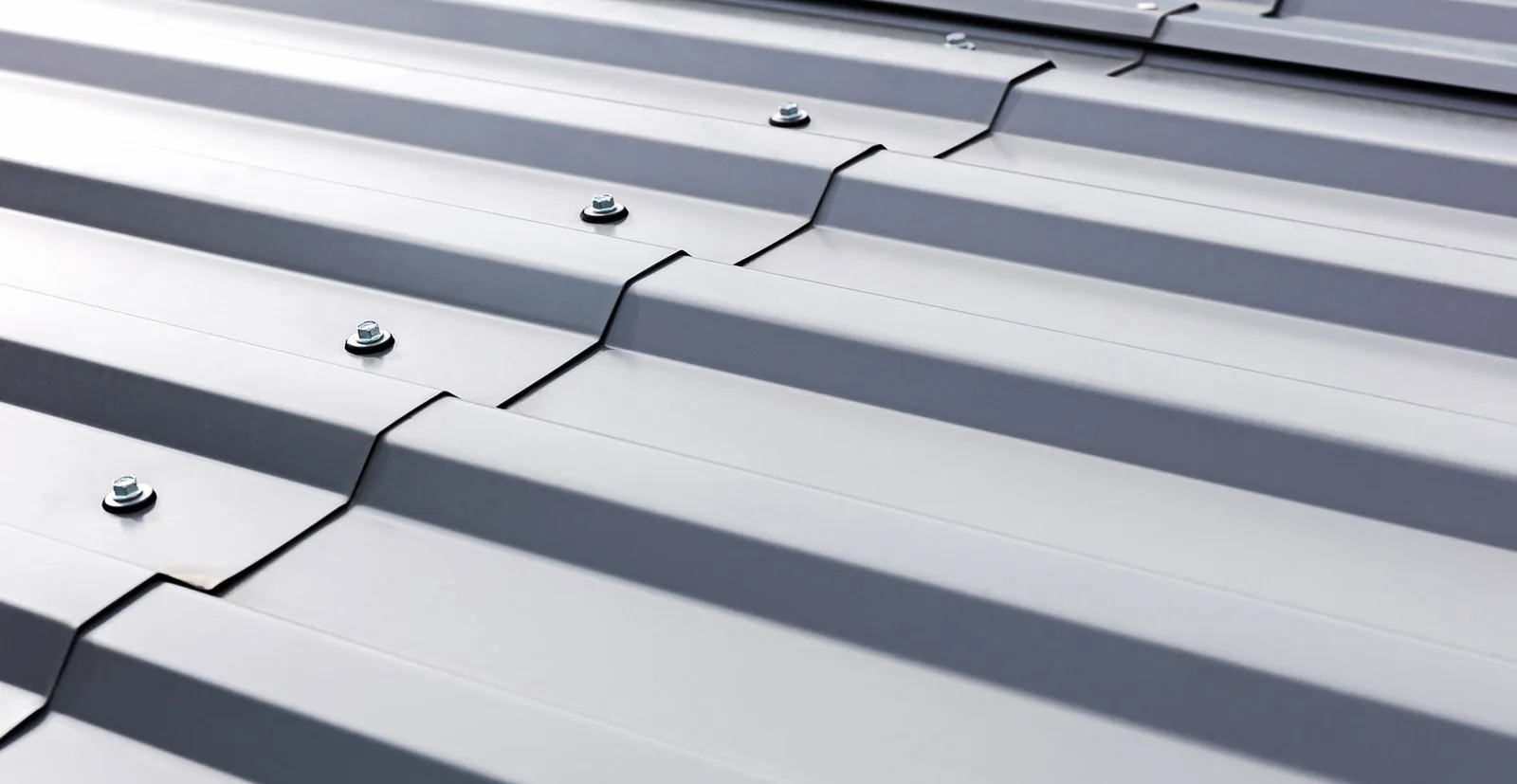
An exposed-fastener metal roof can leak at a washer, lap, ridge, or transition. We inspect the panel field, fastener rows, closures, underlayment, and supporting structure before recommending a retrofit. Elgin’s wind, snow, and temperature shifts test exposed details over time. A new coating or over-roof system should not conceal loose panels or unverified deck conditions. We document the current assembly and compare a repair, restoration, or retrofit only where the roof supports that path.
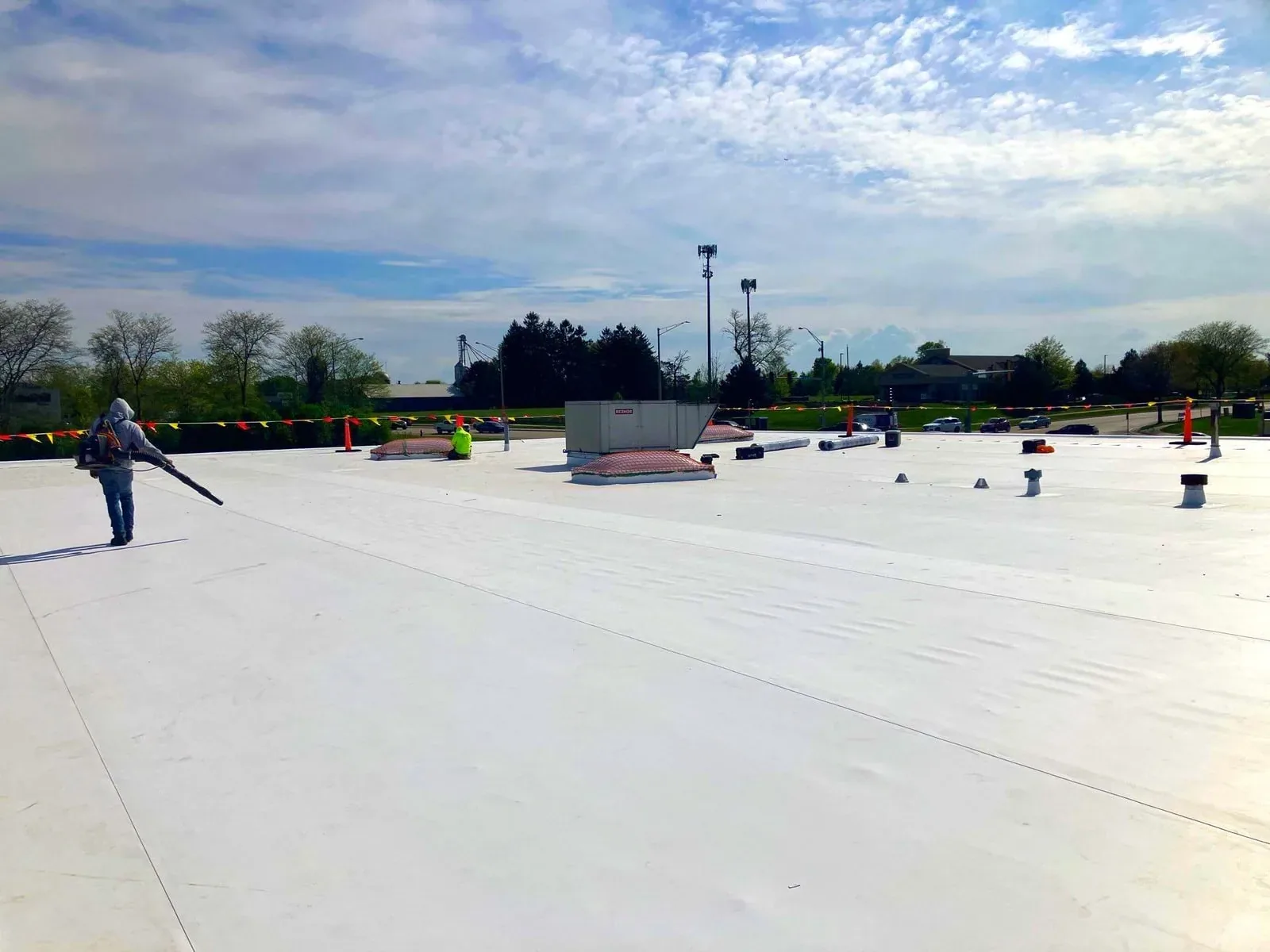
Fastener review: locate movement and failed washers
We look for backed-out screws, hardened or split washers, rust, missing fasteners, enlarged holes, and panels that have shifted. Fastener spacing and attachment can vary between roof areas. We photograph patterns and identify affected runs. Replacing a washer may be suitable for a defined condition, but widespread movement may call for more than a surface service.
At Burnidge Bros. Industrial Park or Jaynes Industrial Park, each building may have additions or repairs from different periods. We inspect each roof section and confirm its panel profile and attachment. Building or park maps can help locate the roof area, but an on-site inspection confirms each panel profile, attachment pattern, and repair history.
Water at a screw can travel along the panel and appear well away from its source. We check laps, ridges, eaves, valleys, and penetrations before selecting the repair location. A leak trace can help when interior evidence points to a broader area than the visible opening.
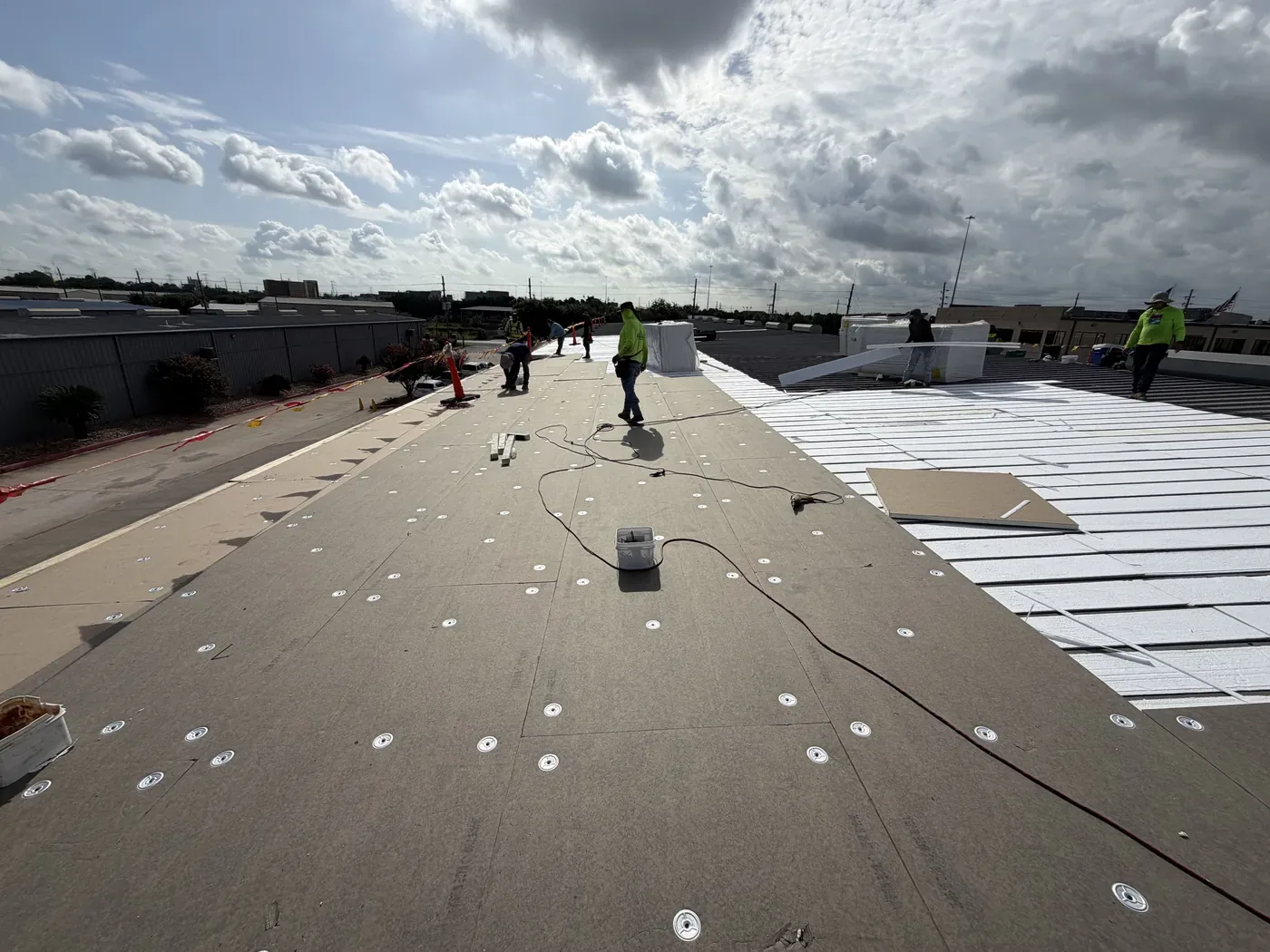
Panel and lap condition: check the entire drainage route
Panel corrosion, coating loss, deformation, open side laps, and failed end laps each need a different response. We note whether water can enter at a ridge cap, valley, rake, or eave. The inspection also checks closures, underlayment exposure, sealant condition, and debris at overlaps. Where the panel is bent or severely rusted, new sealant may not restore a reliable joint.
Elgin’s yearly weather includes substantial rain and snow. Meltwater travels along long panels, while ice can stress an eave or gutter. We record actual blockage or wear rather than infer a metal defect from a seasonal norm. The owner may request a drainage visit if water collects at the eave or a lower roof.
A gutter and edge inspection can check discharge, fascia, and perimeter metal. If the roof uses concealed seams rather than exposed screws, a standing seam assessment addresses a different attachment detail.
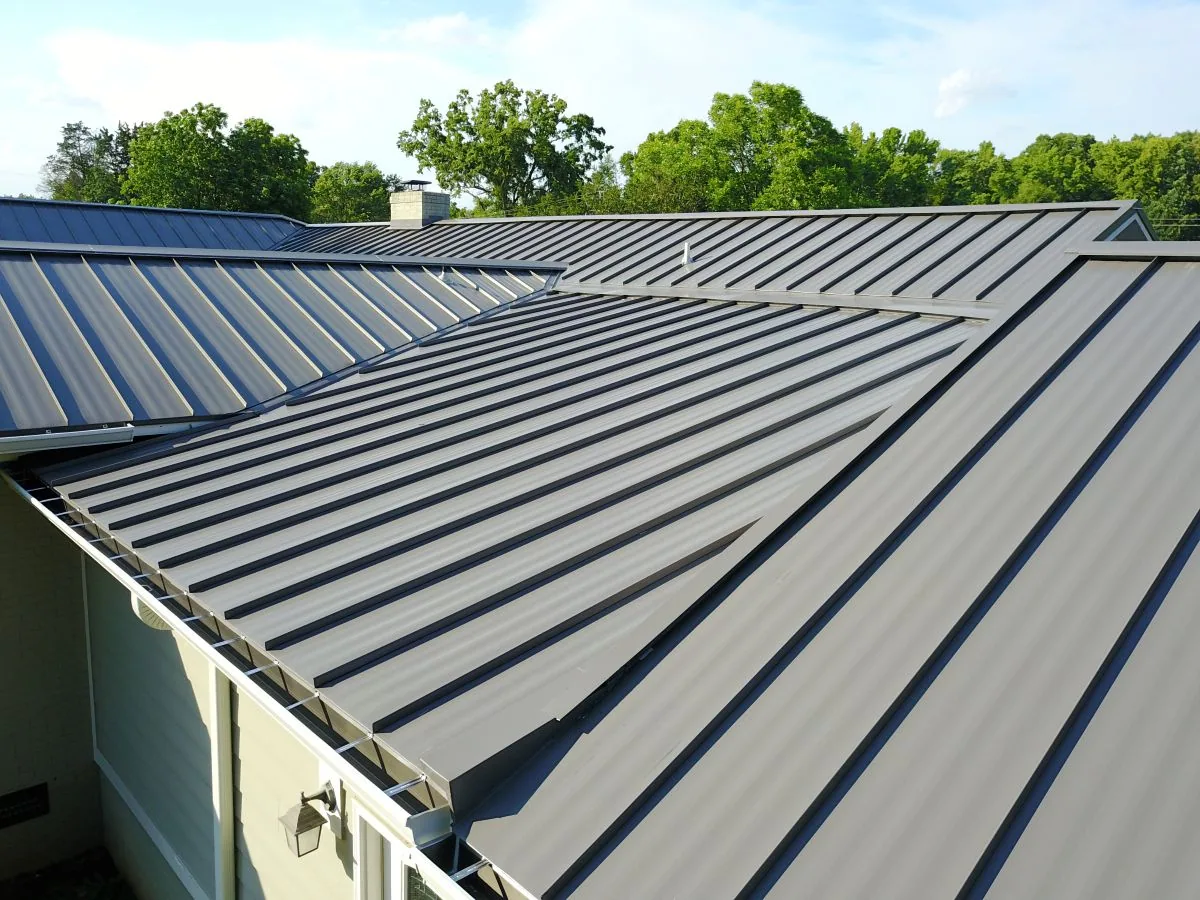
Retrofit options: retain or cover the existing panels
Retrofit choices include targeted repairs, compatible restoration coatings, a new roof over the existing panels, or full removal. Selection depends on panel stability, corrosion, fastener condition, underlayment, structural support, drainage, and project requirements. We do not place a new assembly over loose or unsafe panels without a designed and approved attachment plan.
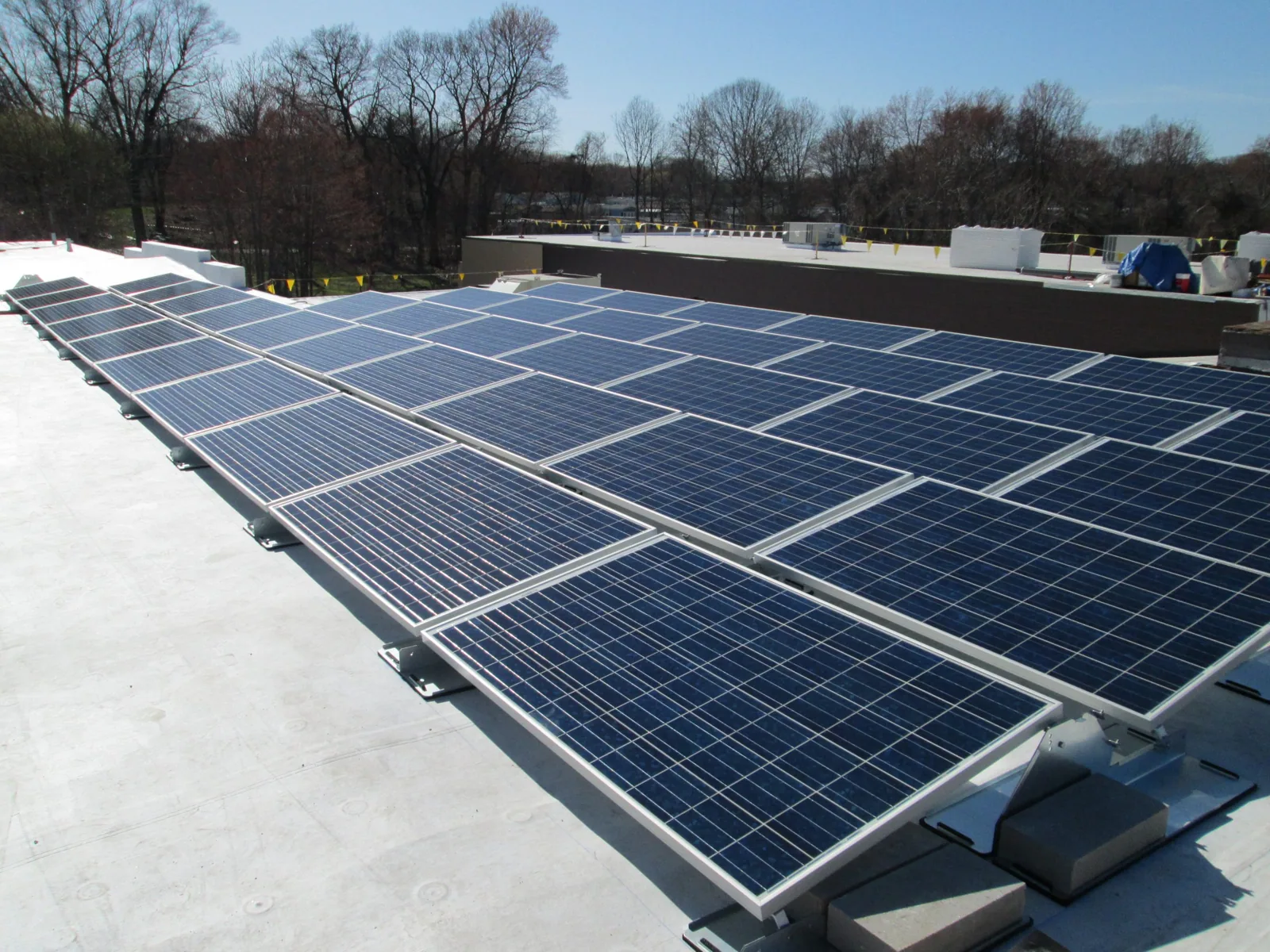
A structural professional may need to review added load, wind uplift, or support conditions. Roofers can document panel geometry and accessible layers, but we do not certify structural capacity. The proposal names the review needed and the point when material order can proceed. Existing rooftop equipment, solar, and penetrations may affect new support layout.
When the metal surface remains serviceable, a coating evaluation can test adhesion and compatibility. Coating does not tighten failed fasteners or replace corroded panels. If new insulation and a membrane system are considered, an over-roof membrane requires a specific attachment detail and verified substrate.
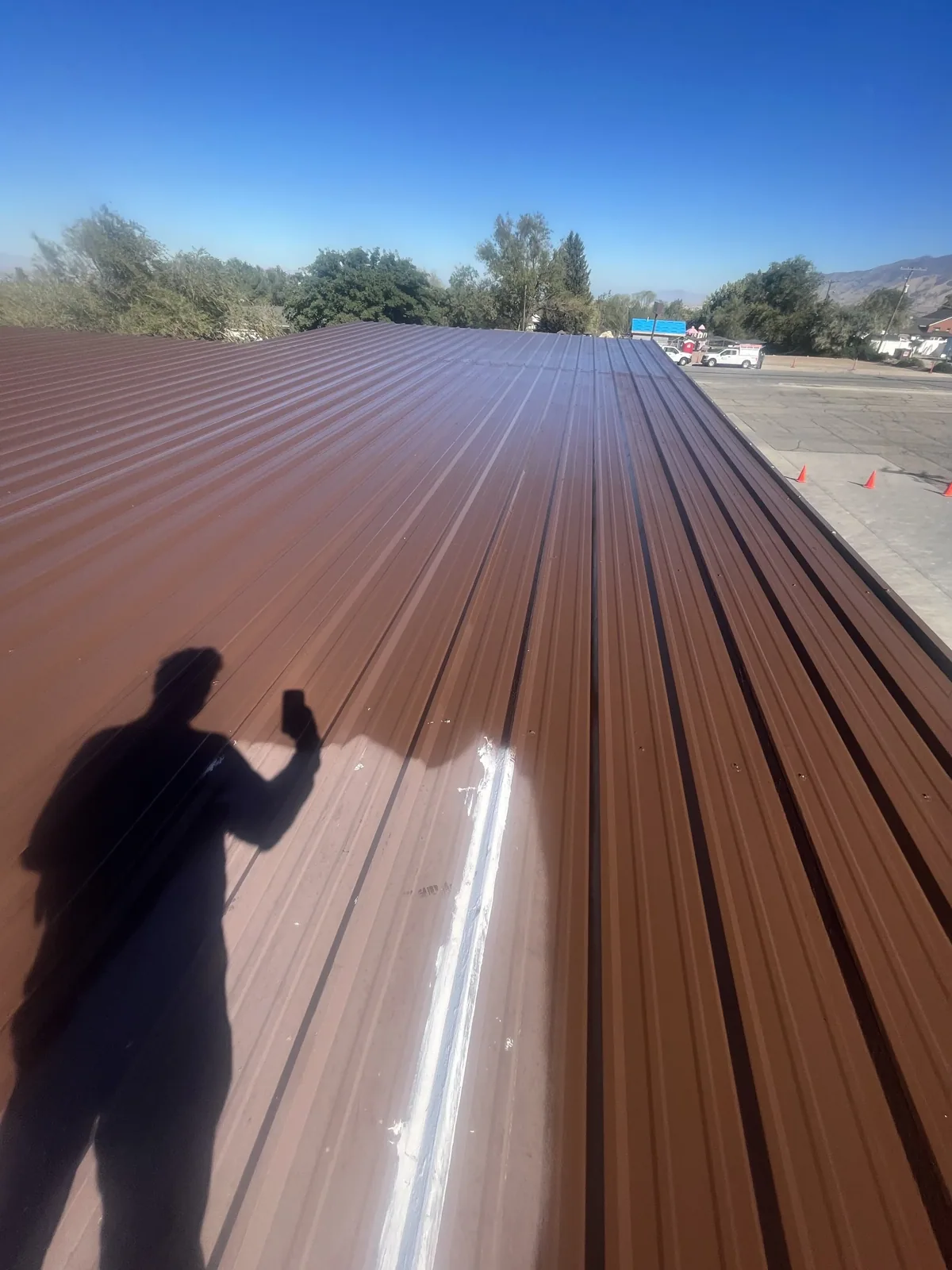
Repair work: use compatible metal and closures
Localized repairs may replace screws, washers, closure strips, flashing, or a panel section. The estimate lists material, finish, fastener type, and repair length where those can be confirmed. Replacement metal may not match an aged coating. We state color and profile limitations before ordering and check whether the new piece can lap into adjacent panels without creating a water trap.
Sealants require clean surfaces and a suitable joint. They do not restore missing support or correct a distorted panel. A repair plan indicates whether work is temporary or permanent and how each exposed edge will be secured. If hidden underlayment or wood support is soft, we stop and request approval before expanding the opening.
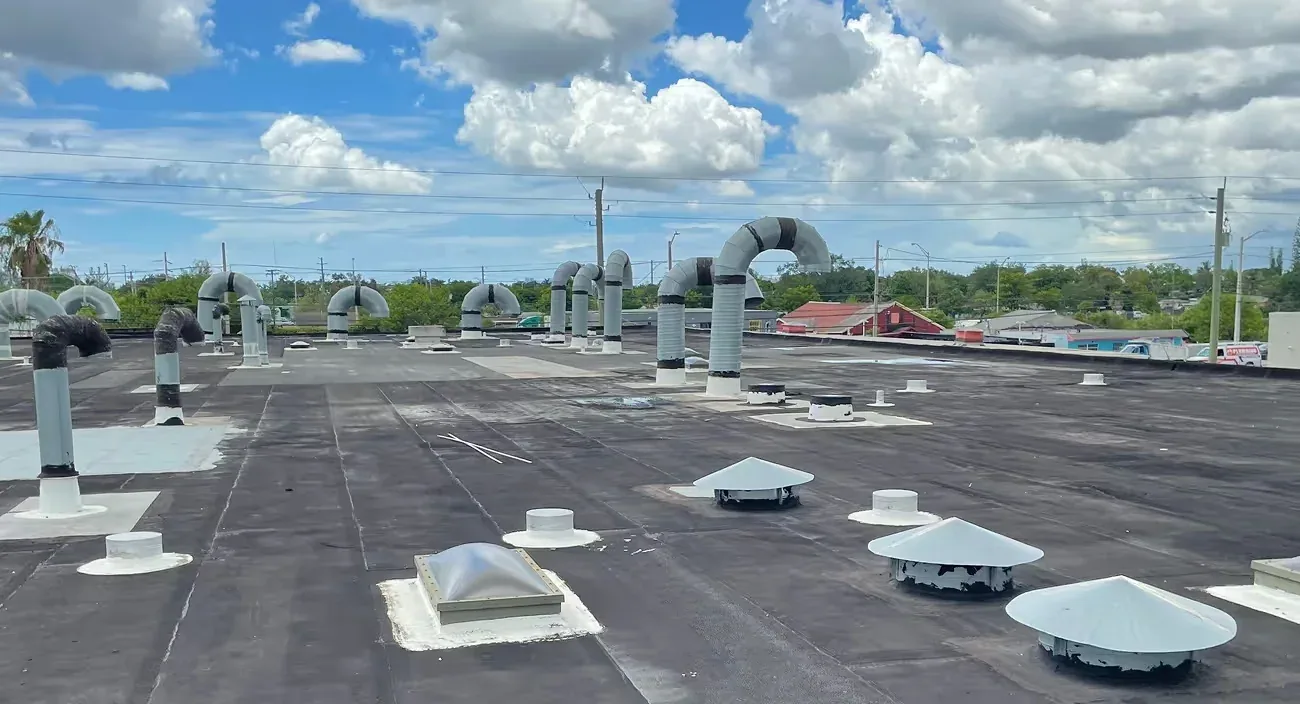
Where a panel run meets a skylight or equipment curb, we inspect the transition separately. A roof-opening review can coordinate the metal panel and curb flashing so neither trade leaves an exposed gap.
Installation planning: account for weather and site access
Metal panels and trim can be difficult to handle in wind. Ice, wet surfaces, or poor footing can also stop access. The crew checks current conditions and panel length, staging, lift capacity, and ground controls. Any weather hold includes the secured materials and affected roof area. We do not leave an open panel edge without a temporary closure.
For active facilities, the site contact identifies deliveries, truck routes, occupied doors, and production hours. At Crow Commerce Center, loading arrangements are confirmed with the property manager; each other site receives its own plan. We coordinate hot work or cutting controls where the project requires them.
New panel installation may change water discharge or edge height. The scope shows how the eave, ridge, valley, and penetrations will tie into adjacent construction. Drainage and snow-shedding paths should remain clear of entrances and equipment. Any change to structural framing or building drainage requires the appropriate design approval.
Maintenance: record exposed fasteners and repairs
Periodic checks should focus on fasteners, washers, panel laps, ridge and eave closures, flashing, gutters, and coating condition. Keep a roof map that distinguishes each panel type and repair date. A later contractor can compare current photos against prior observations rather than replace material based on a vague leak description. Note panel rows, exposed fastener type, and the direction of any visible displacement for repeat inspections.
Owners with multiple buildings near Northwest Business Park can track roof zones and work orders in a roof asset record. Site areas are not assembly records; list the building and panel system separately. After equipment work, confirm that each new penetration has an approved flashing and closeout photo.
Manufacturer instructions govern coating inspection and care. A contractor’s maintenance visit does not prove hidden fastener condition or replace structural review. The report should clearly state which areas were accessible.
Closeout: identify the selected metal-roof path
We document the repair areas, materials, fastener or flashing work, photographs, and any section left for future review. For a retrofit, records should include approved attachment details, product data, drainage transitions, and warranty information where issued. Open questions and excluded work remain visible for the owner’s next decision.
Share panel drawings, repair history, leak reports, roof access rules, equipment locations, and any structural review. We will verify the existing profile and explain whether repair, coating, or retrofit is supportable. The recommendation is specific to the metal roof in place and the project’s documented requirements.
Questions About Commercial Metal Roof Retrofit
Can a roof coating fix loose metal fasteners?
No. Fastener and panel movement need correction before a coating is considered. We inspect attachment and test surface compatibility before recommending restoration.
Can a membrane be installed over an exposed-fastener roof?
Potentially, with a designed attachment and verified support. Structural capacity, panel stability, insulation, drainage, and edge transitions must be reviewed first.
Why does a leak appear away from a screw?
Water can travel along ribs, laps, underlayment, or roof layers. We trace the route and document the likely entry point before setting a repair boundary.
Will new metal match the existing roof color?
An aged finish may not match current material. We confirm profile and available finish before ordering, then state any appearance difference in the proposal.
What records help plan a retrofit?
Provide panel plans, repair dates, known leaks, structural information, equipment locations, access rules, and any prior coating or over-roof documents.