Commercial Spray Polyurethane Foam Roofing in Elgin, IL
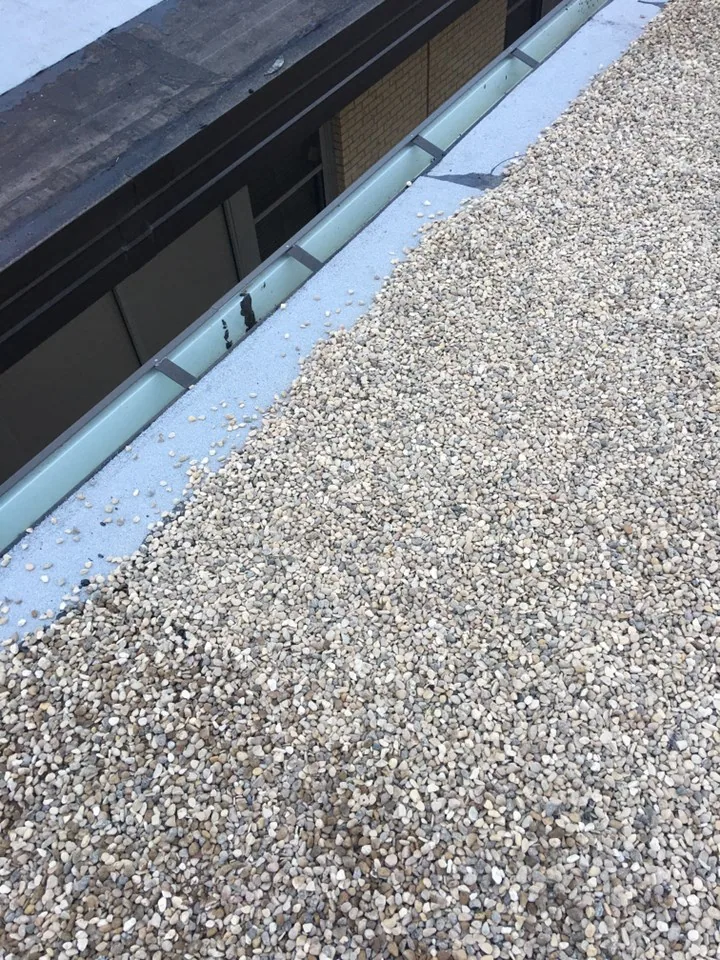
Inspect a spray foam roof
Provide roof plans, coating history, leak reports, drain locations, access contact, and any warranty documents. We will define the inspection and testing boundary.
Commercial Spray Polyurethane Foam Roofing
A spray polyurethane foam roof depends on both the foam and its protective coating. We inspect foam condition, coating wear, drainage, flashings, and previous repairs before recommending restoration. A worn surface does not by itself show whether the foam below is sound. Elgin’s rain, snow, and freeze cycles make water entry and ponding areas worth close review. The inspection identifies what is visible and where a test or further access is needed.
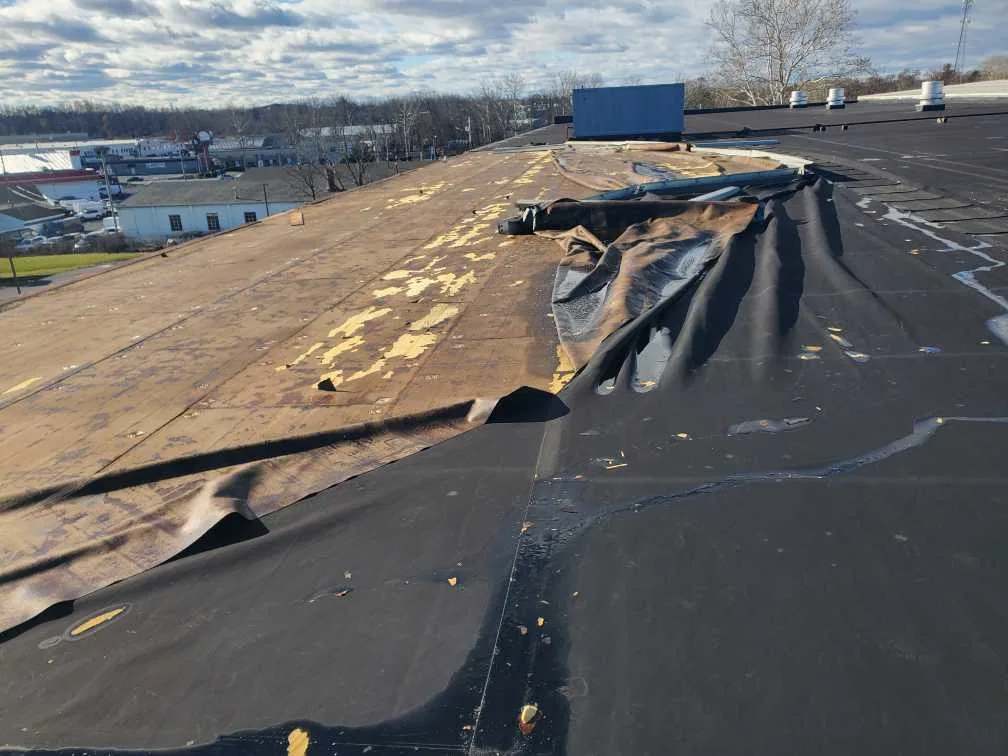
Foam condition: inspect surface and concealed areas
We look for exposed foam, erosion, impact damage, cracks, open joints, soft areas, and places where the coating has separated. Foam may retain a shape while moisture or a failed bond remains below. We record roof zone and dimensions where possible. If condition is unclear, the owner may authorize a small test area to assess the foam and substrate beneath the finish.
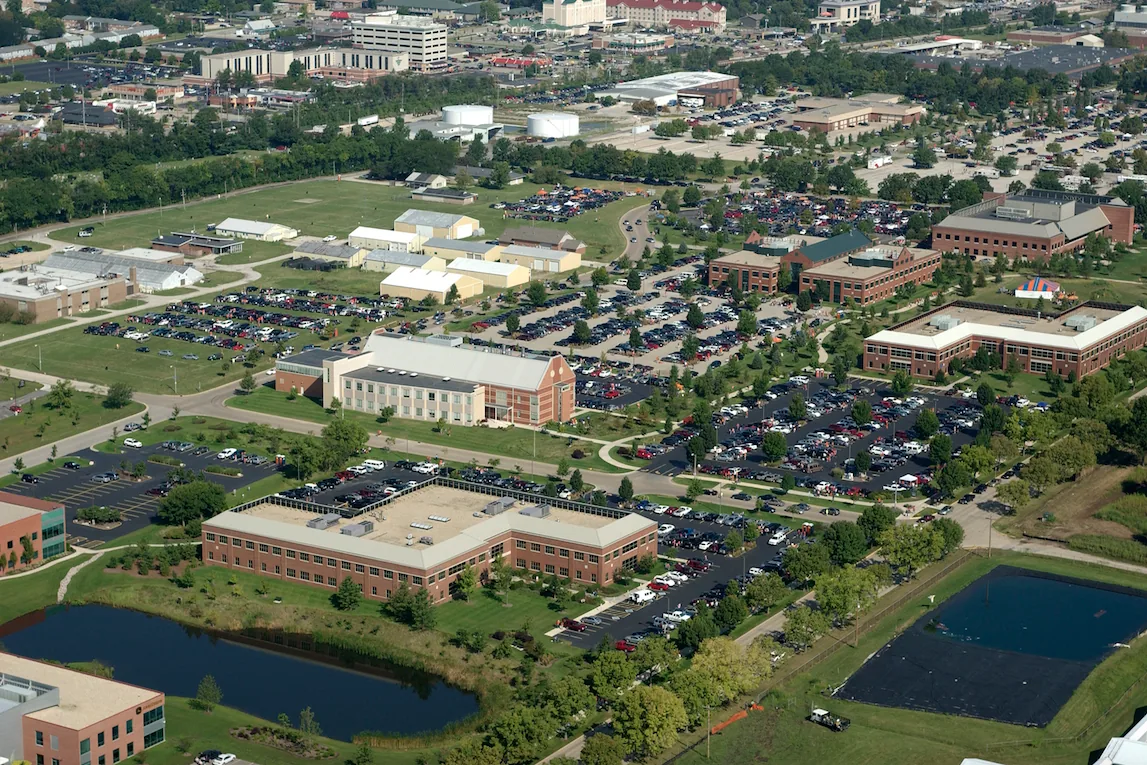
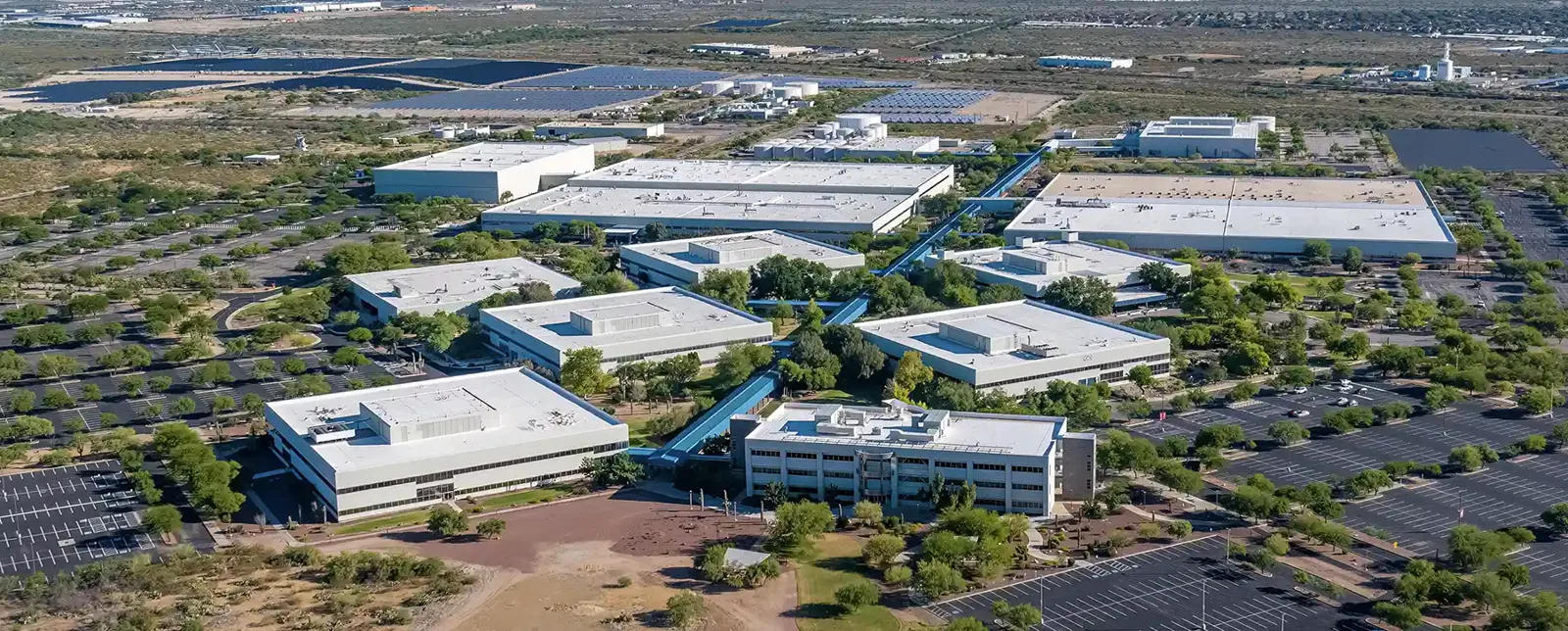
Spray foam often covers an older substrate or transitions across roof additions. Plans and repair records can help identify these layers. At Miller-Davis Research & Industrial Center or the Fox River Business Center, roof access and maintenance history differ from building to building. We inspect the specific structure and do not assume a shared roof history based on the district.
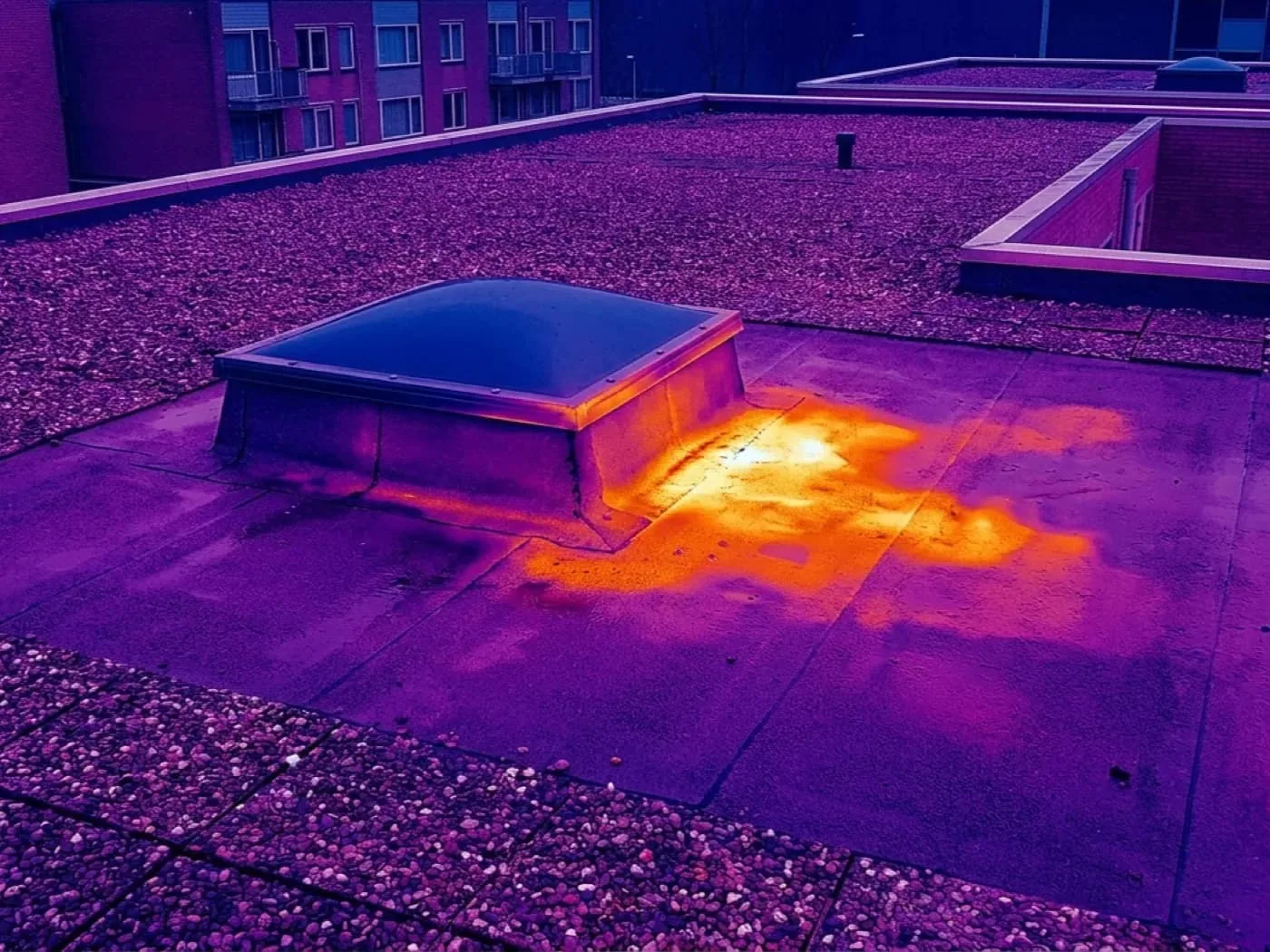
Moisture scanning may help locate suspect areas, but it cannot establish the complete boundary in every assembly. A targeted survey can guide approved verification. The report names scan limits and any proposed test cut before work begins.
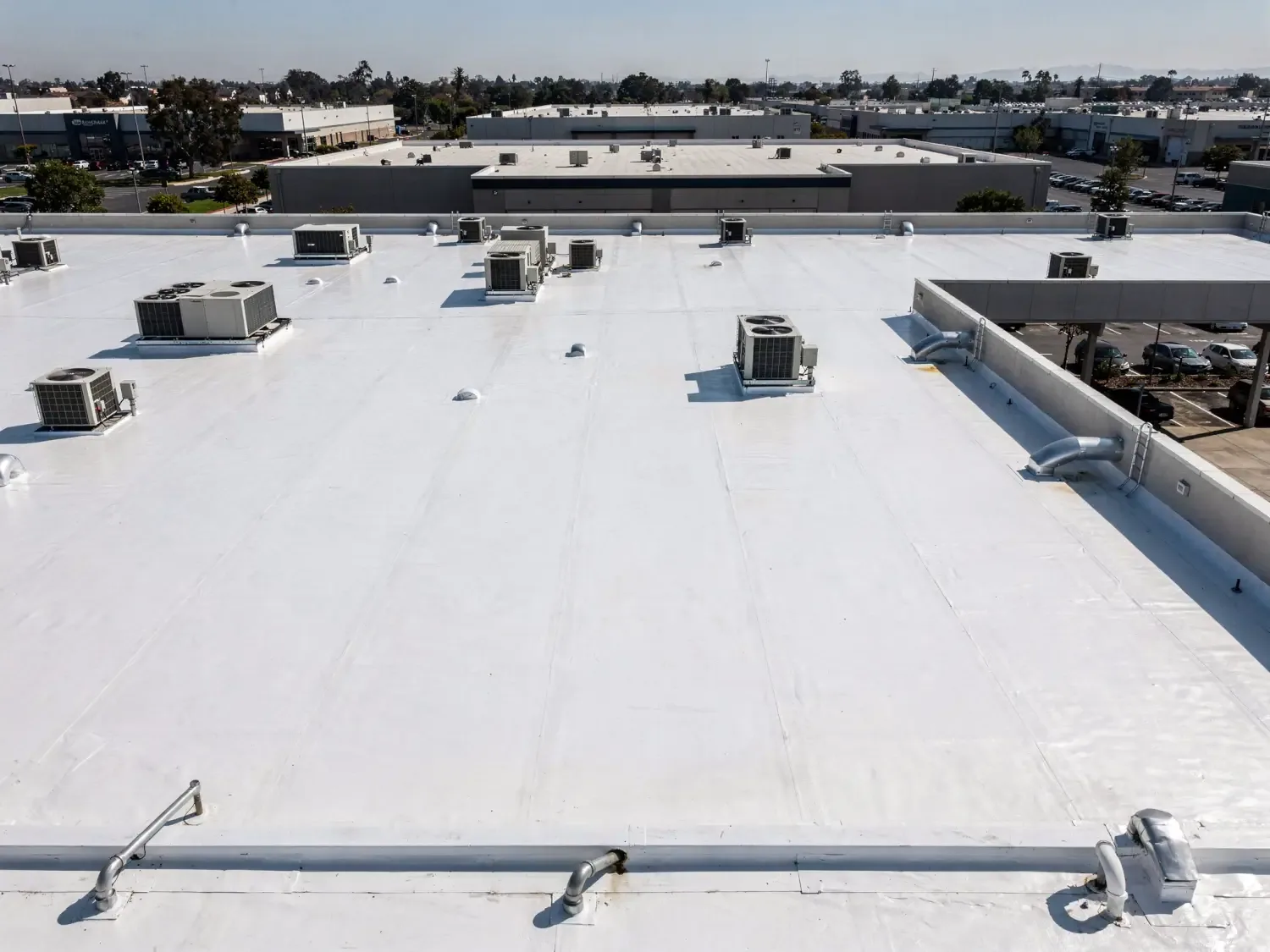
Protective coating: test adhesion and coverage
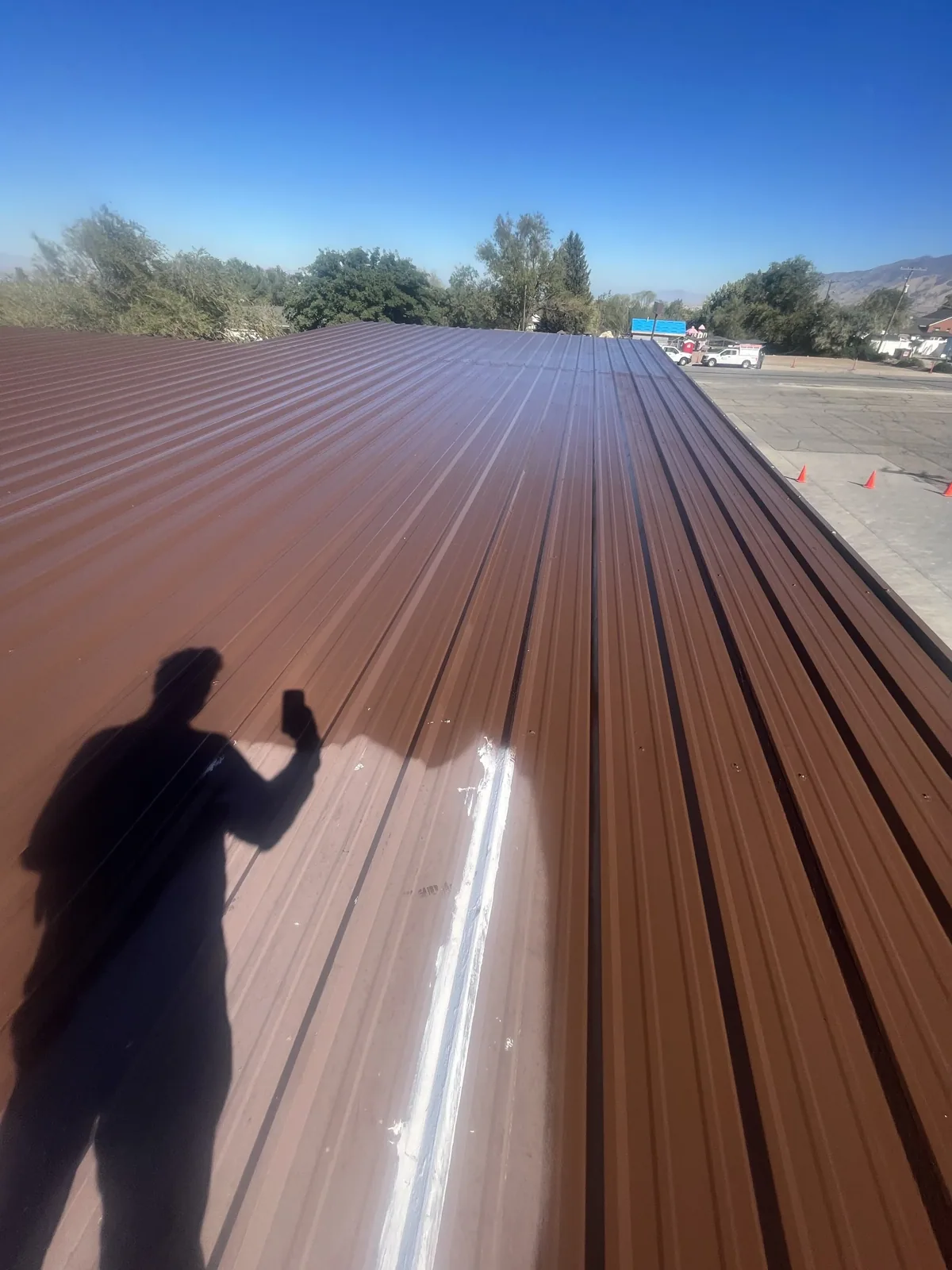
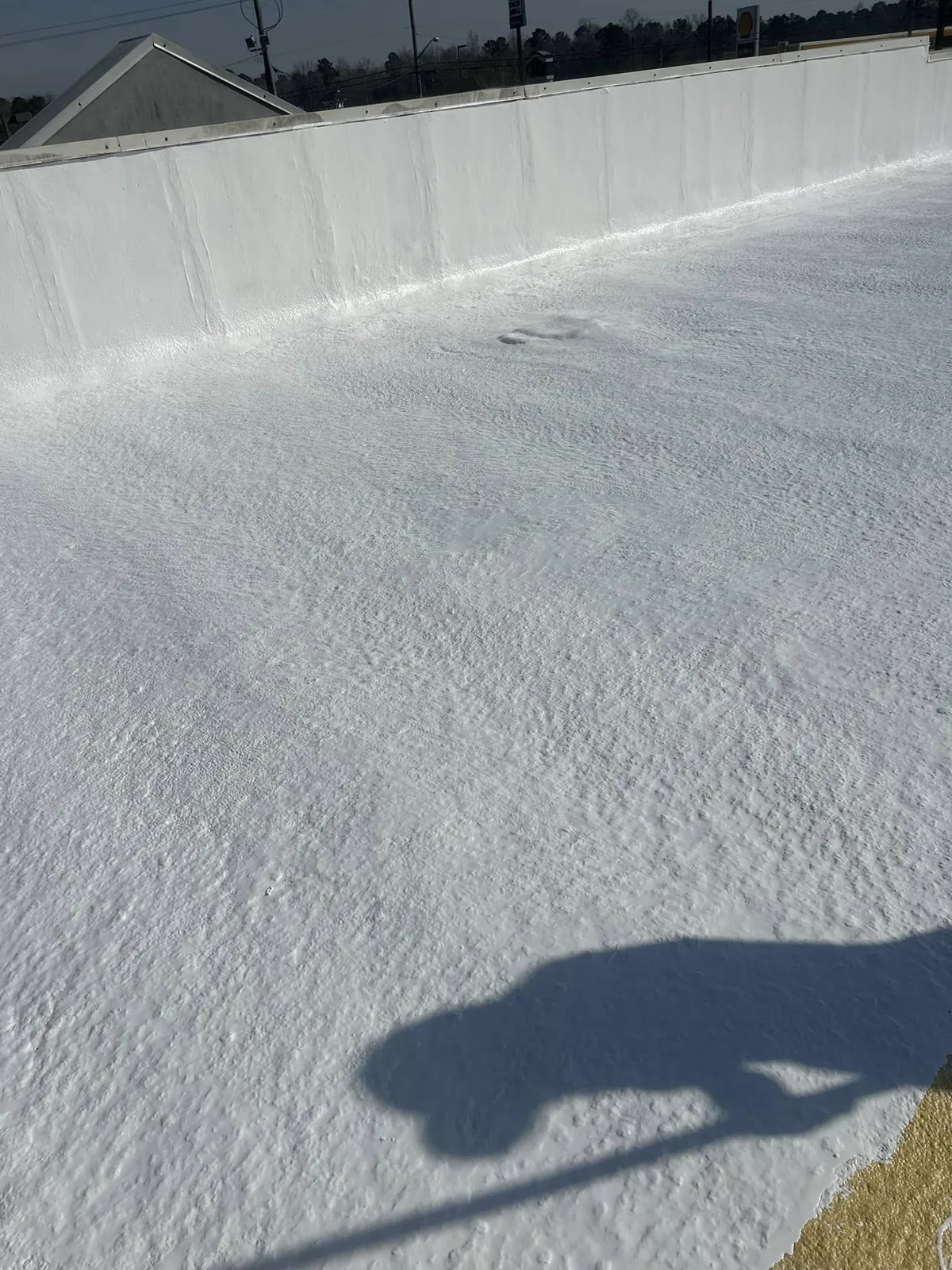
The coating shields foam from sunlight and weather. We check thickness where measurable, exposed areas, cracking, peeling, chalking, ponding marks, and previous touch-up work. The repair depends on coating chemistry and foam condition. A new layer should not cover wet or deteriorated foam, incompatible old material, or an unresolved roof opening.
Silicone, acrylic, and other coatings have different moisture, temperature, drainage, and recoat requirements. We identify the product if records are available and may recommend an adhesion test before pricing a broad application. An approved silicone system and an acrylic coating cannot be treated as interchangeable. The manufacturer’s data and the existing surface control selection.
Elgin receives around 29 inches of snow in a typical year. Snowmelt and overnight refreezing shape seasonal access, while current surface conditions control application. The crew may hold work when temperature, dew, rain, or wind falls outside product limits.
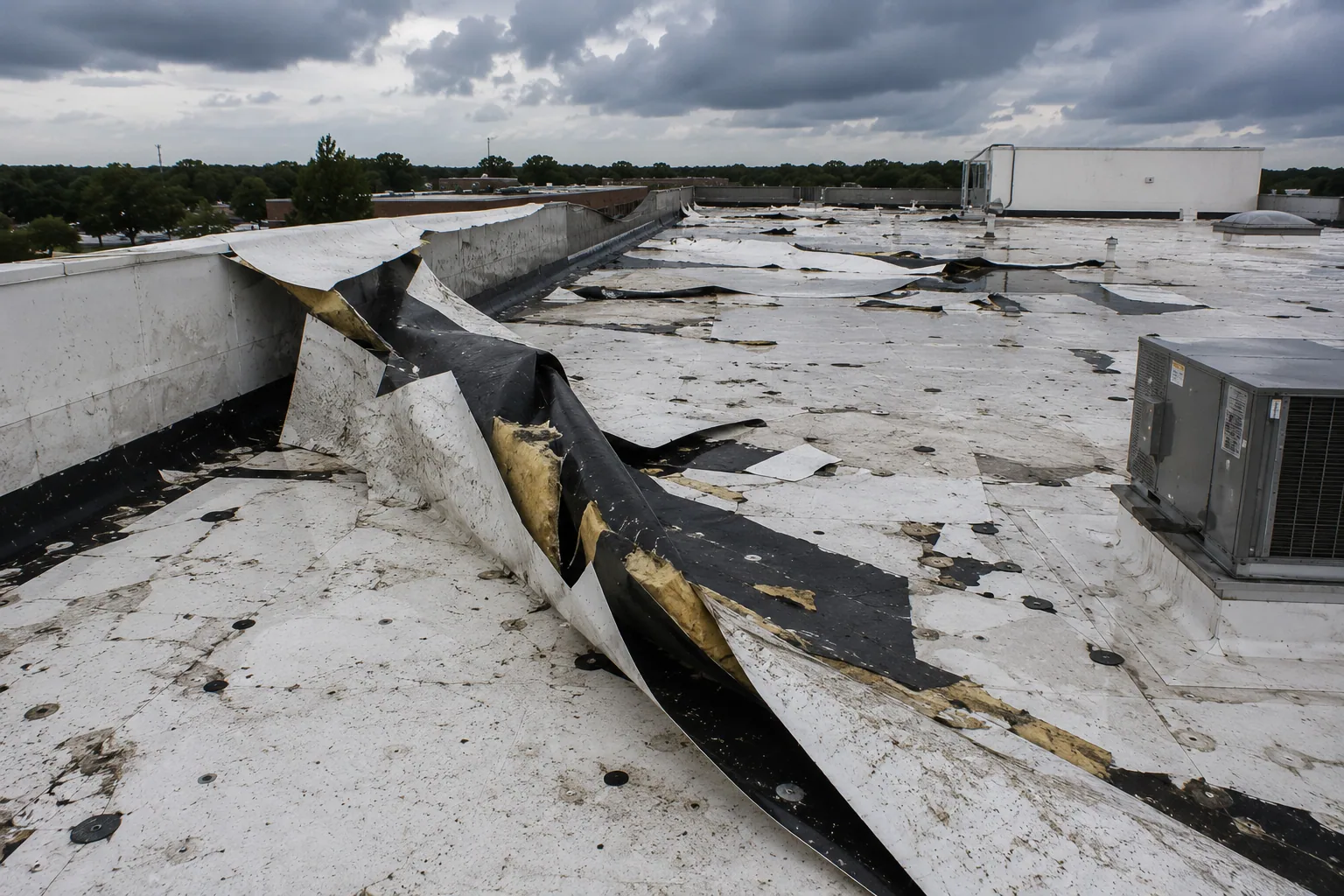
Drainage: correct water paths before recoating
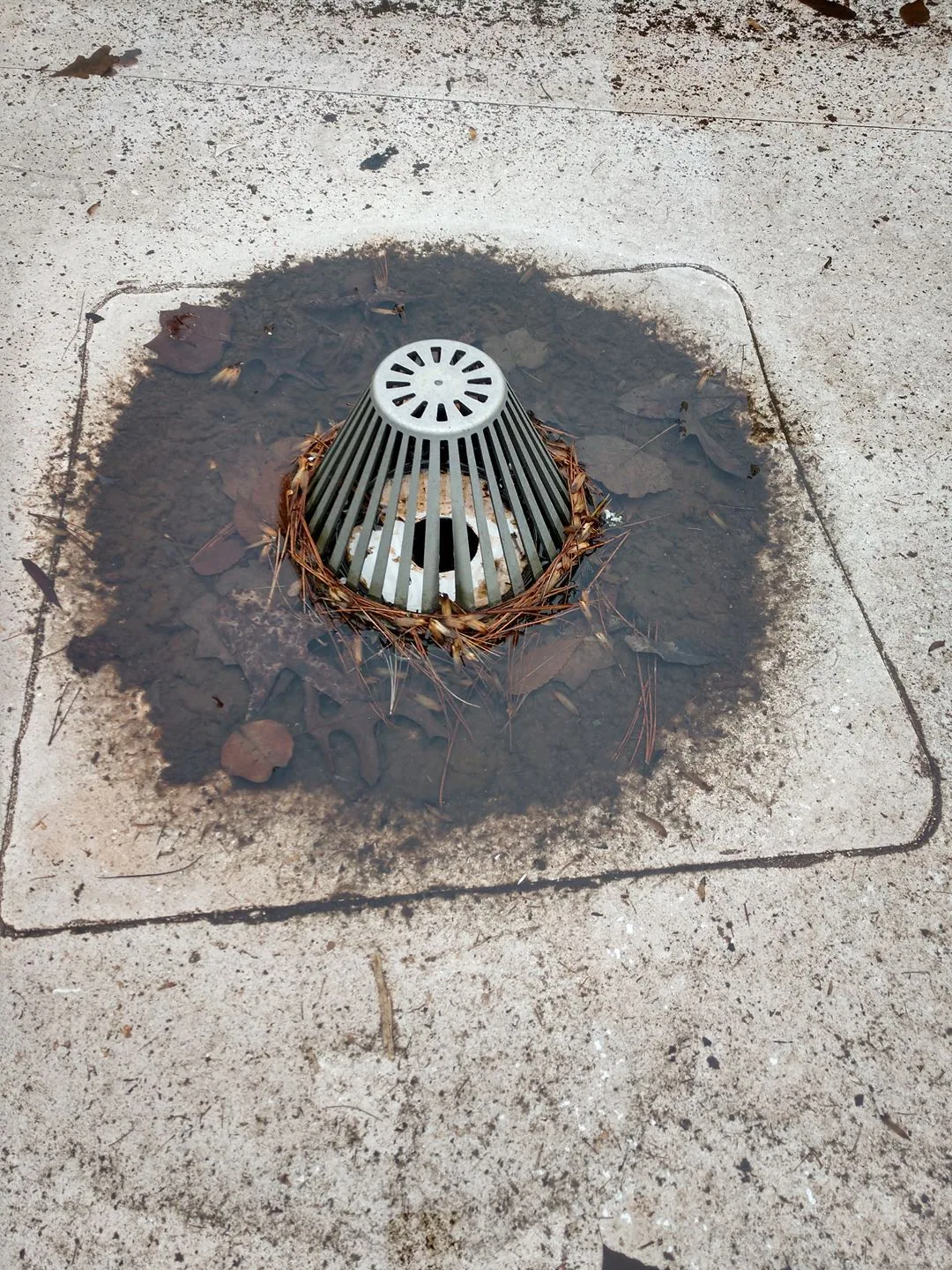
We inspect drains, scuppers, crickets, low spots, and transitions where water may collect. Ponding can shorten coating life if a product does not allow prolonged exposure. Foam shaping may direct water toward outlets, but a damaged or blocked drain needs separate work. We note the observed water line and return conditions after rain when a single inspection cannot show how long water remains.
Elgin receives roughly 37.76 inches of annual precipitation. That is useful context for roof drainage planning, not evidence that this foam roof has a ponding condition. We trace the outlet path and look for blocked strainers, separated membrane, or deformation. A drainage review can coordinate outlet repair with foam restoration.
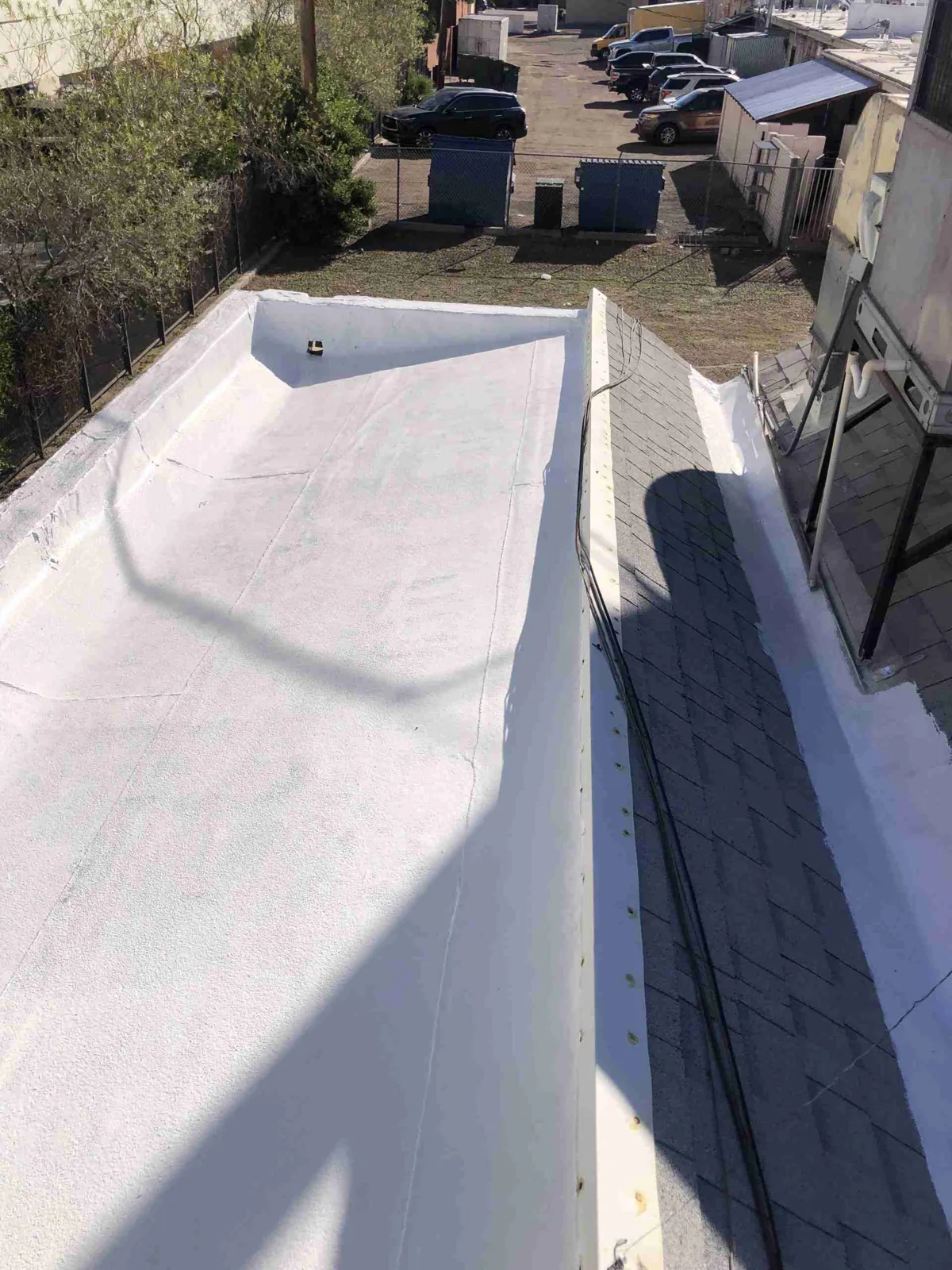
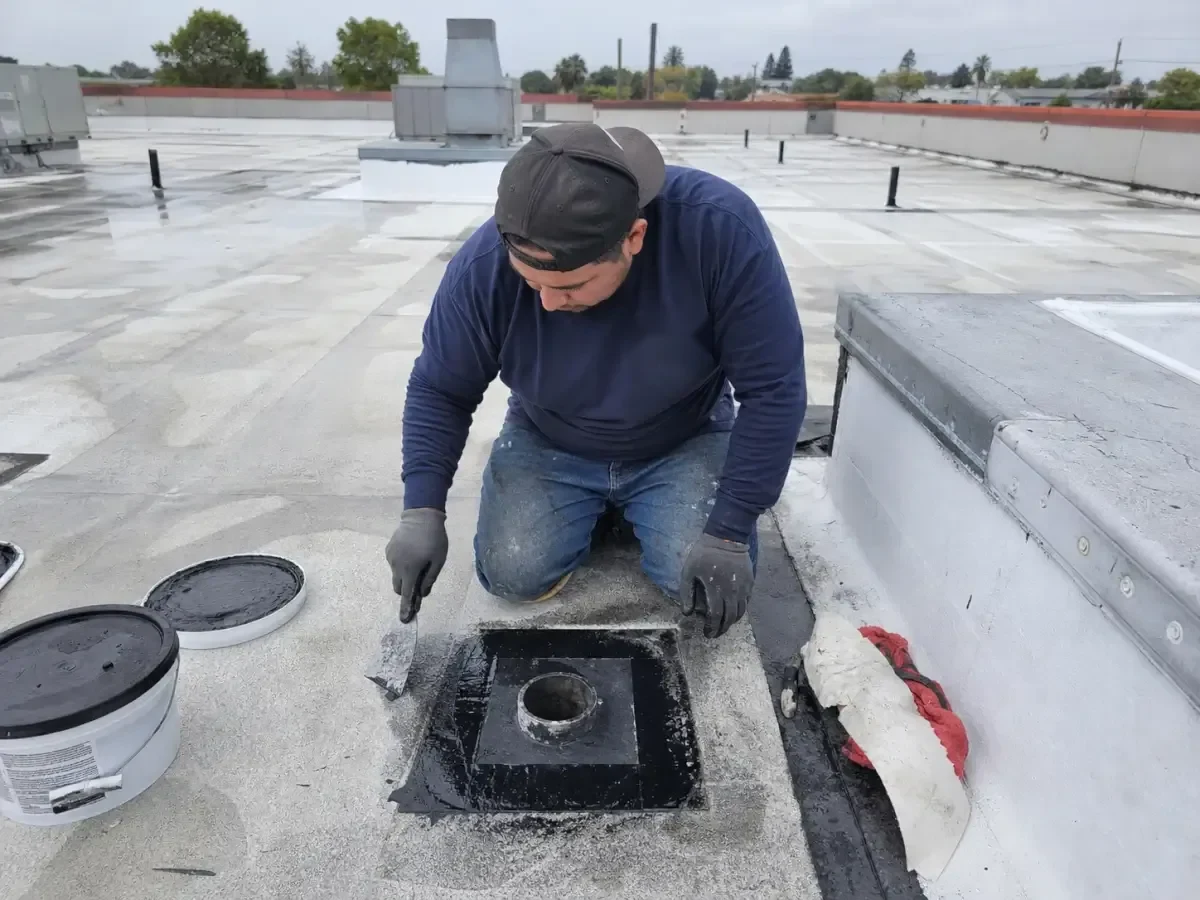
At parapets, curbs, and pipe supports, coating turns and terminations need compatible reinforcement. A penetration inspection can address details where foam meets a skylight or equipment base. We define these areas separately from the field coating.
Repair: restore the foam before the finish
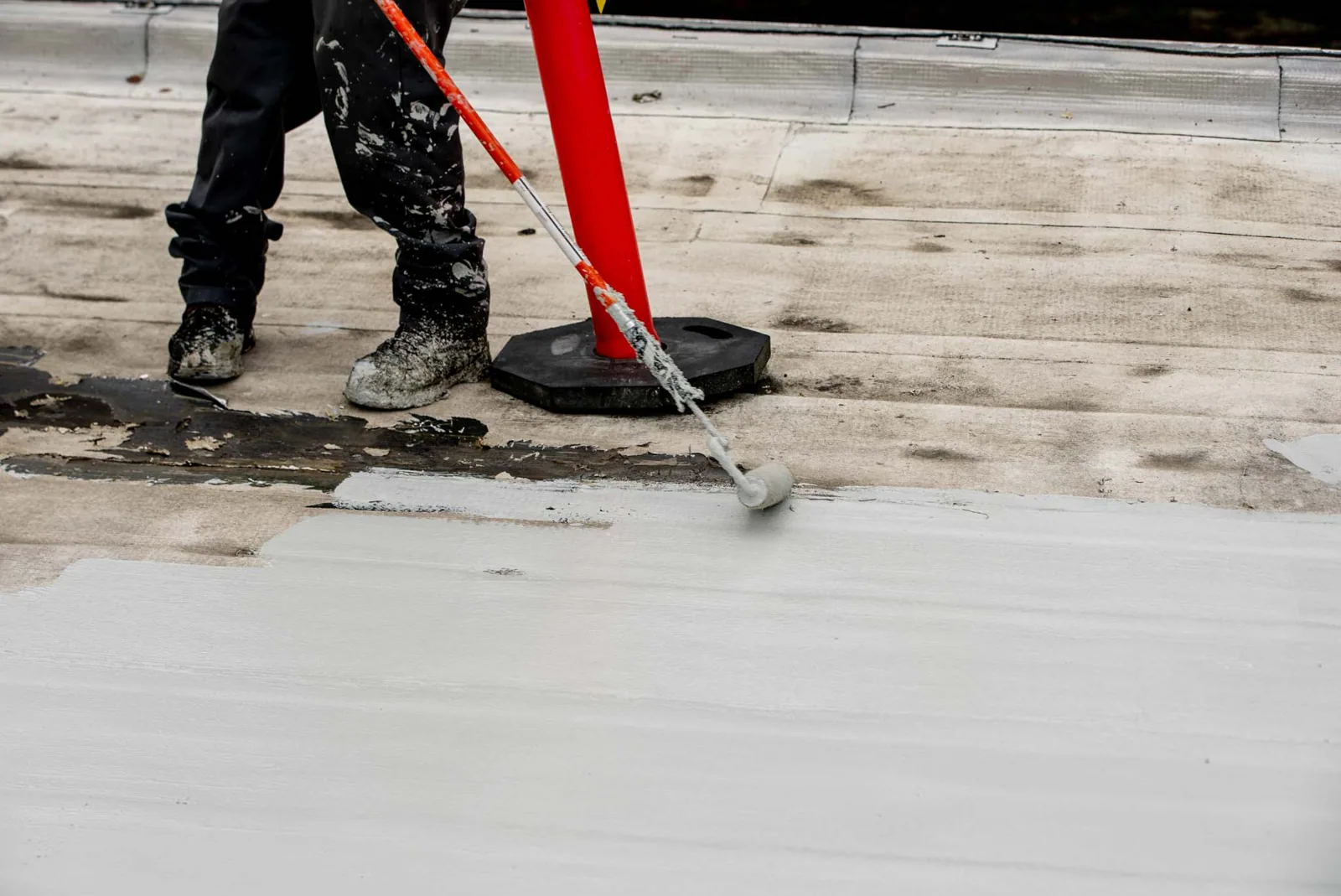
Localized repair may remove damaged coating, replace wet or deteriorated foam, reshape a small area, and install compatible protective layers. The proposal describes removal limits, new foam depth where specified, transition preparation, coating, and cure. If the damage extends beyond a visible crack, the owner receives a photo and approval request before the boundary expands.
Foam application requires trained installers, controlled mixing, ventilation planning, and protection for nearby equipment and air intakes. The site contact identifies occupied spaces and any sensitive operations. We set a work zone, material staging, and daily shutdown process. The roofing scope does not change building ventilation or mechanical settings without owner authorization.
Where the surface is broadly worn but foam remains sound, a coating restoration assessment can compare preparation and recoat options. If foam is wet or unstable across large areas, replacement or a different assembly may be necessary. A patch or coating cannot correct failed substrate conditions.
Restoration or replacement: compare verified conditions
Restoration may suit isolated coating wear when tests support adhesion and the foam remains dry and stable. Replacement may be more appropriate when moisture, erosion, or separation is widespread. We compare repair areas, substrate, drains, equipment, and warranty requirements. The owner sees assumptions and exclusions for each option.
Recovering an existing foam roof depends on its current profile, existing coatings, roof edges, and approved system. A new membrane may require preparation and attachment details different from a recoat. An assembly review can set out alternatives where inspection supports a broader project.
Elgin’s official code list includes a locally amended 2021 International Building Code and the 2024 Illinois Energy Conservation Code for commercial work. The design team confirms applicable permits and energy requirements. We provide product data for our scope and do not treat a foam layer as proof of code compliance.
Maintenance: preserve coating and inspection access
Maintenance includes checking coating wear, exposed foam, penetrations, drains, edge transitions, and repairs from other trades. Keep rooftop traffic to designated paths. A tool or dropped material can cut the finish and expose foam. Document every new penetration and coordinate compatible flashing before mechanical work starts.
A warranty record can track product requirements, inspections, repairs, and notices. Keep the product name and recoat history available. A service visit should identify which areas were reviewed and any inaccessible locations. The owner can schedule follow-up after severe weather or when a leak report changes.
In Northwest Business Park, roof operations can vary by tenant and building. We confirm site access and staging before inspection. The maintenance recommendation follows the actual assembly, not the business park name.
Closeout: mark restored and excluded areas
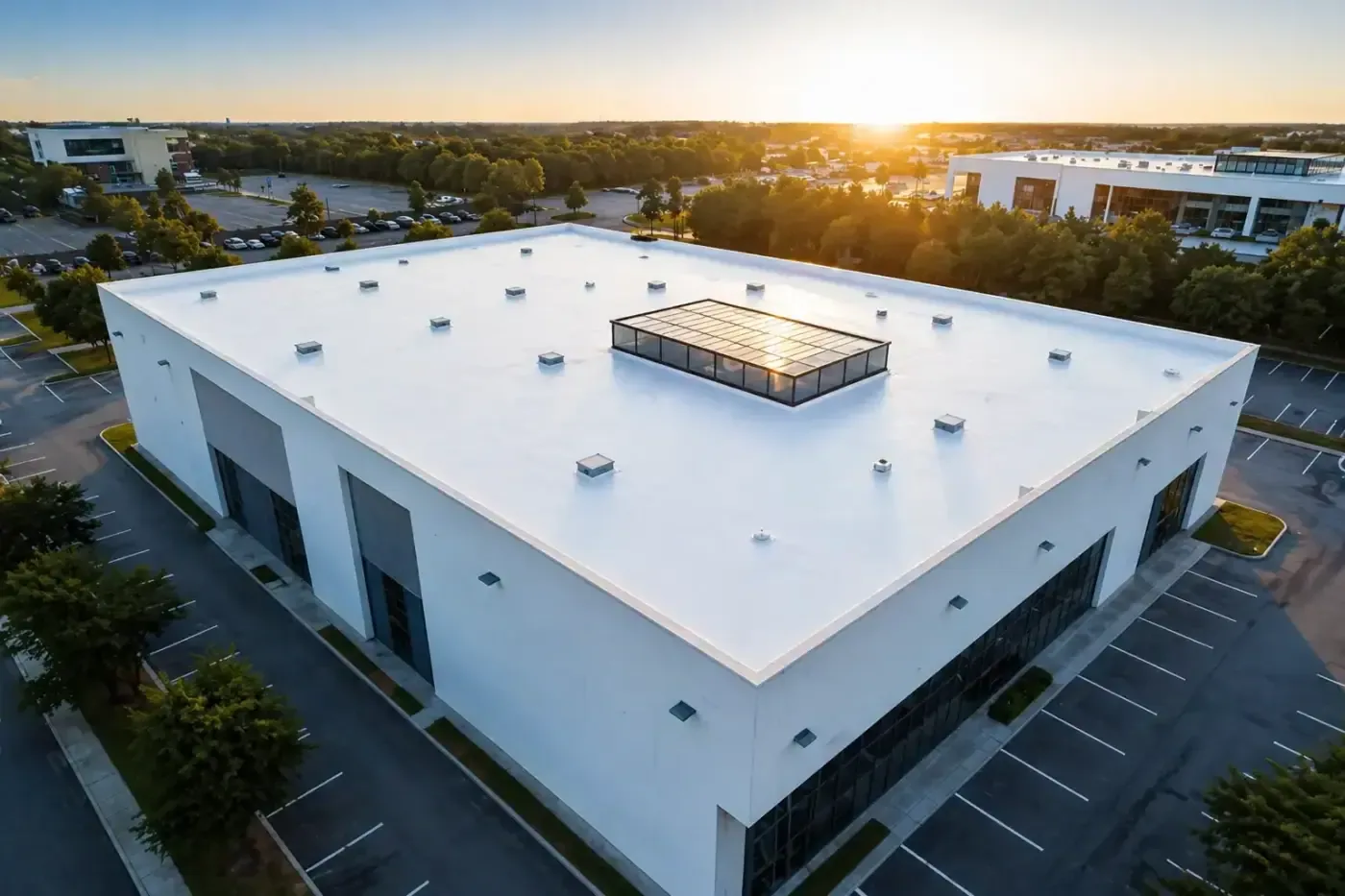
We provide photos of prepared foam, repaired zones, coating coverage, and transitions where accessible. The closeout identifies product data, application areas, cure limitations, and any excluded section. If tests were performed, records state location and method. The owner receives maintenance notes and any manufacturer or warranty paperwork issued for the project.
Send plans, coating records, prior repairs, leak locations, drain notes, access rules, and building-use restrictions when requesting service. We will confirm whether inspection, adhesion testing, or a test cut is needed. The final recommendation distinguishes a sound foam base from areas that still require investigation.
Questions About Commercial Spray Polyurethane Foam Roofing
Can you coat over any existing spray foam roof?
No. The foam and existing finish must be dry, stable, compatible, and prepared for the selected coating. Testing may be needed before a broad application.
How do you know whether foam is wet below the coating?
Visual review or scanning can identify suspect areas. A test opening may be required to verify concealed layers, and the owner approves its location first.
Which coating is best for SPF?
Product compatibility, drainage, existing coating, temperature, and warranty details determine the choice. We compare manufacturer data instead of selecting by chemistry name alone.
Can a coating correct ponding on a foam roof?
A coating does not change roof shape or clear a blocked outlet. We inspect low areas and drainage first, then determine whether foam reshaping or separate drain work is needed.
What should I provide for an SPF roof review?
Share coating and repair records, roof plans, leak history, drain locations, access rules, and any product warranty. We will verify the roof before recommending restoration.